



20 Dams That Transformed Entire Regions Forever
Before dams, many of the world's most important rivers operated entirely on nature's terms. Seasonal floods could enrich farmland one year and devastate entire communities the next. Water shortages, droughts, and unpredictable river flows often limited population growth, agricultural production, and economic development. For centuries, civilizations adapted to rivers rather than controlling them. The story of modern dams begins with humanity's determination to change that relationship and turn some of the world's most powerful waterways into engines of development.
The impact of major dams extended far beyond the structures themselves. New farmland emerged in previously dry regions, industries gained access to dependable electricity, and cities expanded into areas that had once been considered unsuitable for large-scale development. Reservoirs created new transportation corridors, fishing industries, and economic opportunities. In some regions, the presence of a dam fundamentally changed where people lived, worked, and invested, permanently altering local and national economies. Fundamentally, there are tradeoffs with each dam but normally it is a net positive. Here, History Computer is exploring how these major achievements in engineering reshaped entire regions.
Here is a look at the dams that reshaped entire regions:
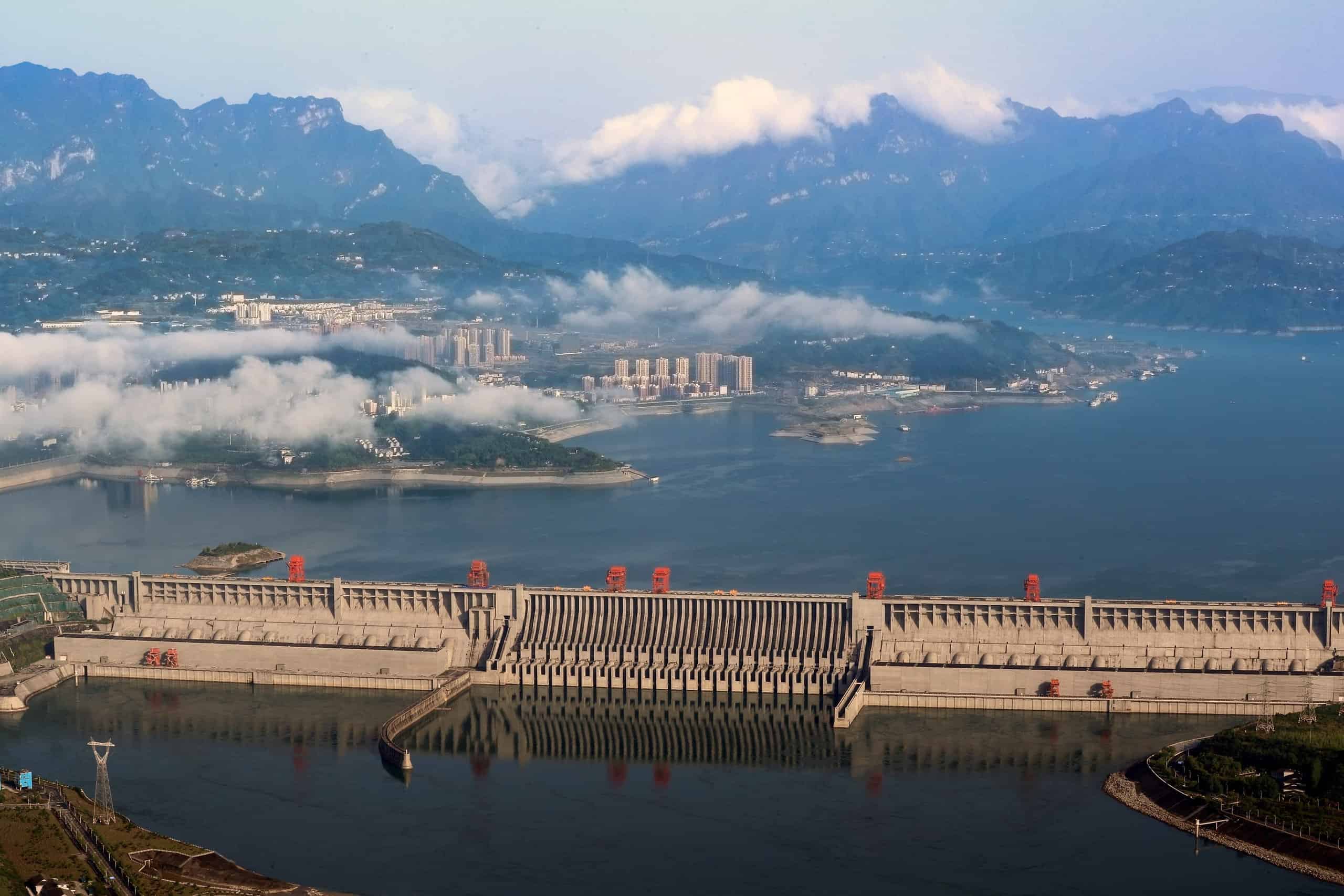
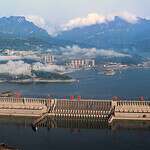
Three Gorges Dam
- Country / River System: China / Yangtze River
- Completed: 2012
- Before the Dam: Frequent flooding, limited inland navigation, uneven regional development
- Regional Transformation: Flood control, major hydroelectric generation, expanded shipping, accelerated regional economic growth
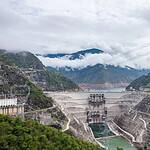
The Three Gorges Dam represents one of the most ambitious attempts in human history to reshape a river system. For centuries, flooding along the Yangtze brought both prosperity and devastation to central China. The dam was built to control those floods, improve navigation, and generate enormous quantities of electricity for a rapidly industrializing nation. Entire towns were relocated, millions of people were displaced, and landscapes that had existed for centuries disappeared beneath the reservoir. Supporters view it as a cornerstone of China's economic rise, while critics point to environmental damage and social costs. Regardless of perspective, few infrastructure projects have altered a region's economy, geography, and daily life on such a massive scale.
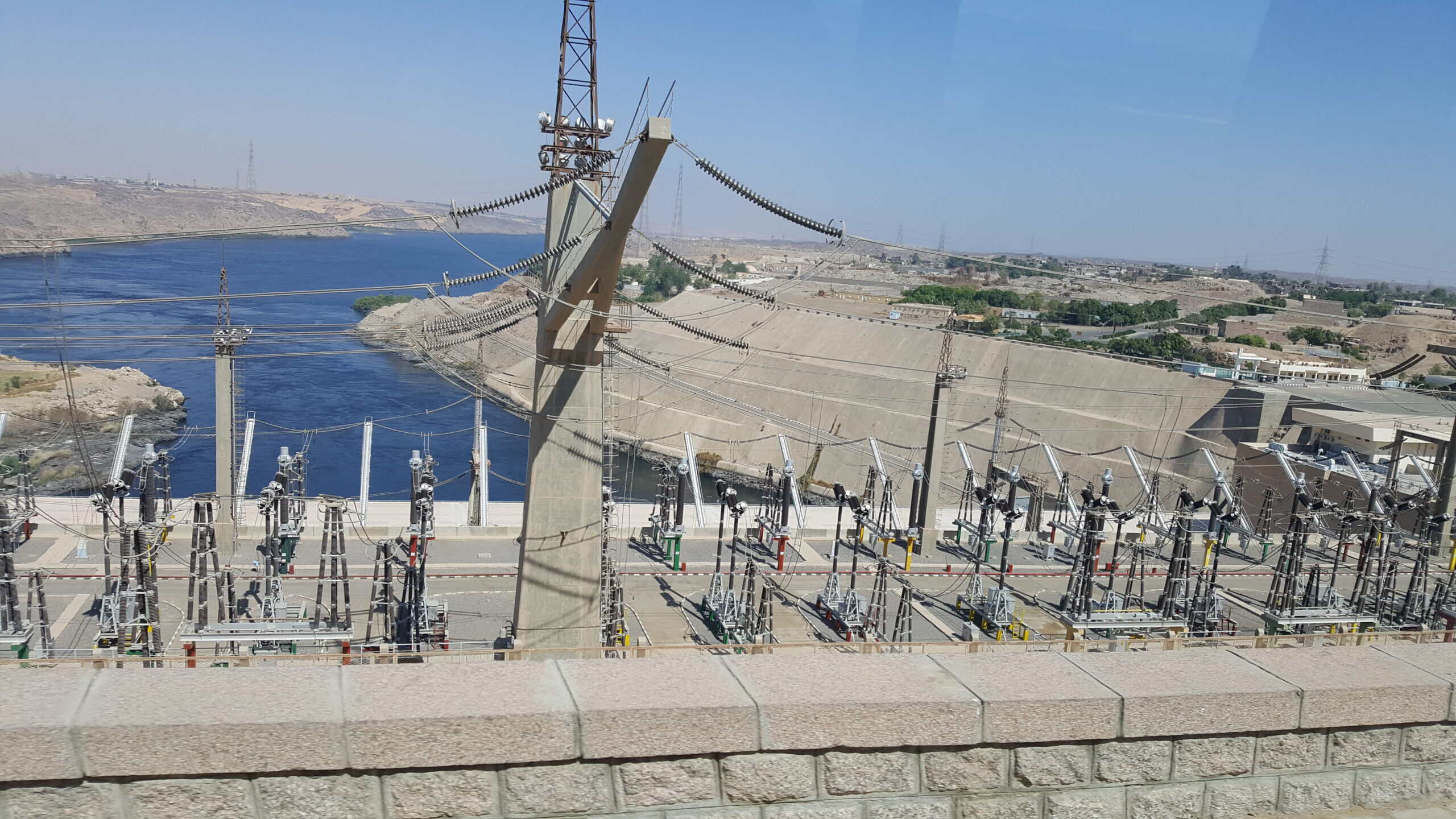
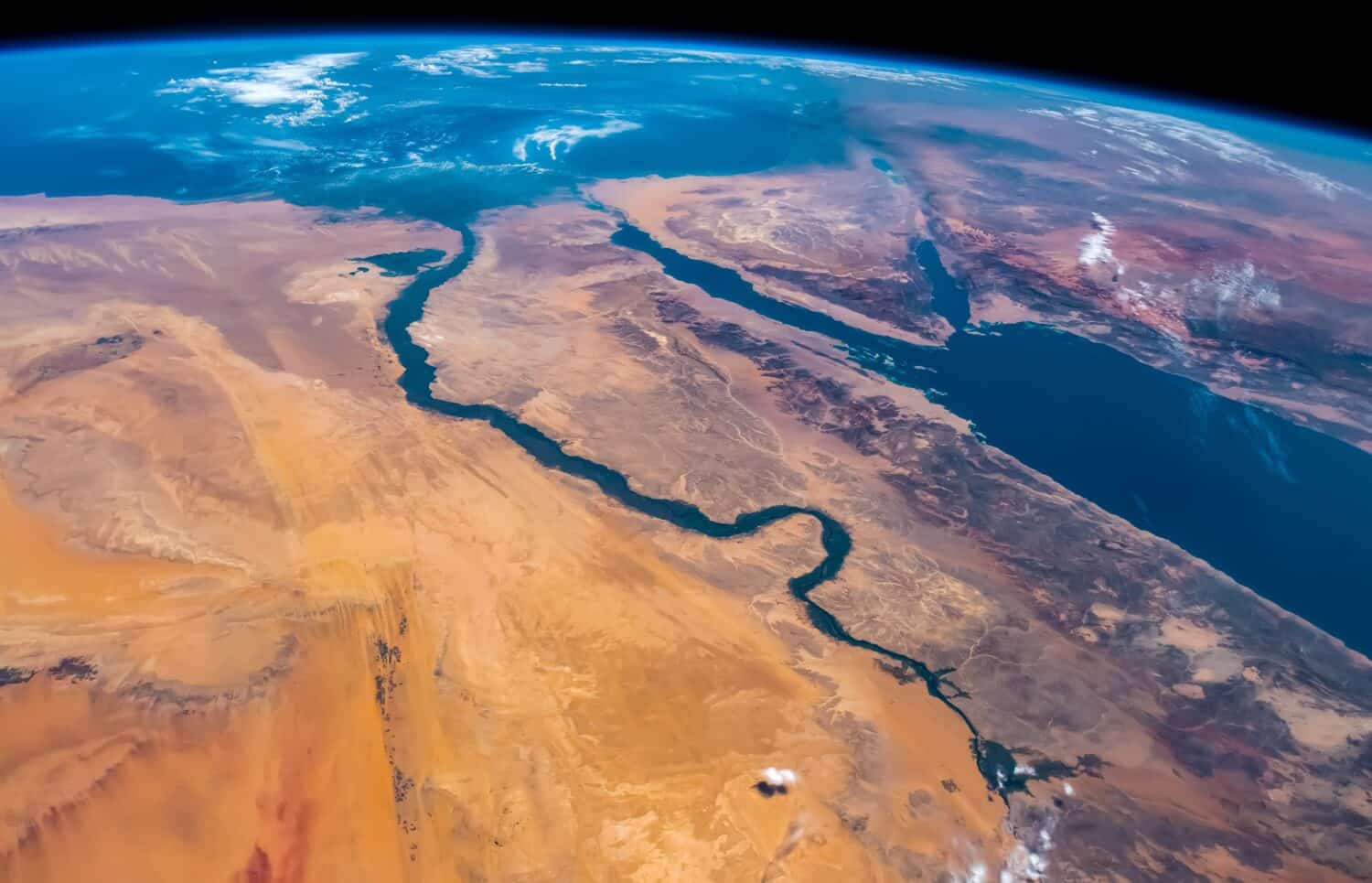
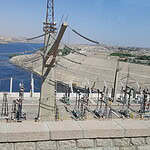
Aswan High Dam
- Country / River System: Egypt / Nile River
- Completed: 1970
- Before the Dam: Seasonal Nile flooding dictated agriculture and water availability
- Regional Transformation: Year-round irrigation, flood control, electrification, agricultural expansion
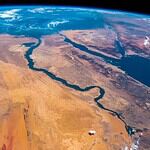
For thousands of years, Egyptian civilization depended on the annual flooding of the Nile. While those floods replenished farmland, they also created uncertainty and occasionally brought disaster. The Aswan High Dam fundamentally changed that relationship by placing control of the river in human hands. The project allowed Egypt to store water, expand irrigation, and generate electricity for a growing population. Farms could produce crops year-round instead of relying on seasonal flooding patterns. The dam also became a symbol of post-colonial modernization and national independence. Although it altered ecosystems and reduced the flow of nutrient-rich silt downstream, its impact on Egypt's development remains profound and enduring.
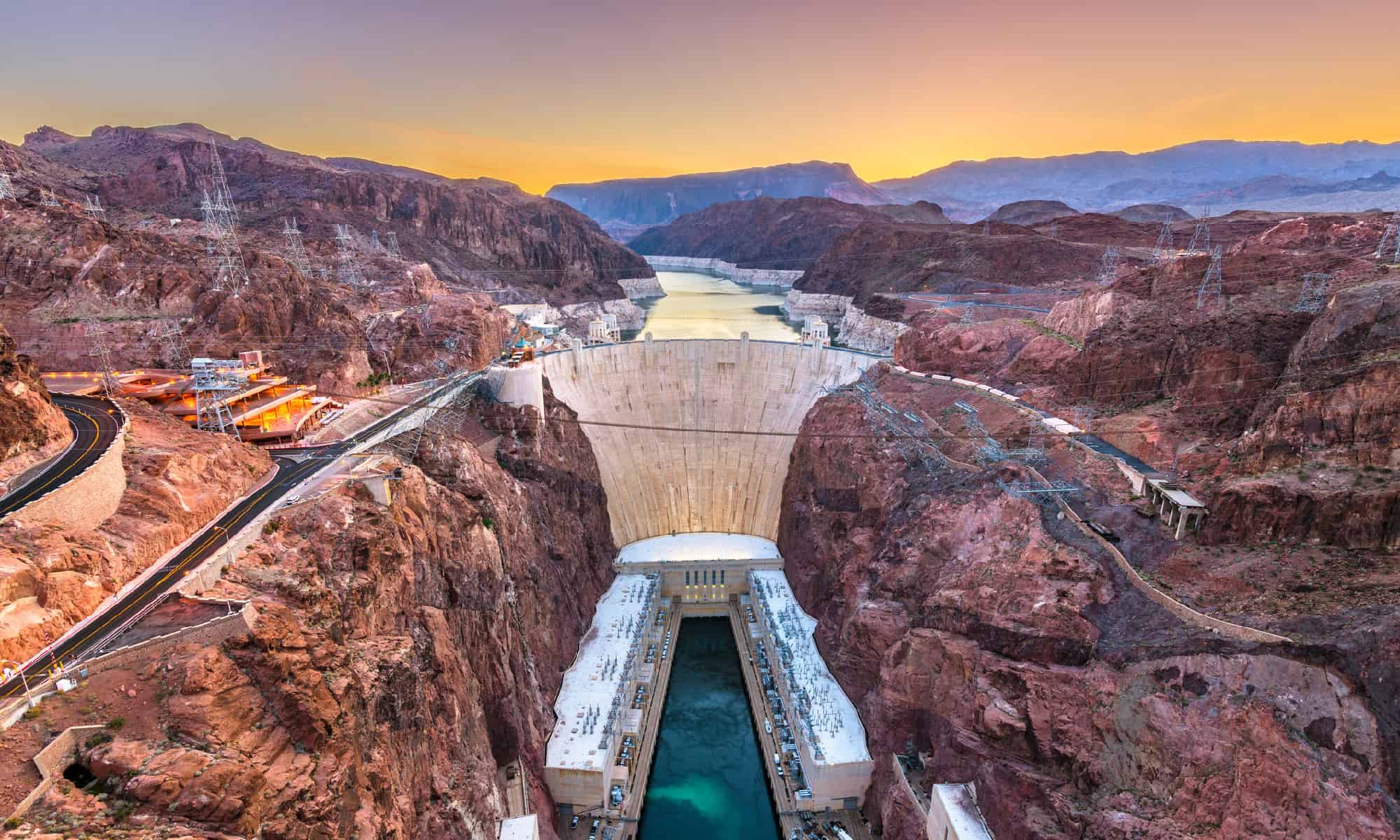
Hoover Dam
- Country / River System: United States / Colorado River
- Completed: 1936
- Before the Dam: Unpredictable river flows, water shortages, limited desert development
- Regional Transformation: Urban growth, irrigation, hydroelectric power, regional water security
When Hoover Dam was completed during the Great Depression, it transformed what many considered an inhospitable corner of the American West. The Colorado River had long been unpredictable, bringing floods one year and shortages the next. By controlling the river, the dam provided reliable water and electricity to a region that would later experience explosive growth. Cities such as Las Vegas, Phoenix, and Los Angeles benefited directly from the stability it created. Beyond its practical value, Hoover Dam became a symbol of American engineering and federal ambition. The project helped make large-scale settlement, agriculture, and industry possible across vast portions of the arid Southwest.
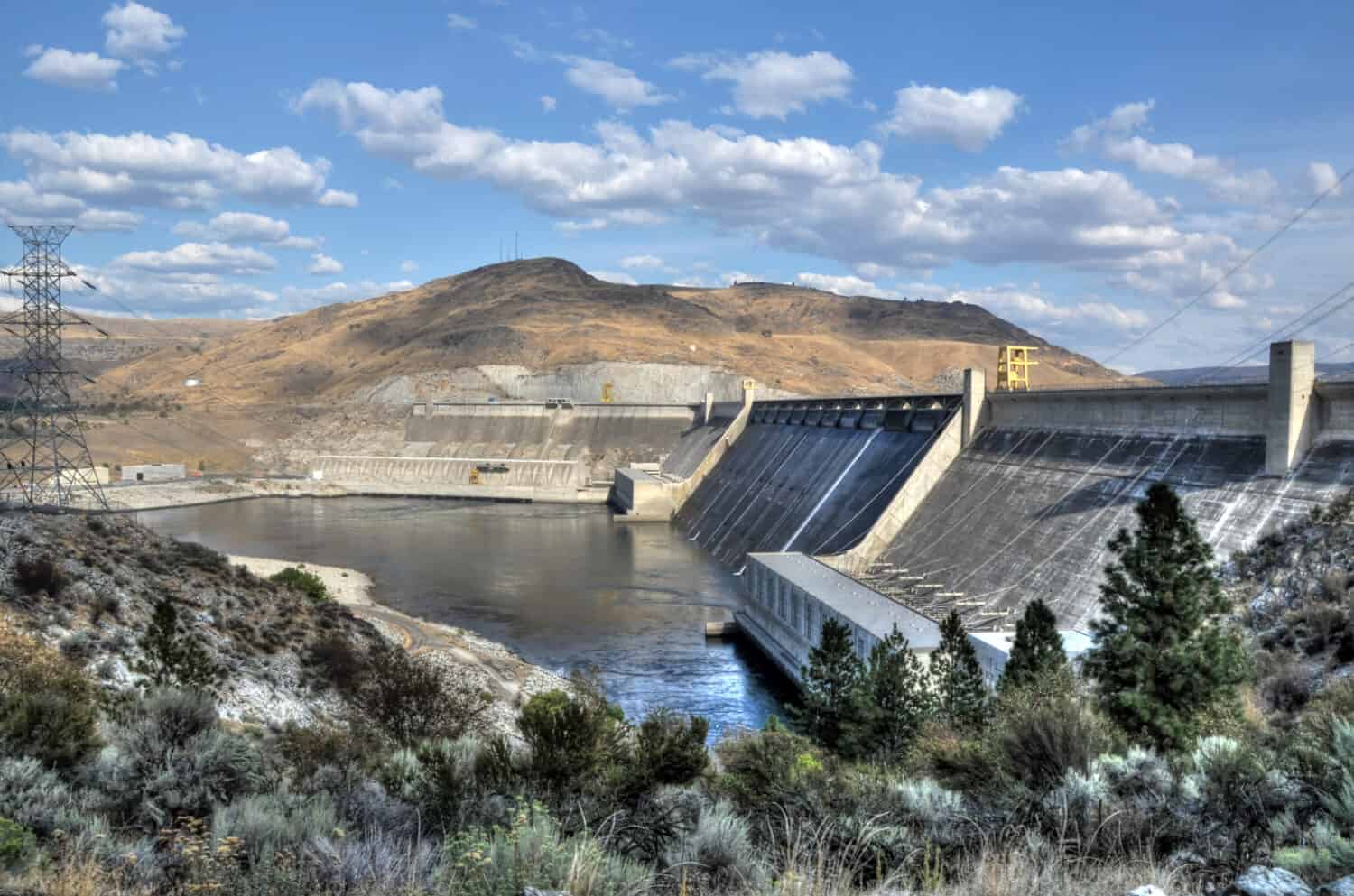
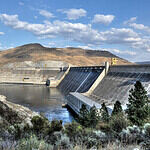
Grand Coulee Dam
- Country / River System: United States / Columbia River
- Completed: 1942
- Before the Dam: Large areas of arid land and limited electrical capacity
- Regional Transformation: Agricultural transformation, industrial growth, electrification
Grand Coulee Dam reshaped the Pacific Northwest more thoroughly than perhaps any other infrastructure project in the region's history. Built during the New Deal era, it supplied electricity to wartime factories, supported economic expansion, and enabled the Columbia Basin Project to irrigate previously dry land. Areas once considered marginal for farming became some of the most productive agricultural regions in North America. The dam also demonstrated the growing role of government-led infrastructure in economic development. While it significantly affected salmon migration and local ecosystems, its influence on agriculture, industry, and population growth continues to define the modern Pacific Northwest.
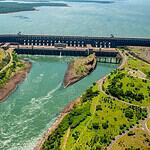
Itaipu Dam
- Country / River System: Brazil-Paraguay / Paraná River
- Completed: 1984
- Before the Dam: Growing energy demand and underdeveloped hydroelectric potential
- Regional Transformation: Massive power generation, industrial growth, regional integration
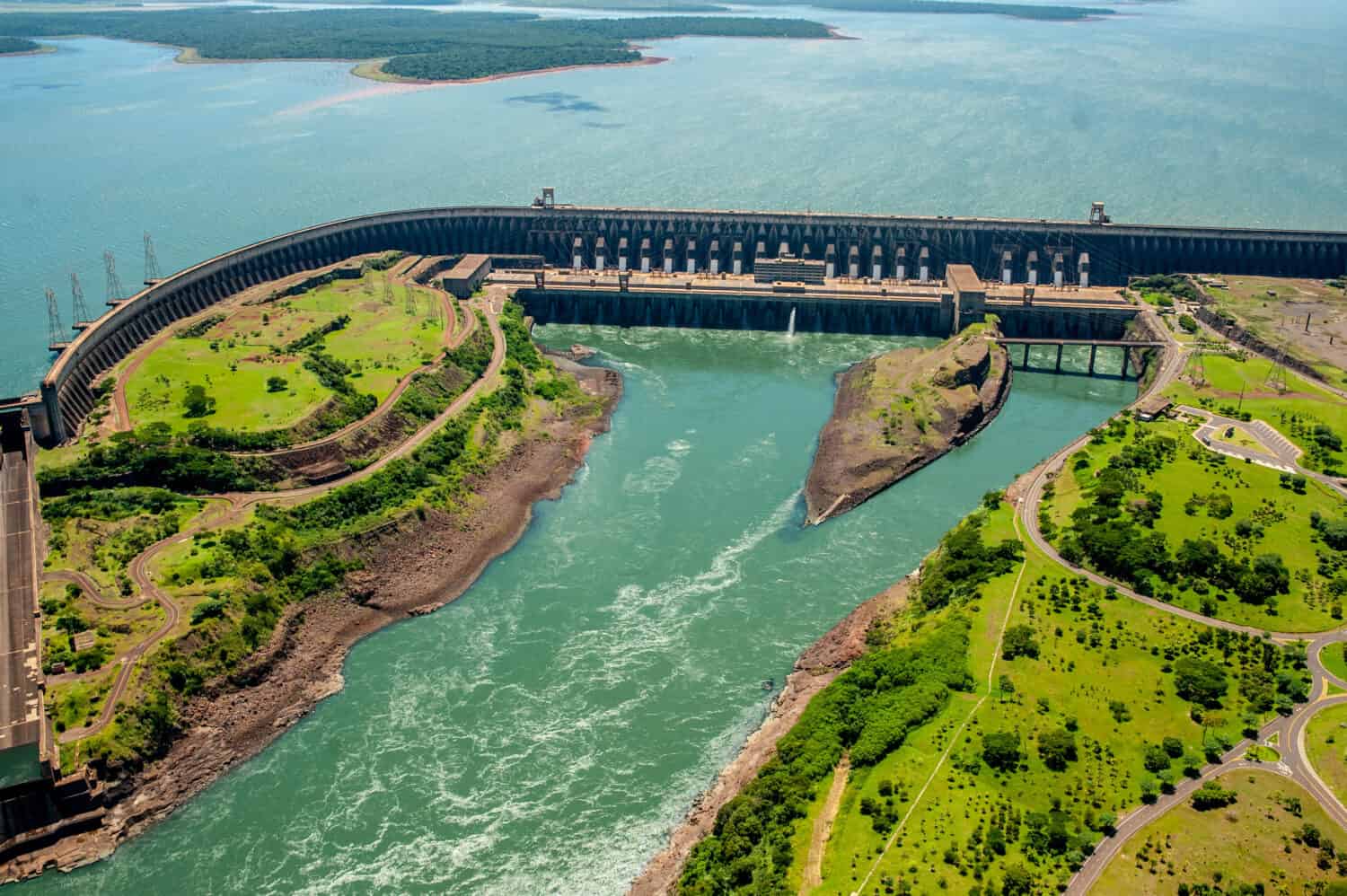
Straddling the border between Brazil and Paraguay, Itaipu Dam transformed both nations in ways that extended far beyond power generation. For Paraguay, the project became an economic lifeline, producing more electricity than the country could consume and creating a valuable export industry. For Brazil, Itaipu supplied critical energy during periods of rapid industrial growth. The reservoir changed local geography, displaced communities, and submerged natural landmarks, yet it also fostered economic integration between the two countries. Few hydroelectric projects have had such a significant impact on bilateral relations and regional development. Itaipu stands as a reminder that infrastructure can reshape both landscapes and national fortunes.
Akosombo Dam
- Country / River System: Ghana / Volta River
- Completed: 1965
- Before the Dam: Limited electrification and transportation infrastructure
- Regional Transformation: Creation of Lake Volta, power generation, economic development
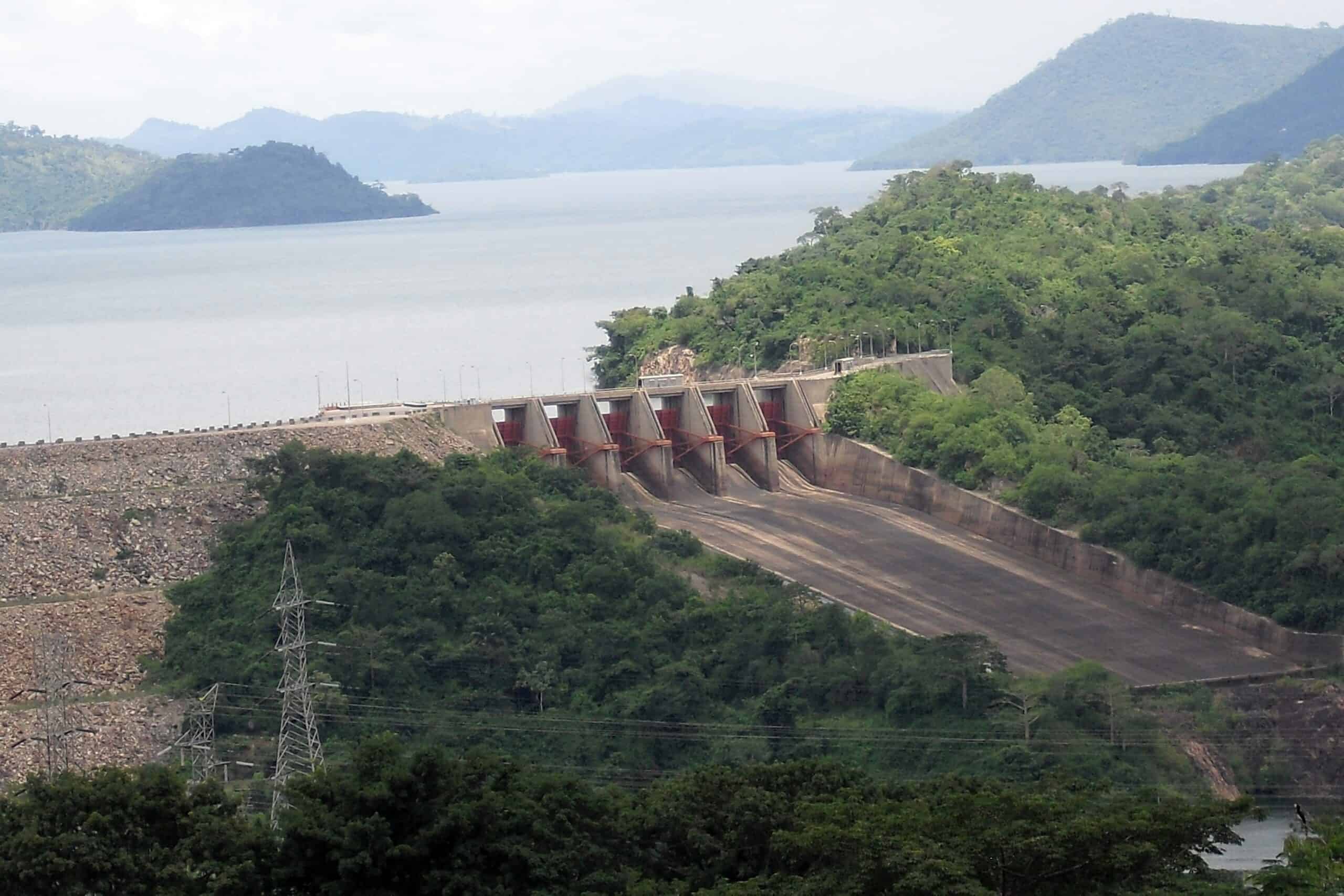
The construction of Akosombo Dam created Lake Volta, one of the largest artificial lakes in the world, and permanently changed Ghana's geography. Prior to the project, many regions lacked reliable electricity and transportation connections. The dam supplied power for industrial development and expanded access to electricity throughout the country. The new lake created opportunities for fishing, shipping, and commerce while also requiring the relocation of thousands of residents. Akosombo became central to Ghana's vision of modernization during the post-independence era. Decades later, the reservoir remains one of the country's defining geographic features and a cornerstone of its energy infrastructure.
Kariba Dam
- Country / River System: Zambia-Zimbabwe / Zambezi River
- Completed: 1959
- Before the Dam: Limited regional power generation capacity
- Regional Transformation: Large-scale electrification and economic development
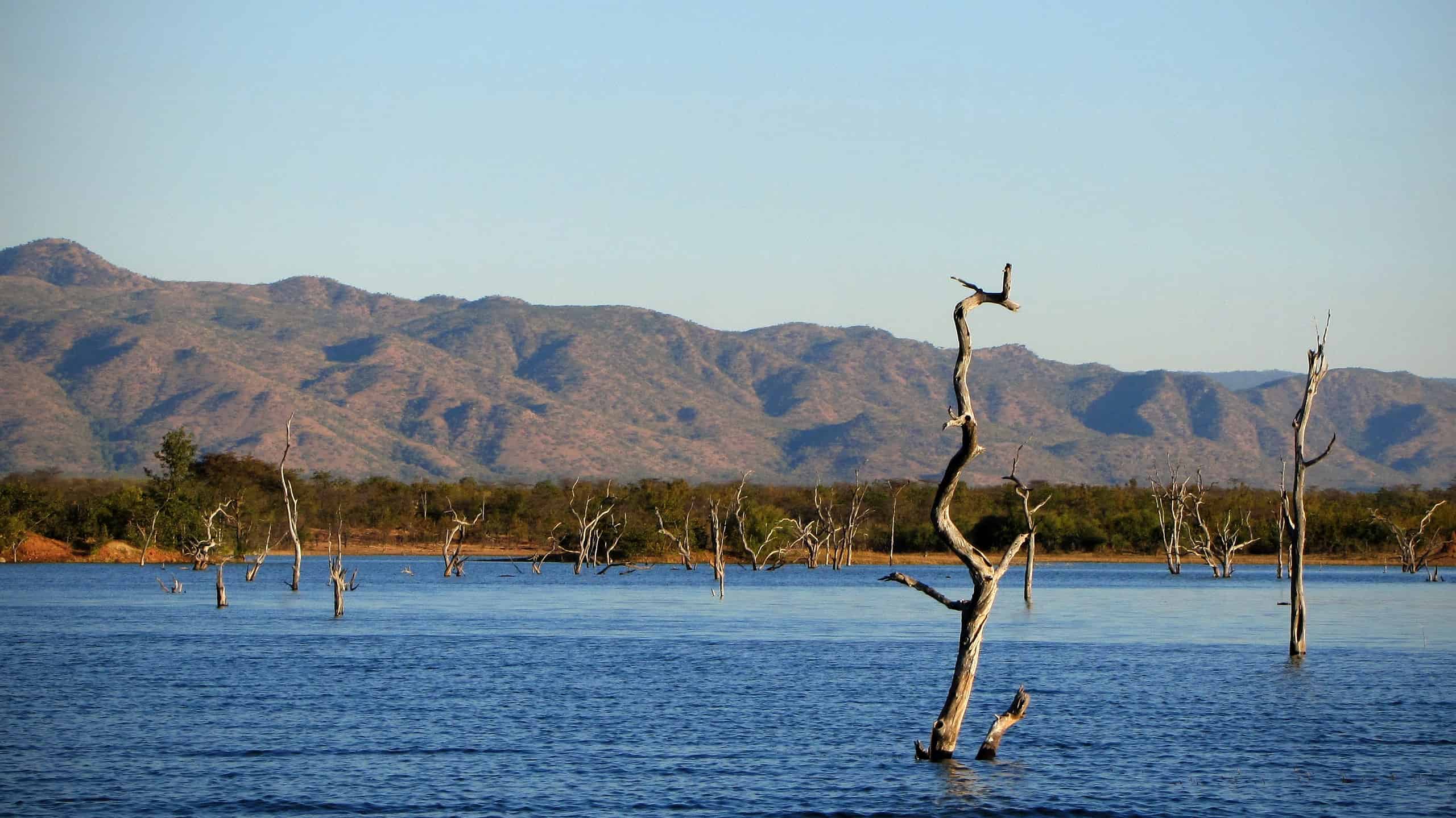
Kariba Dam fundamentally altered the Zambezi River and became one of the most important energy projects in southern Africa. Built during the colonial era, it created a massive reservoir that changed local ecosystems and displaced communities that had lived along the river for generations. The dam's hydroelectric power became critical to the economies of both Zambia and Zimbabwe, supporting mining operations, urban growth, and industrial development. Its creation highlighted both the promise and challenges of large-scale infrastructure projects. Kariba's legacy remains visible today through its influence on regional energy security, economic development, and environmental management across southern Africa.
Bhakra Dam
- Country / River System: India / Sutlej River
- Completed: 1963
- Before the Dam: Water shortages and inconsistent agricultural yields
- Regional Transformation: Irrigation expansion, Green Revolution support, power generation
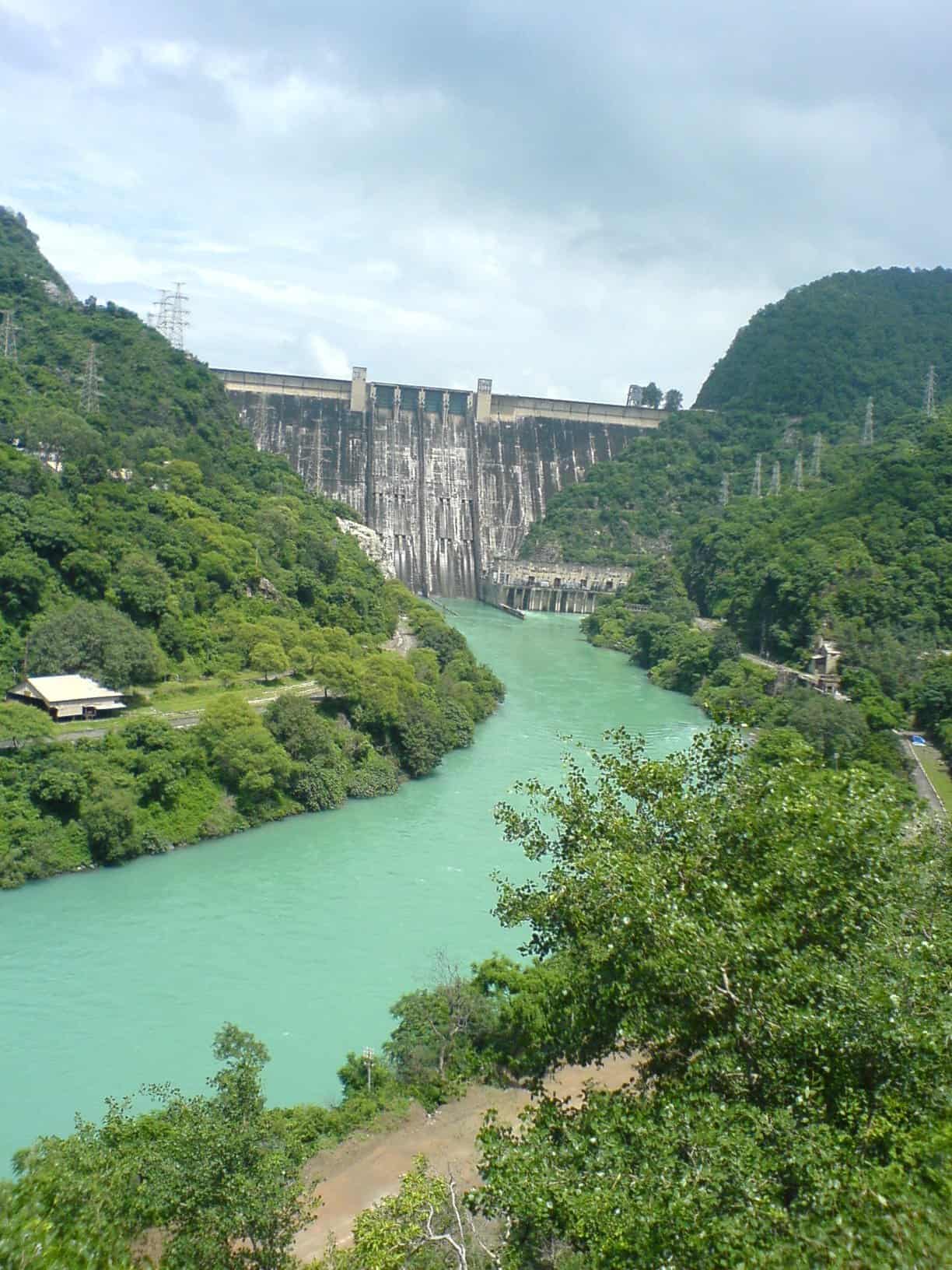
Bhakra Dam played a pivotal role in transforming India from a nation frequently threatened by food shortages into one capable of sustaining a rapidly growing population. By expanding irrigation across northern India, the project helped lay the groundwork for the Green Revolution. Farmers gained reliable access to water, crop yields increased dramatically, and agricultural productivity reached levels previously thought unattainable. The dam also provided hydroelectric power that supported industrial development throughout the region. Often described as one of the "temples of modern India," Bhakra symbolized the country's determination to use infrastructure as a tool for national development and economic self-sufficiency.
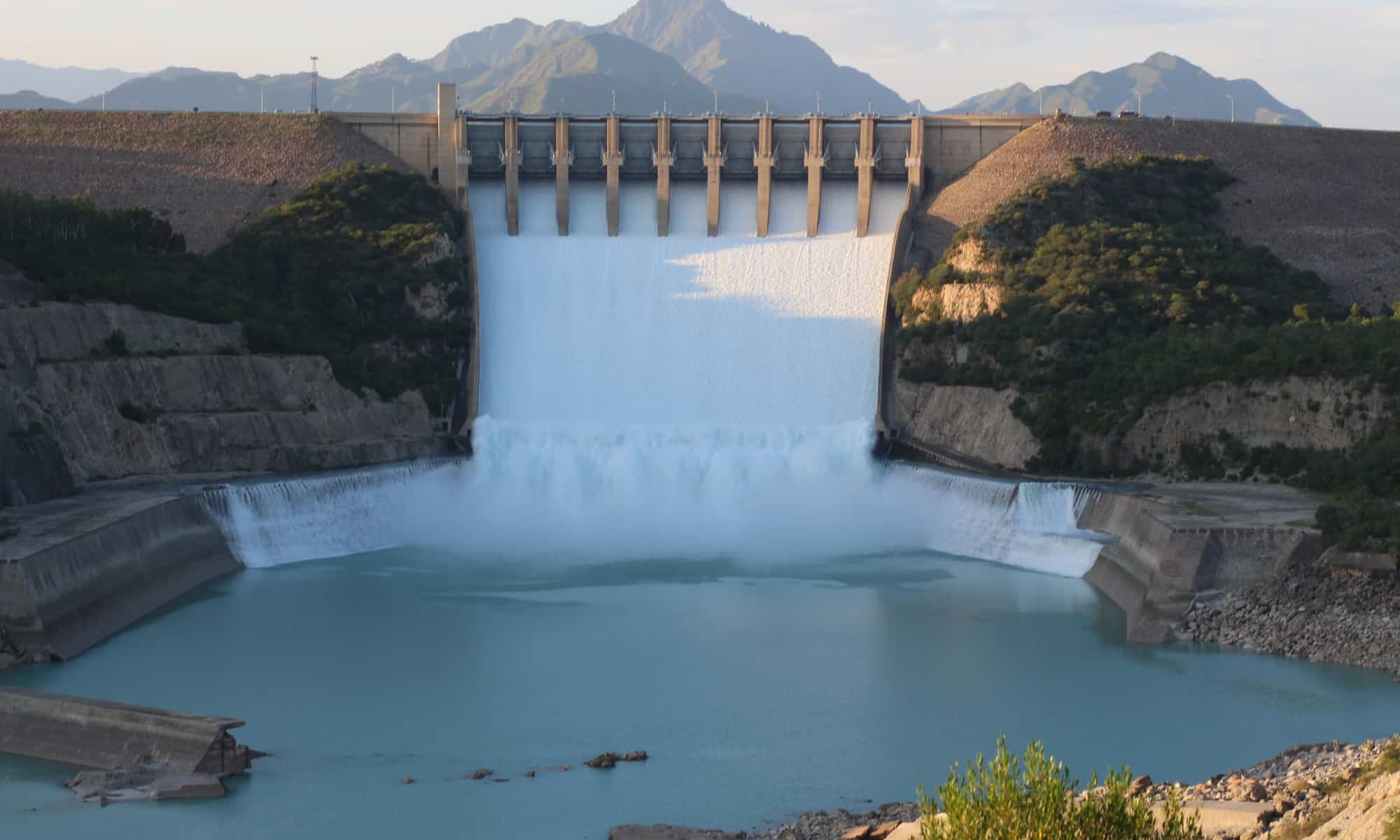
Tarbela Dam
- Country / River System: Pakistan / Indus River
- Completed: 1976
- Before the Dam: Flood risks and inadequate water storage
- Regional Transformation: Irrigation support, flood control, hydroelectric generation
Tarbela Dam stands at the center of Pakistan's water and energy systems. Built on the Indus River, it was designed to manage flood risks, store water, and provide hydroelectric power to a growing nation. Agriculture in Pakistan depends heavily on irrigation, making water management essential to economic stability. The dam expanded the country's ability to support farming while also reducing vulnerability to seasonal fluctuations in river flow. Its reservoir became one of the largest in the world and helped sustain population growth and industrial development. Few projects have had a greater influence on Pakistan's long-term economic and agricultural trajectory.
High Aswan Dam Nile Control System
- Country / River System: Egypt / Nile River
- Completed: 1970
- Before the Dam: Dependence on seasonal flooding cycles
- Regional Transformation: Permanent water regulation and expanded agricultural planning
Beyond the structure itself, the broader Nile control system associated with the High Aswan Dam changed patterns that had shaped Egyptian life since antiquity. For millennia, the annual flood determined planting schedules, harvest expectations, and economic planning. By regulating the river year-round, Egypt gained unprecedented control over its most important natural resource. The shift allowed for greater agricultural output, improved water storage, and expanded development opportunities. Yet it also disrupted ecological processes that had existed for thousands of years. The transformation illustrates how a single infrastructure project can redefine the relationship between a civilization and the river that sustains it.
Mekong River Dam System
- Country / River System: Southeast Asia / Mekong River
- Completed: Various
- Before the Dam: Seasonal river-dependent economies
- Regional Transformation: Hydropower expansion, altered fisheries, regional economic shifts
The Mekong River supports tens of millions of people across Southeast Asia, making any alteration to its flow inherently consequential. The region's growing network of dams has transformed energy production and economic development while simultaneously creating controversy over fisheries, agriculture, and water management. Communities that once depended on seasonal river cycles have faced changing conditions as reservoirs and regulated flows altered traditional patterns. The effects extend across national borders, making the Mekong one of the most politically significant river systems in the world. Its ongoing transformation demonstrates how modern infrastructure can create benefits and tensions that ripple throughout an entire region.
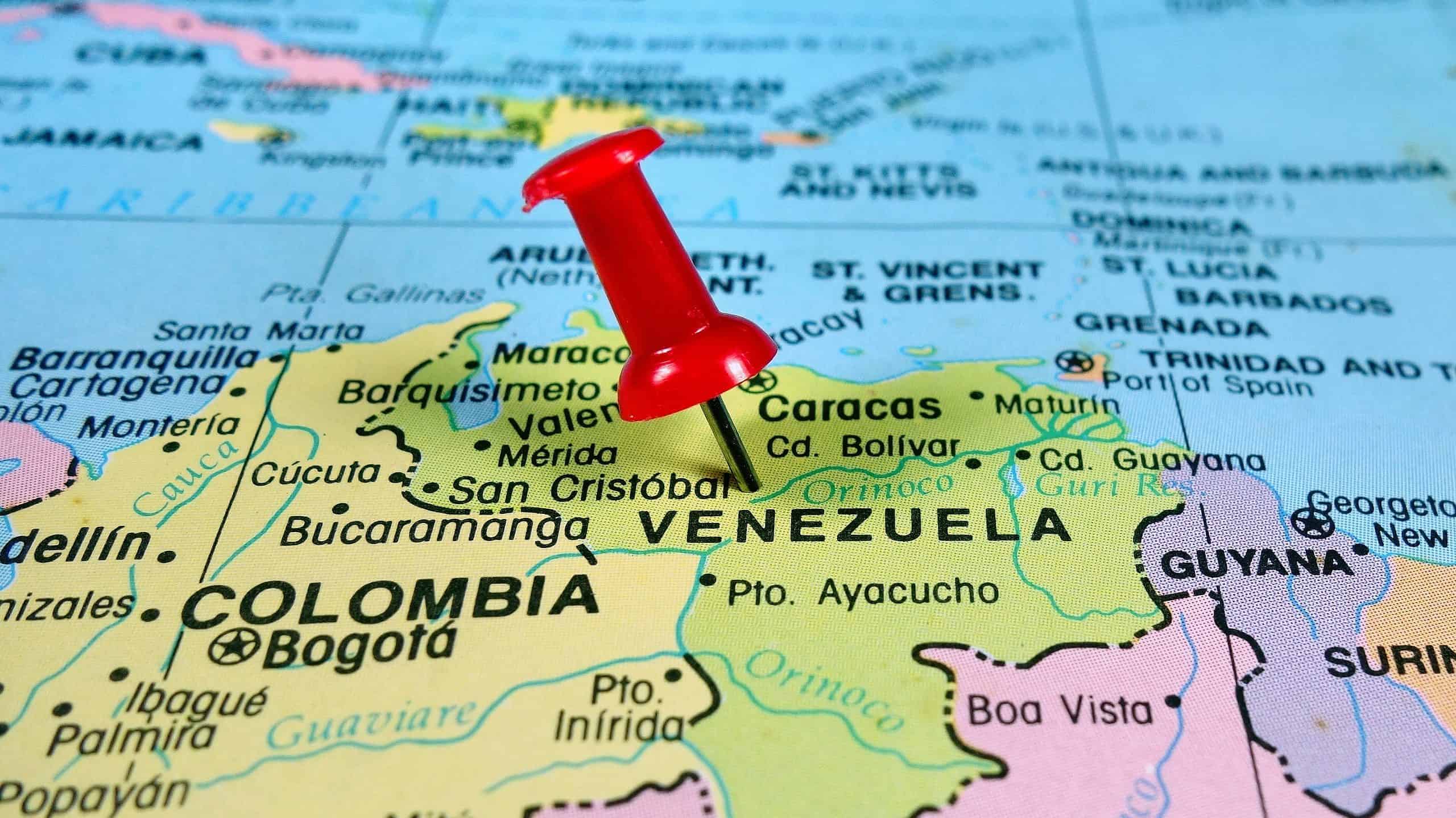
Guri Dam
- Country / River System: Venezuela / Caroní River
- Completed: 1986
- Before the Dam: Growing electricity demand and industrial constraints
- Regional Transformation: National electrification and industrial expansion
Guri Dam became the foundation of Venezuela's modern electrical system and one of the most important hydroelectric projects in Latin America. The immense facility harnessed the power of the Caroní River to provide energy for cities, industries, and mining operations across the country. Its construction reflected a broader effort to use natural resources to drive economic modernization. The dam's electricity enabled industrial expansion and supported national development for decades. At the same time, dependence on a single major energy source exposed vulnerabilities when droughts or operational problems occurred. Even so, Guri remains one of the defining infrastructure achievements in Venezuelan history.
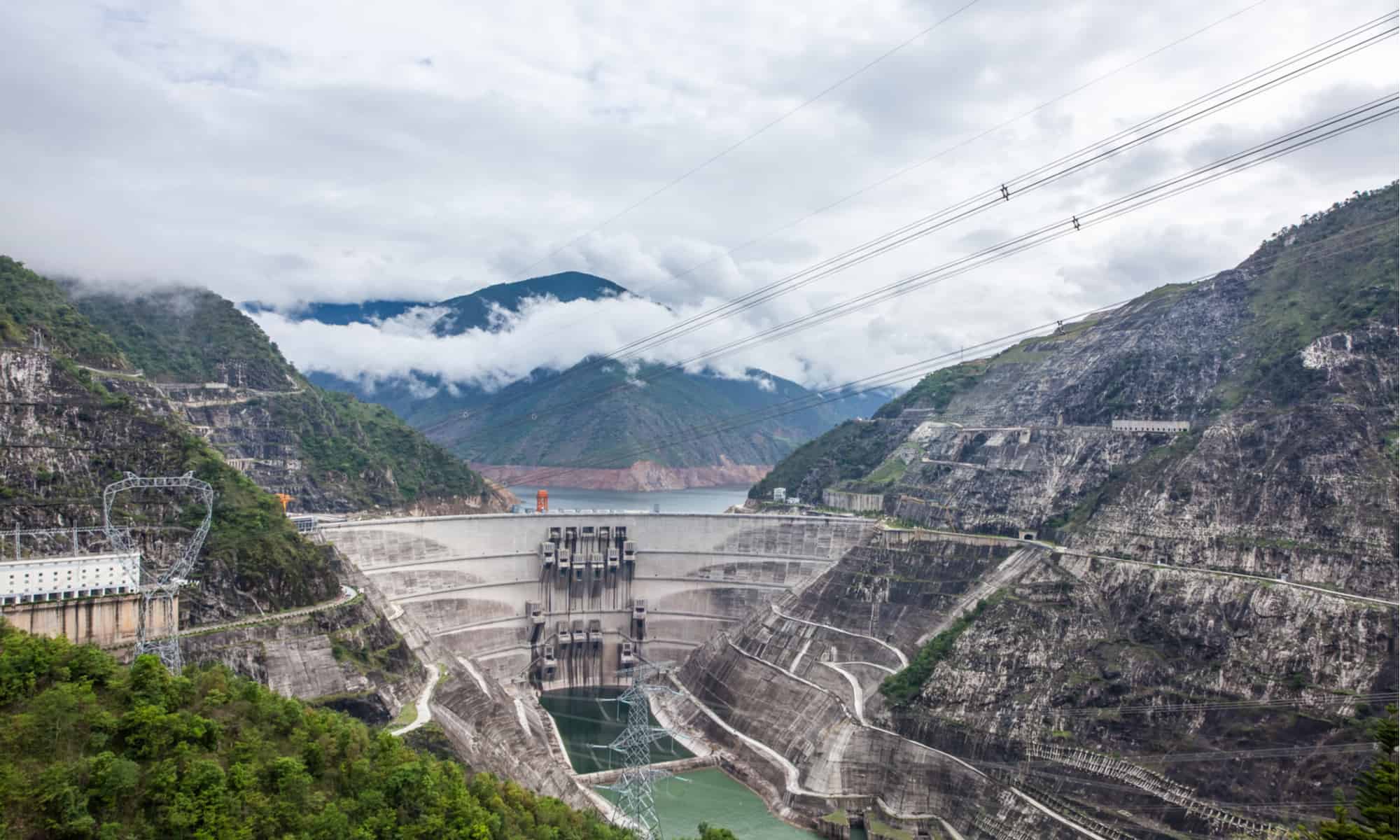
Sayano-Shushenskaya Dam
- Country / River System: Russia / Yenisei River
- Completed: 1985
- Before the Dam: Remote industrial regions lacked reliable power
- Regional Transformation: Industrial development and major hydroelectric generation
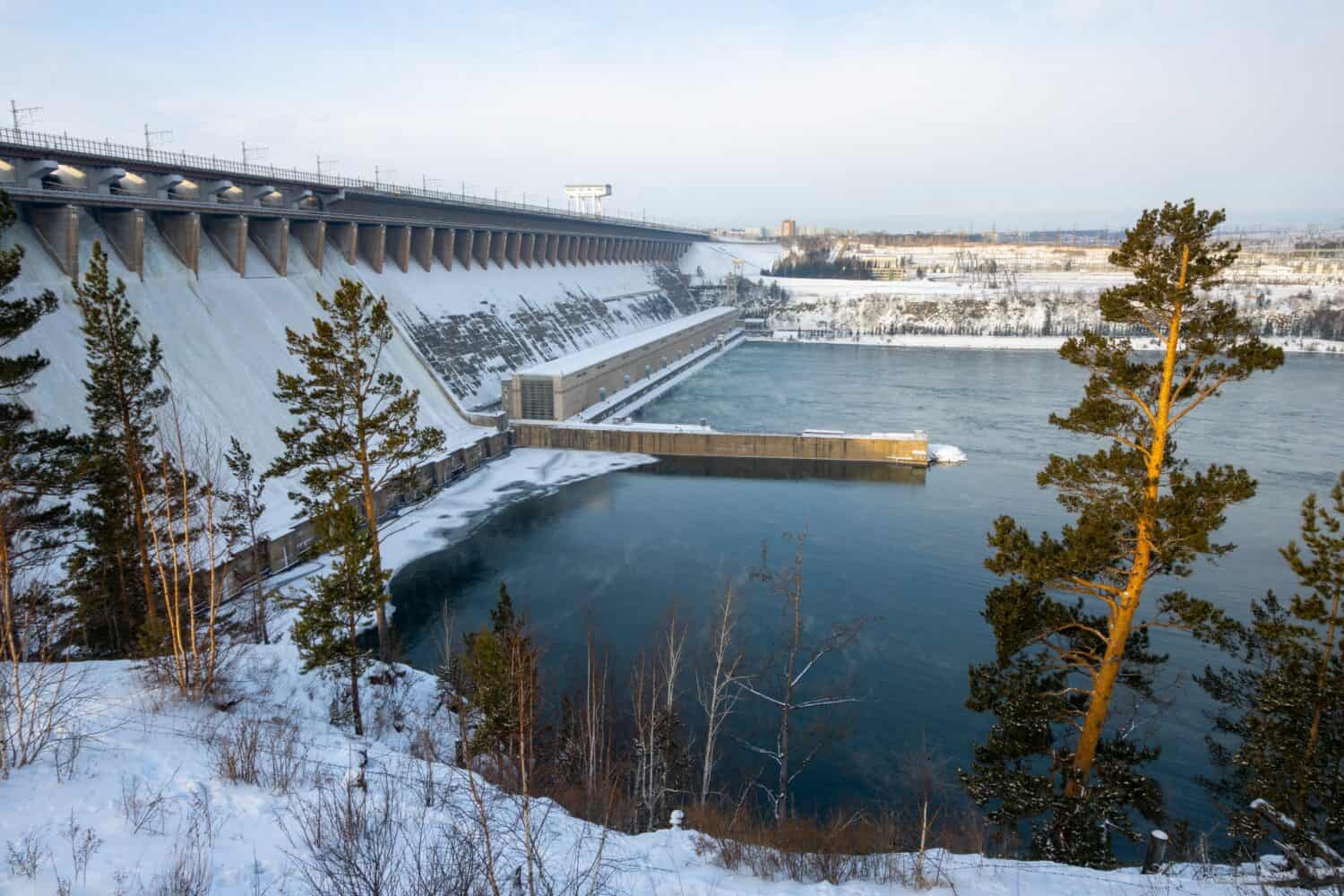
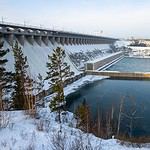
Located deep in Siberia, Sayano-Shushenskaya Dam helped unlock the economic potential of one of the world's most remote regions. The project supplied vast amounts of electricity to industrial facilities, including aluminum production and heavy manufacturing. Prior to its construction, large-scale development in the area faced significant limitations due to energy shortages and geographic isolation. The dam provided a foundation for industrial expansion while showcasing Soviet engineering ambitions. Although a major accident in 2009 highlighted the challenges of maintaining such massive infrastructure, the dam continues to play a crucial role in Russia's energy system and regional economy.
Nalubaale (Owen Falls) Dam
- Country / River System: Uganda / Nile River
- Completed: 1954
- Before the Dam: Limited electrical infrastructure
- Regional Transformation: National electrification and economic modernization
Nalubaale Dam transformed Uganda's access to electricity and became one of the country's most important development projects. Built near the source of the Nile, the dam supplied power that supported urban growth, industrial activity, and modernization efforts throughout the country. Before its construction, Uganda's electrical infrastructure was limited and constrained economic expansion. The project helped connect more communities to reliable energy and strengthened regional economic activity around Lake Victoria. While fluctuations in water levels have occasionally created challenges, Nalubaale remains a key component of Uganda's development story and an example of how infrastructure can accelerate national growth.
Atatürk Dam
- Country / River System: Türkiye / Euphrates River
- Completed: 1992
- Before the Dam: Underdeveloped agricultural regions and water management challenges
- Regional Transformation: Large-scale irrigation and regional economic development
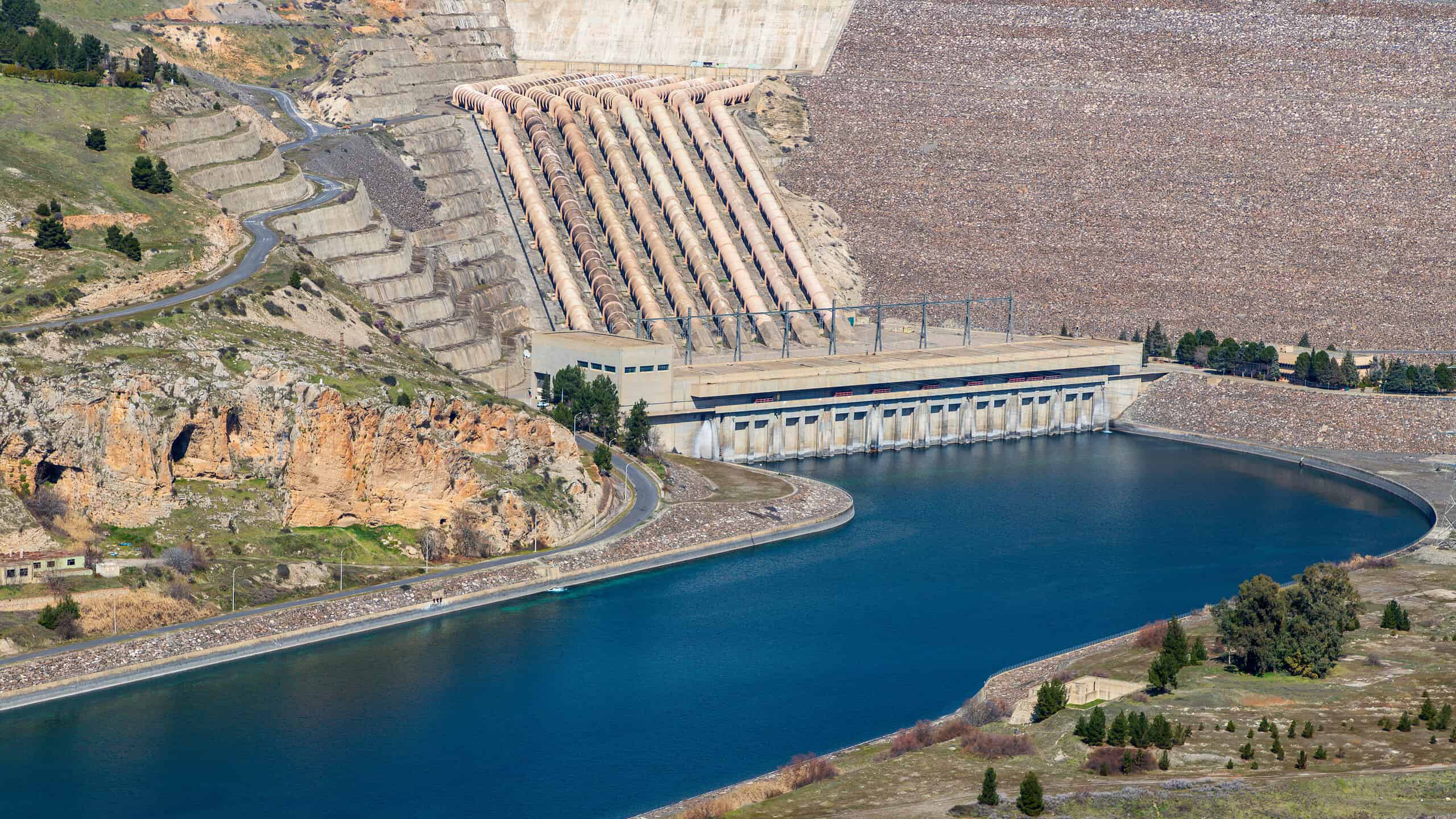
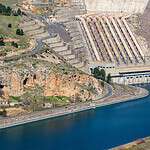
Atatürk Dam serves as the centerpiece of Türkiye's ambitious Southeastern Anatolia Project, a vast development initiative designed to transform one of the country's less-developed regions. By expanding irrigation and generating electricity, the dam supported agricultural growth and improved economic opportunities across southeastern Türkiye. The project also carried geopolitical implications because the Euphrates River flows into neighboring countries. As a result, water management became an issue of regional diplomacy as well as domestic development. The dam's influence extends far beyond energy production, shaping agriculture, migration patterns, and international relations while demonstrating how infrastructure can become a strategic national asset.
Daniel-Johnson Dam
- Country / River System: Canada / Manicouagan River
- Completed: 1968
- Before the Dam: Limited northern energy development
- Regional Transformation: Hydroelectric expansion and economic growth
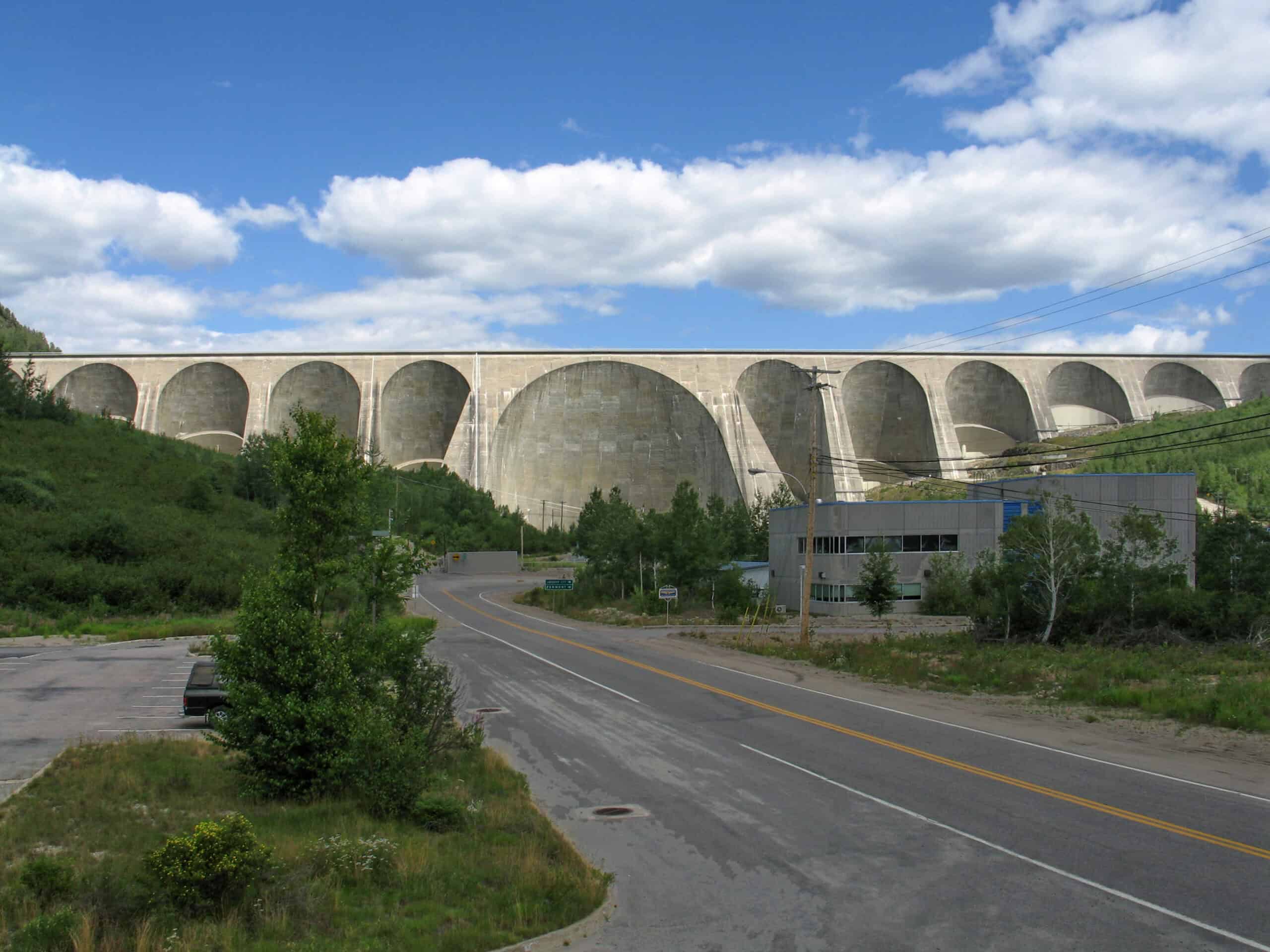
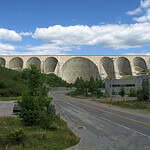
The Daniel-Johnson Dam helped establish Quebec as one of North America's leading hydroelectric producers. Built during a period of rapid economic and political transformation, the project reflected the province's desire to harness its natural resources for long-term development. The dam supplied renewable energy that supported industrial growth and strengthened Quebec's economic independence. Its distinctive multiple-arch design also made it one of the most recognizable engineering projects in Canada. More importantly, it became part of a broader hydroelectric strategy that reshaped the province's economy and identity. The project's influence continues to be felt through Quebec's role as a major energy exporter.
Nurek Dam
- Country / River System: Tajikistan / Vakhsh River
- Completed: 1980
- Before the Dam: Limited energy production and water management capacity
- Regional Transformation: Regional power generation and irrigation support
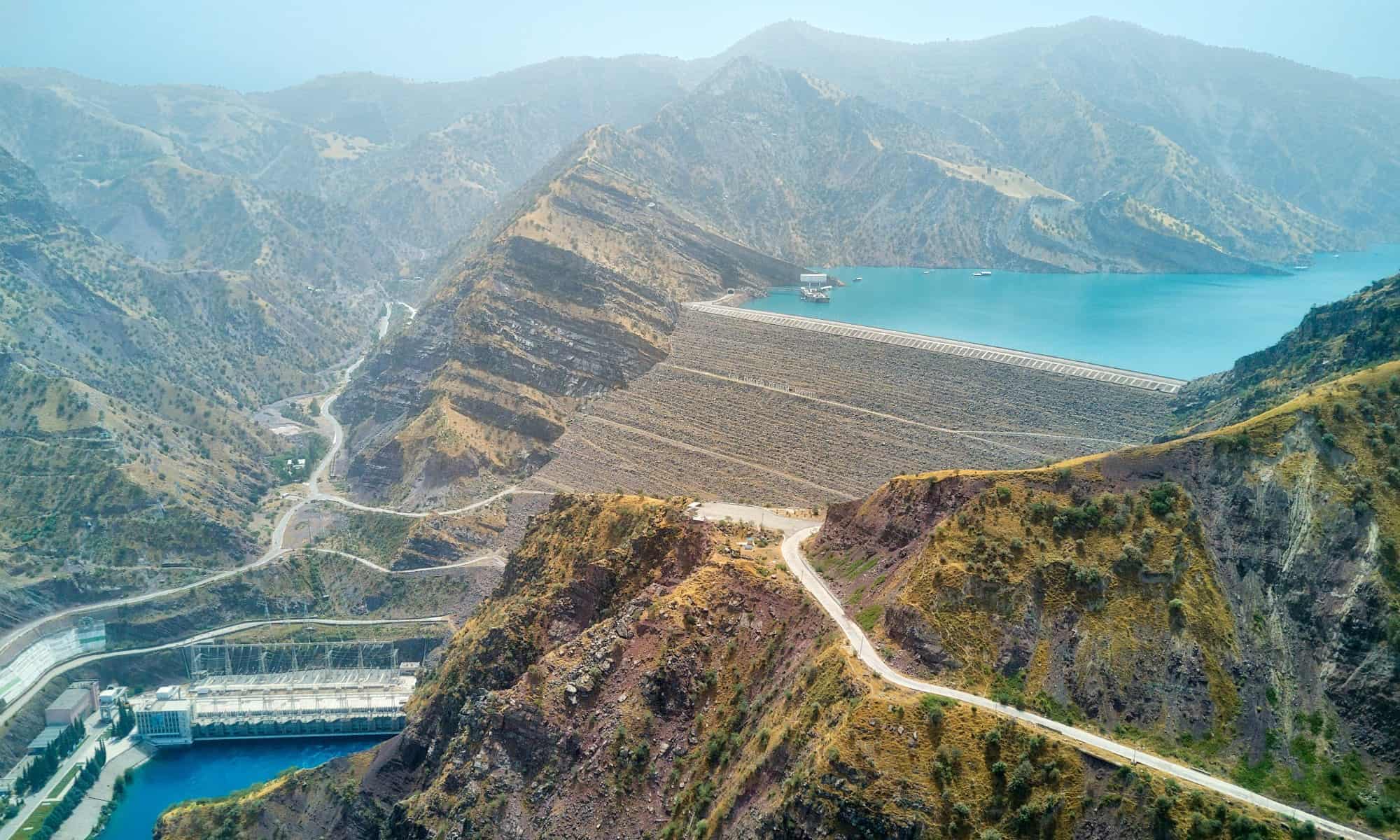
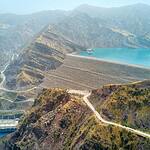
Nurek Dam became a cornerstone of Central Asia's interconnected water and energy systems. Built during the Soviet era, the project supplied electricity while supporting irrigation networks that were critical to regional agriculture. Water released from the reservoir influenced farming activities far beyond Tajikistan's borders, making the dam strategically important throughout Central Asia. The project demonstrated how infrastructure could tie multiple regions together through shared resources. Even after the collapse of the Soviet Union, Nurek remained central to discussions about energy security and water management. Its legacy highlights the enduring geopolitical importance of controlling major river systems.
Mangla Dam
- Country / River System: Pakistan / Jhelum River
- Completed: 1967
- Before the Dam: Insufficient water storage and electricity generation
- Regional Transformation: Expanded irrigation and power production
Mangla Dam helped transform Pakistan's ability to manage water resources and support agricultural production. Constructed as part of a broader effort to improve irrigation and power generation, the dam became an essential component of the country's economic development strategy. Reliable water storage allowed farmers to better manage crop production while hydroelectric generation supported industrial growth. The reservoir also required significant resettlement efforts, illustrating the tradeoffs often associated with major infrastructure projects. Decades after its completion, Mangla remains one of Pakistan's most important dams and continues to play a vital role in food production, energy security, and regional development.
Cahora Bassa Dam
- Country / River System: Mozambique / Zambezi River
- Completed: 1974
- Before the Dam: Limited industrial infrastructure and power generation
- Regional Transformation: Regional energy exports and economic development
Cahora Bassa Dam reshaped the economic geography of southeastern Africa through its ability to generate and export electricity. Built on the Zambezi River, the project became one of Mozambique's most important infrastructure assets despite being constructed during a period of political upheaval. The dam supplied energy to neighboring countries and helped integrate regional power networks. Its reservoir altered ecosystems and local communities, but it also created opportunities for industrial development and economic growth. The project's history reflects the complex intersection of infrastructure, politics, and regional cooperation that often accompanies transformative public works projects.
Sardar Sarovar Dam
- Country / River System: India / Narmada River
- Completed: 2017
- Before the Dam: Water scarcity and uneven irrigation access
- Regional Transformation: Expanded water access, irrigation, and power generation
Few modern infrastructure projects in India have generated as much debate as the Sardar Sarovar Dam. Supporters viewed it as essential for bringing water and electricity to drought-prone regions, while critics raised concerns about environmental impacts and displacement. Regardless of perspective, the project's influence has been substantial. Millions of people gained access to improved water supplies, expanded irrigation networks supported agricultural growth, and hydroelectric power contributed to regional development. The dam became a symbol of the challenges involved in balancing economic progress with social and environmental considerations. Its legacy continues to shape discussions about development throughout India today.
The image featured at the top of this post is ©iStock.com/Sean Pavone