![Exploding into ‘Chaos’ Combat engineers conduct live explosives training [Image 1 of 5]](https://history-computer.com/wp-content/uploads/2025/07/6046356808_0695b53d29_b.jpg)

Engineering has always been the backbone of military superiority. It is a true testament to human ingenuity and often serves as a target when enemy forces catch sight of it. As such, any sort of engineering marvels done under enemy fire are a unique blend of physical science, logistics, and grit. Warfare is punctuated by moments when the speed of a shovel, the twist of a wrench, or the precision of a welder’s torch is just as important as boots on the ground with rifles in hand. Whether it’s the muddy trenches of France during the Great War or the islands of the Pacific Theater during World War 2, the simple act of building something while under enemy fire turns these engineers into frontline combatants. Let’s dive in and see where engineers persevered against all odds.
Remagen
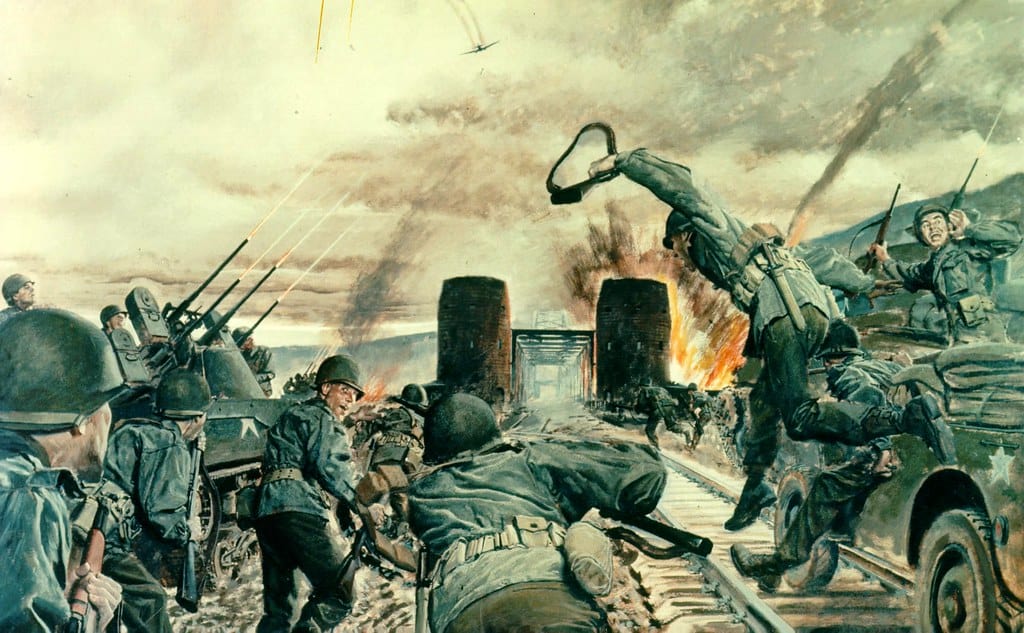
©"The Remagen Bridgehead – 7 March 1945" by expertinfantry is licensed under BY 2.0. – Original / License
One of the most iconic examples of an engineering marvel done under heavy fire came about during the last stages of the Second World War. As American forces closed in on the Germans at Remagen, they were able to secure the Ludendorff Bridge before it was utterly destroyed. The race started to keep it standing, requiring reinforcement and additional tactical bridges across the Rhine to keep the momentum of the American offensive. Over the course of ten days, American engineers worked in a kill zone, as German high command directed every resource they could muster toward destroying the bridge. Heavy artillery, bombing runs, and even V2 rockets resulted in a relentless barrage. Engineers worked around the clock to repair the damaged structure while building a heavy-duty treadway and pontoon bridges to keep the flow of troops into Germany.
Technical challenges were compounded by the environment, especially when considering the fast current of the Rhine. The primary obstacle was still the blistering amount of firepower poured toward the bridge. Every single bolt tightened or pontoon bridge assembled, was done so under the assumption that a direct hit could result in horrific casualties at any second. Engineers made use of smoke screens to hide their movements, but the sound of construction was enough to guide German courses of fire.
Ultimately, the Ludendorff Bridge fell, collapsing despite American engineers’ best efforts. By the time it collapsed, it was too late, as the Americans established a solid foothold and secured the bridgehead. This was done despite ferocious resistance, proving that American engineers would continue working even as shells and bombs flew around them.
Normandy
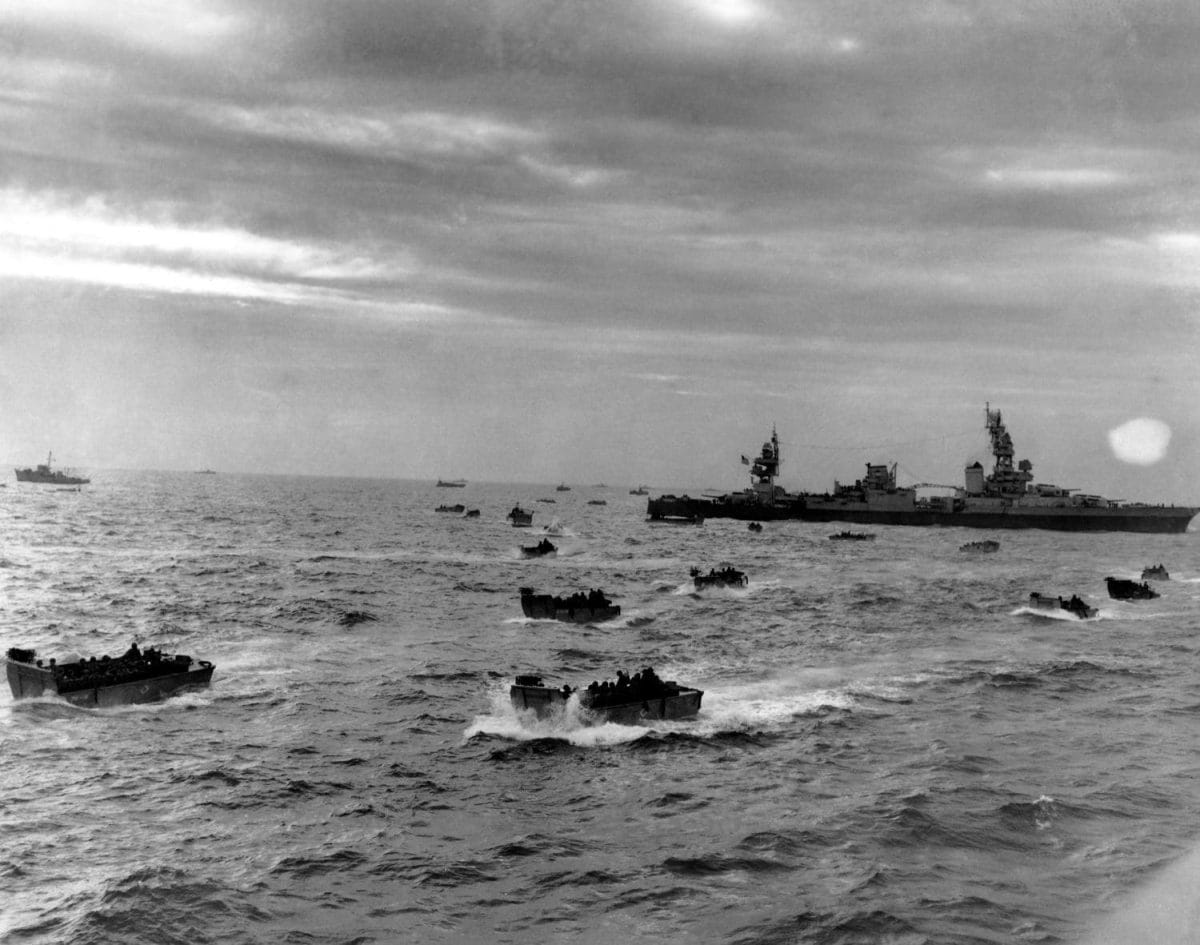
The Allies had immense difficulties establishing a foothold for the invasion of Europe. We’ve talked at length in the past about the tremendous undertaking that came about through planning for the invasion of Normandy, which is a monumental achievement in itself. However, further complications arose from the simple fact that an invading army of the size and scope of the one that seized Normandy would need a constant deluge of supplies and material. Allied engineers would tow Mulberry Harbours, or two massive artificial ports, to the final staging ground. The construction of these harbors was done in the relative safety of English waters. That said, the assembly and installation of these harbors off the coast of France was still within the gunsights of German batteries.
Floating roadways and concrete caissons needed to be positioned with precision, despite the churning seas and long-range coastal guns. What makes this an engineering marvel isn’t just the design, but how fast these were assembled. Combat engineers and naval construction teams worked through the night, under the glare of flares and tracer fire, to get the work done. It didn’t matter how stiff the resistance mustered by the Germans got. The ports were put in place, and the final stages of the war on the Western Front were underway.
The implications of the Mulberry Harbours cannot be understated. With the right sort of industrial capacity, the Allies were capable of providing vital logistical infrastructure in a hostile, dangerous environment, rather than scrambling for a foothold after occupying the coastline.
Ledo Road
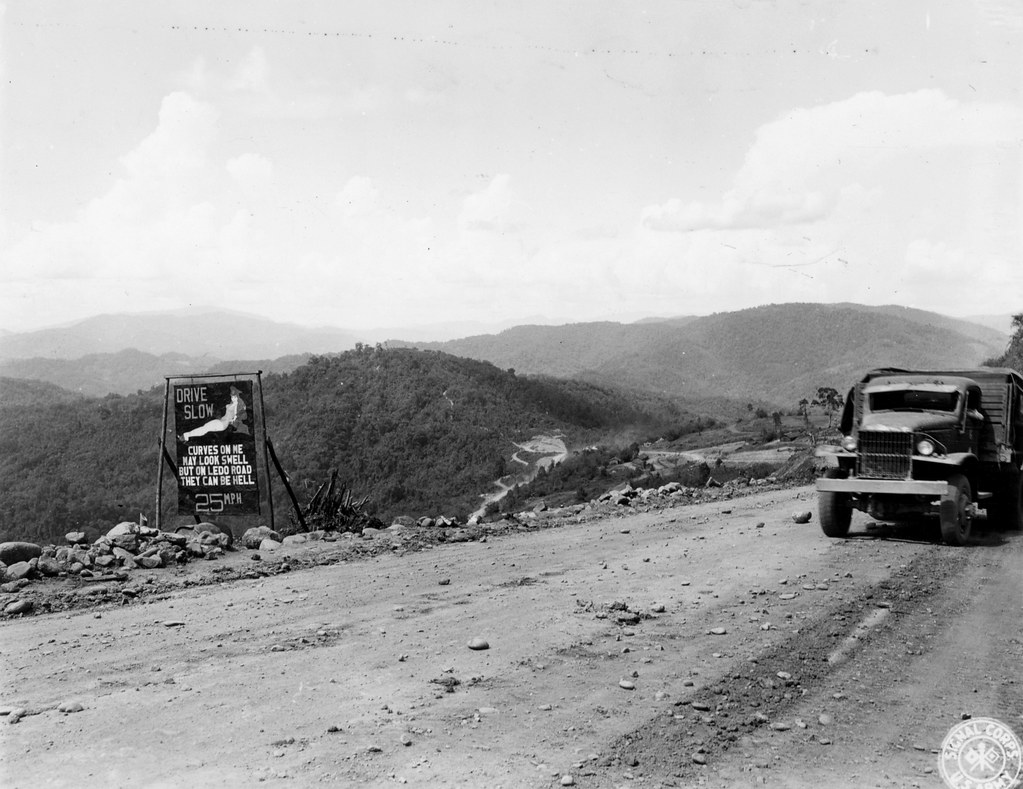
©"SC 192082-S – One of the many signs along the Ledo Road telling the GI truck drivers to slow down on this very crooked road. This one is located just before you come into Tagap, Burma. 29 May, 1944." by Signal Corps Archive is licensed under PDM 1.0. – Original / License
On the other side of the world, the China-Burma-India theater saw fierce, horrific combat as the Second World War raged on. The construction of Ledo Road would serve as an engineering marvel that was a testament to the endurance of working in a hostile environment. The weather and enemy fire alike were substantial dangers, but engineers were tasked with carving a supply route through dense jungle and steep mountains. Allied engineers battled malaria, torrential rains, and fierce resistance from Japanese forces. Ledo Road was built from the blade, meaning that the bulldozers tasked with pushing through were often the first and largest targets to enter a combat zone. Engineers often had to grab their rifles and dismount to repulse Japanese ambushes before getting back to work.
This was a massive undertaking, as the psychological pressure of working under dense jungle foliage, with enemy soldiers potentially lurking anywhere, was a constant threat. Bridges were constructed with local timber and whatever materials could be flown in. These were regular targets for Japanese air raids. The completion of the road is a testament to the sheer grit of the engineers at the center of it.
Once fully established, Ledo Road essentially relieved the siege of Chinese forces. Essential supplies flowed into the mainland, giving much-needed relief after years of hard-fought battles and lost ground. Geographical barriers and military resistance were dismantled through heavy machinery and sheer grit. Ledo Road is an engineering marvel because the men at the heart of it were tasked with doing the impossible, and did just that.
Seabees
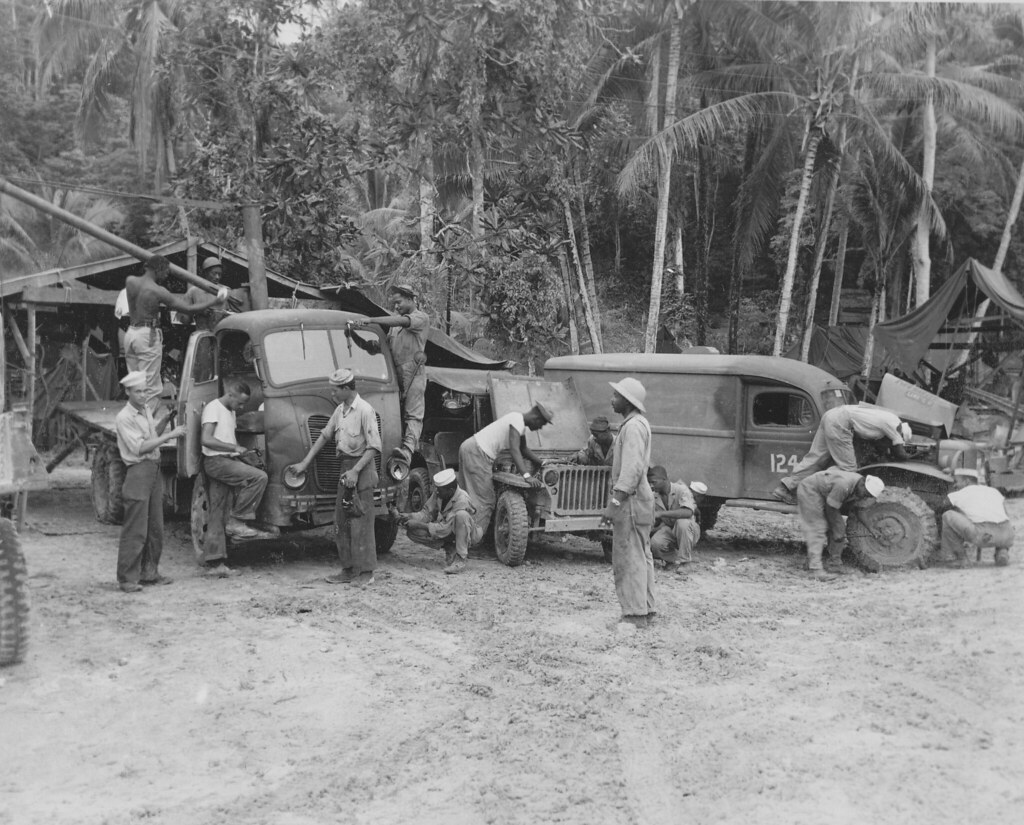
©"Seabee vehicles in the yard" by U.S. Navy Seabee Museum is licensed under BY 2.0. – Original / License
Throughout the war in the Pacific Theater, runways proved to be the driving objective for Japanese and Allied forces alike. American Naval Construction Battalions, or the Seabees, perfected the art of building functional airfields on coral atolls in a matter of days after a landing. This was done at Guadalcanal and Tarawa, with the Seabees landing right alongside the invading Marines and capturing whatever Japanese equipment they could find to get to work while firefights happened mere feet away. The Seabees’ mantra of “Can Do” was put to the test during these battles, with the clock constantly ticking on how fast they could lay down an airfield and get close air support for the rest of the fleet.
Seabees were frequent targets of Japanese raids, facing nighttime ambushes and bombardment from naval guns alike. Despite these insurmountable odds, they got to work and perfected techniques for rapid excavation of coral reefs and compaction that were revolutionary for the time. At Tinian, the Seabees built one of the largest and busiest airfields in the entire world over a matter of months.
This was done despite stiff resistance from Japanese holdouts hiding in the caves around the islands. Without this courage under fire, the island-hopping campaign waged throughout the Pacific Theater wouldn’t have gained any sort of steam. Combat construction meant that American forces could jump from island to island while maintaining a steady flow of airpower to protect the fleet. These rapidly constructed airfields were a testament to American ingenuity, with expertise and engineering prowess being applied to remote, dangerous corners of the globe against all odds.
Conclusion
History shows us that these military engineering marvels persevered against blistering enemy fire. This is a special sort of heroism, not won at the end of a rifle or in the cockpit of a fighter, and sadly overlooked when looking at the more prevailing narratives constructed throughout military history. A man with tools, wading into blistering machine gun fire and artillery shelling, had a task to make sure these efforts didn’t go to waste. Without them, many of these offensives, invasions, and ultimately the whole of a war, might have never succeeded.
The image featured at the top of this post is ©"Exploding into ‘Chaos’ Combat engineers conduct live explosives training [Image 1 of 5]" by DVIDSHUB is licensed under BY 2.0. – License / Original