




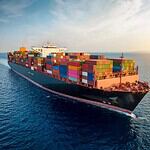

20 Vehicles That Completely Changed the Way Humans Travel
For most of human history, travel was slow, expensive, and often dangerous. Crossing a continent could take weeks, while crossing an ocean could take months. Distance shaped economies, limited communication, and isolated communities from one another. Over time, however, a series of groundbreaking vehicles fundamentally changed that reality. From steam locomotives and automobiles to jet airliners and high-speed trains, these innovations steadily reduced the barriers imposed by geography. Each breakthrough made the world feel a little smaller and expanded humanity's ability to move people, goods, and ideas across vast distances. Here, History Computer is taking a closer look at these vehicles that helped man traverse the globe.
Here is a look at the vehicles that changed how humanity travels:
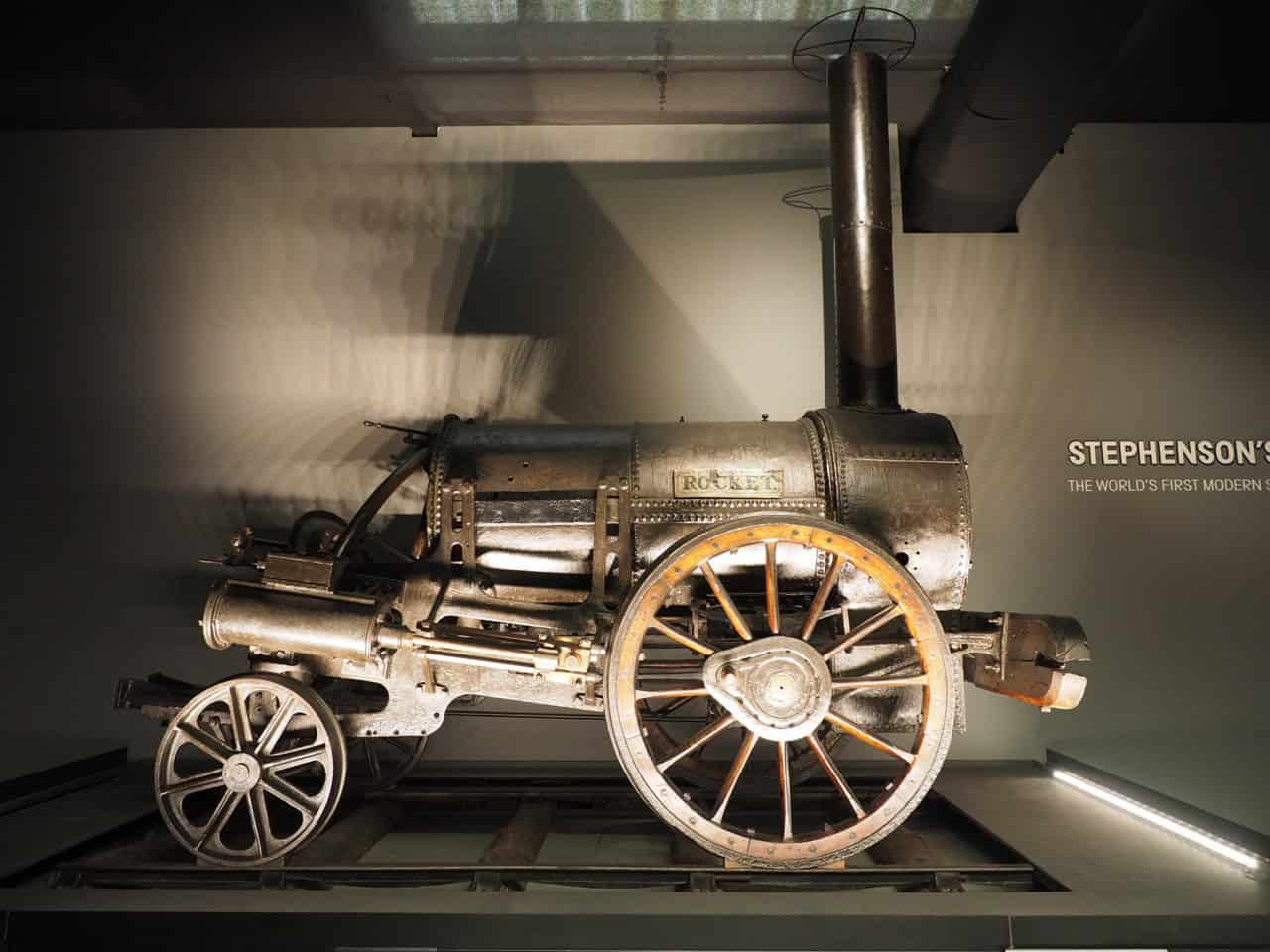
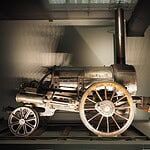
Stephenson's Rocket
- Introduced: 1829
- Transportation Mode: Rail
- The Problem It Solved: Rail transport was slow and unreliable
- The Breakthrough: Demonstrated practical steam locomotive technology
- Long-Term Impact: Accelerated the global railway revolution
Before railroads transformed the world, long-distance travel depended largely on horses, canals, and sailing ships. Stephenson's Rocket changed that reality. Built for the Rainhill Trials in England, the locomotive demonstrated that steam-powered rail transport could be practical, reliable, and commercially viable. While it was not the first locomotive ever built, it was the machine that convinced governments, investors, and railway companies that railroads represented the future of transportation. Its success accelerated railway construction across Europe, North America, and eventually much of the world. Railways dramatically reduced travel times, connected previously isolated communities, and fueled industrial growth on an unprecedented scale. The Rocket's influence reached far beyond its own era, helping establish the transportation networks that would define the nineteenth century and permanently change how people and goods moved.
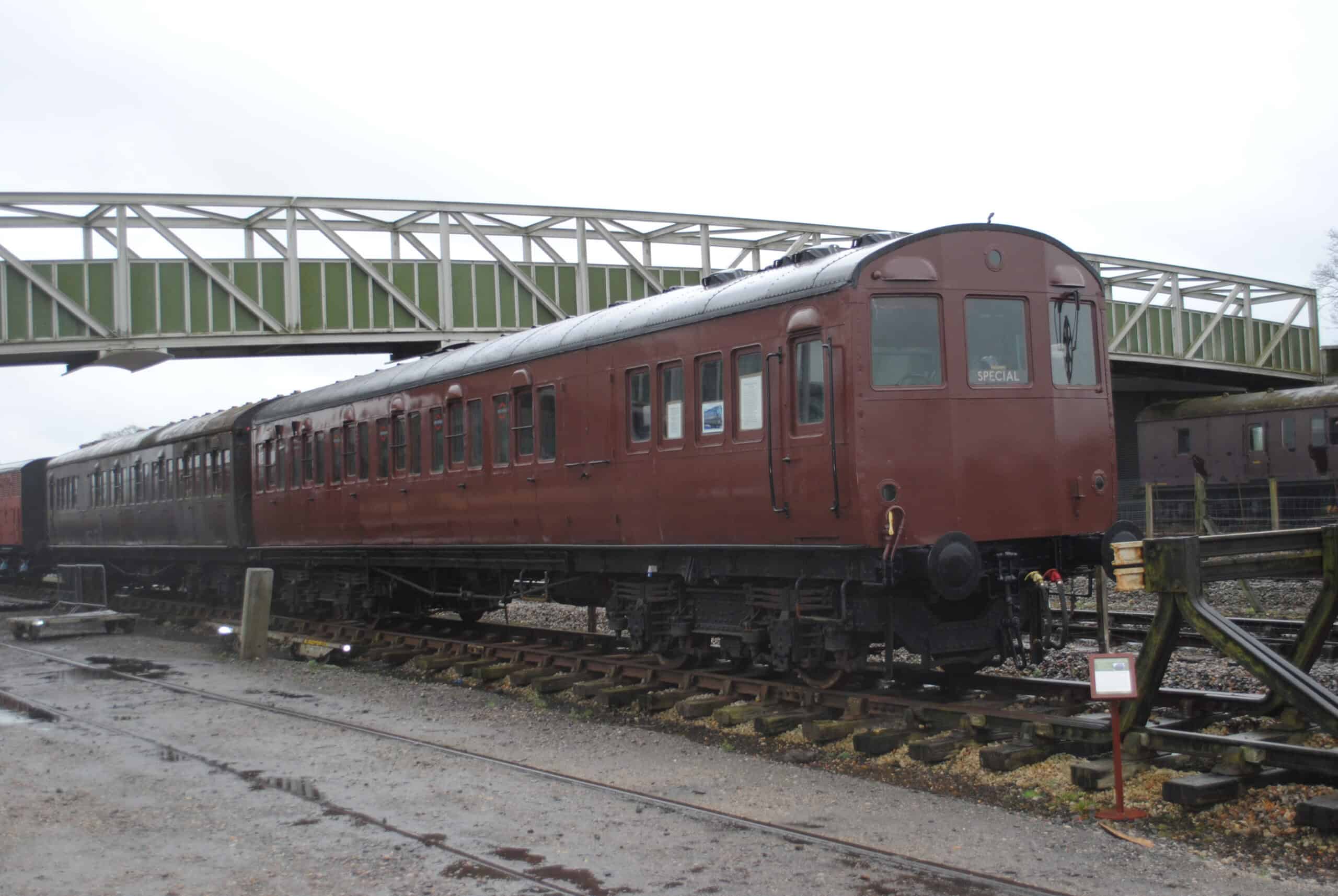
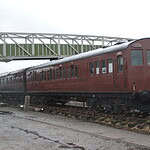
Metropolitan Railway Rolling Stock
- Introduced: 1863
- Transportation Mode: Urban Transit
- The Problem It Solved: Growing cities needed efficient transportation
- The Breakthrough: First underground urban railway service
- Long-Term Impact: Created the model for modern metro systems
The opening of London's Metropolitan Railway marked the birth of urban rapid transit and fundamentally changed how cities functioned. As urban populations grew during the Industrial Revolution, traditional transportation methods struggled to move large numbers of people efficiently. The underground railway provided a solution by allowing passengers to travel beneath congested streets. Its success inspired similar systems in cities around the world, from New York and Paris to Tokyo and Moscow. Modern metropolitan areas depend heavily on rapid transit networks to support economic activity and daily commuting. The vehicles that operated on the Metropolitan Railway introduced a model of urban mobility that continues to shape how billions of people travel every day.
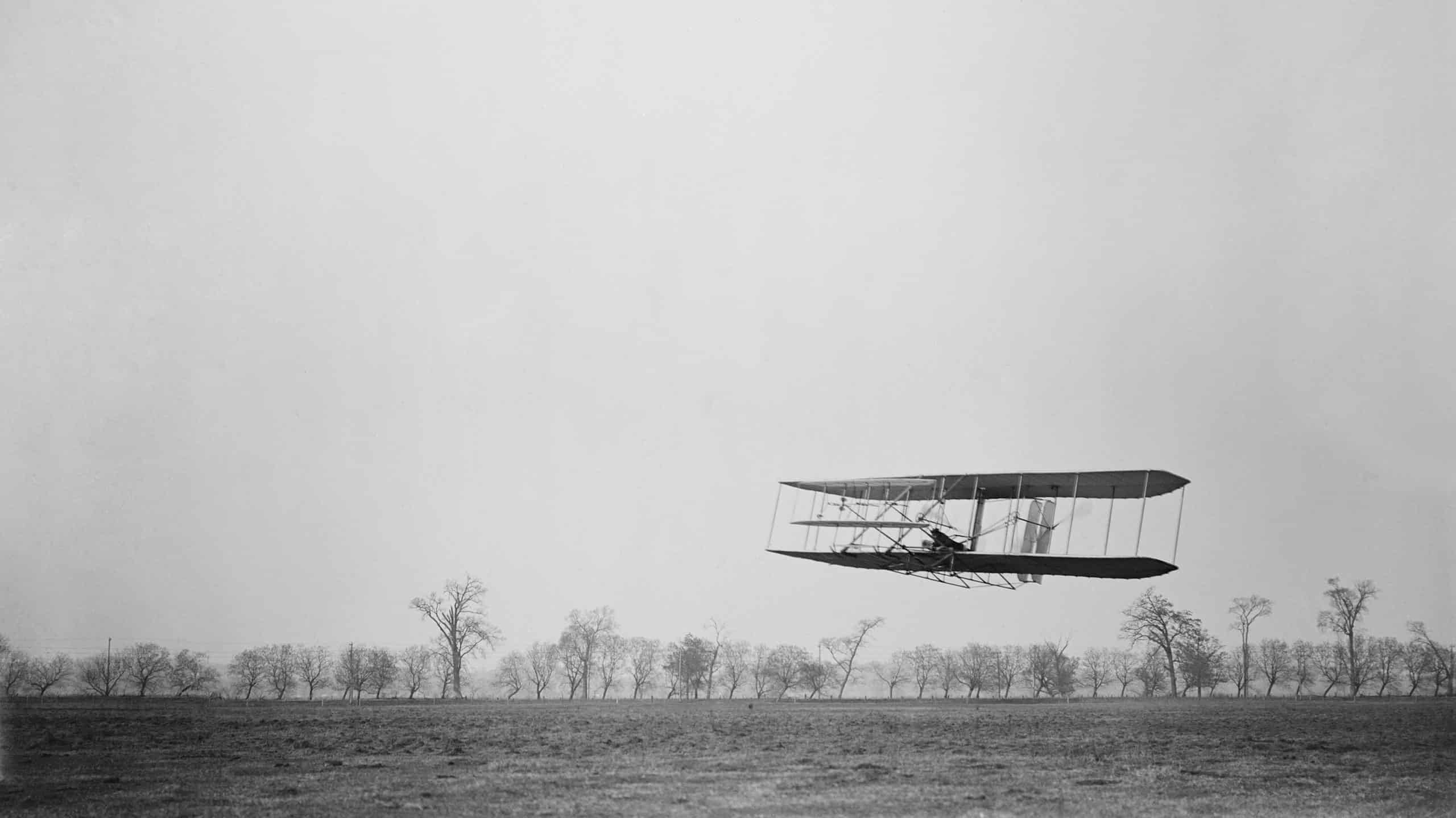
Wright Flyer
- Introduced: 1903
- Transportation Mode: Aviation
- The Problem It Solved: Controlled powered flight had not been achieved
- The Breakthrough: First successful powered aircraft
- Long-Term Impact: Opened the age of aviation
The Wright Flyer occupies a unique place in transportation history because it accomplished something humanity had pursued for centuries: controlled, powered flight. Built by Orville Wright and Wilbur Wright, the aircraft's successful flight at Kitty Hawk demonstrated that heavier-than-air machines could be controlled and sustained in flight. Although its first flights lasted only seconds, the implications were enormous. Within a few decades, aviation would transform warfare, commerce, communication, and global travel. The Wright Flyer laid the foundation for every aircraft that followed, from commercial airliners to modern cargo jets. More than any other vehicle on this list, it represents humanity's determination to overcome physical limitations and fundamentally redefine what was possible in transportation.
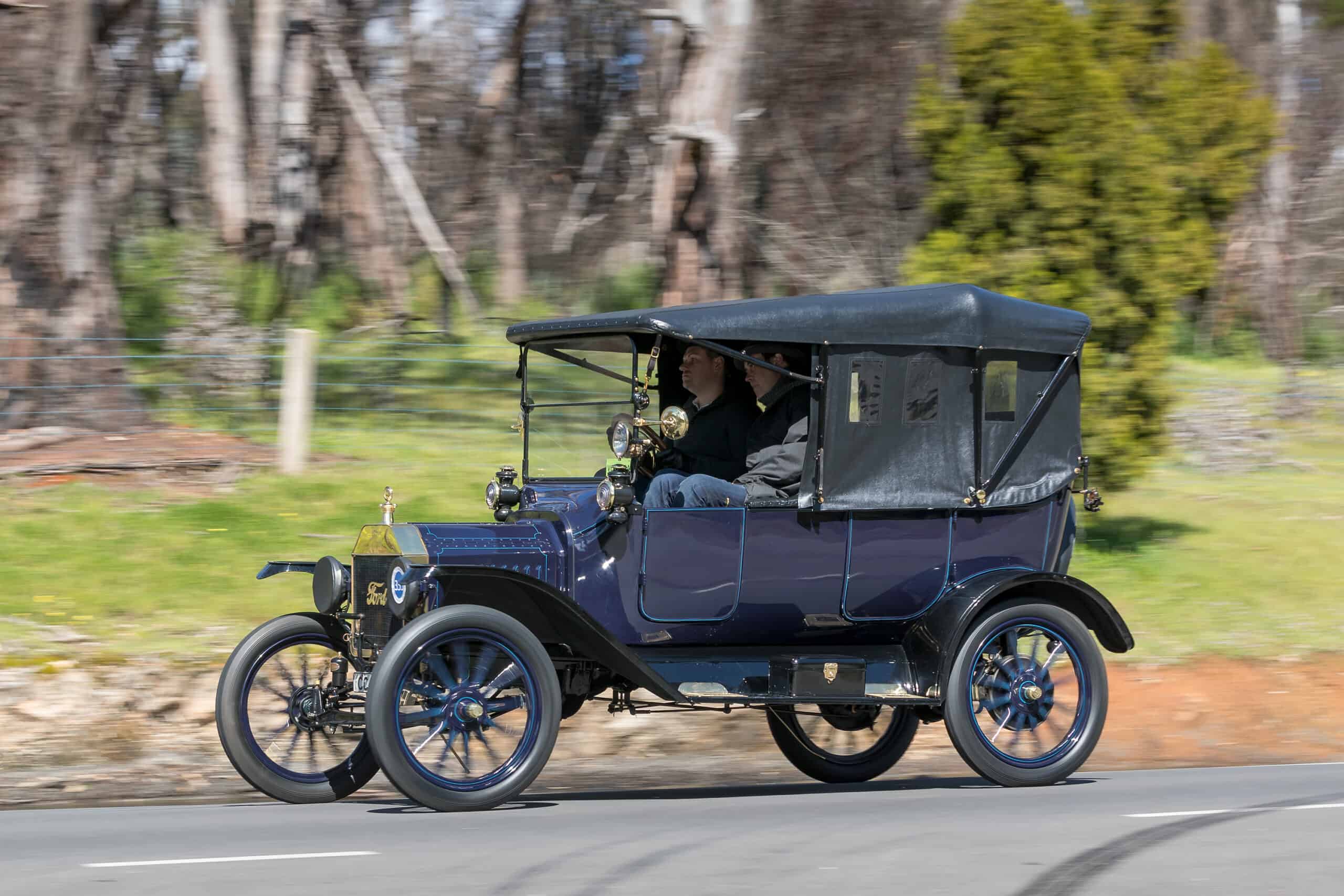
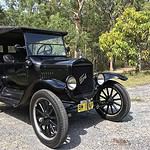
Ford Model T
- Introduced: 1908
- Transportation Mode: Automobile
- The Problem It Solved: Cars were too expensive for most people
- The Breakthrough: Mass-production assembly line manufacturing
- Long-Term Impact: Made personal transportation accessible to millions
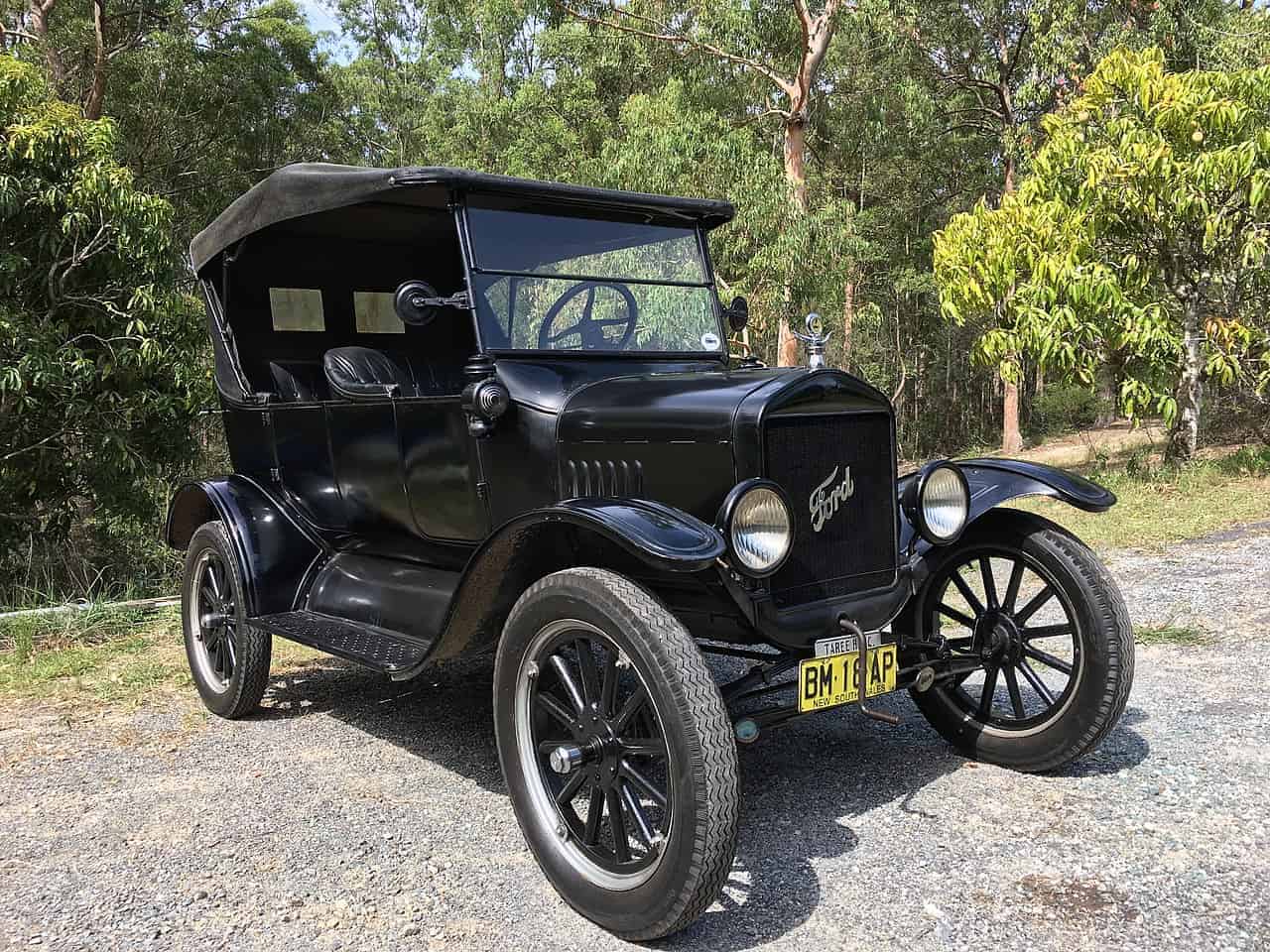
Few vehicles have had a greater impact on everyday life than the Ford Model T. Prior to its introduction, automobiles were expensive machines owned primarily by the wealthy. Henry Ford's revolutionary use of assembly-line manufacturing dramatically reduced production costs and allowed ordinary families to purchase personal transportation for the first time. The Model T transformed mobility by giving millions of people the freedom to travel independently of rail schedules and urban transit systems. Rural communities became more connected, commuting patterns changed, and entirely new industries emerged to support automobile ownership. By the time production ended in 1927, more than 15 million Model Ts had been built. Its success helped establish the automobile as the dominant form of personal transportation and reshaped the economic and social landscape of the twentieth century.
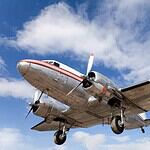
Douglas DC-3
- Introduced: 1935
- Transportation Mode: Aviation
- The Problem It Solved: Air travel was costly and commercially difficult
- The Breakthrough: Reliable and profitable passenger aircraft
- Long-Term Impact: Helped make commercial aviation viable
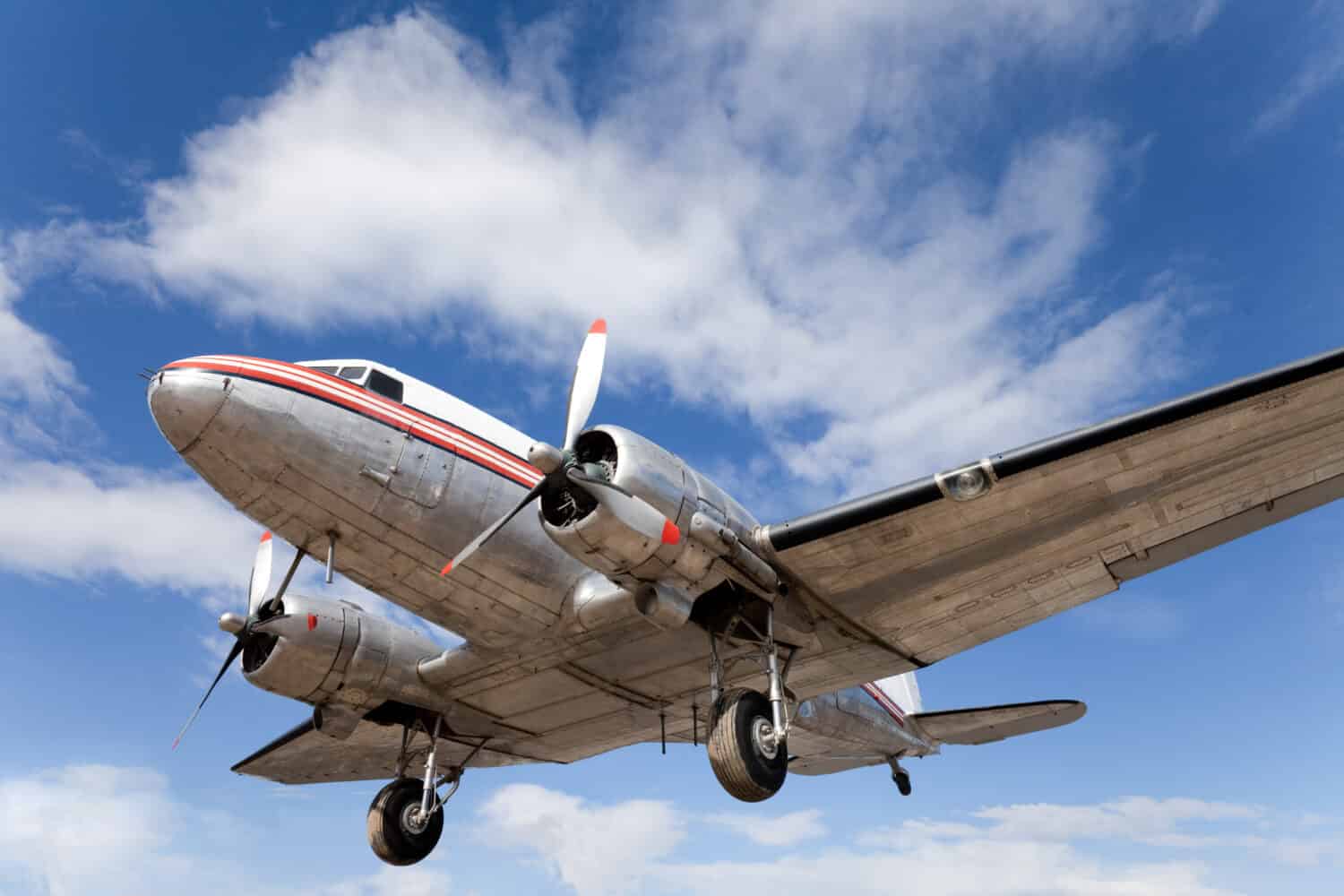
The Douglas DC-3 is widely regarded as the aircraft that made commercial aviation practical. Before its arrival, airlines often struggled to operate profitably without government subsidies or mail contracts. The DC-3 changed the economics of air travel through its combination of reliability, efficiency, passenger comfort, and operating range. Airlines could finally generate profits primarily by transporting passengers rather than cargo. The aircraft dramatically reduced travel times compared to rail and ocean transport while making air travel more attractive to the public. During World War II, military variants further demonstrated the design's versatility and durability. Even decades after its introduction, many DC-3s remained in service around the world. Few aircraft have had a greater influence on the development of commercial aviation or the growth of global passenger travel.
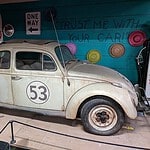
Volkswagen Beetle
- Introduced: 1938
- Transportation Mode: Automobile
- The Problem It Solved: Affordable personal mobility was limited
- The Breakthrough: Simple, durable, mass-produced design
- Long-Term Impact: Became one of the world's most influential cars
The Volkswagen Beetle became one of the most recognizable and influential automobiles ever produced. Originally conceived as an affordable car for ordinary Germans, the Beetle eventually achieved global success after World War II. Its simple design, durability, fuel efficiency, and relatively low cost made it popular across continents and cultures. Millions of people purchased a Beetle as their first automobile, helping expand personal mobility in both developed and developing countries. Beyond transportation, the vehicle became a cultural icon associated with postwar prosperity, counterculture movements, and automotive reliability. More than 21 million Beetles were produced during its long manufacturing run, making it one of the best-selling cars in history. Its influence extended far beyond engineering, helping shape how generations of people experienced automobile ownership.
Boeing 707
- Introduced: 1958
- Transportation Mode: Aviation
- The Problem It Solved: Long-distance travel was slow
- The Breakthrough: Jet-powered commercial flight
- Long-Term Impact: Launched the Jet Age
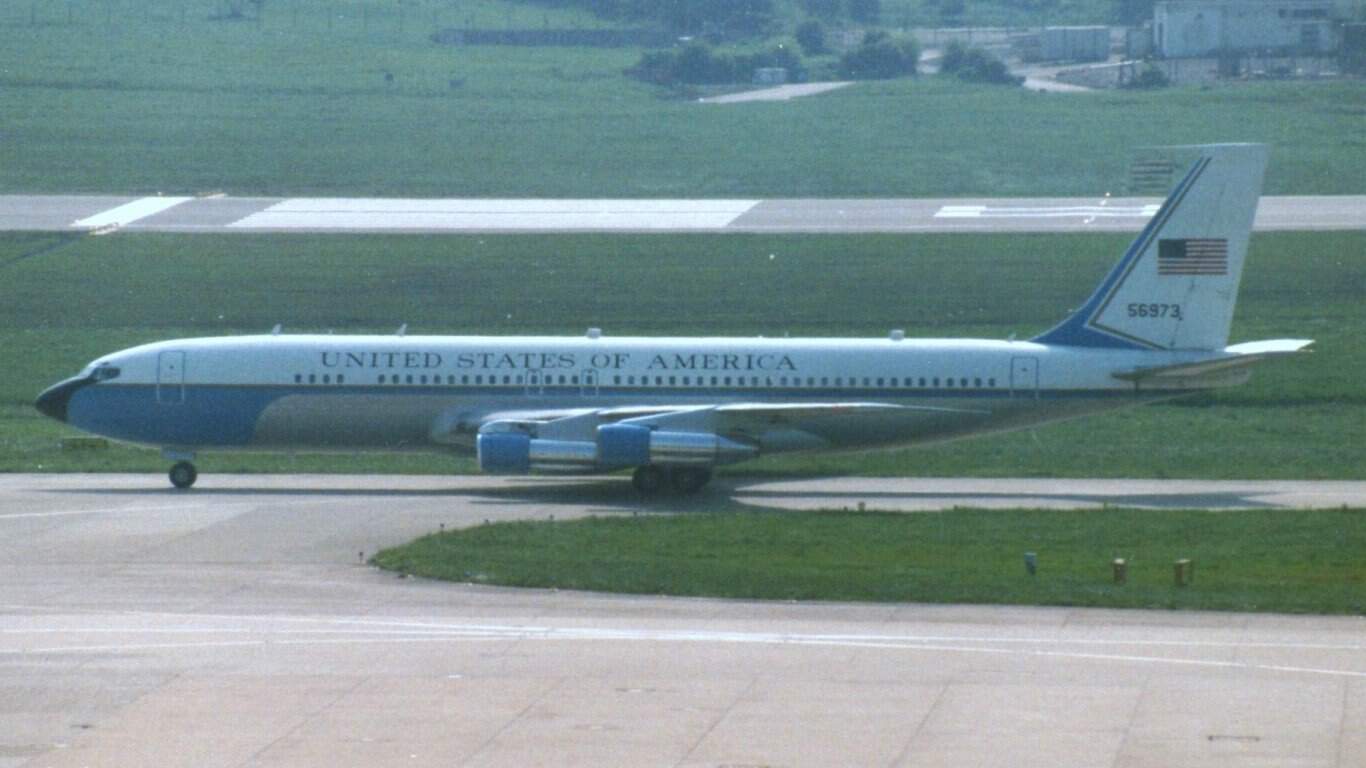
The Boeing 707 ushered in the Jet Age and transformed international travel. Prior to jet-powered airliners, long-distance flights were slower, noisier, and often less comfortable. The 707 dramatically reduced travel times between continents and made global air travel increasingly practical for business and leisure. Airlines rapidly adopted the aircraft, opening new routes and expanding international connectivity. Suddenly, destinations that once required days of travel could be reached in hours. The aircraft helped accelerate globalization by making face-to-face business, tourism, and international cultural exchange more accessible than ever before. The success of the 707 also established Boeing as a dominant force in commercial aviation. More importantly, it fundamentally changed public expectations about speed and convenience, helping turn air travel into a routine part of modern life.
Boeing 747
- Introduced: 1970
- Transportation Mode: Aviation
- The Problem It Solved: International air travel remained expensive
- The Breakthrough: High-capacity widebody aircraft
- Long-Term Impact: Made global air travel more affordable
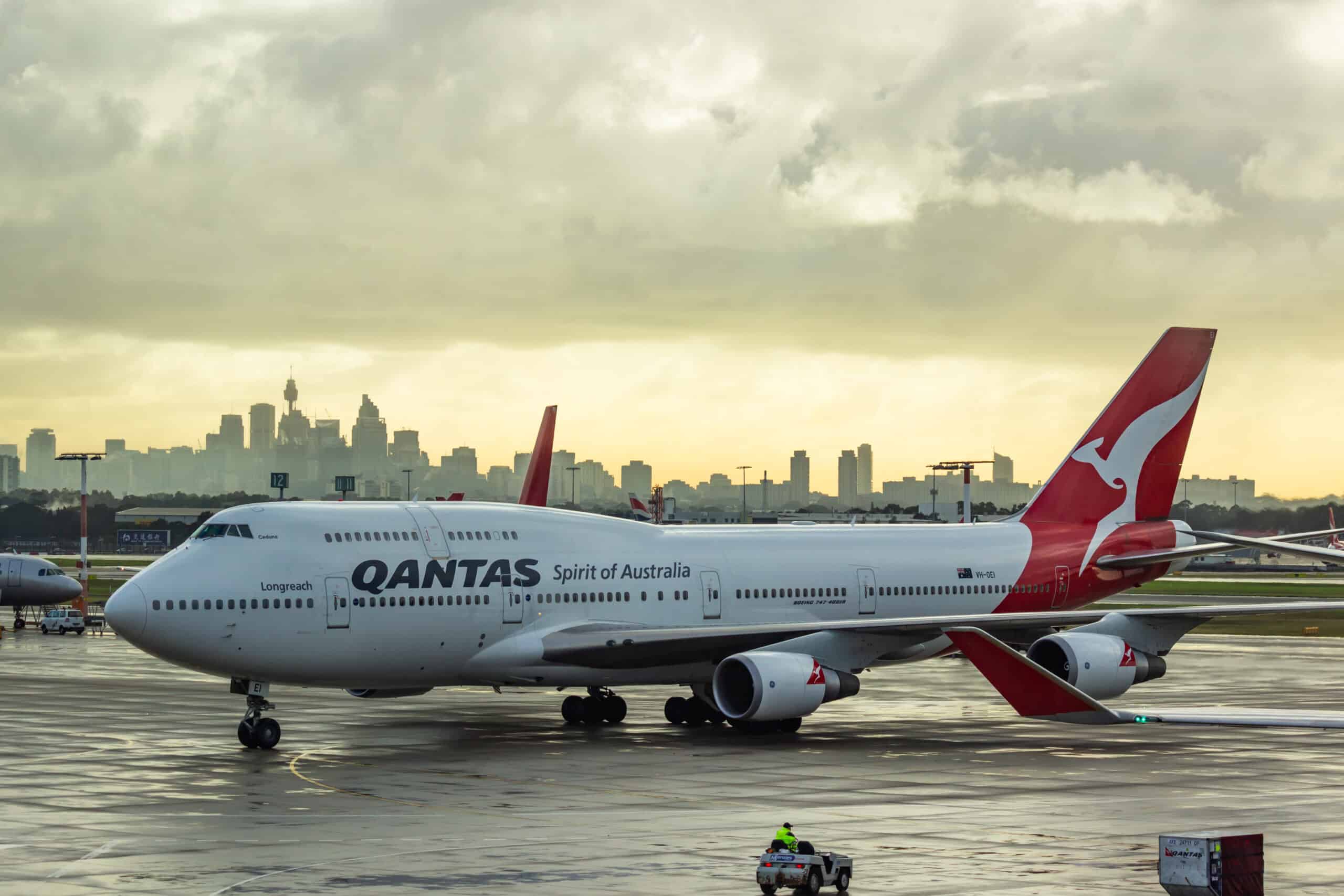
Often called the "Queen of the Skies," the Boeing 747 revolutionized air travel by dramatically increasing passenger capacity. Its distinctive wide-body design allowed airlines to transport far more people than previous aircraft, reducing per-passenger costs and helping make international travel affordable for the middle class. The 747 expanded global tourism, encouraged international business travel, and connected distant regions of the world on an unprecedented scale. For decades, it served as the flagship aircraft of major airlines and became one of the most recognizable symbols of globalization. Beyond its economic impact, the aircraft changed public perceptions of travel itself. Flying was no longer a luxury reserved for the wealthy but an increasingly accessible option for millions. Few vehicles have played a greater role in shrinking the perceived size of the world.
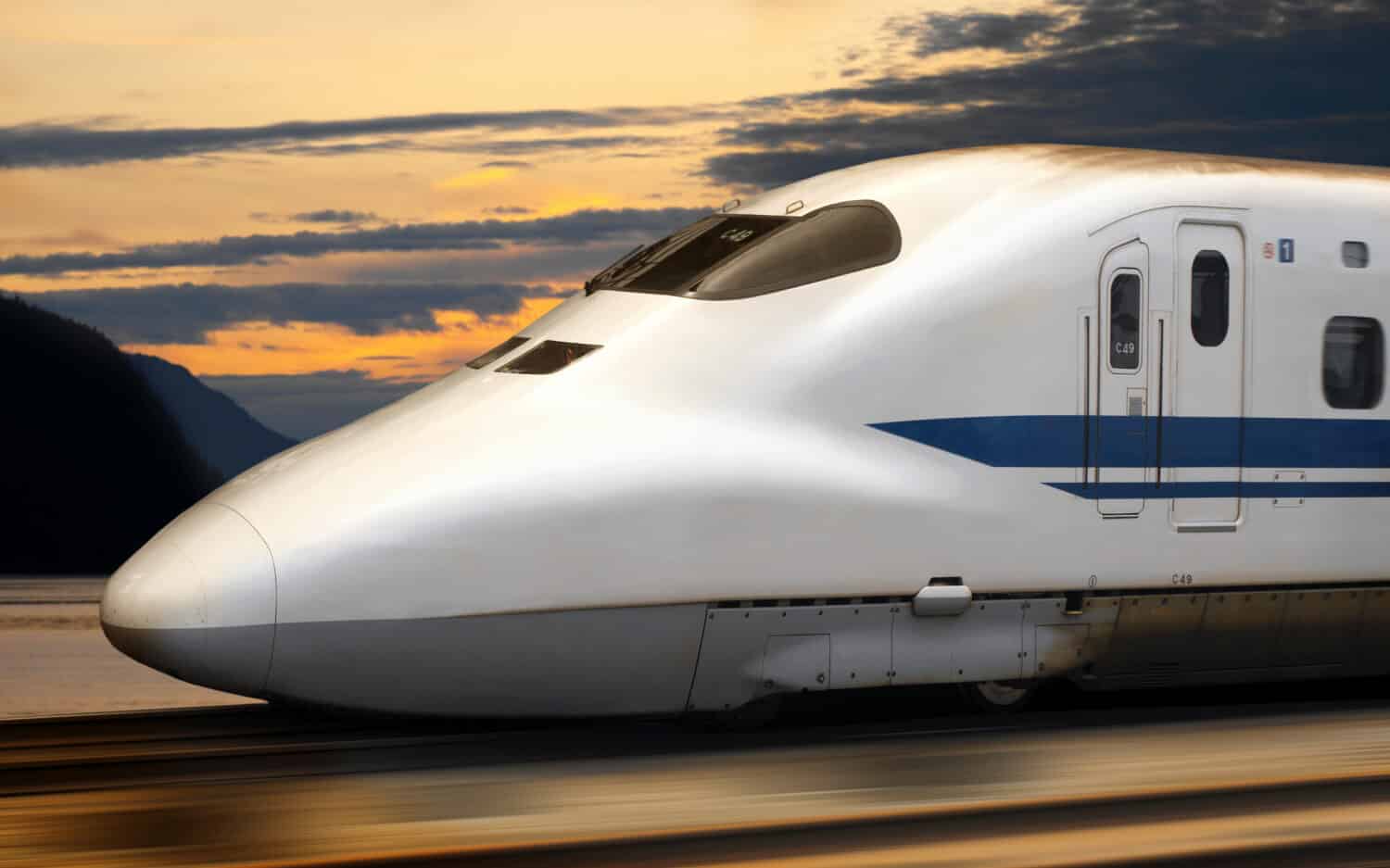
Shinkansen 0 Series
- Introduced: 1964
- Transportation Mode: High-Speed Rail
- The Problem It Solved: Conventional rail was too slow for modern economies
- The Breakthrough: First modern high-speed rail network
- Long-Term Impact: Inspired bullet train systems worldwide
When Japan introduced the Shinkansen 0 Series, it redefined what rail transportation could accomplish. The world's first modern high-speed rail system connected major cities at speeds that seemed extraordinary for the time. The bullet train dramatically reduced travel times between economic centers, supporting business growth and regional development. It also demonstrated that rail could compete effectively with automobiles and air travel for medium-distance journeys. The Shinkansen's safety record, punctuality, and efficiency became benchmarks for transportation systems worldwide. Countries across Europe and Asia later developed their own high-speed rail networks inspired by Japan's success. The 0 Series represented far more than a faster train—it introduced a new vision of mobility that continues to influence transportation planning around the globe.
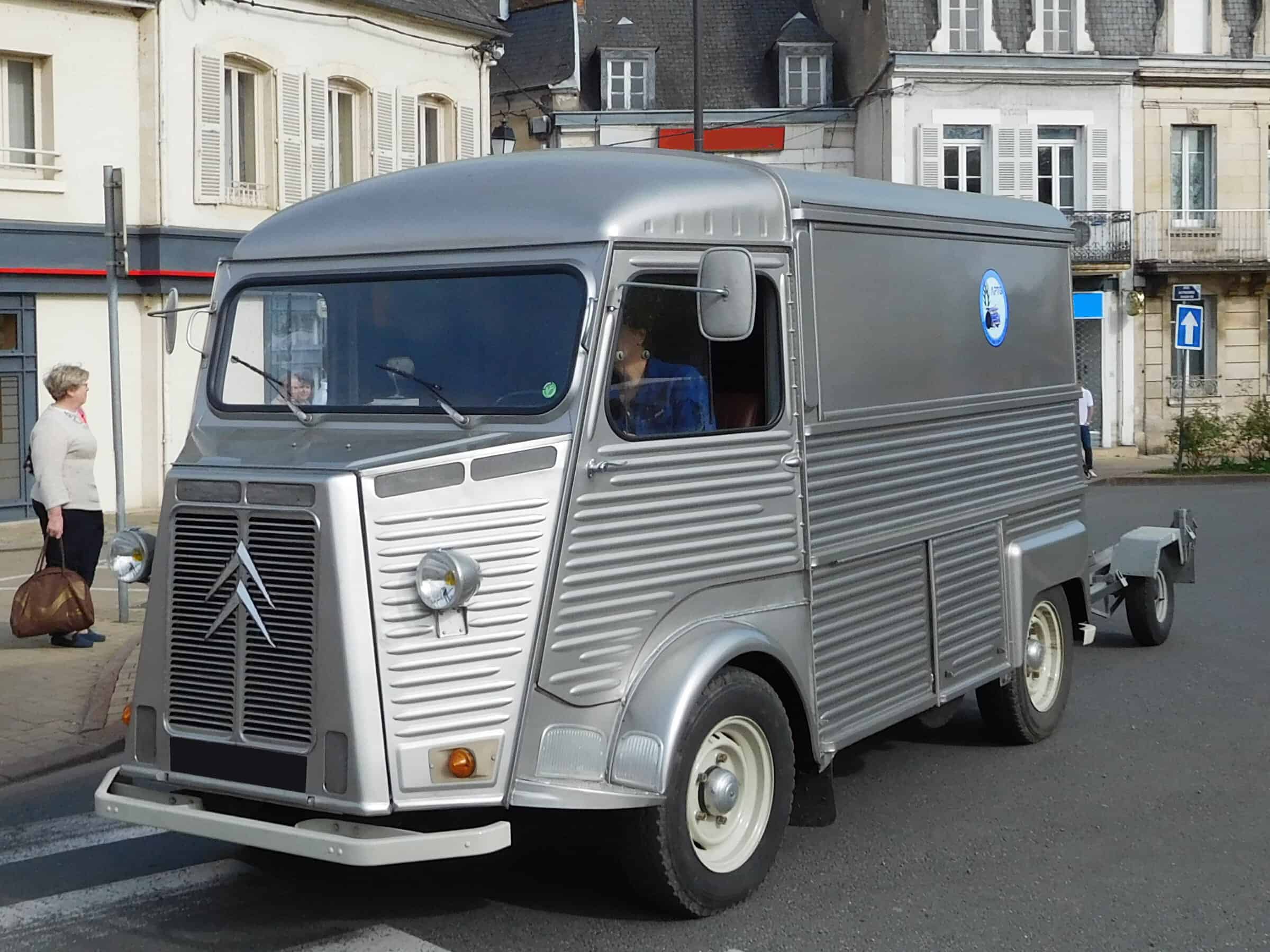
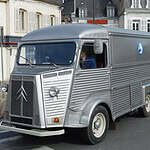
Citroën Type H
- Introduced: 1947
- Transportation Mode: Commercial Transport
- The Problem It Solved: Urban goods delivery lacked efficiency
- The Breakthrough: Versatile front-wheel-drive cargo van
- Long-Term Impact: Influenced commercial transport design
The Citroën Type H may not possess the fame of a Boeing 747 or Ford Model T, but its influence on commercial transportation was substantial. Designed as a practical cargo vehicle for postwar Europe, the van introduced innovative features such as front-wheel drive, a low loading floor, and exceptional interior space. Businesses could transport goods more efficiently while operating in crowded urban environments. The vehicle became a familiar sight throughout Europe, serving everyone from delivery companies to mobile shops and emergency services. Its functional design anticipated many characteristics that would later become standard in commercial vans worldwide. By helping businesses move products and services more efficiently, the Type H contributed to economic recovery and modernization during a crucial period of European history.
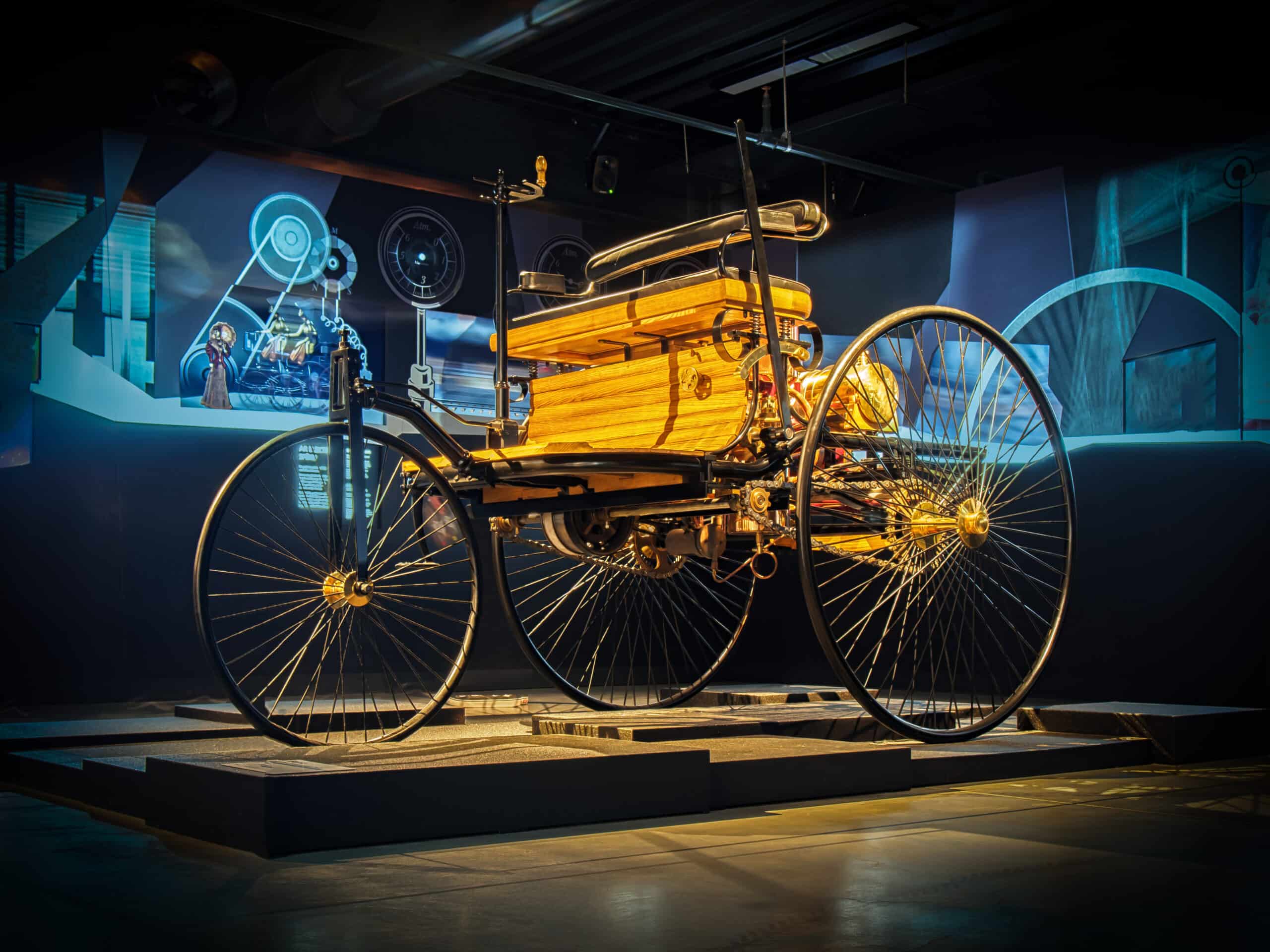
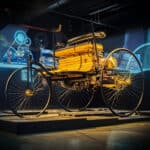
Mercedes-Benz Patent-Motorwagen
- Introduced: 1886
- Transportation Mode: Automobile
- The Problem It Solved: Horse-drawn transport limited mobility
- The Breakthrough: First practical automobile
- Long-Term Impact: Started the automotive era
The Mercedes-Benz Patent-Motorwagen is often recognized as the world's first practical automobile. While primitive by modern standards, its significance cannot be overstated. Developed by Karl Benz, the three-wheeled vehicle demonstrated that personal transportation powered by an internal combustion engine was both possible and practical. The Motorwagen represented a fundamental break from centuries of horse-drawn travel and introduced a technology that would eventually transform societies around the world. Its impact extended beyond transportation, influencing urban planning, manufacturing, energy production, and global commerce. Every modern automobile can trace part of its lineage back to this pioneering machine. The Patent-Motorwagen was not simply a new vehicle—it was the beginning of a transportation revolution that continues to shape modern life.
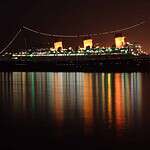
RMS Queen Mary
- Introduced: 1936
- Transportation Mode: Ocean Liner
- The Problem It Solved: Transatlantic travel was lengthy and uncomfortable
- The Breakthrough: Fast luxury ocean travel
- Long-Term Impact: Defined an era of international passenger travel
Before the widespread adoption of commercial air travel, ocean liners represented the pinnacle of international transportation. Among them, the RMS Queen Mary stood as one of the most famous and influential. Combining speed, luxury, and reliability, the ship carried passengers across the Atlantic during an era when ocean travel remained essential for business, migration, and tourism. During World War II, the vessel demonstrated remarkable versatility by transporting troops on a massive scale. The Queen Mary symbolized a period when crossing oceans was still an event rather than a routine journey. Its success helped define the golden age of passenger liners and represents the final peak of an era that would soon be challenged by the rapid rise of commercial aviation.
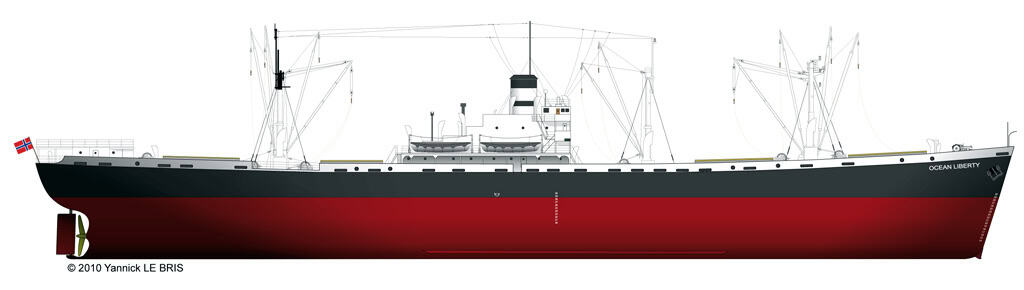
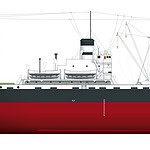
Liberty Ship
- Introduced: 1941
- Transportation Mode: Maritime Shipping
- The Problem It Solved: Rapid cargo transport was needed during wartime
- The Breakthrough: Standardized mass-produced cargo ship
- Long-Term Impact: Transformed industrial shipbuilding methods
The Liberty Ship was designed to solve one of the most urgent transportation challenges of the twentieth century: moving enormous quantities of cargo across oceans quickly and efficiently. During World War II, Allied forces needed ships faster than German submarines could sink them. American shipyards responded by developing a standardized cargo vessel that could be mass-produced on an unprecedented scale. More than 2,700 Liberty Ships were built, demonstrating the power of industrial manufacturing and logistical planning. Although created for wartime needs, the program influenced commercial shipbuilding long after the conflict ended. The Liberty Ship proved that transportation infrastructure could be produced rapidly and at scale, helping establish many of the manufacturing principles that would later support global trade and modern maritime logistics.
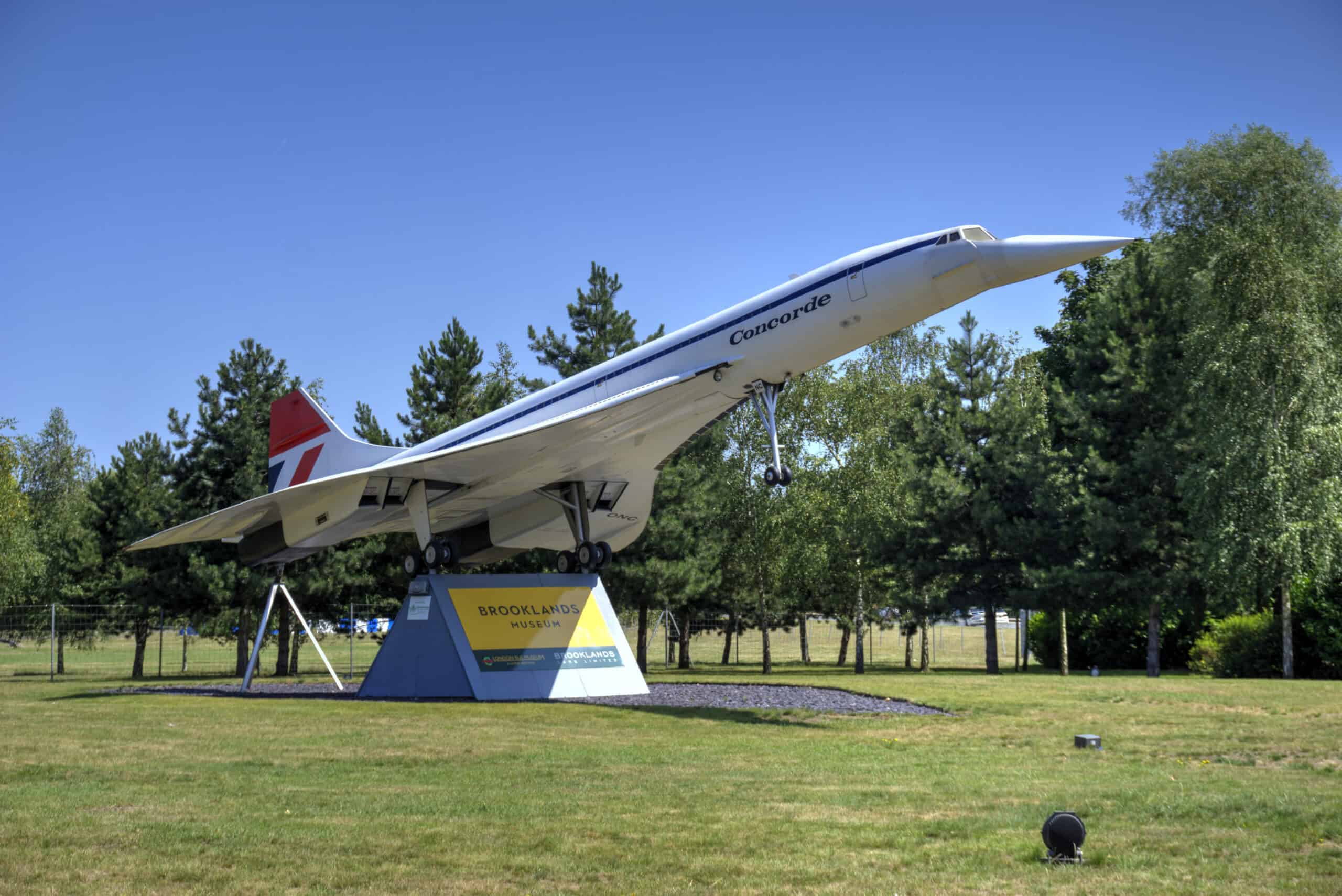
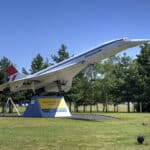
Concorde
- Introduced: 1976
- Transportation Mode: Aviation
- The Problem It Solved: Intercontinental travel required long flight times
- The Breakthrough: Supersonic passenger flight
- Long-Term Impact: Redefined expectations of speed in air travel
Few vehicles have captured the public imagination like Concorde. Developed jointly by Britain and France, the aircraft offered passengers the ability to cross the Atlantic at more than twice the speed of sound. A journey between New York and London that normally required seven or eight hours could be completed in roughly three and a half. Concorde represented a bold vision of the future in which speed would continue to redefine global travel. While high operating costs and limited passenger capacity ultimately restricted its commercial success, the aircraft demonstrated what was technologically possible. Its sleek design and extraordinary performance turned it into a symbol of innovation and prestige. Even after its retirement, Concorde remains one of the most celebrated achievements in the history of aviation.
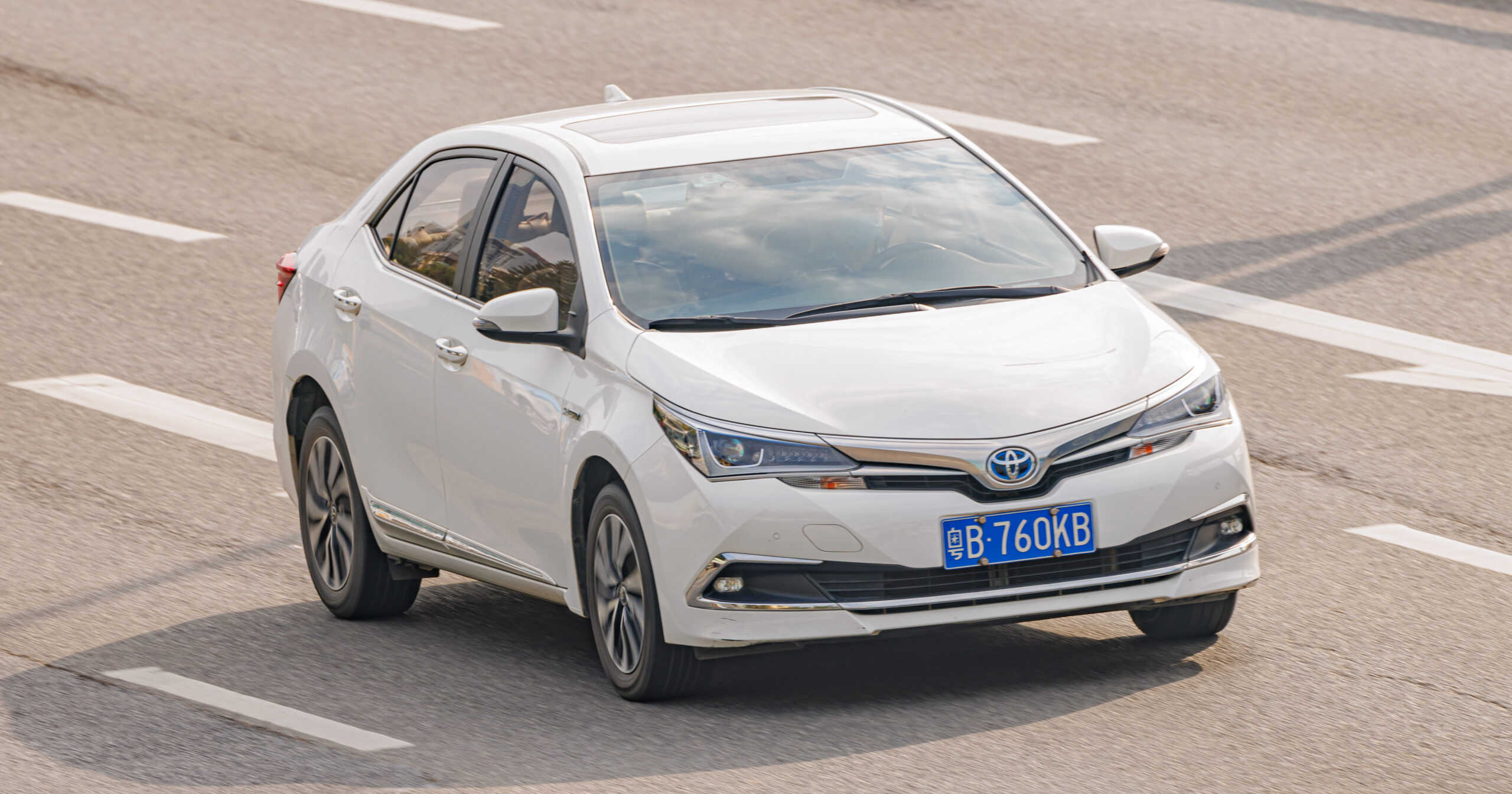
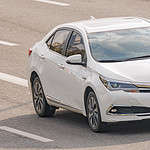
Toyota Corolla
- Introduced: 1966
- Transportation Mode: Automobile
- The Problem It Solved: Reliable transportation remained costly in many markets
- The Breakthrough: Affordable and dependable mass-market vehicle
- Long-Term Impact: Became the world's best-selling car line
The Toyota Corolla became one of the most successful automobiles ever built by focusing on qualities that matter most to ordinary drivers: affordability, reliability, fuel efficiency, and practicality. Introduced during a period of rapid economic growth, the Corolla helped expand personal mobility across Asia, North America, Europe, and countless other regions. Its reputation for dependable transportation made it especially attractive to first-time car buyers and families seeking economical travel. Over time, the Corolla became the best-selling automobile nameplate in history, with tens of millions produced worldwide. Its success demonstrated that transportation revolutions are not always driven by dramatic technological breakthroughs. Sometimes the greatest impact comes from making mobility accessible, dependable, and affordable for as many people as possible.
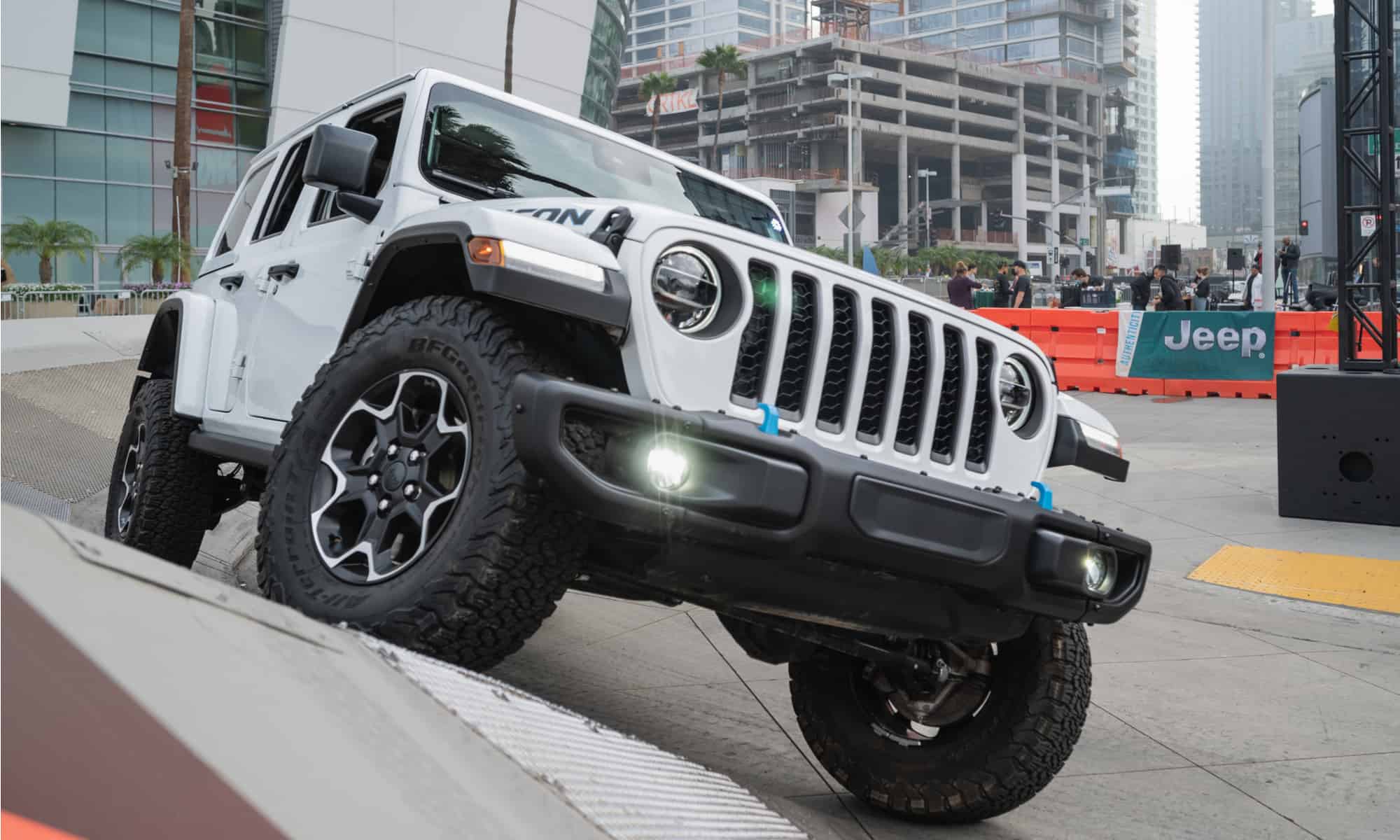
Jeep CJ Series
- Introduced: 1945
- Transportation Mode: Utility Vehicle
- The Problem It Solved: Remote areas lacked versatile transportation
- The Breakthrough: Multi-purpose off-road capability
- Long-Term Impact: Influenced generations of utility vehicles
The Jeep CJ Series transformed a wartime military concept into one of the most influential civilian vehicles ever produced. Based on the rugged military Jeep used during World War II, the CJ introduced generations of drivers to practical off-road transportation. Its simple mechanical design, four-wheel-drive capability, and versatility allowed people to travel in places where conventional automobiles struggled to operate. Farmers, ranchers, explorers, utility companies, and outdoor enthusiasts all found uses for the vehicle. The CJ also helped establish the modern sport utility vehicle market, influencing countless designs that followed. More than just a means of transportation, the Jeep became a symbol of adventure and self-reliance, expanding the places people could realistically reach and changing expectations about mobility beyond paved roads.
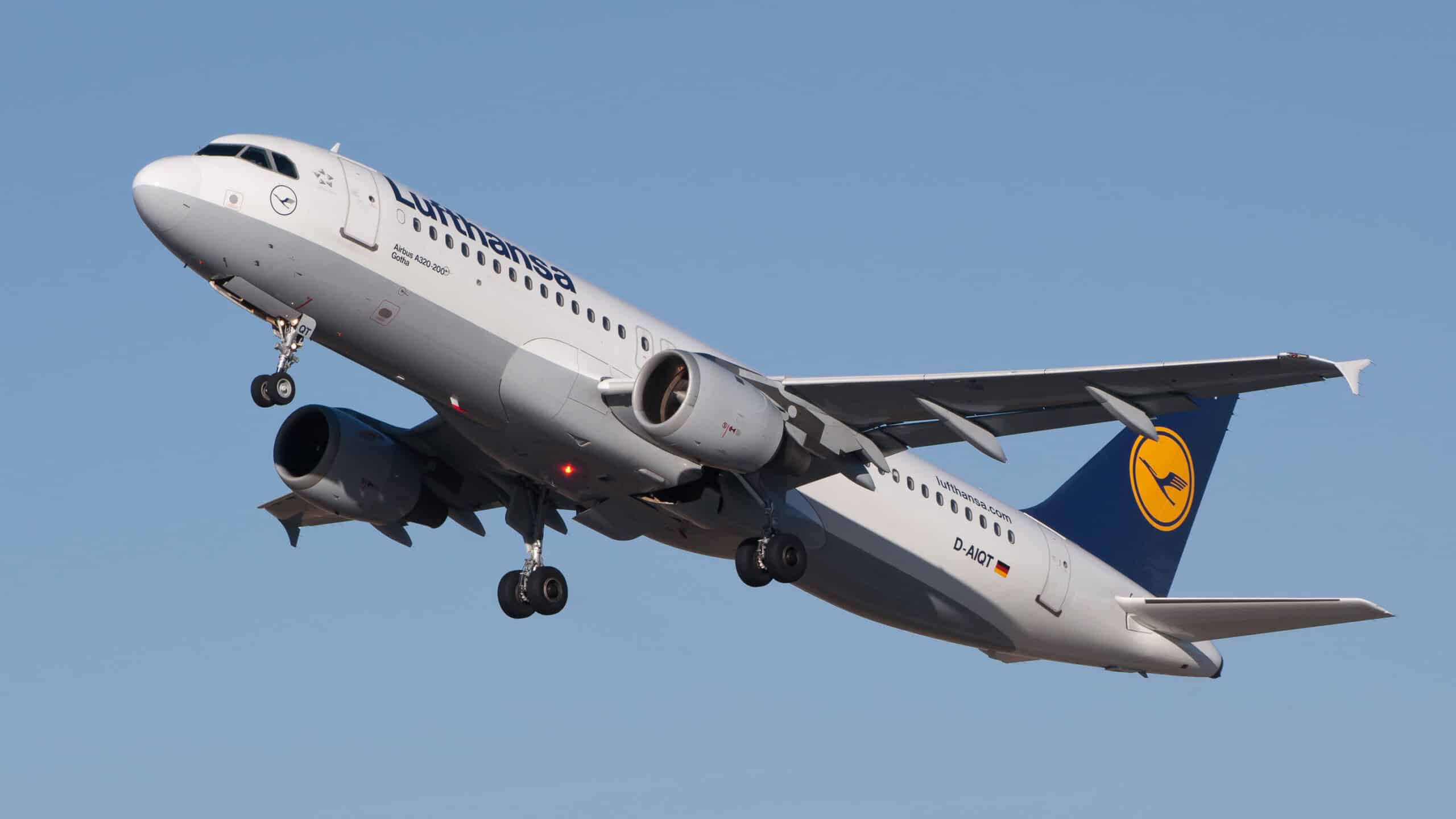
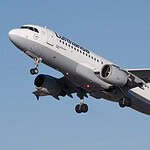
Airbus A320
- Introduced: 1988
- Transportation Mode: Aviation
- The Problem It Solved: Commercial aviation needed greater efficiency
- The Breakthrough: Fly-by-wire passenger jet
- Long-Term Impact: Set new standards for modern airliners
The Airbus A320 introduced technological innovations that reshaped commercial aviation. Most notably, it popularized fly-by-wire flight controls in a major passenger aircraft, replacing many traditional mechanical systems with electronic controls. This technology improved efficiency, reduced pilot workload, and enhanced safety. The aircraft also offered airlines lower operating costs while maintaining passenger comfort, making it attractive for both short- and medium-haul routes. Over time, the A320 family became one of the most successful commercial aircraft programs in history. Its influence extends well beyond Airbus itself, as many of its innovations became standard throughout the aviation industry. By combining advanced technology with operational practicality, the A320 helped define the modern era of commercial air travel.
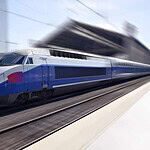
TGV Sud-Est
- Introduced: 1981
- Transportation Mode: High-Speed Rail
- The Problem It Solved: Need for faster intercity transportation
- The Breakthrough: Advanced high-speed rail operations
- Long-Term Impact: Expanded the high-speed rail model across Europe
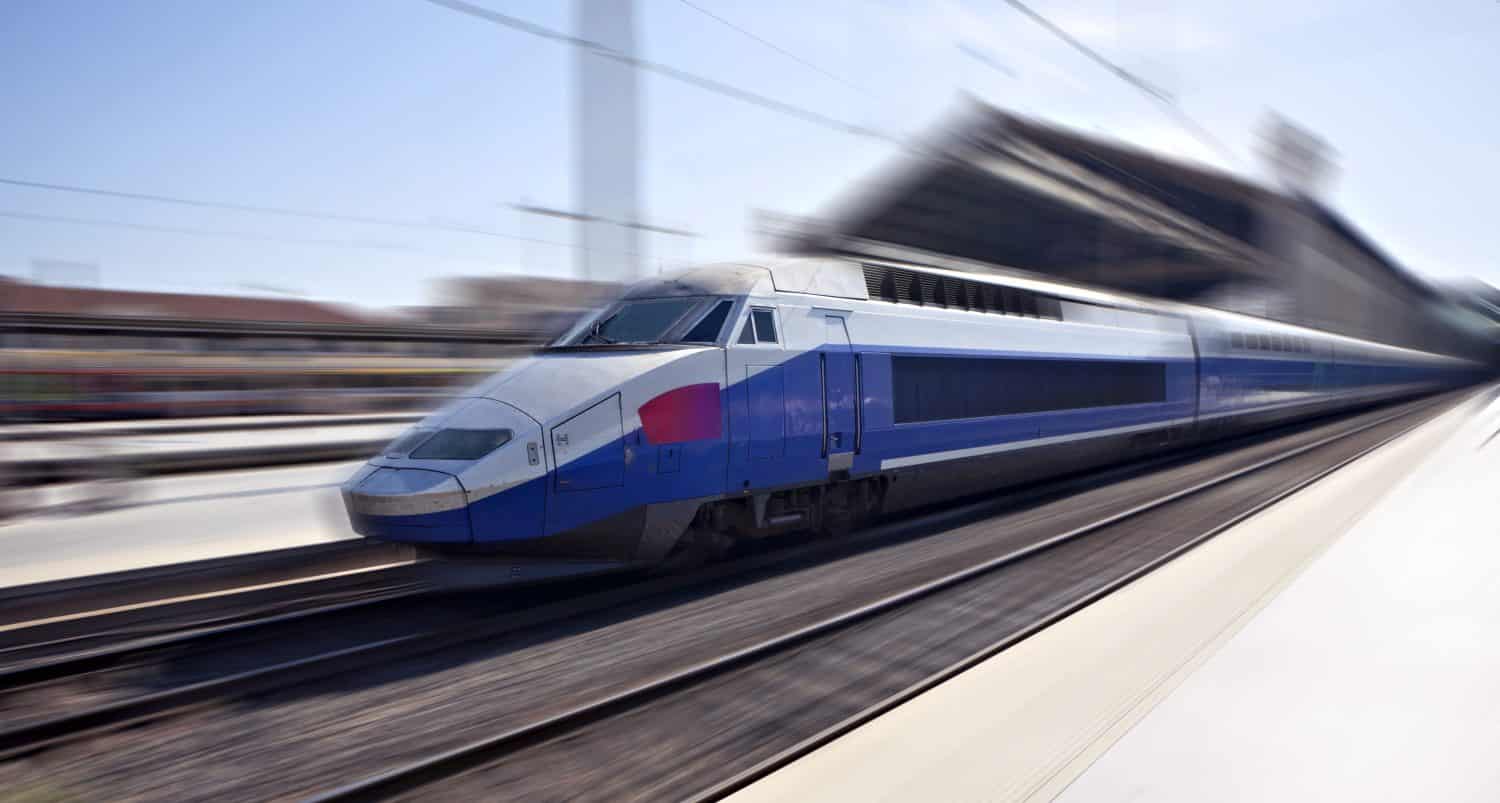
France's TGV Sud-Est demonstrated that Japan's high-speed rail revolution was not an isolated achievement. By delivering sustained speeds far beyond conventional rail services, the TGV transformed transportation within France and inspired high-speed rail expansion throughout Europe. The train offered travelers a compelling alternative to both automobiles and domestic flights, especially for journeys between major urban centers. Its success encouraged governments to invest in faster rail infrastructure and proved that high-speed trains could become a central part of modern transportation networks. Beyond reducing travel times, the TGV helped strengthen economic connections between regions and influenced transportation policy worldwide. Today, many of the world's most advanced rail systems owe part of their development to the pioneering success of France's first high-speed train.
Ideal X
- Introduced: 1956
- Transportation Mode: Maritime Shipping
- The Problem It Solved: Cargo loading was slow and labor-intensive
- The Breakthrough: Standardized container shipping
- Long-Term Impact: Revolutionized global trade and logistics
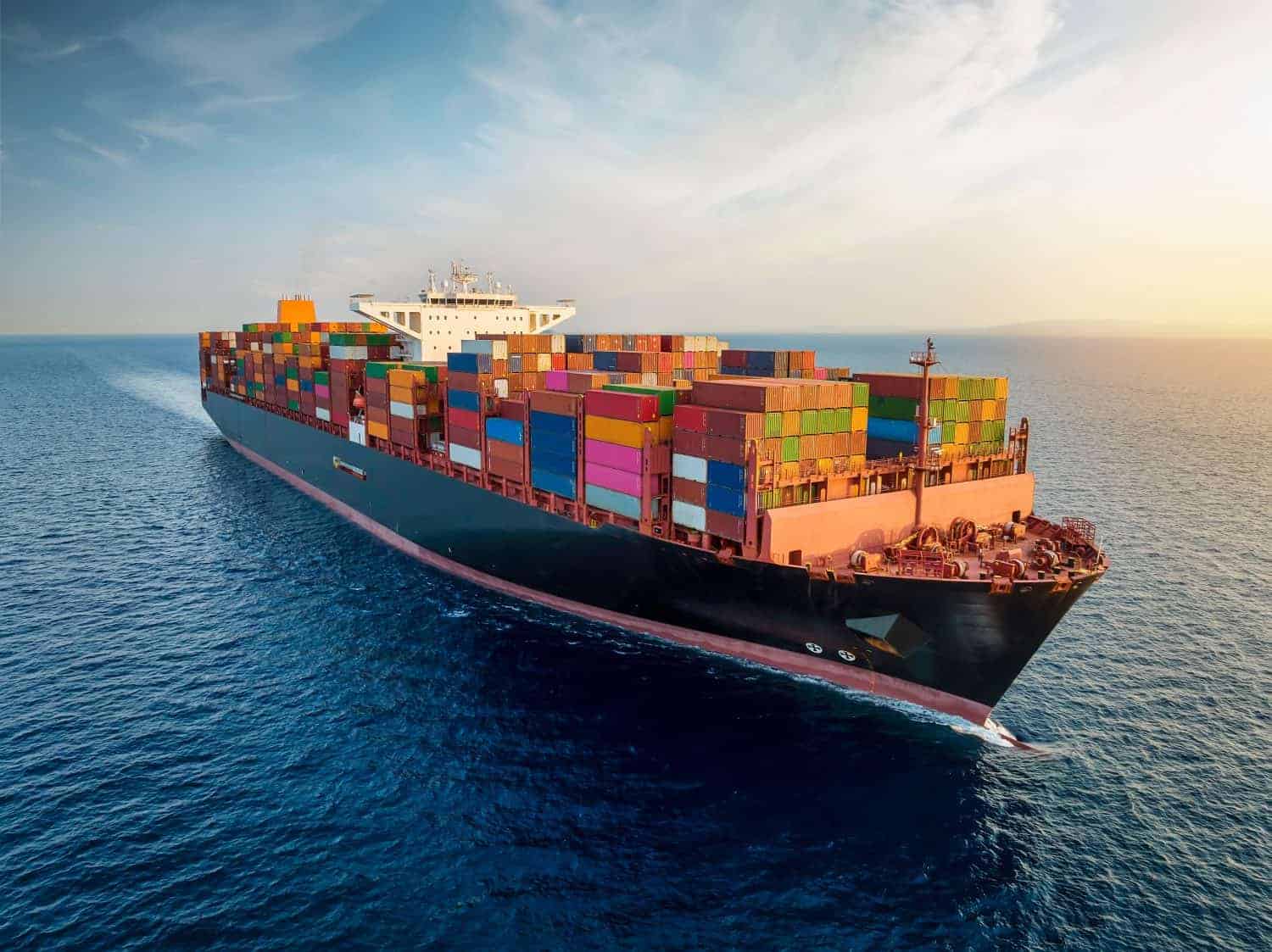
The Ideal X may not be widely known outside shipping circles, but few vehicles have had a greater impact on the global economy. Originally a converted oil tanker, the vessel became the first commercially successful container ship. By using standardized cargo containers, the Ideal X dramatically reduced loading times, labor costs, and shipping complexity. Before containerization, cargo often had to be loaded and unloaded piece by piece, a slow and expensive process. The new system transformed global logistics and made international trade vastly more efficient. Modern supply chains, global manufacturing networks, and worldwide consumer markets all owe a debt to container shipping. The Ideal X helped create the infrastructure that allows goods to move around the planet quickly and economically.
Tesla Model S
- Introduced: 2012
- Transportation Mode: Electric Automobile
- The Problem It Solved: Electric cars had limited appeal and range
- The Breakthrough: High-performance long-range EV design
- Long-Term Impact: Accelerated modern EV adoption
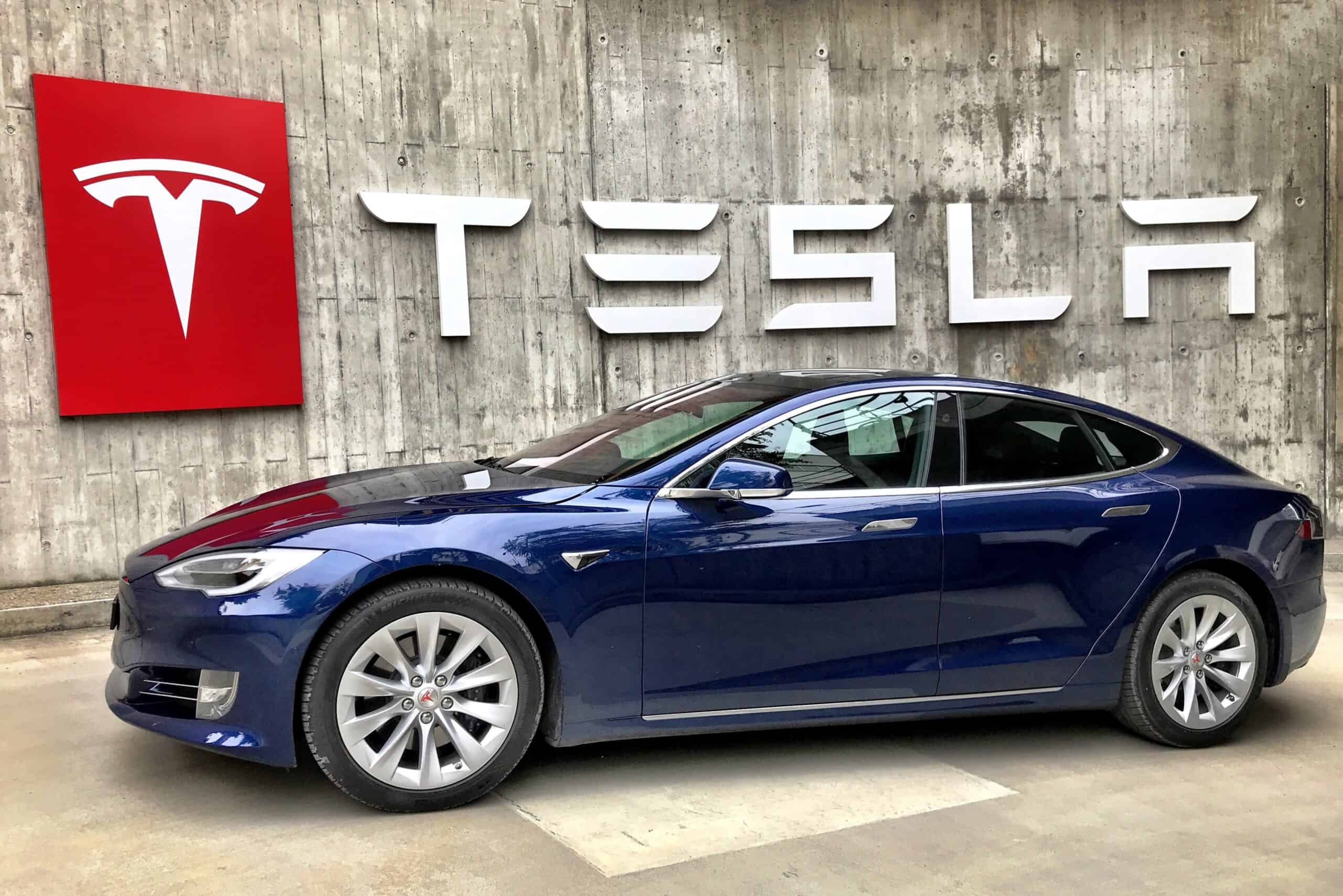
The Tesla Model S played a pivotal role in changing public perceptions of electric vehicles. Prior to its arrival, many consumers viewed electric cars as slow, limited, or impractical. The Model S challenged those assumptions by combining impressive performance, long driving range, advanced software, and luxury features into a single package. The vehicle demonstrated that electric transportation could compete directly with traditional gasoline-powered automobiles while offering unique technological advantages. Its success accelerated investment in electric vehicle development across the automotive industry and encouraged governments to support transportation electrification. While it was not the first electric car, the Model S became a catalyst for broader adoption and helped push the automotive industry toward a future increasingly focused on battery-powered mobility.
The image featured at the top of this post is ©Ryan Fletcher/Shutterstock.com