


15 Iconic American Monuments Most People Can’t Name
Across the United States, monuments and memorials serve as physical reminders of the country’s wars, presidents, ideals, tragedies, and defining moments. Some were built to honor military sacrifice, others to celebrate democracy, exploration, or civil rights. Over time, these landmarks would become symbols of national identity that millions of Americans instantly recognize from textbooks, movies, photographs, and family vacations. Yet despite their fame, many people struggle to correctly identify some of the country’s most iconic monuments when separated from their names.
Here, History Computer is going to put your brain to the test to see if you know more than most about American monuments.
Monuments Help Turn History Into Memory
Unlike history books or documentaries, monuments give people something physical to stand beside and experience directly. Massive sculptures, memorial walls, giant arches, and historic landmarks help transform abstract historical events into places that feel real and emotionally connected to the present. Visiting monuments often becomes part of family trips, school field trips, military ceremonies, or national celebrations. These sites help preserve stories that might otherwise fade with time while giving later generations a visual connection to America’s past.
Some Landmarks Became Symbols of America Itself
A handful of American monuments became so recognizable that they now function almost like national logos. The Statue of Liberty represents freedom and immigration. Mount Rushmore symbolizes presidential leadership and national identity. The Gateway Arch became tied to westward expansion and the frontier era. These landmarks appear constantly in films, news broadcasts, advertisements, and tourism campaigns, making them instantly familiar even to people who have never visited them in person.
American Monuments Reflect Different Eras of History
The monuments Americans build often reveal what the country chooses to remember during different periods of history. Earlier monuments focused heavily on presidents, wars, and national expansion, while newer memorials increasingly emphasize civil rights, sacrifice, inclusion, and social change. The architecture also evolved dramatically over time, ranging from classical marble memorials inspired by ancient Greece to sleek modern designs built from steel and glass. Together, these monuments create a visual timeline showing how America’s understanding of its own history has changed across generations.
This Quiz Is About Recognition, Curiosity, and Cultural Memory
The goal of this monument quiz is not to embarrass anyone for missing an answer. Instead, it highlights how deeply these landmarks are woven into American culture and how much history can be attached to a single structure or statue. Some monuments will feel immediately obvious, while others may surprise readers once the clues become more difficult. Beyond testing recognition, the quiz also offers a chance to revisit the stories, symbolism, and historical moments that helped shape some of the most iconic landmarks in the United States.
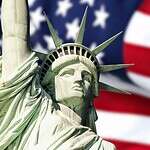
#1 What famous statue was gifted to the United States by France?
- Hint: Her arm has probably been tired since 1886.
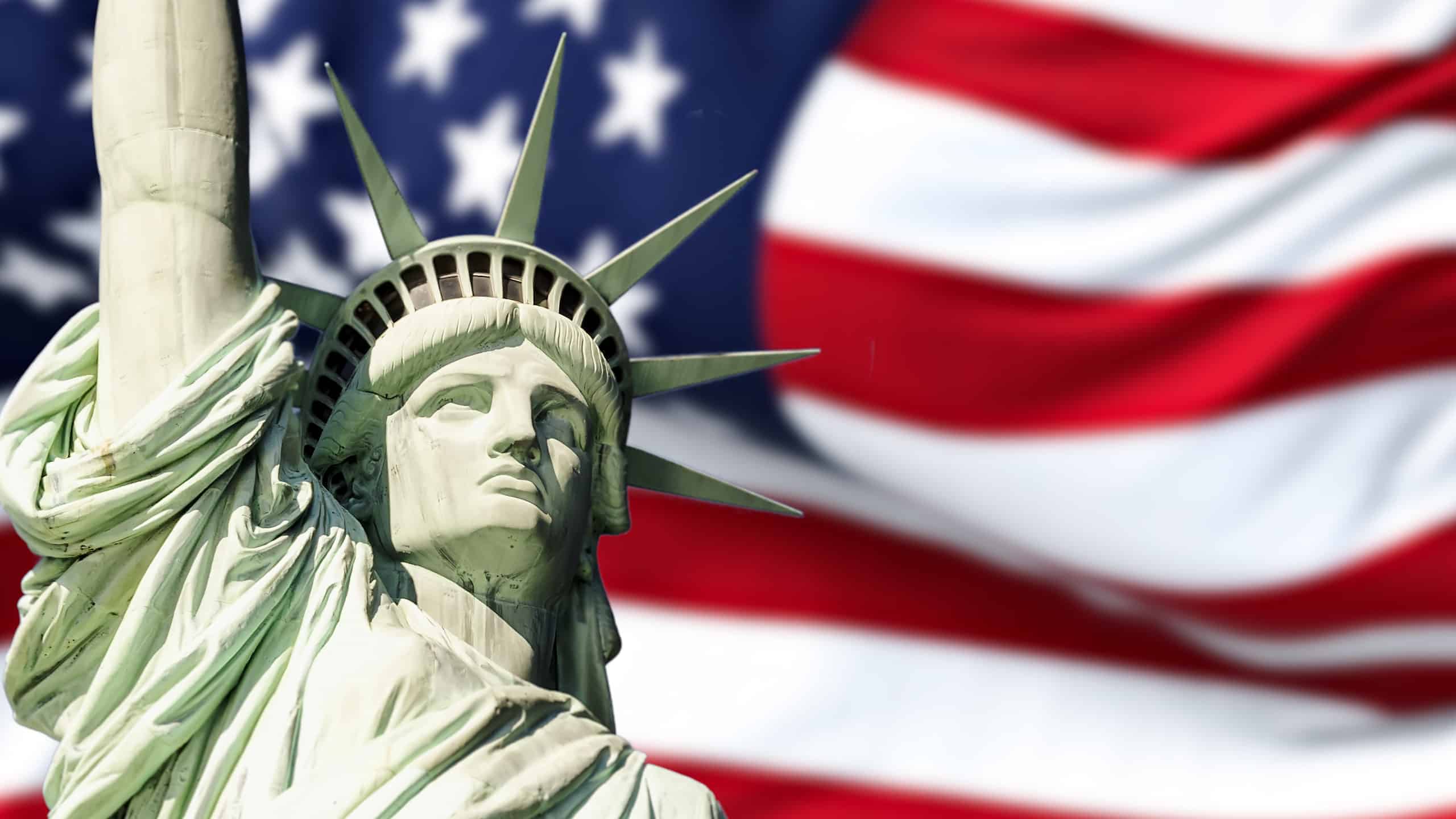
#1 Statue of Liberty
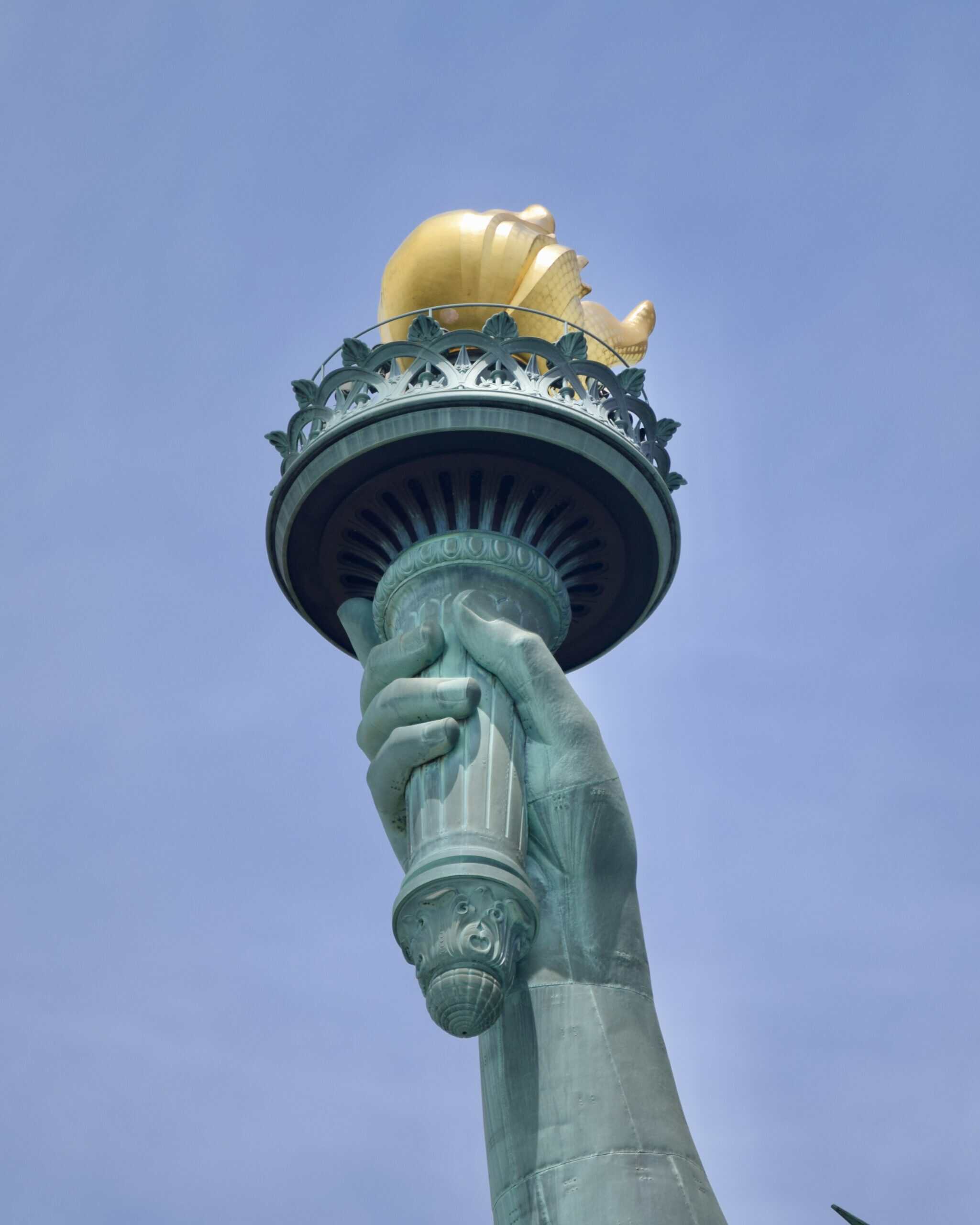
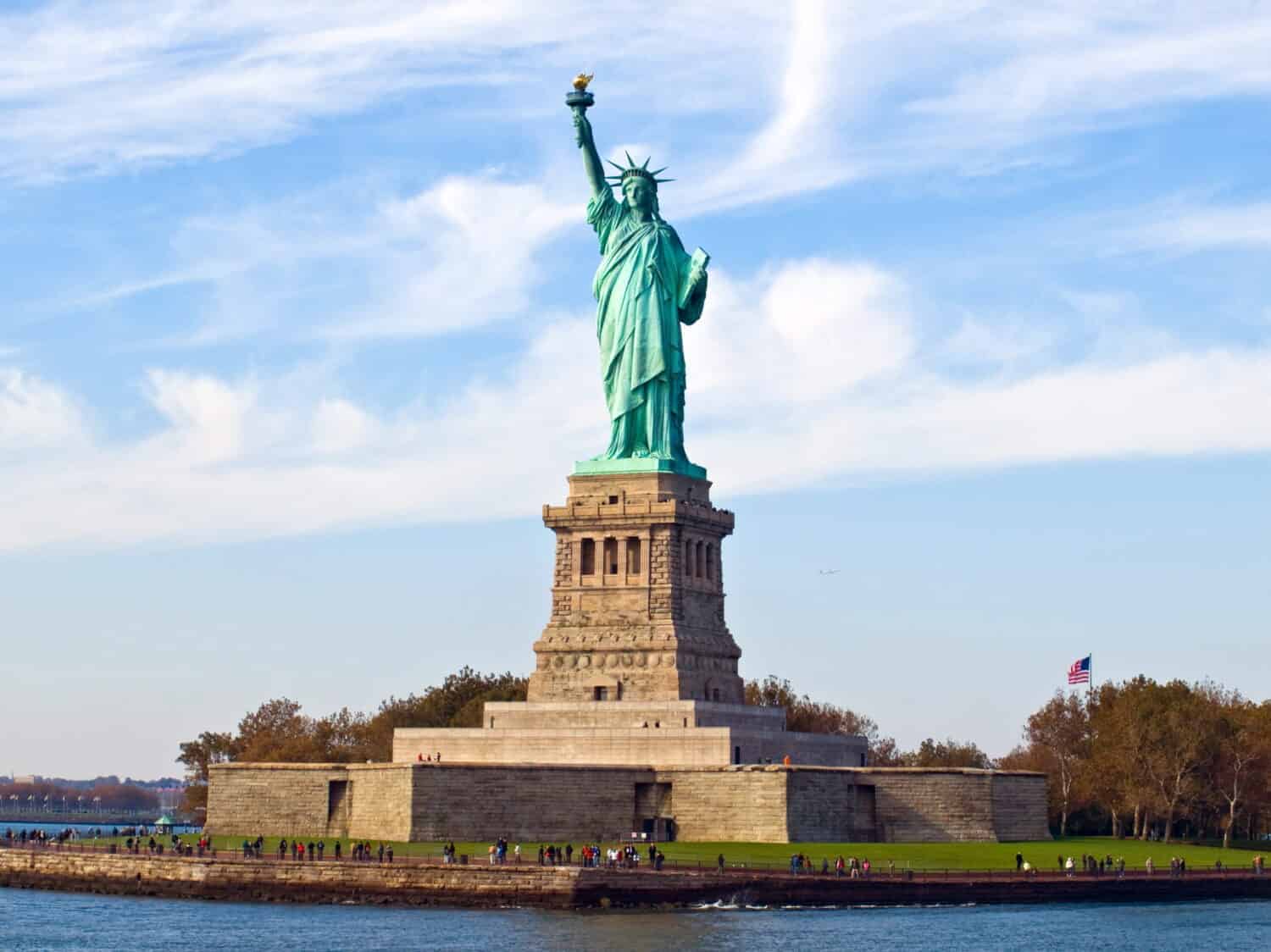
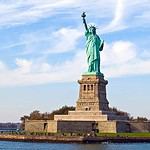
The Statue of Liberty stands in New York Harbor and remains one of the most recognizable symbols of the United States. France gifted the statue to America in 1886 to celebrate friendship between the two nations and the ideals of liberty and democracy. Designed by sculptor Frédéric Auguste Bartholdi, the monument welcomed millions of immigrants arriving by ship during the late 19th and early 20th centuries. The statue’s torch, crown, and broken chains symbolize freedom and opportunity. Over time, Lady Liberty has evolved into a global symbol associated with immigration, hope, and the American identity itself.
#2 What monument features four presidential faces carved into a mountain?
- Hint: This is probably the world’s largest presidential group selfie.
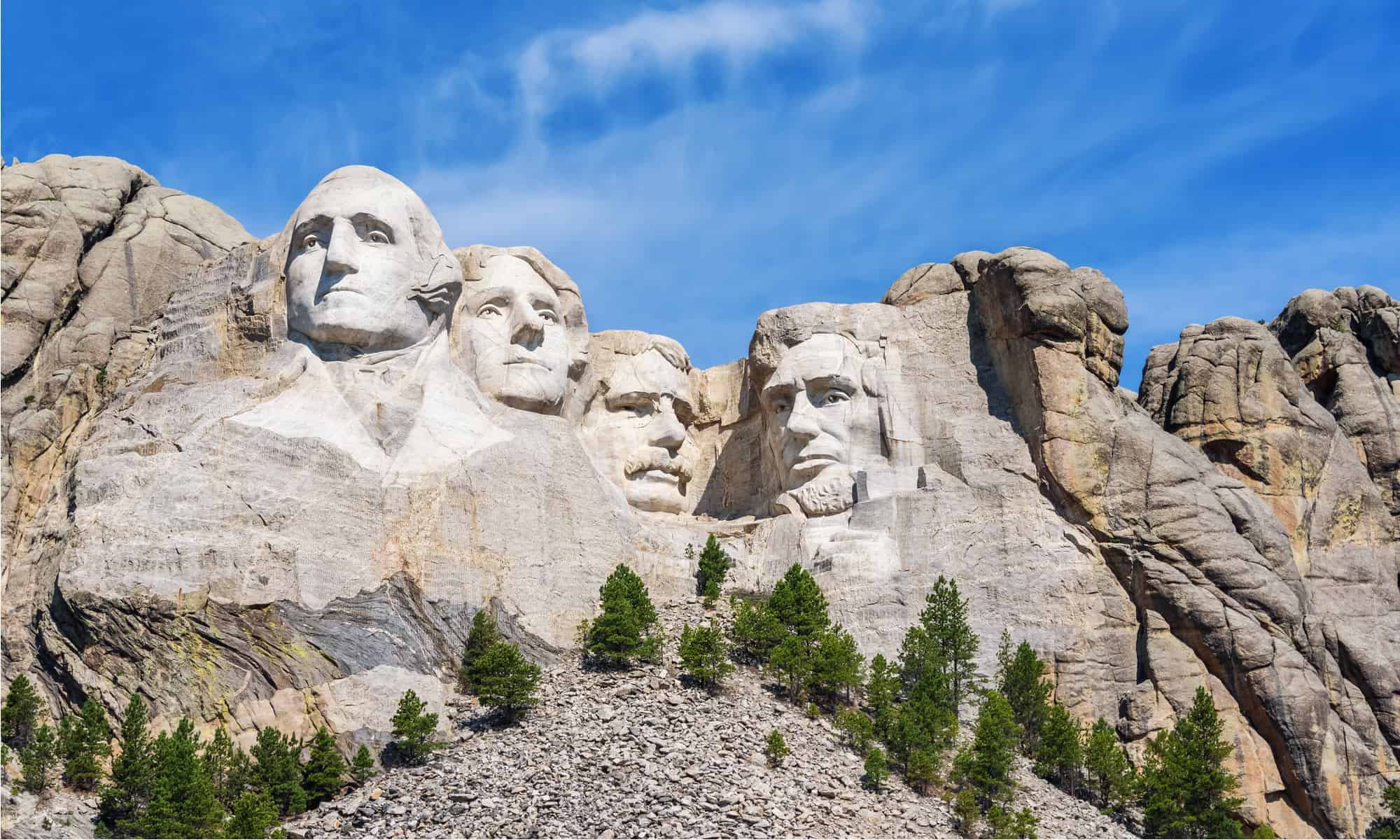
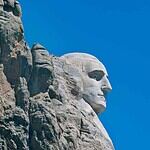
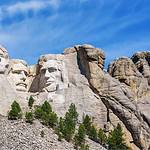
#2 Mount Rushmore
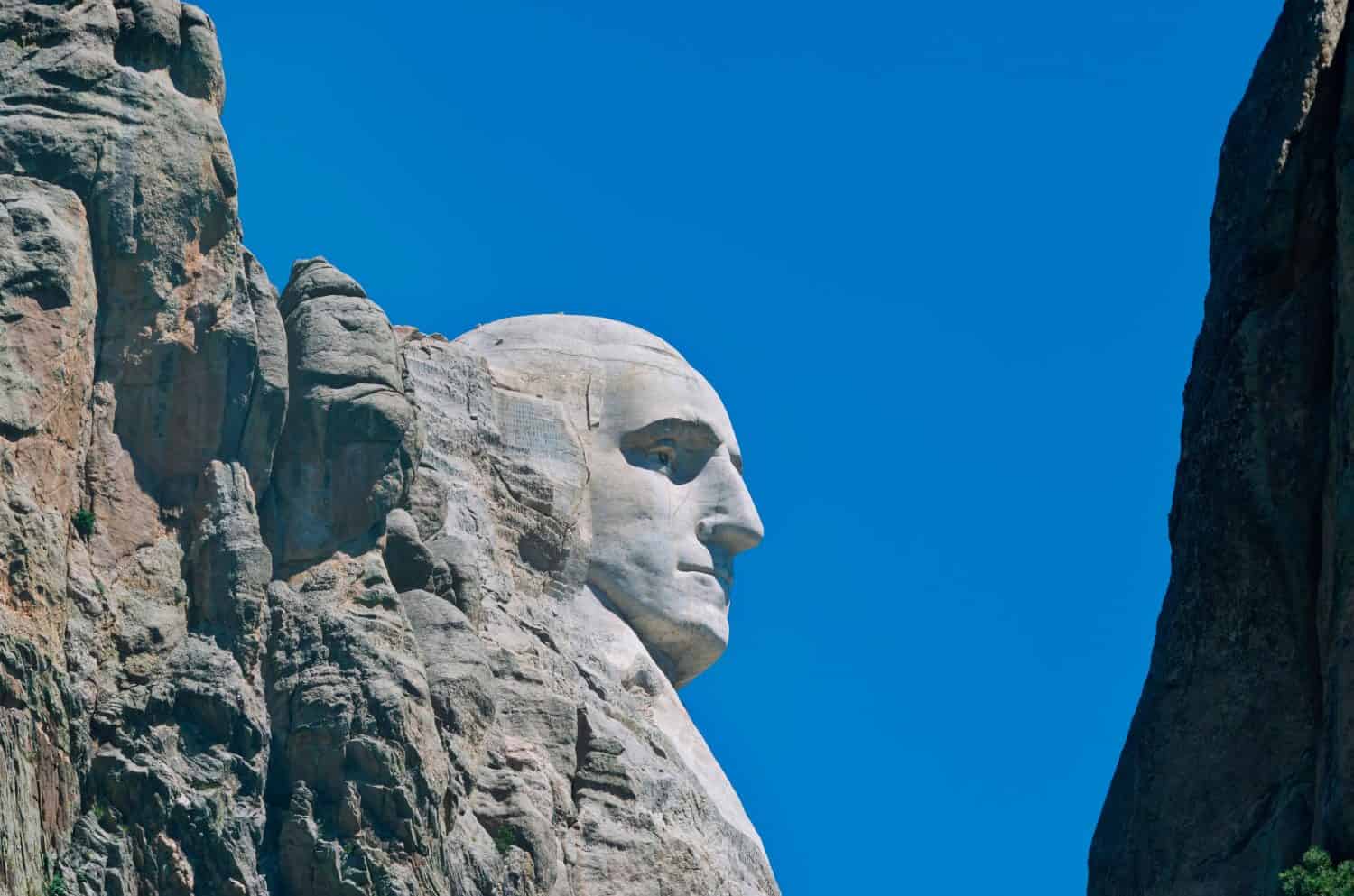
Mount Rushmore features the carved faces of Presidents George Washington, Thomas Jefferson, Theodore Roosevelt, and Abraham Lincoln. Located in South Dakota’s Black Hills, the monument was designed to celebrate major moments in American history, including independence, expansion, conservation, and national unity. Sculptor Gutzon Borglum oversaw the massive project during the early 20th century. The scale of the monument is enormous, with each presidential face standing roughly 60 feet tall. Mount Rushmore became one of America’s most famous national landmarks, though it also remains controversial because the monument was built on land considered sacred by the Lakota Sioux.
#3 What Washington D.C. monument looks like a giant stone obelisk?
- Hint: It’s basically America’s most famous marble pencil.
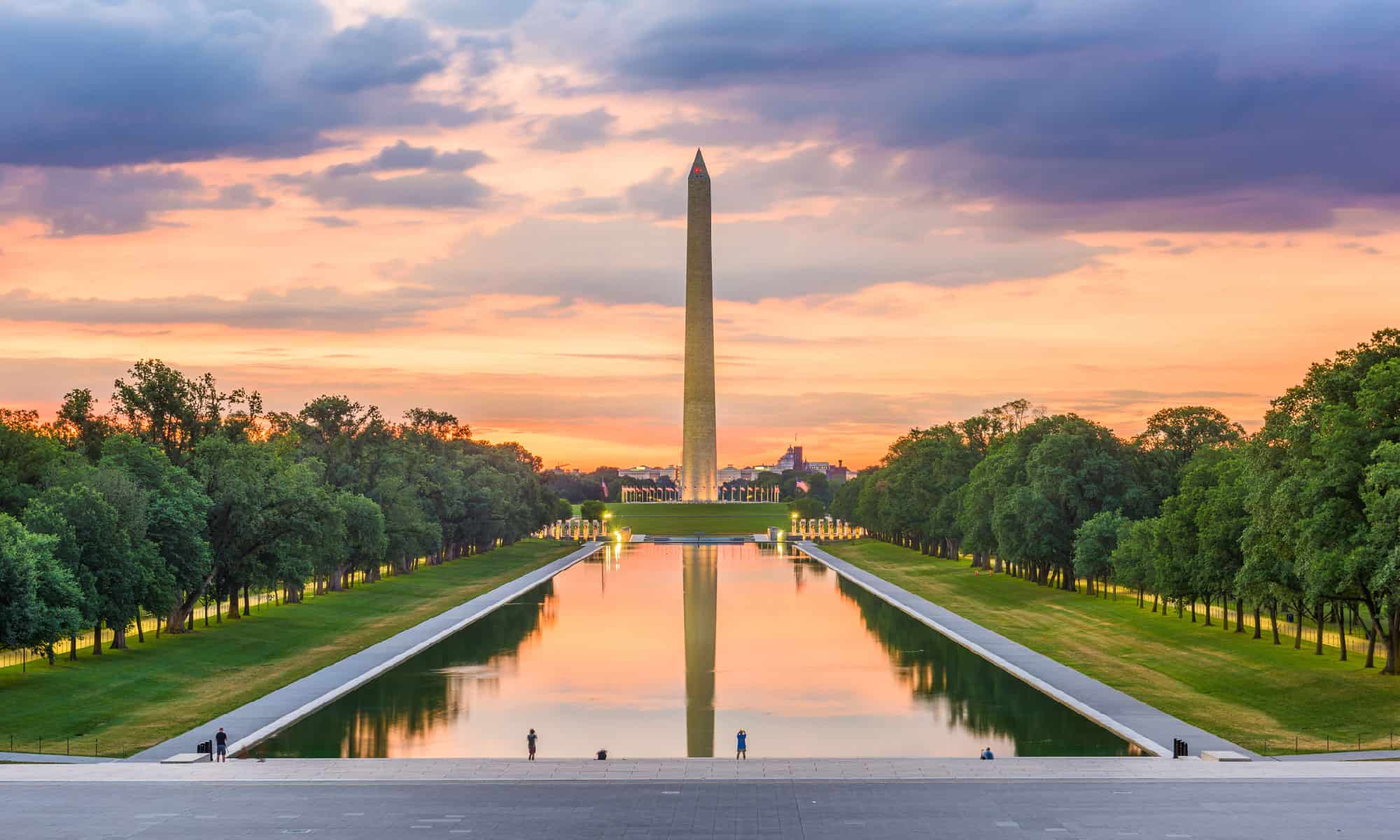
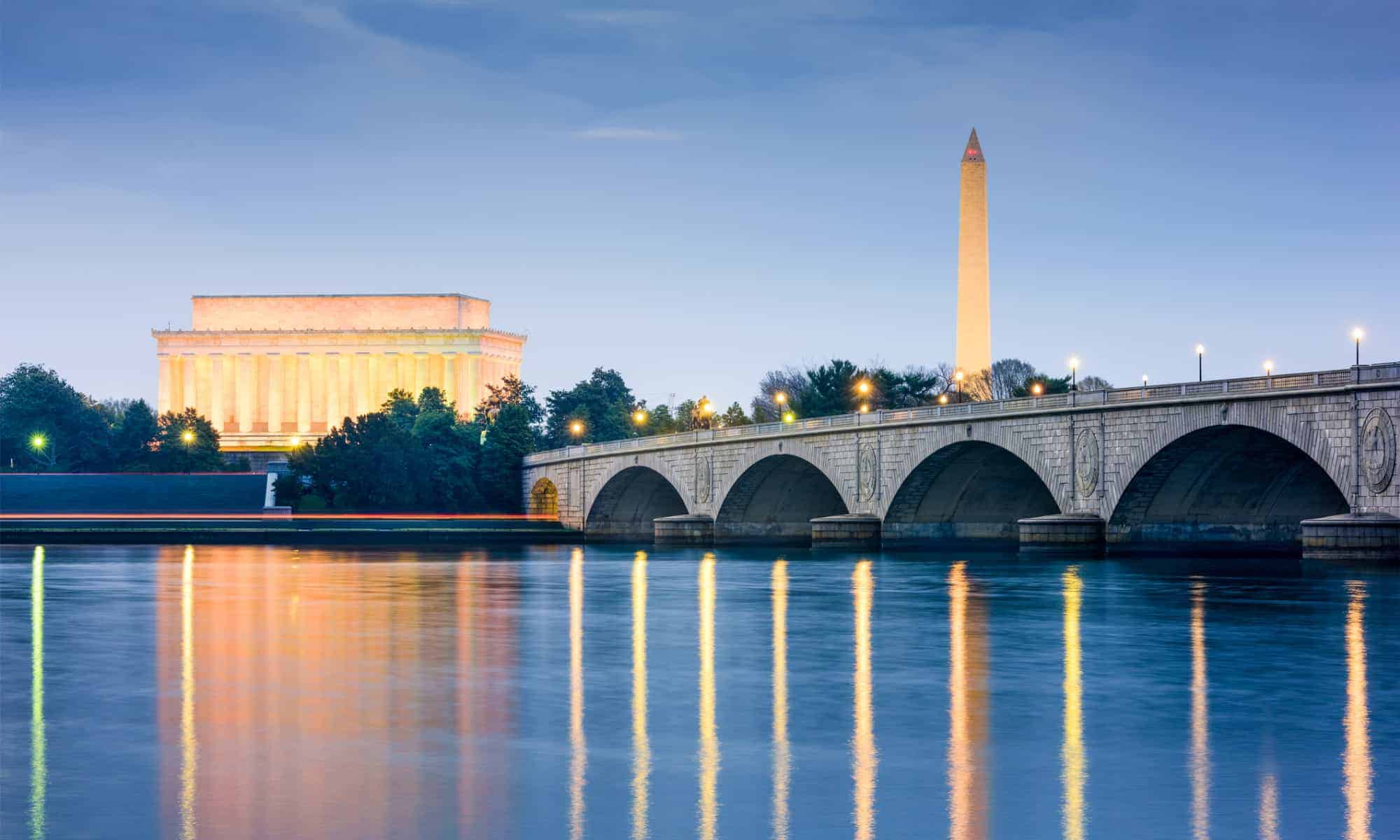
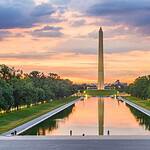
#3 Washington Monument
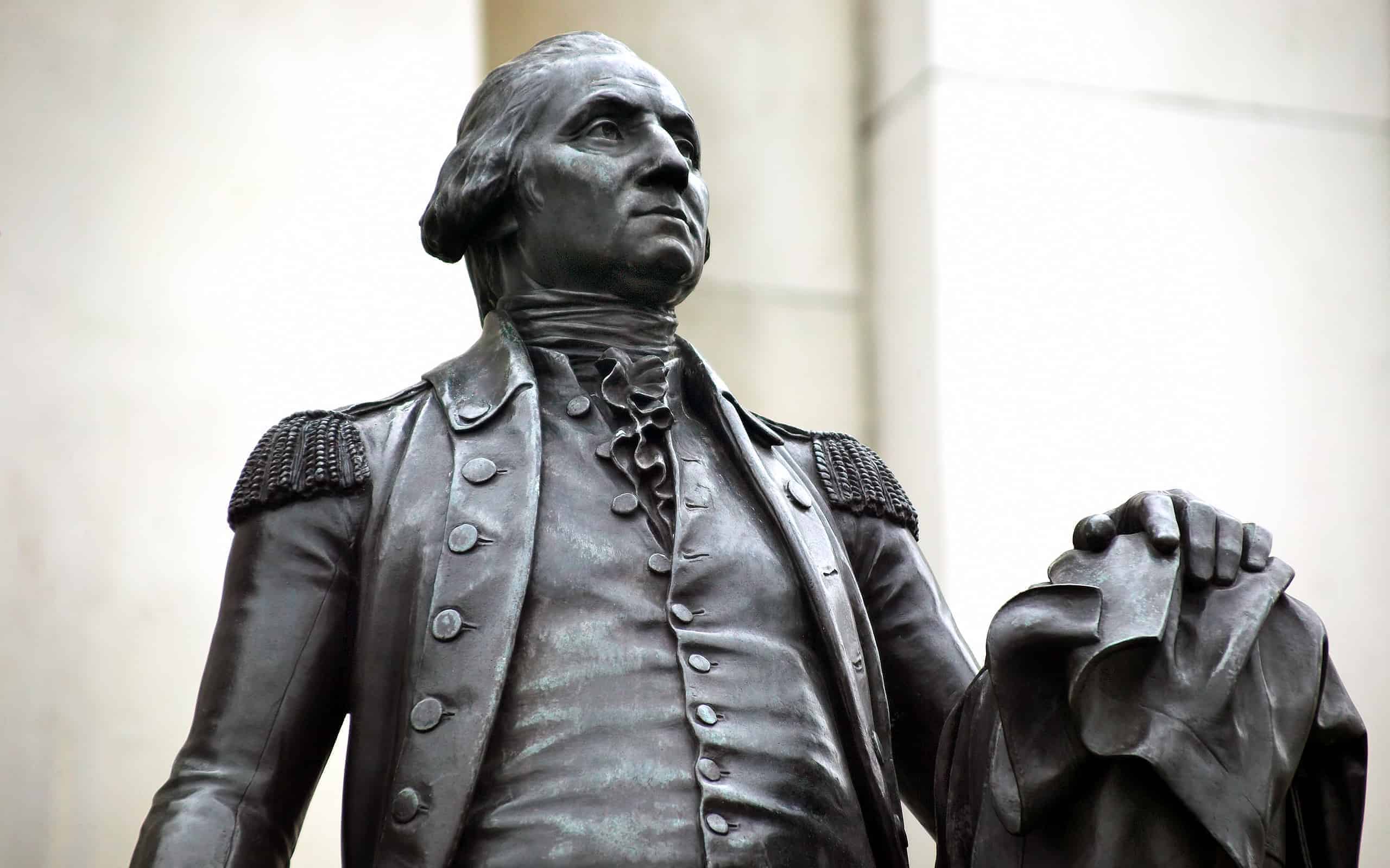
The Washington Monument honors George Washington, the first president of the United States and commander of the Continental Army during the American Revolution. Rising more than 550 feet above Washington D.C., the giant marble obelisk dominates the National Mall skyline and remains one of the tallest stone structures in the world. Construction began in the 1840s but faced delays because of funding shortages and the Civil War before finally being completed in 1884. The monument’s simple design intentionally reflected strength and permanence rather than elaborate decoration. Today, it remains one of the most recognizable structures in the nation’s capital.
#4 Which memorial honors the "Great Emancipator" with a giant seated statue?
- Hint: He looks like he’s silently judging every tourist equally.
#4 Lincoln Memorial
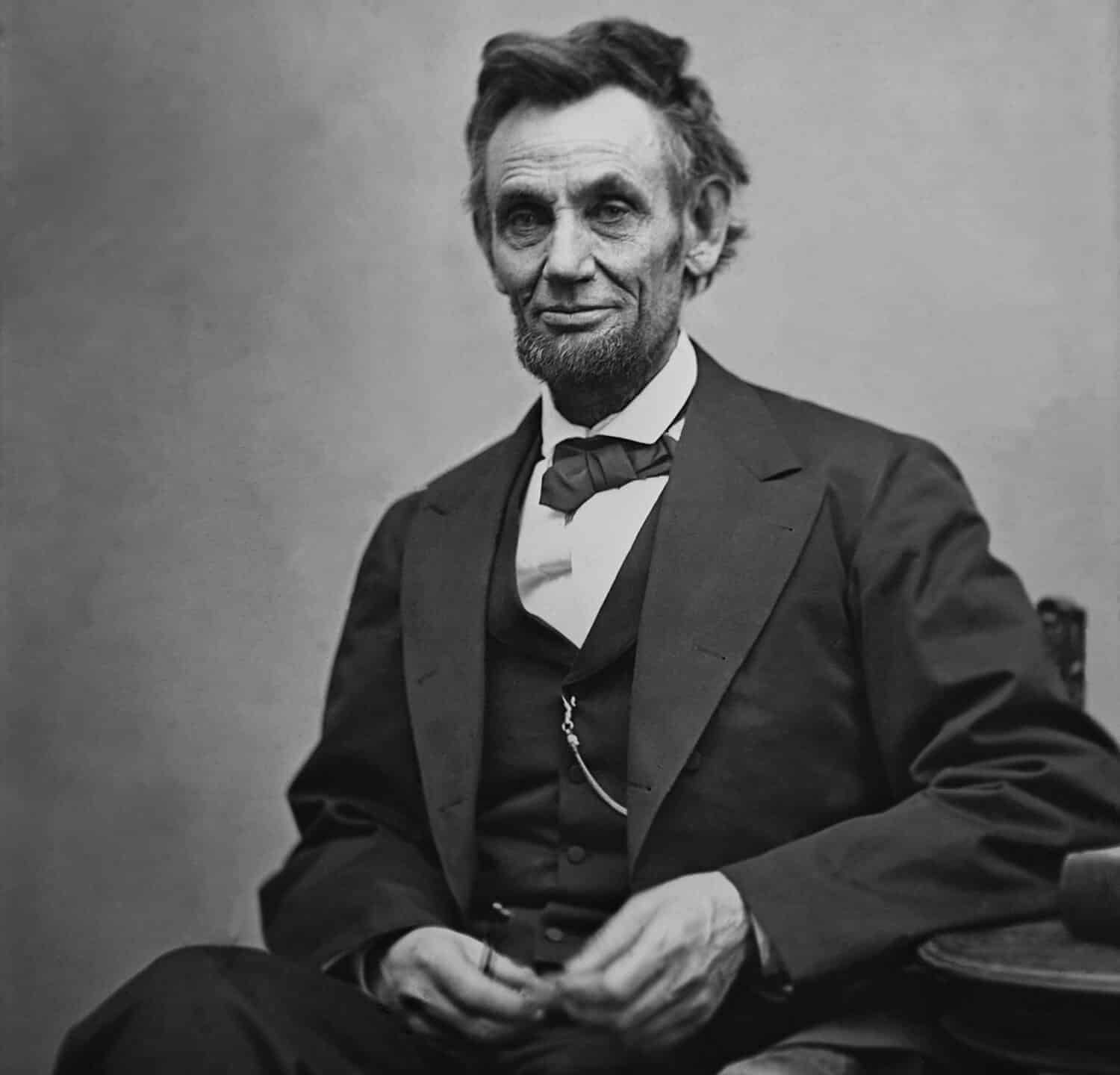
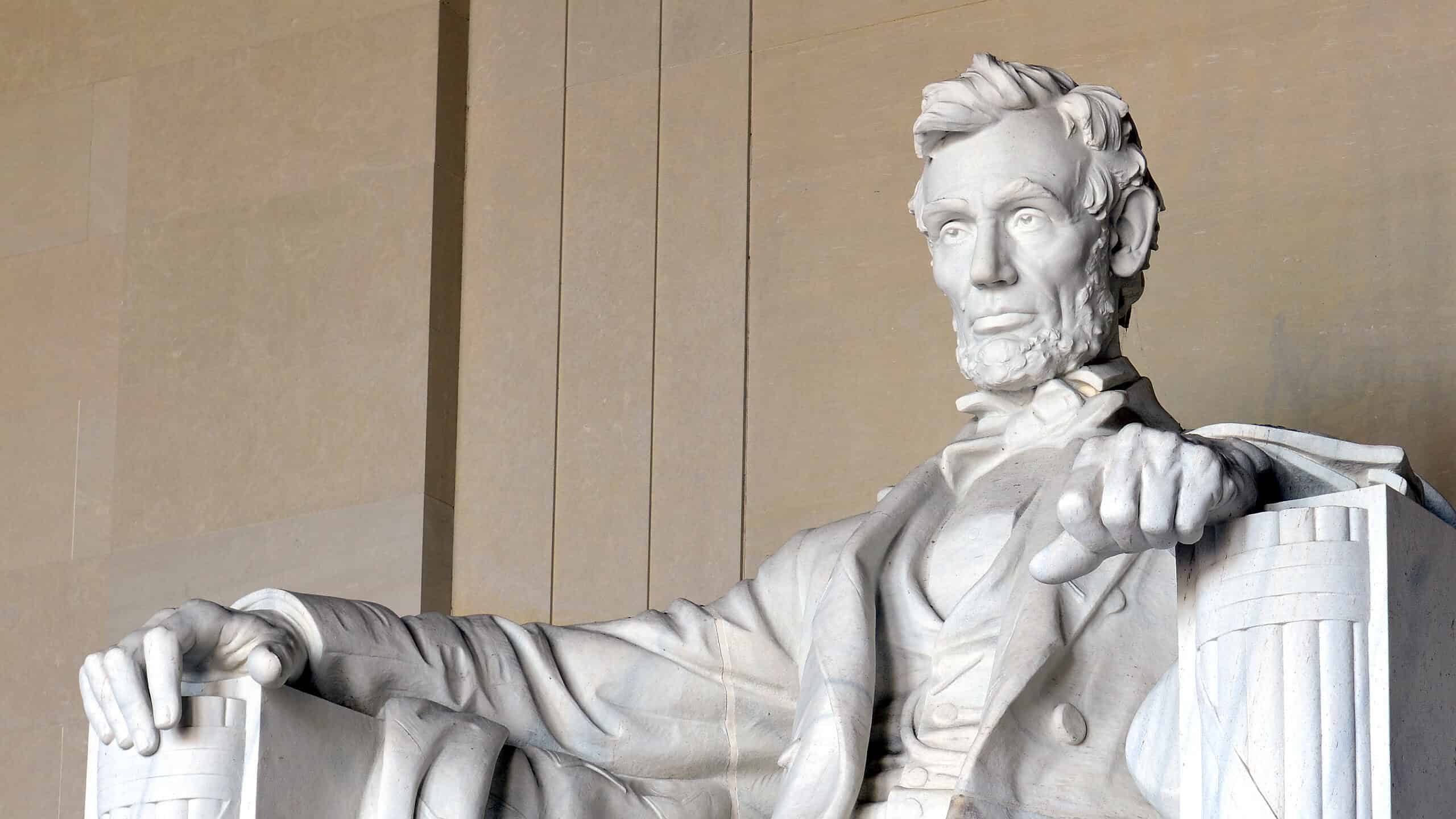
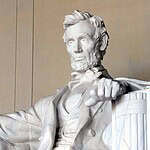
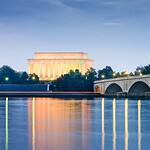
The Lincoln Memorial honors Abraham Lincoln, the 16th president of the United States, who led the nation through the Civil War and abolished slavery. Located at the western end of the National Mall, the memorial features a massive seated statue of Lincoln surrounded by towering marble columns inspired by ancient Greek temples. Inside the memorial, visitors can read the Gettysburg Address and Lincoln’s Second Inaugural Address carved into the walls. Beyond its historical significance, the memorial became one of America’s most important civil rights landmarks, hosting speeches and demonstrations including Martin Luther King Jr.’s famous “I Have a Dream” speech in 1963.
#5 What giant stainless steel monument stands in St. Louis?
- Hint: It’s a doorway, but not one you can casually walk through.
#5 Gateway Arch
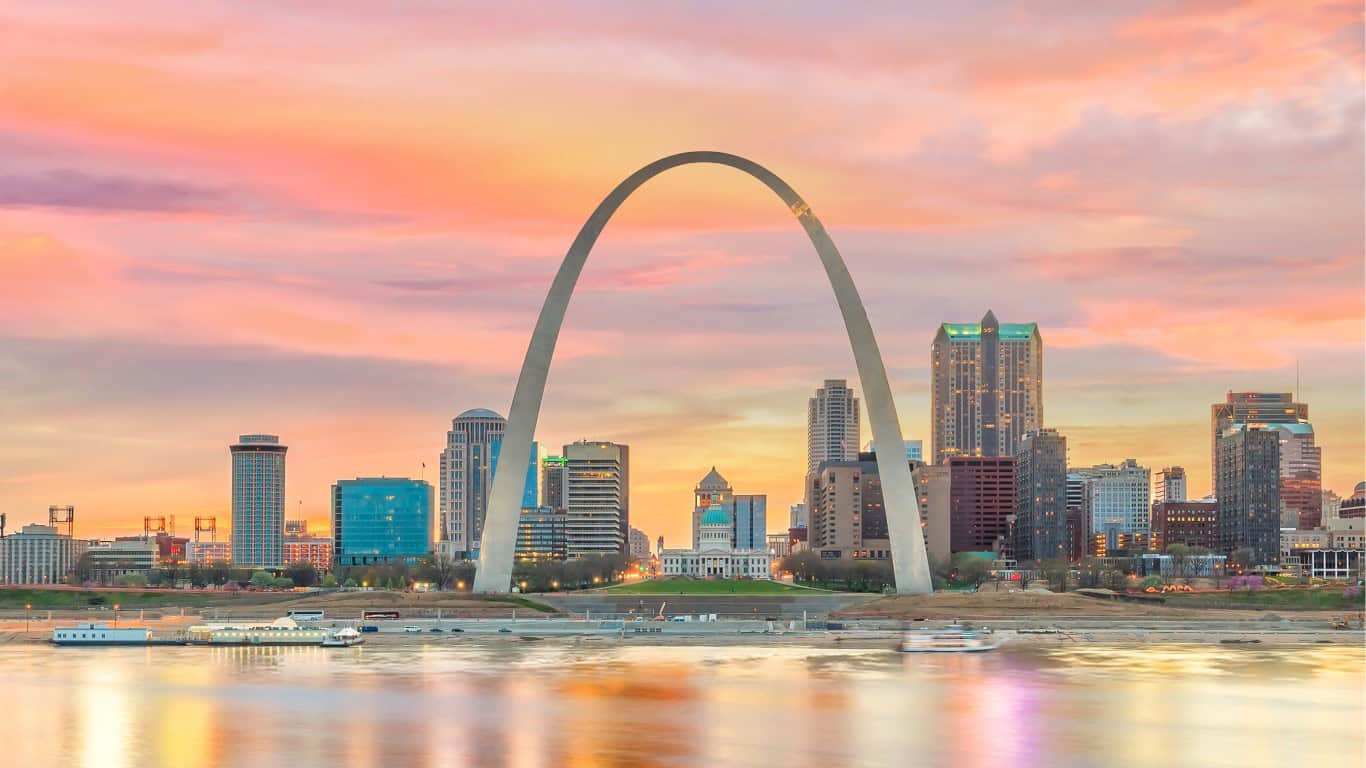
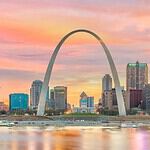
The Gateway Arch in St. Louis, Missouri commemorates America’s westward expansion during the 19th century. Standing 630 feet tall, the stainless steel structure is the tallest arch in the world and one of the most recognizable landmarks in the United States. Architect Eero Saarinen designed the monument to symbolize the “Gateway to the West,” referencing St. Louis’ historic role as a launching point for explorers, settlers, and trade moving toward the frontier. Visitors can ride a tram system inside the arch to an observation area overlooking the Mississippi River and downtown St. Louis. The monument blends modern architecture with American frontier symbolism.
#6 What memorial in South Dakota honors this famous Native American from the Lakota?
- Hint: It’s still under construction… very, very slowly.
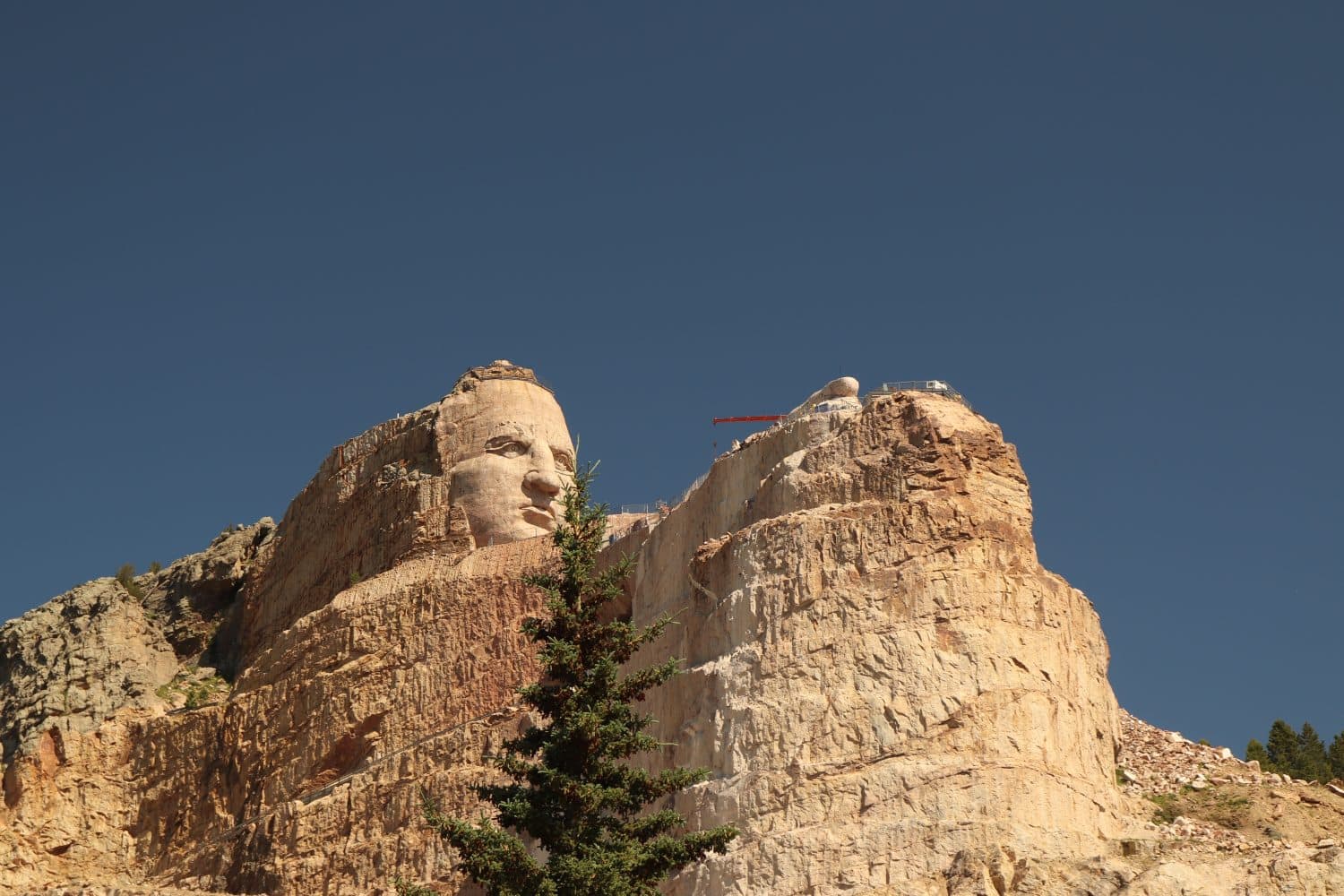
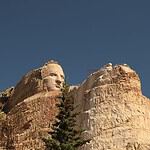
#6 Crazy Horse Memorial
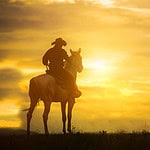
The Crazy Horse Memorial in South Dakota honors the Lakota warrior Crazy Horse and remains one of the largest ongoing sculpture projects in the world. Begun in 1948, the mountain carving was intended partly as a Native American response to Mount Rushmore, celebrating Indigenous history and culture in the Black Hills. The finished monument will depict Crazy Horse riding a horse and pointing into the distance. Construction has taken decades because the project relies heavily on private funding and enormous amounts of rock removal. Even unfinished, the memorial’s massive scale already makes it one of the most visually striking monuments in America.
#7 Which famous monument in Philadelphia is cracked?
- Hint: Even historic symbols need a little maintenance sometimes.
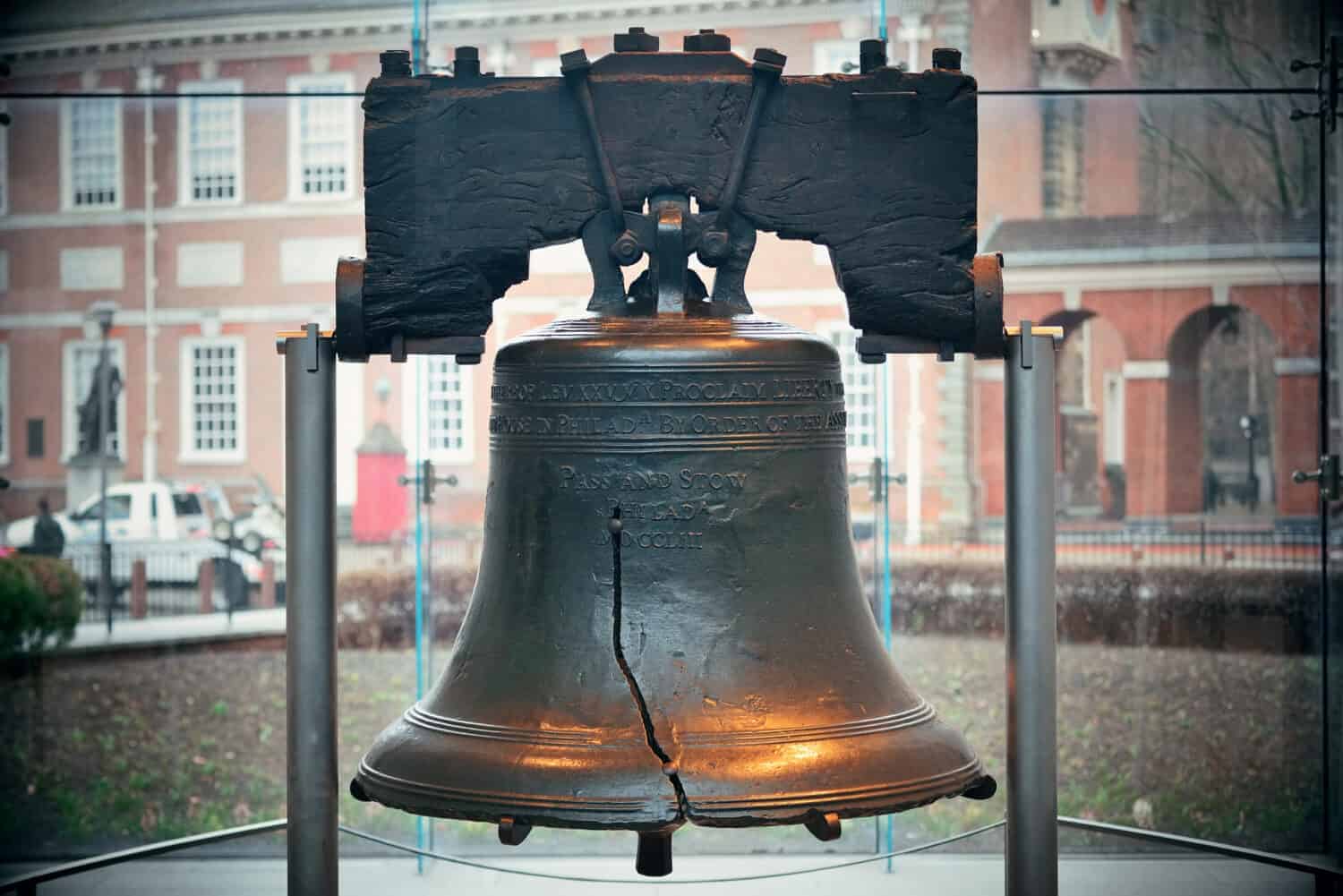
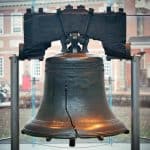
#7 Liberty Bell
The Liberty Bell in Philadelphia became one of the most important symbols of American independence and freedom. Originally cast in the 18th century, the bell is famous today for the large crack running along its side. Although historians debate exactly when the crack formed, the bell gradually became associated with abolitionism, civil rights, and American liberty over time. The bell originally hung in the Pennsylvania State House, now known as Independence Hall, where both the Declaration of Independence and Constitution were debated. Today, millions of visitors view the Liberty Bell as one of the nation’s most enduring historical symbols.
#8 What Texas monument remembers the 1836 battle against Mexico?
- Hint: Everything really is bigger in Texas history.
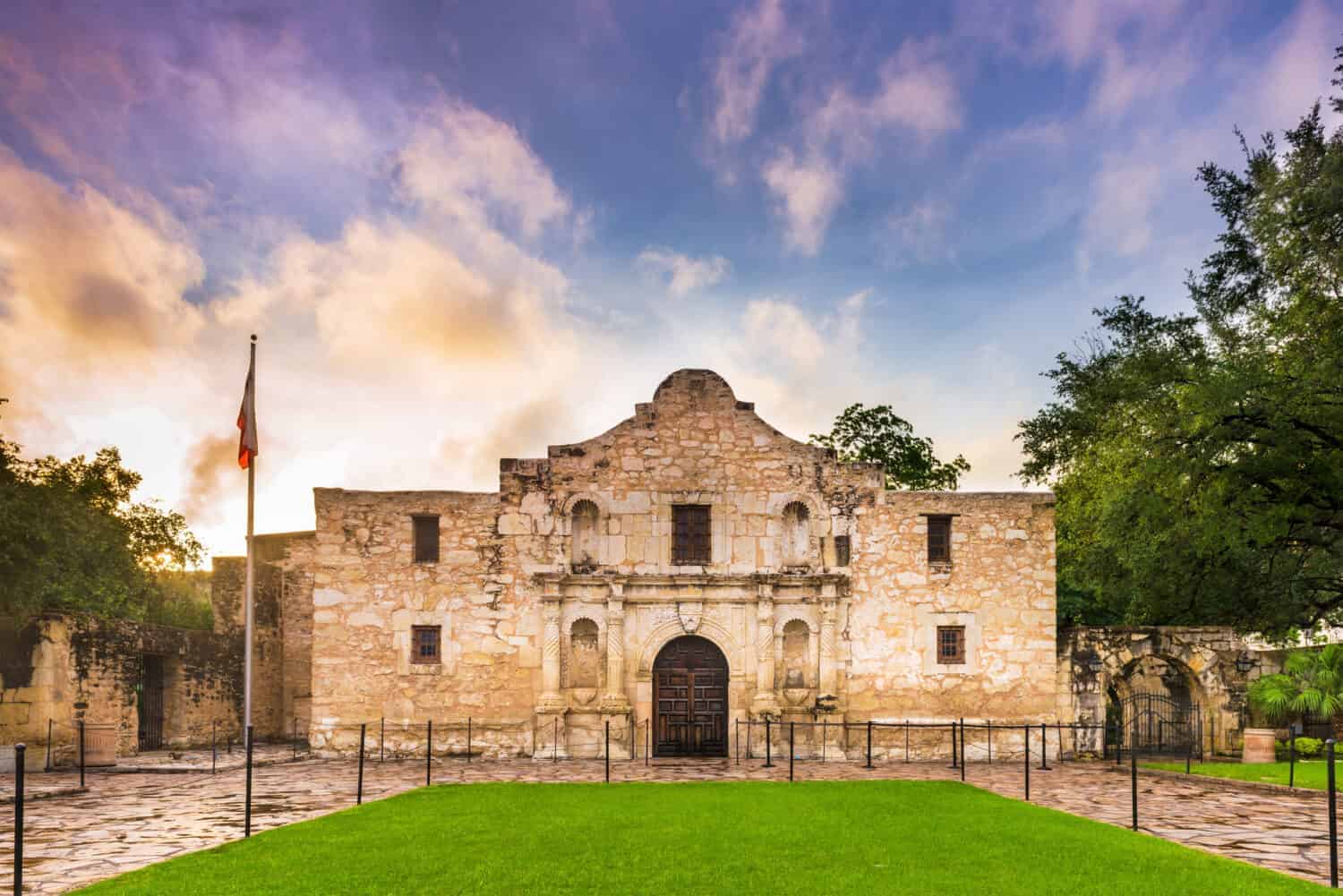
#8 The Alamo
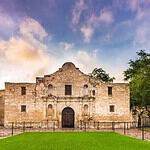
The Alamo in San Antonio, Texas commemorates the famous 1836 battle during the Texas Revolution against Mexico. A small force of Texan defenders, including figures like Davy Crockett and Jim Bowie, fought against a much larger Mexican army led by General Santa Anna. Although the defenders were ultimately defeated, the battle became a rallying cry for Texas independence with the phrase “Remember the Alamo!” The former mission later evolved into one of the most iconic historical sites in the American Southwest. Today, the Alamo represents sacrifice, independence, and Texas identity in American historical memory.
#9 What monument sits at the center of the National Mall honoring the veterans of the Second World War?
- Hint: It has a lot of fountains and a lot of emotional field trips.
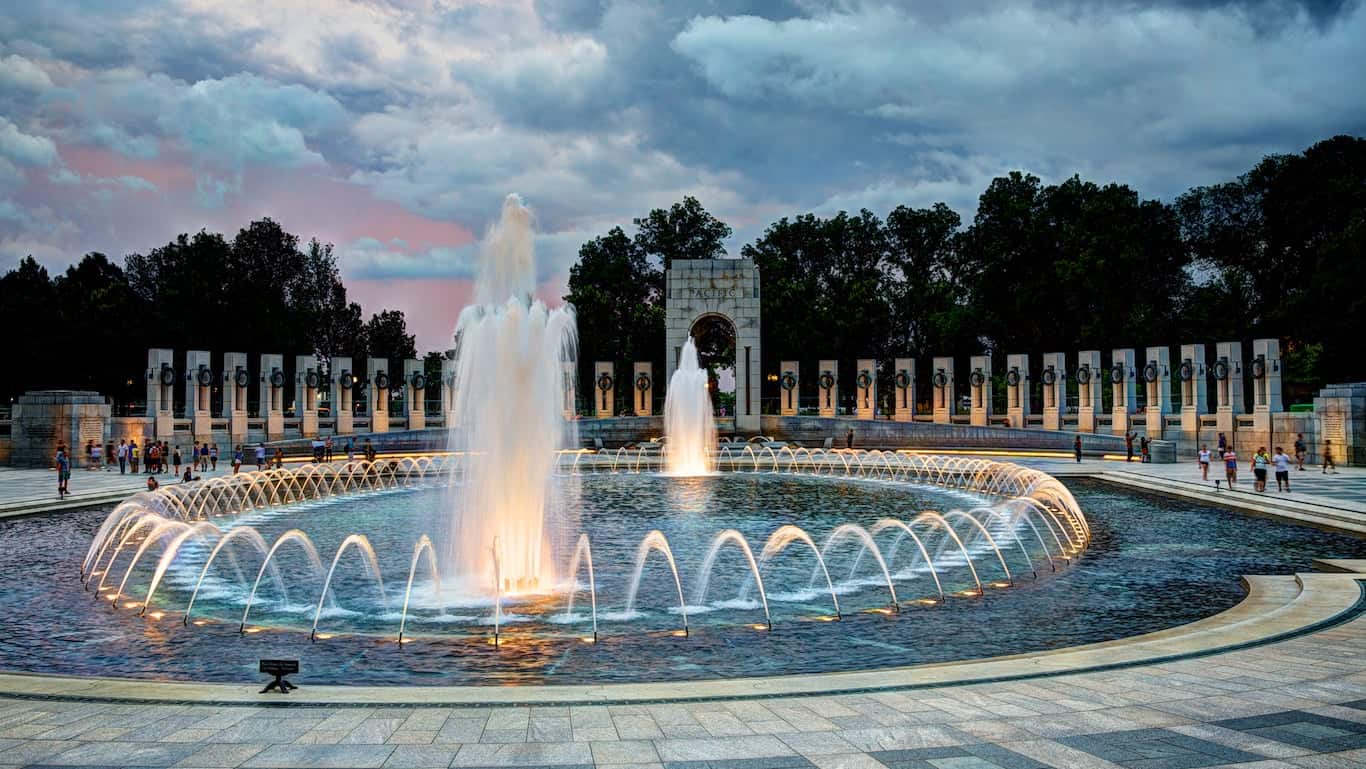
#9 World War II Memorial
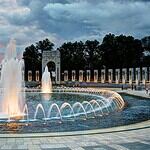
The National World War II Memorial sits near the center of the National Mall in Washington D.C. and honors the more than 16 million Americans who served during World War II. Opened in 2004, the memorial includes fountains, pillars representing U.S. states and territories, and symbolic elements honoring victory in both the Atlantic and Pacific theaters. The site was designed to reflect the enormous national effort required during the war, including military service and civilian sacrifice. The memorial quickly became one of the most visited locations in Washington because World War II continues to hold a unique place in American national identity and collective memory.
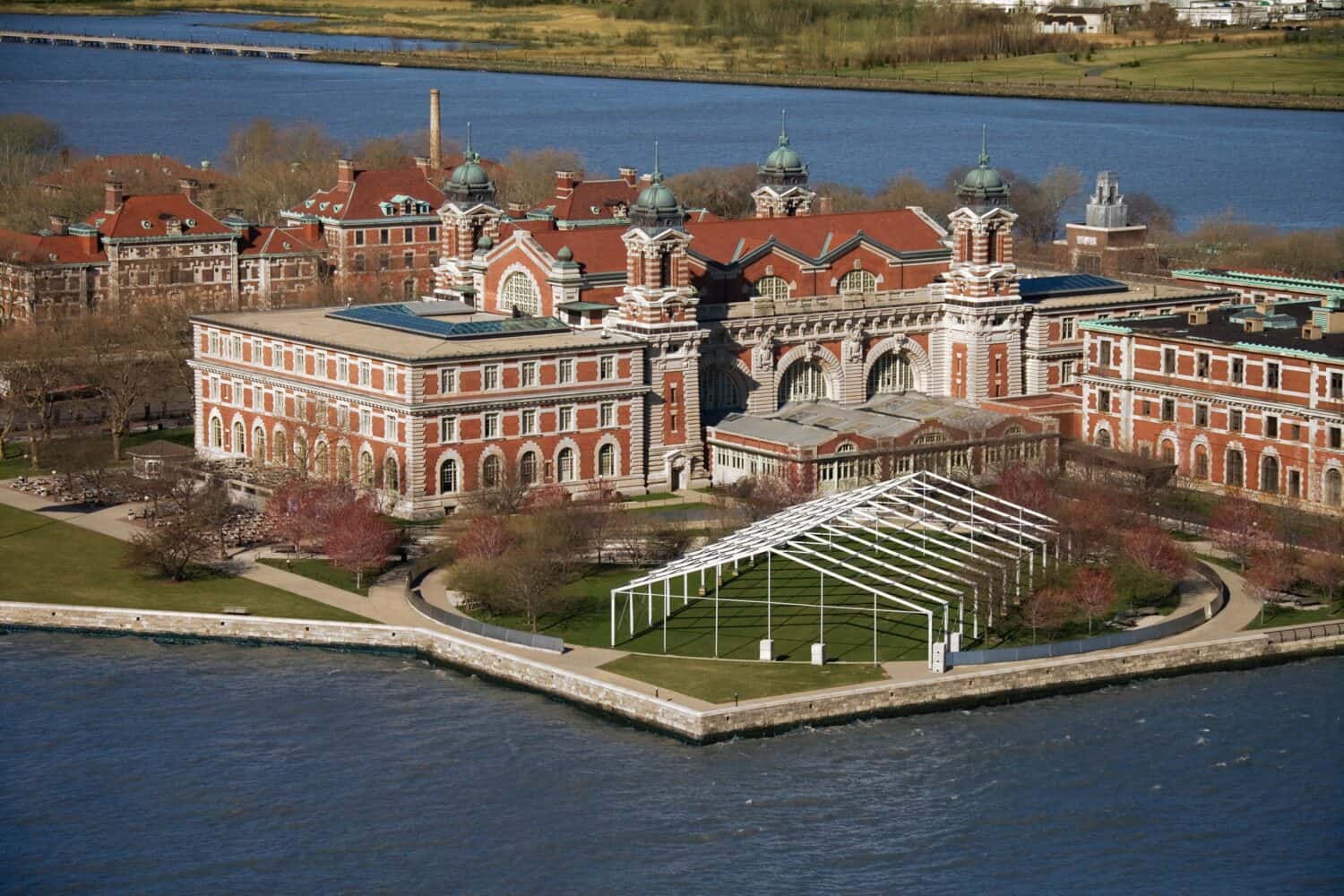
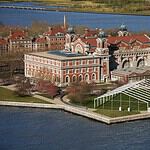
#10 Which New York monument once served as an immigration processing station?
- Hint: Millions of Americans technically started here.
#10 Ellis Island
Ellis Island served as America’s busiest immigration processing station from 1892 to 1954. Located in New York Harbor near the Statue of Liberty, the island processed millions of immigrants arriving from Europe and elsewhere seeking new opportunities in the United States. For countless American families, Ellis Island represents the beginning of their family’s story in America. Immigrants underwent medical inspections and legal screenings there before being admitted into the country. Today, the site operates as a museum documenting immigration history and the experiences of people who helped shape modern American society.
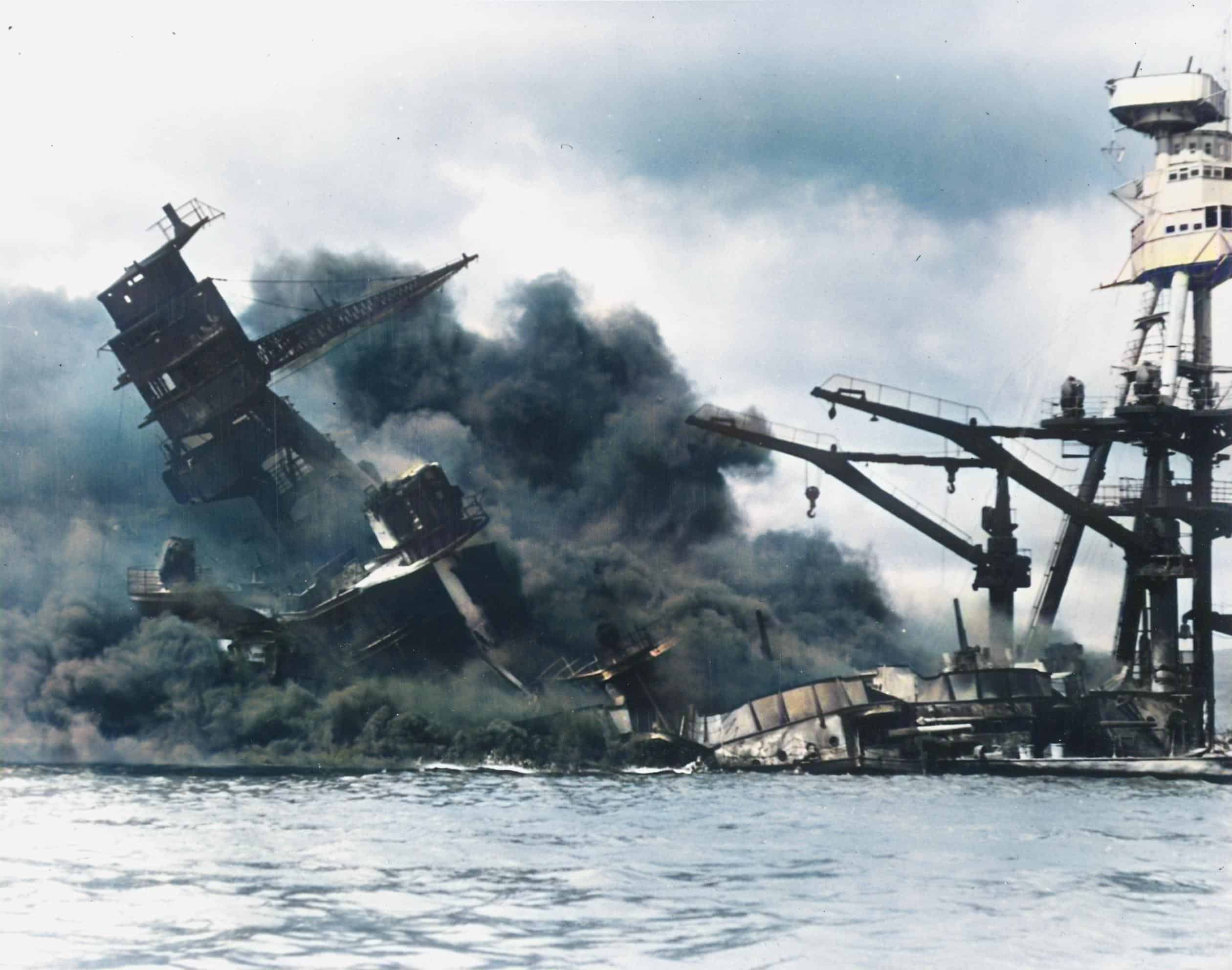
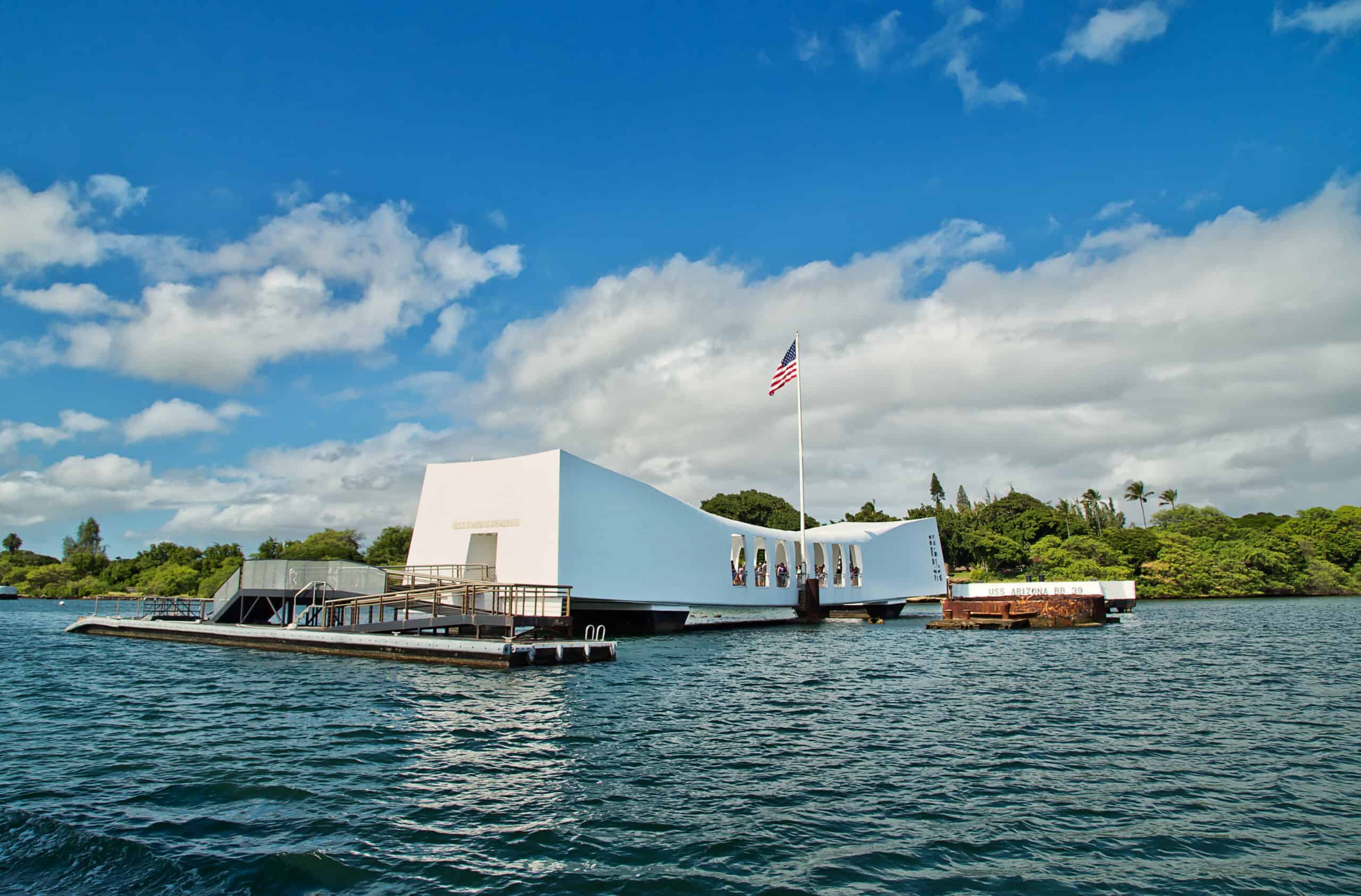
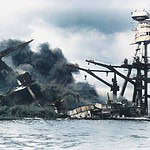
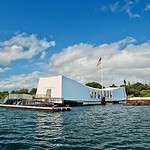
#11 What monument in Arizona honors this famous battleship?
- Hint: It floats above one of America’s most important wartime gravesites.
#11 USS Arizona Memorial
The USS Arizona Memorial in Pearl Harbor honors the sailors and Marines killed during the Japanese attack on December 7, 1941. The white memorial structure spans the sunken battleship USS Arizona, which still rests beneath the harbor floor. More than 1,100 crew members died aboard the ship during the attack, making it one of the deadliest losses suffered that day. Oil continues slowly leaking from the wreck decades later, sometimes called the “tears of the Arizona.” The memorial became one of America’s most important World War II remembrance sites and symbolizes the attack that pushed the United States into the war.
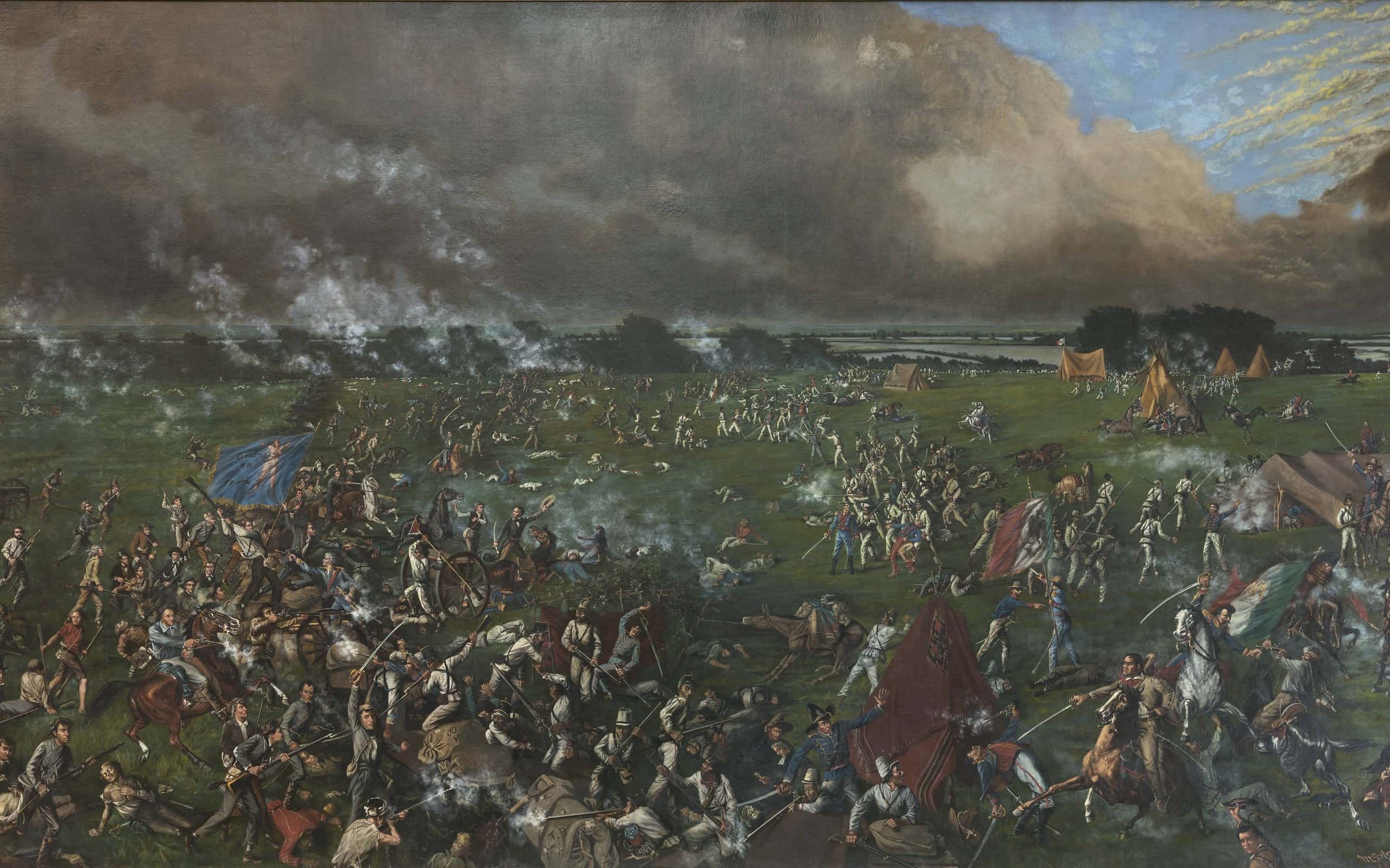
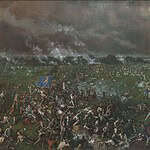
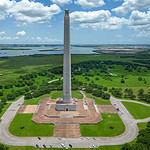
#12 What towering Texas monument marks the site of the decisive battle that won Texas its independence from Mexico?
- Hint: Everything is bigger in Texas… including the victory columns.
#12 San Jacinto Monument
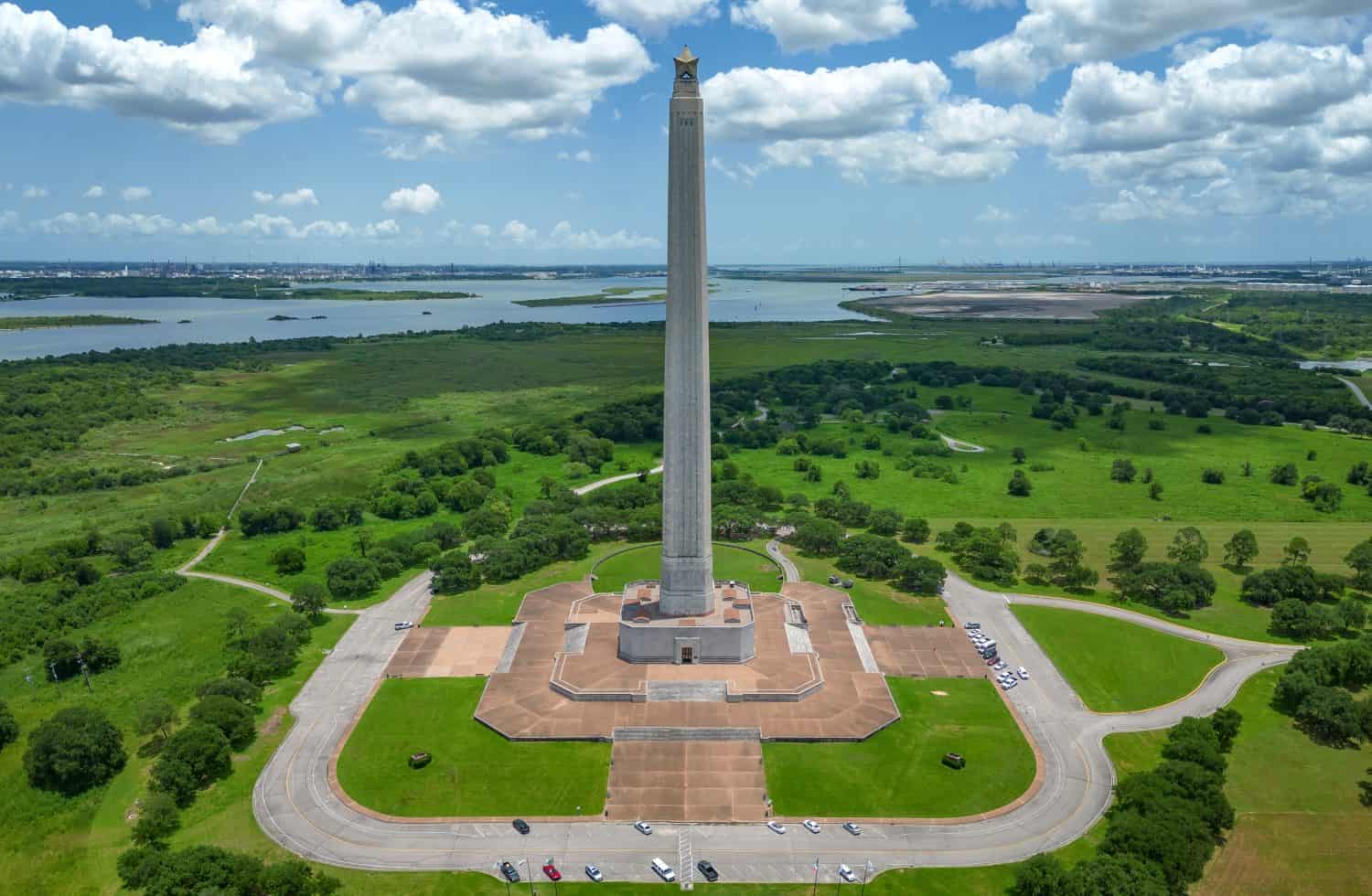
The San Jacinto Monument commemorates the Battle of San Jacinto, the decisive 1836 battle that secured Texas independence from Mexico during the Texas Revolution. Located near Houston, the towering monument rises more than 560 feet into the air, making it taller than the Washington Monument in Washington D.C. The battle itself lasted only about 18 minutes, but it completely changed the future of Texas and eventually helped shape the expansion of the United States across the Southwest. General Sam Houston’s forces surprised and defeated the Mexican army led by General Santa Anna, whose capture effectively ended the conflict. Today, the San Jacinto Monument remains one of the most important historical landmarks in Texas and serves as a symbol of Texan identity, independence, and state pride.
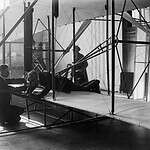
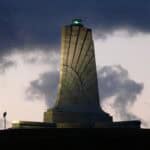
#13 What monument marks the first successful powered airplane flights?
- Hint: The Wright brothers really stuck the landing… eventually.
#13 Wright Brothers Memorial
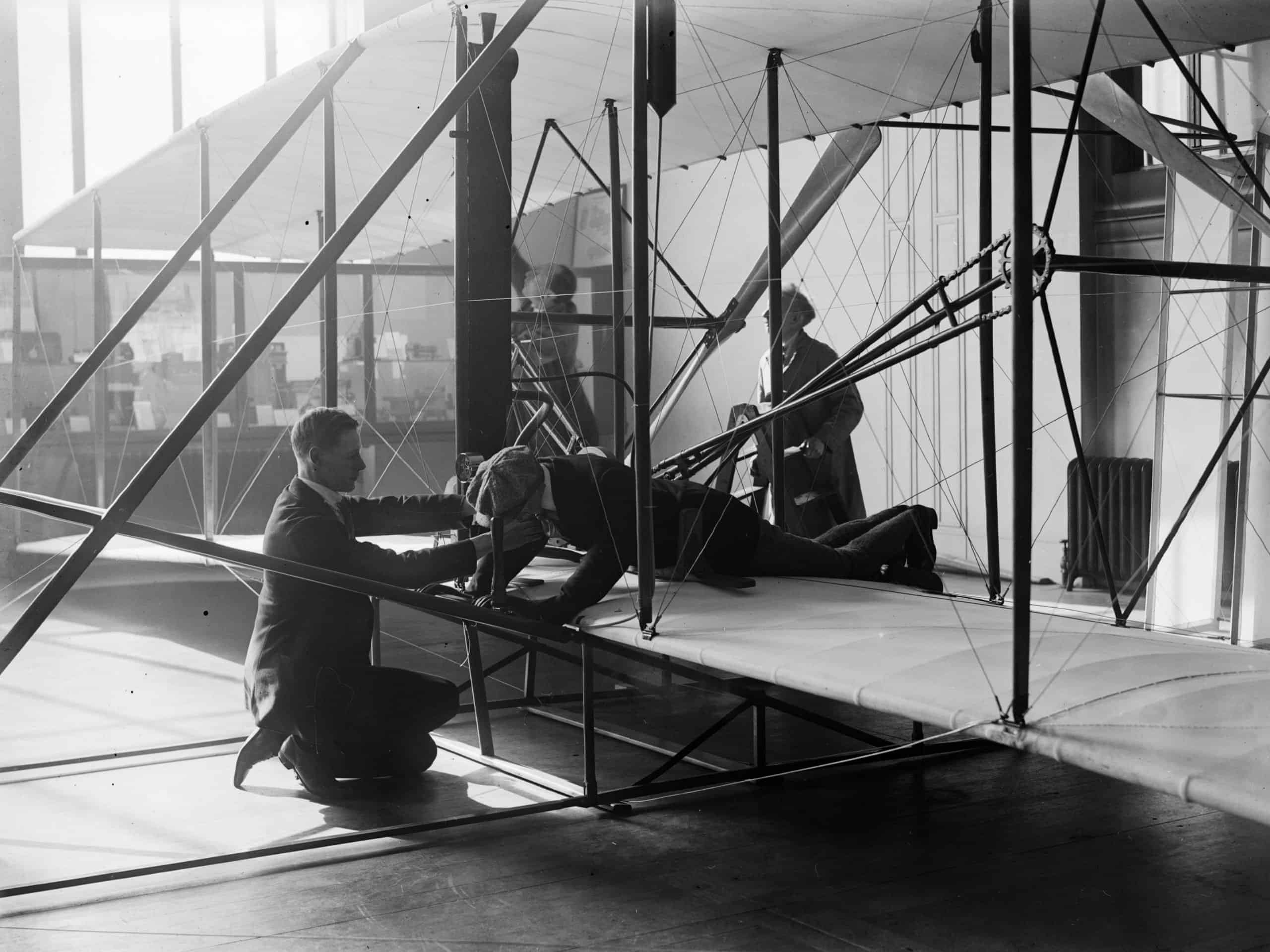
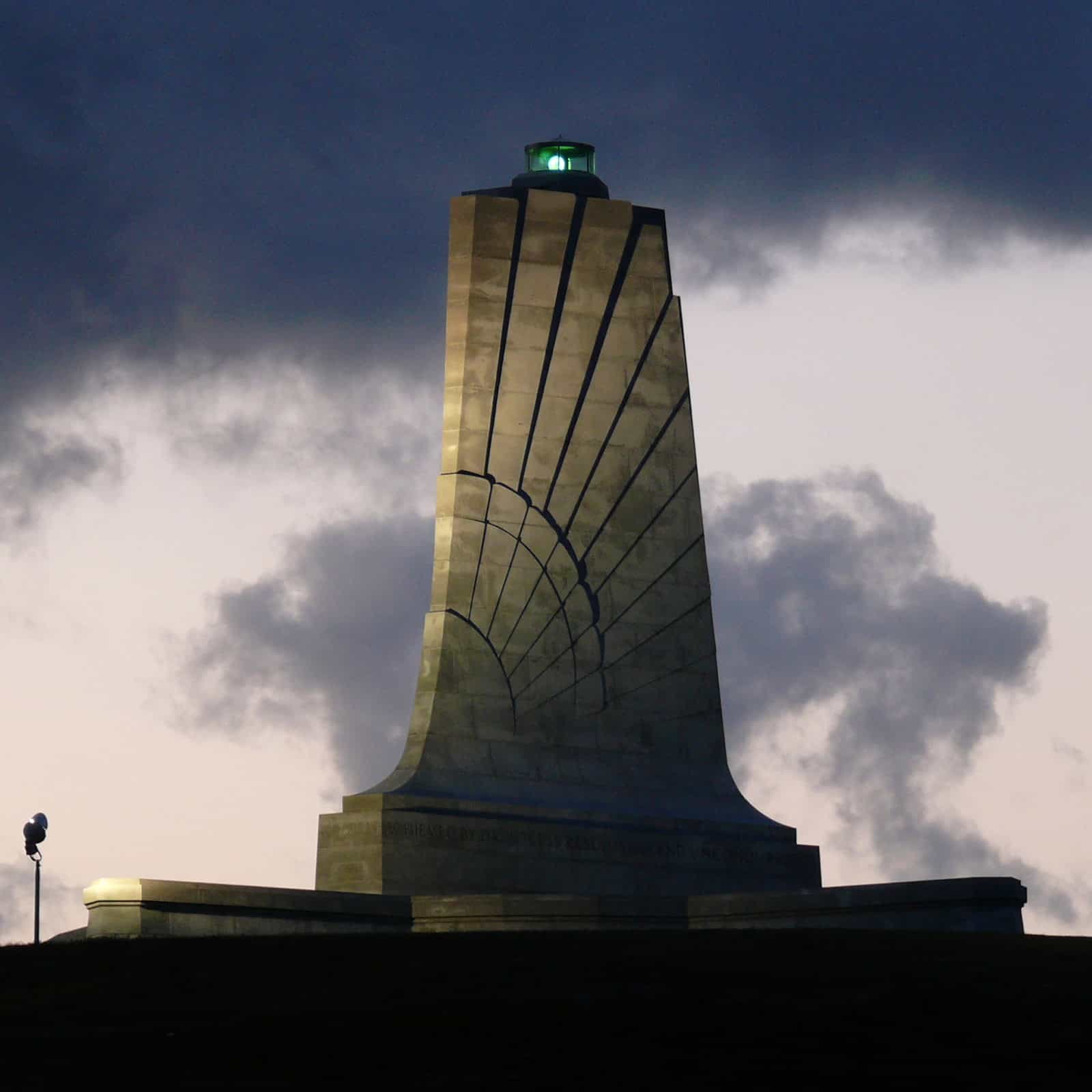
The Wright Brothers Memorial in Kitty Hawk, North Carolina commemorates the first successful powered airplane flights conducted by Orville and Wilbur Wright in 1903. The brothers’ experimental aircraft remained airborne only briefly, but the achievement permanently changed transportation, warfare, and global civilization. The memorial sits near the exact location where the Wright Flyer lifted off the ground. Kitty Hawk’s strong coastal winds made the area ideal for flight testing. Today, the monument honors one of the most important technological breakthroughs in human history and the beginning of modern aviation.
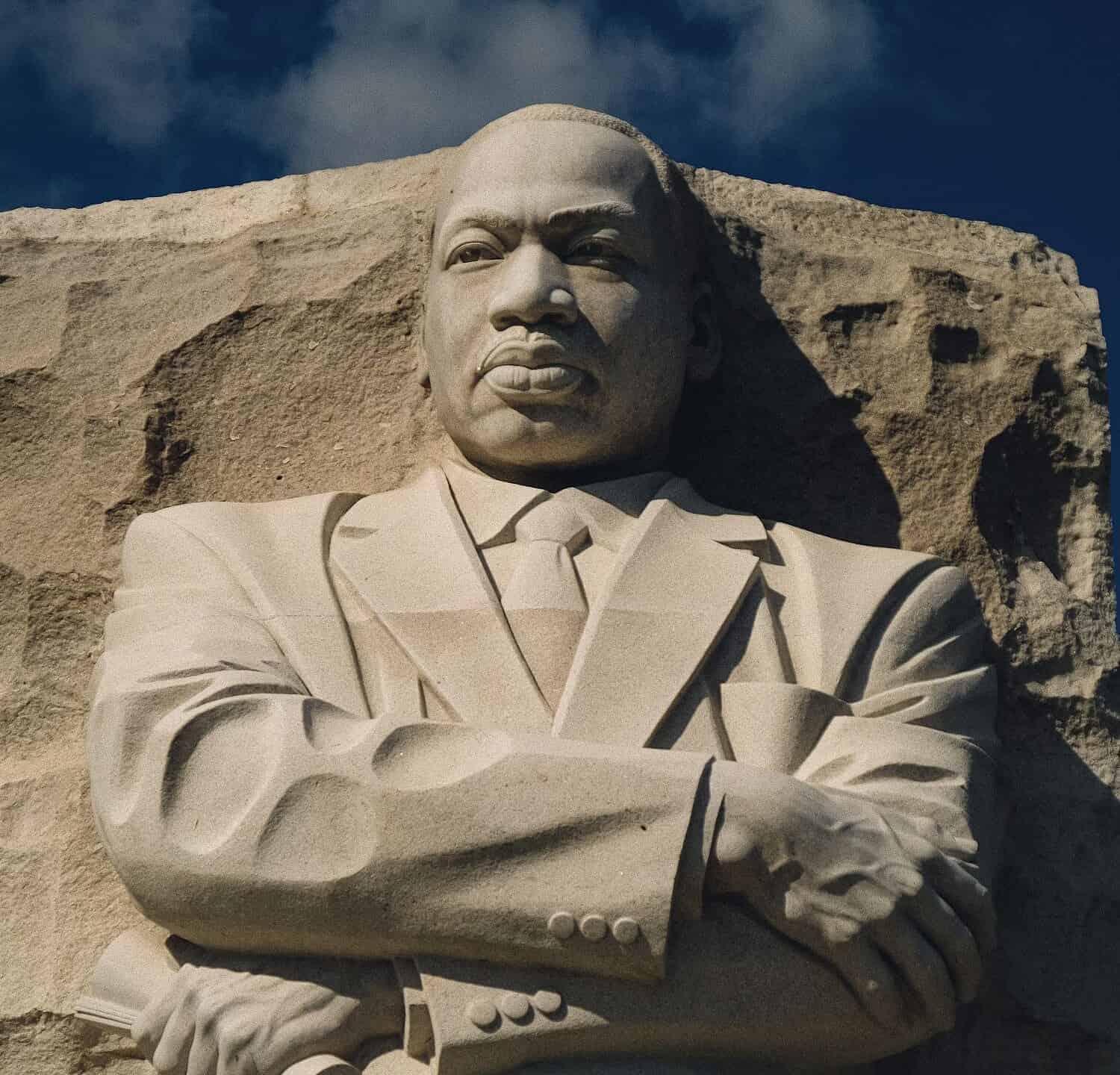
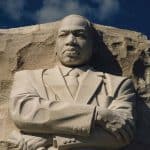
#14 What monument in Washington D.C. is dedicated to this famous Civil Rights leader?
- Hint: He appears carved from 'the mountain of despair.'
#14 Martin Luther King Jr. Memorial
The Martin Luther King Jr. Memorial in Washington D.C. honors the civil rights leader whose activism helped transform American society during the 1950s and 1960s. The monument features a giant stone sculpture of King emerging from the “Stone of Hope,” a reference to his famous “I Have a Dream” speech. Opened in 2011, the memorial became one of the newest major additions to the National Mall. Quotations from King’s speeches and writings surround the site, emphasizing themes of equality, justice, and nonviolent protest. The memorial reflects King’s enduring influence on American history and civil rights.
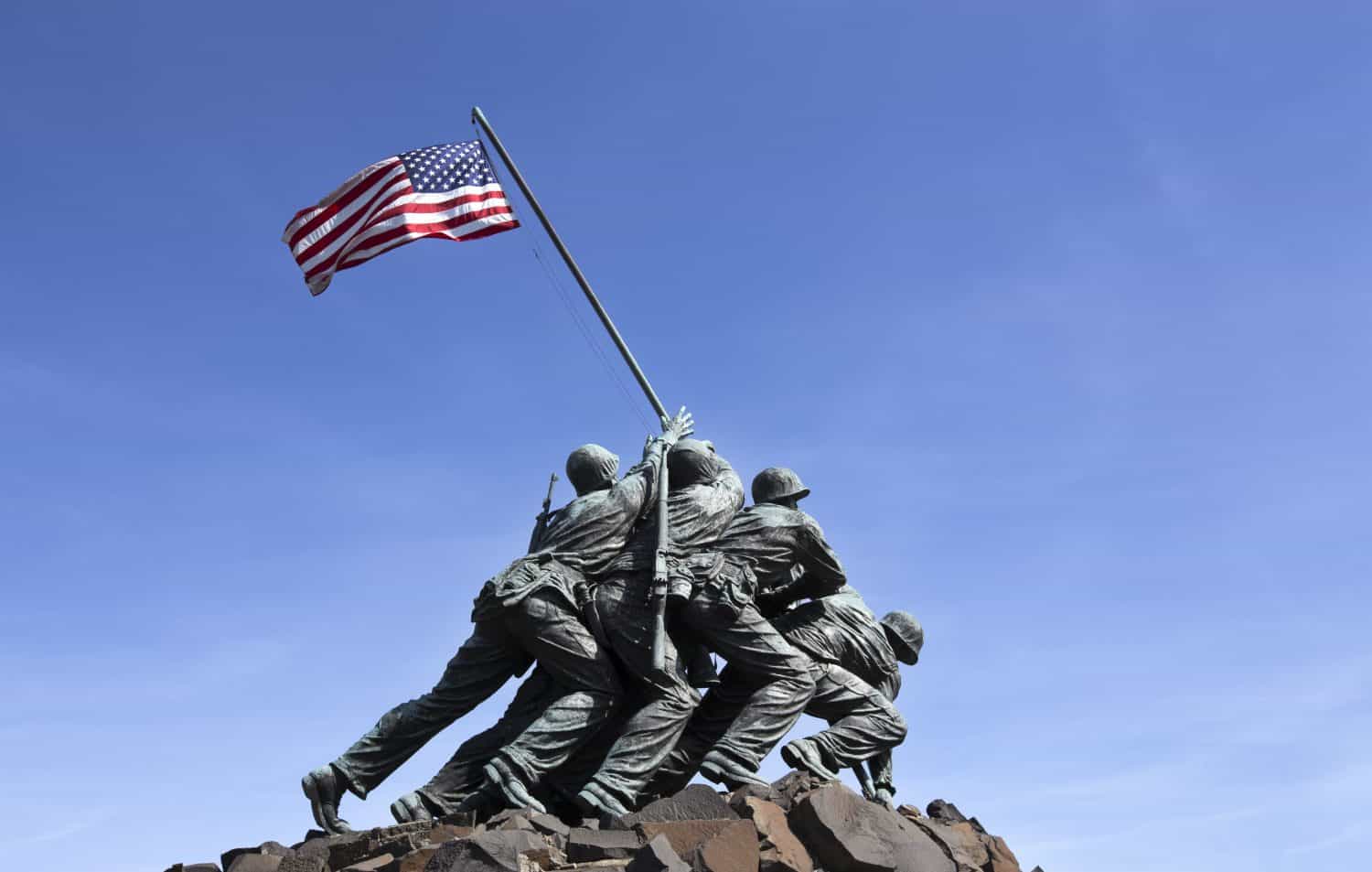
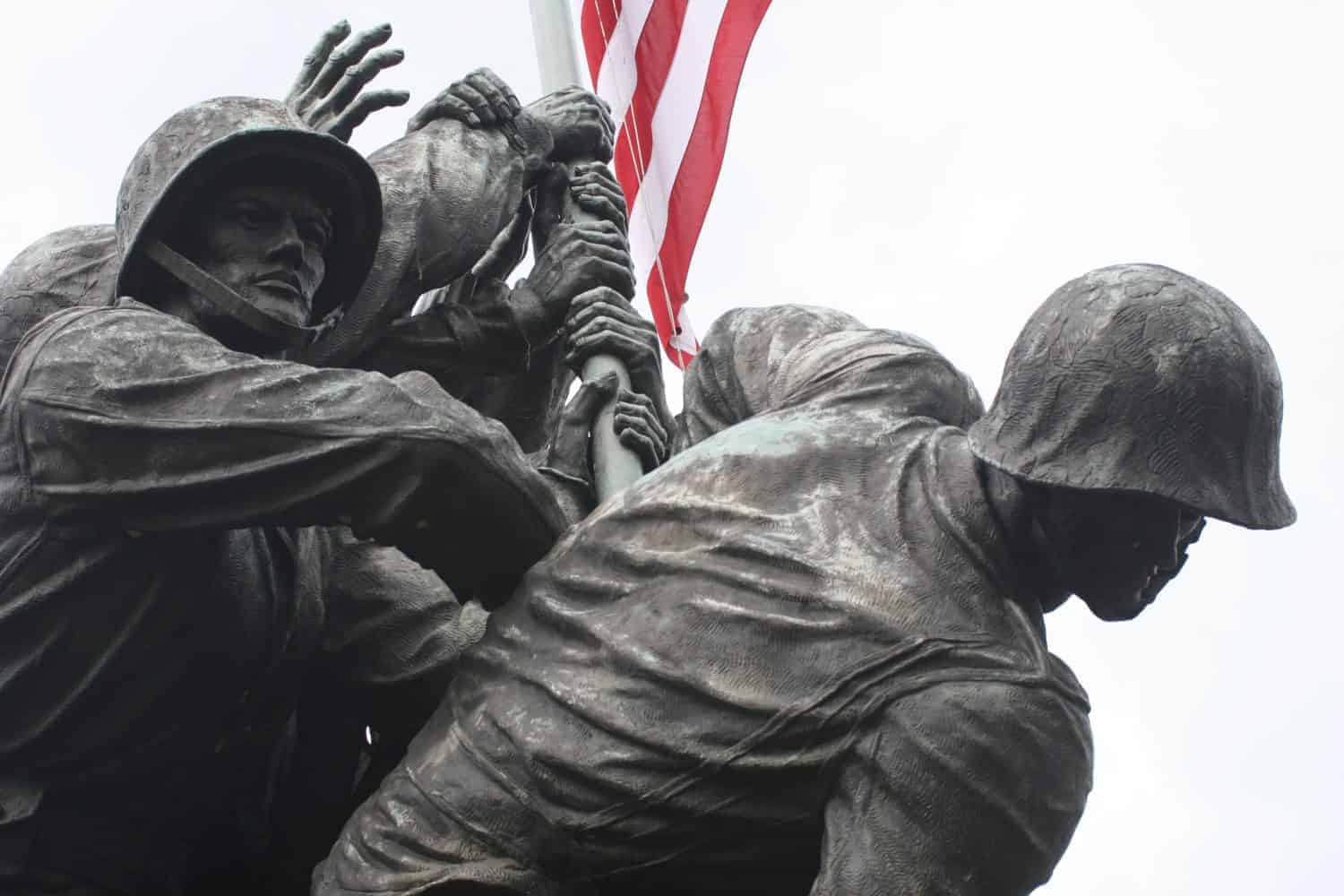
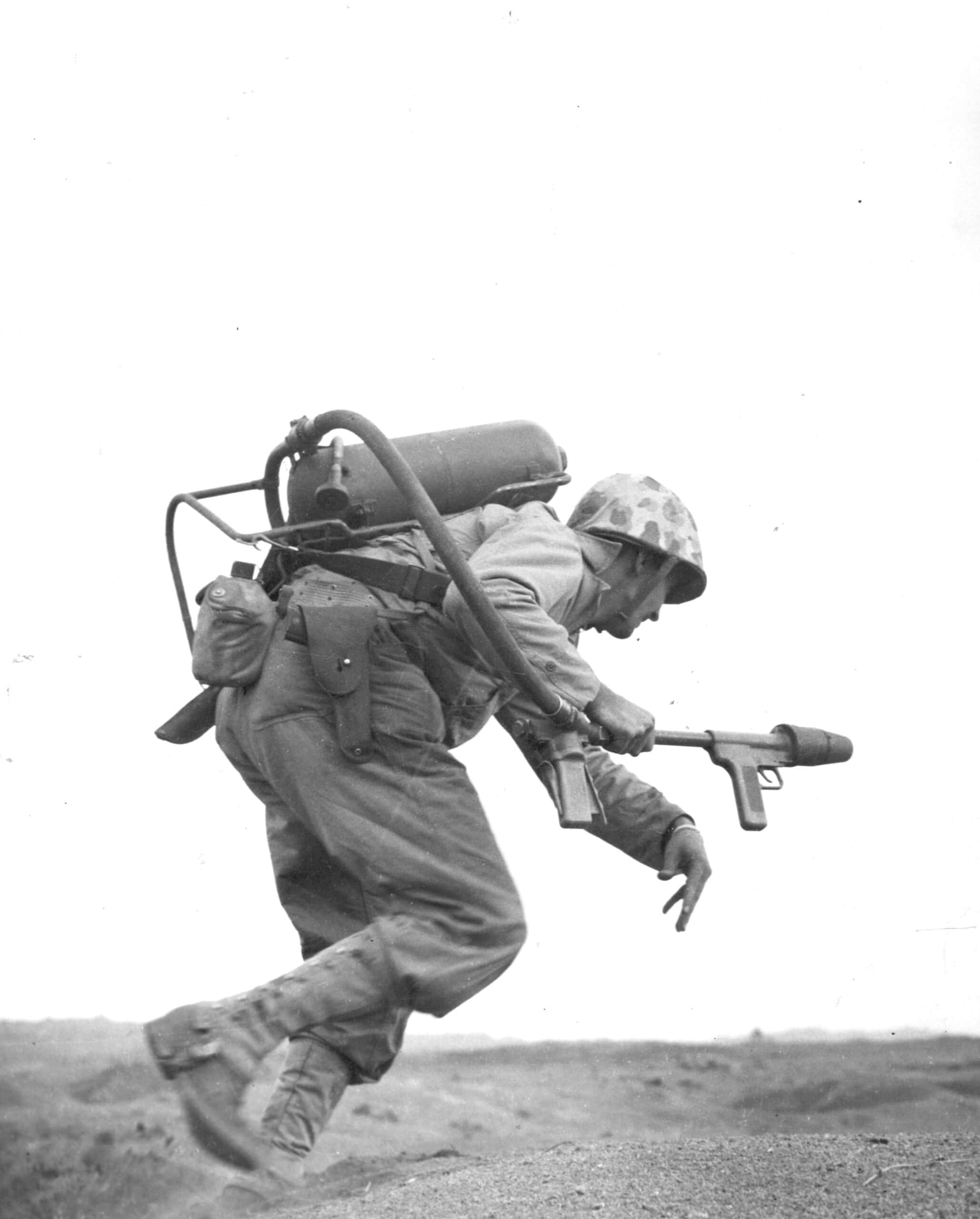
#15 What monument commemorates the soldiers who raised the American flag at Iwo Jima?
- Hint: One photograph turned into one of America’s most famous statues.
#15 Marine Corps War Memorial
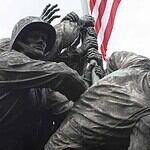
The Marine Corps War Memorial near Arlington, Virginia commemorates the U.S. Marines who fought during the Battle of Iwo Jima in World War II. The monument recreates one of the most famous wartime photographs ever taken: six Marines raising the American flag atop Mount Suribachi in 1945. Photographer Joe Rosenthal’s image quickly became an enduring symbol of sacrifice, perseverance, and victory during the war. The memorial itself was dedicated in 1954 and remains one of the most recognizable military monuments in the United States. Beyond honoring Iwo Jima specifically, the site commemorates all Marines who have served throughout American history.
The image featured at the top of this post is ©jorik / Shutterstock.com – License / Original