




15 Great Philosophers Who Changed the Way We Think
Long before universities and modern governments existed, philosophers were asking some of humanity's biggest questions. What is justice? How should people live? What makes a government legitimate? What makes a person good? Their answers ultimately helped shape civilizations and laid the intellectual foundations for science, law, and politics. While many lived thousands of years ago, their ideas continue to influence society and everyday conversations. Here, History Computer is taking a closer look at these philosophers that changed how we see the world today.
Here is a look at great philosophers of the past that you should know about:
Why Philosophy Still Matters Today
Philosophy is typically dismissed as abstract or impractical, yet many of the ideas people encounter every day originated with philosophers. Concepts such as democracy, natural rights, ethics, individual liberty, critical thinking, and even the scientific method were influenced by generations of philosophical inquiry. Whether debating freedom of speech, discussing moral responsibility, or questioning the role of government, people are engaging with questions that have been explored for centuries. Although the world has changed dramatically since these philosophers lived, their writings continue to provide valuable insight into the challenges facing individuals and societies alike.
From Ancient Greece to the Enlightenment
The history of philosophy spans more than two thousand years and crosses numerous civilizations. Ancient Greek thinkers such as Socrates, Plato, and Aristotle established many of the foundations of Western philosophy, while Confucius and Laozi developed influential traditions that shaped East Asia for centuries. During the Middle Ages, scholars blended classical ideas with religious thought before Enlightenment philosophers challenged long-standing assumptions about government, knowledge, and human rights. Each generation built upon (or argued against) the ideas that came before, creating an intellectual tradition that continues to evolve today.
Ideas That Outlived Their Creators
Most of the philosophers featured in this article never imagined how far their ideas would travel. Some wrote books that remain required reading in universities around the world, while others, like Socrates, left no writings at all and became famous through the works of their students. Their influence extends well beyond philosophy itself, shaping literature, education, economics, psychology, law, and political science. Even people who have never read a philosophical text often encounter these thinkers' ideas through the institutions, freedoms, and traditions that define modern society.
1. Socrates
- Birth–Death: c. 470–399 BC
- School of Philosophy: Classical Greek
- What They're Known For: The Socratic Method
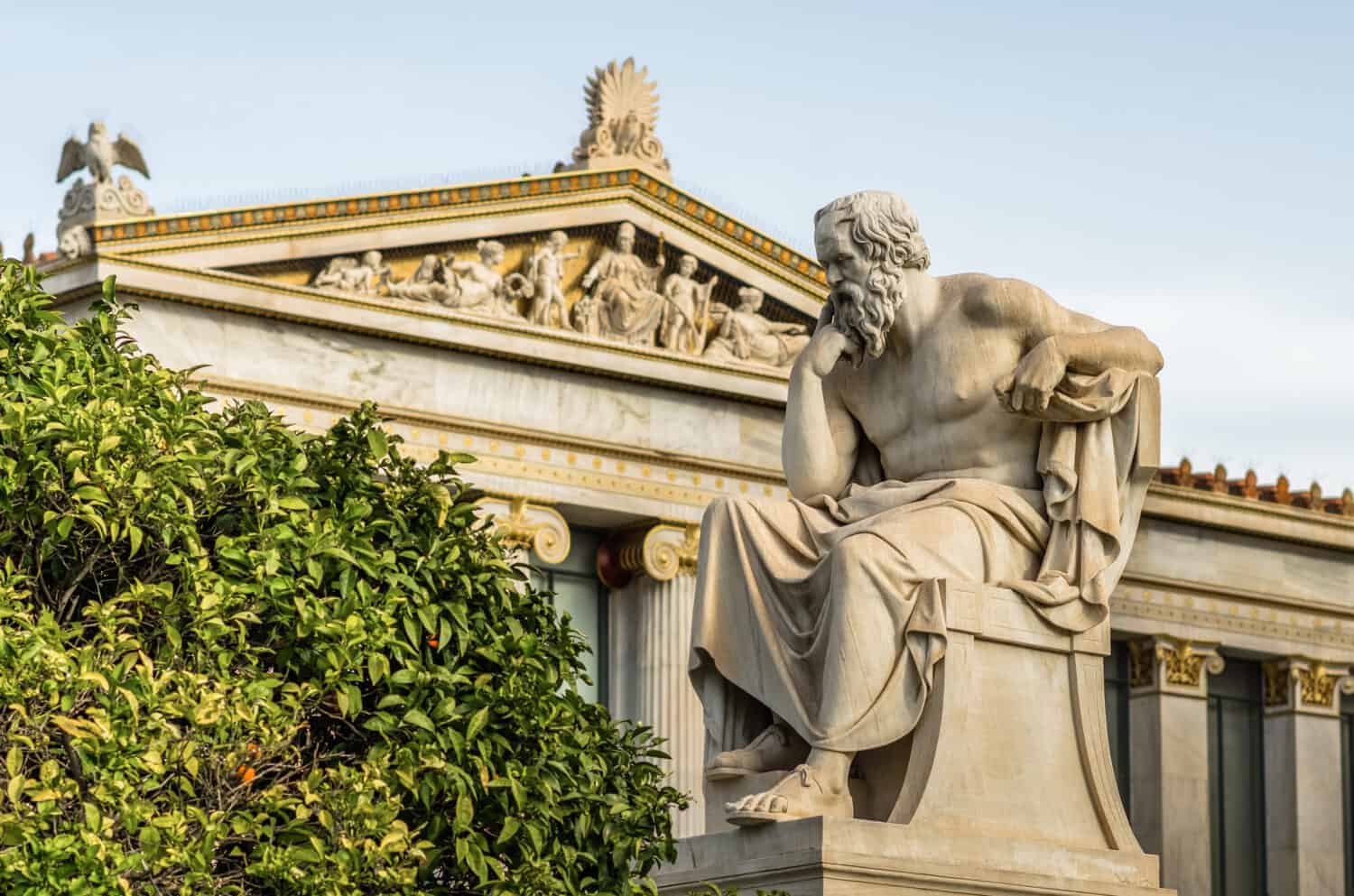
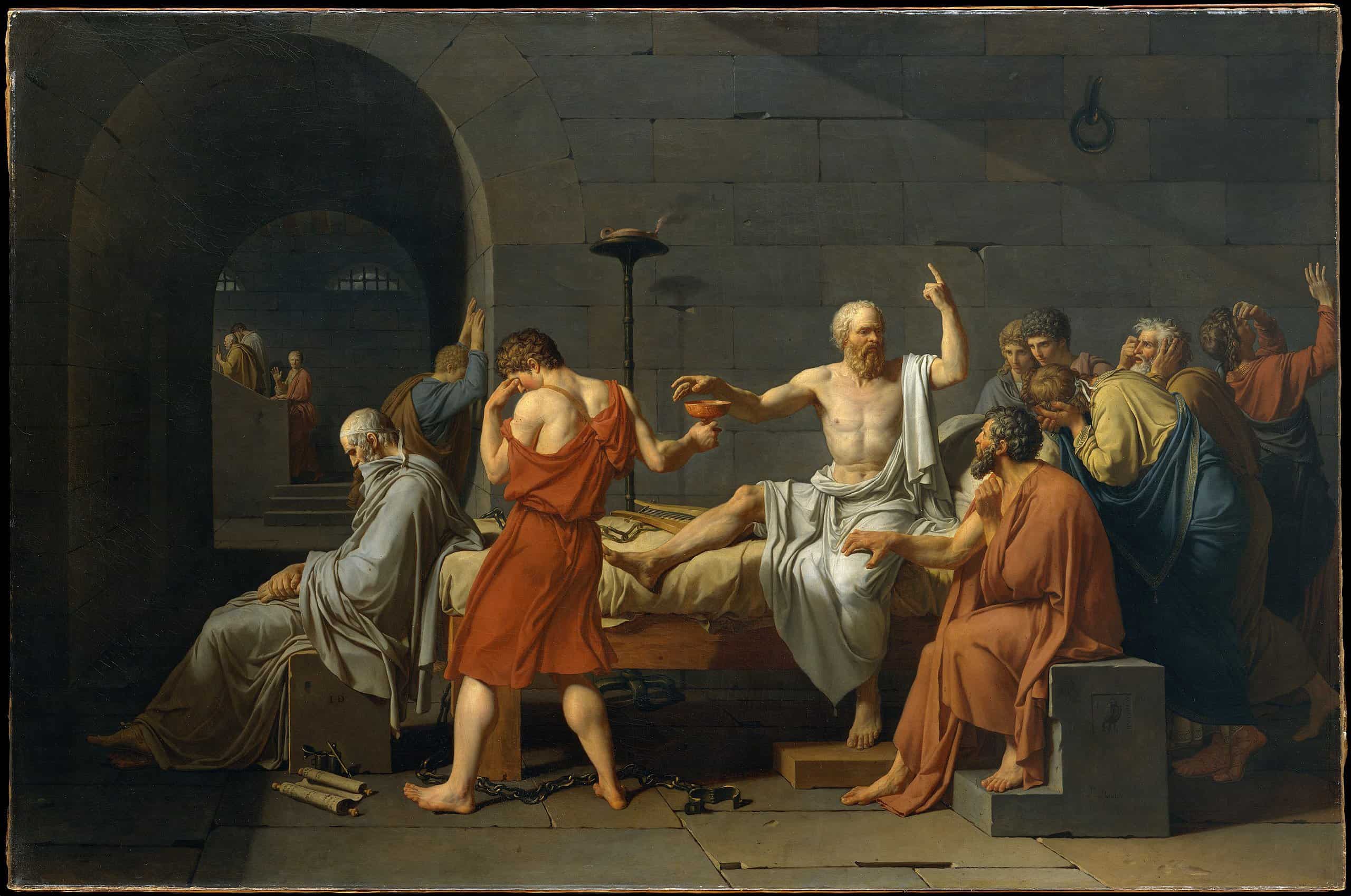
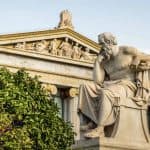
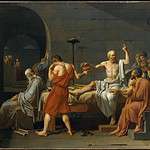
Although Socrates never wrote a single book, he became one of the most influential thinkers in history through the ideas preserved by his students, particularly Plato. Living in Athens during the fifth century BC, Socrates believed that wisdom began with recognizing one's own ignorance. Rather than delivering lectures, he challenged people with a series of probing questions designed to expose contradictions in their thinking, an approach now known as the Socratic Method. His relentless questioning of accepted beliefs earned him both devoted followers and powerful enemies. In 399 BC, he was convicted of corrupting the youth and impiety, then sentenced to death by drinking hemlock. Rather than fleeing into exile, Socrates accepted the court's judgment, believing that respect for the law was a civic duty. His commitment to reason, ethics, and intellectual honesty laid the foundation for Western philosophy, making him one of history's most enduring symbols of the pursuit of truth.
2. Plato
- Birth–Death: c. 428–348 BC
- School of Philosophy: Platonism
- What They're Known For: The Republic and the Academy
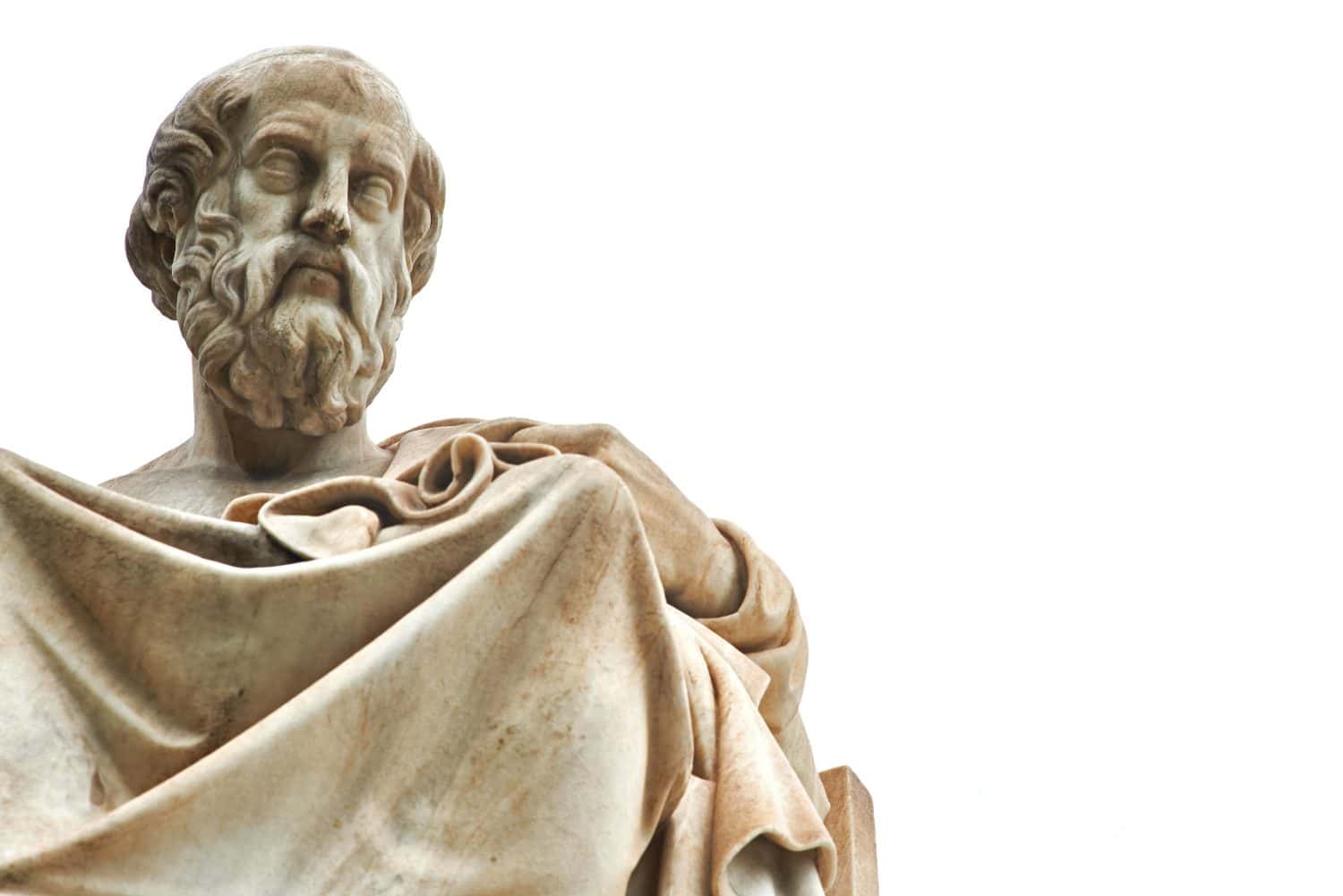
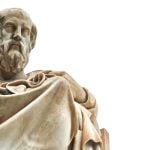
Plato transformed philosophy from the teachings of one remarkable man into an enduring intellectual tradition. A devoted student of Socrates, he founded the Academy in Athens, widely regarded as the first institution of higher learning in the Western world. Through dialogues such as The Republic, Symposium, and Phaedo, Plato explored justice, politics, love, education, and the nature of reality. He argued that the physical world is only an imperfect reflection of eternal and perfect Forms, an idea that shaped philosophical thought for centuries. His famous Allegory of the Cave challenged readers to question whether what they perceive is truly reality or merely appearances. Plato's writings influenced theology, political theory, mathematics, and science, while his Academy educated generations of thinkers, including Aristotle. More than two thousand years after his death, his questions about truth, knowledge, and justice continue to define philosophical inquiry.
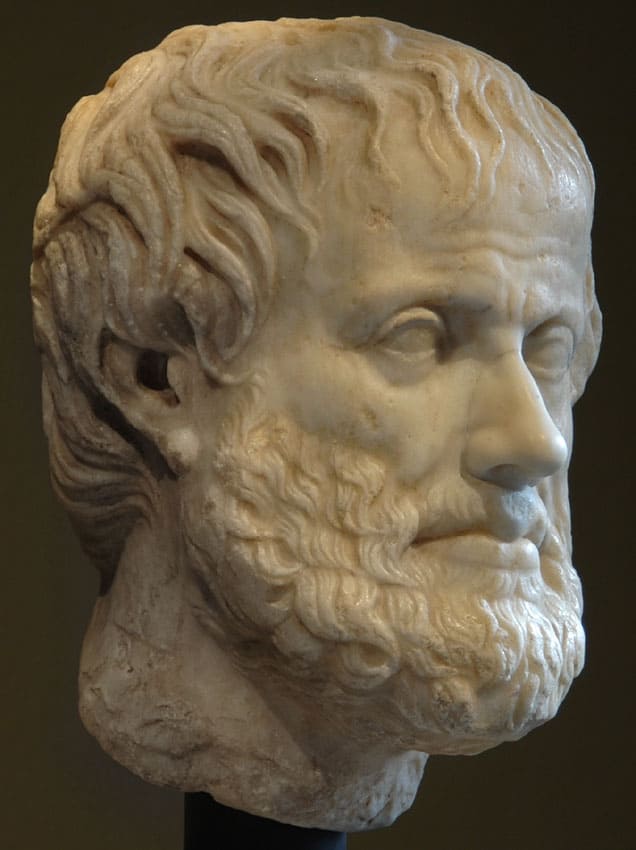
3. Aristotle
- Birth–Death: 384–322 BC
- School of Philosophy: Aristotelianism
- What They're Known For: Formal logic and systematic philosophy
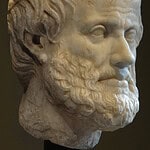
Few individuals have influenced human knowledge as profoundly as Aristotle. After studying under Plato for nearly twenty years, Aristotle developed his own philosophical system that emphasized observation, logic, and practical reasoning over abstract idealism. He later became the tutor of Alexander the Great before founding the Lyceum in Athens. Aristotle wrote extensively on ethics, politics, biology, physics, rhetoric, metaphysics, and logic, creating intellectual frameworks that dominated Western scholarship for nearly two thousand years. His formal system of logic remained the standard for deductive reasoning until the modern era, while his concept of the "Golden Mean" argued that virtue lies between extremes of excess and deficiency. Although many of his scientific conclusions were eventually revised, his method of carefully observing the natural world profoundly shaped scientific inquiry. Aristotle's extraordinary breadth of knowledge earned him a reputation as one of history's greatest polymaths and one of philosophy's most influential figures.
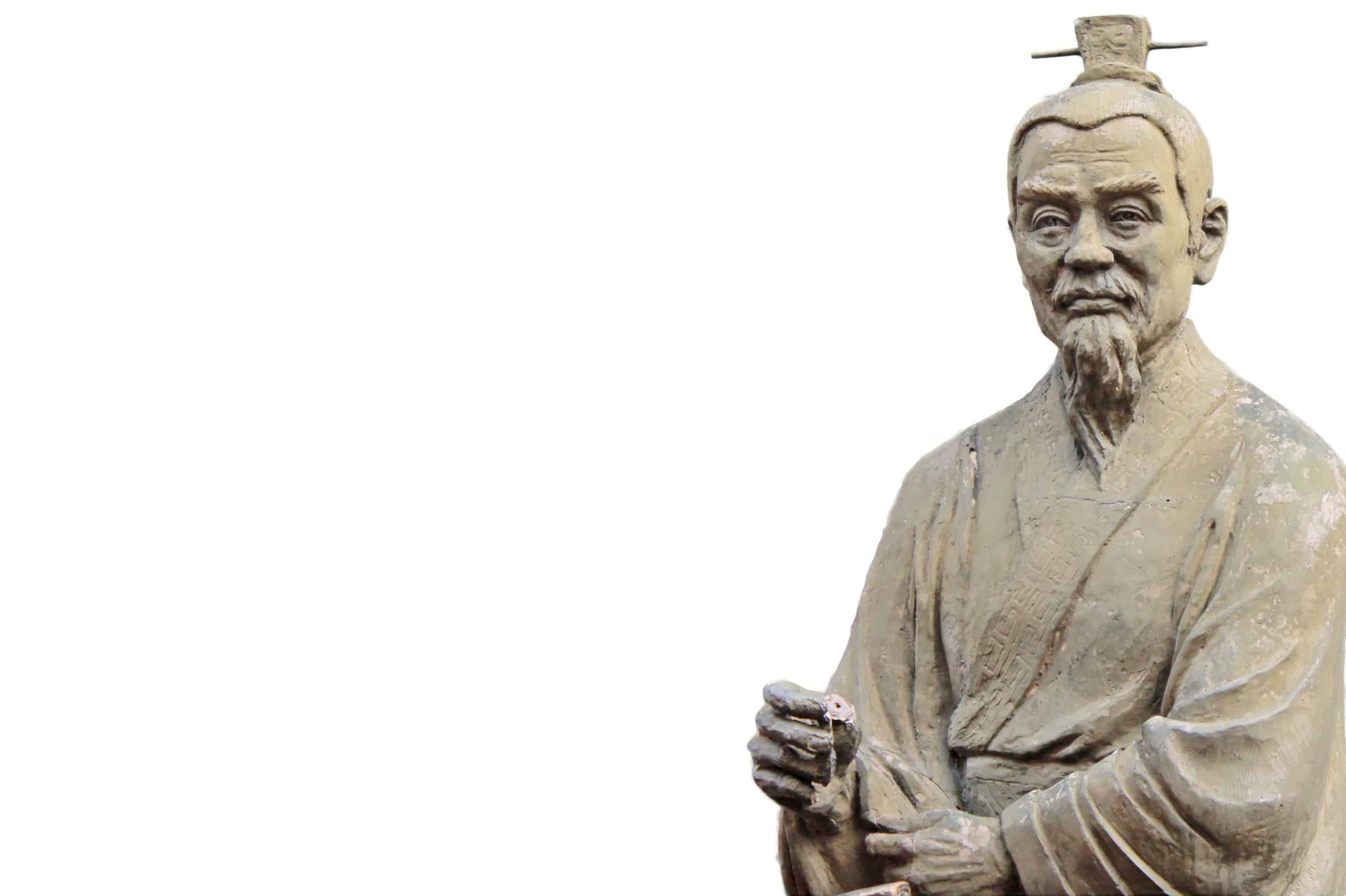
4. Confucius
- Birth–Death: 551–479 BC
- School of Philosophy: Confucianism
- What They're Known For: Ethics, virtue, and good governance
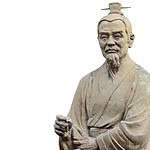
Confucius lived during a period of political instability in ancient China, but his teachings offered a vision of social harmony built on ethics, education, and personal responsibility rather than military power. He believed that a stable society begins with virtuous individuals who cultivate qualities such as honesty, humility, respect, and compassion. Central to his philosophy was the importance of family relationships, proper conduct, and moral leadership, arguing that rulers should inspire obedience through virtue instead of fear. Although Confucius never claimed to found a religion, his teachings became the foundation of Confucianism, shaping Chinese government, education, and culture for more than two thousand years. His conversations and sayings were later collected in The Analects, one of the most influential books in East Asian history. Today, Confucius remains one of the world's most studied philosophers, with ideas that continue to influence ethics, leadership, and education across the globe.
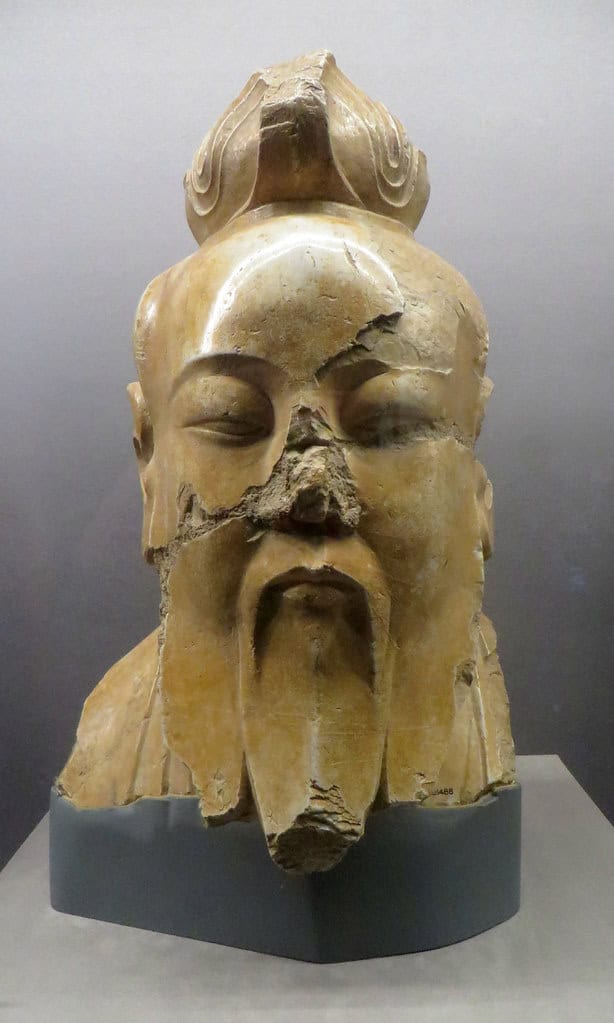
5. Laozi
- Birth–Death: Traditionally 6th century BC
- School of Philosophy: Daoism
- What They're Known For: Tao Te Ching
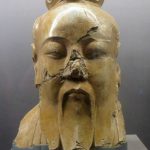
Little is known with certainty about Laozi, and historians continue to debate whether he was a single historical figure or a legendary symbol representing multiple early Daoist thinkers. According to tradition, Laozi authored the Tao Te Ching, a remarkably concise text that became the cornerstone of Daoist philosophy. Rather than encouraging people to control the world, Laozi taught that true wisdom comes from living in harmony with the Dao, or "the Way," the natural order underlying all existence. He emphasized humility, simplicity, patience, and wu wei, often translated as "effortless action" or acting in accordance with nature rather than against it. His philosophy encourages flexibility over force and inner peace over ambition, ideas that have influenced Chinese culture, art, medicine, and spirituality for centuries. The Tao Te Ching remains one of the most translated and widely read philosophical works in history, continuing to inspire readers seeking balance and perspective in an increasingly complex world.
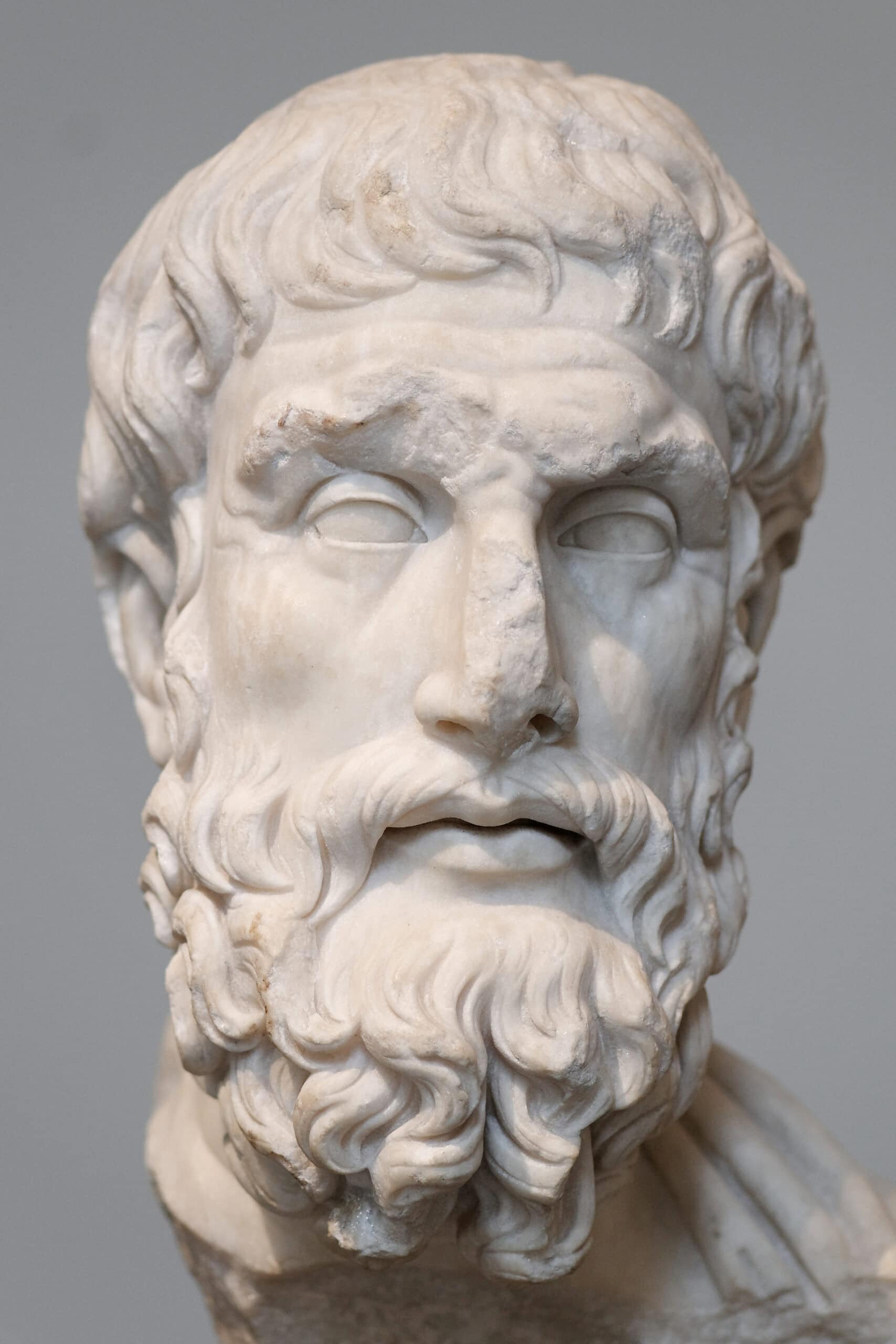
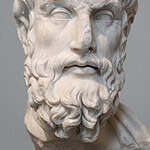
6. Epicurus
- Birth–Death: 341–270 BC
- School of Philosophy: Epicureanism
- What They're Known For: Pursuit of tranquility through moderation
Epicurus is often misunderstood as a philosopher who encouraged indulgence and luxury, but his teachings advocated nearly the opposite. Living in Athens during the Hellenistic period, he believed that the highest form of happiness came not from excess but as freedom from unnecessary fear, physical pain, and emotional turmoil. He established a school known simply as "The Garden," where men and women alike gathered to discuss philosophy, friendship, and the pursuit of a peaceful life. Epicurus argued that simple pleasures, meaningful relationships, and intellectual curiosity provided far greater satisfaction than wealth or status. He also challenged common fears surrounding death, claiming that death should not be feared because consciousness ends with life itself. Although his philosophy was frequently misrepresented over the centuries, Epicureanism remains an influential school of thought that continues to shape discussions about happiness, well-being, and what it truly means to live a fulfilling life.
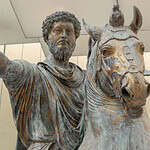
7. Marcus Aurelius
- Birth–Death: AD 121–180
- School of Philosophy: Stoicism
- What They're Known For: Meditations
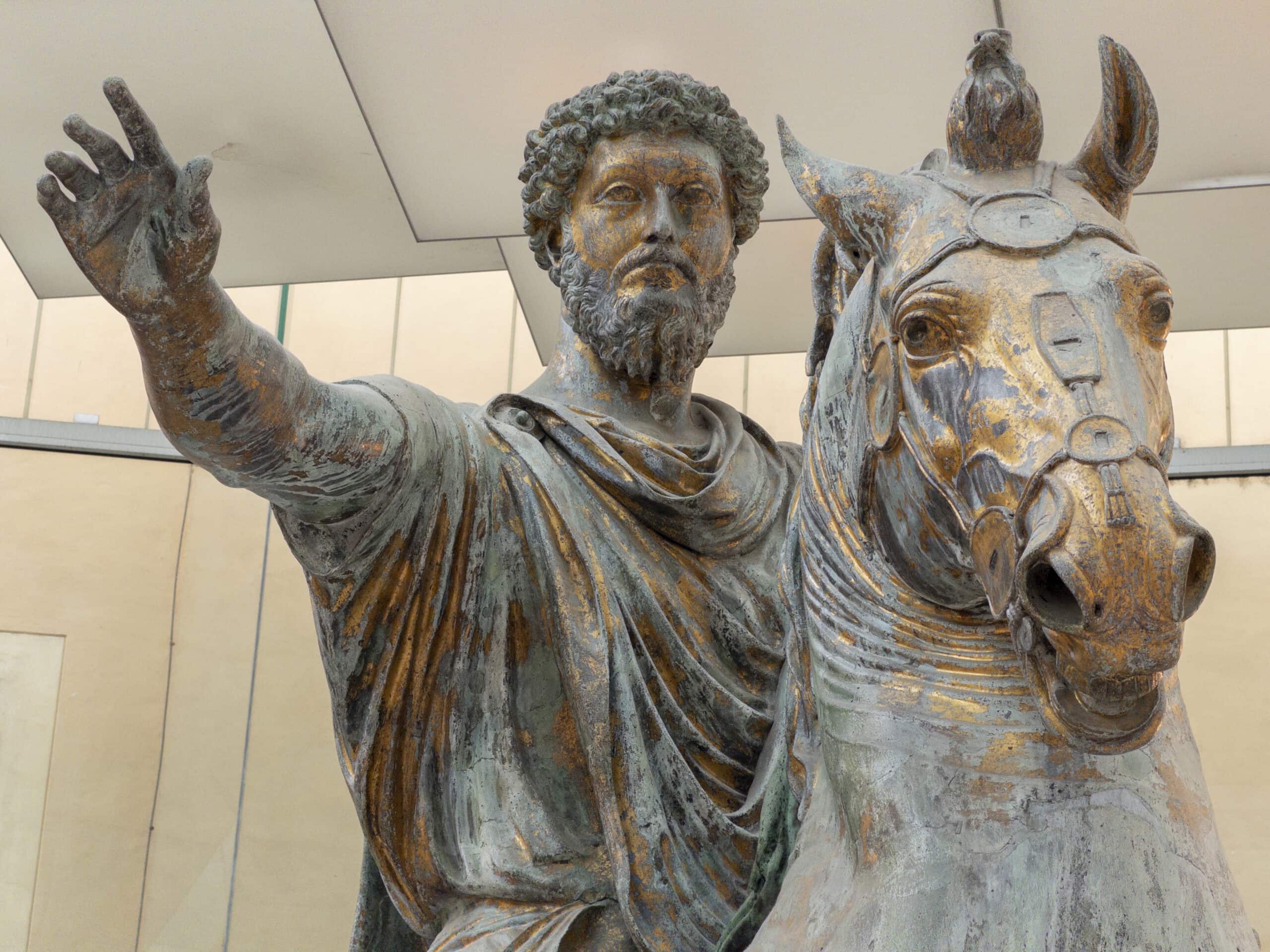
Marcus Aurelius occupies a unique place in history as both one of Rome's greatest emperors and one of its most respected philosophers. Ruling from AD 161 to 180 during a period marked by war, political unrest, and plague, he turned to Stoic philosophy as a guide for navigating immense personal and political responsibility. His private journal, later published as Meditations, was never intended for public audiences but has since become one of the most influential philosophical works ever written. Throughout its pages, Marcus reminds himself to remain humble, control his emotions, accept hardships with dignity, and focus only on what lies within his control. Rather than seeking fame or comfort, he believed virtue and self-discipline defined a meaningful life. Nearly two thousand years later, Meditations continues to inspire leaders, athletes, military personnel, and everyday readers looking for practical wisdom in the face of adversity.
8. Augustine of Hippo
- Birth–Death: AD 354–430
- School of Philosophy: Christian Philosophy
- What They're Known For: Confessions
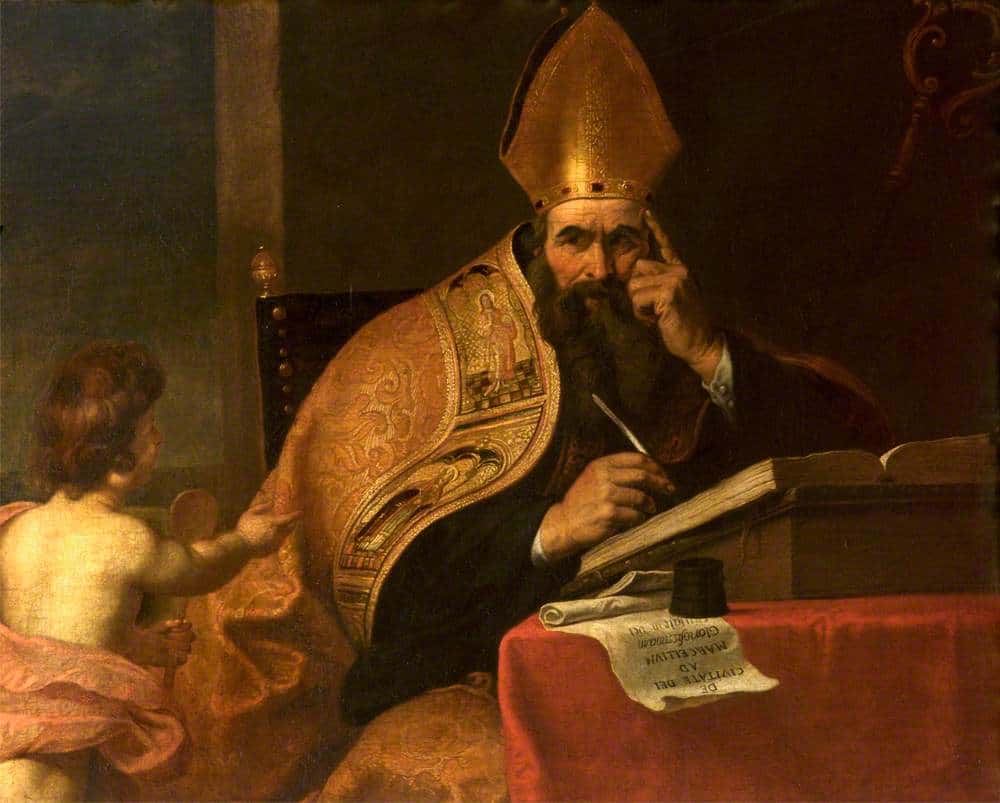
Born in Roman North Africa during the fourth century, Augustine of Hippo became one of the most influential thinkers in Christian history by blending classical philosophy with religious theology. After years of searching for meaning through various philosophical schools, he converted to Christianity and eventually became the Bishop of Hippo. His autobiographical work, Confessions, is widely regarded as one of the first great autobiographies in Western literature, exploring memory, temptation, free will, and humanity's relationship with God. In another landmark work, The City of God, Augustine argued that earthly kingdoms are temporary while spiritual truth endures beyond political change. Drawing heavily from Plato and Neoplatonism, he helped preserve and reinterpret ancient philosophy for medieval Europe. His writings shaped Christian doctrine, ethics, and political thought for centuries, making him one of the key intellectual bridges between the ancient world and the Middle Ages.
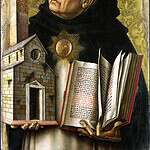
9. Thomas Aquinas
- Birth–Death: 1225–1274
- School of Philosophy: Scholasticism
- What They're Known For: Summa Theologica
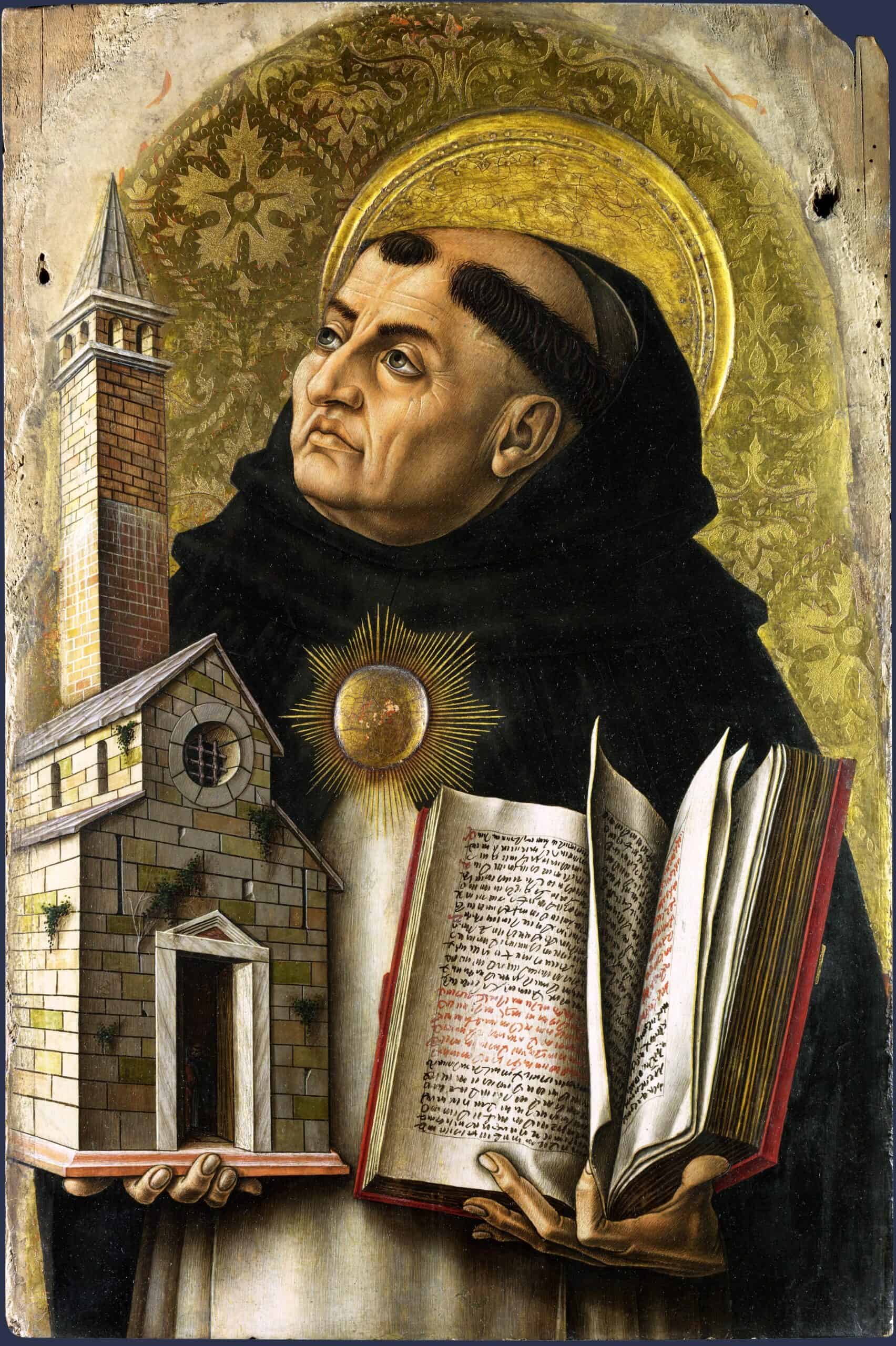
Thomas Aquinas stands among the greatest scholars of the Middle Ages, largely because he succeeded in reconciling two intellectual traditions that many believed were incompatible: Aristotelian philosophy and Christian theology. Educated as a Dominican friar during the thirteenth century, Aquinas argued that reason and faith were not enemies but complementary paths toward understanding truth. His monumental work, Summa Theologica, systematically addressed questions about morality, natural law, human nature, and the existence of God with remarkable clarity and precision. Rather than rejecting classical philosophy, Aquinas embraced Aristotle's methods of logic and observation while integrating them into Christian thought. His concept of natural law continues to influence legal theory, ethics, and political philosophy. More than seven centuries after his death, Aquinas remains one of the most important figures in both philosophy and theology.
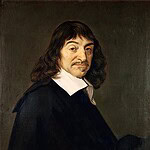
10. René Descartes
- Birth–Death: 1596–1650
- School of Philosophy: Rationalism
- What They're Known For: I think, therefore I am
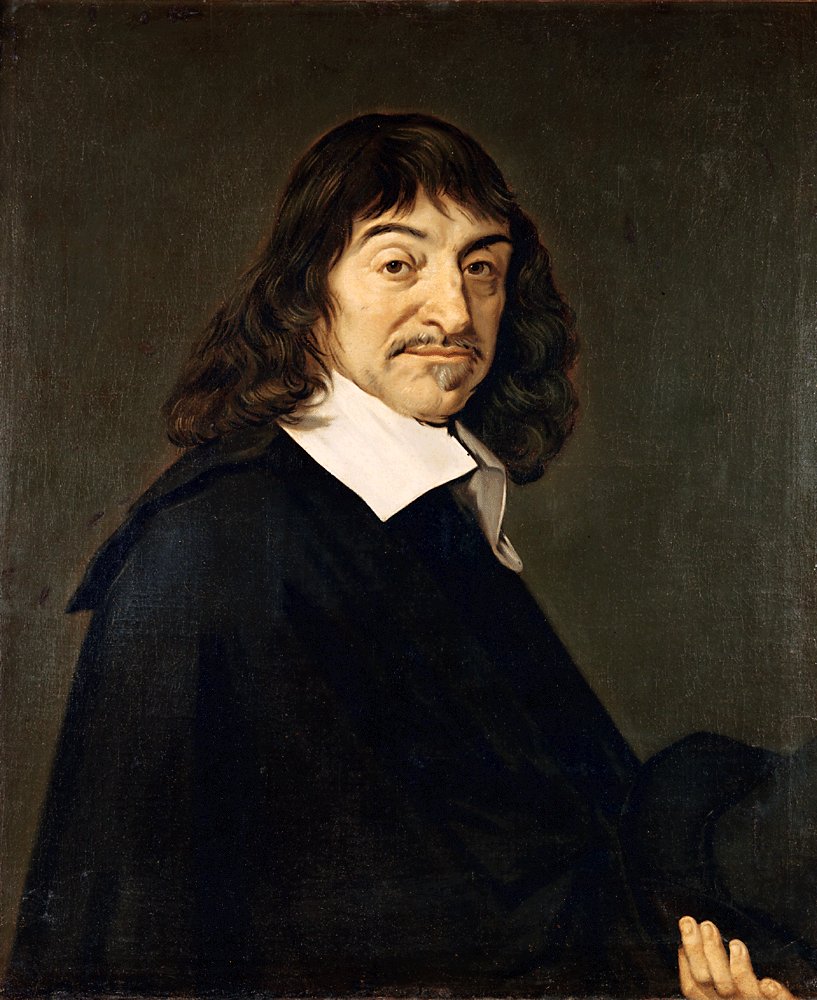
René Descartes is often called the father of modern philosophy because he fundamentally changed how philosophers approached the search for knowledge. Rather than accepting traditional authorities or inherited beliefs, Descartes proposed beginning with radical doubt, questioning everything that could possibly be uncertain. His famous conclusion, "Cogito, ergo sum" ("I think, therefore I am"), is considered one of the most recognizable statements in philosophy, establishing conscious thought as the first certainty from which knowledge could be built. Beyond philosophy, Descartes also made groundbreaking contributions to mathematics by developing analytic geometry, which united algebra and geometry into a single system. His emphasis on reason and logical analysis helped launch the Rationalist movement and influenced generations of scientists and philosophers during the Enlightenment. Even today, debates about consciousness, knowledge, and the relationship between mind and body frequently trace their origins back to Descartes' revolutionary ideas.
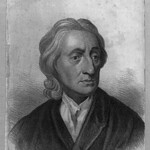
11. John Locke
- Birth–Death: 1632–1704
- School of Philosophy: Empiricism
- What They're Known For: Natural rights
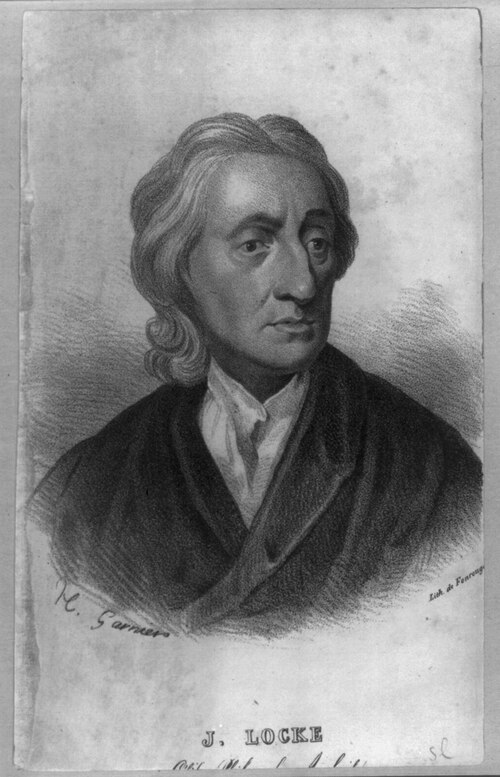
John Locke fundamentally reshaped political philosophy by arguing that governments exist to serve the people rather than rule over them. Writing during the political upheavals of seventeenth-century England, Locke rejected the idea that kings ruled by divine right and instead proposed that all individuals possess natural rights simply by being human. In his Two Treatises of Government, he identified life, liberty, and property as rights that governments are created to protect. If a government fails in that duty, he argued, citizens have the right to replace it. Locke also believed the human mind begins as a tabula rasa, or "blank slate," with knowledge developing through experience rather than being innate. His ideas profoundly influenced the American Declaration of Independence, the U.S. Constitution, and democratic governments around the world. Few philosophers have had a greater impact on modern concepts of freedom, individual rights, and representative government.
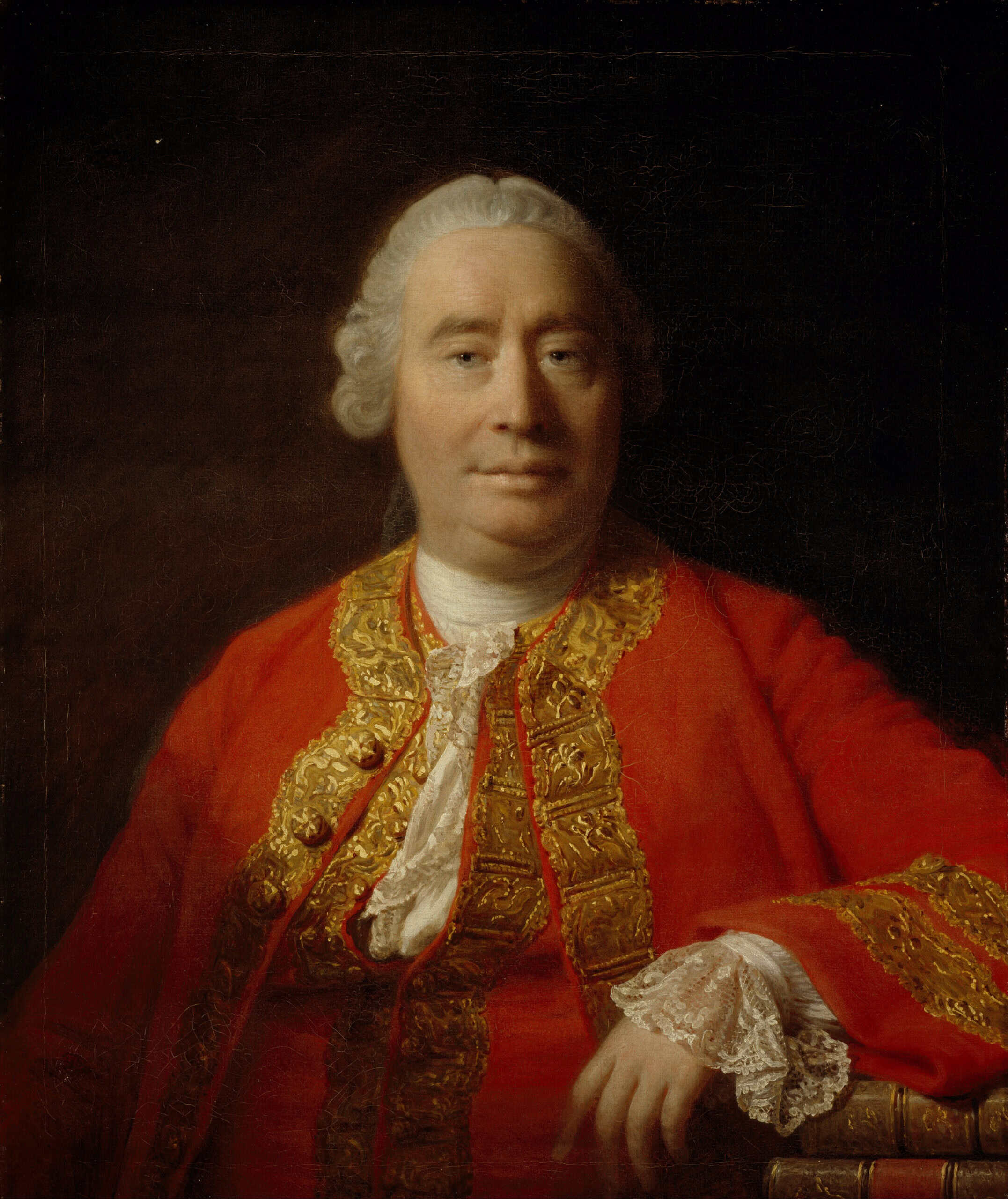
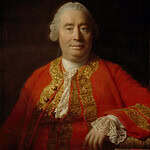
12. David Hume
- Birth–Death: 1711–1776
- School of Philosophy: Empiricism
- What They're Known For: Skepticism and human understanding
David Hume challenged many of the assumptions that earlier philosophers had taken for granted, earning a reputation as one of history's greatest skeptics. A leading figure of the Scottish Enlightenment, Hume argued that human knowledge is rooted in experience rather than pure reason. He questioned whether people could ever truly prove cause and effect, suggesting that humans simply grow accustomed to seeing certain events occur together. His skepticism extended to religion, miracles, and the limits of human understanding, encouraging philosophers to examine what could actually be known instead of what was merely assumed. Although many of his conclusions were controversial, Hume's insistence on careful observation and critical inquiry transformed philosophy and influenced fields ranging from psychology to economics. His work also inspired later thinkers, most notably Immanuel Kant, who credited Hume with awakening him from what he described as his "dogmatic slumber."
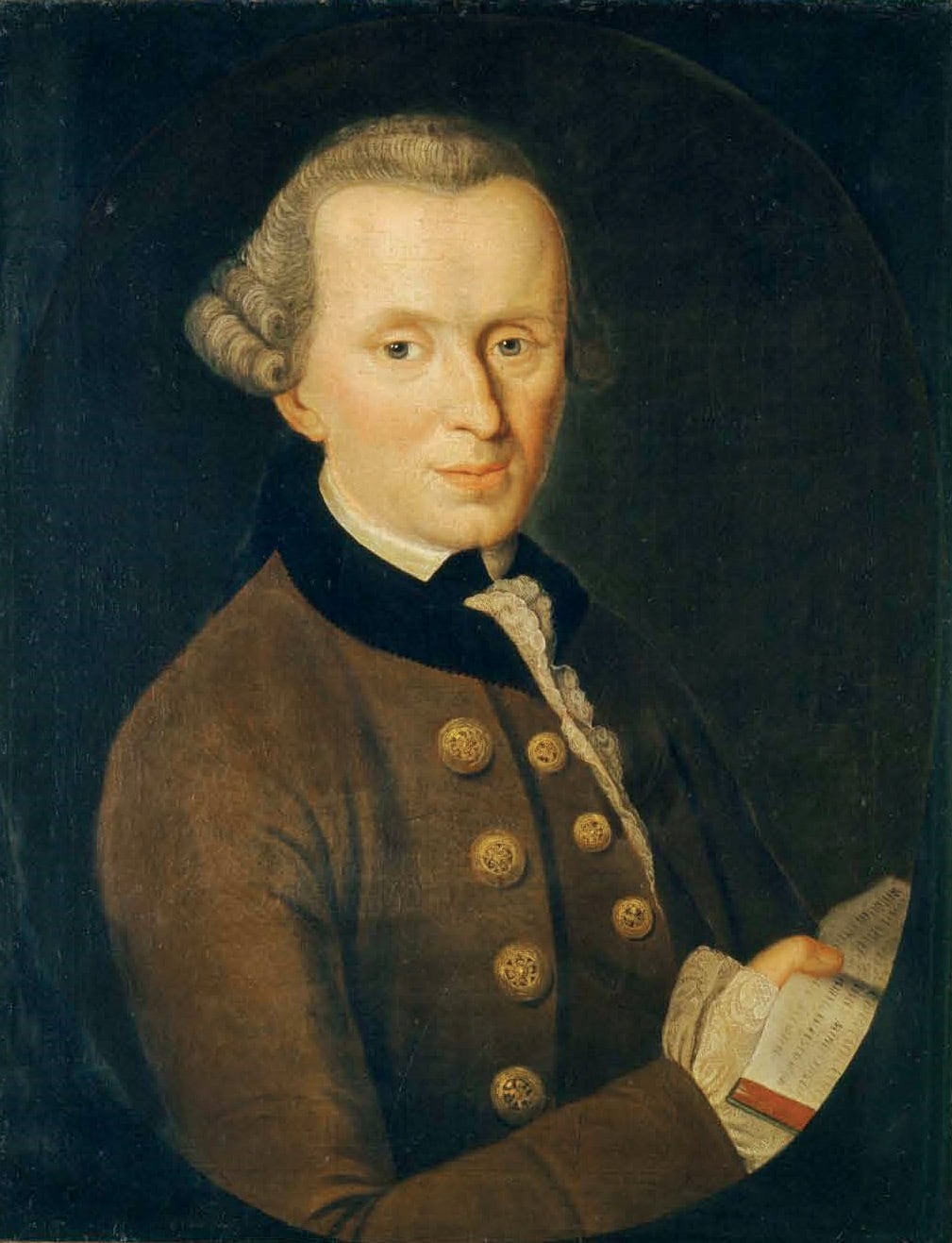
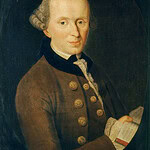
13. Immanuel Kant
- Birth–Death: 1724–1804
- School of Philosophy: German Idealism
- What They're Known For: Categorical imperative
Immanuel Kant is widely regarded as one of the most influential philosophers of the modern era because he transformed both ethics and the study of knowledge. Writing during the Enlightenment, Kant sought to answer how humans understand the world while also establishing a universal foundation for moral behavior. In Critique of Pure Reason, he argued that the mind actively shapes experience rather than simply recording it, forever changing discussions about perception and knowledge. His ethical philosophy introduced the concept of the categorical imperative, which teaches that people should act only according to principles they would want everyone else to follow. For Kant, morality depended on reason and duty rather than emotion or personal gain. His ideas profoundly influenced later philosophy, political theory, and law, making him a central figure in discussions about ethics, human dignity, and individual responsibility.
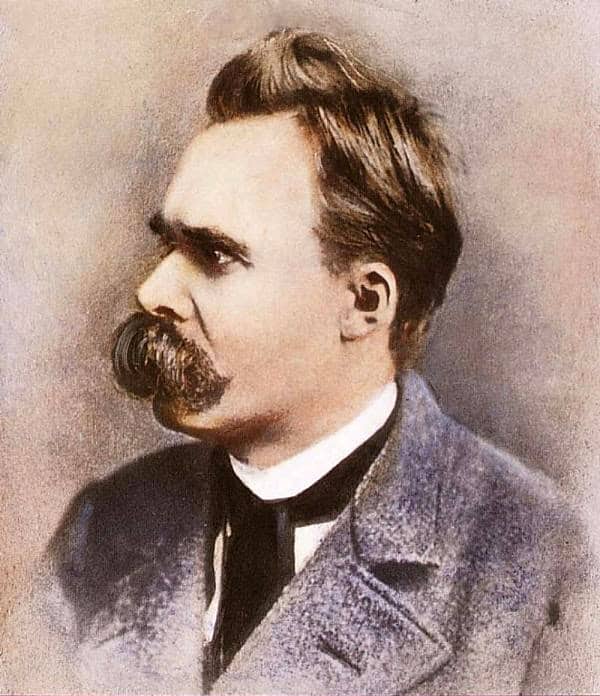
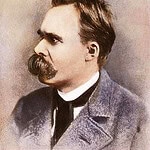
14. Friedrich Nietzsche
- Birth–Death: 1844–1900
- School of Philosophy: Existentialism / Continental Philosophy
- What They're Known For: Critique of morality
Few philosophers have been as provocative, or as frequently misunderstood, as Friedrich Nietzsche. Writing in nineteenth-century Germany, Nietzsche challenged many of the moral, religious, and cultural assumptions that had shaped Western civilization for centuries. His famous declaration that "God is dead" was not a celebration of atheism but an observation that traditional religious authority was losing its influence over modern society. Nietzsche believed this cultural shift required humanity to create new values rather than blindly following inherited beliefs. He introduced concepts such as the Übermensch, the "will to power," and the importance of self-overcoming, encouraging individuals to pursue personal excellence instead of conformity. Although later political movements sometimes misappropriated his writings, Nietzsche himself opposed nationalism and antisemitism. His work profoundly influenced existentialism, psychology, literature, and twentieth-century philosophy, ensuring that his ideas remain widely debated more than a century after his death.
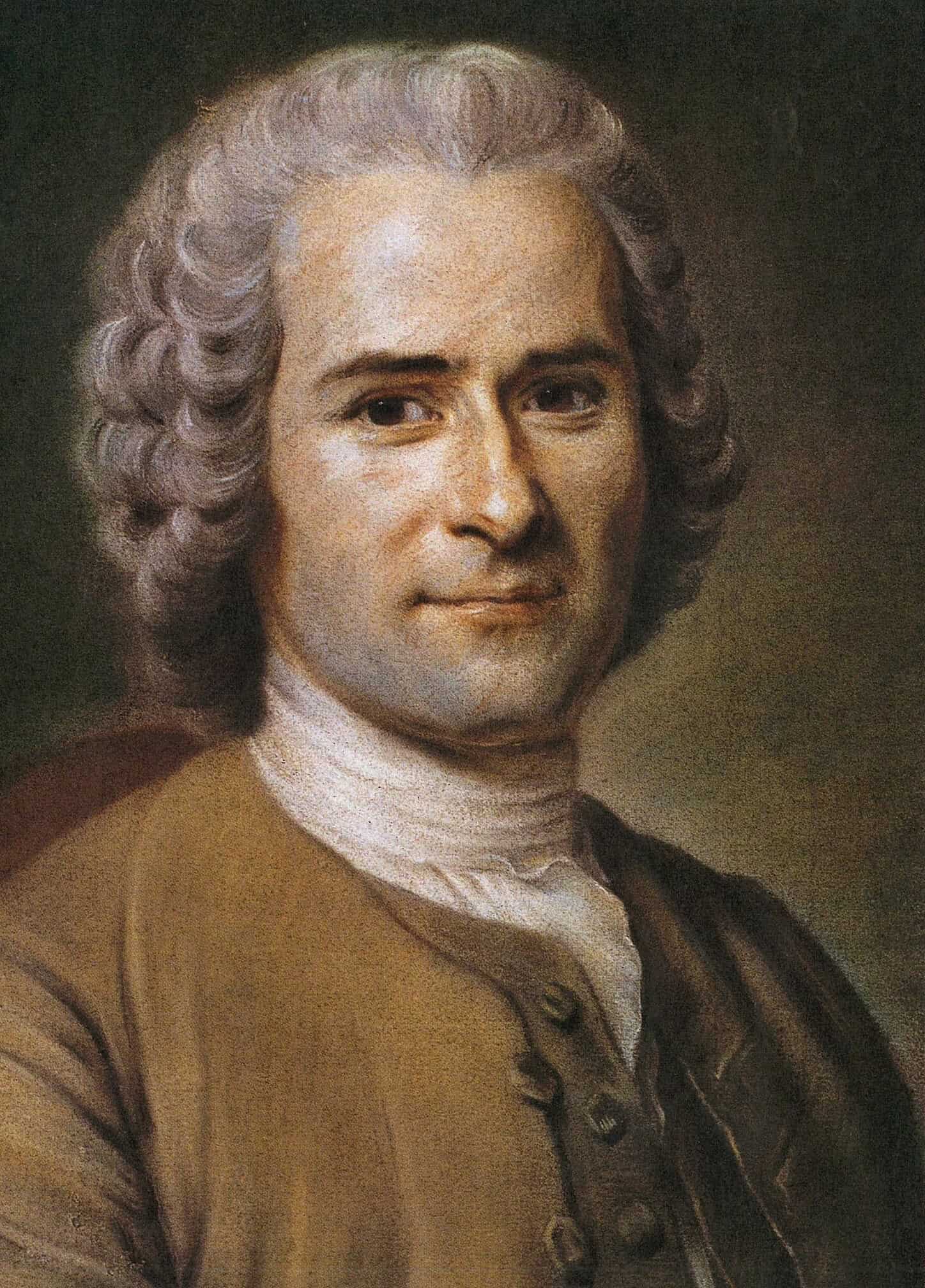
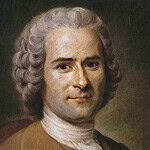
15. Jean-Jacques Rousseau
- Birth–Death: 1712–1778
- School of Philosophy: Enlightenment / Political Philosophy
- What They're Known For: The Social Contract
Jean-Jacques Rousseau became one of the defining voices of the Enlightenment by challenging conventional ideas about society, government, and human nature. Although he agreed that civilization had produced remarkable achievements, Rousseau argued that it had also corrupted humanity by encouraging inequality, vanity, and dependence on social status. In The Social Contract, he famously declared that "man is born free, and everywhere he is in chains," arguing that legitimate governments derive their authority from the consent of the governed rather than inherited privilege or monarchy. His political philosophy helped inspire the French Revolution and influenced democratic movements around the world. Rousseau also transformed educational theory through Emile, advocating that children learn naturally through experience instead of rigid discipline and memorization. His ideas about liberty, equality, civic responsibility, and education continue to shape political philosophy and public policy, making him one of history's most enduring and influential thinkers.
The image featured at the top of this post is ©Nhartmannphotos / Wikimedia Commons – License / Original