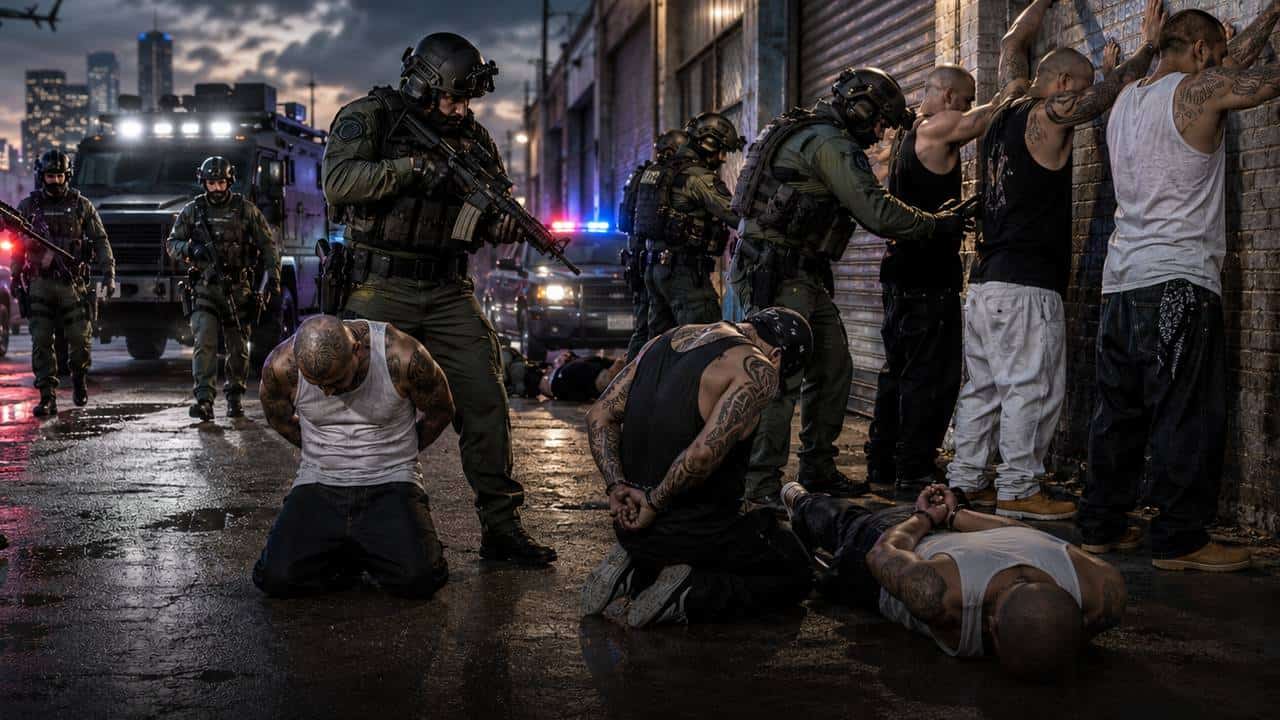

Law enforcement officials estimate that tens of thousands of gangs are active across the United States, ranging from neighborhood street gangs to prison gangs and large organized criminal networks. While their structures and territories vary, many are tied to serious crimes, including drug trafficking, robbery, fraud, weapons offenses, human trafficking, and violence.
The impact goes far beyond individual crimes. Gang activity can destabilize neighborhoods, strain police departments, hurt local businesses, and leave communities dealing with long-term economic and social costs. Authorities say many gangs use intimidation and violence to protect territory, enforce loyalty, settle disputes, and keep criminal operations running.
Even with so many gangs operating nationwide, a smaller group of organizations stands out for its reach, influence, and threat level. Using publicly available law enforcement reports and crime research, History Computer looked at some of the gangs authorities continue to identify as among the most active and dangerous in the United States today.
Background on Gangs in America

SAN VICENTE, EL SALVADOR – FEBRUARY 6: An inmate shows his back tattoos at CECOT (Spanish acronym for counter-terrorism confinement center) in Tecoluca on February 6, 2024 in San Vicente, El Salvador. On February of 2023 El Salvador inaugurated Latin America’s largest prison as part of President Nayib Bukele’s plan to fight gangs. Since then, the UN and NGOs have raised concern about the treatment of inmates, minors being held and suspects incarcerated as gang members without sufficient proof. Meanwhile, Bukele claims El Salvador’s murder rate has fallen from the world’s highest to the lowest in the Western Hemisphere. (Photo by Alex Peña/Getty Images)
©aruba200 / Getty Images
Gangs in America have a long and complicated history, and the term can describe very different kinds of organizations. Some are neighborhood-based street gangs formed around territory and identity, while others are prison gangs, outlaw motorcycle clubs, extremist groups, or transnational networks with members in multiple states or countries. Estimates of gang membership vary because many members are not formally documented, some groups are loosely organized, and law enforcement definitions can differ from one agency to another. What many of these groups share is a structure built around loyalty, identity, intimidation, rules, criminal activity, and the threat or use of violence. Gang visibility often rises when groups fight over territory, drug markets, prison influence, recruitment, or control of illegal economies. The organizations below are included because they are widely cited by law enforcement, researchers, or public safety groups as active threats, historically influential groups, or major organizations that continue to shape gang-related crime in the United States.
14. Florencia 13
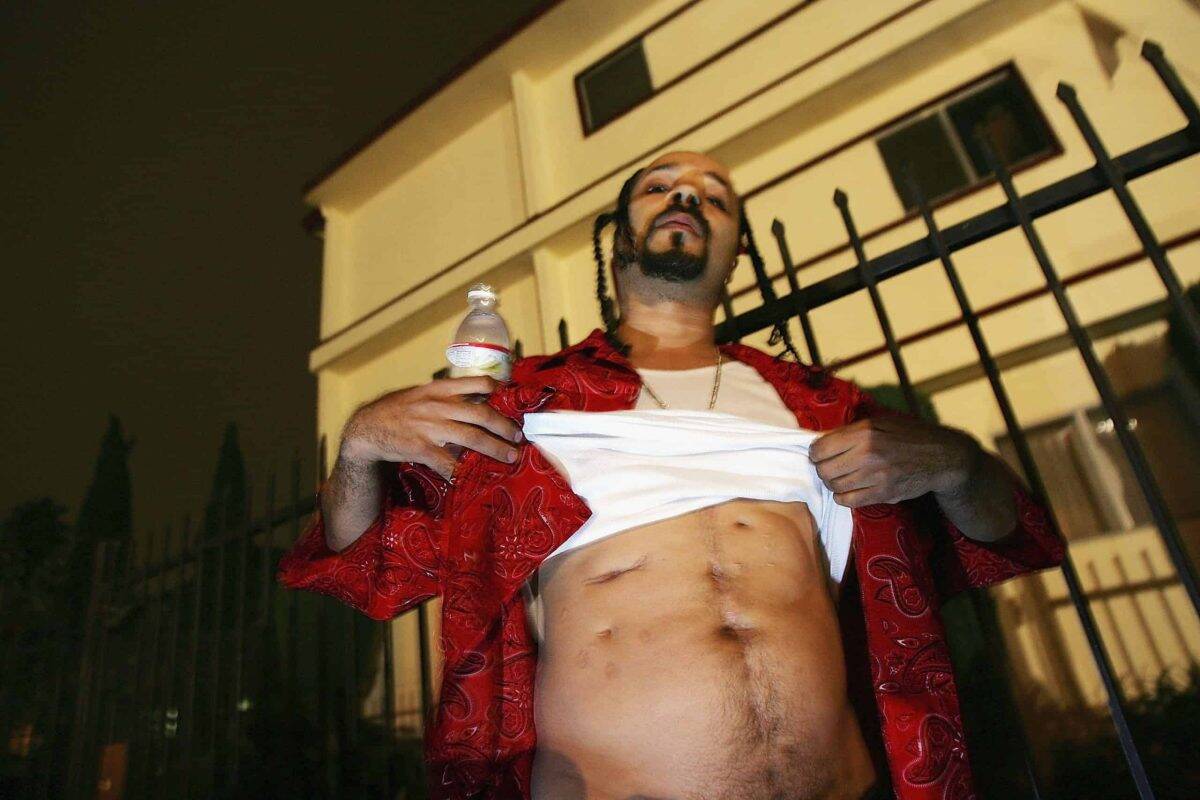
LOS ANGELES, CA – DECEMBER 01: “Bloodhound”, a “shot caller” or boss with the LA Bloods gang, shows some of the scars from 23 bullets he has received in his gang life, as he speaks in support of granting clemency for Stanley “Tookie'” Williams, co-founder of the arch rival Crips gang, on December 1, 2005 in Los Angeles, California. Williams is scheduled to be put to death on December 13. After his days as a Crip, he was nominated for the Nobel Peace Prize for his anti-gang efforts. Williams authored such books as “Life in Prison”, encouraging kids to stay out of gangs, and his memoir “Blue Rage, Black Redemption”. The condemned man claims to have changed and maintains his innocence in the killing of four people. Critics are skeptical of his claims. (Photo by David McNew/Getty Images)
©2005 Getty Images / Getty Images News via Getty Images
- Estimated membership: 3,000+
Florencia 13, often abbreviated as F13, is a Mexican-American street gang with roots in the Florence area of Los Angeles. Law enforcement sources have described the group as one of the larger and more established Southern California gangs, with influence tied to street-level crime, prison connections, and broader regional gang networks. The group has been associated with drug trafficking, robbery, extortion, weapons offenses, and violent crime, and authorities have linked some of its activity to the influence of the Mexican Mafia. Florencia 13 drew national attention in 2007 when federal and local law enforcement carried out a major crackdown that resulted in dozens of arrests tied to allegations including drug trafficking, murder, racketeering, and other offenses. Its inclusion here reflects both its long history and the way older Los Angeles gangs can maintain influence through local territory, prison ties, and multigenerational membership.
13. Vagos Motorcycle Club
- Estimated membership: 4,000+
The Vagos Motorcycle Club was founded in Southern California in the 1960s and has expanded across multiple states and into other countries. Like other outlaw motorcycle clubs, it has a visible public identity built around patches, chapters, and club culture, but law enforcement agencies have also tied members and chapters to serious criminal activity. Authorities have associated the group with drug trafficking, weapons offenses, violent confrontations, intimidation, and organized crime investigations. The Vagos are often discussed below the so-called big four outlaw motorcycle clubs in size and reputation, but investigators have still treated the organization as a significant public safety concern because of its cross-border reach and chapter-based structure. Its danger comes not only from the number of members, but from the combination of mobility, loyalty, local chapter influence, and the ability of some members to participate in organized criminal activity across wide geographic areas.
12. Proud Boys
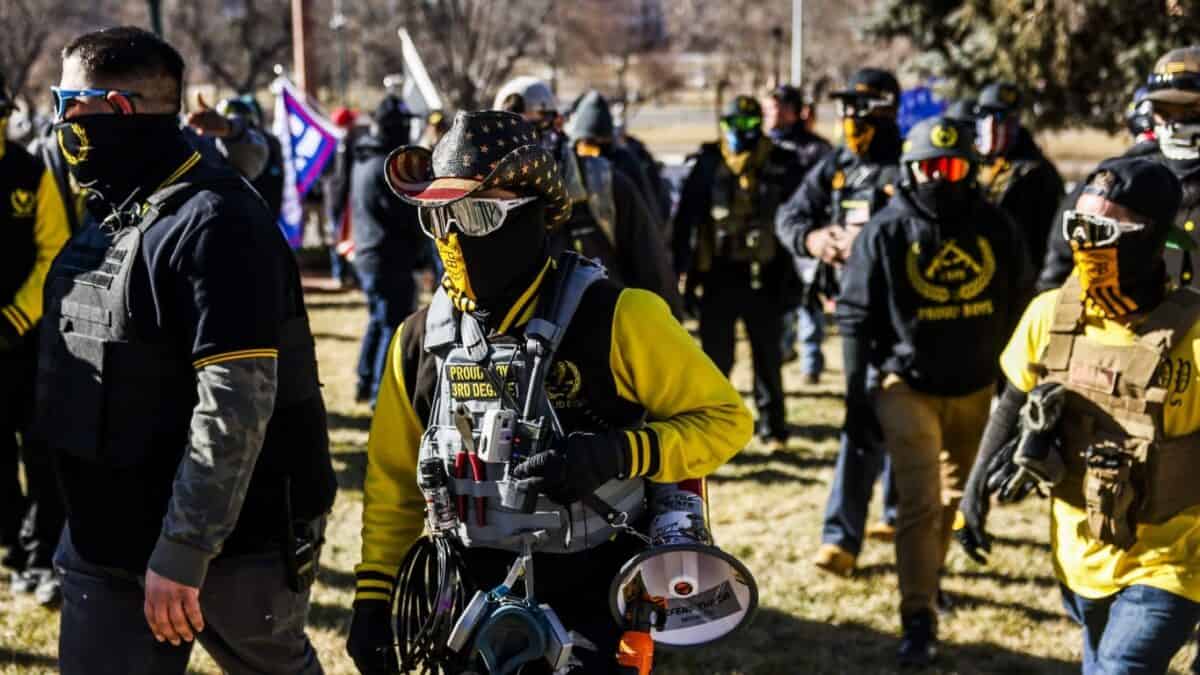
©Michael Ciaglo / Getty Images News via Getty Images
- Estimated membership: 6,000+
The Proud Boys are a far-right extremist organization that has been linked by researchers, watchdog groups, prosecutors, and law enforcement officials to street violence, political intimidation, and organized extremist activity. The group is not a traditional street gang built around drug territory or prison influence, but it is included in many public safety discussions because members have participated in violent confrontations and extremist mobilization. Several countries have designated the organization as a terrorist group, and U.S. authorities have prosecuted members in connection with major acts of political violence. The group’s influence comes from a combination of ideology, local chapters, online recruitment, public demonstrations, and confrontational tactics. Because its activity is often tied to extremist politics rather than conventional gang markets, it represents a different kind of threat than many of the street gangs on this list, but authorities and researchers continue to track it as an organized public safety concern.
11. Hells Angels
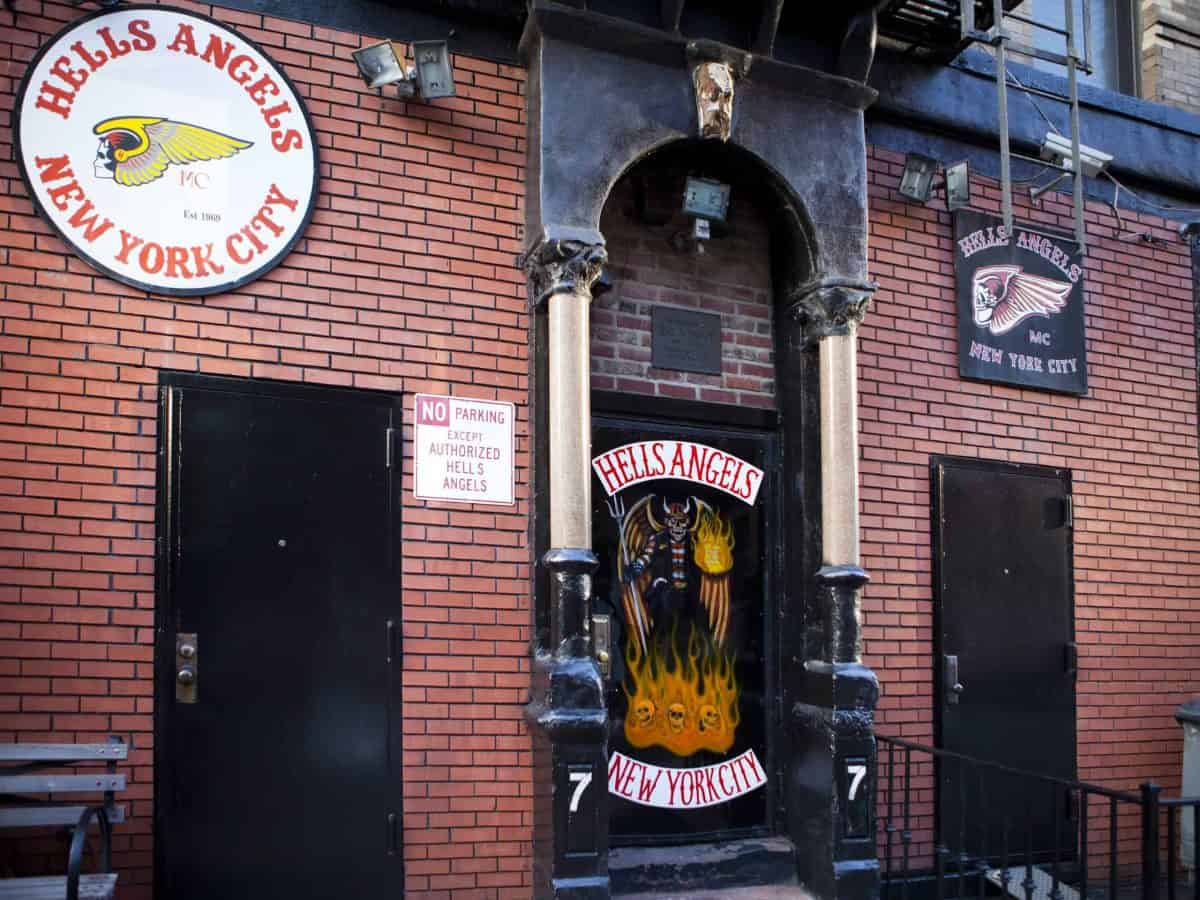
NY Hells Angel’s Chapter Club House exterior from the street, New York City, USA, 2010
©Huw Jones Photography / Lonely Planet RF via Getty Images
- Estimated membership: 6,000+
The Hells Angels Motorcycle Club is one of the most famous outlaw motorcycle clubs in the world and was founded in California in the years after World War II. The group has a long-running global presence, a recognizable club identity, and chapters in many countries. While members often describe the club as a motorcycle brotherhood, law enforcement agencies in the United States and abroad have repeatedly linked members and chapters to organized crime investigations. Alleged criminal activity has included drug trafficking, weapons offenses, extortion, assaults, and violent disputes with rival motorcycle clubs or other criminal groups. Its influence comes from its international reach, strong internal identity, chapter structure, and decades of notoriety. The Hells Angels remain a major reference point in discussions of outlaw motorcycle gangs because their name recognition, history, and law enforcement scrutiny far exceed that of most smaller clubs.
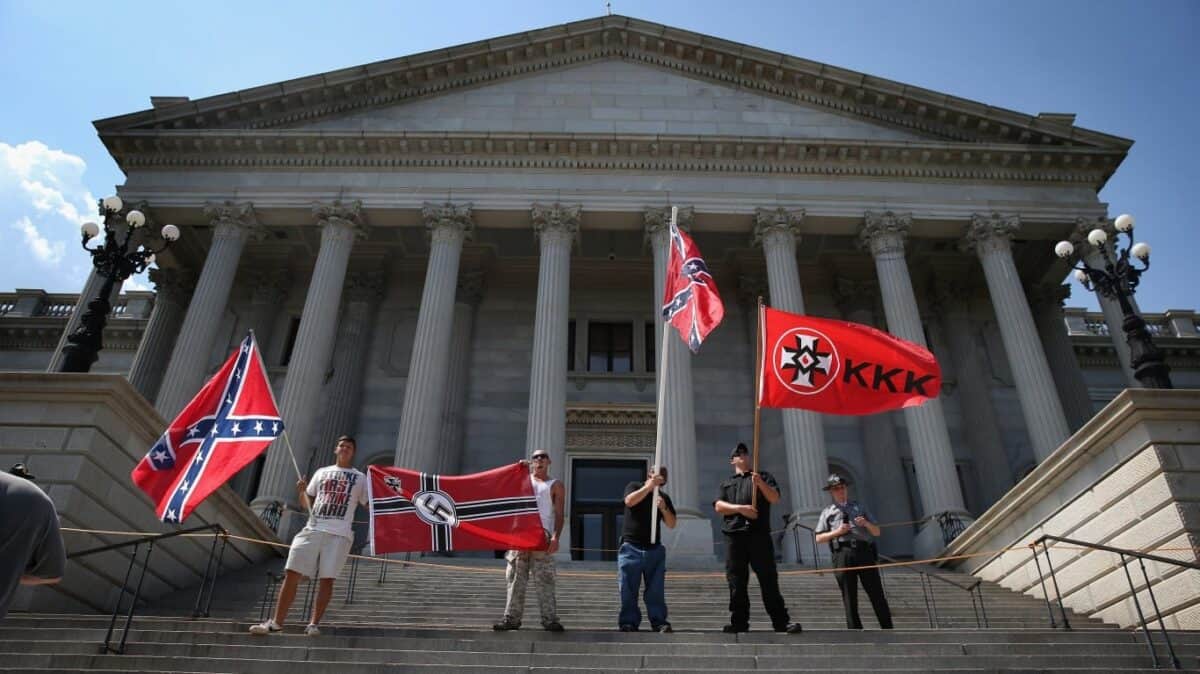
10. Ku Klux Klan
©John Moore / Getty Images News via Getty Images
- Estimated membership: 8,000+
The Ku Klux Klan is one of the oldest and most notorious white supremacist movements in American history, with roots reaching back to the period after the Civil War. Unlike many gangs on this list, the Klan is not a single unified street gang with one national command structure, but rather a fragmented collection of groups, chapters, and offshoots using the same symbols, ideology, and historical identity. Its long record includes terrorism, lynching, intimidation, voter suppression, threats, and violence against Black Americans, Jewish Americans, Catholics, immigrants, civil rights workers, and other targeted communities. Modern Klan groups are much smaller than the organization was at its peak, but they remain significant because of the movement’s violent legacy and continued role in white supremacist organizing. Researchers and watchdog organizations often track Klan groups alongside other extremist organizations because they continue to promote hate-based recruitment, intimidation, and radicalization.
9. Tiny Rascal Gang
Cambodia national flag waving in beautiful sky.
©iStock.com/EM Concept
- Estimated membership: 10,000+
The Tiny Rascal Gang, often known as TRG, is a Cambodian-American street gang that emerged in Long Beach, California, during the 1980s. Its origins are closely tied to the experiences of Southeast Asian refugee communities, including young people whose families had fled war, genocide, displacement, and poverty. Early members reportedly formed the group partly for protection, but the organization later became associated with street crime, violence, drug activity, robberies, and conflicts with rival gangs. The gang has been reported in several states and is often discussed as one of the more prominent Asian-American street gangs in the United States. Its history shows how gangs can emerge from a mix of trauma, discrimination, neighborhood pressure, and lack of opportunity, then evolve into organizations that create new cycles of crime and violence in the very communities where they first formed.
8. Jewish Defense League
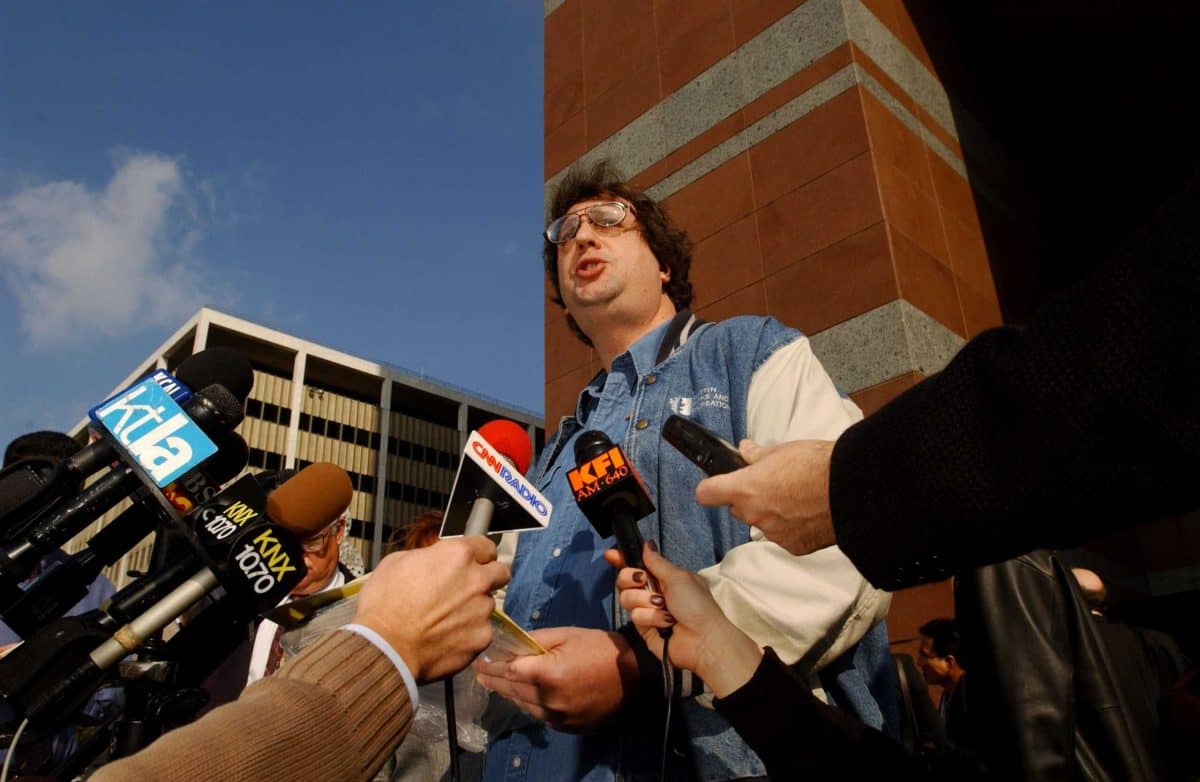
399950 01: Brett Stone, media Information officer for the Jewish Defense League (JDL), is surrounded by reporters” microphones, January 22, 2002 in Los Angeles, CA. Earlier, JDL Chairman Irv Rubin and fellow member Earl Krugel pleaded innocent to federal charges of planning to bomb a Culver City, CA mosque and Arab-American Congressman Darrell Issas field office last month. (Photo by David McNew/Getty Images)
©David McNew / Getty Images News via Getty Images
- Estimated membership: 15,000+
The Jewish Defense League was founded in the late 1960s and became known for militant activism that its supporters framed as self-defense against antisemitism. However, government agencies, researchers, and watchdog groups have also linked the organization and some members to extremist violence, bombings, plots, harassment, and attacks. The JDL is not a conventional street gang, but it has appeared in public safety and counterterrorism discussions because of its history of politically motivated violence and extremist activity. The group’s influence has changed over time, and current membership estimates are difficult to verify, but its legacy remains controversial because it combined community-protection rhetoric with acts that authorities and researchers have described as terrorism or hate-driven violence. Its inclusion here reflects how organized violence in the United States is not limited to drug markets or neighborhood gangs, and can also come from ideologically motivated groups.
7. Aryan Brotherhood
- Estimated membership: 20,000+
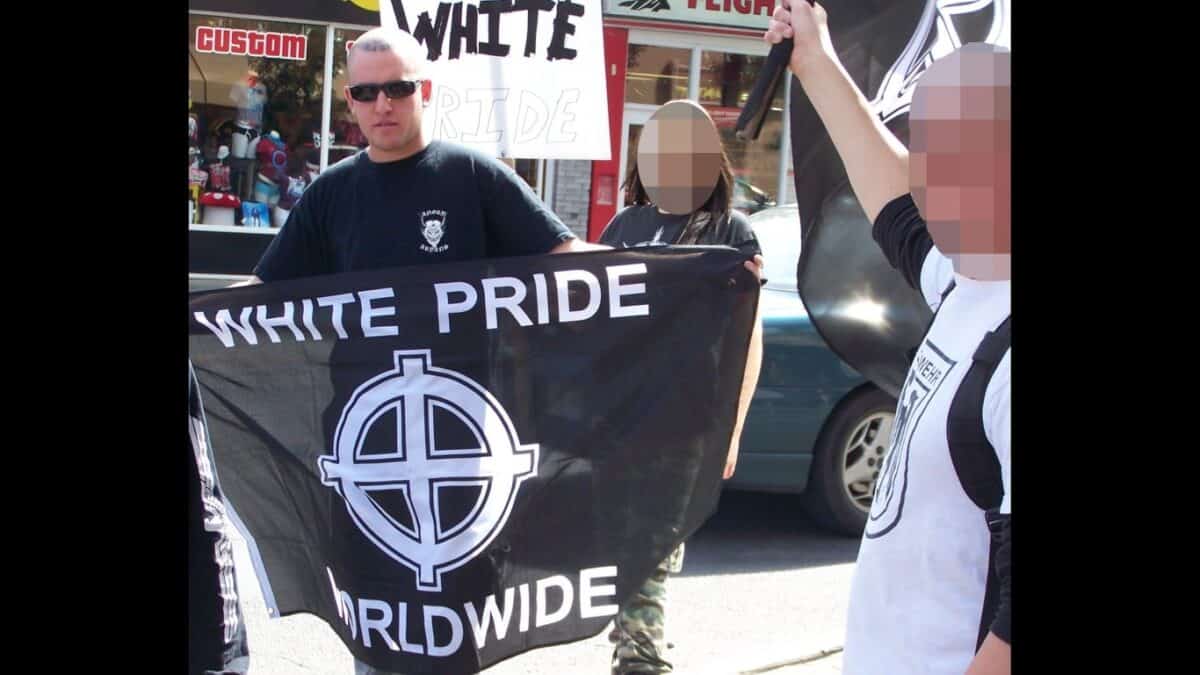
The Aryan Brotherhood is one of the most notorious white supremacist prison gangs in the United States. Founded in the California prison system in the 1960s, it became known for extreme violence, racial ideology, and a rigid internal culture built around loyalty, discipline, and punishment. Though its core membership has historically represented only a small portion of the prison population, law enforcement and prison officials have long described it as disproportionately violent and influential. The group has been linked to murder, assault, drug trafficking, extortion, intimidation, and murder-for-hire plots, both inside prisons and through outside associates. Its danger comes from the way prison gangs can control illegal markets behind bars, enforce discipline through violence, and maintain influence beyond prison walls. The Aryan Brotherhood remains a central example of how organized prison gangs can become powerful criminal networks despite relatively limited numbers.
6. Bloods
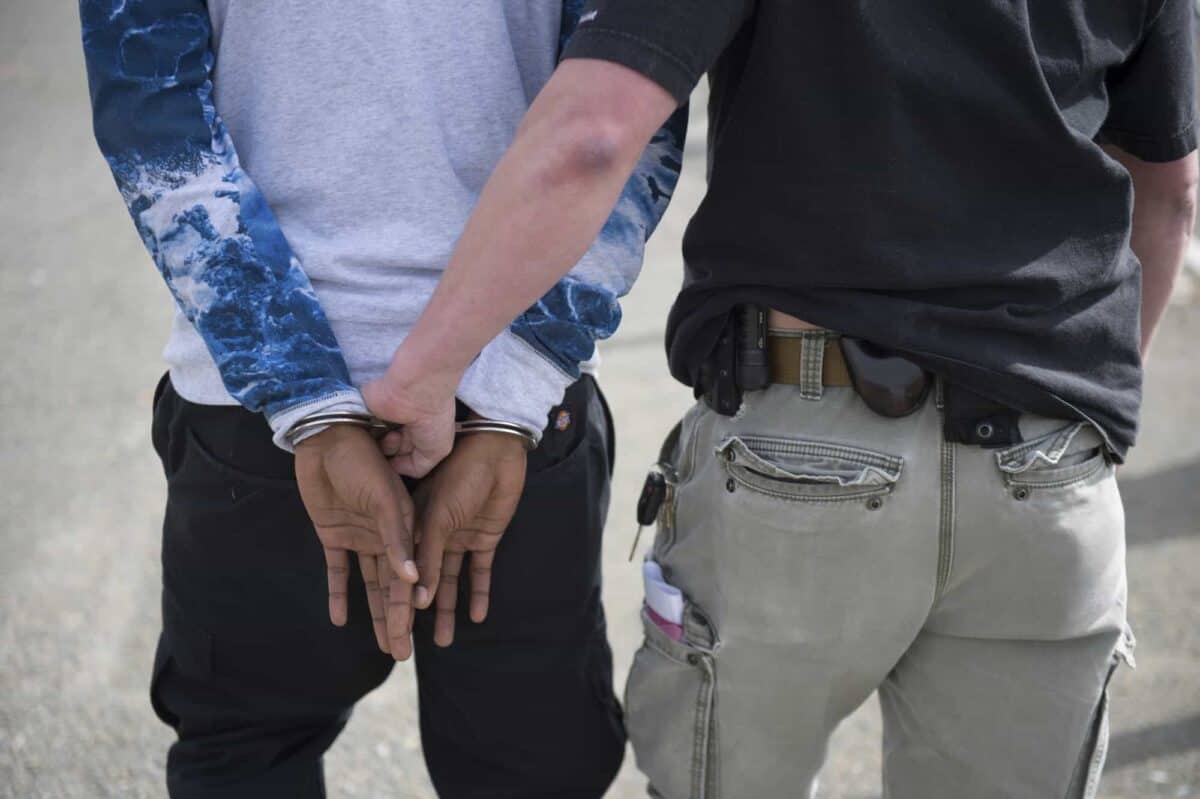
For the second consecutive year, the U.S. Marshals Service has conducted a high-impact national fugitive apprehension initiative focusing on the country’s most violent offenders. This six-week initiative, called Operation Violence Reduction12 (Operation VR12), resulted in the arrest of more than 8,075 gang members, sex offenders and other violent criminals.
While Operation VR12 was conducted nationwide in all 94 federal judicial districts, U.S. Marshals focused special attention on 12 selected locations, designated as priority cities by the U.S. Department of Justice: Baltimore; Brooklyn, New York; Camden, New Jersey; Chicago, Illinois; Compton, California; Fresno, California; Gary, Indiana; Milwaukee, Wisconsin; New Orleans; Oakland, California; Savannah, Georgia; and Washington, D.C.
In order to have the greatest impact on violent crime, Operation VR12 focused on fugitives who had three or more prior felony arrests for crimes such as murder, attempted murder, robbery, aggravated assault, arson, abduction/kidnapping, weapon offenses, sexual assault, child molestation and narcotics. Operation VR12 investigators increased their focus on fugitives accused of sex crimes and on the recovery of missing children.
Between February 1 and March 11, the U.S. Marshals Service used its multi-jurisdictional investigative authority and fugitive task force network to arrest 648 gang members and others wanted on charges including 559 for homicide; and 946 for sexual offenses. In addition, investigators seized 463 firearms, 0,360 in currency, and more than 71 kilograms of illegal narcotics. Also during the operation, investigators recovered 17 children who had been abducted and reported missing.
Please Credit:
(Photo by Shane T. McCoy / US Marshals)
©Public Domain / Wikimedia Commons
- Estimated membership: 30,000
The Bloods are one of the best-known street gang networks in the United States, with origins in Los Angeles during the early 1970s. The group grew partly in response to the rise of the Crips and eventually developed into a loose network of sets rather than a single unified organization. Bloods sets can vary widely by city, leadership, criminal activity, and level of organization, but law enforcement agencies have associated the broader network with drug trafficking, robbery, weapons offenses, assaults, homicide, and prison activity. The gang’s use of symbols, colors, hand signs, and set identity helped make it one of the most recognizable names in American gang culture. Its continued influence comes from its national spread, cultural visibility, recruitment patterns, and the ability of local sets to operate independently while still drawing on the larger Bloods identity.
5. Gangster Disciples

©PeopleImages.com – Yuri A / Shutterstock.com – Original / License
- Estimated membership: 30,000+
The Gangster Disciples are a major street and prison gang network with roots in Chicago. Emerging from the city’s South Side gang landscape, the group developed a recognizable identity, internal rules, symbols, and a national presence that later extended into prisons and other states. Law enforcement agencies have tied Gangster Disciples members and factions to drug trafficking, firearms offenses, money laundering, robbery, fraud, assaults, and organized criminal activity. Like many large gangs, the organization is not always centrally controlled, and local branches can differ in structure and behavior. Internal disputes, rivalries, and leadership conflicts have shaped its history, but its name remains one of the most significant in American gang investigations. The group’s danger lies in its combination of street influence, prison ties, membership scale, and ability to adapt across different criminal markets and regions.
4. Crips
©California Department of Corrections / Public Domain – Original / License
- Estimated membership: 35,000
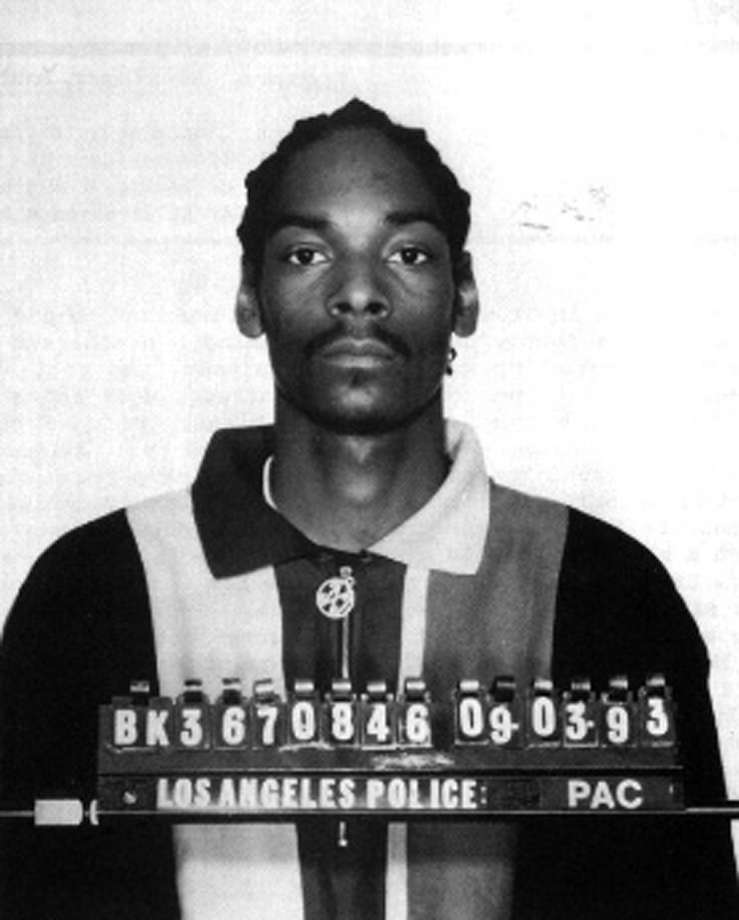
The Crips were founded in Los Angeles in the late 1960s and became one of the largest and most recognizable street gang networks in the United States. Like the Bloods, the Crips are not a single unified organization, but a broad collection of sets with different leadership, rivalries, territories, and criminal activities. Law enforcement agencies have linked Crips sets to drug trafficking, robbery, firearms offenses, assaults, homicide, and other violent crime. The gang became widely known through its rivalry with the Bloods, but its influence also reflects larger social conditions, including segregation, poverty, neighborhood disinvestment, policing patterns, and the expansion of illegal drug markets. Crips identity, including colors, symbols, and neighborhood affiliation, became deeply embedded in American gang culture. Its continued danger comes from the size of the network, the number of local sets, and the violent disputes that can occur between rivals or even within the broader Crips identity.
3. Latin Kings
- Estimated membership: 35,000+
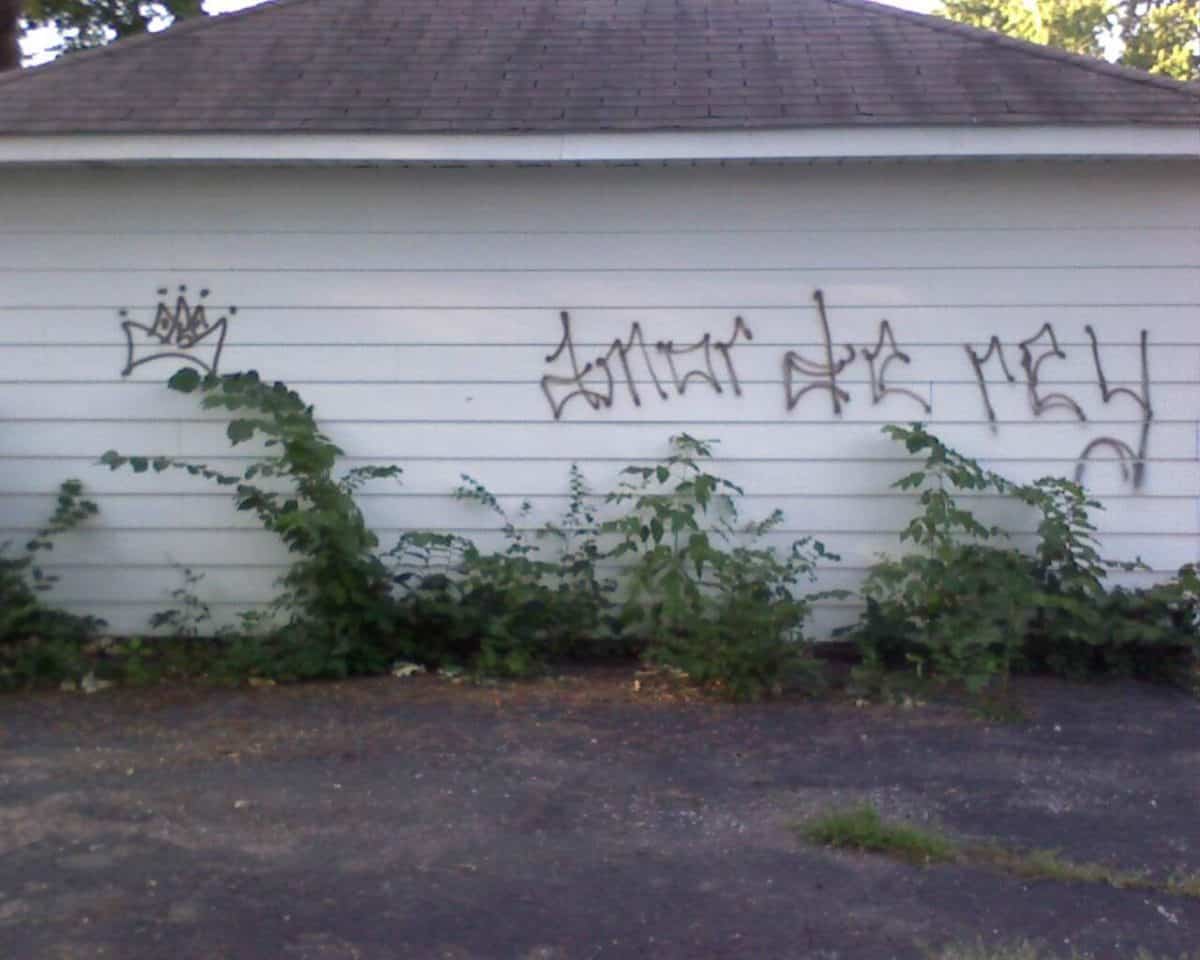
The Almighty Latin King and Queen Nation, widely known as the Latin Kings, is one of the largest Hispanic and Latino street gang organizations in the United States. It began in Chicago and later spread into many cities and prison systems, developing a highly recognizable identity with symbols, rules, hierarchy, and chapter-style organization. Law enforcement agencies have associated the Latin Kings with drug trafficking, assault, robbery, weapons offenses, extortion, identity theft, money laundering, and murder. The group has also been the subject of major federal investigations targeting leadership structures and organized criminal activity. Its influence comes from its long history, national reach, and ability to operate both on the street and inside correctional institutions. While local chapters can differ in activity and structure, the Latin Kings remain one of the most important organizations in discussions of large-scale gang activity in the United States.
2. 18th Street Gang
©IMDB
- Estimated membership: 50,000
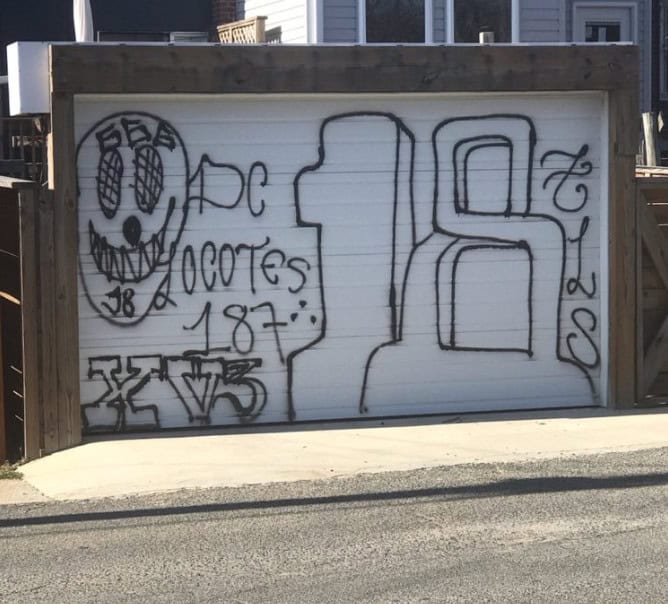
The 18th Street Gang, also known as Barrio 18, began in Los Angeles and grew into one of the largest transnational street gangs in the region linking the United States, Mexico, and Central America. Unlike some gangs organized around a single ethnic identity, 18th Street became known for a broader recruitment base, though many members have Central American or Mexican backgrounds. Law enforcement agencies have linked the gang to drug trafficking, extortion, robbery, weapons offenses, human smuggling, assaults, and homicide. Its long-running rivalry with MS-13 has contributed to extreme violence in parts of Central America and has also shaped gang activity in U.S. cities with ties to those communities. The gang’s danger comes from its size, cross-border presence, decentralized structure, and ability to maintain local cliques that operate under a broader identity while participating in serious criminal activity.
1. Mara Salvatrucha
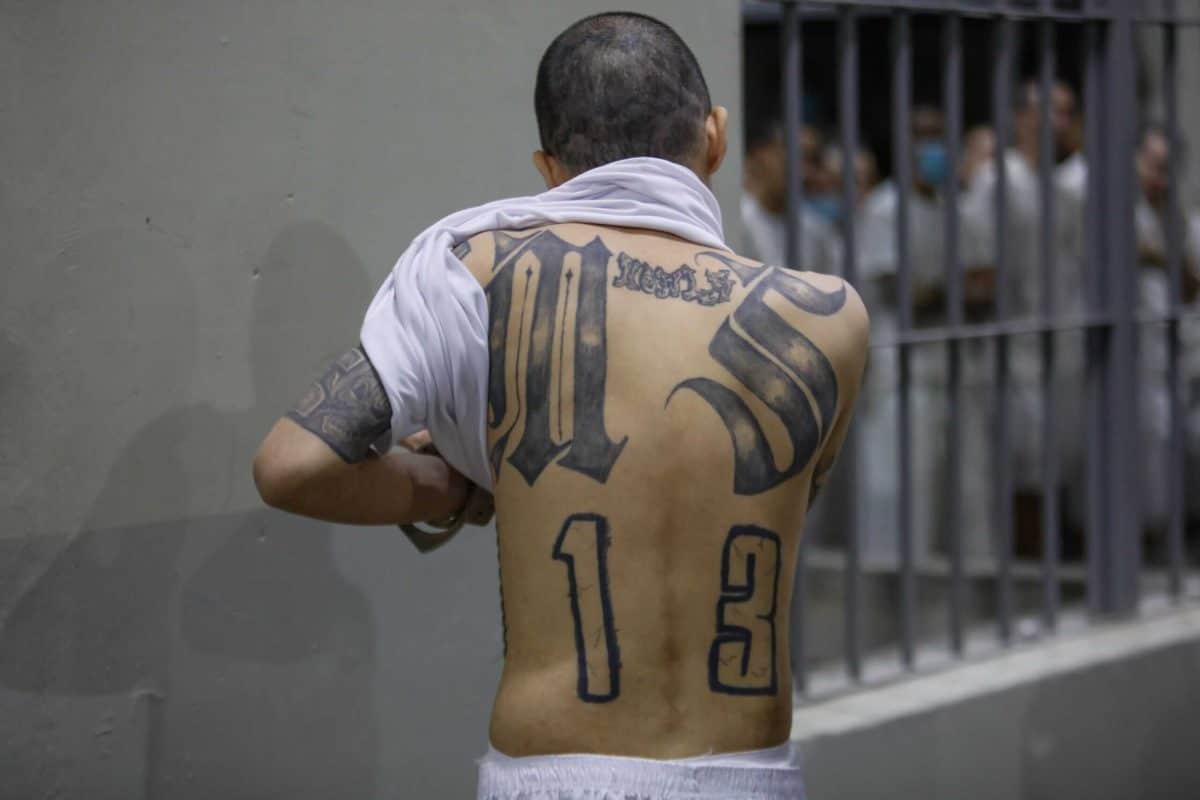
SAN VICENTE, EL SALVADOR – FEBRUARY 6: An inmate shows his back tattoos at CECOT (Spanish acronym for counter-terrorism confinement center) in Tecoluca on February 6, 2024 in San Vicente, El Salvador. On February of 2023 El Salvador inaugurated Latin America’s largest prison as part of President Nayib Bukele’s plan to fight gangs. Since then, the UN and NGOs have raised concern about the treatment of inmates, minors being held and suspects incarcerated as gang members without sufficient proof. Meanwhile, Bukele claims El Salvador’s murder rate has fallen from the world’s highest to the lowest in the Western Hemisphere. (Photo by Alex Peña/Getty Images)
©2024 Getty Images / Getty Images News via Getty Images
- Estimated membership: 50,000 worldwide, 10,000 USA
Mara Salvatrucha, better known as MS-13, is one of the most widely recognized transnational gangs in the world. It formed in Los Angeles during the 1980s among Salvadoran immigrants and refugees, many of whom had fled civil war and violence in Central America. Over time, deportations, prison connections, local cliques, and cross-border movement helped the gang expand into El Salvador, Honduras, Guatemala, Mexico, and many parts of the United States. U.S. authorities have linked MS-13 to murder, extortion, drug trafficking, human smuggling, intimidation, racketeering, and brutal acts of violence. The gang is especially feared because of its reputation for extreme violence and the ability of local cliques to operate with some independence while still using the larger MS-13 identity. Its history shows how migration, deportation policy, poverty, prisons, and street violence can combine to create a criminal network with influence far beyond its original neighborhood.