







Could You Pass This American History Quiz Most Adults Fail?
American history gets taught for years in schools across the U.S. Textbooks, standardized testing, civics courses, the works. But we tend to forget some of the most important facts in our country's history.
According to a recent survey conducted by the Annenberg Public Policy Center in 2025, only 70% of U.S. adults can name all three branches of the government. Less than half of citizens can name more than one right guaranteed under the First Amendment. The gap between "I learned this stuff in class" and "I actually know what I'm talking about" is pretty wide.
This is not meant as criticism. For a lot of us, history classes were all about remembering some particular date or personality long enough to pass an exam, only to forget all about it afterwards. What gets lost along the way is context, which is what history is supposed to be all about.
What Year Did the U.S. Constitution Take Effect?
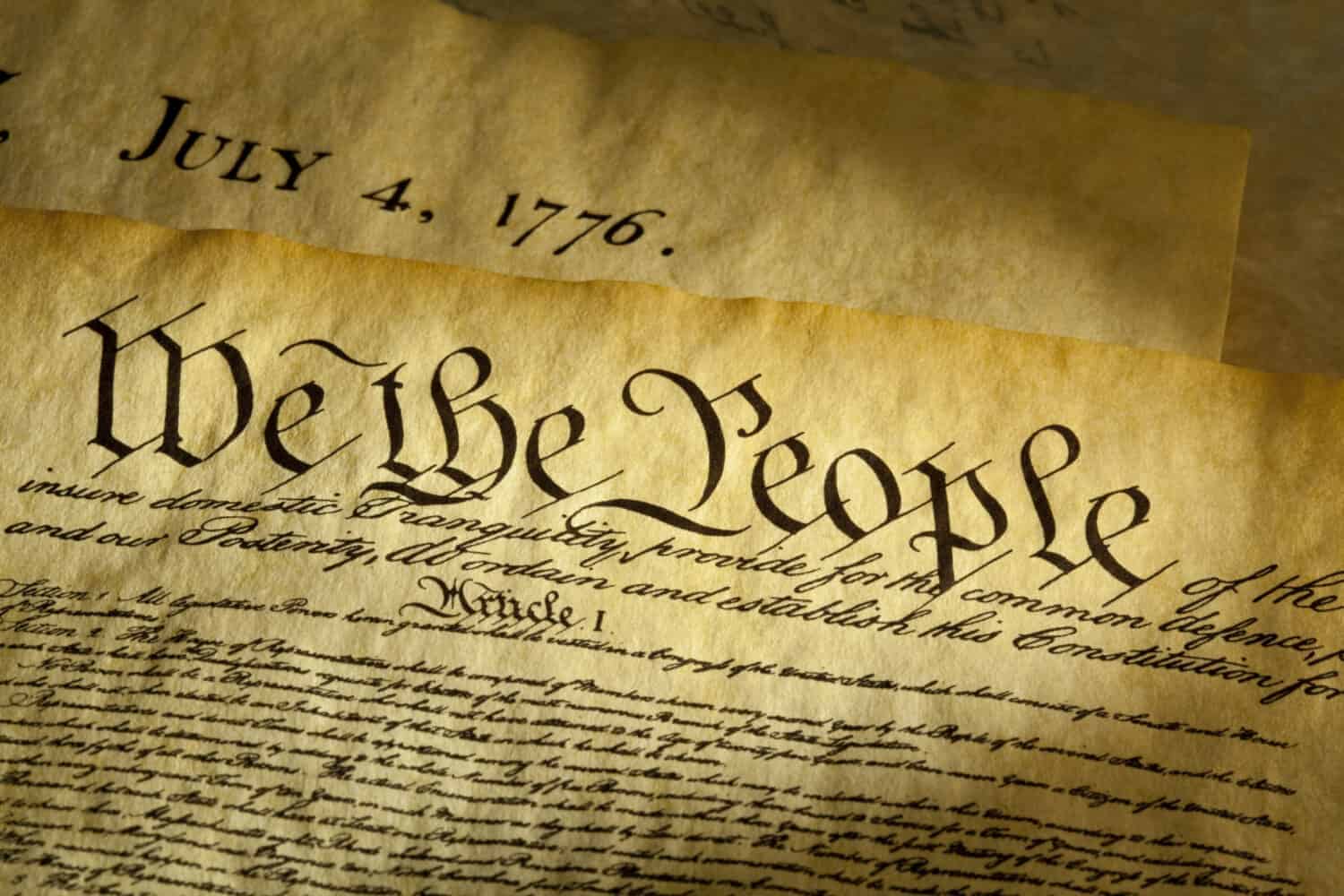
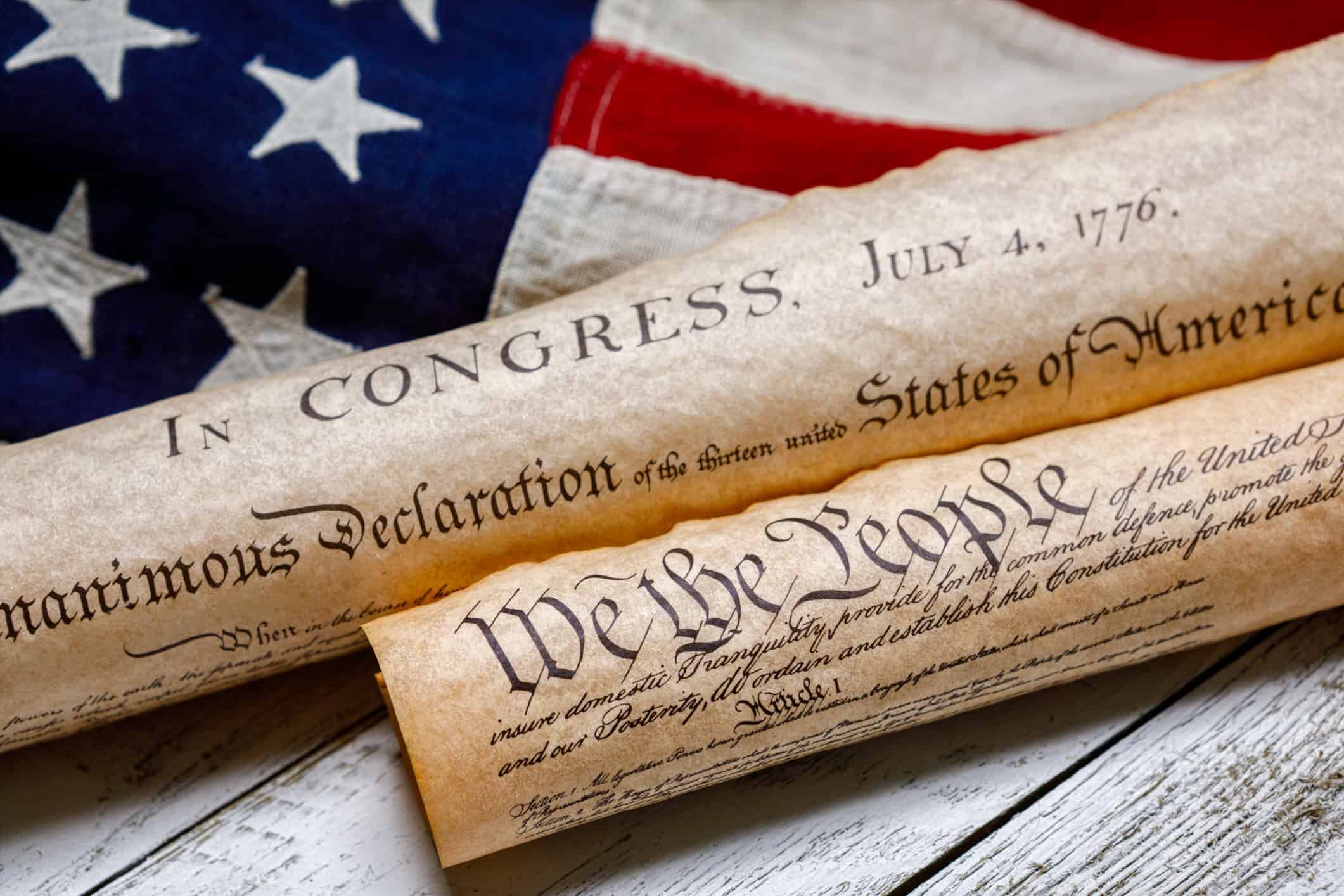
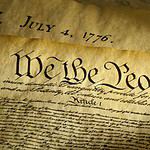
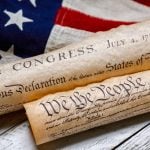
Most Americans answer 1776. This is when the Declaration of Independence was penned. The Constitution, which outlined the workings of the federal government, was not signed into law until 1788, taking effect in 1789. Between 1776 and 1789, the country was governed by an earlier set of rules called the Articles of Confederation. They worked so poorly that leaders met in 1787 to write an entirely new framework for government, which became the Constitution.
What Was the First Capital of the United States?
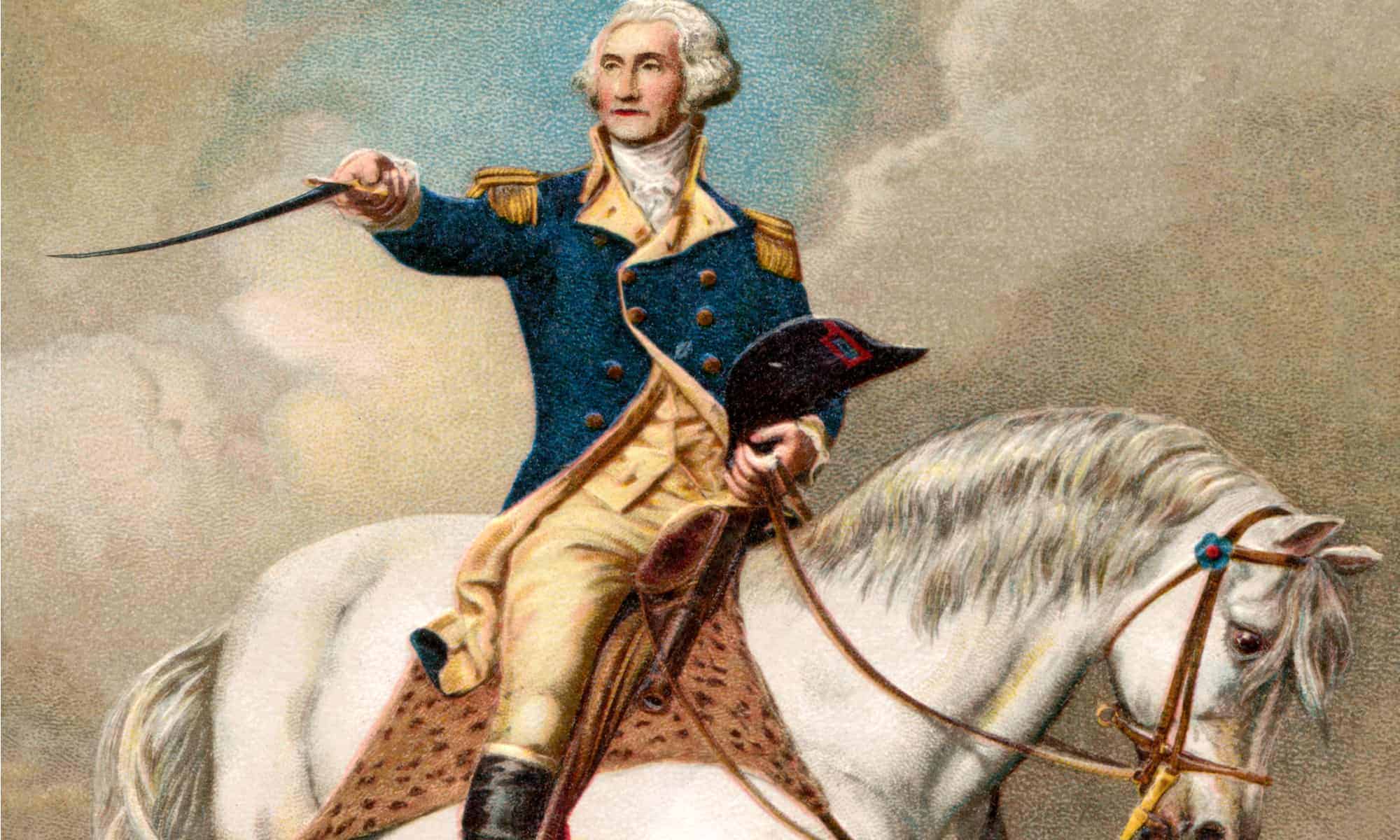
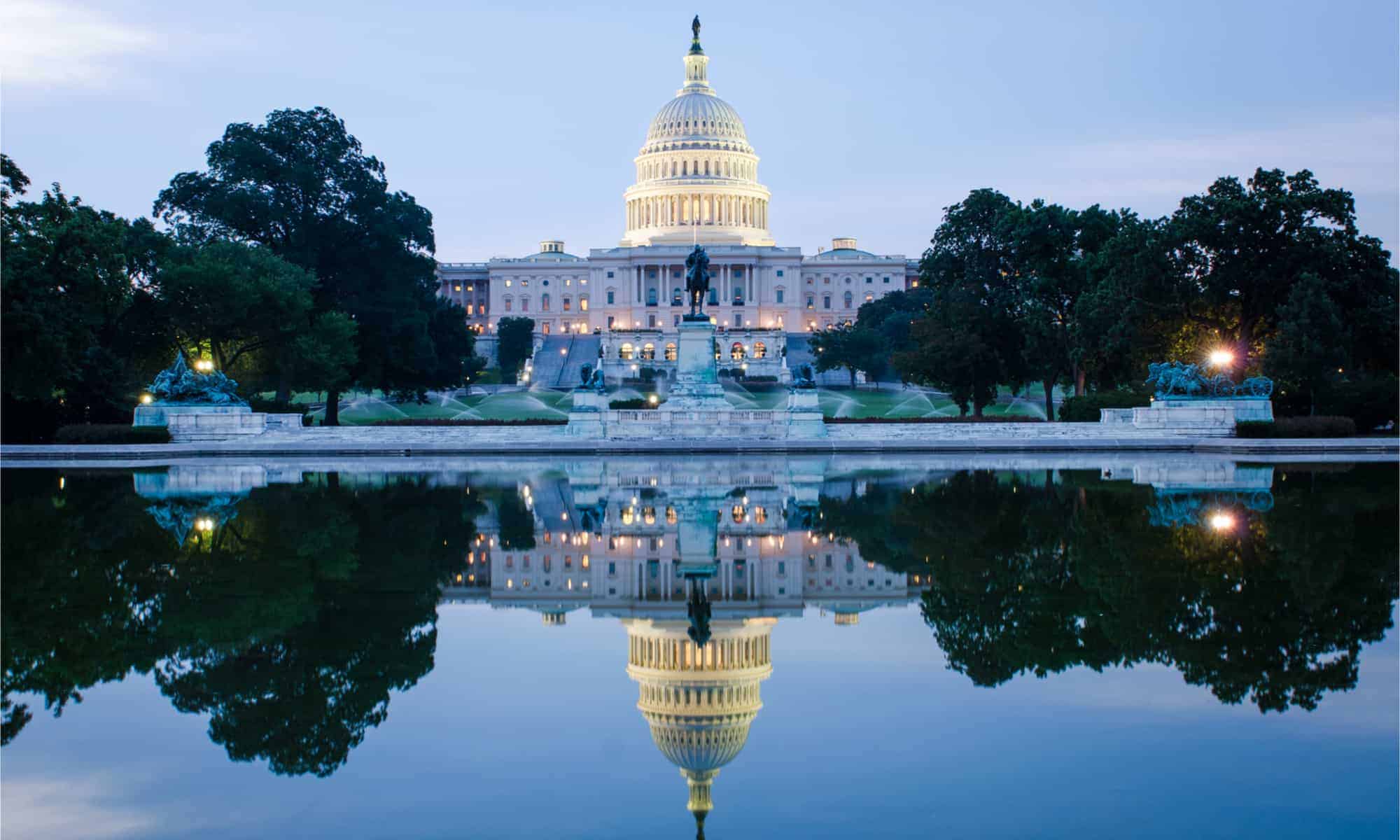
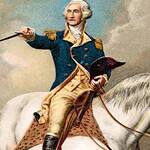
Washington, D.C is usually the first pick. While that is true now, Washington D.C. was not the first capital of the U.S. The first capital was New York City, where George Washington made his first inaugural speech on April 30, 1789. Then, from 1790 to 1800, the city of Philadelphia acted as the capital before Washington D.C. finally took its place as the capital at the beginning of the new century.
During the Revolutionary War, several other cities played temporary roles as capitals: Baltimore, Lancaster, York, Princeton, Annapolis, and Trenton. The decision to build a permanent capital on the Potomac River was the result of a political deal where Thomas Jefferson agreed to back Hamilton on a financial dispute in exchange for placing the capital in the South.
What Does the First Amendment Actually Protect?
Most people will say “freedom of speech,” and while that isn’t wrong, it’s also not the full picture. The First Amendment provides five different liberties: freedom of speech, freedom of religion, freedom of the press, the right to assemble peacefully, and the right to petition the government.
The religion clauses are actually two clauses put into one. The Establishment Clause stops the government from creating an official religion, and the Free Exercise Clause protects your right to practice any religion of your choosing. Both come up in court cases all the time, yet most Americans won’t even think about religion when naming their First Amendment rights.
Did the Emancipation Proclamation Free All Enslaved People in the United States?
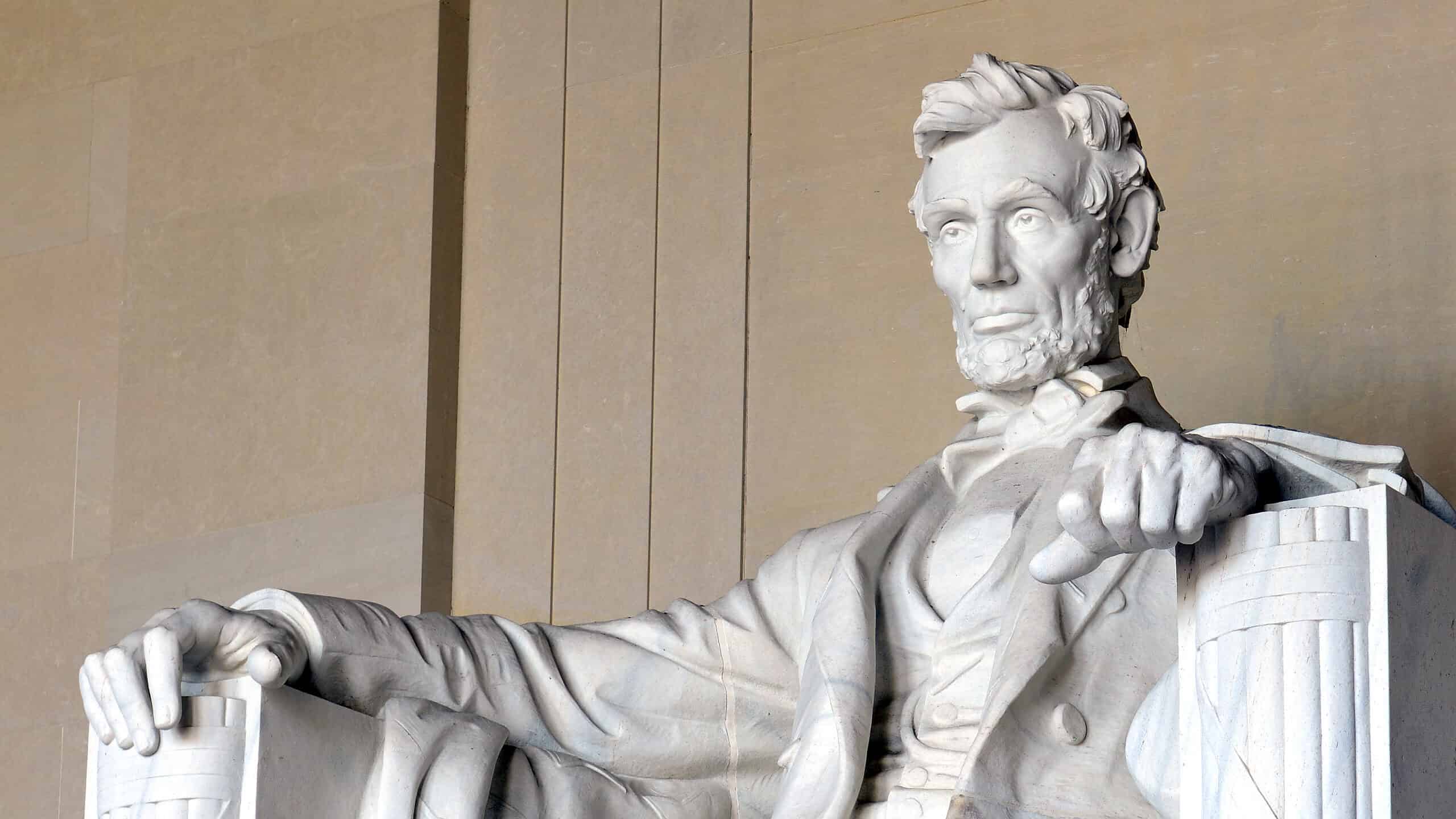
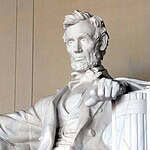
Not at all. The Emancipation Proclamation, issued by President Abraham Lincoln on January 1, 1863, referred only to slaves in the Confederate states that had seceded from the Union and didn’t mention the enslaved people in border states, such as Kentucky, Missouri, Delaware, and Maryland, which were still part of the Union. It also exempted Union-controlled parts of Tennessee, Louisiana, and Virginia.
Slavery was only abolished through the passage of the Thirteenth Amendment in December 1865, well after the Civil War ended. The Emancipation Proclamation was an executive order and a wartime strategy, while the Thirteenth Amendment was the actual law that finally put an end to slavery in America.
How Many Amendments Does the U.S. Constitution Have?
The most popular answer is ten, and that makes sense because those are the ones most people talk about. They're also the ones in the Bill of Rights. But there are really 27 amendments to the Constitution.
The Twenty-seventh Amendment, which was adopted in 1992, states that any change to congressional pay can only take effect after the next election. This amendment had been proposed back in 1789 by James Madison, and was finally ratified after 203 years, thanks to a University of Texas student named Gregory Watson, who discovered it while researching a class paper.
What Was the Primary Cause of the Civil War?
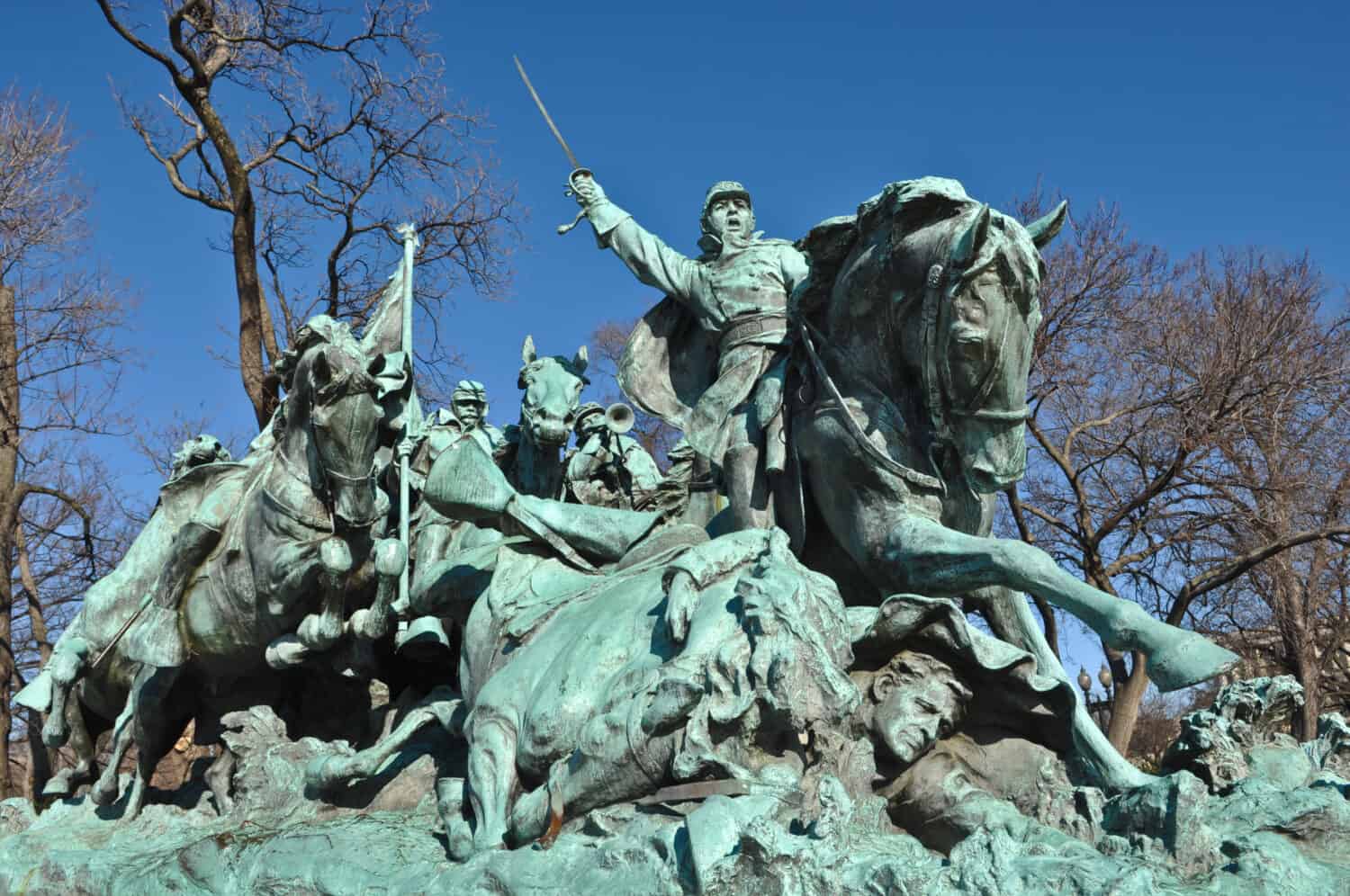
According to a poll carried out in 2011 by the Pew Research Center, 48 percent of people in America believe that the war was fought over state rights, while 38 percent name slavery as the primary reason. Historians are not as split on this issue as the American population seems to be. The secession documents written by the Confederate states named the preservation of slavery explicitly and at length as the reason for their departure.
The famous Cornerstone Speech made by Alexander Stephens, the Vice President of the Confederate States in March 1861, also clearly states that slavery was the "cornerstone" for the Confederacy. The states' rights argument came later, pushed mostly by the postwar South as a way to reframe what the war had actually been about.
Who Rode With Paul Revere on His Midnight Ride?
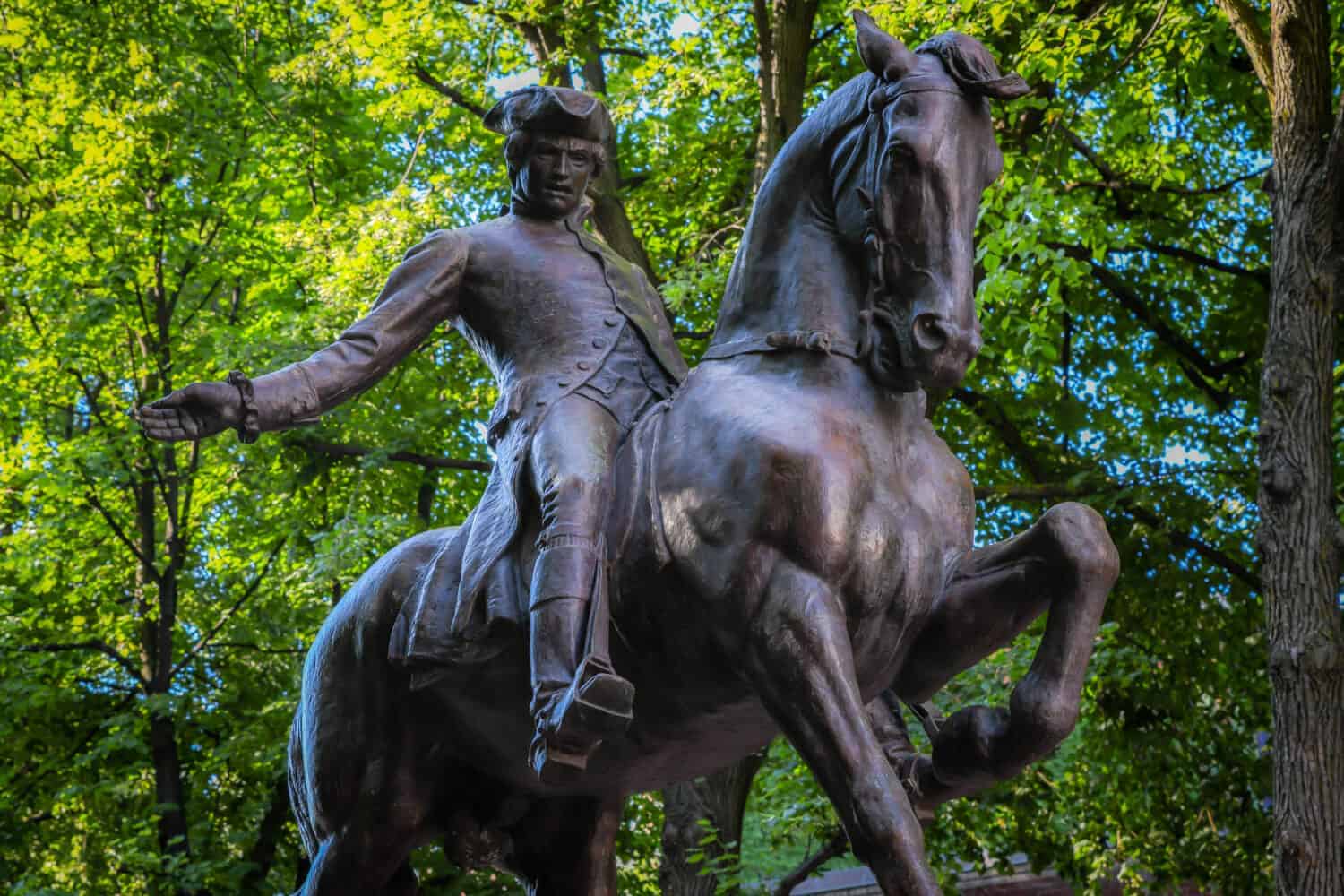
On the night of April 18, 1775, Paul Revere and others rode out to warn colonial militias that British troops were marching to seize weapons stored in Concord. Longfellow's 1860 poem later presented Revere as the sole hero of that night. The image stuck.
There were at least two more riders: William Dawes, who took a different route out of Boston, and a local doctor named Samuel Prescott, who joined them in Lexington. All three ran into a British patrol on the road. Revere was captured. Dawes got away but fell from his horse and never reached Concord. Only Prescott made it through to warn the militia about the incoming British troops.
How Many People Signed the Declaration of Independence on July 4, 1776?
Most people would say that all the names on the Declaration of Independence were signed on July 4, 1776. But that’s actually the day that the Continental Congress adopted it. Most of the 56 signers did not sign the document until August 2, 1776, about a month after, while others signed it even later. Thomas McKean is believed to have only signed it in 1781.
You may also have heard the popular story that depicts John Hancock signing the Declaration of Independence with a disproportionately large handwriting just to show his disrespect to King George III. That story is also likely to be false. John Hancock did sign on August 2, but there is no contemporary evidence he said anything about King George at all.
What Were the Three Branches of Government Established by the Constitution?
Congress (the legislative branch), the President (the executive branch), and the Supreme Court and the federal courts (the judicial branch). While this is considered a civics 101 question, a recent study showed that in 2025, only 70% of American adults were able to name all three branches properly. That’s still an improvement compared to past years.
The idea behind the separation of powers is that no single branch should hold all the power, and that each branch should keep the others in check. Congress can enact legislation, the President can veto it, and the Supreme Court can declare it unconstitutional. This concept was largely inspired by Montesquieu's 'The Spirit of the Laws.
Which War Had the Highest American Casualties?
World War II usually comes to mind, since roughly 405,000 Americans died in it. But that’s the wrong answer. The traditional estimate for Civil War deaths sits at around 620,000, while a 2011 census-based analysis by historian J. David Hacker puts the central figure at 750,000, with a range of 650,000 to 850,000.
The Battle of Antietam on September 17, 1862, was the bloodiest day in the history of the United States military. An estimated 23,000 men were killed or injured in a single day.
What Was the Missouri Compromise?
The Missouri Compromise of 1820 was Congress's attempt to manage growing conflict over slavery as new states joined the Union. Missouri came in as a slave state, and Maine as a free state. A geographic line was drawn at 36°30' latitude through the Louisiana Territory. Slavery would be banned in any new territory north of that line. It lasted just over 30 years before being overturned by the Kansas-Nebraska Act of 1854, pushed by Senator Stephen Douglas. The act let settlers in each new territory vote on whether to allow slavery.
When Did Women Gain the Right to Vote in the United States?
The Nineteenth Amendment was ratified on August 18, 1920, enforcing equal voting rights for both sexes. But for many women of color, the right to vote remained out of reach for decades. Poll taxes, literacy tests, grandfather clauses, and threats of violence kept African American women in the South from the ballot well into the mid-1960s. Native American women didn't become citizens until 1924 and couldn't vote in all states until even later. Asian American women faced similar barriers tied to immigration and naturalization law.
The image featured at the top of this post is ©Victorian Traditions/Shutterstock.com