











20 Historic Voyages That Changed the Course of Human History
History is typically shaped by battles, revolutions, and inventions, but some of the most consequential turning points began with a voyage into the unknown. A ship leaving port, an expedition crossing an uncharted continent, or a spacecraft departing Earth can set events in motion that transform entire civilizations. The voyages featured in this article ultimately expanded humanity's understanding of the world and altered the course of history itself. Here, History Computer is exploring some of the greatest voyages ever undertaken by man.
Here is a look at historic voyages that changed human history:
Beyond the Edge of the Known World
For most of human history, maps contained vast blank spaces. Explorers, sailors, and adventurers ventured into regions where they had little certainty about what lay ahead. Some sought new trade routes, others pursued scientific knowledge, political influence, or opportunities for settlement. Every major voyage carried enormous risks, including storms, disease, starvation, conflict, and failure. Yet it was often those willing to venture beyond the known world who reshaped humanity's future.
Discovery Brings Consequences
The impact of a voyage rarely ends when the travelers return home. New trade routes can shift the balance of global power. Scientific expeditions can transform how people understand nature and the universe. Explorers can connect societies that had previously developed in isolation. In many cases, the consequences of a single journey continue to unfold for centuries. Some voyages created prosperity and innovation, while others introduced conflict, conquest, and profound cultural change.
From Wooden Ships to Spacecraft
The story of exploration spans far more than oceans and continents. Early navigators crossed seas using little more than stars, wind, and courage. Later expeditions mapped the poles, surveyed the deep oceans, and pushed into the most remote regions on Earth. In the twentieth century, exploration expanded beyond the planet itself as astronauts journeyed to the Moon and robotic spacecraft traveled into deep space. Despite the changing technology, the motivation remained remarkably consistent: humanity's desire to understand what lies beyond the horizon.
The Voyages That Redefined Human Possibility
The journeys featured in this article represent some of the most influential voyages ever undertaken. They opened continents, transformed trade networks, advanced scientific knowledge, expanded empires, and ultimately carried humanity beyond Earth. Some succeeded exactly as planned, while others changed history in unexpected ways. Together, they tell the story of exploration as one of the most powerful forces in human civilization, a force that continues to shape the world today.
Christopher Columbus First Voyage
- Dates: 1492
- Leader(s): Christopher Columbus
- Destination / Route: Spain to the Caribbean
- Historical Impact: Connected Europe and the Americas, launching the Columbian Exchange
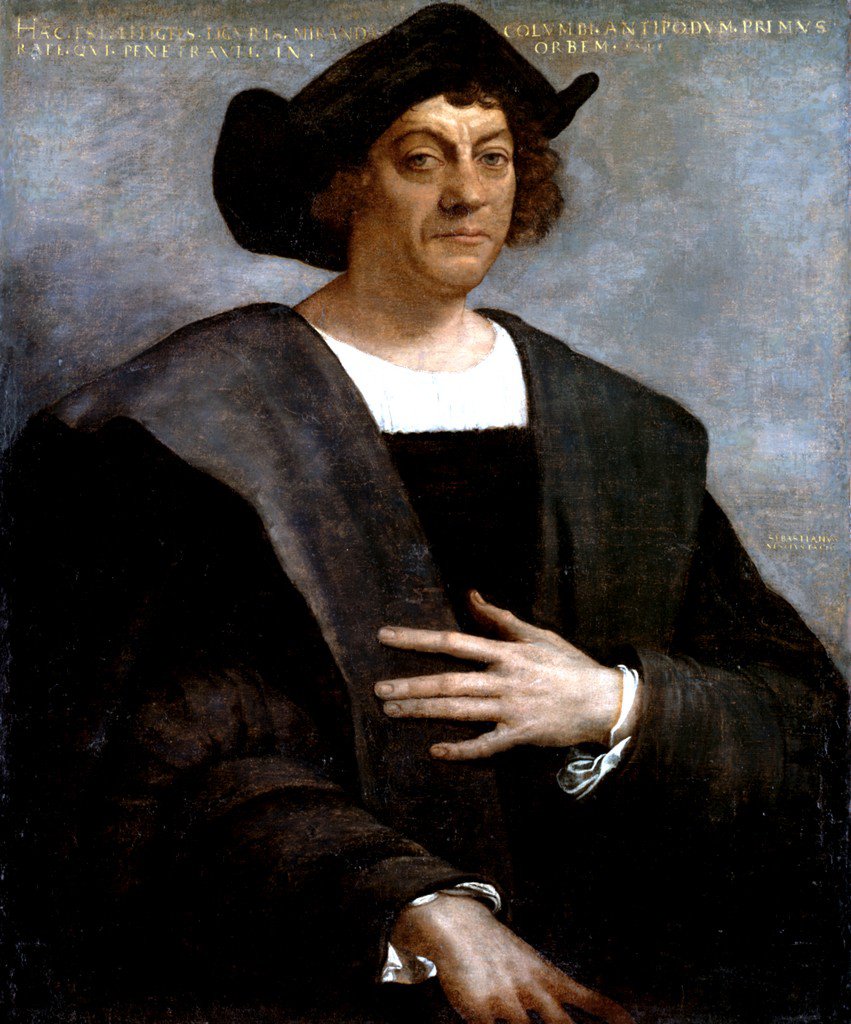
When Christopher Columbus departed Spain in 1492, he believed he was searching for a westward route to Asia. Instead, his voyage connected Europe and the Americas in a way that permanently altered world history. Although Norse explorers had reached North America centuries earlier, Columbus's expedition triggered sustained contact between continents that had developed largely independently for millennia. The resulting exchange of crops, animals, diseases, technologies, and populations became known as the Columbian Exchange. Entire empires rose and fell because of the consequences that followed. The voyage launched an age of exploration, colonization, and globalization whose effects remain visible today, making it one of the most consequential journeys ever undertaken.
Magellan-Elcano Circumnavigation
- Dates: 1519–1522
- Leader(s): Ferdinand Magellan, Juan Sebastián Elcano
- Destination / Route: Around the world via Atlantic, Pacific, and Indian Oceans
- Historical Impact: First successful circumnavigation of Earth
The first successful circumnavigation of the globe fundamentally changed humanity's understanding of the planet. Although Ferdinand Magellan did not survive the expedition, Juan Sebastián Elcano led the remaining crew back to Spain, completing a voyage that demonstrated the true interconnectedness of Earth's oceans. The journey revealed both the immense size of the Pacific Ocean and the practical challenges of global navigation. It expanded geographic knowledge, accelerated European exploration, and opened new opportunities for trade and empire-building. More than a remarkable feat of endurance, the expedition proved that the world could be traversed by sea, forever altering commerce, diplomacy, and exploration.
Vasco da Gama Voyage to India
- Dates: 1497–1499
- Leader(s): Vasco da Gama
- Destination / Route: Portugal to India around Africa
- Historical Impact: Opened direct sea trade between Europe and Asia
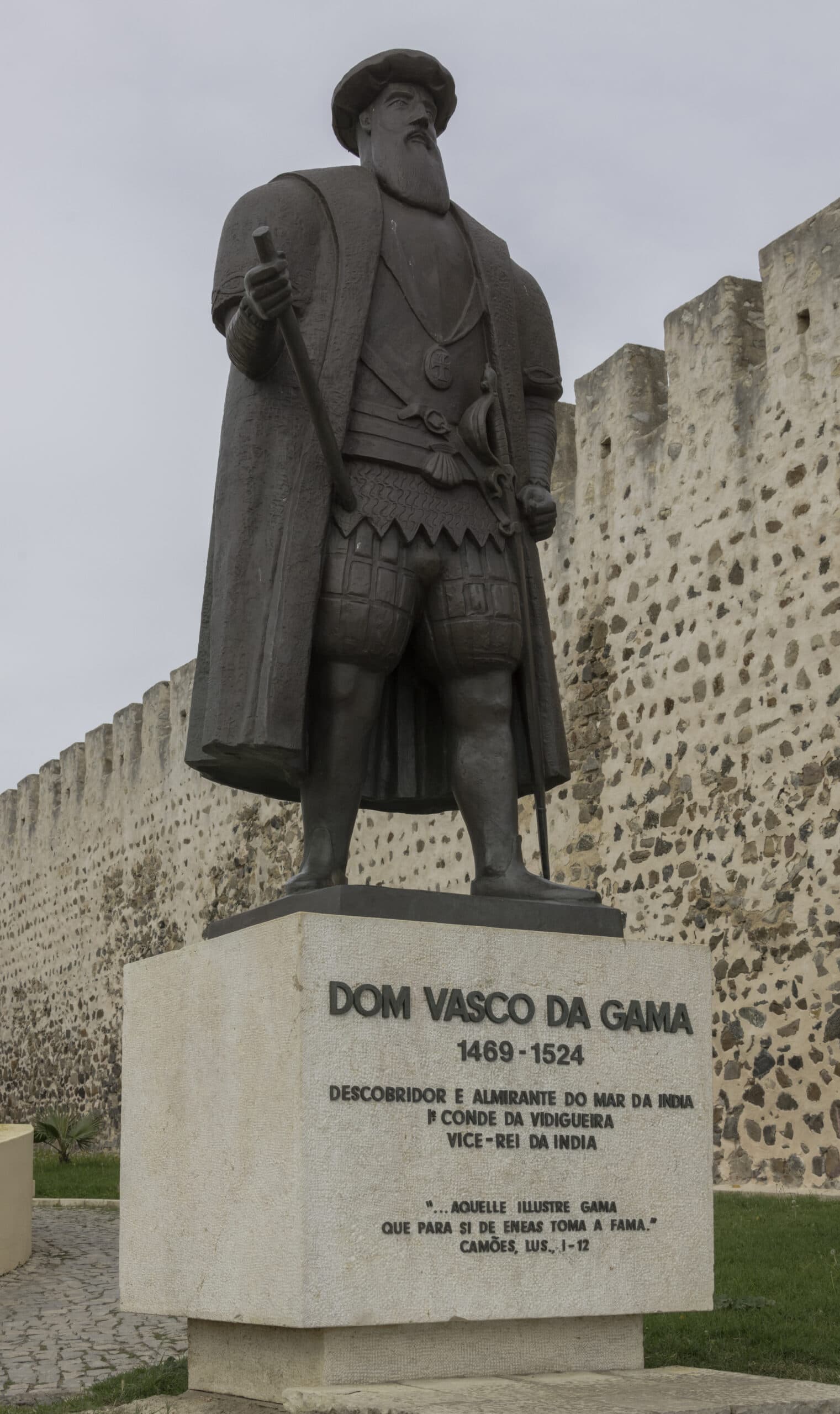
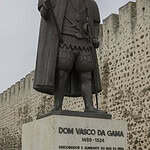
Vasco da Gama's voyage around Africa to India reshaped the global economy. For centuries, valuable goods from Asia reached Europe through complex overland and maritime trade networks controlled by intermediaries. Da Gama's successful route provided a direct connection between Europe and the Indian Ocean, dramatically reducing dependence on traditional trade corridors. The voyage strengthened Portugal's position as a maritime power and helped launch an era of European dominance in overseas commerce. It also transformed relationships between Europe, Africa, and Asia, creating new opportunities for trade while laying the foundations for imperial expansion. Few voyages have had a greater influence on global economic history.
Zheng He Treasure Voyages
- Dates: 1405–1433
- Leader(s): Zheng He
- Destination / Route: China across the Indian Ocean
- Historical Impact: Expanded Chinese influence and maritime diplomacy
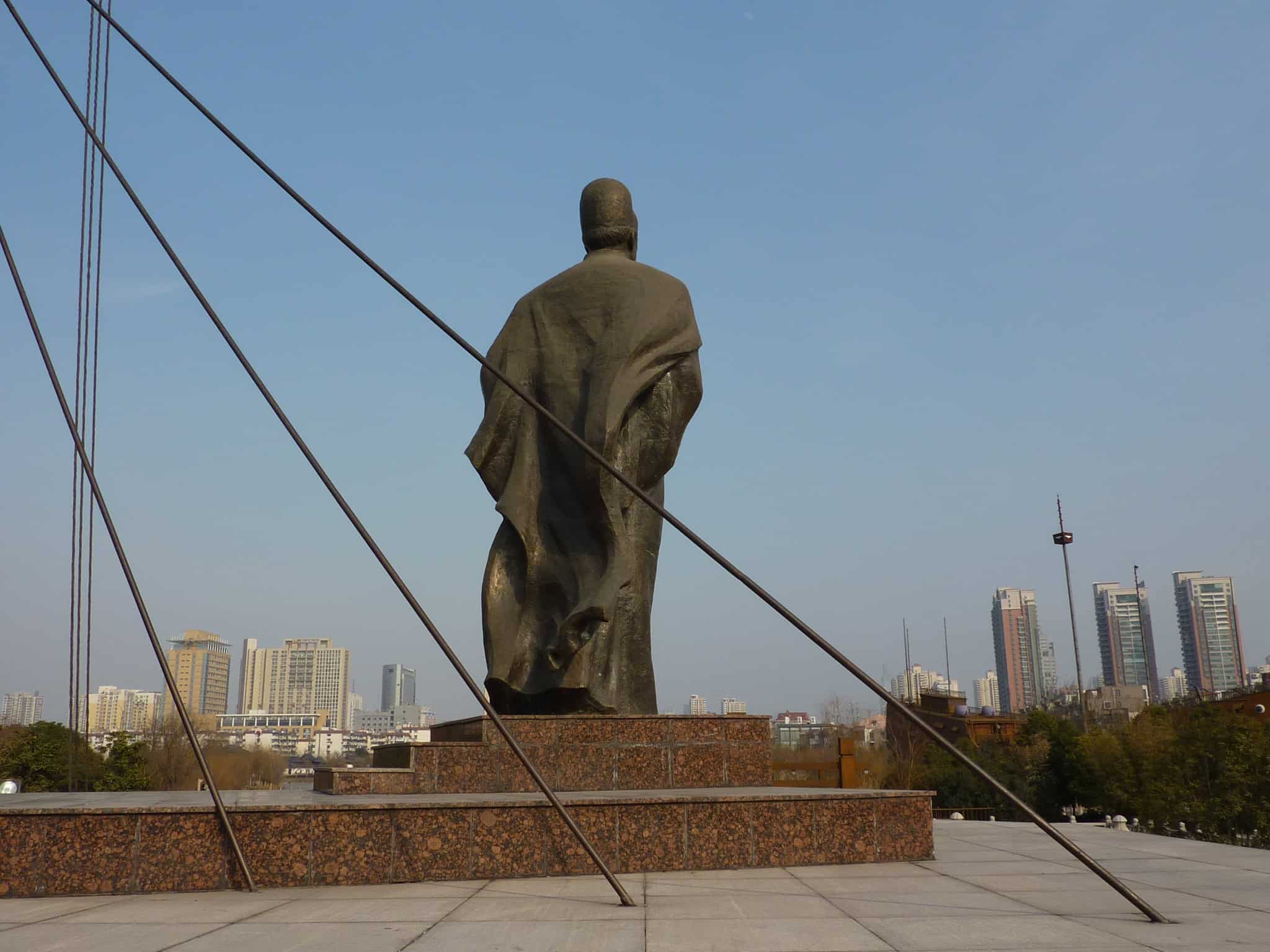
More than half a century before Columbus crossed the Atlantic, Admiral Zheng He commanded enormous fleets across the Indian Ocean on behalf of Ming China. These voyages demonstrated China's extraordinary maritime capabilities and extended diplomatic, commercial, and cultural influence across Asia, the Middle East, and East Africa. The fleets carried goods, ambassadors, and displays of imperial power to distant ports, creating networks of influence that stretched thousands of miles from China. Although the voyages eventually ended as Chinese priorities shifted inward, they remain among the most ambitious maritime expeditions ever undertaken. Zheng He's journeys reveal an alternative path world history might have followed had China continued its maritime expansion.
Voyage of HMS Beagle
- Dates: 1831–1836
- Leader(s): Charles Darwin, Robert FitzRoy
- Destination / Route: South America and around the world
- Historical Impact: Contributed to the development of evolutionary theory
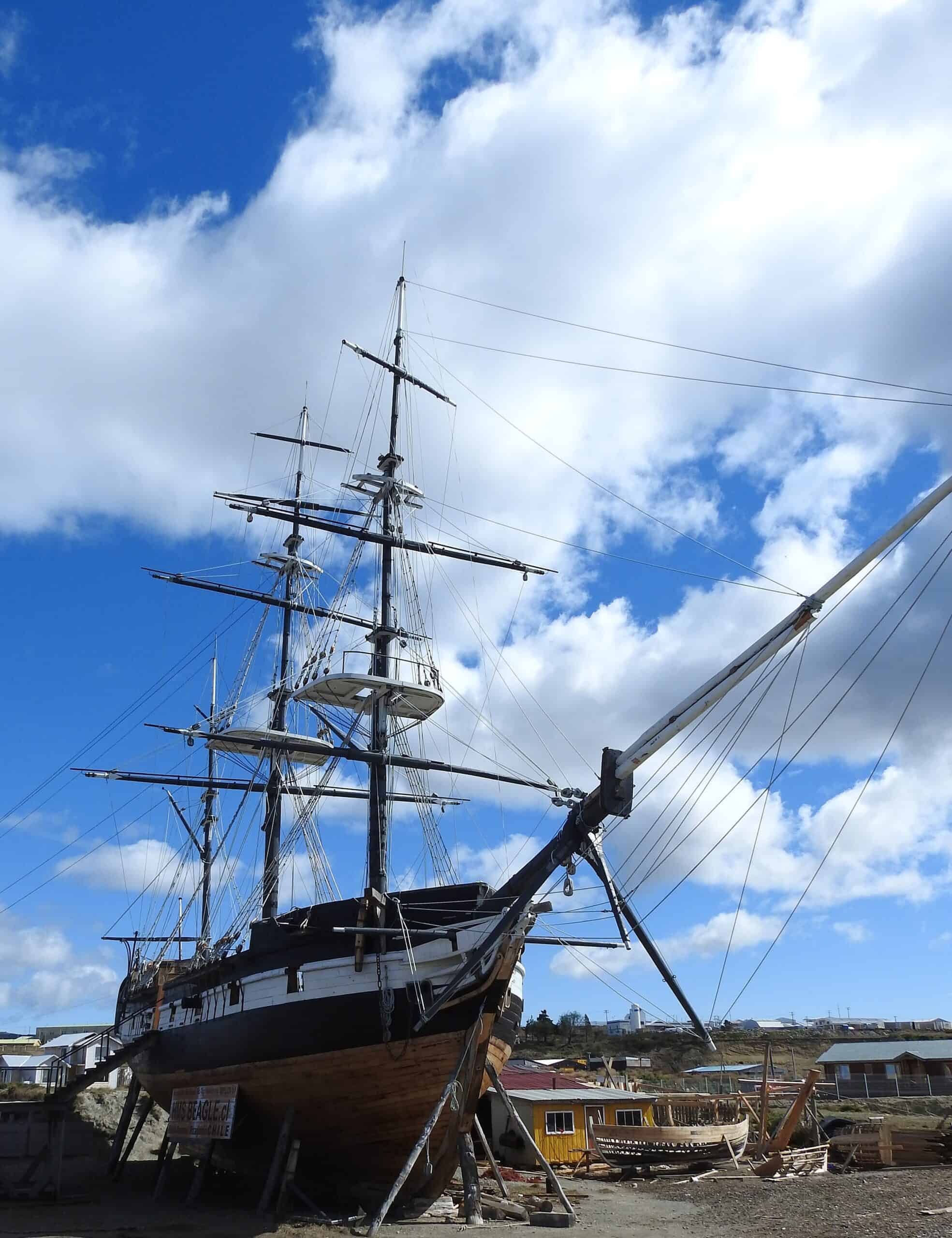
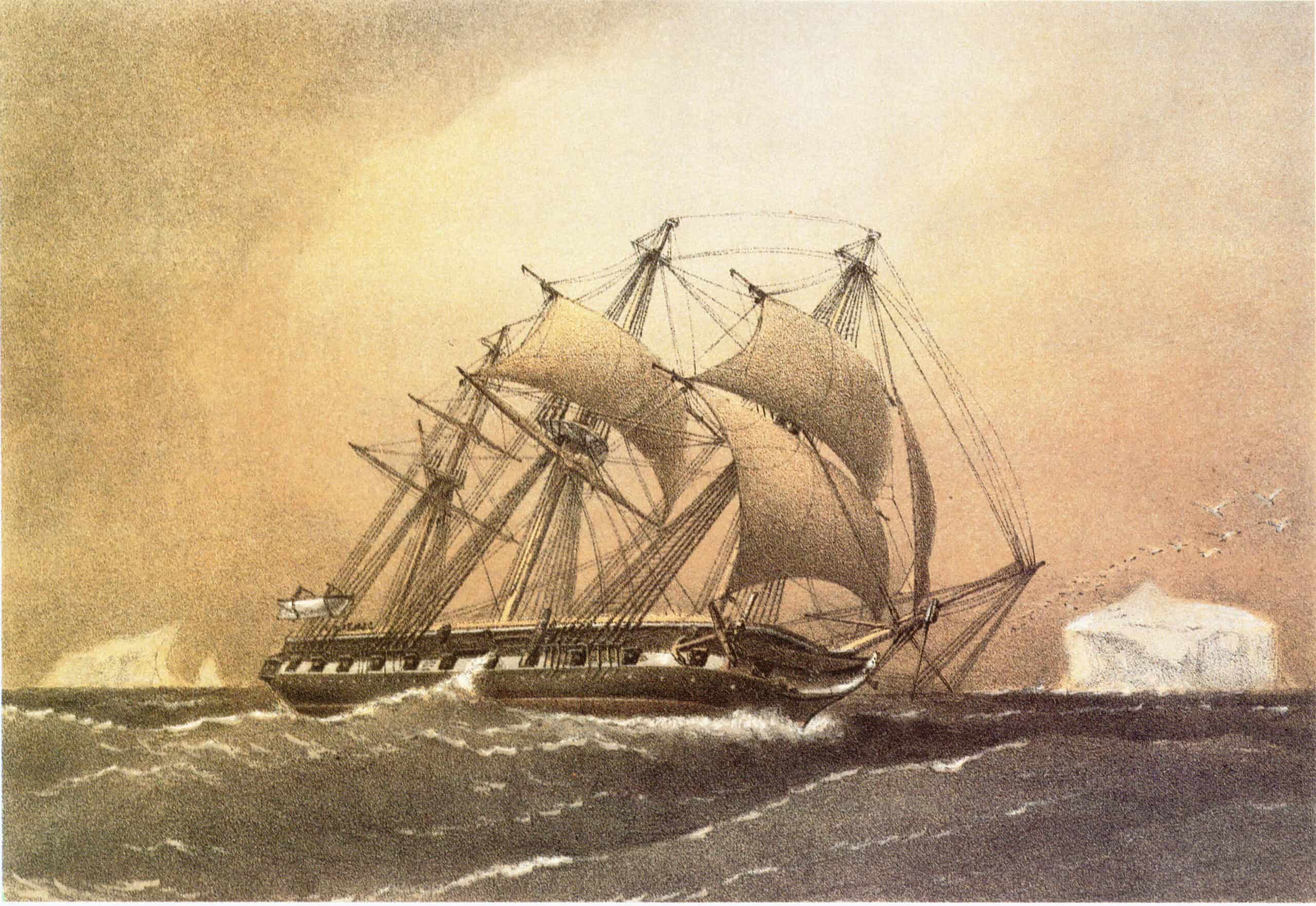
The HMS Beagle's journey around the world became one of the most important scientific expeditions in history because of a young naturalist named Charles Darwin. During the voyage, Darwin observed plants, animals, fossils, and geological formations across multiple continents and islands. His experiences, particularly in the Galápagos Islands, prompted questions about how species change over time. Those observations eventually contributed to the development of the theory of evolution by natural selection. While the expedition's original purpose involved mapping and surveying, its greatest legacy was scientific rather than geographic. Few voyages have done more to transform humanity's understanding of life itself.
Lewis and Clark Expedition
- Dates: 1804–1806
- Leader(s): Meriwether Lewis, William Clark
- Destination / Route: Across North America to the Pacific
- Historical Impact: Mapped western territories and aided U.S. expansion
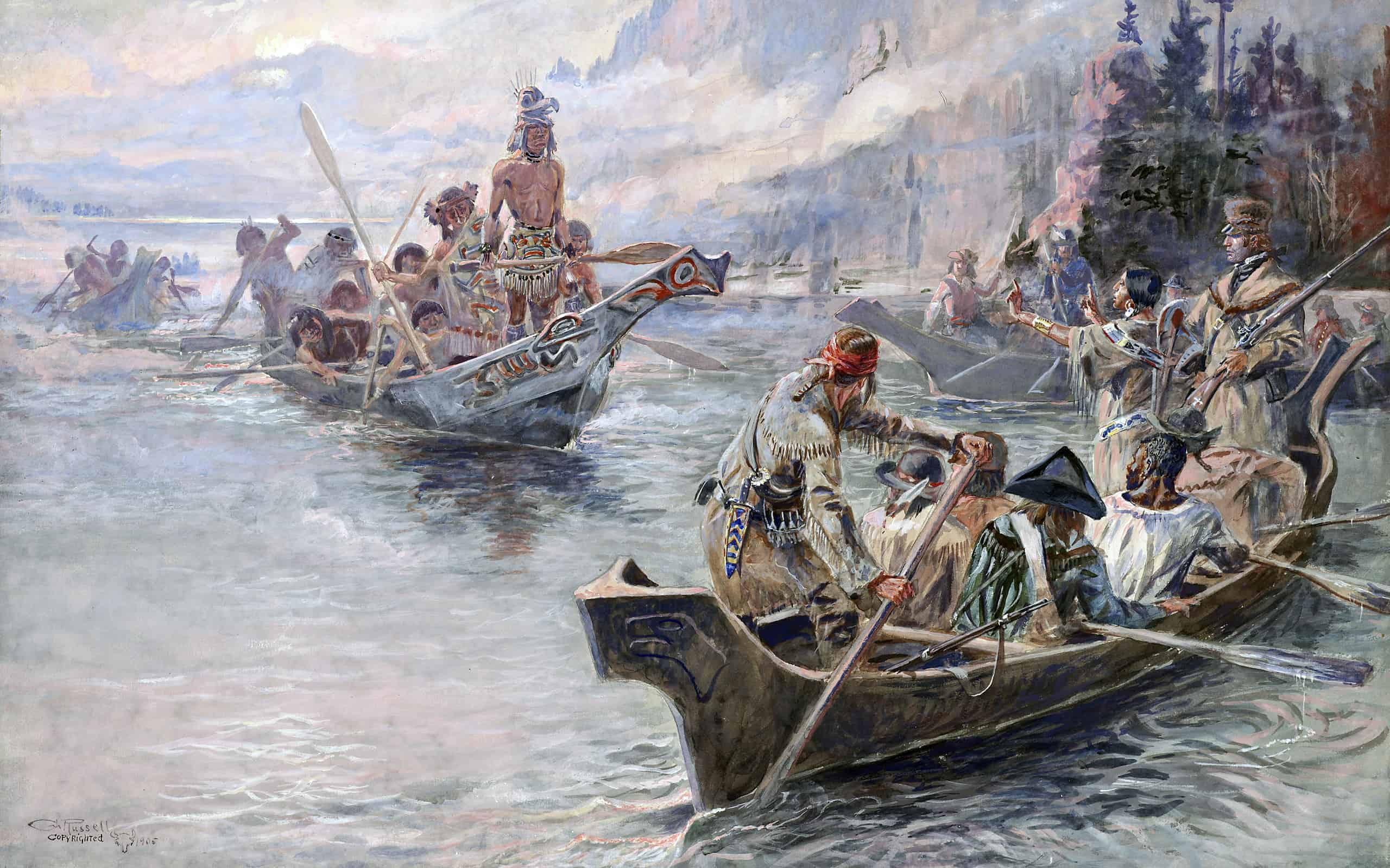
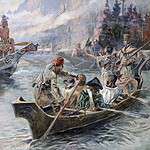
Following the Louisiana Purchase, the United States knew surprisingly little about the vast territory it had acquired. President Thomas Jefferson commissioned Meriwether Lewis and William Clark to explore the region, map its geography, establish relations with Indigenous nations, and seek a route to the Pacific. The expedition provided invaluable information about the American West and expanded the nation's understanding of its own territory. Although the journey did not discover a practical water route across the continent, it opened the door to future migration, trade, and settlement. The expedition helped shape the future of the United States and remains a defining chapter in American exploration.
Apollo 11 Mission
- Dates: 1969
- Leader(s): Neil Armstrong, Buzz Aldrin, Michael Collins
- Destination / Route: Earth to the Moon
- Historical Impact: First human landing on another world
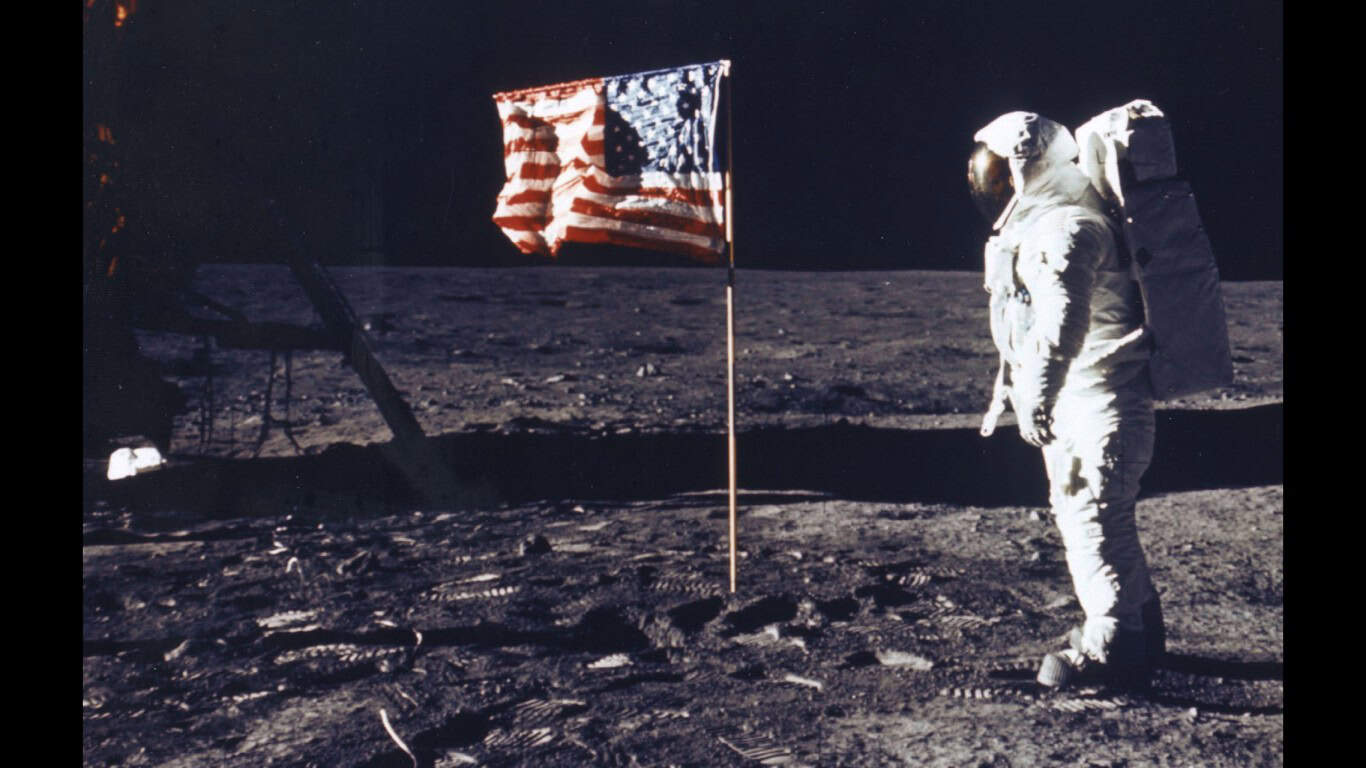
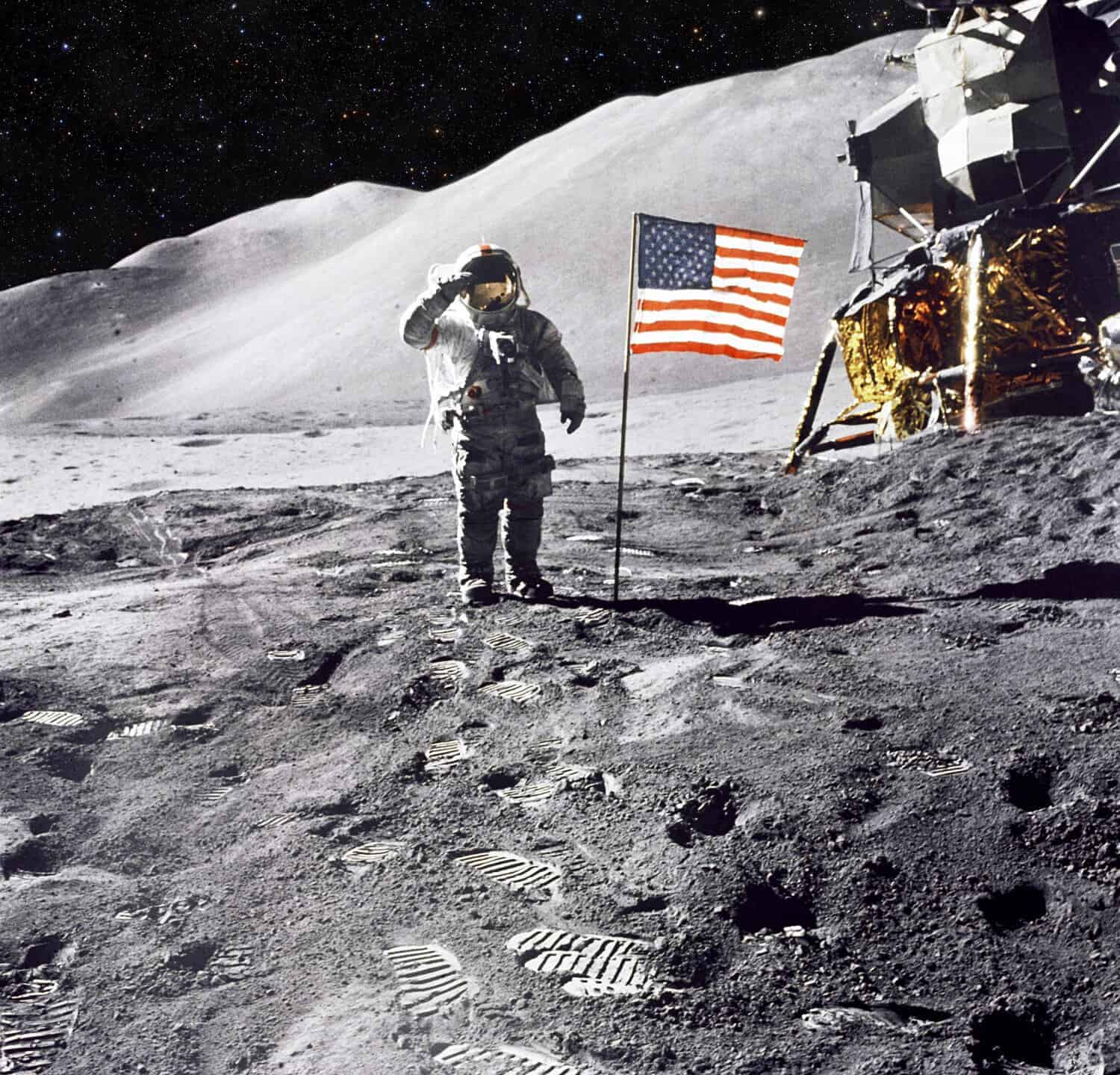
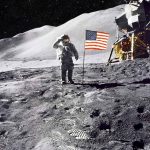
Apollo 11 represented humanity's first successful voyage to another world. When Neil Armstrong and Buzz Aldrin stepped onto the Moon while Michael Collins orbited above, they achieved a milestone once confined to science fiction. The mission fulfilled a national goal set during the Cold War but its significance extended far beyond geopolitical competition. Apollo 11 demonstrated the extraordinary capabilities of science, engineering, and international cooperation. Billions of people watched as humans walked on the lunar surface for the first time. The mission expanded the boundaries of exploration beyond Earth itself and remains one of the greatest achievements in human history.
Norse Voyage to Vinland
- Dates: circa 1000
- Leader(s): Leif Erikson
- Destination / Route: Greenland to North America
- Historical Impact: Earliest known European arrival in North America
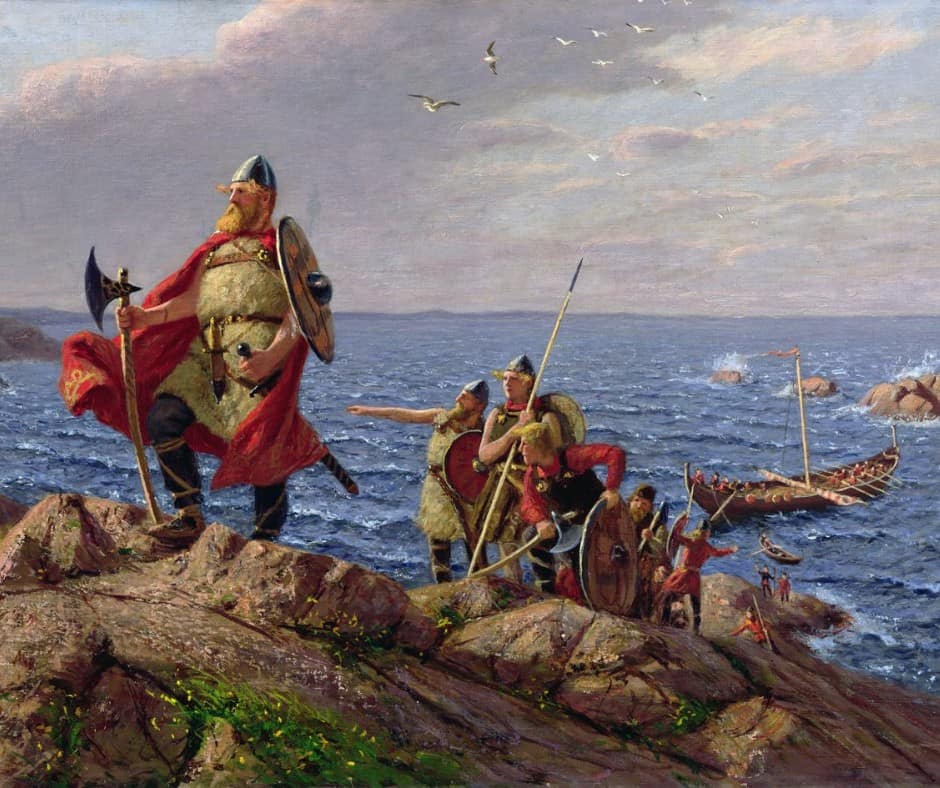
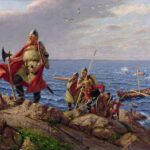
Led by explorers such as Leif Erikson, Norse sailors crossed the North Atlantic centuries before the Age of Discovery. Reaching what is now North America, they established short-lived settlements in a region known as Vinland. Although these colonies did not lead to permanent European expansion, they demonstrated that transatlantic voyages were possible long before Columbus. The Norse achievement reflected remarkable navigational skill and maritime technology for its time. Archaeological discoveries in Newfoundland eventually confirmed the historical accounts, reshaping understanding of early exploration. The voyage remains a reminder that history's most famous explorers were not always the first to reach new lands.
James Cook First Pacific Voyage
- Dates: 1768–1771
- Leader(s): James Cook
- Destination / Route: Pacific Ocean exploration
- Historical Impact: Expanded European geographic knowledge
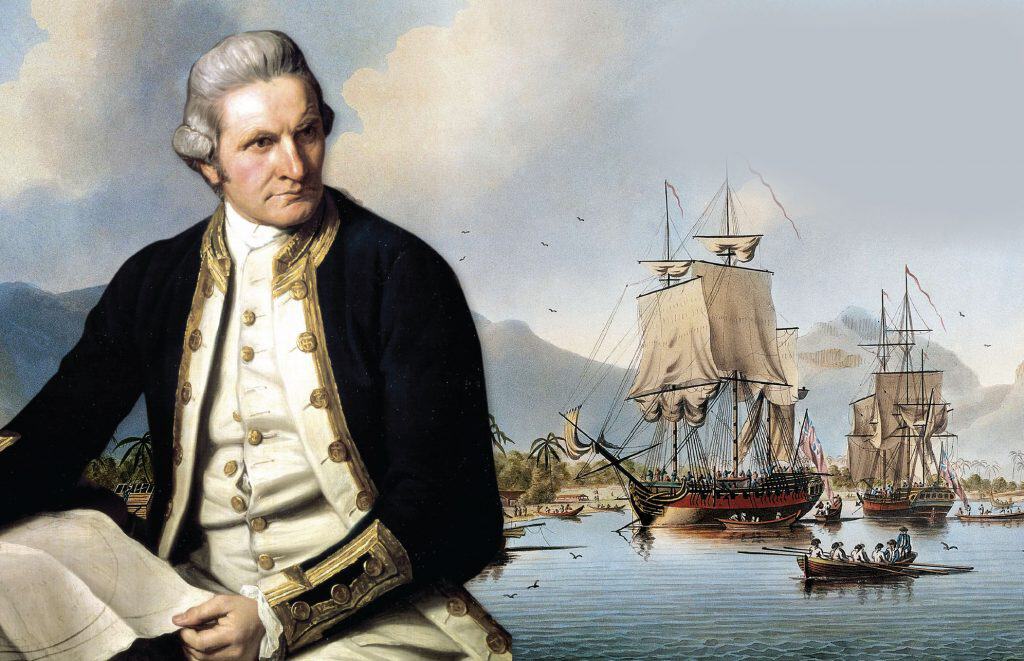
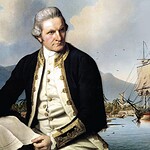
Captain James Cook's first Pacific voyage dramatically expanded European knowledge of the Southern Hemisphere. Officially tasked with observing the transit of Venus, Cook also charted coastlines, mapped islands, and explored regions that remained poorly understood by Europeans. His expedition produced some of the most accurate maps of the Pacific available at the time and significantly improved navigation. The voyage helped integrate the Pacific into global trade and imperial competition while introducing many European audiences to distant cultures and environments. Cook's journey marked a turning point in exploration and contributed to a more complete understanding of Earth's geography.
Mayflower Voyage
- Dates: 1620
- Leader(s): Pilgrim settlers
- Destination / Route: England to North America
- Historical Impact: Helped establish a foundational English colony
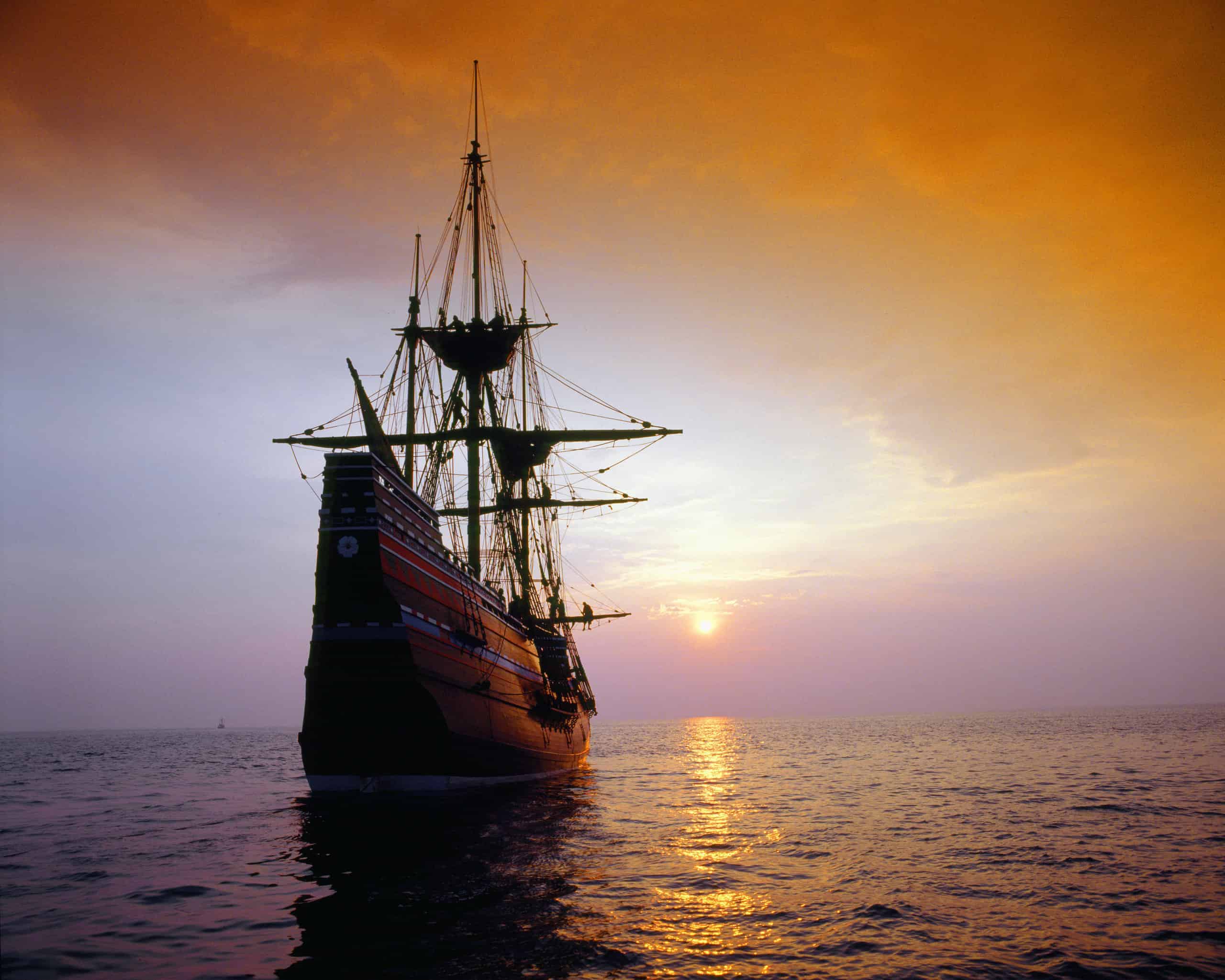
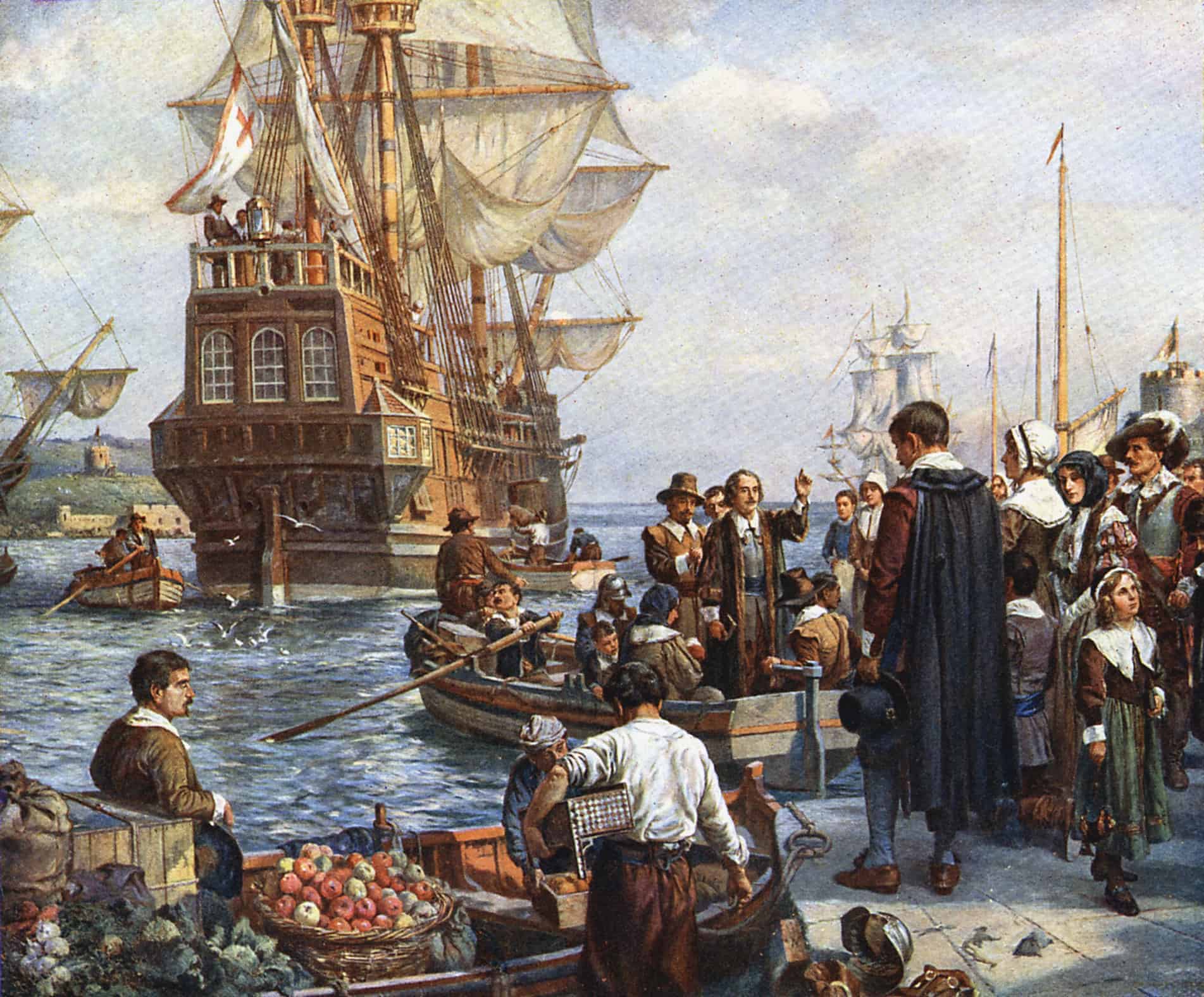
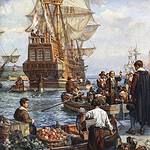
The Mayflower's Atlantic crossing carried a relatively small group of settlers, yet its historical influence far exceeded its size. Seeking religious freedom and new opportunities, the passengers established Plymouth Colony in New England. The voyage became deeply embedded in American historical memory because it represented themes of migration, settlement, and self-government. The Mayflower Compact, signed during the journey, is often cited as an early example of collective political agreement among settlers. Although the colony faced immense hardships, its story became central to narratives about the origins of the United States. Few migration voyages have had such enduring symbolic significance.
Endurance Expedition
- Dates: 1914–1917
- Leader(s): Ernest Shackleton
- Destination / Route: Antarctica
- Historical Impact: Iconic story of exploration and survival
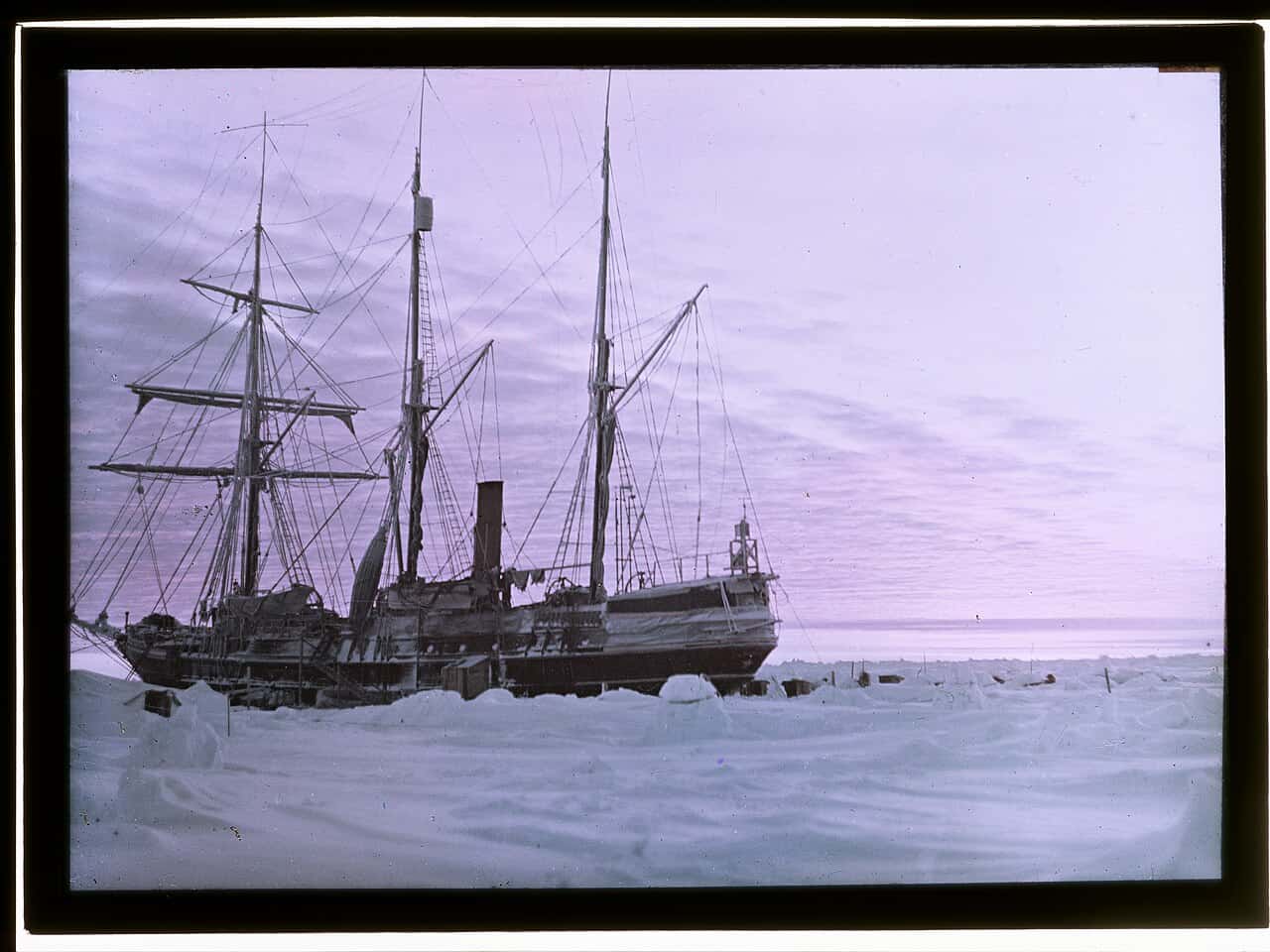
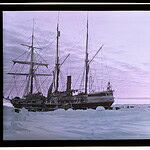
Ernest Shackleton's Endurance Expedition is remembered less for exploration than for survival. The mission aimed to cross Antarctica but disaster struck when the ship became trapped and eventually crushed by sea ice. Stranded in one of the most hostile environments on Earth, Shackleton and his crew faced extraordinary challenges. Through determination, leadership, and remarkable navigation, every member of the expedition survived. The journey became one of history's greatest examples of resilience under extreme circumstances. Although the expedition failed to achieve its original objective, its story continues to inspire military leaders, explorers, and organizations seeking lessons in leadership and crisis management.
Apollo 8 Mission
- Dates: 1968
- Leader(s): Frank Borman, Jim Lovell, William Anders
- Destination / Route: First crewed voyage to lunar orbit
- Historical Impact: Paved the way for the Moon landing
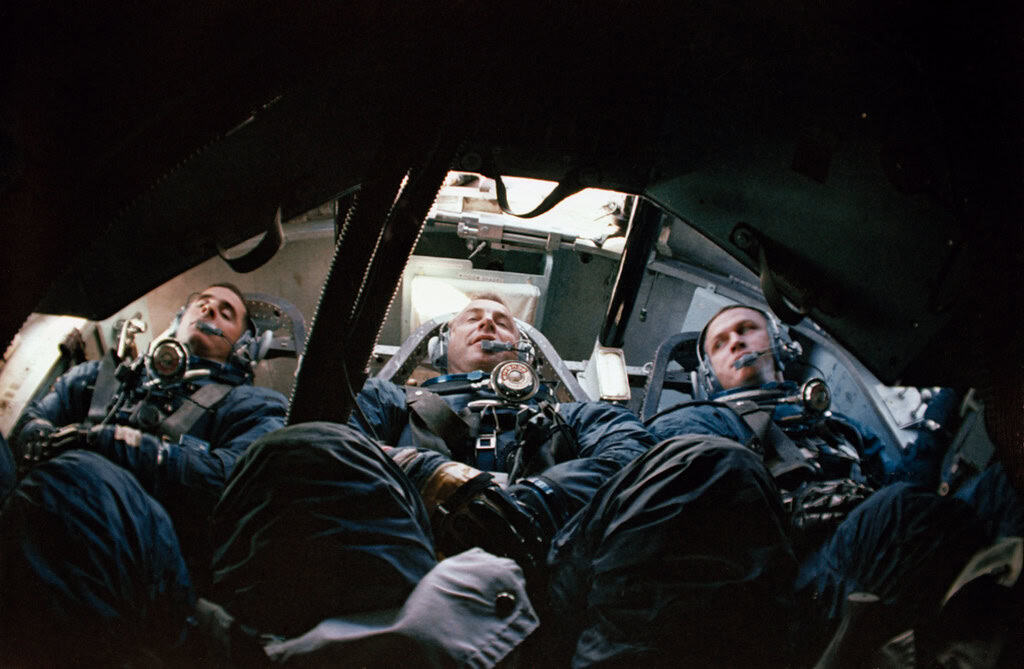
Before Apollo 11 landed on the Moon, Apollo 8 accomplished something equally extraordinary: it carried humans beyond Earth orbit for the first time. Frank Borman, Jim Lovell, and William Anders became the first people to see the far side of the Moon and witness Earth rising above the lunar horizon. Their famous "Earthrise" photograph transformed how humanity viewed its home planet. The mission proved that astronauts could travel safely to the Moon and return, making future lunar landings possible. Apollo 8 represented a major leap in exploration and remains one of the most daring voyages ever undertaken.
Kon-Tiki Expedition
- Dates: 1947
- Leader(s): Thor Heyerdahl
- Destination / Route: Peru across the Pacific
- Historical Impact: Influenced theories of ancient migration
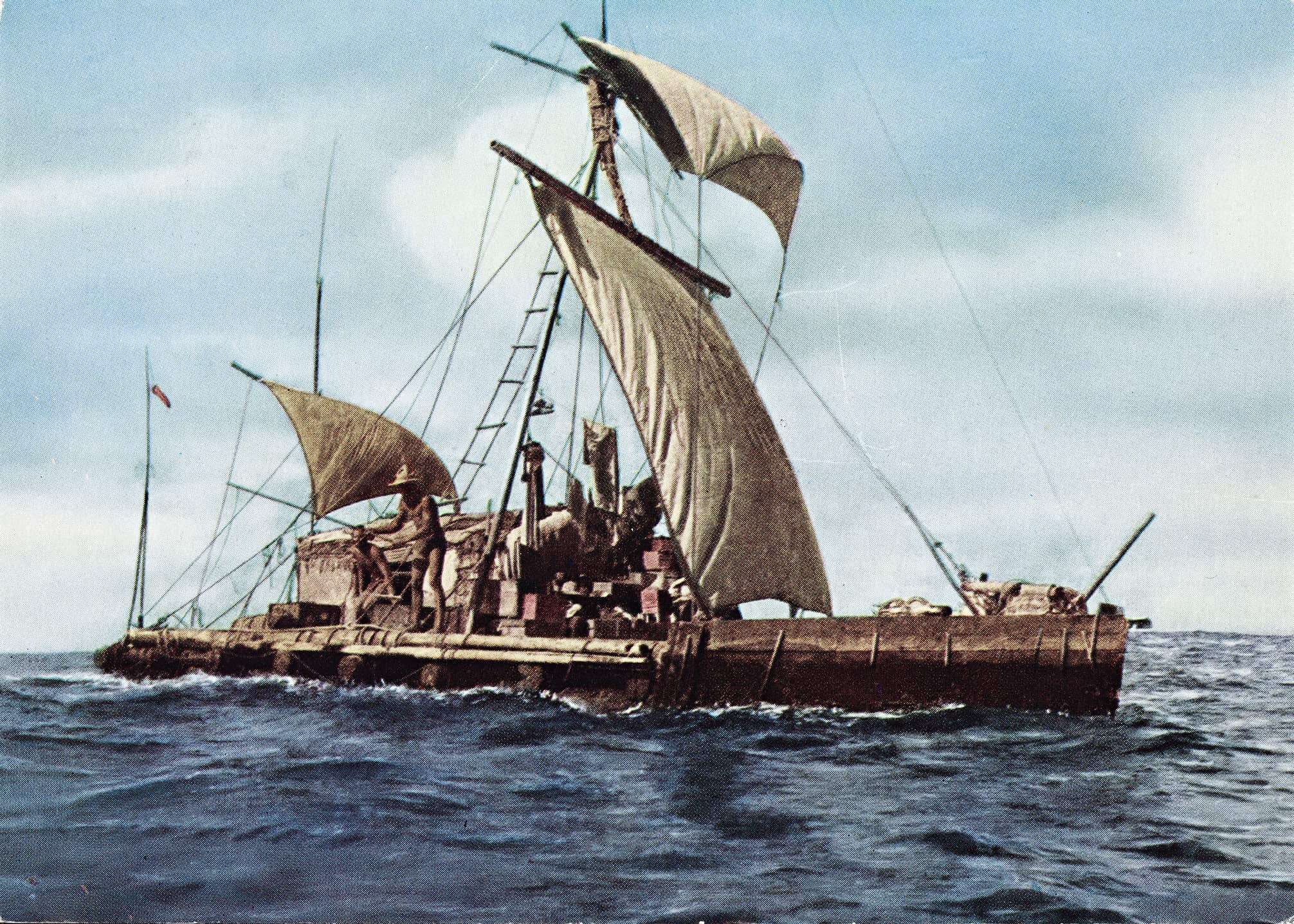
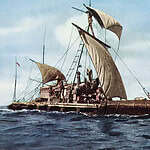
Thor Heyerdahl's Kon-Tiki Expedition sought to test a controversial theory about ancient migration across the Pacific. Using a raft constructed from traditional materials, Heyerdahl and his crew sailed from South America to Polynesia. While the voyage did not conclusively prove his migration theories, it demonstrated that long-distance ocean travel using ancient technologies was possible. The expedition captured the public imagination and renewed interest in human migration, exploration, and maritime history. Kon-Tiki became a symbol of experimental archaeology and adventurous inquiry. Its legacy lies not only in where it traveled but also in how it challenged assumptions about the capabilities of ancient peoples.
Amundsen South Pole Expedition
- Dates: 1910–1912
- Leader(s): Roald Amundsen
- Destination / Route: Antarctica
- Historical Impact: First successful journey to the South Pole
Roald Amundsen's successful journey to the South Pole marked one of the greatest achievements of the Heroic Age of Antarctic Exploration. Through meticulous planning, careful logistics, and deep understanding of polar travel, Amundsen's team reached the pole before rival explorer Robert Falcon Scott. The expedition highlighted the importance of preparation and adaptation in extreme environments. It also demonstrated humanity's growing ability to operate in some of the harshest conditions on Earth. The achievement became a landmark moment in exploration history and symbolized the enduring human desire to reach places no one had ever been before.
Pytheas Voyage of Exploration
- Dates: 4th century BCE
- Leader(s): Pytheas of Massalia
- Destination / Route: North Atlantic and northern Europe
- Historical Impact: Expanded ancient geographic knowledge
Long before the Age of Discovery, the Greek explorer Pytheas embarked on a remarkable journey into the North Atlantic. Traveling beyond the familiar world of Mediterranean civilizations, he documented distant lands, unusual tides, and regions where daylight lasted for extraordinary lengths of time. Although some contemporaries doubted his accounts, many of his observations were later confirmed. His writings expanded ancient geographic knowledge and introduced concepts that challenged traditional understandings of the world. Pytheas demonstrated that curiosity and exploration were shaping human knowledge centuries before the great maritime expeditions of the modern era.
HMS Challenger Expedition
- Dates: 1872–1876
- Leader(s): Charles Wyville Thomson
- Destination / Route: Global ocean survey
- Historical Impact: Founded modern oceanography
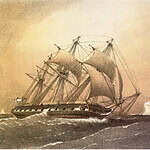
The HMS Challenger Expedition is widely regarded as the beginning of modern oceanography. Unlike earlier voyages focused on discovery or conquest, Challenger's mission was scientific. Researchers collected samples, measured ocean depths, studied marine life, and documented conditions across the globe's oceans. The expedition revealed that the deep sea was far more complex and biologically active than previously believed. Thousands of new species were identified, and vast amounts of data transformed scientific understanding of Earth's largest environment. The voyage established oceanography as a formal scientific discipline and laid the foundation for much of what is known about the world's oceans today.
Peary-Henson Arctic Expedition
- Dates: 1908–1909
- Leader(s): Robert Peary, Matthew Henson
- Destination / Route: Arctic Ocean
- Historical Impact: Landmark expedition in polar exploration
The Arctic expedition led by Robert Peary and Matthew Henson became one of the defining episodes of polar exploration. Although debate continues over whether the team reached the exact geographic North Pole, the journey represented an extraordinary feat of endurance and navigation. Henson's contributions, long underappreciated, have received increasing recognition in modern historical scholarship. The expedition captured global attention and symbolized the final stages of the race to explore Earth's most remote frontiers. Regardless of the controversy surrounding its claims, the voyage remains a landmark achievement in the history of Arctic exploration.
Apollo 13 Mission
- Dates: 1970
- Leader(s): James Lovell, Jack Swigert, Fred Haise
- Destination / Route: Moon mission
- Historical Impact: Demonstrated engineering problem-solving under crisis
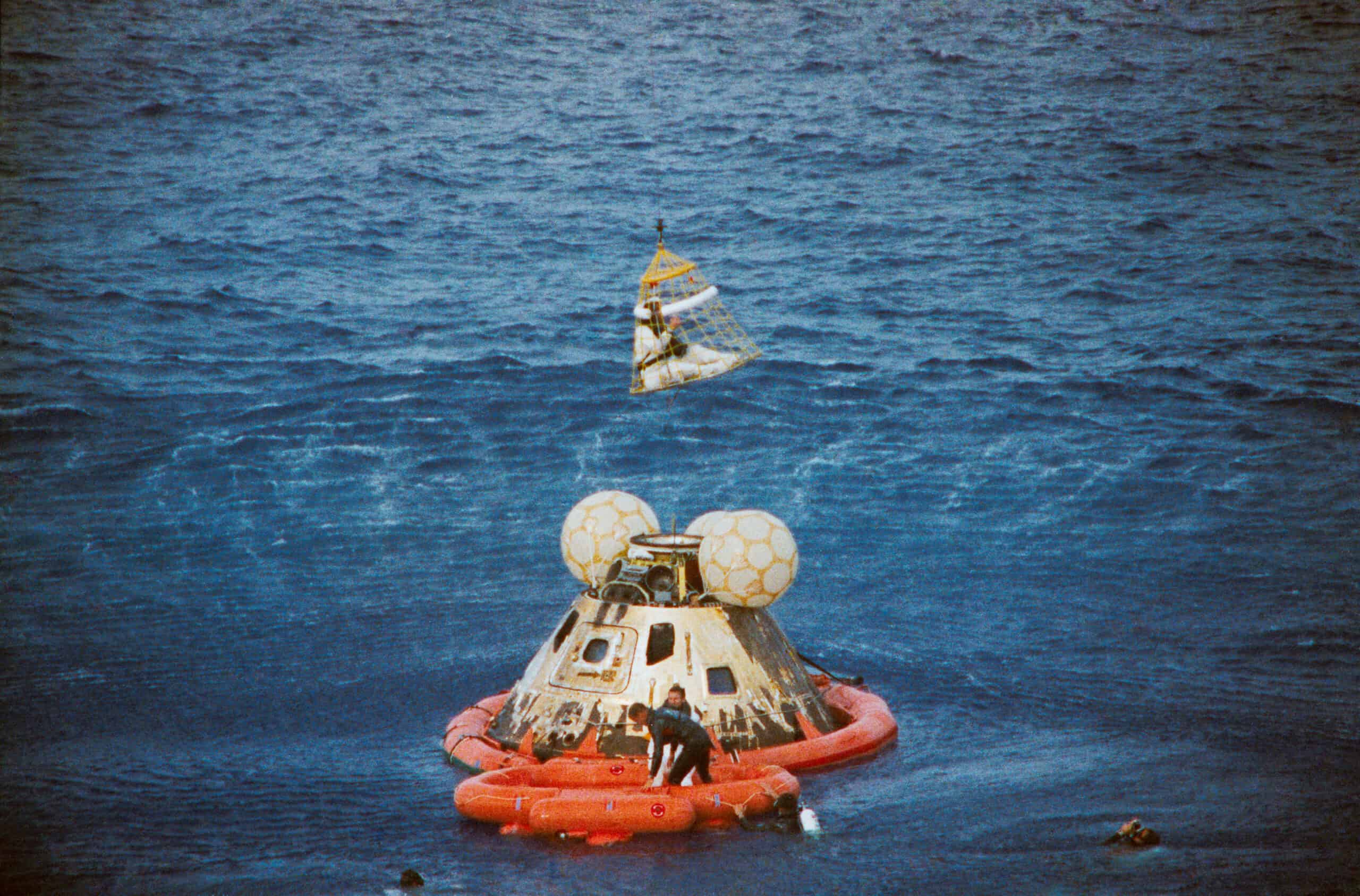
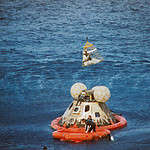
Apollo 13 began as a routine lunar mission but quickly became a struggle for survival after an oxygen tank exploded en route to the Moon. Faced with life-threatening conditions hundreds of thousands of miles from Earth, astronauts and mission controllers worked together to overcome seemingly impossible challenges. Through ingenuity, teamwork, and precise engineering, the crew returned safely. The mission became one of the most celebrated examples of problem-solving in modern history. Although Apollo 13 never landed on the Moon, its story demonstrated humanity's ability to adapt under pressure and remains one of the most dramatic voyages ever undertaken.
Expedition 1 to the ISS
- Dates: 2000
- Leader(s): Shepherd, Gidzenko, Krikalev
- Destination / Route: International Space Station
- Historical Impact: Began continuous human presence in space
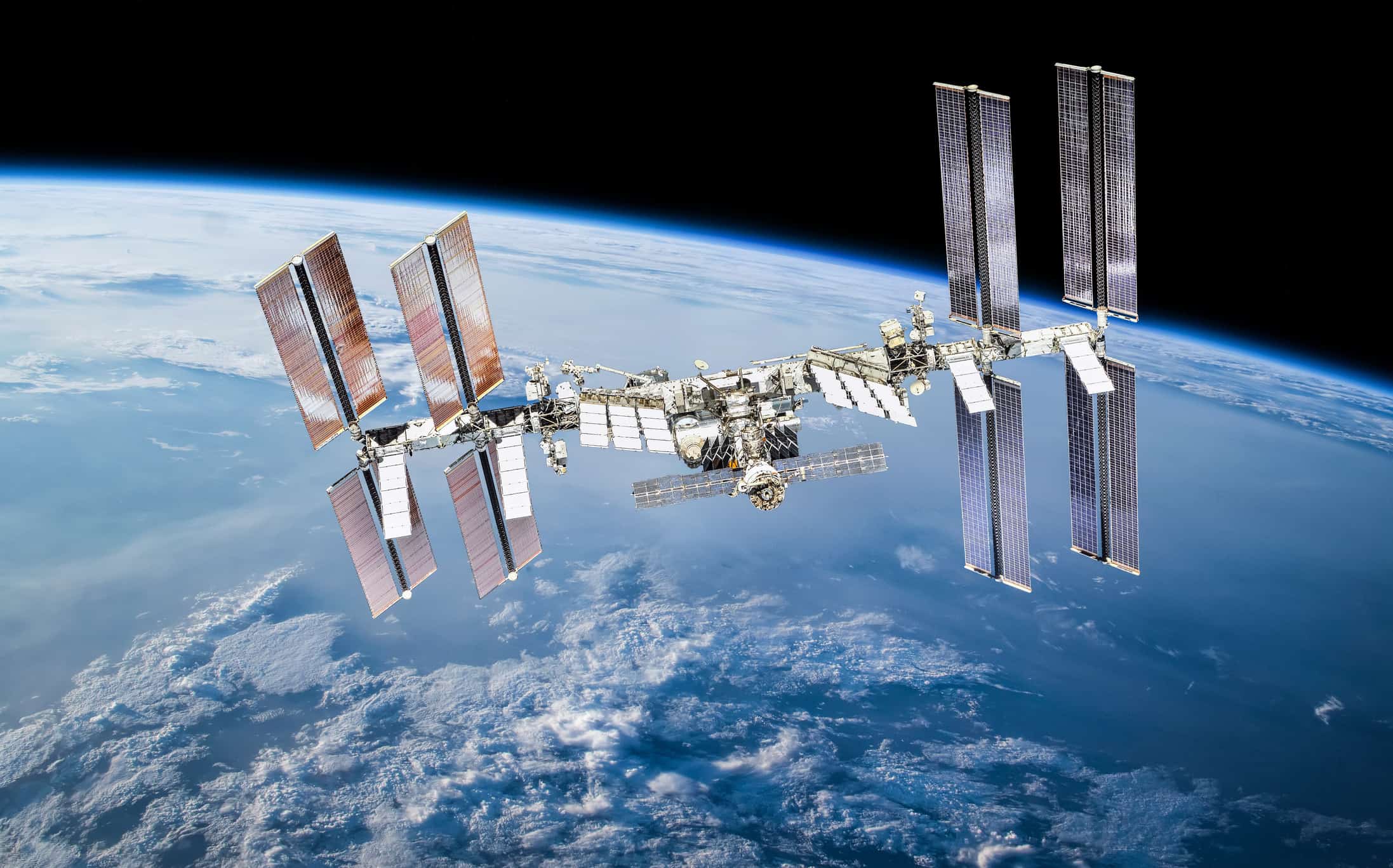
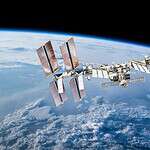
When the first permanent crew arrived at the International Space Station in 2000, they began a new chapter in human exploration. Expedition 1 established continuous human presence in space, a milestone that has continued uninterrupted ever since. The mission demonstrated the possibilities of long-term international cooperation in orbit, bringing together expertise and resources from multiple nations. Life aboard the station created opportunities for scientific research, technological development, and preparation for future deep-space missions. The voyage marked a transition from short-term exploration to permanent occupation, expanding humanity's presence beyond Earth in a way that earlier generations could scarcely imagine.
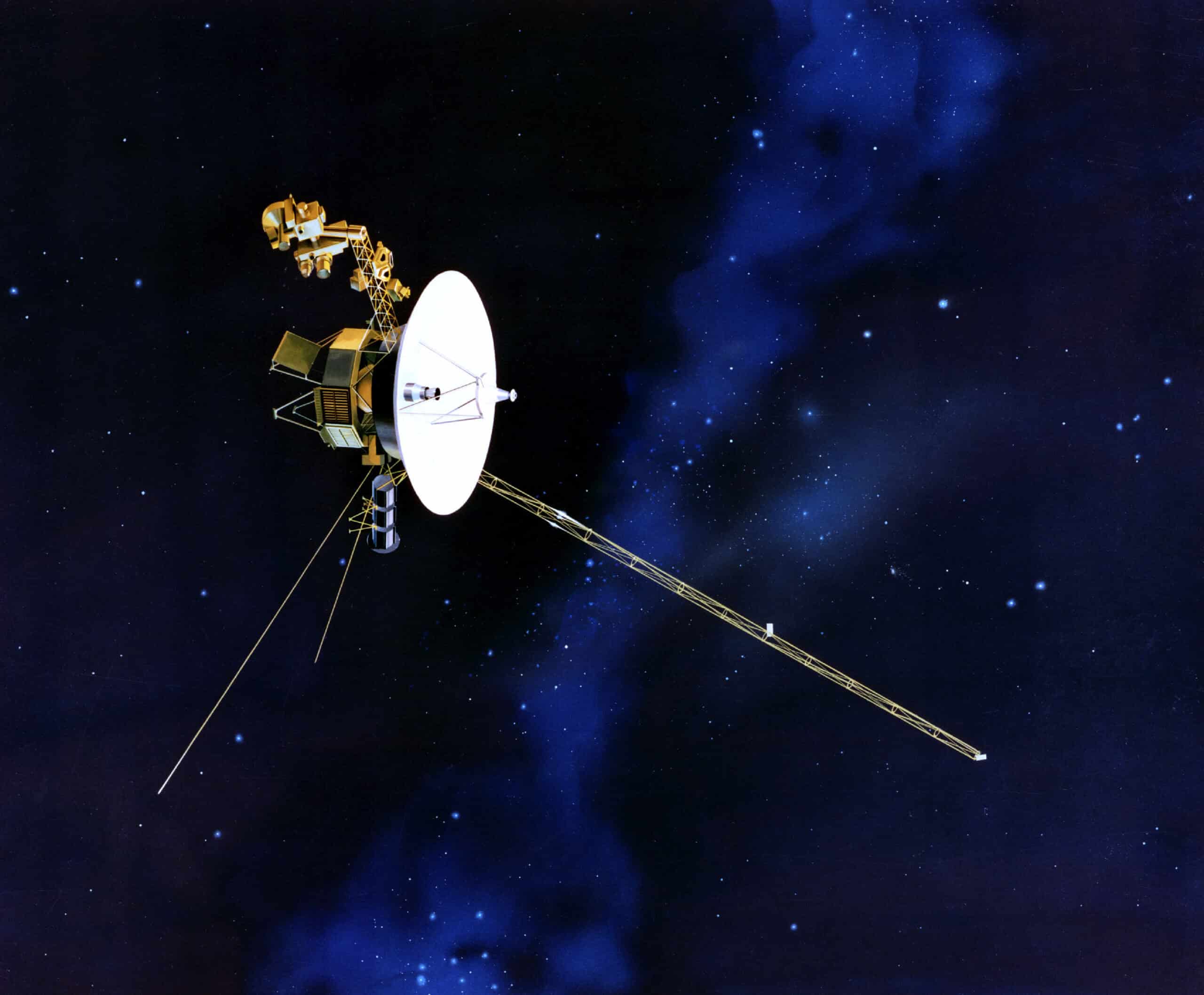
Voyager 1 Mission
- Dates: 1977–Present
- Leader(s): NASA Voyager Team
- Destination / Route: Outer solar system and interstellar space
- Historical Impact: Farthest human-made object from Earth
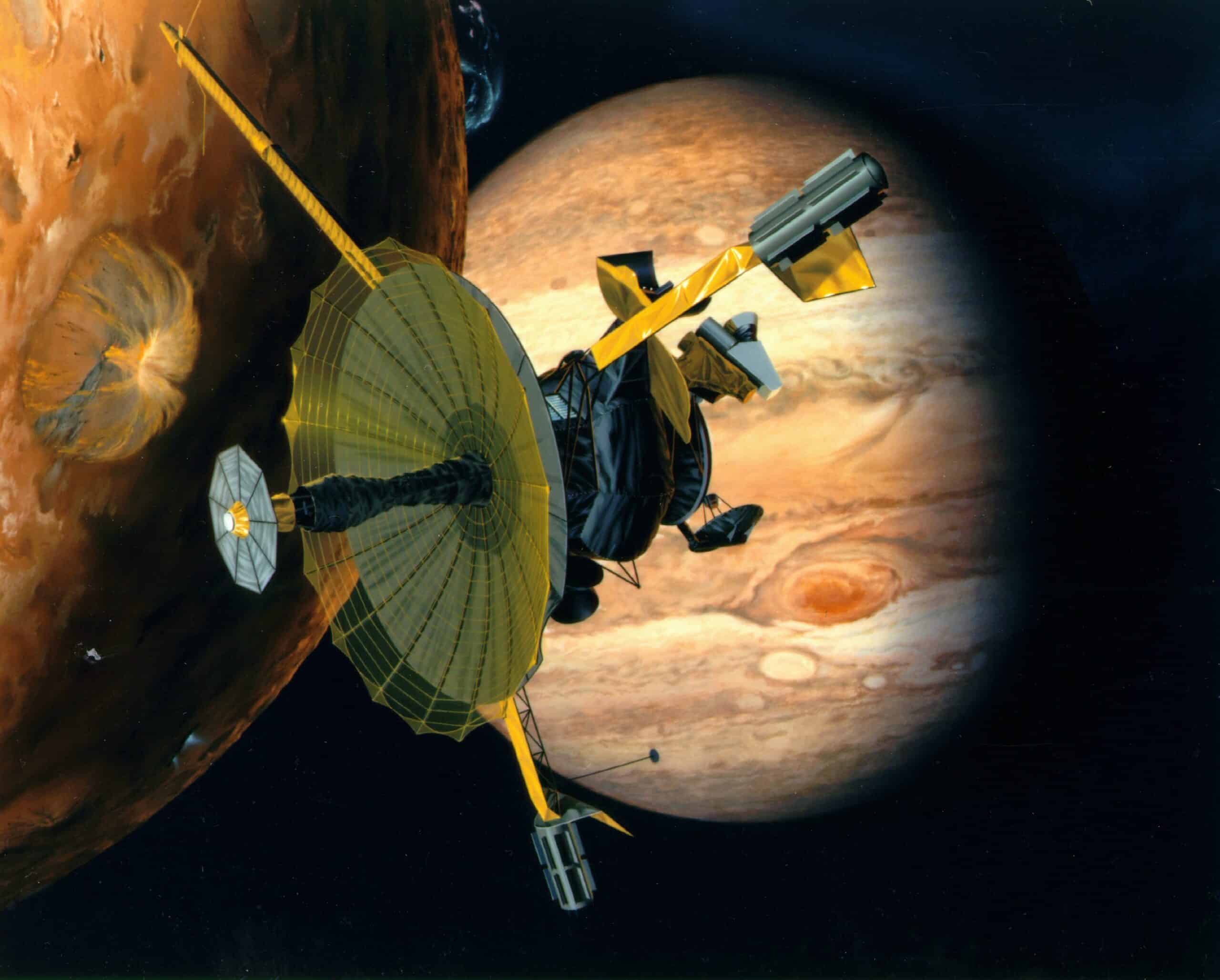
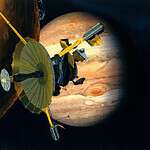
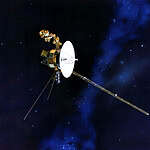
Launched in 1977, Voyager 1 embarked on a journey that continues nearly half a century later. Originally designed to explore the outer planets, the spacecraft exceeded all expectations by becoming the first human-made object to enter interstellar space. Along the way, it transformed understanding of Jupiter, Saturn, and the outer solar system. Voyager also carries the Golden Record, a message intended for any future civilization that might encounter it. The spacecraft's ongoing voyage symbolizes humanity's desire to explore beyond known horizons. More than any previous expedition, Voyager 1 represents a journey whose final destination remains unknown.
The image featured at the top of this post is ©NASA / Getty Images