




10 Famous Quotes From History That Are Surprisingly Hilarious
When we're talking about quotes, history usually captures the literal while losing the spirit. In part, that's because of the nature of how and what ends up being recorded. The only occasions people thought worth writing down were deathbeds, battlefields, and scaffolds. Occasions that can't help but be thought of as being grave. These quotes come to us today in a suit it was never meant to wear. But some of them were jokes. Not dry or with stiff-upper-lip irony. Just jokes. That context tends to get lost. Today, we're bringing that context back and looking at 10 famous quotes that are funnier than you might think.
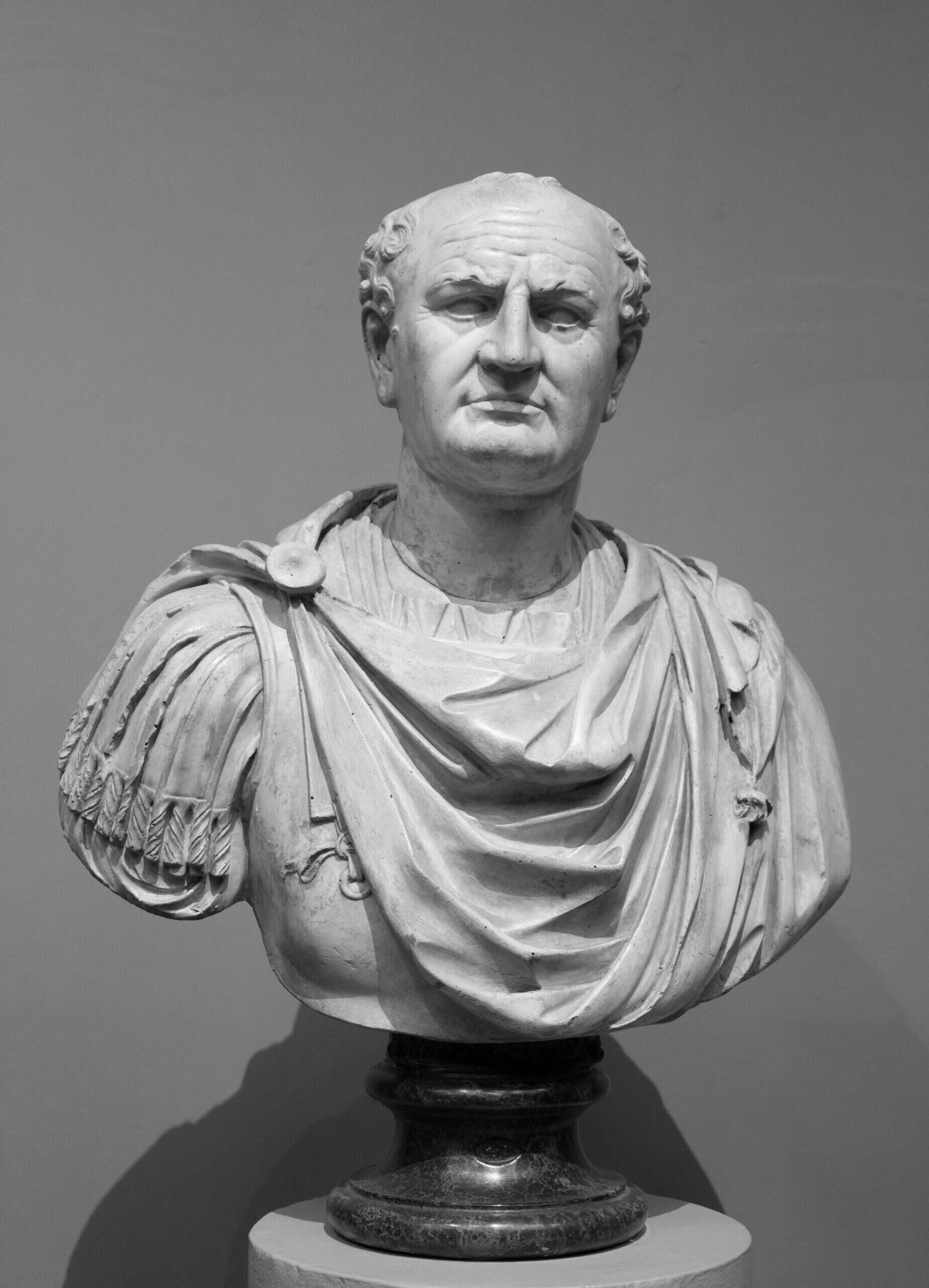
"Money doesn't stink." (Vespasian, c. 70 AD)
People reach for this one to argue that dirty money spends the same as clean, a rather cynical bit of Roman wisdom. They've overlooked the fact that it is, quite literally, about urine.
Urine was an important part of the empire's economy. It was collected from public toilets and sold to tanners and laundries for the ammonia, which was used to clean wool. In 70 AD, Vespasian was left penniless after a civil war. He taxed the business, but his son Titus felt that taxing urine was beneath the dignity of the office. So Vespasian took a gold coin from the first day's income, held it under the boy's nose, and asked whether it smelled. It didn't. "And yet," Vespasian said, "it comes from urine."
The grand maxim that philosophers and finance ministers have quoted ever since, pecunia non olet, money does not smell, began as a quarrel over whether money made from urine is still good money. It is. That was his whole point.
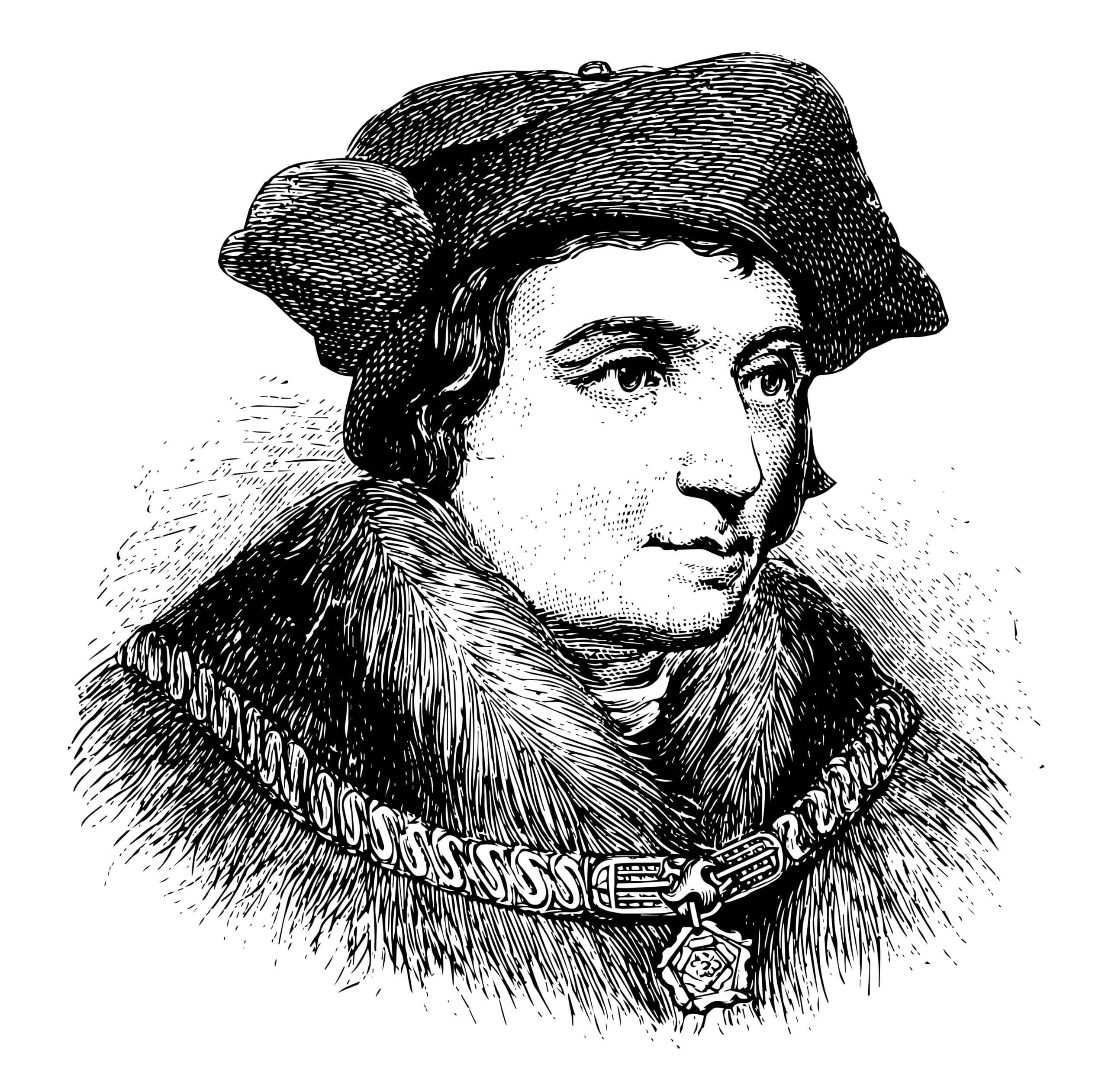
"The king's good servant, but God's first." (Thomas More, 1535)
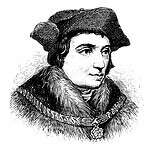
Thomas More was executed by beheading on July 6, 1535, because he would not accept the claim of King Henry the Eighth as head of the Church. On the scaffold, he stated that he was "the king's good servant, but God's first." The Church later canonized him as a saint due to this very statement, as someone willing to die for his beliefs.
What history often misses is that Thomas More died while making jokes. Since the stairs to the scaffold were poorly built, he told the lieutenant to help him safely up, saying that going down, he would find his own way. To the headsman, he said: "Lift your spirits, my friend, and be not afraid to do your office, but take your aim well, for my neck is very short." After placing his head on the block, he stopped all other proceedings so that he could arrange his beard, claiming that it had done nothing wrong.
Henry had been careful to make sure there were not many people at the gathering. Thus, one of the best comedic performances of the century went before an almost empty house, and the only line that echoed out of the building was the serious one.
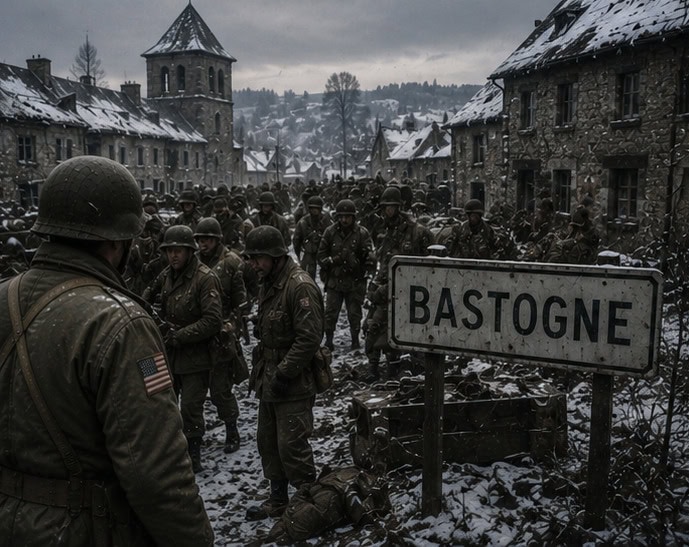
"Nuts!" (Anthony McAuliffe, Bastogne, 1944)
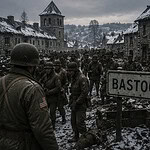
December 22, 1944, Bastogne was besieged, and an officer woke up Brigadier General McAuliffe and informed him that the Germans had sent men to receive the surrender of the 101st Airborne Division. McAuliffe, getting up from his sleeping bag: "Aw, nuts."
End of story, but the Germans insisted on having the refusal in writing. McAuliffe sat down with his pencil and admitted he could not think of anything else to say. Lieutenant Colonel Harry Kinnard suggested his first reaction would be hard to beat. So they typed it up: to the German Commander, "NUTS!", from the American Commander. The Germans read it and were not sure what it meant. The colonel delivering it had to explain that in plain English, it meant something like "go to hell." The Agence France-Presse, equally confused, told French readers the Americans had replied vous n'êtes que de vieilles noix. You are nothing but old nuts.
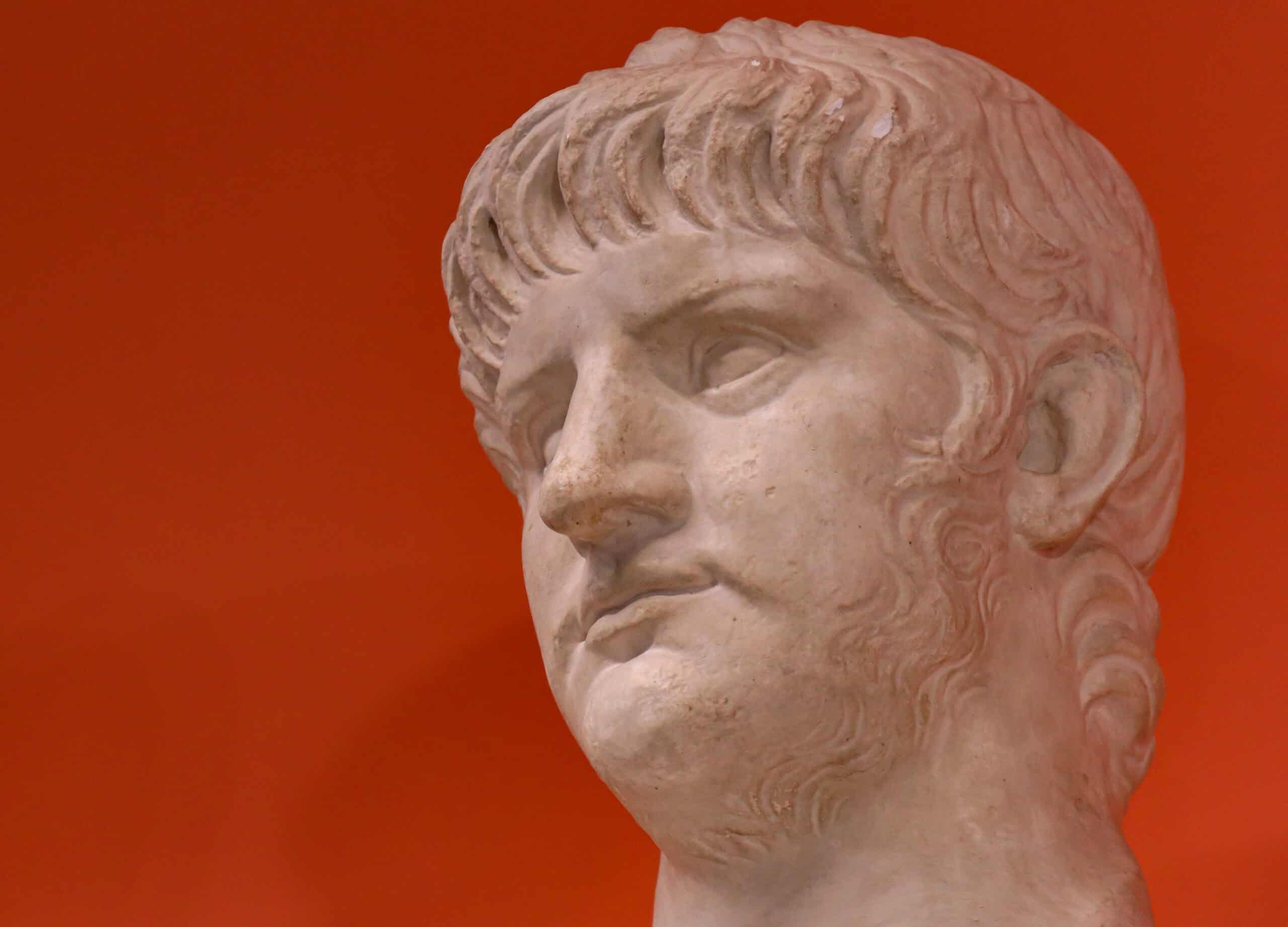
"What an artist dies in me!" (Nero, 68 AD)
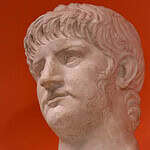
Nero was certain that he was one of the great artists of the age. By June 68 AD the army had turned against him and he was facing death. As Suetonius puts it, his response was to lament the arts: qualis artifex pereo, what an artist dies in me. The empire was losing an emperor. Nero's concern was that it was losing an artist.
The act beats the line. He made his freedmen dig a grave while he stood by, measuring and weeping. Then, with dagger drawn, he found himself unable to carry out the act, asking a friend to kill himself first to set the example. Even that failed. Only when he heard his captors approaching did his secretary drive the dagger into his throat.
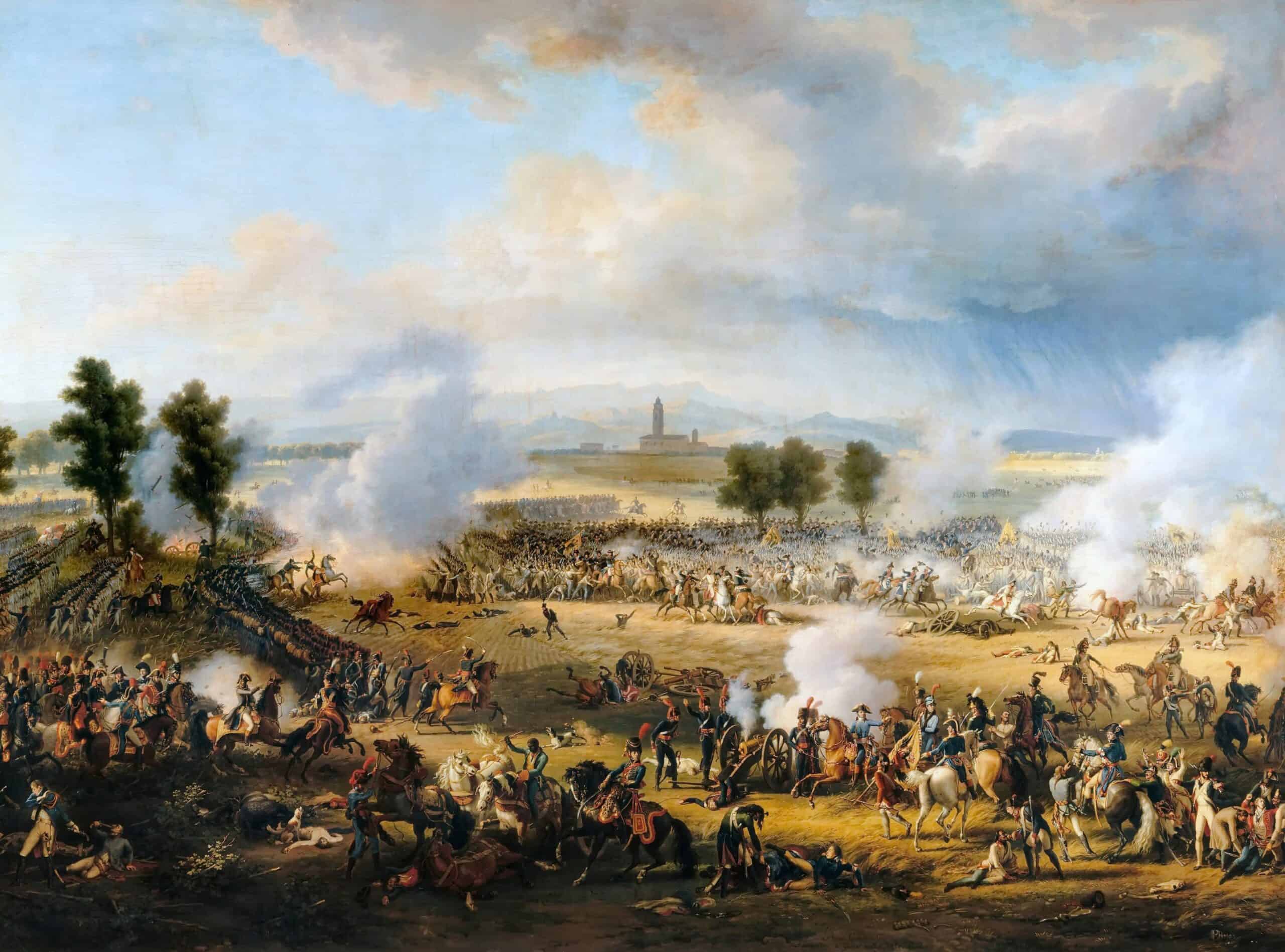
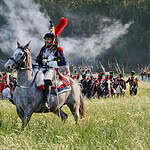
"The Guard dies and does not surrender!" (Pierre Cambronne, Waterloo, 1815)
Pierre Cambronne led the final formation of the Old Guard at Waterloo. Called to surrender, Cambronne is supposed to have replied with an immortal line: "The Guard dies but never surrenders." It was even inscribed on his statue in Nantes. But he lived the rest of his life insisting that he had never uttered such a phrase.
Rather, what he would be more likely to have said, according to some other reports, is a single word, merde. Shit. This Cambronne also denied, but it didn't matter for France, where they ignored his denial and adopted the swear-word as le mot de Cambronne, Cambronne's word, which was even featured in Victor Hugo's Les Misérables. It evolved into a polite euphemism such that one could casually call a bunch of rubbish "old Cambronne" and get away with it.
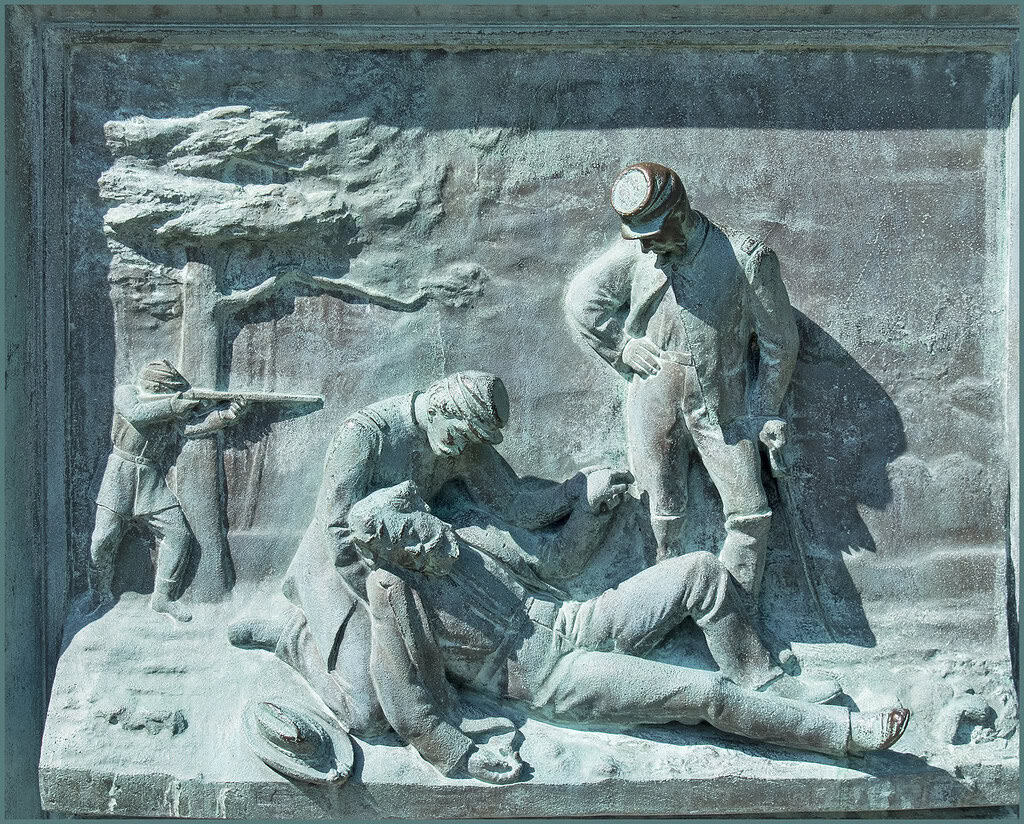
"They couldn't hit an elephant at this distance." (John Sedgwick, 1864)
The story of how John Sedgwick got cut off mid-word is an embellishment that gets him off rather easily. General Martin McMahon stood beside him, and he told the tale correctly at Sedgwick's memorial in 1887.
Spotsylvania Court House, May 9, 1864, the Confederate sharpshooters fired occasional shots at the line, and the men kept ducking. So Sedgwick laughed at them, saying, "What, dodging this way for single bullets? What will you do when they open fire along the whole line? I am ashamed of you. They couldn't hit an elephant at this distance." Just then, a soldier crossing in front of him dropped flat as a bullet whistled past. Sedgwick nudged him with his boot, said he was ashamed of him too, and repeated the elephant line. The next round struck him under the left eye and killed him. He was the highest-ranking Union officer to die in the entire war.
"I see you have made three spelling mistakes." (Marquis de Favras, 1790)
On 19 February 1790, Thomas de Mahy, Marquis de Favras, was executed in Paris for conspiring to transport Louis XVI out of France during the Revolution. Favras became the first French aristocrat not allowed the traditional swift decapitation. Instead, he was hanged like a commoner in front of a public that shouted for an encore.
When the official delivered the warrant for his own execution to Favras, legend has it that he read it through and observed, "I see you have made three spelling mistakes." In the face of death, his criticism was editorial in nature. It may not be an accurate quote since it can be traced back to a Victor Hugo play written years later. However, it attached itself to Favras, most likely because it was the kind of thing an aristocrat of this sort would have said.
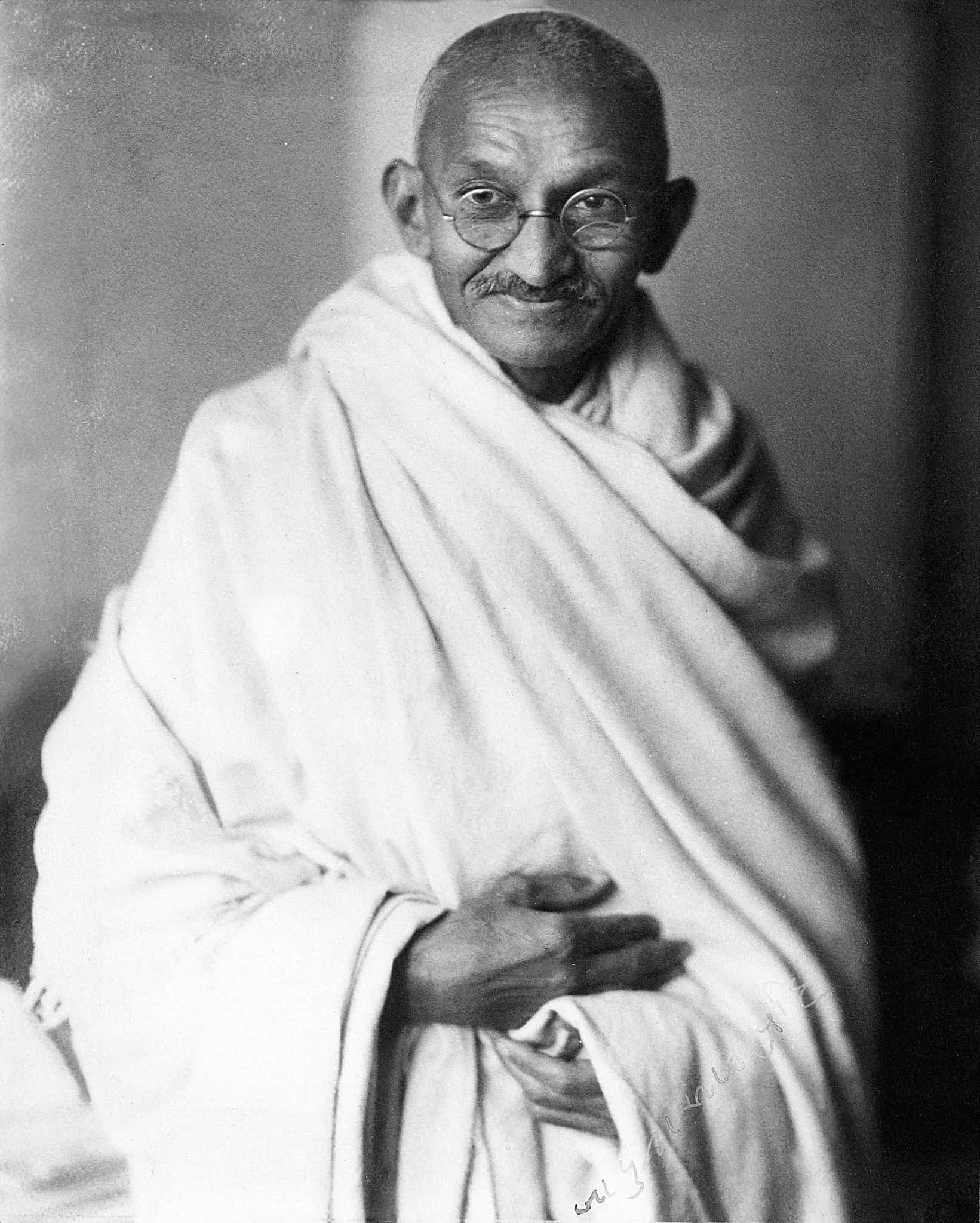
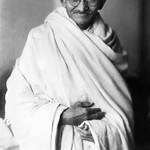
"I think it would be a good idea." (Mahatma Gandhi)
Gandhi was a gentle and peaceful figure, and this quote is an example of his humble wisdom. When a reporter asked Gandhi how he felt about Western civilization while visiting England, the response was: "I think it would be a good idea." The point is that the West was not a civilization that had lost its way; it was one that had not managed to become civilized in the first place. This was coming from a figure whose native country was under occupation by the British, who were preaching their superior civilization.
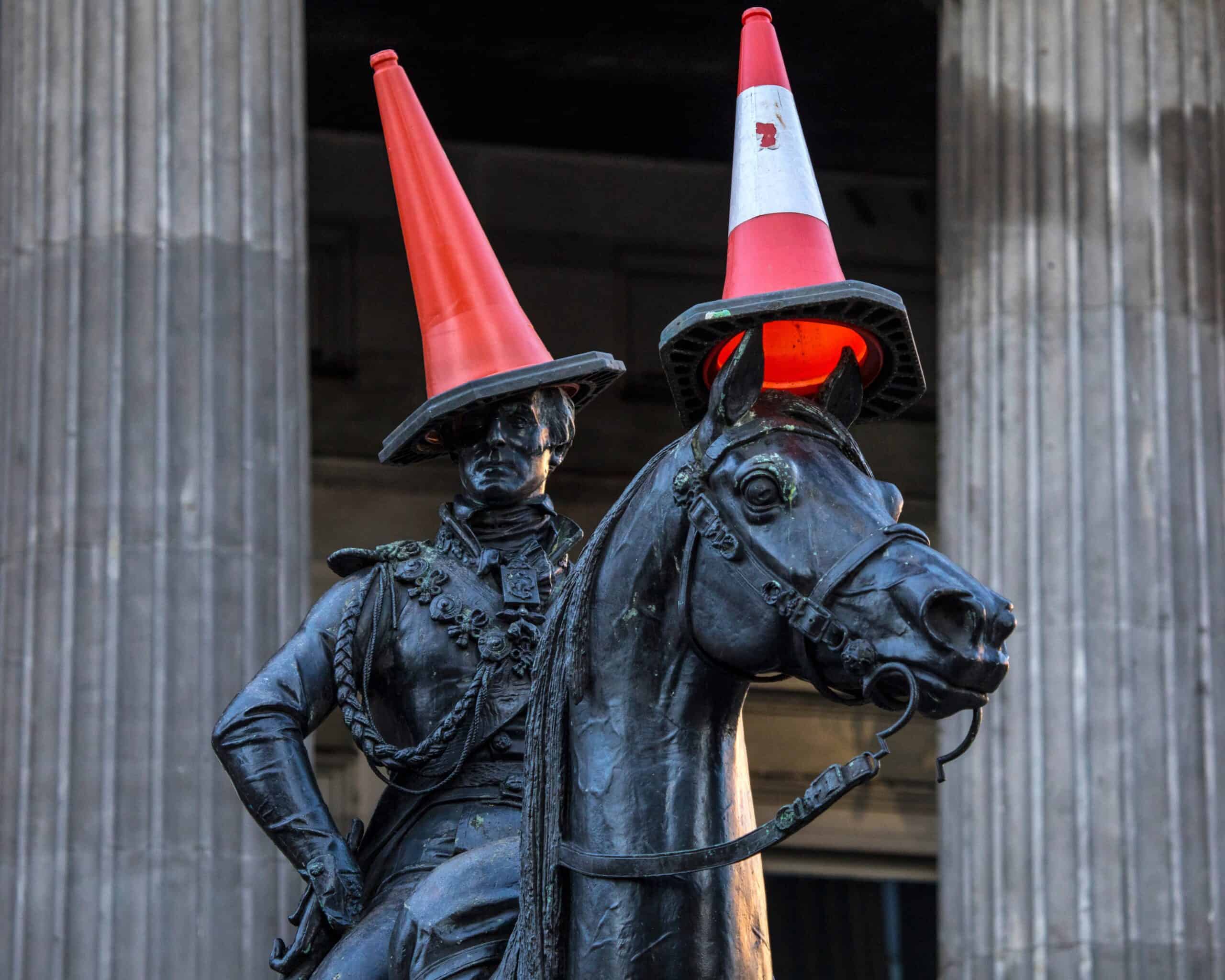
"Publish and be damned." (Wellington, 1824)
Harriette Wilson was a courtesan who had worked her way through most of Regency society, and in 1824 she and her publisher contacted roughly two hundred former clients with one letter: pay £20 a year, or £200 up front, to be left out of her memoirs. Some paid. The Duke of Wellington, hero of Waterloo, did not. He is supposed to have written back, "Publish and be damned."
Wilson published in January 1825, thirty-one editions in a single year, and the hero of Waterloo discovered the concept of kiss and tell. In his red ribbon, she wrote that he bore a great resemblance to a rat catcher. An evening with him was like sitting up with a corpse. He had refused to be blackmailed, and his reward was to go down in print as the worst company in England.
"Dear me, I think I'm becoming a god." (Vespasian, 79 AD)
Dead emperors were voted into the pantheon. It was bureaucracy, and everybody involved knew it. Vespasian, realizing that death was approaching, made an observation that could only be expected from him: vae, puto deus fio. "Woe is me, I think I am turning into a god."
Suetonius, writing not long after, took it as a joke. His last words, however, were no jest. An emperor, he declared, must die standing. And then he stood up, and did.
The image featured at the top of this post is ©Gorodenkoff/Shutterstock.com