



These Military Planes Changed How Fast Armies Could Strike
Modern combat moves at the speed of information, where aircraft aren’t just fighting, but more so coordinating every move in real time to achieve their objective. The planes that changed everything weren’t just powerful but they made entire operations faster and more synchronized. Here, History Computer is taking a closer look at the aircraft that turned air combat into a network, where every second counts and every platform plays a role.
To determine the aircraft that enable faster and more coordinated combat operations, History Computer reviewed various historical and military sources. We included supplemental information for each regarding the country of origin, primary role, key coordination capability, and ultimately how it speeds up combat operations.
Here is a look at the aircraft that enabled faster and more coordinated combat operations:
Why Are We Covering This?
Understanding the aircraft that enabled faster, more coordinated combat operations is essential to understanding how modern warfare is actually fought. Today’s battles are no longer defined by isolated engagements, but by networks of systems working together in real time. The ability to share information instantly, synchronize actions, and reduce decision timelines has become a decisive advantage. These aircraft played a critical role in that transformation, turning airpower into a connected system rather than a collection of individual platforms. As military technology continues to evolve, the importance of coordination and speed will only increase, making these systems more relevant than ever.
Combat Isn’t Just About Firepower Anymore
Modern warfare is no longer defined solely by which side has the most firepower—it is increasingly about who can act faster and more cohesively. Aircraft today are not just platforms for delivering weapons; they are integral parts of a larger network that shares information and coordinates actions in real time. This shift has fundamentally changed how battles are fought, placing a premium on speed, communication, and synchronization. In this environment, the ability to connect systems and act as a unified force often determines success more than raw combat power alone.
From Independent Missions to Networked Operations
In earlier eras, aircraft often operated independently, relying on limited communication and localized situational awareness. Pilots made decisions based on what they could see or what little information was available to them. Today, advances in technology have transformed this approach, enabling aircraft to function as interconnected nodes within a broader operational system. Through data links and shared sensors, multiple platforms can exchange information instantly, coordinate movements, and execute missions with precision. This evolution has led to a more synchronized approach to combat, where every aircraft contributes to a unified strategy.
Information Speed Drives Decision Speed
The speed at which information is gathered, processed, and shared has become a decisive factor in modern combat operations. Aircraft equipped with advanced sensors and communication systems can provide real-time data on enemy positions, movements, and intentions. This constant flow of information allows commanders to make decisions more quickly and accurately. By reducing delays between detection and action, these systems enable faster responses to emerging threats, giving a significant advantage to forces that can operate at higher speeds of decision-making.
Coordination Creates Force Multipliers
When aircraft operate as part of a coordinated network, their combined effectiveness increases dramatically. This concept of force multiplication allows smaller or more dispersed forces to achieve greater impact by working together. Coordinated operations enable precise targeting, efficient use of resources, and synchronized actions across multiple platforms. By sharing information and aligning their efforts, aircraft can execute complex missions that would be difficult or impossible for a single platform to achieve alone. This level of coordination has become a cornerstone of modern military strategy.
The Future of Combat Is Fully Connected
As technology continues to advance, the level of connectivity between military systems is expected to increase even further. Future aircraft will rely heavily on data sharing, automation, and integration with other platforms across air, land, and sea domains. This trend points toward a battlefield where decisions are made and executed at unprecedented speeds, and where coordination is seamless. Understanding the aircraft that enabled this transformation provides valuable insight into the future of warfare and the continued evolution of military operations.
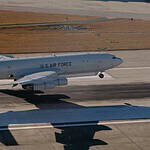
E-3 Sentry
- Country of Origin: United States/NATO
- Aircraft Type: AWACS
- Primary Role in Coordination: Airborne command & control
- Era Introduced: Cold War
- Key Coordination Capability: Real-time airspace command
- Data / Network Integration: Link 16 / battle management
- How It Speeds Up Combat Operations: Directs aircraft in real time
- Doctrine or Warfare Shift Enabled: Real-time battle management
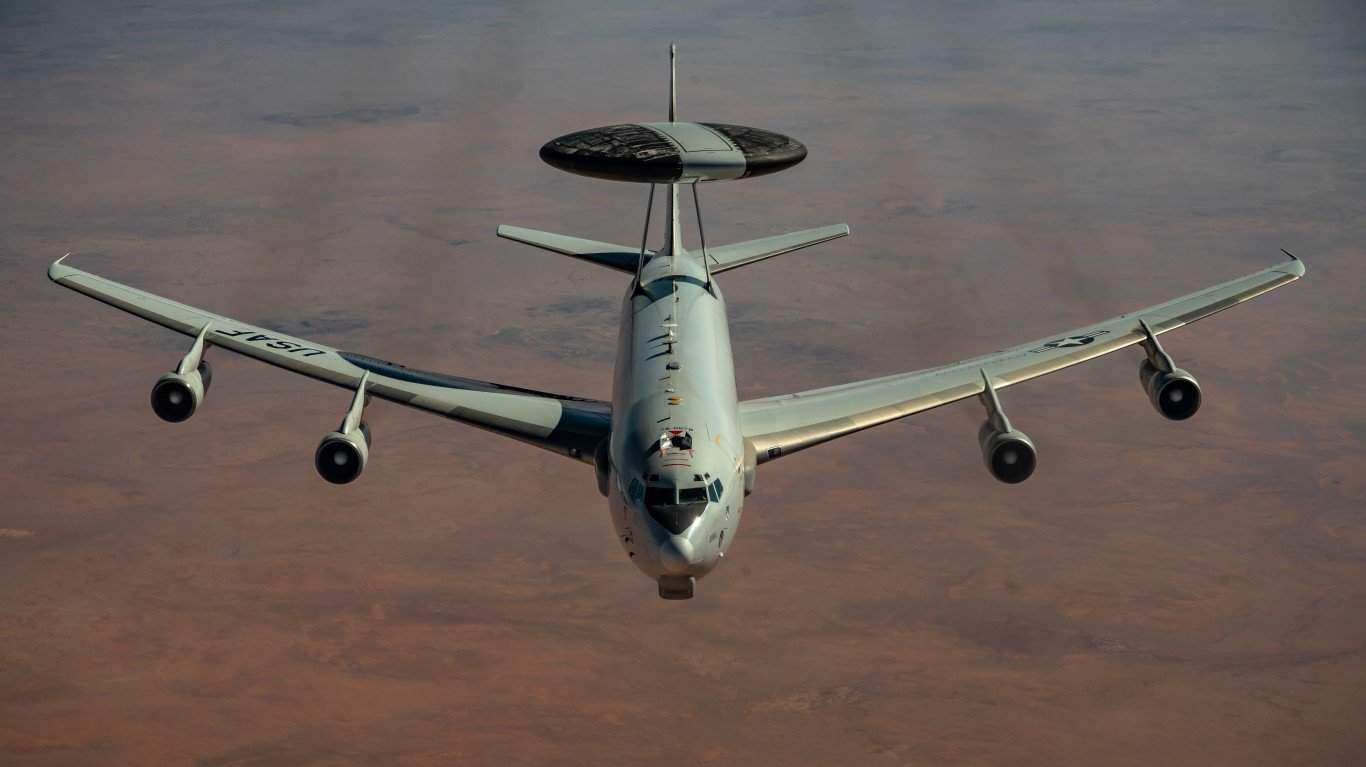
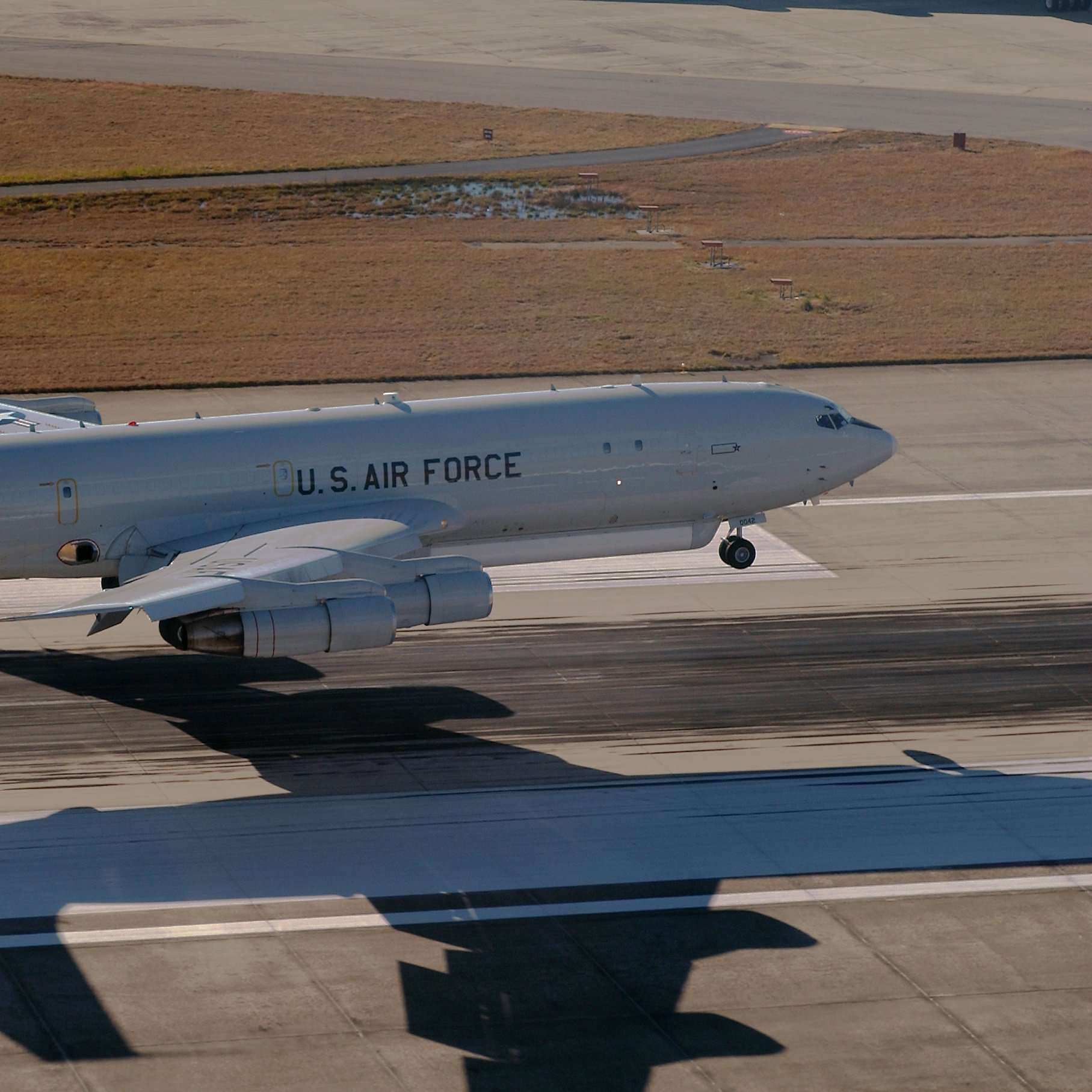
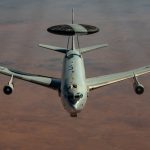
The E-3 Sentry transformed air combat by centralizing command and control in the sky, allowing forces to coordinate operations in real time. Its powerful radar provides a wide-area picture of the battlespace, while onboard controllers direct aircraft and manage engagements. This eliminates delays between detection and decision-making, enabling faster responses to emerging threats. By linking multiple aircraft and systems into a single operational picture, the E-3 ensures that combat operations are synchronized across large areas, making it one of the most important coordination platforms in modern warfare.
E-2 Hawkeye
- Country of Origin: United States
- Aircraft Type: AWACS
- Primary Role in Coordination: Airborne command & control
- Era Introduced: Cold War
- Key Coordination Capability: Carrier-based coordination
- Data / Network Integration: Link 16
- How It Speeds Up Combat Operations: Coordinates naval air operations
- Doctrine or Warfare Shift Enabled: Integrated naval coordination
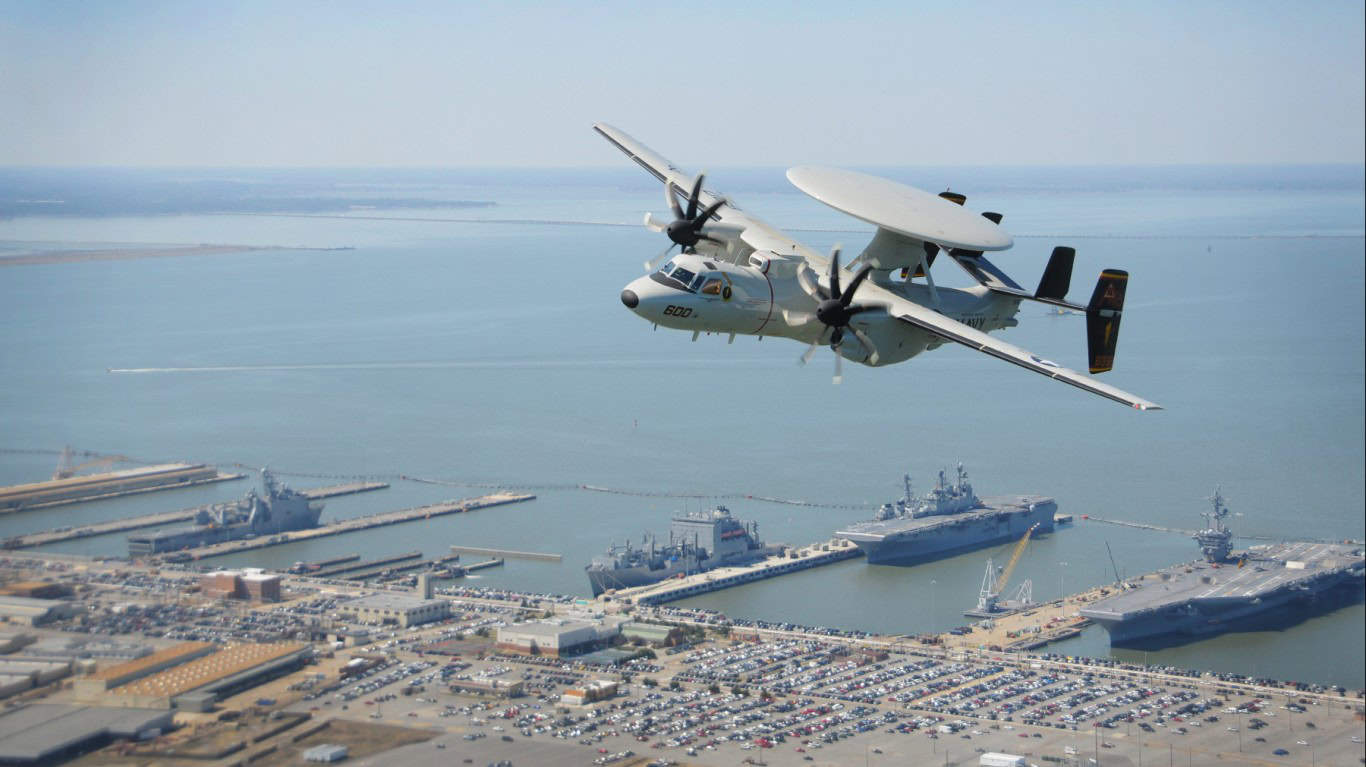
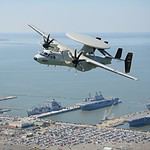
The E-2 Hawkeye brings the same coordination capabilities as AWACS to carrier strike groups, enabling real-time management of naval air operations. Its radar and communication systems allow it to track threats and direct fighters from the deck of an aircraft carrier. This ensures that naval forces can respond quickly to changing conditions. By acting as the central node for coordination, the Hawkeye significantly improves the speed and effectiveness of carrier-based operations.
E-8 JSTARS
- Country of Origin: United States
- Aircraft Type: Battle Management
- Primary Role in Coordination: Airborne command & control
- Era Introduced: Post-Cold War
- Key Coordination Capability: Ground battle tracking
- Data / Network Integration: ISR data relay
- How It Speeds Up Combat Operations: Tracks ground movements in real time
- Doctrine or Warfare Shift Enabled: Joint battlefield coordination
The E-8 JSTARS provides real-time tracking of ground movements, allowing commanders to coordinate air and ground operations more effectively. Its ability to monitor large areas and relay information quickly ensures that forces can respond to changes on the battlefield. This reduces the time between detection and action, improving overall operational tempo. JSTARS plays a critical role in coordinating joint operations, making it easier to synchronize efforts across different branches of the military.
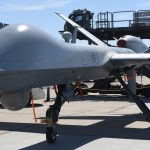
MQ-9 Reaper
- Country of Origin: United States
- Aircraft Type: ISR UAV
- Primary Role in Coordination: ISR / surveillance
- Era Introduced: Modern
- Key Coordination Capability: Persistent ISR coverage
- Data / Network Integration: ISR data relay
- How It Speeds Up Combat Operations: Provides continuous targeting data
- Doctrine or Warfare Shift Enabled: Persistent ISR operations
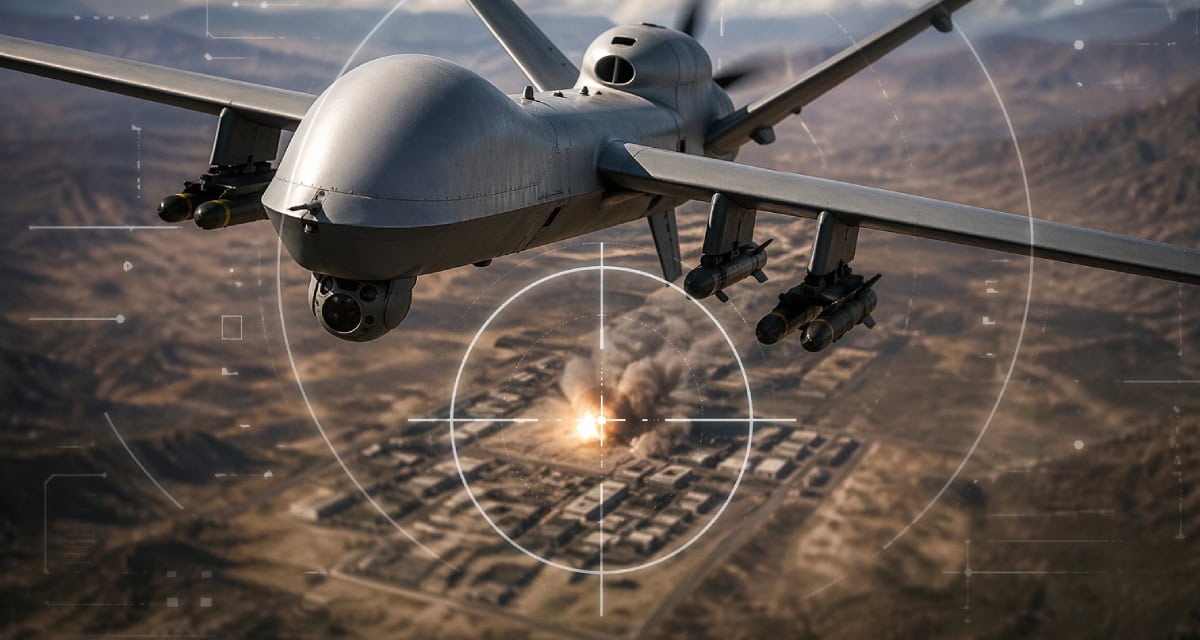
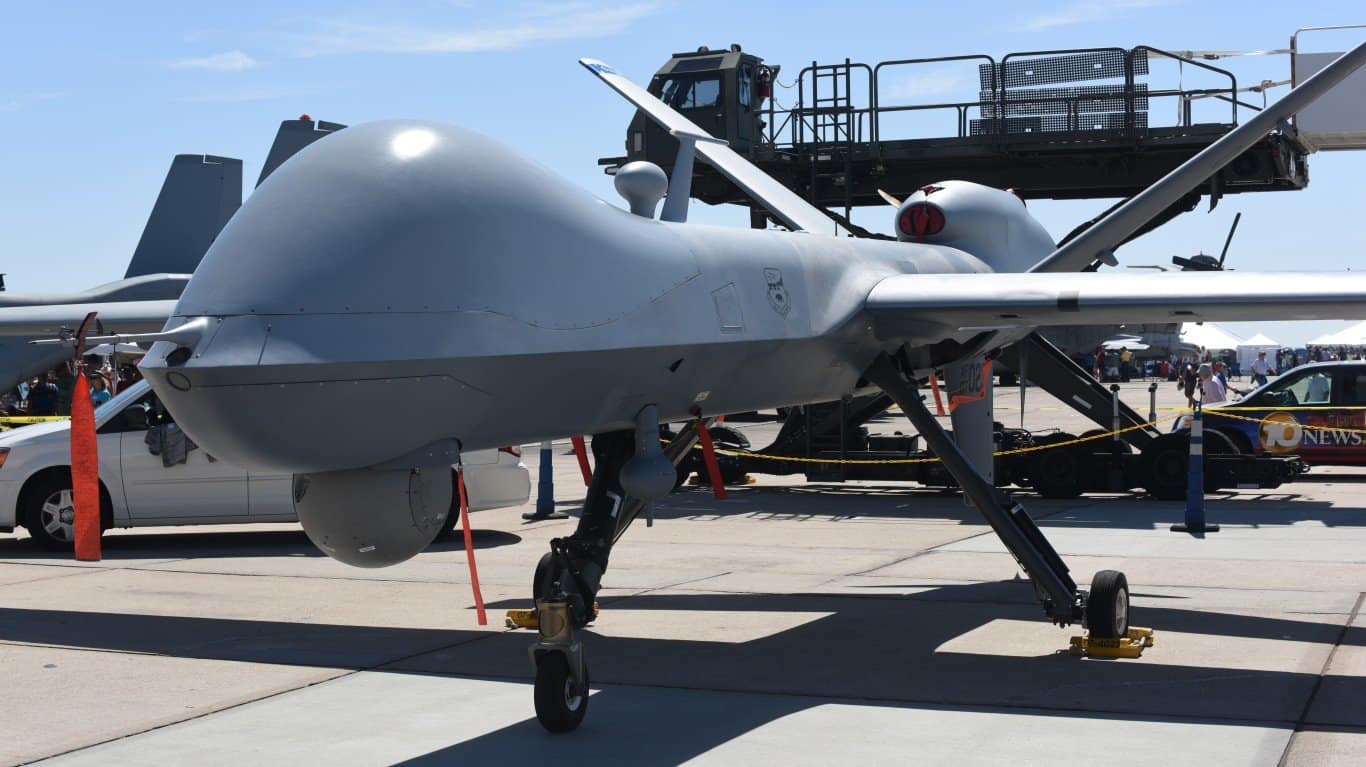
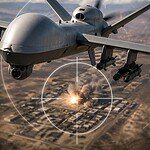
The MQ-9 Reaper enhances coordination by providing persistent surveillance and real-time intelligence. Its ability to remain airborne for extended periods allows it to continuously monitor targets and relay information to other platforms. This ensures that commanders have up-to-date information, enabling faster decision-making. The Reaper also supports precision strikes, allowing for coordinated attacks based on real-time data. Its role in linking surveillance and strike operations makes it a key asset in modern warfare.
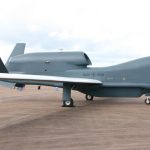
RQ-4 Global Hawk
- Country of Origin: United States
- Aircraft Type: ISR UAV
- Primary Role in Coordination: ISR / surveillance
- Era Introduced: Modern
- Key Coordination Capability: High-altitude wide-area ISR
- Data / Network Integration: ISR data relay
- How It Speeds Up Combat Operations: Extends surveillance across regions
- Doctrine or Warfare Shift Enabled: Global ISR coordination
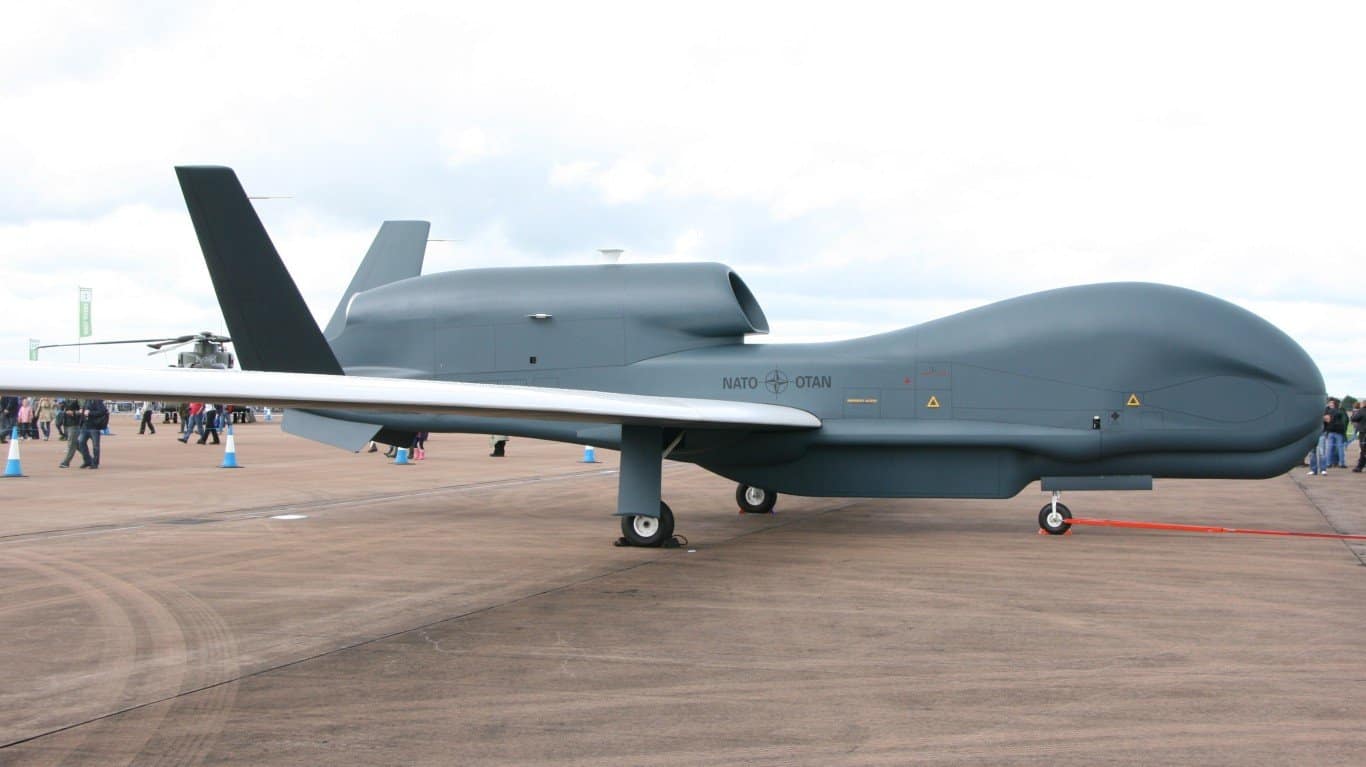
The RQ-4 Global Hawk provides wide-area surveillance, giving commanders a comprehensive view of the battlefield. Its high-altitude operation allows it to cover large regions, extending situational awareness beyond the capabilities of other systems. By delivering real-time data, it enables faster and more informed decision-making. This capability ensures that forces can coordinate operations across vast distances, improving overall effectiveness and responsiveness.
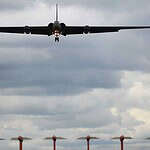
U-2
- Country of Origin: United States
- Aircraft Type: Recon
- Primary Role in Coordination: ISR / surveillance
- Era Introduced: Cold War
- Key Coordination Capability: High-altitude reconnaissance
- Data / Network Integration: ISR data relay
- How It Speeds Up Combat Operations: Provides strategic intelligence quickly
- Doctrine or Warfare Shift Enabled: Strategic ISR doctrine
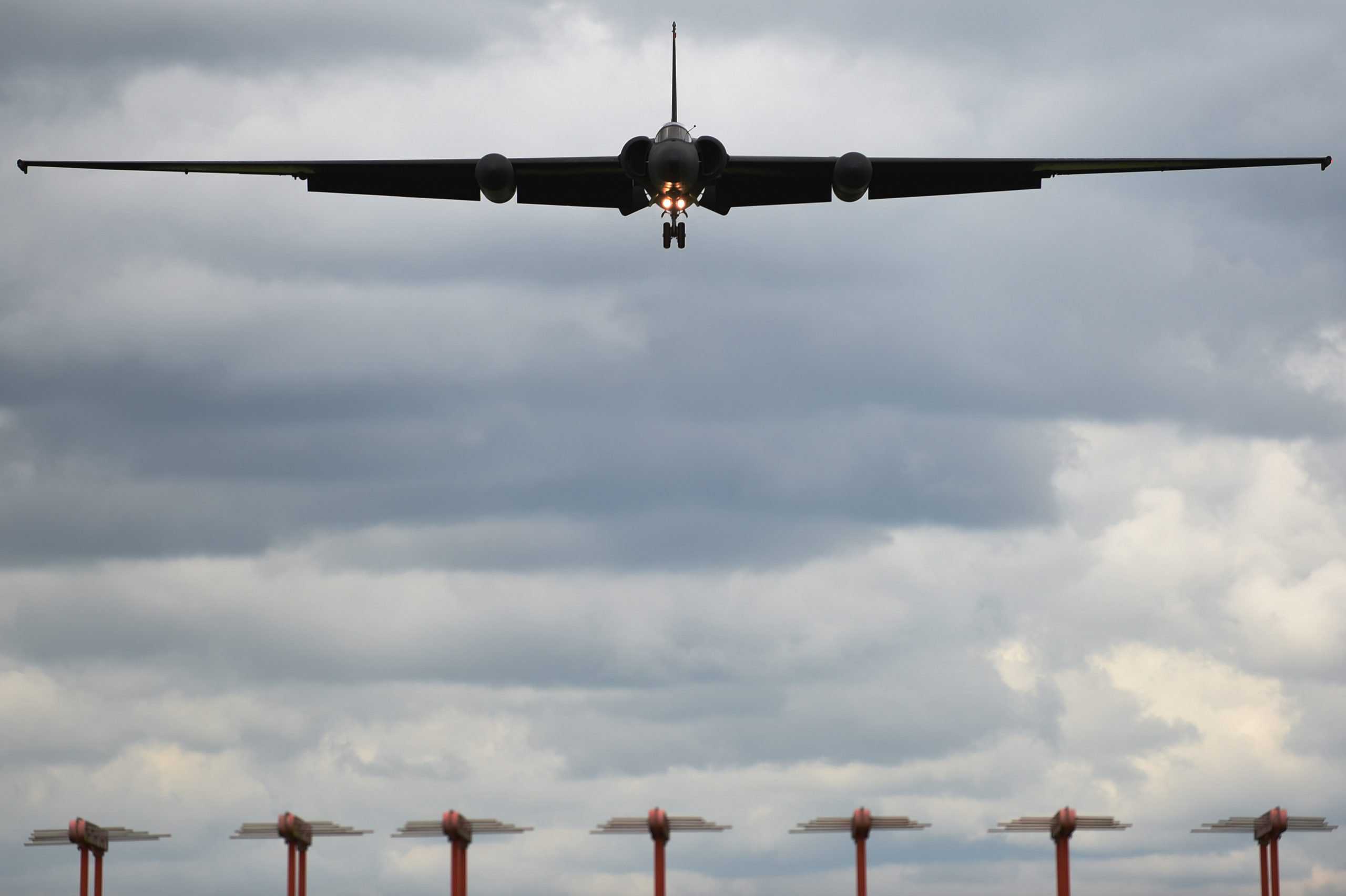
The U-2 provides high-altitude reconnaissance that delivers critical intelligence quickly. Its ability to operate at extreme altitudes allows it to gather information over large areas, supporting strategic decision-making. While older than many modern systems, its role in providing timely intelligence remains vital. By enabling faster access to information, the U-2 helps ensure that operations are coordinated effectively.
F-35 Lightning II
- Country of Origin: Multinational
- Aircraft Type: Fighter
- Primary Role in Coordination: Sensor fusion node
- Era Introduced: Modern
- Key Coordination Capability: Advanced sensor fusion
- Data / Network Integration: Multi-domain integration
- How It Speeds Up Combat Operations: Shares targeting data across platforms
- Doctrine or Warfare Shift Enabled: Network-centric warfare
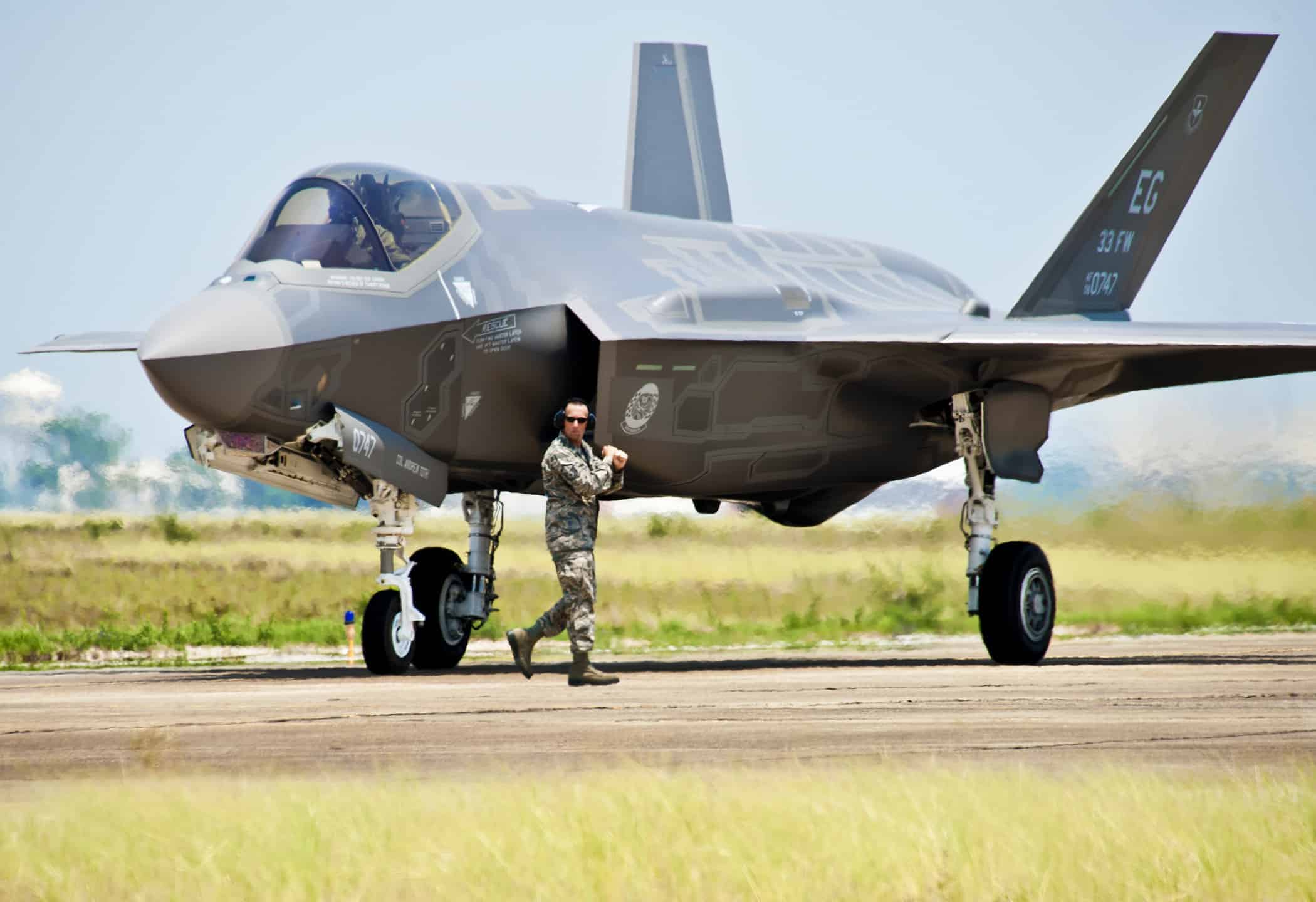
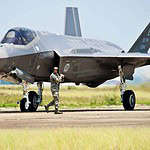
The F-35 represents a major leap in coordinated combat operations through its advanced sensor fusion and data-sharing capabilities. It collects and processes information from multiple sources, creating a detailed picture of the battlefield that can be shared with other platforms. This reduces the time needed to identify and engage targets, enabling faster and more coordinated operations. The F-35 acts as both a sensor and a shooter, enhancing the effectiveness of the entire force.
F-22 Raptor
- Country of Origin: United States
- Aircraft Type: Fighter
- Primary Role in Coordination: Sensor fusion node
- Era Introduced: Modern
- Key Coordination Capability: Stealth sensor integration
- Data / Network Integration: Link 16 (limited)
- How It Speeds Up Combat Operations: Enhances air dominance awareness
- Doctrine or Warfare Shift Enabled: Integrated air combat
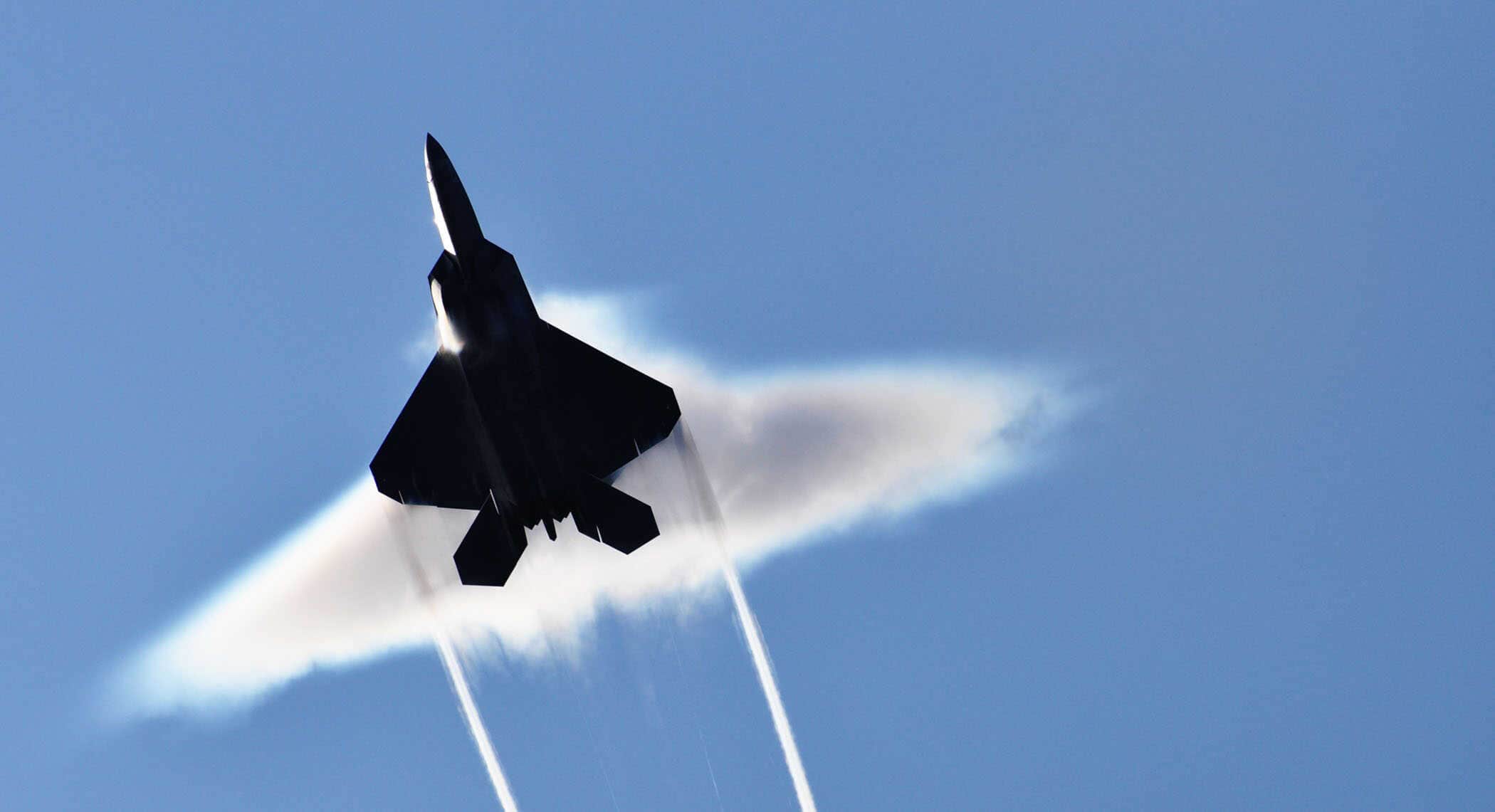
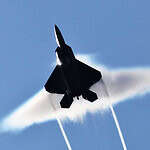
The F-22 enhances coordination by combining stealth with advanced sensors, allowing it to gather and share critical information while maintaining air superiority. Its ability to operate undetected provides valuable intelligence that can be used to guide other aircraft. By integrating with data networks, the F-22 contributes to a more coordinated and effective combat environment. Its role in improving situational awareness and targeting makes it a key asset in modern air combat.
Dassault Rafale
- Country of Origin: France
- Aircraft Type: Fighter
- Primary Role in Coordination: Sensor fusion node
- Era Introduced: Modern
- Key Coordination Capability: Multirole data fusion
- Data / Network Integration: Link 16
- How It Speeds Up Combat Operations: Coordinates strike and air missions
- Doctrine or Warfare Shift Enabled: Multirole integration
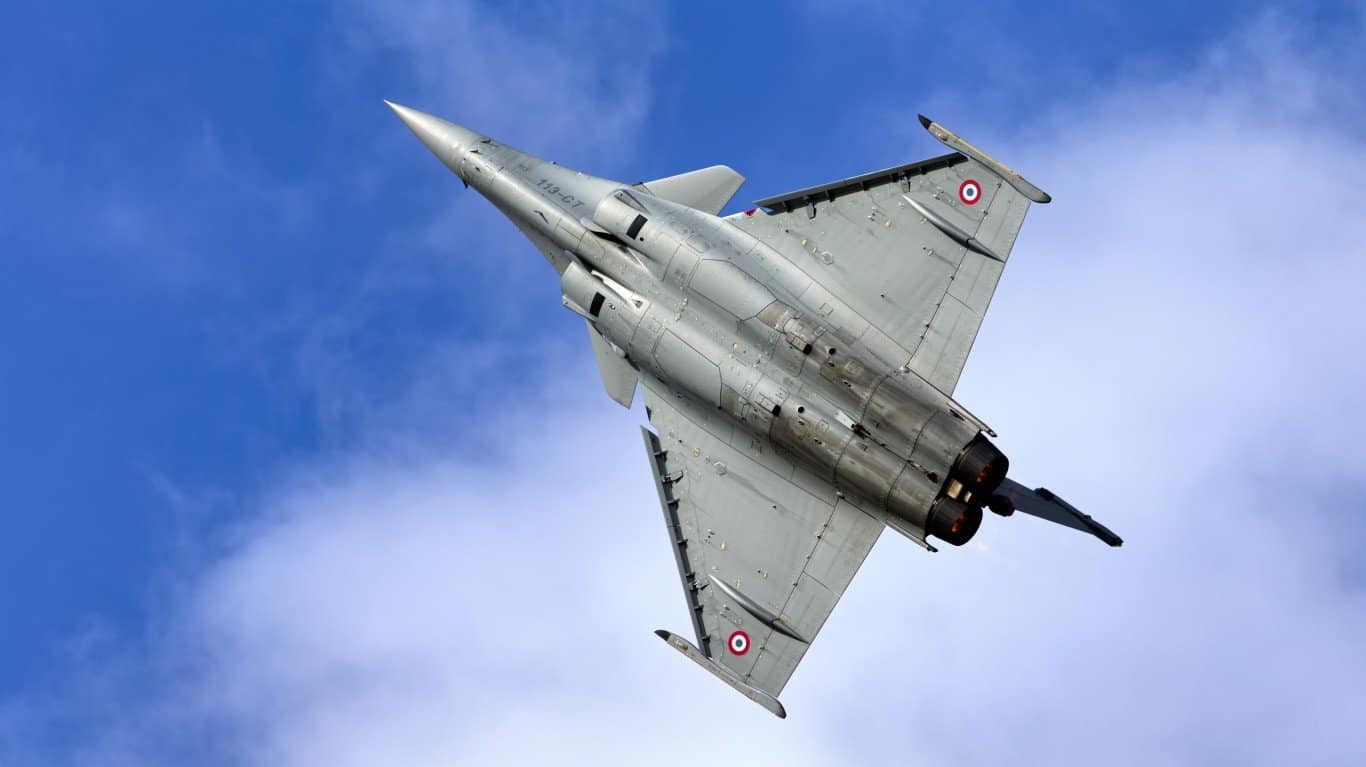
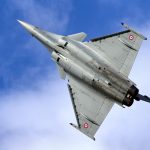
The Rafale improves coordination through its multirole capabilities and advanced data systems, allowing it to perform a variety of missions while sharing information with other platforms. Its ability to integrate into networked operations ensures that it can contribute to coordinated strikes and air defense missions. By combining flexibility with connectivity, the Rafale enhances the speed and effectiveness of combat operations.
Eurofighter Typhoon
- Country of Origin: Multinational
- Aircraft Type: Fighter
- Primary Role in Coordination: Sensor fusion node
- Era Introduced: Modern
- Key Coordination Capability: Networked air combat
- Data / Network Integration: Link 16
- How It Speeds Up Combat Operations: Improves coordinated engagements
- Doctrine or Warfare Shift Enabled: Integrated air operations
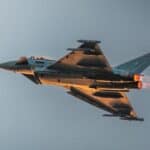
The Eurofighter Typhoon enhances coordinated operations by integrating advanced avionics and data-sharing capabilities. It can quickly exchange information with other aircraft, improving situational awareness and response times. This connectivity allows for more synchronized engagements, where multiple platforms can work together effectively. The Typhoon’s ability to operate as part of a networked force makes it a key contributor to modern air combat.
EA-18G Growler
- Country of Origin: United States
- Aircraft Type: EW Aircraft
- Primary Role in Coordination: Electronic warfare
- Era Introduced: Modern
- Key Coordination Capability: Electronic attack & jamming
- Data / Network Integration: EW network integration
- How It Speeds Up Combat Operations: Disrupts enemy coordination
- Doctrine or Warfare Shift Enabled: Electronic warfare dominance
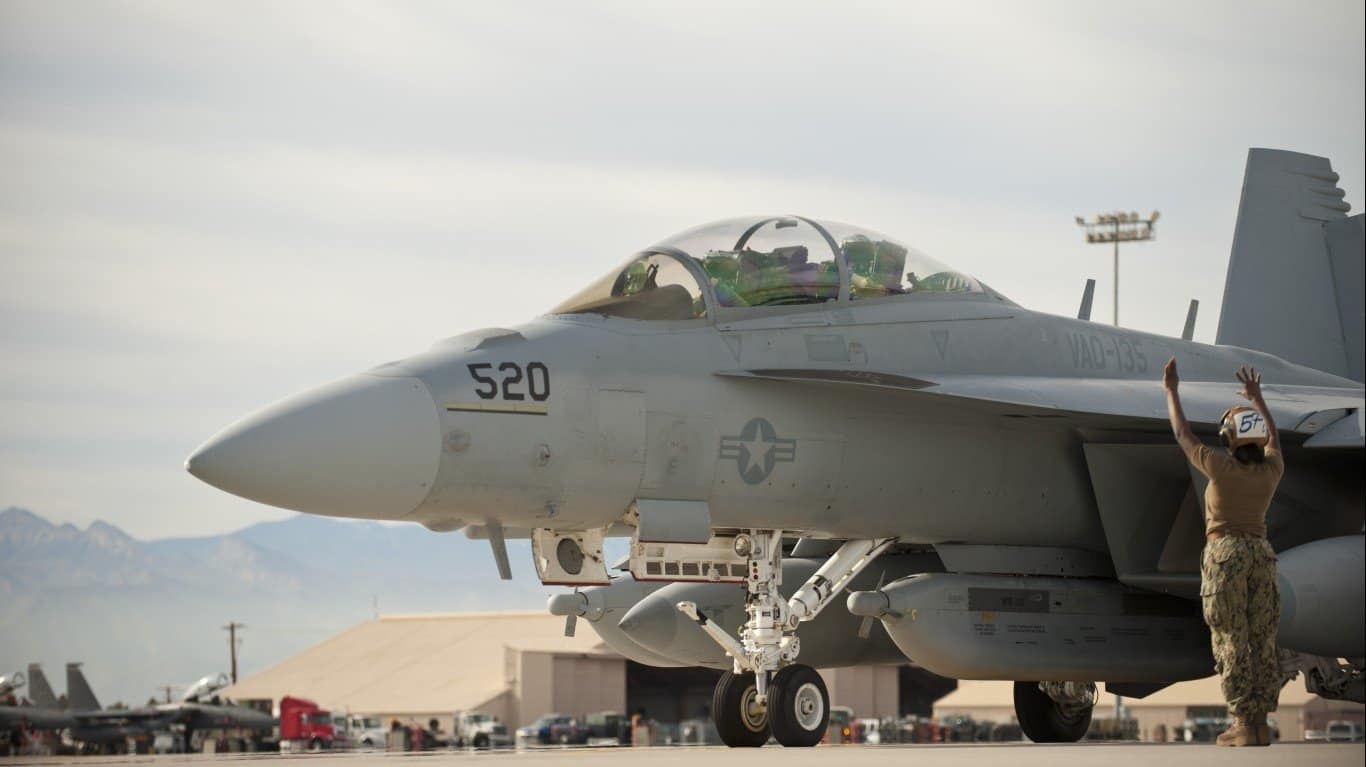
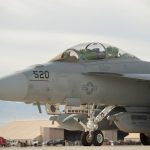
The EA-18G Growler plays a critical role in coordination by disrupting enemy communication and radar systems. By degrading the opponent’s ability to detect and respond, it creates opportunities for friendly forces to operate more effectively. This enhances coordination by ensuring that NATO systems can function without interference. The Growler’s electronic warfare capabilities are essential for maintaining an advantage in modern combat environments.
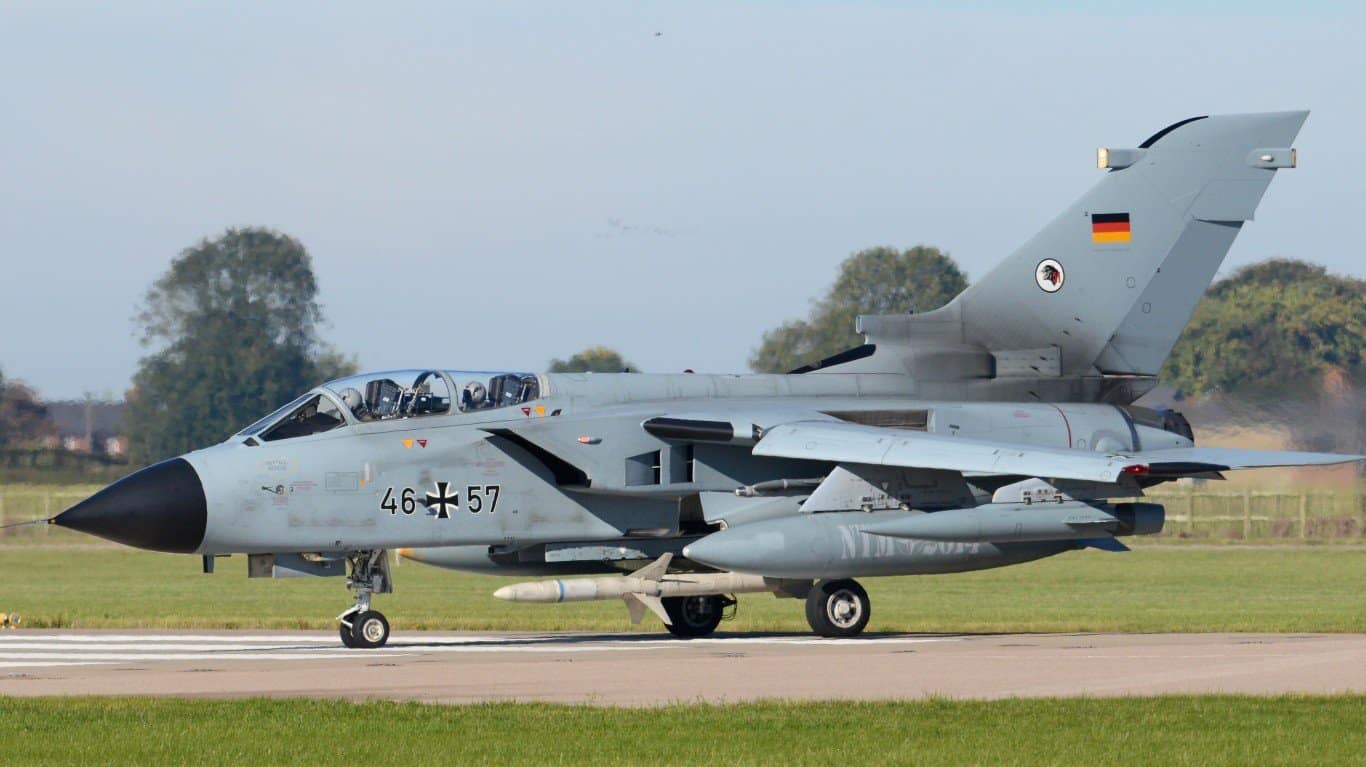
Tornado ECR
- Country of Origin: Germany/Italy
- Aircraft Type: EW Aircraft
- Primary Role in Coordination: Electronic warfare
- Era Introduced: Cold War
- Key Coordination Capability: SEAD capability
- Data / Network Integration: Targeting networks
- How It Speeds Up Combat Operations: Suppresses enemy air defenses
- Doctrine or Warfare Shift Enabled: SEAD doctrine
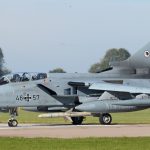
The Tornado ECR enhances coordination by suppressing enemy air defenses, allowing other aircraft to operate more freely. Its ability to target radar systems reduces the threat to friendly forces, enabling more effective coordination of strikes. By clearing the way for other aircraft, it improves the overall efficiency of operations. The Tornado ECR’s role in SEAD missions makes it an important part of coordinated combat strategies.
F-15E Strike Eagle
- Country of Origin: United States
- Aircraft Type: Strike Fighter
- Primary Role in Coordination: Strike coordination
- Era Introduced: Post-Cold War
- Key Coordination Capability: Precision strike integration
- Data / Network Integration: Link 16
- How It Speeds Up Combat Operations: Executes coordinated strike missions
- Doctrine or Warfare Shift Enabled: Precision strike warfare
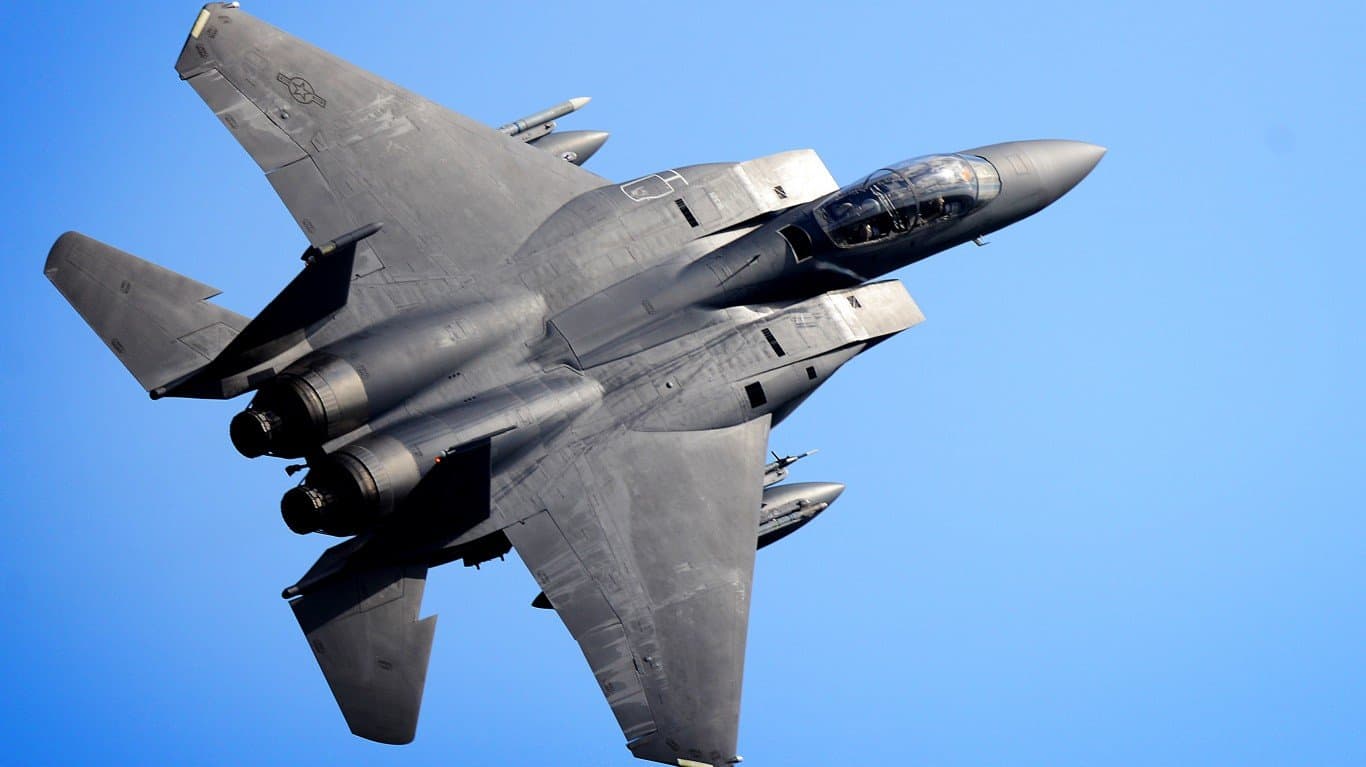
The F-15E Strike Eagle enhances coordination by combining precision strike capabilities with advanced targeting systems. It can quickly engage targets based on real-time data, ensuring that operations remain synchronized. Its ability to operate in various roles allows it to support coordinated missions across different domains. The F-15E’s flexibility and effectiveness make it a key asset in modern combat operations.
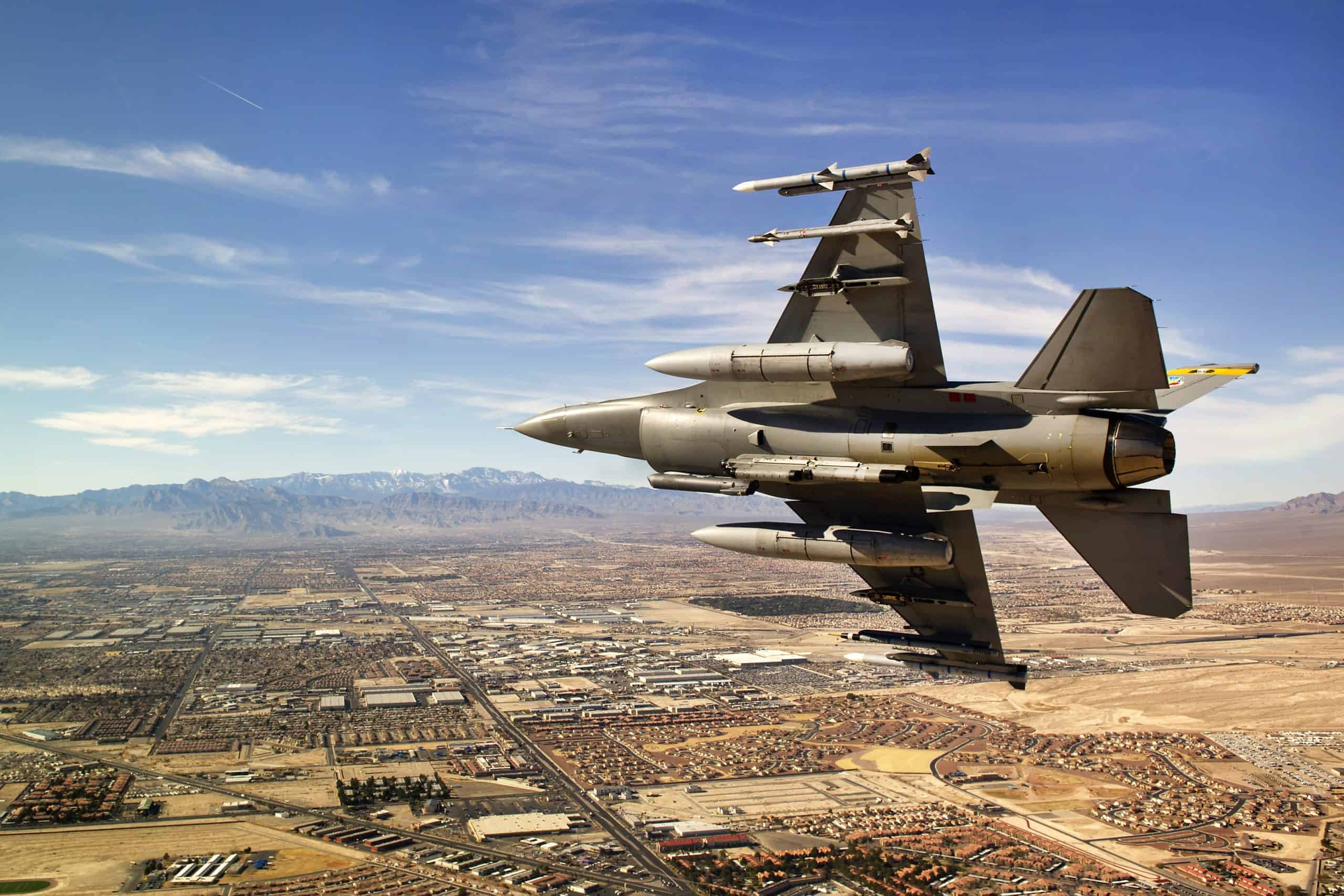
F-16 Fighting Falcon
- Country of Origin: Multinational
- Aircraft Type: Fighter
- Primary Role in Coordination: Strike coordination
- Era Introduced: Cold War
- Key Coordination Capability: Multirole coordination
- Data / Network Integration: Link 16
- How It Speeds Up Combat Operations: Supports coordinated operations
- Doctrine or Warfare Shift Enabled: Multirole doctrine
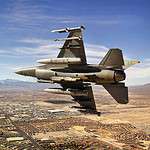
The F-16 contributes to coordinated operations through its multirole capabilities and widespread use across NATO forces. Its integration with data networks allows it to share information and participate in synchronized missions. This ensures that operations can be conducted efficiently across multiple units. The F-16’s versatility and connectivity make it a reliable component of coordinated combat operations.
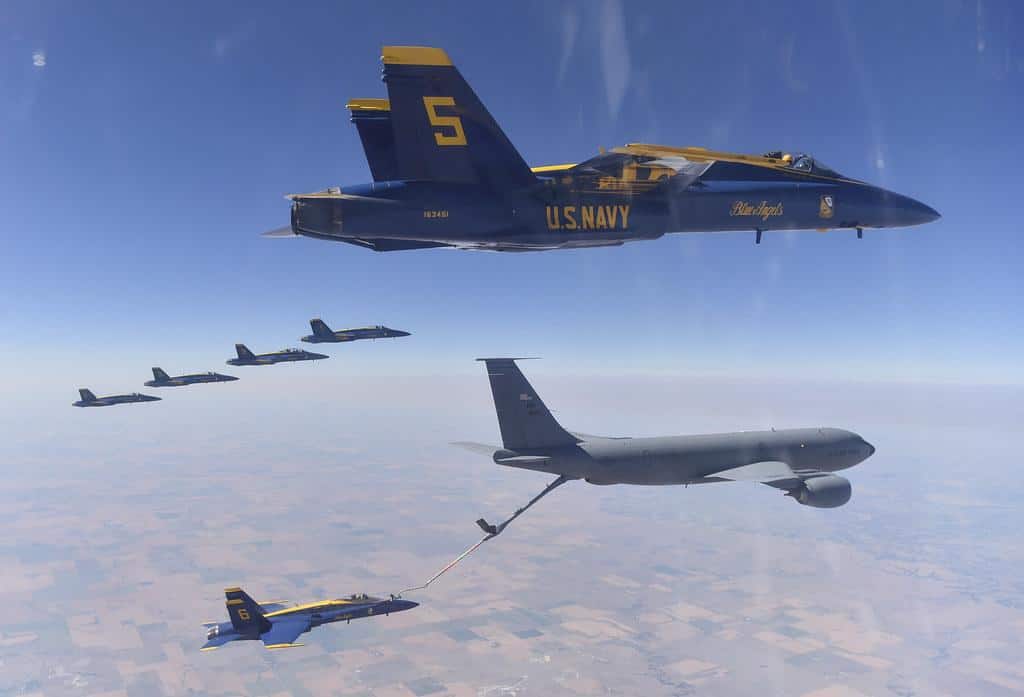
KC-135 Stratotanker
- Country of Origin: United States
- Aircraft Type: Tanker
- Primary Role in Coordination: Logistics / tempo support
- Era Introduced: Cold War
- Key Coordination Capability: Aerial refueling
- Data / Network Integration: Mission integration
- How It Speeds Up Combat Operations: Keeps aircraft in combat longer
- Doctrine or Warfare Shift Enabled: High-tempo operations
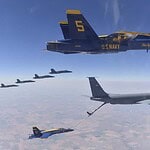
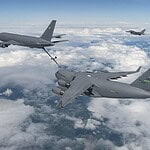
The KC-135 enables coordinated operations by extending the range and endurance of combat aircraft. By providing aerial refueling, it allows aircraft to remain in the fight longer and maintain continuous presence over the battlefield. This capability ensures that operations can be sustained without interruption. The KC-135 plays a vital role in maintaining the tempo of coordinated missions.
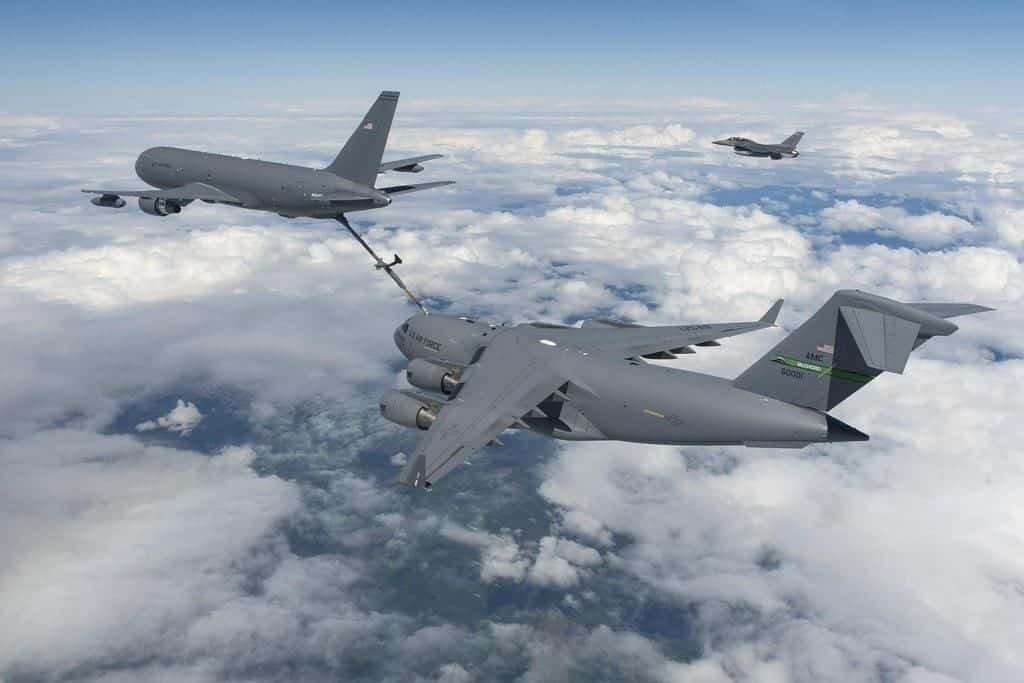
KC-46 Pegasus
- Country of Origin: United States
- Aircraft Type: Tanker
- Primary Role in Coordination: Logistics / tempo support
- Era Introduced: Modern
- Key Coordination Capability: Advanced refueling systems
- Data / Network Integration: Network-enabled
- How It Speeds Up Combat Operations: Extends mission duration
- Doctrine or Warfare Shift Enabled: Sustained operations
The KC-46 enhances coordination by providing modern aerial refueling capabilities along with improved communication systems. It supports extended operations by keeping aircraft airborne longer, ensuring continuous coverage. Its integration with modern networks allows it to contribute to coordinated efforts. The KC-46’s capabilities help maintain the flow of operations in complex combat scenarios.
C-17 Globemaster III
- Country of Origin: United States
- Aircraft Type: Airlift
- Primary Role in Coordination: Logistics / tempo support
- Era Introduced: Post-Cold War
- Key Coordination Capability: Rapid global transport
- Data / Network Integration: Command coordination
- How It Speeds Up Combat Operations: Deploys forces quickly
- Doctrine or Warfare Shift Enabled: Expeditionary warfare
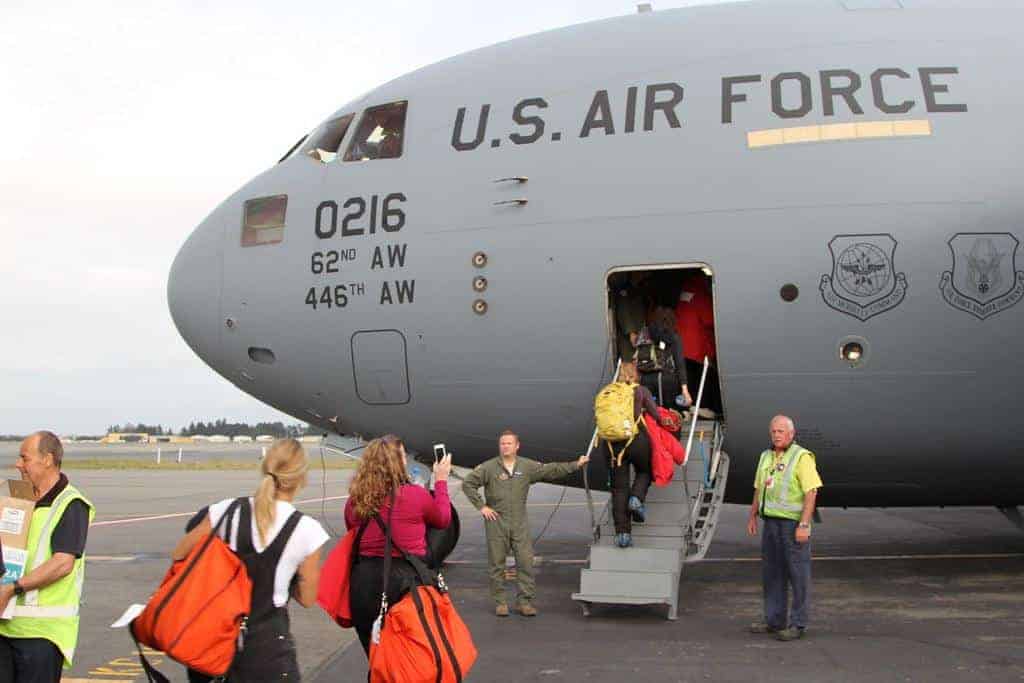
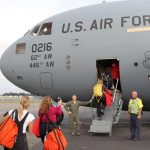
The C-17 supports coordinated operations by enabling rapid deployment of forces and equipment. Its ability to deliver resources quickly ensures that operations can be synchronized across different locations. By reducing the time needed to move forces, it enhances overall responsiveness. The C-17 plays a key role in ensuring that coordinated operations can be sustained over time.
AC-130 Ghostrider
- Country of Origin: United States
- Aircraft Type: Gunship
- Primary Role in Coordination: Strike coordination
- Era Introduced: Modern
- Key Coordination Capability: Close air support integration
- Data / Network Integration: ISR linkage
- How It Speeds Up Combat Operations: Coordinates precision fire support
- Doctrine or Warfare Shift Enabled: Special operations doctrine
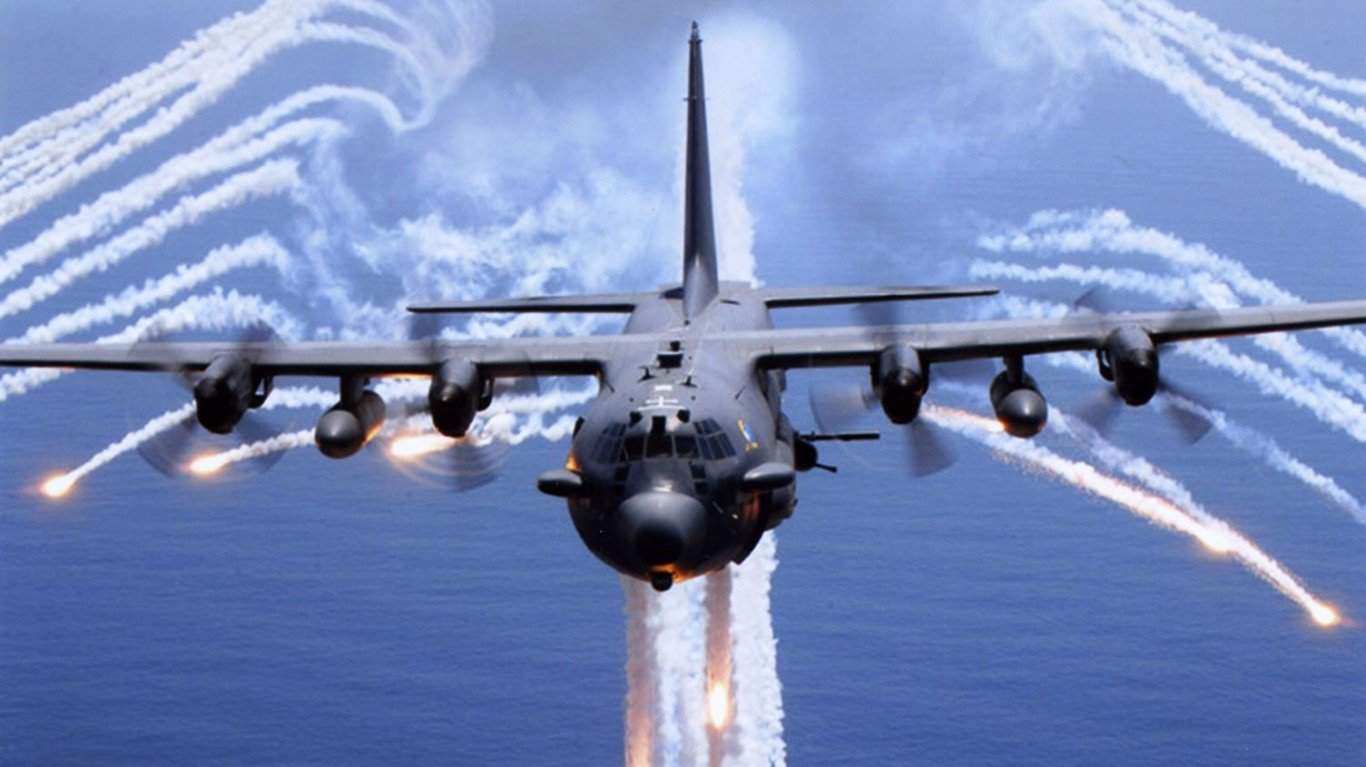
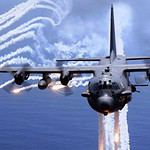
The AC-130 Ghostrider enhances coordination by providing precise fire support based on real-time intelligence. Its ability to integrate with ISR platforms allows it to deliver accurate and timely strikes. This ensures that ground forces receive immediate support when needed. The AC-130’s role in close air support makes it a valuable asset in coordinated combat operations.
MC-12W Liberty
- Country of Origin: United States
- Aircraft Type: ISR Aircraft
- Primary Role in Coordination: ISR / surveillance
- Era Introduced: Modern
- Key Coordination Capability: Tactical ISR
- Data / Network Integration: Data relay
- How It Speeds Up Combat Operations: Provides real-time battlefield intel
- Doctrine or Warfare Shift Enabled: Tactical ISR integration
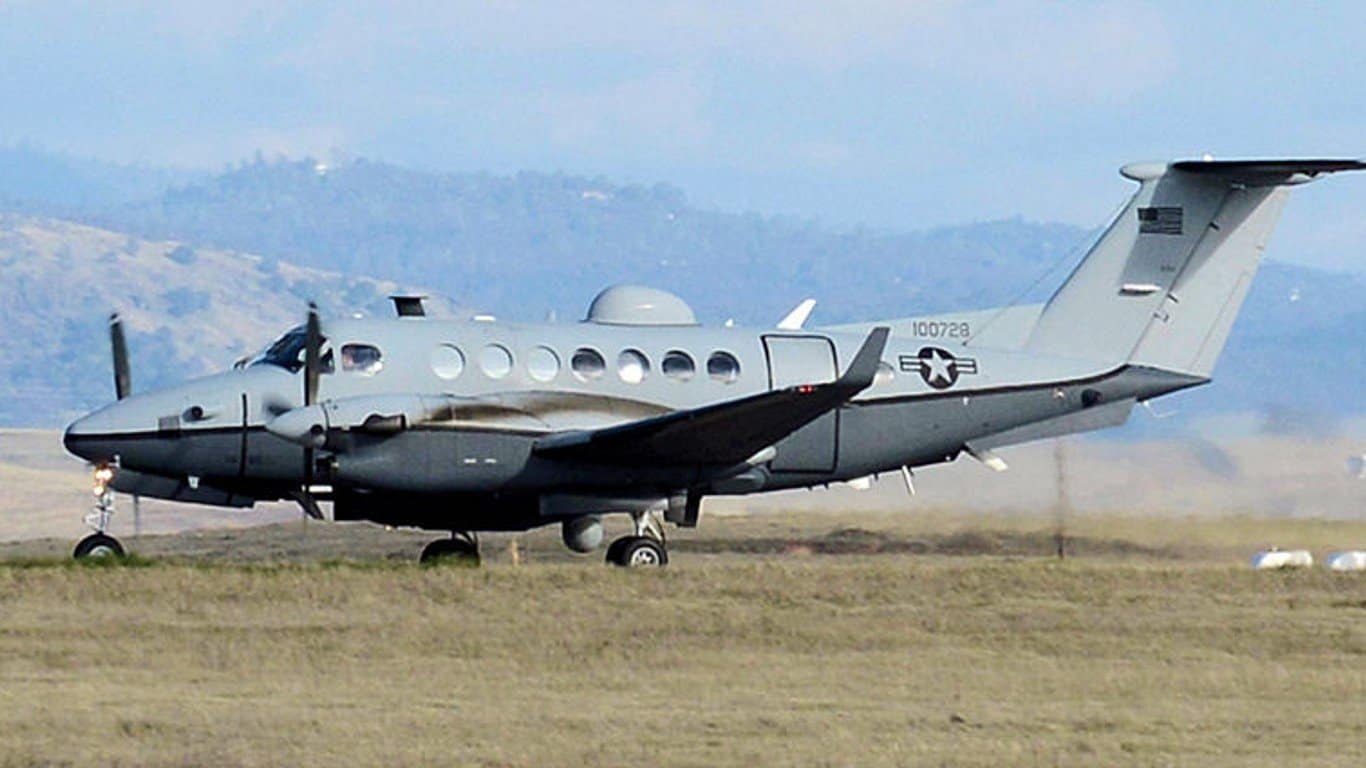
The MC-12W Liberty improves coordination by providing real-time intelligence to ground and air forces. Its ability to relay information quickly ensures that operations remain synchronized. This capability allows commanders to make informed decisions based on current data. The MC-12W plays a key role in enhancing situational awareness and coordination.
MC-130J Commando II
- Country of Origin: United States
- Aircraft Type: Special Ops
- Primary Role in Coordination: Logistics / coordination
- Era Introduced: Modern
- Key Coordination Capability: Special ops insertion
- Data / Network Integration: Mission integration
- How It Speeds Up Combat Operations: Coordinates special operations
- Doctrine or Warfare Shift Enabled: Special operations support
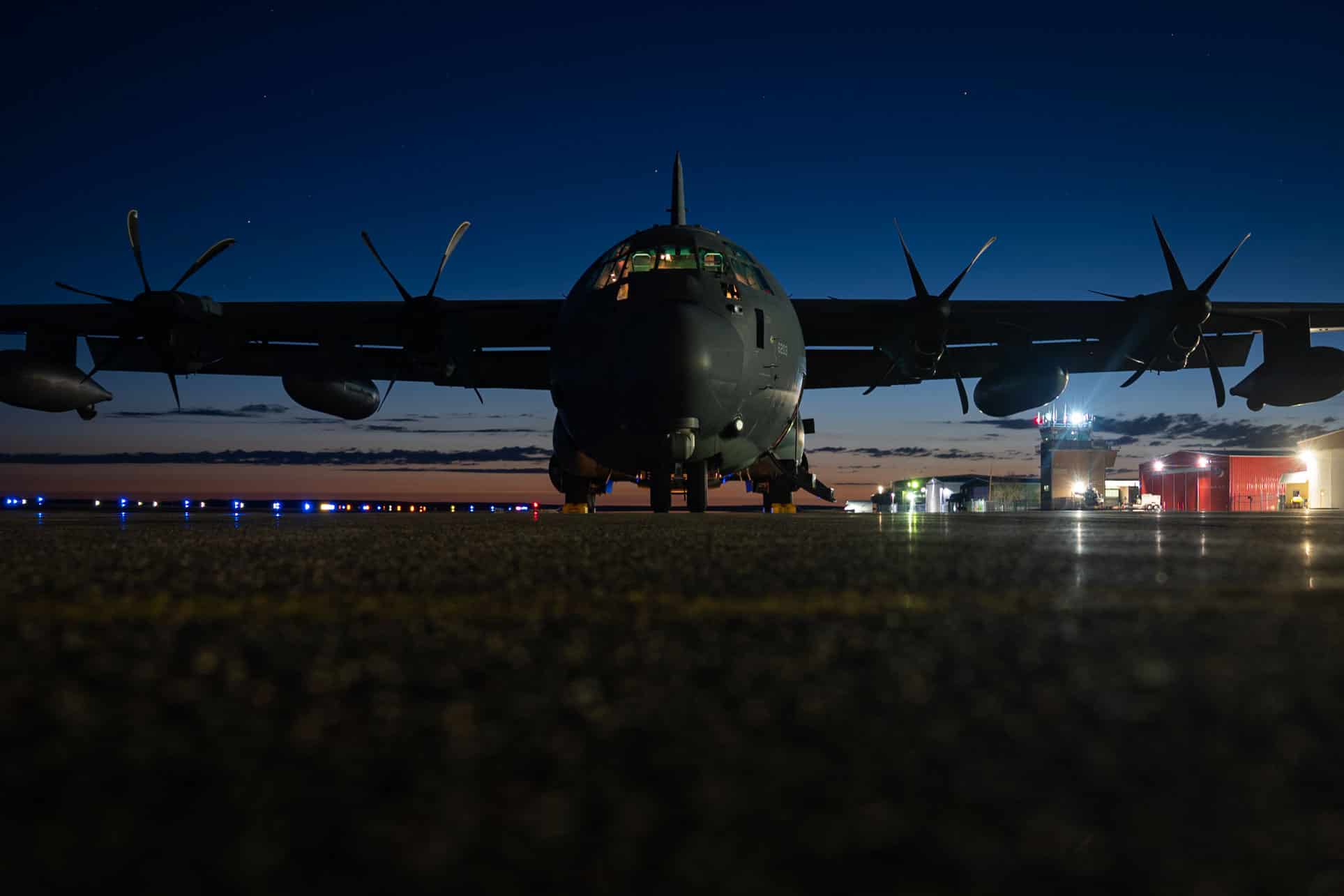
The MC-130J Commando II enhances coordination by supporting special operations missions with precision and speed. Its ability to insert and extract forces quickly ensures that operations can be conducted efficiently. By integrating with other systems, it helps maintain synchronization across missions. The MC-130J’s role in special operations makes it a critical component of coordinated combat efforts.
The image featured at the top of this post is ©my_public_domain_photos / Flickr