












The Advanced Military Systems Built for Precision Strikes in High-Risk Missions
Not every strike happens in a controlled or low-risk setting. The systems that matter most today are built for the toughest conditions, whether that means operating inside dense air defenses, navigating complex terrain, or hitting targets where there’s no room for error. At their core, these platforms are designed to do one thing well: deliver precision when everything is working against them. In this slideshow, History Computer takes a closer look at the systems built for exactly that.
To identify the military systems designed for precision strikes in high-risk environments, History Computer reviewed a range of historical and military sources. Each system includes key details like its primary strike role, the type of high-risk environment it operates in, the method of precision it uses, and the capabilities that make it effective in real-world scenarios.
Understanding these systems highlights how modern warfare increasingly prioritizes accuracy, survivability, and control under extreme conditions. As air defenses grow more advanced and battlefields become more complex, militaries rely on technologies that can operate in contested spaces and deliver precise results with minimal collateral damage. These systems play a critical role in achieving strategic objectives without prolonged engagements, reflecting a broader shift toward targeted, intelligence-driven operations where timing and accuracy matter most.
Here is a look at the military systems designed for precision strikes in high-risk environments:
Precision in the Most Dangerous Conditions
Not all military strikes occur in permissive environments. Many take place in high-risk zones defined by dense air defense systems, complex urban terrain, and contested airspace where threats are constant and unpredictable. In these conditions, success depends not just on firepower, but on the ability to deliver precise effects under pressure. The systems designed for these missions must operate with accuracy and reliability, where even small errors can have significant consequences.
Getting Through the Defenses
Modern air defense systems have made it increasingly difficult for traditional strike platforms to operate safely. To overcome these challenges, militaries rely on stealth technology, standoff weapons, and electronic warfare to penetrate or bypass defenses. These capabilities allow strike systems to survive long enough to reach their targets. In high-risk environments, the ability to access the battlefield is just as critical as the ability to strike accurately.
Accuracy Reduces Risk
Precision has become a central requirement in modern strike operations, particularly in environments where civilian infrastructure and non-combatants are present. Advanced guidance systems ensure that munitions hit their intended targets with minimal deviation, reducing collateral damage and increasing mission effectiveness. As the margin for error continues to shrink, accuracy is no longer just an advantage—it is a necessity.
Real-Time Targeting Changes Everything
Targets in high-risk environments are often dynamic, capable of moving, hiding, or changing position quickly. To address this, modern systems integrate intelligence, surveillance, and reconnaissance capabilities with real-time data links and advanced sensors. This allows operators to adjust targeting decisions as conditions evolve. Loitering munitions and persistent surveillance platforms further enhance this capability by enabling strikes at the most optimal moment.
The Future of Precision Strike
Emerging technologies are pushing precision strike capabilities even further, with artificial intelligence, autonomous systems, and hypersonic weapons leading the way. These innovations reduce the time required to identify and engage targets, increasing the speed and effectiveness of operations. As these systems continue to develop, precision strike will become more adaptive and integrated, capable of operating in increasingly complex and contested environments.
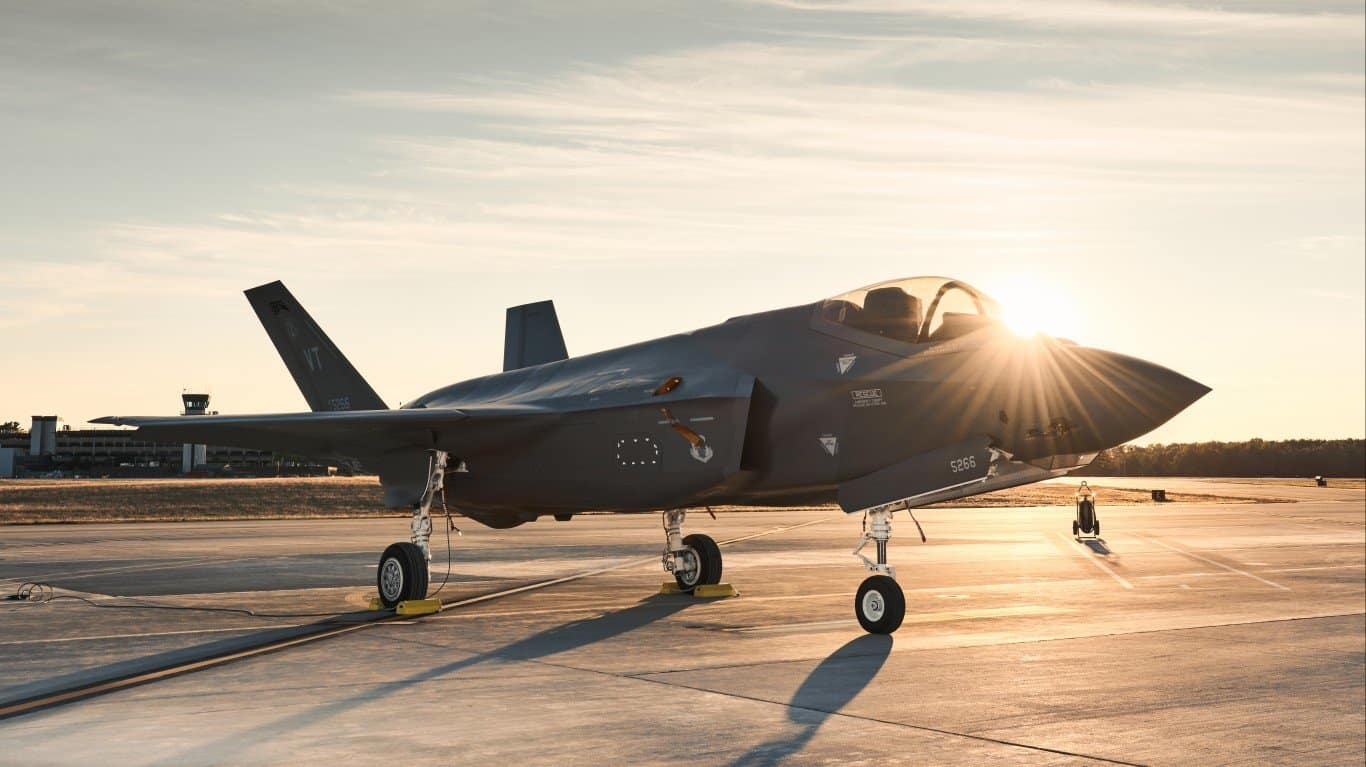
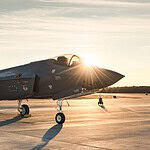
F-35 Lightning II
- System Type: Aircraft
- Primary Strike Role: Multirole strike
- High-Risk Environment Type: Contested airspace
- Precision Method: Sensor fusion + GPS/laser
- Stand-off / Survivability Feature: Stealth
- Key Capability: Networked targeting
- Operational Advantage in High-Risk Missions: Penetrates defended zones
- Why It’s Used in Precision Strike Operations: Core stealth strike platform
The F-35 is designed to conduct precision strikes in heavily defended airspace where traditional aircraft would be at risk. Its stealth capabilities, combined with advanced sensor fusion, allow it to detect and engage targets with high accuracy while remaining difficult to track. This enables planners to execute missions in contested environments with reduced exposure and increased confidence in strike success.
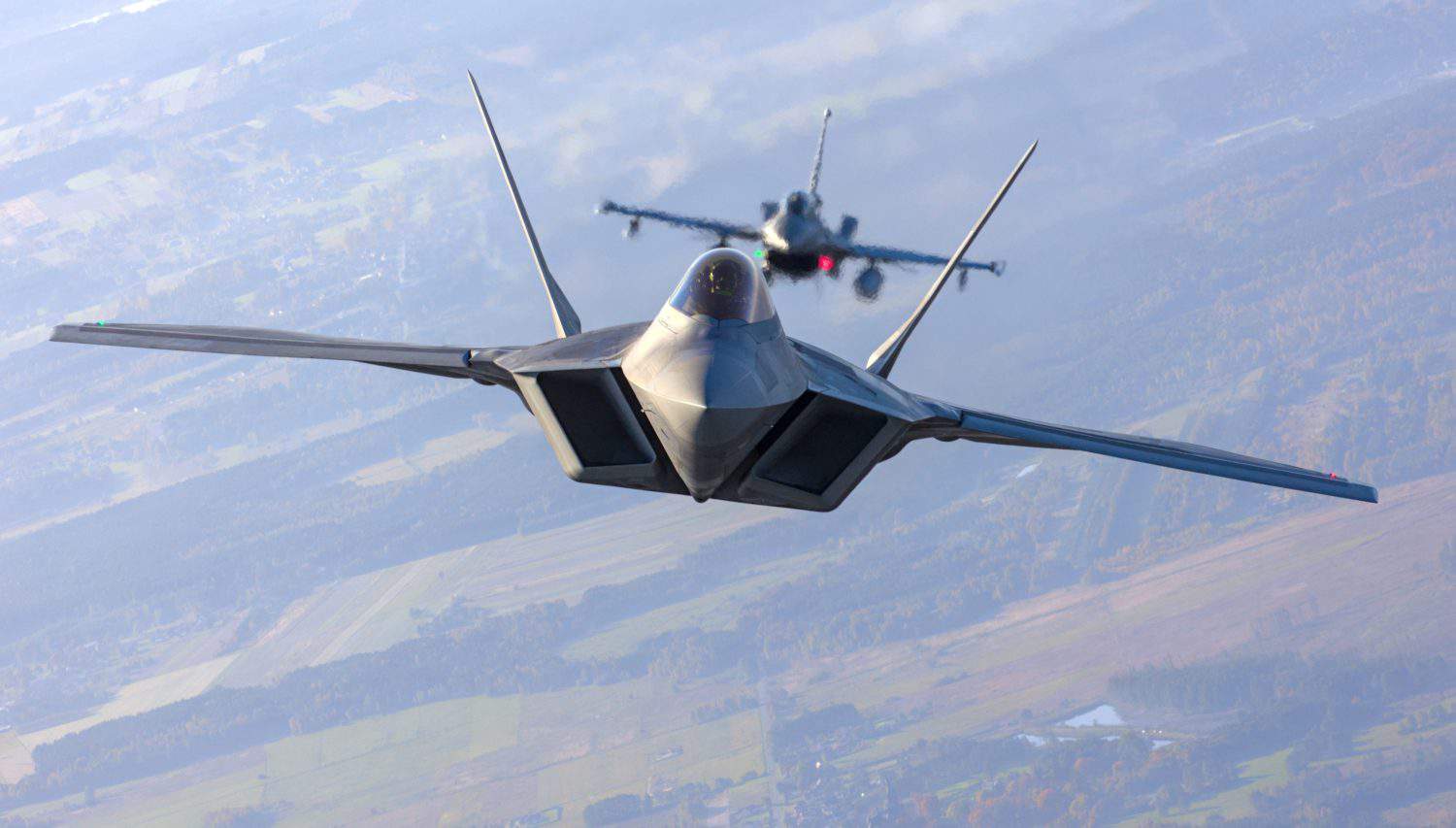
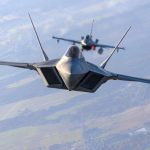
F-22 Raptor
- System Type: Aircraft
- Primary Strike Role: Precision strike
- High-Risk Environment Type: Contested airspace
- Precision Method: Advanced avionics
- Stand-off / Survivability Feature: Stealth
- Key Capability: Air dominance
- Operational Advantage in High-Risk Missions: Clears airspace for strikes
- Why It’s Used in Precision Strike Operations: Enables precision access
While primarily an air superiority platform, the F-22 plays a critical role in enabling precision strikes by securing contested airspace. Its stealth and advanced avionics allow it to operate undetected, ensuring that other strike systems can reach their targets. This capability makes it essential in high-risk environments where control of the air is uncertain.
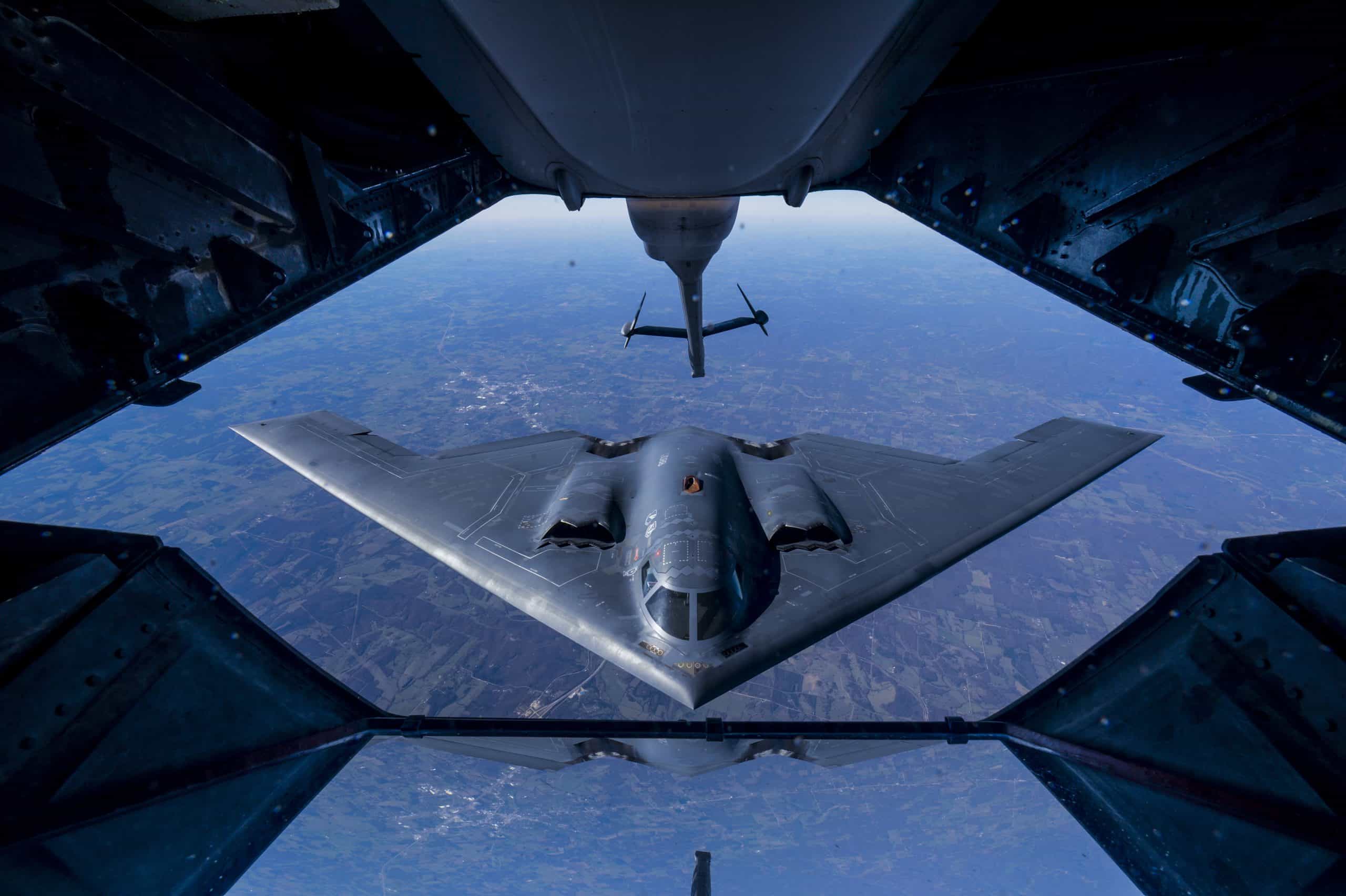
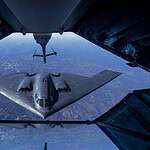
B-2 Spirit
- System Type: Aircraft
- Primary Strike Role: Deep strike
- High-Risk Environment Type: Heavy air defense
- Precision Method: GPS-guided
- Stand-off / Survivability Feature: Stealth
- Key Capability: Long-range penetration
- Operational Advantage in High-Risk Missions: Low detection
- Why It’s Used in Precision Strike Operations: Strategic stealth bomber
The B-2 Spirit is built for deep penetration missions, delivering precision-guided munitions in heavily defended areas. Its stealth design allows it to bypass sophisticated air defense systems, making it a key asset for high-value target elimination. This capability enables strategic strikes with minimal risk.
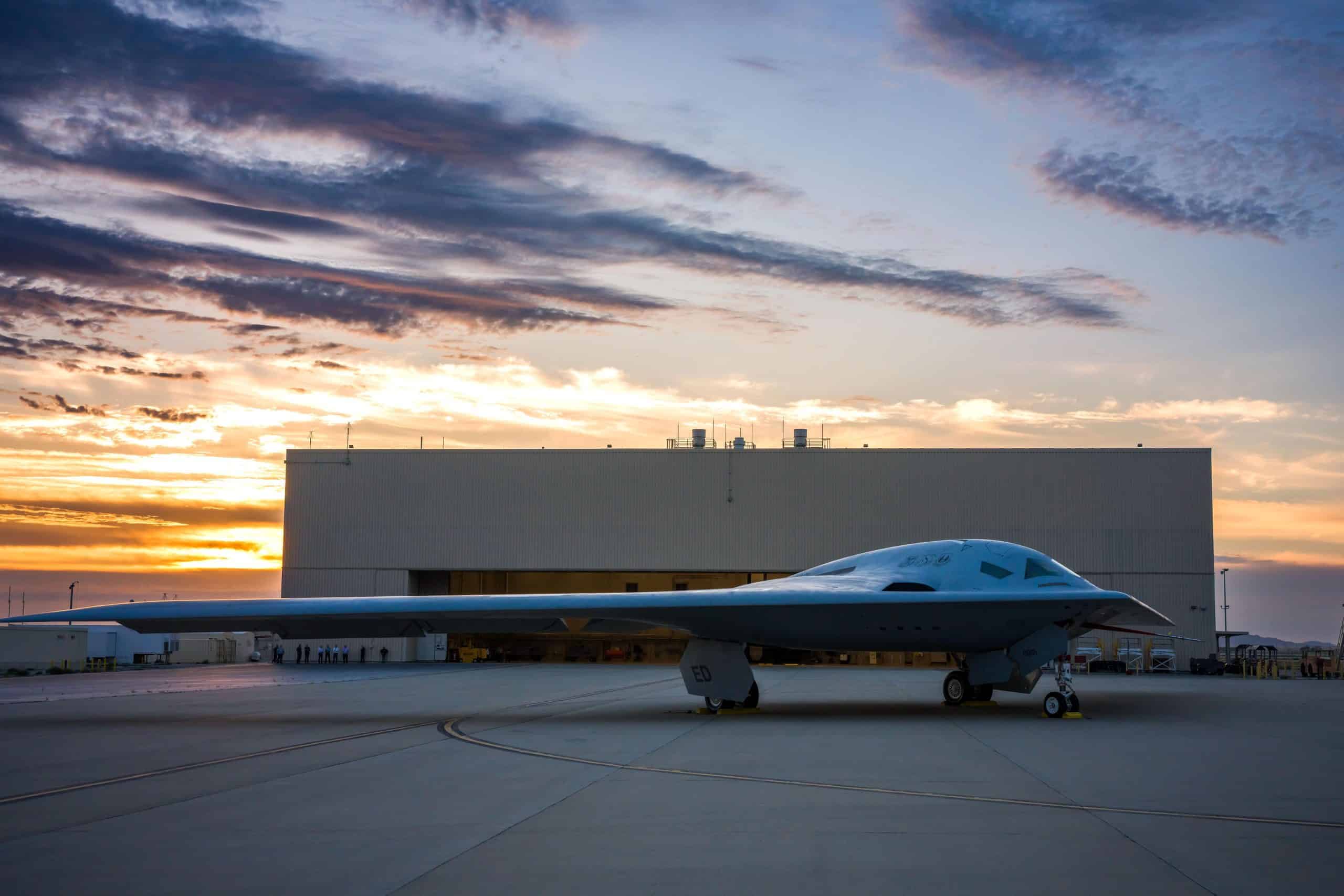
B-21 Raider
- System Type: Aircraft
- Primary Strike Role: Deep strike
- High-Risk Environment Type: Contested airspace
- Precision Method: Advanced targeting
- Stand-off / Survivability Feature: Stealth
- Key Capability: Next-gen systems
- Operational Advantage in High-Risk Missions: Future penetration
- Why It’s Used in Precision Strike Operations: Next-gen strike backbone
The B-21 Raider represents the next generation of stealth strike capability, designed to operate in the most contested environments. Its advanced systems allow for precise targeting and survivability against modern defenses. As a future backbone of strategic strike operations, it will enable missions that demand both accuracy and stealth.
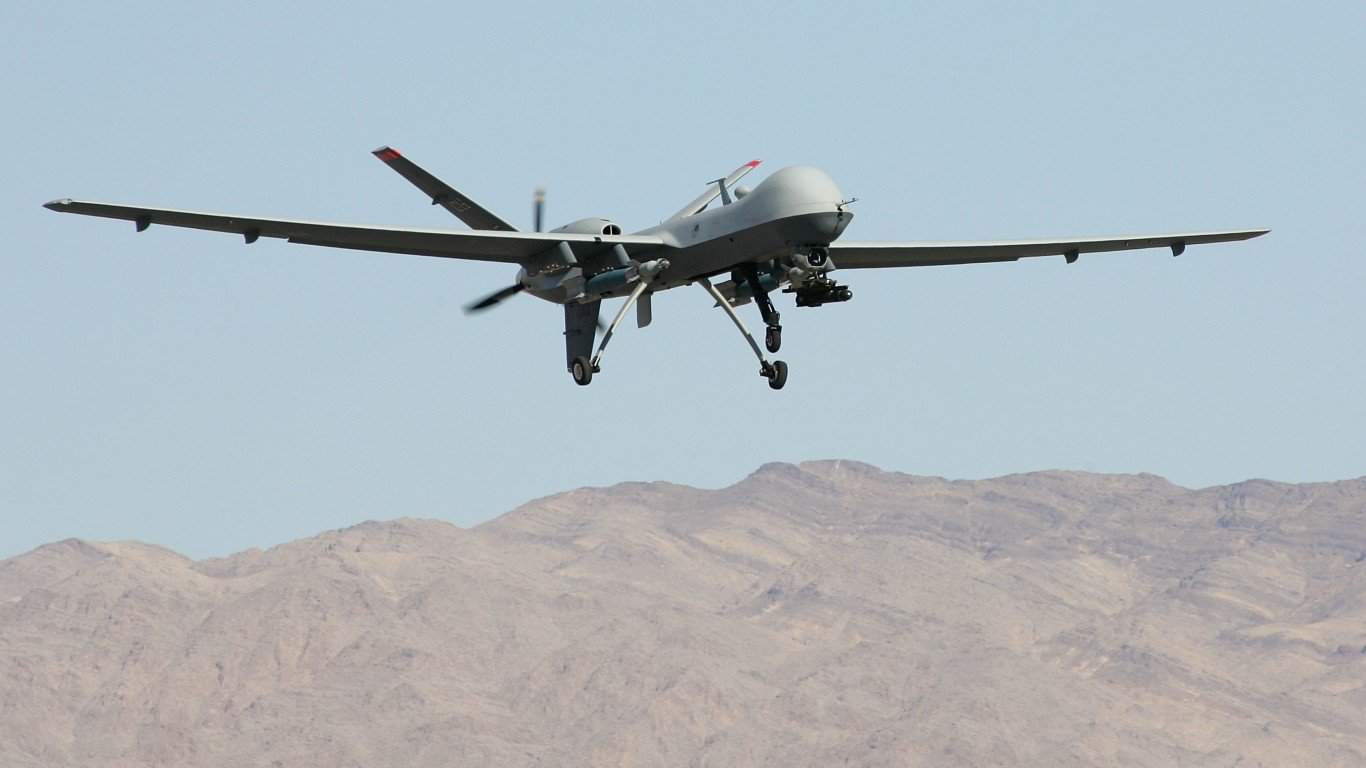
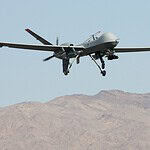
MQ-9 Reaper
- System Type: Drone
- Primary Strike Role: ISR/strike
- High-Risk Environment Type: Urban / contested
- Precision Method: Laser/GPS
- Stand-off / Survivability Feature: Remote operation
- Key Capability: Persistent ISR
- Operational Advantage in High-Risk Missions: Real-time targeting
- Why It’s Used in Precision Strike Operations: High-demand strike drone
The MQ-9 Reaper provides persistent surveillance and precision strike capabilities, allowing operators to monitor targets and engage them at the optimal moment. Its ability to remain on station for extended periods reduces uncertainty and ensures accurate targeting. This makes it invaluable in complex environments.
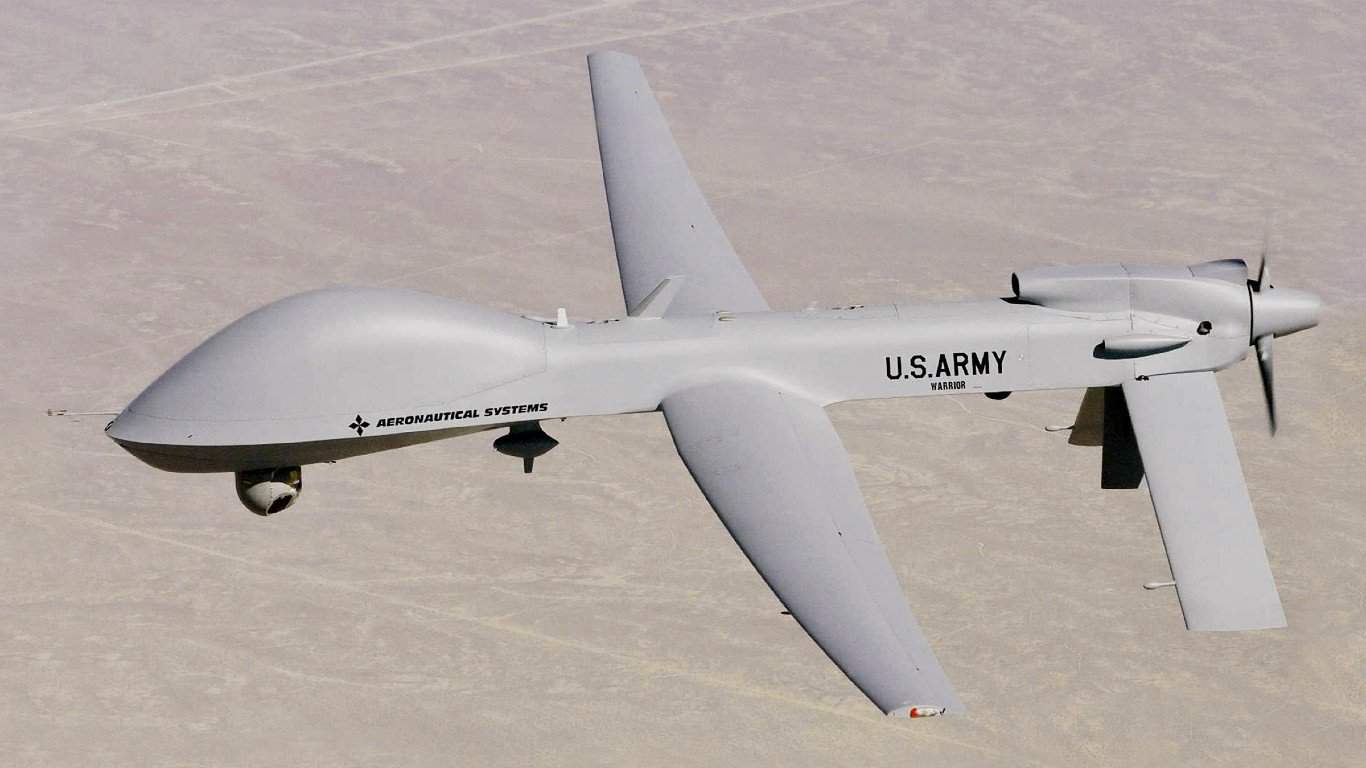
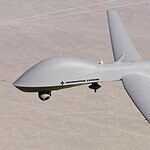
MQ-1C Gray Eagle
- System Type: Drone
- Primary Strike Role: Recon/strike
- High-Risk Environment Type: Contested
- Precision Method: Laser/GPS
- Stand-off / Survivability Feature: Remote
- Key Capability: Long endurance
- Operational Advantage in High-Risk Missions: Continuous coverage
- Why It’s Used in Precision Strike Operations: Supports ground ops
The MQ-1C Gray Eagle extends ISR and strike capabilities to ground forces, providing real-time intelligence and precision engagement. Its endurance allows for continuous monitoring, enabling timely and accurate strikes. This supports operations in contested environments.
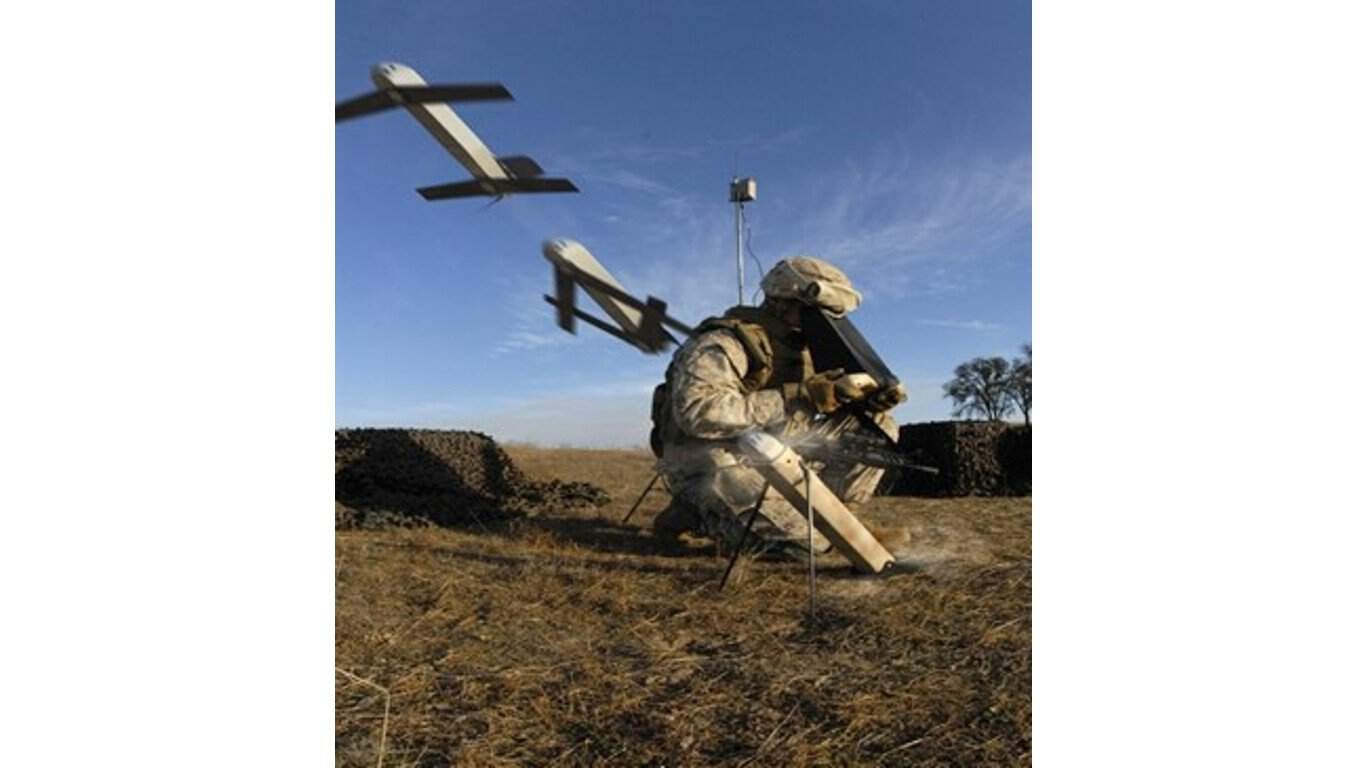
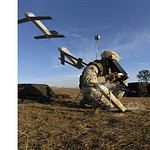
Switchblade 600
- System Type: Loitering munition
- Primary Strike Role: Anti-armor
- High-Risk Environment Type: Urban / contested
- Precision Method: Electro-optical
- Stand-off / Survivability Feature: Loitering
- Key Capability: Portable strike
- Operational Advantage in High-Risk Missions: Low collateral
- Why It’s Used in Precision Strike Operations: Infantry precision strike
The Switchblade 600 allows small units to conduct precision strikes against armored targets without exposing themselves to danger. Its loitering capability enables operators to wait for the right moment to engage, ensuring accuracy and reducing collateral damage. This flexibility is critical.
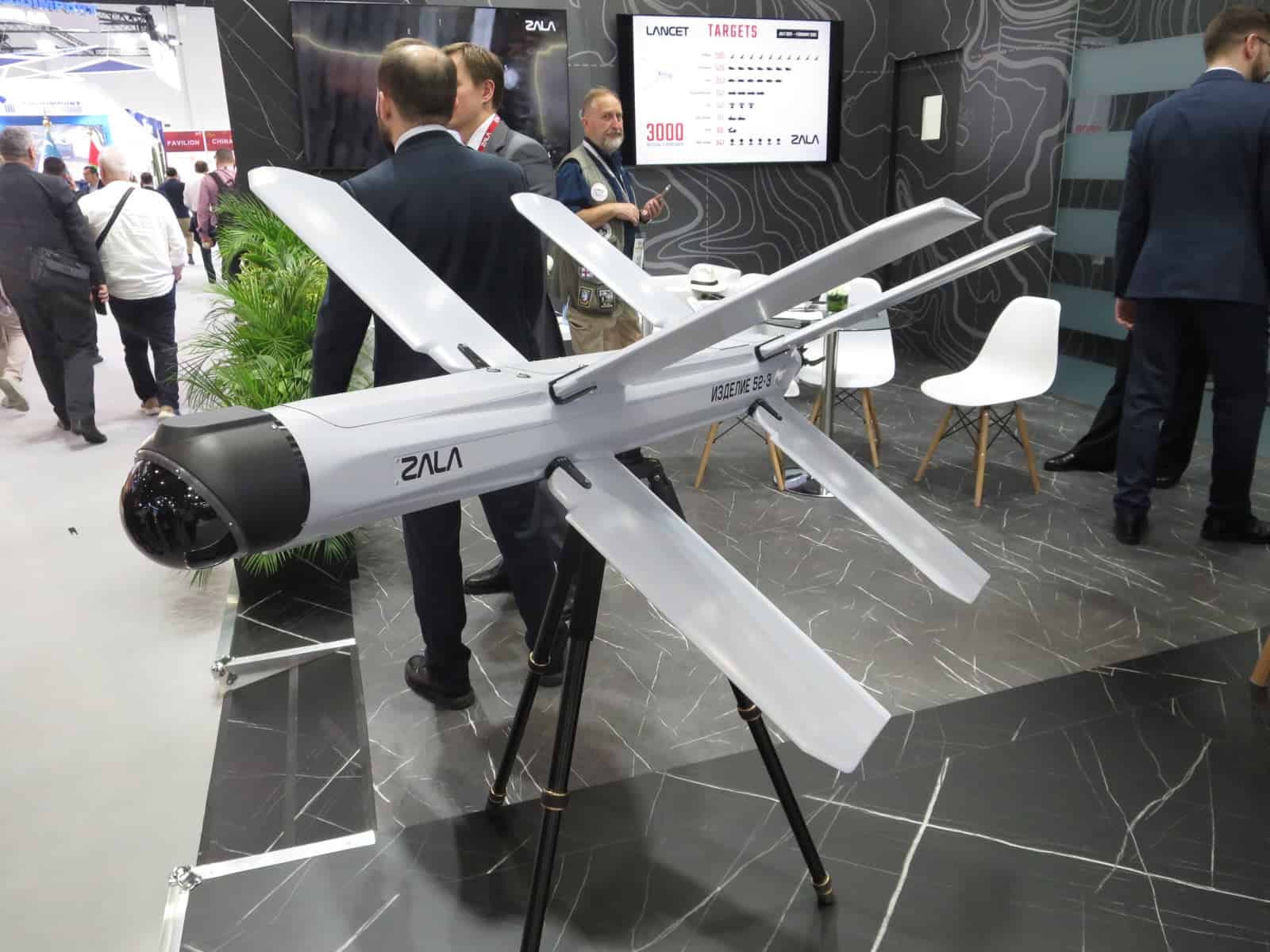
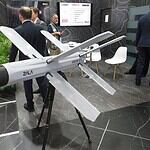
Lancet drone
- System Type: Loitering munition
- Primary Strike Role: Precision strike
- High-Risk Environment Type: EW contested
- Precision Method: Optical
- Stand-off / Survivability Feature: Low-cost
- Key Capability: Persistent attack
- Operational Advantage in High-Risk Missions: Adaptive targeting
- Why It’s Used in Precision Strike Operations: Attrition warfare tool
The Lancet drone offers a low-cost, effective precision strike option, capable of engaging targets in contested environments. Its ability to loiter and strike with accuracy makes it a valuable tool.
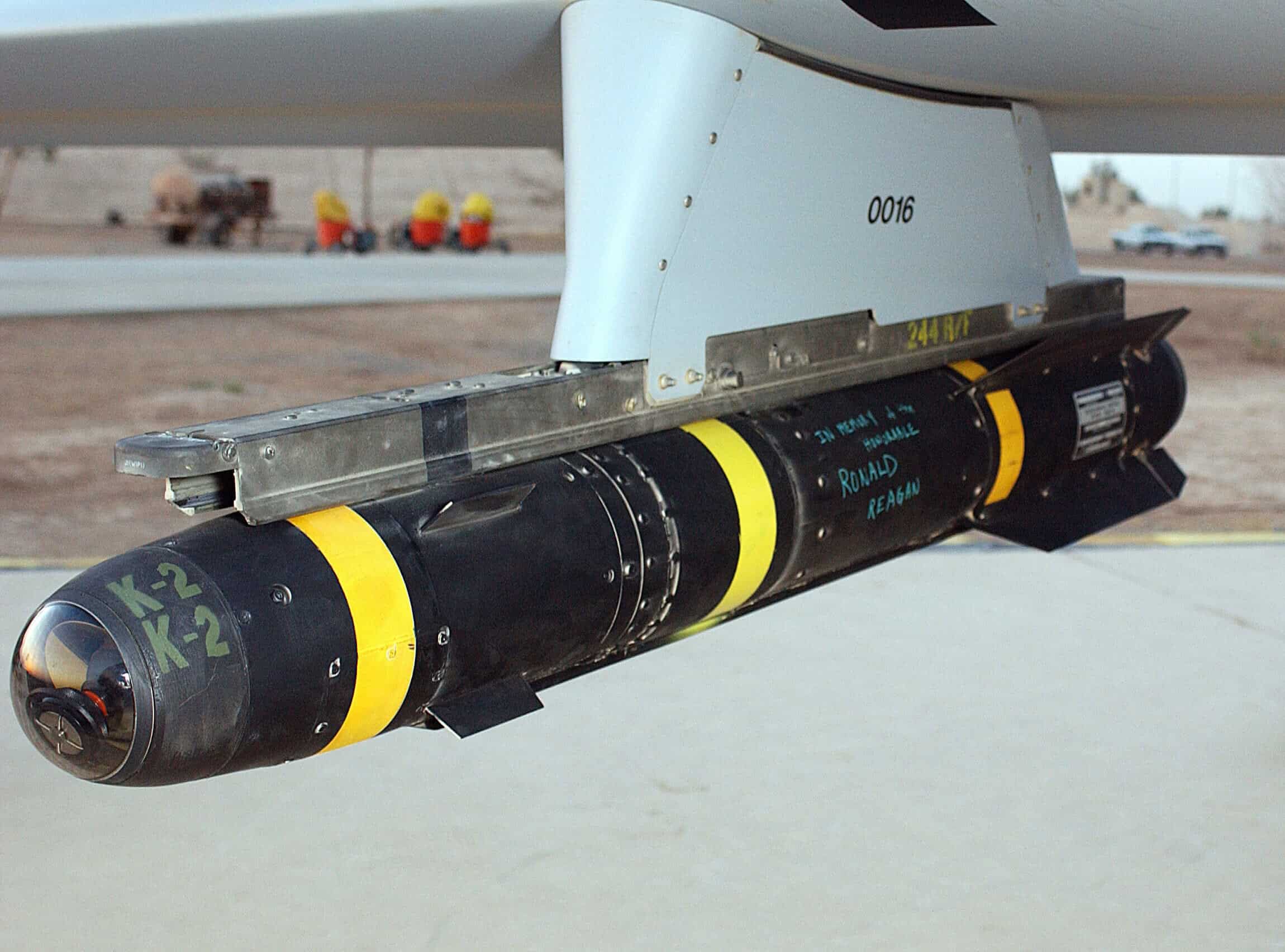
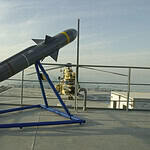
AGM-114 Hellfire
- System Type: Missile
- Primary Strike Role: CAS strike
- High-Risk Environment Type: Urban
- Precision Method: Laser
- Stand-off / Survivability Feature: Stand-off
- Key Capability: Precision kill
- Operational Advantage in High-Risk Missions: Low collateral
- Why It’s Used in Precision Strike Operations: Widely used precision missile
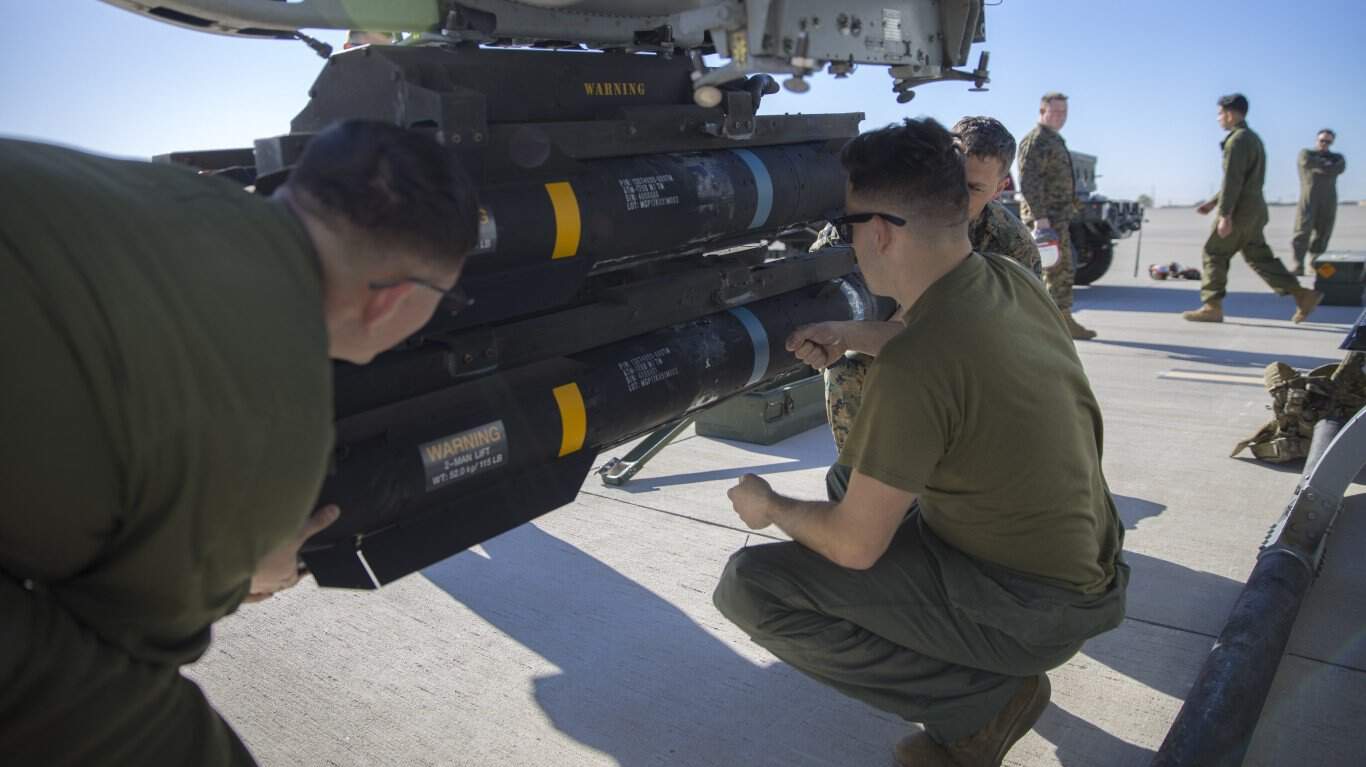
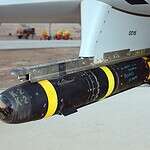
The Hellfire missile is widely used for precision strikes, offering accurate engagement with minimal collateral damage. Its guidance systems allow for effective targeting.
AGM-158 JASSM
- System Type: Missile
- Primary Strike Role: Deep strike
- High-Risk Environment Type: Heavy air defense
- Precision Method: GPS/IR
- Stand-off / Survivability Feature: Long-range stealth
- Key Capability: Penetration
- Operational Advantage in High-Risk Missions: Reduced risk
- Why It’s Used in Precision Strike Operations: Key standoff weapon
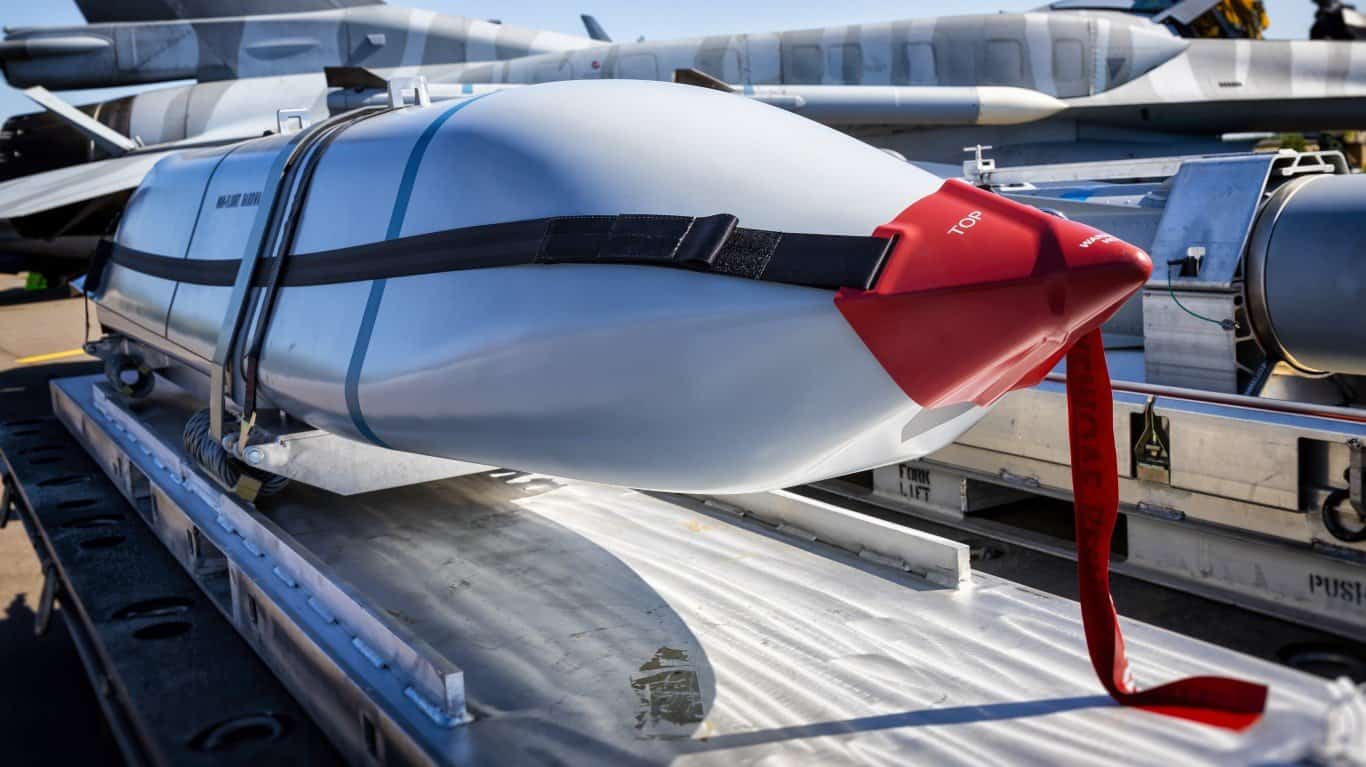
The JASSM provides long-range, stealthy strike capability, allowing targets to be engaged from a safe distance. Its design ensures penetration of defenses.
AGM-179 JAGM
- System Type: Missile
- Primary Strike Role: Multi-role strike
- High-Risk Environment Type: Contested
- Precision Method: Multi-mode
- Stand-off / Survivability Feature: Fire-and-forget
- Key Capability: Versatility
- Operational Advantage in High-Risk Missions: Adaptive targeting
- Why It’s Used in Precision Strike Operations: Next-gen Hellfire
The AGM-179 JAGM enhances precision strike capability through its multi-mode guidance system, combining laser, infrared, and radar tracking. This allows operators to engage targets in complex and contested environments where a single guidance method may fail. Its adaptability ensures accurate targeting under varying conditions, making it highly effective in high-risk environments where reliability and precision are critical.
GBU-53/B StormBreaker
- System Type: Bomb
- Primary Strike Role: Precision strike
- High-Risk Environment Type: All-weather
- Precision Method: Multi-mode
- Stand-off / Survivability Feature: Stand-off
- Key Capability: Target tracking
- Operational Advantage in High-Risk Missions: All-condition strike
- Why It’s Used in Precision Strike Operations: Advanced smart bomb
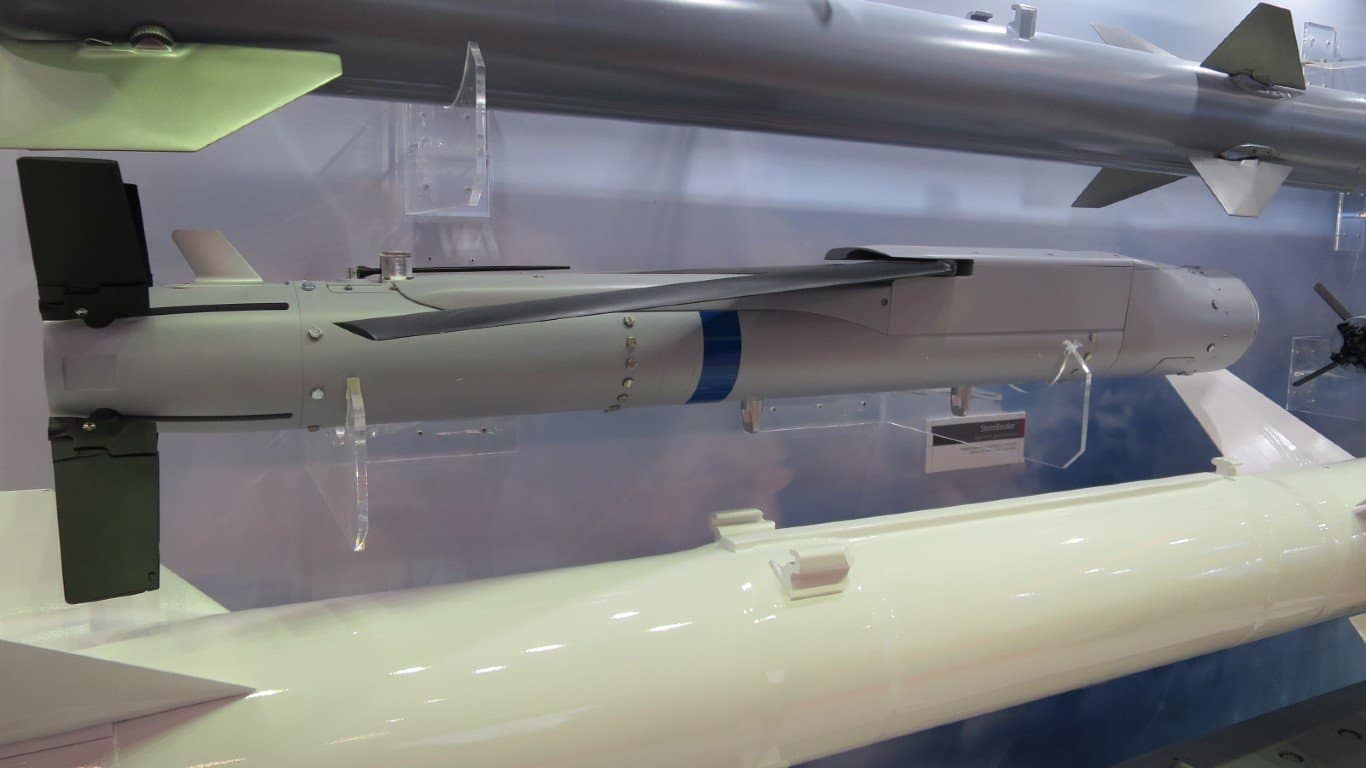
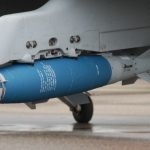
The GBU-53/B StormBreaker is designed to engage moving targets in all weather conditions, even in environments with limited visibility or heavy defenses. Its tri-mode seeker allows it to adapt to changing battlefield conditions, ensuring precision strikes despite electronic interference or obscured targets. This flexibility makes it a key asset for missions where timing and accuracy are essential.
JDAM
- System Type: Munition kit
- Primary Strike Role: Precision strike
- High-Risk Environment Type: General
- Precision Method: GPS
- Stand-off / Survivability Feature: All-weather
- Key Capability: Accuracy
- Operational Advantage in High-Risk Missions: Cost-effective
- Why It’s Used in Precision Strike Operations: Mass precision capability
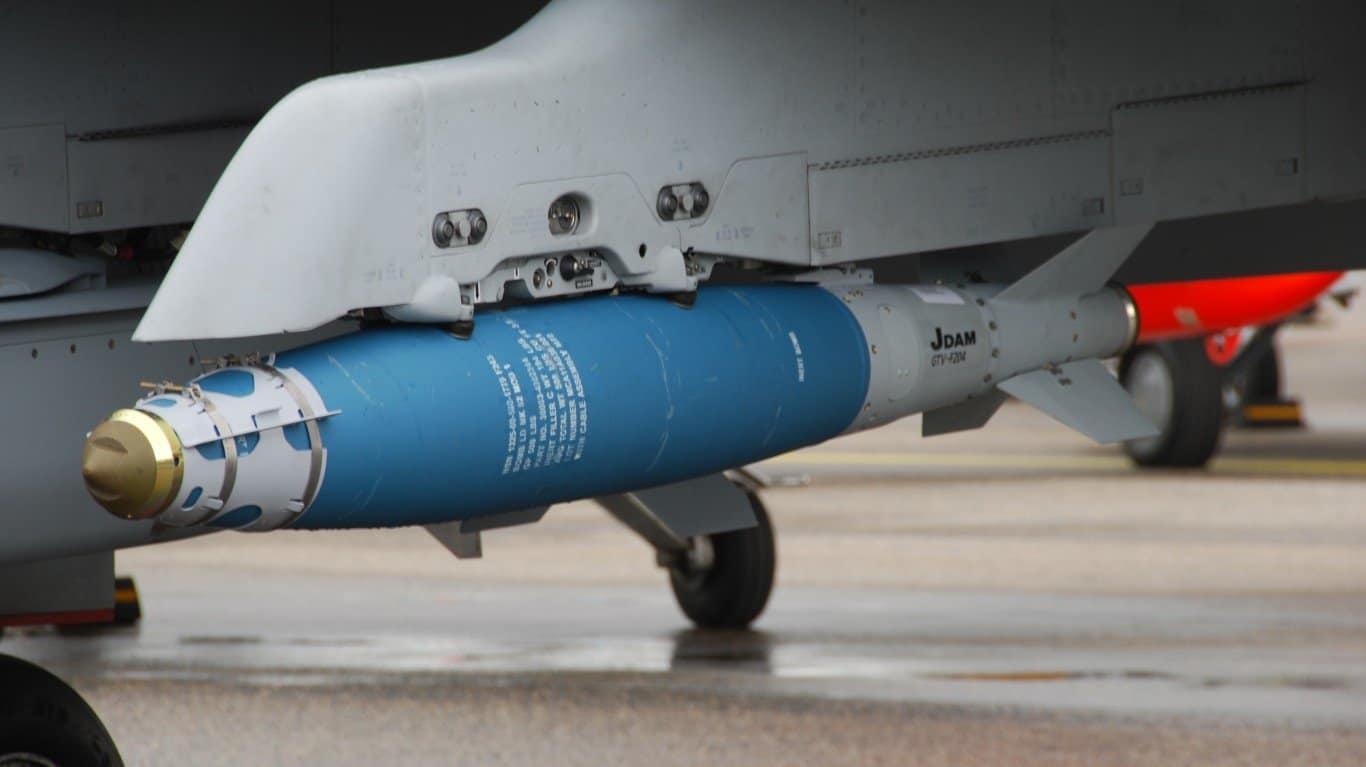
The Joint Direct Attack Munition (JDAM) transforms unguided bombs into GPS-guided precision weapons, allowing for accurate strikes in all weather conditions. Its affordability and reliability enable widespread use, ensuring that precision is not limited to specialized systems. In high-risk environments, JDAM allows forces to maintain accuracy while reducing exposure time over defended targets.
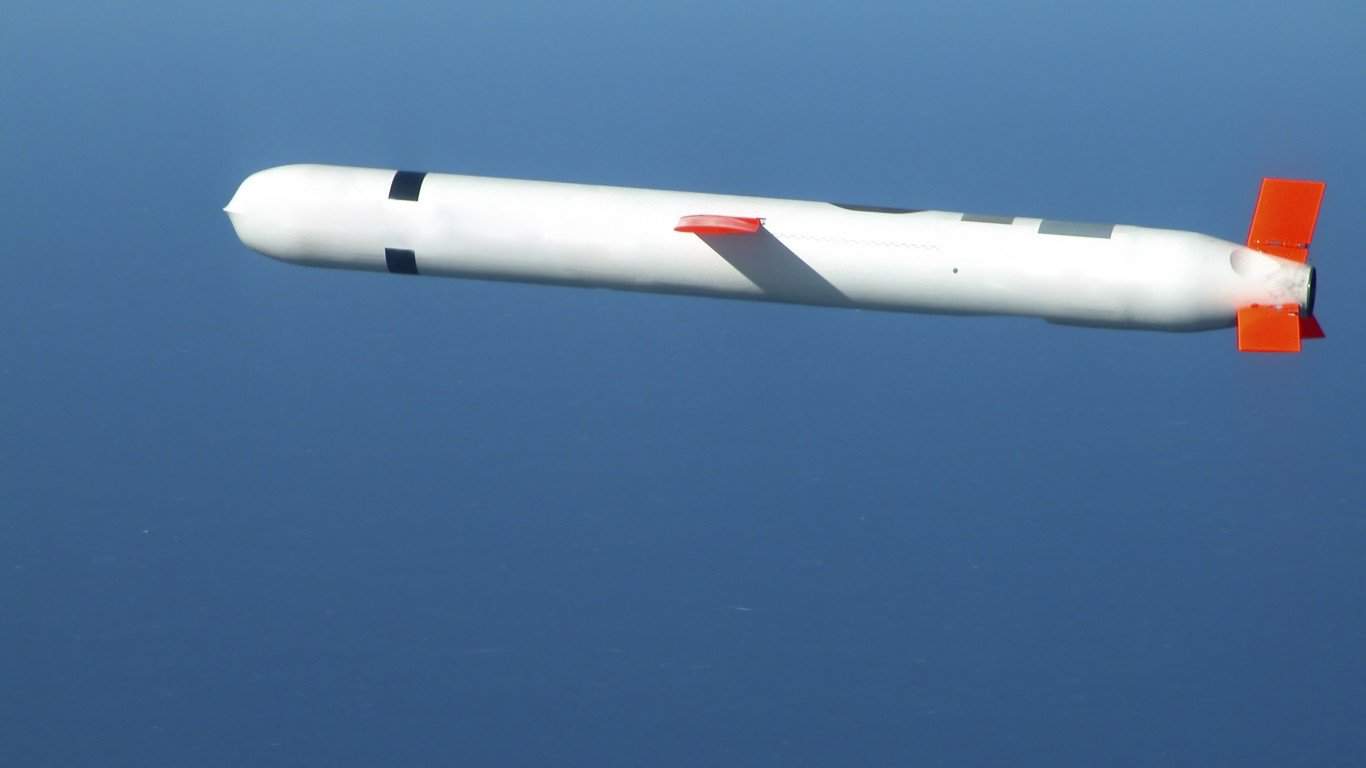
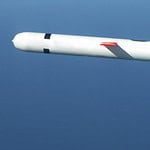
Tomahawk cruise missile
- System Type: Missile
- Primary Strike Role: Long-range strike
- High-Risk Environment Type: Heavy defense
- Precision Method: GPS/TERCOM
- Stand-off / Survivability Feature: Long-range
- Key Capability: Deep strike
- Operational Advantage in High-Risk Missions: Safe launch distance
- Why It’s Used in Precision Strike Operations: Strategic strike tool
The Tomahawk cruise missile provides long-range, precision strike capability, allowing targets to be engaged from well outside heavily defended areas. Its advanced navigation systems enable it to follow complex flight paths and strike with high accuracy. This standoff capability reduces risk to personnel and platforms, making it a critical tool for high-risk strike missions.
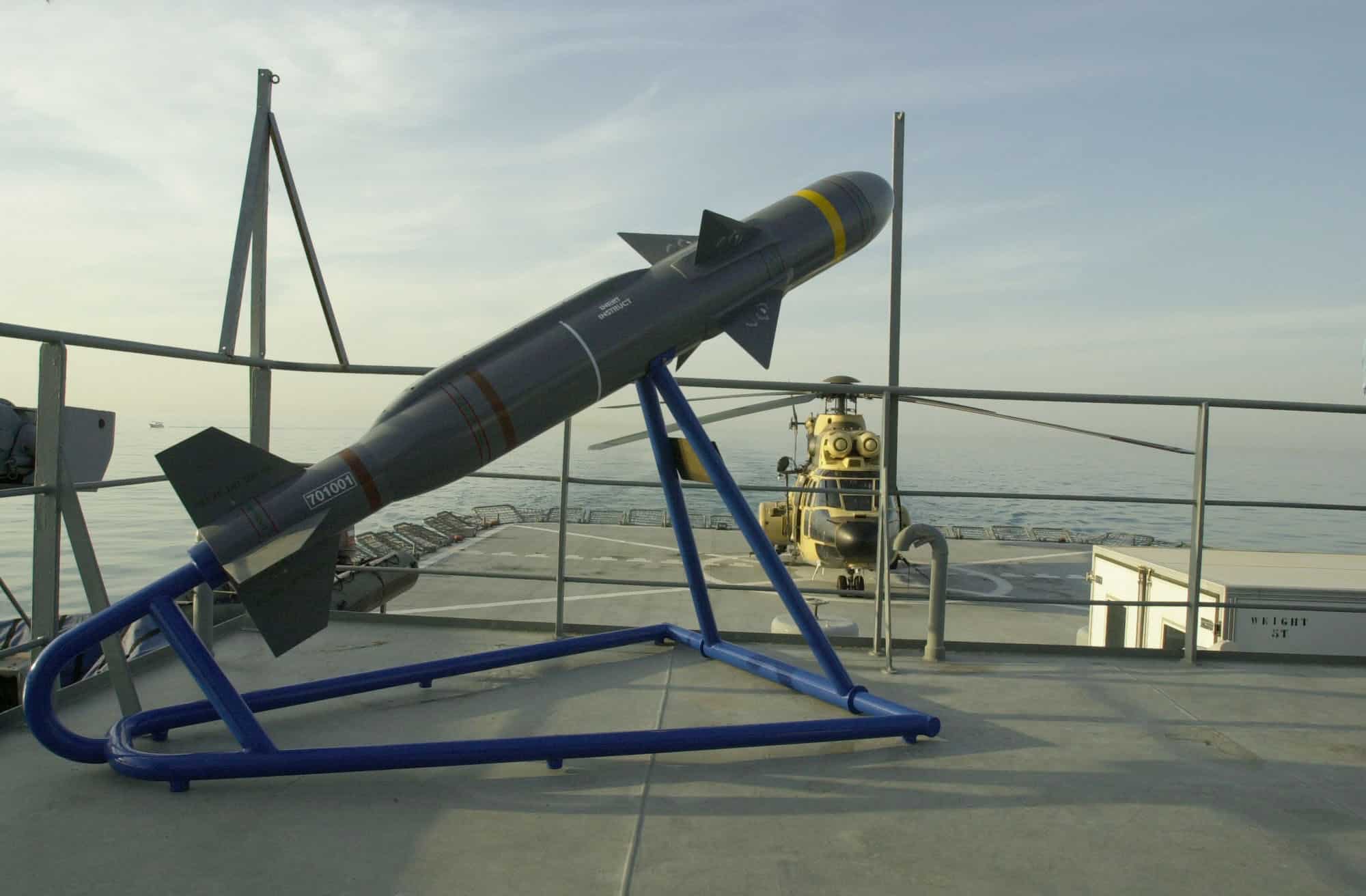
Storm Shadow
- System Type: Missile
- Primary Strike Role: Deep strike
- High-Risk Environment Type: Contested
- Precision Method: GPS/IR
- Stand-off / Survivability Feature: Stand-off
- Key Capability: Bunker busting
- Operational Advantage in High-Risk Missions: High precision
- Why It’s Used in Precision Strike Operations: High-value targets
Storm Shadow is a long-range cruise missile designed for deep strike missions against high-value targets in contested environments. Its stealthy profile and precision guidance allow it to penetrate advanced air defenses and strike hardened targets with minimal collateral damage. This makes it particularly valuable in high-risk scenarios where direct access is limited and accuracy is essential.
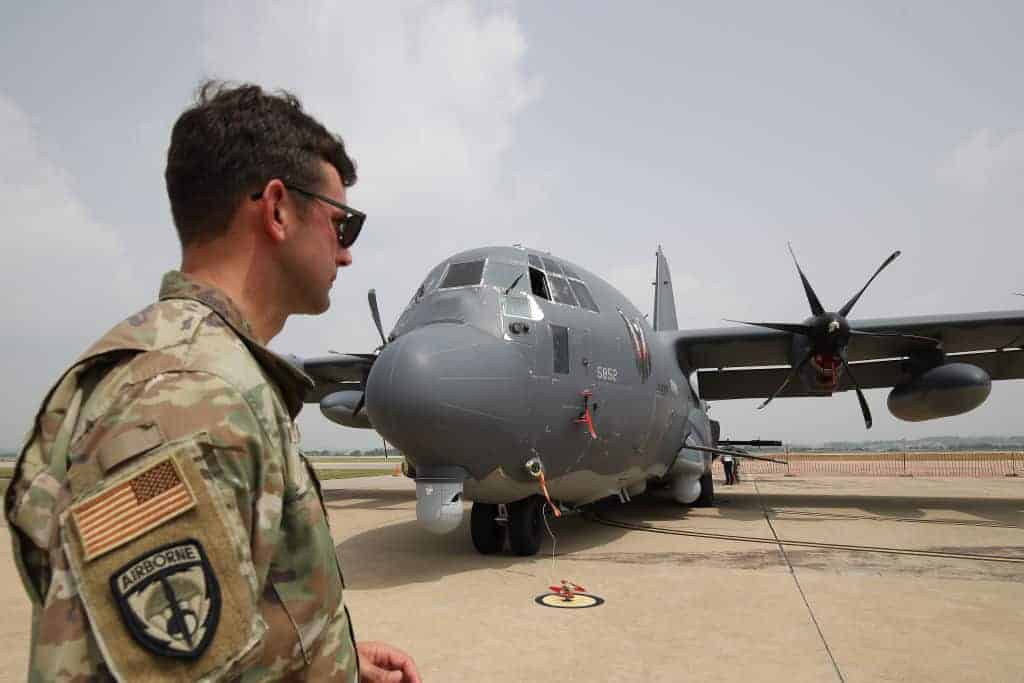
AC-130J Ghostrider
- System Type: Aircraft
- Primary Strike Role: CAS
- High-Risk Environment Type: Urban
- Precision Method: Sensor targeting
- Stand-off / Survivability Feature: Loiter
- Key Capability: Persistent fire
- Operational Advantage in High-Risk Missions: Precision support
- Why It’s Used in Precision Strike Operations: SOF strike platform
The AC-130J Ghostrider provides sustained, precision fire support in complex and high-risk environments, particularly in urban settings. Its advanced targeting systems allow for accurate engagement of targets while minimizing collateral damage. The aircraft’s ability to loiter over an area ensures that strikes can be timed precisely, supporting ground forces during critical moments of an operation.
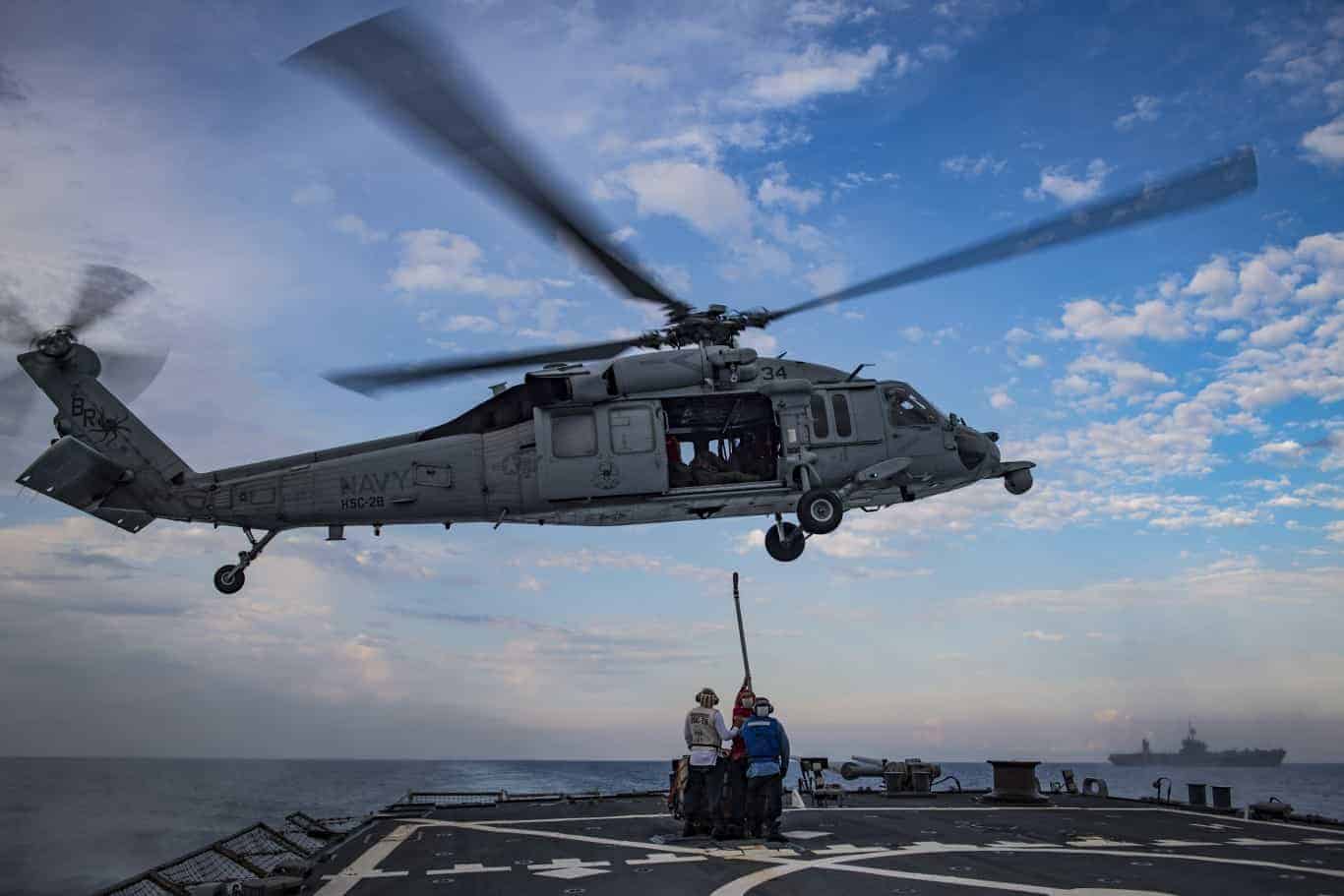
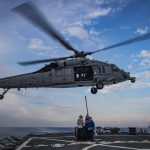
MH-60 Black Hawk
- System Type: Helicopter
- Primary Strike Role: Insertion strike
- High-Risk Environment Type: High-risk
- Precision Method: Pilot targeting
- Stand-off / Survivability Feature: Mobility
- Key Capability: Rapid insertion
- Operational Advantage in High-Risk Missions: Flexibility
- Why It’s Used in Precision Strike Operations: SOF support
The MH-60 Black Hawk supports precision strike operations by enabling rapid insertion and extraction of special operations forces in high-risk environments. Its mobility and reliability allow teams to reach targets quickly and withdraw just as fast, ensuring that operations are executed within narrow time windows. This capability is essential for missions where timing and coordination are critical.
Laser designation systems
- System Type: Technology
- Primary Strike Role: Targeting
- High-Risk Environment Type: Urban
- Precision Method: Laser
- Stand-off / Survivability Feature: Precision
- Key Capability: Accuracy
- Operational Advantage in High-Risk Missions: Target marking
- Why It’s Used in Precision Strike Operations: Enables guided munitions
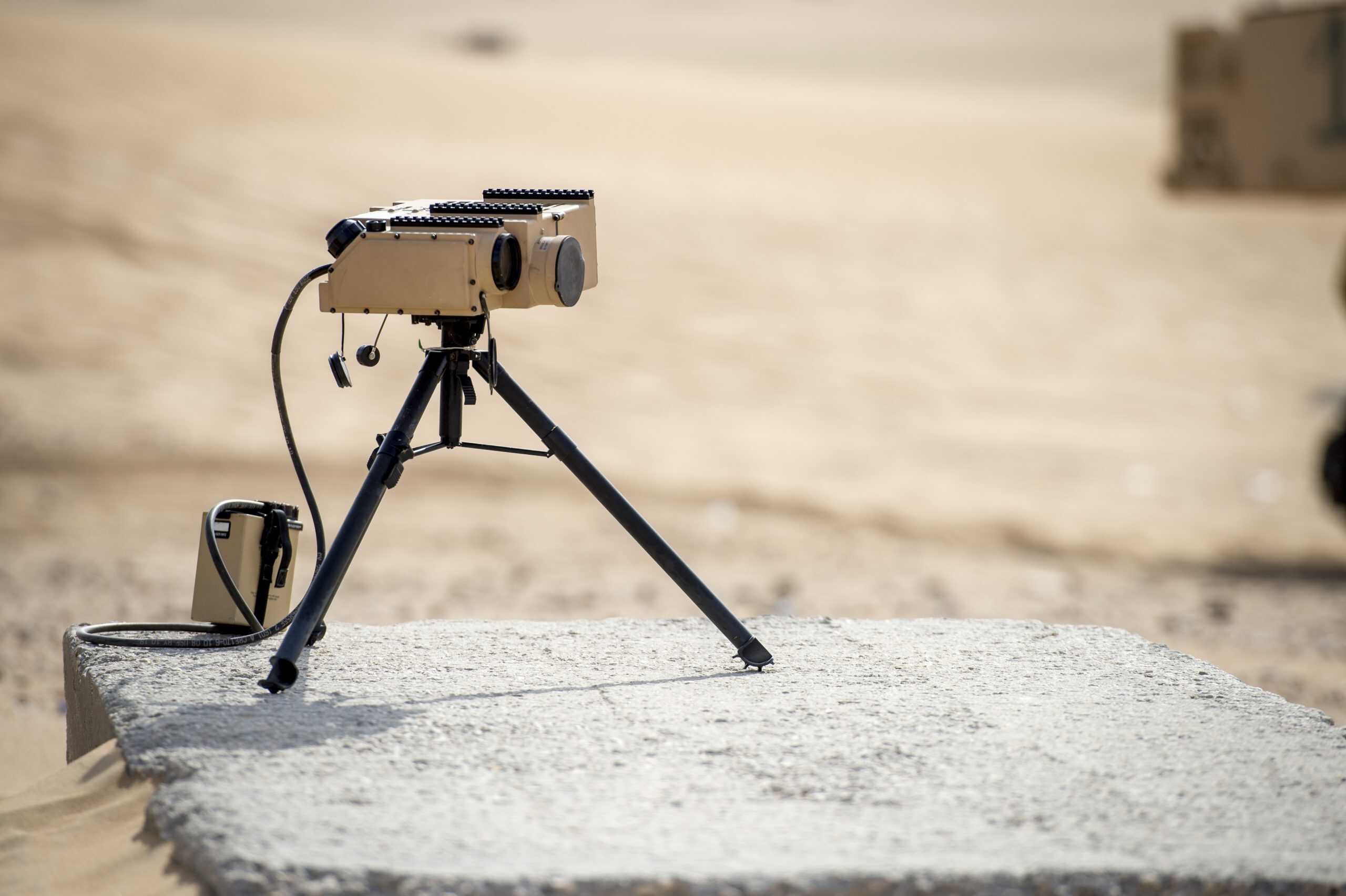
Laser designation systems enable highly accurate targeting by marking specific points for guided munitions. This ensures that strikes are delivered precisely where intended, even in complex environments. In high-risk operations, this level of accuracy reduces collateral damage and increases mission effectiveness, making it a key component of modern precision strike capabilities.
GPS
- System Type: Technology
- Primary Strike Role: Navigation/targeting
- High-Risk Environment Type: Global
- Precision Method: Satellite
- Stand-off / Survivability Feature: Precision
- Key Capability: Global reach
- Operational Advantage in High-Risk Missions: Accuracy
- Why It’s Used in Precision Strike Operations: Foundation of modern targeting
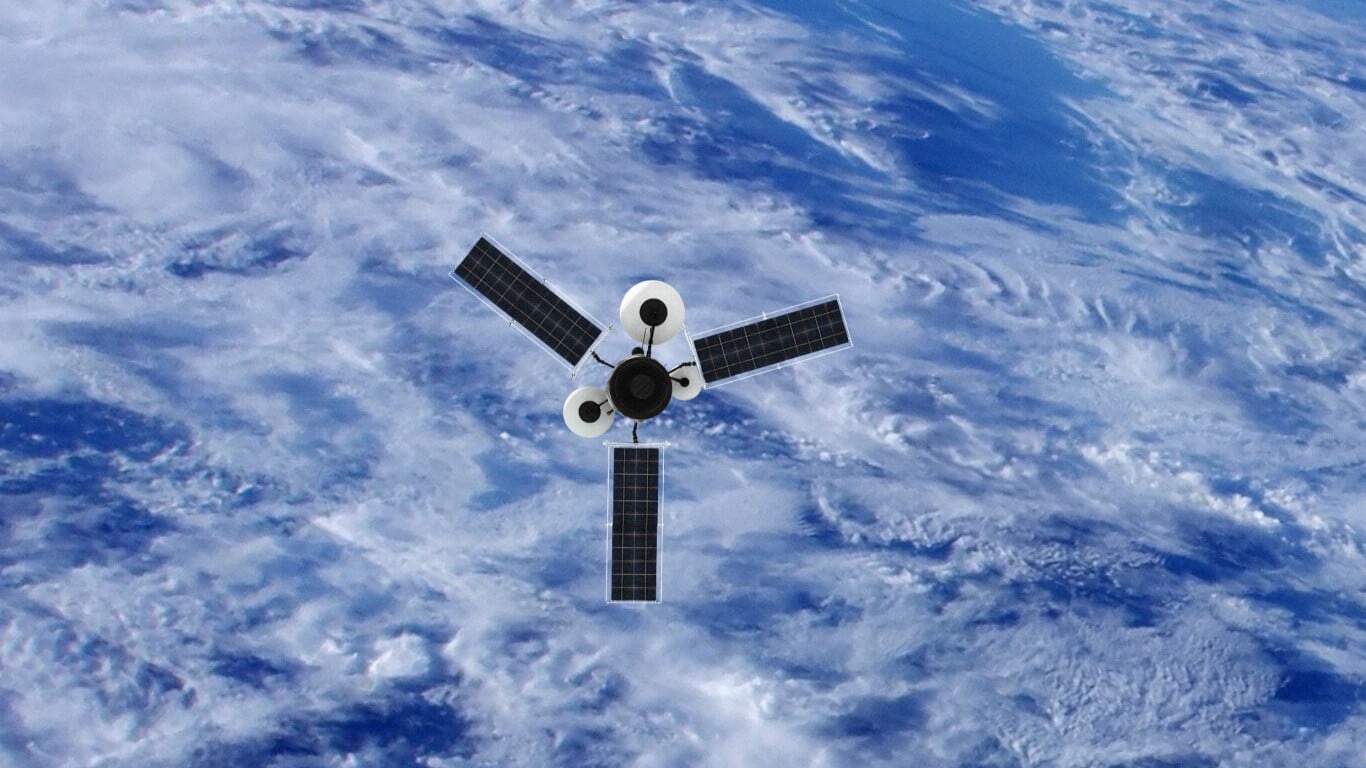
The Global Positioning System (GPS) provides precise location data that is essential for modern targeting and navigation. Its accuracy allows for coordinated strikes and synchronized operations across multiple platforms. In high-risk environments, GPS ensures that munitions reach their intended targets with minimal deviation, supporting effective and reliable precision strikes.
Infrared targeting systems
- System Type: Technology
- Primary Strike Role: Targeting
- High-Risk Environment Type: Low visibility
- Precision Method: IR
- Stand-off / Survivability Feature: Detection
- Key Capability: Thermal tracking
- Operational Advantage in High-Risk Missions: Night capability
- Why It’s Used in Precision Strike Operations: Enhances precision
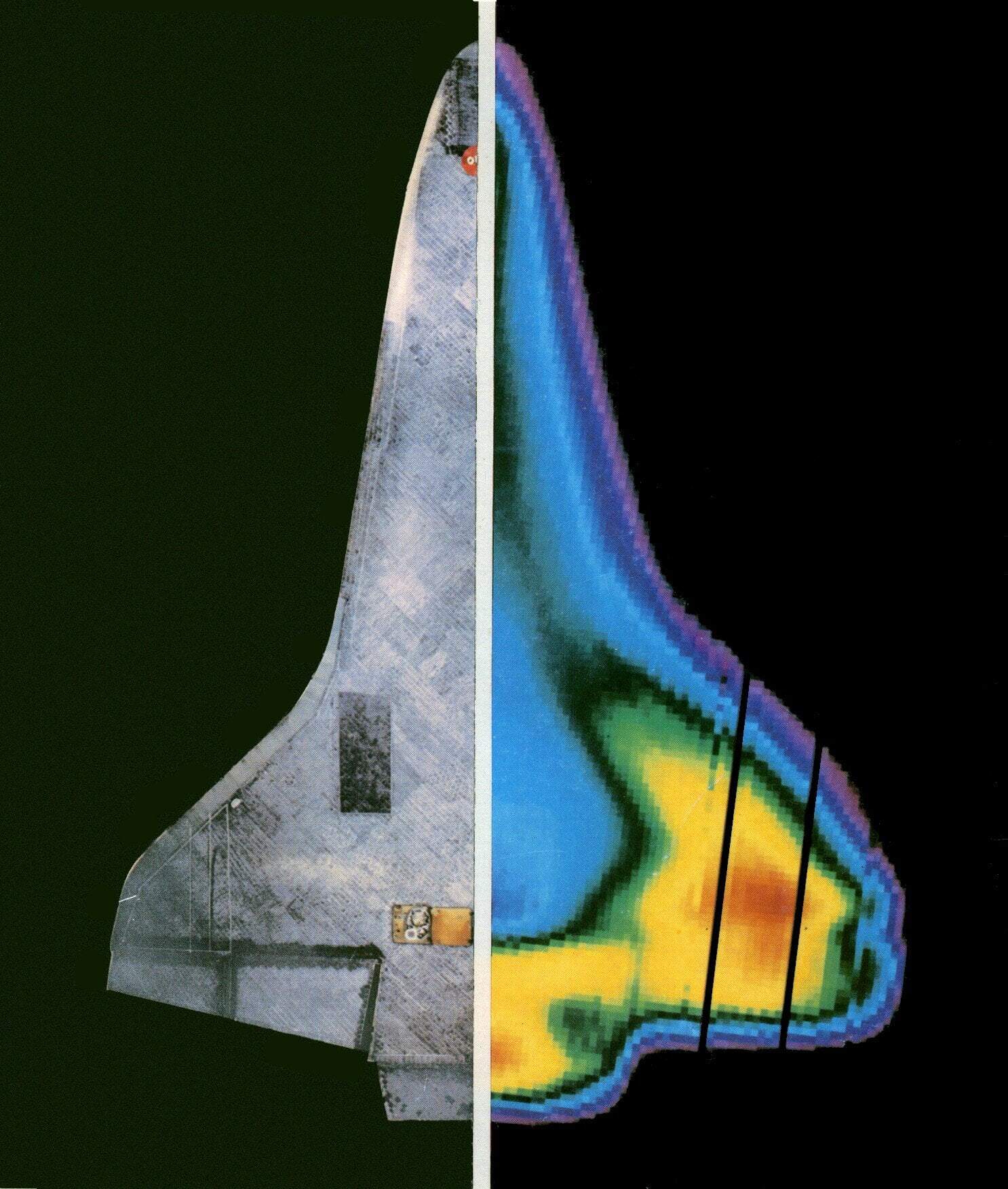
Infrared targeting systems allow operators to detect and engage targets based on heat signatures, even in low-visibility conditions. This capability is critical in environments where traditional visual targeting is limited. By enabling accurate identification and engagement of targets, infrared systems enhance precision and effectiveness in high-risk operations.
EA-18G Growler
- System Type: Aircraft
- Primary Strike Role: EW support
- High-Risk Environment Type: Contested
- Precision Method: Electronic
- Stand-off / Survivability Feature: Jamming
- Key Capability: Defense suppression
- Operational Advantage in High-Risk Missions: Safe access
- Why It’s Used in Precision Strike Operations: Enables strike packages
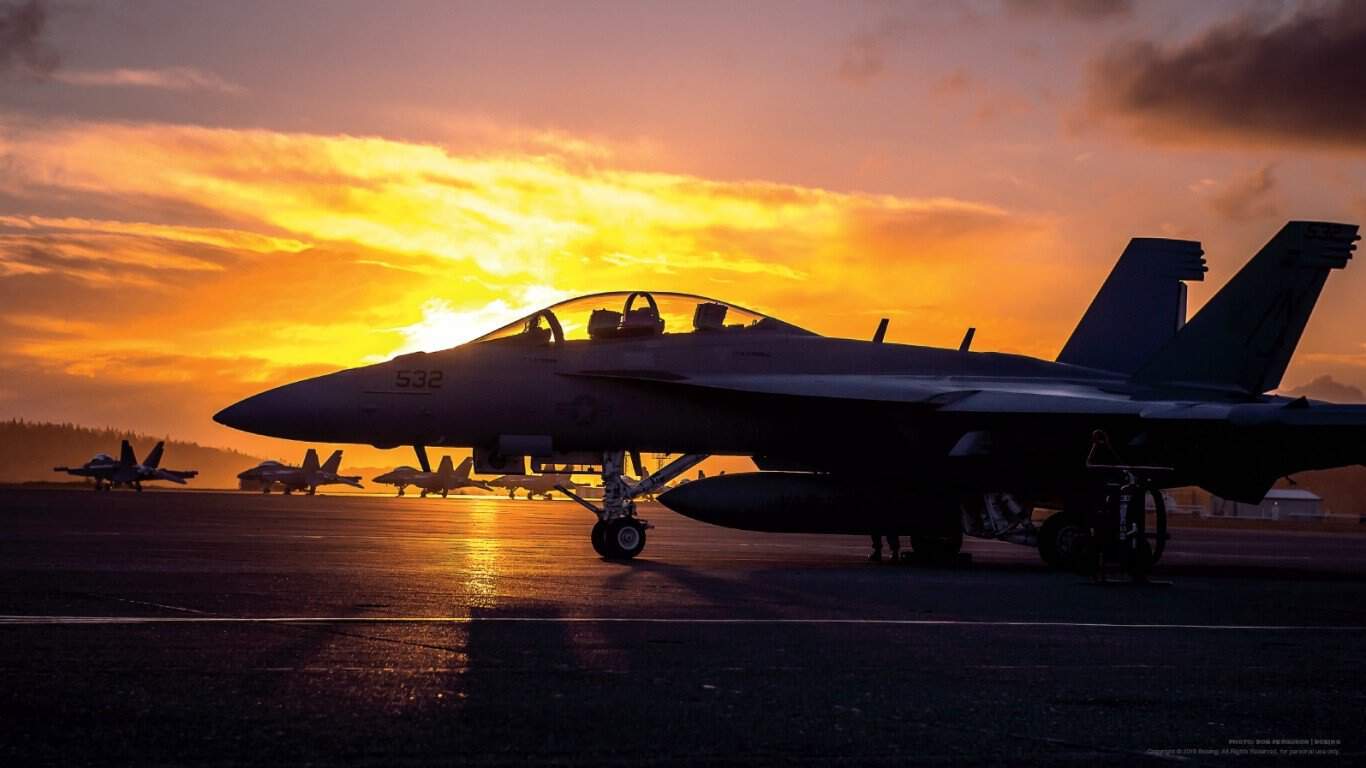
The EA-18G Growler plays a crucial role in enabling precision strikes by suppressing enemy air defenses through electronic warfare. Its jamming capabilities disrupt radar and communication systems, creating a safer environment for strike platforms. This support is essential in high-risk environments where advanced defenses would otherwise prevent accurate targeting and engagement.
Electronic warfare systems
- System Type: Technology
- Primary Strike Role: EW
- High-Risk Environment Type: Contested
- Precision Method: Spectrum control
- Stand-off / Survivability Feature: Disruption
- Key Capability: Signal denial
- Operational Advantage in High-Risk Missions: Reduces enemy response
- Why It’s Used in Precision Strike Operations: Critical enabler
Electronic warfare systems allow forces to disrupt and degrade enemy sensors, communications, and targeting systems. This creates opportunities for precision strikes by reducing the effectiveness of opposing defenses. In high-risk environments, controlling the electromagnetic spectrum is often as important as physical firepower, making these systems critical enablers of successful operations.
AI targeting systems
- System Type: Technology
- Primary Strike Role: Targeting
- High-Risk Environment Type: Complex
- Precision Method: AI
- Stand-off / Survivability Feature: Automation
- Key Capability: Data processing
- Operational Advantage in High-Risk Missions: Faster decisions
- Why It’s Used in Precision Strike Operations: Future precision core
Artificial intelligence targeting systems enhance precision strike capabilities by rapidly analyzing data and identifying targets. These systems can process information faster than human operators, enabling quicker and more accurate decision-making. In high-risk environments, this speed and accuracy improve the effectiveness of strikes and reduce the likelihood of errors.
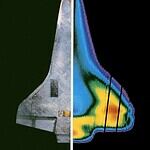
Hypersonic glide vehicles
- System Type: Weapon
- Primary Strike Role: Strategic strike
- High-Risk Environment Type: Heavy defense
- Precision Method: Advanced guidance
- Stand-off / Survivability Feature: Speed
- Key Capability: High penetration
- Operational Advantage in High-Risk Missions: Hard to intercept
- Why It’s Used in Precision Strike Operations: Next-gen strike
Hypersonic glide vehicles offer the ability to strike targets at extremely high speeds, making them difficult to detect and intercept. Their maneuverability and precision guidance allow for accurate engagement of high-value targets in heavily defended environments. This combination of speed and accuracy makes them a significant advancement in precision strike capabilities.
Autonomous drone swarms
- System Type: Technology
- Primary Strike Role: Coordinated strike
- High-Risk Environment Type: Contested
- Precision Method: AI
- Stand-off / Survivability Feature: Swarm
- Key Capability: Mass precision
- Operational Advantage in High-Risk Missions: Overwhelm defenses
- Why It’s Used in Precision Strike Operations: Emerging warfare shift
Autonomous drone swarms enable coordinated precision strikes through the use of multiple unmanned systems working together. These swarms can overwhelm defenses and adapt to changing conditions in real time. In high-risk environments, their ability to distribute risk and maintain accuracy makes them a powerful tool for modern precision strike operations.