



The Military Systems Iran Relies On to Wage Asymmetric Warfare
Iran may not field the same level of advanced aircraft or heavy armor as Western militaries, but it has built a strategy that doesn’t depend on them. Instead, it relies on a mix of missiles, drones, naval disruption systems, and proxy networks to create pressure across multiple fronts. Systems like the Shahed-136 and short-range ballistic missiles have become central to this approach, allowing Iran to impose costs and complicate any potential conflict. Here, History Computer is taking a closer look at Iran’s missile systems.
To determine the military systems used by Iran for its asymmetric warfare strategy, History Computer reviewed various historical and military sources. We included supplemental information for each system regarding its category, primary role, target or threat focus, operational use case, and ultimately how it fits into Iran’s overall strategy.
Here is a look at the military systems powering Iran’s asymmetric warfare strategy:
Why Are We Covering This?
Understanding the systems behind Iran’s asymmetric warfare strategy helps explain how a military with clear conventional limitations can still pose a serious challenge to far more advanced forces. Rather than competing head-to-head, Iran has built a model focused on cost imposition, saturation, and resilience—one that is increasingly relevant as cheaper technologies like drones and missiles become more widely available. This approach is already shaping conflicts across the Middle East and influencing how larger militaries think about defense, deterrence, and resource allocation. For readers, it offers a clearer picture of how modern warfare is evolving, where the ability to disrupt and endure can matter just as much as technological superiority.
Fighting Without Fighting Fair
Iran does not attempt to match Western militaries in conventional strength, where it would face clear disadvantages in airpower, armor, and advanced systems. Instead, it has built its strategy around asymmetric warfare, deliberately choosing methods that offset those weaknesses. The objective is not to win through dominance, but to make any conflict so costly and complex that adversaries are forced to reconsider escalation. In this approach, limitations are turned into strategic leverage.
The Core Idea: Cost Imposition
At the heart of Iran’s military approach is the concept of cost imposition—forcing adversaries to spend far more resources than Iran does to defend against its attacks. Low-cost systems such as drones and rockets are used to trigger expensive defensive responses, while tools like naval mines can disrupt global trade with minimal investment. This transforms the battlefield into an economic contest, where efficiency and sustainability matter as much as firepower.
Saturation Over Precision
Iran’s asymmetric strategy extends beyond its borders through a network of proxy forces and regional partners, allowing it to apply pressure from multiple directions at once. Attacks can originate from different countries and across multiple domains, creating a layered and unpredictable threat environment. This multi-front approach complicates defensive planning and stretches adversary resources, making it far more difficult to respond effectively.
Survivability and Resilience
A key pillar of Iran’s strategy is ensuring that its capabilities can survive initial strikes and continue operating under pressure. This is achieved through mobile launch systems, underground facilities, and decentralized command structures that reduce vulnerability to targeted attacks. By prioritizing resilience, Iran aims to maintain its ability to strike over time, ensuring that its asymmetric approach remains effective even in prolonged conflict.
Shahab-3
- Asymmetric Category: Missile
- System Type: Ballistic Missile
- Primary Role in Asymmetric Warfare: Long-range strike
- Target or Threat Focus: Regional bases, infrastructure
- Operational Use Case: Strike regional targets
- Cost-Imposition Mechanism: Forces missile defense use
- Survivability or Scalability Advantage: Mobile launchers
- Operator or Controlling Entity: IRGC
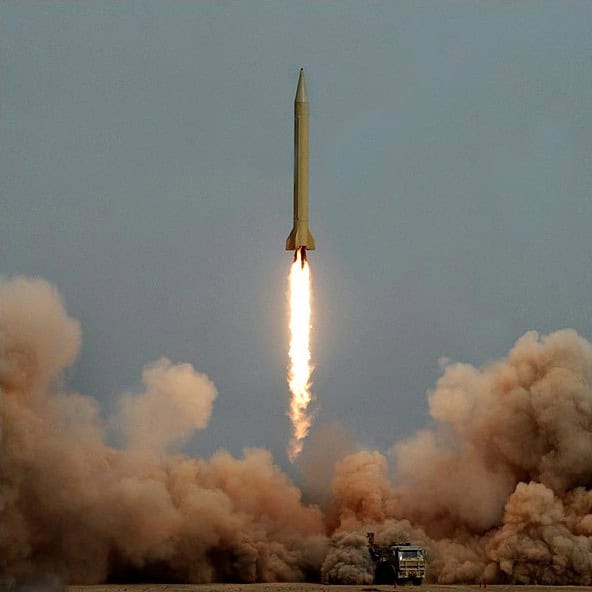
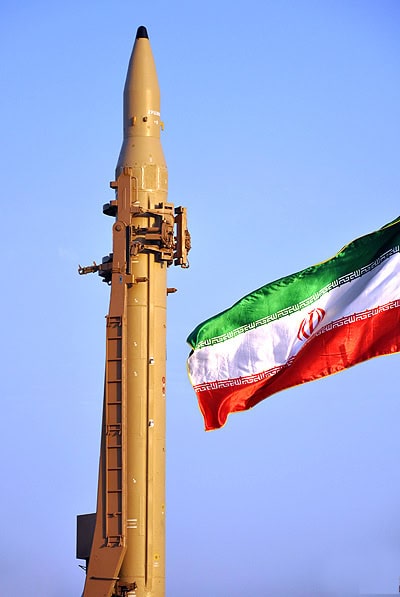
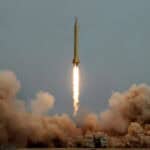
The Shahab-3 gives Iran the ability to strike regional targets at range, forcing adversaries to invest heavily in missile defense systems. Even when not used in large numbers, its presence compels constant readiness and resource allocation. In an asymmetric context, it stretches defensive coverage across wide areas, increasing the cost and complexity of protecting key installations.
Sejjil
- Asymmetric Category: Missile
- System Type: Ballistic Missile
- Primary Role in Asymmetric Warfare: Strategic deterrence
- Target or Threat Focus: Strategic targets
- Operational Use Case: Rapid launch strikes
- Cost-Imposition Mechanism: High-cost interception
- Survivability or Scalability Advantage: Solid fuel mobility
- Operator or Controlling Entity: IRGC
The Sejjil’s solid-fuel design allows for faster launch preparation and improved survivability, making it harder to target preemptively. This capability enhances Iran’s ability to maintain a credible strike option under pressure. In asymmetric warfare, it forces adversaries to account for rapid, hard-to-detect launches, increasing the burden on intelligence and early warning systems.
Zolfaghar
- Asymmetric Category: Missile
- System Type: Ballistic Missile
- Primary Role in Asymmetric Warfare: Precision strike
- Target or Threat Focus: Military bases
- Operational Use Case: Regional strike missions
- Cost-Imposition Mechanism: Cheap vs interceptors
- Survivability or Scalability Advantage: Mobile launch
- Operator or Controlling Entity: IRGC
Zolfaghar provides Iran with a more precise regional strike capability, enabling targeted attacks on military bases and infrastructure. Its relative affordability allows for use in larger numbers, supporting saturation tactics. This combination of precision and volume forces adversaries to expend high-value interceptors against comparatively lower-cost threats.
Fateh-110
- Asymmetric Category: Missile
- System Type: Ballistic Missile
- Primary Role in Asymmetric Warfare: Tactical strike
- Target or Threat Focus: Airbases, logistics
- Operational Use Case: Short-range strikes
- Cost-Imposition Mechanism: Mass fire capability
- Survivability or Scalability Advantage: Highly mobile
- Operator or Controlling Entity: IRGC
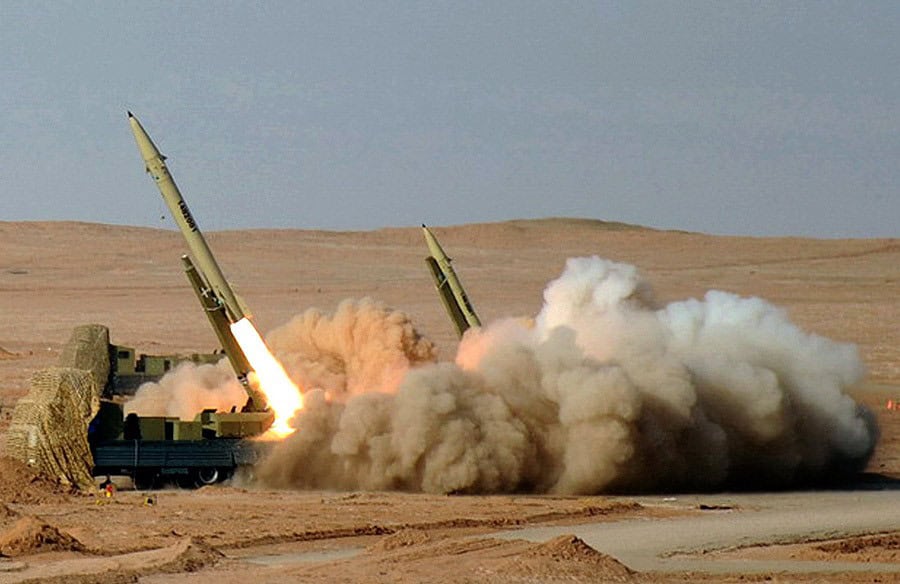
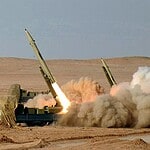
The Fateh-110 is a highly mobile, short-range ballistic missile that can be deployed quickly and in significant numbers. Its role in asymmetric warfare lies in its ability to overwhelm defenses through volume while remaining difficult to track and target before launch. This mobility increases survivability and ensures continued pressure during sustained conflict.
Qiam-1
- Asymmetric Category: Missile
- System Type: Ballistic Missile
- Primary Role in Asymmetric Warfare: Saturation attack
- Target or Threat Focus: Infrastructure
- Operational Use Case: Mass launches
- Cost-Imposition Mechanism: Overwhelms defenses
- Survivability or Scalability Advantage: Simplified design
- Operator or Controlling Entity: IRGC
The Qiam-1’s simplified design and range make it suitable for mass deployment in saturation attacks. Its ability to be launched in larger salvos forces defenders to make difficult prioritization decisions. By increasing the number of incoming threats, it contributes to the overall goal of exhausting missile defense systems.
Soumar
- Asymmetric Category: Missile
- System Type: Cruise Missile
- Primary Role in Asymmetric Warfare: Low-altitude strike
- Target or Threat Focus: Air defenses
- Operational Use Case: Terrain-following strikes
- Cost-Imposition Mechanism: Hard to detect
- Survivability or Scalability Advantage: Long range
- Operator or Controlling Entity: IRGC
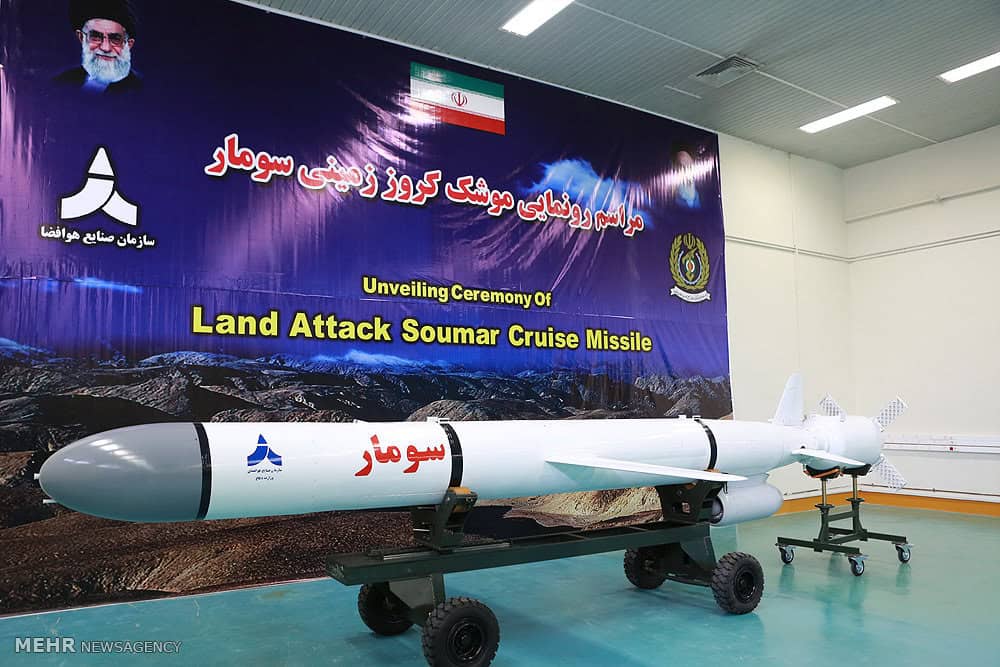
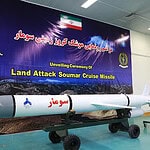
The Soumar cruise missile enhances Iran’s ability to strike targets while avoiding radar detection through low-altitude flight. This complicates defensive planning, as systems must account for both ballistic and cruise missile threats simultaneously. Its role in asymmetric warfare is to add complexity and uncertainty to an adversary’s defense posture.
Hoveyzeh
- Asymmetric Category: Missile
- System Type: Cruise Missile
- Primary Role in Asymmetric Warfare: Precision strike
- Target or Threat Focus: Infrastructure
- Operational Use Case: Deep strike missions
- Cost-Imposition Mechanism: Forces air defense spread
- Survivability or Scalability Advantage: Low altitude
- Operator or Controlling Entity: IRGC
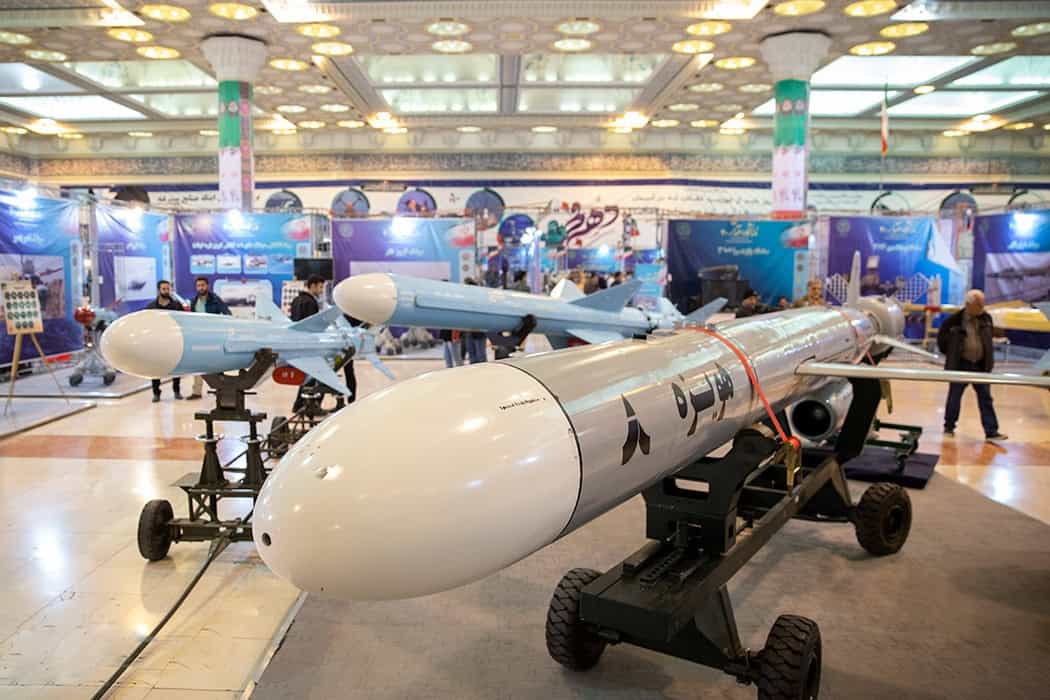
Hoveyzeh builds on Iran’s cruise missile capabilities with extended range and improved targeting. In asymmetric scenarios, it allows Iran to strike from greater distances while forcing adversaries to expand their defensive coverage. This increases the cost of defense and reduces the efficiency of centralized protection systems.
Shahed-136
- Asymmetric Category: Drone
- System Type: Loitering Munition
- Primary Role in Asymmetric Warfare: Saturation attack
- Target or Threat Focus: Air defenses
- Operational Use Case: Swarm attacks
- Cost-Imposition Mechanism: Cheap vs SAMs
- Survivability or Scalability Advantage: Mass production
- Operator or Controlling Entity: IRGC
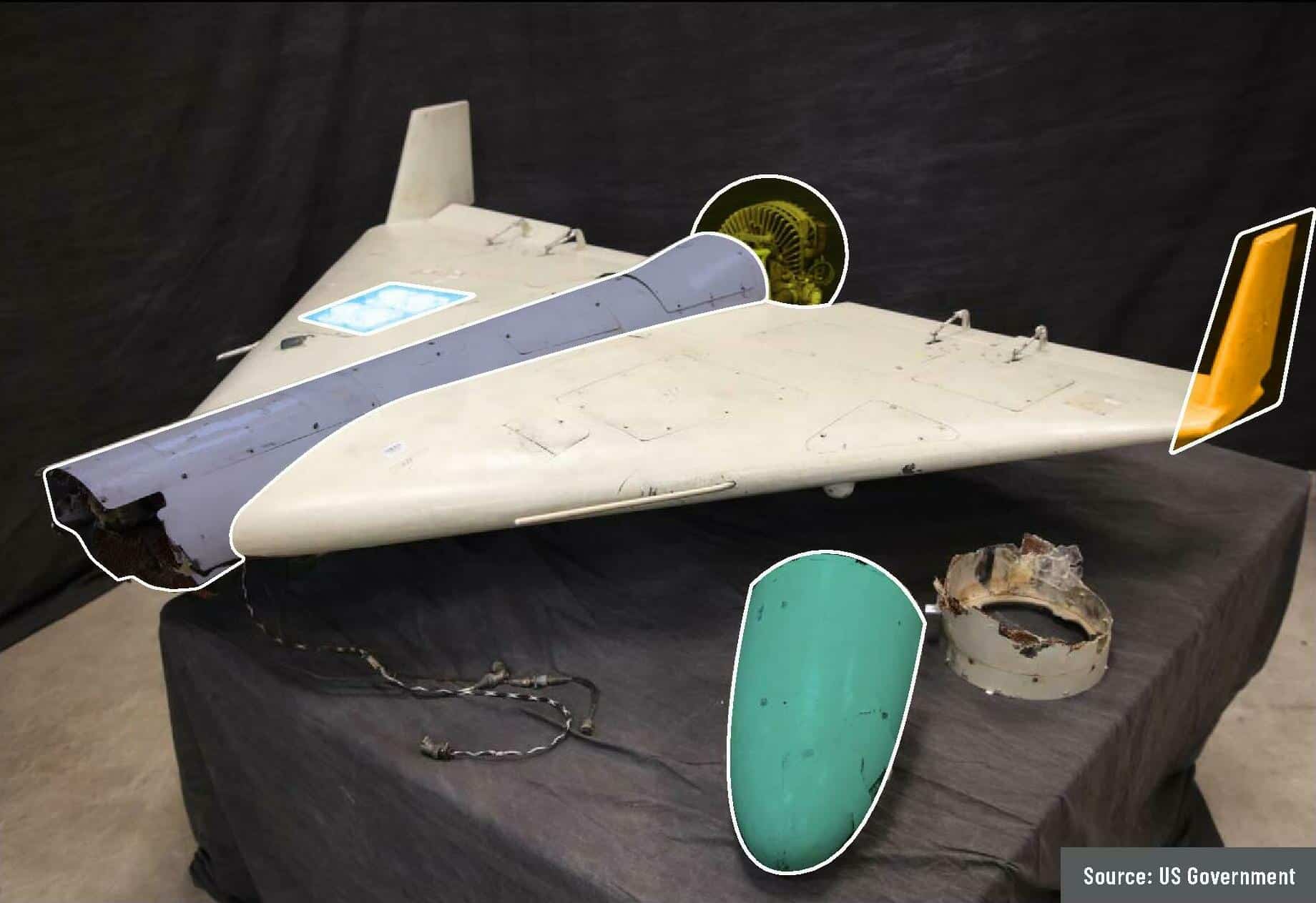
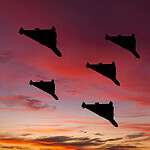
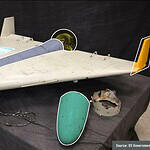
The Shahed-136 is a low-cost loitering munition designed to be used in large numbers. Its primary value lies in its ability to overwhelm air defenses, forcing the use of expensive interceptors. In saturation attacks, even limited success can impose significant economic and operational costs on the defender.
Shahed-131
- Asymmetric Category: Drone
- System Type: Loitering Munition
- Primary Role in Asymmetric Warfare: Saturation attack
- Target or Threat Focus: Infrastructure
- Operational Use Case: Swarm attacks
- Cost-Imposition Mechanism: Low-cost
- Survivability or Scalability Advantage: Small size
- Operator or Controlling Entity: IRGC
The Shahed-131 complements larger systems by offering a smaller, cheaper platform for swarm attacks. Its reduced size makes it harder to detect, while its low cost enables widespread deployment. Together, these traits allow Iran to sustain pressure on air defense systems over extended periods.
Mohajer-6
- Asymmetric Category: Drone
- System Type: UAV
- Primary Role in Asymmetric Warfare: ISR and strike
- Target or Threat Focus: Ground targets
- Operational Use Case: Persistent surveillance
- Cost-Imposition Mechanism: Low-cost ISR
- Survivability or Scalability Advantage: Endurance
- Operator or Controlling Entity: IRGC
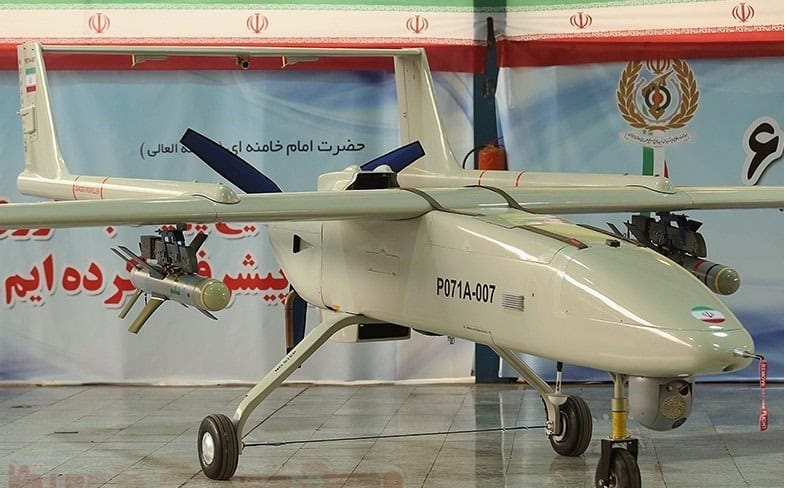
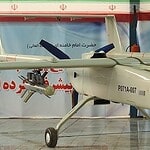
The Mohajer-6 provides both reconnaissance and strike capabilities, allowing Iran to identify and engage targets with a single platform. In asymmetric warfare, its endurance and affordability make it a valuable tool for maintaining situational awareness without risking more expensive assets.
Ababil-2
- Asymmetric Category: Drone
- System Type: UAV
- Primary Role in Asymmetric Warfare: Recon and attack
- Target or Threat Focus: Ground targets
- Operational Use Case: Short missions
- Cost-Imposition Mechanism: Low-cost
- Survivability or Scalability Advantage: Simple design
- Operator or Controlling Entity: IRGC
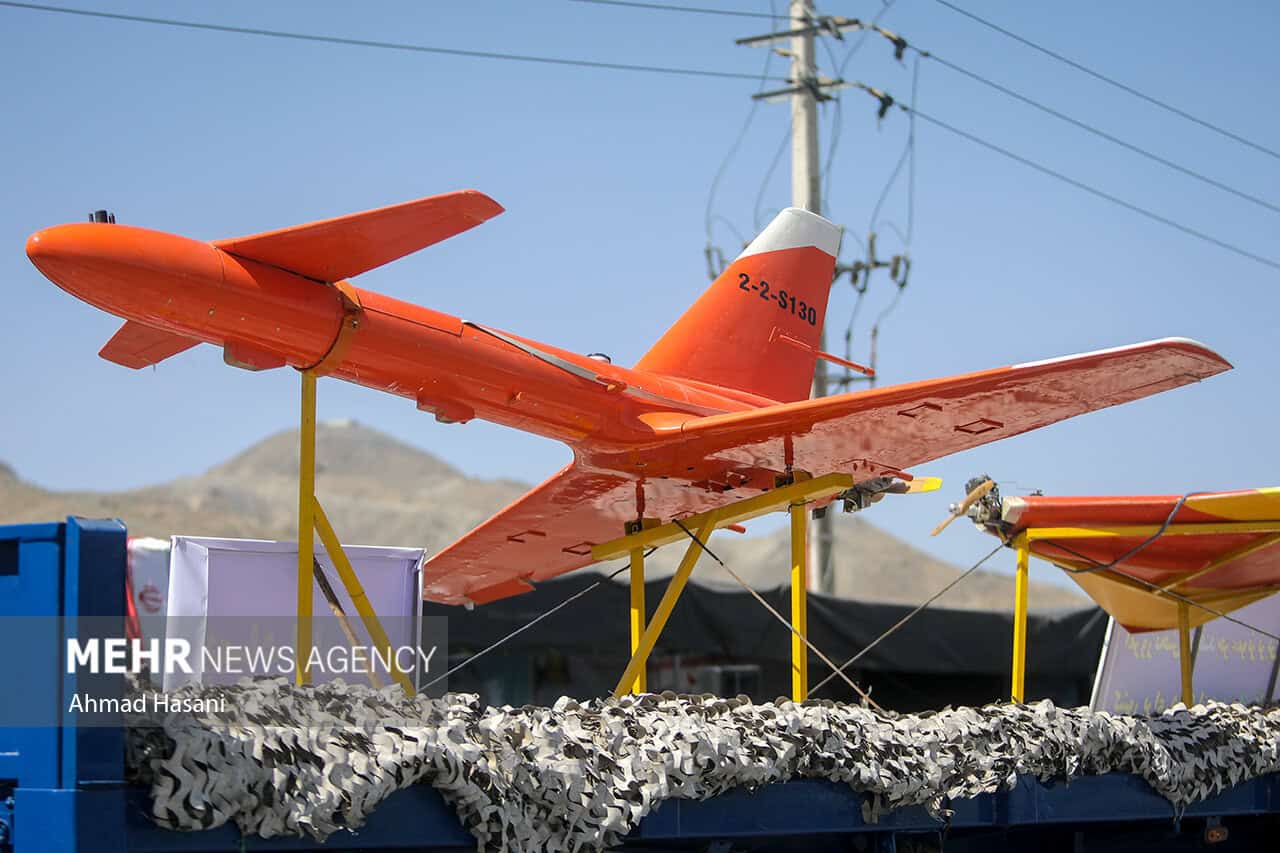
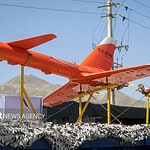
The Ababil-2 is a simple and cost-effective UAV used for reconnaissance and limited strike roles. Its low production cost allows for widespread use, supporting distributed operations. This scalability makes it an effective tool for maintaining persistent pressure on adversaries.
Karrar
- Asymmetric Category: Drone
- System Type: Jet UAV
- Primary Role in Asymmetric Warfare: High-speed attack
- Target or Threat Focus: Air defenses
- Operational Use Case: Strike missions
- Cost-Imposition Mechanism: Cost-effective
- Survivability or Scalability Advantage: Speed
- Operator or Controlling Entity: IRGC
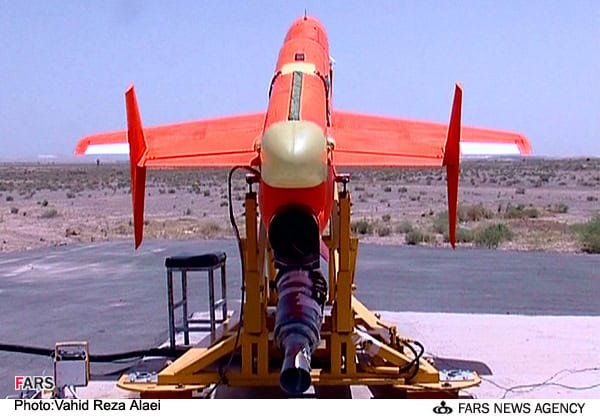
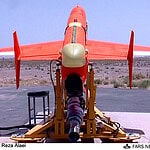
The Karrar’s jet-powered design gives it higher speed compared to other UAVs, enabling it to act as both a strike platform and a decoy. In asymmetric warfare, it can be used to confuse and saturate air defenses, forcing defenders to react to multiple types of threats simultaneously.
Noor ASM
- Asymmetric Category: Naval Disruption
- System Type: Anti-Ship Missile
- Primary Role in Asymmetric Warfare: Sea denial
- Target or Threat Focus: Naval vessels
- Operational Use Case: Shore launch
- Cost-Imposition Mechanism: Threatens ships cheaply
- Survivability or Scalability Advantage: Coastal deployment
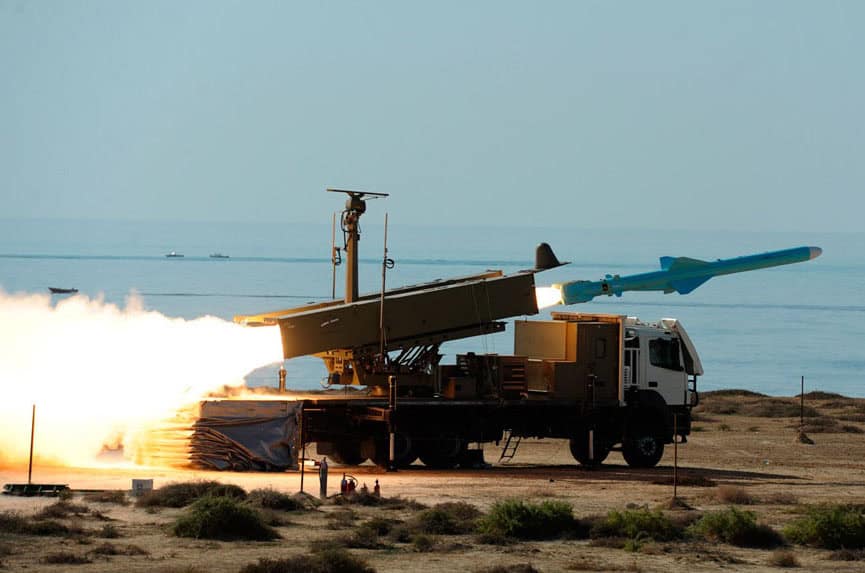
- Operator or Controlling Entity: IRGCN
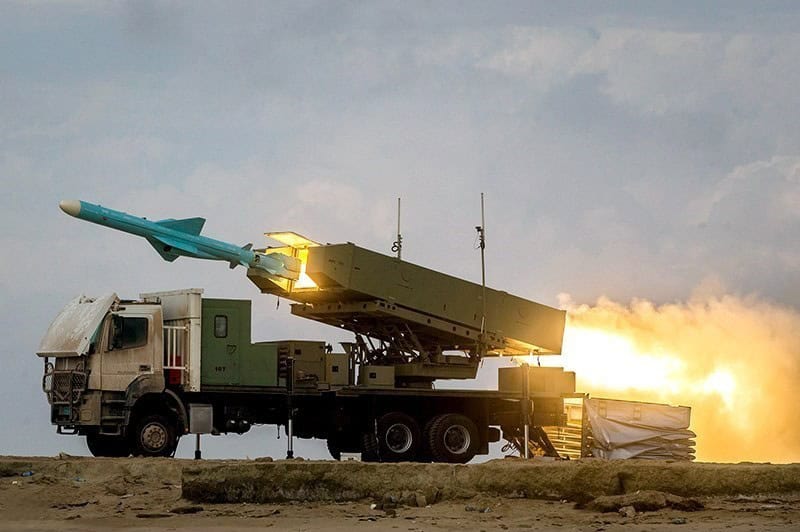
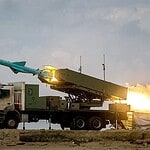
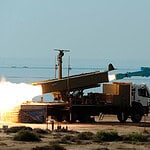
The Noor missile allows Iran to threaten naval vessels in confined waterways like the Strait of Hormuz. Its deployment forces naval forces to operate cautiously, increasing transit times and operational costs. This contributes to Iran’s broader strategy of maritime disruption.
Qader ASM
- Asymmetric Category: Naval Disruption
- System Type: Anti-Ship Missile
- Primary Role in Asymmetric Warfare: Sea denial
- Target or Threat Focus: Naval vessels
- Operational Use Case: Extended range attack
- Cost-Imposition Mechanism: Forces naval caution
- Survivability or Scalability Advantage: Range
- Operator or Controlling Entity: IRGCN
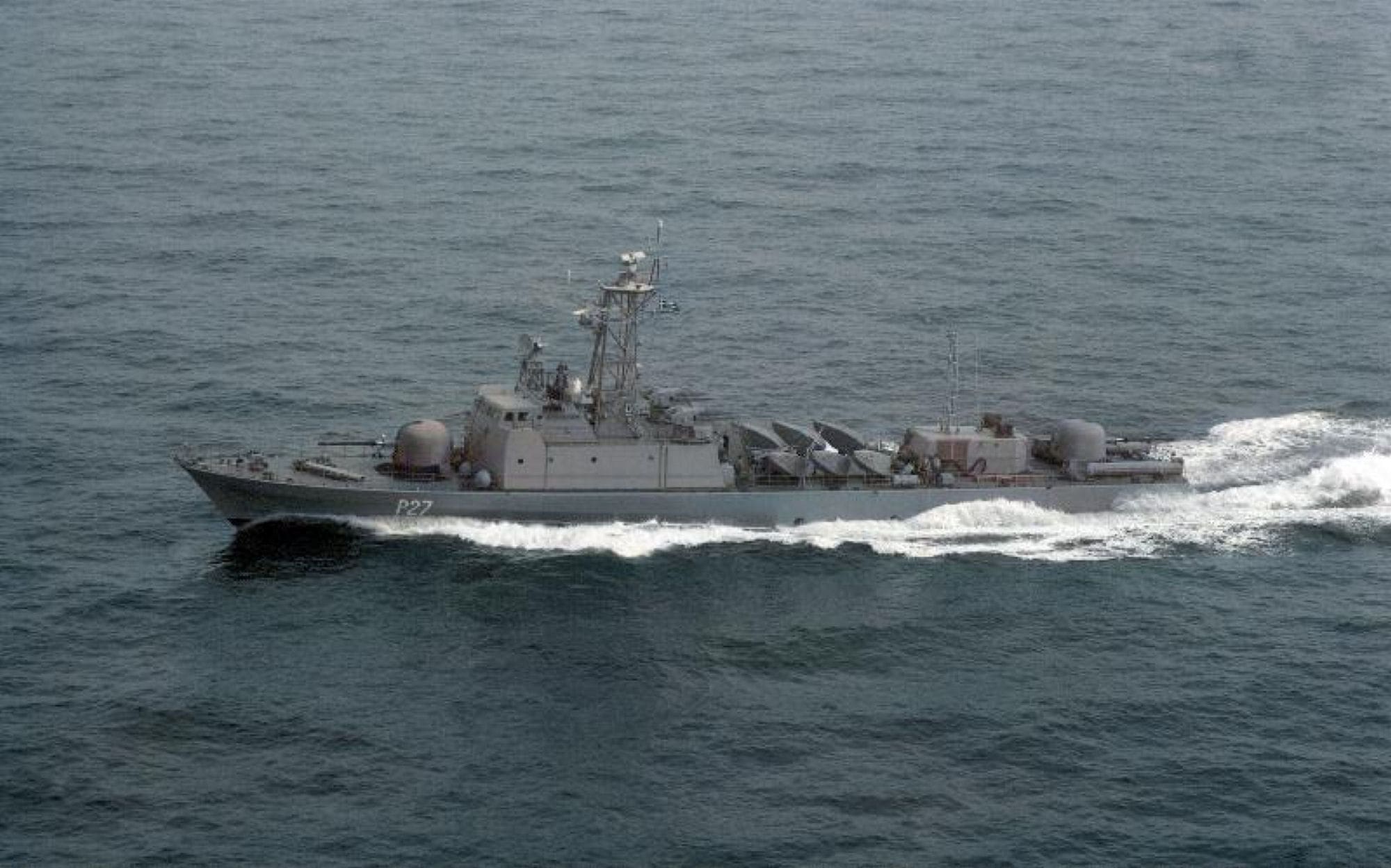
The Qader extends Iran’s anti-ship capabilities with greater range, allowing it to engage targets farther from shore. This expands the area that adversaries must defend, complicating naval operations and increasing the resources required to ensure safe passage.
Fast Attack Craft
- Asymmetric Category: Naval Disruption
- System Type: Boat
- Primary Role in Asymmetric Warfare: Swarm attack
- Target or Threat Focus: Warships
- Operational Use Case: Swarm tactics
- Cost-Imposition Mechanism: Overwhelm defenses
- Survivability or Scalability Advantage: Numbers
- Operator or Controlling Entity: IRGCN
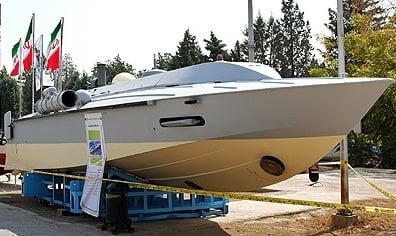
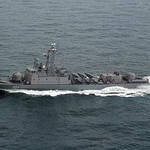
Fast attack craft are central to Iran’s swarm tactics, where large numbers of small boats are used to overwhelm larger naval vessels. Their speed and numbers create a constant threat, forcing adversaries to maintain heightened readiness and defensive posture.
Zolfaghar Boats
- Asymmetric Category: Naval Disruption
- System Type: Boat
- Primary Role in Asymmetric Warfare: Swarm attack
- Target or Threat Focus: Warships
- Operational Use Case: Fast assault
- Cost-Imposition Mechanism: Cheap swarm
- Survivability or Scalability Advantage: Speed
- Operator or Controlling Entity: IRGCN
These fast boats enhance Iran’s ability to conduct rapid, coordinated attacks in coastal waters. Their low cost and ease of deployment allow for large-scale use, supporting swarm tactics that can disrupt even advanced naval forces.
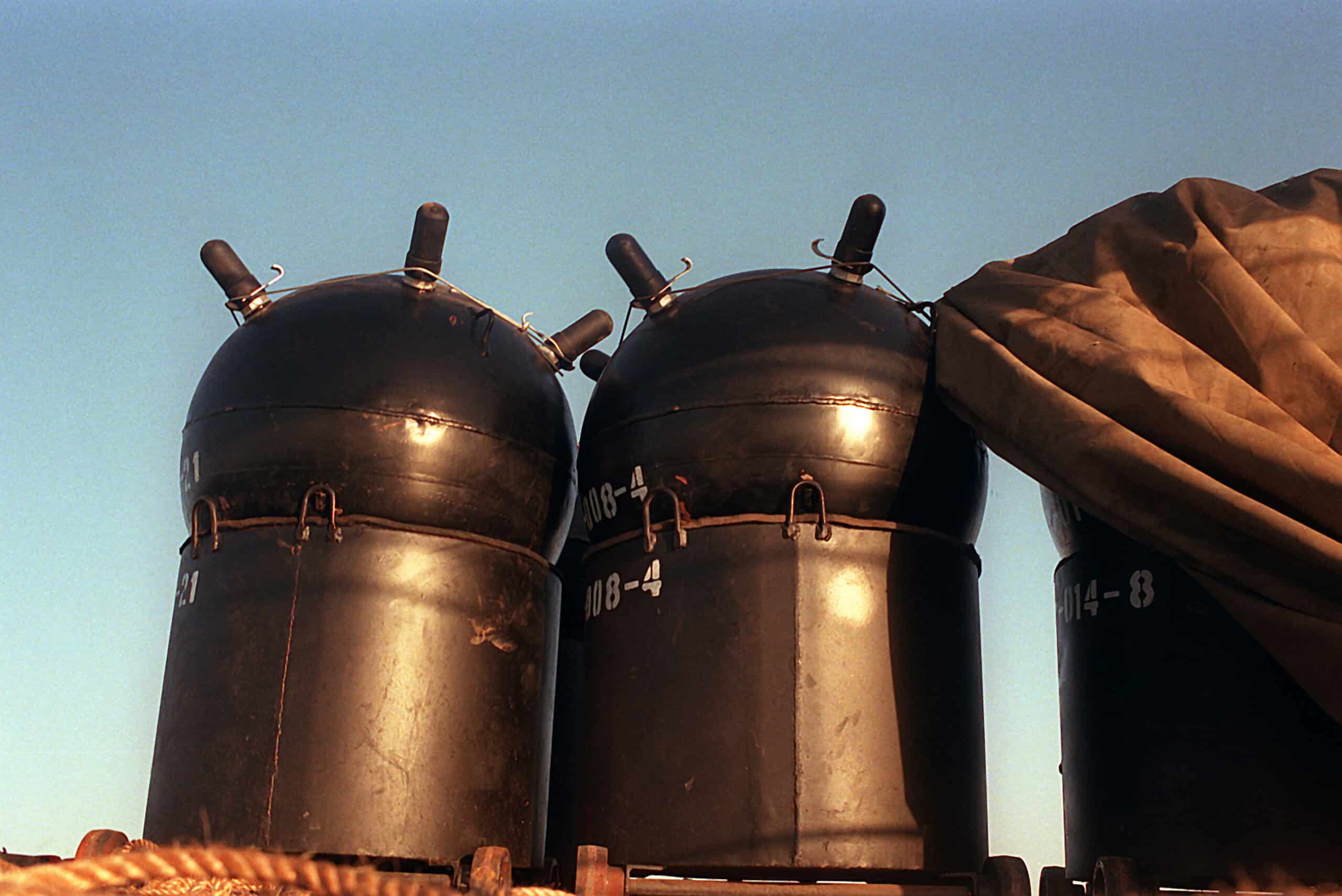
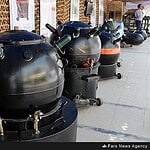
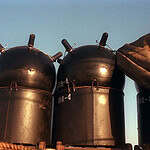
Maham Mines
- Asymmetric Category: Naval Disruption
- System Type: Naval Mine
- Primary Role in Asymmetric Warfare: Area denial
- Target or Threat Focus: Shipping lanes
- Operational Use Case: Deploy in chokepoints
- Cost-Imposition Mechanism: Disrupt trade
- Survivability or Scalability Advantage: Hidden placement
- Operator or Controlling Entity: IRGCN
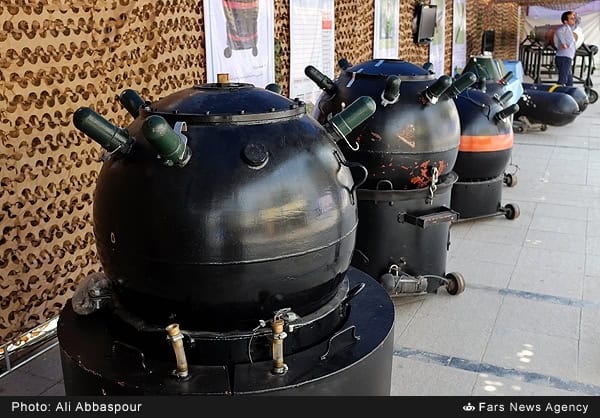
Naval mines provide a low-cost method of disrupting shipping lanes and threatening maritime traffic. Their presence alone can force costly clearance operations and rerouting, making them a highly effective tool in asymmetric naval warfare.
Sadaf-02
- Asymmetric Category: Naval Disruption
- System Type: Naval Mine
- Primary Role in Asymmetric Warfare: Area denial
- Target or Threat Focus: Shipping lanes
- Operational Use Case: Mine deployment
- Cost-Imposition Mechanism: Low-cost disruption
- Survivability or Scalability Advantage: Difficult detection
- Operator or Controlling Entity: IRGCN
The Sadaf-02 adds to Iran’s mine warfare capabilities by offering additional deployment flexibility. Its use increases uncertainty for naval forces, requiring constant vigilance and resource allocation to detect and neutralize potential threats.
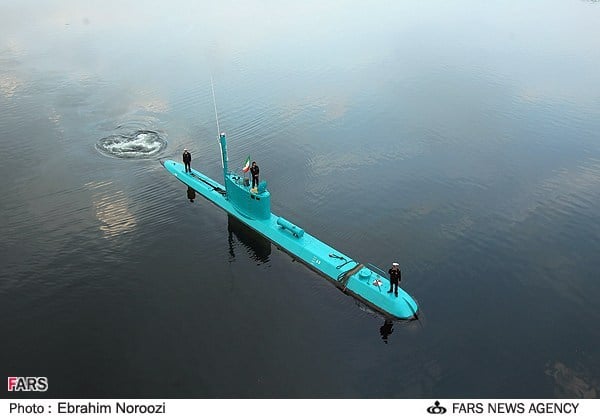
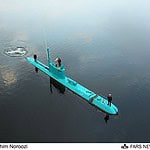
Ghadir Sub
- Asymmetric Category: Naval Disruption
- System Type: Submarine
- Primary Role in Asymmetric Warfare: Stealth attack
- Target or Threat Focus: Ships
- Operational Use Case: Coastal ambush
- Cost-Imposition Mechanism: Low-cost sub threat
- Survivability or Scalability Advantage: Stealth
- Operator or Controlling Entity: IRGCN
The Ghadir-class submarine is designed for operations in shallow coastal waters, where it can operate stealthily and threaten larger vessels. Its small size and low cost make it difficult to detect and neutralize, adding another layer to Iran’s maritime denial strategy.
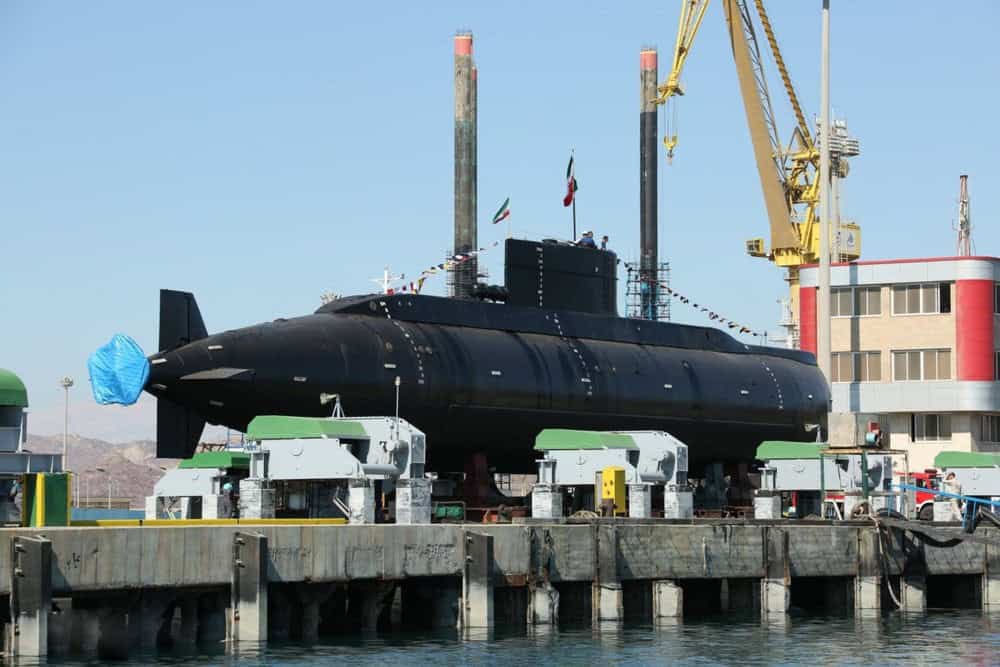
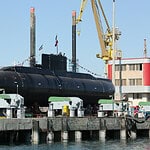
Fateh Sub
- Asymmetric Category: Naval Disruption
- System Type: Submarine
- Primary Role in Asymmetric Warfare: Coastal defense
- Target or Threat Focus: Ships
- Operational Use Case: Patrol missions
- Cost-Imposition Mechanism: Threatens navies
- Survivability or Scalability Advantage: Stealth
- Operator or Controlling Entity: IRGCN
The Fateh-class submarine provides improved endurance and capability compared to smaller subs, allowing for more sustained operations. It enhances Iran’s ability to project underwater threats, forcing adversaries to invest in anti-submarine warfare.
Missile Cities
- Asymmetric Category: Infrastructure
- System Type: Underground Base
- Primary Role in Asymmetric Warfare: Survivability
- Target or Threat Focus: All targets
- Operational Use Case: Hidden launches
- Cost-Imposition Mechanism: Protects arsenal
- Survivability or Scalability Advantage: Hardened tunnels
- Operator or Controlling Entity: IRGC
Iran’s underground missile bases ensure that its missile arsenal remains protected from preemptive strikes. This survivability allows Iran to maintain a credible strike capability even under attack, reinforcing its deterrence strategy.
Mosaic Defense
- Asymmetric Category: Doctrine
- System Type: Command Structure
- Primary Role in Asymmetric Warfare: Decentralization
- Target or Threat Focus: All threats
- Operational Use Case: Distributed warfare
- Cost-Imposition Mechanism: Hard to disrupt
- Survivability or Scalability Advantage: Autonomy
- Operator or Controlling Entity: IRGC
The mosaic defense approach decentralizes command and control, allowing smaller units to operate independently if communication is disrupted. This makes Iran’s military structure more resilient and harder to disable through targeted strikes.
Quds Force
- Asymmetric Category: Proxy Warfare
- System Type: Organization
- Primary Role in Asymmetric Warfare: Proxy enablement
- Target or Threat Focus: Regional targets
- Operational Use Case: Arming proxies
- Cost-Imposition Mechanism: Extends reach cheaply
- Survivability or Scalability Advantage: Distributed network
- Operator or Controlling Entity: IRGC
The Quds Force enables Iran to extend its influence through proxy groups, allowing it to engage adversaries indirectly. This approach reduces the risk of direct confrontation while maintaining pressure across multiple fronts.
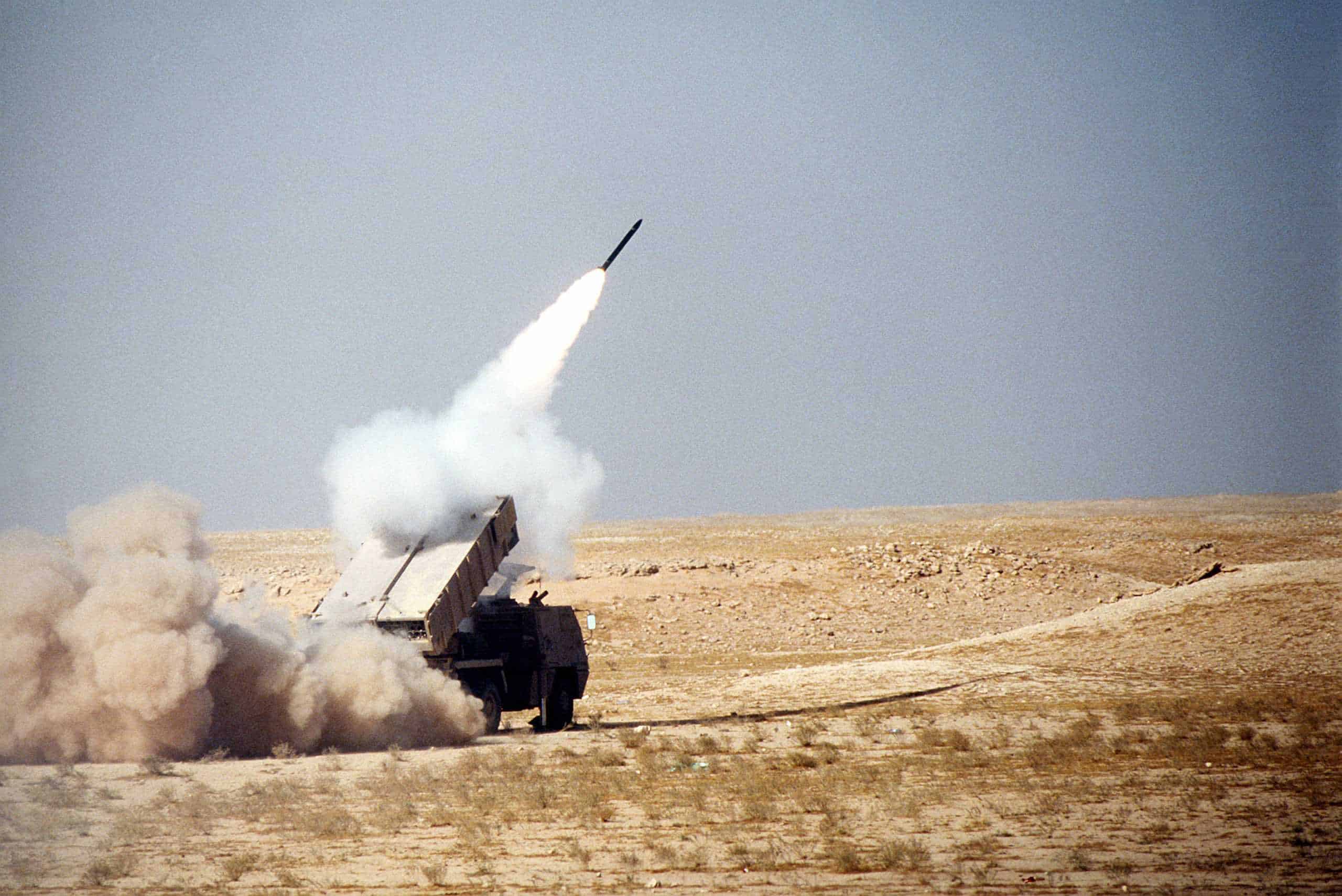
Proxy Rockets
- Asymmetric Category: Proxy Warfare
- System Type: Rocket Systems
- Primary Role in Asymmetric Warfare: Indirect fire
- Target or Threat Focus: Cities, bases
- Operational Use Case: Proxy launches
- Cost-Imposition Mechanism: Low-cost attacks
- Survivability or Scalability Advantage: Wide distribution
- Operator or Controlling Entity: Proxies
By supplying rockets to proxy groups, Iran can conduct attacks from multiple locations without direct involvement. This distributed approach complicates defense and increases the geographic scope of conflict.
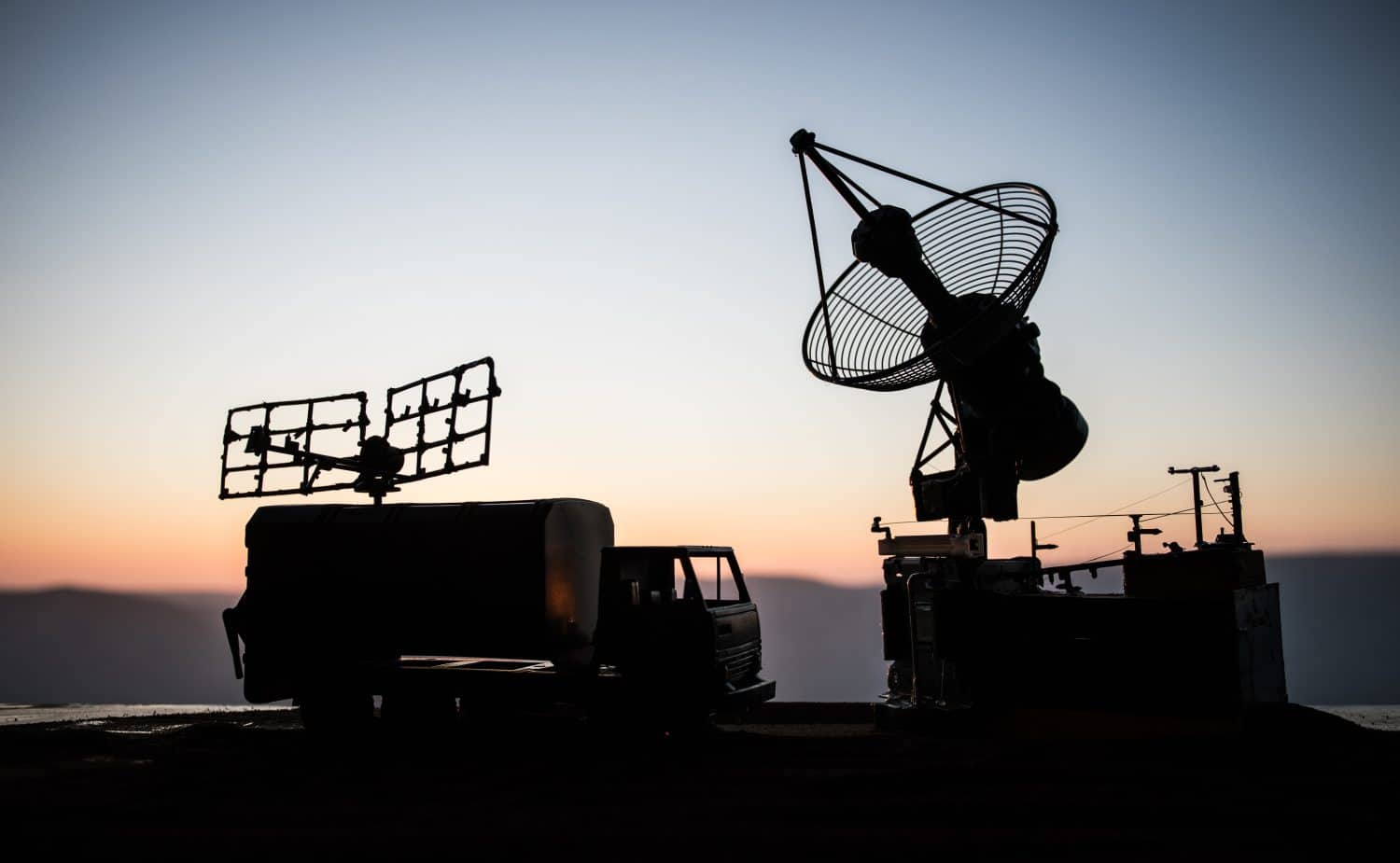
EW Systems
- Asymmetric Category: Electronic Warfare
- System Type: EW System
- Primary Role in Asymmetric Warfare: Disruption
- Target or Threat Focus: Communications
- Operational Use Case: Signal jamming
- Cost-Imposition Mechanism: Non-kinetic cost
- Survivability or Scalability Advantage: Hard to counter
- Operator or Controlling Entity: IRGC
Electronic warfare systems provide a non-kinetic means of disrupting communications and targeting systems. In asymmetric warfare, this capability can degrade an adversary’s effectiveness without requiring direct engagement, further increasing the cost and complexity of operations.
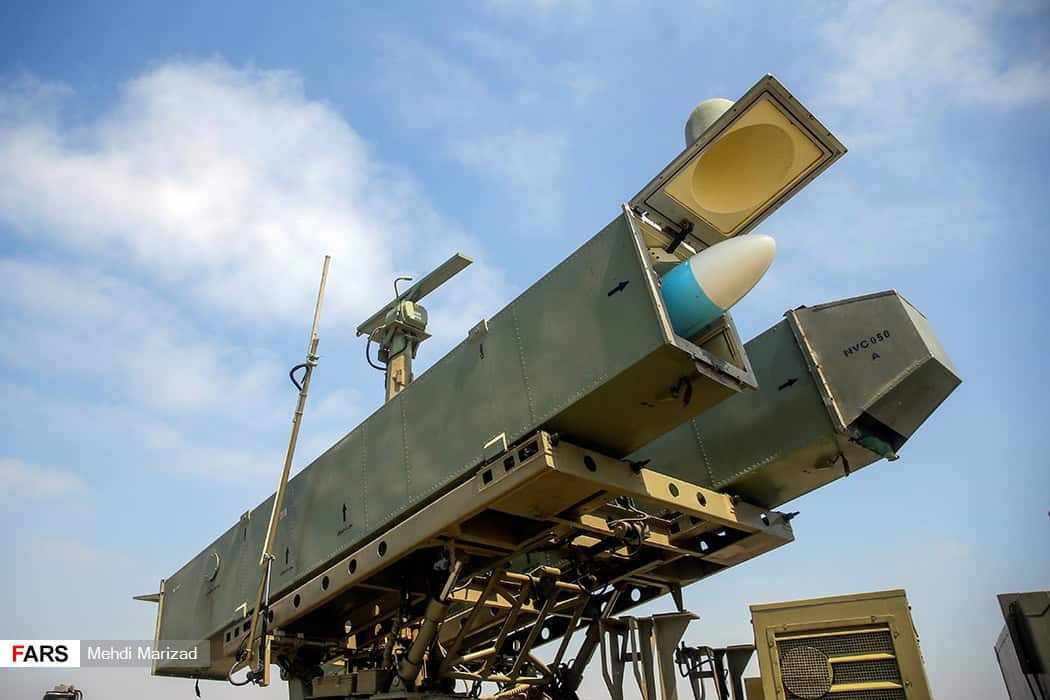
The image featured at the top of this post is ©Medhi Marizad / Wikimedia Commons – License / Original