





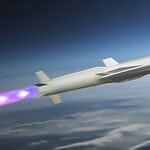
These Naval Systems Redefined How Modern Fleets Fight at Sea
Naval warfare has changed dramatically over the past century, and the biggest shifts have rarely come from a single ship or weapon alone. They have come from systems that changed how fleets detect threats, coordinate attacks, defend against incoming fire, and project power across vast distances. What was once dominated by line-of-sight encounters and heavy naval guns has evolved into a faster, more complex battlefield shaped by missiles, radar, sonar, carrier aviation, electronic warfare, and networked command systems.
History Computer takes a closer look at the naval systems that helped redefine how modern fleets fight at sea. These systems did more than improve firepower. They changed doctrine, altered the balance between offense and defense, and forced navies to rethink how ships, aircraft, submarines, satellites, and unmanned platforms work together in combat.
To identify the naval systems that changed fleet engagement in modern warfare, History Computer reviewed historical and military sources and considered each system’s role, country of origin, engagement range, and long-term impact. The focus is not just on what each system does, but on how it changed the way naval forces find targets, survive attacks, and coordinate across increasingly contested waters.
Understanding these systems is key to understanding modern maritime power. Today’s naval combat is less about two fleets closing in for a direct exchange and more about who can detect first, communicate securely, strike accurately, and defend against threats coming from the air, sea, undersea, space, and cyberspace. As major powers continue investing in advanced missiles, sensors, and unmanned systems, the ability to operate as a connected force has become one of the defining factors in naval dominance.
Here is a look at the naval systems that changed how fleets engage in modern warfare:
From Guns to Guided Warfare
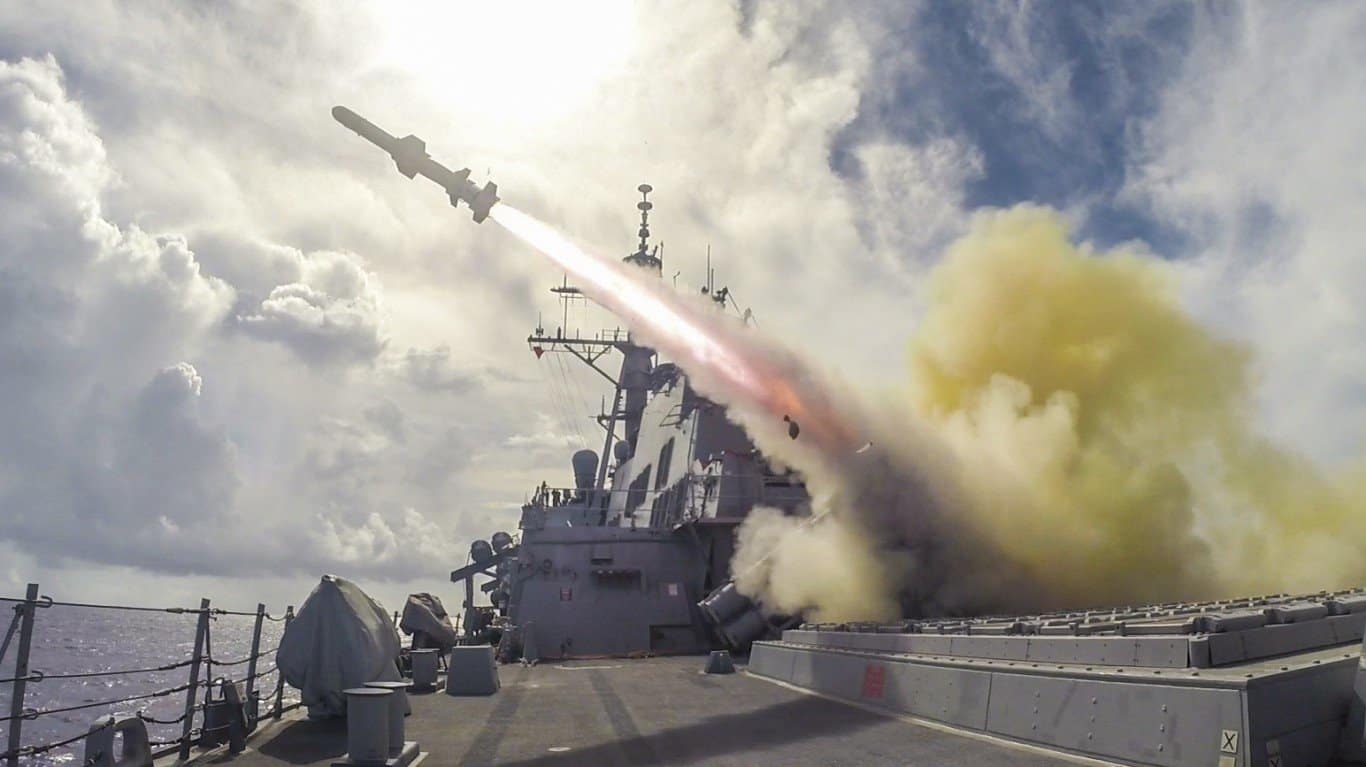
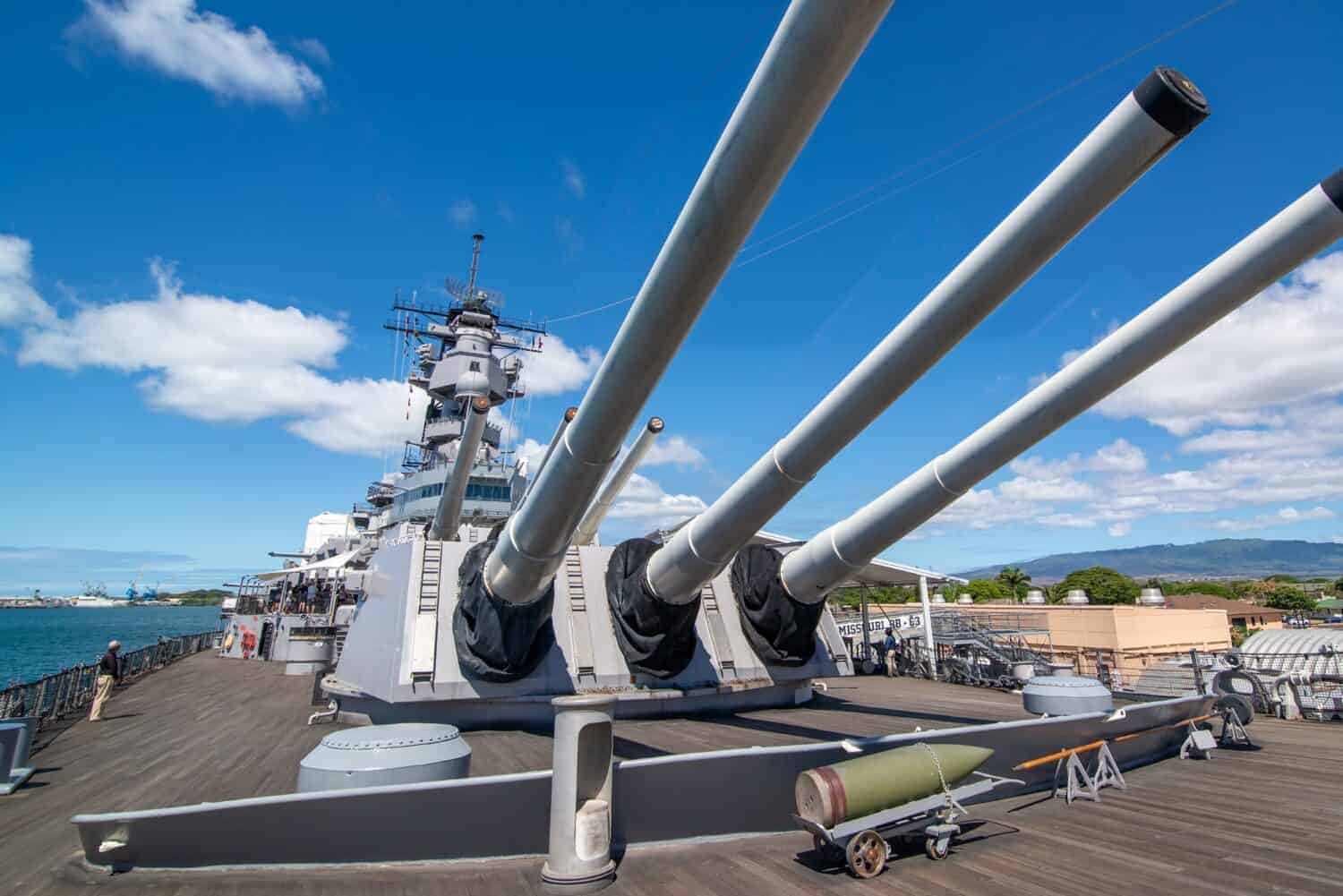
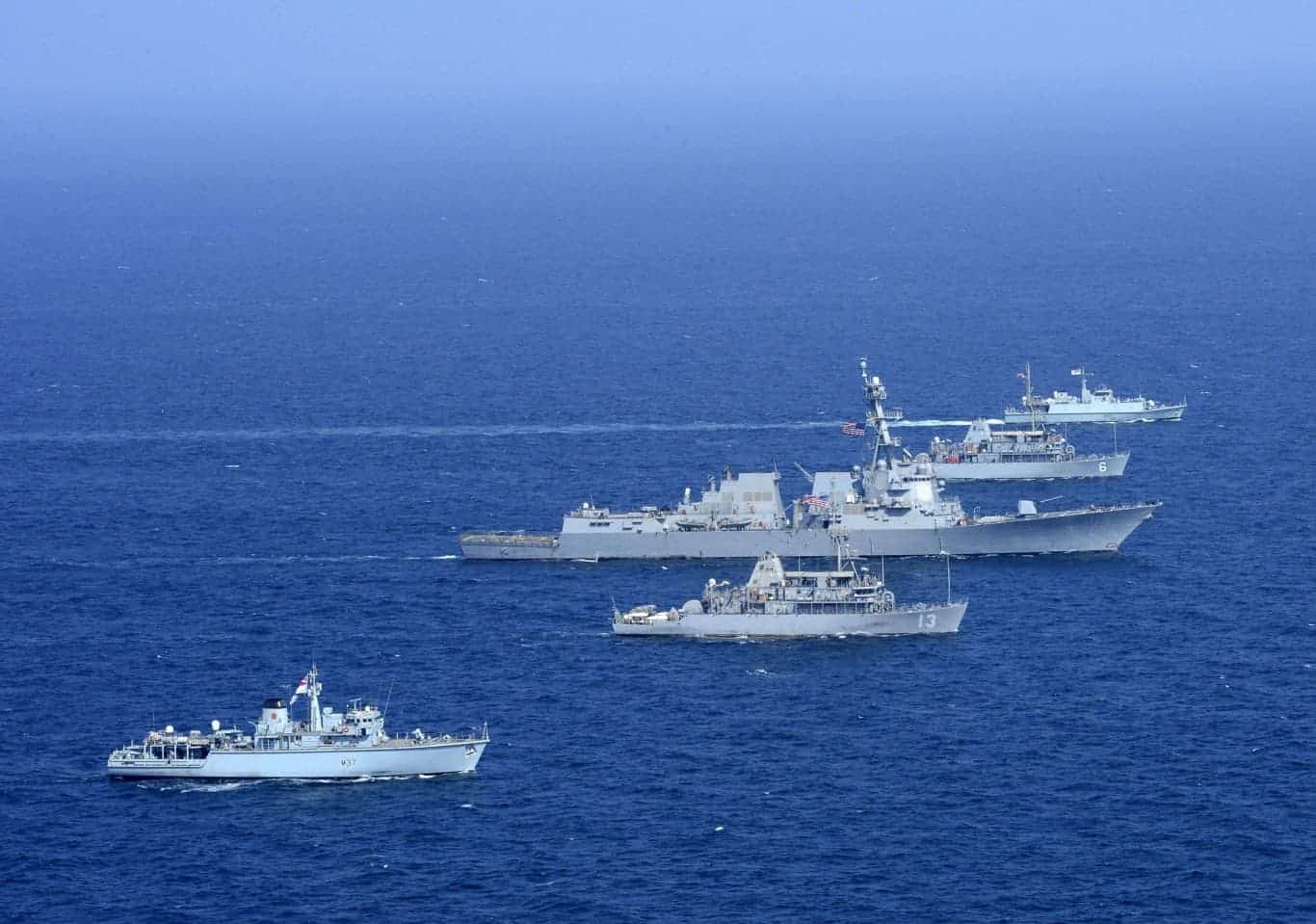
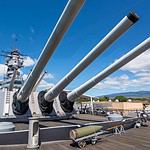
Naval warfare was once defined by battleships exchanging gunfire at relatively close range, where visibility, armor, and positioning determined the outcome. Fleets maneuvered to bring their guns to bear, and engagements often unfolded within visual range of the enemy. That era has been replaced by guided weapons, advanced sensors, and systems that allow fleets to engage targets far beyond the horizon. The transition from gun-based combat to missile warfare fundamentally changed how navies operate, shifting the focus away from brute force and toward detection, targeting, and precision strike capability that can decide a battle before opposing ships ever see one another.
The Rise of Detection and Information Dominance
Modern naval combat begins long before the first shot is fired, driven by the ability to detect, track, and interpret threats across vast distances. Systems like radar, sonar, and electronic surveillance provide fleets with a continuous stream of data, allowing commanders to build a detailed picture of the battlespace. This emphasis on information has made situational awareness one of the most critical factors in naval engagements. The side that can identify the enemy first, track their movements, and anticipate their actions gains a decisive advantage, turning detection systems into the foundation of modern naval power.
Engagement Ranges Expanded Beyond the Horizon
One of the most significant changes in naval warfare has been the expansion of engagement ranges well beyond the horizon. With the introduction of cruise missiles and carrier-based aircraft, fleets can now strike targets hundreds of miles away with precision. This capability removes the need for ships to close distance and engage in direct confrontation, fundamentally altering naval tactics. Instead of relying on proximity and firepower alone, modern fleets operate in a battlespace defined by range, timing, and targeting accuracy, where the ability to strike first from a distance often determines the outcome.
Fleets Became Networks, Not Individual Ships
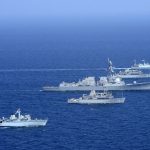
Today’s naval forces operate as integrated networks rather than isolated ships, with advanced communication systems linking platforms across the battlespace. Data links and cooperative engagement systems allow ships, aircraft, and other assets to share information in real time, creating a unified operational picture. This level of integration means that one platform can detect a target while another engages it, dramatically increasing flexibility and effectiveness. The result is a shift toward network-centric warfare, where the strength of the fleet lies not just in individual platforms, but in how well they work together as a cohesive system.
Speed of Engagement Defines Modern Naval Combat
As naval technology has advanced, the speed at which engagements occur has increased dramatically, compressing decision-making timelines and raising the stakes of every encounter. Modern missiles travel at supersonic and hypersonic speeds, leaving little room for delayed reactions or manual processes. This acceleration has forced navies to rely on automated systems, rapid data processing, and layered defenses to survive in high-threat environments. In modern naval combat, the ability to detect, decide, and act within seconds is often the difference between successfully neutralizing a threat and suffering catastrophic damage.
Naval Radar Systems
- System Type: Sensor
- Country of Origin: United Kingdom/United States
- Era Introduced: WWII
- Primary Function: Detection
- Engagement Range Impact: Beyond-Horizon
- Key Capability Introduced: All-weather surface/air detection
- Doctrine or Warfare Shift Enabled: Radar-centric naval combat
- How It Changed Fleet Engagement: Fleets could detect and engage without visual contact
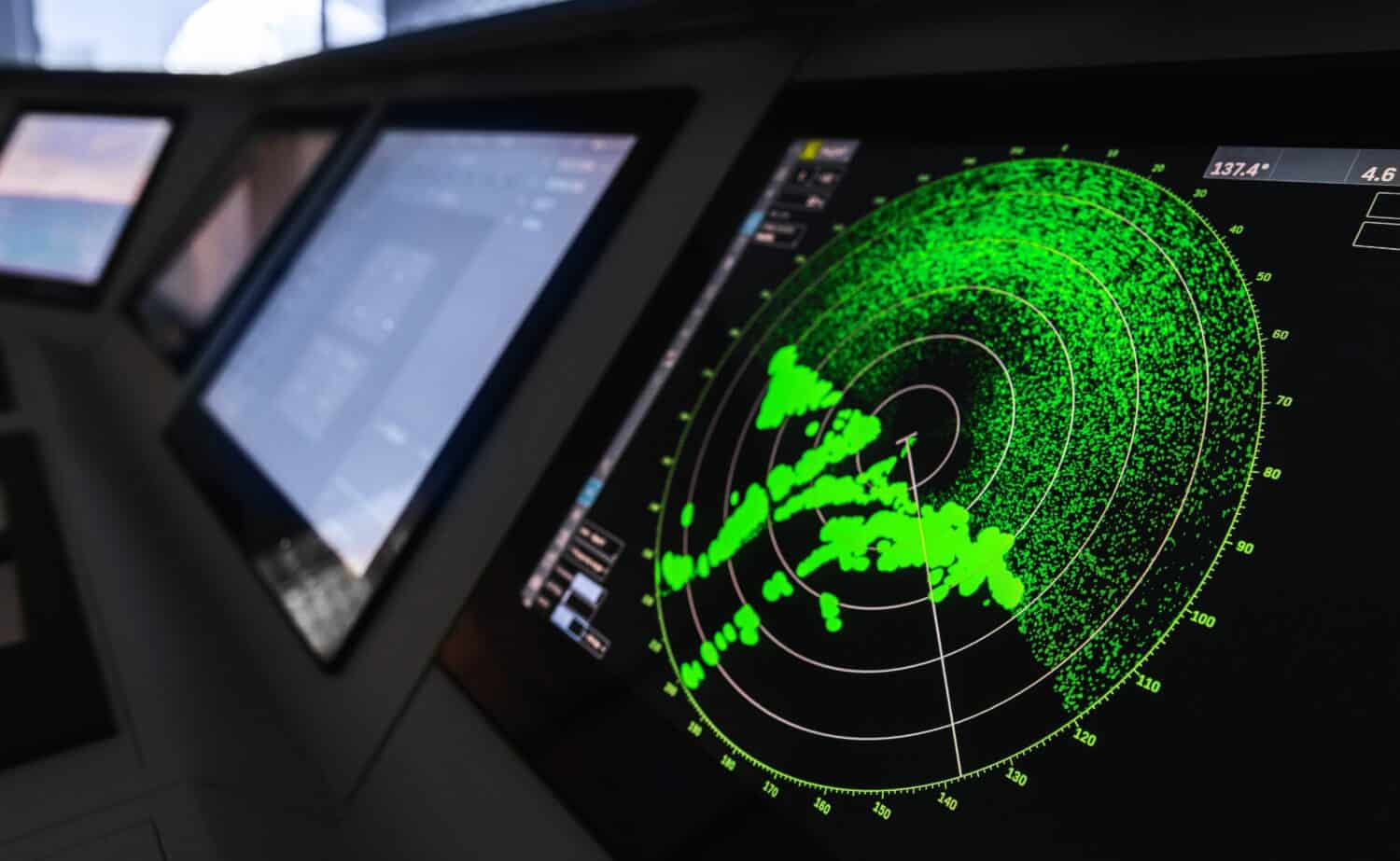
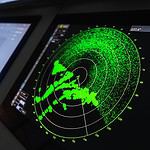
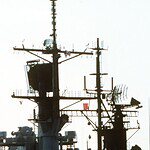
Naval radar systems transformed fleet engagements by eliminating the need for visual contact before combat. Prior to radar, ships relied on sight and weather conditions to locate enemy vessels, limiting engagement opportunities. Radar introduced all-weather, day-and-night detection, allowing fleets to identify and track targets at much greater distances. This shifted naval warfare from reactive encounters to proactive engagements, where the side that detected the enemy first gained a decisive advantage. Radar laid the foundation for modern naval combat, where information and early warning are critical to survival.
Carrier Air Wing (CVW)
- System Type: Platform
- Country of Origin: United States
- Era Introduced: WWII
- Primary Function: Strike
- Engagement Range Impact: Beyond-Horizon
- Key Capability Introduced: Airpower projection at sea
- Doctrine or Warfare Shift Enabled: Carrier warfare dominance
- How It Changed Fleet Engagement: Engagements shifted from ship guns to aircraft strikes
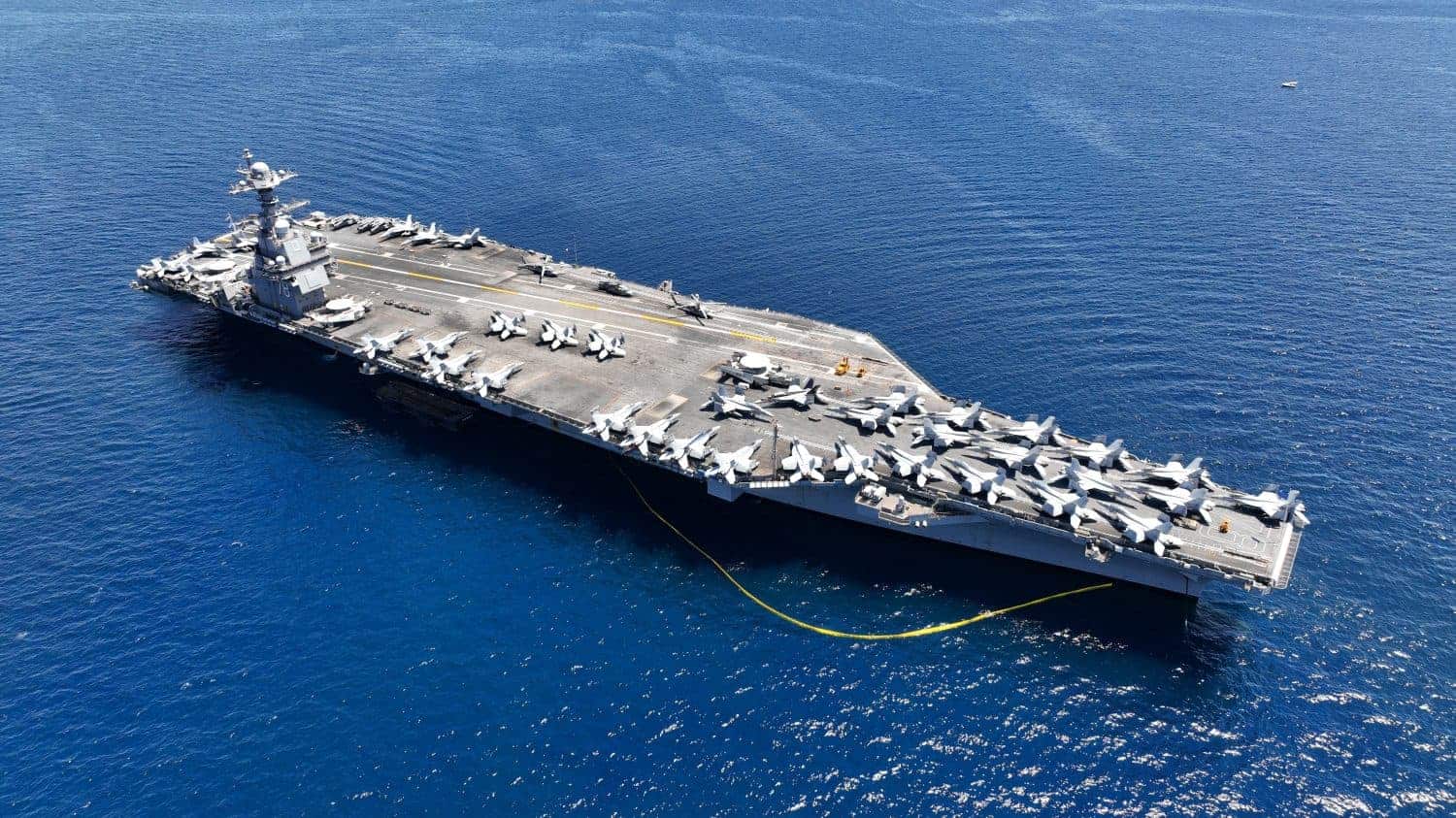
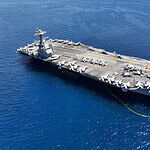
The carrier air wing fundamentally redefined naval combat by shifting offensive power away from ships and into the air. Instead of engaging enemy fleets with guns at close range, carriers could launch aircraft to strike targets hundreds of miles away. This extended engagement range dramatically and made traditional battleship-centric strategies obsolete. Fleets no longer needed to close distance to engage, as aircraft could deliver precision strikes while the carrier remained out of harm’s way, establishing airpower as the dominant force in naval warfare.
Combat Information Center (CIC)
- System Type: Integrated System
- Country of Origin: United States
- Era Introduced: WWII
- Primary Function: Command & Control
- Engagement Range Impact: Beyond-Horizon
- Key Capability Introduced: Centralized battle management
- Doctrine or Warfare Shift Enabled: Information-centric warfare
- How It Changed Fleet Engagement: Decisions based on aggregated sensor data, not line-of-sight
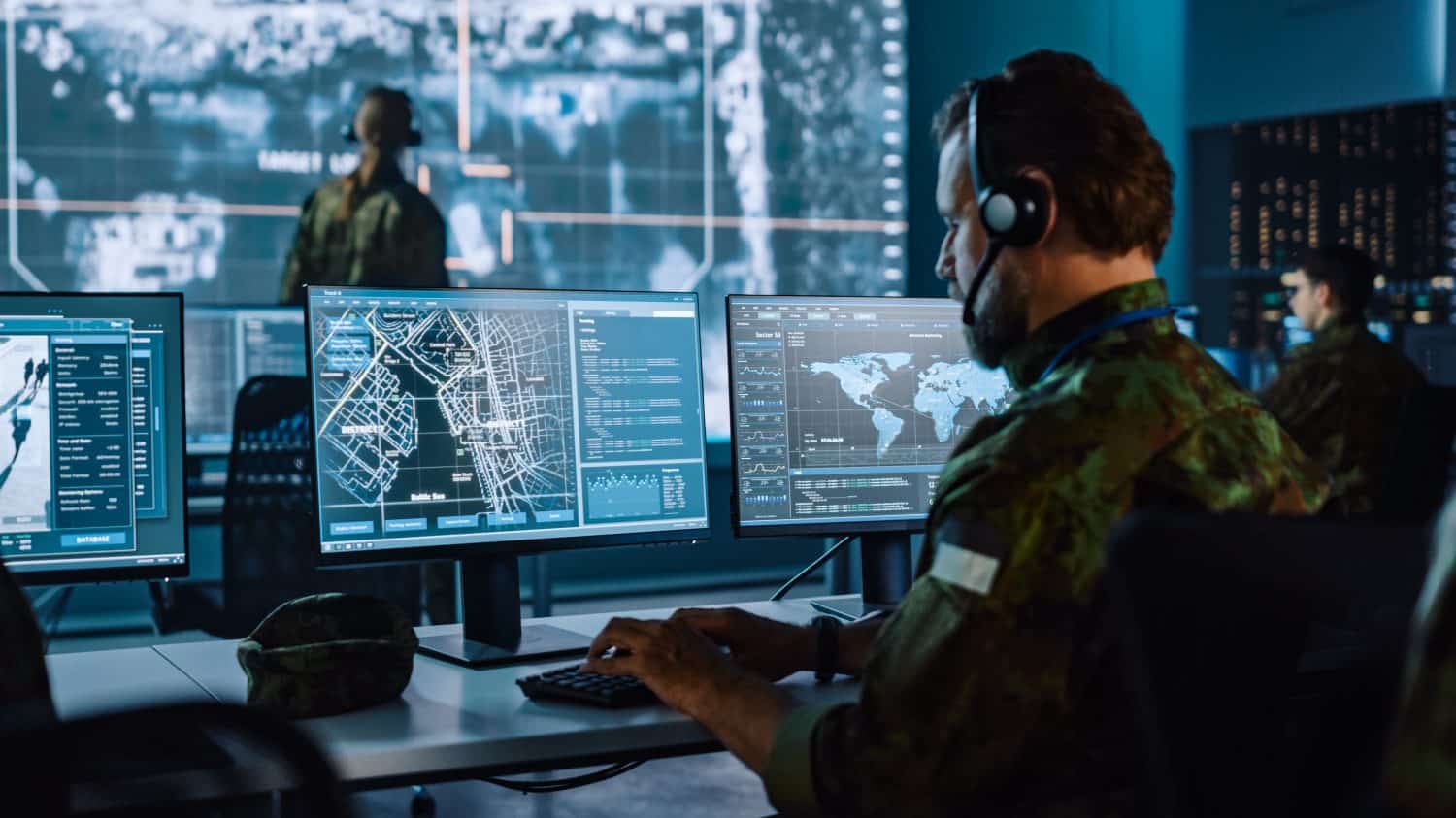
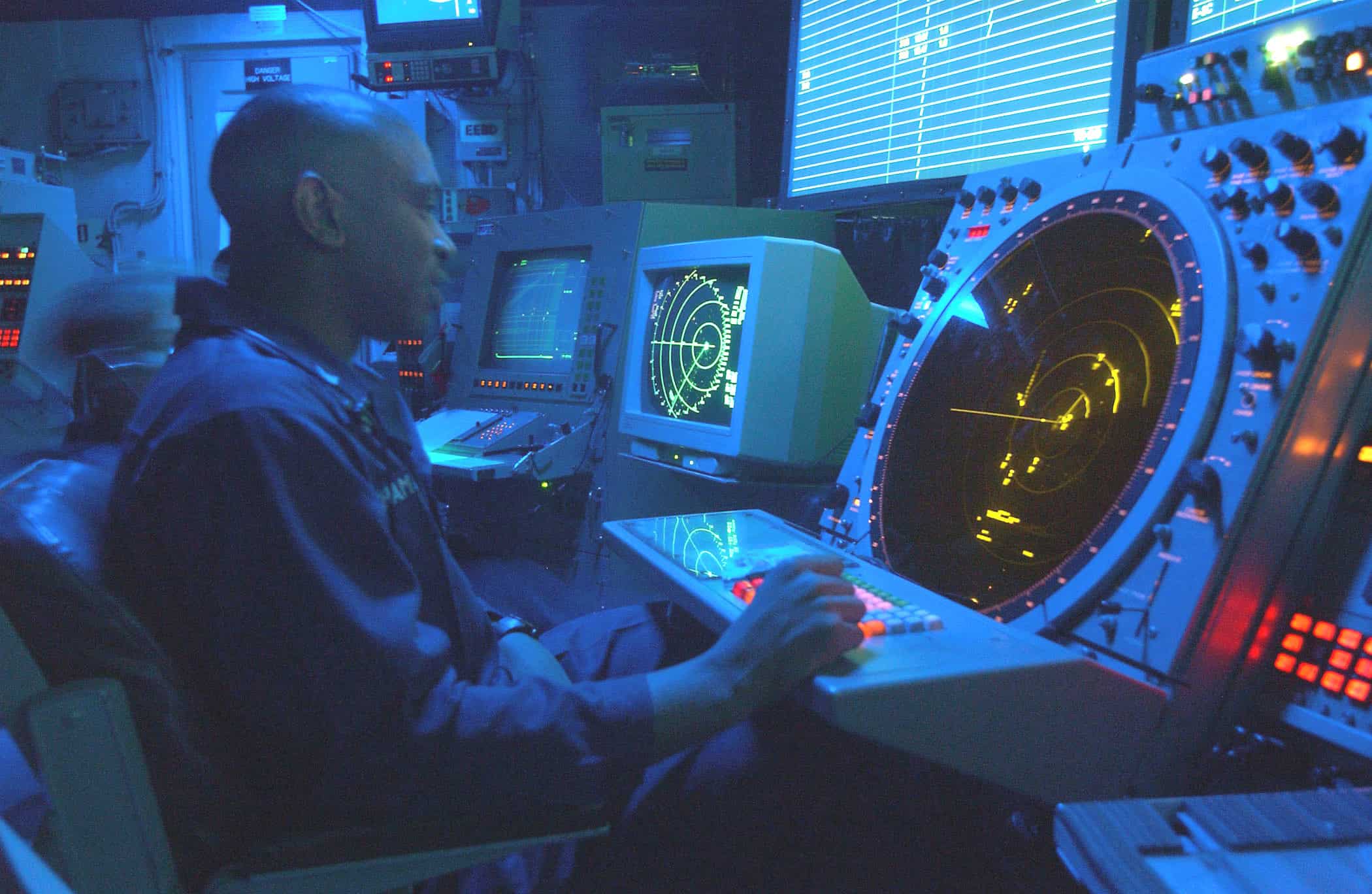
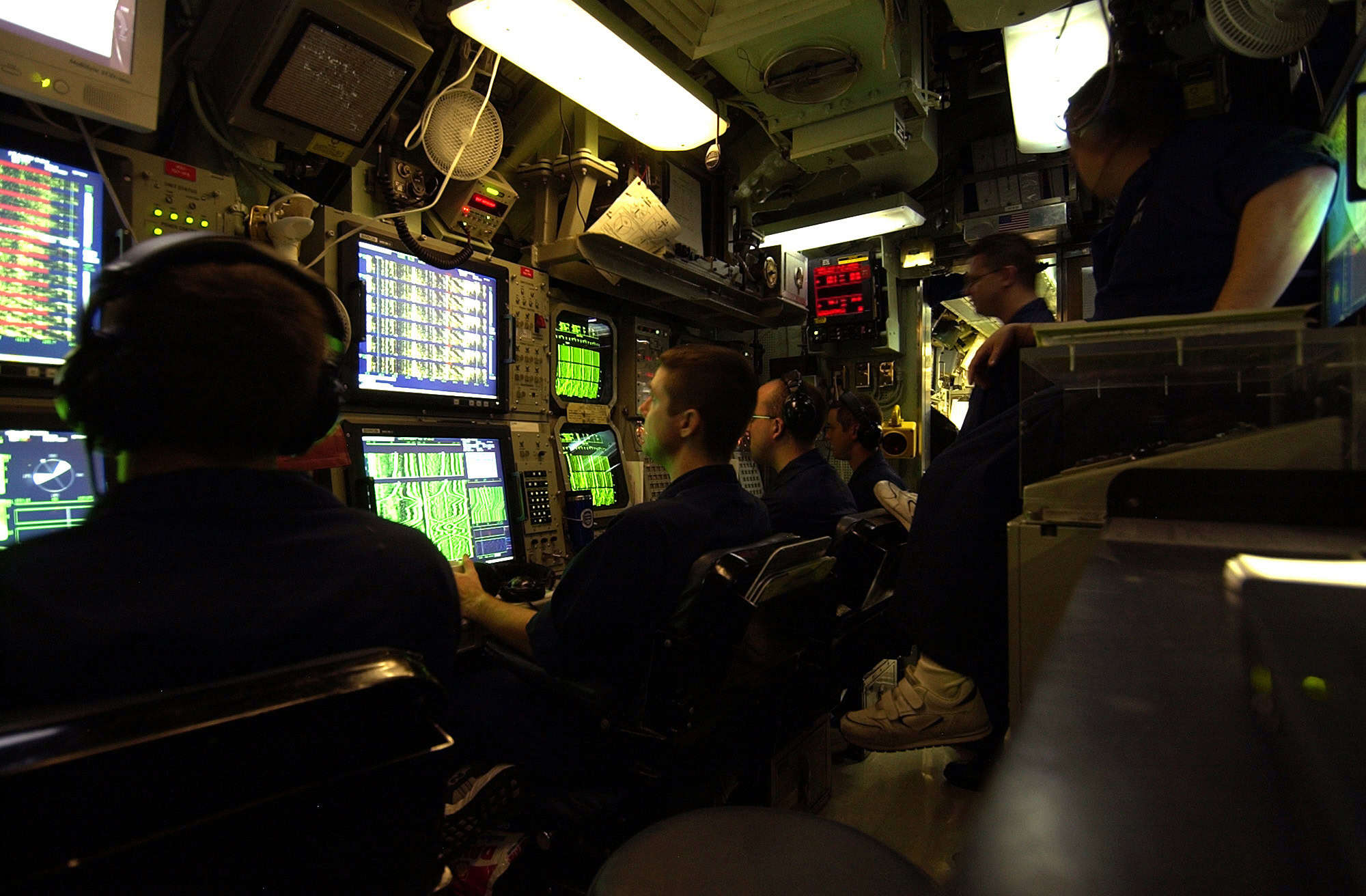
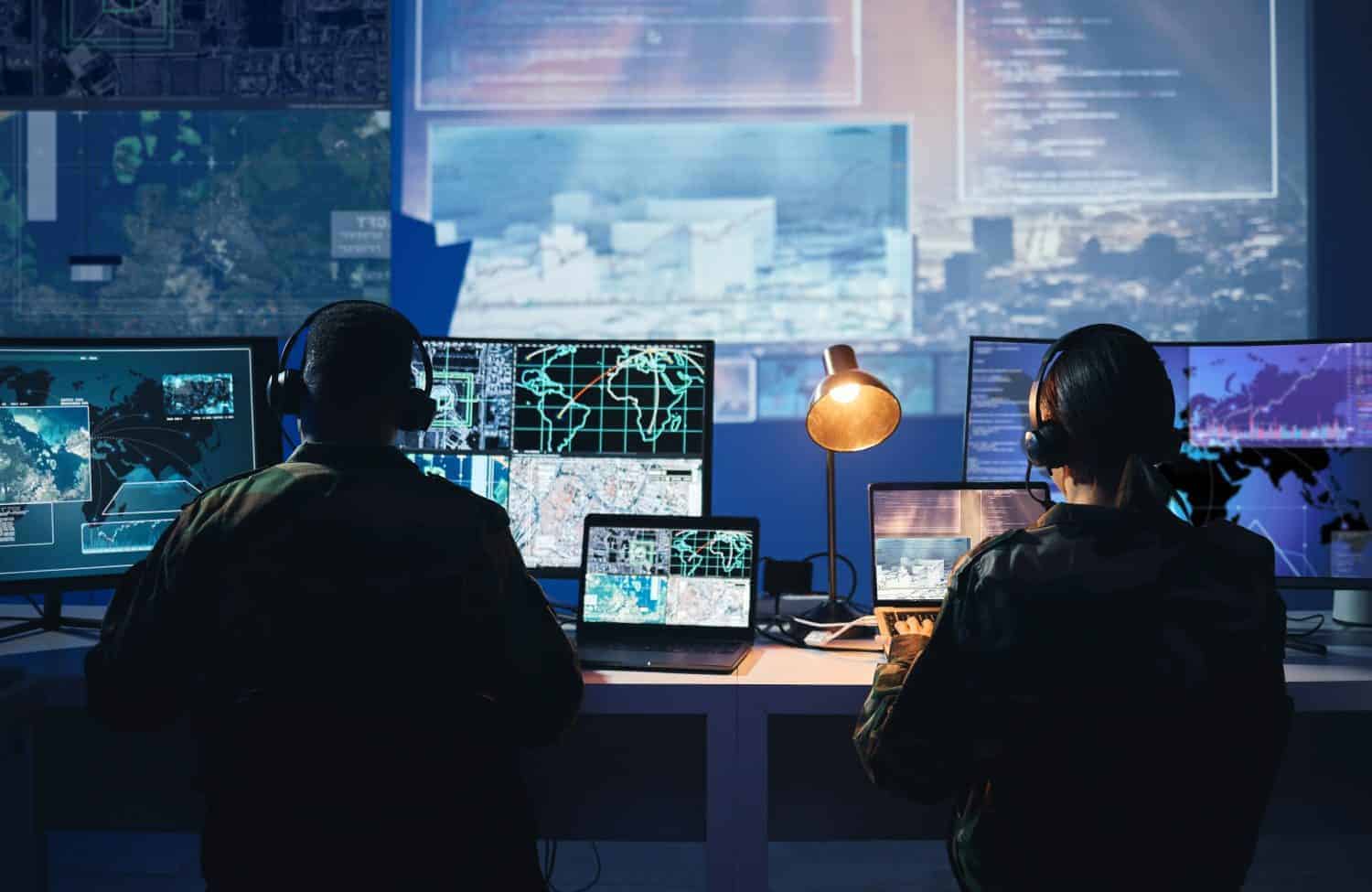
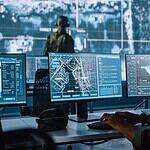
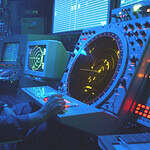
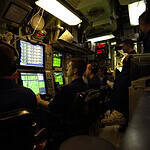
The Combat Information Center centralized battlefield awareness by integrating data from radar, sonar, and other sensors into a single decision-making hub. This allowed commanders to process information in real time and coordinate responses more effectively. Instead of relying on fragmented reports, fleets could operate with a unified picture of the battlespace. This shift enabled faster, more informed decisions, reducing reaction time and increasing combat effectiveness. The CIC marked a transition toward information-driven warfare, where data integration became as important as firepower.
Anti-Ship Cruise Missiles
- System Type: Weapon
- Country of Origin: United States/France
- Era Introduced: Cold War
- Primary Function: Strike
- Engagement Range Impact: Beyond-Horizon
- Key Capability Introduced: Sea-skimming precision strike
- Doctrine or Warfare Shift Enabled: Missile-centric naval combat
- How It Changed Fleet Engagement: Ships could destroy targets without closing distance
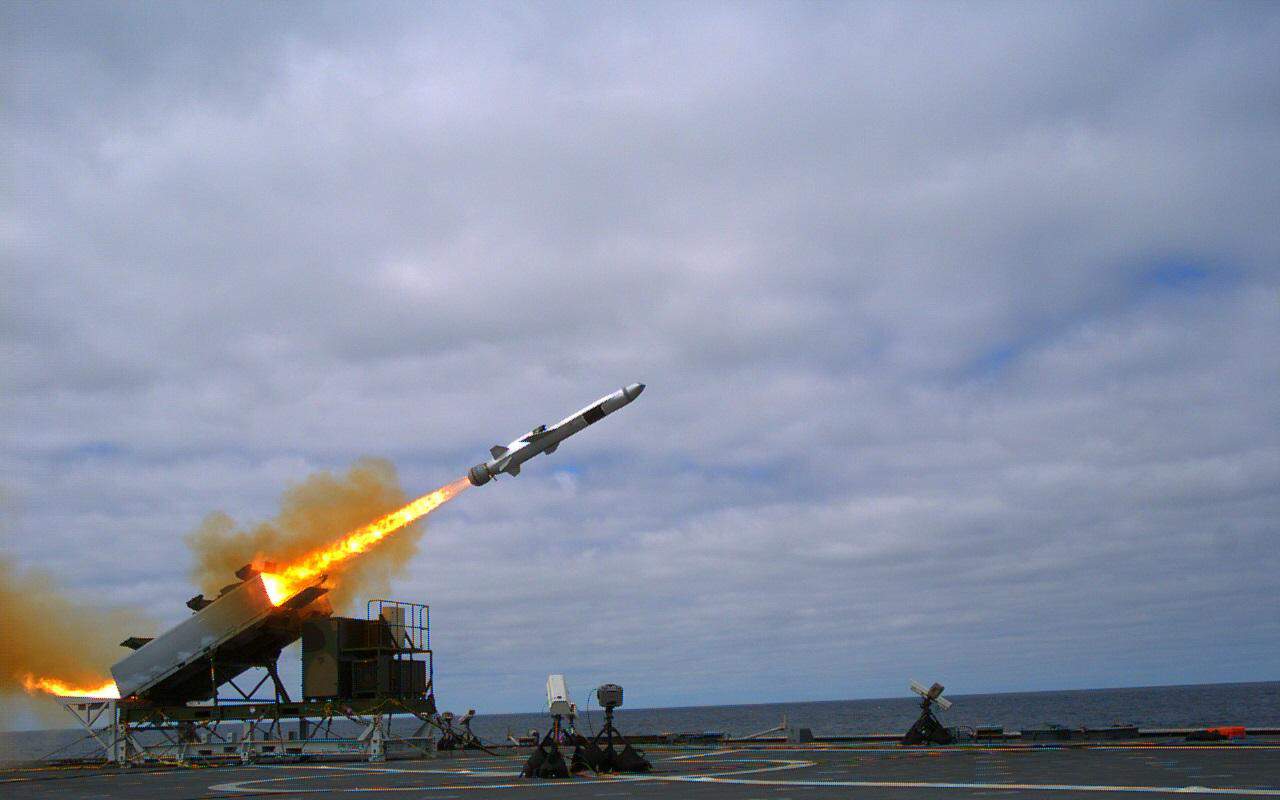
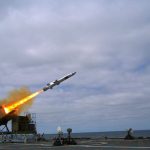
Anti-ship cruise missiles changed naval engagements by allowing ships to strike targets far beyond visual and even radar range. These weapons travel at high speed and low altitude, making them difficult to detect and intercept. Their introduction meant that fleets could no longer rely on armor or proximity for protection. Instead, engagements became about detection, targeting, and missile defense. The ability to destroy an enemy ship from long distance fundamentally altered naval tactics, making missile warfare the centerpiece of modern fleet combat.
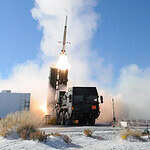
Surface-to-Air Missile Systems
- System Type: Weapon
- Country of Origin: United States
- Era Introduced: Cold War
- Primary Function: Air Defense
- Engagement Range Impact: Long
- Key Capability Introduced: Ship-based air defense
- Doctrine or Warfare Shift Enabled: Layered fleet defense
- How It Changed Fleet Engagement: Aircraft could no longer freely attack ships at close range
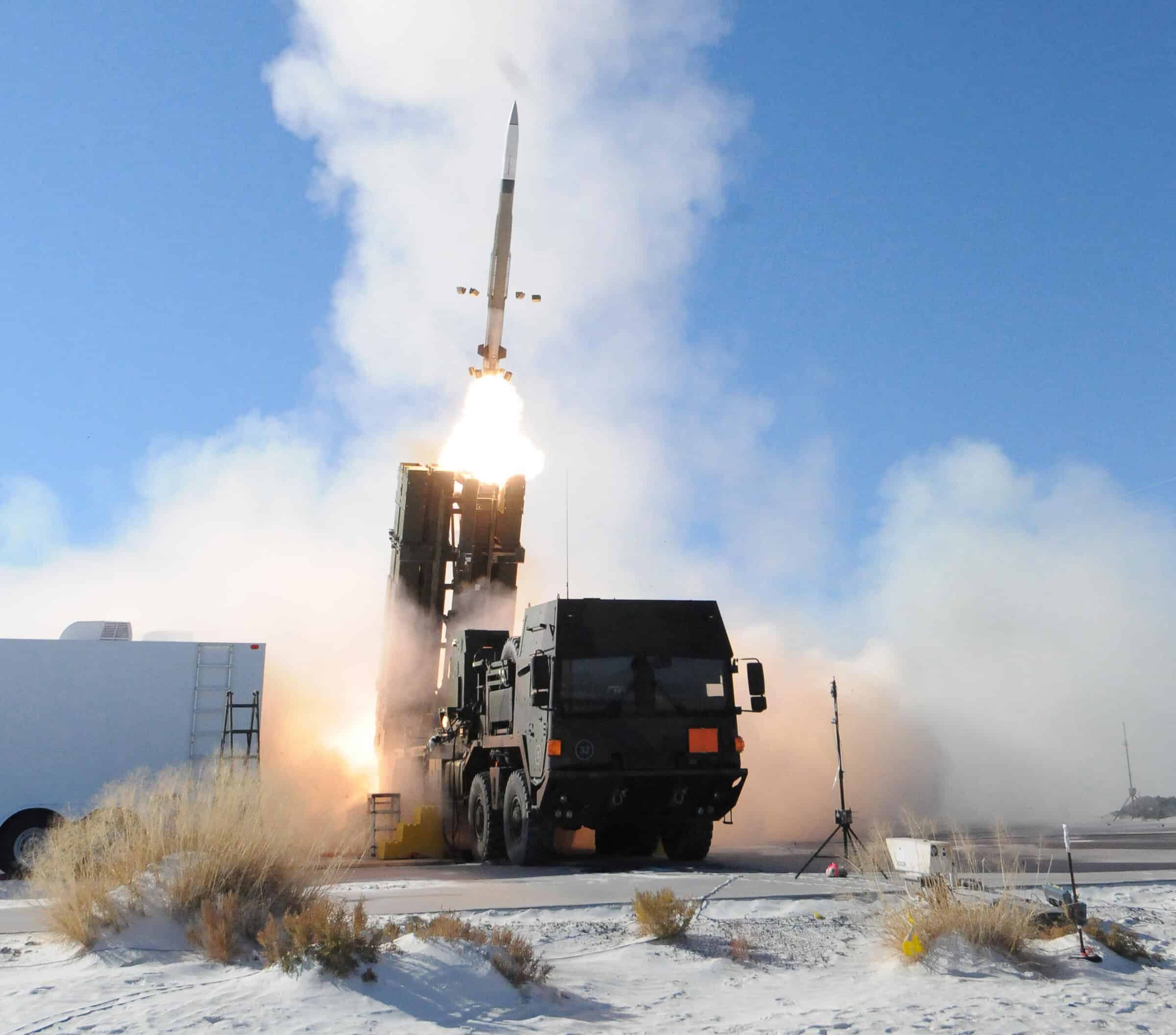
Surface-to-air missile systems gave naval fleets the ability to defend themselves against aircraft at long range, dramatically reducing the effectiveness of air attacks. Before their introduction, aircraft could approach ships relatively unchallenged once within range. SAM systems extended defensive reach, forcing attacking aircraft to operate from greater distances or risk being destroyed. This created a layered defense environment, where fleets could protect themselves from multiple aerial threats simultaneously, shifting the balance between offensive airpower and naval survivability.
Vertical Launch System (VLS)
- System Type: Integrated System
- Country of Origin: United States
- Era Introduced: Cold War
- Primary Function: Strike/Air Defense
- Engagement Range Impact: Long
- Key Capability Introduced: Multi-missile launch capability
- Doctrine or Warfare Shift Enabled: Flexible missile warfare
- How It Changed Fleet Engagement: Ships could launch various missiles rapidly in any direction
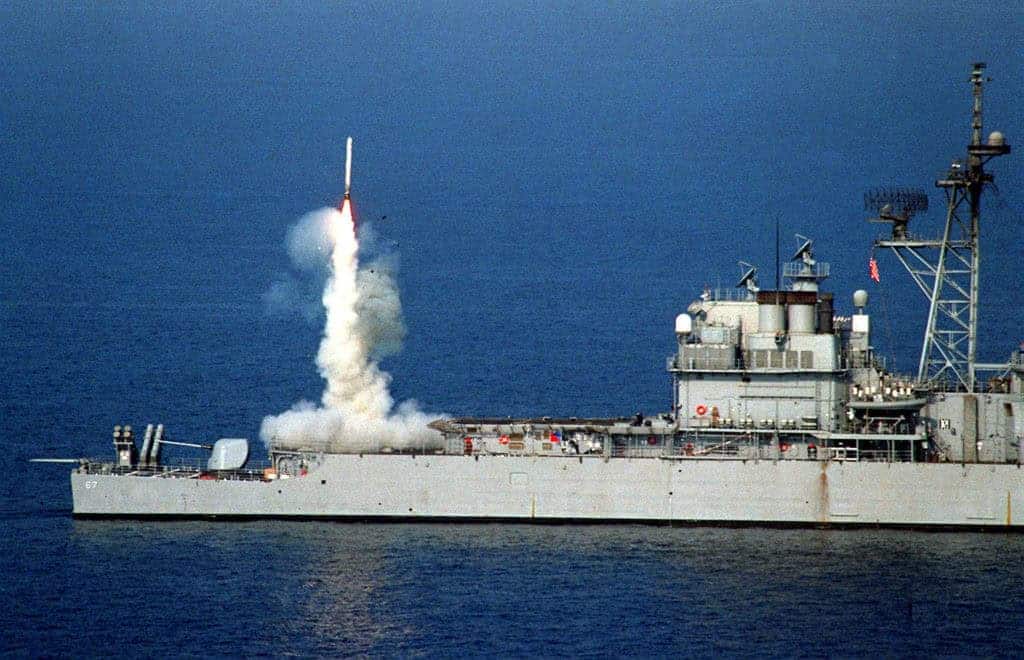
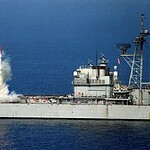
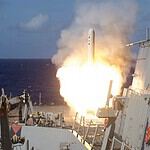
The Vertical Launch System revolutionized how ships deploy missiles by allowing multiple types of weapons to be stored and launched from a single platform. Unlike older launchers that were limited in direction and capacity, VLS enables rapid, 360-degree missile deployment. This flexibility allows ships to respond to threats from any direction without repositioning. It also supports a wide range of missions, from air defense to land attack. VLS turned ships into highly versatile combat platforms, capable of engaging multiple targets simultaneously in complex combat scenarios.
Aegis Combat System
- System Type: Integrated System
- Country of Origin: United States
- Era Introduced: Cold War
- Primary Function: Air Defense
- Engagement Range Impact: Beyond-Horizon
- Key Capability Introduced: Automated tracking and engagement
- Doctrine or Warfare Shift Enabled: Networked air defense
- How It Changed Fleet Engagement: Fleets could track and engage multiple threats simultaneously
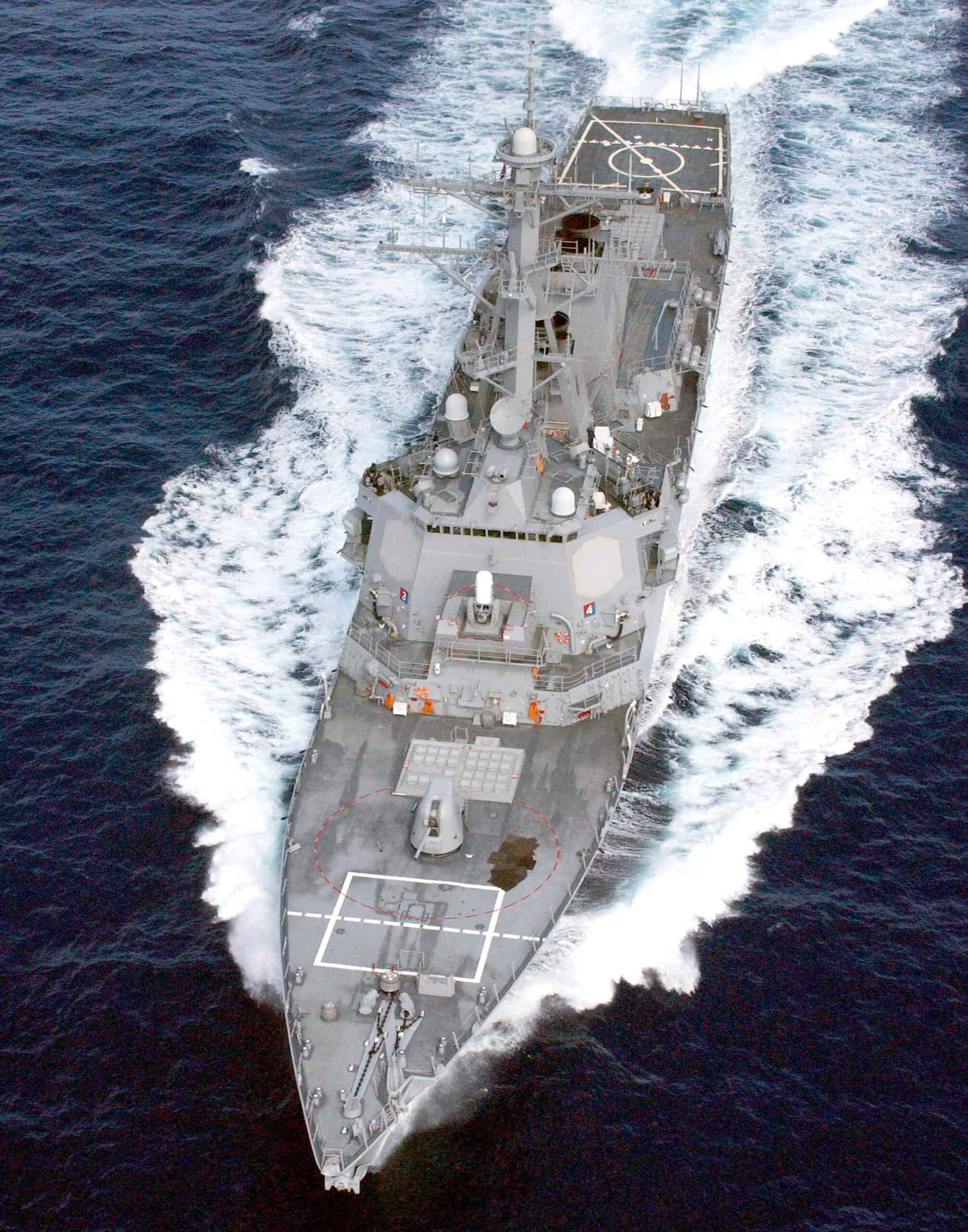
The Aegis Combat System introduced a new level of automation and integration in naval warfare, enabling ships to track and engage multiple threats at once. By combining advanced radar with computerized fire control, Aegis allows fleets to manage complex air and missile threats in real time. This capability transformed fleet defense from a reactive process into a proactive system, where threats can be identified and neutralized before they become critical. Aegis represents a shift toward highly automated, networked combat environments.
Nuclear-Powered Submarines
- System Type: Platform
- Country of Origin: United States
- Era Introduced: Cold War
- Primary Function: Subsurface Warfare
- Engagement Range Impact: Global Reach
- Key Capability Introduced: Endurance and stealth
- Doctrine or Warfare Shift Enabled: Submarine deterrence
- How It Changed Fleet Engagement: Submarines became persistent unseen strike platforms
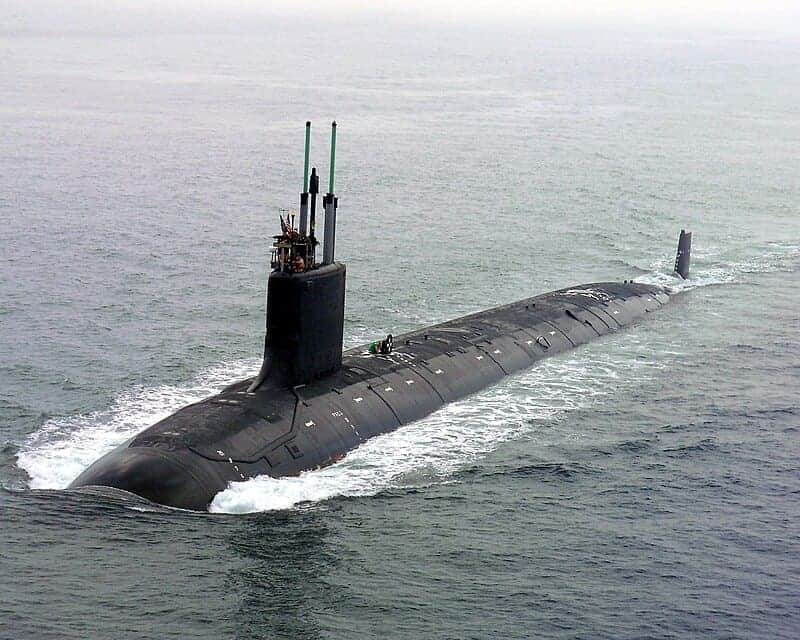
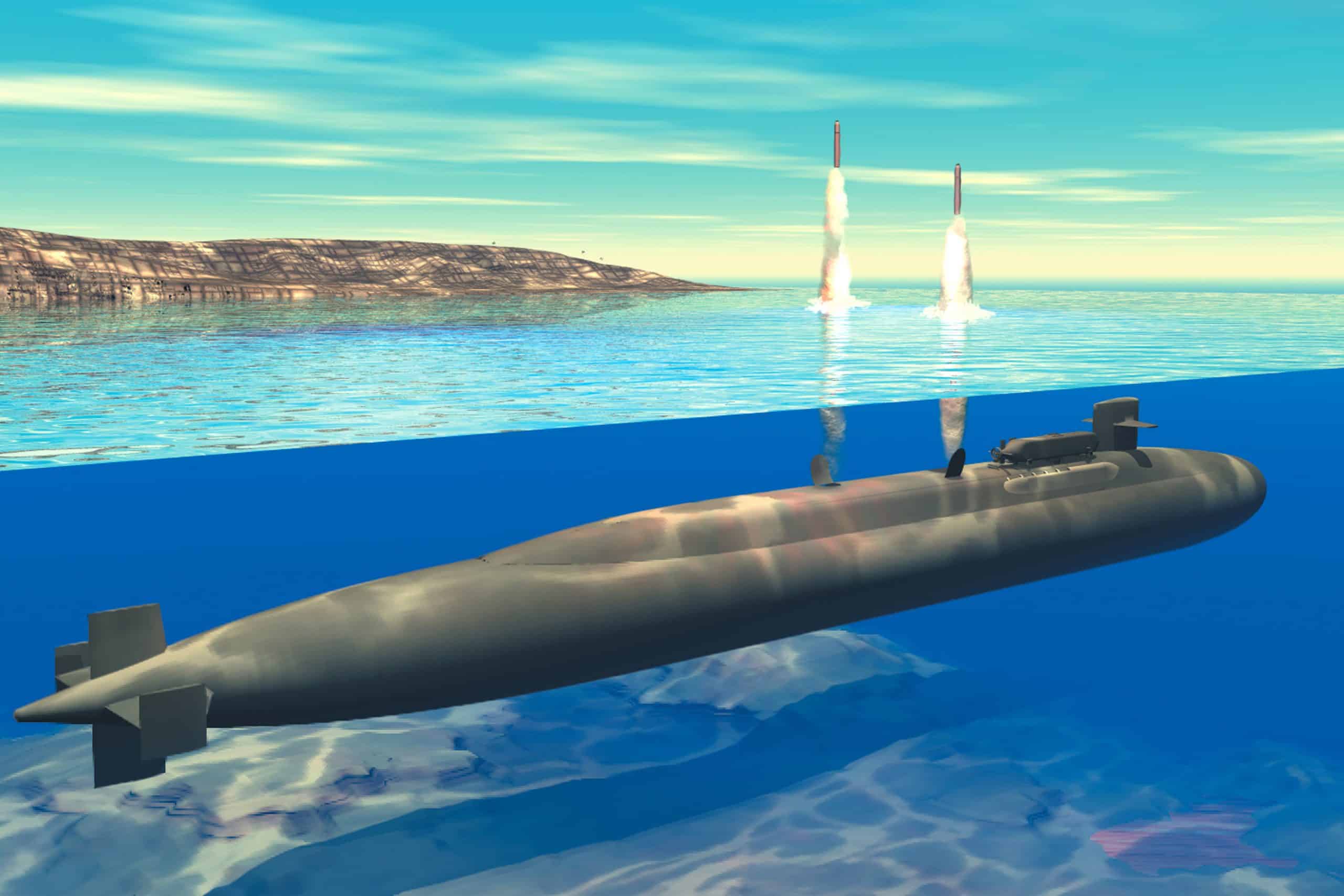
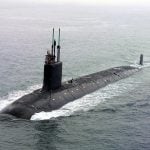
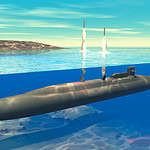
Nuclear-powered submarines changed naval warfare by introducing virtually unlimited endurance and unmatched stealth. Unlike conventional submarines, they can remain submerged for extended periods, making them extremely difficult to detect. This allows them to operate deep within enemy territory, striking without warning. Their presence forces adversaries to constantly consider unseen threats, fundamentally altering fleet behavior. Submarines became not just support assets, but primary offensive platforms capable of shaping entire naval strategies through deterrence and surprise.
Towed Array Sonar Systems
- System Type: Sensor
- Country of Origin: United States
- Era Introduced: Cold War
- Primary Function: Subsurface Warfare
- Engagement Range Impact: Long
- Key Capability Introduced: Long-range submarine detection
- Doctrine or Warfare Shift Enabled: Anti-submarine warfare expansion
- How It Changed Fleet Engagement: Submarines could be detected at greater distances
Towed array sonar systems significantly extended the range at which submarines could be detected, improving anti-submarine warfare capabilities. By trailing sensors behind a ship, these systems reduce interference and increase sensitivity to underwater noise. This allows fleets to detect quieter submarines at greater distances, reducing their ability to operate undetected. The introduction of towed arrays forced submarines to adapt, leading to a continuous cycle of advancement in stealth and detection technologies, and reshaping subsurface engagements.
SOSUS
- System Type: Sensor Network
- Country of Origin: United States
- Era Introduced: Cold War
- Primary Function: Subsurface Warfare
- Engagement Range Impact: Global Reach
- Key Capability Introduced: Fixed ocean surveillance
- Doctrine or Warfare Shift Enabled: Strategic ASW network
- How It Changed Fleet Engagement: Navies could monitor submarine movements across oceans
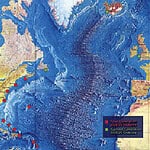
SOSUS created a global underwater surveillance network that allowed navies to monitor submarine movements across vast ocean areas. By placing fixed sensors on the ocean floor, it provided continuous tracking of submarine activity, particularly during the Cold War. This system transformed anti-submarine warfare from localized searches to strategic monitoring. Submarines could no longer rely solely on stealth, as their movements could be detected and tracked over long distances, fundamentally altering the balance of power beneath the sea.
Electronic Warfare Suites
- System Type: Integrated System
- Country of Origin: United States
- Era Introduced: Cold War
- Primary Function: Electronic Warfare
- Engagement Range Impact: Long
- Key Capability Introduced: Signal jamming and deception
- Doctrine or Warfare Shift Enabled: Electronic warfare doctrine
- How It Changed Fleet Engagement: Sensors and missiles could be disrupted or deceived
Electronic warfare suites introduced the ability to disrupt and deceive enemy sensors and weapons systems. By jamming radar, spoofing signals, or deploying decoys, these systems reduce the effectiveness of incoming threats. This shifted naval combat from purely physical engagements to a contest of information and signal dominance. Ships equipped with advanced EW systems can evade detection or confuse enemy targeting, making engagements less predictable and increasing survivability. Electronic warfare has become a critical component of modern naval strategy.
Land-Attack Cruise Missiles
- System Type: Weapon
- Country of Origin: United States
- Era Introduced: Cold War
- Primary Function: Strike
- Engagement Range Impact: Global Reach
- Key Capability Introduced: Precision land strike from sea
- Doctrine or Warfare Shift Enabled: Power projection doctrine
- How It Changed Fleet Engagement: Ships could strike inland targets without direct engagement
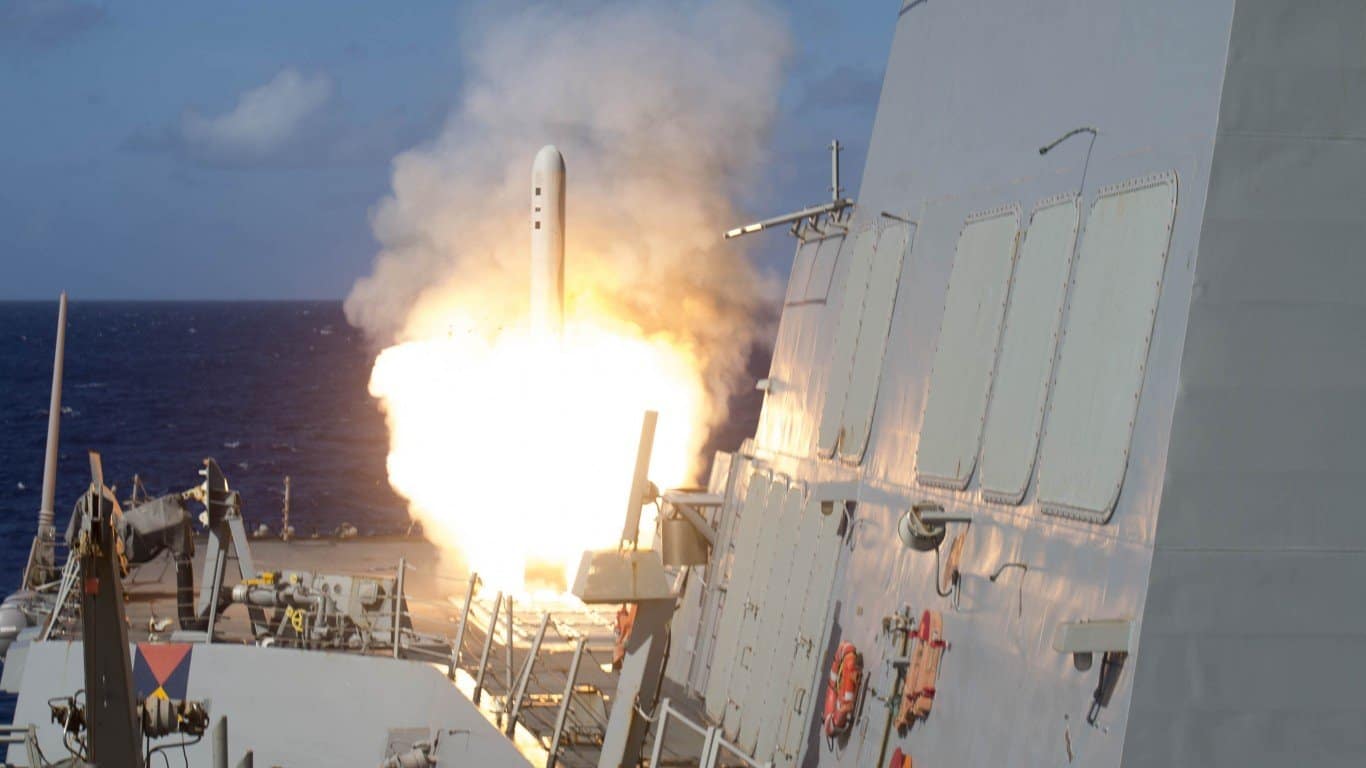
Land-attack cruise missiles extended naval engagement beyond sea-based targets, allowing ships to strike deep inland with precision. This capability transformed fleets into strategic strike platforms capable of influencing conflicts far from the coastline. Instead of focusing solely on naval engagements, ships could now support ground operations and strategic objectives. This expanded role blurred the lines between naval and land warfare, making fleets a key component of joint operations and increasing their overall strategic importance.
Over-the-Horizon Targeting Systems
- System Type: Sensor/Network
- Country of Origin: United States
- Era Introduced: Cold War
- Primary Function: Detection/Targeting
- Engagement Range Impact: Beyond-Horizon
- Key Capability Introduced: Remote targeting data
- Doctrine or Warfare Shift Enabled: Extended engagement doctrine
- How It Changed Fleet Engagement: Ships could fire at targets they could not detect themselves
Over-the-horizon targeting systems allow ships to engage targets they cannot directly detect, using data from external sources such as aircraft or satellites. This capability extends engagement ranges far beyond a ship’s own sensors. It fundamentally changes how fleets operate, as platforms no longer need to be physically close to their targets to engage them. Instead, they can rely on a network of sensors, enabling coordinated, long-range strikes that make traditional positioning and visibility less relevant.
Naval Data Links
- System Type: Network
- Country of Origin: United States
- Era Introduced: Cold War
- Primary Function: Command & Control
- Engagement Range Impact: Beyond-Horizon
- Key Capability Introduced: Real-time data sharing
- Doctrine or Warfare Shift Enabled: Network-centric warfare
- How It Changed Fleet Engagement: Units shared targeting data across platforms
Naval data links enable real-time communication and information sharing between ships, aircraft, and other platforms. This connectivity allows fleets to operate as a cohesive network rather than isolated units. By sharing targeting data and situational awareness, platforms can coordinate attacks and defenses more effectively. This shift toward network-centric warfare increases the speed and accuracy of engagements, making it possible to respond to threats more quickly and efficiently than ever before.
Cooperative Engagement Capability (CEC)
- System Type: Integrated System
- Country of Origin: United States
- Era Introduced: Modern
- Primary Function: Air Defense
- Engagement Range Impact: Beyond-Horizon
- Key Capability Introduced: Shared fire control
- Doctrine or Warfare Shift Enabled: Integrated fleet defense
- How It Changed Fleet Engagement: Ships could engage targets using another platform’s sensors
The Cooperative Engagement Capability allows multiple platforms to share sensor data and engage targets as a unified system. This means a ship can fire on a target detected by another platform, significantly extending engagement options. CEC transforms fleets into integrated combat networks, where the effectiveness of each unit is enhanced by the collective system. This capability increases flexibility and survivability, as it allows for coordinated responses to complex threats across a wide area.
Integrated Air and Missile Defense (IAMD)
- System Type: Integrated System
- Country of Origin: United States
- Era Introduced: Modern
- Primary Function: Air Defense
- Engagement Range Impact: Beyond-Horizon
- Key Capability Introduced: Layered defense architecture
- Doctrine or Warfare Shift Enabled: Multi-layered defense doctrine
- How It Changed Fleet Engagement: Fleets defend against complex missile threats
Integrated Air and Missile Defense systems provide layered protection against a wide range of threats, including aircraft and ballistic missiles. By combining sensors, interceptors, and command systems, IAMD creates a comprehensive defensive network. This approach allows fleets to defend against multiple threats simultaneously, increasing survivability in high-intensity conflicts. The shift toward integrated defense systems reflects the complexity of modern threats and the need for coordinated, multi-layered responses.
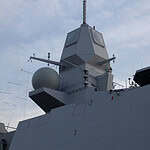
Phased Array Radar
- System Type: Sensor
- Country of Origin: United States
- Era Introduced: Modern
- Primary Function: Detection
- Engagement Range Impact: Beyond-Horizon
- Key Capability Introduced: Simultaneous multi-target tracking
- Doctrine or Warfare Shift Enabled: Advanced radar warfare
- How It Changed Fleet Engagement: Ships track multiple threats in real time
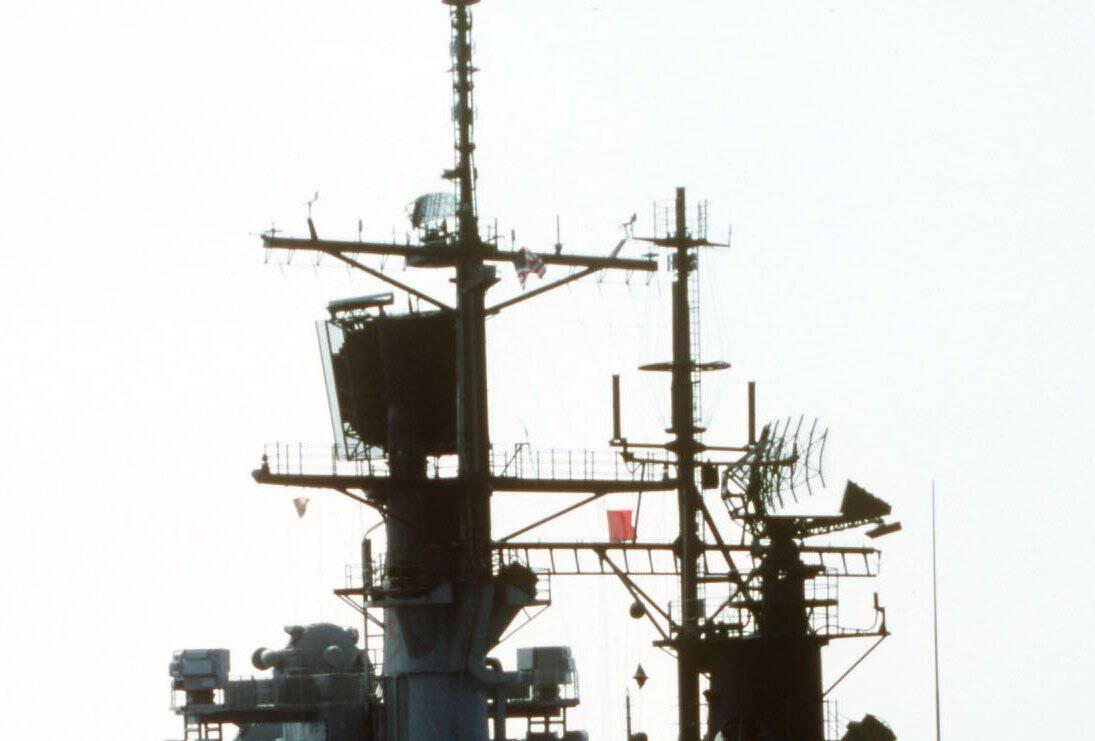
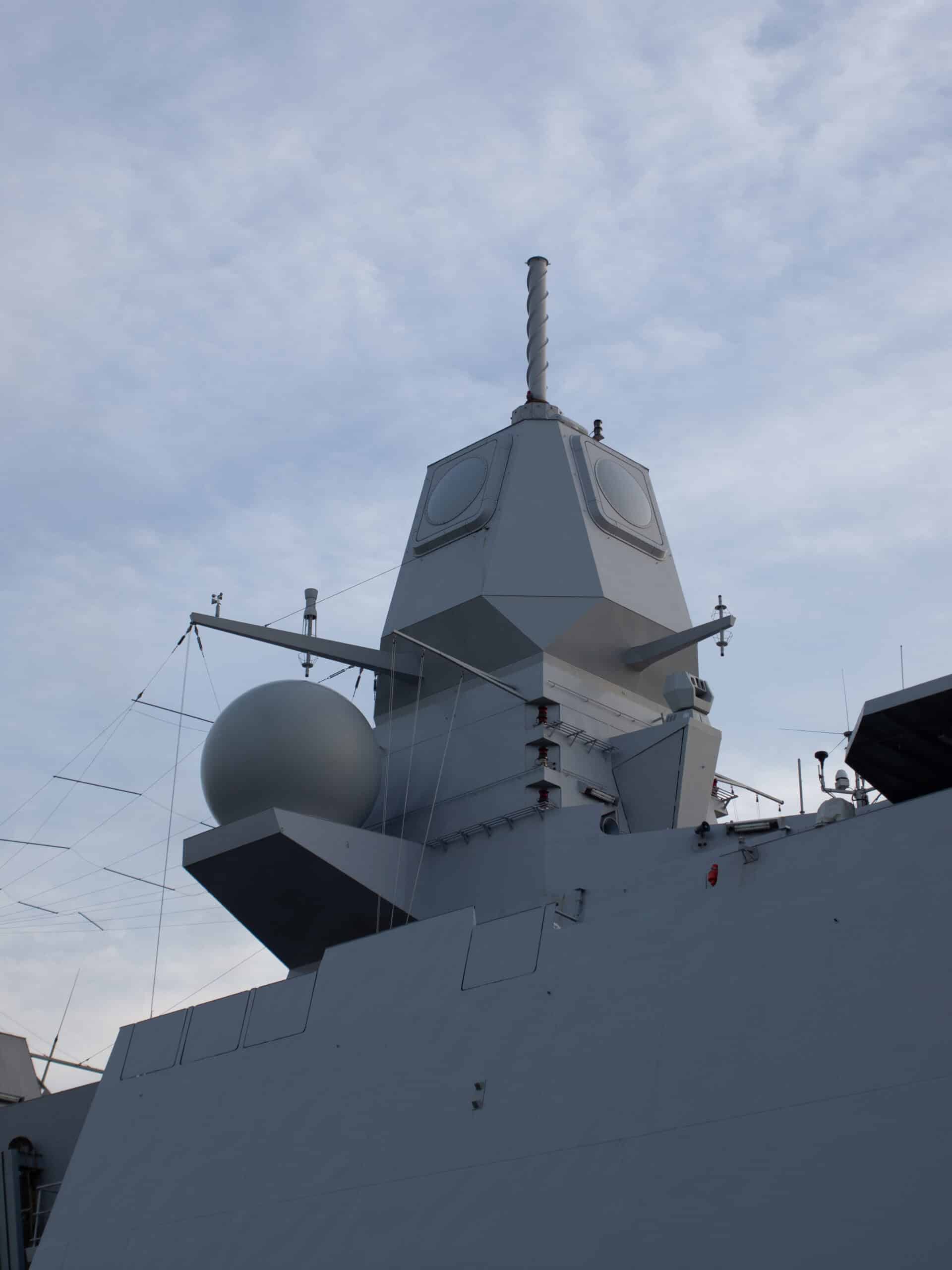
Phased array radar systems allow ships to track multiple targets simultaneously without moving parts, significantly improving detection and tracking capabilities. This technology enables faster response times and greater accuracy in targeting. By providing continuous, wide-area coverage, phased array radar enhances situational awareness and supports advanced combat systems like Aegis. It represents a major advancement in sensor technology, allowing fleets to manage increasingly complex threat environments with greater efficiency.
Unmanned Surface Vehicles (USVs)
- System Type: Platform
- Country of Origin: United States
- Era Introduced: Modern
- Primary Function: Recon/Strike
- Engagement Range Impact: Long
- Key Capability Introduced: Autonomous surface ops
- Doctrine or Warfare Shift Enabled: Distributed lethality
- How It Changed Fleet Engagement: Fleets extend reach without risking crewed ships
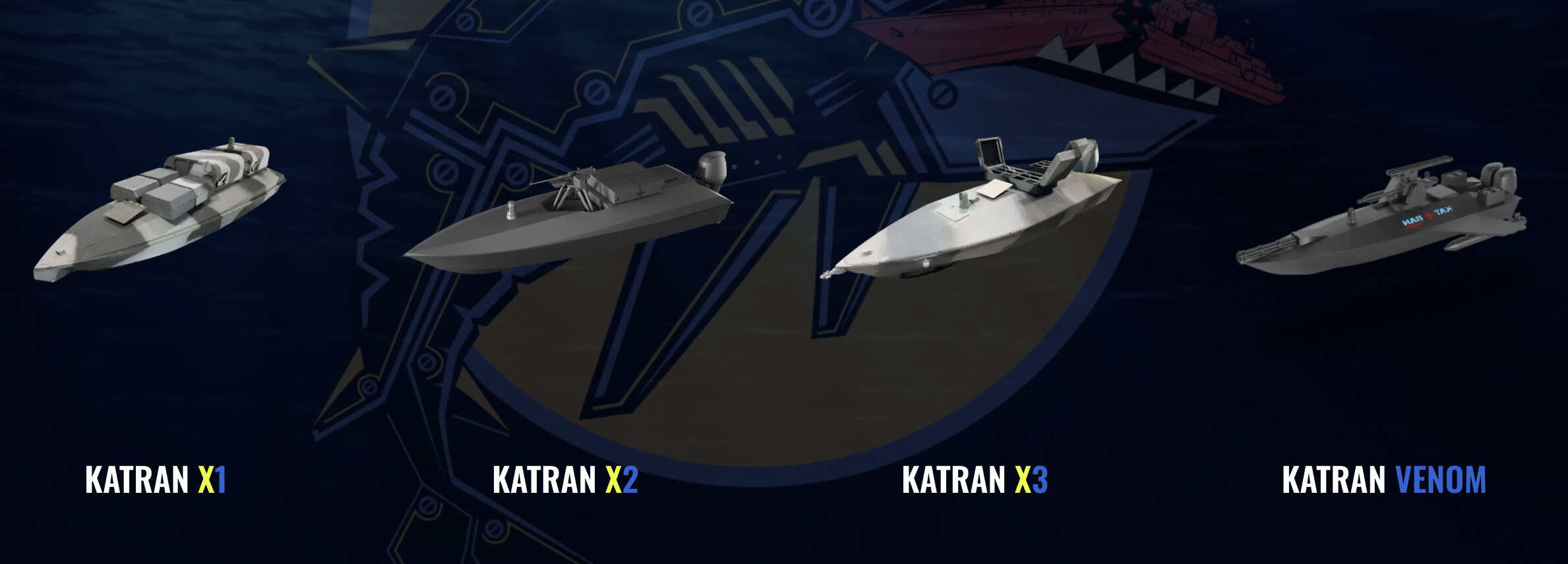
Unmanned surface vehicles extend the reach of naval fleets without risking crewed ships. These platforms can perform reconnaissance, surveillance, and even strike missions, operating in contested environments where manned vessels might be vulnerable. By distributing capabilities across multiple unmanned systems, fleets become more flexible and resilient. USVs represent a shift toward distributed lethality, where combat power is spread across a network of platforms rather than concentrated in a few large ships.
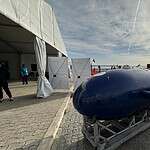
Unmanned Underwater Vehicles (UUVs)
- System Type: Platform
- Country of Origin: United States
- Era Introduced: Modern
- Primary Function: Subsurface Warfare
- Engagement Range Impact: Long
- Key Capability Introduced: Autonomous underwater ops
- Doctrine or Warfare Shift Enabled: Distributed undersea warfare
- How It Changed Fleet Engagement: Subsurface ops expand beyond submarines
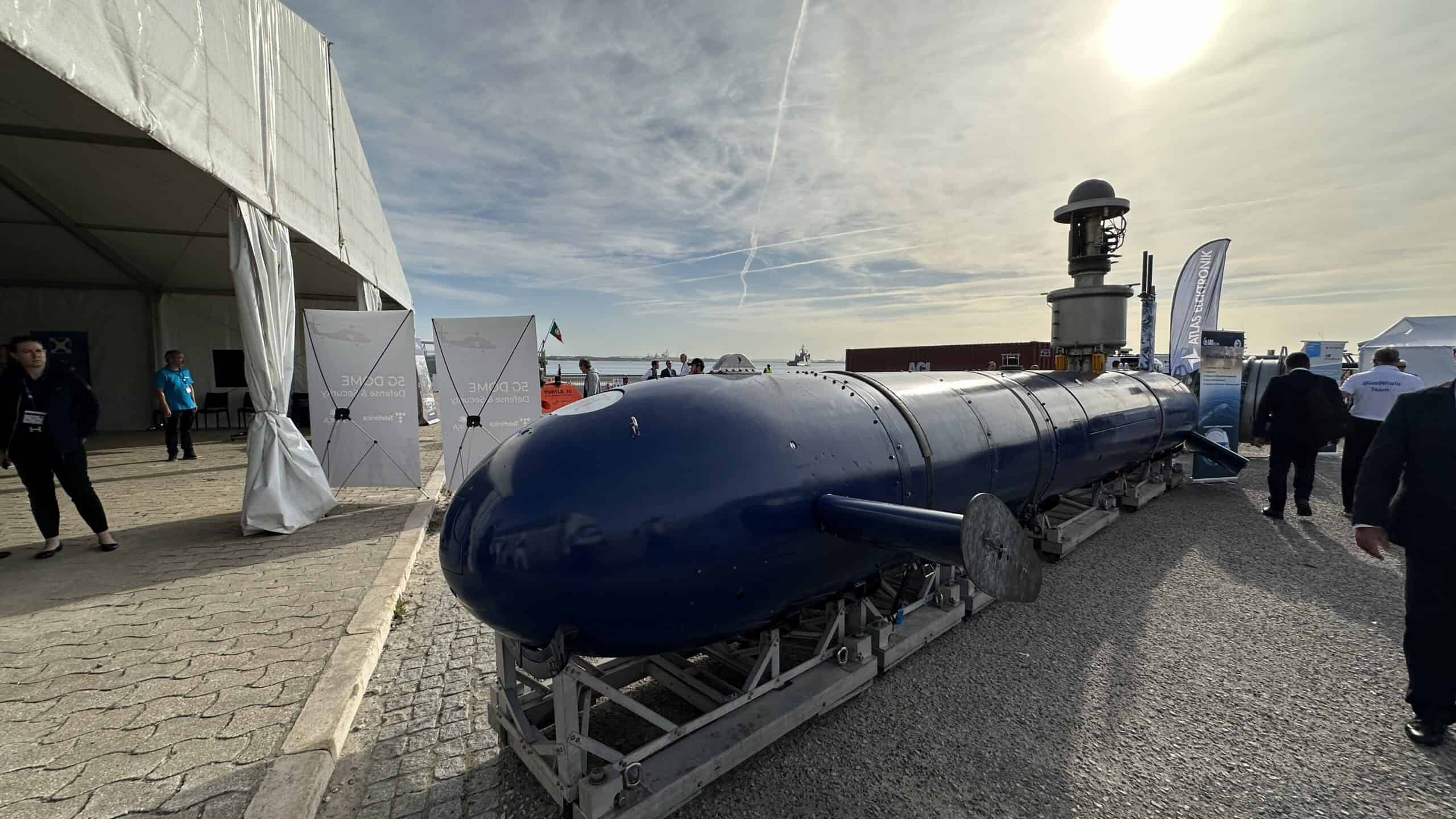
Unmanned underwater vehicles expand naval capabilities beneath the surface, performing tasks such as reconnaissance, mine detection, and surveillance. These systems allow navies to operate in environments that are difficult or dangerous for manned submarines. By extending the reach of subsurface operations, UUVs enhance situational awareness and operational flexibility. They represent a growing trend toward automation and distributed operations, further reducing the reliance on traditional, centralized fleet structures.
Hypersonic Anti-Ship Missile Systems
- System Type: Weapon
- Country of Origin: Russia/China/United States
- Era Introduced: Modern
- Primary Function: Strike
- Engagement Range Impact: Global Reach
- Key Capability Introduced: High-speed maneuvering strike
- Doctrine or Warfare Shift Enabled: Next-gen missile warfare
- How It Changed Fleet Engagement: Defenses struggle to intercept high-speed threats
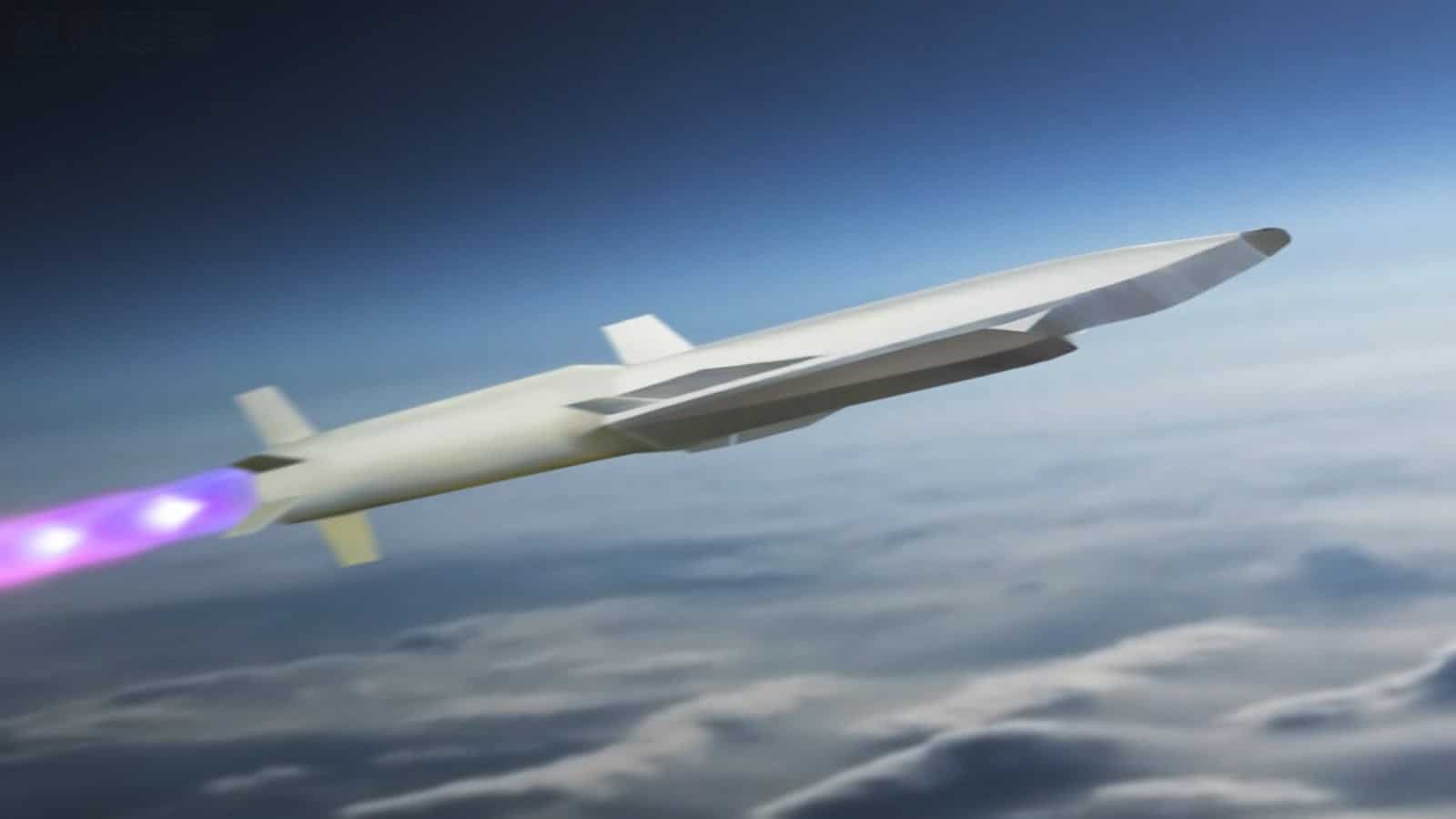
Hypersonic anti-ship missile systems represent the next evolution in naval warfare, combining extreme speed with maneuverability to challenge existing defense systems. Traveling at speeds exceeding Mach 5, these weapons significantly reduce reaction time for defenders. Their ability to evade interception makes them a formidable threat to even the most advanced fleets. This development is pushing naval strategy toward new defensive concepts, as traditional missile defense systems struggle to keep pace with these high-speed threats.
The image featured at the top of this post is ©usnavy / Flickr