












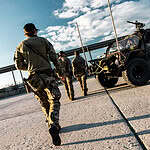

The Military Systems NATO Relies On When Tensions Escalate Fast
The pace of modern conflict has accelerated to the point where response time is often measured in minutes rather than hours or days. NATO’s approach to managing rapid escalation is built around a highly integrated set of systems that can detect emerging threats, share information instantly, and coordinate defensive and offensive actions in real time. This interconnected architecture allows the alliance to respond quickly and effectively to a wide range of scenarios, ensuring that escalation is addressed before it can develop into a larger crisis. Here, History Computer is taking a closer look at the systems NATO uses to respond to rapid escalation.
To identify the military systems used by NATO to deal with rapid escalation, History Computer reviewed various historical and military sources. We included supplemental information for each regarding the role in escalation timeline, response time, primary threat addressed, and ultimately how it enables rapid response.
Here is a look at the military systems NATO uses to respond to rapid escalation:
Why Are We Covering This?
Understanding the military systems NATO uses to respond to rapid escalation is essential to understanding how modern conflicts are managed in real time. Today’s threats—ranging from missile launches to sudden airspace incursions—develop faster than ever, leaving little margin for delayed action. NATO’s response relies on a tightly integrated chain of detection, decision-making, interception, and deployment that can operate within minutes. This article highlights the systems that make that possible, showing how speed, coordination, and readiness define the alliance’s ability to contain crises before they expand into full-scale conflict.
Modern Conflicts Escalate in Minutes, Not Days
In today’s security environment, conflicts can escalate almost instantly, often within minutes of an initial trigger. Missile launches, sudden airspace violations, or rapid troop movements can quickly transform a localized incident into a broader crisis. Unlike past conflicts, where mobilization required days or even weeks, modern threats demand immediate awareness and action. This compressed timeline places enormous pressure on decision-makers and defense systems alike. NATO’s ability to respond quickly is critical, relying on advanced technologies and high-readiness forces to ensure that emerging threats are identified and addressed before they spiral out of control.
Detection Is the First Step in Any Response
Every effective response begins with the ability to detect and understand the threat as early as possible. NATO employs a range of advanced radar systems, surveillance aircraft, and unmanned platforms to monitor potential flashpoints across vast geographic areas. These systems provide early warning of missile launches, aircraft movements, and other indicators of escalation. This initial detection phase is critical, as it provides the time needed to analyze the situation and prepare a response. Without accurate and timely detection, NATO forces would be forced to react blindly, significantly reducing their effectiveness.
Networks Turn Information Into Action
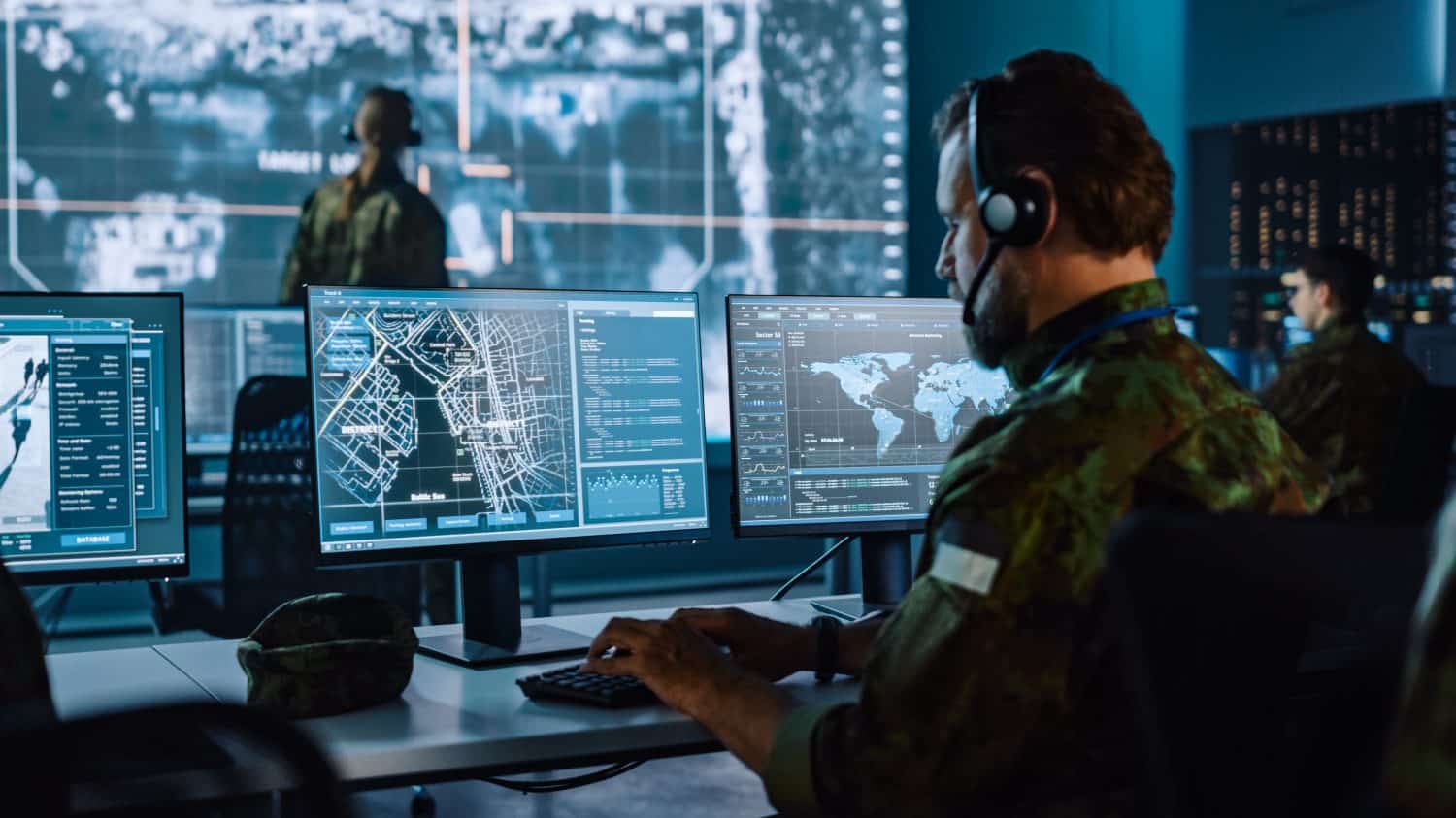
Once a threat is detected, the next step is to ensure that information is shared quickly and efficiently across all relevant units. NATO’s integrated networks and data-sharing systems allow multiple platforms to operate as a cohesive force, providing a unified picture of the battlespace. This connectivity enables decision-makers to assess the situation in real time and coordinate responses across different domains. In modern warfare, the speed and accuracy of communication are just as important as the capabilities of individual systems, making network integration a cornerstone of rapid response.
Immediate Response Systems Buy Time
Quick Reaction Alert fighters and missile defense systems are designed to respond within minutes, forming the first line of defense during a crisis. These systems can intercept incoming threats, establish control of the airspace, and prevent further escalation. Their rapid response capabilities are essential in buying time for additional forces to mobilize and for commanders to make informed decisions. By addressing threats early, these systems help contain situations before they develop into larger conflicts, making them a critical component of NATO’s defense strategy.
Reinforcement and Strike Complete the Response Chain
After the initial response, NATO must be able to sustain its operations through rapid reinforcement and, if necessary, offensive action. Strategic airlift platforms, rapid deployment forces, and long-range strike systems enable the alliance to quickly move troops and equipment to critical areas. These capabilities ensure that NATO can maintain control of the situation and respond effectively to evolving threats. By combining immediate response with sustained operations, NATO creates a comprehensive approach to managing escalation, ensuring that it can adapt to the demands of modern conflict.
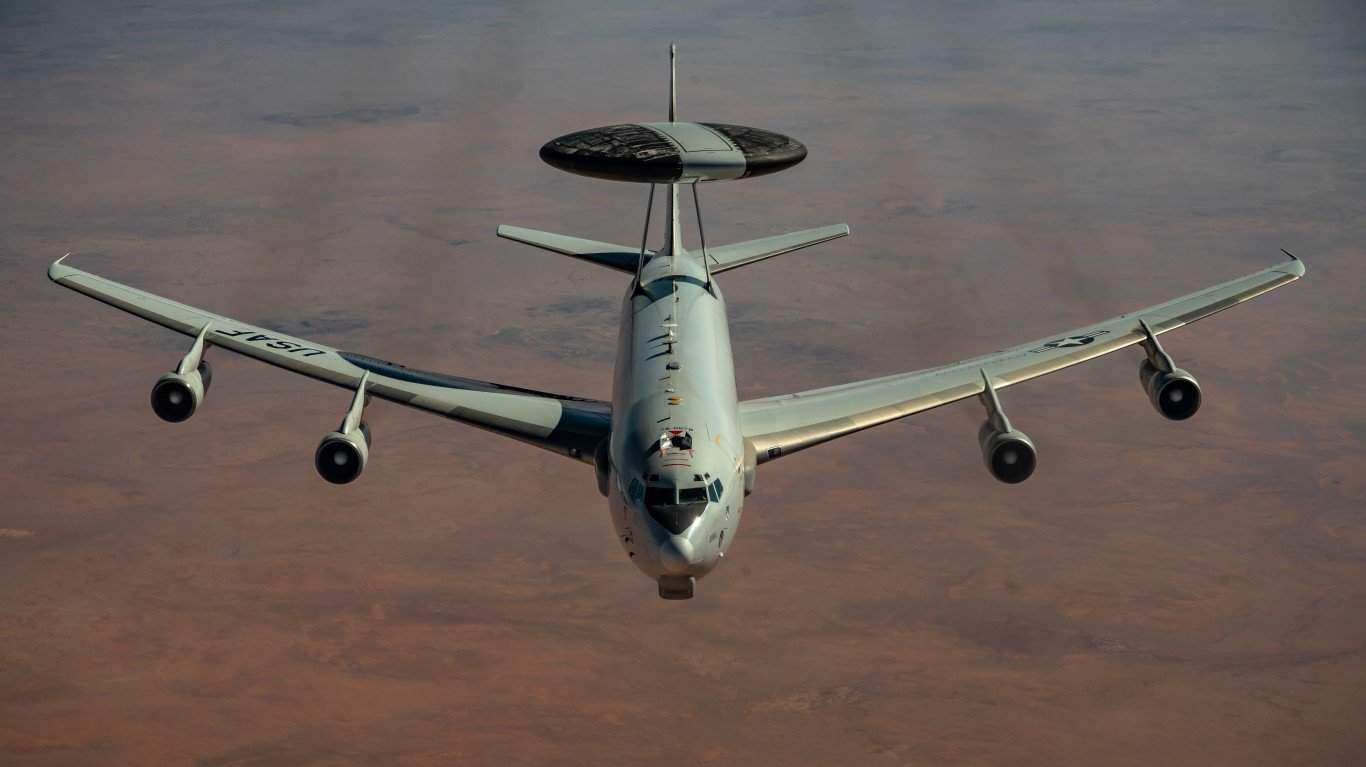
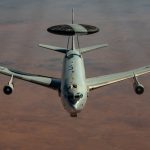
E-3 Sentry
- System Type: Aircraft
- Country / Organization: NATO/United States
- Role in Escalation Timeline: Early Warning
- Response Time: Minutes
- Primary Threat Addressed: Aircraft, Missiles
- Key Capability Introduced: Real-time airspace awareness
- How It Enables Rapid Response: Detects and tracks airborne threats
- Role in NATO Response Chain: First detection
The E-3 Sentry provides NATO with immediate airborne early warning, creating a real-time picture of the battlespace within minutes of a potential escalation. Its radar can track aircraft and missiles over vast distances, allowing commanders to quickly assess threats and coordinate a response. By feeding data into NATO networks, the E-3 enables rapid decision-making and directs interceptors toward incoming threats. In the first hours of escalation, it acts as the central node for situational awareness, ensuring NATO can respond before threats reach critical targets.
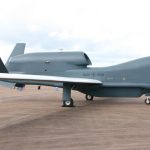
RQ-4 Global Hawk
- System Type: Aircraft
- Country / Organization: United States
- Role in Escalation Timeline: Detection & Tracking
- Response Time: Minutes
- Primary Threat Addressed: Ground, Missile activity
- Key Capability Introduced: High-altitude ISR
- How It Enables Rapid Response: Provides persistent surveillance
- Role in NATO Response Chain: Situational awareness
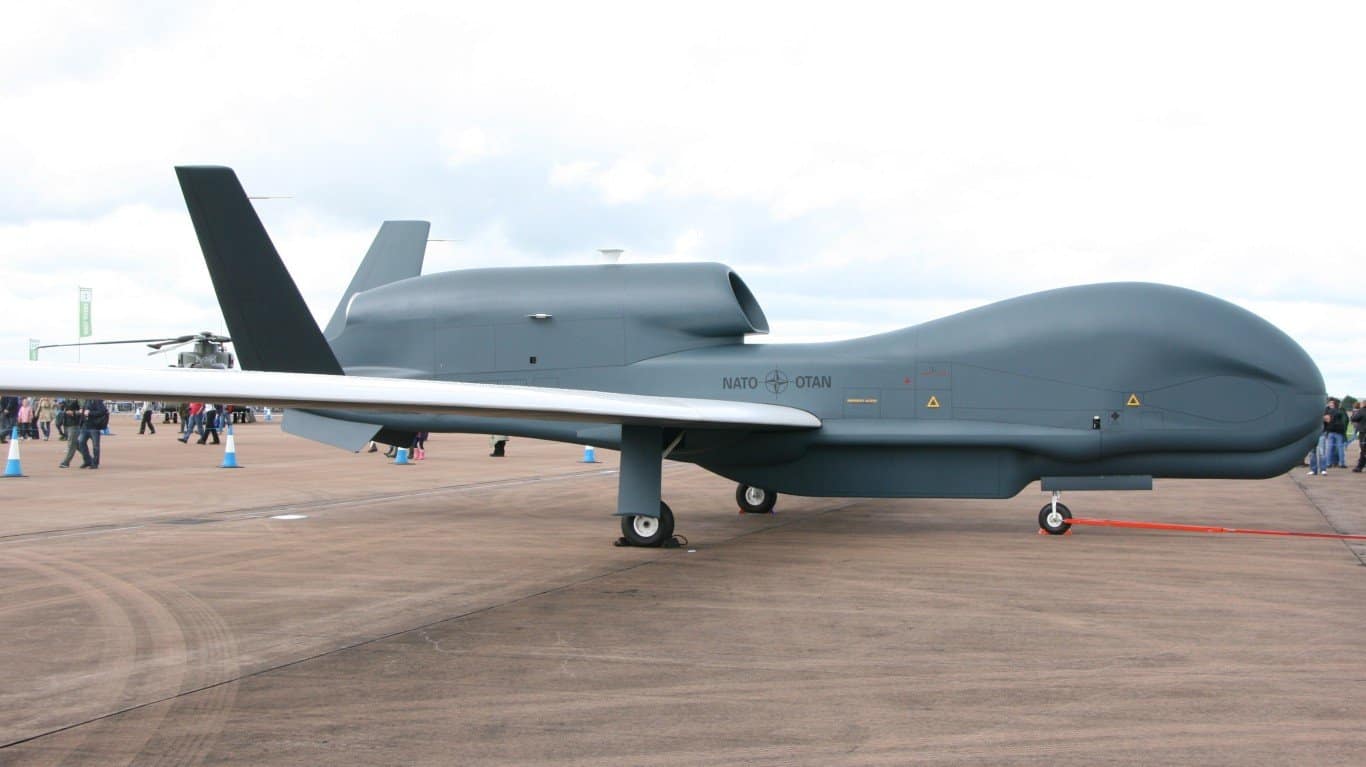
The RQ-4 Global Hawk offers persistent, high-altitude surveillance, allowing NATO to monitor potential flashpoints before and during escalation. Its long endurance enables continuous coverage of large areas, providing detailed intelligence on troop movements and missile activity. This information is critical in the early stages of a crisis, helping decision-makers understand the scope of the threat. By delivering near-real-time intelligence, the Global Hawk supports faster and more informed responses across NATO’s command structure.
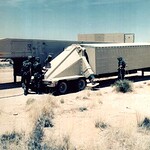
AN/TPY-2 Radar
- System Type: Radar
- Country / Organization: United States
- Role in Escalation Timeline: Detection & Tracking
- Response Time: Seconds
- Primary Threat Addressed: Ballistic Missiles
- Key Capability Introduced: Long-range tracking
- How It Enables Rapid Response: Detects missile launches early
- Role in NATO Response Chain: First detection
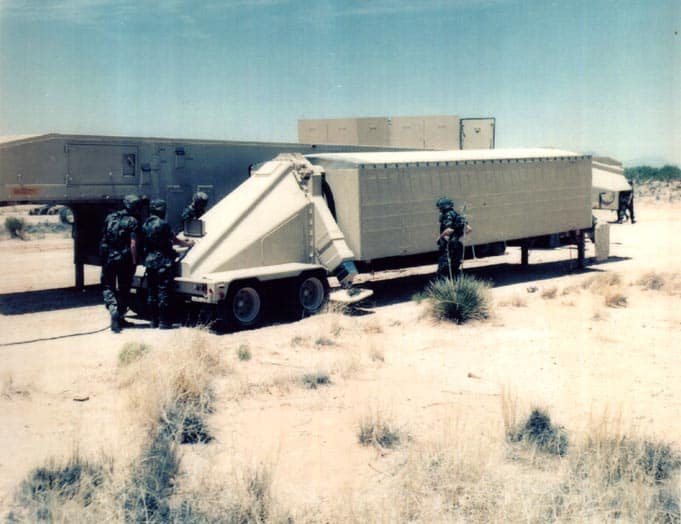
The AN/TPY-2 radar plays a critical role in detecting ballistic missile launches within seconds, providing early warning that triggers NATO’s entire response chain. Its high-resolution tracking allows it to distinguish between real threats and decoys, improving interception accuracy. By feeding data into missile defense systems like THAAD and Aegis, it enables coordinated engagement. In rapid escalation scenarios, this radar ensures that NATO has the time and information needed to respond effectively to high-speed missile threats.
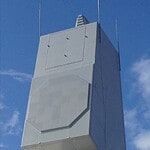
SPY-6 Radar
- System Type: Radar
- Country / Organization: United States
- Role in Escalation Timeline: Detection & Tracking
- Response Time: Seconds
- Primary Threat Addressed: Aircraft, Missiles
- Key Capability Introduced: Advanced phased-array tracking
- How It Enables Rapid Response: Tracks multiple threats simultaneously
- Role in NATO Response Chain: Situational awareness
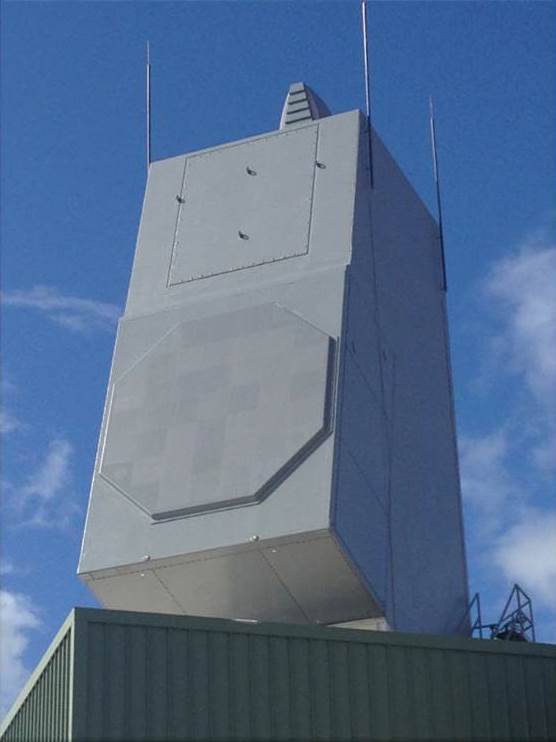
The SPY-6 radar enhances NATO’s ability to detect and track multiple threats simultaneously, including advanced missiles designed to evade detection. Its improved sensitivity allows it to identify smaller and faster targets, providing a more accurate picture of the threat environment. Integrated into naval platforms, SPY-6 supports rapid decision-making and engagement. In the first moments of escalation, it ensures that NATO forces can quickly identify and respond to incoming threats, maintaining a defensive advantage.
NATINAMDS
- System Type: Network
- Country / Organization: NATO
- Role in Escalation Timeline: Command & Control
- Response Time: Seconds
- Primary Threat Addressed: All threats
- Key Capability Introduced: Integrated air defense network
- How It Enables Rapid Response: Coordinates NATO-wide response
- Role in NATO Response Chain: Decision-making
NATINAMDS serves as the backbone of NATO’s integrated air and missile defense, linking systems across multiple countries into a unified network. In a rapid escalation scenario, it enables instant information sharing and coordinated responses. By integrating sensors, interceptors, and command systems, NATINAMDS ensures that all available resources are used effectively. It transforms individual systems into a cohesive defense structure, allowing NATO to respond quickly and efficiently to complex threats.
Link 16
- System Type: Network
- Country / Organization: NATO
- Role in Escalation Timeline: Command & Control
- Response Time: Seconds
- Primary Threat Addressed: All threats
- Key Capability Introduced: Real-time data sharing
- How It Enables Rapid Response: Shares targeting data instantly
- Role in NATO Response Chain: Decision-making
Link 16 provides the real-time data sharing that allows NATO systems to operate as a unified force during rapid escalation. By transmitting targeting information, threat data, and situational awareness across platforms, it ensures that all units have the same operational picture. This connectivity allows for faster decision-making and coordinated responses. In the critical early stages of a crisis, Link 16 enables seamless communication, ensuring that NATO forces can act quickly and effectively.
CEC
- System Type: Network
- Country / Organization: United States/NATO
- Role in Escalation Timeline: Command & Control
- Response Time: Seconds
- Primary Threat Addressed: Missiles, Aircraft
- Key Capability Introduced: Shared fire control
- How It Enables Rapid Response: Allows cross-platform engagement
- Role in NATO Response Chain: Decision-making
CEC allows NATO platforms to share sensor data and engage threats cooperatively, significantly enhancing response speed and effectiveness. By enabling one platform to fire using another’s targeting data, it extends the reach of defensive systems. This capability is crucial in rapid escalation scenarios, where threats may appear suddenly and require immediate action. CEC ensures that NATO forces can respond as a unified system, improving the chances of successful interception.
F-35 Lightning II
- System Type: Aircraft
- Country / Organization: Multinational
- Role in Escalation Timeline: Immediate Response (QRA)
- Response Time: Minutes
- Primary Threat Addressed: Aircraft, Ground Targets
- Key Capability Introduced: Stealth multirole strike
- How It Enables Rapid Response: Rapid interception and strike
- Role in NATO Response Chain: First interception
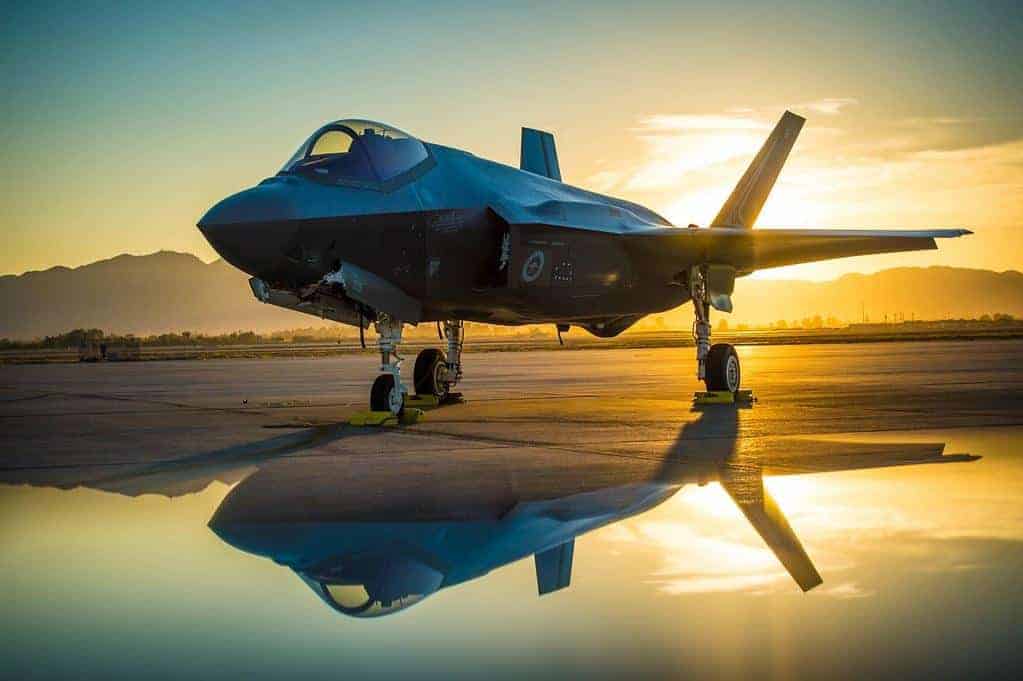
The F-35 plays a critical role in NATO’s rapid response by combining stealth, advanced sensors, and networked capabilities. It can quickly detect and engage threats while sharing data with other systems. Its ability to operate in contested environments allows it to respond effectively to both air and ground threats. In the early hours of escalation, the F-35 acts as both a sensor and a shooter, enhancing NATO’s ability to respond quickly and decisively.
Eurofighter Typhoon
- System Type: Aircraft
- Country / Organization: Multinational
- Role in Escalation Timeline: Immediate Response (QRA)
- Response Time: Minutes
- Primary Threat Addressed: Aircraft
- Key Capability Introduced: Air superiority
- How It Enables Rapid Response: Scrambles quickly for interception
- Role in NATO Response Chain: First interception
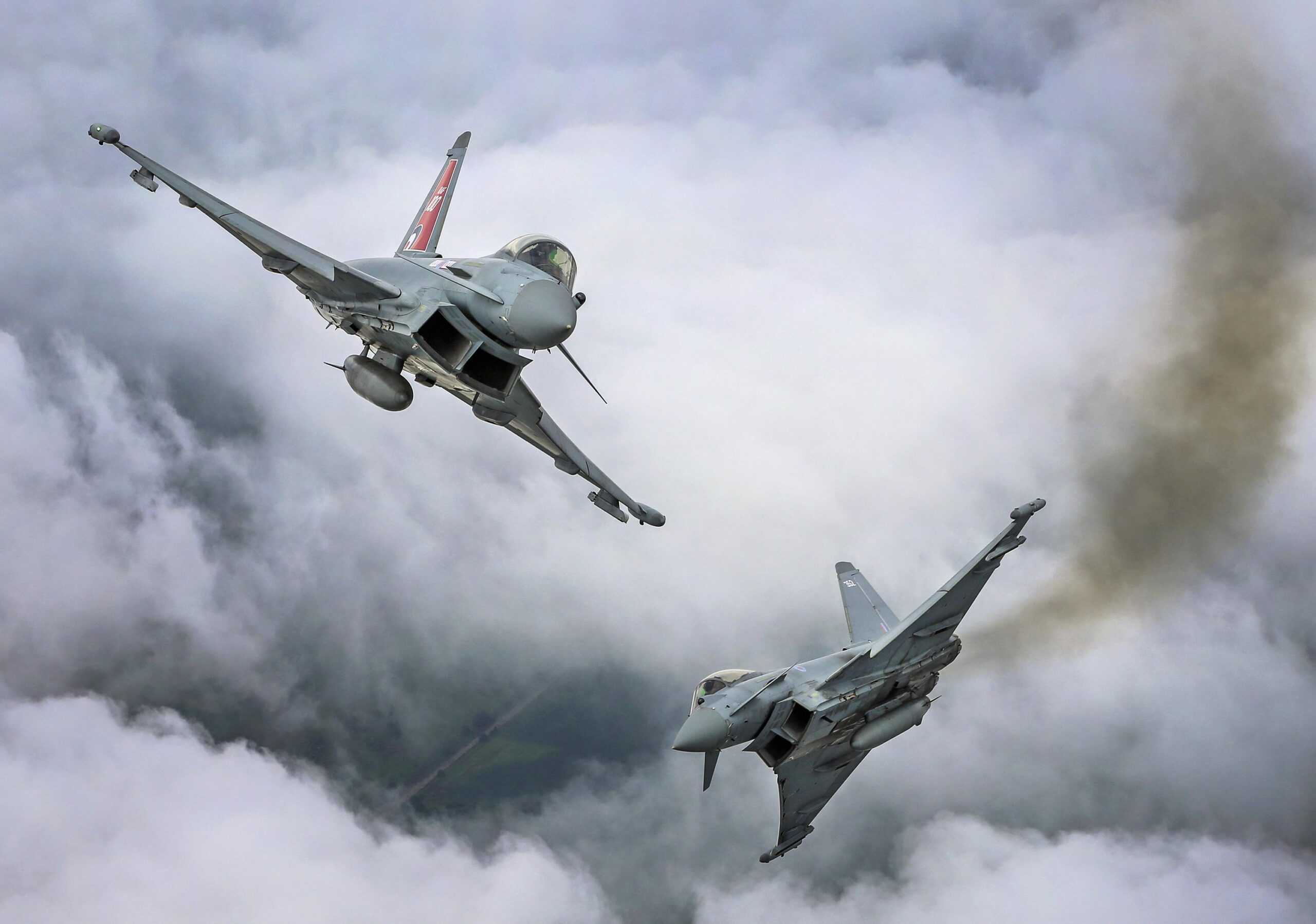
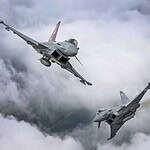
The Eurofighter Typhoon is a key component of NATO’s Quick Reaction Alert forces, capable of scrambling within minutes to intercept incoming aircraft. Its speed and advanced avionics allow it to quickly identify and engage threats. In rapid escalation scenarios, the Typhoon provides immediate air defense, ensuring that NATO airspace remains secure. Its readiness and performance make it an essential part of the alliance’s first line of response.
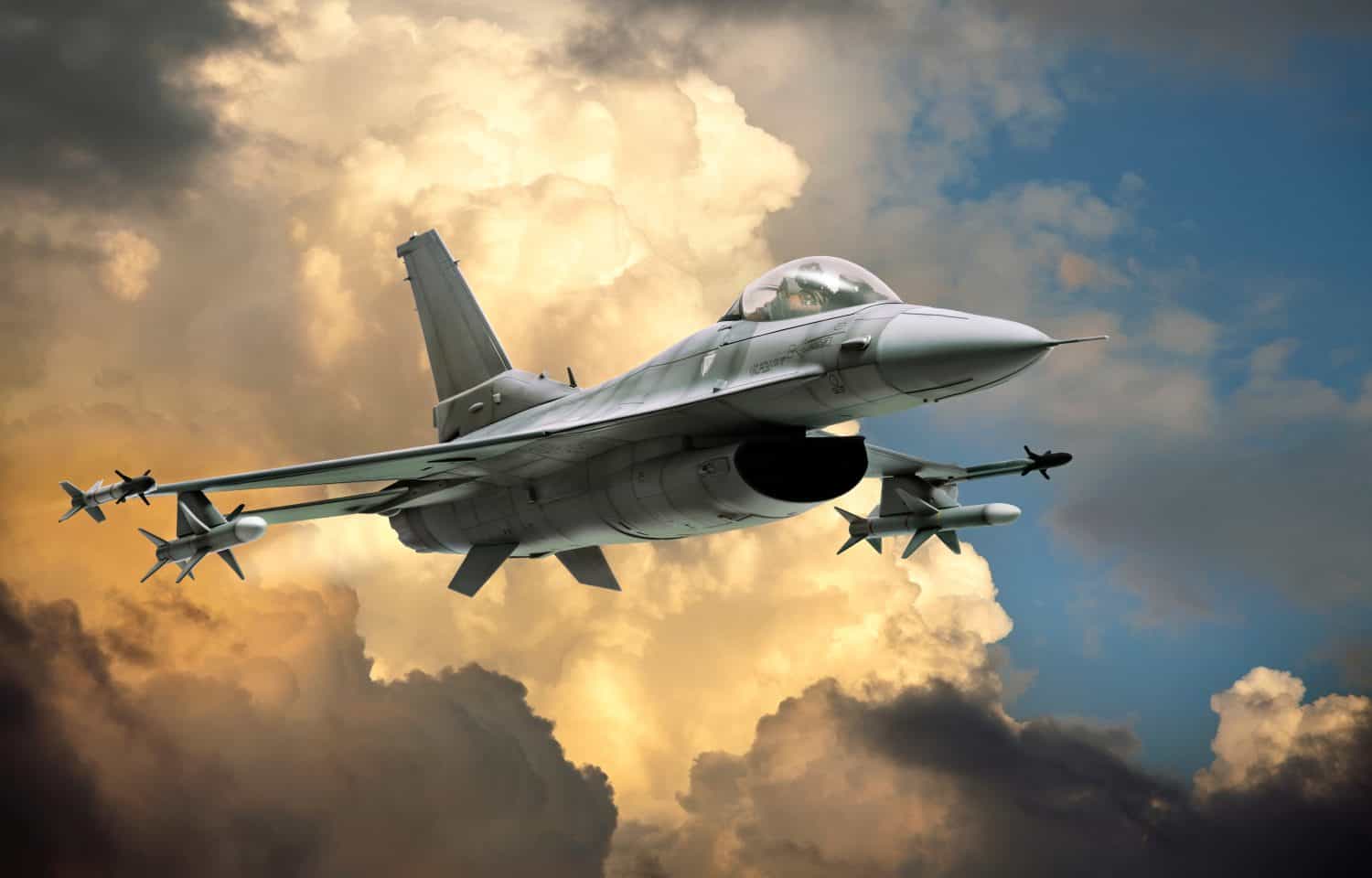
F-16 Fighting Falcon
- System Type: Aircraft
- Country / Organization: Multinational
- Role in Escalation Timeline: Immediate Response (QRA)
- Response Time: Minutes
- Primary Threat Addressed: Aircraft, Ground Targets
- Key Capability Introduced: Multirole flexibility
- How It Enables Rapid Response: Rapid response fighter deployment
- Role in NATO Response Chain: First interception
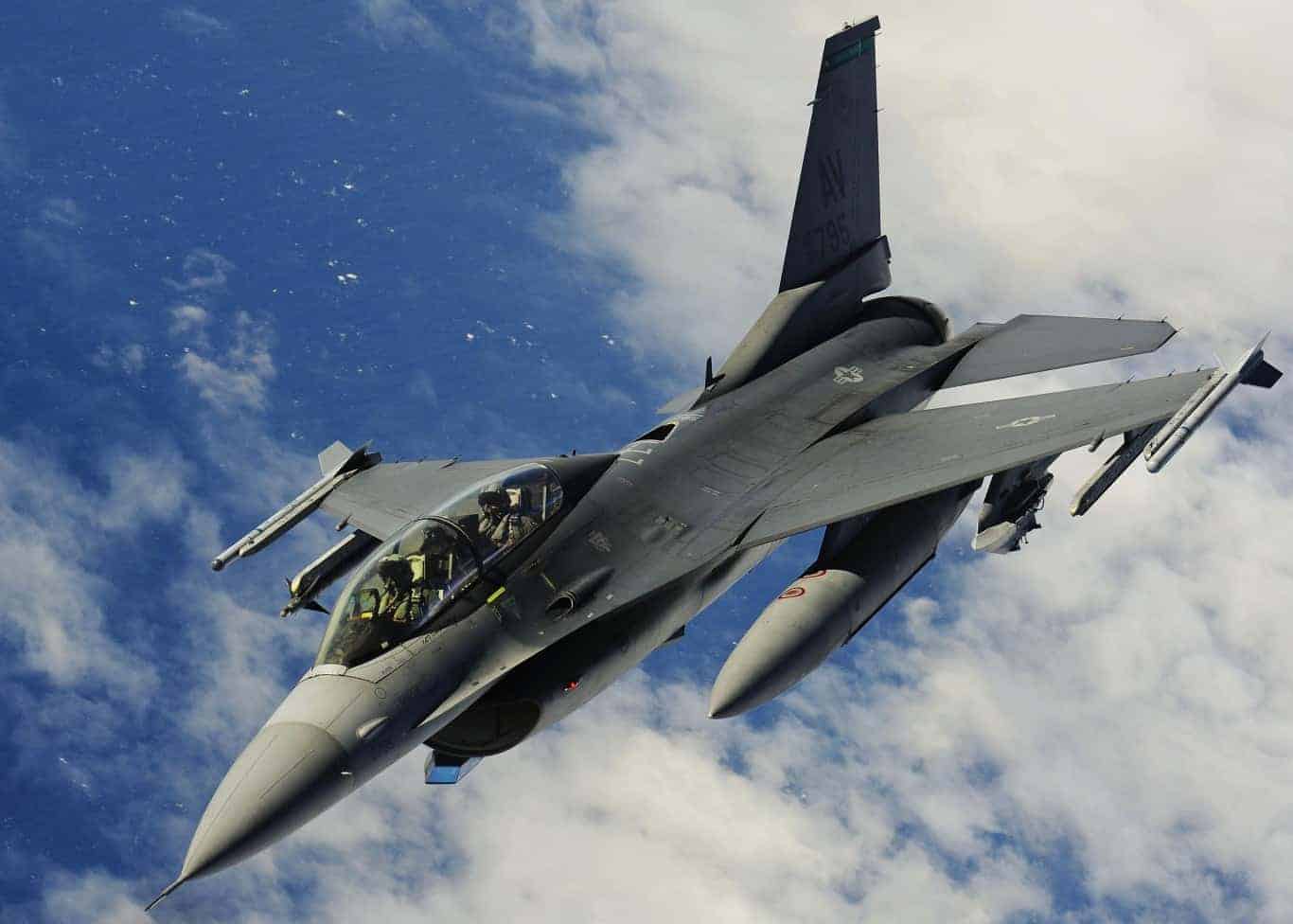
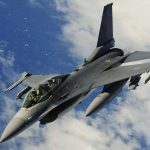
The F-16 is widely used across NATO for rapid response missions, offering a balance of speed, agility, and multirole capability. It can be quickly deployed to intercept threats or conduct strike missions. Its versatility allows it to adapt to different scenarios, making it a reliable asset in the early stages of escalation. The F-16’s widespread use ensures that NATO can respond quickly across multiple regions.
MIM-104 Patriot
- System Type: Interceptor
- Country / Organization: United States
- Role in Escalation Timeline: Interception
- Response Time: Seconds
- Primary Threat Addressed: Ballistic, Cruise Missiles
- Key Capability Introduced: Terminal interception
- How It Enables Rapid Response: Engages incoming missiles
- Role in NATO Response Chain: First interception
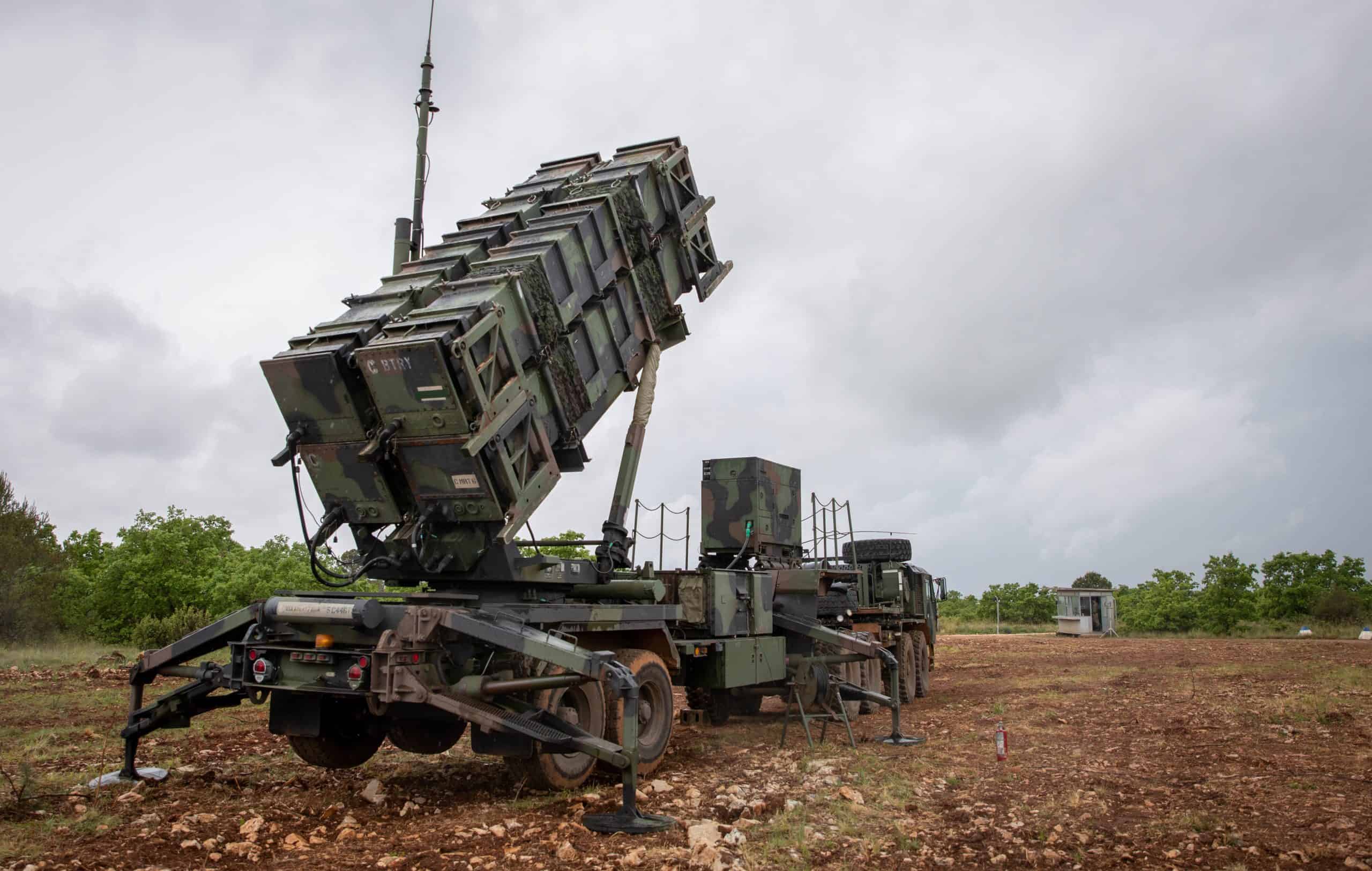
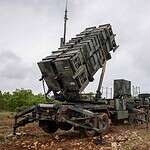
The Patriot system provides immediate missile defense by intercepting incoming threats in their terminal phase. Its advanced radar and interceptor missiles allow it to engage ballistic and cruise missiles with high accuracy. In rapid escalation scenarios, Patriot batteries are often among the first systems to respond to missile attacks. Their ability to protect critical infrastructure and population centers makes them a key component of NATO’s defensive strategy.
THAAD
- System Type: Interceptor
- Country / Organization: United States
- Role in Escalation Timeline: Interception
- Response Time: Seconds
- Primary Threat Addressed: Ballistic Missiles
- Key Capability Introduced: High-altitude interception
- How It Enables Rapid Response: Destroys missiles before impact
- Role in NATO Response Chain: First interception
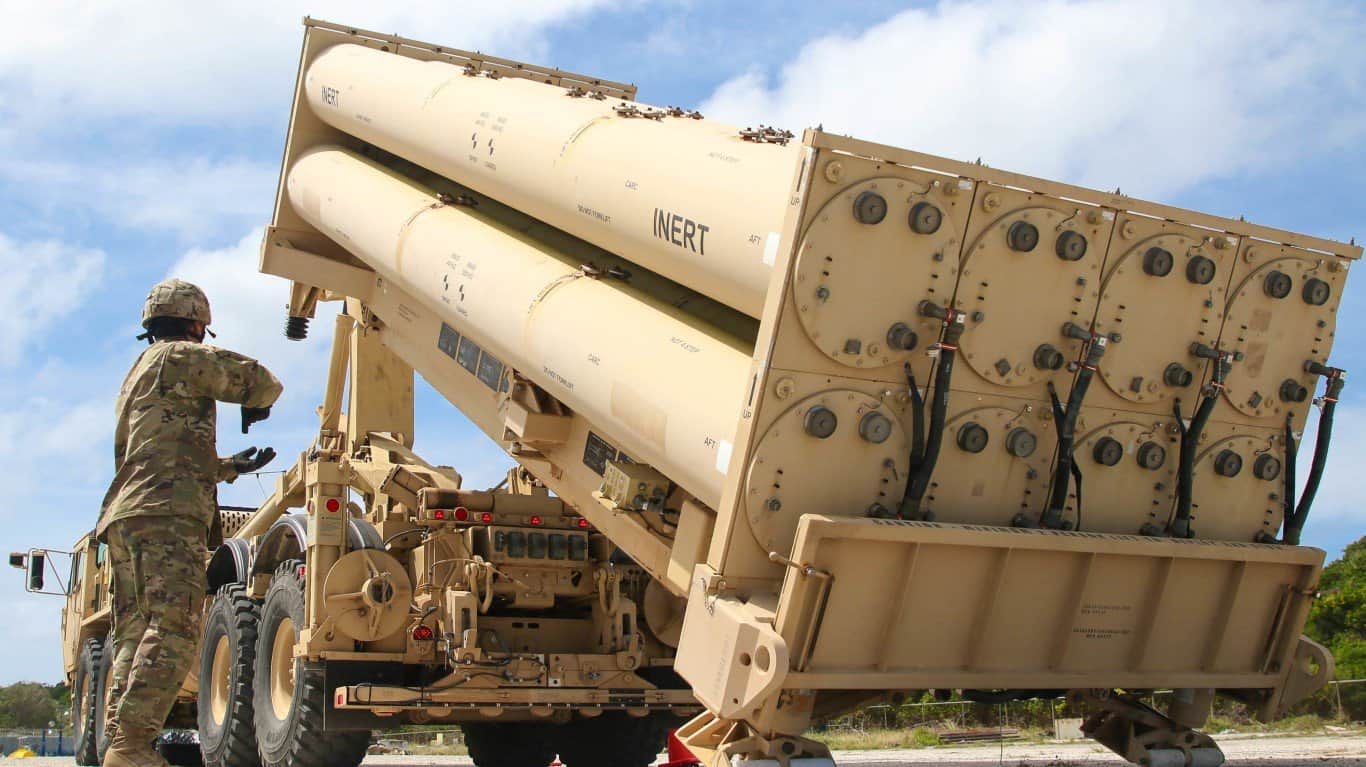
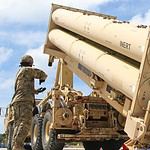
THAAD adds an additional layer of missile defense by intercepting threats at high altitudes. This capability increases the chances of successful interception and reduces the risk of damage on the ground. In the early stages of escalation, THAAD provides a critical buffer against ballistic missile attacks. Its integration with other systems ensures a coordinated response, enhancing NATO’s overall defensive capability.
Aegis BMD
- System Type: Integrated System
- Country / Organization: United States/NATO
- Role in Escalation Timeline: Interception
- Response Time: Seconds
- Primary Threat Addressed: Ballistic Missiles
- Key Capability Introduced: Sea-based defense
- How It Enables Rapid Response: Engages threats from ships
- Role in NATO Response Chain: First interception
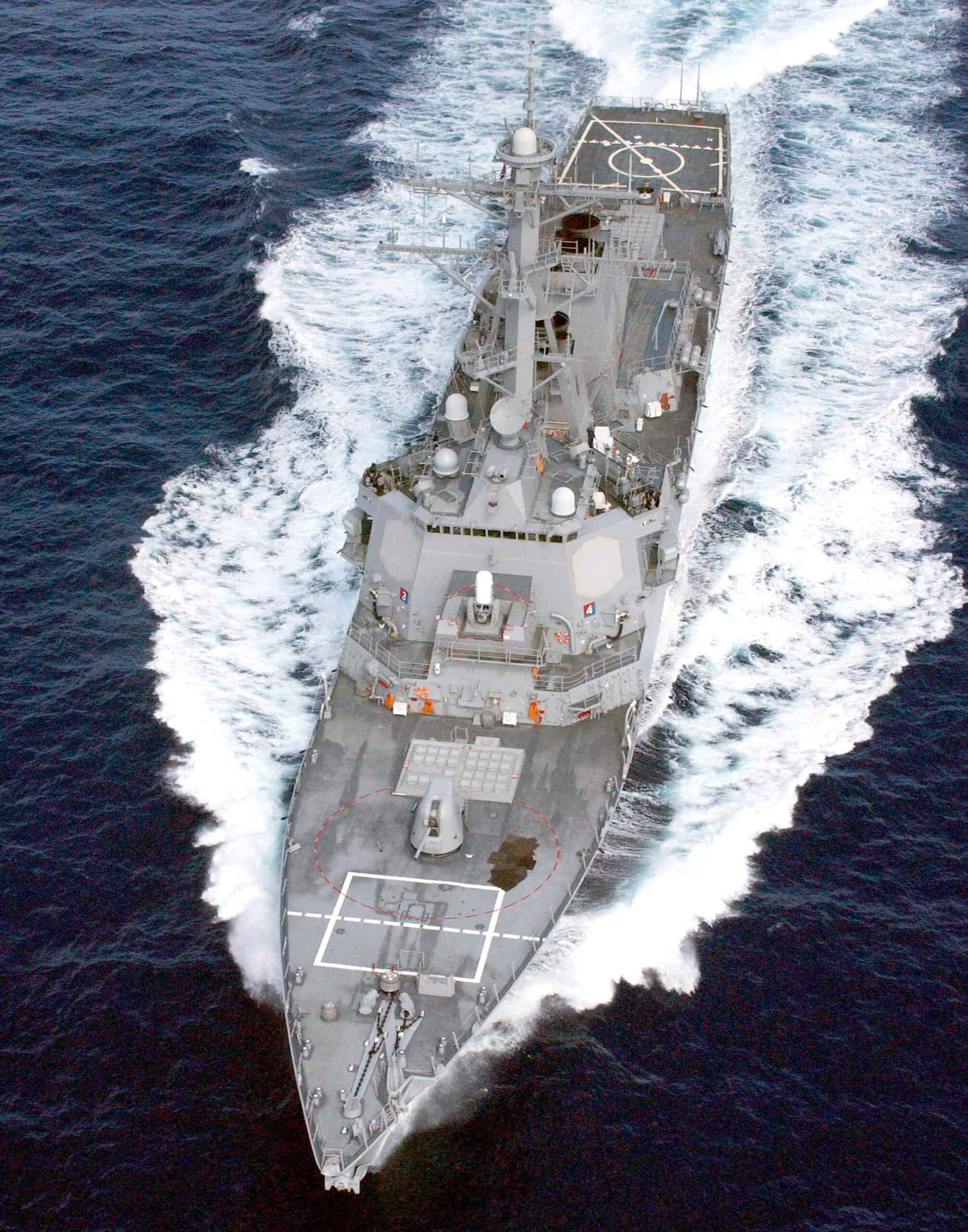
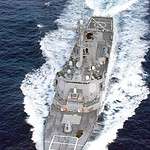
Aegis BMD allows NATO to extend missile defense capabilities to the sea, providing flexible and mobile coverage. Equipped ships can detect and engage threats across large areas, responding quickly to changing conditions. In rapid escalation scenarios, Aegis-equipped vessels can be positioned to protect key regions. This mobility makes it a vital component of NATO’s layered defense.
SM-3
- System Type: Interceptor
- Country / Organization: United States
- Role in Escalation Timeline: Interception
- Response Time: Seconds
- Primary Threat Addressed: Ballistic Missiles
- Key Capability Introduced: Hit-to-kill interception
- How It Enables Rapid Response: Destroys missiles midcourse
- Role in NATO Response Chain: First interception
The SM-3 interceptor is designed to destroy ballistic missiles during their midcourse phase, providing a critical layer of defense. Its deployment on naval platforms allows NATO to engage threats far from their targets. This early interception capability increases the overall effectiveness of missile defense systems. In rapid escalation scenarios, SM-3 helps reduce the threat before it reaches more vulnerable areas.
B-52 Stratofortress
- System Type: Aircraft
- Country / Organization: United States
- Role in Escalation Timeline: Strike Response
- Response Time: Hours
- Primary Threat Addressed: Ground Targets
- Key Capability Introduced: Long-range strike
- How It Enables Rapid Response: Delivers rapid strategic response
- Role in NATO Response Chain: Follow-on strike
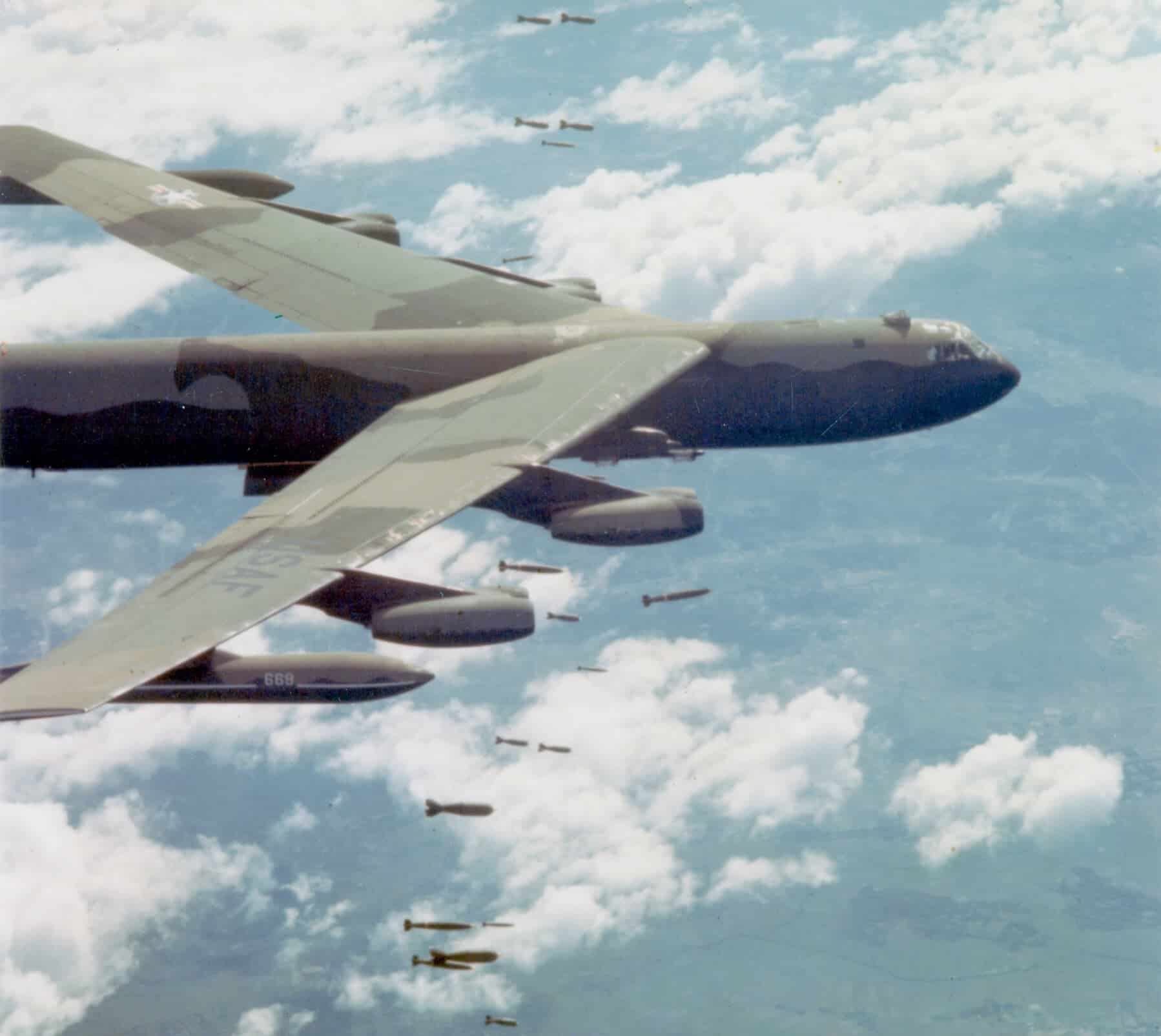
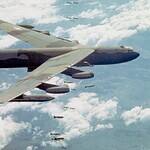
The B-52 provides NATO with long-range strike capability that can be rapidly deployed in response to escalation. Its ability to carry a wide range of weapons allows it to deliver both strategic and tactical effects. In the early hours of a crisis, the B-52 can be used to project power and deter further aggression. Its presence alone can influence the course of events, making it a key component of NATO’s response strategy.
F-15E Strike Eagle
- System Type: Aircraft
- Country / Organization: United States
- Role in Escalation Timeline: Strike Response
- Response Time: Minutes
- Primary Threat Addressed: Ground Targets
- Key Capability Introduced: Precision strike
- How It Enables Rapid Response: Rapid tactical strike capability
- Role in NATO Response Chain: Follow-on strike
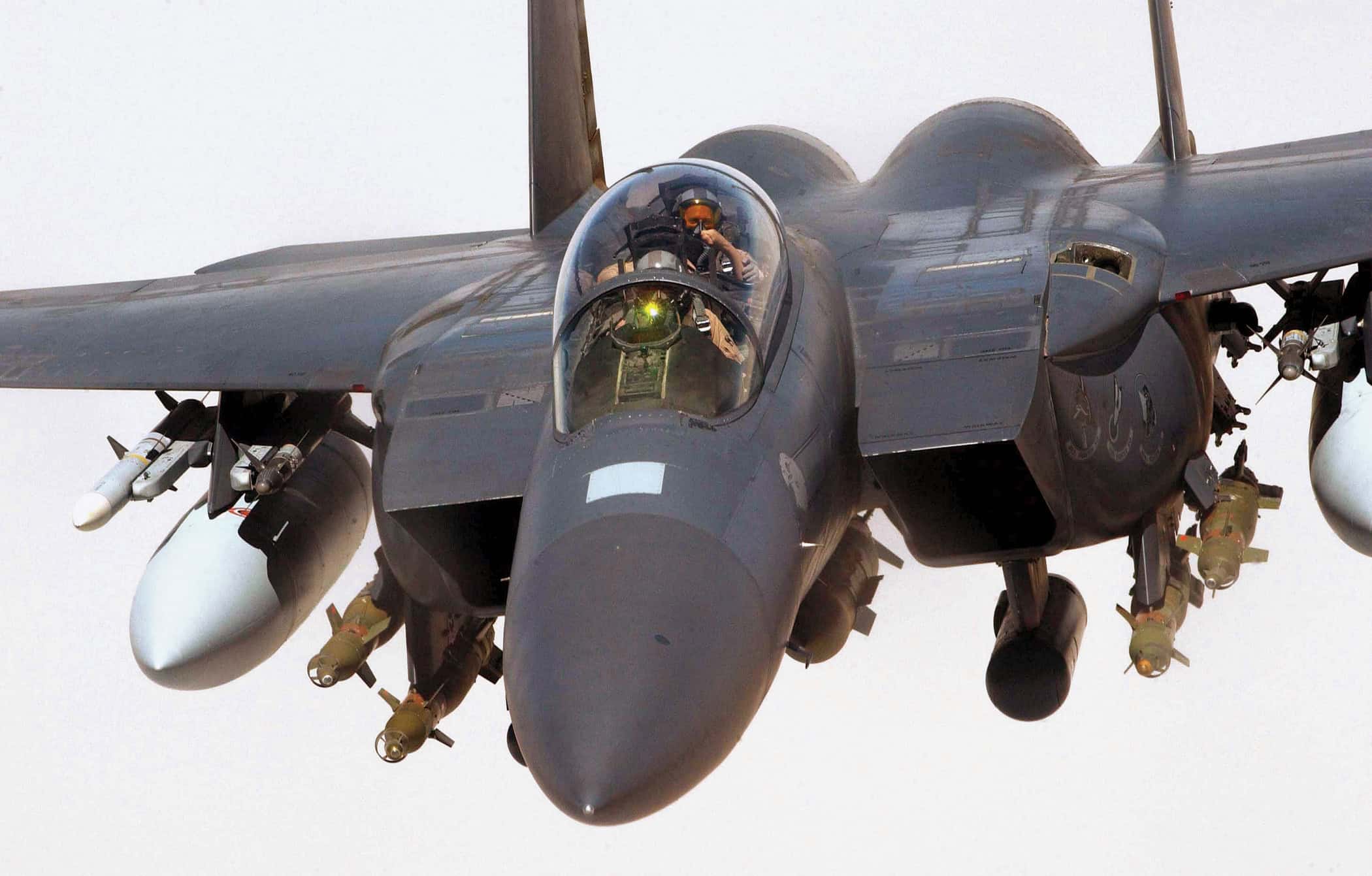
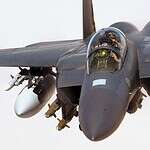
The F-15E offers rapid strike capability, allowing NATO to respond quickly to emerging threats. Its precision-guided munitions enable it to engage targets with accuracy, minimizing collateral damage. In rapid escalation scenarios, the F-15E can be deployed within minutes to conduct strikes against critical targets. Its versatility and effectiveness make it a valuable asset in NATO’s response chain.
Tomahawk Missile
- System Type: Missile
- Country / Organization: United States/NATO
- Role in Escalation Timeline: Strike Response
- Response Time: Minutes
- Primary Threat Addressed: Ground Targets
- Key Capability Introduced: Long-range precision strike
- How It Enables Rapid Response: Launches from ships/subs
- Role in NATO Response Chain: Follow-on strike
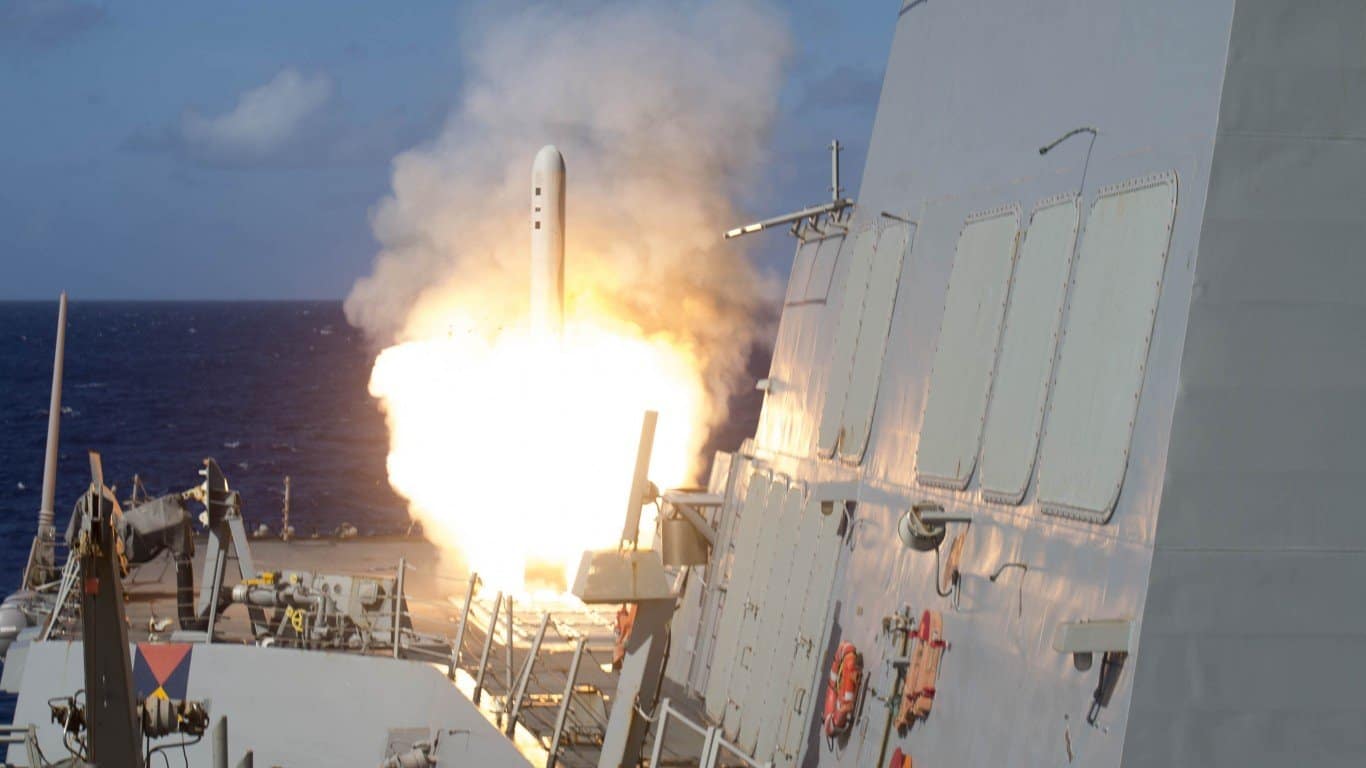
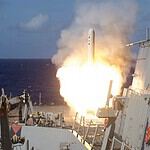
The Tomahawk missile provides a long-range strike option that can be launched quickly from naval platforms. Its precision guidance allows it to hit targets with high accuracy, making it ideal for responding to escalation. In the early stages of a crisis, Tomahawk missiles can be used to neutralize key threats without risking personnel. This capability enhances NATO’s ability to respond rapidly and effectively.
C-17 Globemaster III
- System Type: Aircraft
- Country / Organization: United States/NATO
- Role in Escalation Timeline: Force Deployment
- Response Time: Hours
- Primary Threat Addressed: Logistics
- Key Capability Introduced: Strategic airlift
- How It Enables Rapid Response: Deploys troops and equipment rapidly
- Role in NATO Response Chain: Reinforcement
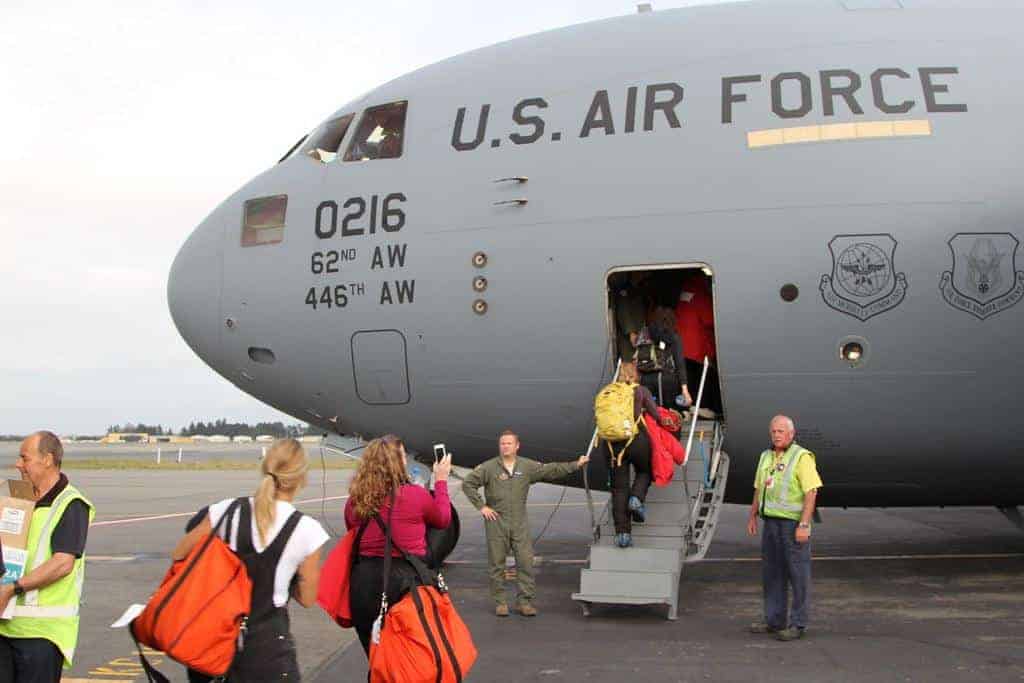
The C-17 enables rapid deployment of troops and equipment, allowing NATO to reinforce positions quickly. Its ability to operate from short and austere runways makes it highly versatile. In rapid escalation scenarios, the C-17 can deliver forces to critical areas within hours. This capability ensures that NATO can respond not just with firepower, but with physical presence.
NATO Response Force (NRF)
- System Type: Force Element
- Country / Organization: NATO
- Role in Escalation Timeline: Force Deployment
- Response Time: Hours
- Primary Threat Addressed: All threats
- Key Capability Introduced: Rapid reaction force
- How It Enables Rapid Response: Deploys ready forces
- Role in NATO Response Chain: Reinforcement
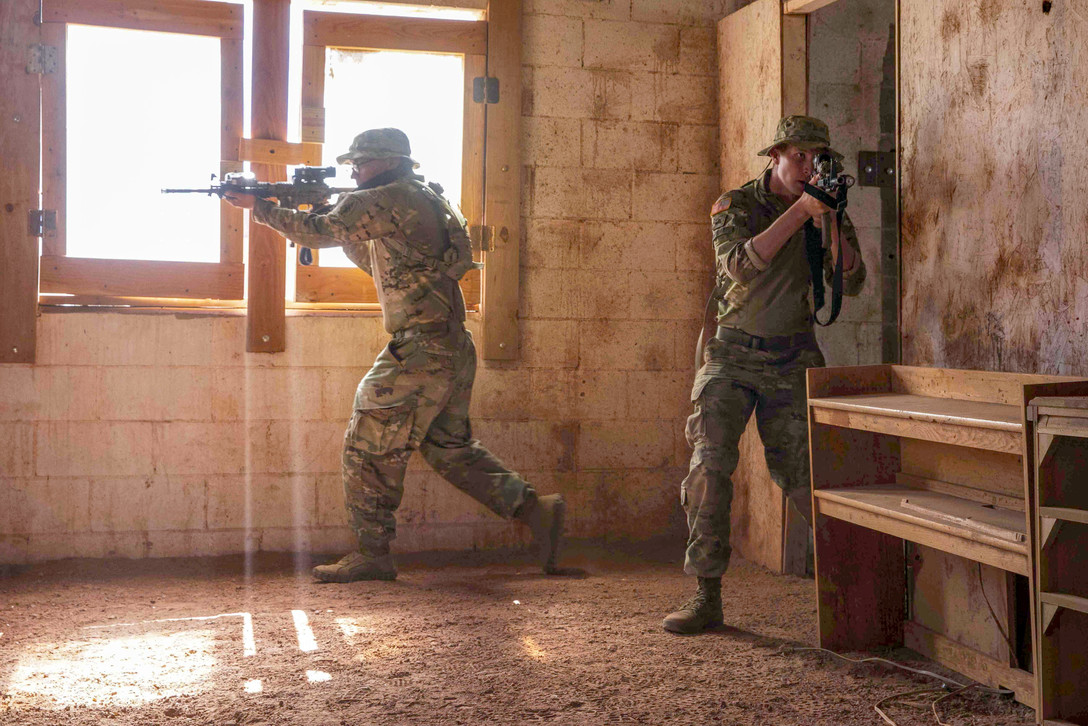
The NATO Response Force is a high-readiness force designed to deploy quickly in response to crises. It includes land, air, and maritime components that can be mobilized within hours. In rapid escalation scenarios, the NRF provides a flexible and immediate response option. Its readiness and capability make it a key element of NATO’s strategy for managing emerging threats.
V-22 Osprey
- System Type: Aircraft
- Country / Organization: United States
- Role in Escalation Timeline: Force Deployment
- Response Time: Hours
- Primary Threat Addressed: Troop transport
- Key Capability Introduced: Tiltrotor speed
- How It Enables Rapid Response: Rapid insertion of forces
- Role in NATO Response Chain: Reinforcement
The V-22 Osprey combines the vertical lift of a helicopter with the speed of a fixed-wing aircraft, allowing for rapid troop insertion. This capability is particularly valuable in contested environments where traditional aircraft may be limited. In rapid escalation scenarios, the Osprey enables NATO to deploy forces quickly and efficiently. Its unique design enhances operational flexibility and response speed.
The image featured at the top of this post is ©Dan Thornberg/Shutterstock.com