
Military Aircraft That Changed How Nations Strike From Long Range
Military power used to be limited by distance, but that stopped being true when long-range strike aircraft entered the picture. From World War II bombers that could hit targets deep behind enemy lines to modern stealth aircraft capable of striking across continents, airpower has steadily expanded its reach. Today, nations no longer need to be close to a battlefield to influence it. Here, History Computer is taking a closer look at the aircraft that redefined long-range strike capabilities
To determine the military aircraft that redefined long-range strike capabilities, History Computer reviewed various historical and military sources. We included supplemental information for each aircraft regarding the aircraft type, country of origin, maximum payload, key strike capability, and the combat radius.
Here is a look at the military aircraft that redefined long-range strike capabilities:
When Distance Stopped Being a Barrier
For much of military history, geography dictated what targets could be reached and when, limiting the scope of warfare to relatively close or regionally accessible objectives. Early airpower was constrained by fuel capacity, payload limits, and the need for forward-operating bases positioned near the front lines. That began to change with the development of long-range bombers and strike aircraft capable of flying deeper into enemy territory without stopping. As these platforms evolved, distance stopped being a protective barrier, allowing nations to project power across continents and fundamentally altering how wars were planned and fought.
Strategic Bombing Redefined Warfare
World War II marked a turning point in how airpower was used, introducing the concept of sustained strategic bombing against an enemy’s industrial base, infrastructure, and population centers. Aircraft like the B-17 and Lancaster demonstrated that wars could be influenced far from the battlefield, where factories, rail networks, and supply depots became primary targets. This shift forced nations to rethink defense, as protecting front-line troops was no longer enough. Instead, entire national economies became part of the battlefield, expanding the scope and consequences of warfare.
The Cold War Made Strike Truly Global
During the Cold War, long-range strike capability expanded dramatically as technological advancements enabled aircraft to travel intercontinental distances. Platforms such as the B-52 and Tu-95, supported by aerial refueling, allowed both the United States and the Soviet Union to maintain a constant strategic threat against each other’s homeland. This capability formed the backbone of nuclear deterrence, where the ability to strike anywhere at any time became a key factor in preventing conflict. The concept of global reach redefined military strategy, making distance irrelevant in the balance of power.
Precision Replaced Saturation
As technology continued to advance, the nature of long-range strike shifted from large-scale bombing campaigns to precision-guided operations. Aircraft began to incorporate advanced targeting systems and guided munitions, allowing them to hit specific targets with remarkable accuracy. This reduced the need for widespread destruction while increasing operational effectiveness. Precision strike capabilities enabled smaller forces to achieve strategic objectives, minimizing collateral damage and improving efficiency. This evolution marked a significant departure from earlier doctrines that relied on overwhelming force rather than accuracy.
Modern Airpower Combines Range, Stealth, and Connectivity
Today’s long-range strike aircraft integrate multiple advanced technologies, including stealth, real-time data sharing, and highly sophisticated sensors. These capabilities allow them to operate in contested environments and strike heavily defended targets with a high degree of success. Modern airpower is no longer defined solely by how far an aircraft can fly, but by how effectively it can penetrate defenses and coordinate with other systems. This combination of range, survivability, and connectivity represents the current state of long-range strike and continues to shape the future of military operations.
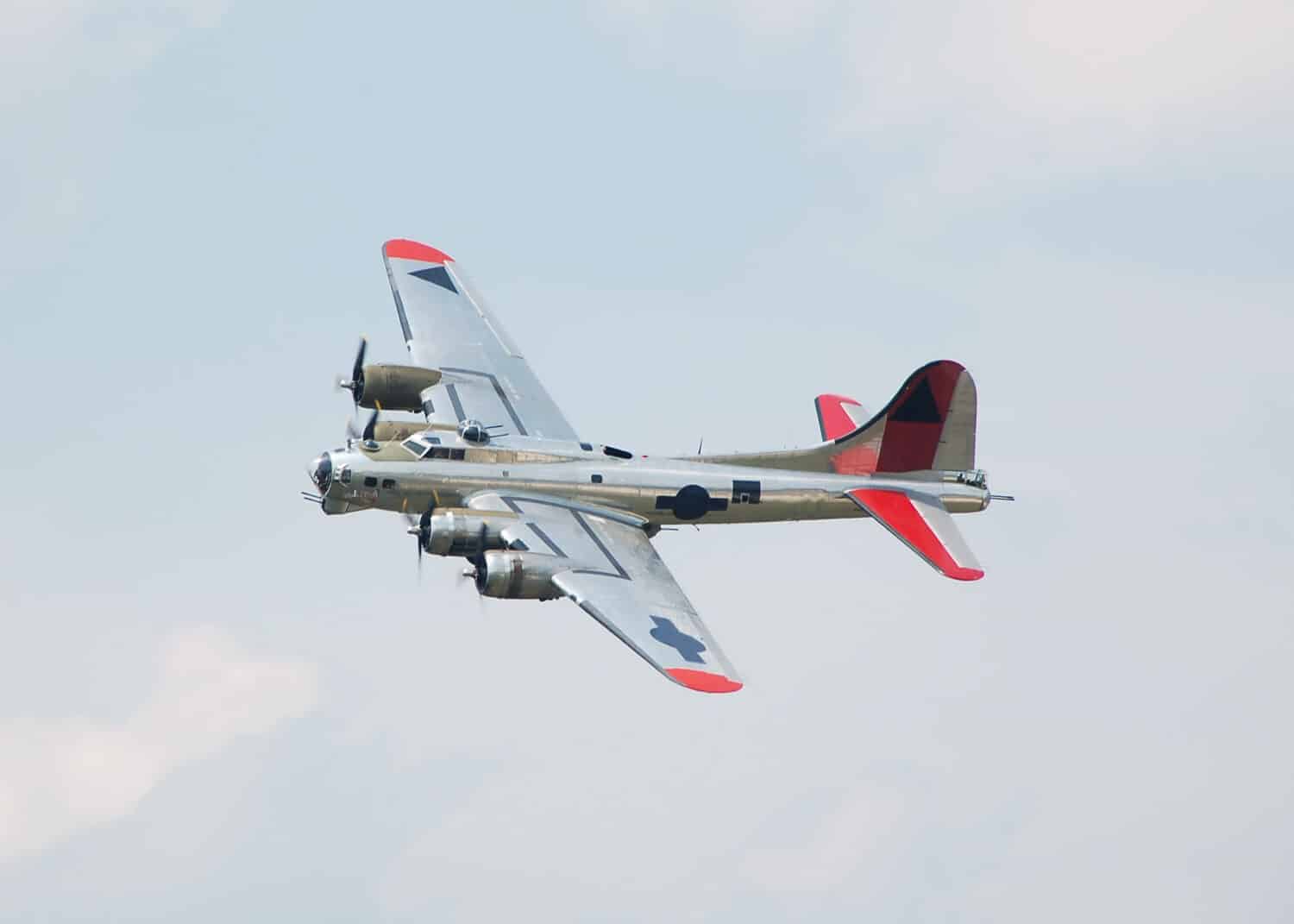
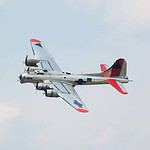
Boeing B-17 Flying Fortress
- Country of Origin: United States
- Aircraft Type: Heavy Bomber
- Year Introduced: 1938
- Combat Radius (Miles): ~2000
- Maximum Payload (lbs): ~8000
- Refueling Capability: No
- Key Strike Capability: High-altitude bombing
- Doctrine or Warfare Shift Enabled: Strategic bombing campaigns
The B-17 helped establish the concept of sustained long-range bombing, allowing the United States to strike deep into enemy territory during World War II. Its range and defensive armament enabled missions over heavily defended areas, proving that strategic targets far from the front lines could be reached and repeatedly attacked. This shifted warfare away from purely tactical engagements and toward industrial and infrastructure targeting, laying the groundwork for modern long-range strike doctrine where distance no longer guarantees safety.
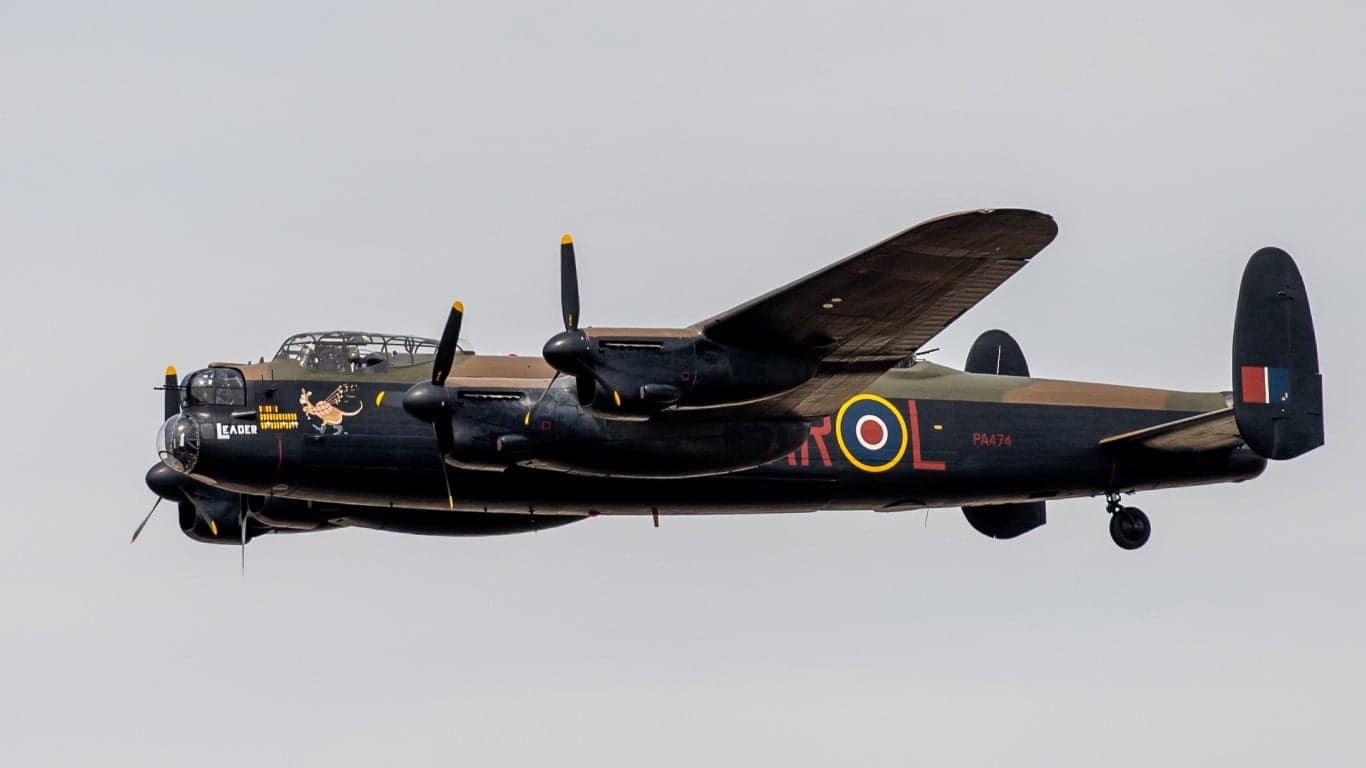
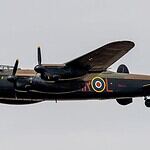
Avro Lancaster
- Country of Origin: United Kingdom
- Aircraft Type: Heavy Bomber
- Year Introduced: 1942
- Combat Radius (Miles): ~1660
- Maximum Payload (lbs): ~14000
- Refueling Capability: No
- Key Strike Capability: Heavy payload bombing
- Doctrine or Warfare Shift Enabled: Strategic bombing expansion
The Avro Lancaster expanded long-range strike capability through its ability to carry exceptionally large payloads over extended distances. It enabled the Royal Air Force to conduct deep bombing missions into Germany, including precision strikes on critical infrastructure like dams and industrial facilities. Its combination of range and payload demonstrated that strategic effects could be achieved far behind enemy lines, reinforcing the idea that wars could be influenced by striking economic and logistical centers rather than just frontline forces.
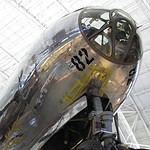
Boeing B-29 Superfortress
- Country of Origin: United States
- Aircraft Type: Strategic Bomber
- Year Introduced: 1944
- Combat Radius (Miles): ~3250
- Maximum Payload (lbs): ~20000
- Refueling Capability: No
- Key Strike Capability: Long-range bombing
- Doctrine or Warfare Shift Enabled: Global strike capability emerges
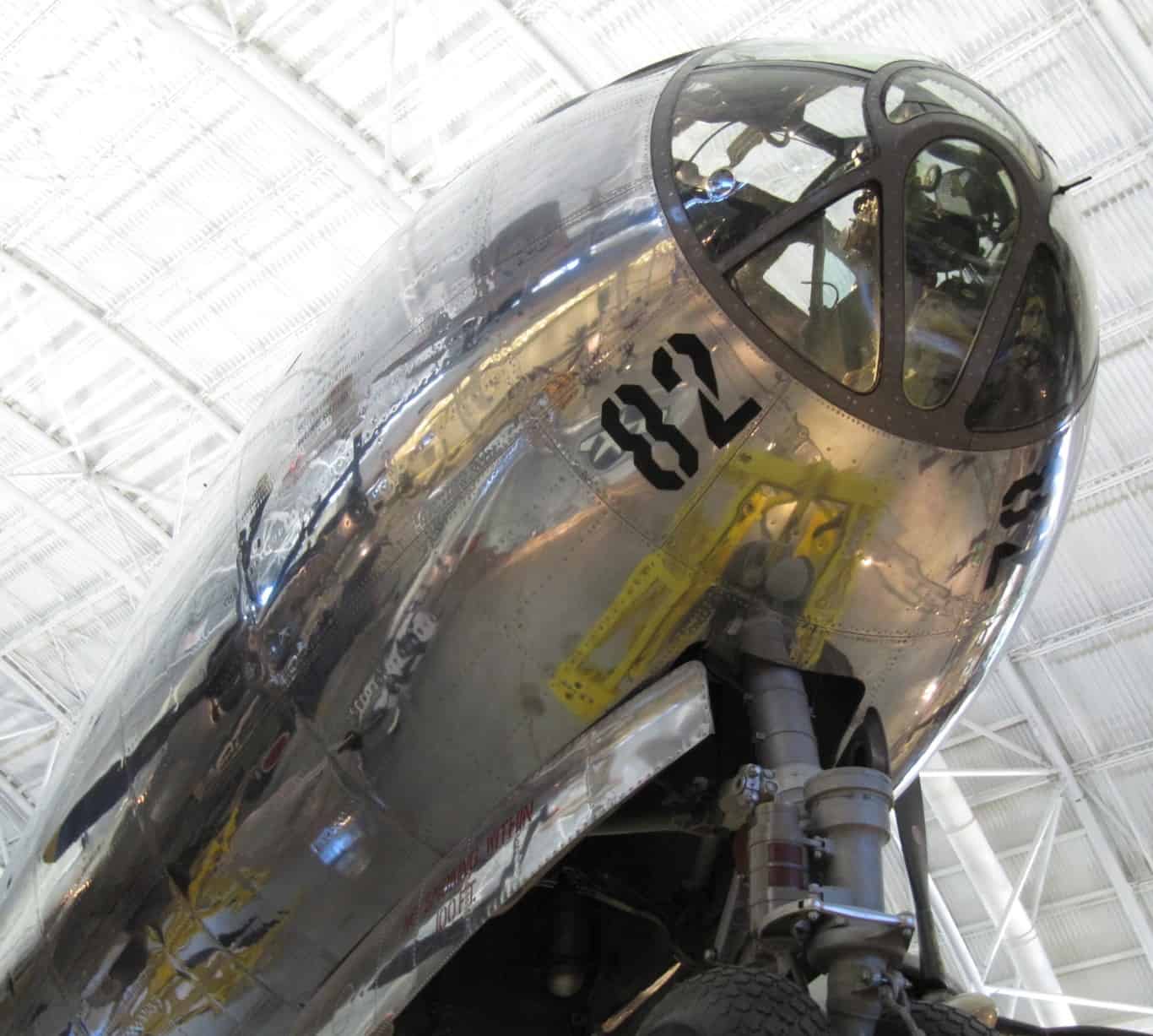
The B-29 represented a major leap in long-range strike capability, combining extended range with advanced technology such as pressurized cabins and remote-controlled gun turrets. It allowed the United States to conduct bombing missions across the Pacific, including strikes on Japan from distant bases. Most notably, it delivered the first atomic weapons, demonstrating that a single aircraft could have global strategic impact. The B-29 redefined the scale and reach of aerial warfare, ushering in the era of true global strike capability.
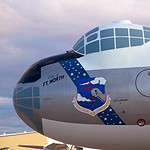
Convair B-36 Peacemaker
- Country of Origin: United States
- Aircraft Type: Strategic Bomber
- Year Introduced: 1949
- Combat Radius (Miles): ~4000
- Maximum Payload (lbs): ~86000
- Refueling Capability: No
- Key Strike Capability: Intercontinental nuclear delivery
- Doctrine or Warfare Shift Enabled: Intercontinental deterrence
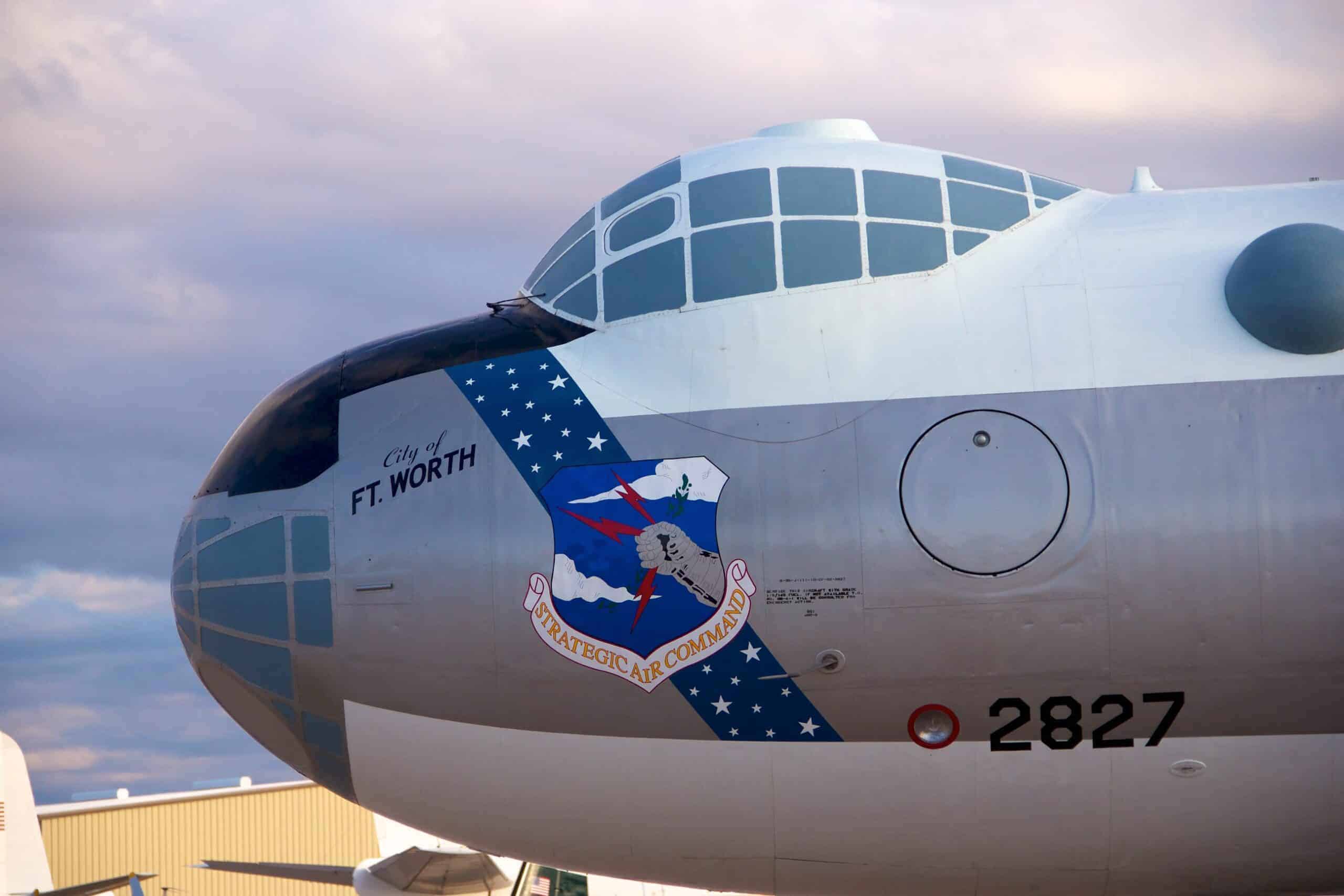
The B-36 was the first true intercontinental bomber, capable of delivering nuclear weapons across vast distances without the need for forward bases. Its enormous range allowed it to strike targets deep within the Soviet Union directly from the United States, fundamentally changing deterrence strategy. This eliminated the reliance on overseas staging areas, making geography far less of a constraint. The B-36 established the principle of global reach, where a nation could project power anywhere in the world from its own territory.
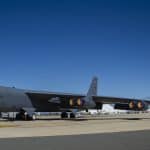
Boeing B-52 Stratofortress
- Country of Origin: United States
- Aircraft Type: Strategic Bomber
- Year Introduced: 1955
- Combat Radius (Miles): ~4400
- Maximum Payload (lbs): ~70000
- Refueling Capability: Yes
- Key Strike Capability: Nuclear & conventional strike
- Doctrine or Warfare Shift Enabled: Long-range persistent strike
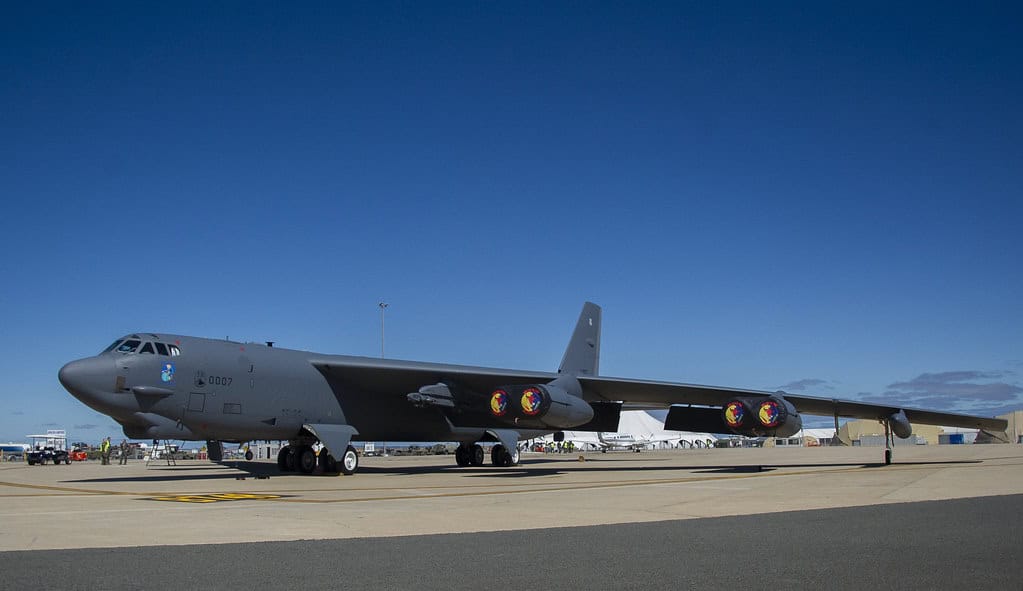
The B-52 remains one of the most enduring symbols of long-range strike capability, combining massive payload capacity with intercontinental range and aerial refueling. Its ability to carry both nuclear and conventional weapons allows it to adapt to a wide range of missions. Over decades of service, it has demonstrated that long-range bombers can provide persistent strike capability, maintaining pressure on targets far from home bases. The B-52 solidified the role of strategic bombers as a cornerstone of global power projection.
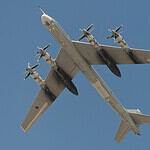
Tupolev Tu-95 Bear
- Country of Origin: Soviet Union
- Aircraft Type: Strategic Bomber
- Year Introduced: 1956
- Combat Radius (Miles): ~4000
- Maximum Payload (lbs): ~33000
- Refueling Capability: Yes
- Key Strike Capability: Nuclear delivery
- Doctrine or Warfare Shift Enabled: Cold War deterrence
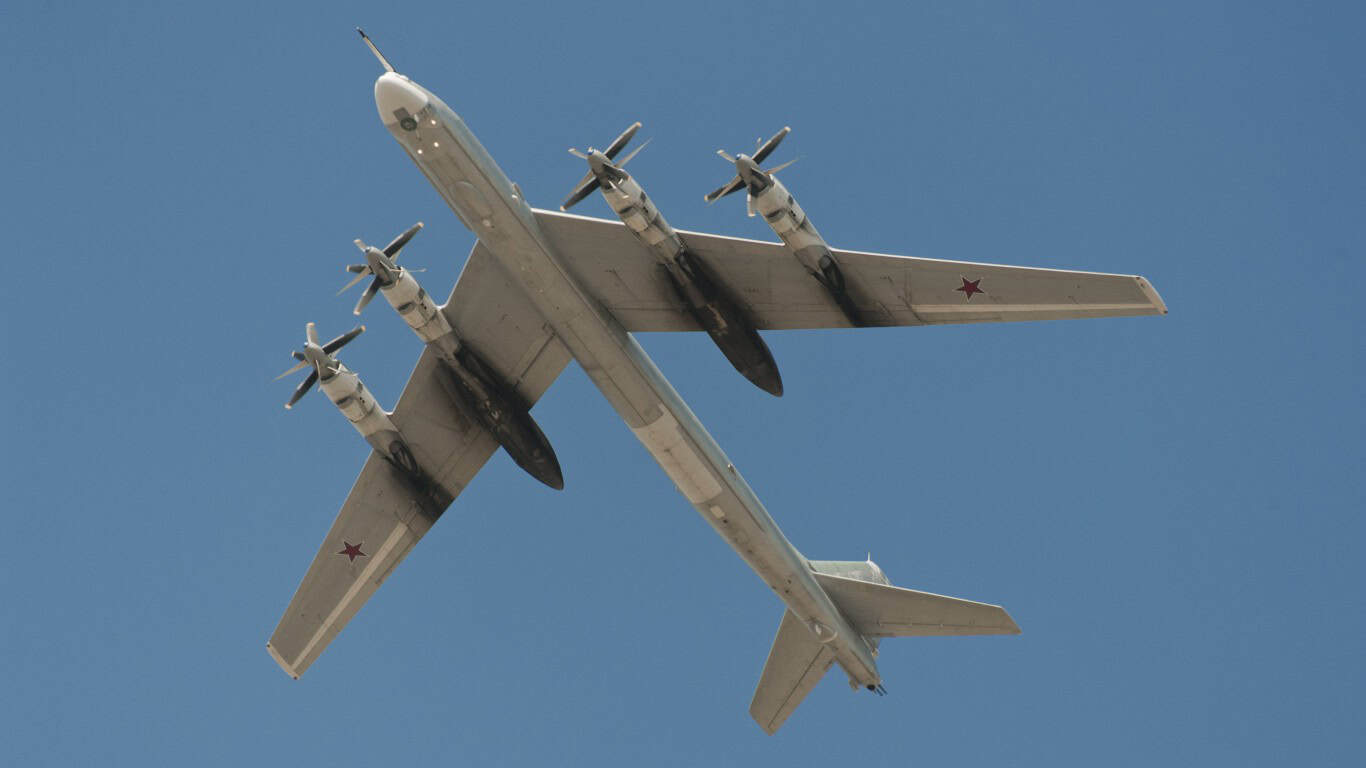
The Tu-95 provided the Soviet Union with a reliable platform for long-range nuclear strike, capable of reaching targets across continents. Its turboprop design offered exceptional range and endurance, allowing it to patrol vast distances and maintain a constant deterrent presence. By enabling the Soviet Union to threaten distant targets, the Tu-95 contributed to the balance of power during the Cold War. It demonstrated that long-range strike capability was essential for strategic parity between superpowers.
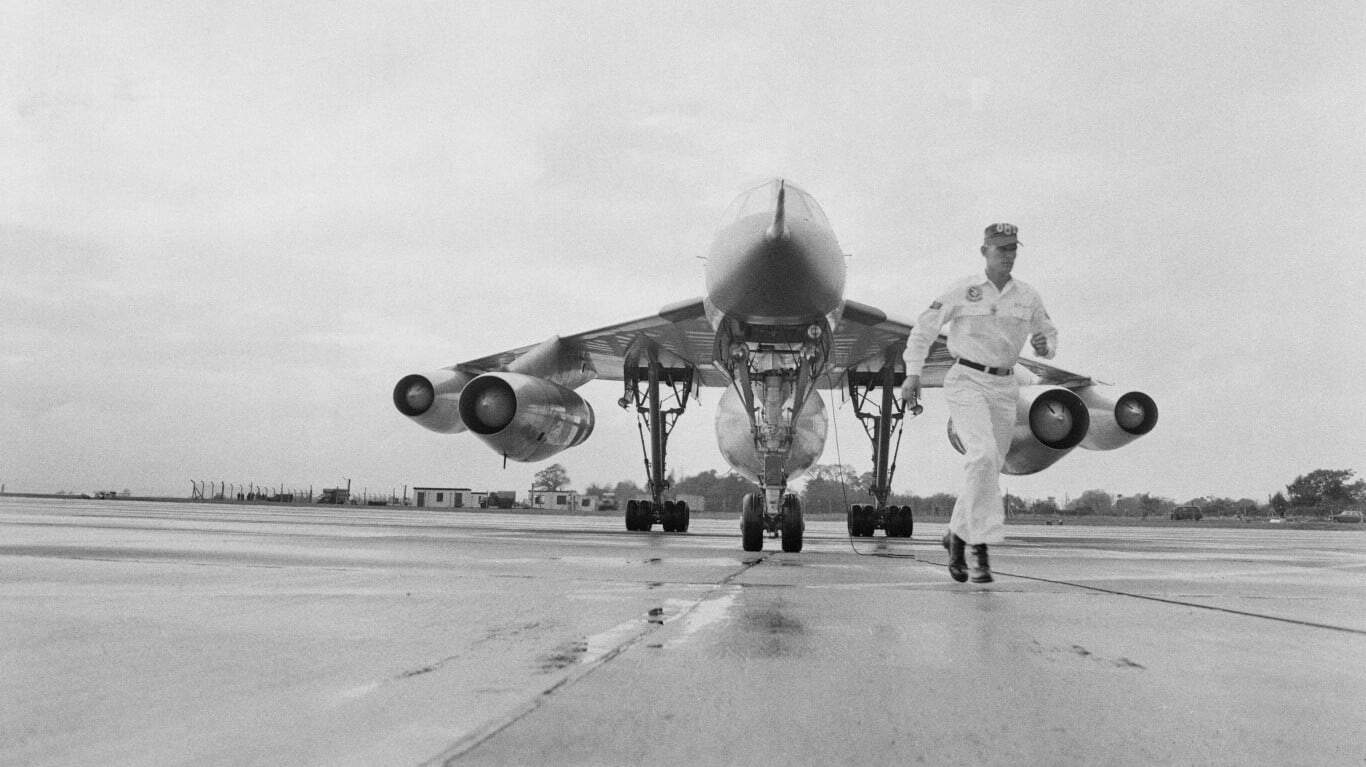
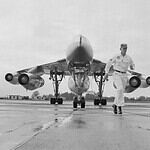
Convair B-58 Hustler
- Country of Origin: United States
- Aircraft Type: Supersonic Bomber
- Year Introduced: 1960
- Combat Radius (Miles): ~2200
- Maximum Payload (lbs): ~20000
- Refueling Capability: Yes
- Key Strike Capability: High-speed nuclear strike
- Doctrine or Warfare Shift Enabled: Supersonic penetration
The B-58 introduced supersonic speed to long-range strike missions, allowing it to penetrate enemy defenses more effectively. Its high-speed capability reduced exposure time to air defenses, making it more survivable in contested environments. This marked a shift toward combining speed with range as a means of ensuring strike success. The B-58 showed that long-range strike was not just about distance, but also about the ability to reach targets quickly and evade interception.
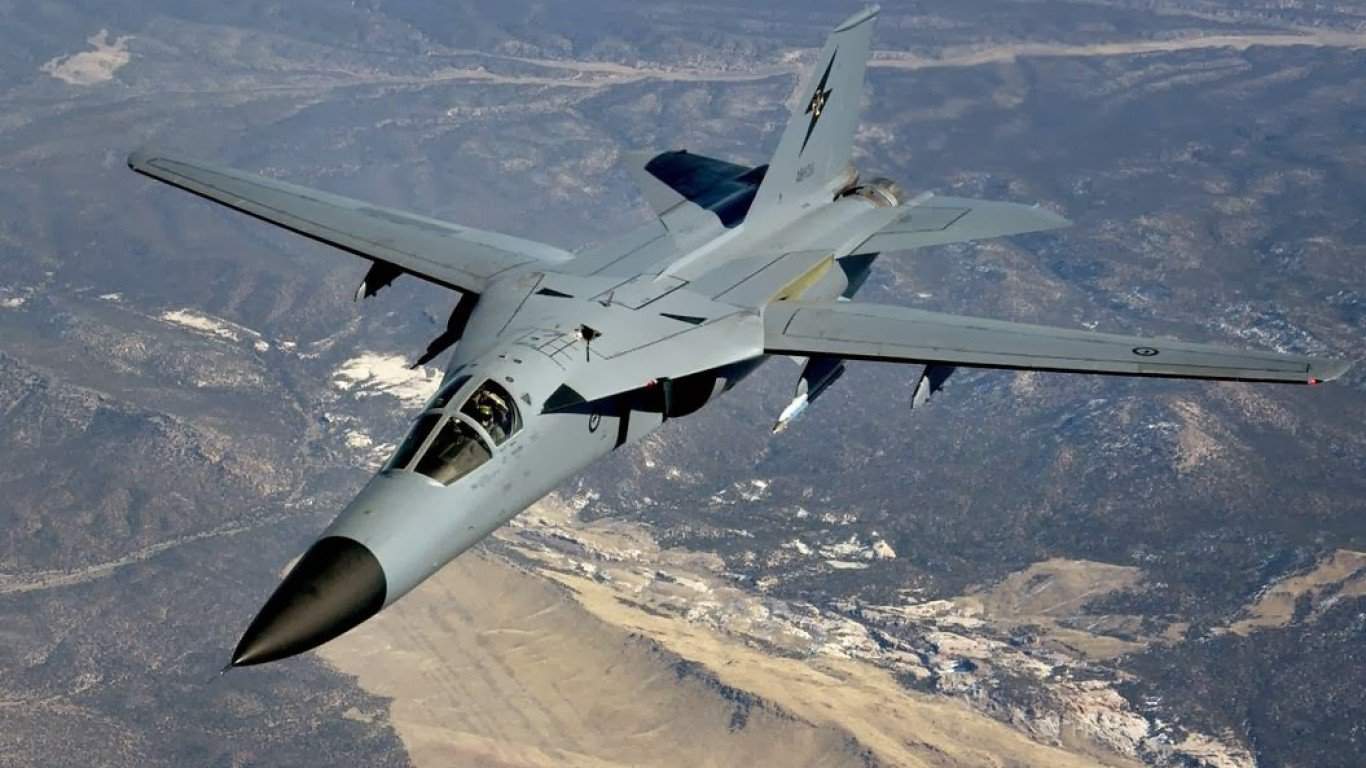
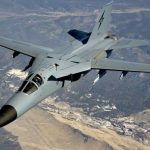
General Dynamics F-111 Aardvark
- Country of Origin: United States
- Aircraft Type: Strike Aircraft
- Year Introduced: 1967
- Combat Radius (Miles): ~2500
- Maximum Payload (lbs): ~31000
- Refueling Capability: Yes
- Key Strike Capability: Low-level penetration
- Doctrine or Warfare Shift Enabled: Deep strike doctrine
The F-111 revolutionized long-range strike by combining extended range with low-level penetration capabilities. Its terrain-following radar allowed it to fly at low altitudes, avoiding radar detection while reaching targets deep within enemy territory. This capability made it highly effective in bypassing advanced air defenses. The F-111 demonstrated that long-range strike aircraft could operate with precision and survivability, reshaping how militaries approached deep strike missions in heavily defended environments.
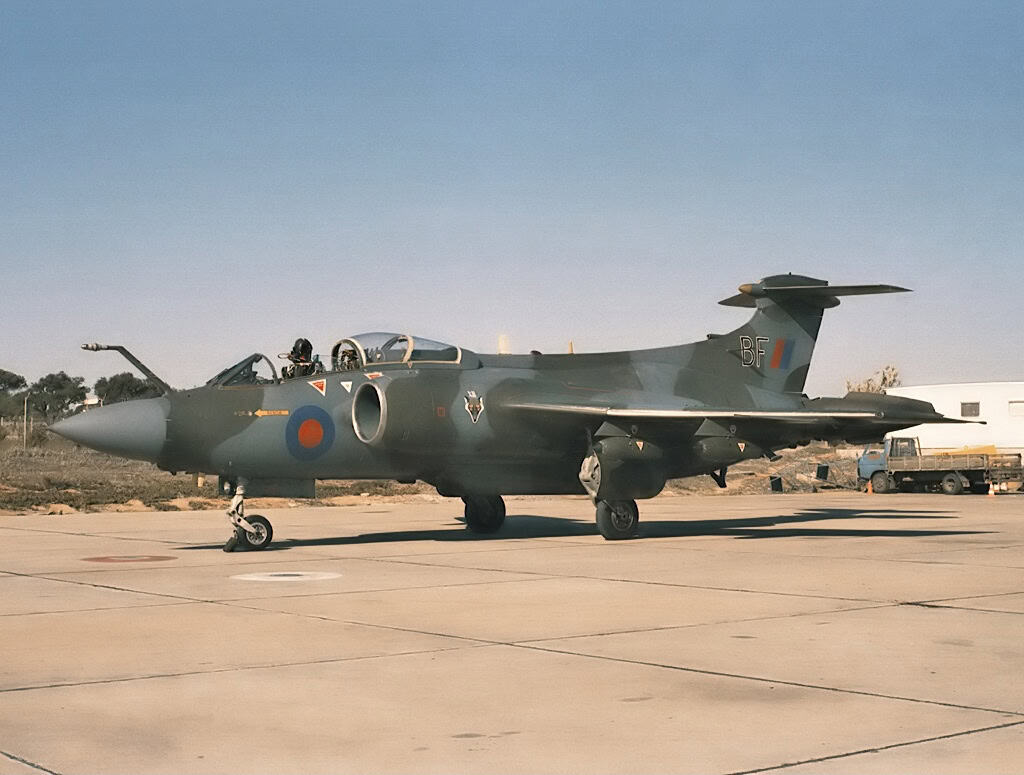
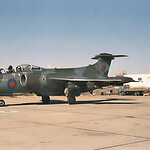
Blackburn Buccaneer
- Country of Origin: United Kingdom
- Aircraft Type: Strike Aircraft
- Year Introduced: 1962
- Combat Radius (Miles): ~2300
- Maximum Payload (lbs): ~16000
- Refueling Capability: Yes
- Key Strike Capability: Low-level maritime strike
- Doctrine or Warfare Shift Enabled: Anti-ship strike evolution
The Buccaneer was designed for low-level, high-speed strike missions, particularly against maritime and coastal targets. Its ability to fly at low altitudes allowed it to avoid radar detection and deliver strikes against heavily defended targets. This capability extended the reach of naval and air forces, enabling them to threaten enemy assets at greater distances. The Buccaneer highlighted the importance of penetration tactics in long-range strike operations, where avoiding detection was as critical as range itself.
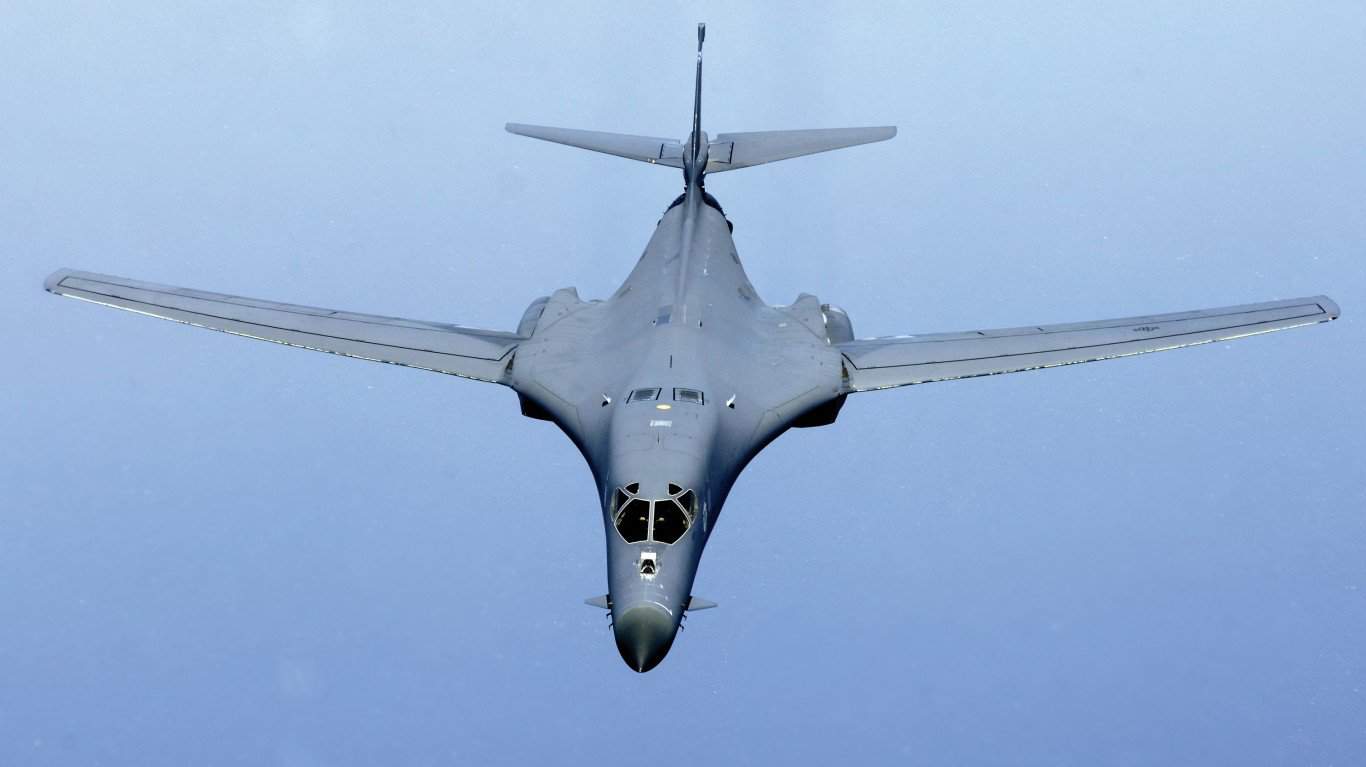
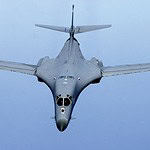
Rockwell B-1B Lancer
- Country of Origin: United States
- Aircraft Type: Strategic Bomber
- Year Introduced: 1986
- Combat Radius (Miles): ~3000
- Maximum Payload (lbs): ~75000
- Refueling Capability: Yes
- Key Strike Capability: Low-altitude penetration
- Doctrine or Warfare Shift Enabled: Flexible strike doctrine
The B-1B combined high speed, large payload capacity, and long range to create a highly flexible strike platform. Its ability to perform both nuclear and conventional missions allowed it to adapt to changing strategic needs. By flying at low altitudes and high speeds, it could penetrate enemy defenses and deliver payloads deep within hostile territory. The B-1B reinforced the importance of versatility in long-range strike, where aircraft must be capable of operating in diverse and evolving threat environments.
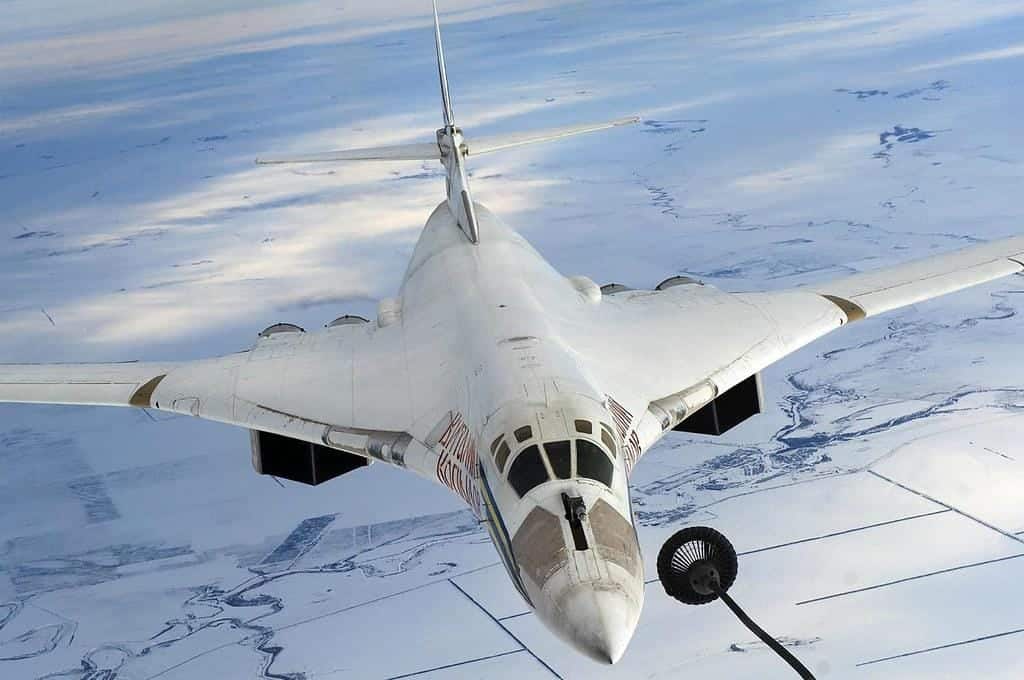
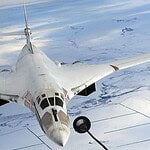
Tupolev Tu-160 Blackjack
- Country of Origin: Soviet Union
- Aircraft Type: Strategic Bomber
- Year Introduced: 1987
- Combat Radius (Miles): ~4500
- Maximum Payload (lbs): ~88000
- Refueling Capability: Yes
- Key Strike Capability: High-speed nuclear/conventional strike
- Doctrine or Warfare Shift Enabled: Supersonic global strike
The Tu-160 is one of the fastest and most powerful long-range bombers ever built, capable of delivering both nuclear and conventional weapons over intercontinental distances. Its supersonic speed and large payload capacity make it a formidable strike platform. By combining speed, range, and firepower, the Tu-160 enhances Russia’s ability to project power globally. It represents the continued evolution of long-range strike aircraft, where advanced capabilities ensure effectiveness against modern air defense systems.
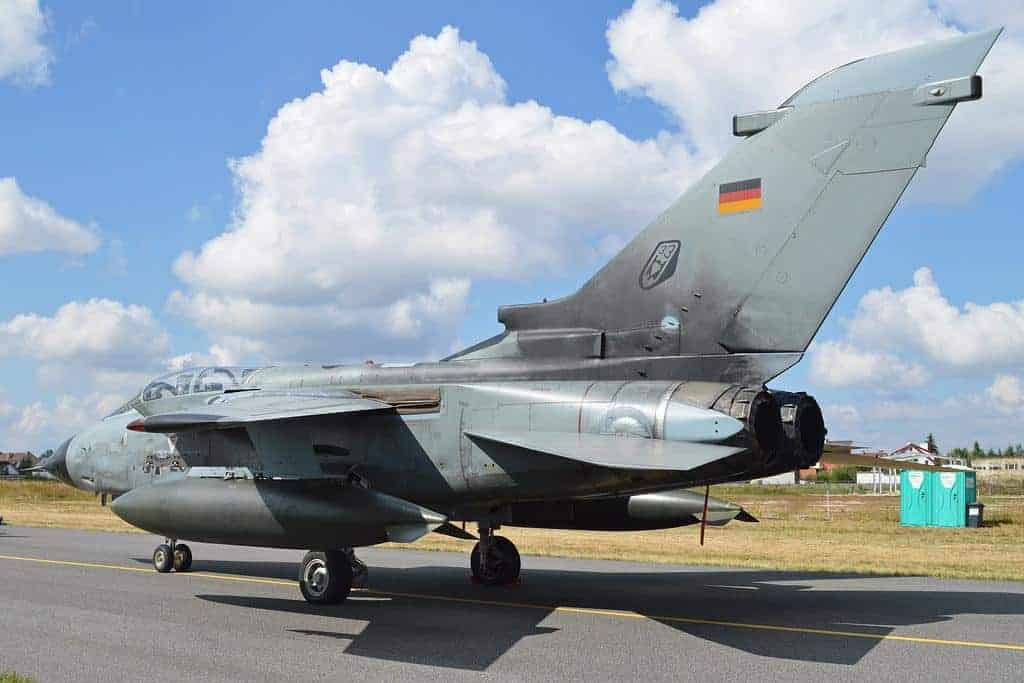
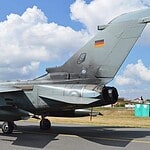
Panavia Tornado IDS
- Country of Origin: Multinational (EU)
- Aircraft Type: Strike Aircraft
- Year Introduced: 1979
- Combat Radius (Miles): ~860
- Maximum Payload (lbs): ~20000
- Refueling Capability: Yes
- Key Strike Capability: Low-level strike
- Doctrine or Warfare Shift Enabled: European deep strike
The Tornado IDS brought advanced low-level strike capabilities to European air forces, allowing them to conduct deep strike missions in contested environments. Its terrain-following radar enabled it to penetrate enemy defenses by flying at low altitudes. This capability extended the reach of NATO forces, allowing them to strike critical targets beyond the front lines. The Tornado demonstrated that even shorter-range aircraft could achieve long-range strike effects through advanced navigation and penetration technologies.
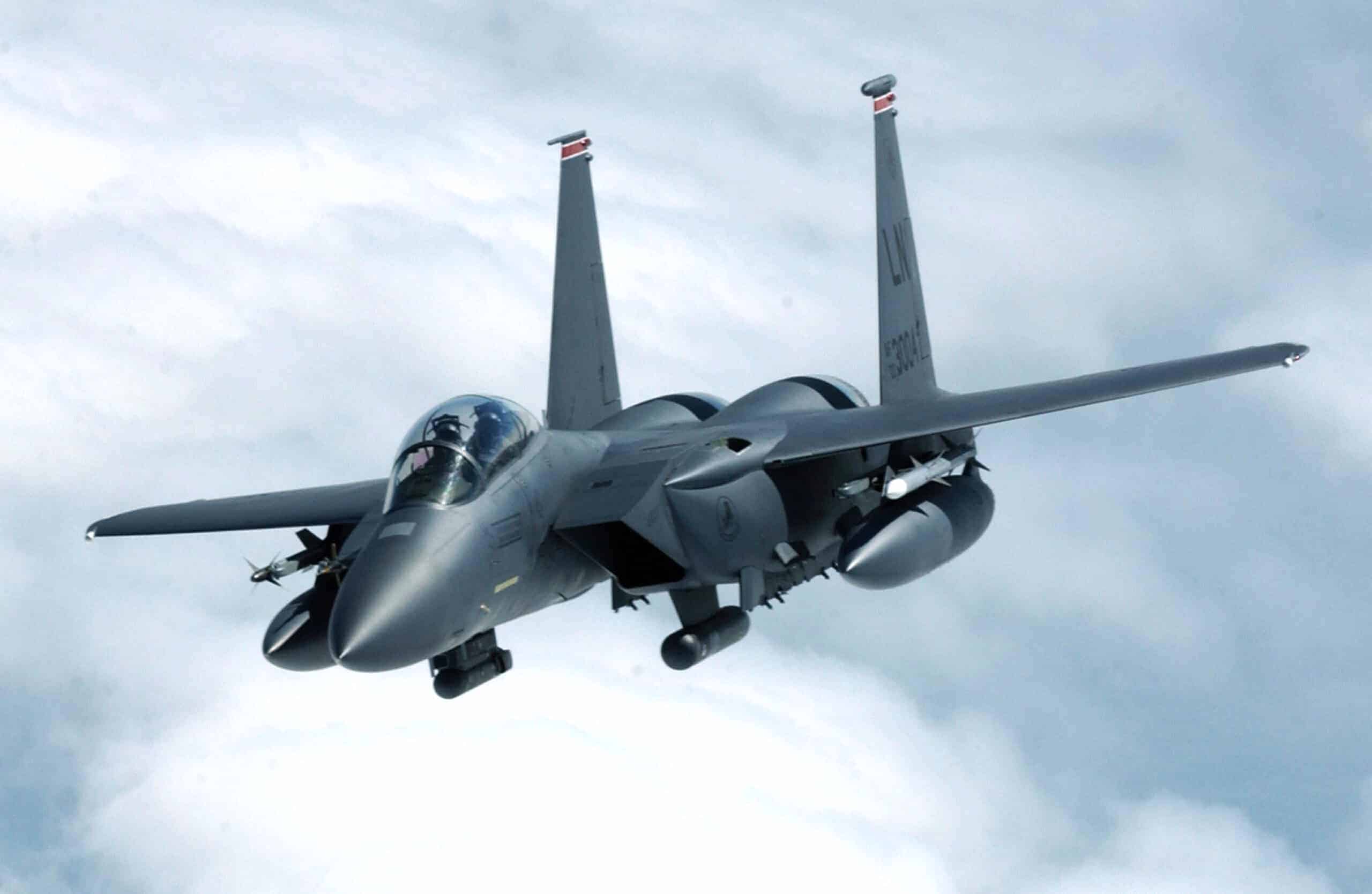
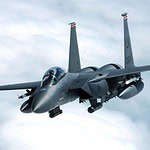
F-15E Strike Eagle
- Country of Origin: United States
- Aircraft Type: Strike Fighter
- Year Introduced: 1989
- Combat Radius (Miles): ~1100
- Maximum Payload (lbs): ~23000
- Refueling Capability: Yes
- Key Strike Capability: Precision strike
- Doctrine or Warfare Shift Enabled: All-weather deep strike
The F-15E Strike Eagle combines the range of a bomber with the agility of a fighter, making it a highly versatile long-range strike platform. Its ability to carry a wide range of precision-guided munitions allows it to engage targets with accuracy at significant distances. With aerial refueling, it can operate far from its home base, extending its reach even further. The F-15E exemplifies the shift toward precision strike warfare, where accuracy and flexibility are as important as range.
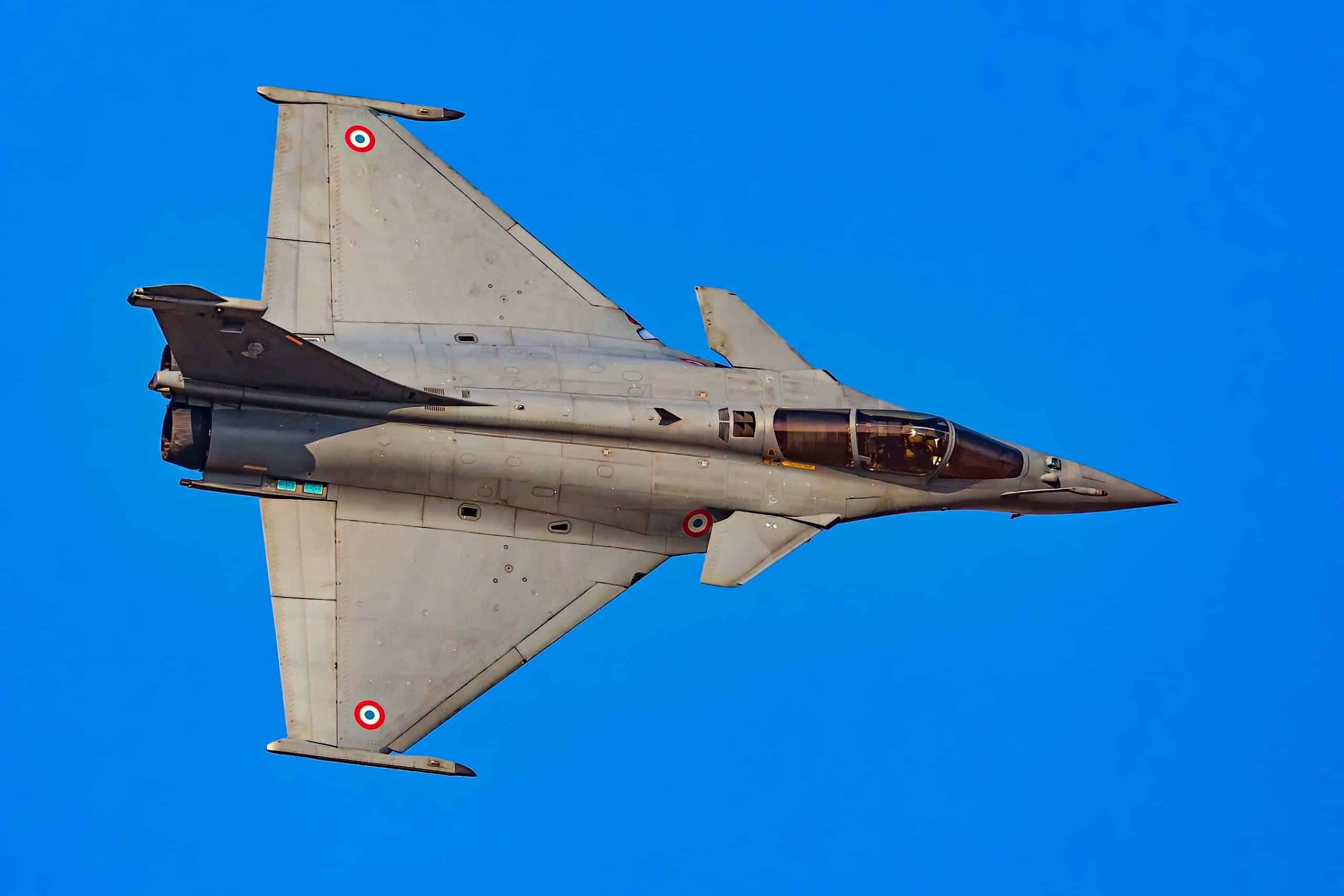
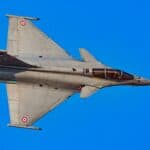
Dassault Rafale
- Country of Origin: France
- Aircraft Type: Multirole Fighter
- Year Introduced: 2001
- Combat Radius (Miles): ~1150
- Maximum Payload (lbs): ~21000
- Refueling Capability: Yes
- Key Strike Capability: Precision/nuclear strike
- Doctrine or Warfare Shift Enabled: Multirole strategic strike
The Rafale represents a modern approach to long-range strike, combining multirole flexibility with advanced avionics and precision weapons. Its ability to carry out both conventional and nuclear missions allows it to contribute to strategic deterrence. With aerial refueling, it can conduct extended missions far from its base. The Rafale demonstrates how modern aircraft integrate multiple capabilities into a single platform, enabling effective long-range strike operations across a variety of scenarios.
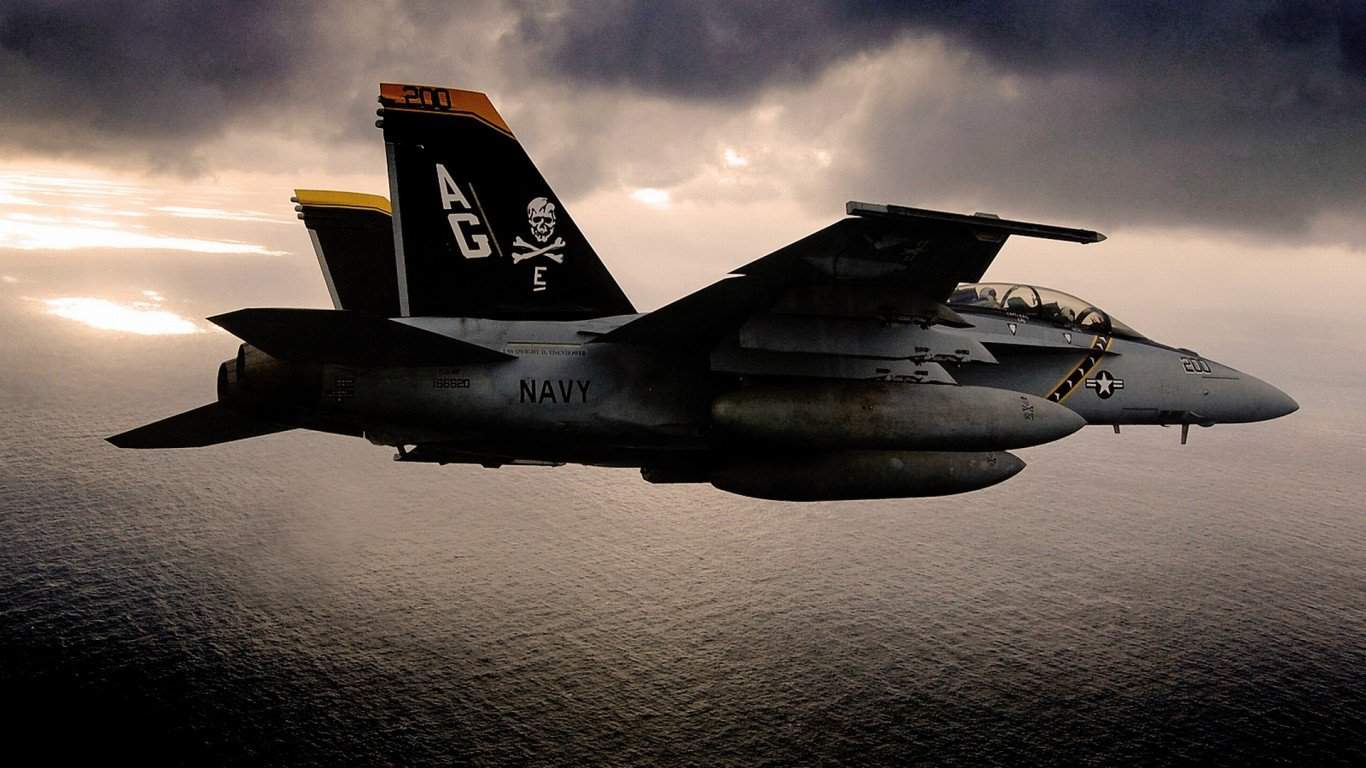
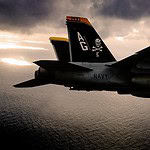
F/A-18E/F Super Hornet
- Country of Origin: United States
- Aircraft Type: Carrier Strike Fighter
- Year Introduced: 1999
- Combat Radius (Miles): ~1275
- Maximum Payload (lbs): ~17000
- Refueling Capability: Yes
- Key Strike Capability: Carrier-based strike
- Doctrine or Warfare Shift Enabled: Naval long-range strike
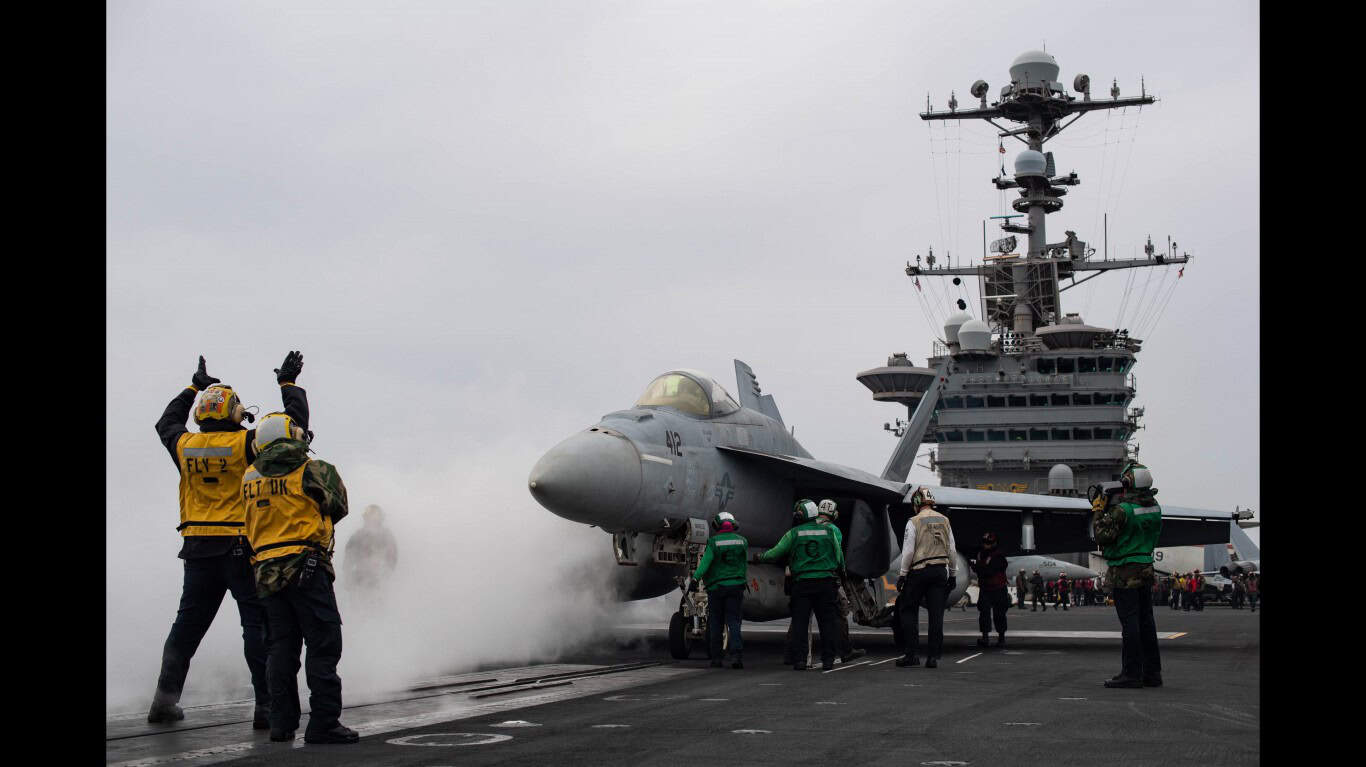
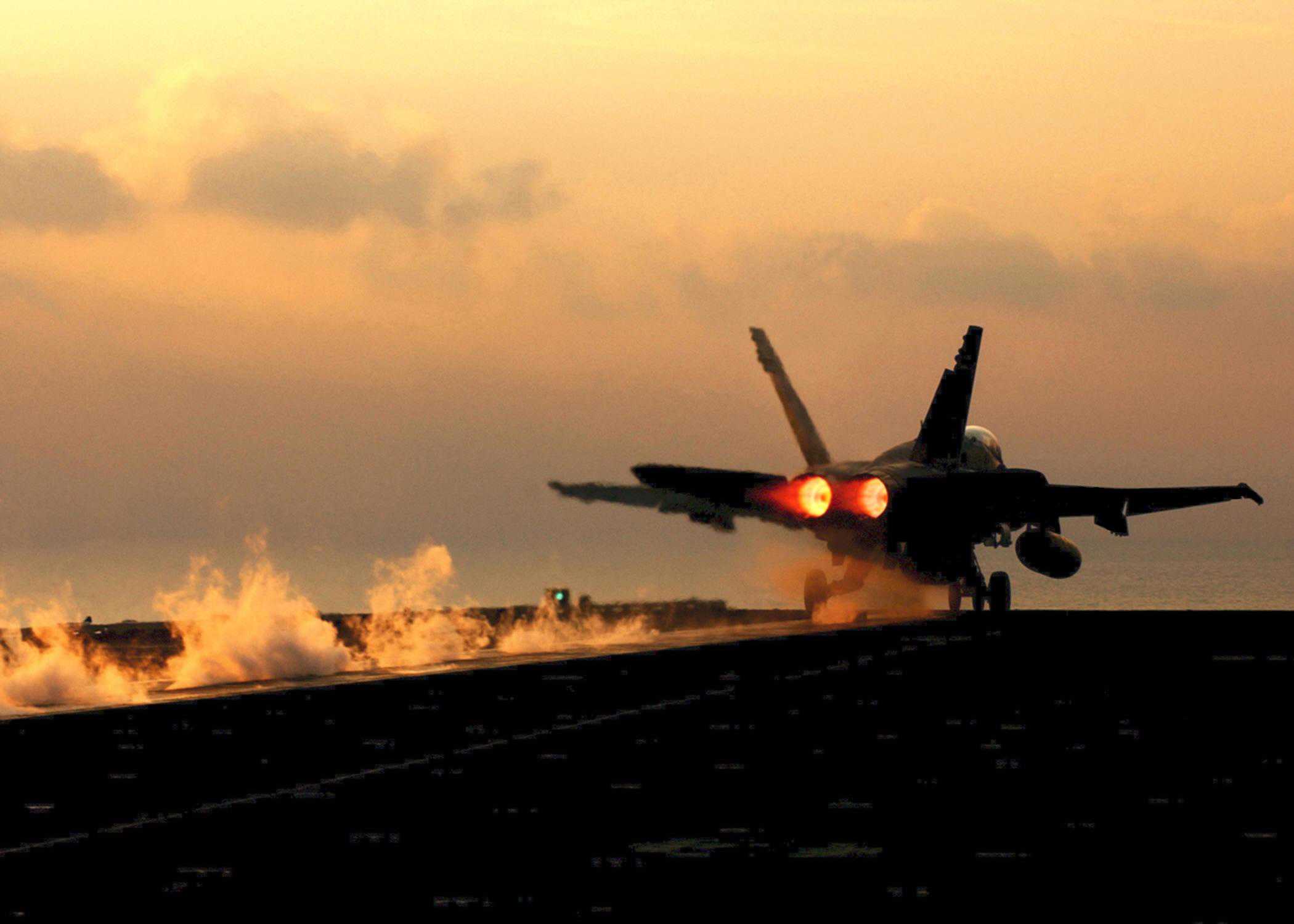
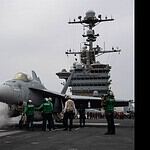
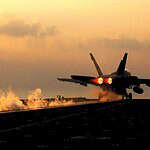
The Super Hornet extends long-range strike capability to carrier-based operations, allowing naval forces to project power far from shore. Its ability to carry precision-guided munitions and operate with aerial refueling enhances its range and effectiveness. This capability allows aircraft carriers to strike targets deep inland without relying on land-based airfields. The Super Hornet highlights the importance of flexibility in long-range strike, where mobility and adaptability are key to maintaining operational reach.
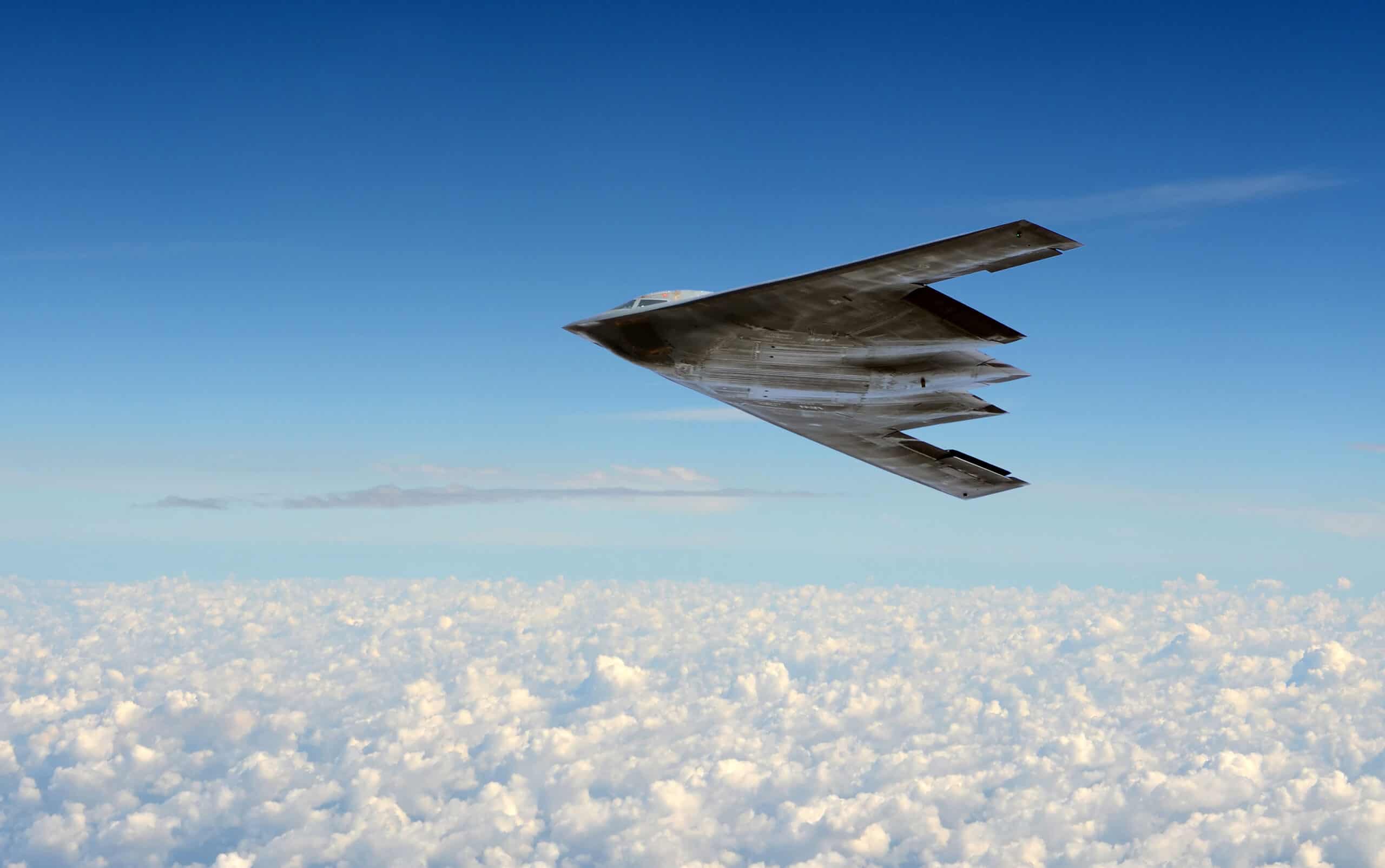
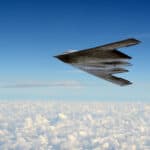
Northrop Grumman B-2 Spirit
- Country of Origin: United States
- Aircraft Type: Stealth Bomber
- Year Introduced: 1997
- Combat Radius (Miles): ~6000
- Maximum Payload (lbs): ~40000
- Refueling Capability: Yes
- Key Strike Capability: Stealth nuclear/conventional strike
- Doctrine or Warfare Shift Enabled: Stealth global strike
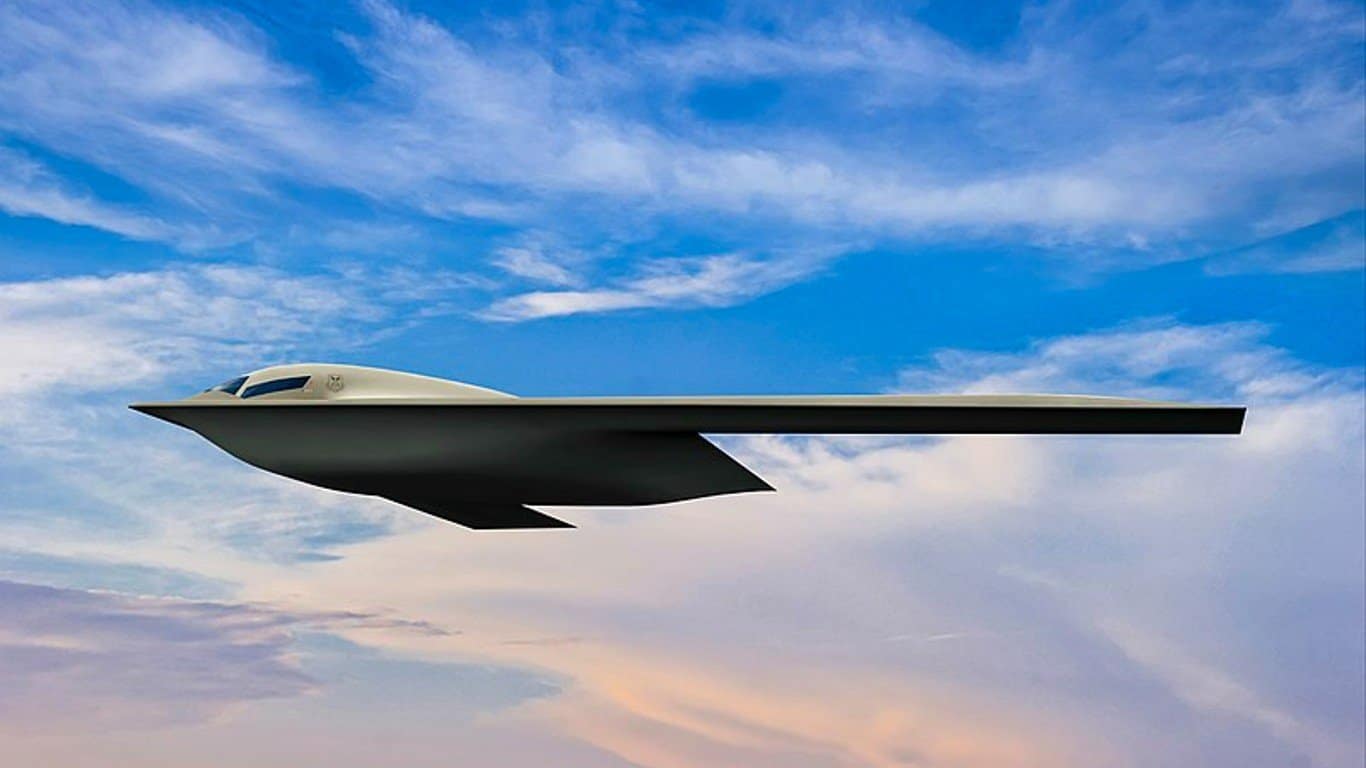
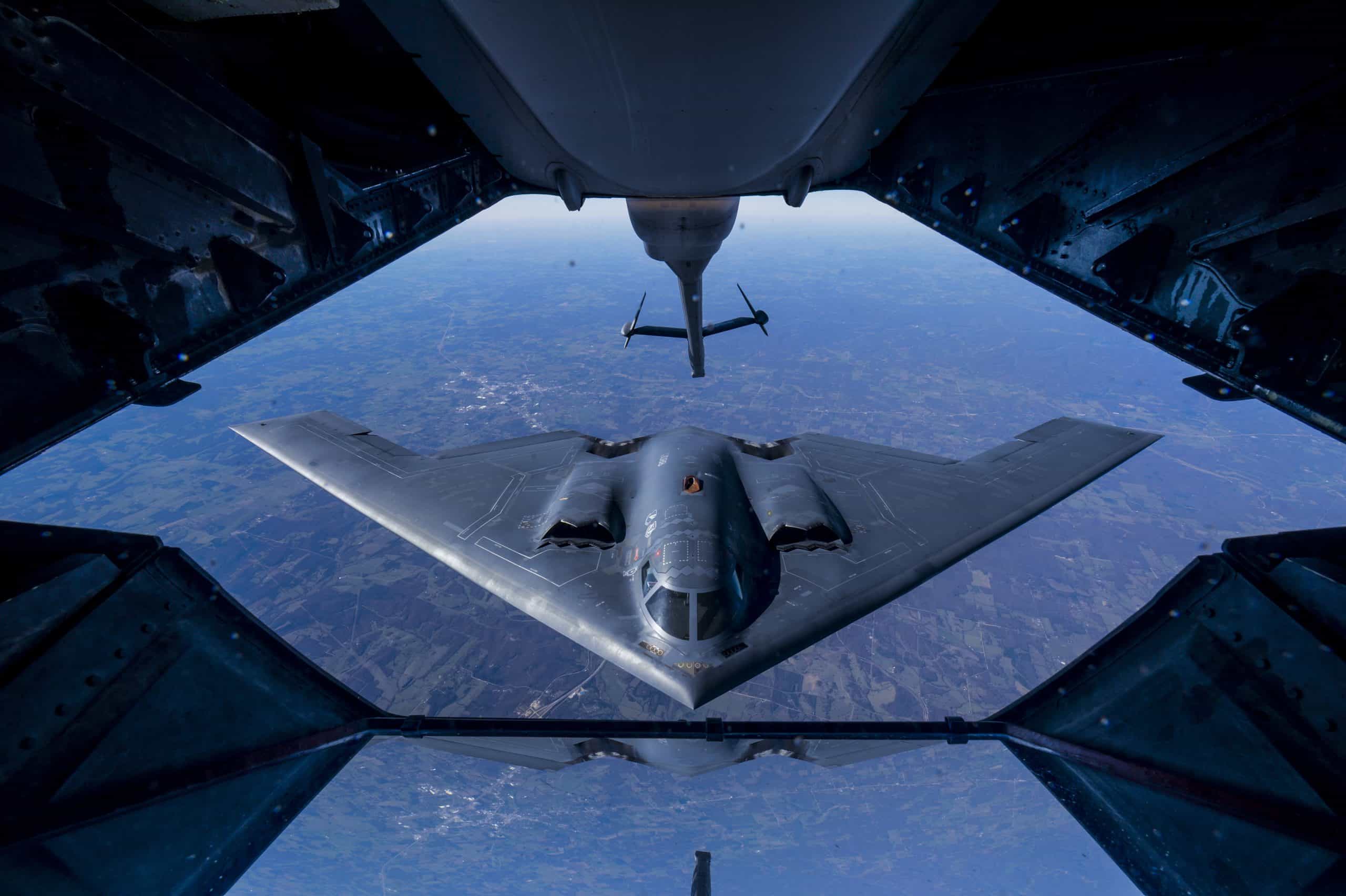
The B-2 Spirit redefined long-range strike by combining intercontinental range with stealth technology. Its ability to penetrate advanced air defenses undetected allows it to strike heavily defended targets that would be inaccessible to other aircraft. This capability enables precision strikes anywhere in the world without warning, making it a cornerstone of modern global strike strategy. The B-2 represents the fusion of range, stealth, and precision, setting a new standard for long-range strike operations.
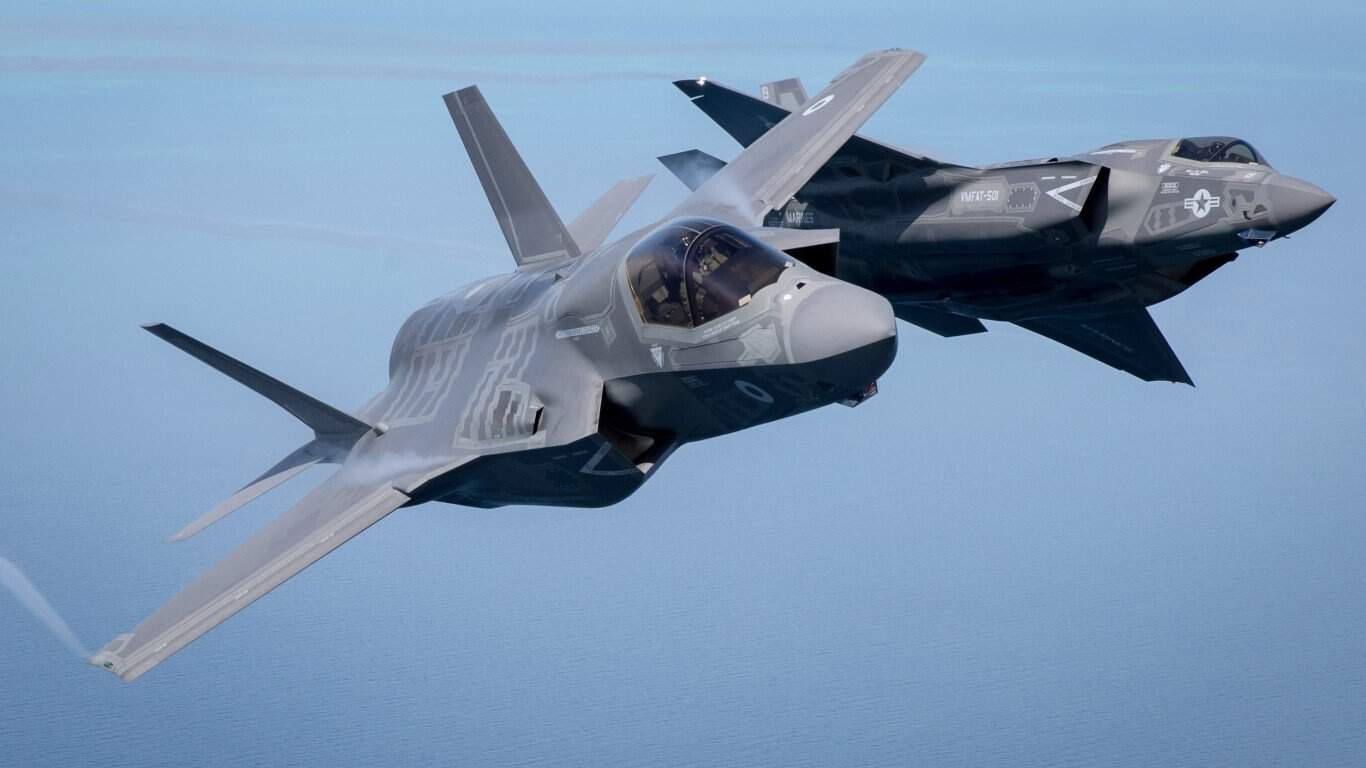
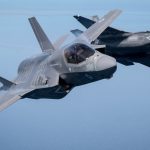
Lockheed Martin F-35 Lightning II
- Country of Origin: Multinational
- Aircraft Type: Stealth Fighter
- Year Introduced: 2015
- Combat Radius (Miles): ~670
- Maximum Payload (lbs): ~18000
- Refueling Capability: Yes
- Key Strike Capability: Stealth precision strike
- Doctrine or Warfare Shift Enabled: Networked strike warfare
The F-35 introduces a networked approach to long-range strike, combining stealth, advanced sensors, and data sharing capabilities. While not a traditional long-range bomber, its ability to operate in contested environments and coordinate with other platforms extends the reach of the entire force. By providing targeting data and executing precision strikes, the F-35 enhances the effectiveness of long-range operations. It reflects a shift toward integrated warfare, where connectivity amplifies strike capability.
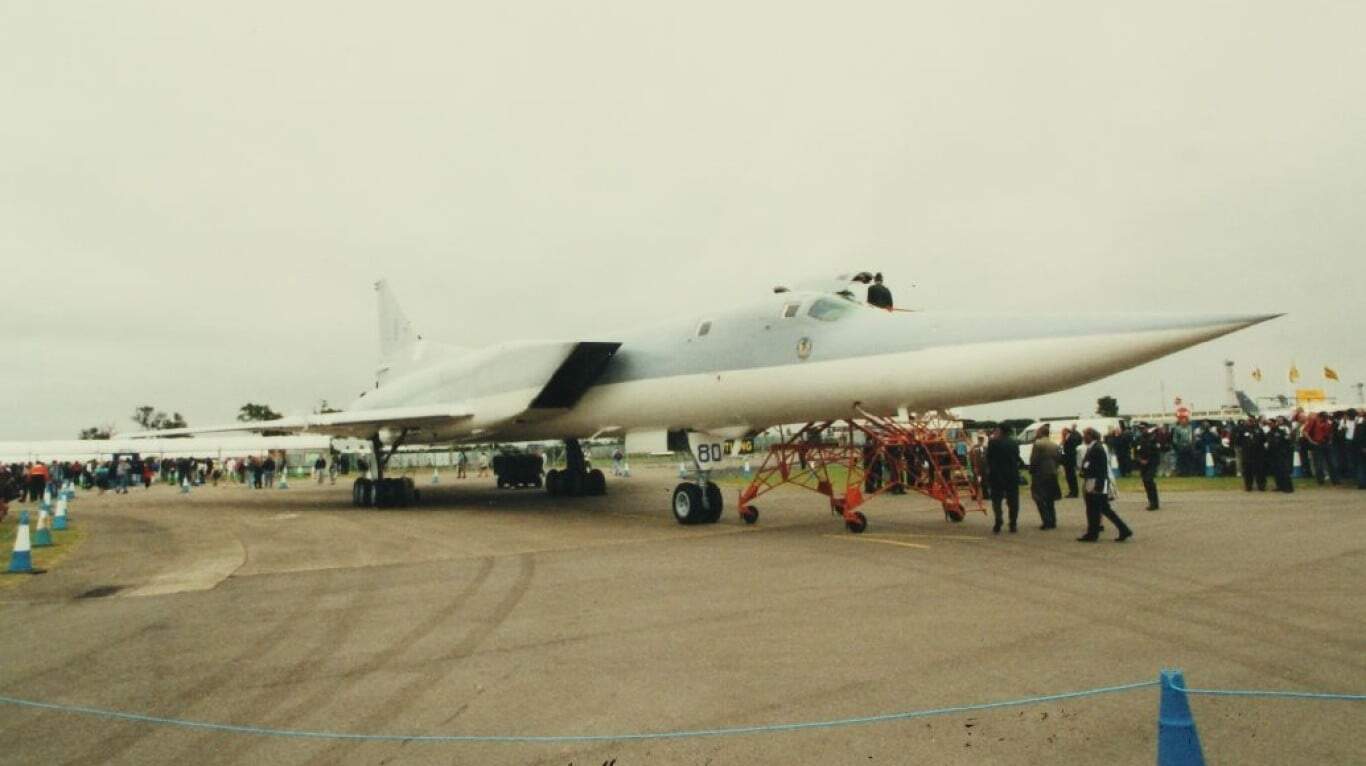
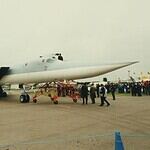
Tupolev Tu-22M Backfire
- Country of Origin: Soviet Union
- Aircraft Type: Long-Range Bomber
- Year Introduced: 1972
- Combat Radius (Miles): ~1500
- Maximum Payload (lbs): ~53000
- Refueling Capability: Yes
- Key Strike Capability: Maritime strike
- Doctrine or Warfare Shift Enabled: Long-range naval strike
The Tu-22M Backfire was designed for long-range maritime strike, capable of targeting naval forces at significant distances. Its speed and payload allowed it to threaten carrier groups, forcing adversaries to operate more cautiously. By extending strike capability over open ocean, it demonstrated that long-range strike was not limited to land targets. The Tu-22M expanded the scope of long-range operations, showing that naval forces were also vulnerable to distant, high-speed attacks.
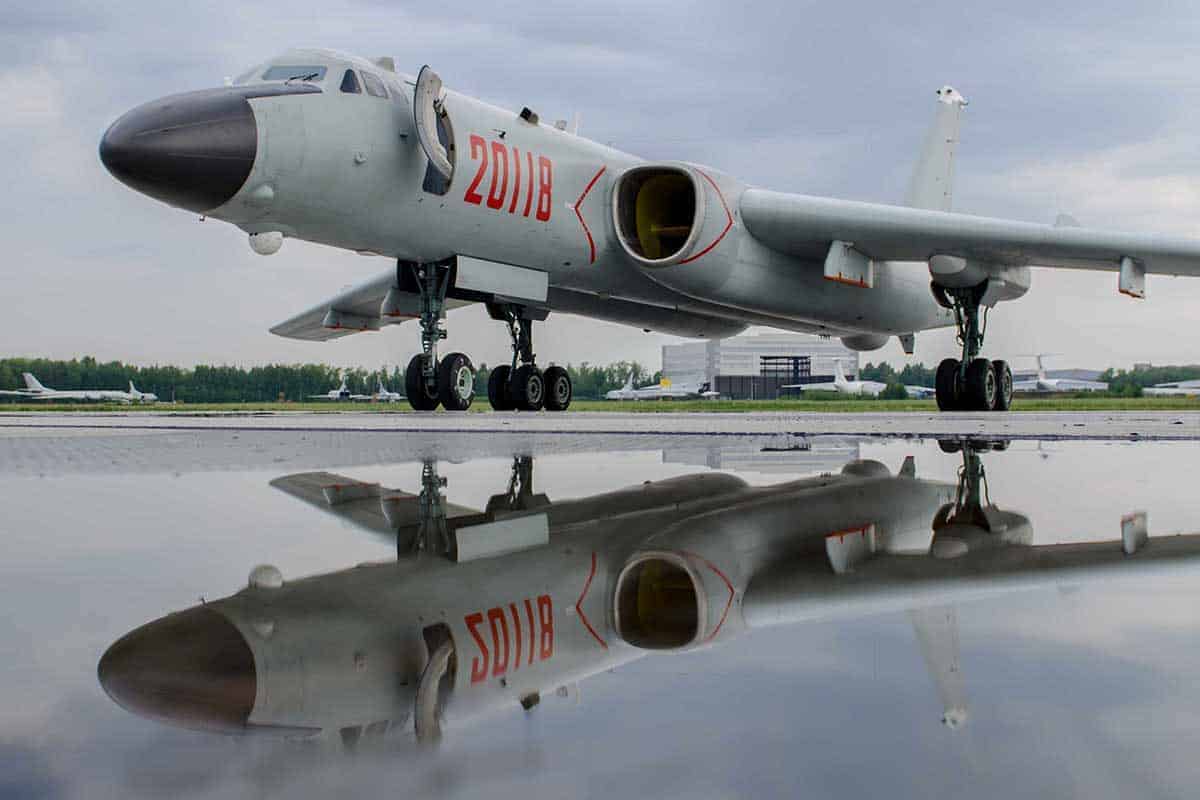
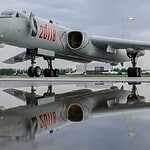
Xian H-6
- Country of Origin: China
- Aircraft Type: Strategic Bomber
- Year Introduced: 1969
- Combat Radius (Miles): ~2200
- Maximum Payload (lbs): ~20000
- Refueling Capability: Yes
- Key Strike Capability: Missile carrier
- Doctrine or Warfare Shift Enabled: Stand-off strike doctrine
The H-6 has evolved from a Cold War-era bomber into a modern platform capable of carrying advanced cruise missiles. Its ability to launch stand-off weapons significantly extends its strike range, allowing it to engage targets without entering heavily defended airspace. This capability reflects a broader shift toward stand-off strike doctrine, where aircraft can deliver effects from a safe distance. The H-6 demonstrates how older platforms can remain relevant through modernization and integration of new technologies.
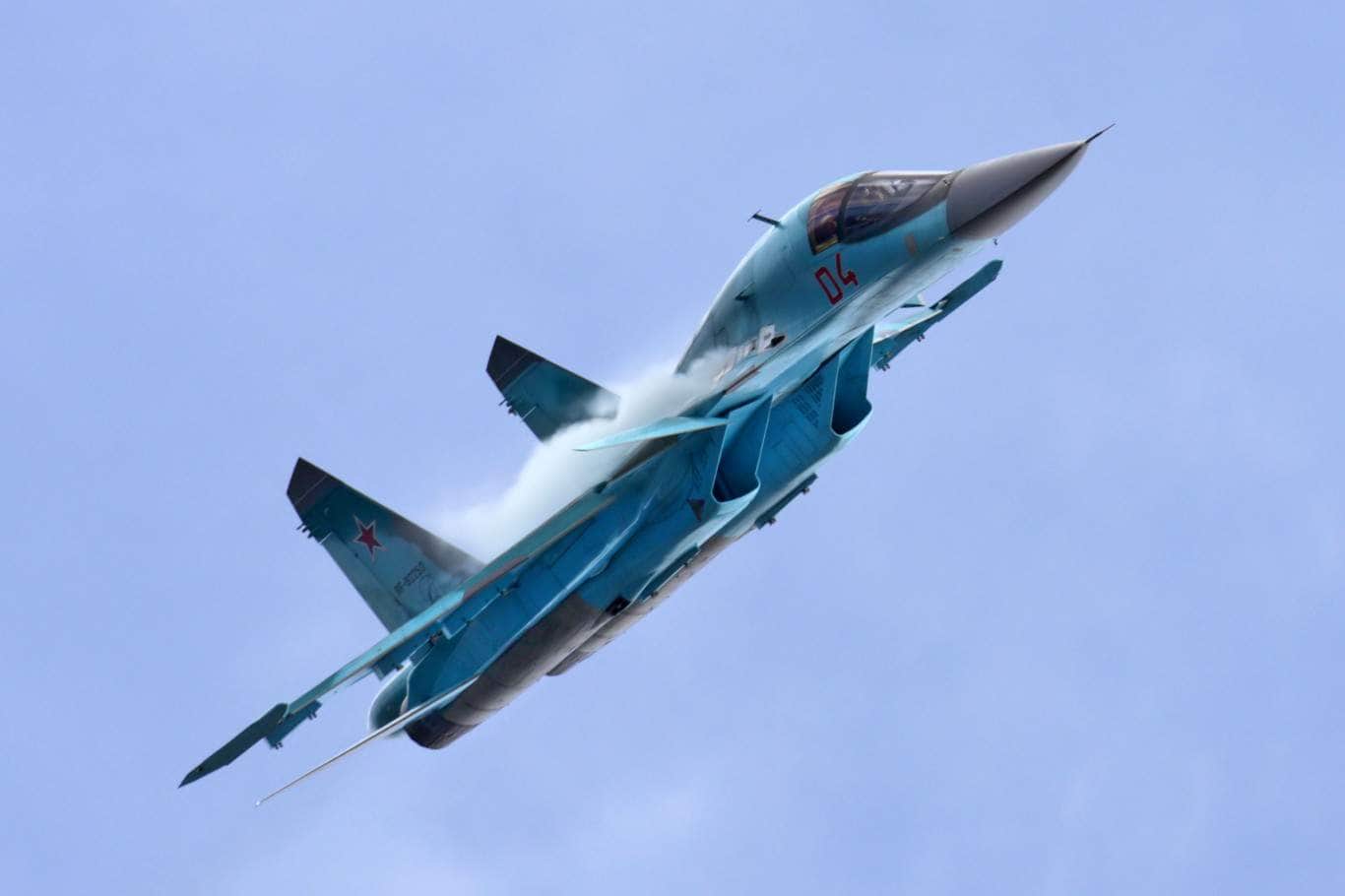
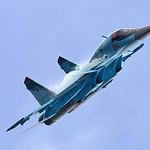
Sukhoi Su-34 Fullback
- Country of Origin: Russia
- Aircraft Type: Strike Fighter
- Year Introduced: 2014
- Combat Radius (Miles): ~2500
- Maximum Payload (lbs): ~26000
- Refueling Capability: Yes
- Key Strike Capability: Deep strike
- Doctrine or Warfare Shift Enabled: Modern tactical strike expansion
The Su-34 is a modern strike aircraft designed for long-range missions with a focus on survivability and precision. Its range, combined with advanced avionics and electronic warfare systems, allows it to operate effectively in contested environments. By integrating these capabilities, the Su-34 can conduct deep strike missions with reduced risk. It represents the continued evolution of tactical aircraft into platforms capable of delivering strategic effects at extended distances.
The image featured at the top of this post is ©Public Domain / Wikimedia Commons