




20 U.S. Army Weapons That Anchor America’s Combat Power
The strength of the U.S. military is often measured by its global reach, but the true backbone of American combat power remains on the ground. The U.S. Army is the force tasked with seizing and holding territory, and it does so through a carefully integrated arsenal of weapons designed for sustained warfare. From heavy armor to precision artillery and infantry firepower, these systems work together to define battlefield outcomes. Here, History Computer is taking a closer look at the core tools that allow the Army to project strength and maintain dominance in modern combat.
To determine the weapons used by the U.S. Army and known for their dominance, History Computer reviewed various historical and military sources. We included supplemental information for each regarding the platform type, manufacturer, primary role, and why it matters to the overall combat effort of the U.S. Army.
The Backbone of American Combat Power
The U.S. Army remains the central force responsible for seizing, holding, and controlling territory in modern warfare. While other branches project power globally, the Army is tasked with winning sustained ground combat. Its strength lies not in a single weapon, but in a deeply integrated system of platforms designed to operate together across multiple domains.
Built for Combined Arms Warfare
The Army’s combat power is defined by its ability to combine armor, infantry, artillery, aviation, and air defense into a single coordinated force. Each system plays a specific role, but their true strength emerges when used together. This combined arms approach allows the Army to overwhelm adversaries through synchronized movement, firepower, and battlefield control.
From Frontline to Deep Strike
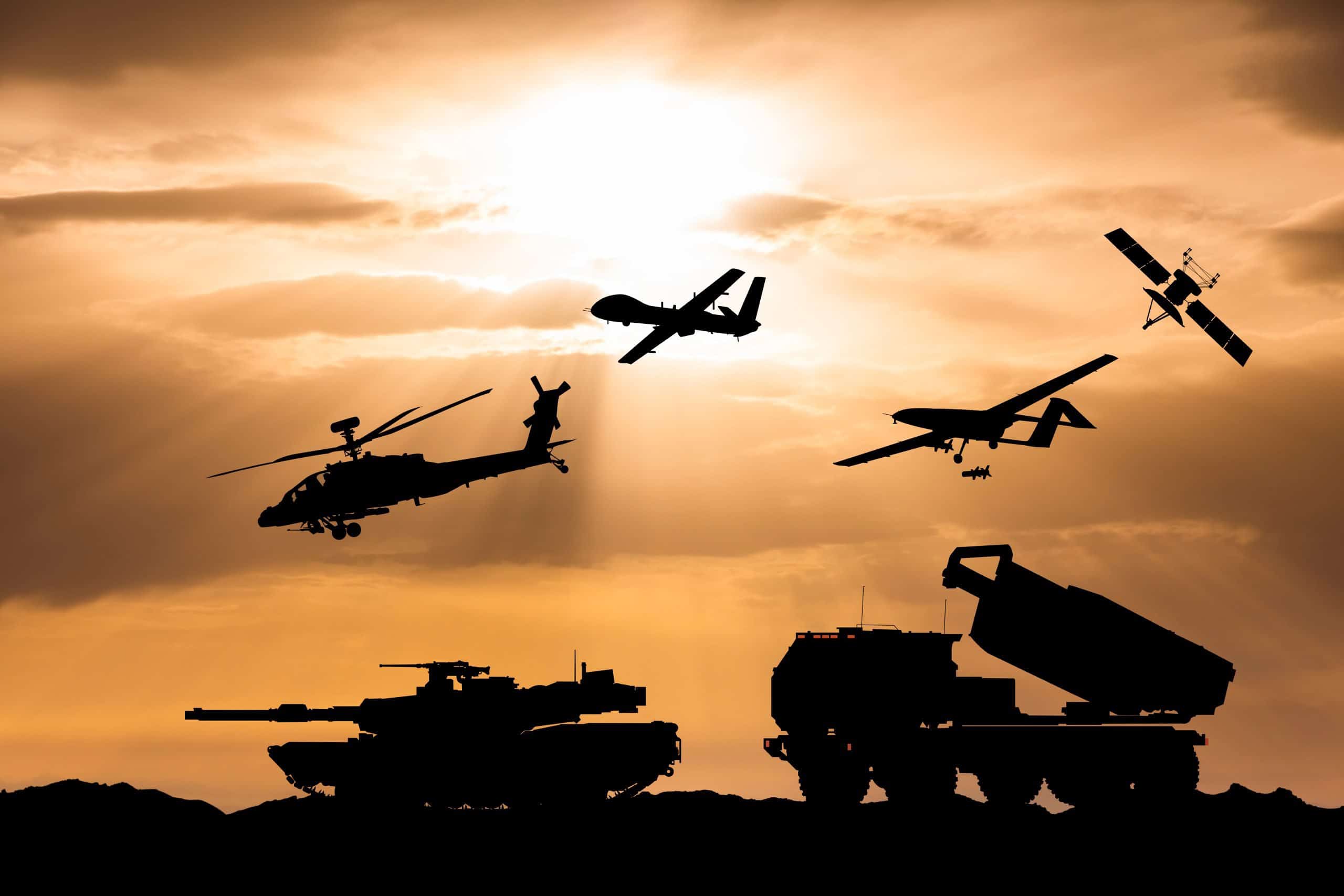
Modern Army operations extend far beyond the immediate battlefield. Systems like long-range rocket artillery and attack helicopters allow forces to strike deep into enemy territory, disrupting supply lines and command structures. This layered approach ensures that the Army can influence the fight at every level, from direct engagement to strategic disruption.
Mobility, Protection, and Firepower
At its core, the Army is built around three essential pillars: mobility, protection, and firepower. Armored vehicles provide survivability, helicopters enable rapid movement, and artillery delivers overwhelming force. Together, these elements allow the Army to adapt to a wide range of combat environments while maintaining operational effectiveness.
The Systems That Make It Possible
Behind the Army’s ability to dominate the battlefield is a carefully structured arsenal of weapons and platforms. From main battle tanks to infantry weapons, each system contributes to a larger framework of sustained combat power. These 20 weapons highlight the tools that enable the U.S. Army to function as the backbone of American military strength.
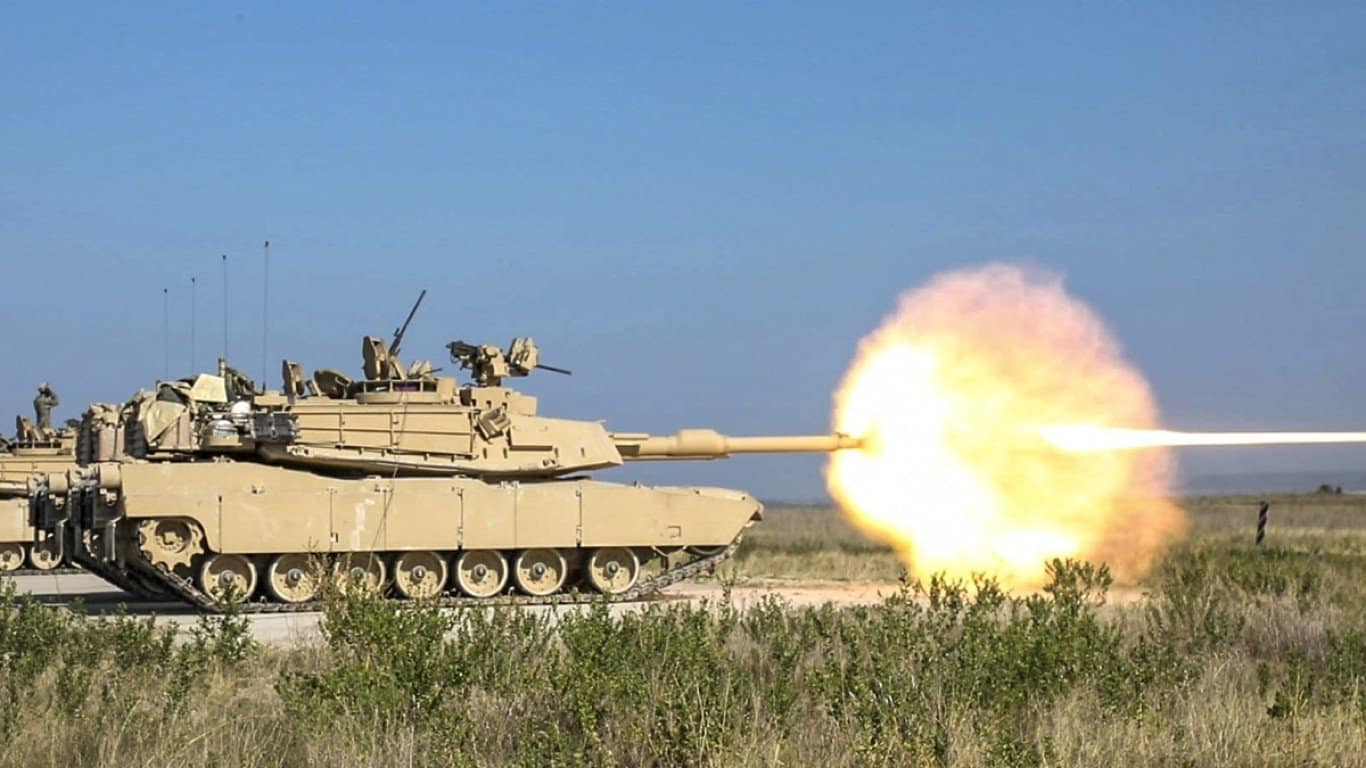
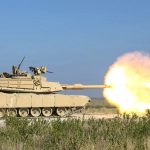
M1A2 Abrams
- Category: Armor
- Platform Type: Main Battle Tank
- Manufacturer: General Dynamics
- Year Introduced: 1992
- Primary Role: Shock Assault
- Key Capability Metric: 120mm cannon
- Combat Role in Doctrine: Combined Arms Maneuver
- Why It Matters to Army Backbone: Defines armored dominance
The M1A2 Abrams is the centerpiece of U.S. Army armored warfare, delivering unmatched firepower, protection, and battlefield survivability. Its advanced composite armor and powerful 120mm cannon allow it to dominate enemy armor and fortified positions. As part of combined arms maneuver, the Abrams leads breakthroughs and absorbs enemy fire, enabling infantry and support units to advance. Its continued upgrades ensure relevance in modern warfare, reinforcing its role as the defining platform of U.S. ground dominance and a cornerstone of sustained combat operations.
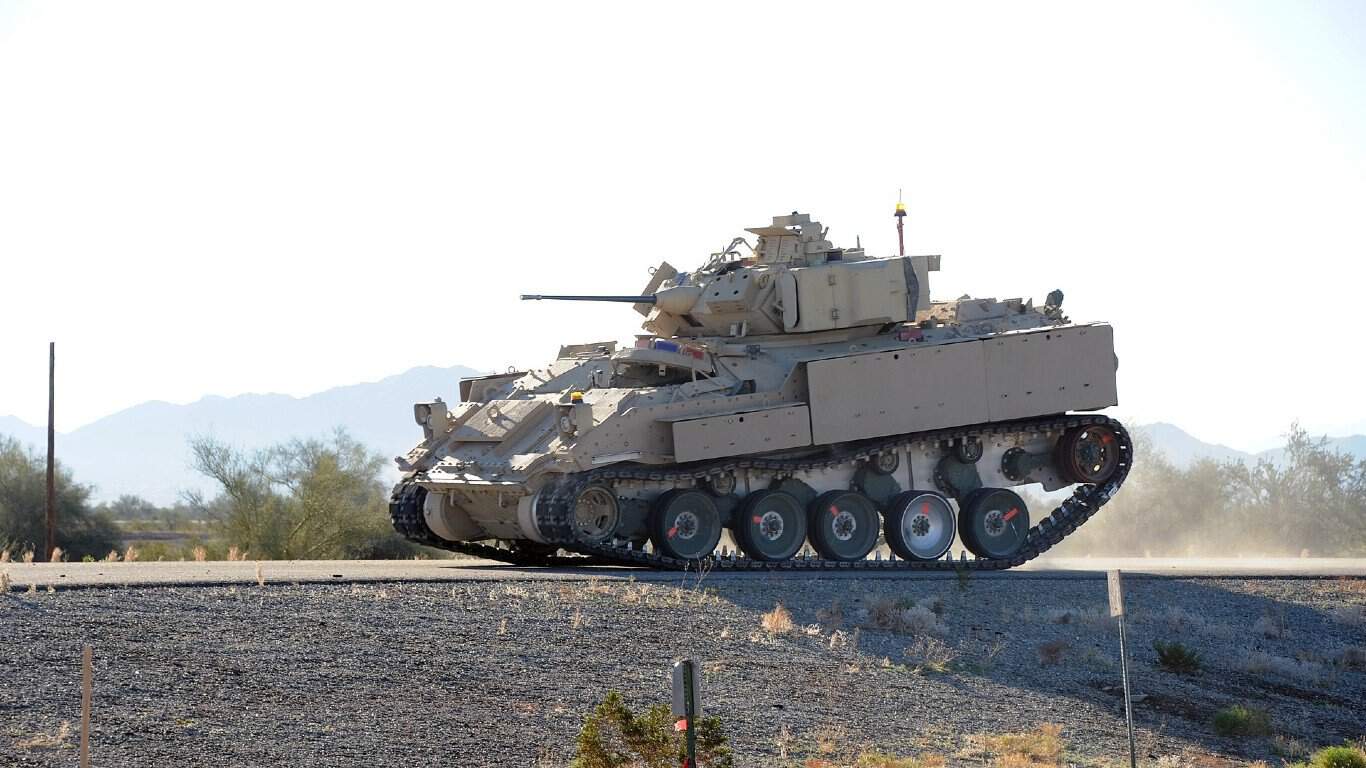
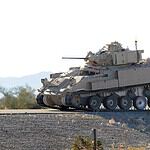
M2A4 Bradley
- Category: Armor
- Platform Type: Infantry Fighting Vehicle
- Manufacturer: BAE Systems
- Year Introduced: 1981
- Primary Role: Infantry Transport
- Key Capability Metric: 25mm autocannon
- Combat Role in Doctrine: Combined Arms Maneuver
- Why It Matters to Army Backbone: Supports mechanized infantry
The M2A4 Bradley bridges the gap between infantry and heavy armor, providing mobility, protection, and firepower to mechanized forces. Equipped with a 25mm cannon and anti-tank missiles, it allows infantry to engage threats while remaining protected. The Bradley operates alongside tanks in combined arms formations, ensuring infantry can keep pace with armored advances. Its role is critical in both offensive and defensive operations, making it a key system that enables coordinated battlefield movement and reinforces the Army’s ability to seize and hold terrain.
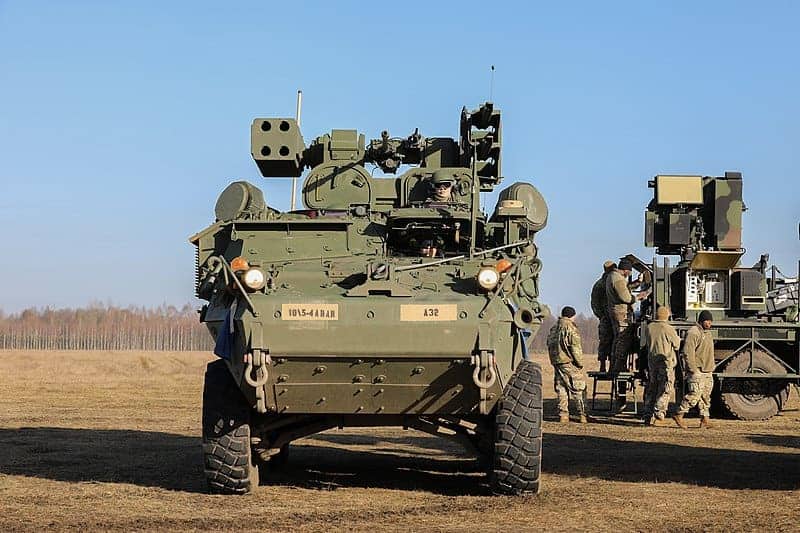
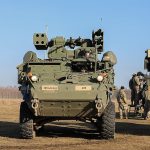
Stryker
- Category: Armor
- Platform Type: Armored Fighting Vehicle
- Manufacturer: General Dynamics
- Year Introduced: 2002
- Primary Role: Rapid Deployment
- Key Capability Metric: 60+ mph speed
- Combat Role in Doctrine: Rapid Maneuver
- Why It Matters to Army Backbone: Enables mobile brigade operations
The Stryker platform provides the U.S. Army with rapid deployment and flexible combat capability, bridging the gap between heavy armor and light infantry. Its speed and modular design allow units to respond quickly to emerging threats while maintaining protection and firepower. Stryker brigades are built for maneuver warfare, enabling fast-paced operations across large areas. This mobility is essential for modern conflicts where speed and adaptability determine success, making the Stryker a vital component of the Army’s operational backbone.
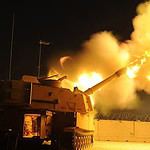
M109A7 Paladin
- Category: Artillery
- Platform Type: Self-Propelled Howitzer
- Manufacturer: BAE Systems
- Year Introduced: 2015
- Primary Role: Fire Support
- Key Capability Metric: 30km range
- Combat Role in Doctrine: Sustained Fires
- Why It Matters to Army Backbone: Provides continuous artillery support
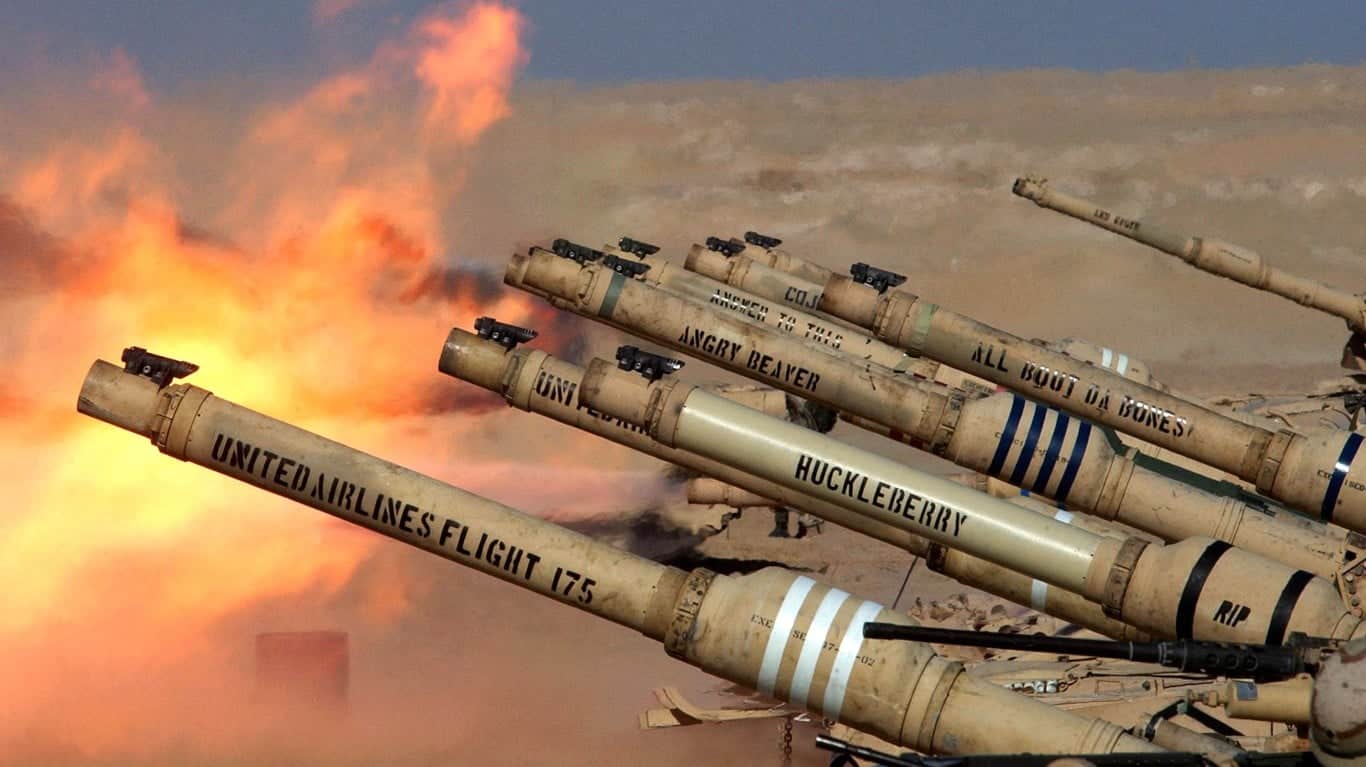
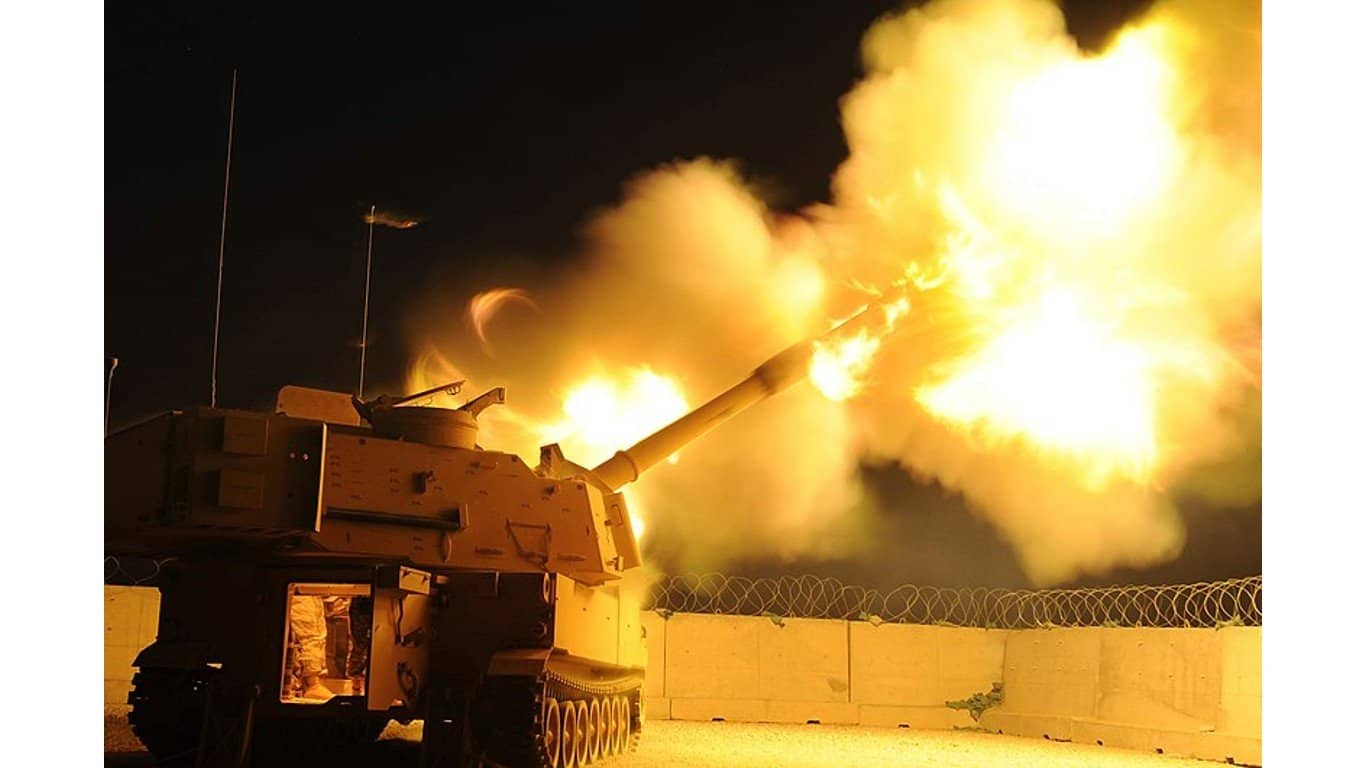
The M109A7 Paladin represents the evolution of self-propelled artillery, delivering sustained and responsive fire support to ground forces. Its mobility allows it to move with advancing units, providing continuous coverage and rapid repositioning. The Paladin’s ability to deliver accurate, high-volume fire makes it indispensable in suppressing enemy forces and shaping the battlefield. As a core component of the Army’s fires doctrine, it ensures that maneuver units always have artillery support, reinforcing the Army’s ability to maintain pressure during extended operations.
M777 Howitzer
- Category: Artillery
- Platform Type: Towed Howitzer
- Manufacturer: BAE Systems
- Year Introduced: 2005
- Primary Role: Fire Support
- Key Capability Metric: 24km range
- Combat Role in Doctrine: Expeditionary Fires
- Why It Matters to Army Backbone: Lightweight long-range artillery
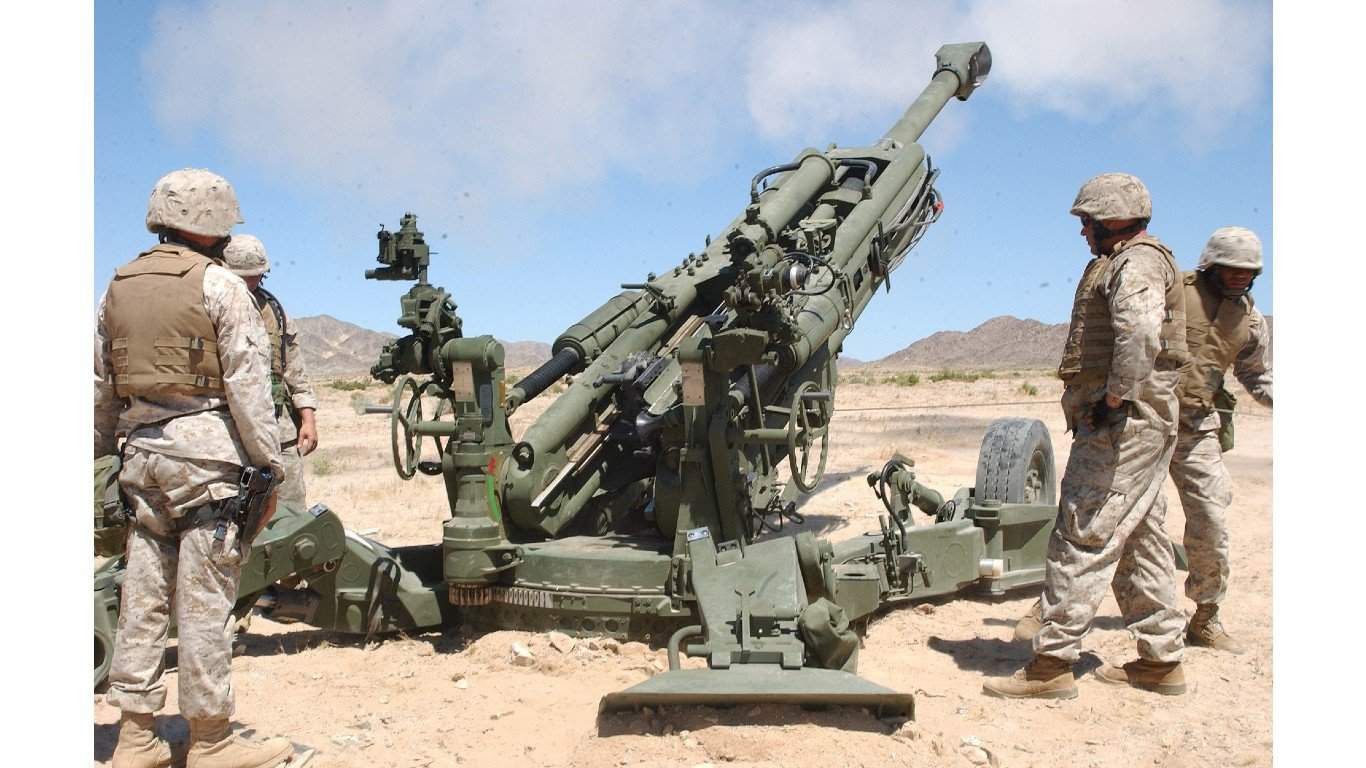
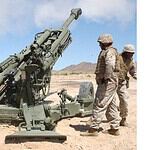
The M777 howitzer is a lightweight yet powerful artillery system designed for rapid deployment in expeditionary operations. Its portability allows it to be transported by air, enabling forces to establish fire support in austere environments. Despite its lighter design, it delivers significant firepower and precision. The M777 plays a critical role in supporting infantry and light units, ensuring they have access to long-range fires. Its flexibility makes it a key asset in extending the Army’s reach into remote or contested areas.
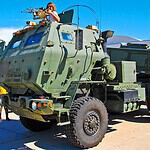
M142 HIMARS
- Category: Artillery
- Platform Type: Rocket Artillery
- Manufacturer: Lockheed Martin
- Year Introduced: 2005
- Primary Role: Precision Strike
- Key Capability Metric: 300km range
- Combat Role in Doctrine: Deep Fires
- Why It Matters to Army Backbone: Extends battlefield reach
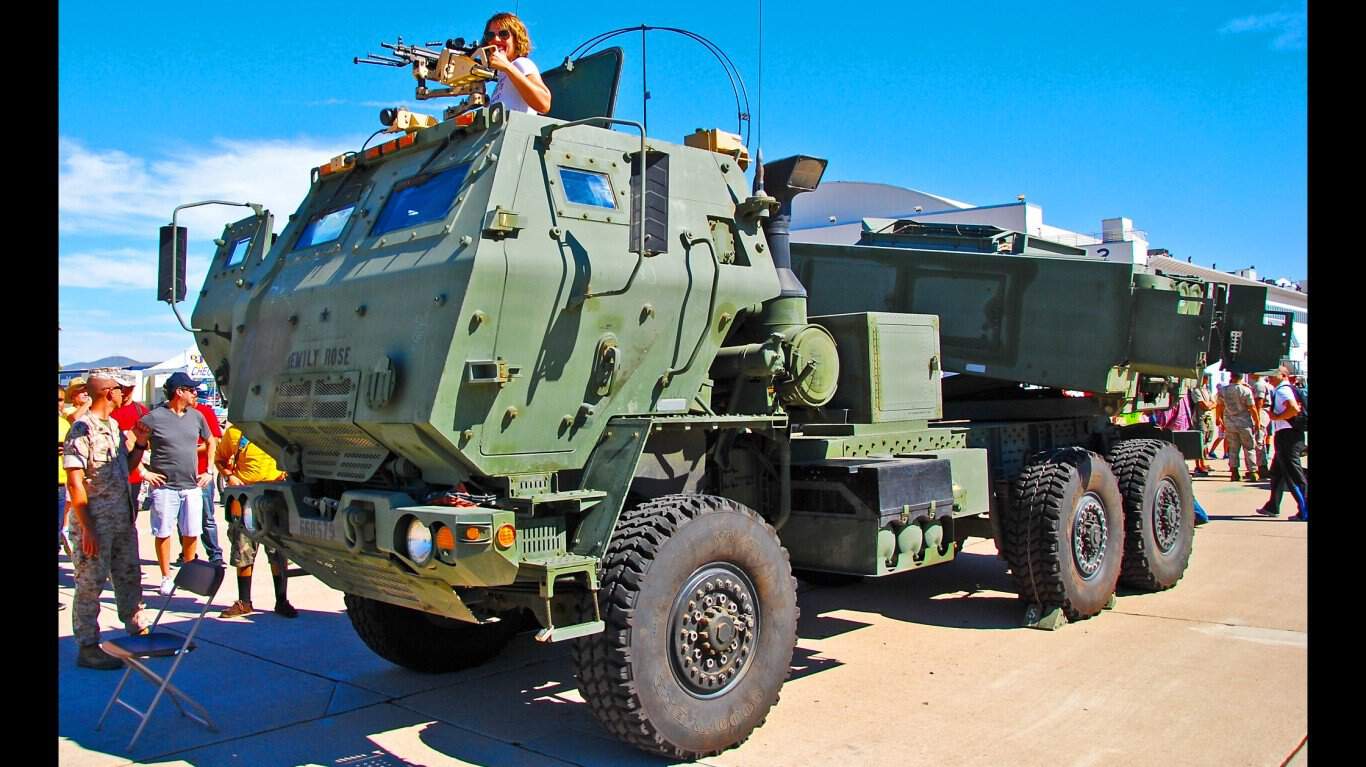
The M142 HIMARS has redefined modern artillery by combining mobility with precision long-range strike capability. Mounted on a wheeled platform, it can rapidly deploy, fire, and relocate, reducing vulnerability to counter-battery fire. Its precision-guided munitions allow it to strike high-value targets far beyond the front line. HIMARS plays a central role in deep fires doctrine, disrupting enemy logistics and command structures. Its impact in recent conflicts underscores its importance as a system that extends the Army’s operational reach and battlefield influence.
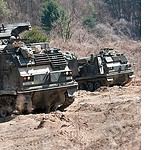
M270 MLRS
- Category: Artillery
- Platform Type: Rocket Artillery
- Manufacturer: Lockheed Martin
- Year Introduced: 1983
- Primary Role: Area Saturation
- Key Capability Metric: 12 rockets per launch
- Combat Role in Doctrine: Deep Fires
- Why It Matters to Army Backbone: Delivers high-volume firepower
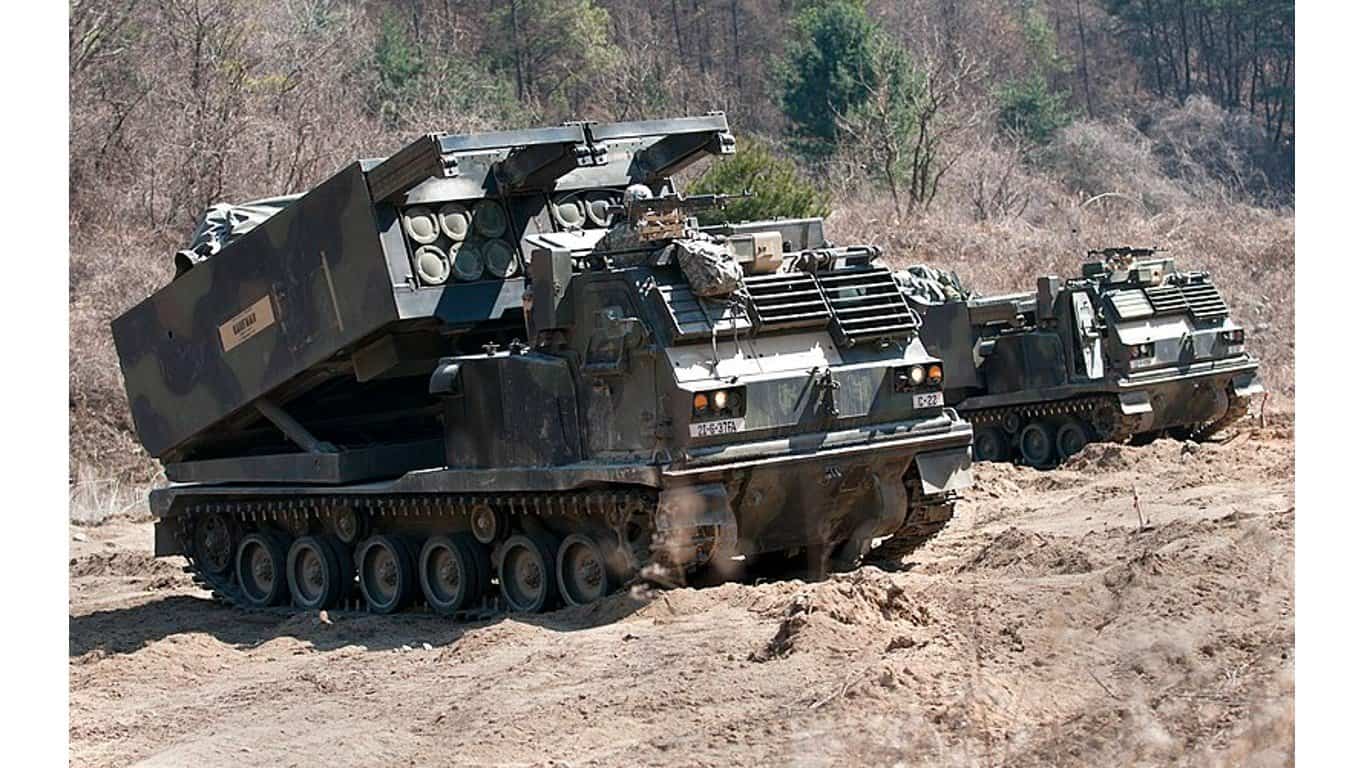
The M270 MLRS provides the Army with devastating area saturation capabilities, delivering large volumes of rockets in rapid succession. This system is designed to overwhelm enemy positions, disrupt formations, and degrade infrastructure. While less precise than newer systems, its sheer firepower remains invaluable in large-scale combat operations. As part of the Army’s deep fires capability, the MLRS complements precision systems like HIMARS, ensuring both targeted and widespread effects. Its enduring presence highlights its importance in maintaining battlefield dominance.
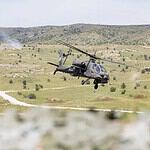
AH-64E Apache Guardian
- Category: Aviation
- Platform Type: Attack Helicopter
- Manufacturer: Boeing
- Year Introduced: 2011
- Primary Role: Close Combat Attack
- Key Capability Metric: Hellfire missiles
- Combat Role in Doctrine: Air-Ground Integration
- Why It Matters to Army Backbone: Dominates battlefield airspace
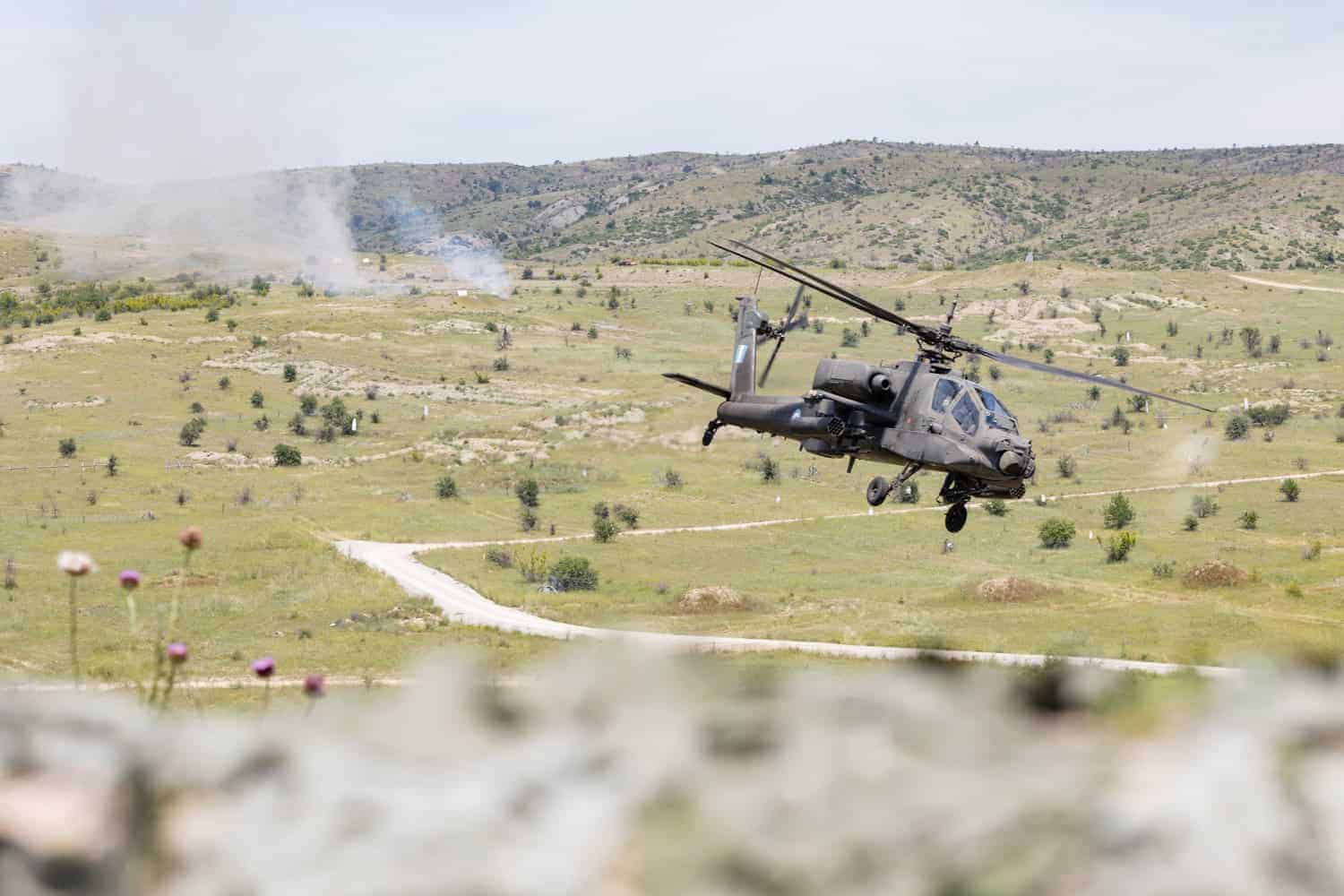
The AH-64E Apache Guardian is the Army’s premier attack helicopter, providing unmatched close combat support and anti-armor capability. Armed with Hellfire missiles and advanced targeting systems, it can engage multiple threats in complex environments. The Apache operates as a critical link between air and ground forces, coordinating with units to deliver precise strikes. Its ability to control the battlefield from above enhances situational awareness and lethality, making it a cornerstone of air-ground integration and a key contributor to the Army’s combat power.
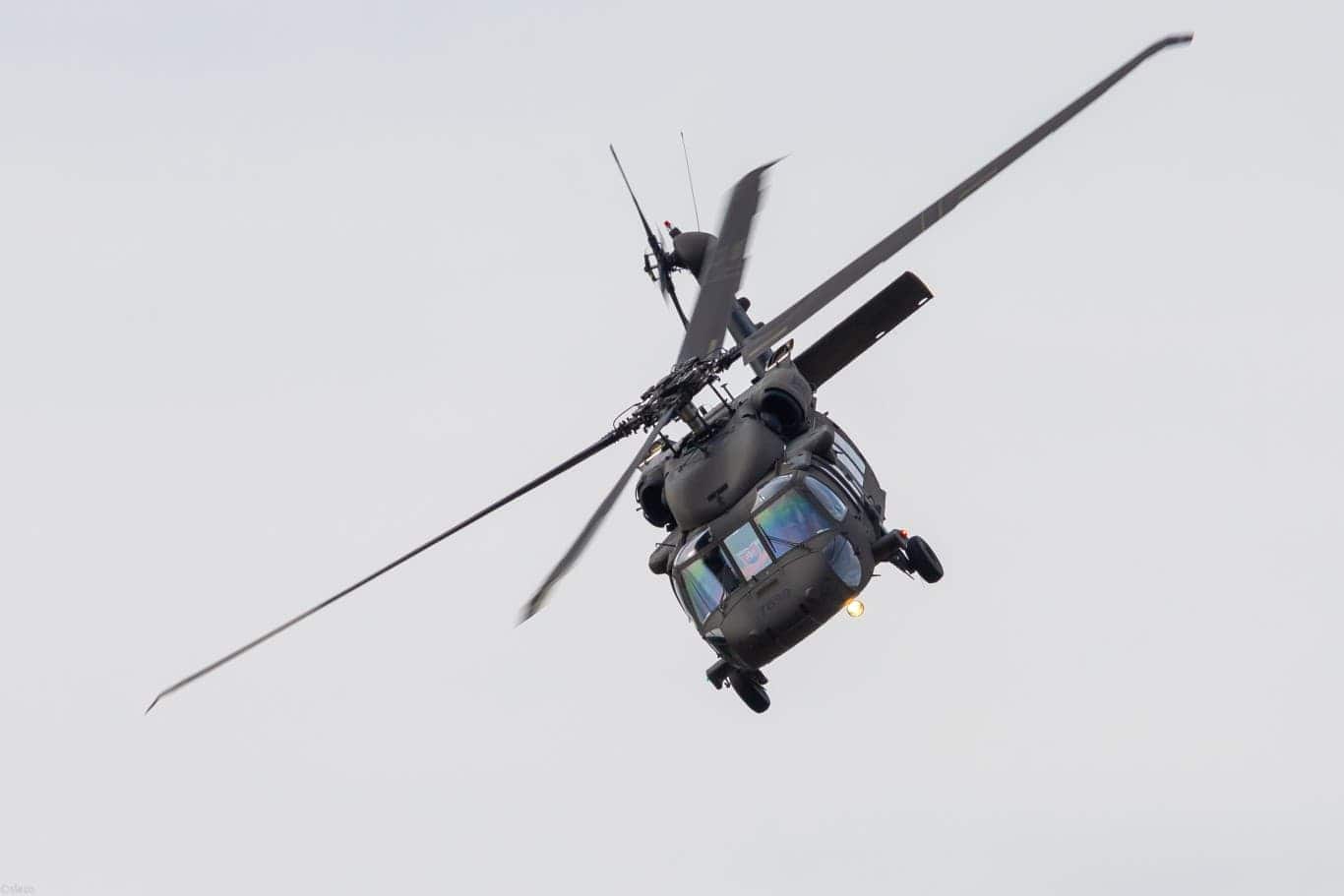
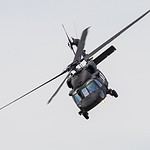
UH-60 Black Hawk
- Category: Aviation
- Platform Type: Utility Helicopter
- Manufacturer: Sikorsky
- Year Introduced: 1979
- Primary Role: Air Mobility
- Key Capability Metric: 11 troop capacity
- Combat Role in Doctrine: Air Assault
- Why It Matters to Army Backbone: Enables rapid troop insertion
The UH-60 Black Hawk is the backbone of Army air mobility, enabling rapid transport of troops, equipment, and supplies across the battlefield. Its versatility allows it to perform a wide range of missions, from air assault to medical evacuation. The Black Hawk’s reliability and adaptability make it indispensable in both combat and support roles. By enabling rapid insertion and extraction of forces, it enhances operational flexibility and ensures that the Army can respond quickly to changing conditions on the battlefield.
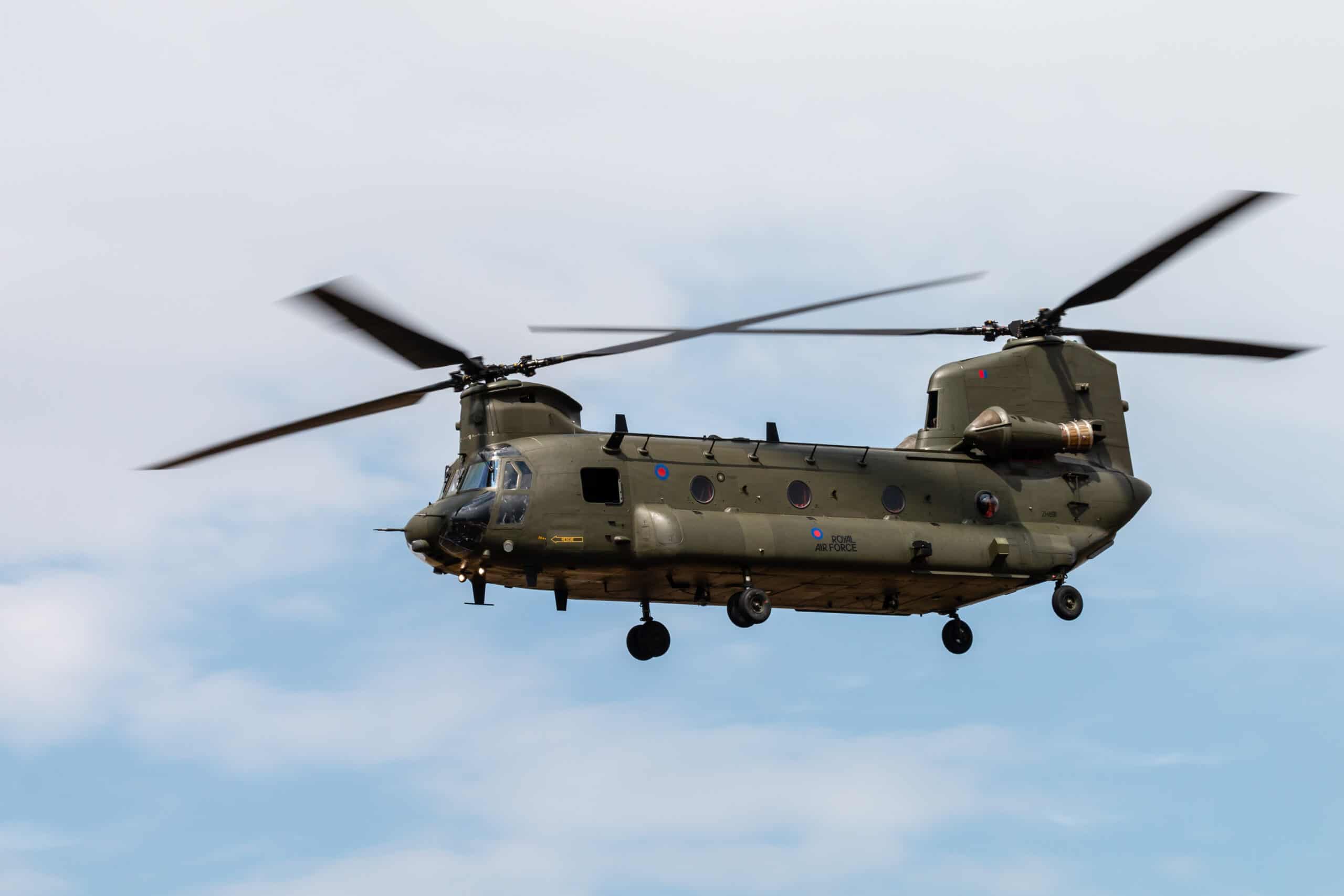
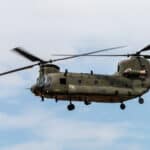
CH-47 Chinook
- Category: Aviation
- Platform Type: Heavy-Lift Helicopter
- Manufacturer: Boeing
- Year Introduced: 1962
- Primary Role: Heavy Lift
- Key Capability Metric: 26,000 lb payload
- Combat Role in Doctrine: Air Mobility
- Why It Matters to Army Backbone: Supports large-scale logistics
The CH-47 Chinook provides the Army with unmatched heavy-lift capability, transporting large payloads of troops, vehicles, and supplies. Its twin-rotor design allows it to operate in challenging environments, making it essential for sustaining operations in remote areas. The Chinook plays a vital role in logistics and force projection, ensuring that units remain supplied and operational. Its ability to move critical assets quickly supports large-scale operations and reinforces the Army’s ability to sustain combat power over extended periods.
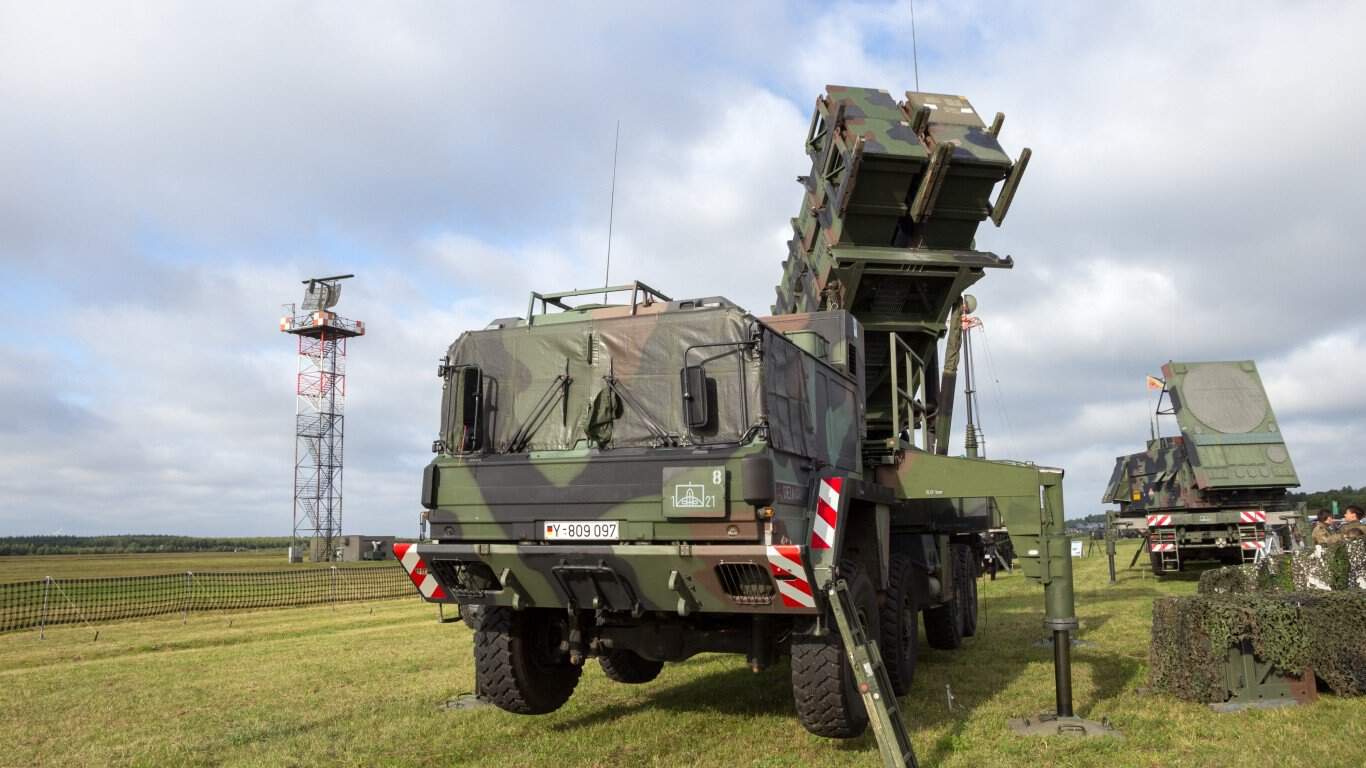
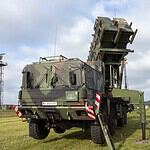
Patriot Missile System
- Category: Air Defense
- Platform Type: SAM System
- Manufacturer: Raytheon
- Year Introduced: 1984
- Primary Role: Air Defense
- Key Capability Metric: 160km intercept range
- Combat Role in Doctrine: Layered Defense
- Why It Matters to Army Backbone: Protects against missile threats
The Patriot missile system forms the backbone of the Army’s air and missile defense network, providing protection against aircraft and ballistic missile threats. Its advanced radar and interceptors allow it to detect and engage targets at long range. As part of a layered defense strategy, Patriot shields critical assets and population centers from attack. Its proven effectiveness in combat makes it a cornerstone of defensive operations, ensuring that the Army can operate under the protection of a reliable and capable air defense umbrella.
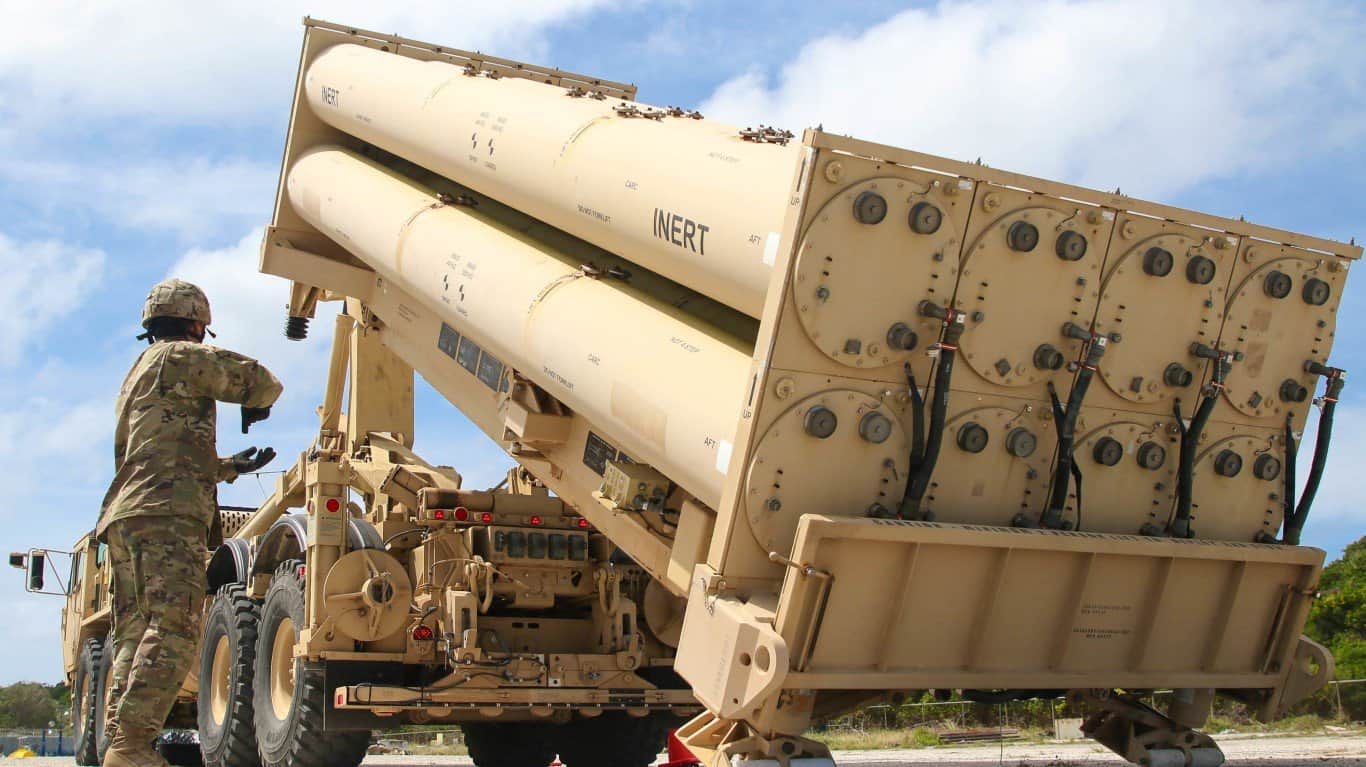
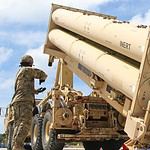
THAAD
- Category: Air Defense
- Platform Type: Ballistic Missile Defense
- Manufacturer: Lockheed Martin
- Year Introduced: 2008
- Primary Role: Missile Intercept
- Key Capability Metric: 200km intercept altitude
- Combat Role in Doctrine: Strategic Defense
- Why It Matters to Army Backbone: Counters ballistic missiles
THAAD extends the Army’s defensive reach into the upper atmosphere, intercepting ballistic missiles during their terminal phase. Its ability to engage threats at high altitude provides an additional layer of protection beyond systems like Patriot. THAAD is a strategic asset, protecting critical infrastructure and allied forces from advanced missile threats. Its integration into the Army’s air defense network enhances overall resilience, ensuring that the Army can defend against evolving threats and maintain operational effectiveness in contested environments.
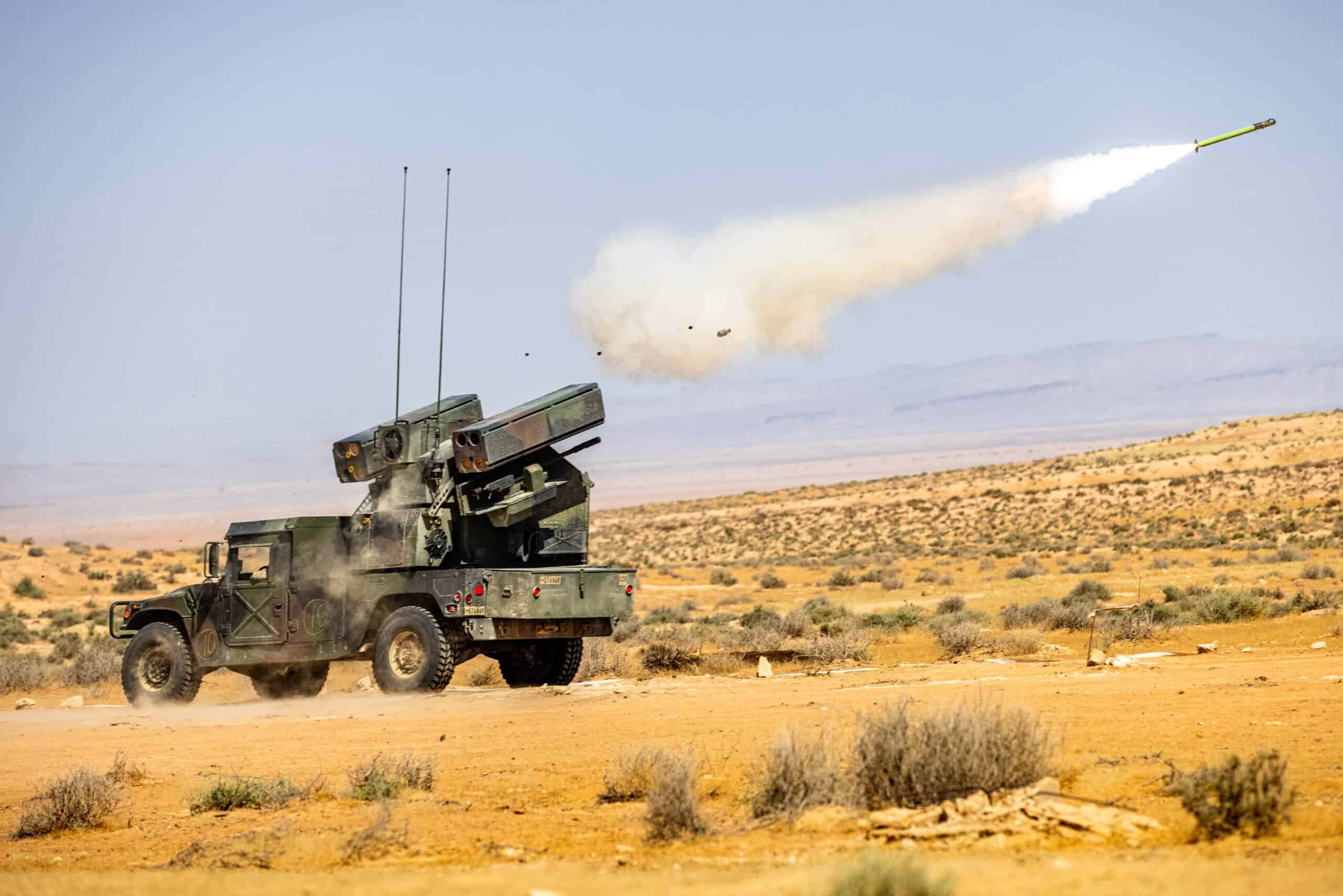
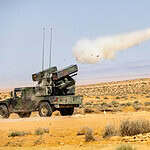
Avenger Air Defense System
- Category: Air Defense
- Platform Type: SHORAD
- Manufacturer: Boeing
- Year Introduced: 1989
- Primary Role: Short-Range Defense
- Key Capability Metric: Stinger missiles
- Combat Role in Doctrine: Point Defense
- Why It Matters to Army Backbone: Protects maneuver units
The Avenger Air Defense System provides short-range protection for maneuvering forces, defending against low-flying aircraft and drones. Mounted on a mobile platform, it can move with frontline units, ensuring continuous coverage. The Avenger fills a critical gap in the Army’s air defense network, protecting troops from immediate aerial threats. Its mobility and responsiveness make it essential for modern combat, where small, fast-moving threats can pose significant risks to ground forces.
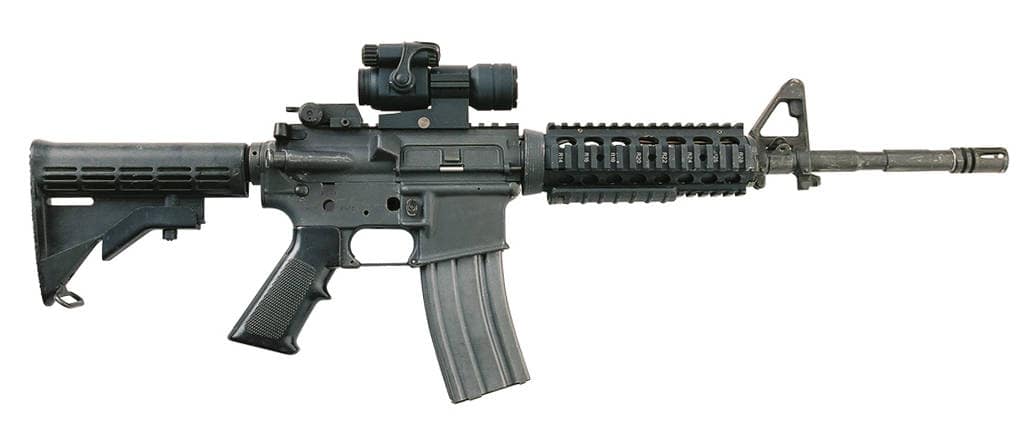
M4 Carbine
- Category: Infantry
- Platform Type: Assault Rifle
- Manufacturer: Colt
- Year Introduced: 1994
- Primary Role: Infantry Combat
- Key Capability Metric: 5.56mm caliber
- Combat Role in Doctrine: Infantry Operations
- Why It Matters to Army Backbone: Standard soldier weapon
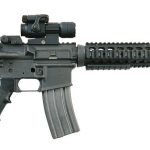
The M4 carbine is the standard-issue weapon for U.S. Army infantry, providing a balance of accuracy, range, and maneuverability. Its lightweight design allows soldiers to operate effectively in diverse environments, from urban combat to open terrain. The M4’s reliability and adaptability make it a cornerstone of infantry operations. As the primary weapon of the individual soldier, it represents the foundation of the Army’s combat power, enabling troops to engage and defeat enemy forces at the most fundamental level.
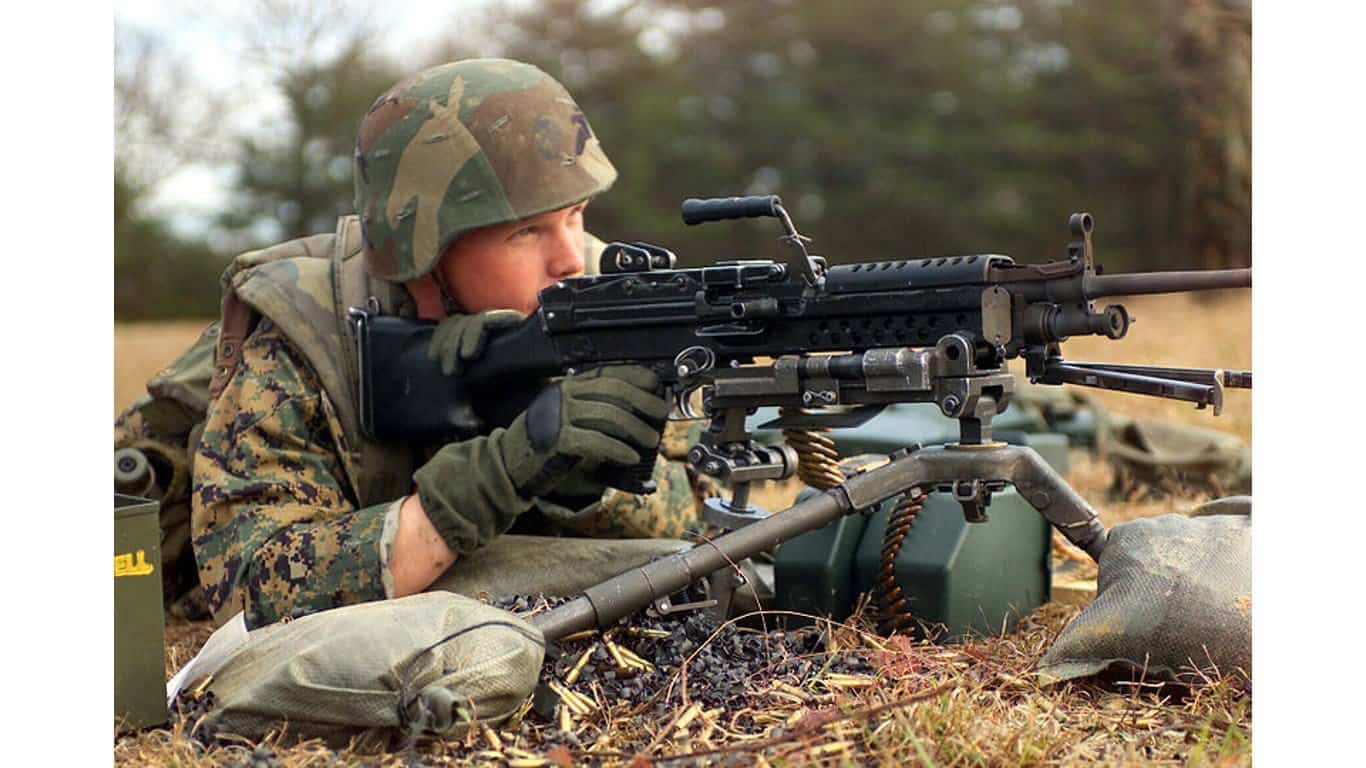
M249 Light Machine Gun
- Category: Infantry
- Platform Type: Light Machine Gun
- Manufacturer: FN Herstal
- Year Introduced: 1984
- Primary Role: Suppressive Fire
- Key Capability Metric: 700–850 rpm
- Combat Role in Doctrine: Infantry Support
- Why It Matters to Army Backbone: Provides squad firepower
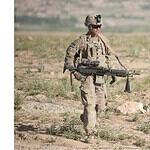
The M249 light machine gun delivers sustained suppressive fire at the squad level, enabling infantry units to control engagements and dominate firefights. Its high rate of fire allows soldiers to pin down enemy forces, creating opportunities for maneuver. The M249 is essential for maintaining fire superiority, a key principle of infantry combat. By providing consistent and reliable firepower, it ensures that squads can operate effectively in both offensive and defensive situations.
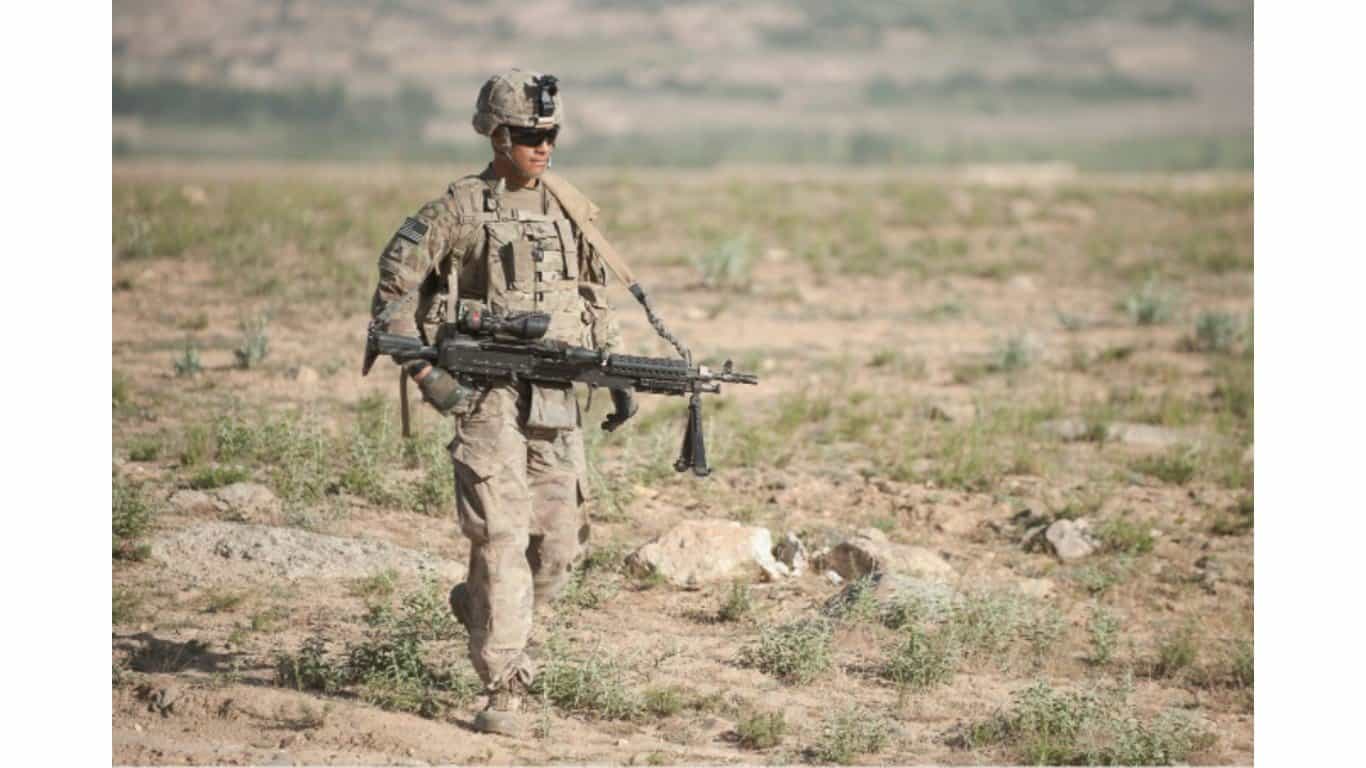
M240 Machine Gun
- Category: Infantry
- Platform Type: Medium Machine Gun
- Manufacturer: FN Herstal
- Year Introduced: 1977
- Primary Role: Sustained Fire
- Key Capability Metric: 7.62mm caliber
- Combat Role in Doctrine: Infantry Support
- Why It Matters to Army Backbone: Delivers sustained suppression
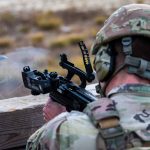
The M240 machine gun provides heavier and more sustained firepower than lighter systems, making it a critical asset for infantry and vehicle-mounted operations. Its 7.62mm rounds offer greater range and impact, allowing it to engage targets at extended distances. The M240 is widely used for defensive positions and convoy security, where sustained fire is essential. Its reliability and effectiveness make it a key component of the Army’s ability to maintain fire superiority in prolonged engagements.
M320 Grenade Launcher
- Category: Infantry
- Platform Type: Grenade Launcher
- Manufacturer: Heckler & Koch
- Year Introduced: 2008
- Primary Role: Explosive Support
- Key Capability Metric: 40mm grenades
- Combat Role in Doctrine: Infantry Support
- Why It Matters to Army Backbone: Adds explosive capability
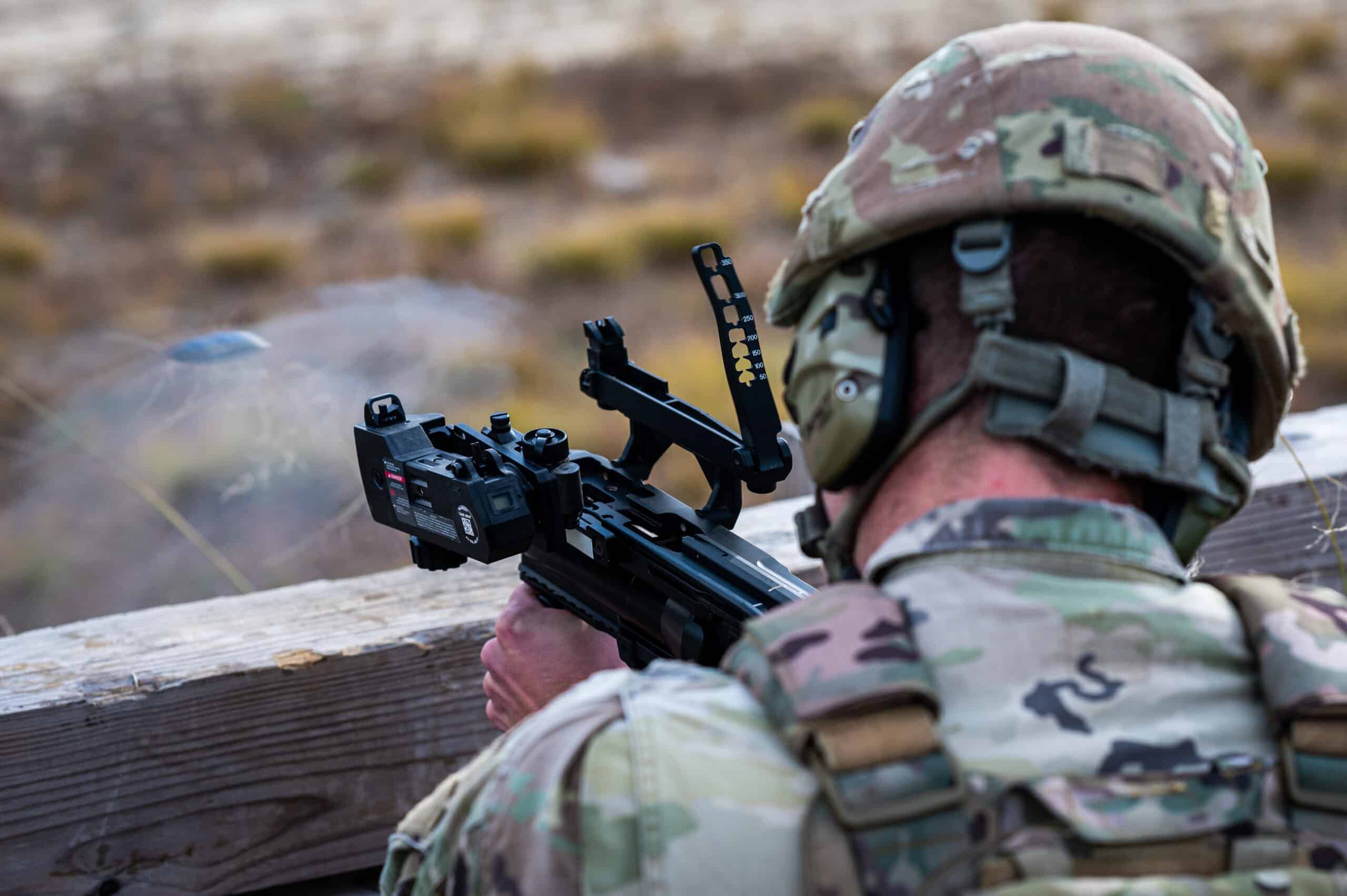
The M320 grenade launcher enhances infantry firepower by providing the ability to engage targets with explosive rounds. Its versatility allows soldiers to use it as a standalone weapon or attach it to a rifle. The M320 is particularly effective against enemies in cover or fortified positions, adding a new dimension to squad-level combat. By expanding the range of engagement options, it increases the overall effectiveness of infantry units and supports the Army’s combined arms approach.
FGM-148 Javelin
- Category: Infantry
- Platform Type: Anti-Tank Guided Missile
- Manufacturer: Raytheon/Lockheed Martin
- Year Introduced: 1996
- Primary Role: Anti-Armor
- Key Capability Metric: Top-attack capability
- Combat Role in Doctrine: Anti-Armor Warfare
- Why It Matters to Army Backbone: Defeats heavy armor
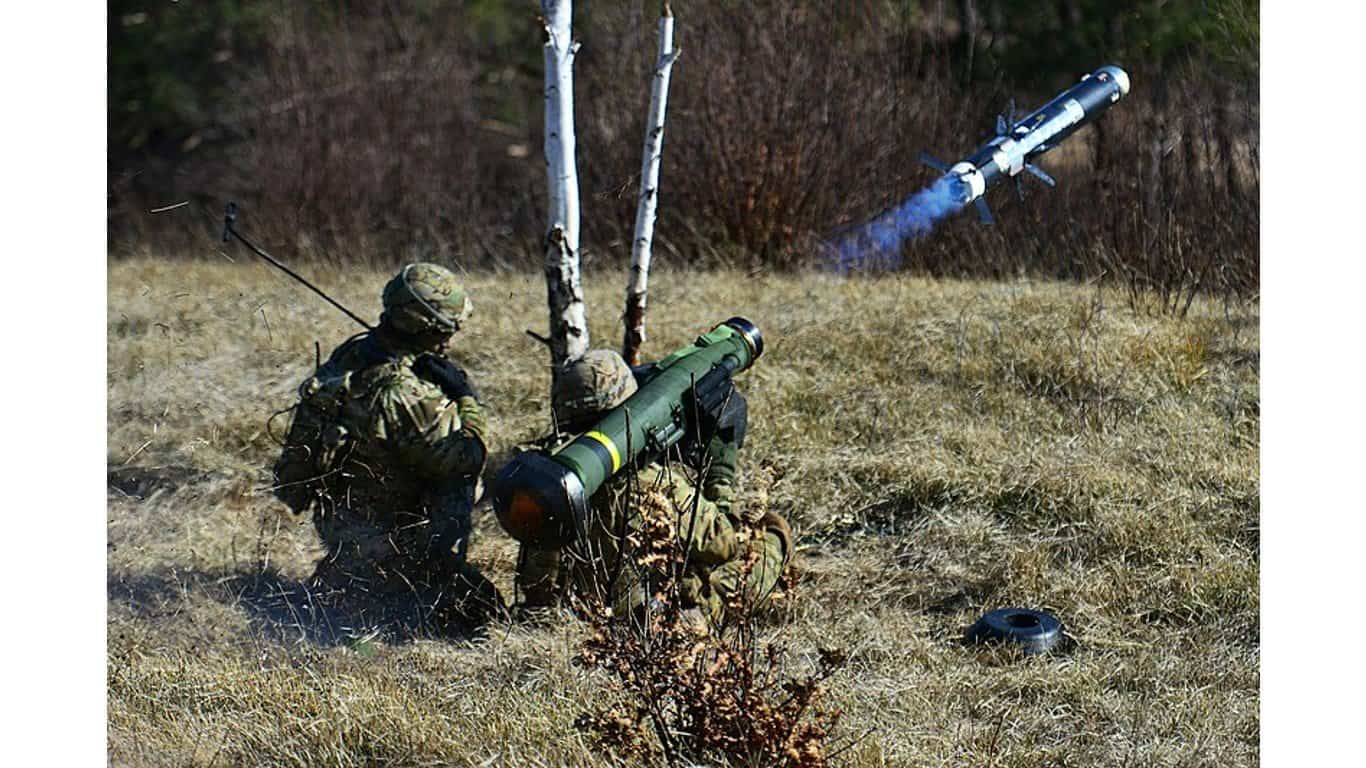
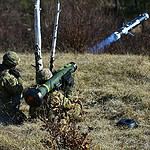
The FGM-148 Javelin provides infantry units with the ability to defeat heavily armored vehicles using a fire-and-forget system. Its top-attack capability allows it to strike the most vulnerable parts of enemy armor, ensuring high effectiveness. The Javelin has proven its value in modern conflicts, where it has been used to devastating effect against armored forces. By giving infantry the ability to counter tanks, it significantly enhances the Army’s flexibility and lethality on the battlefield.
FIM-92 Stinger
- Category: Infantry
- Platform Type: MANPADS
- Manufacturer: Raytheon
- Year Introduced: 1981
- Primary Role: Air Defense
- Key Capability Metric: 4.8km range
- Combat Role in Doctrine: Point Air Defense
- Why It Matters to Army Backbone: Counters low-flying aircraft
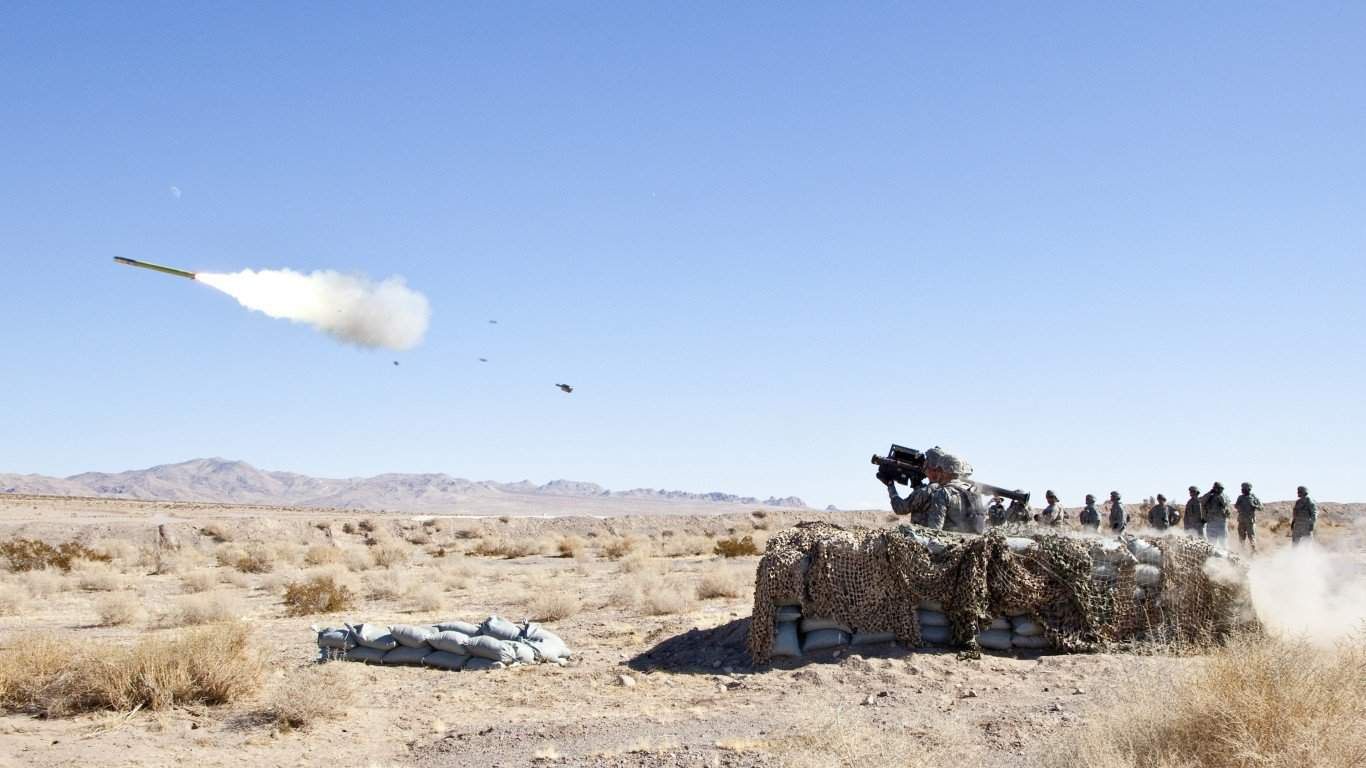
The FIM-92 Stinger provides infantry units with a portable air defense capability, allowing them to engage low-flying aircraft and drones. Its ease of use and mobility make it an essential tool for protecting ground forces from aerial threats. The Stinger’s effectiveness has been demonstrated in multiple conflicts, where it has significantly impacted enemy air operations. By extending air defense capabilities down to the squad level, it enhances the Army’s overall defensive posture.
Joint Light Tactical Vehicle (JLTV)
- Category: Mobility
- Platform Type: Light Tactical Vehicle
- Manufacturer: Oshkosh
- Year Introduced: 2015
- Primary Role: Transport
- Key Capability Metric: High mobility
- Combat Role in Doctrine: Operational Mobility
- Why It Matters to Army Backbone: Enhances survivability and movement
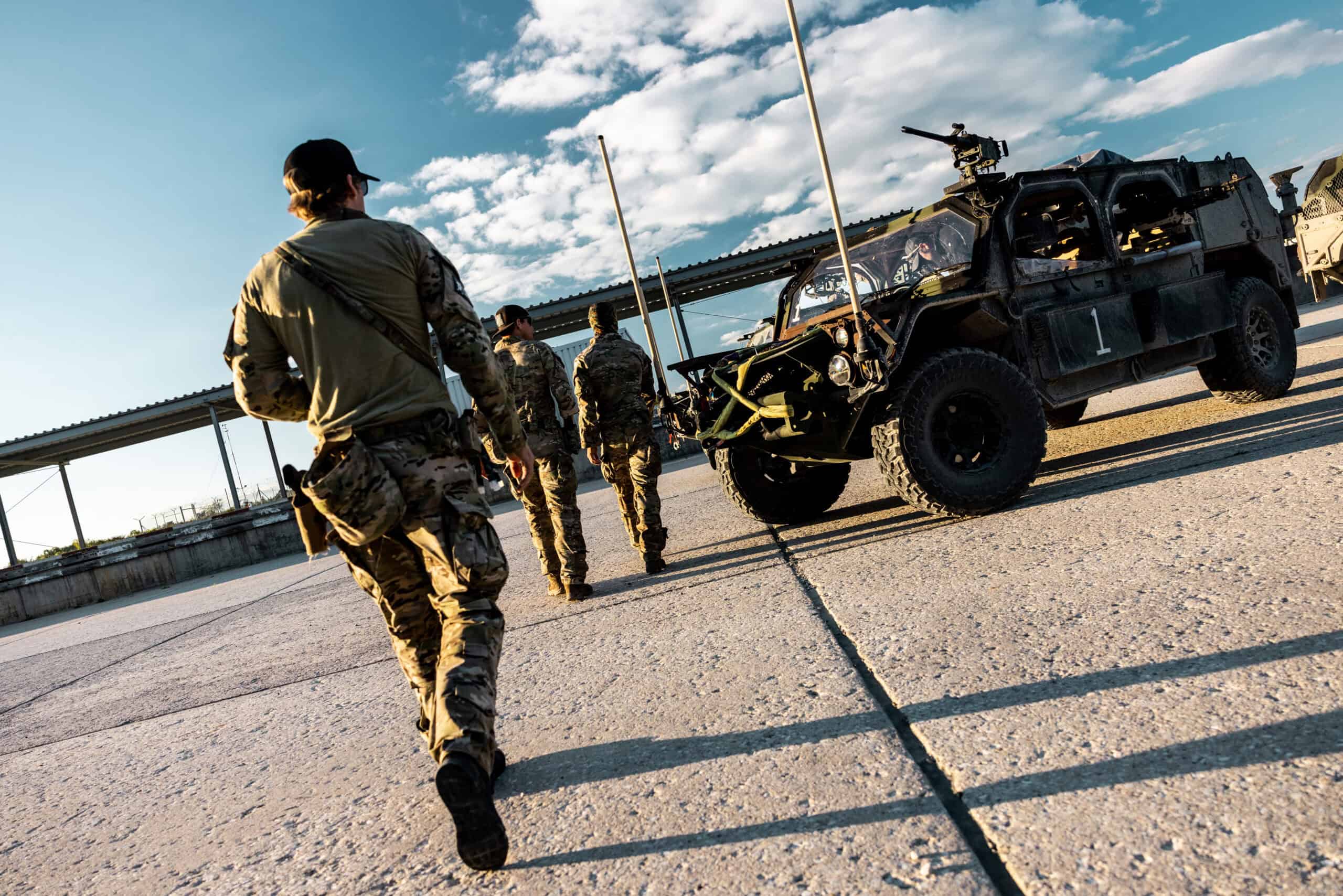
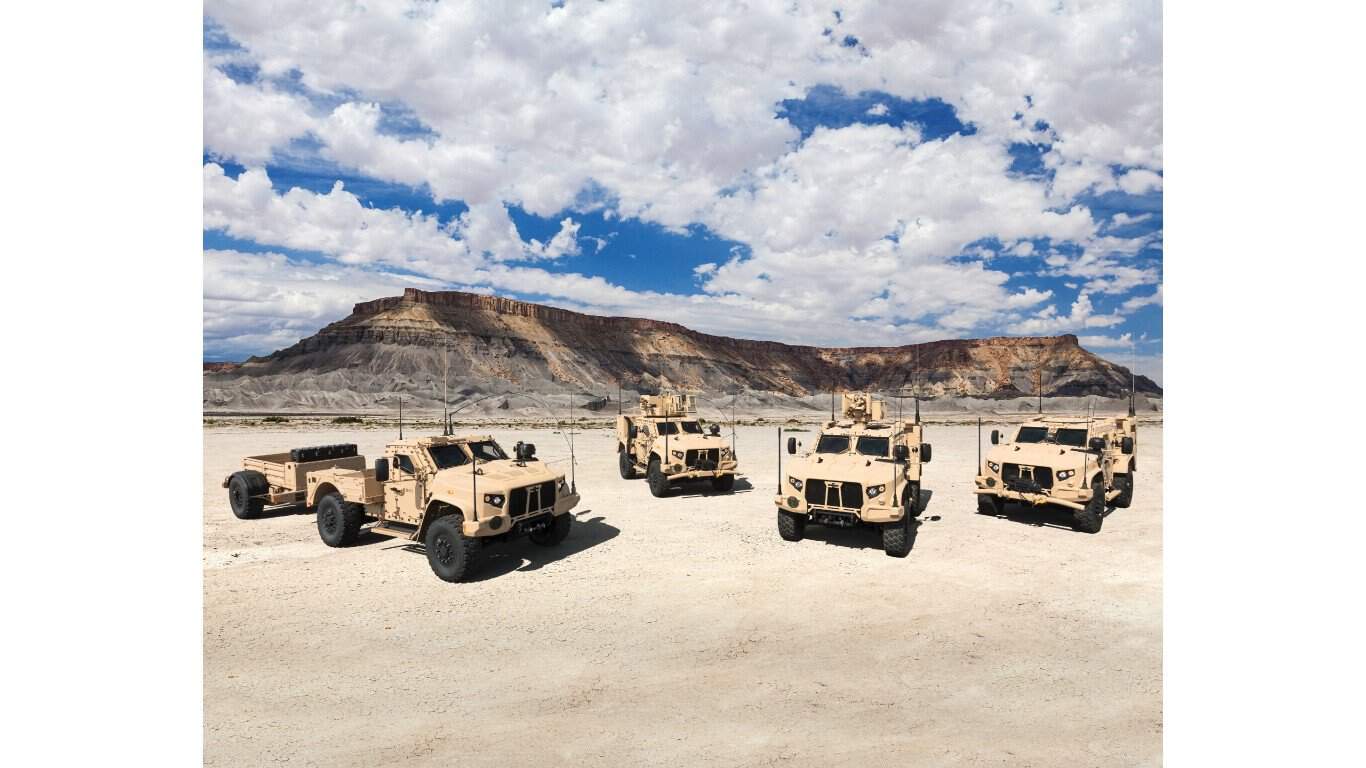
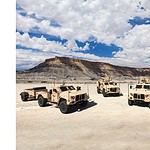
The Joint Light Tactical Vehicle (JLTV) combines mobility, protection, and versatility to support a wide range of missions. Designed to replace older vehicles, it offers improved survivability against modern threats such as improvised explosive devices. The JLTV enhances the Army’s ability to move troops and equipment safely across the battlefield. Its adaptability and resilience make it a key component of operational mobility, ensuring that forces can maneuver effectively in both combat and support roles.
The image featured at the top of this post is ©Public Domain / United States Marine / Wikimedia Commons