








8 Everyday Inventions From the 1800s That Barely Changed
We love innovation. New products solve old problems and slowly change the world. But some things don't really need it. The closer you look at a device that seems new, the older its basic concept turns out to be. A surprising number of inventions from the 1800s arrived in essentially their final form on the first try, and nobody has found a reason to change them since.
Some of these you will easily identify. Others you have been using even today without thinking about them at all. Here are 8 inventions from the 1800s that are still being used today, basically unchanged.
The Safety Pin
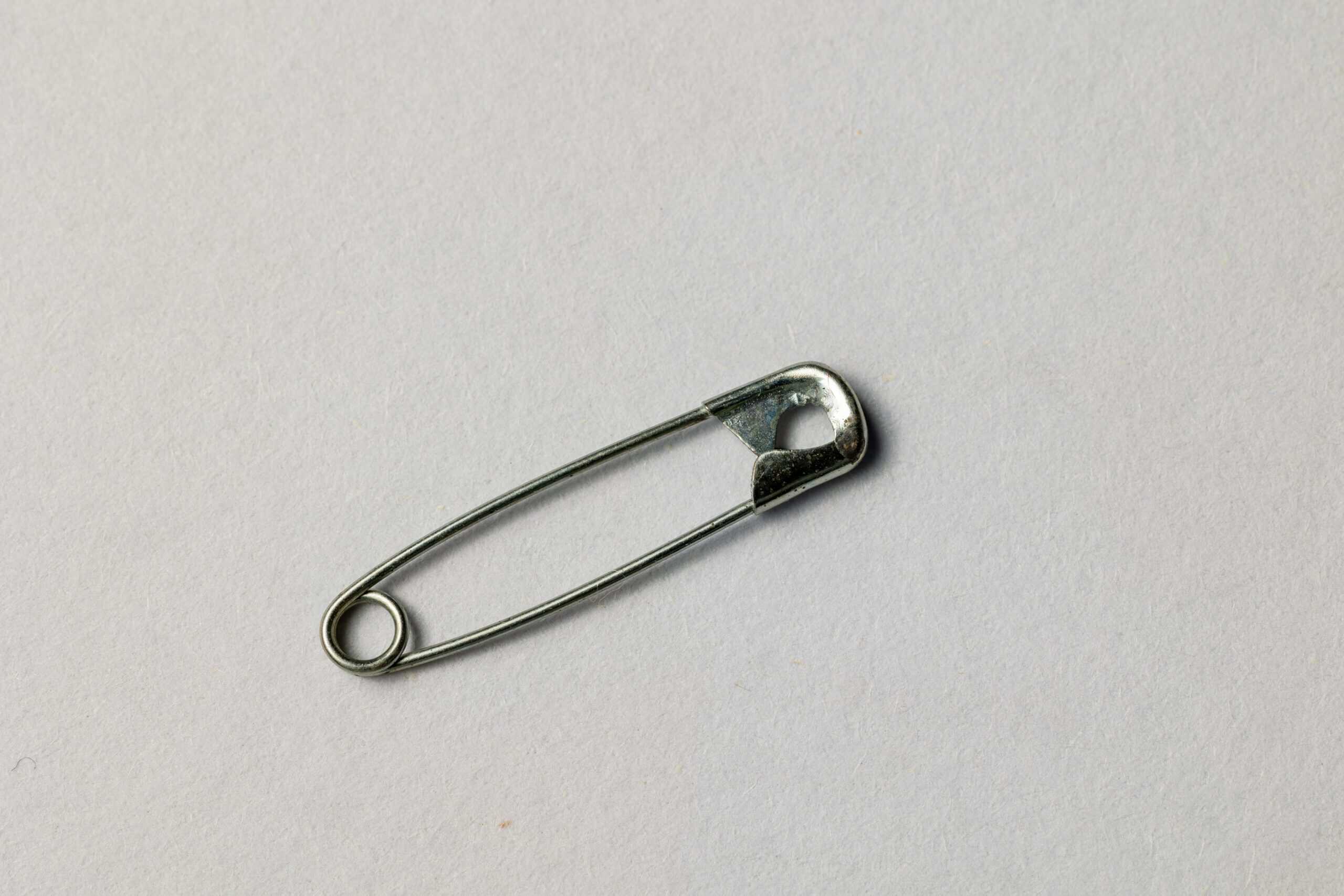
Walter Hunt, an inventor from New York, had a $15 debt and an afternoon to spare. In 1849, he wrapped a wire into a spiral and noticed the coil created spring pressure. He then sharpened one end into a point, while the other was bent into a clasp, and the point was inserted into it so that it would not prick the wearer.
Hunt initially patented his invention but later sold the rights to it for $400 to settle another debt. The people who bought those rights made a killing, while Hunt never saw a dime of profit from his invention again.
Ancient Romans used something similar for fastening garments, but their version had no spring mechanism to prevent it from accidentally opening. Hunt's version did. The safety pin can be found on any sewing kit today, but in the 175 years since it was invented, no one has improved on the idea. If Hunt could look at a modern box of safety pins, he'd recognize every one of them.
The Match
The friction match was invented in 1826, when John Walker, an English druggist from Stockton-on-Tees, covered a stick with a reactive mixture of chemicals that ignited upon being rubbed against sandpaper.
They worked, but the initial models were highly unsafe because they used toxic white phosphorus that could ignite against almost any rough surface by accident and was even known to cause severe bone disease in workers manufacturing the matchsticks. By the 1840s, the match had a fire problem of its own.
The problem was eventually solved in 1844 by Gustaf Erik Pasch, a chemistry professor in Sweden, who moved the reactive chemicals into separate parts of the match. The head remained where it should be, while red phosphorus was put onto the box, not the match.
The Lundström brothers later developed the commercial version of Pasch's redesign starting in 1853. Their design is the one we use in all matches to this day. The tip on the stick. The red phosphorus strip on the box. Nothing has changed for about 170 years since then, because there is no need to do so.
The Bicycle
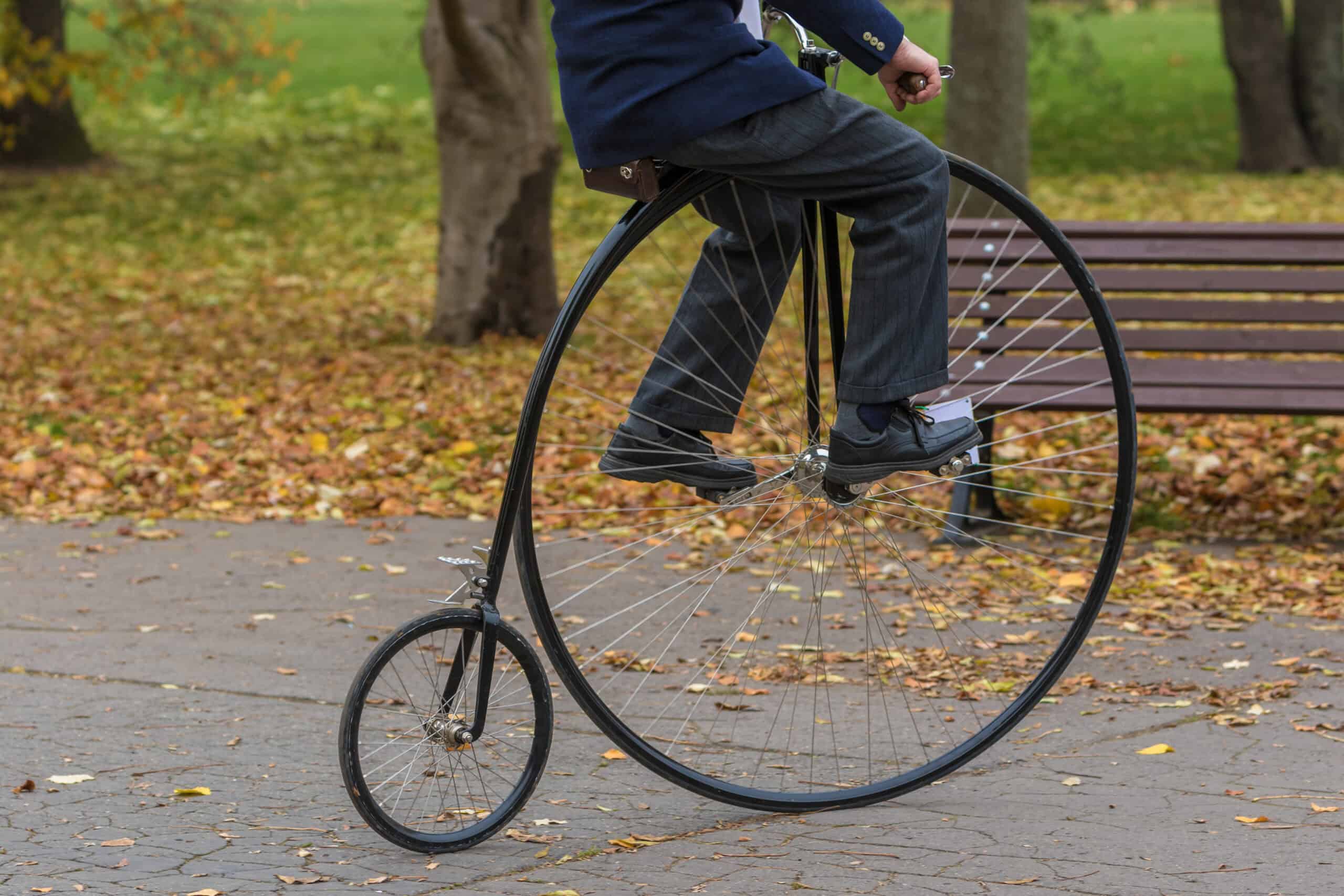
Some early bicycles were truly hazardous. The penny-farthing introduced in the 1870s required the rider to be mounted on top of a very large front wheel, which would go up to five feet in diameter, with a small back wheel following behind it. If the cyclist crashed, he or she would end up flying headlong over the handlebars while suspended at a considerable height. The popular term "header" was given to such accidents, and it wasn’t figurative.
John Kemp Starley's Rover solved every structural problem at once in 1885. His design used two same-sized wheels, a diamond frame made of steel, a chain-driven rear wheel powered by the pedals, while placing the rider between the wheels rather than on top of one of them.
It was stable and didn't require much of a physique to ride safely. It became the prototype for almost every bicycle ever manufactured since. Today's bicycles may have fancy carbon frames and gear-changing mechanisms, but they all kept the same riding posture, the same chain driven by the pedals to the rear wheel axle, and the same triangulated frame logic Starley worked out in Coventry in 1885.
The Elevator Safety Brake
Elisha Otis did not invent the elevator, despite popular belief. Cargo in factories and mines was being lifted by elevators long before his time. In 1852, however, Otis became the reason people were willing to ride one. He came up with a spring-loaded ratchet that engaged automatically the moment the cable went slack. Before that mechanism came along, a snapped rope meant a free-falling cab.
Otis demonstrated his design in 1854 at New York's Crystal Palace exhibition, riding a platform high into the hall, then having the cable cut with an axe while a crowd watched. The elevator dropped a few inches and stopped. Otis reportedly bowed.
The elevator safety brake was first installed on a passenger elevator in a Broadway department store in 1857. The core safety logic has not moved since, and the principle is still used in all modern cable-driven elevators.
Canned Food
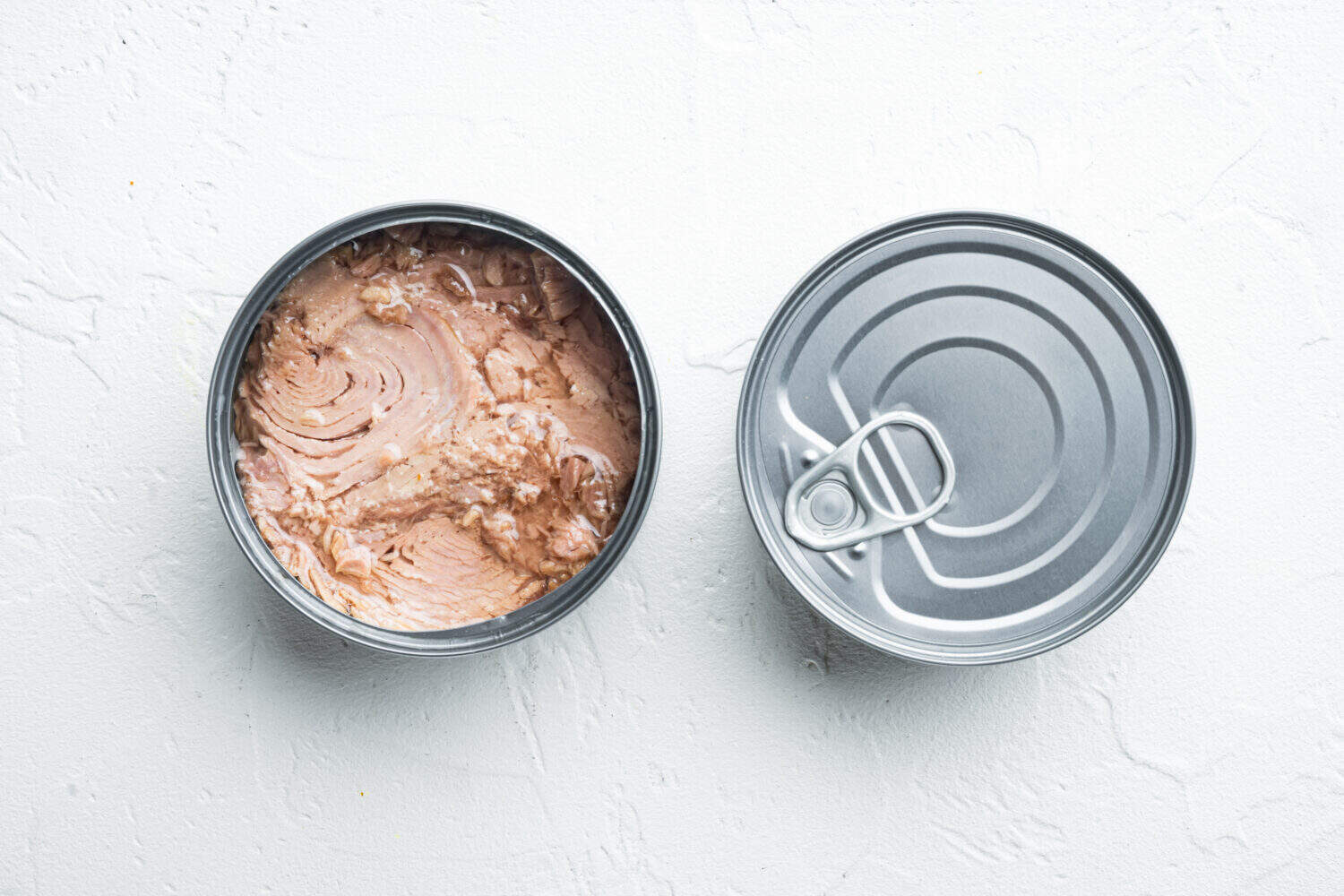
In 1795, the French government issued a prize of 12,000 francs for any one who could come up with a method to store the army’s food products for long periods of time on the field. In 1809, Nicolas Appert, a French confectioner, claimed the prize after spending the previous fourteen years experimenting with different techniques. His final method involved putting the food into glass jars and sealing them airtight, then heating in boiling water.
Appert had no idea about the scientific basis of this process, but he knew it worked. The science of microbiology didn't exist yet. He just noticed that the sealed, heated jars did not spoil.
The principle he established is the same one used in every tin on a supermarket shelf today. Heat kills the microorganisms inside the container. The airtight seal prevents new ones from entering.
Peter Durand, a British inventor, began using tin-coated iron cans instead of glass jars in 1810, making the process industrially practical. Containers have changed, but the principle hasn’t. Appert figured out canned food before anyone could explain why it worked in the first place.
The Paper Clip
The first iteration of the paper clip came from Samuel B. Fay's patent for his "ticket fastener" in 1867, but it was the Gem clip, made somewhere in Britain around 1894, that solved the problem definitively. The Gem is the familiar double-oval loop of wire that folds in on itself to hold paper between its loops. The Gem wasn't patented by its British manufacturer, meaning that anyone could copy it. Everyone did.
Since the Gem was unpatented, it spread quickly enough to become the standard before any competing version was developed. Grab a paper clip today, and it is pretty much the same object it was nearly 130 years ago. The double loops, the wire thickness, and the spring tension are the same as when they were developed in 1894. Plastic color coating has been added to some paper clips. Ridged variants have been tried. But nothing has ever changed the underlying form. The machines that produce Gem-like paper clips today come from the very designs that were used on the original configuration.
The Round Cast Iron Manhole Cover
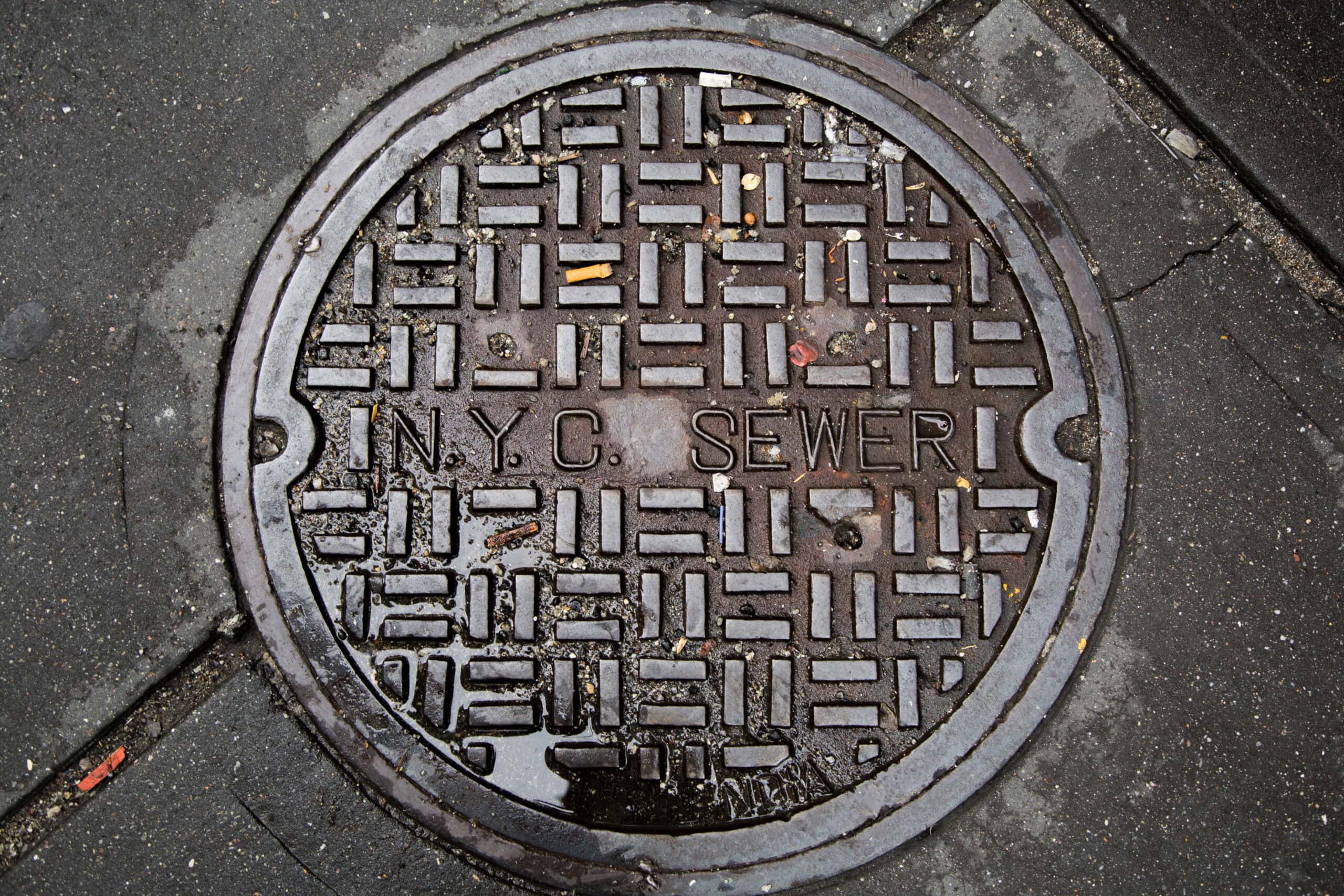
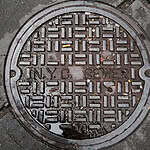
Manhole covers don't feel like inventions, but they are, and the decision to make them circular was a deliberate choice that became standard across European and North American cities during the sewer-building boom of the 1880s and 1890s. A circular cover cannot fall through a circular opening, regardless of how it's oriented. A square cover at 45 degrees will have a diagonal larger than the side of the hole and thus can fall through. A circle has no diagonal. Its diameter is identical in every direction, so there's no angle at which it fits through the opening below.
The round shape also lets workers roll the 200-pound cast iron disc rather than carry it, and it drops back onto the rim without having to align it. Some cities in Japan have turned their covers into elaborate decorative art. The shape and every reason behind it have stayed the same.
The Lockstitch Sewing Machine Mechanism
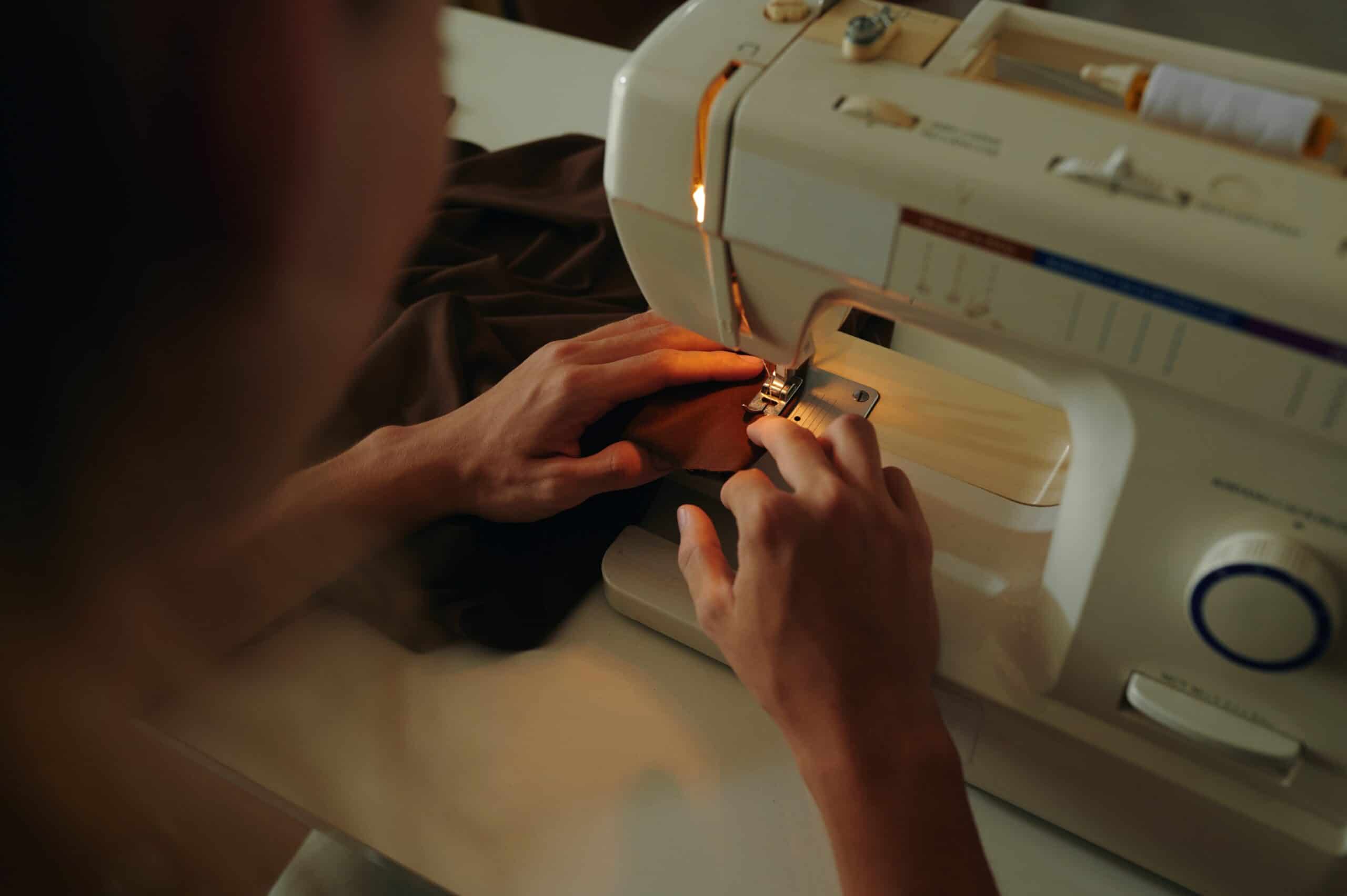
The sewing machine has a complex and confusing history with several inventors claiming credit for it, but the lockstitch mechanism itself was patented in 1846 by Elias Howe. Walter Hunt had built an earlier working version but never filed a patent.
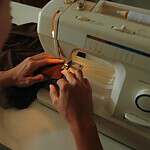
A lockstitch is a stitch produced using two threads: a thread that runs through a needle and another wound onto a bobbin under the fabric. The needle punches down, forms a loop on the other side, and the bobbin mechanism takes the loop and makes the other thread go through it, locking both threads.
Isaac Singer made the invention commercially feasible with the help of mechanical modifications, but the basic principle of stitch formation, patented in 1846, is still implemented in all sewing machines, whether it's a home unit or an industrial machine.
The image featured at the top of this post is ©Ilia Nesolenyi/Shutterstock.com