






When Air Support Isn’t Coming, These Weapons Decide the Fight
When air support isn’t guaranteed, the battlefield shifts instantly. Without the safety net of aircraft overhead, ground forces must depend entirely on the weapons they carry, control, and deploy themselves. In these high-risk scenarios, success comes down to firepower, mobility, and adaptability on the ground. From precision-guided missiles to mobile artillery and advanced drones, these are the systems that keep operations alive when the skies can’t be trusted.
To build this list, History Computer analyzed a range of military and historical sources to identify the weapons most critical in air-denied environments. Each entry highlights the system’s origin, role, capabilities, and the tactical advantage it provides when forces must operate independently. As modern warfare shifts toward contested airspace and increasingly sophisticated defenses, these weapons reveal how militaries are evolving, prioritizing resilience, decentralization, and the ability to fight effectively without relying on air superiority.
Here is a look at the weapons used when air support is not guaranteed:
When the Sky Isn’t Yours
In modern warfare, air superiority can no longer be assumed. Advanced air defense systems, challenging weather conditions, and logistical constraints can all limit or deny the availability of air support. As a result, ground forces must be prepared to operate independently, without the assurance of aircraft overhead. This reality shifts a significant portion of combat responsibility back to units on the ground, requiring them to rely on their own weapons and capabilities to achieve mission success.
Replacing Close Air Support
Close air support has traditionally provided ground forces with precision strikes and overwhelming firepower. When that support is unavailable, units must turn to organic systems to fill the gap. Anti-armor weapons, artillery, and emerging drone technologies now provide alternatives that allow forces to engage targets effectively. This shift reflects a broader evolution in doctrine, emphasizing decentralized strike capabilities at lower levels of command.
Artillery Becomes the King Again
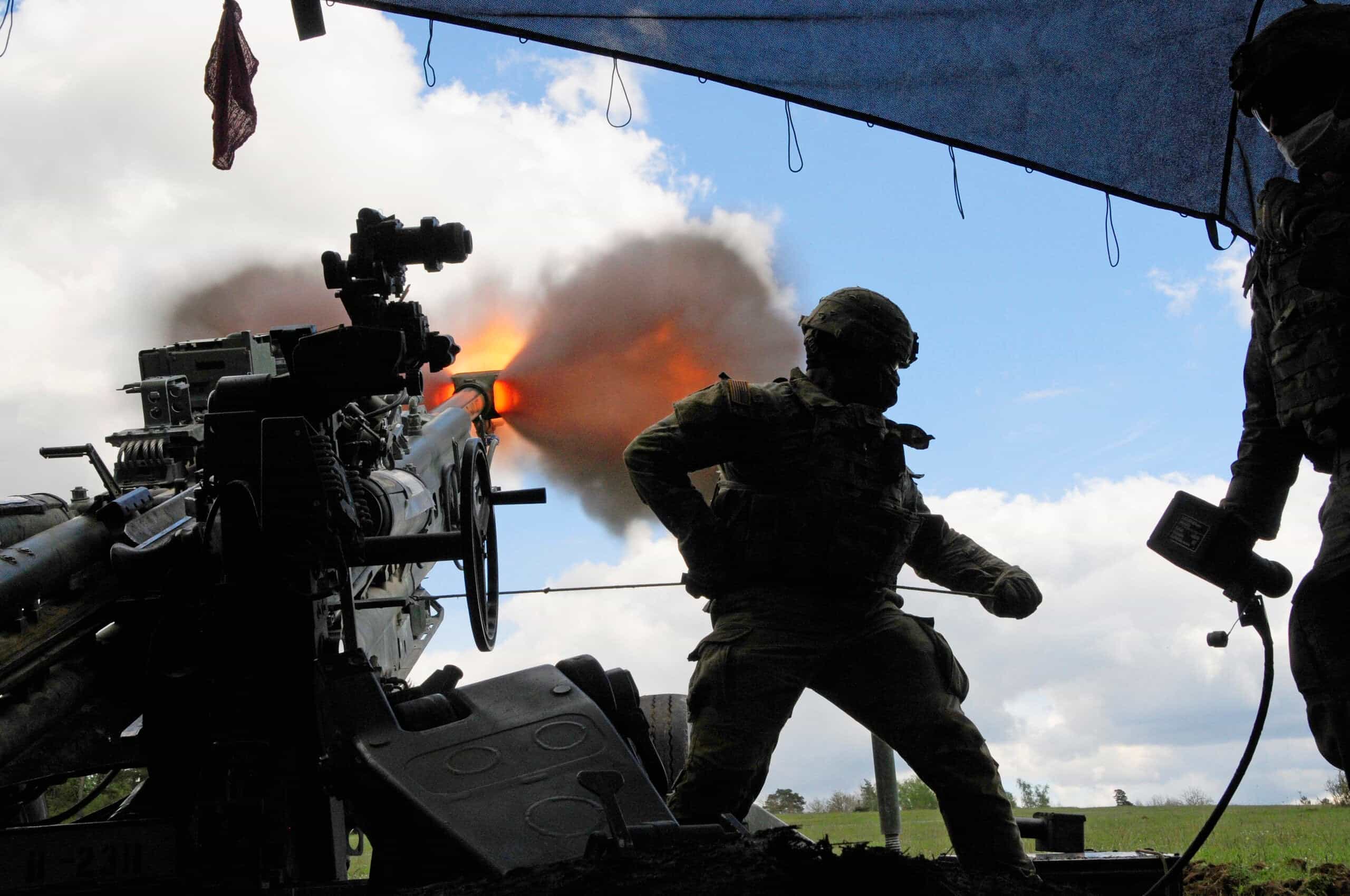
In the absence of air-delivered strikes, artillery regains its position as one of the most important sources of battlefield firepower. Indirect fire systems allow forces to engage targets beyond line of sight, providing critical support across large areas. Rocket artillery adds the ability to deliver rapid, high-volume fire, overwhelming enemy positions. In contested environments, control of artillery assets can determine the outcome of engagements.
Denying the Enemy the Same Advantage
Just as ground forces must adapt to limited air support, they must also prevent the enemy from gaining an advantage in the air. Ground-based air defense systems play a crucial role in this effort, creating contested airspace that restricts enemy operations. MANPADS and mobile surface-to-air missile systems allow even small units to threaten aircraft, making air superiority more difficult to achieve and maintain.
The Rise of Infantry-Level Strike Power
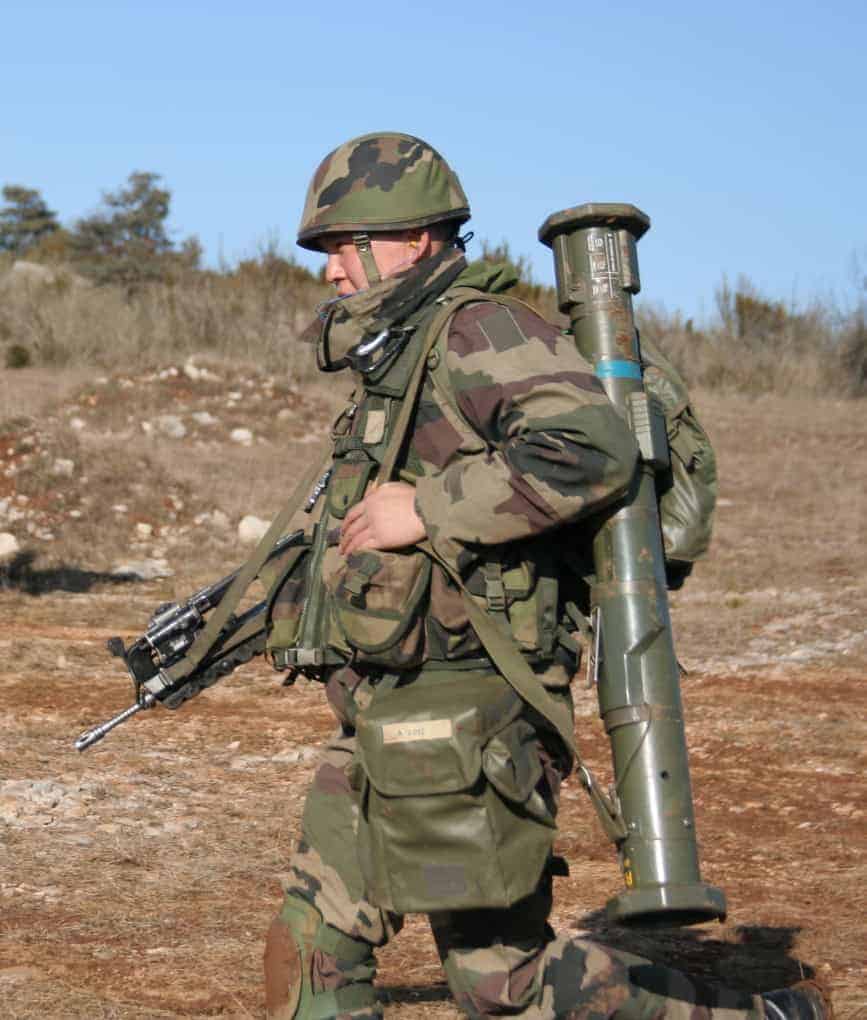
Advances in technology have given small units unprecedented access to precision strike capabilities. Loitering munitions and portable weapons systems allow infantry to engage targets at greater distances and with increased accuracy. This decentralization of firepower enables units to operate more independently, reducing reliance on higher-level support. As a result, modern ground combat is increasingly defined by the ability of small units to deliver effective firepower on their own.
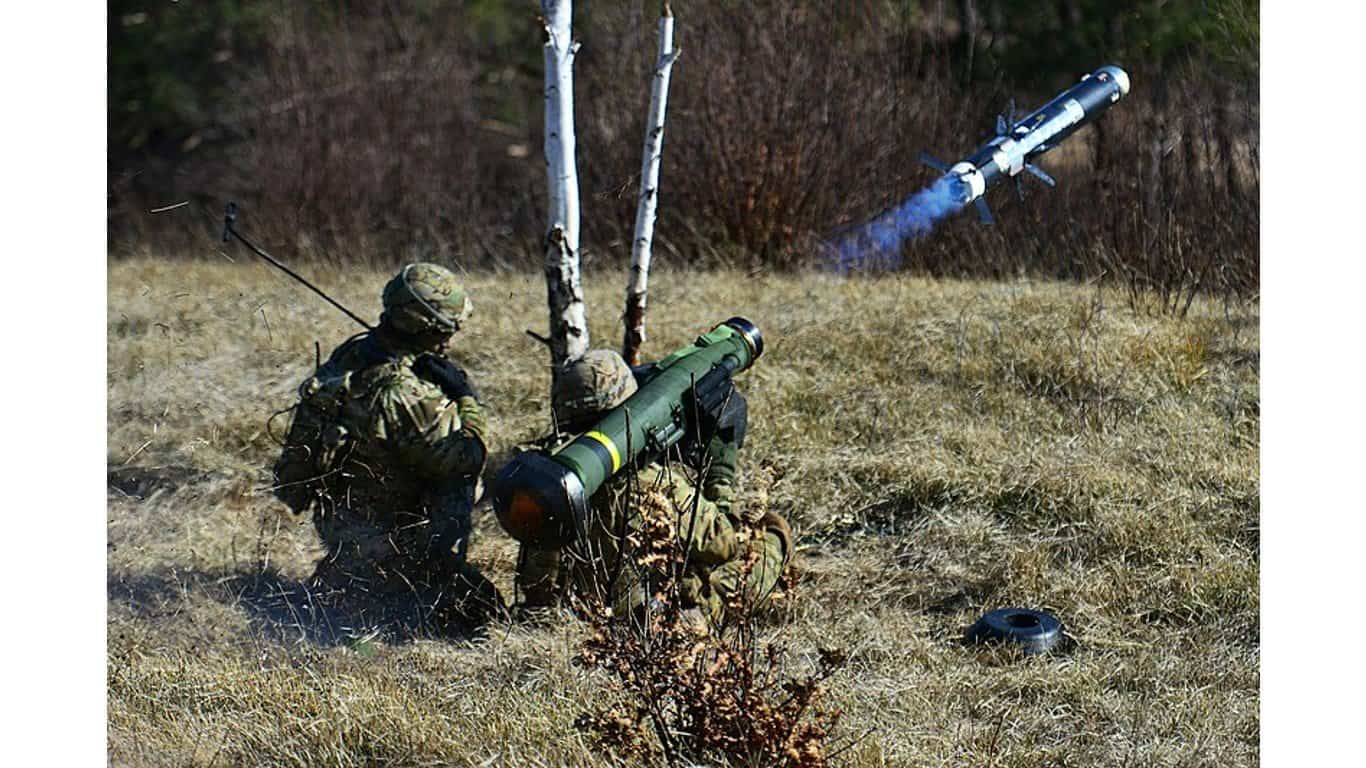
FGM-148 Javelin
- Weapon Type: ATGM
- Country of Origin: United States
- Year Introduced: 1996
- Primary Role Without Air Support: Anti-armor
- Air Power Function Replaced: CAS (tank busting)
- Key Capability: Fire-and-forget, top-attack
- Tactical Advantage on the Ground: Infantry can defeat MBTs independently
- Doctrine or Battlefield Impact: Shifted anti-armor to small units
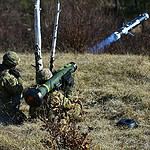
The Javelin gives infantry the ability to destroy heavily armored vehicles without relying on close air support. Its fire-and-forget guidance and top-attack profile allow small units to engage tanks independently. This shifts anti-armor capability down to the squad level, reducing reliance on aircraft for battlefield dominance.
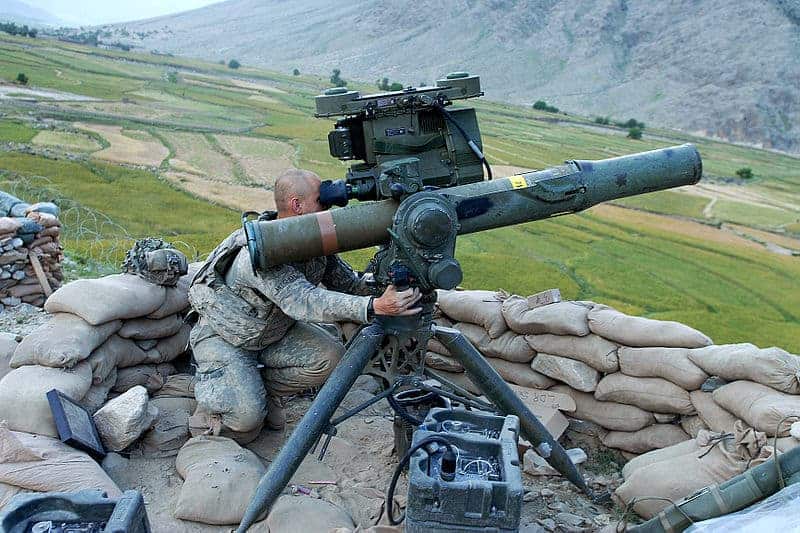
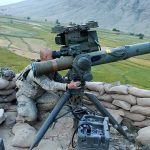
BGM-71 TOW
- Weapon Type: ATGM
- Country of Origin: United States
- Year Introduced: 1970
- Primary Role Without Air Support: Anti-armor
- Air Power Function Replaced: CAS / interdiction
- Key Capability: Long-range guided missile
- Tactical Advantage on the Ground: Engage armor from standoff
- Doctrine or Battlefield Impact: Sustained ATGM relevance
The TOW system provides long-range anti-armor capability that can be deployed from ground vehicles or fixed positions. It allows forces to engage enemy armor from a distance, replacing the need for air-delivered strikes in many scenarios. Its sustained use highlights the enduring importance of ground-based anti-tank systems.
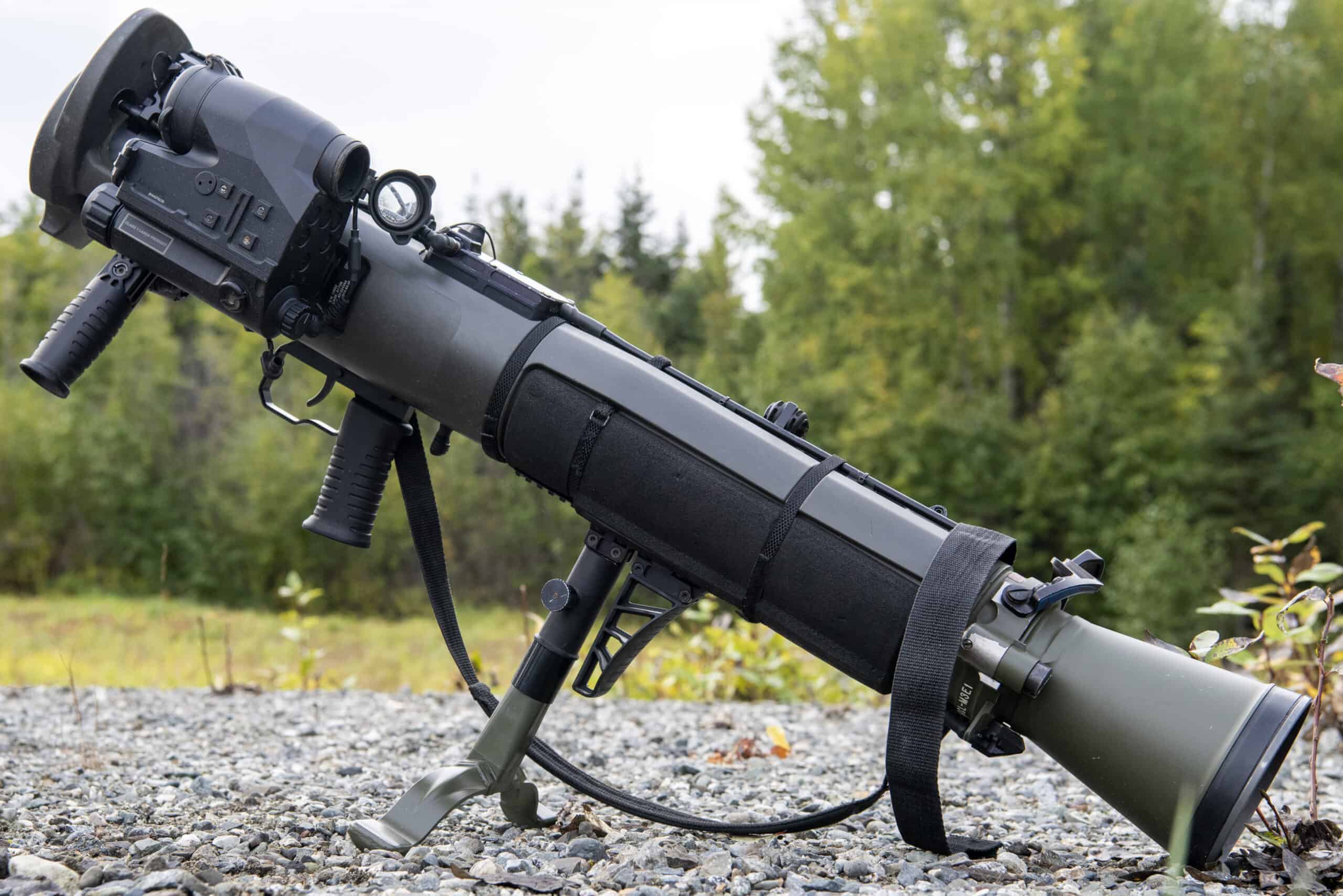
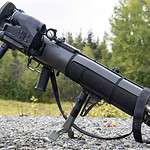
Carl Gustaf recoilless rifle
- Weapon Type: Recoilless Rifle
- Country of Origin: Sweden
- Year Introduced: 1948
- Primary Role Without Air Support: Multi-role direct fire
- Air Power Function Replaced: CAS / fire support
- Key Capability: Versatile ammo types
- Tactical Advantage on the Ground: Flexible infantry firepower
- Doctrine or Battlefield Impact: Multi-role infantry doctrine
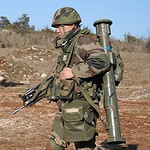
The Carl Gustaf offers versatile direct-fire support, capable of engaging armor, fortifications, and personnel. Its portability and range allow infantry units to carry their own fire support, reducing dependence on air assets. This flexibility has made it a cornerstone of modern infantry doctrine.
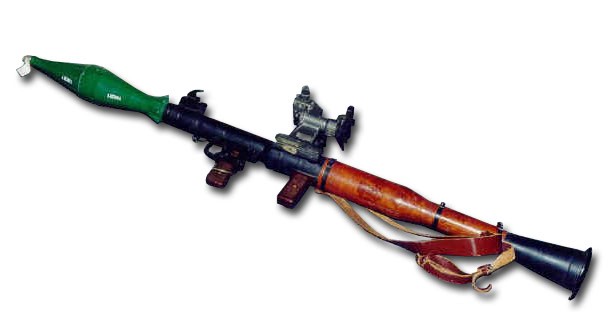
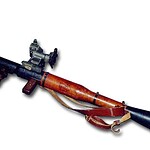
RPG-7
- Weapon Type: Anti-tank launcher
- Country of Origin: Soviet Union
- Year Introduced: 1961
- Primary Role Without Air Support: Anti-armor
- Air Power Function Replaced: CAS
- Key Capability: Simplicity, portability
- Tactical Advantage on the Ground: Ubiquitous close-range threat
- Doctrine or Battlefield Impact: Irregular warfare staple
The RPG-7’s simplicity and widespread availability make it a key weapon in environments where air support is limited. It allows forces to engage armored vehicles and fortified positions at close range. Its continued use demonstrates the effectiveness of low-cost, portable firepower in modern conflicts.
NLAW
- Weapon Type: AT weapon
- Country of Origin: UK/Sweden
- Year Introduced: 2009
- Primary Role Without Air Support: Anti-armor
- Air Power Function Replaced: CAS
- Key Capability: Top-attack, disposable
- Tactical Advantage on the Ground: Ambush capability
- Doctrine or Battlefield Impact: Modern infantry AT evolution
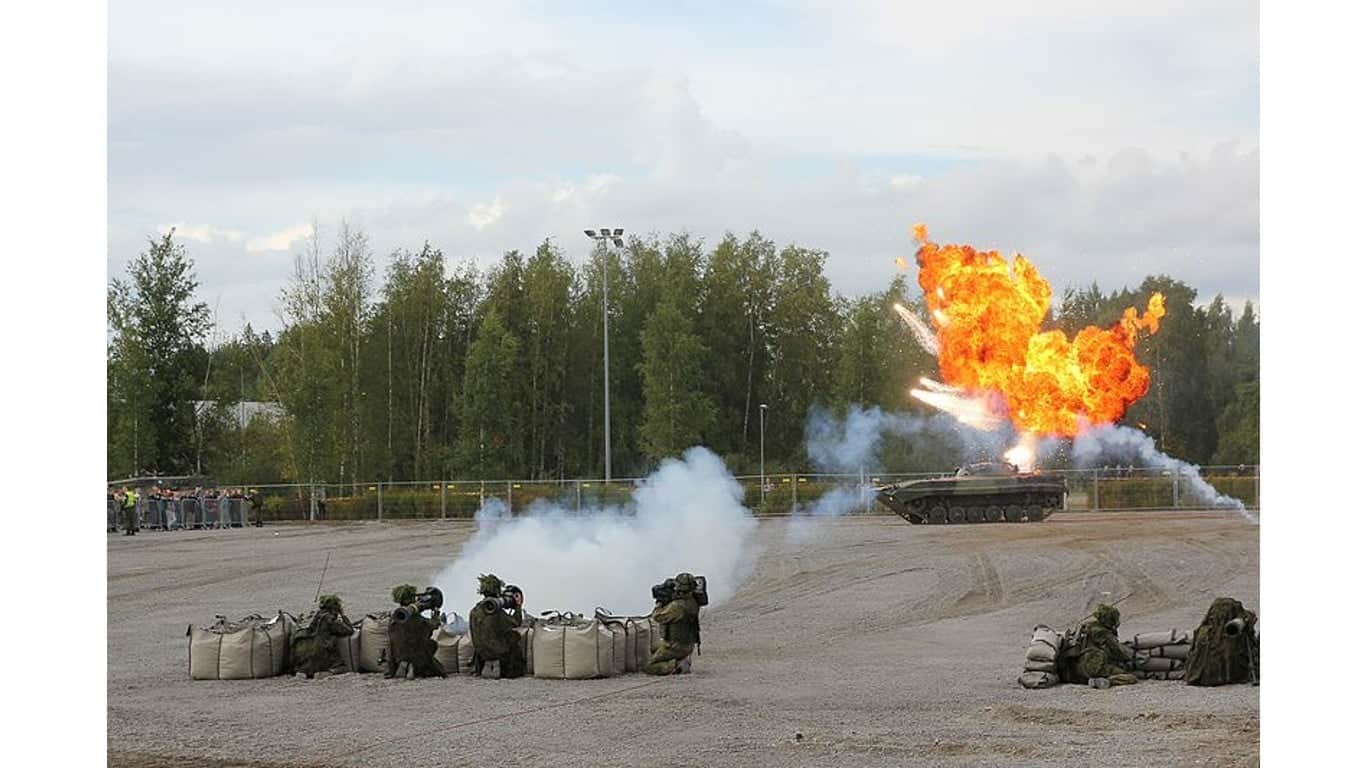
The NLAW is designed for short-range anti-armor engagements, allowing infantry to ambush enemy vehicles in confined environments. Its ease of use and effectiveness make it ideal for decentralized operations, reinforcing the trend toward empowering small units with significant firepower.
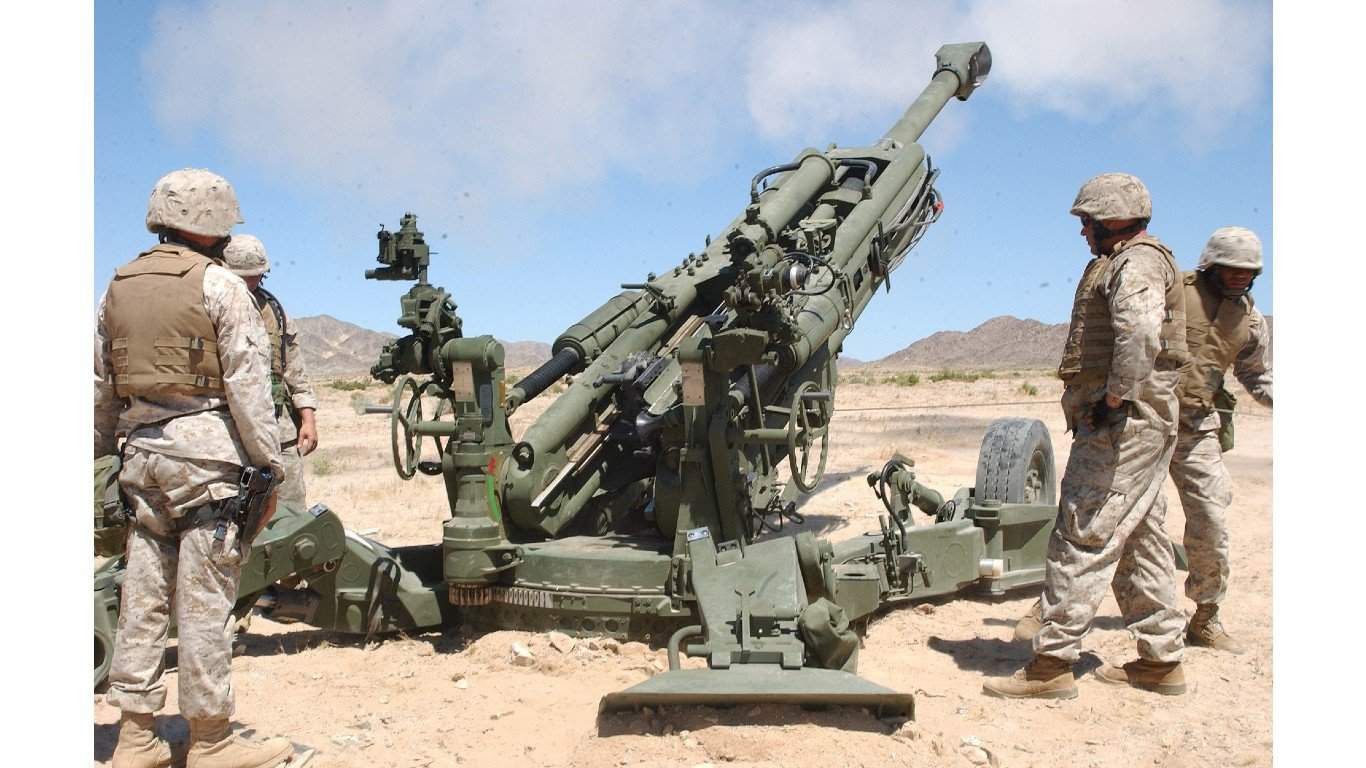
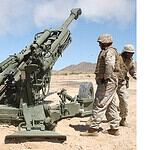
M777 howitzer
- Weapon Type: Towed artillery
- Country of Origin: United States
- Year Introduced: 2005
- Primary Role Without Air Support: Indirect fire
- Air Power Function Replaced: Air strike / CAS
- Key Capability: Precision-guided rounds
- Tactical Advantage on the Ground: Long-range support
- Doctrine or Battlefield Impact: Artillery precision revolution
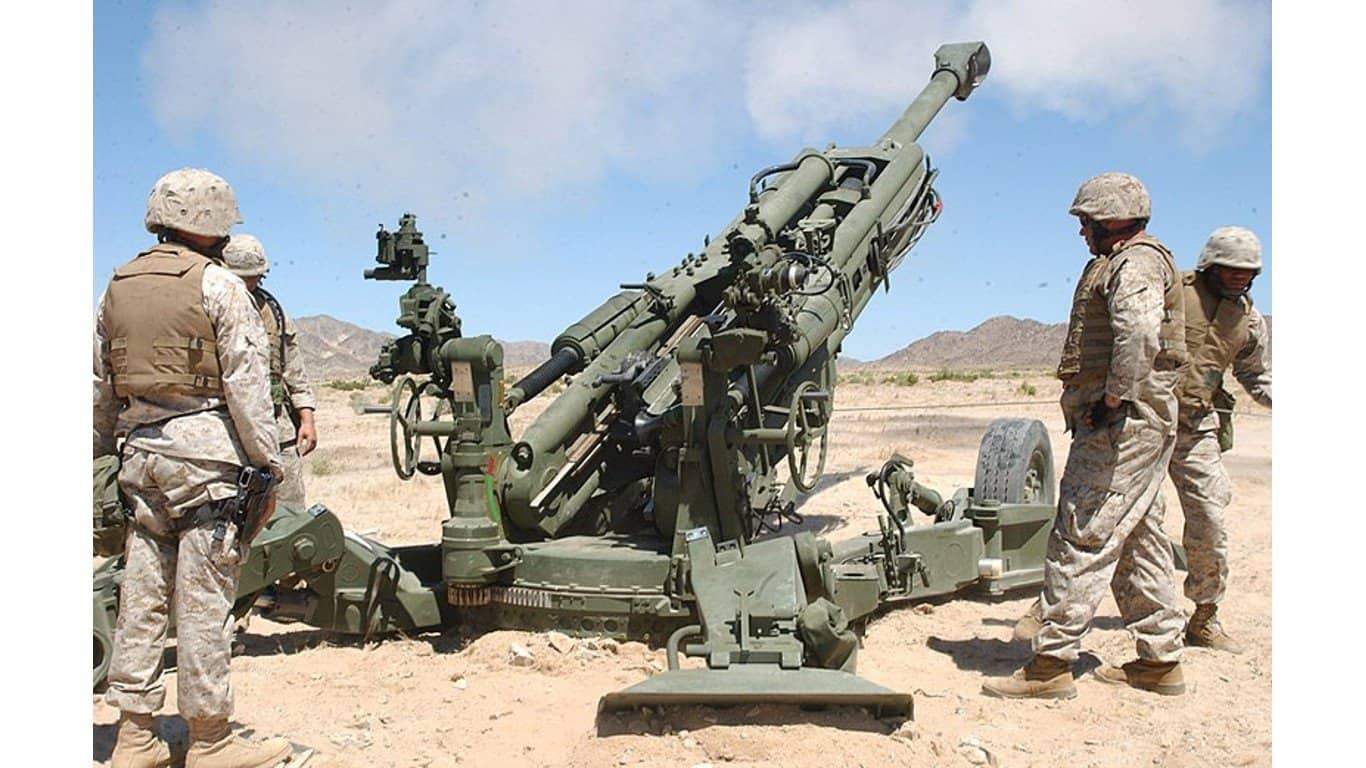
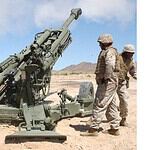
The M777 provides precision indirect fire that can replace air strikes in many situations. Its ability to deliver accurate, long-range fire support allows ground forces to engage targets beyond line of sight. This capability is critical when air support is unavailable.
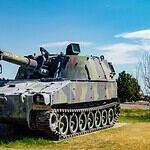
M109 Paladin
- Weapon Type: SPH
- Country of Origin: United States
- Year Introduced: 1963
- Primary Role Without Air Support: Indirect fire
- Air Power Function Replaced: Air strike
- Key Capability: Mobility + sustained fire
- Tactical Advantage on the Ground: Shoot-and-scoot
- Doctrine or Battlefield Impact: Modern SP artillery doctrine
The M109 Paladin offers mobile artillery support, allowing forces to deliver sustained indirect fire while remaining protected. Its shoot-and-scoot capability reduces vulnerability, making it an essential tool for maintaining fire superiority without air support.
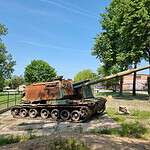
2S19 Msta
- Weapon Type: SPH
- Country of Origin: Russia
- Year Introduced: 1989
- Primary Role Without Air Support: Indirect fire
- Air Power Function Replaced: Air strike
- Key Capability: Heavy shell output
- Tactical Advantage on the Ground: Sustained bombardment
- Doctrine or Battlefield Impact: Russian artillery doctrine
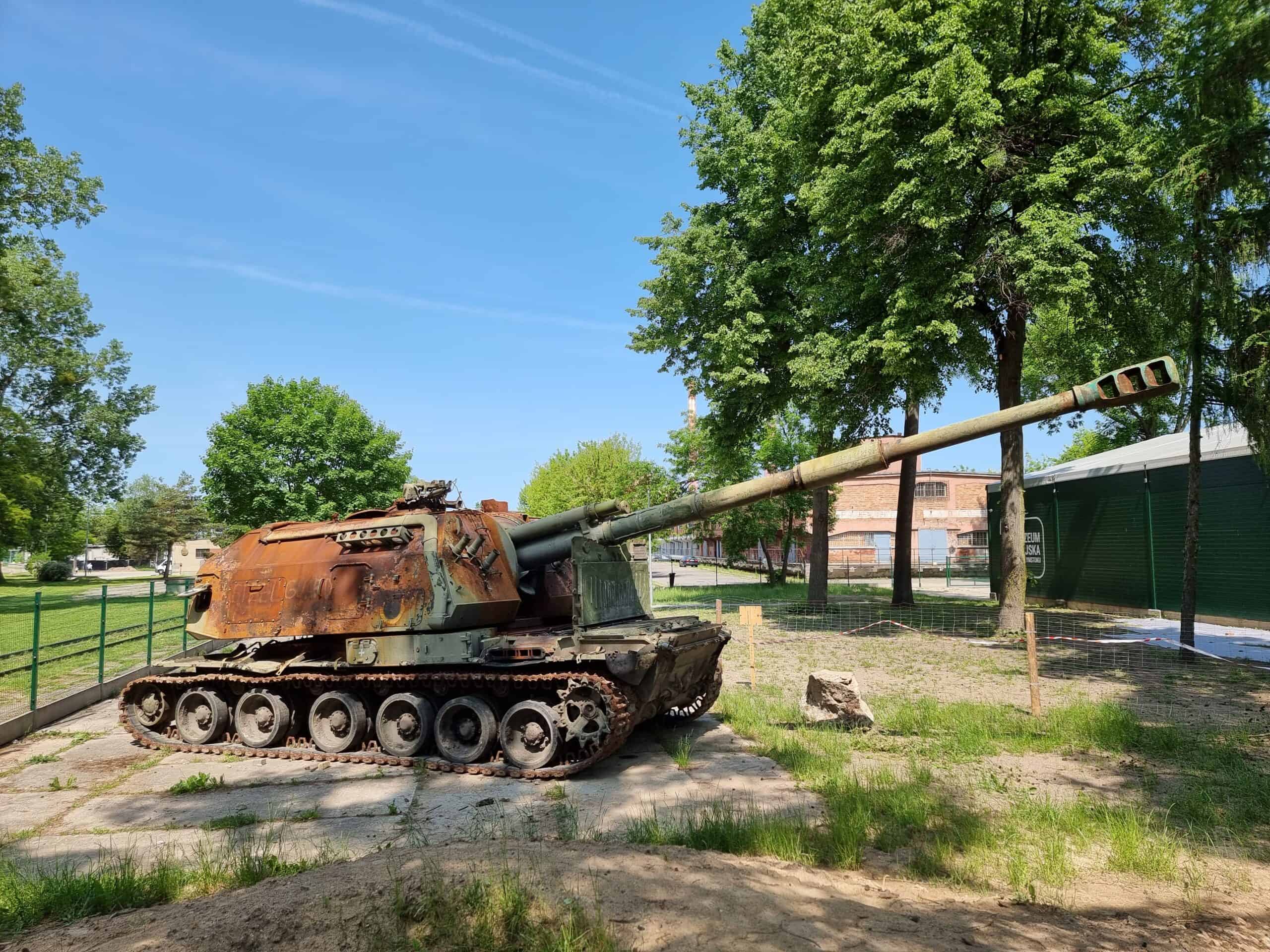
The 2S19 Msta delivers high-volume artillery fire, enabling forces to dominate the battlefield through sustained bombardment. Its role highlights the continued importance of heavy artillery in conflicts where air power cannot be relied upon.
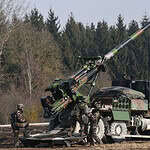
CAESAR howitzer
- Weapon Type: SPH
- Country of Origin: France
- Year Introduced: 2008
- Primary Role Without Air Support: Mobile artillery
- Air Power Function Replaced: Air strike
- Key Capability: Truck-mounted mobility
- Tactical Advantage on the Ground: Rapid deployment
- Doctrine or Battlefield Impact: Shoot-and-scoot evolution
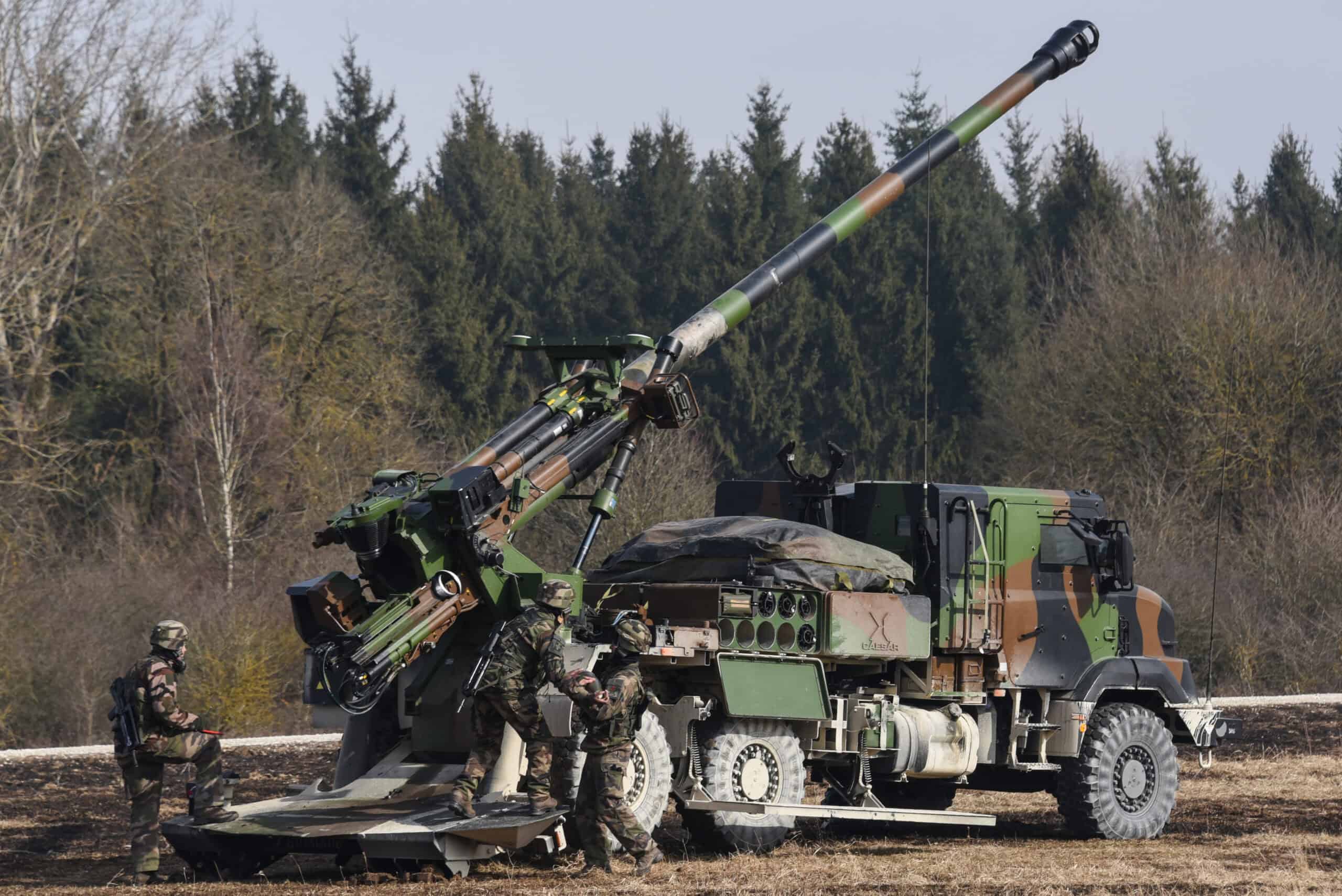
The CAESAR howitzer combines mobility with firepower, allowing rapid deployment and repositioning. Its ability to deliver precise fire support makes it a valuable alternative to air strikes, particularly in dynamic combat environments.
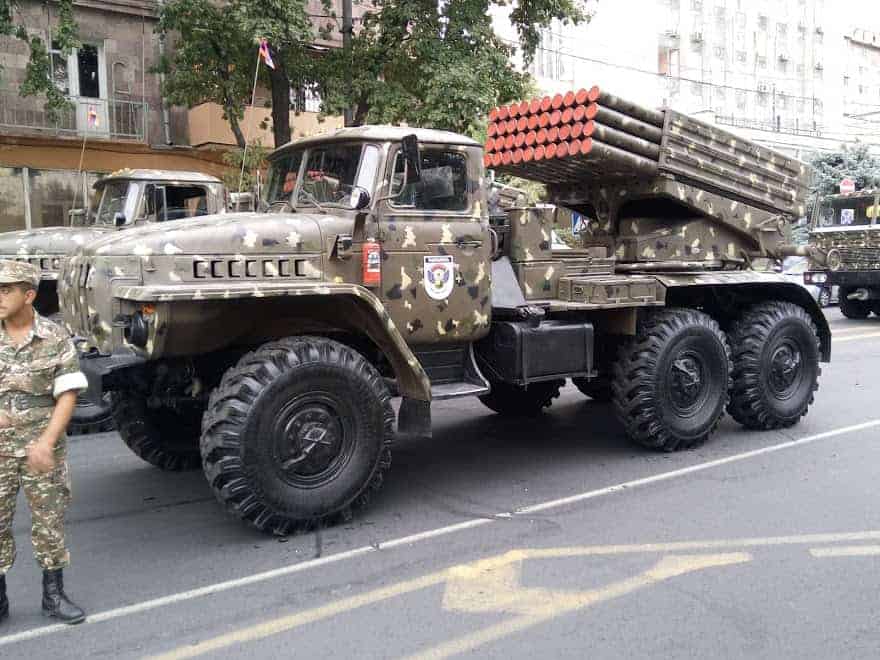
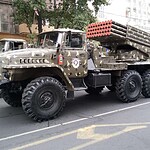
BM-21 Grad
- Weapon Type: MLRS
- Country of Origin: Soviet Union
- Year Introduced: 1963
- Primary Role Without Air Support: Area saturation
- Air Power Function Replaced: Air bombardment
- Key Capability: Rocket salvos
- Tactical Advantage on the Ground: Mass fires quickly
- Doctrine or Battlefield Impact: Area denial doctrine
The BM-21 Grad provides rapid area saturation, overwhelming enemy positions with rocket fire. This capability can substitute for air bombardment, delivering massed firepower without the need for aircraft.
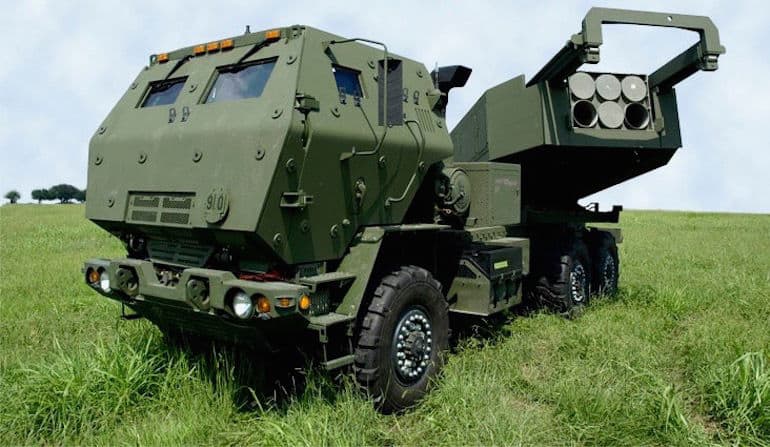
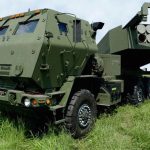
M142 HIMARS
- Weapon Type: MLRS
- Country of Origin: United States
- Year Introduced: 2005
- Primary Role Without Air Support: Precision strike
- Air Power Function Replaced: Deep strike
- Key Capability: GPS-guided rockets
- Tactical Advantage on the Ground: Long-range precision
- Doctrine or Battlefield Impact: Precision fires doctrine
HIMARS offers long-range precision strike capability, allowing ground forces to target high-value assets deep behind enemy lines. Its accuracy and mobility make it a critical tool for replacing air-delivered strikes.
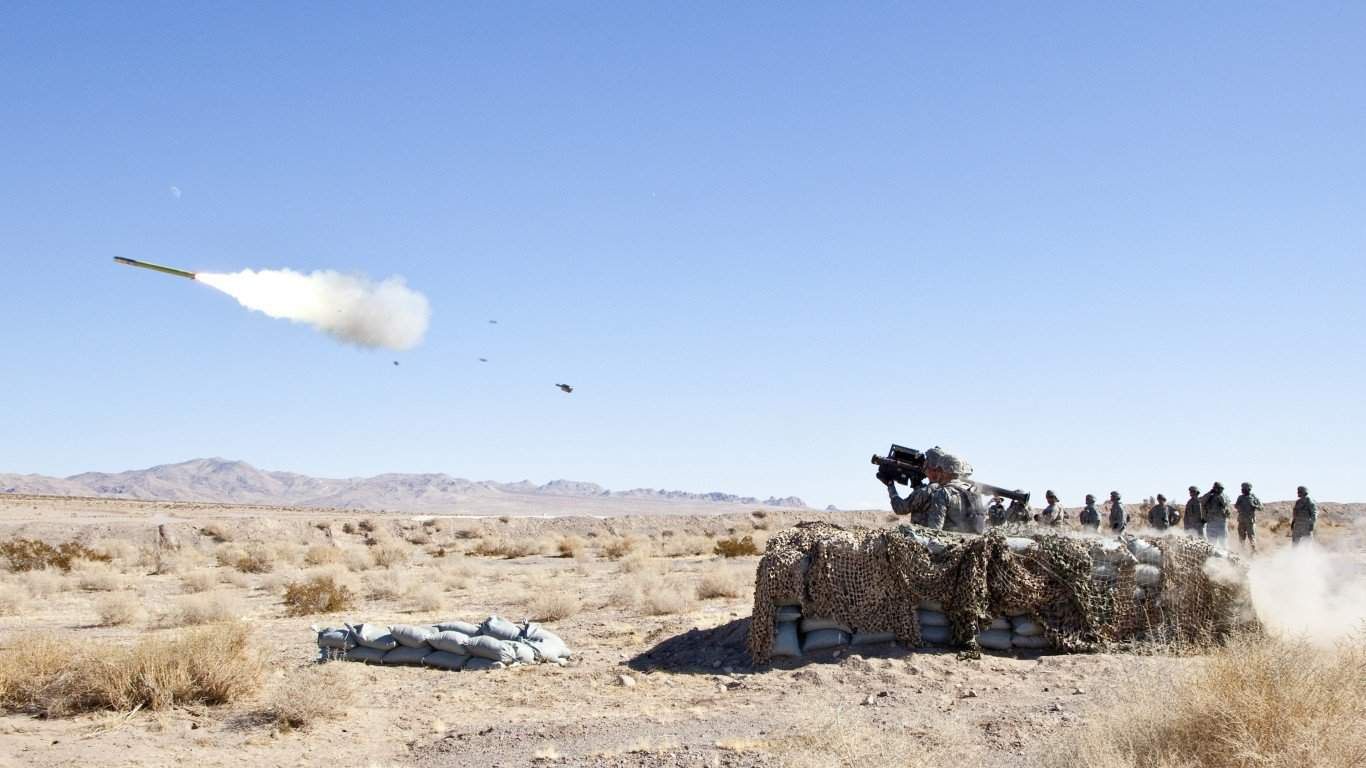
FIM-92 Stinger
- Weapon Type: MANPADS
- Country of Origin: United States
- Year Introduced: 1981
- Primary Role Without Air Support: Air defense
- Air Power Function Replaced: Air superiority
- Key Capability: Infrared homing
- Tactical Advantage on the Ground: Infantry air denial
- Doctrine or Battlefield Impact: Changed low-altitude air ops
The Stinger allows infantry to deny enemy aircraft access to the battlefield. By threatening low-flying aircraft, it reduces the effectiveness of enemy air support, leveling the playing field.
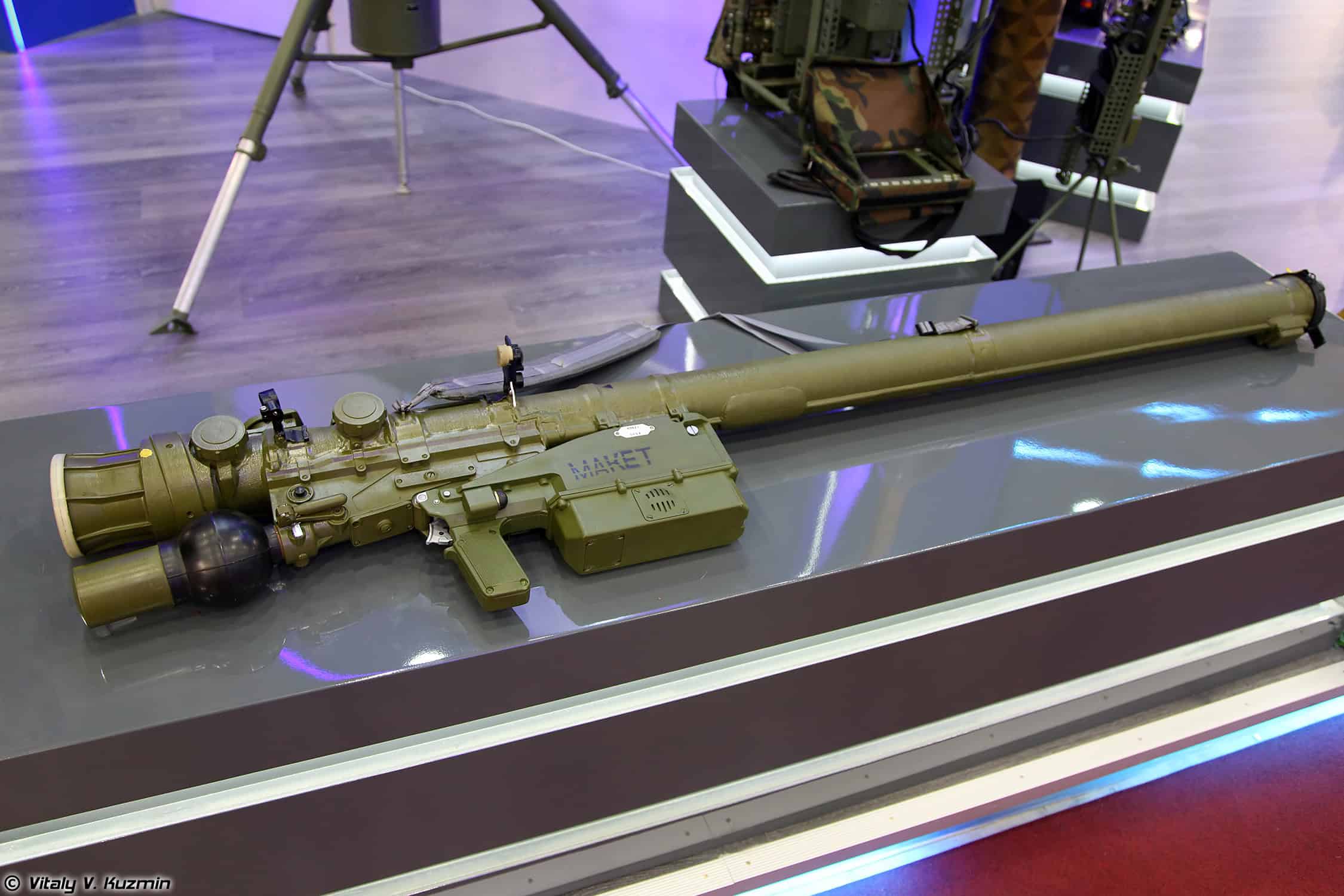
9K333 Verba
- Weapon Type: MANPADS
- Country of Origin: Russia
- Year Introduced: 2014
- Primary Role Without Air Support: Air defense
- Air Power Function Replaced: Air superiority
- Key Capability: Advanced seekers
- Tactical Advantage on the Ground: Improved targeting
- Doctrine or Battlefield Impact: Modern MANPADS evolution
The Verba enhances air defense capabilities with improved targeting systems, allowing forces to engage a wider range of aerial threats. Its deployment reinforces the importance of denying enemy air superiority.
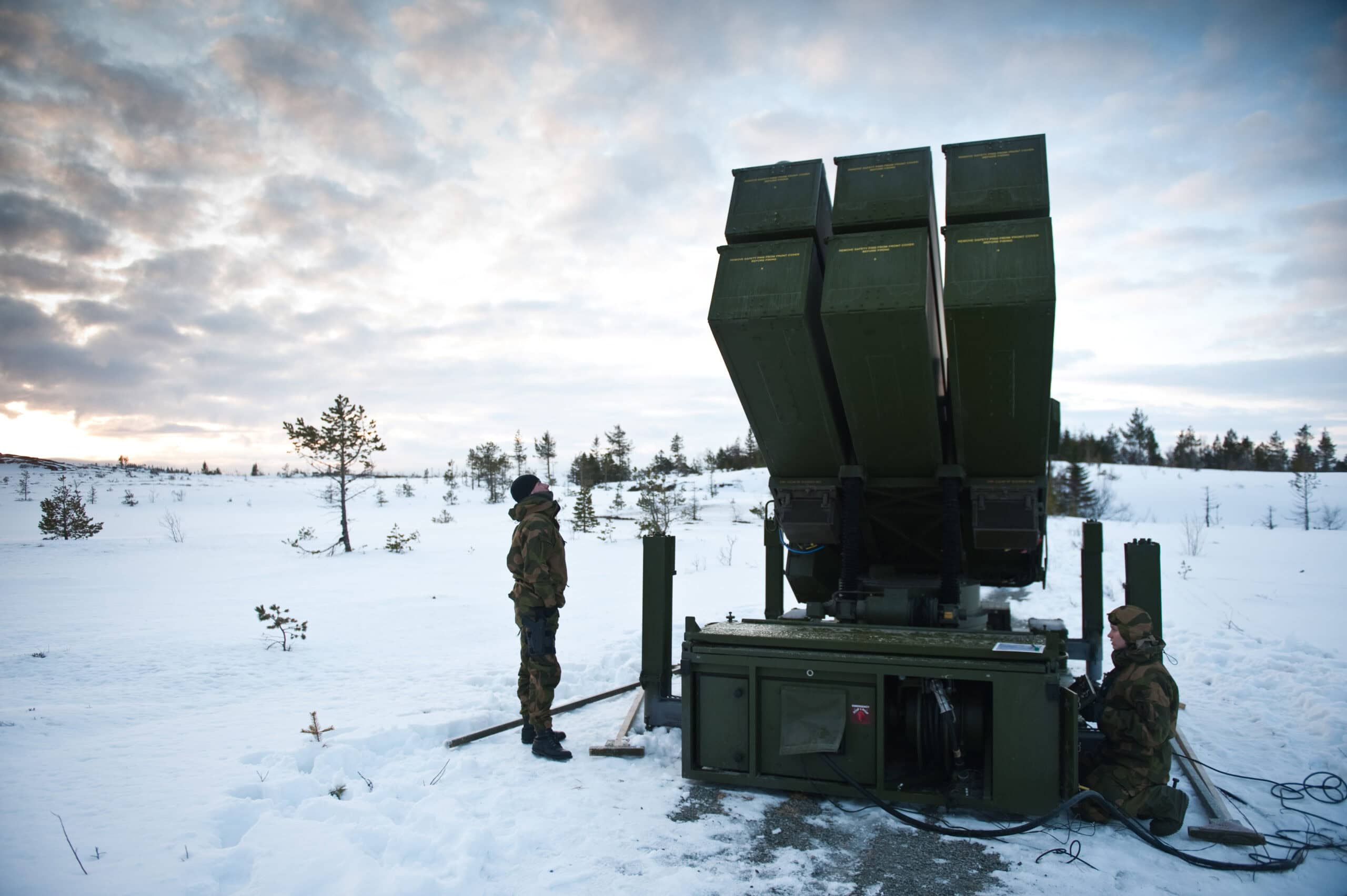
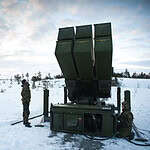
NASAMS
- Weapon Type: Air defense system
- Country of Origin: Norway/US
- Year Introduced: 1998
- Primary Role Without Air Support: Air defense
- Air Power Function Replaced: Air superiority
- Key Capability: Networked missiles
- Tactical Advantage on the Ground: Protects assets
- Doctrine or Battlefield Impact: Integrated air defense
NASAMS provides networked air defense, protecting critical assets from aerial threats. Its ability to integrate with other systems enhances overall battlefield resilience, ensuring operations can continue without air superiority.
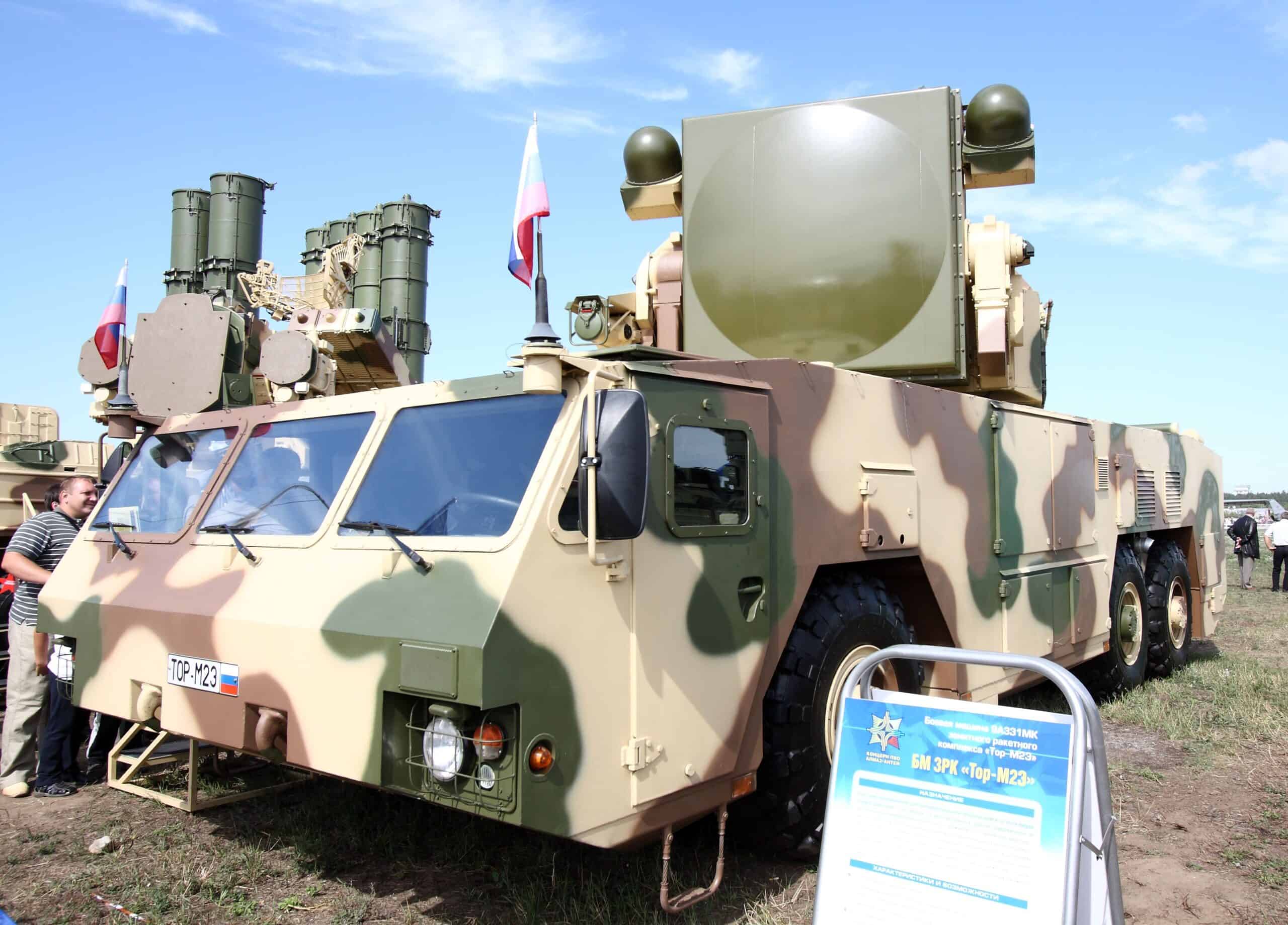
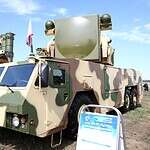
Tor-M2
- Weapon Type: Air defense
- Country of Origin: Russia
- Year Introduced: 2008
- Primary Role Without Air Support: Air defense
- Air Power Function Replaced: Air superiority
- Key Capability: Mobile SAM
- Tactical Advantage on the Ground: On-the-move defense
- Doctrine or Battlefield Impact: Short-range AD doctrine
The Tor-M2 offers mobile air defense, allowing protection of ground forces on the move. Its ability to engage multiple targets ensures continued operations in contested airspace.
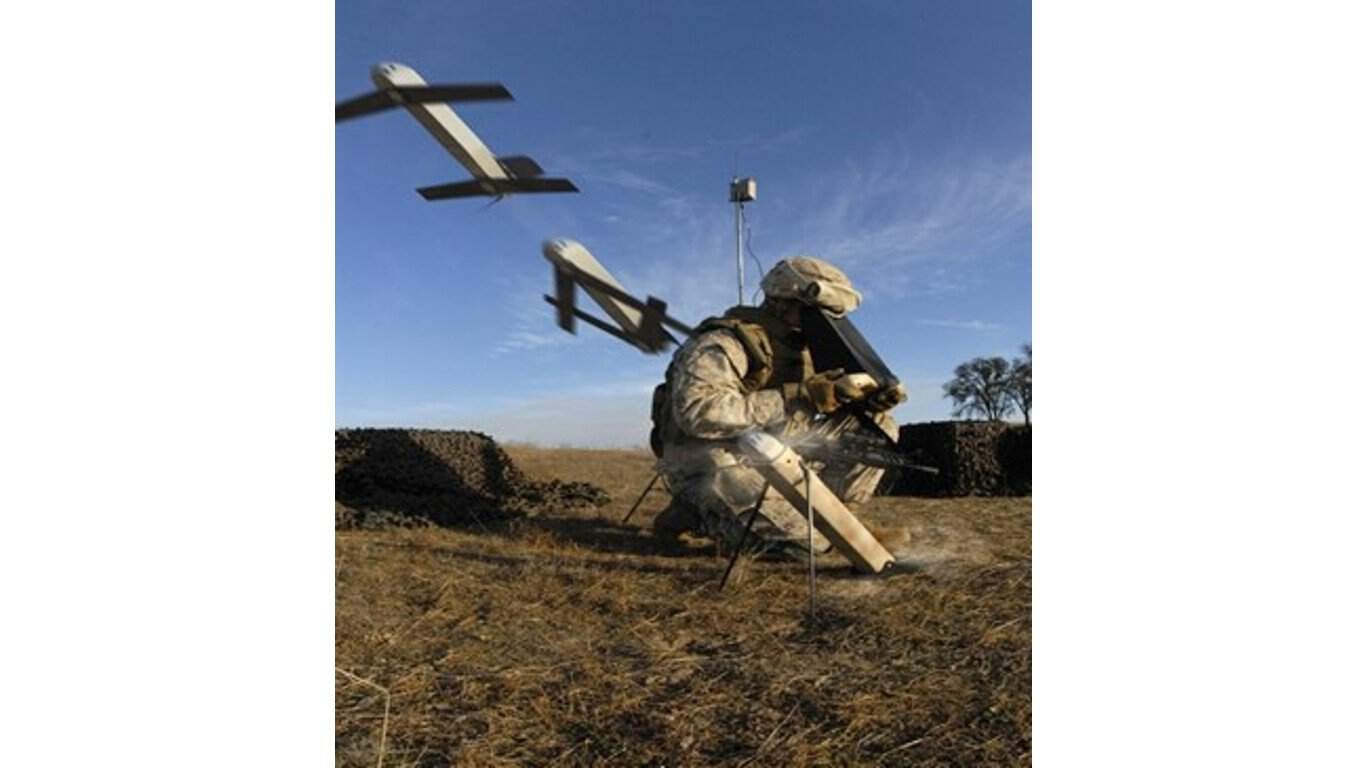
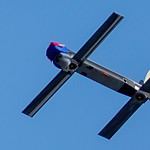
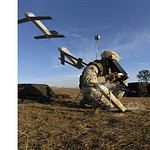
Switchblade 300
- Weapon Type: Loitering munition
- Country of Origin: United States
- Year Introduced: 2011
- Primary Role Without Air Support: Precision strike
- Air Power Function Replaced: CAS
- Key Capability: Portable drone strike
- Tactical Advantage on the Ground: Immediate precision
- Doctrine or Battlefield Impact: Infantry drone warfare
The Switchblade 300 provides infantry with a portable precision strike capability, allowing them to engage targets beyond line of sight. This reduces reliance on air support for small-scale engagements.
Switchblade 600
- Weapon Type: Loitering munition
- Country of Origin: United States
- Year Introduced: 2020
- Primary Role Without Air Support: Anti-armor strike
- Air Power Function Replaced: CAS
- Key Capability: Extended range
- Tactical Advantage on the Ground: Tank-killing drone
- Doctrine or Battlefield Impact: Drone-based AT shift
The Switchblade 600 extends this capability to armored targets, giving infantry the ability to conduct precision strikes against vehicles. Its use highlights the growing role of drones in replacing traditional air support.
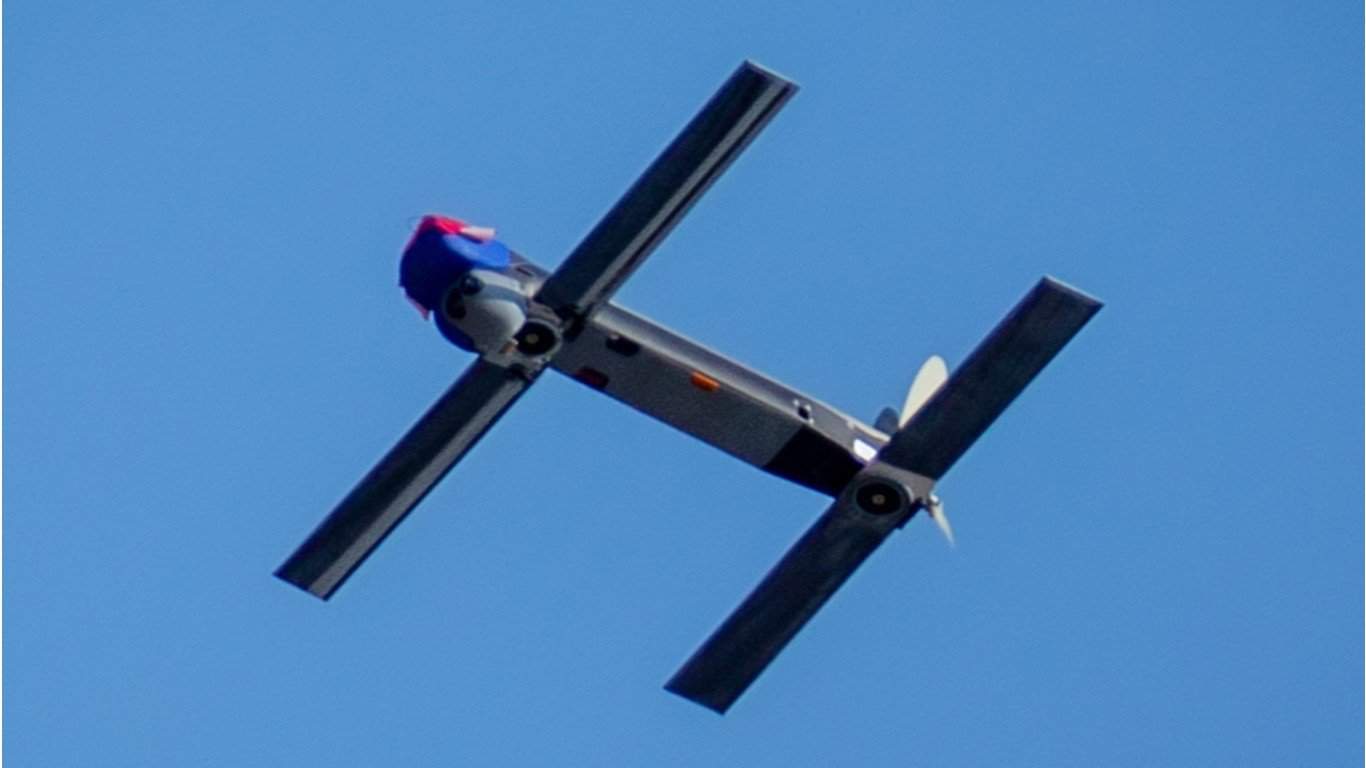
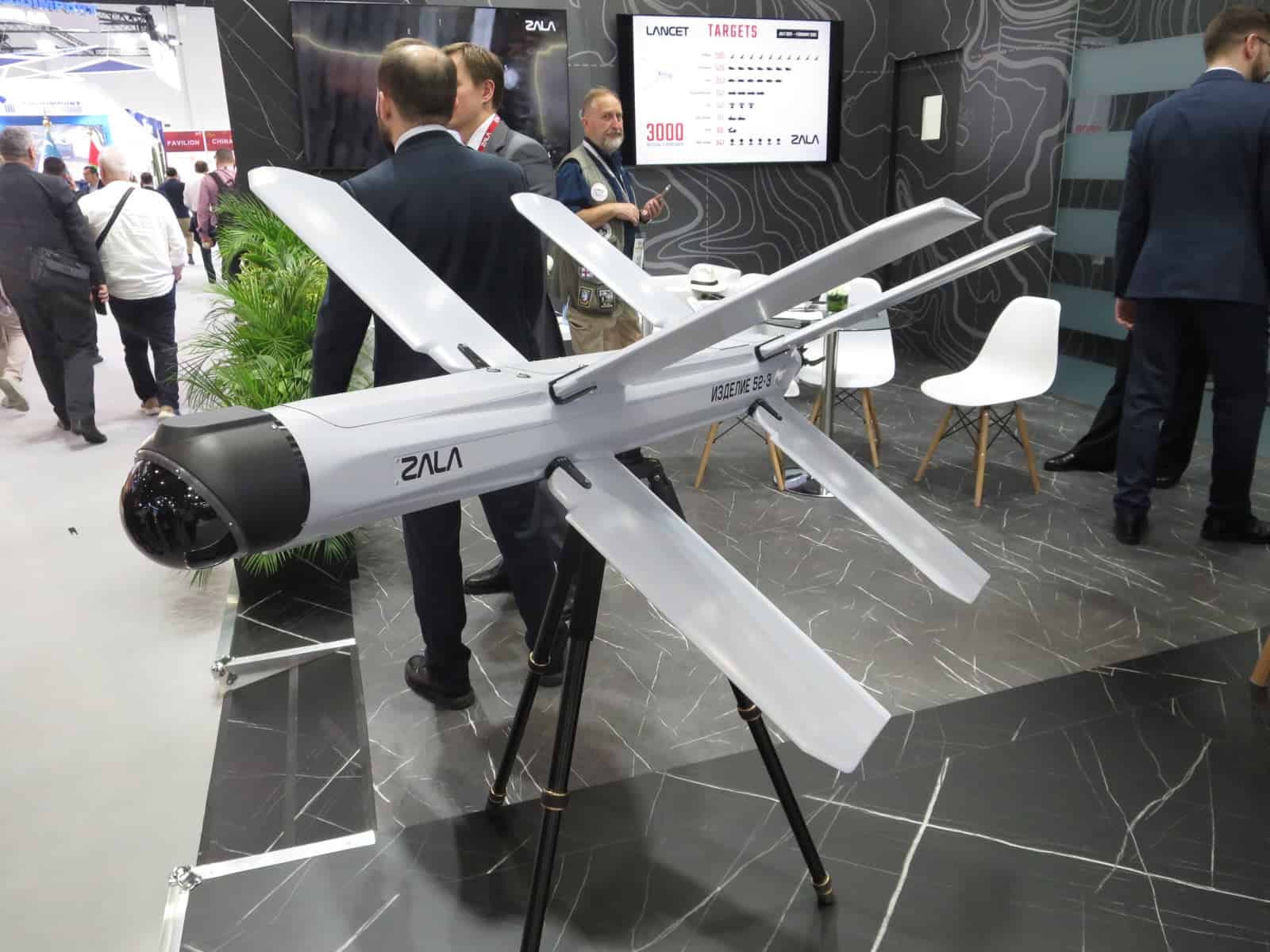
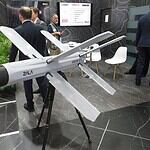
Lancet drone
- Weapon Type: Loitering munition
- Country of Origin: Russia
- Year Introduced: 2019
- Primary Role Without Air Support: Precision strike
- Air Power Function Replaced: CAS
- Key Capability: Low-cost drone
- Tactical Advantage on the Ground: Persistent targeting
- Doctrine or Battlefield Impact: Drone attrition warfare
The Lancet drone provides a low-cost, persistent strike option, allowing forces to engage targets with precision. Its effectiveness demonstrates the shift toward drone-based warfare.
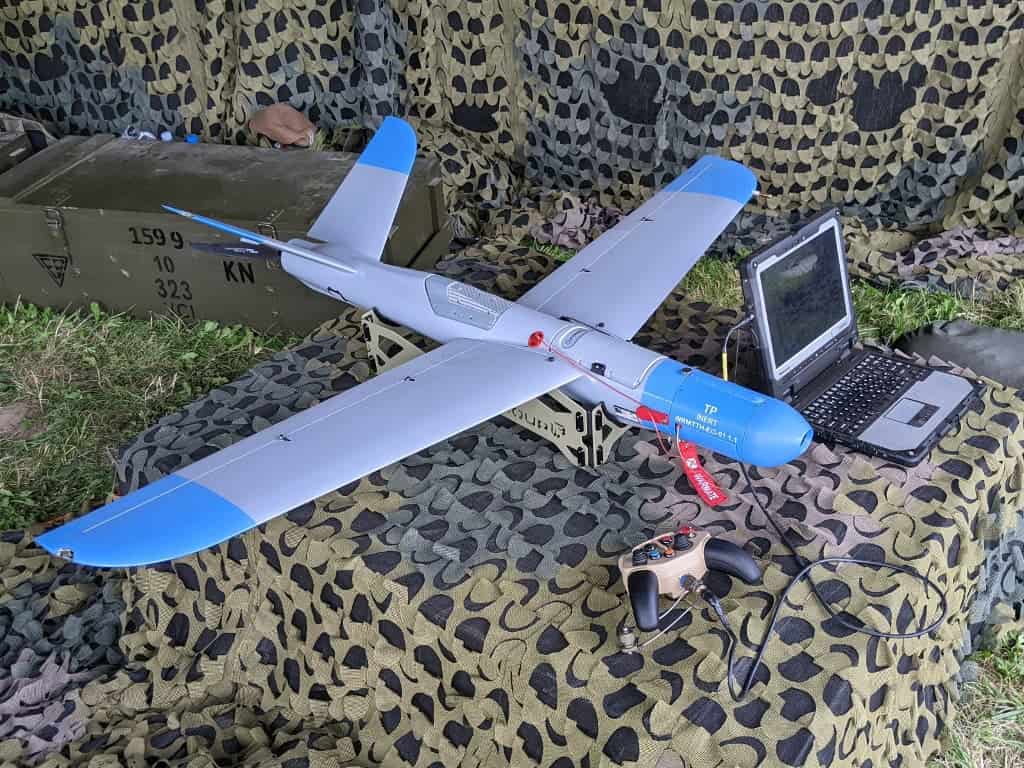
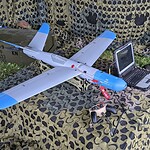
Warmate
- Weapon Type: Loitering munition
- Country of Origin: Poland
- Year Introduced: 2014
- Primary Role Without Air Support: Precision strike
- Air Power Function Replaced: CAS
- Key Capability: Lightweight drone
- Tactical Advantage on the Ground: Flexible deployment
- Doctrine or Battlefield Impact: Tactical drone integration
The Warmate offers flexible deployment and precision targeting, making it a valuable tool for modern forces. Its portability allows it to be used in a variety of scenarios, reinforcing the importance of adaptable strike capabilities.
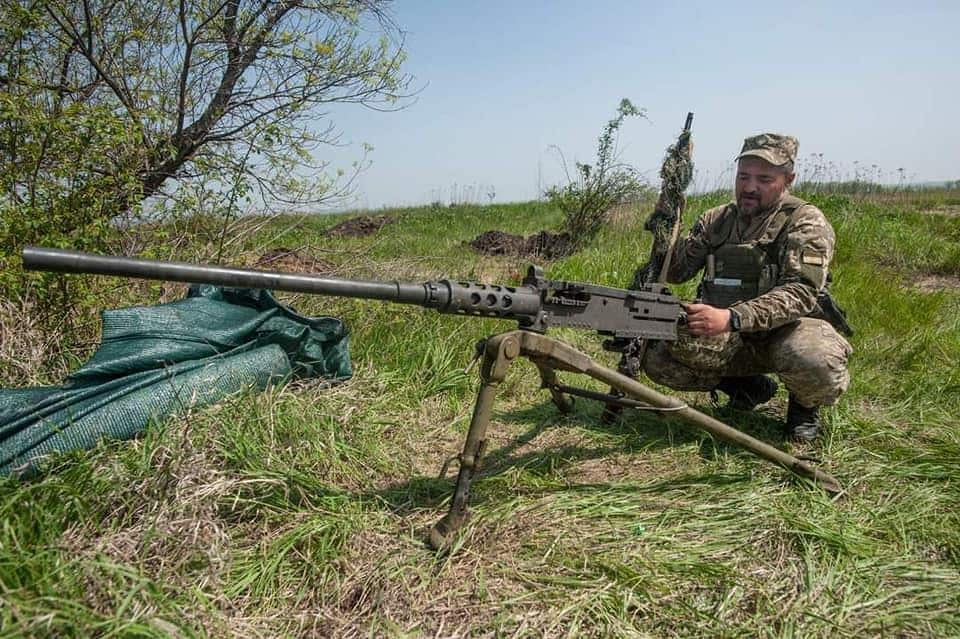
M2 Browning
- Weapon Type: Heavy machine gun
- Country of Origin: United States
- Year Introduced: 1933
- Primary Role Without Air Support: Heavy fire support
- Air Power Function Replaced: CAS suppression
- Key Capability: .50 cal firepower
- Tactical Advantage on the Ground: Long-range suppression
- Doctrine or Battlefield Impact: Enduring support weapon
The M2 Browning provides heavy firepower that can suppress enemy positions at long range. Its reliability and effectiveness make it a staple in situations where air support is unavailable.
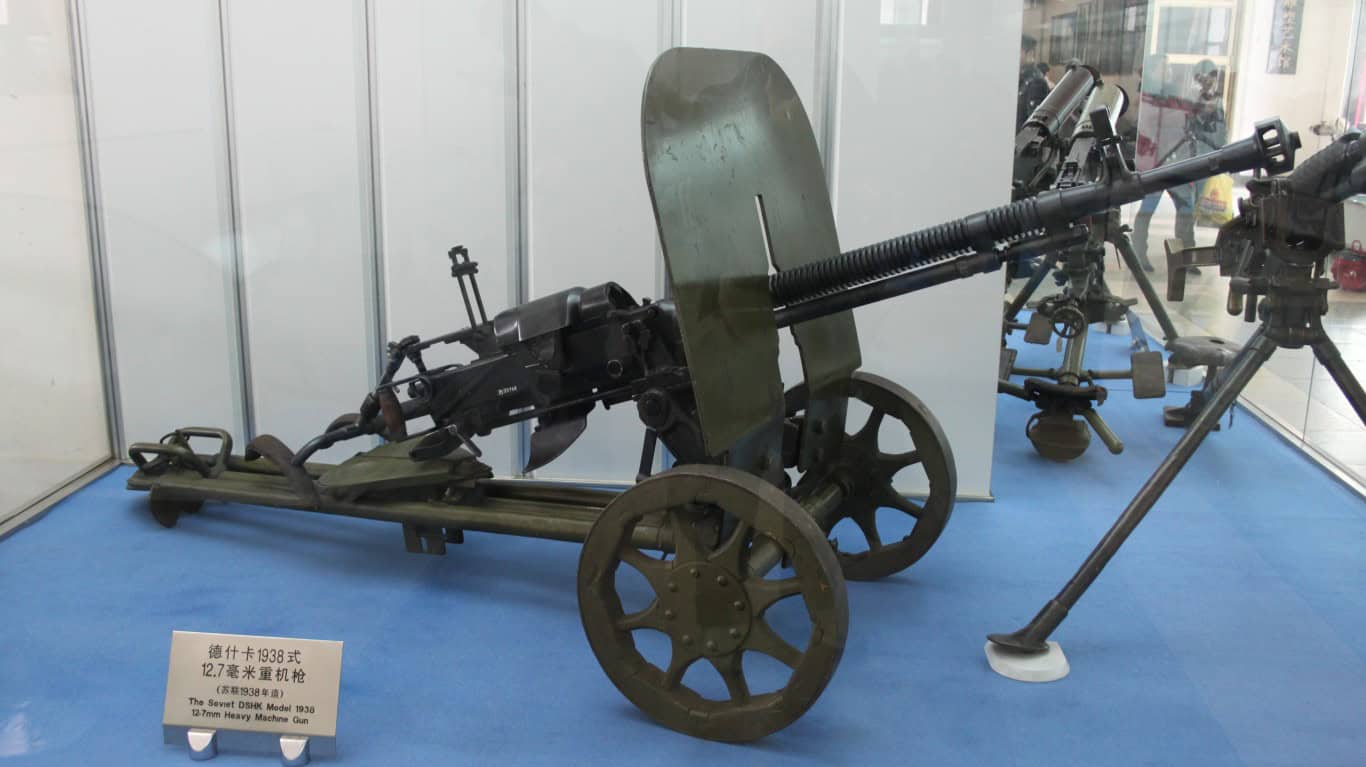
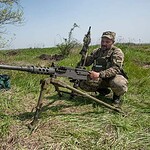
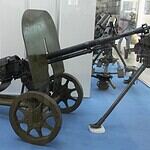
DShK heavy machine gun
- Weapon Type: Heavy machine gun
- Country of Origin: Soviet Union
- Year Introduced: 1938
- Primary Role Without Air Support: Heavy fire support
- Air Power Function Replaced: CAS suppression
- Key Capability: High caliber
- Tactical Advantage on the Ground: Versatile use
- Doctrine or Battlefield Impact: Persistent battlefield use
The DShK offers similar capabilities, providing sustained firepower against both ground and aerial targets. Its versatility ensures it remains relevant in modern conflicts.
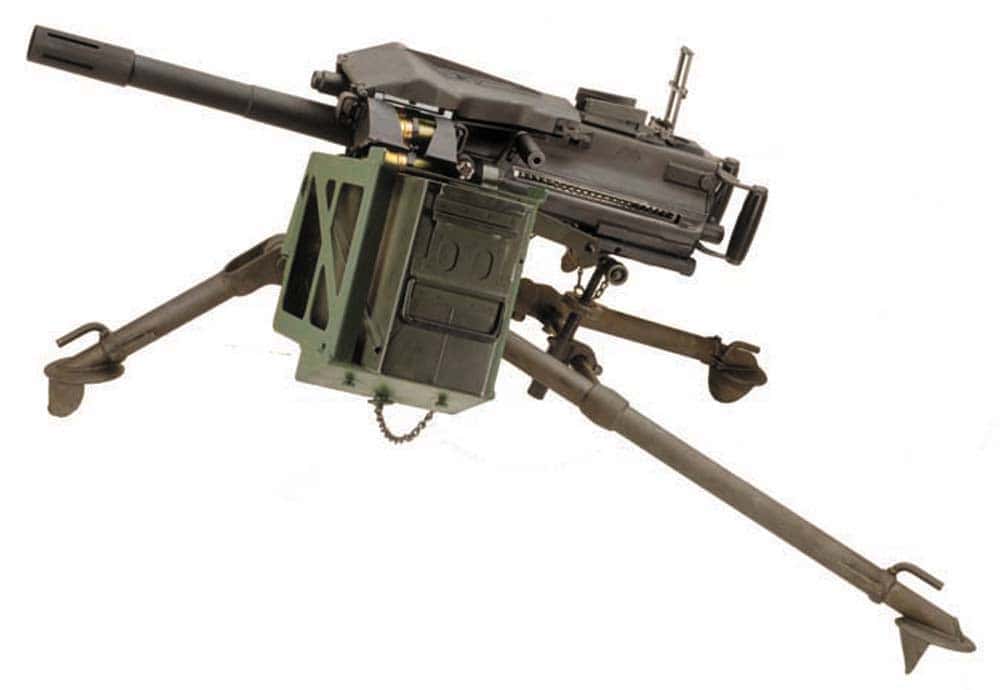
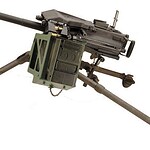
Mk 19 grenade launcher
- Weapon Type: Automatic grenade launcher
- Country of Origin: United States
- Year Introduced: 1968
- Primary Role Without Air Support: Area suppression
- Air Power Function Replaced: CAS
- Key Capability: Explosive rounds
- Tactical Advantage on the Ground: High-volume fire
- Doctrine or Battlefield Impact: Infantry firepower boost
The Mk 19 delivers high-volume explosive fire, allowing forces to engage enemy positions effectively. Its ability to provide area suppression makes it a valuable alternative to air-delivered munitions.
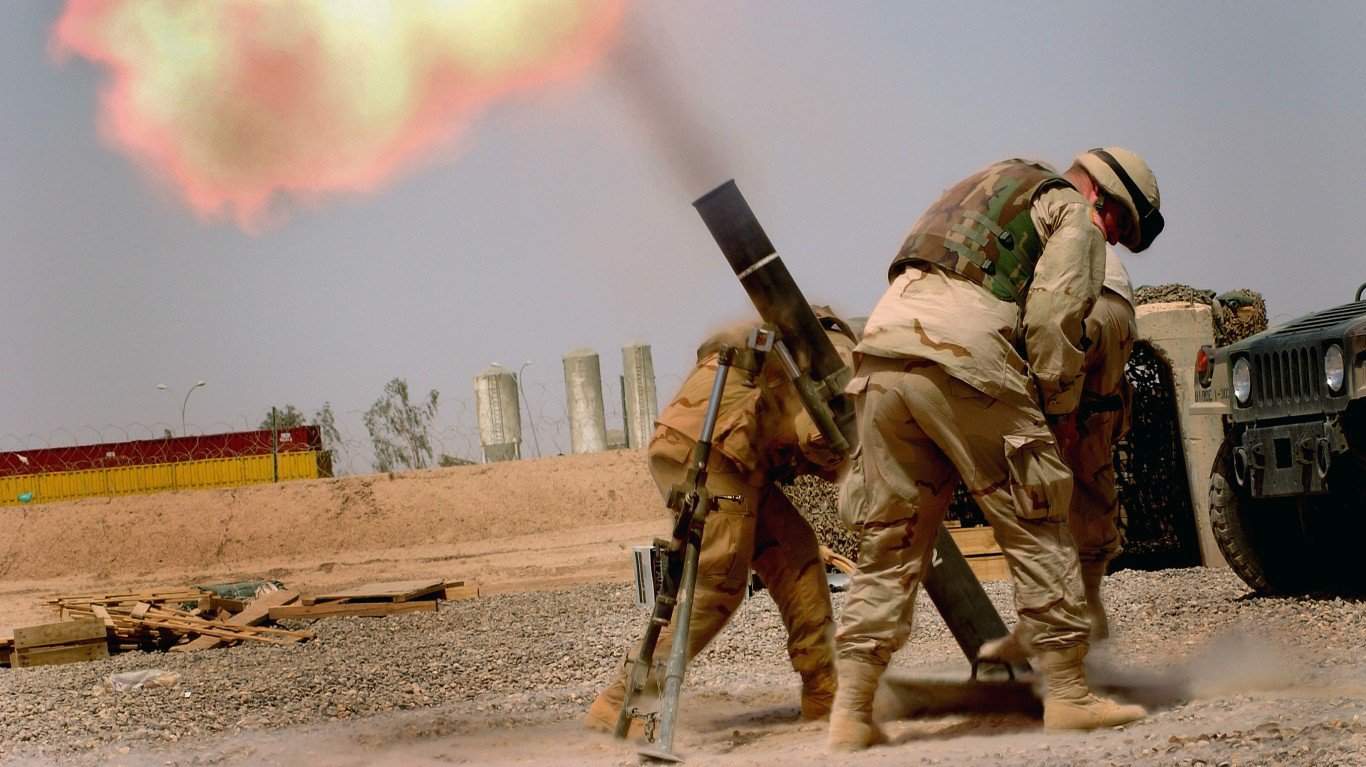
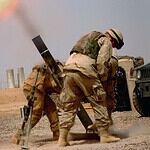
M120 mortar
- Weapon Type: Mortar
- Country of Origin: United States
- Year Introduced: 1991
- Primary Role Without Air Support: Indirect fire
- Air Power Function Replaced: CAS
- Key Capability: High-angle fire
- Tactical Advantage on the Ground: Engage behind cover
- Doctrine or Battlefield Impact: Infantry artillery role
The M120 mortar provides high-angle fire, allowing engagement of targets behind cover. This capability is essential in complex terrain where direct fire is limited.
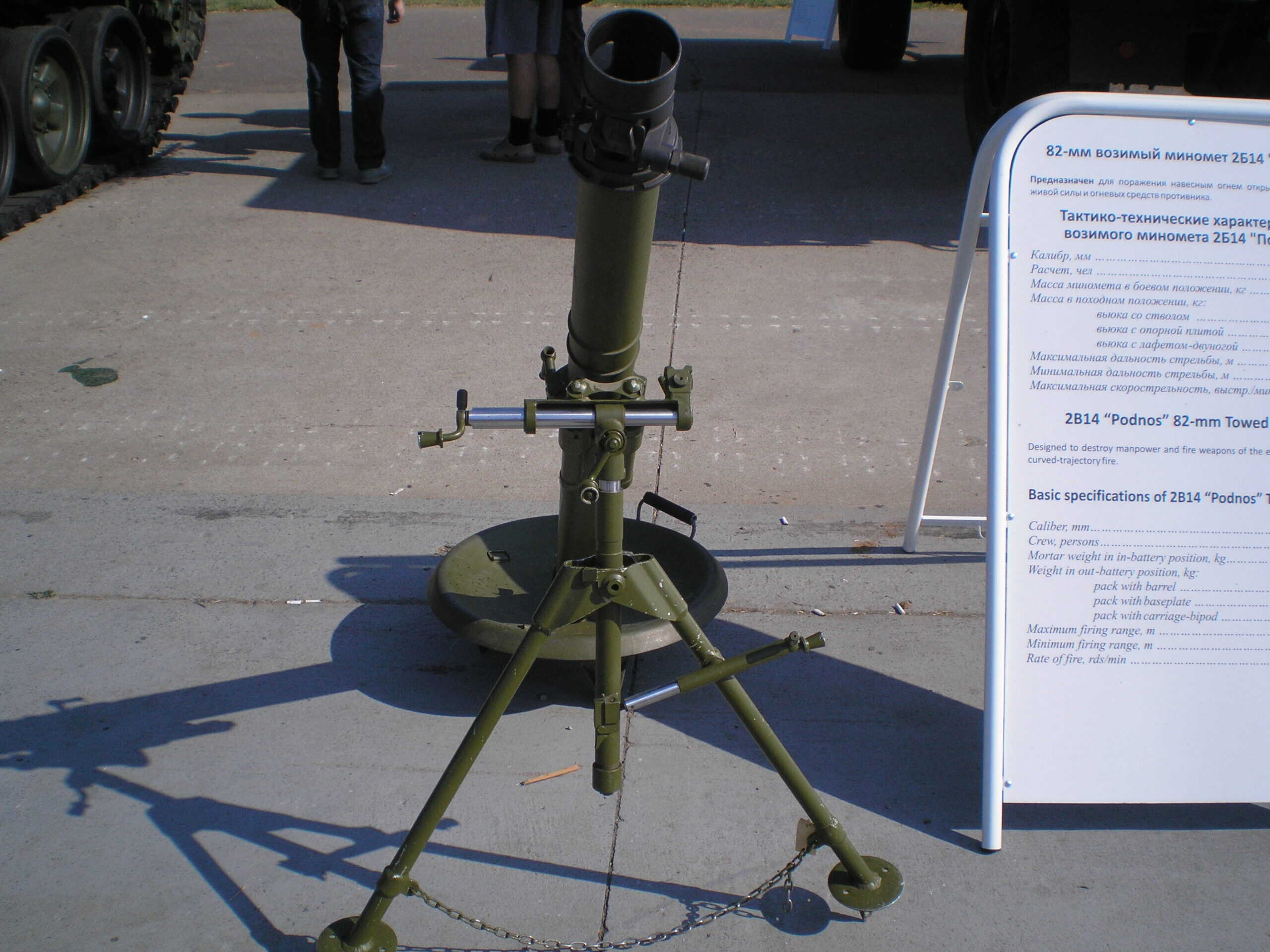
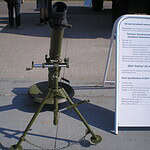
2B14 Podnos
- Weapon Type: Mortar
- Country of Origin: Soviet Union
- Year Introduced: 1982
- Primary Role Without Air Support: Indirect fire
- Air Power Function Replaced: CAS
- Key Capability: Portable mortar
- Tactical Advantage on the Ground: Lightweight support
- Doctrine or Battlefield Impact: Light infantry fire support
The 2B14 Podnos offers lightweight mortar support, enabling rapid deployment and flexibility. Its portability ensures that even small units can maintain indirect fire capability.
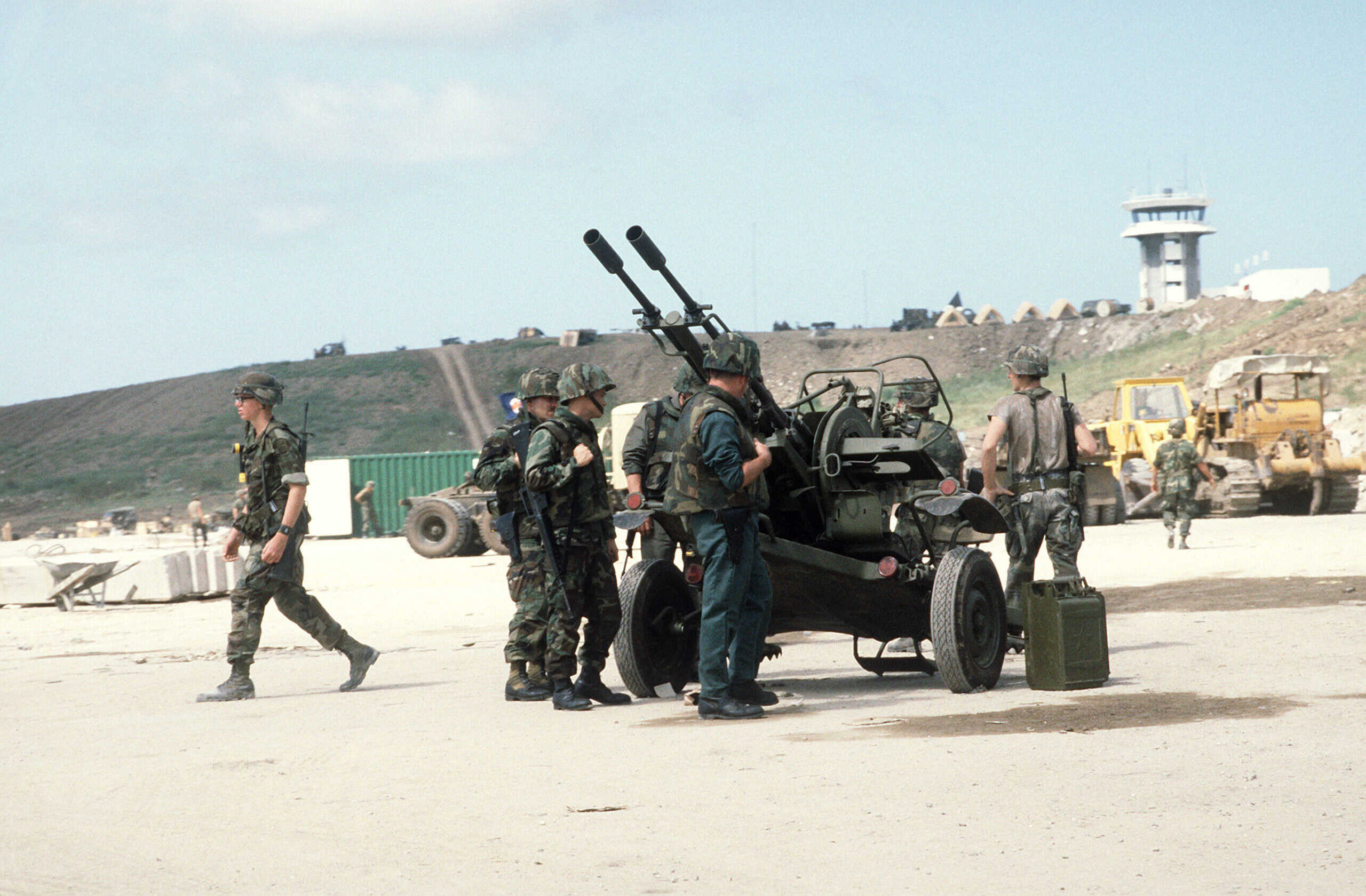
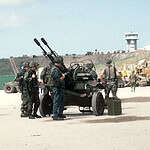
ZU-23-2
- Weapon Type: AA gun
- Country of Origin: Soviet Union
- Year Introduced: 1960
- Primary Role Without Air Support: Air defense / ground fire
- Air Power Function Replaced: Air superiority
- Key Capability: Twin autocannon
- Tactical Advantage on the Ground: Dual-role weapon
- Doctrine or Battlefield Impact: Improvised fire support doctrine
The ZU-23-2 provides both air defense and ground fire support, making it a versatile system in contested environments. Its dual-role capability highlights the importance of adaptable weapons when air support is not available.
The image featured at the top of this post is ©Public Domain / United States Marine / Wikimedia Commons