
Consumer electronics before the digital age rarely progressed in a straight line. History is filled with failures and successes. Often, these products and formats aren’t the victim of any sort of shortcomings, but it is simply a matter of being in the wrong place at the wrong time.
The Sony LaserDisc and the MCA DiscoVision, or LaserDisc, are part of these odd transitionary periods. They were masterpieces of engineering, beloved by those who purchased into the ecosystem, alongside broadcast professionals. That said, they were simply released at the wrong time. For products that bridged the gap between the analog past and the digital future, these formats ended up just missing the mark by inches.
LaserDisc
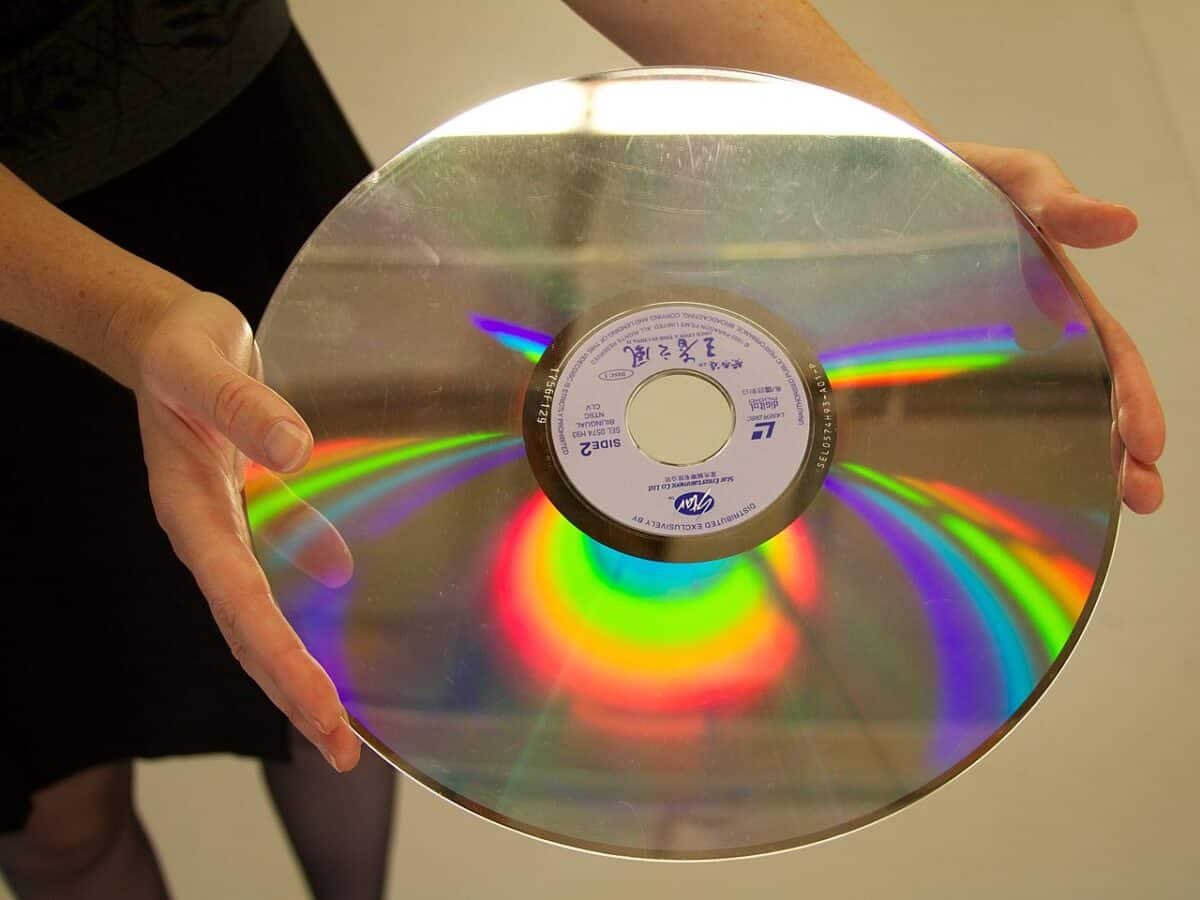
Long before DVD and Blu-Ray, and well before streaming services made buying physical media a niche hobby, MCA introduced the LaserDisc. It debuted on the market in 1978 as the aforementioned MCA DiscoVision. Physically, it shared some superficial similarities with LPs and other records of the era. However, the shiny silver disc made it feel like something out of the future. Unlike later digital formats that relied on an optical reader, LaserDisc was the first to market, predating Compact Discs by quite a few years.
Analog Video on an Optical Disc

©Fer Gregory / Shutterstock
What marks LaserDisc as a unique, and admittedly odd, video format is the underlying engineering behind the technology. It made use of an optical laser to read pits in a reflective platter, the fundamental mechanism that drives all disc reading technology today. A distinction needs to be made in the technology behind it. All modern CDs, DVDs, and Blu-Rays are strictly digital. The video signal found on a LaserDisc was entirely analog. When the optical laser read the reflective disc, it wasn’t looking for the underlying 0s and 1s that make up something like machine language. It was reading the physical imprints on the disc.
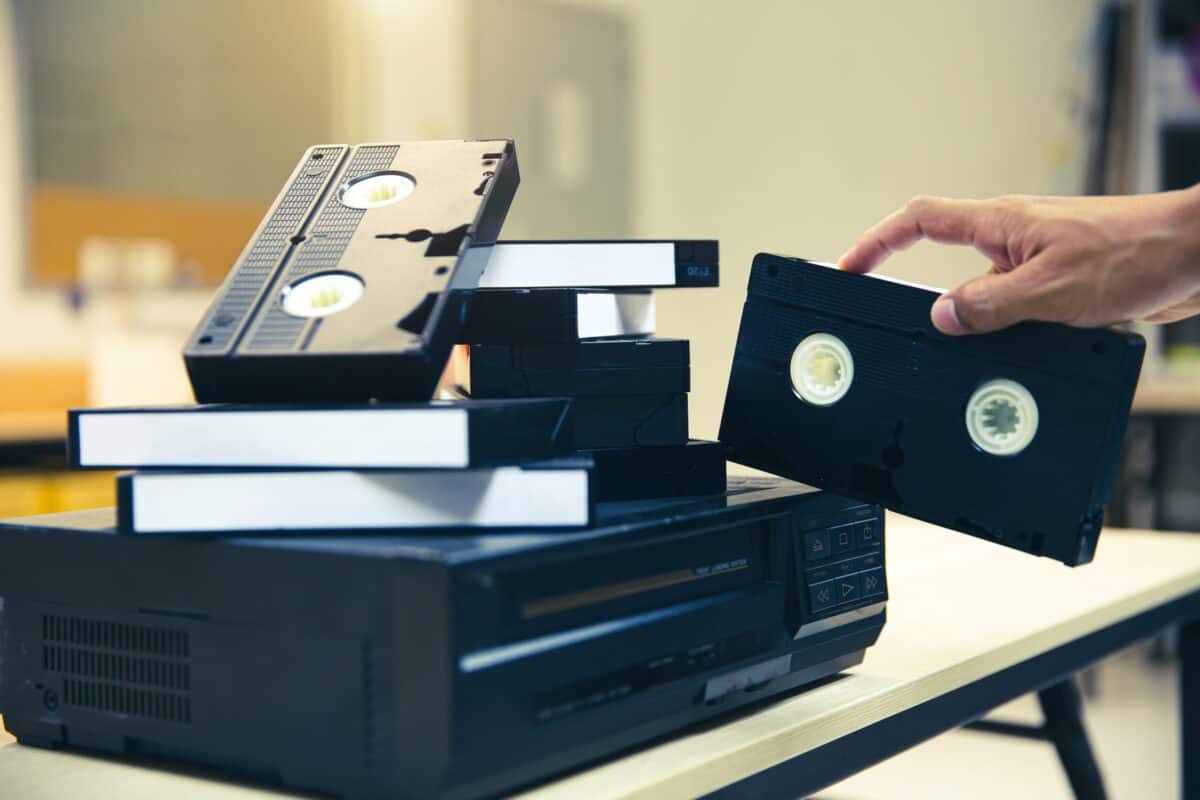
There were some notable advantages to contemporary formats, like VHS tapes. VCRs and video cassettes were a lossy format, often featuring heavy magnetic compression on the video and audio signals. LaserDisc delivered a higher resolution picture with better audio quality. Compared to the paltry 240p of VHS, the 425 lines of horizontal resolution on a LaserDisc meant that viewers at home were able to experience movies without resorting to things like pan and scan, often retaining the intended aspect ratio of a given film.
Director’s Cuts and Movie Fandom
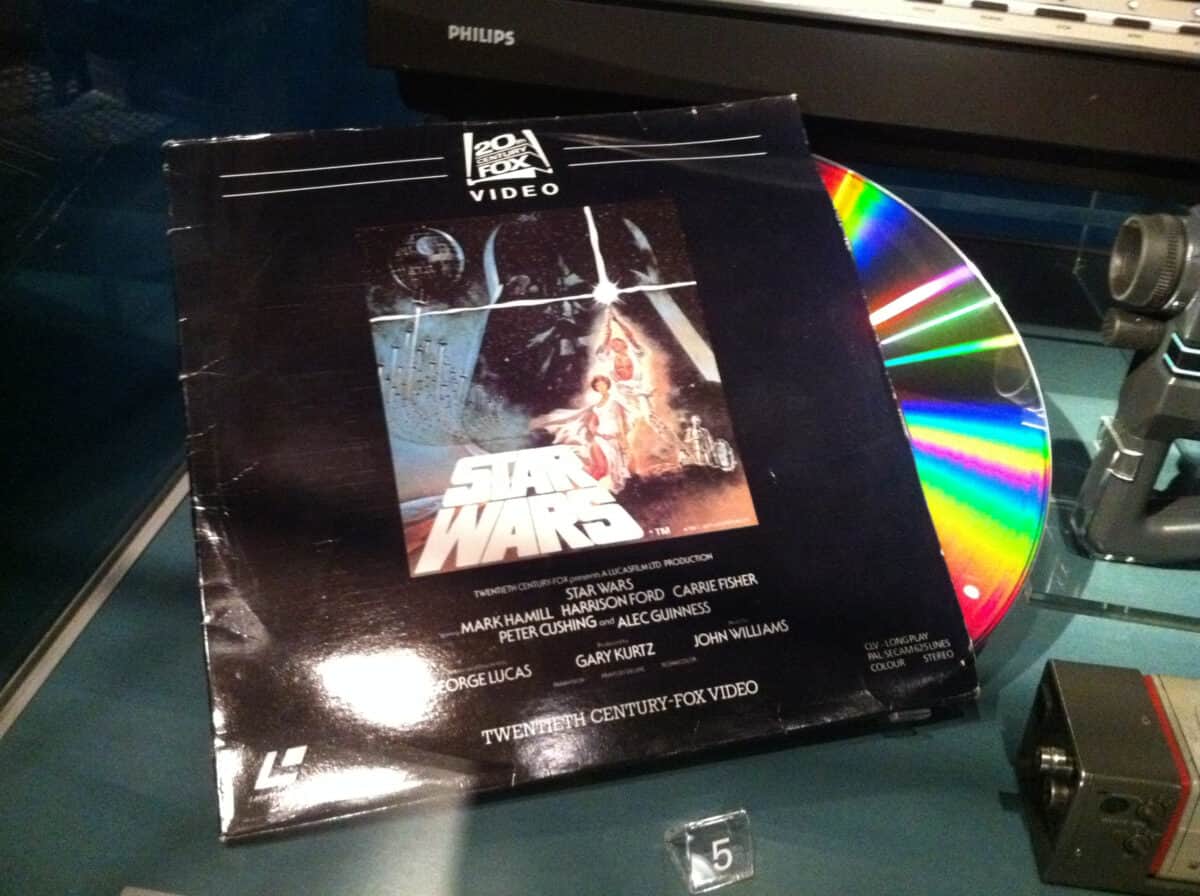
Modern movie fandom owes quite a bit to the early days of LaserDisc. Distributors like the Criterion Collection first started on LaserDisc, adding notable features like audio commentary tracks, isolated film scores, and additional material showing the making of some notable movies. As the format stayed on the market, late-stage manufacturing flaws began setting in. The adhesive binding holding the disc’s aluminum layers was prone to oxidation, leading to that pristine video quality turning to pure static after a point. It was known as LaserRot, and no guesses as to why.
Why It Failed
©Eakrin Rasadonyindee / Shutterstock.com – Original / License
LaserDisc was never going to have the staying power of inferior, cheaper formats. A standard LaserDisc could store a whopping 30 to 60 minutes per side. If you were watching a longer film, this meant getting up halfway through and flipping it over like a standard Long Play record. Alternatively, you could spend a princely sum on an auto-reverse player that flipped the disc over inside of the chassis of the player. Standard players weren’t cheap, running around 600 to 1,200 dollars in the 1980s, not adjusting for inflation. Films ran for 40 to 100 dollars a pop. LaserDisc was playback only, not touching on the recording aspects that made VCRs and VHS such an appealing force on the commercial market.
LaserDisc maintained a passionate following, achieving mainstream success in markets like Japan. In the West, at least in the United States, LaserDisc was a niche hobby for the film-loving devotee. By the time DVDs debuted on the market in 1996, LaserDisc was on its last legs.
MiniDisc
©Gabarrella fotograf/Shutterstock.com
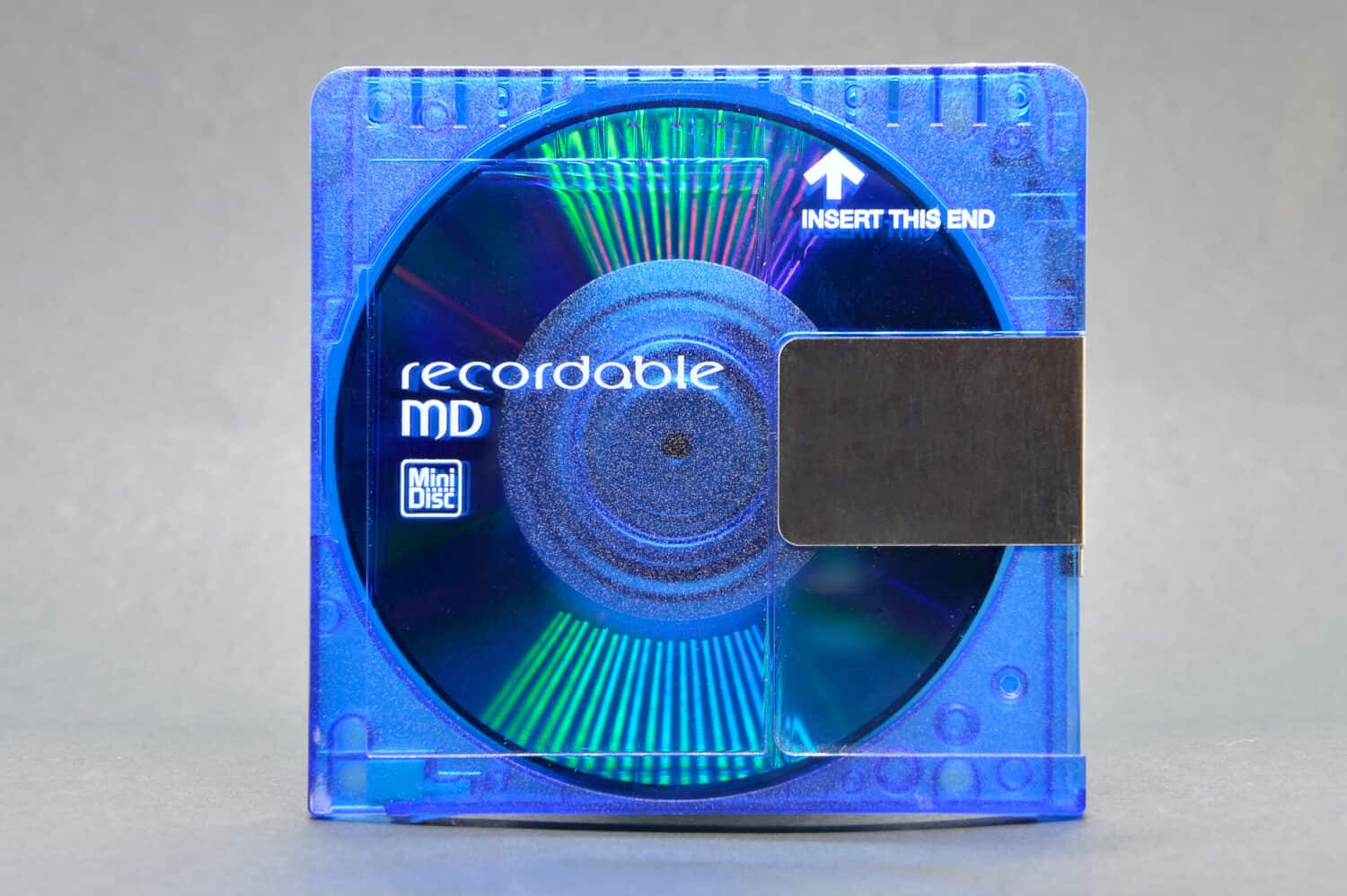
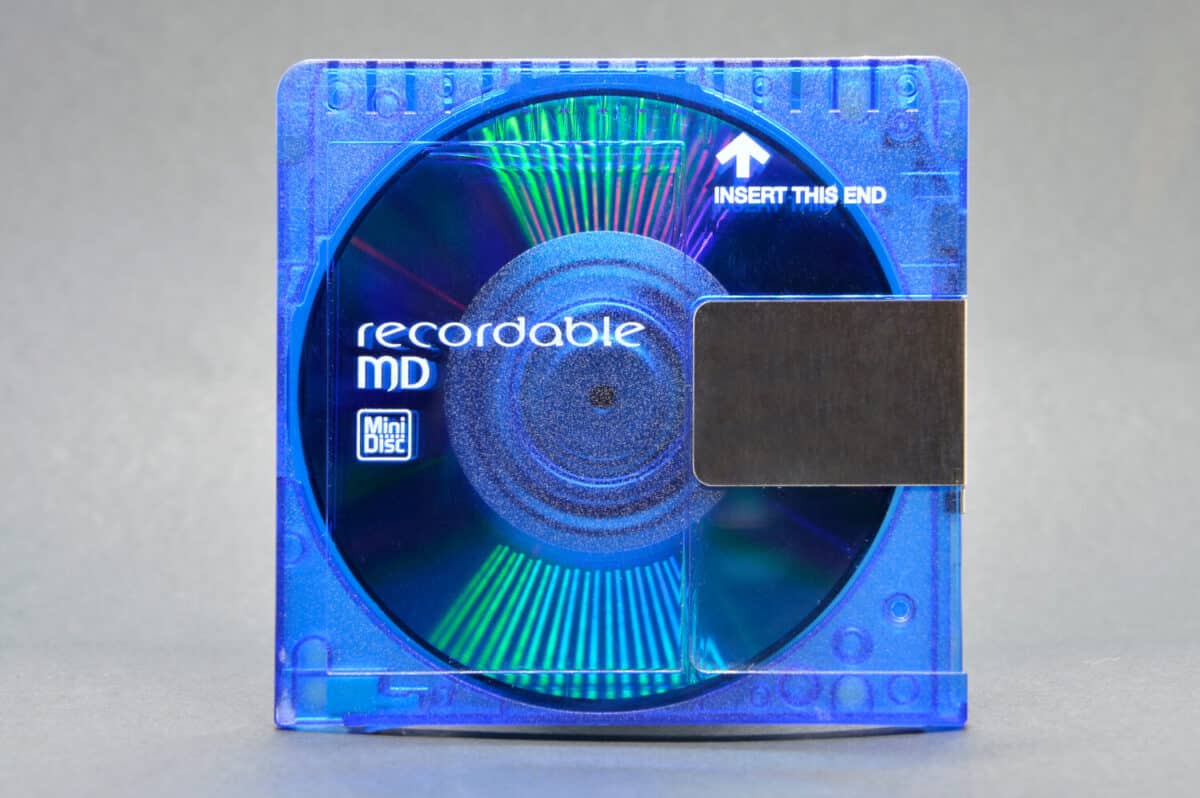
Both formats we’re looking at, the MiniDisc and LaserDisc, were marvels of engineering for their timeframes. LaserDisc offered unparalleled video quality in an era when the DVD was a far-off dream. The MiniDisc brought all the advantages and clarity of the Compact Disc in a recordable, durable format. Sony had a hand in creating the Compact Disc, alongside Philips, in the 1980s. However, it was a flawed format, prone to things like skipping. If you were looking to record, the early market wasn’t exactly full of choices for an affordable CD recorder.
MiniDisc debuted in 1992, and promised the best of all worlds when it came to digital audio. It touched on crystal clear sound, instant track-skipping, could easily be recorded, and you could easily stash MiniDiscs in your pocket. Sounds almost too good to be true, right?
ATRAC and the Tech Behind It
©"Sony MZ-E1" by DietrichLiao is licensed under BY 2.0. – Original / License
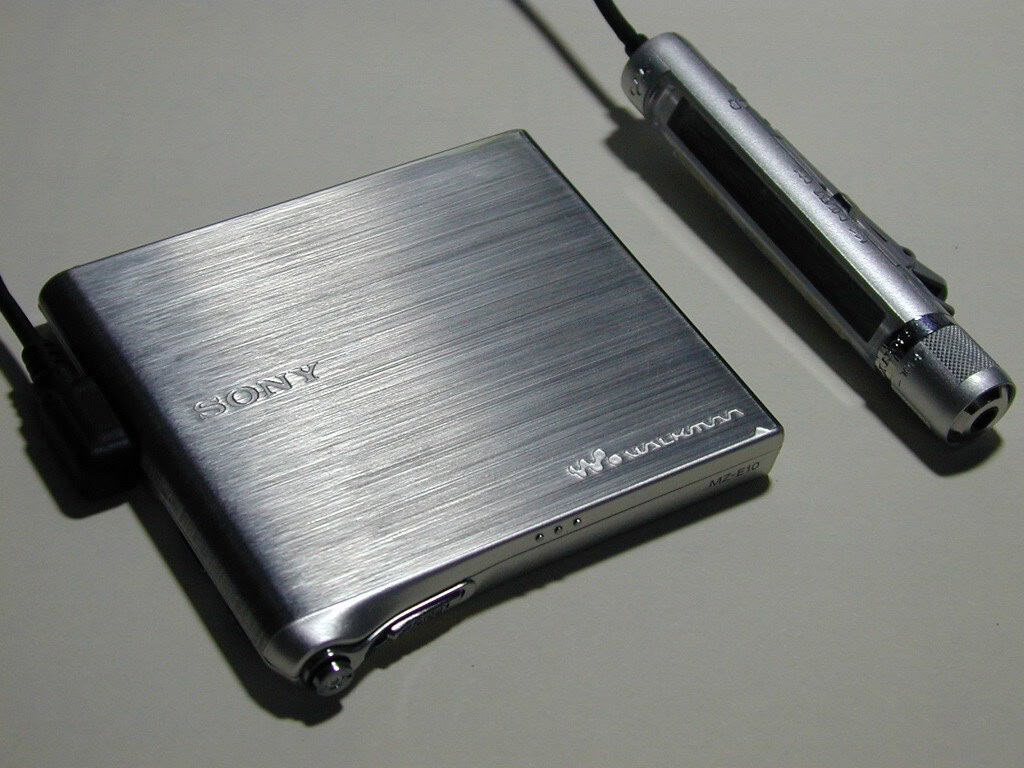
The MiniDisc was a 2.75-inch plastic cartridge, making use of a sliding shutter to keep out dust, scratches, and fingerprints. Recording data to the disc made use of Magneto-Optical technology. Recording started with a focused laser on a spot on the disc, which reached temperatures of 180 degrees centigrade. A magnetic head on the opposite side wrote the digital signal, as the heat made the physical media susceptible to magnetic fields. After the disc cooled, the magnetic orientation was locked in place.
Fitting 74 minutes of audio on such a small physical format was an impossibility 34 years ago. To attain the impossible, Sony developed ATRAC, or Adaptive Transform Acoustic Coding. ATRAC was a lossy compression format, serving as a close relative to more ubiquitous formats like MP3. It stripped out quiet signals that the human ear typically ignored, such as ghost hits on drums, reducing the overall size of a song to a fifth of its original size.
A Market Misstep
©marleyPug/Shutterstock.com
If you had a MiniDisc player, it felt like a device out of a sci-fi film. They were solid, well-built audio players with clear LCD displays showing track names. Editing tracks on your device was effortless, as you could reorder, divide, or erase songs without having to wipe the entire disc.
Despite these advances, the MiniDisc failed to sweep the market. Philips launched the Digital Compact Cassette around the same time, causing some user uncertainty and cold feet. Sony was so paranoid about music piracy that early MiniDisc players restricted digital-to-digital copies. You could record from CD or cassette, but they couldn’t copy from MiniDisc to MiniDisc. By the time Sony relaxed the restrictions on the format, introducing software to directly transfer files from PCs. However, by that point, the die was already cast, and portable MP3 players were starting to make a major splash on the market.
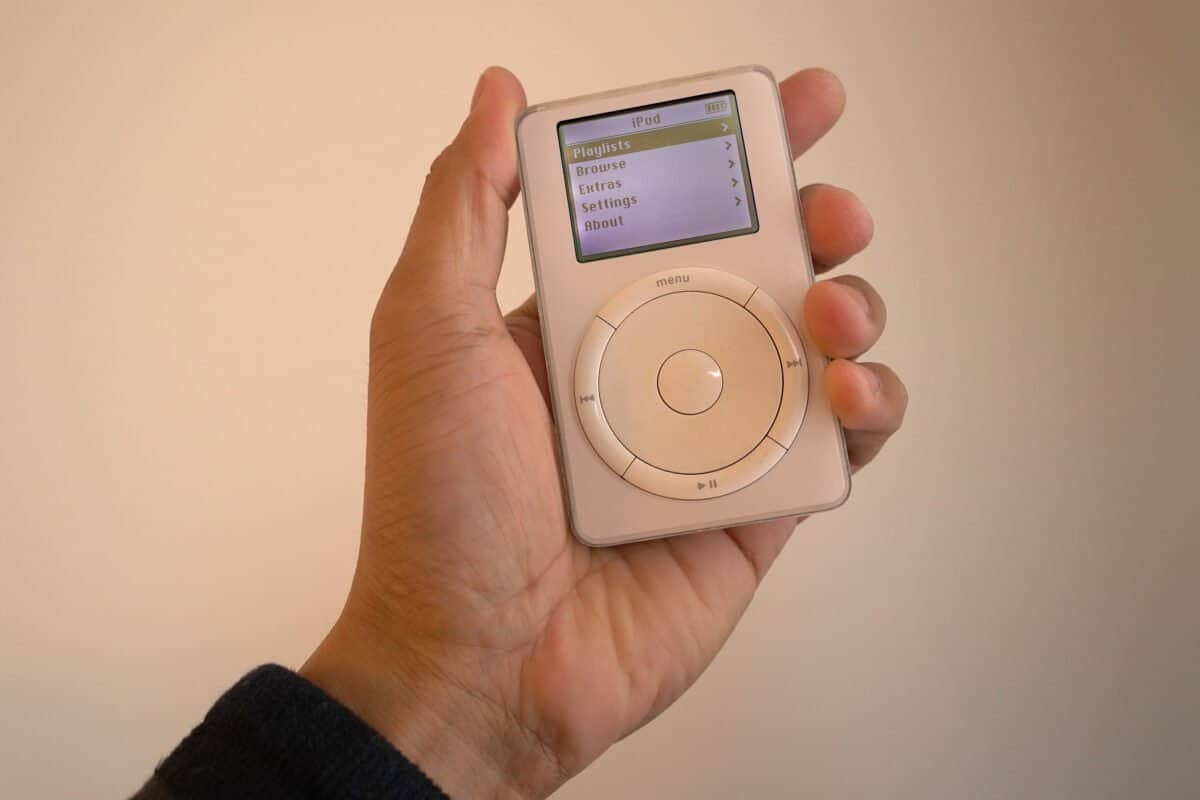
The launch of the Apple iPod in 2001 signaled the beginning of the end for the MiniDisc. The iPod could store 1,000 songs in your pocket, needing no disc swaps. A physical MiniDisc could only store 20 songs per disc, and the format was effectively dead in the water.
It did enjoy continued success in professional settings, like radio, journalism, and field recording for a decade or so afterwards. This was thanks in part to the hardware being lightweight, taking a single AA battery to run, and being highly durable compared to early digital field recorders and recording setups.
Conclusion
Neither MiniDisc nor LaserDisc was a failure in terms of engineering. Both were simply too early to market, trapped by the mechanical limits and technology of their era. LaserDisc set the stage for digital optical media, but lacked the space and capacity to store massive films without having to swap sides midway through. MiniDisc pioneered digital compression algorithms, with the modern MP3 and AAC serving as descendants of sorts. Despite their commercial failure, these formats still retain a cult following.
The image featured at the top of this post is ©Gabarrella fotograf/Shutterstock.com