
For the first century of cinema, going to see a movie was a transient, fleeting experience. It was a public experience, with darkened auditoriums being a gathering place for people to mingle with strangers, see the latest newsreels and shorts, and possibly catch a film in the process. When a theatrical run was finished for a movie, it often went away to a vault, later heavily edited for broadcast on network television with scheduled breaks for commercials. Viewers had little choice about when the movie was shown, and they certainly couldn’t pause it to grab a snack or use the restroom.
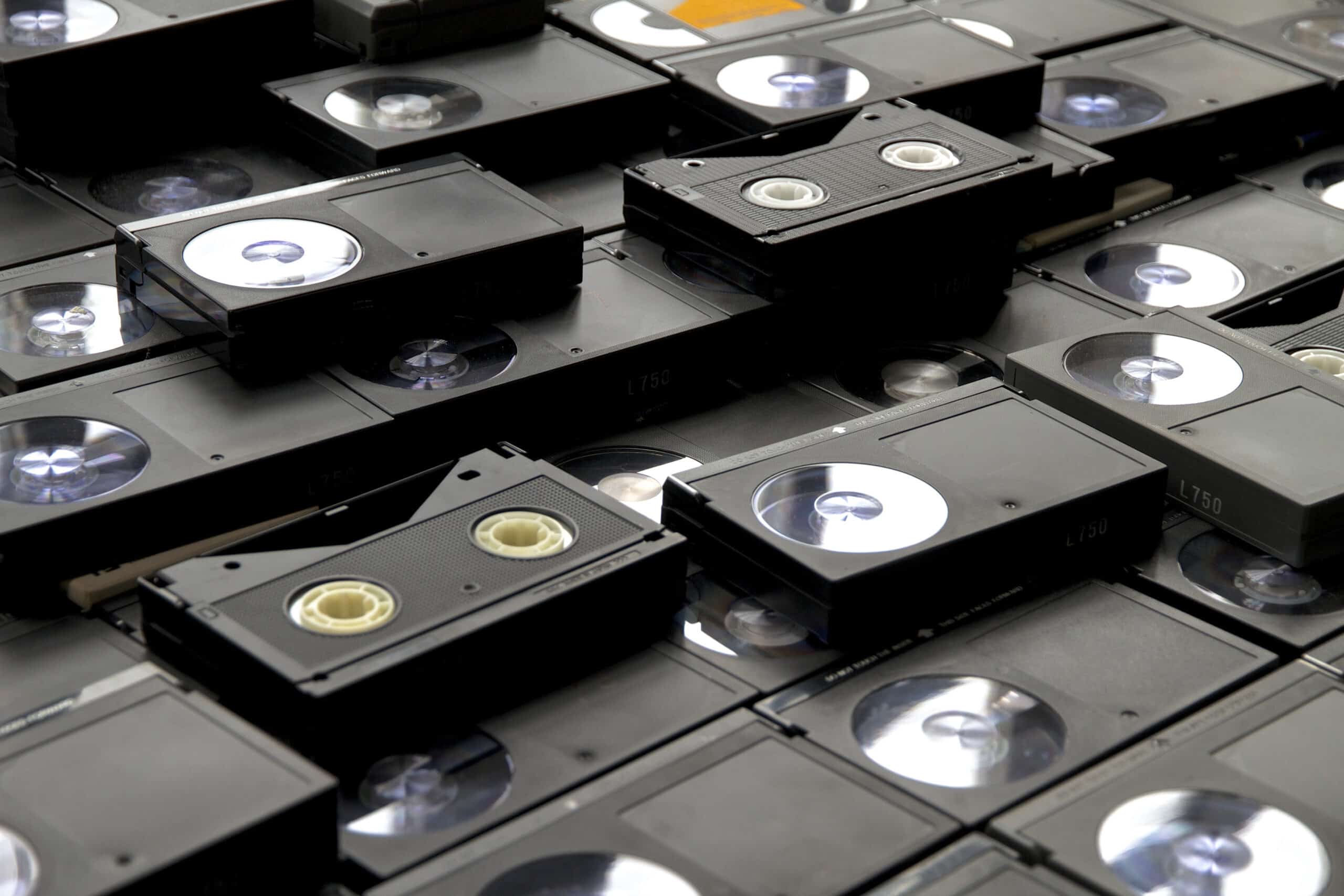
That all changed in the late 1970s with the introduction of the Video Home System, or VHS, which changed this viewing dynamic forever. Developed by JVC and introduced to North America in the late 1970s, the VHS democratized media distribution, with households transforming into personal cinemas. The VHS and VCR were more than just a new gadget on the market. They represented a dynamic shift in how films were made, distributed, and consumed, which serves as a blueprint for how we consume media today.
Be Kind Rewind

©KLH49 / Getty Images
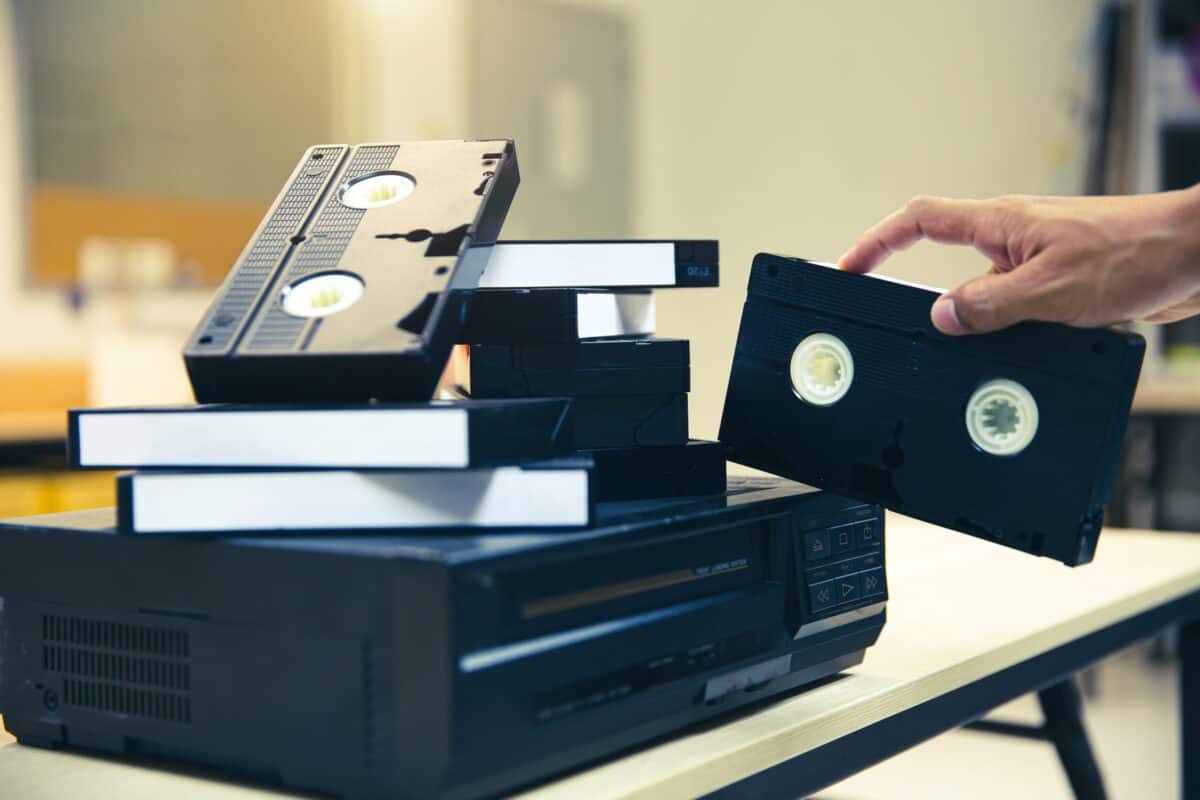
Long before the humble VCR entered households, movie consumption was largely linear. A movie played from start to finish, and missing a key scene because of a snack break meant waiting months to years either for a broadcast rerun or a theatrical revival. The introduction of VHS tapes meant that viewers had an entirely new way of interacting with their films. You could pause, fast-forward, rewind, and play at your leisure.
For the first time in the history of movies, viewers had complete control over the home viewing experience. You didn’t have to wait for a commercial break to roll on to go rush to the bathroom. You could simply hit pause and resume right where you left it. Rewinding let you catch details in scenes or missed bits of dialogue. If anything, it invited a new era of film scholarship and consumption. Viewers were active participants who were invited to study the whole of filmmaking as a craft.
This newfound freedom extended to household schedules. Built-in timers and blank VHS tapes let viewers record programs and movies as they wanted, without being beholden to the network programming blocks. Pre-recording could let you watch the football game you really wanted to see, but the baby was up with colic all night. Cinema no longer began a grand event, but movie watching became a deeply personal activity that dovetailed neatly into whatever your schedule might be.
Video Rental Shops
©Jon Konrath from Oakland, USA / BY 2.0 – Original / License
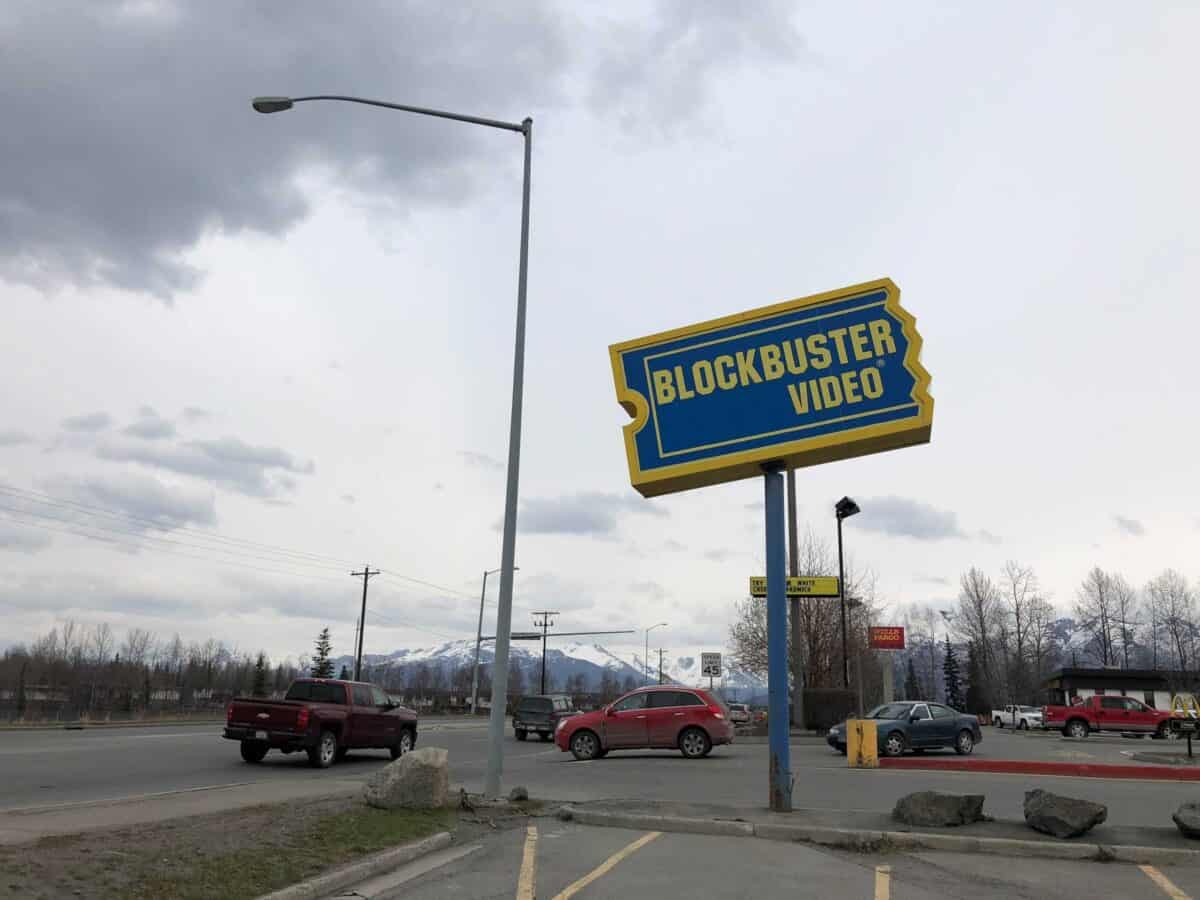
It seems unusual looking back, but video cassettes were prohibitively expensive for any household during the 1980s. Instead, a business model emerged that intended to give access to films without the hefty price tags. Seemingly overnight throughout the early 1980s, video rental shops sprang up. These were relatively small affairs to start, usually locally-run businesses. It did give rise to major national chains like Blockbuster later on, however.
The video rental store became a cultural hub in no time. Browsing the aisles for new releases on a Friday night would have you running into all sorts of familiar faces from your neighborhood. Further, it became a cherished ritual for many households as you looked over the colorful cardboard sleeves to see which videotape was worth taking home for the weekend. You’d find classics, new releases, B-movies, and a whole host of films that were simply unheard of throughout the 1960s and 1970s.
Crucially, much like the algorithms of today, being able to freely browse a video store encouraged discovery. Choosing a movie could come down to something as simple as cool cover art. You might find yourself striking up a conversation with other patrons or the clerk on recommendations. For many, this led to the development of tastes that went well beyond mainstream monoculture. It gave birth to the cult film, in an era where the closest thing many people had experienced was repeated midnight showings of classic B-movies like The Rocky Horror Picture Show.
Direct-to-Video
©Eakrin Rasadonyindee / Shutterstock.com – Original / License
Before the rise of VHS tapes, film distribution had some rather expensive hurdles. Sure, you had the requisite costs like film stock, cameras, shooting permits, and so forth. However, when it came time to distribute those films, you had to physically distribute reels to traditional theater chains. For independent filmmakers, this meant low-budget filmmaking was often relegated to niche showings at arthouse theaters or on private reels.
Viewers were voracious in their appetite for new movies during the 1980s when the VHS craze was at its height. This led to direct-to-video film distribution. An aspiring filmmaker didn’t have to worry about getting in tight with the studio system, at least for a start. Production companies quickly realized they could spend a fraction of the cost of a summer tentpole to appeal to all sorts of audiences.
Direct-to-video distribution was often seen as cheap or lesser than larger budget films. However, it was the training ground for many a storied director who has enjoyed continued success throughout the 1990s and well into today. Directors like David Fincher got their start on cheap, no-budget films before crafting masterpieces like Gone Girl and Fight Club. Additionally, it enabled foreign films like those by Jackie Chan, Sammo Hung, and other luminaries of the Hong Kong action scene to reach foreign shores without a theatrical distribution deal.
The Film Industry
©Mega Pixel/Shutterstock.com
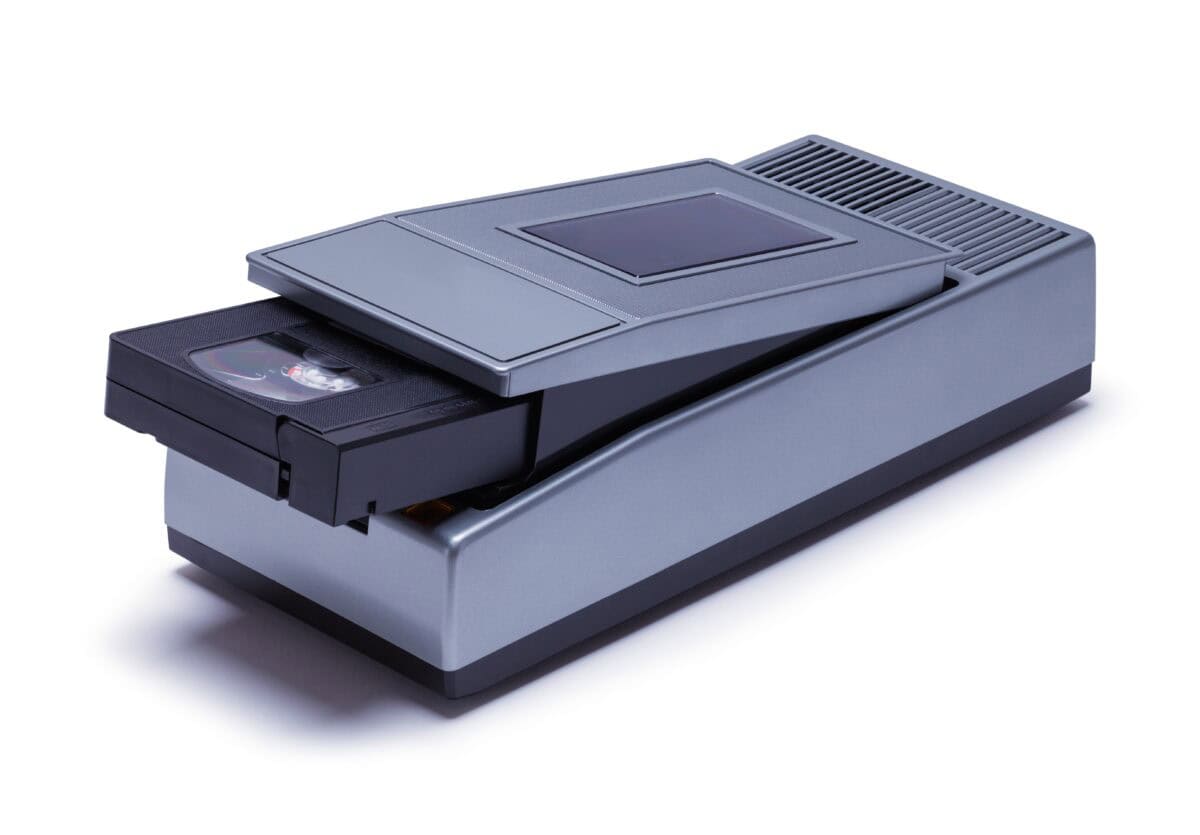
It seems strange to look back on now, but at the time of the VHS tapes’ introduction, it was viewed with contempt and vitriol by the film industry. The same tired talking points like piracy were trotted out, with studios claiming it would destroy theatrical releases entirely. Legal battles were launched, with Universal Studios notably suing Sony to ban the Betamax format. The common argument was that allowing easy home recording would see the end of the film industry as we know it.
Curiously, the exact opposite happened. It used to be that a film’s theatrical run was the lion’s share of its revenue. You might see some package deals for broadcasters when selling film rights to air on television. After theatrical runs ended, you could count on viewers wanting to pick up VHS tape copies from the local video store to watch again at home. If a film bombed at the box office, it often could make its budget back and then some thanks to the home video market.
This acted as a safety net of sorts for film studios, and changed how projects were greenlit. More and more experimental, low-budget, or outright bizarre films started coming out. They could absolutely tank at the box office, because the thought that it might experience a second wind for home video was coming soon enough. Films started changing right alongside the home video market, as well, with color grading, aspect ratios, and sound design targeting great theater experiences and making sure it translated well to the small screen.
Pan-and-Scan

©ShutterPNPhotography/Shutterstock.com
Transitioning a theatrical film to a TV screen is a significant technical undertaking. Just about every film shot over the last 100 years was done in widescreen, with aspect ratios taking advantage of massive theater screens. Your average CRT TV set from the 1980s had a 4:3 aspect ratio, nearly a square. This didn’t translate well to home video viewing, at least for the start.
Technicians made use of a technique called pan-and-scan, at least before the rise of things like widescreen letterboxed releases. It altered the overall framing and cinematography of the film, but it was all in service of maximizing the limitations of the medium.
Conclusion
VHS tapes eventually yielded to the rise of digital formats like the DVD in the late 1990s. If you’re buying physical media these days, you’re likely aiming for high-resolution Blu-Ray discs. Despite all of that, you have the humble VHS tape to thank for your home viewing experience. The film-watching experience has largely been democratized thanks to its invention and subsequent mass adoption around the world.
The image featured at the top of this post is ©iStock.com/PoppyPixels