

The digital revolution for audio has been a blessing. You’ve got access to lossless, pristine audio with your smartphone. It wasn’t always the case, however, and there were plenty of format wars throughout the 1970s to the 1990s. The cassette was king for a while, being portable, customizable, and cheap.
If you’re an audiophile, however, the cassette is a flawed format. You’ve got a low noise floor, tape hiss, wow and flutter, and dynamic range limitations that drove most audio studios wild. Manufacturers had to convince the most discerning consumers that these inherent flaws could be solved. You could charge sky-high prices for cassettes, provided you convinced customers they were premium.
This was an age for bizarre experimentation. While some of these innovations were genuine engineering feats, others were little more than buzzwords and marketing jargon. Marketing directly to audiophiles seems rather new, at least when getting into things like gold-plated cables and premium headphone amps. However, as you’ll find out, this goes back much further than you’d think. Today, we’re looking at the weirdest cassette tape gimmicks to make it to market.
Metal-Chassis Tapes
©Sensay/Shutterstock.com
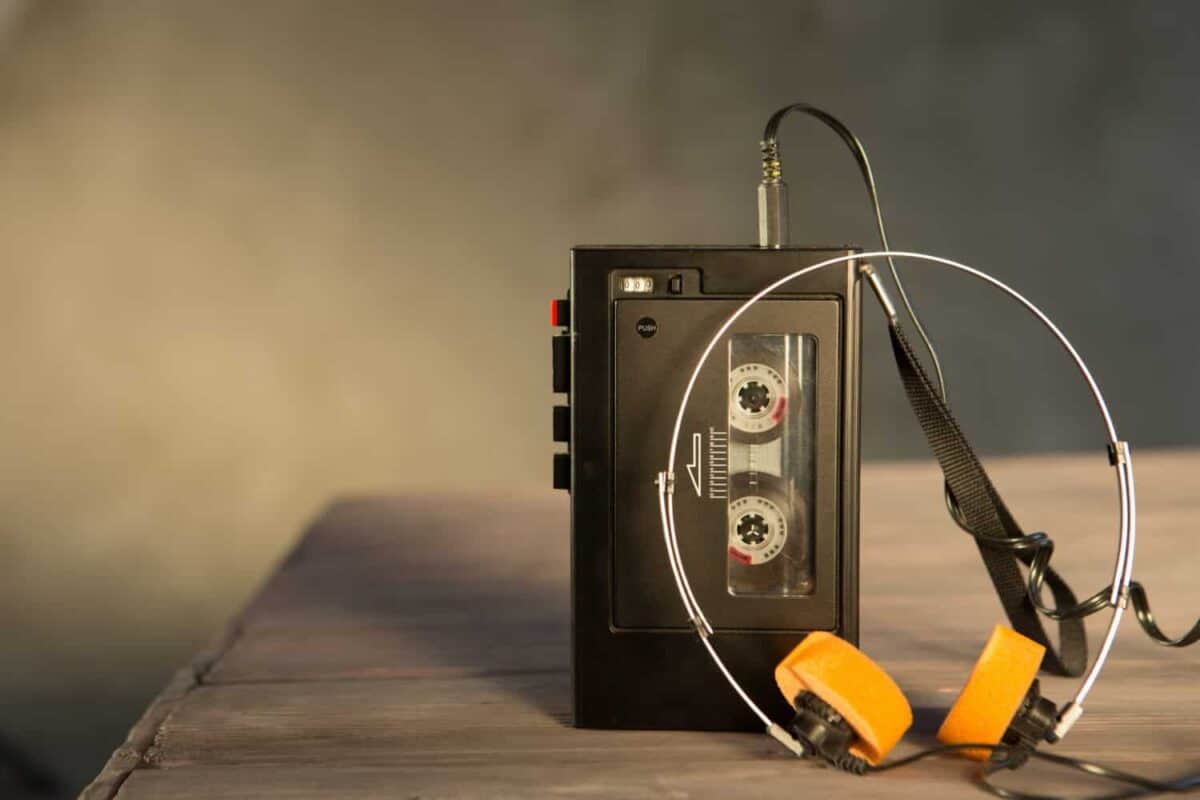
When you get down to it, cassette tapes are inherently fragile. Each tape houses a pair of reels contained in a plastic shell. As the tape plays, the mechanical vibrations from the player shake the shell, causing alignment issues between the tape and the playback head. For audiophiles, this meant flutter and a loss of high-frequency content.
Sony opted for the Super Metal Master, introduced in the mid 1980s. Instead of cheap plastic, the Super Metal Master was made of a dense, ceramic composite material. It felt less like a cassette and more like a kitchen countertop. That said, it is heavy, rigid, and immune to any sort of structural resonance issues. To give it a premium feel, Sony packaged them in wooden boxes that were lined with velvet.
Did it work? Technically, yes, the ceramic shell helped to abate any sort of vibrations. The magnetic tape was still the same Sony formulation, meaning the audio quality was still roughly the same, minus some flutter. Audiophiles were essentially paying the equivalent of $90 per tape, adjusting for inflation, for something that just barely fixed flutter.
Reel-to-Reel Illusions

©Africa Studio/Shutterstock.com
The gold standard for tape is the open-reel, or reel-to-reel, tape decks. These tapes moved incredibly fast, offering some of the best audio quality available. The compact cassette tape was a compromise meant to reduce costs and gave passable audio quality. 1985 saw Teac introduce the Ocasse series, which was said to give the best of both worlds.
Standard cassette tapes have fixed plastic spools by design. Teac engineered small, open-reel hubs inside a clear cassette shell. When you pressed play, you could watch the reels spin, mimicking the look of a high-end Studer or Revox open-reel player. These were marketed as high-end premium cassettes, with a price to match.
The reality of these miniature open reels is a little more disappointing than you’d think. Those specialized reels offered zero benefits. In fact, they hindered the function of these cassette tapes, as the massive reels increased friction and put undue strain on the data belts of any consumer tape deck. They were beautiful to look at, but it was essentially a marketing gimmick that Teac is still using to this day for cassette enthusiasts.
Digital Cassettes
©"Heavy Metal: TDK MA-R90 Cassette Tape" by Schill is licensed under BY 2.0. – Original / License
By the 1990s, the cassette was sharing market share with the Compact Disc. CDs offered zero hiss, instant track skipping, and a perfect reproduction of audio straight from the studio. Tape manufacturers naturally panicked and started trying to figure out ways to make those aging cassette systems sound “digital”.
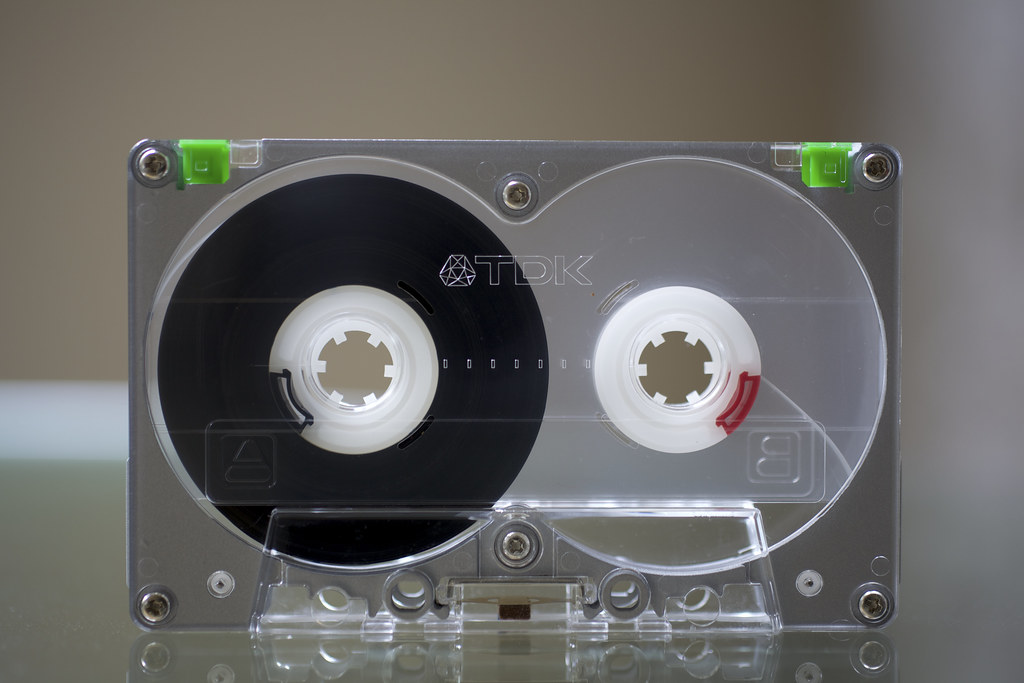
Type IV metal tapes were developed, which made use of pure metal rather than any sort of metal oxides for the tape formulation. Type IV was generally great, offering better dynamic range and was capable of handling hot recording signals as the Loudness Wars ramped up.
So, despite this new development, there was still an issue. You needed a cassette deck capable of manually adjusting the equalization and bias to match the requirements of the pure metal particles. If you played one of these tapes in a standard deck, it often sounded terrible. You’d unironically be better off with a cheaper Type I or Type II in your car stereo.
Gold Coating

©"Cassette Tapes" by videocrab is licensed under BY-SA 2.0. – Original / License
If a little bit of science and engineering could sell a tape, then a little pseudoscience could sell them just as easily. The late 1980s saw cassette tape manufacturers producing gold-coated tapes or gold-plated internal components. The marketing pitch hinged on the fact that gold was an excellent conductor that was highly resistant to corrosion.
In theory, cassette tapes wouldn’t degrade and could avoid the electromagnetic interference that came from the transformers and other electrical components in a standard tape deck. The argument was that EMI polluted the tape during the recording process, something that wasn’t present in these gold-coated tapes.
The magnetic tape isn’t affected by the properties of gold. The real culprit behind things like tape hiss was poor shielding of the internal components of a tape deck. Coating a tape in gold is a bit like putting racing stripes on a minivan. It looks the part, but it doesn’t change the overall performance.
Pressure Pad Solutions
©"Sony Stereo Cassette Player Walkman WM-4" by Xray40000 is licensed under BY 2.0. – Original / License
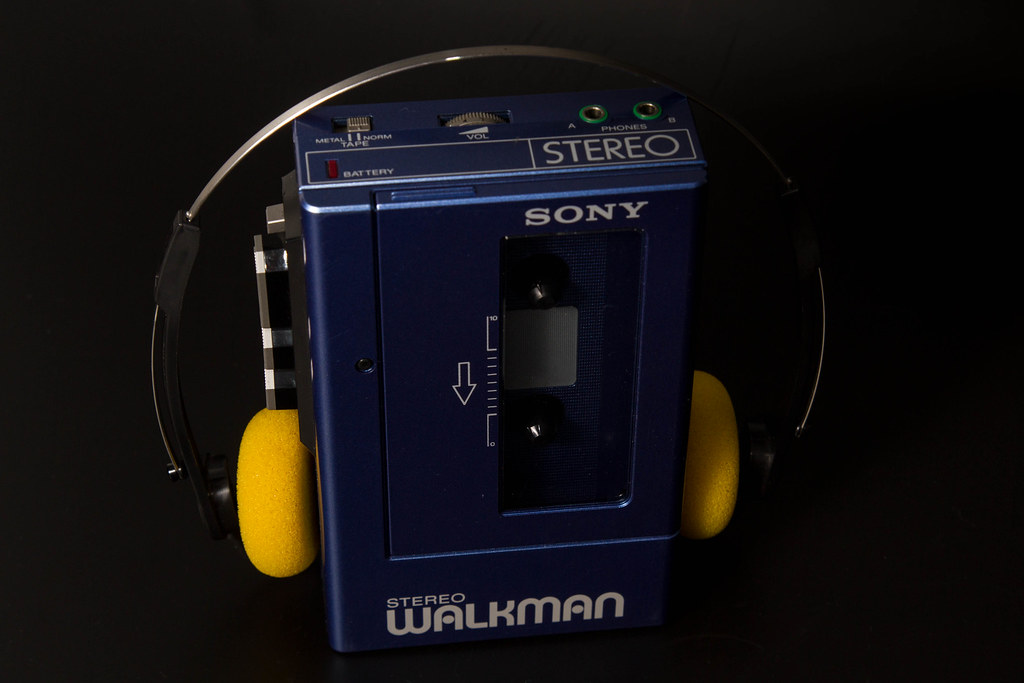
Every cassette tape makes use of a pressure pad, which is held in place by a small leaf spring. The pad sits behind the tape, pushing against it to make sure the playback head receives constant physical contact. Without this pressure pad, the sound fades in and out.
Naturally, some companies declared the pressure pad the enemy of true audio fidelity. The claim was that they produced scrape flutter. Companies like Nakamichi engineered dual-chamber cassette shells with floating mechanisms intended to actively steer the tape to the playhead. Nakamichi produced the Dragon, a legendary cassette deck, that came with a mechanical arm that pushed pressure pads out of the way entirely.
Thousands of dollars were spent on these tapes and high-end tape decks. The engineering behind these innovations is relatively impressive. The reality of it is something a little different. Pressure pads largely have minimal to no impact on the sound quality of a cassette. What improvements came about from these high-end tapes and decks alike were measurable, but only within the confines of a lab test. If you were listening to one of these tapes in the car, you’d have trouble telling apart a cheap tape from one of these premium ones from Nakamichi.
Conclusion
By the middle of the 1990s, the cassette tape was on the way out. Affordable CD burners and new formats like Minidiscs offered an undeniable level of audio quality that a cassette couldn’t aspire to achieve in the first place. The cassette stayed as it was, a rugged, cheap format for the masses.
Looking back, these gimmicks are a throwback to a unique era of consumer technology. Manufacturers couldn’t just issue an app update to improve overall performance. It took grit, a little ingenuity, and a whole bevy of physical and mechanical tricks to try to up the quality of magnetic tape.
These high-priced innovations were largely marketing ploys, but they remain highly desirable for collectors in 2026. This was an era when music was a physical, tangible quantity for many listeners. It’s no wonder that so many manufacturers were trying to capture the interest of discerning audiophiles. While we can dismiss many of these gimmicks as little more than buzzwords and marketing hype, it isn’t a surprise they tried anything they could to maintain their market position.
The image featured at the top of this post is ©Shaiith/Shutterstock.com