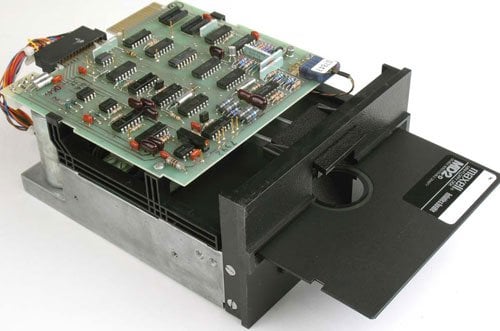

The modern era was supposed to do away with those old analog and early digital hardware components. For decades now, the electronics industry has largely operated on the notion of planned obsolescence. You buy the latest and greatest, discard last year’s model, and wait until the next upgrade comes along. However, that rarely takes into account what happens when media formats go obsolete, manufacturers fold, or software compatibility layers stop functioning. It’s seldom as simple as discarding something you invested time, money, and energy into, despite the expectations that you should abandon these to the e-waste corner at the local landfill.
Below the industry expectations, a small yet dedicated underground movement of engineers, enthusiasts, musicians, and archivists is refusing to let the electronics of the past fall by the wayside. Instead of bemoaning the loss of formats, there are kit-bashed modifications, workarounds, custom-coded chips, and ingenious circuit bending. In many ways, these enthusiasts are showing that planned obsolescence isn’t as certain as you might initially think.
Make no mistake, this is more than just passive restoration. These enthusiasts are readily integrating these aging components in the modern era and often have them integrated into modern workflows. Today, we’re looking at the subcultures propping up these components.
Replacing Dead Media
©photosthai/Shutterstock.com
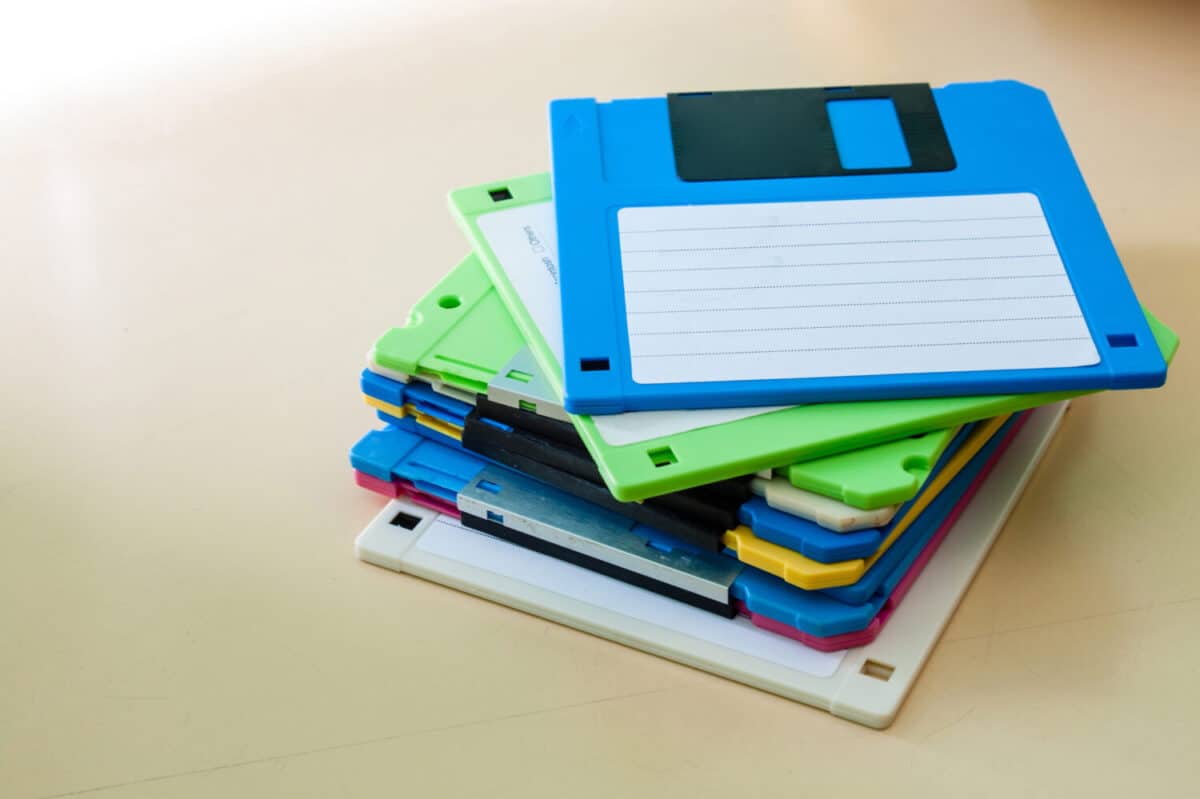
Generally speaking, at least as someone who remembers booting DOS from a floppy, the biggest threat to these vintage machines isn’t a lack of computing power. Instead, it is the knowledge that physical media degrade and mechanical parts wear out over time. From the 1980s to the 2010s, mechanical hard drives were the norm. If you’ve never taken a look inside one, that’s alright. You just need to know it’s a simple miracle that these things functioned for as long as they did in the first place. A mechanical hard drive uses spinning magnetic platters, delicate bearings, and purely mechanical read/write heads that all inevitably fail.
Further, floppy disks demagnetize, CD-ROM lasers stop tracking, and everything else eventually fails. That’s the simple nature of machinery, and anyone who has spent a significant amount of time with a wrench under a car hood can back up. So, what do you do when the vintage hard drive on PC Jr gives up the ghost? You could spend time looking for new old stock, or take a gamble with another drive of similar vintage. However, many of the weird mods you’ll see online are bringing these vintage computers into the modern era with hardware bridges that allow for the use of SD cards or other solid-state media.
Vintage computers are tricked into thinking the modern media is little more than an OEM hard drive, but without the drawbacks of old storage. Interfaces like SCSI, or Small Computer System Interface, were fine for their day, but we’ve moved on. This also extends to things like floppy emulators, with vintage computers like the Apple II getting a new lease on life and having access to storage that users could’ve only dreamed of back in the day.
CRT Preservation
©Marcin Wichary / Creative Commons Attribution 2.0 Generic license – Original / License
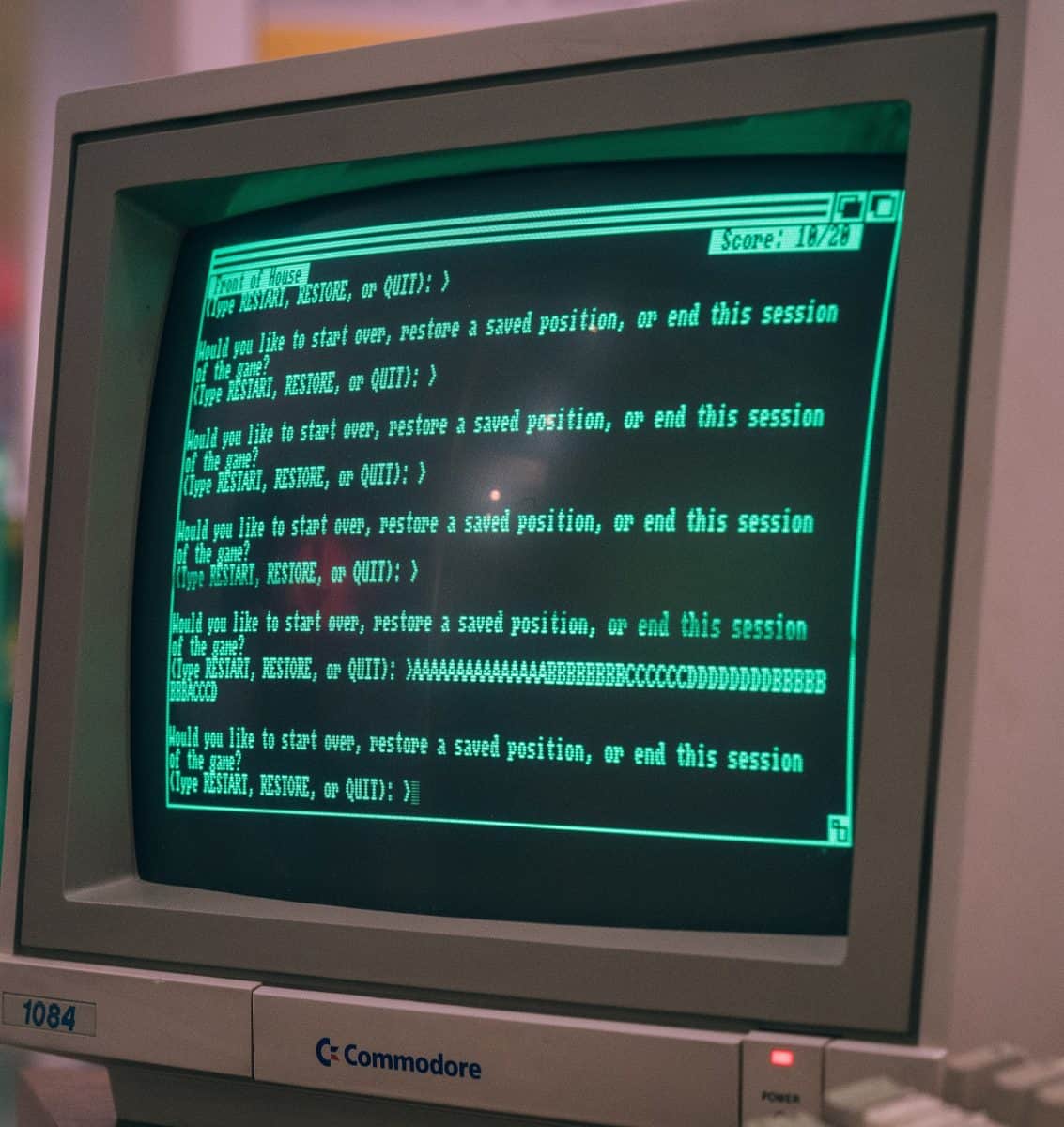
If you’re of a certain age, you likely remember CRT TVs and monitors. The Cathode Ray Tube, or CRT, was the norm for visual displays for decades, ever since the dawn of television. A little-known secret about them is that they are unparalleled when it comes to visual reproduction of things like color, at least when properly calibrated. Modern displays like OLEDs or newer takes on the flat screen have gotten far closer. However, when you partake in vintage media, as many of us do, they are designed with the CRT in mind. Early video games took advantage of the quirks of the display, often honing their visual style on what could be expected even from the cheapest CRT.
You can still find CRTs for fairly cheap if you’re after the best of the best for retro gaming or computing. However, you might find the picture is a bit blurrier or fuzzier than you remember. This is likely down to the use of composite video or RF inputs, which don’t give the best picture quality. If you’re not too skittish with a soldering iron, the solution to get an old TV up to modern specs requires getting your hands dirty.
Hardware hackers discovered they could crack open these old TVs, navigate the lethal, high-voltage chassis, and solder in custom components. The result is uncompressed RGB signals, which have visual quality that simply has to be seen to be believed. Industrial practices have been adapted for shielding to prevent electromagnetic interference. These aren’t simple mods done by the average enthusiast, but these old TVs are getting new leases on life as supercharged reference monitors and retro gaming stations.
The Cassette Revival
©Shaiith/Shutterstock.com
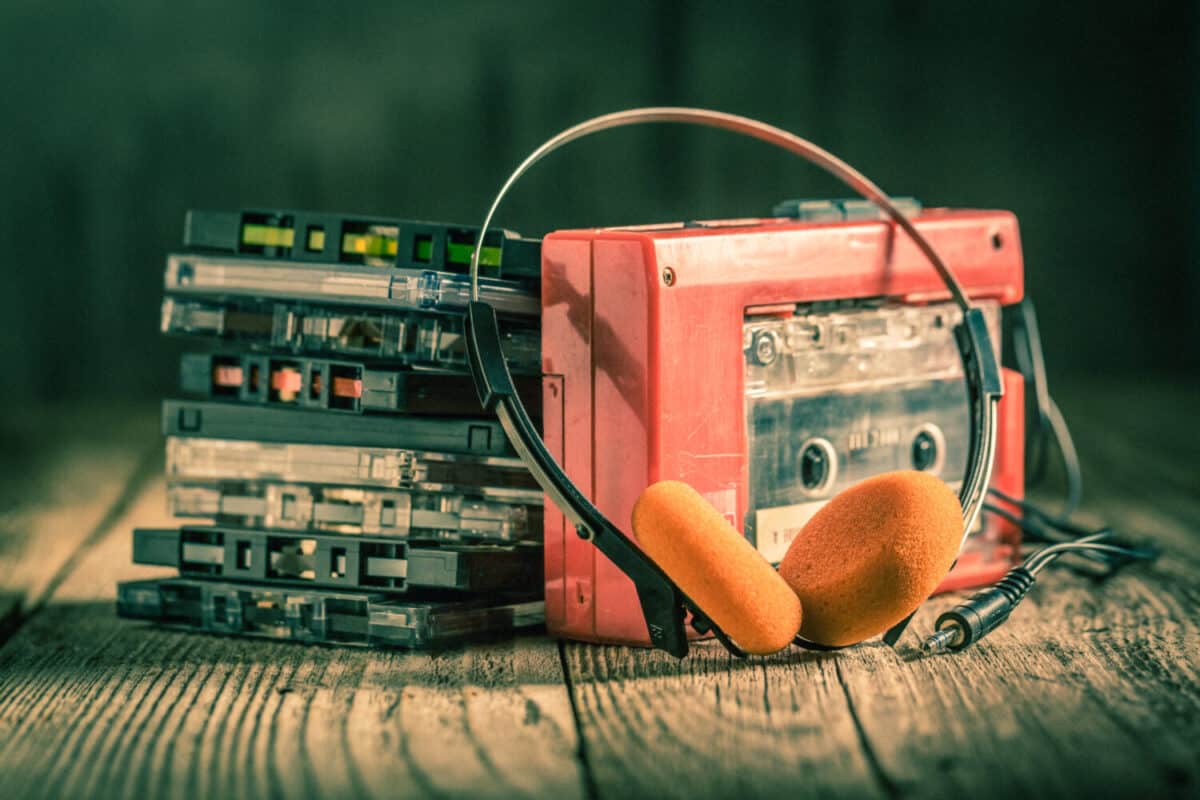
I remember when cassettes finally fell out of favor, and you could pick up dozens for pennies on the dollar at your local record store. I didn’t care at the time, as CDs were more appealing to my teen self. However, as time has worn on, analog cassettes have made a resurgence. Underground labels, indie musicians, and archivists alike are giving cassettes a new lease on life. There is something to be said about listening to music on cassettes. It lacks the clarity of vinyl or CDs, but it has a pleasing character.
While demand has skyrocketed in recent years, the support infrastructure for cassettes is largely nonexistent. Old tape decks still need servicing, like the replacement of belts, pinch rollers, and other specialized components. Inevitably, old tape decks, even high-end machines like the Nakamichi Dragon, will degrade and need servicing. Since companies are no longer making flagship tape decks, some weird mods to keep them rolling are taking place.
Restorers often have to fabricate custom belts or special order them from independent manufacturers. Proprietary motors are replaced by modern brushless motors, fine-tuned to match the precision and tolerances of the original units. Units beyond repair are often salvaged for their record and play heads, which are separate units that are then spliced into more robust decks.
Circuit Bending

Every one of the weird mods we’ve covered so far has been aimed solely at preservation and modernizing old tech. What happens when the intention behind a hack is creative destruction? You get circuit bending. This is a whole culture seen independent music, where components are intentionally short-circuited, unlocking unusual and strange terrain for old kids’ keyboards and other battery-powered toys.
The process itself was largely devised by experimental musicians. The idea is that you crack open the case and start treating the circuit board as a map ready for exploration. A wet finger could reveal pitch resistors, data buses, and other vital components. When an interesting glitch or modification is found, you want to solder a switch or dial across points.
Old toys like the Speak & Spell and stalwarts of every kid’s childhood like a cheap keyboard become instruments that defy expectation and any semblance of convention. With a few mods, you can turn a cheap plastic toy into pure sonic cacophony. If you’ve got a hankering for taking a wilder look at experimental music, circuit bending can be quite rewarding to get into.
Conclusion
There is no shortage of old electronics in landfills, filling up thrift stores, or rotting away in garages. However, the thing to keep in mind is that these machines are rarely useless, especially when communities build themselves around them. The weird mods we’ve taken a look at aren’t truly bizarre. Instead, they are the byproduct of passion. It shows just how ingenious a dedicated individual can be when it means keeping a beloved computer, tape deck, or old TV up and running for years of enjoyment yet to come.
The image featured at the top of this post is ©Swtpc6800 Michael Holley, Public domain, via Wikimedia Commons – License / Original