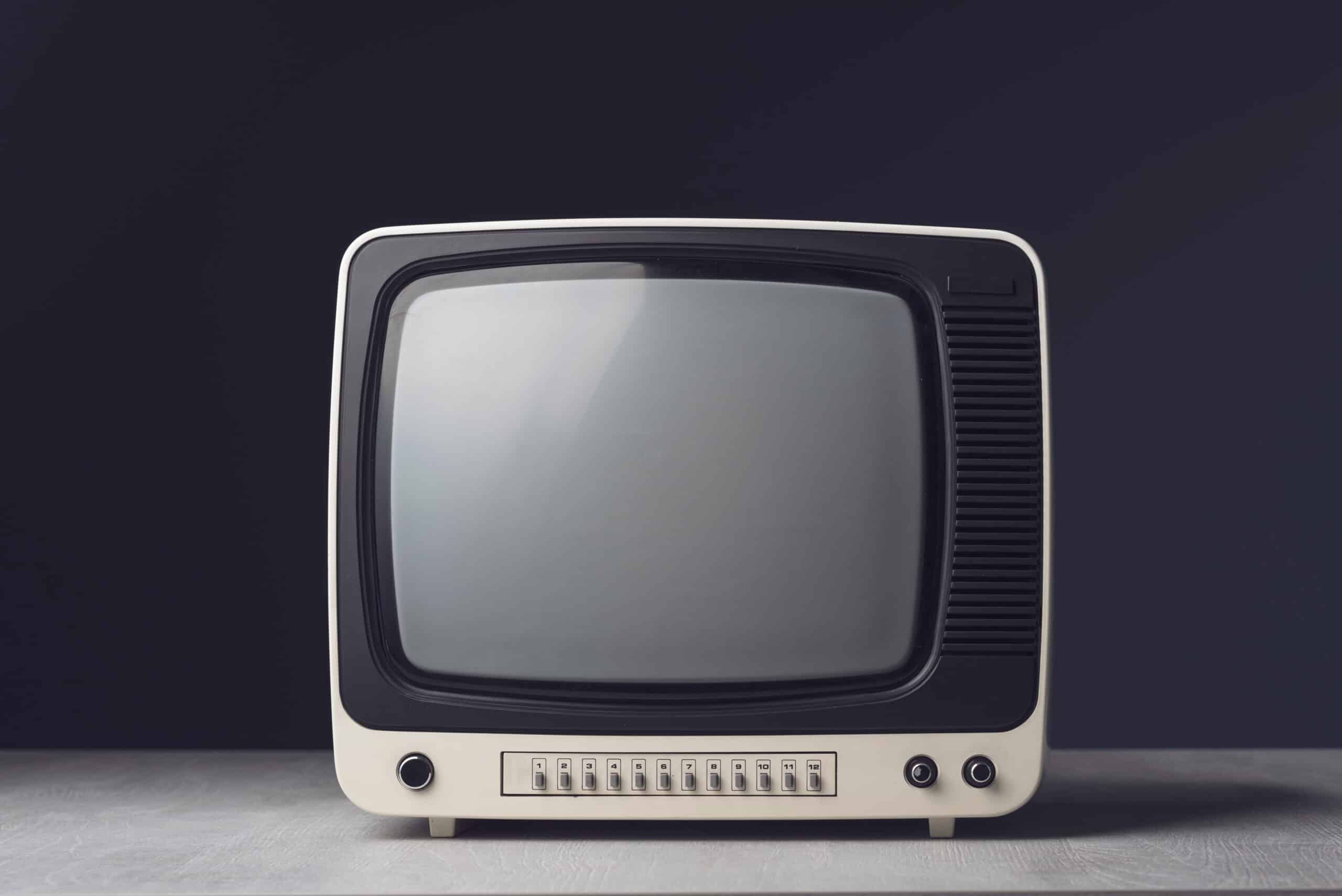

It doesn’t seem like too long ago that Cathode Ray Tube, or CRT, TVs were viewed as little more than heavy, obsolete trash. Throughout the last 20 years, millions of these old television sets were stuck on the curb, dropped off at the dump, or listed on sites like Craigslist, offered up for free. Flat-screen TVs were the norm, with sleek, thin bezels offering higher resolutions than any tube TV could ever offer without taking a team to lift.
Something has changed in recent years, however. The surge of retro gaming, physical media collection, and vintage computing has made CRT TVs prized once more. Rarer models, like the Sony PVM, regularly fetch hundreds to thousands of dollars at a time. Standard consumer sets you couldn’t give away 20 years ago fetch a premium on online marketplaces.
How exactly did an arguably obsolete piece of technology become such a collector’s item? Well, there are a few determining factors, which we’ll look at in some depth today.
Input Lag
©
For most casual users, pressing a button on your gaming console and seeing an action that takes milliseconds rarely goes noticed. If you’re into speedrunning or competitive gaming, that delay is a factor that will have you gritting your teeth.
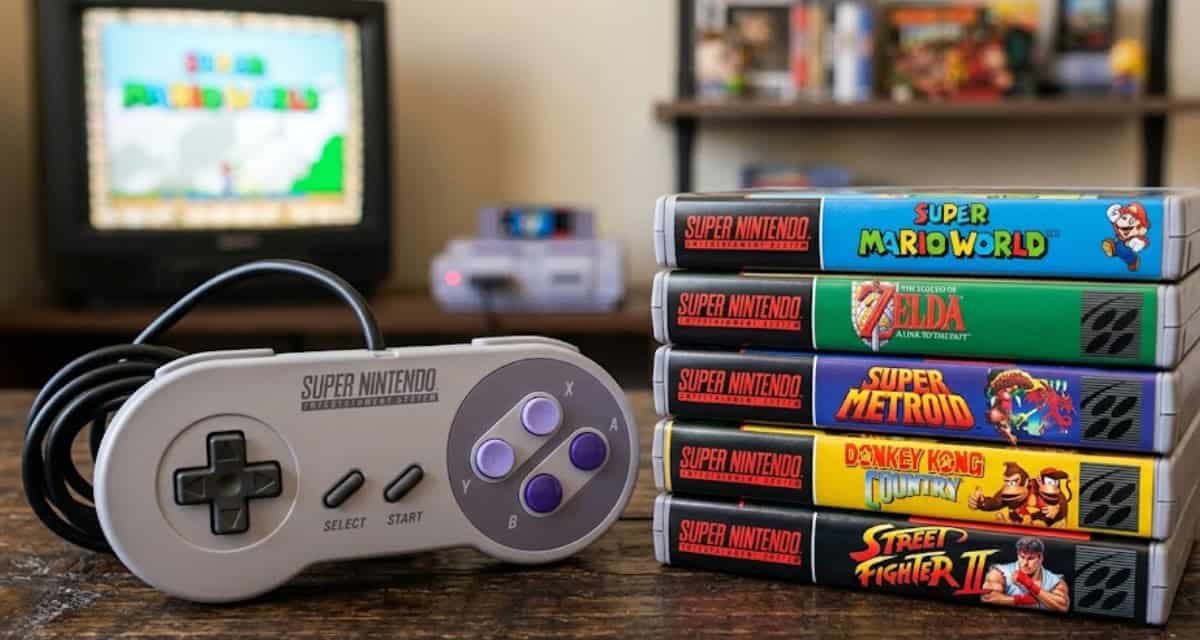
Modern flat-screen TVs process all video digitally. When you plug a retro gaming device in, like a Super Nintendo, the TV has to take a low-resolution signal, convert it to digital, and then upscale it to fit a resolution that is vastly higher than anything on the market 25+ years ago. The conversion pipeline happens in a fraction of a second, but it can lead to some frustration.
Game Mode in modern TVs helps, but there is still going to be some input lag no matter how you look at things. CRT TVs, for the sake of comparison, operate near instantly, using analog circuitry at the speed of light. If you play twitch-heavy games like Super Smash Bros. Melee, Street Fighter II, or even high-level Tetris, frame timing accuracy is the difference between success and failure. For those in the competitive retro gaming community, CRTs are must-have equipment.
Motion Clarity
©Interneteable/Shutterstock.com
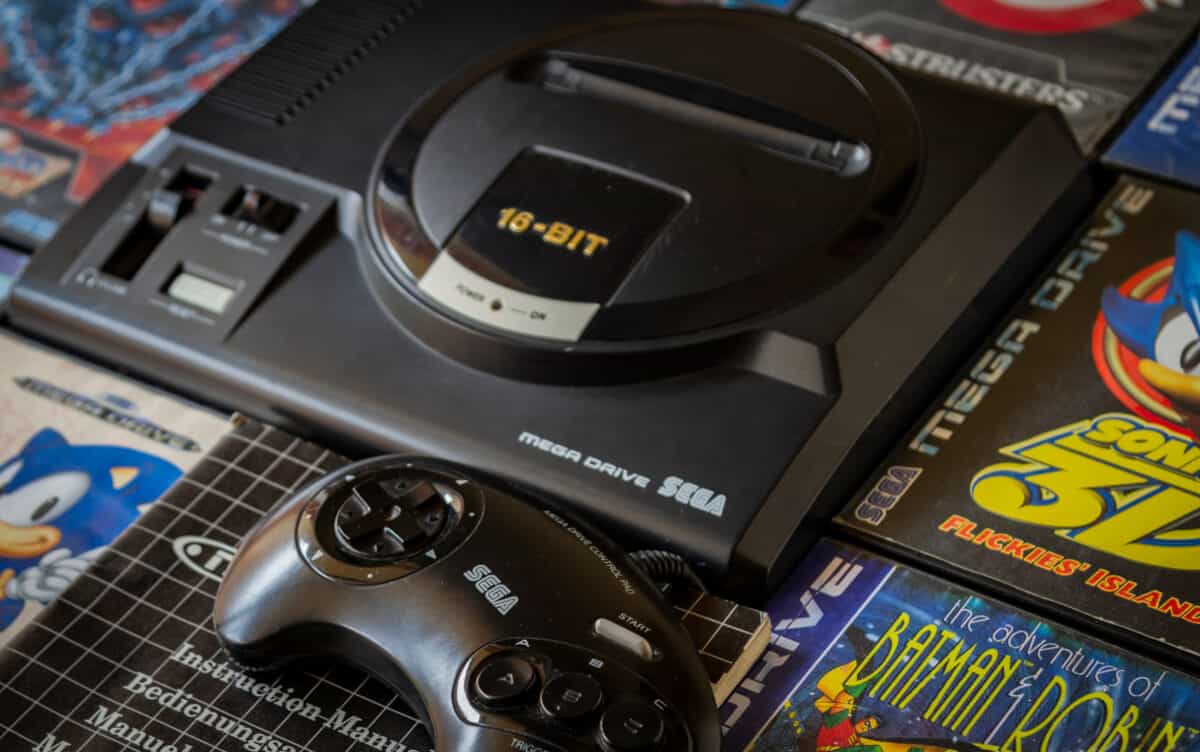
Modern games often have you moving the camera in slow, smooth motions. If you go for rapid movements, you might notice some ghosting or blurring. Part of this is just a simple matter of the technology that dominates modern TVs. LCD and derivative panels take time, even if it’s mere fractions of a second, to change state.
CRT TVs handle things differently, as you might imagine. An electron beam sweeps across the screen, exciting light in micro-flashes in a fraction of a millisecond. Since the screen is flickering on and off constantly, it makes for smoother motion. Often, the screen is refreshing far faster than even the frame draws on a retro game or old-fashioned LaserDisc.
For fast-paced games or films, this makes for near-perfect motion clarity. High-end, cutting-edge gaming displays made in 2026 still struggle to match the motion resolution of an office-grade CRT monitor from 1996 running at 60Hz.
Pixel Art
©Brian P Hartnett Jr/Shutterstock.com
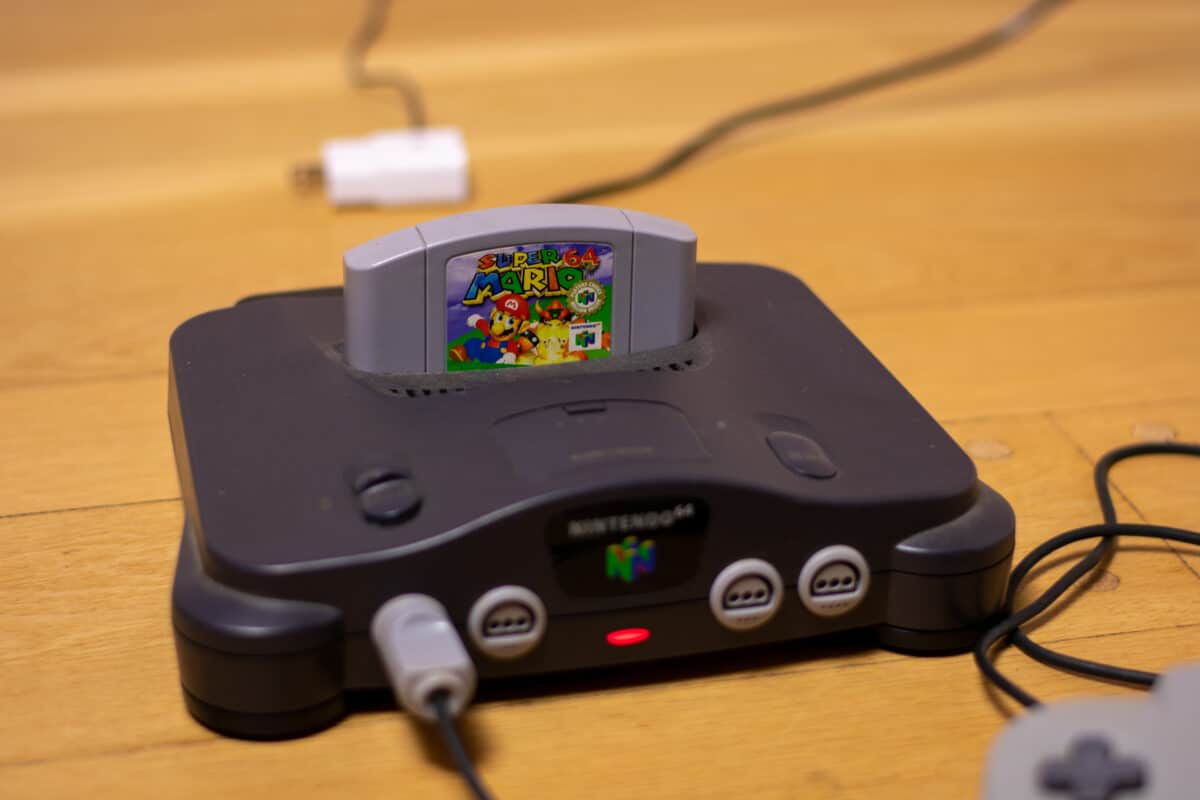
If you play a retro game on a modern display, like the recent compilations of Mega Man, Castlevania, and other favorites, you might be shocked by the sharp, blocky pixel art. When games like Castlevania 3 and Super Metroid came out, pixel artists knew full well that their work would be displayed on CRT TVs. As such, they accounted for things like scanlines, phosphor bloom, and analog dithering to smooth out the blockiness of the pixel art.
If you want the most accurate look for retro games, you could settle for digital filters, but a proper CRT TV will get you exactly what you’re after. Those sharp pixels smooth over to look like smooth curves, vibrant colors, and organic textures.
Light Gun Games
©
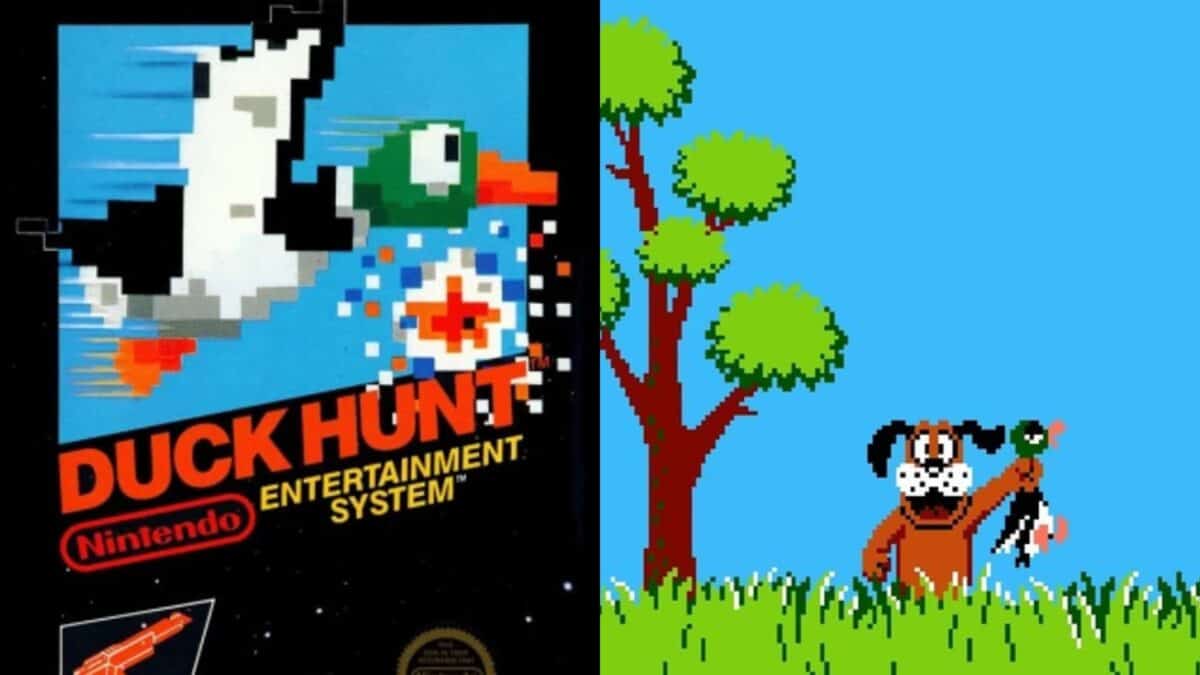
Without CRT TVs, there is an entire genre of games that are left unplayable on modern hardware. You could play them on a modern display, but it would take expensive hardware to get the sort of compatibility that used to be native. Light gun games, like Time Crisis, Duck Hunt, or House of the Dead, rely on the physical mechanics and characteristics of a CRT display.
When you pull the trigger on a light gun, the console briefly flashes the screen black for a single frame, leaving a white box over your enemy. A light sensor in the gun measures how fast it takes for the electron sweep to pass over the screen. Since modern displays don’t draw images line-by-line, light gun games can’t calculate timing.
If you’re looking to play classic light gun games, you’ll need a working CRT TV.
Scarcity
©Nor Gal/Shutterstock.com
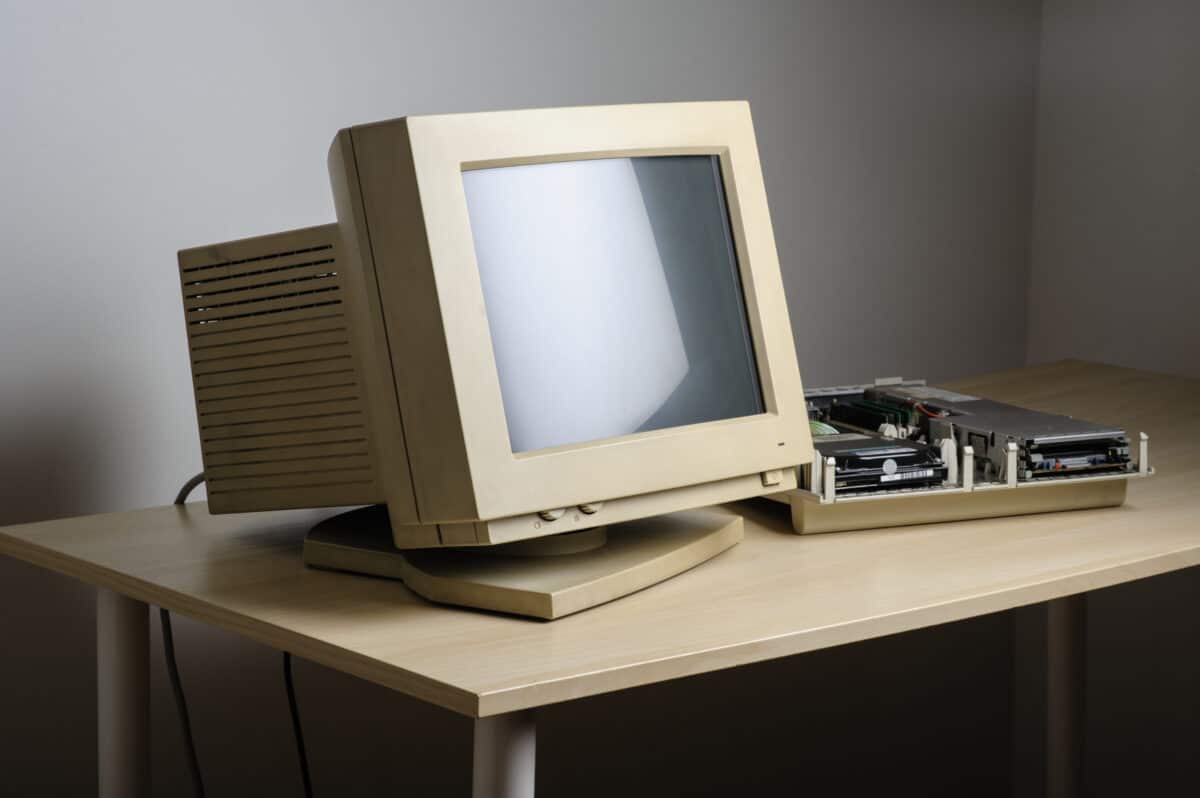
Unlike many of the retro revivals, like cassettes or vinyl records, CRT TVs aren’t manufactured anywhere these days. Manufacturing these old TV sets took massive glass factories capable of making thick, lead-lined glass tubes capable of withstanding thousands of pounds of vacuum pressure. The other infrastructural elements, like phosphor or electron gun assembly, no longer exist. Once the supply chain for flat-screen displays took over, CRT manufacturing was dismantled.
We are more than a generation out from the twilight of the CRT display, and the knowledge and tooling that went into making it simply no longer exists. Every CRT TV on the market is part of a finite, steadily shrinking pool of devices. Like any mechanical device, you’re going to have failures. Capacitors, transformers, and other elements of any old-school TV are going to fail after thousands of operating hours.
Millions of them were smashed to pieces at recycling facilities or are steadily rotting in landfills. Further, trying to ship a massive, top-heavy glass box across town means there is always a risk of structural damage. The supply is dwindling toward zero, despite increased demand from those embracing nostalgia and those looking to have a taste of the past. Despite it all, CRT TVs were simply no longer economical by the time flat-screen TVs took over.
Conclusion
It’s hard to trace the start of this push toward CRT TVs for competitive and retro gaming. There is no denying the popularity of these old displays in 2026. Sure, it’s obsolete tech, but it’s a bridging point between analog and digital. Technology back in the day was heavy, tactile, and ultimately permanent.
As long as there is a desire to preserve past media, experiencing them on authentic platforms will remain popular. Still, the clock is ticking on these old TVs, so if you’re interested, you might want to hop in now before it’s too late.
The image featured at the top of this post is ©Stokkete/Shutterstock.com