












15 Inventions From the 80's That Made the Future Feel Real
The infrastructure of the world we live in now was quietly built in the 1980s. The future was not coming. It was already there, in the laboratories and showrooms, and very few people noticed. Some of these inventions were ridiculed, some of them cost so much money that they became symbols of wealth rather than previews of technology that would one day become ubiquitous. Some of them could be understood only by people who developed them.
These are 15 inventions from the 80s that seemed futuristic at the time and gave way to a future nobody saw coming, least of all the people who built it.
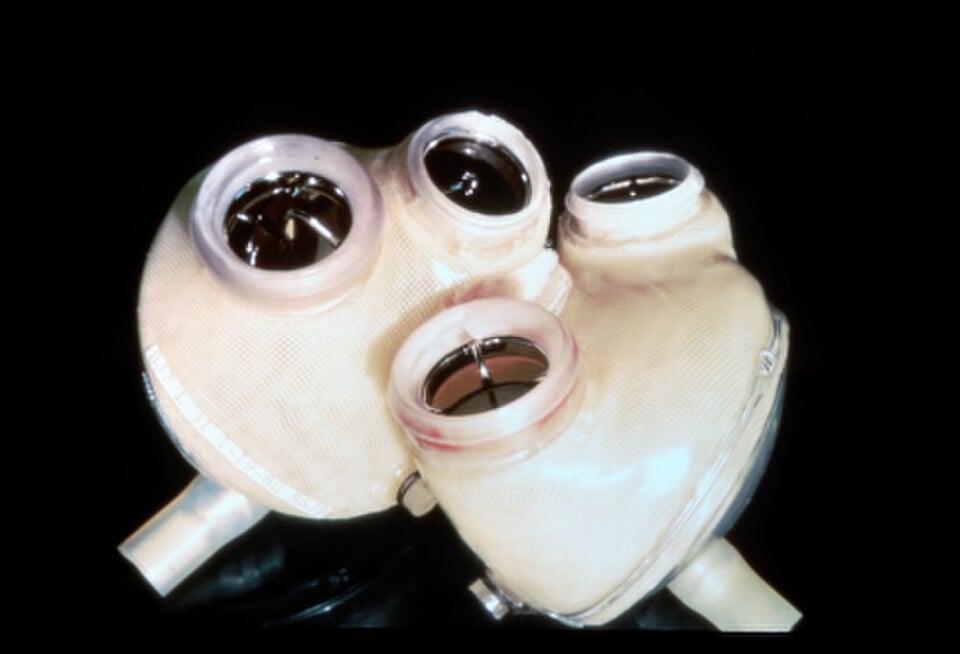
Jarvik-7 Artificial Heart (1982)
Barney Clark, a retired dentist, received the first permanent artificial heart on December 2, 1982. The Jarvik-7, invented by Robert Jarvik, is a fist-sized polyurethane and aluminum pump. It was installed in Clark's chest, linked to an external 400-pound air compressor by tubes running through his chest, a machine he would never be separated from. Barney Clark lived for 112 days before dying of complications unconnected with heart failure. His artificial heart worked well till the end. This invention proved that the heart was fundamentally a mechanical pump, which can be replaced by another.
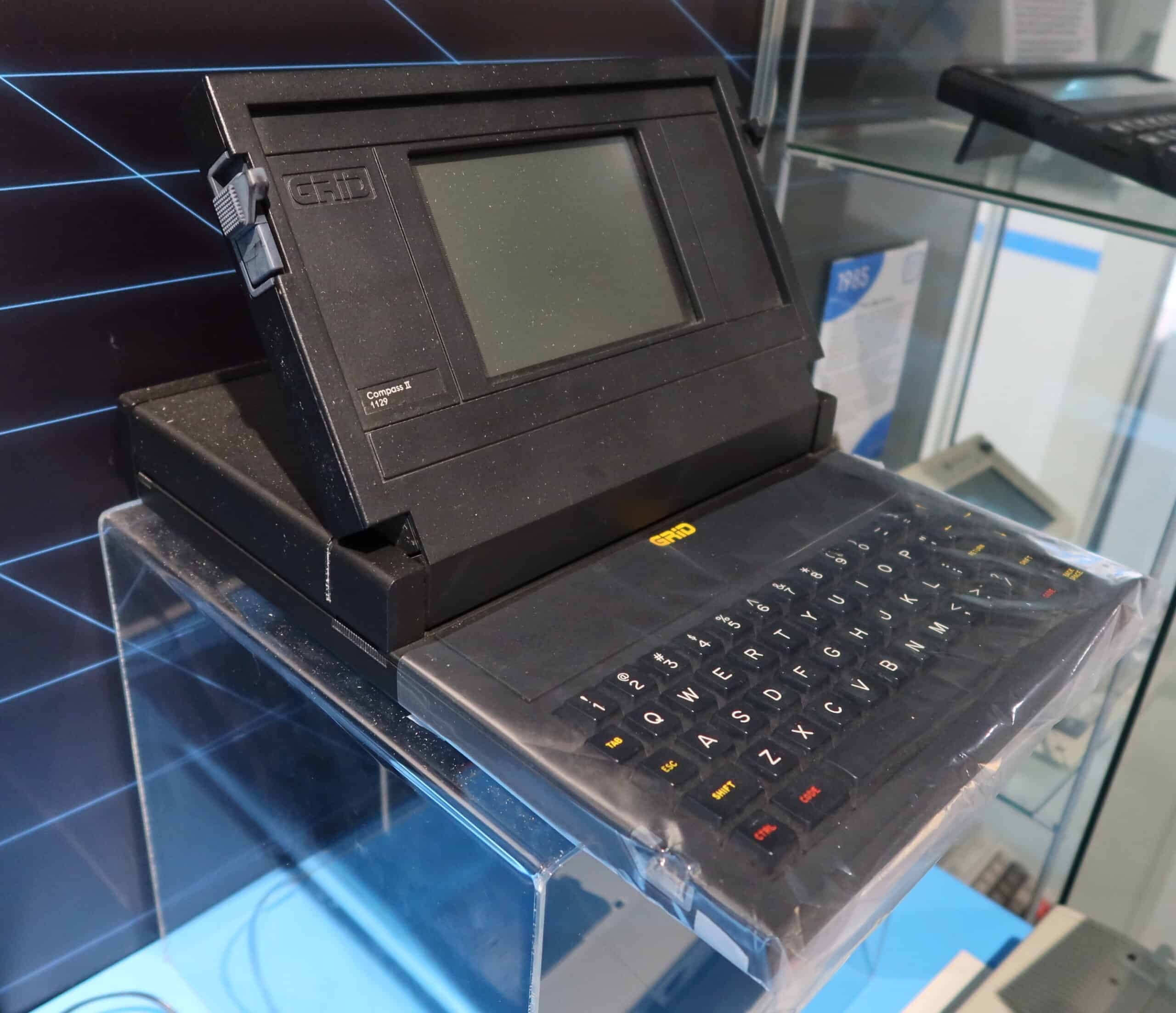
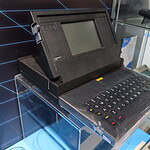
GRiD Compass Laptop (1982)
The GRiD Compass was designed by Bill Moggridge and debuted in April 1982. It was recognizably a laptop. It had a flat screen that folded down over the keyboard, connected via hinges in the back, powered by the Intel 8086 chip, with a modem and a flat-panel electroluminescent display. It weighed roughly 11 pounds and retailed for around $8,150. It was mostly bought by NASA for its space shuttle missions and by the American military for field deployment.
The concept of a powerful personal computer that could be carried in a bag and used anywhere was already embodied in real life in 1982. Most people had never seen the personal computer, let alone the portable version.
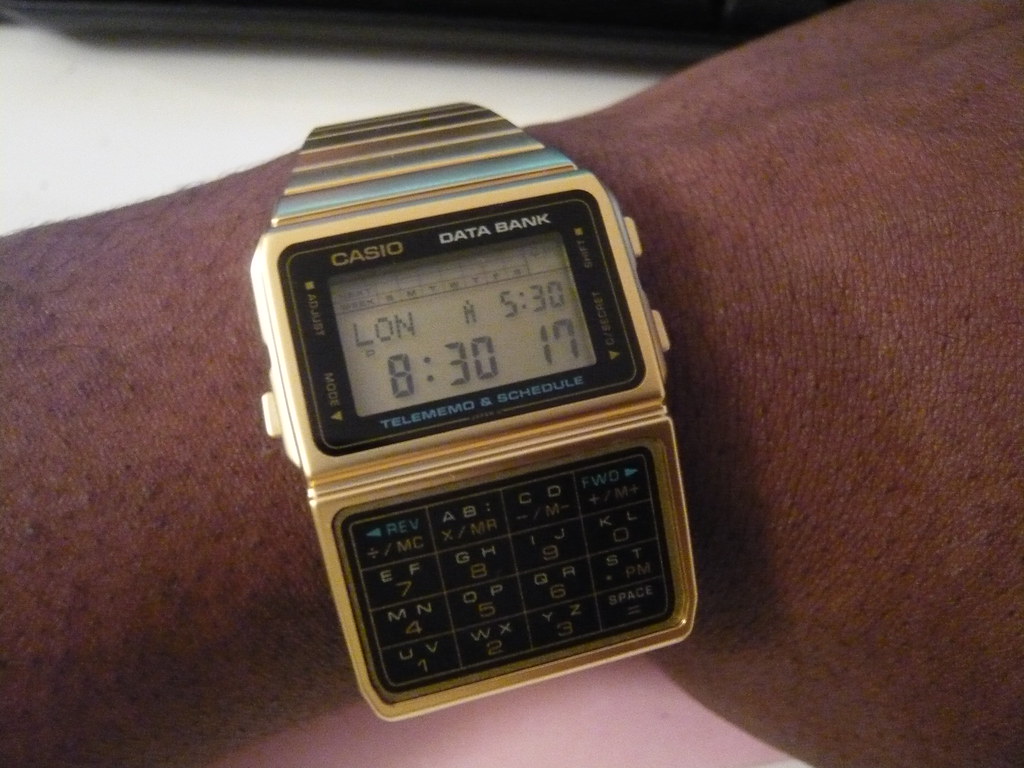
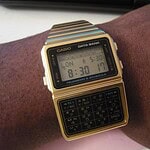
Casio Data Bank Watch (1983)
In 1983, Casio introduced its Data Bank DB-1000, a wristwatch with an electronic database inside it that allowed its owner to store people's names and telephone numbers via a tiny screen and keyboard. The basic idea behind cloud-synced smart watches was already functional in 1983 and available in the market for a fair price. Later models added calculators, translators, scheduling, and more. Casio was ahead of its time.
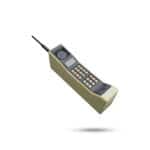
Motorola DynaTAC (1983)
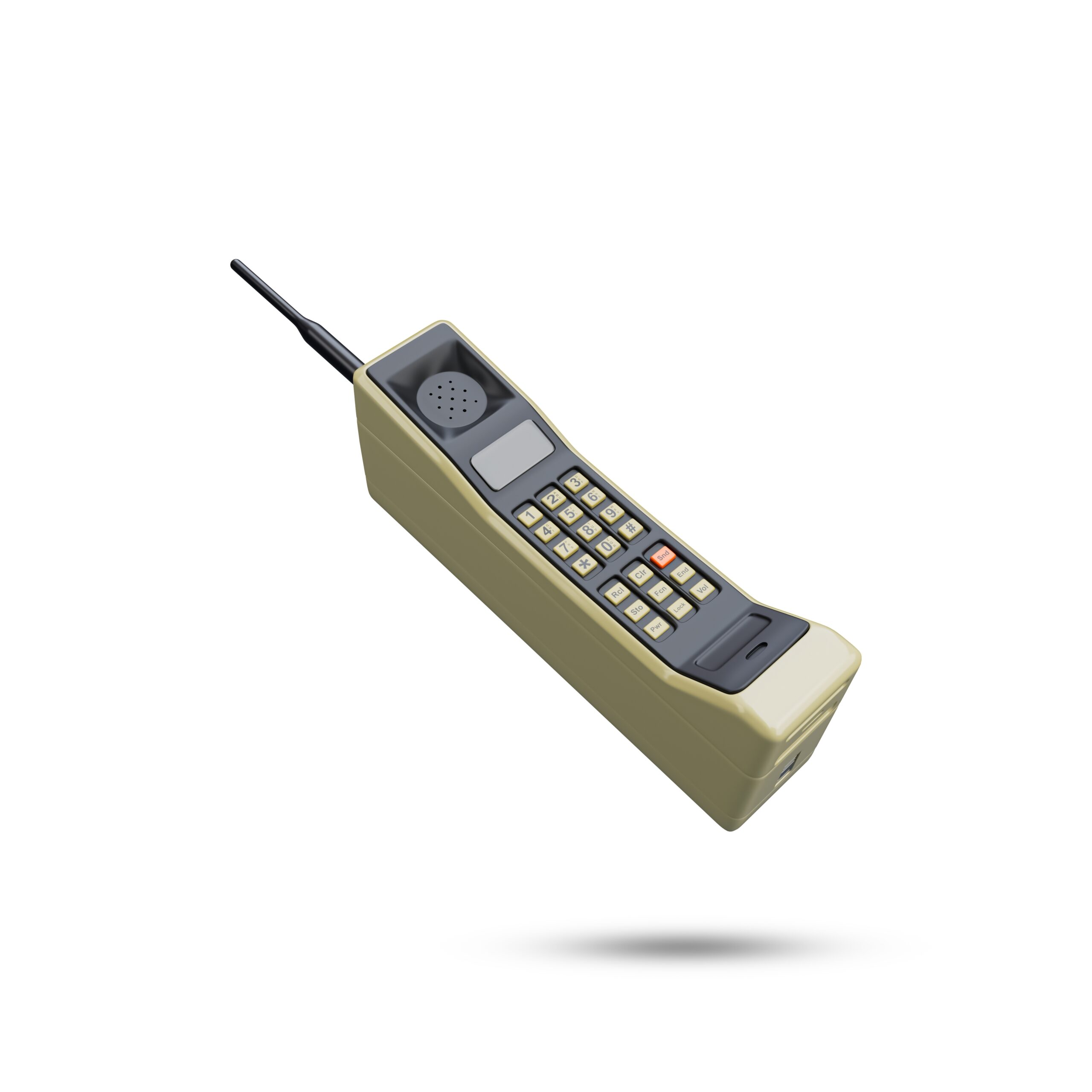
Most people think of the cell phone as a 1990s thing, a large device carried around by businessmen in airports. The real introduction to the consumer market took place in 1983, when Motorola brought out the DynaTAC 8000X for sale in the US at the price tag of $3,995 (that’s $12,000 today).
The phone weighed around 2.5 pounds. It took 10 hours to be charged and only lasted about 30 minutes. This model got nicknamed "the Brick," which was both accurate and affectionate. Thousands of users owned this gadget, and entire major cities ran on a single transmitter.
The idea that one would eventually be in 98 percent of American households would have sounded like a bad guess.
DNA Profiling (1984)
On September 10, 1984, Alec Jeffreys pulled a sheet of X-ray film from a developing tank at the University of Leicester lab where he worked. He noticed a "horrible, smudgy, blurry mess." It was, in effect, a biological fingerprint. Jeffreys was researching minisatellites in DNA rather, not trying to develop a forensics application. However, the film demonstrated, for the first time, that everyone's DNA generated a distinctive pattern of bands.
In the next thirty minutes, Jeffreys wrote a list of applications. In 1986, the method helped to identify a killer in the case of a double homicide in Leicestershire, the first time DNA evidence was used in a criminal prosecution anywhere in the world. Prior to that morning, the concept was pure science fiction. Soon, it became court-admissible evidence.
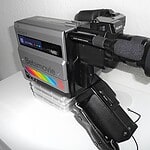
Sony Betamovie BMC-100P Camcorder (1983)
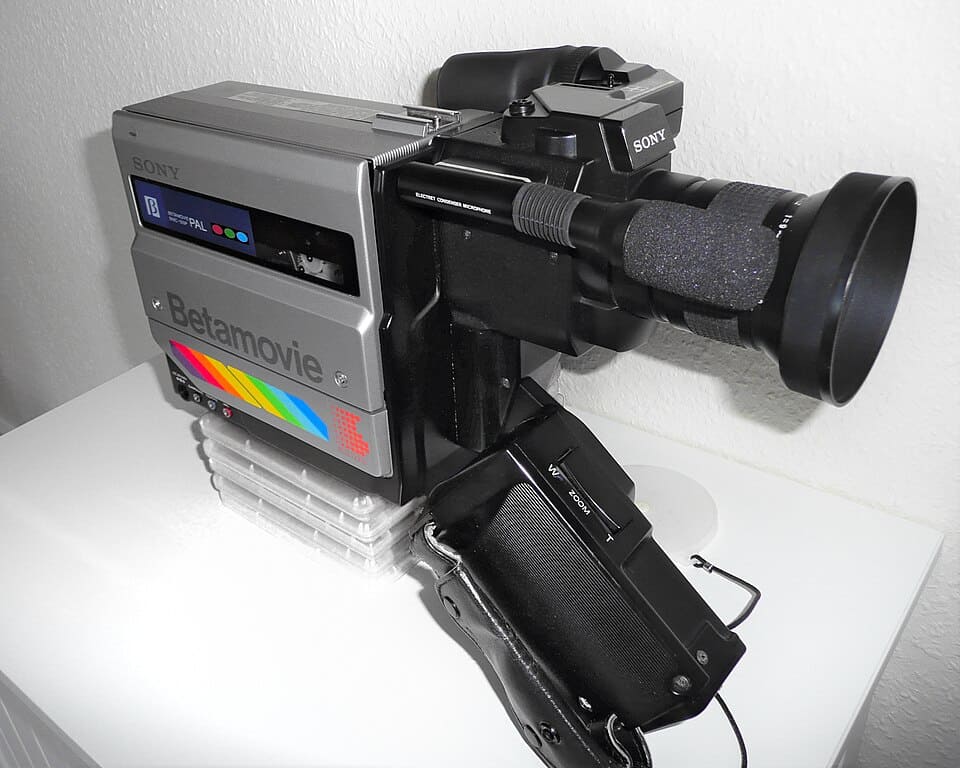
Until 1983, if you wanted to make any kind of production, you would need a film crew and a television production budget, or at least a 16mm camera and the know-how to develop films. That all changed in May of 1983, when Sony released its revolutionary Betamovie BMC-100P, the first camcorder for consumer use, using Betamax tapes and weighing 6 pounds. Yes, there were home movies in the Super 8 film form, but they were silent and had to be developed.
In 1984 the more compact JVC GR-C1 became the camcorder used by Doc Brown in Back to the Future, which seems like a slight nod to where the technology was headed.
HP-150 Touchscreen Computer (1983)
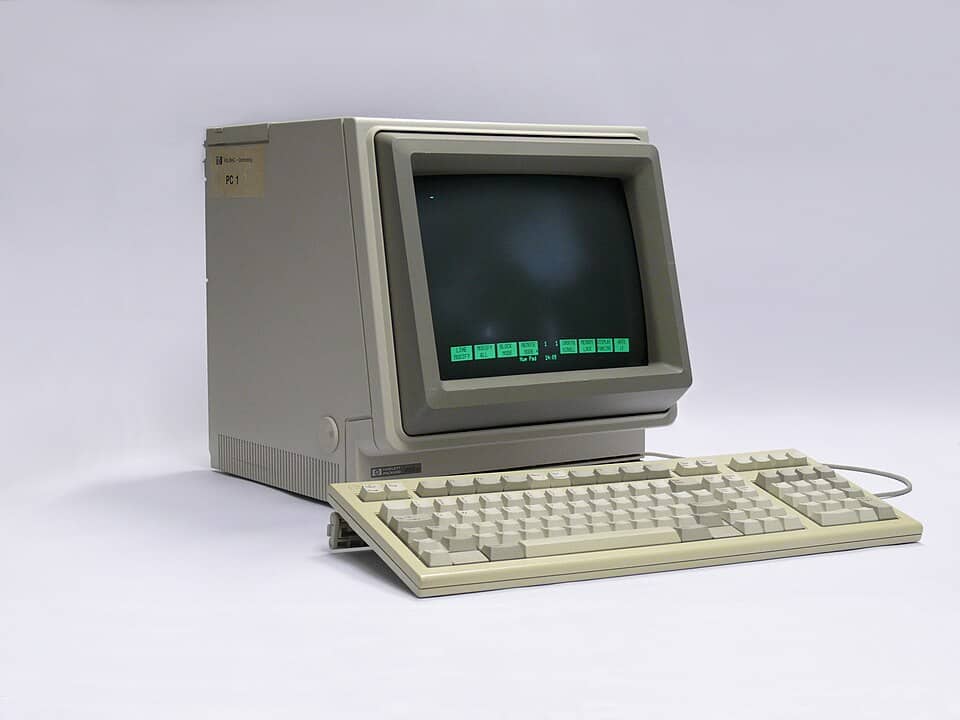
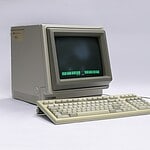
According to the popular narrative, touchscreen history starts in 2007 when Apple launched its iconic iPhone. It goes further back. Hewlett-Packard made the commercial touchscreen computer available back in 1983. The HP-150 had an infrared grid of emitters and detectors installed into the bezel of the device. It ran on MS-DOS and cost about $2,795.
The technology was different from the capacitive screens we use today in our smartphones and tablets and it didn’t have the multitouch feature. But the basic idea of the computer reacting to touch on the screen was there. Way back. In 1983. The iPhone did not invent the touchscreen, it just made them fast enough to be worth using on a daily basis.
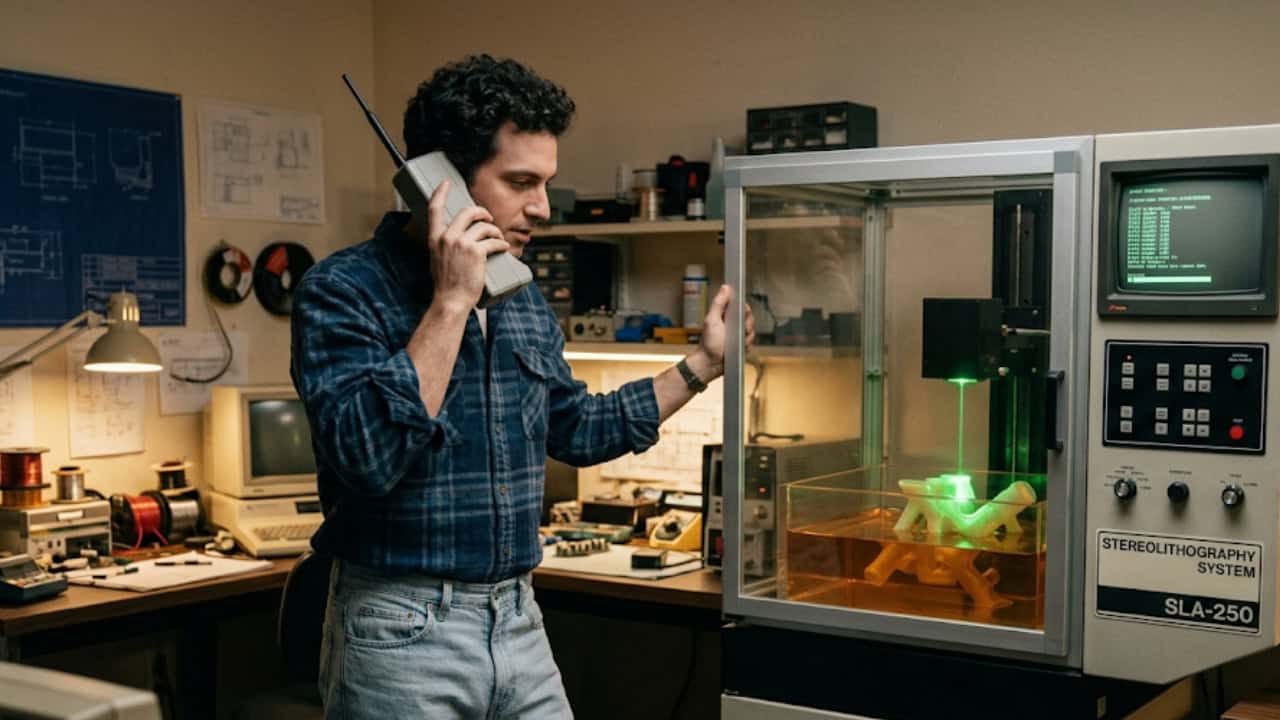
3D Printing / Stereolithography (1983)
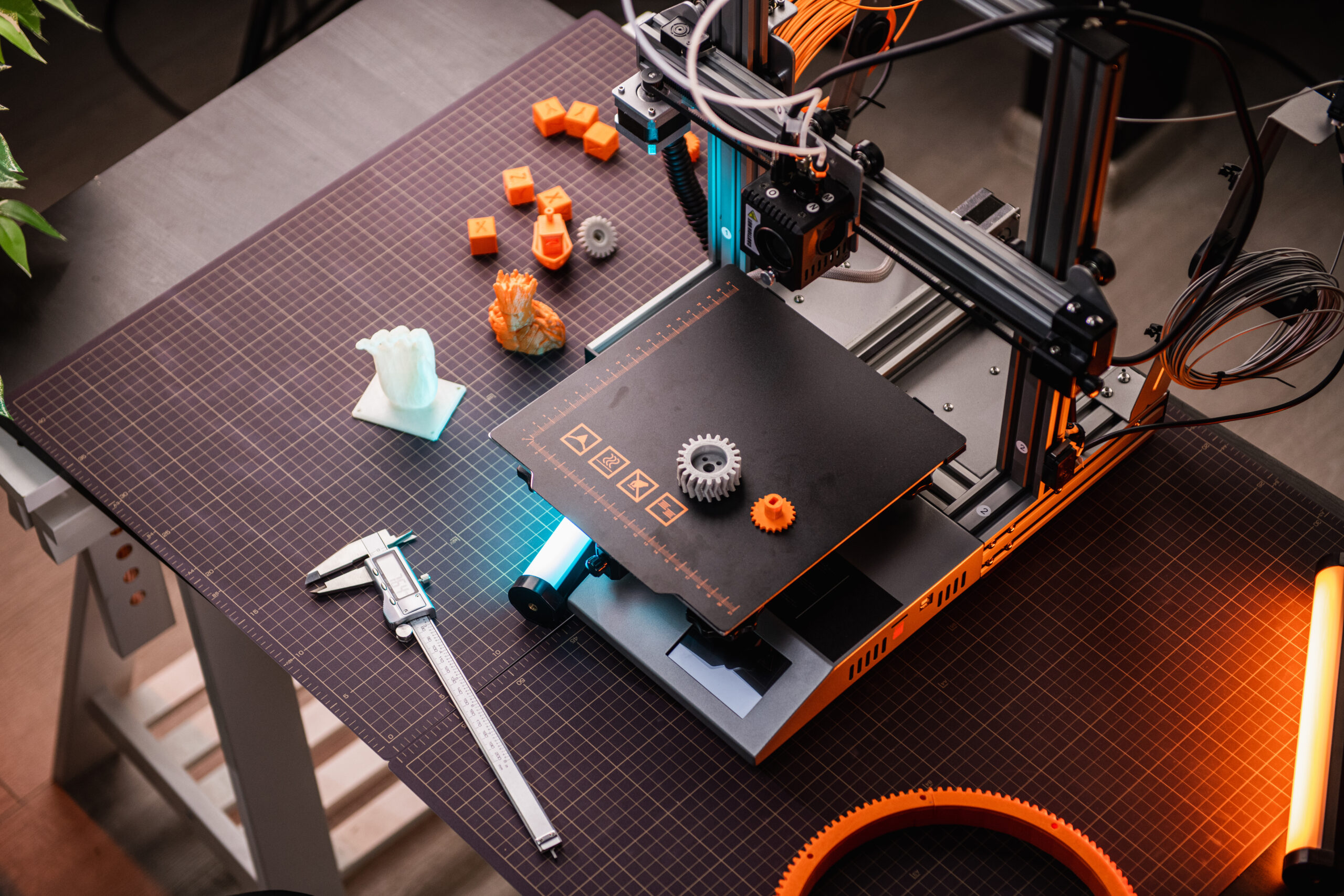
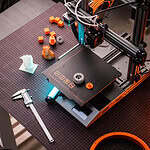
In 1983, Chuck Hull was working for UVP, Inc., making UV-curable resins used for coating table tops, and he realized that the resin hardened with ultraviolet light. This made him spend his nights on a device that would help produce solid three-dimensional objects layer by layer from a digital file.
On March 9, 1983, he created the first 3D printed object, an eyewash cup. In 1984, he patented the idea and named it "stereolithography." His company, 3D Systems, shipped the first 3D printer in 1987, named SLA-1, mainly sold to auto and aerospace companies that required prototype models built in hours instead of months. Hull later said that he had not imagined the technology would be used by regular folk outside of specialized industries.
The Compact Disc (1982)
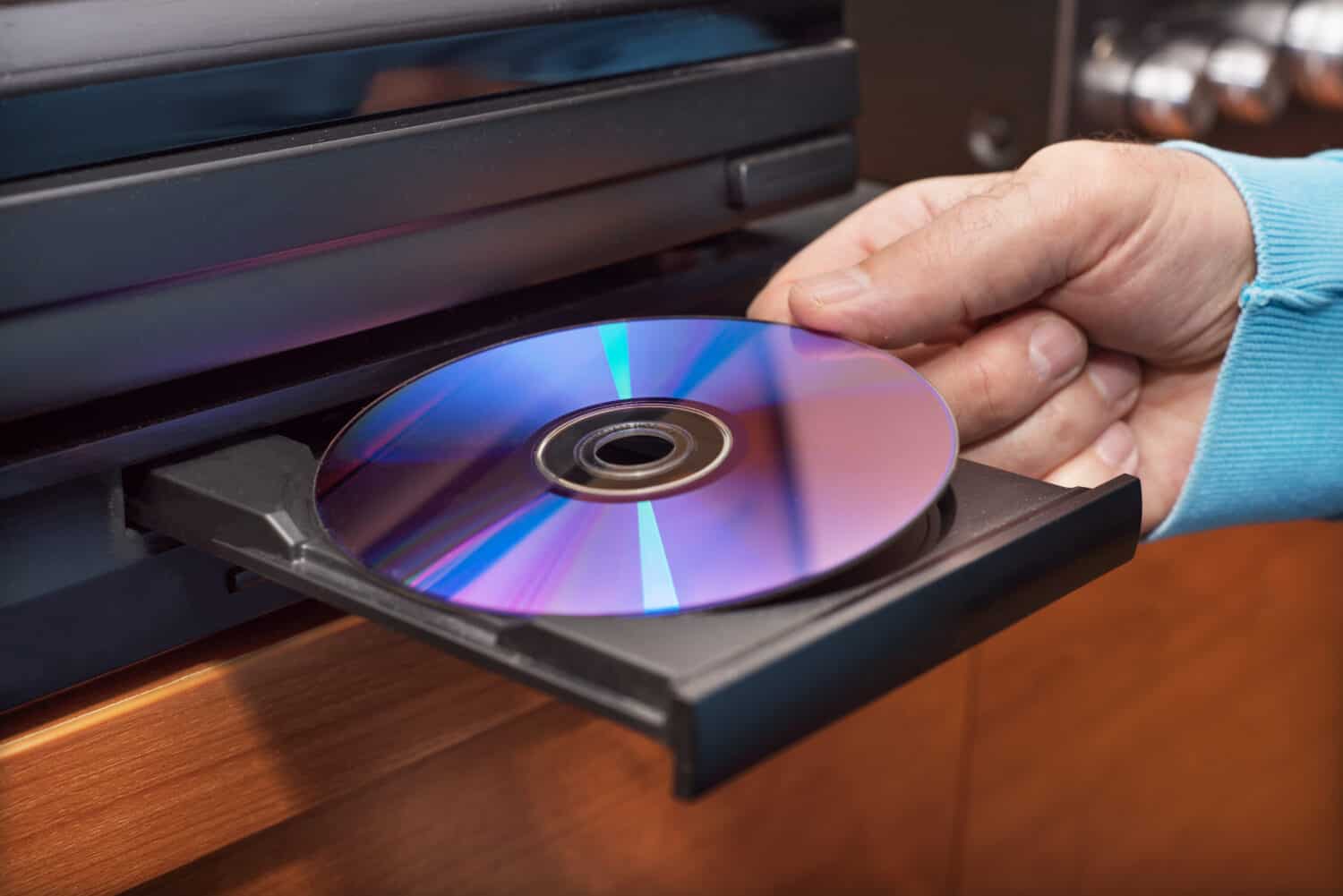
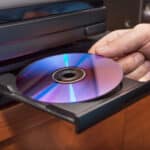
The compact disc was made available for commercial use in Japan in October of 1982 by Sony and Philips. The selling point? Instead of recording music through magnetic tape, it was recorded digitally. No degradation could come from playing it repeatedly or touching it with a stylus. Initially, most people found it unbelievable, and the audiophile community was openly skeptical. The claim that a shiny plastic disc with no grooves could sound better than vinyl seemed absurd to anyone who understood how records worked. You could see how a record worked. The CD gave you nothing to look at, but somehow it worked.
HDTV (Early 1980s)
NHK, Japan's national broadcasting company, had been working on a high-definition television system since the late 1970s. By 1980, the technology used in prototype sets produced images that were more detailed and wide than any existing consumer television set.
In 1987, the company came to Washington with their technology and showed the FCC and Congressmen what they had created. The response ranged from amazement to anxiety. The U.S. government took a cautious attitude towards the technology, and ran parallel development projects throughout the 1990s. High definition broadcasts did not start in the U.S. until late 1990s, but the technology was ready in 1980.
Magellan NAV 1000 Commercial GPS (1989)
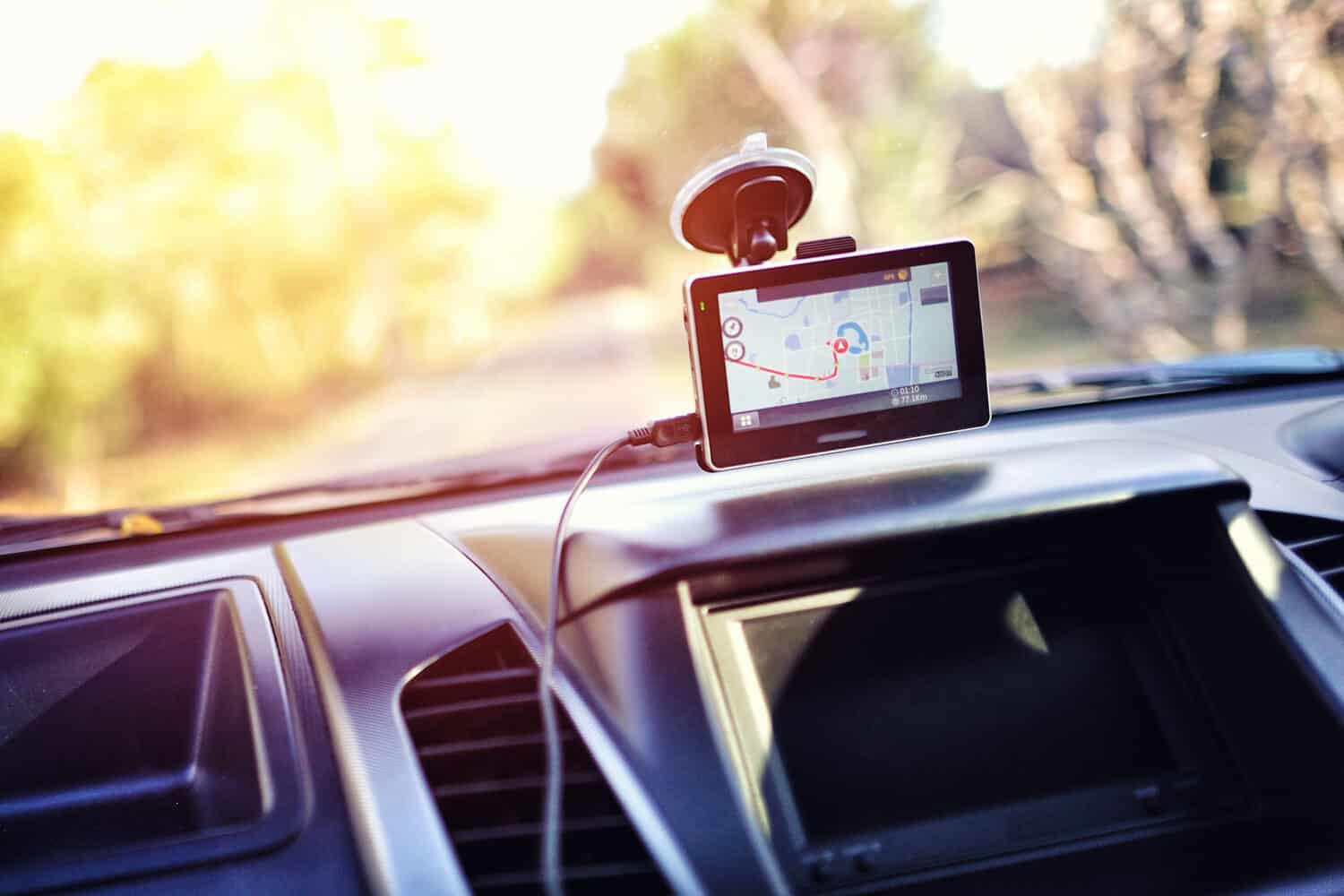
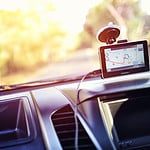
GPS technology is an American military invention. Following the Soviet shootdown of Korean Air Lines Flight 007 in 1983, Ronald Reagan made GPS technology available for civilian use. It was the Magellan NAV 1000, the very first commercial GPS device made for civilian use. It came into the market in 1989 for $2,995. It was a portable, battery-operated gadget.
The accuracy of civilian GPS at that time was deliberately hampered by the U.S. military to a radius of 300 meters and it remained so until the year 2000. Nevertheless, GPS was already available back in 1989, but navigation still meant paper maps for most people and would remain so for another decade.
MCI Mail, First Commercial Email Service (1983)
Electronic mail had been around in research networks since the early 1970s, but the version introduced in September 1983 was something new. It was a commercial service available to any business or individual who wanted to pay for it. MCI Mail allowed customers to send electronic messages from one subscriber to another and for an additional cost, MCI would print out the message in its facility close to the destination and would hand-deliver the printout either via the courier or by postal mail.
By 1984, MCI Mail had some 40,000 subscribers. To many Americans in 1983, the idea of transmitting a text to another person instantaneously using a phone line without physically passing anything seemed completely absurd. Something out of a sci-fi novel. Americans were doing business through fax machines and postal mail. It took another decade of infrastructure growth before the idea became ordinary.
CD-ROM Data Storage (1985)
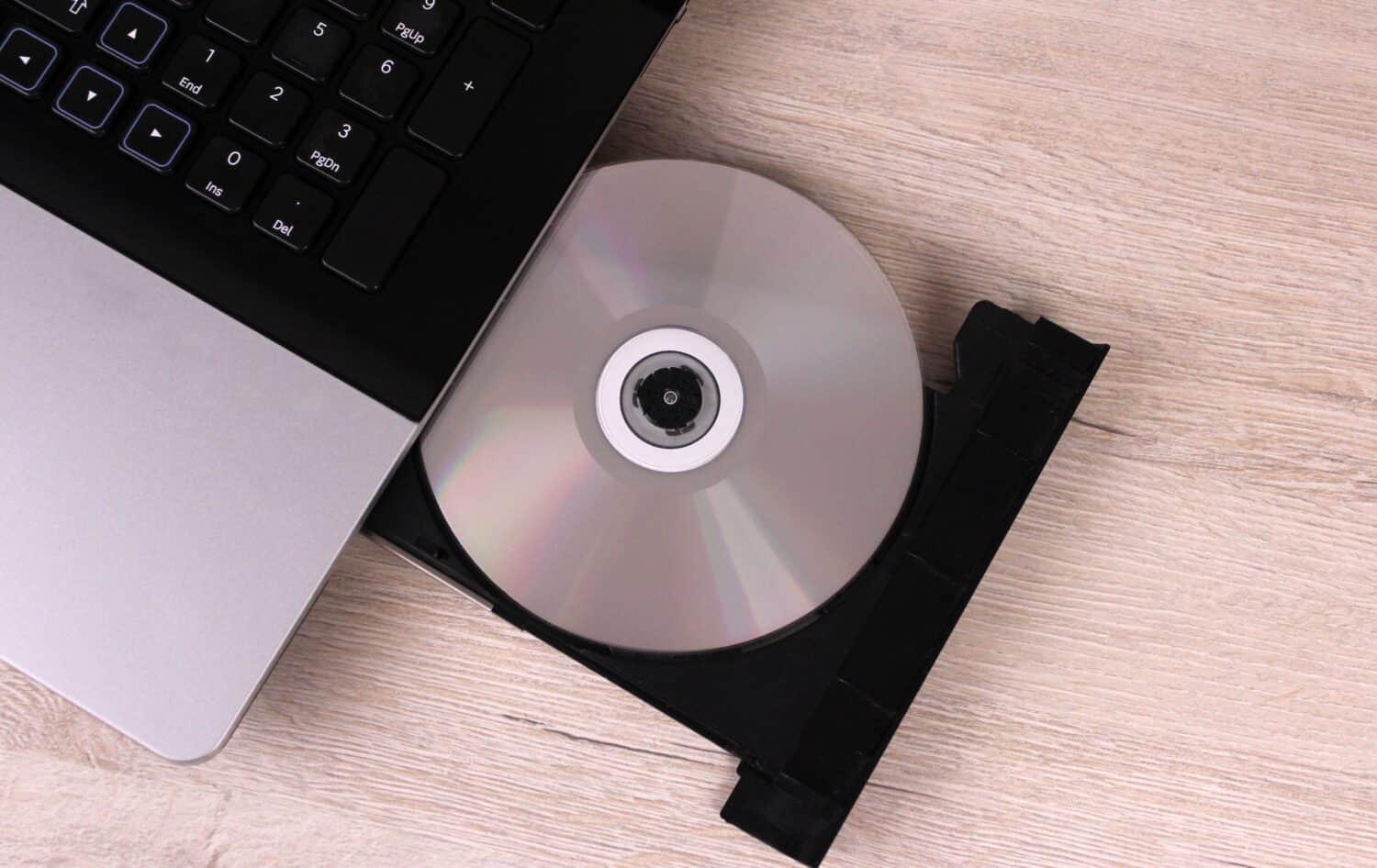
The audio CD was introduced in 1982. In 1985, Sony and Philips used the very same technology for storing computer data and released the first CD-ROM drive, with discs capable of storing about 650 MB worth of data. That was the approximate capacity of 450 floppy disks. The obvious use was reference materials like encyclopedias and dictionaries, basically any database too large to fit on magnetic media.
In 1987, Microsoft released the CD-ROM version of Bookshelf, a set of reference books available on one disc. The idea that a plastic disc could hold all that text was far from being obvious for those who were accustomed to working with 1.2 MB floppies. This format was available since 1985 and spent the rest of the decade waiting for the software industry to catch up.
Prozac / Fluoxetine (FDA Approved 1987)
Chemists at Eli Lilly discovered that fluoxetine was a selective serotonin reuptake inhibitor (SSRI) in the 1970s. The next ten years were spent testing it through clinical trials until it was finally approved by the FDA in December of 1987. What made Prozac feel futuristic wasn't just the drug, but the idea that cognition and emotional regulation were products of specific neurochemical processes within the brain that could be adjusted pharmacologically with reasonable precision. This wasn't really the popular public perception in 1987. The workings of the brain were a mystery. Psychopharmacology was something that only worked in science fiction.
Prozac became one of the best-selling drugs in history, and by the 1990s had become cultural shorthand for a particular kind of modern anxiety about consciousness and chemistry.
AT&T Fiber Optic Telephone Network (1983)
In 1983, MCI was the first company to have a commercial fiber optic line which was laid between New York and Washington. Not long afterwards, AT&T had one of their own installed. The phone calls could now be conducted as light pulses down the thin strands of glass that fiber optics were made of. None of those using the telephone could have known that. They didn't need to know. In the mid-1980s, fiber optics installations were growing at a very fast pace around the world. The copper cables used to conduct all phone calls up until that point were becoming outdated. Most people wouldn't hear the word "fiber" in a telecommunications context for another two decades.