






15 Old-School TV Gadgets That Look Ridiculous Now
Each generation comes up with products that everyone thought would stick around. These people were far from fools. They were placing well-reasoned wagers about the future. They just didn't always build the right thing. Some of them even predicted where technology was heading and were simply ahead of their time. Others missed the mark completely.
The items on the list below were actually marketed and sold to consumers. In some cases, the companies spent enough money on PR and celebrity endorsements to conquer a small country. They all disappeared. Some quietly, some spectacularly.
Here are 15 TV gadgets and tech products that once felt like the future, but look ridiculous now.
RCA SelectaVision (1981)
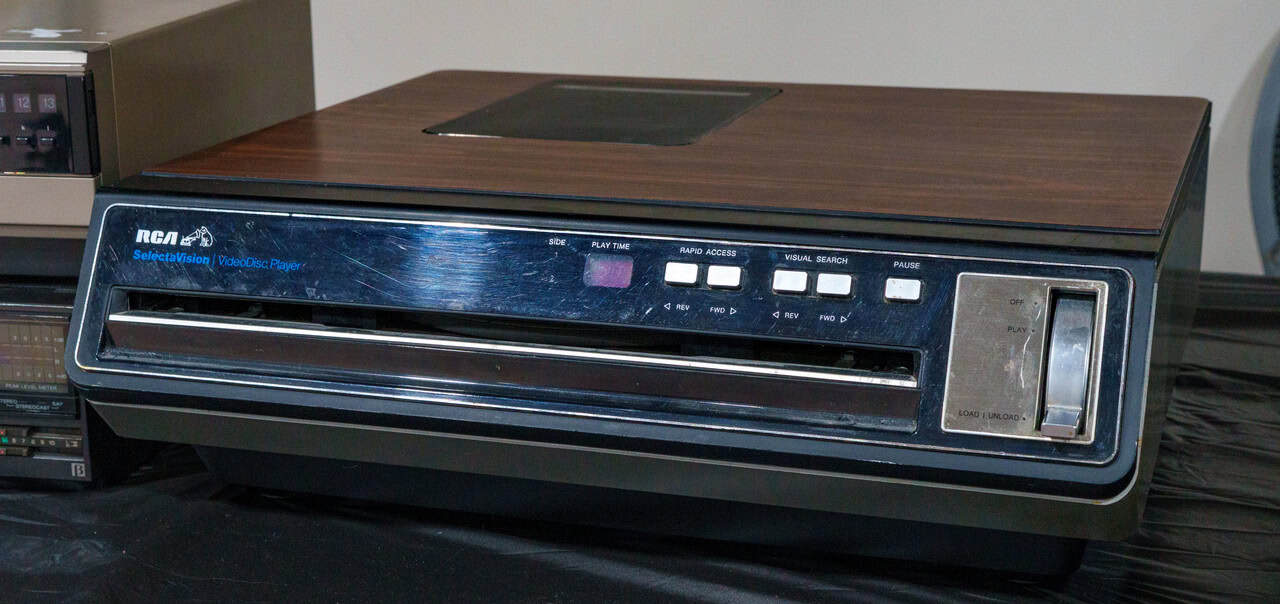
It took 17 years and $200 million for RCA to finally come out with its SelectaVision machine in 1981. It was a video disc player that used a diamond-tipped stylus to read grooves on a 12-inch vinyl platter, essentially a record player for movies. Critics had already dubbed its technology "Jurassic" before it even hit stores.
In 1984, the SelectaVision machine was discontinued, although RCA kept selling the discs until 1986. By the time it was over, total losses had reached an estimated $580 million. General Electric acquired RCA in 1986, and the SelectaVision name was quietly retired.
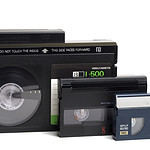
Betamax (1975)
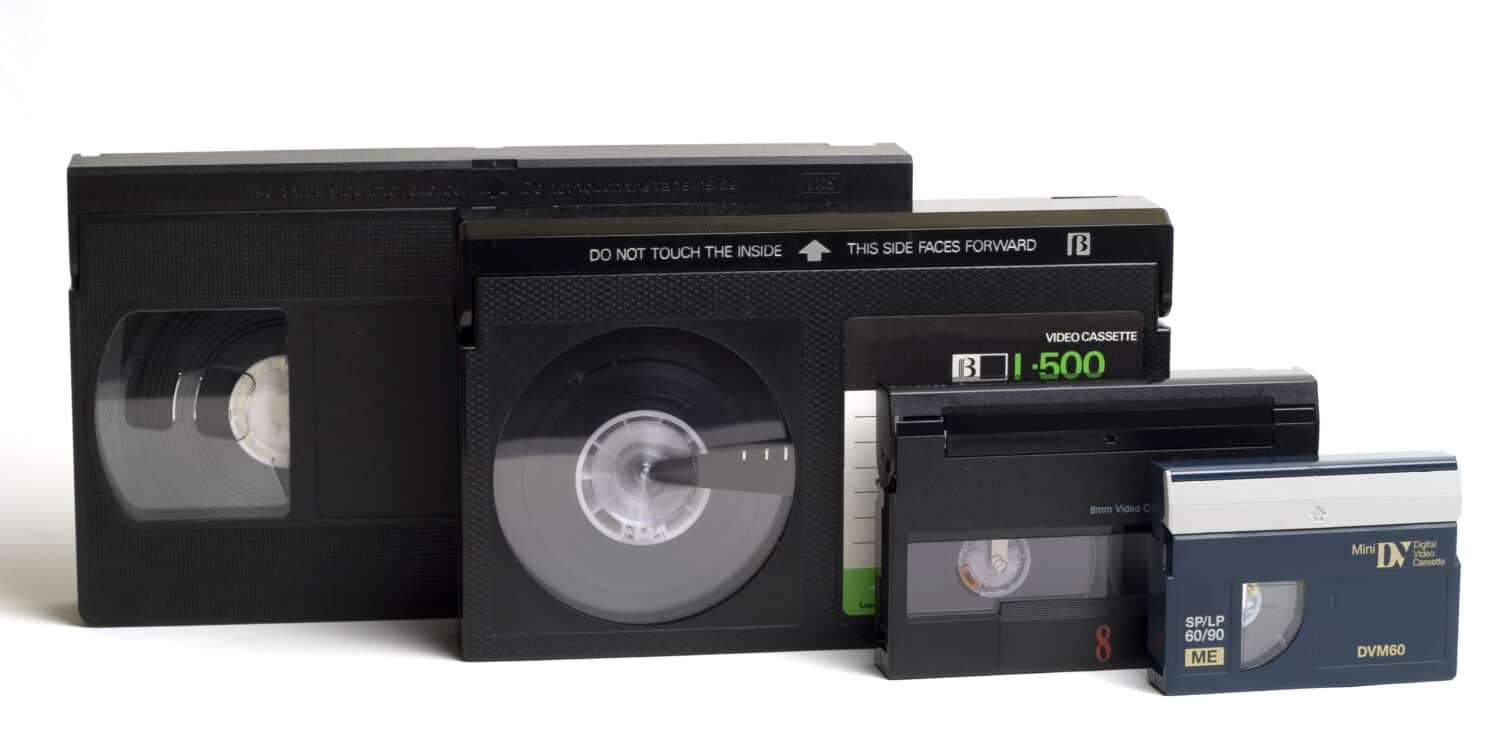
Technically speaking, Betamax was the superior option. The tapes were smaller, the picture quality was sharper, and the Sony Betamax had the first mover advantage because it actually came before the VHS. It still lost. VHS tapes allowed for longer recording times, which may seem like a minor factor, but was actually decisive. The average American needed room to record football games and movies.
Studios building their rental catalogues followed the consumer and not the technology. Betamax tapes were manufactured until 2002, and the last Betamax machine came off the assembly lines that same year. Sony spent nearly 30 years manufacturing a product that had already lost its format war. Betamax is now cited in business school classes as a textbook case for why the better product doesn't always win.
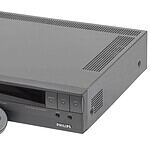
The Philips CD-i (1991)
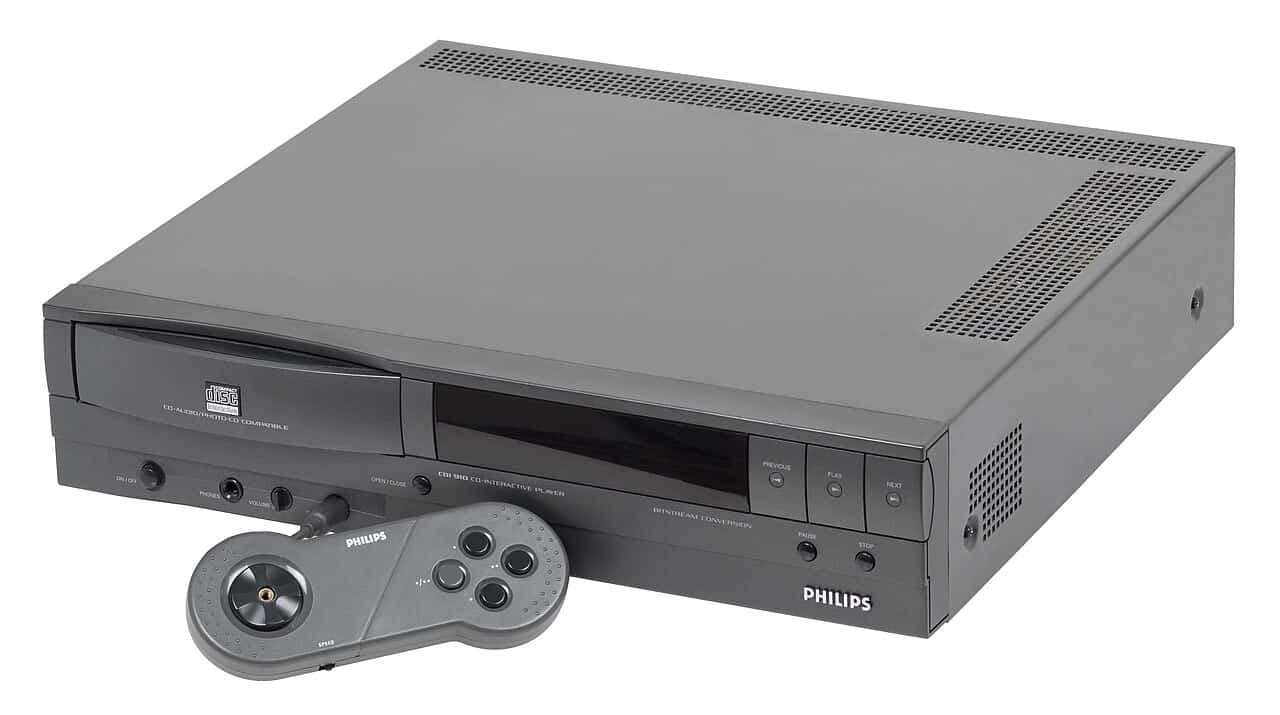
Philips marketed the CD-i as an all-in-one home entertainment system where you could play video games, access educational software, and watch movies. It failed spectacularly at all of those. The game controller looked more like a TV remote than a video game controller, and the hardware itself was priced at close to $700 when it was released. That’s expensive by even today’s standards, let alone in the 90s.
Nintendo had been in talks with Sony to develop a CD-ROM add-on for the Super Nintendo. Those negotiations collapsed, and Sony went on to develop the PlayStation independently. Nintendo then turned to Philips for the CD-i, and when those negotiations also fell apart, Philips walked away with the rights to use Nintendo's characters.
The CD-i games produced using Nintendo characters were a hot mess of bad animation and terrible writing. So much so that they were ridiculed into meme territory decades later. Philips lost close to a billion dollars on the whole venture, and the cursed Nintendo games were the only legacy the CD-i ever got.
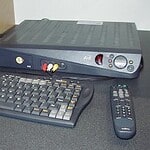
WebTV / MSN TV (1996)
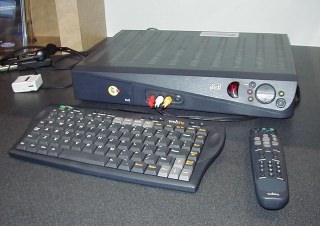
WebTV was meant to bring the Internet to your TV screen so that you could log on right from your sofa without ever needing a computer. It was introduced in 1996, using a combination of set-top boxes, a keyboard, and a dial-up connection. Its interface used large fonts designed for screen viewing, it was easy to sign up for, and, during the brief mid-90s window it existed, it actually worked as intended.
In 1997, Microsoft bought the company for $425 million. They kept it running for over a decade, renaming it MSN TV and slowly watching it become irrelevant. By the time they quietly discontinued it in 2013, the internet had long since moved past dial-up speeds, and the laptop had replaced the television as the casual browsing device of choice. By then, most of its remaining users were elderly people who had never owned a computer. Microsoft even sent out letters to break the news instead of the typical email.
The Nintendo R.O.B. (1985)
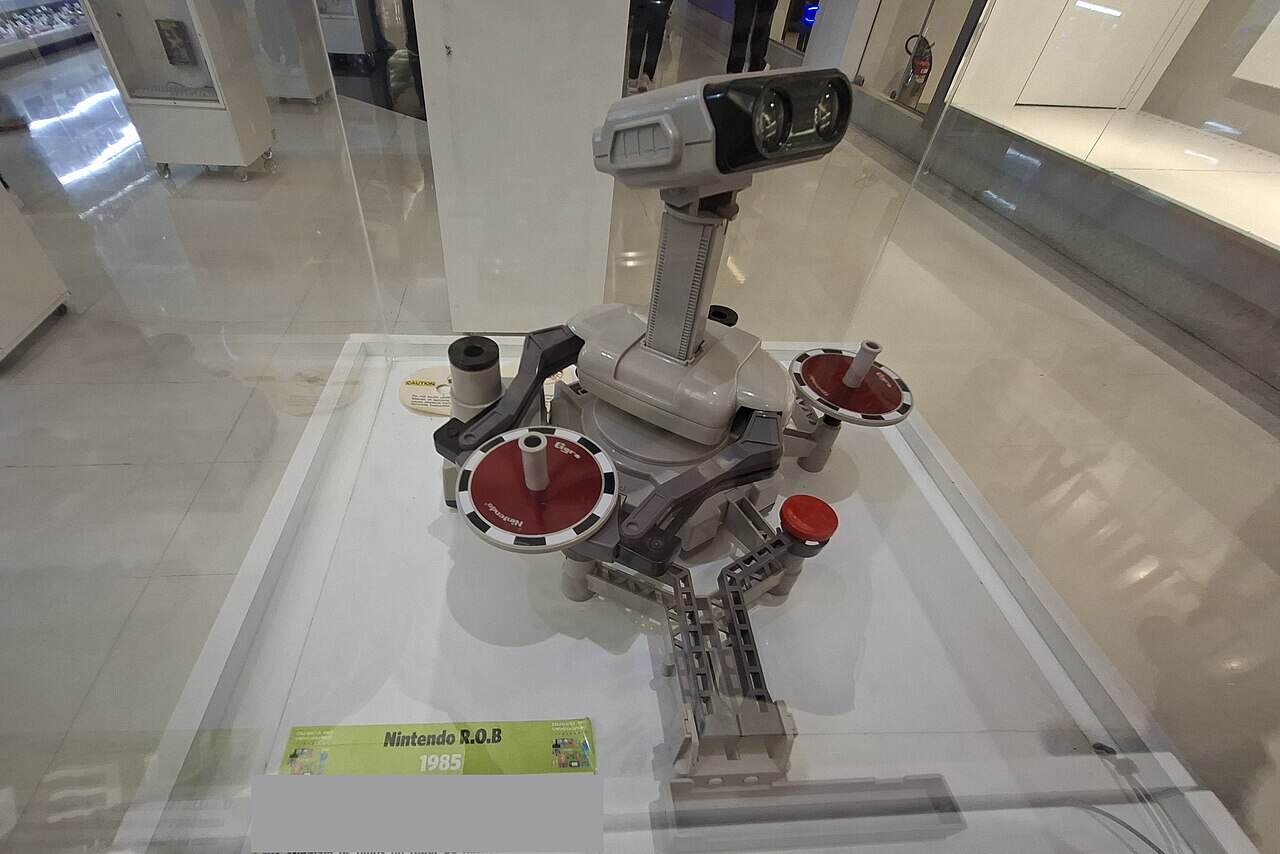
The Robotic Operating Buddy, or R.O.B., was a plastic robot that was briefly bundled with the Nintendo Entertainment System in North America. R.O.B. only worked with two games: Gyromite and Stack-Up. It would slowly move physical game pieces around on a small platform next to the TV, while the human player waited patiently.
Retailers in 1985 were wary of restocking video game consoles following the 1983 market crash. Nintendo wanted the NES to be considered a toy, not a console, and R.O.B. served that purpose in store displays and advertising. After it had been proved that the NES would sell by itself, R.O.B. was quietly discontinued. The robot has become a sought-after collectible item. The games didn’t get so lucky.
The Clapper (1985)
The Clapper was a sound-activated switch that let users turn their lights on or off by clapping. It became the symbol of home automation during the 1980s through its distinctive jingle, which became part of the collective memory in the 80s: "Clap on, clap off."
The problem is that a sound-activated switch cannot tell a hand clap from a truck backfiring, a barking dog, or even a very loud television show. The lights would come on in the middle of the night or switch off in the middle of a movie. The Clapper is still manufactured and sold today. Not bad for a product that looked dated the moment it launched.
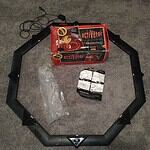
The Sega Activator (1993)
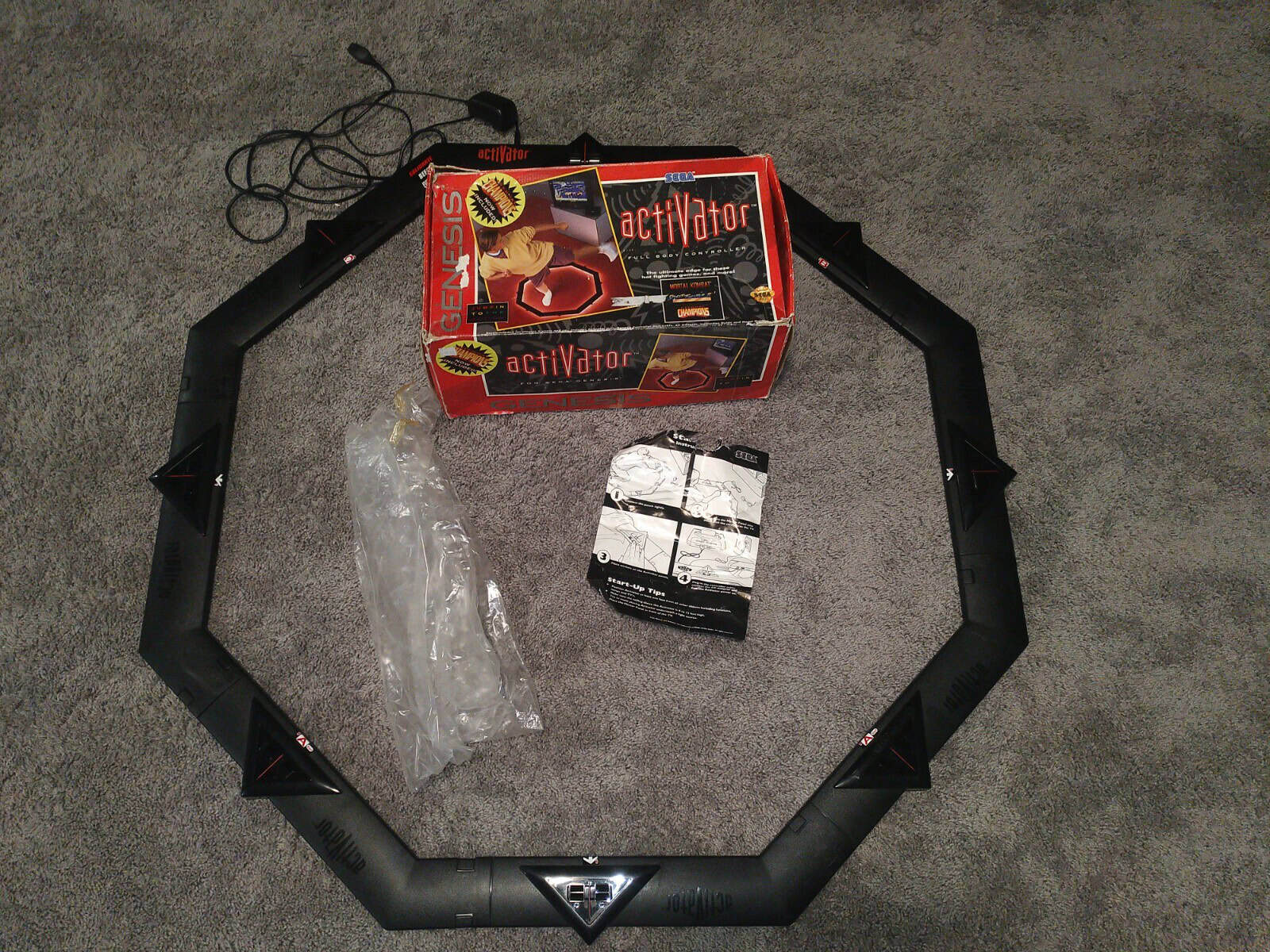
The Sega Activator was the company's attempt at full-body motion gaming in 1993. Players would step inside an octagonal ring on the floor that fired infrared beams upward, reflecting them off the ceiling. Moving through a beam was supposed to register as a game input.
The system cost $150, but it didn't really work as intended. The sensors were unreliable, while ceiling fans and lights disrupted the beams entirely. Even Sega could only showcase how it worked under very controlled circumstances. This system sold poorly and was quietly discontinued. It spent the next fifteen years in oblivion until people started looking for it because they couldn't believe something like this had actually existed in 1993.
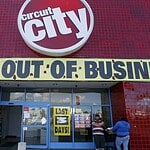
Circuit City DIVX (1998)
Digital Video Express (DIVX) was designed by Circuit City to solve a non-existent problem. At the time, the DVD had become one of the most popular ways to buy and watch movies. Circuit City's version was basically a DVD that locked out 48 hours after the first use. You would buy the disc at roughly $4.50, watch it once, and then throw it away or pay a continuation fee to watch it again.
Fox, DreamWorks, and Paramount actually backed the idea, and it debuted in September 1998 just in time to run directly into the first DVD holiday sales season. It was discontinued by June 1999. Circuit City spent an estimated $114 million on it and wrote off most of that loss. The company itself went bankrupt in 2008.
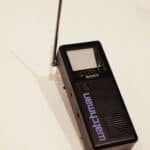
The Sony Watchman (1982)
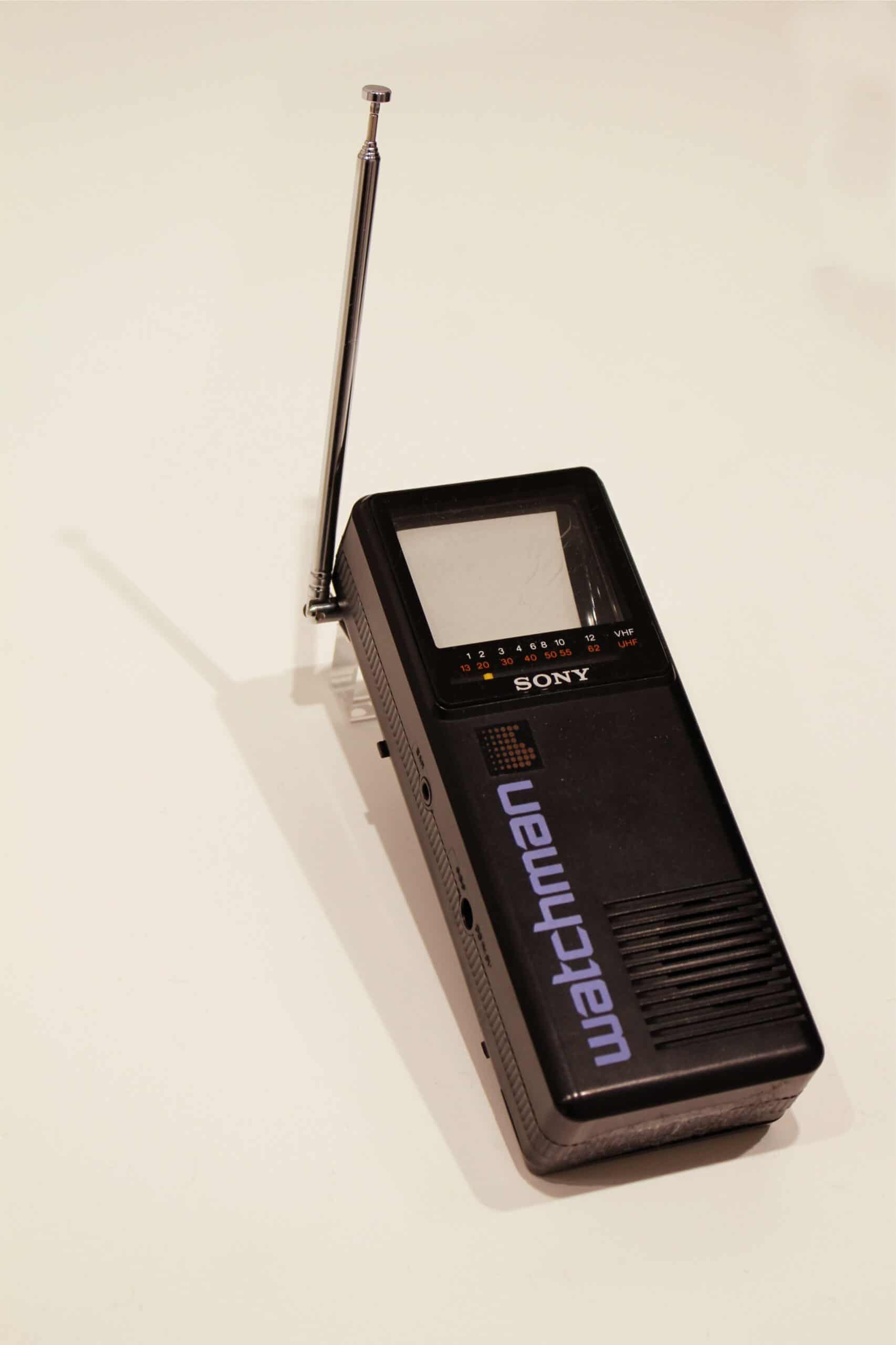
Sony's Watchman was a portable, handheld black-and-white television set launched in 1982. While it was an impressive feat of engineering for its time, it had a tiny screen, poor reception, and short battery life. You also had to hold an antenna at the correct angle to receive a signal.
Sony continued manufacturing various models of the Watchman through the early 2000s, improving the screen quality and adding color, right up until the analog broadcast era ended and the product became useless. Watching TV on a handheld screen eventually became something we all do, just not through the Watchman.
The LaserDisc (1978)
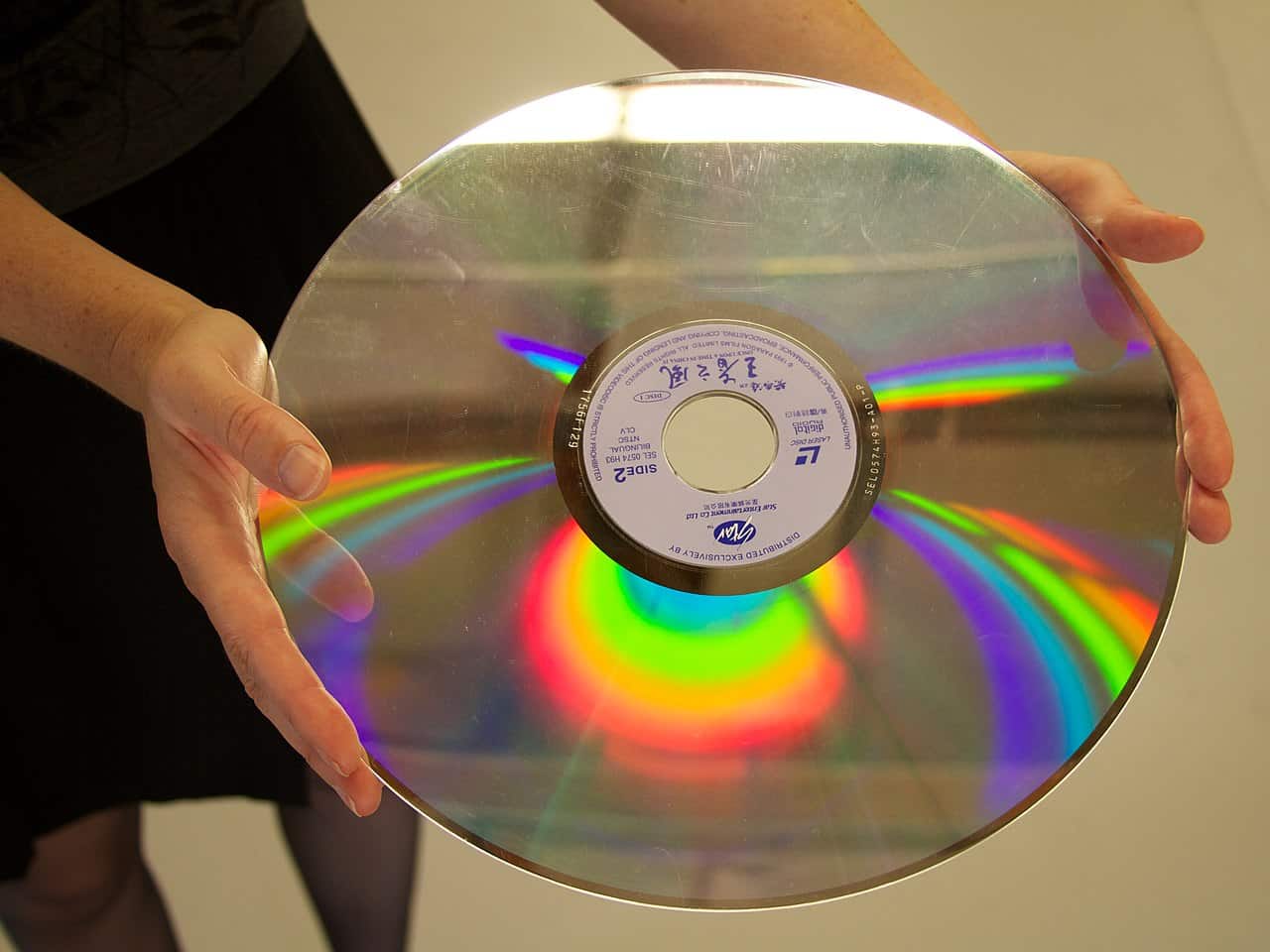
LaserDisc was technically superior to VHS in nearly every aspect. It provided a sharper picture, better sound quality, and the ability to navigate through chapters, which eventually became standard on DVDs. The LaserDisc used 12-inch discs, requiring users to physically flip the disc midway through the movie. For films longer than about an hour, a built-in interruption was part of the experience. Enthusiasts loved it. The broader market didn’t.
LaserDisc players were expensive, the discs were more costly than VHS tapes, and the inability to record anything meant that rental was the only viable use case. Rental shops found the discs awkward to stock and ship. LaserDisc stayed on the market for longer than expected, selling reasonably well in Japan until the late 1990s, before being discontinued by Pioneer in 2009.
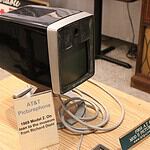
The AT&T Picturephone (1964)
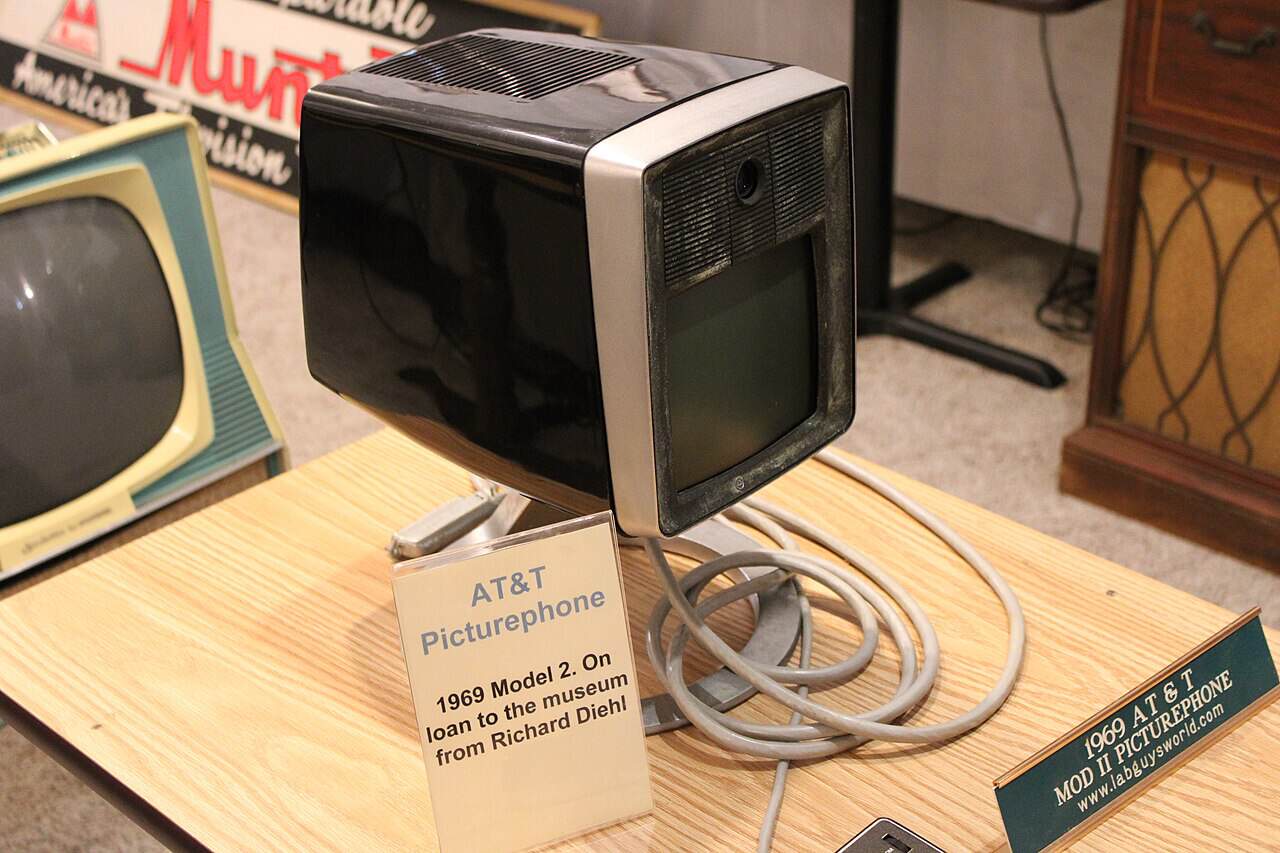
The Picturephone was demonstrated by AT&T during the 1964 World's Fair in New York. It was predicted that it would replace the telephone within a generation. Video calling from your home, with a screen mounted above the handset, was supposed to be the future of communication. AT&T spent millions developing the product during the '60s until it finally came out in 1970, with a $160 monthly bill for service. That’s roughly $1,200 by today's standards.
Almost nobody used the Picturephone. The image quality wasn’t great, it was way too expensive, and the person on the other side of the line also had to have one, which meant the number of people you could call was severely limited. AT&T tried again in the 1990s with the VideoPhone 2500, which also failed. The concept itself was not wrong. The timing and execution were.
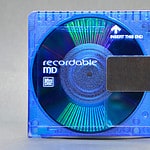
The Sony MiniDisc (1992)
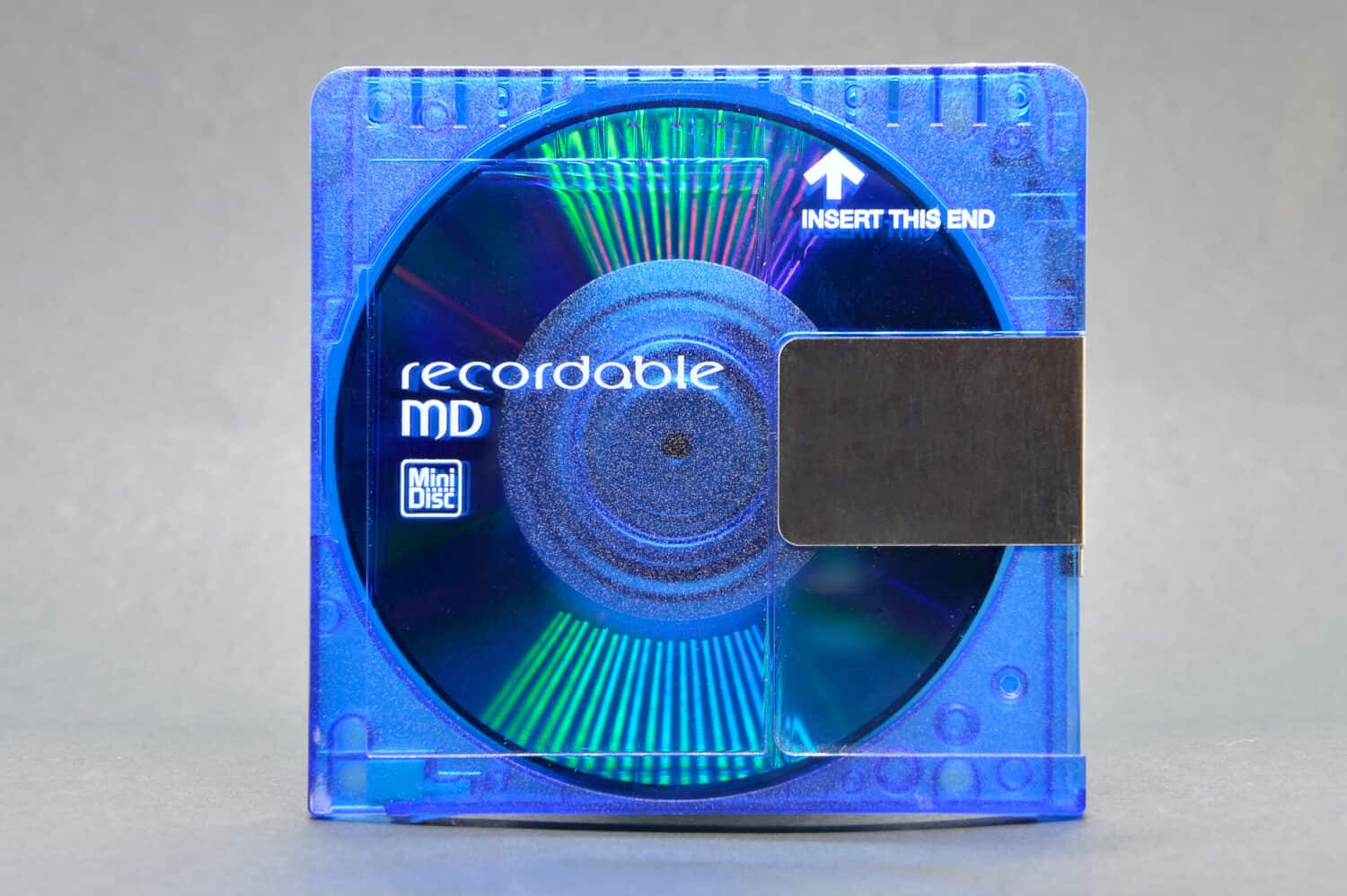
The MiniDisc was a recordable digital disc in a small plastic cartridge which was supposed to replace audio cassettes. The sound quality was better than cassette, the discs were durable and compact, and the format was far more elegant than the cassette tapes it aimed to displace. However, this technology arrived in 1992, which was too late for the age of cassettes and too soon for the coming digital era. When players of this device became affordable at the end of the decade, MP3 players were emerging. When recording became affordable, CD ripping had made the whole exercise pointless. Sony discontinued the format in 2013, twenty-one years after launch. That's a long time for a product that never really worked as intended.
The Nintendo Power Glove (1989)
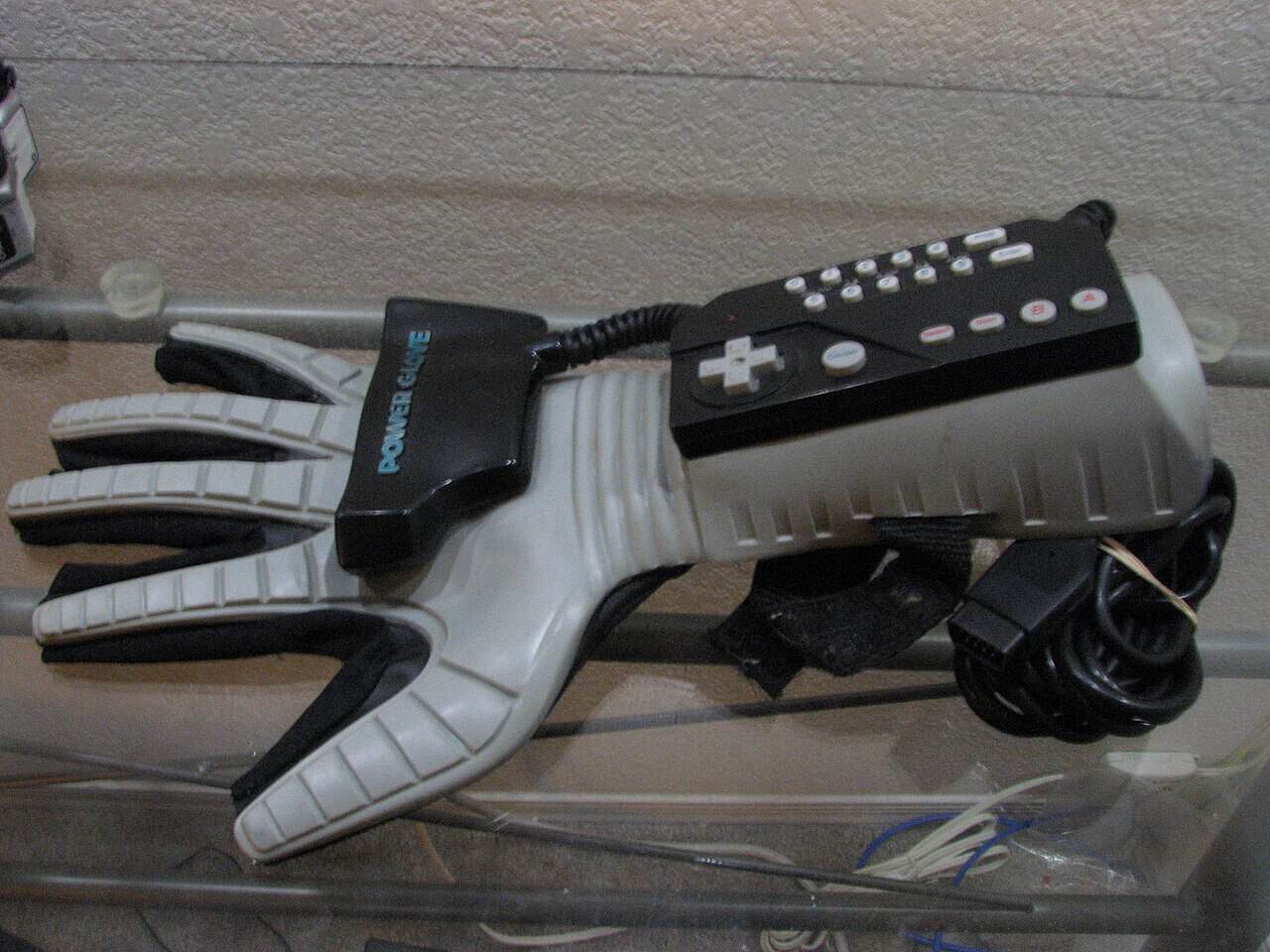
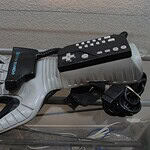
The Power Glove was a wearable controller for the NES that tracked hand position and finger movement and turned them into game inputs. The commercials were aggressive, and the concept was compelling, especially among children who recognized the concept from sci-fi movies. But the motion tracking was inaccurate and there were only two games specifically made for the Power Glove. All other NES games could be played using the device on a simple button-input basis, which was worse than just using the regular controller.
The Power Glove became particularly famous through The Wizard, a movie that came out the same year. It was basically a feature-length NES advertisement. In the film, the antagonist uses the Power Glove to demolish the main character at Rad Racer, delivering the line: "I love the Power Glove. It's so bad." It was meant as a compliment then, but anyone watching it today will take the “bad” part literally.
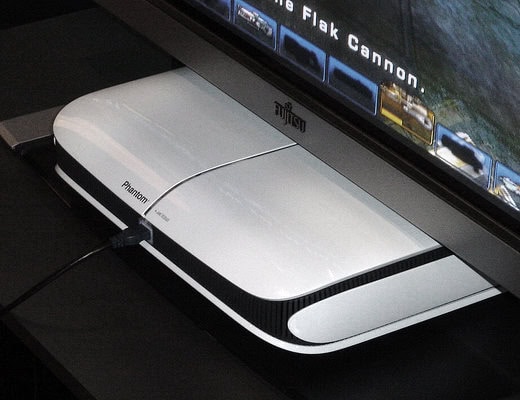
The Phantom Game Console (2003)
The Phantom was announced in early 2003 and marketed as a streaming game console, years before streaming was a viable delivery mechanism for anything. Infinium Labs promised a subscription model where players would download their games directly to the console instead of buying physical discs. This was the correct prediction about where gaming was eventually going.
The problem was that not enough households had the necessary broadband capabilities at that time and the console was never actually sold. Infinium Labs spent several years constantly delaying its release and changing specifications, issuing press releases about a product that existed mainly as a concept. The Phantom is remembered primarily for being one of the more successful vaporware launches in gaming history.
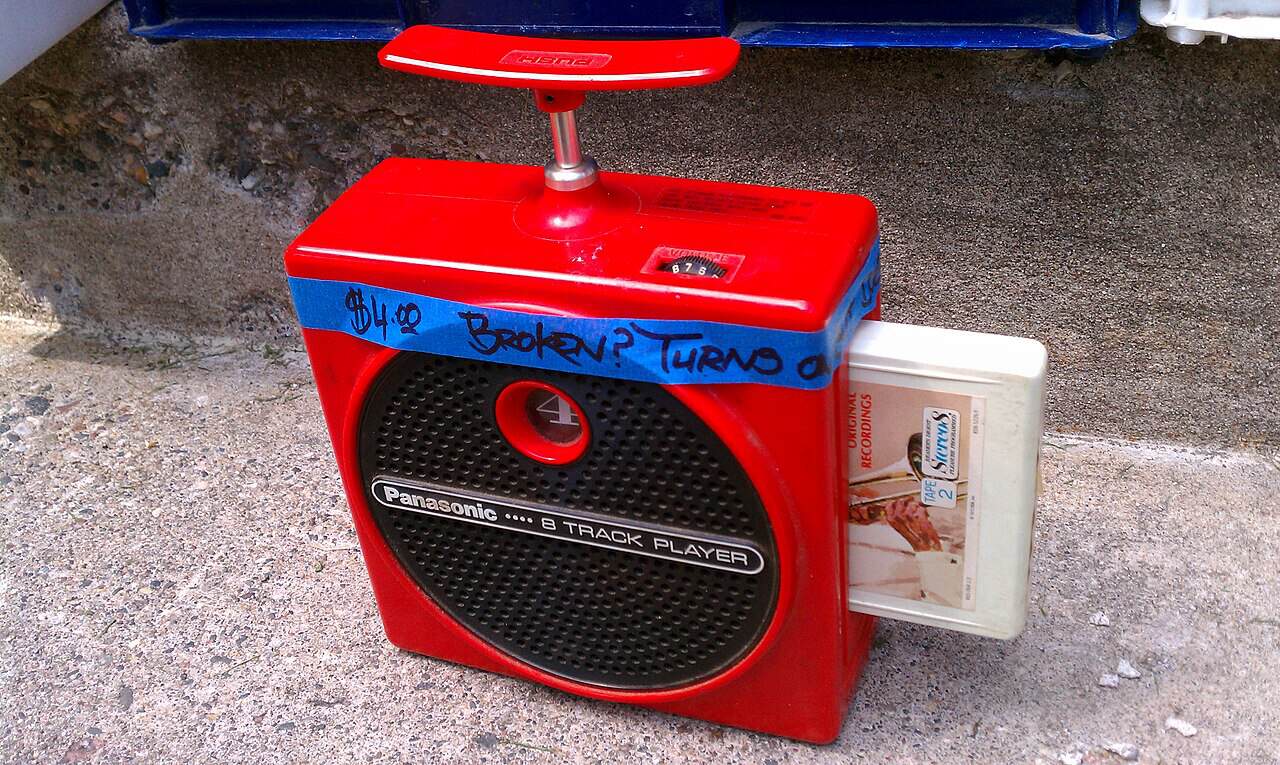
The 8-Track Player (1965)
The 8-track was a cartridge-based audio format developed by Bill Lear, originally for use in his Learjet corporate aircraft. Ford brought it to cars in 1966. It remained the leading audio format in automobiles in the US for about ten years. Its defining feature, and its defining flaw, was that the tape was split into four separate programs of two tracks each, and the machine would automatically cycle through them regardless of what the listener wanted.
If the song being played crossed the program change, the player would interrupt the song mid-note with a mechanical click and resume. There was no way to skip, rewind, or stop the cycle. People were well aware of this problem, but bought it anyway. When the cassette that could actually be rewound arrived, the 8-track was effectively dead in the consumer market by 1982.