
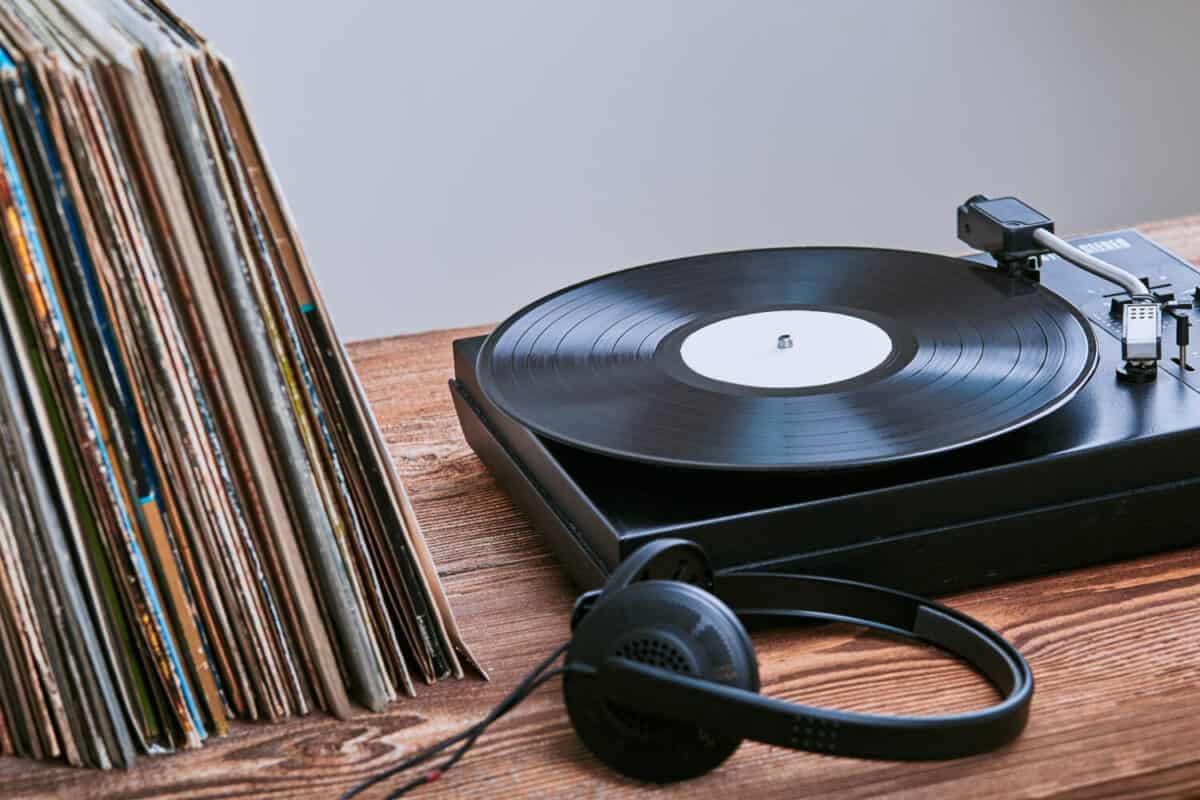
I’m admittedly not content with endlessly scrolling on Spotify. There is something magical about picking out a record, sliding it out of the cardboard sleeve, and setting the stylus to play. Everything has a purpose and intention when looking at old-fashioned audio gear, something that is sorely lacking in the age of smartphones and Bluetooth. Music wasn’t a commodity, but something highly ritualized and precise when you had a certain yearning for something.
When the stylus hits the groove, it fills the room with a warmth and presence you won’t find in your typical streaming recording. While modern digital audio has its benefits, the same clinical precision that defines it is something of a hindrance.
That isn’t to say it’s without merit. I certainly make use of things like CarPlay and Spotify when on the road. When it comes time to unwind at home, though, I’m still reaching for vintage stereo components and admittedly obsolete media formats. With that in mind, we’re looking at what makes yesteryear’s music listening devices such a hot commodity in 2026.
The Human Ear
©Przemek Klos/Shutterstock.com
Part of what makes this old audio gear still sound great comes down to simple physics. Sound is a relatively basic phenomenon to observe. Physically, it is an analog wave, unbroken and constantly fluctuating as it moves through the air. Your favorite bands and artists manipulate it, allowing those waves to hit the diaphragm or capsule of a microphone, which then converts that motion into a continuous electrical signal. When a new record comes out, those signals are etched in a lacquer disc or magnetized to tape. If you’re listening on old analog gear, that soundwave is replicated to near perfection.
Digitally, sound is composed of far different elements. A digital recording takes those uninterrupted waves and chops them into tiny, discrete blocks. They are then rearranged to an approximation, depending on the bit-depth and sample rate of your listening device. A standard compact disc operates at 16-bit, 44.1 kHz, meaning the disc is being sampled 44,100 times per second and approximately placed on a 16-bit grid.
This doesn’t change with higher sample rates or bit depths. You’re always playing an approximation game. The human ear and mind are adept at processing organic patterns. When you’re listening to digital audio, it always uses reconstruction filters to smooth out artifacts introduced by the digital conversion process. This sort of process just isn’t found in vinyl or tape.
The Golden Age of Audio Components
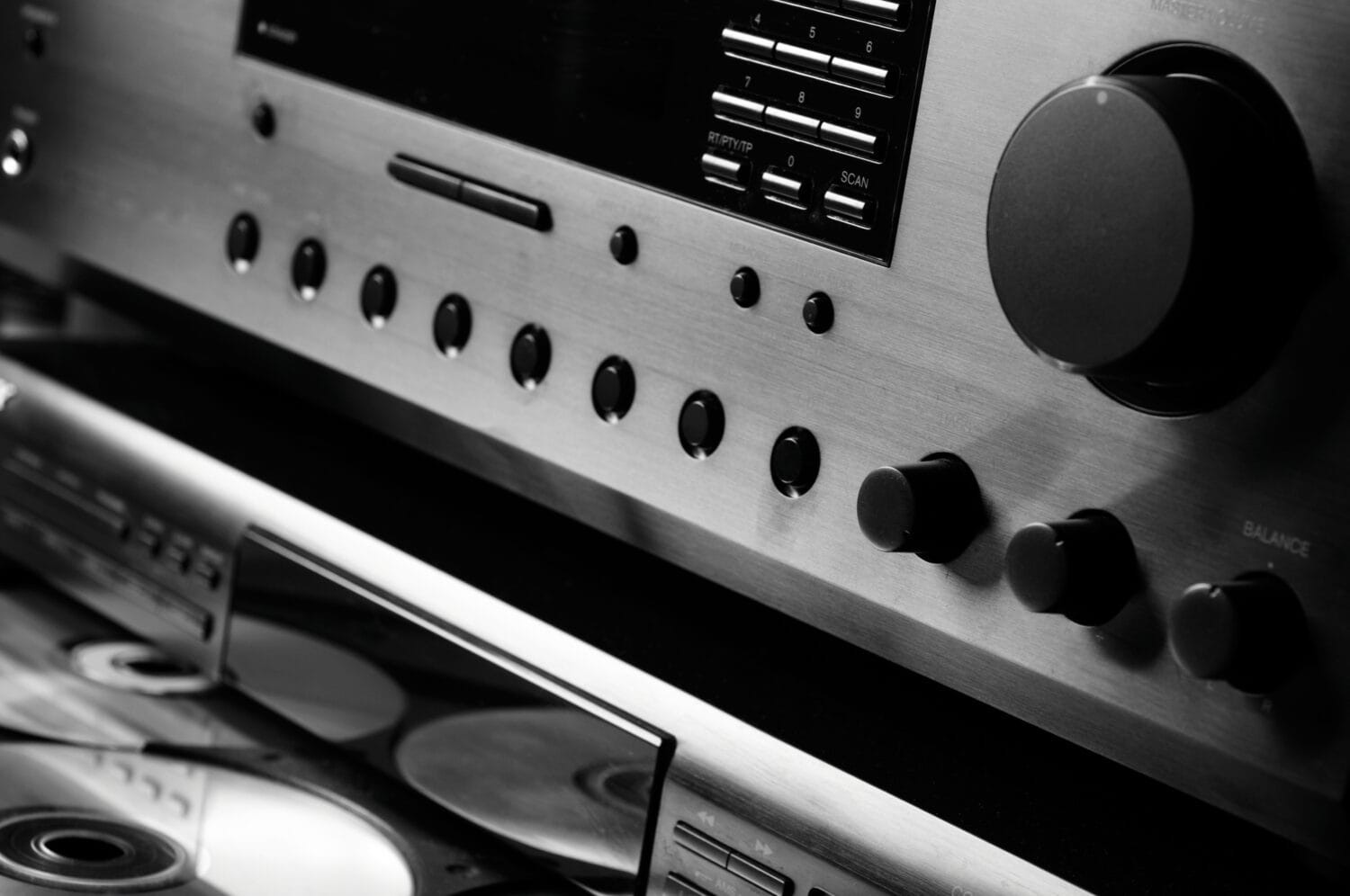
The 1970s were the nadir of home audio equipment. Your standard stereo equipment no longer relied on vacuum tubes, and solid-state transistors had largely been mastered in the decade. Cutting corners was seen more in the 1980s and 1990s, thanks to the likes of integrated circuits, which simply wasn’t done.
Companies like Sansui, Sony, Kenwood, and Marantz were engaged in a competitive war of sorts on who built the best possible receiver. This didn’t come down to things like cost. After all, you weren’t after the cheapest possible unit you could find. Instead, the most over-engineered, powerful piece of equipment would win the day.
As such, your standard receivers look less like consumer electronics and more like a miniaturized power grid. They came with massive transformers, heavy-duty capacitors, and discrete output transistors fitted to massive heatsinks. This heavy-duty construction came in handy when it came to influencing the sound coming from the speakers. Sudden jumps in loudness might dictate a surge of voltage, and these overbuilt components were then capable of handling these changes. You don’t see the same with a modern digital receiver, which focuses on continuous current.
Total Harmonic Distortion
©"Cassette Tapes" by videocrab is licensed under BY-SA 2.0. – Original / License
One of the more persistent myths you’ll encounter in the audio world, at least as far as the digital domain is concerned, is that all distortion is bad. You want a clean, clinical, precise take on the sound above all else. That isn’t true, however, as many landmark records and songs were produced with distortion front and center. While digital audio is good at reducing total harmonic distortion, or THD, the human ear actually loves it.
The simple truth behind the psychoacoustics associated with sound and the human ear is that imperfection is the order of the day. Our ancestors were used to sound reflecting off wood, stone, water, and so much more. These are environments that invite coloration and harmonic resonance.
When a signal passes through those discrete analog components found on old audio gear, subtle saturation or distortion takes place. It is being imparted at low levels, just as the nature of the circuitry leaves it, but the overall effect is more pleasing to the human ear. Distortion introduces harmonics, and those solid-state components can introduce even-order harmonics. These harmonics play into the overtone series in music, which is a topic for another day. The end result is a fuller, richer sound.
Soundstage and Depth
©Robin Stewart/Shutterstock.com
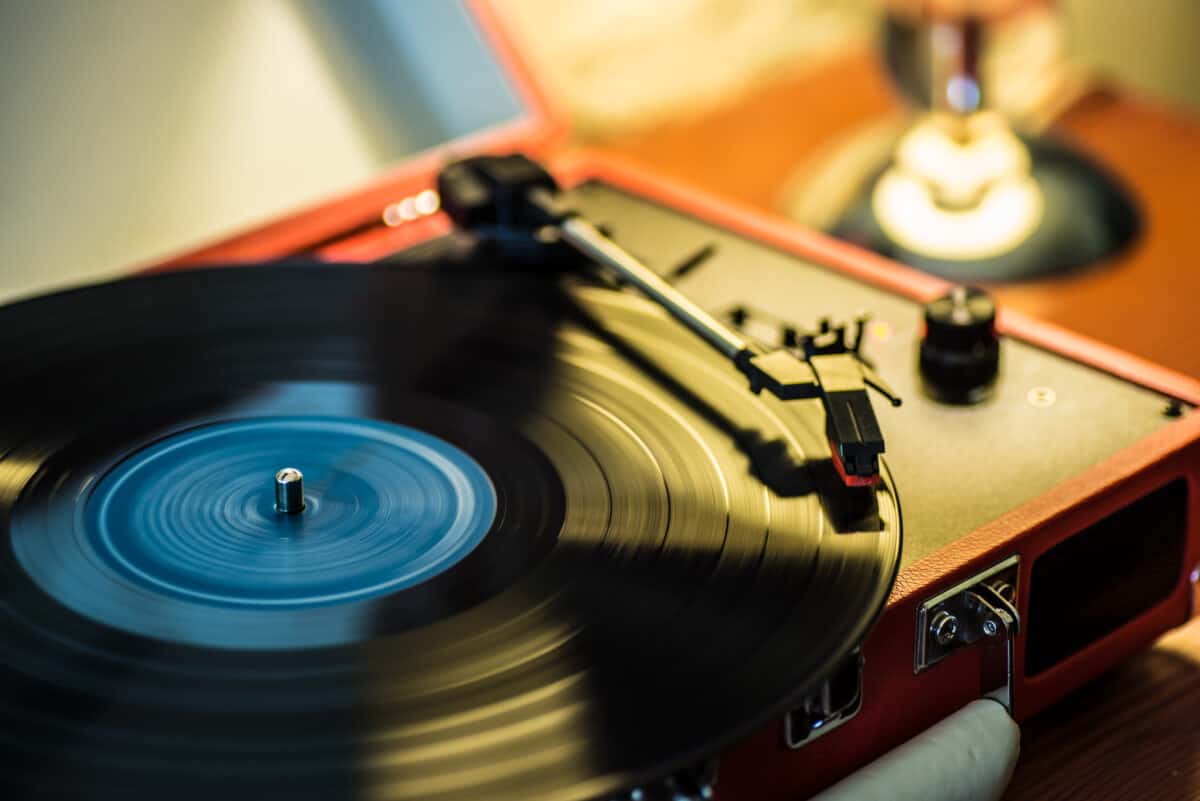
If you’re listening to something on a great receiver, you’ll notice the speakers or headphones seem to disappear entirely. Instead, it’s like you’re in the room with the band. It does depend on the quality of the components and the recording, however. This sort of spatial imaging is the masterwork of any mixing engineer worth their salt, but finding home components capable of replicating this sort of soundstaging isn’t easily done.
You want something with precise phase accuracy and channel separation. Since components from the 1970s made use of separate circuitry for the left and right channels, often making use of dual-mono configurations, the cross-talk between channels is minimal. This isn’t something readily reproduced on a modern digital chip, at least for most consumer-grade electronics you’ll buy at a department store.
Further, phase smears are somewhat common with more modern components. This is thanks to the anti-aliasing reproduction filters that help to soothe playback. Phase irregularities make it far more difficult to interpret spatial differences in a given piece of audio. Newer isn’t always better, at least when it comes to getting the most out of your audio quality.
The Loudness Wars
©Skrypnykov Dmytro/Shutterstock.com
From the 1930s to the 1990s, physical media had restrictions due to the limitations of the medium. Tapes and vinyl can only go so far before it causes problems for the format itself. There are industry-wide standards for mastering to vinyl, with specific loudness metrics, unless you’d rather risk making an expensive stylus skip on a brand-new record. These limitations made the engineers of yesteryear masters at their craft, and as someone who has mastered vinyl, it is about working within those confines.
That all changed with the conversion to digital audio for the wider music industry. Loudness standards could be exceeded, and often were throughout the 1990s and well into the modern day. If you were trying to make Fleetwood Mac sound louder in 1978, you still had to consider the dynamic range and noise floor of the physical media. Seeking out digitized recordings from the 1970s makes this readily apparent.
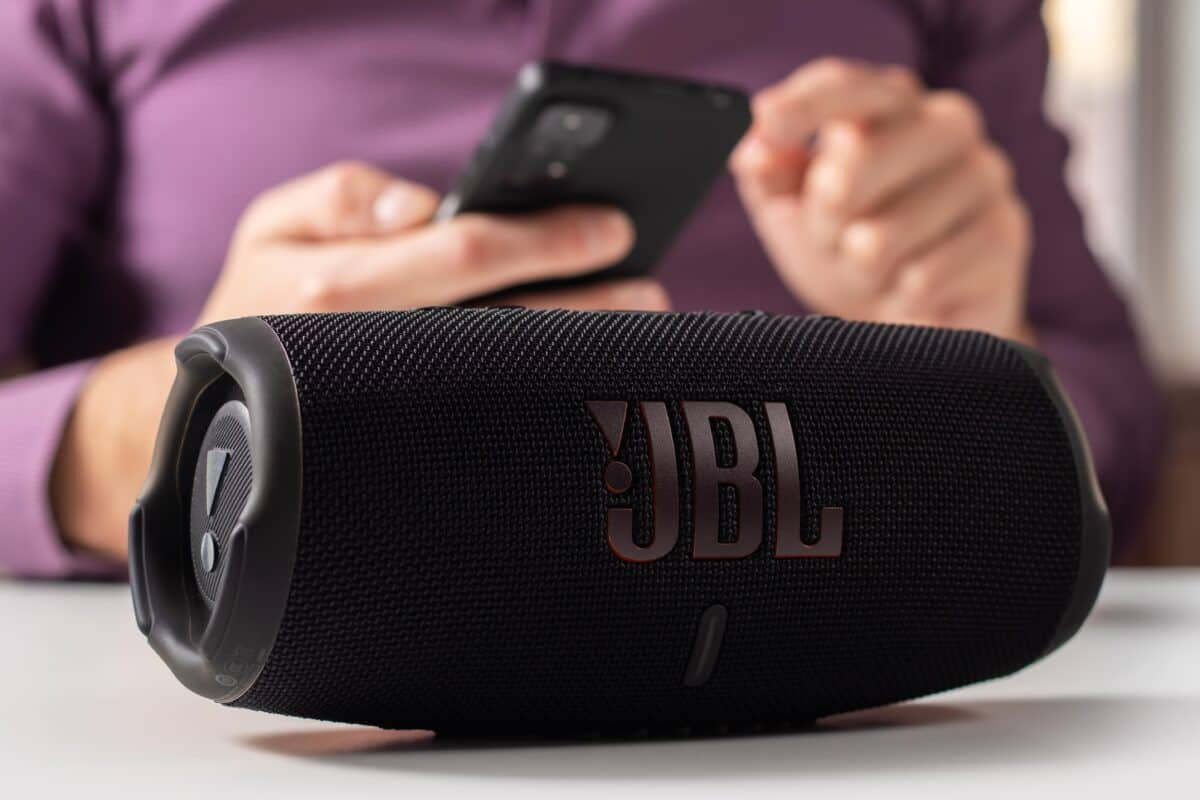
Digital audio has no physical boundaries. A smartphone or CD isn’t going to skip from how loud a signal is, and never will. As such, audio began to get crushed, with dynamic range squeezed to a fraction of what it was just decades ago. These Loudness Wars, as they’ve been dubbed by engineers and fans alike, don’t need high-end audio gear to sound good. It’s designed to make the music sound roughly the same regardless of your listening format. Modern audio gear doesn’t have to accommodate careful consideration of dynamics.
Conclusion
The 1970s present an odd picture of audio quality over the years. A good receiver was intended to last for decades, overbuilt and made from solid discrete components. Digital audio is built around the notion of planned obsolescence. You aren’t going to care for an iPhone 16 in 20 years. You’ll have likely upgraded multiple times in the years since. There is a certain magic that has been lost in the decades right before the digital age of music approached. Thankfully, you can still capture this magic if you’re willing to shop around in second-hand stores.
The image featured at the top of this post is ©SJ Travel Photo and Video/Shutterstock.com