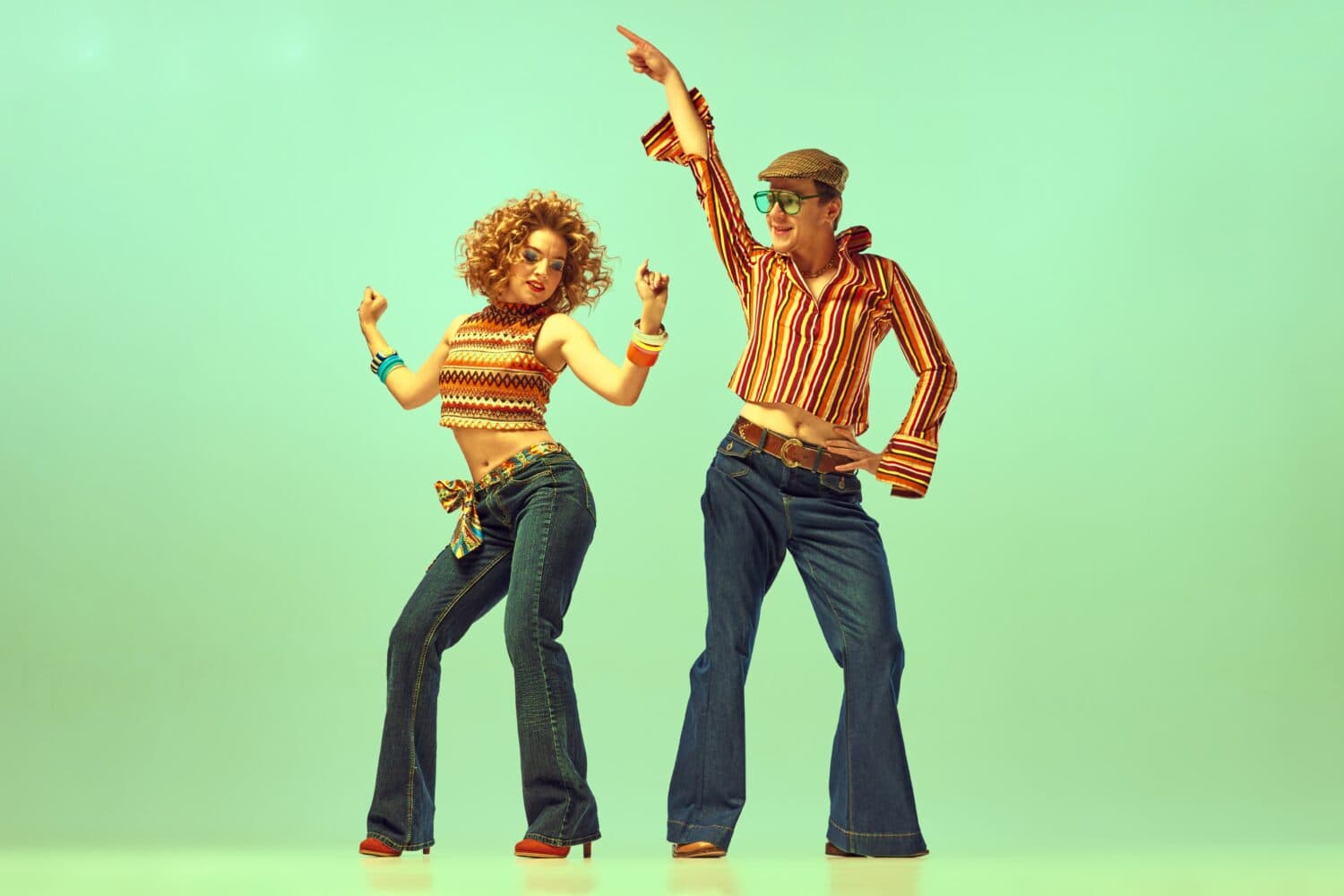

The 1970s occupy a strange space in the cultural zeitgeist. It fits comfortably between the engines of social change and sweeping reform that set off the 1960s and the glossy, hyper-commercialist bent of the 1980s. People were breaking out of their molds, so to speak, and the traditions of yesteryear were no longer in vogue. As such, this resulted in some admittedly bizarre and often outrageous fads that swept across the entire world.
Today, the generation that grew up during the 1970s has a somewhat selective memory. They remember the classic bands, like Led Zeppelin, the cinema of the New Hollywood Era, and the continued fight for social progress. What they tend to forget about are the moments where they engaged in something that could be charitably referred to as a moment of cultural delusion, with literal pet rocks, synthetic clothing, and New Age philosophy abounding. With that in mind, let’s take a walk back through the past and see some of the strangest fads of the 1970s.
Pet Rocks
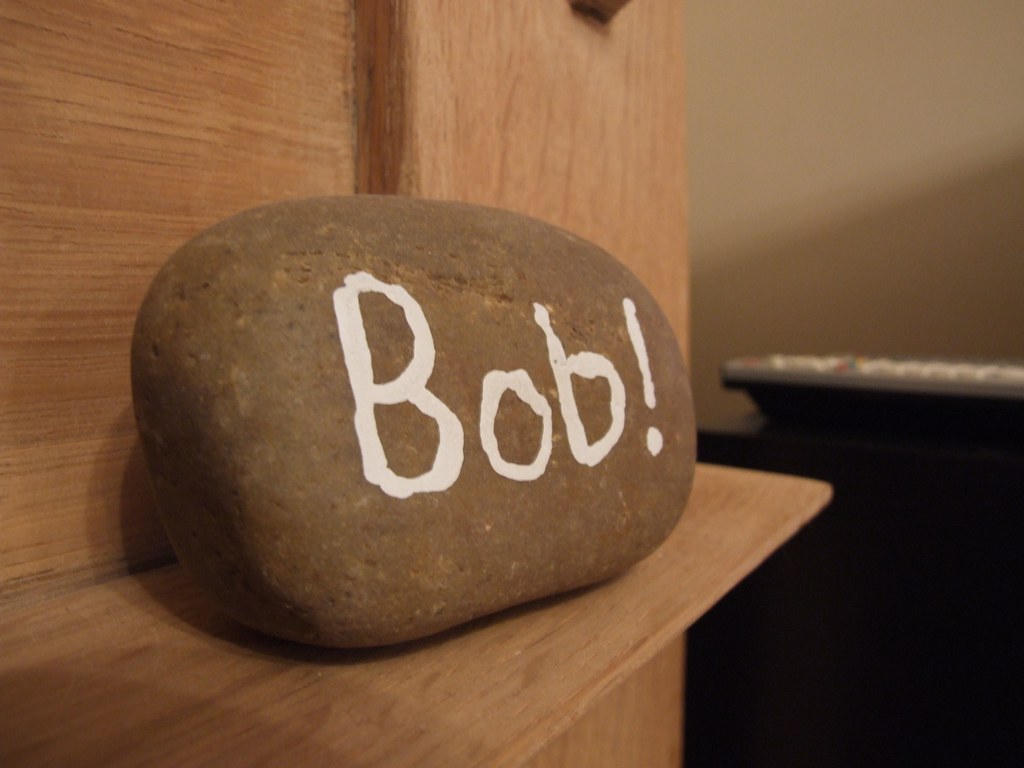
©"Pet Rock – Bob" by abooth202 is licensed under BY-ND 2.0. – Original / License
If you were the average consumer of the mid-1970s, you would likely be set upon by commercials for a seemingly ordinary gray stone. In 1975, advertising executive Gary Dahl was listening to some of his friends complain about the basic responsibilities of pet ownership. The constant cycle of feeding, walking, grooming, and cleaning could wear the average adult down. Dahl joked that he had an idea for the perfect pet: a rock. It wouldn’t need feeding, made zero messes, and physically was unable to rack up vet bills.
What started as a benign joke quickly became one of the most outrageous fads of the 1970s, with the Pet Rock selling out at retail stores. Dahl was selling a concept first and foremost. To this end, he sourced Mexican beach pebbles for pennies and placed them in a tongue-in-cheek cardboard carrying case complete with air holes. Each package from the store contained a similarly jokey instruction manual on how to care for your new companion, alongside any training. The manual also taught owners how to teach their rocks commands like sitting, staying, and rolling over.
For six months, the world was all-in on Pet Rocks. Millions of people rushed to their local department store to buy something they could just as easily find at a nearby creek. It was a joke, and was widely acknowledged as such, and came in an era in dire need of relief. The 1970s might not have had the same sorts of social unrest as the 1960s, but it was still a rather uncertain time for all those who navigated the political and economic landscapes. By the time the fad burnt out, Dahl was a millionaire, and everybody had a little bit of clutter they’d have to justify for years to come.
Shag Carpeting and Earth Tones
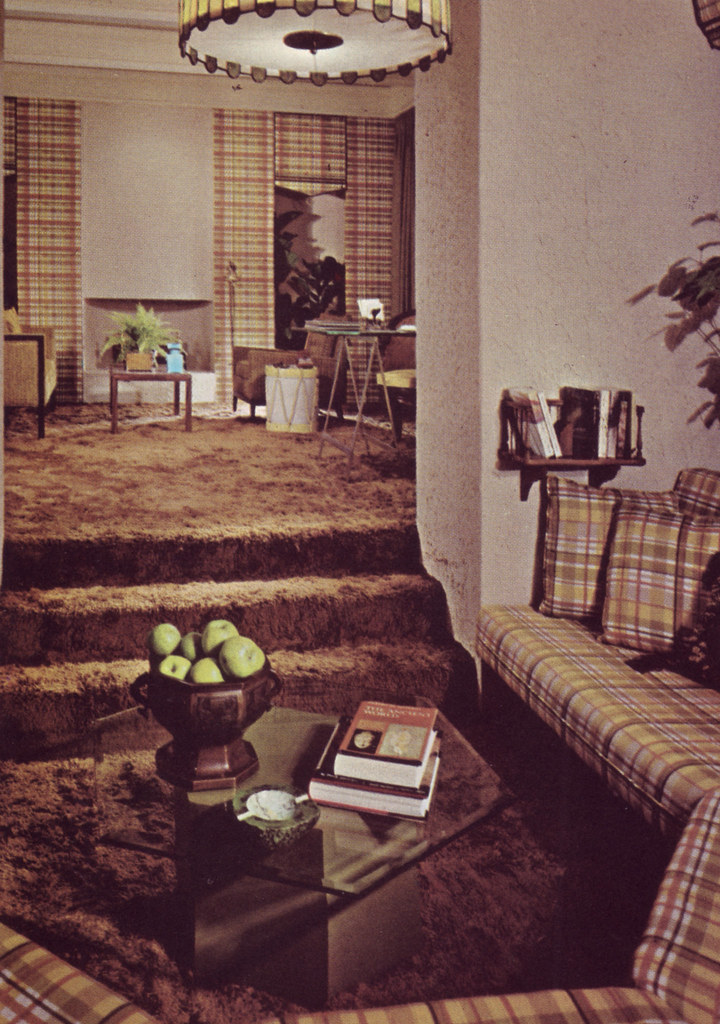
©"Plaid Banquette (and a shag carpet)" by army.arch is licensed under BY 2.0. – Original / License
If you went inside the home of any family in the 1970s, you were likely under siege by the pure sensory overload that came from the interior design choices. The entire aesthetic of the decade can be summed up as a palette that seems more at home in a deli than in any sort of living space. Earth tones, like Harvest Gold, Avocado Green, and Burnt Orange, were a regular fixture and essentially became mandatory colors for the doldrums of domestic life. Appliance companies followed suit, meaning you could get a matching kitchen set in Avocado Green. Every kitchen was going to be making use of these colors by the end of the decade.
The strangest, most outrageous fad of interior design from the era was the near-universal presence of shag carpeting. You might have the more low-profile, neat rolls of carpet that are in modern homes in mind, and you need to lose that idea. True 1970s shag carpeting came complete with long, loose strands of yarn that created a woolly forest for your feet. It covered living rooms, bedrooms, and occasionally bathroom floors.
Shag carpet required substantial amounts of maintenance. It wasn’t quite as simple as simply vacuuming it. Instead, homeowners had to use a specialized carpet rake that manually teased the strands of yarn so they weren’t matted by foot traffic. The long fibers of the carpet were a perfect trap for crumbs, stray keys, pocket change, and pet hair. Everyone who lived through the era remembers the smell of a shag rug after a fresh rain, and you can likely confirm this right now if you ask. To hear it said, you’d think most people grew up with hardwood flooring during the 1970s.
Polyester Clothing
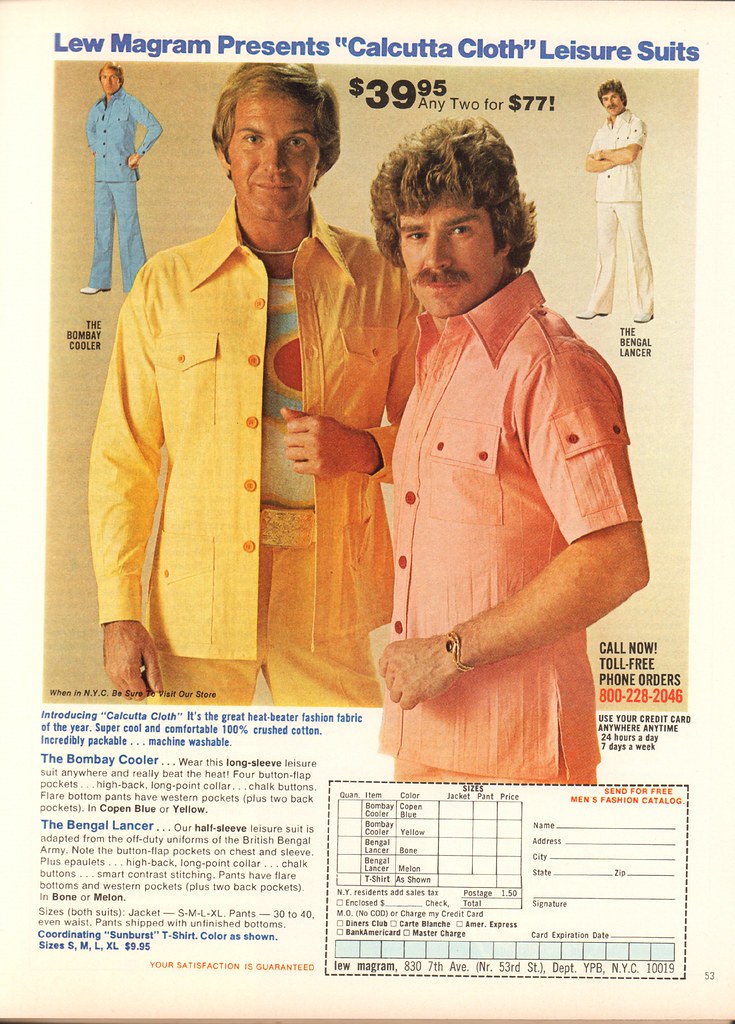
©"1976 Lew Magram Leisure Suits Advertisement Playboy May 1976" by SenseiAlan is licensed under BY 2.0. – Original / License
We touch on occasion the sort of ramifications that new technologies have on pop culture and the economy. We often don’t think about it in the context of textiles, but the advent of cheap, plentiful synthetic fabrics led to closets taking on a ghastly appearance of sorts. The king of the decade was polyester, which was cheap, durable, never wrinkled, and came in an assortment of colors you could go years without seeing in natural fibers.
The rise of polyester clothing gave birth to the leisure suit, an outfit designed to bridge the gap between formal wear and a night on the town. Leisure suits came with a matching jacket and pants, often being identified by the massive, pointed collars that could serve as a secondary sail for a schooner. They often came with contrasting topstitching and often lacked the more traditional structuring you might expect. Jackets were frequently worn entirely unbuttoned to better reveal an equally bold silk shirt, a gold chain, or a carpet of chest hair.
The leisure suit was the height of fashion for the decade, often being synonymous with masculinity. Men wore them to their weddings, business meetings, dinners, and to the local nightclub. If you’ve ever worn polyester for longer than five minutes, you’re likely familiar with how it doesn’t breathe and traps heat. By the end of the decade, the leisure suit became a joke. Men carefully disposed of theirs, where they ended up plaguing thrift stores throughout the 1980s and 1990s.
Mood Rings
©"Mood rings" by ♔ Georgie R is licensed under BY-ND 2.0. – Original / License
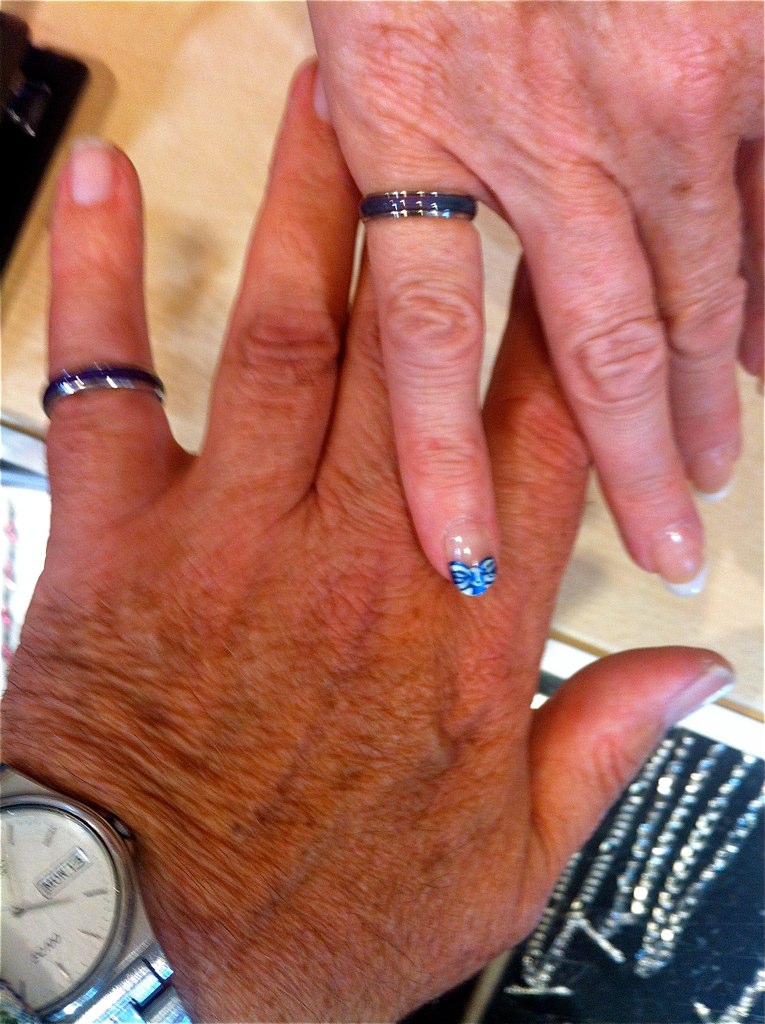
The 1970s were no stranger to rather out-there beliefs. A pair of inventors in New York City tapped into the cultural zeitgeist of the time, perfectly encapsulating that desire for self-expression and pseudo-science. The Mood Ring was the final result, and it is a masterclass in product design when you get down to it. By wearing one of these rings, you could instantly communicate your emotional state, all without having to say a single word.
The ring itself was made of hollow quartz, which was filled with liquid crystals that were sensitive to temperature changes. As your body temperature shifted, the crystals rearranged themselves and showed different wavelengths of light, resulting in different colors. Each unit sold came with a handy chart that only helped with the marketing. Colors like blue indicated total relaxation, yellow might signify anxiety, and black meant you were stressed or angry.
People wore them constantly, often using them as a substitute for their inner voice. This is one of the more widespread outrageous fads of the decade, encompassing every demographic from teenagers to Hollywood celebrities. The hard science behind the ring, at least when it came to things like emotions, was all a load of hogwash. The ring never measured anyone’s emotional state, and would just as soon give varied results to your hand while holding a cold drink or resting near your car’s heater. Within a year of their introduction, people caught on to everything behind the mood ring. Eventually, mood rings became the same sort of cheap trinket you’d expect from a gumball machine.
Conclusion
It’s easy to look back with the privilege of history and lambast these outrageous fads for what they are. For their time in the sun, however, these trends were the height of fashion. Every generation has its embarrassing trends, as I’m sure any of us would be quick to forget. That said, at least I didn’t grow up wanting a pet rock.
The image featured at the top of this post is ©Anton Vierietin/Shutterstock.com