





10 Ridiculed ’80s Fashion Trends Making a Comeback
Few decades have been as ridiculed for their fashion as the 1980s. Shoulder pads big enough to get stuck on a doorway and bright neon patterns were all staples of the era. They look ridiculous now, but they were as fresh as it got back then.
Despite how flamboyant this era seems to most people, some are looking back on it for inspiration. In fact, fashion trends usually follow a cycle that lasts somewhere between 20 to 40 years. In that time span, whatever a generation tried to bury out of embarrassment comes back around as something new and exciting for a newer one.
The 1980s are coming back, and a few of these trends are already here.
Shoulder Pads
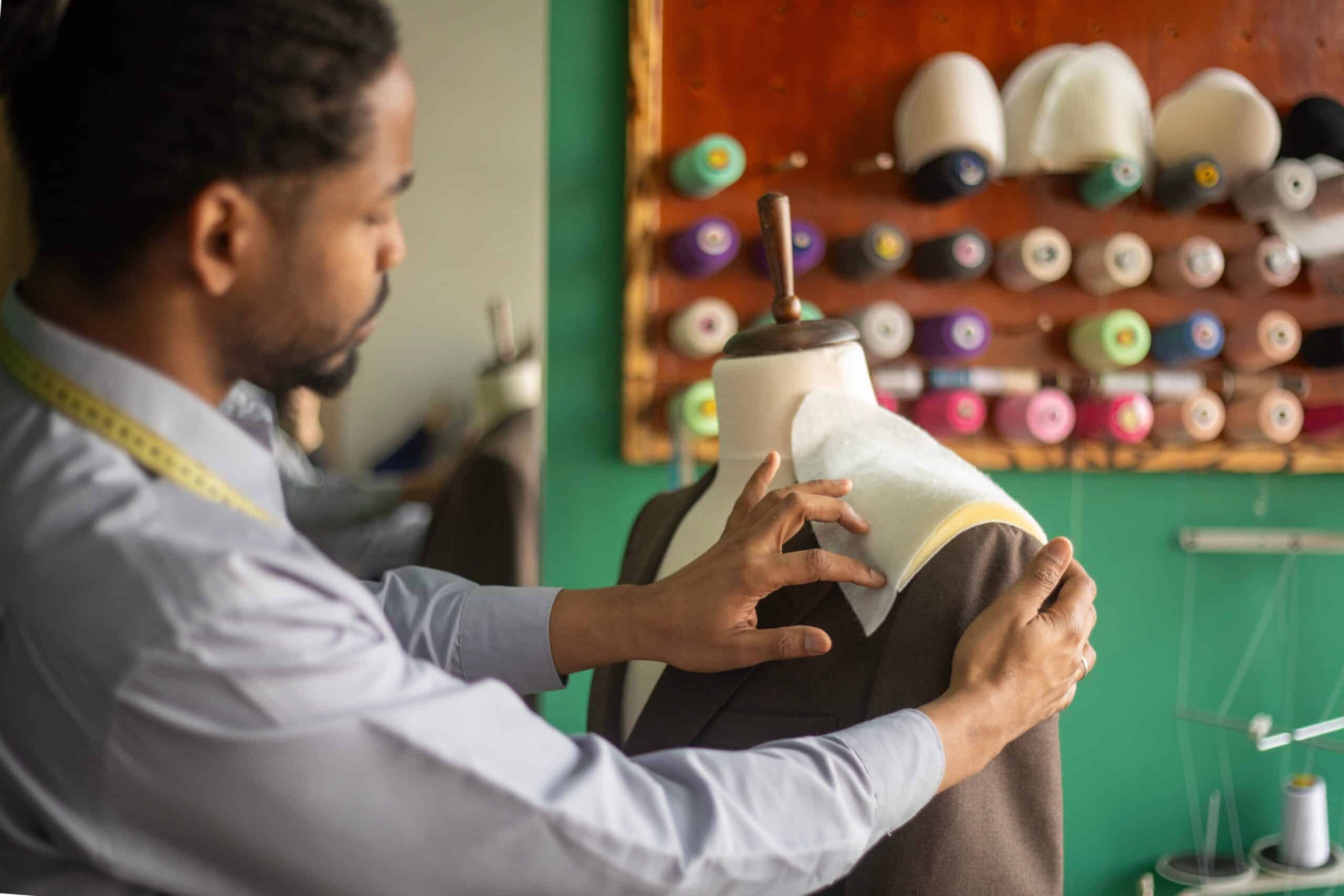
No other trend suffered more at the hands of fashion critics than the overly inflated shoulder. Seen in suits, dresses, blouses, and every other piece of clothing you can think of throughout the entire decade, this trend had a way of making regular clothing look like American football equipment to everyone except the people wearing it.
By the 1990s, the shoulder pads seemed like the perfect representation of all that was excessive and absurd about eighties’ fashion. But now people like Carolina Herrera, Jacquemus, Saint Laurent, and others have brought it back to the runways. The proportions have changed a bit, but that same inflated silhouette is still there.
Fanny Packs
80s or not, the fanny pack is as an incredibly useful accessory. It gives you room for all your stuff while keeping your hands free. It also gives you the distinct look of someone getting ready for a theme park visit. While the 80s loved fanny packs, they quickly fell out of style, and by the 90s, they were mostly worn by tourists who couldn’t care less about appearances.
They’re making a comeback now, but that comeback required a full rebrand. Fanny packs were introduced again as "belt bags" by luxury brands such as Gucci and Prada. Made out of leather, worn diagonally on the chest rather than on the waist, these glorified fanny packs are retailed at hundreds of dollars. The rebrand worked.
Scrunchies
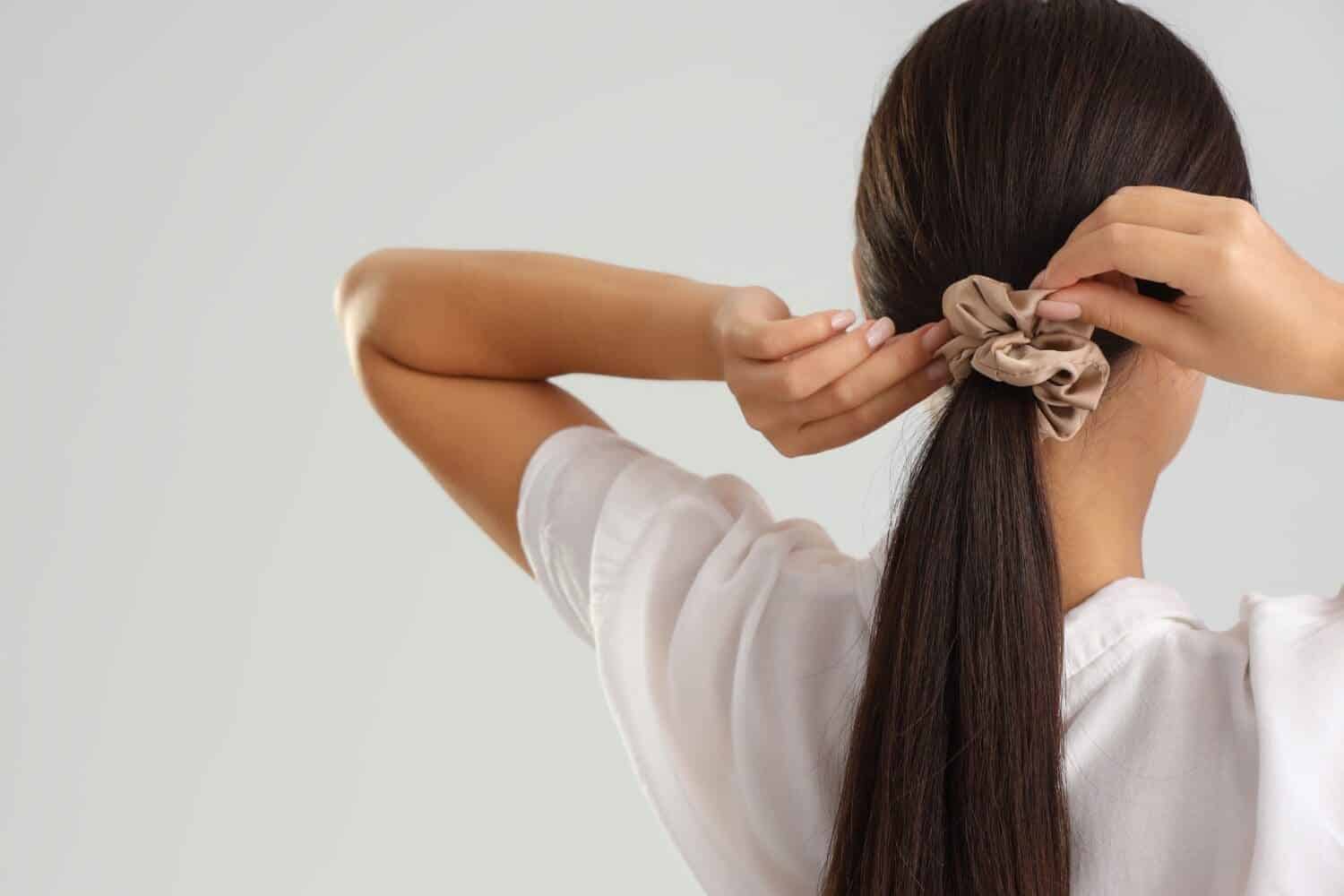
When Carrie Bradshaw declared that "no woman over 30 should wear a scrunchie outside the house," in an episode of Sex and the City, it was meant as a joke but it still served as a relatively good cultural reference point for where the scrunchie was in the 2000s. After all, the scrunchies went from being ubiquitous to being embarrassing in roughly a decade.
Gen-Z rediscovered the scrunchies around 2018 as it began to gain popularity in TikTok and Instagram. It was a nostalgic trend at first that put people onto the practical benefits of the scrunchie, since silk and satin are definitely easier on the hair than any rubber elastics. Now, scrunchies from luxury brands like Slip and Hali London are going for a pretty penny, something that Bradshaw probably never predicted.
Acid-Wash Denim
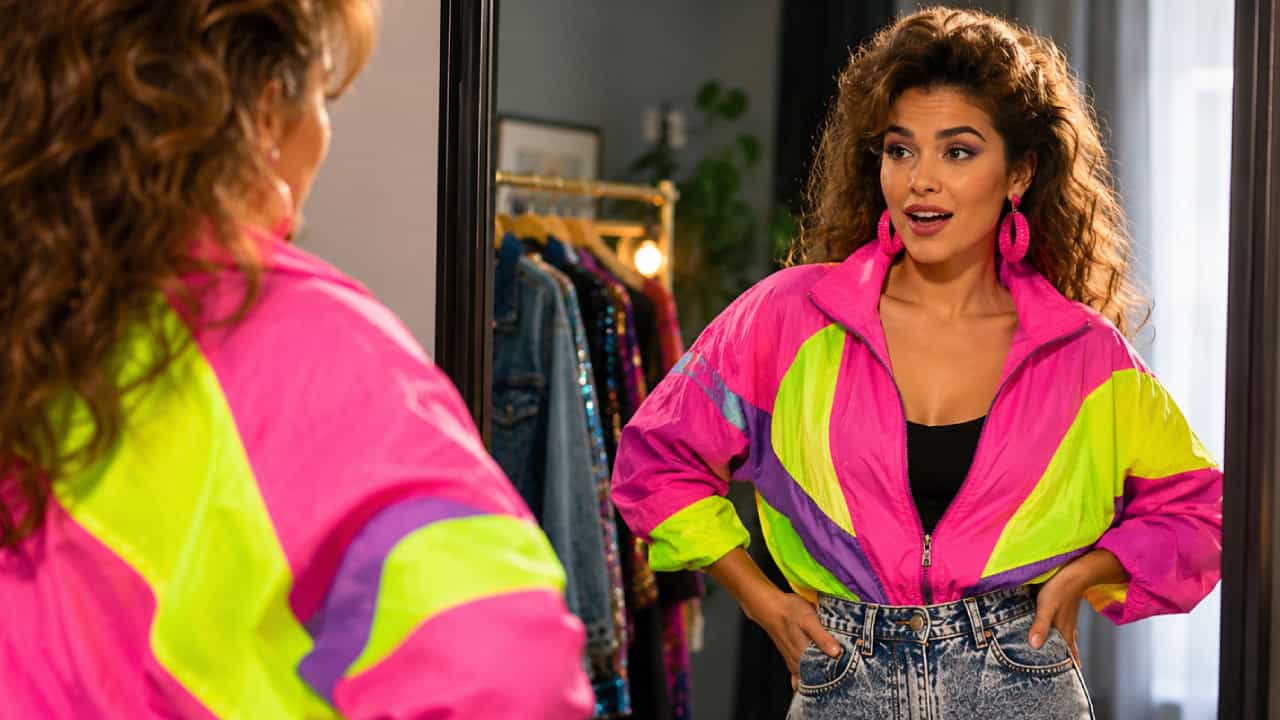
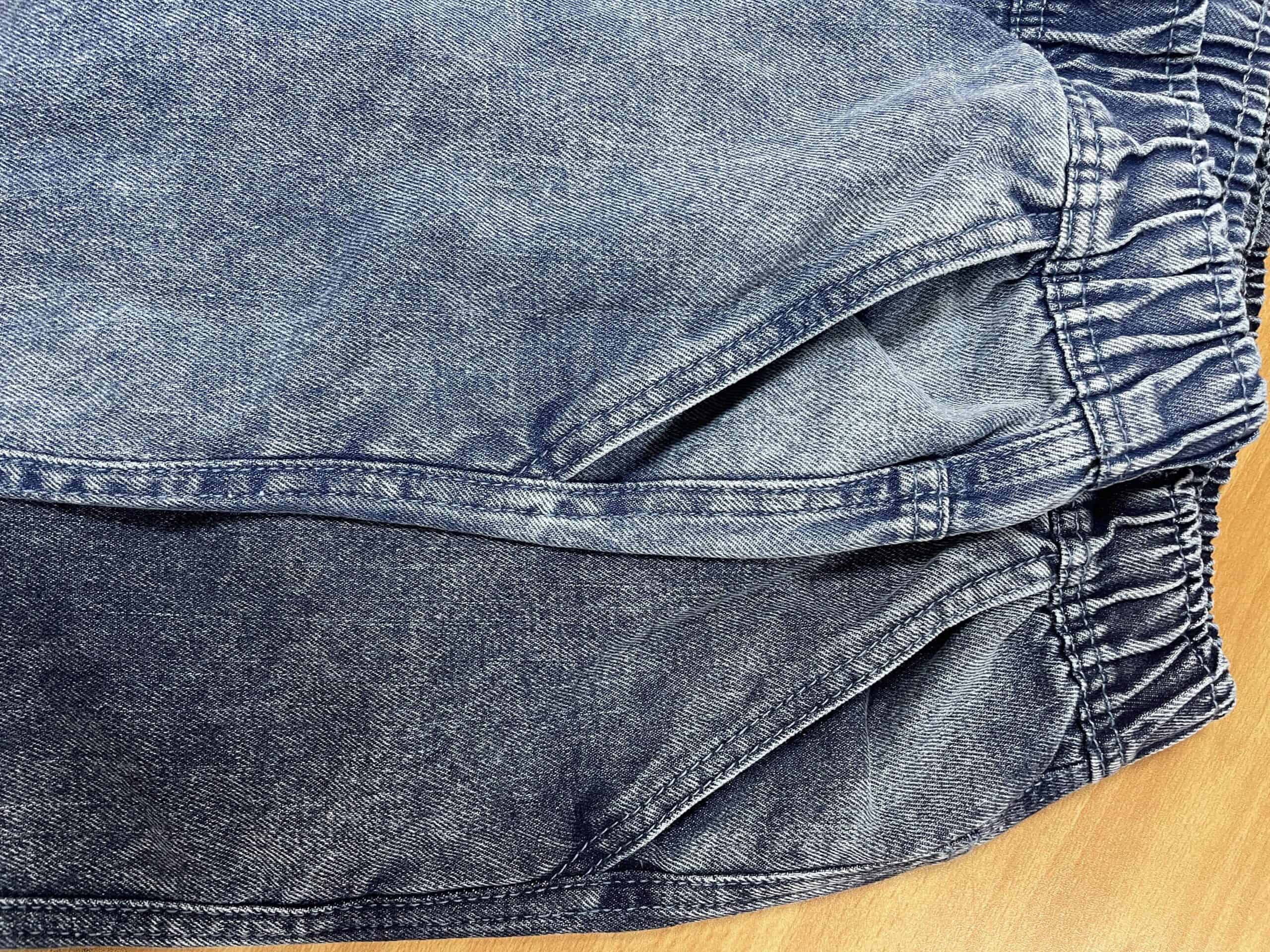
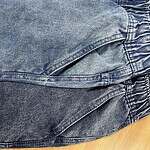
Acid wash denim made its way into the fashion industry at the beginning of the 1980s. It comes from an Italian process that uses pumice stones saturated with chlorine to streak and bleach the denim into a faded pattern. It spread fast, peaked hard, and, by the beginning of the 1990s, it was pretty much dead.
Designers recently began incorporating it into their collections again, starting in the 2010s and 2020s, and it quickly transitioned from a runway novelty into something that could be bought at any store. Acid wash adds visual texture to the fabric that could feel plain otherwise. The pattern is also benefiting from the broader rehabilitation of maximalist aesthetics after more than a decade of minimalism. The pattern didn't get less garish. Garish just stopped being a disqualifier.
Neon Colors
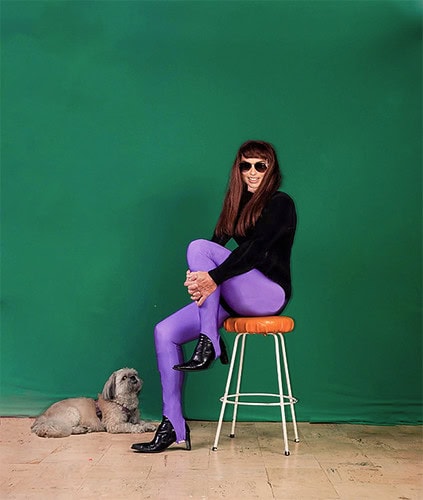
Neon pink, acid green, dazzling yellow, and every other neon color you can think of were used as an entire palette rather than an accent of a piece in the 80s. An entire outfit could be a monochromatic neon show from shoes to earrings. The trend was phased out to make way for the grungy and earthy colors of the 90s, and it became synonymous with 80s nostalgia.
Now, neon colors are making a comeback, especially in leggings. The difference, however, is execution. Rather than an all-over set of coordinated pieces, designers are applying a single piece of neon clothing on a neutral background. Color was never the problem. The problem was proportion, and fashion learns from its mistakes, at least temporarily.
Leg Warmers
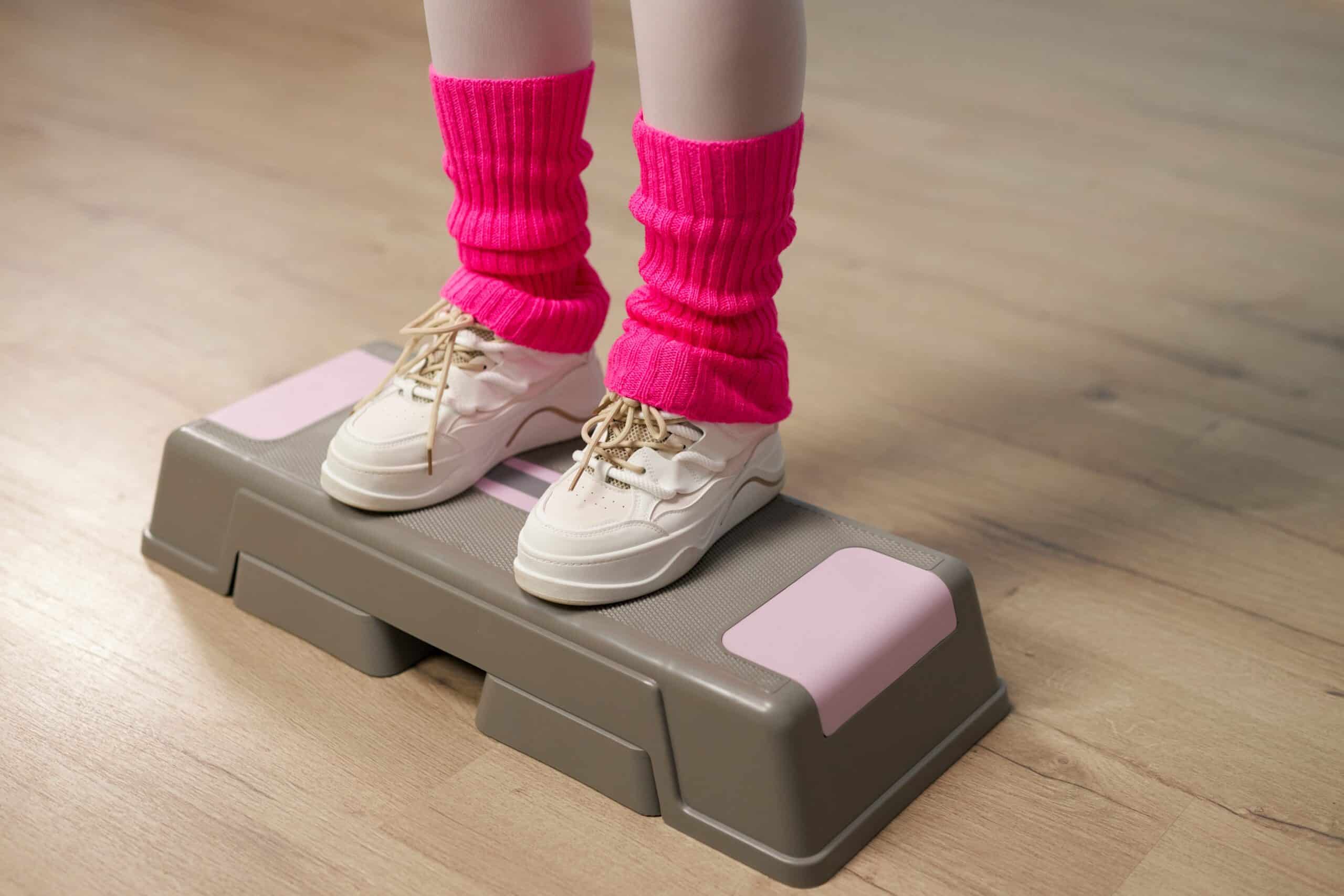
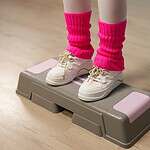
Leg warmers made their way from functional dancewear into mainstream fashion both due to the movie Fame and the 80s fitness craze that somehow made Lycra and spandex acceptable outside of the gym. Leg warmers became a staple of casual 80s fashion. They were worn over jeans and leggings with no regard for the actual warmth. They came in bright colors chosen more for visibility than taste. By the 1990s, they were already something most people looked back on with regret.
The comeback happened quietly through the ballet-inspired trend of "balletcore" in 2022 and 2023. Leg warmers found their way back onto the runway of Valentino. Photographers started spotting them worn by fashion week visitors in Paris and Copenhagen. The functional logic is the same as it was in 1982: they provide warmth without the bulkiness of tights and work as an element of layering. Their 80s flamboyant context was dropped in most cases. They were approached as a practical accessory with an interesting silhouette, which is exactly what they always should have been.
Stirrup Pants
Stirrup pants reached the height of popularity during the mid to late 80s. The pants were promptly ridiculed the minute the more relaxed 90s came along. Stirrup pants found their way into worst-dressed reviews and "things not to wear anymore" lists on a consistent basis. Stirrup pants made their comeback in the 2020s with the new version that comes very close to the original. Several contemporary brands have brought back stirrup pants as part of the overall 80s revival trend. Fashion has a way of recycling its own punchlines.
Windbreakers
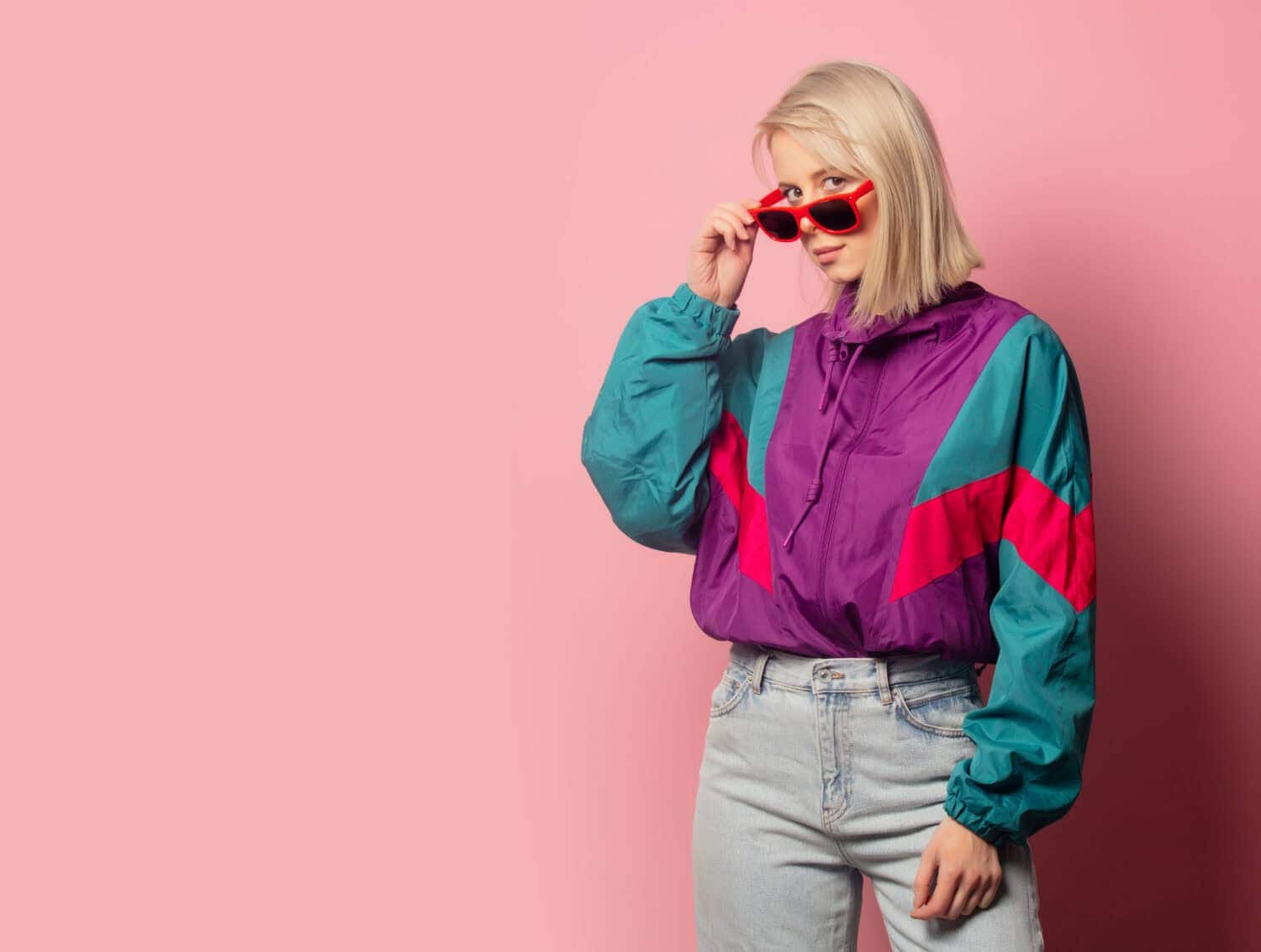
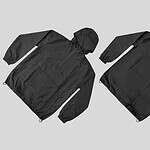
The windbreakers of the 80s were a garment of maximum enthusiasm and minimum restraint: glossy synthetics with contrasting colors, with geometric patterns, zippered pockets in impractical places, and a fabric that made noise whenever the wearer moved.
Critics from the era, and even today, called them an outdoorsy equivalent to wearing a plastic bag. They were ubiquitous through the late 1980s and early 1990s, and then, almost completely disappeared.
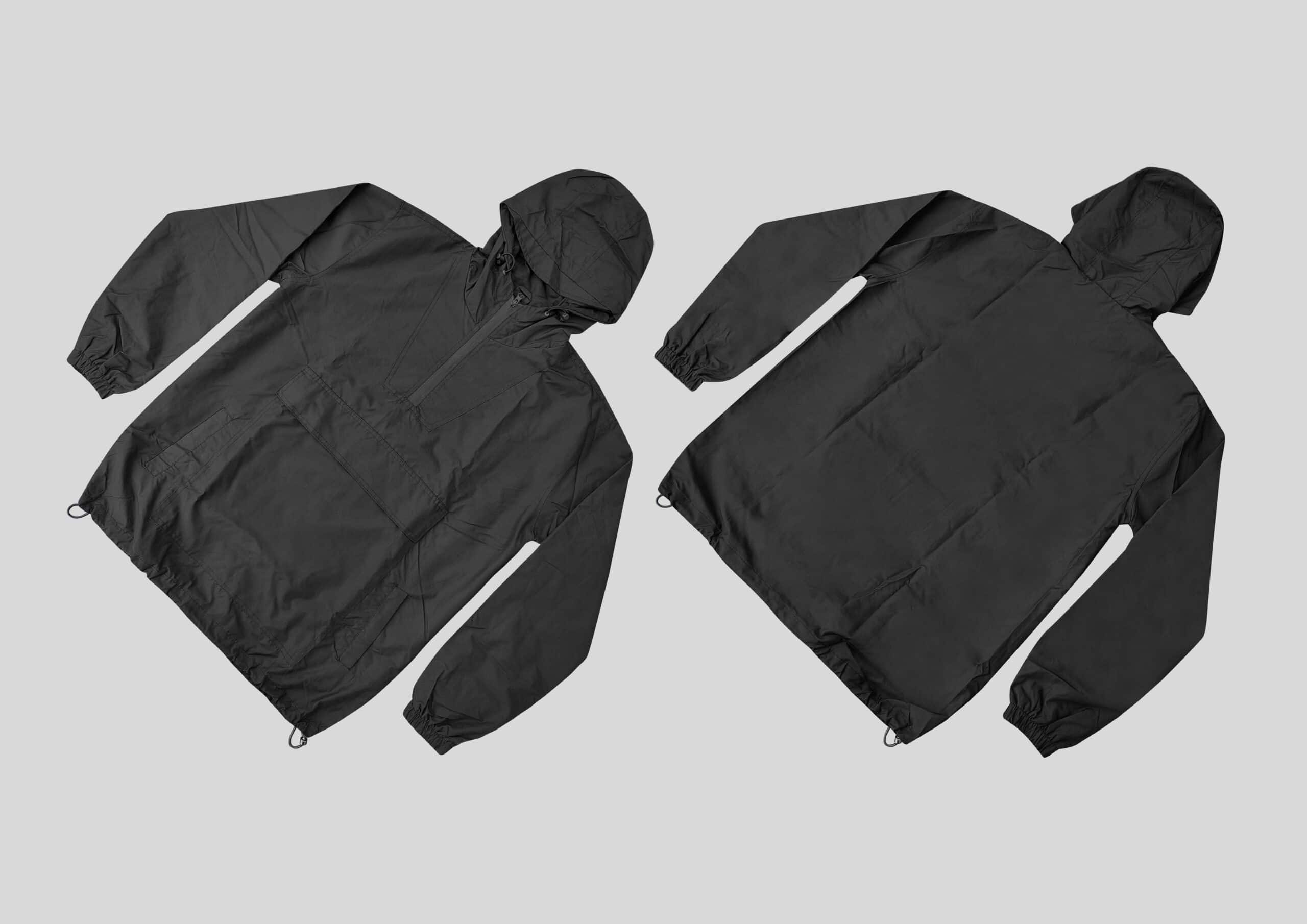
The revival happened through two distinct routes. The aesthetic of gorpcore, which takes outdoor technical wear and incorporates it into fashion, brought the windbreakers back as practical elements of clothing via brands like Patagonia and Arc'teryx. At the same time, luxury brands like Off-White and Bottega Veneta produced their own iterations, which were more sophisticated and better manufactured.
With both these trends combined, the windbreaker now has a respectable place in modern wardrobes, something that would have surprised anyone who discarded theirs in 1995.
Jelly Shoes
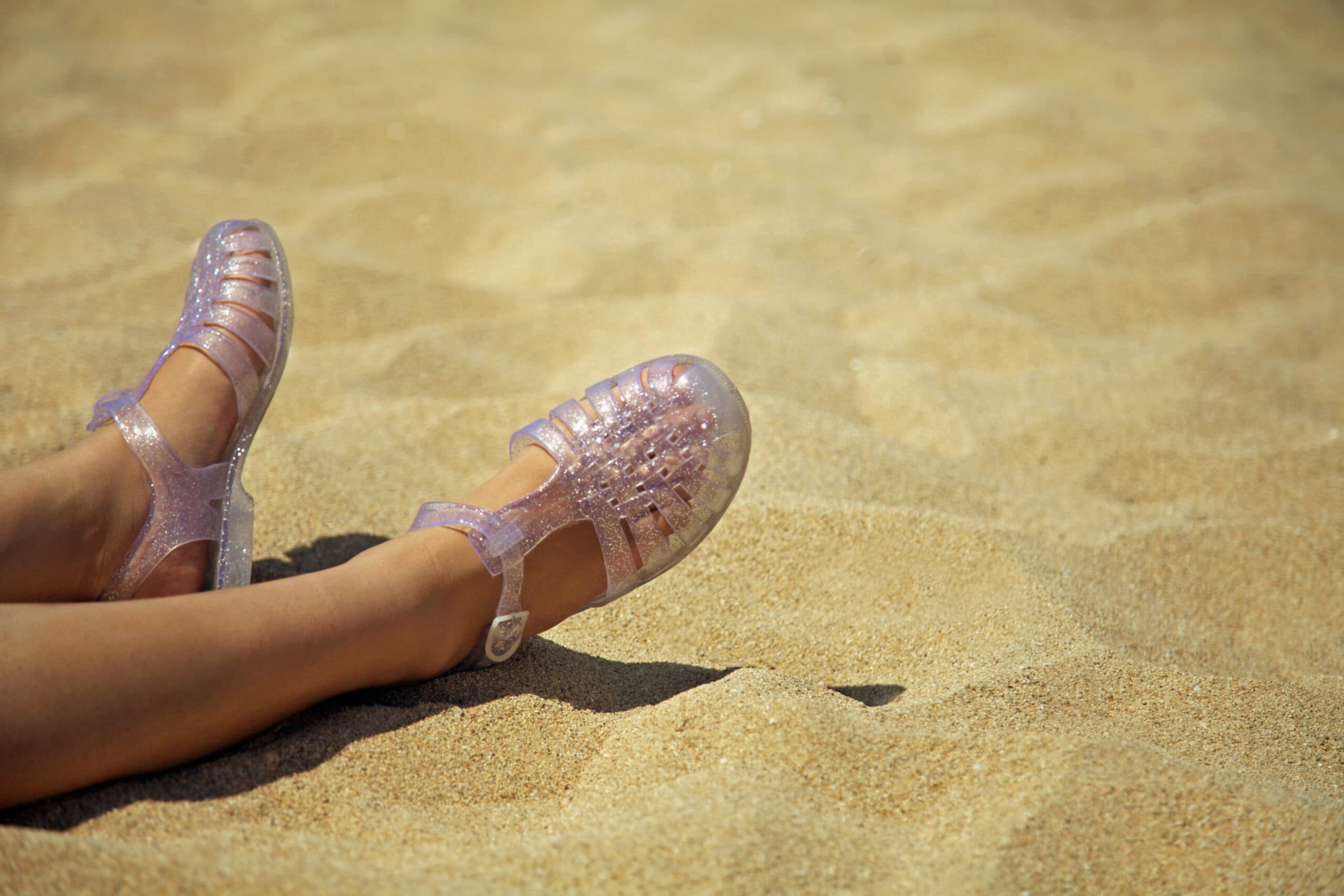
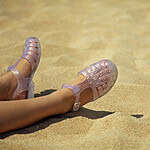
Water-resistant jelly shoes, made of PVC and meant to be worn in and around the water, were introduced as a trend during the early 80s due to their relatively low price, vibrant color palette, and the 80s appetite for synthetics. But they were causing blisters, retaining heat, developing an unpleasant smell regardless of thorough washing, and the plastic was beginning to crack over time. Wearing them during the summer months was, apparently, an effort in itself. They remained popular nonetheless, which says something about how much the 80s valued aesthetics over comfort.
Brazilian shoe manufacturer Melissa, which started producing premium-quality PVC shoes in 1979, reintroduced them as a trend in the 2010s through various collaborations with designers like Vivienne Westwood and Jason Wu. The improved materials of the new generation of jelly shoes dealt with the complaints of old. At least most of them. The collaborations turned a children's shoe into a collector's one. The smell problem, it is worth noting, was mostly solved. The blisters, not really.
Mom Jeans
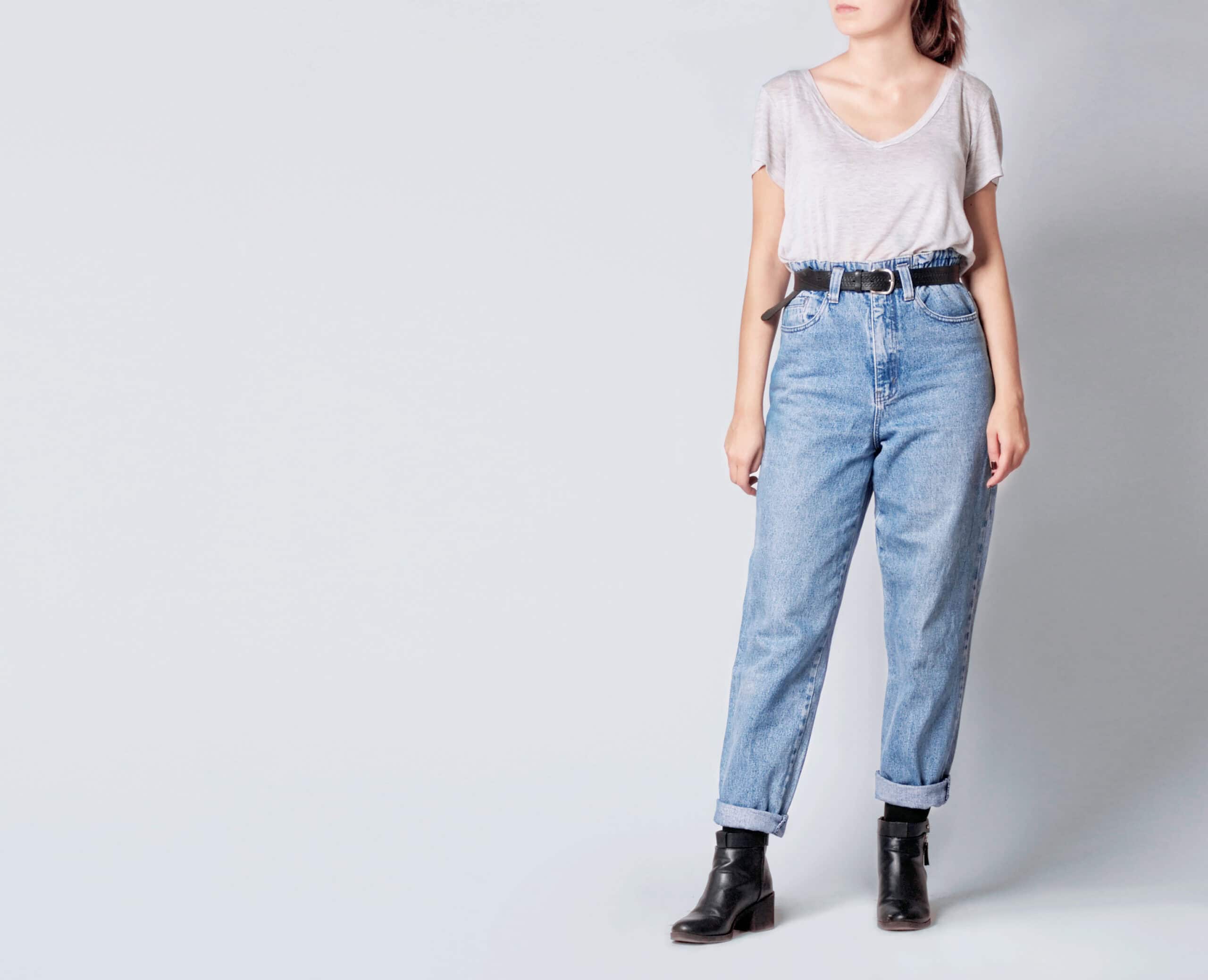
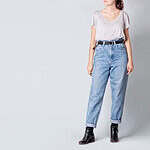
The high-rise, slightly baggy jeans look from the 1980s was retired at some point in the 1990s, when the low-rise style became fashionable and anything before it felt like nothing less than poor taste. "Mom Jeans" were the subject of an SNL sketch in 2003, which is when you know a trend is officially buried, culturally speaking. For most of the 2000s and into the 2010s, the high-rise slim look was something you wore when you no longer cared about looking fashionable.
This style started making a comeback around 2016 and gained speed through the beginning of the 2020s, partially fueled by the desire to wear something more comfortable and by the same nostalgic circle that influences the remaining items on the list.
Today, high-waisted jeans dominate the collections of major retailers, while the term "mom jeans" has largely been dropped, or kept ironically. People who wear these and call them "mom jeans" are probably not old enough to remember that it was considered an insult in the 90s.