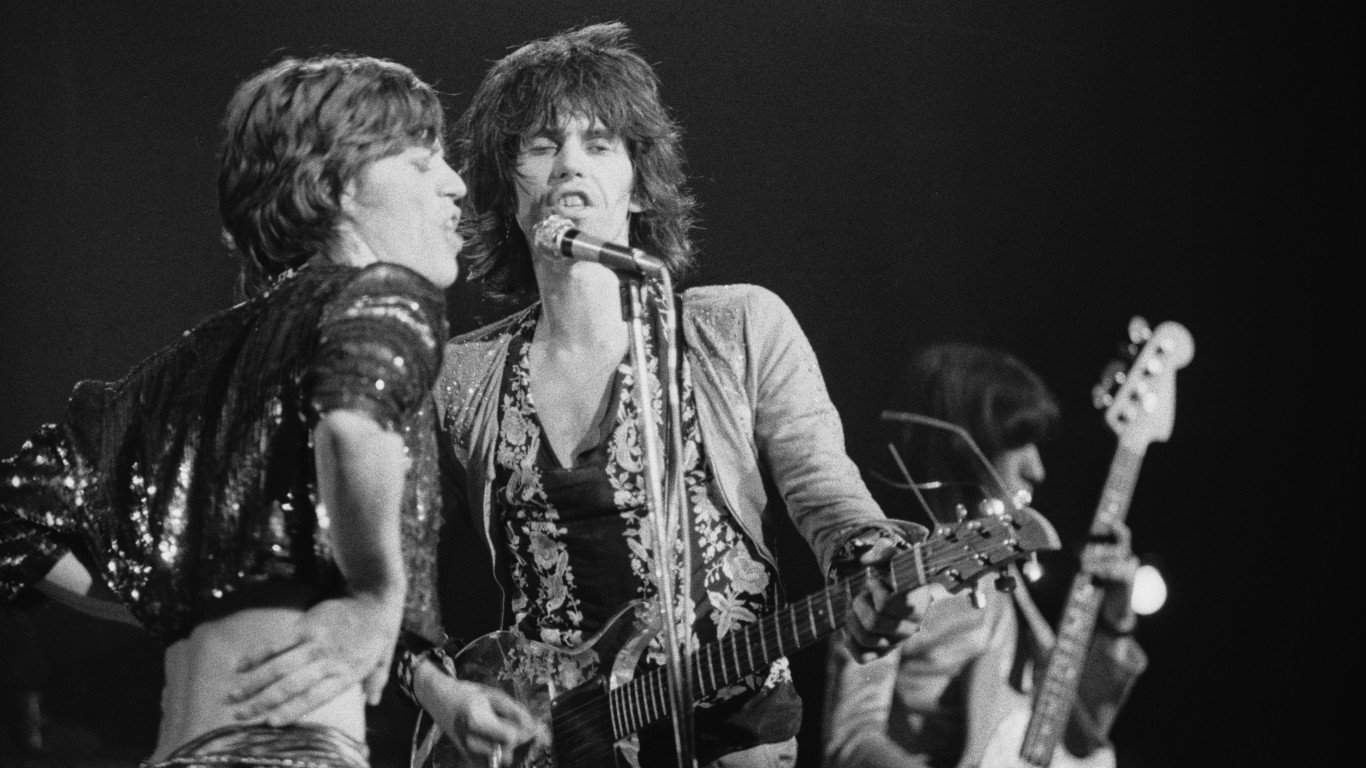

Every generation has a soundtrack, and for baby boomers, that soundtrack helped reshape American culture. Born between 1946 and 1964, boomers grew up as rock ‘n’ roll became a national force, Motown turned out hit after hit, folk music found a mass audience, and bands like The Beatles changed what popular music could sound like.
These songs were not just background noise. They came through car radios, played at school dances, filled record stores, and showed up on television programs that introduced new artists to millions of living rooms. For many boomers, a familiar opening riff or chorus can still bring back memories of teenage years, first concerts, changing fashions, and a country that was moving through enormous cultural shifts.
With that in mind, we’re looking at 10 classic songs many baby boomers still know by heart. These are the unforgettable hits that helped define a generation and remain instantly recognizable decades later.
Jailhouse Rock
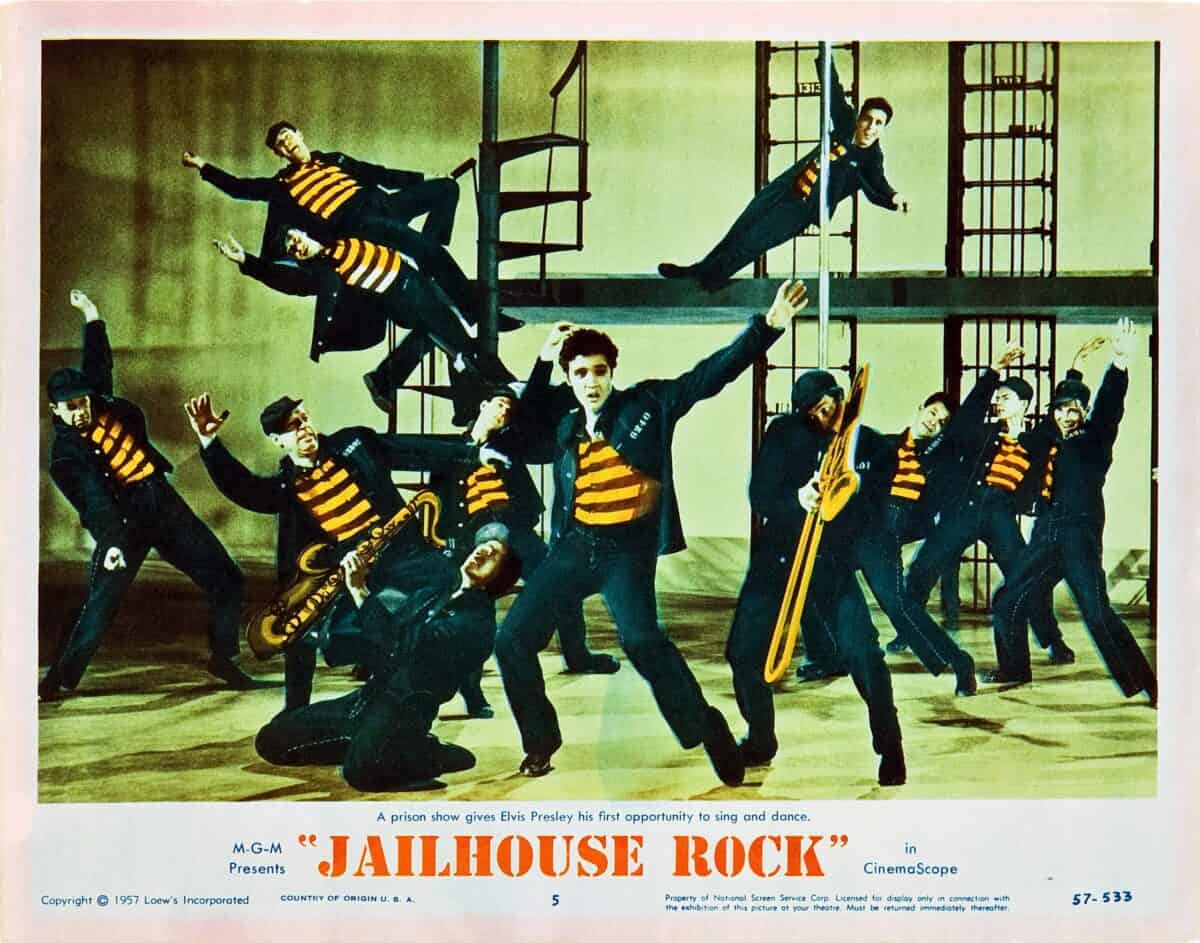
Ranked among the most famous rock songs ever recorded, “Jailhouse Rock” is one of those Elvis Presley hits that many baby boomers can recognize almost instantly. Released in 1957 for the movie of the same name, the song captured the energy that made Elvis such a defining figure in early rock and roll. Its driving beat, playful prison-yard lyrics, and unforgettable vocal delivery helped make it a chart-topping success in the United States. For boomers who grew up hearing Elvis on the radio, on television, and in movie theaters, “Jailhouse Rock” is more than a catchy song. It is a reminder of the moment when rock and roll became impossible to ignore.
The Twist
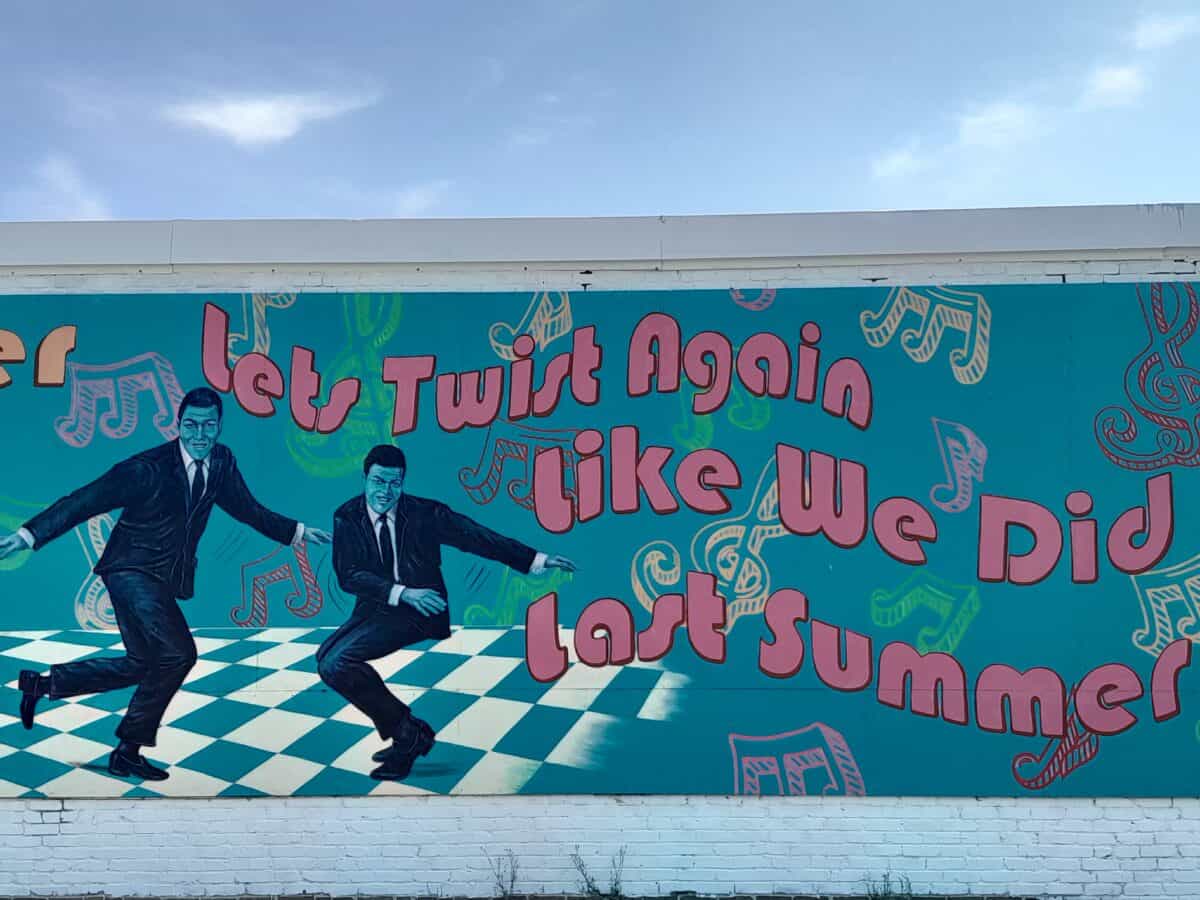
Sung by Chubby Checker, “The Twist” became much more than a hit song. It helped turn a simple dance move into a national craze. Checker’s 1960 version was actually a cover of a song first recorded by Hank Ballard and the Midnighters, but it was Checker’s recording that broke through with mainstream audiences. The song was easy to follow, fun to dance to, and perfectly suited for parties, school gyms, and television performances. Its popularity stretched beyond a single moment, returning to the top of the charts in the early 1960s and becoming one of the era’s signature dance records. For many baby boomers, “The Twist” brings back the sound of sock hops, dance floors, and a time when one song could get nearly everyone moving.
California Girls
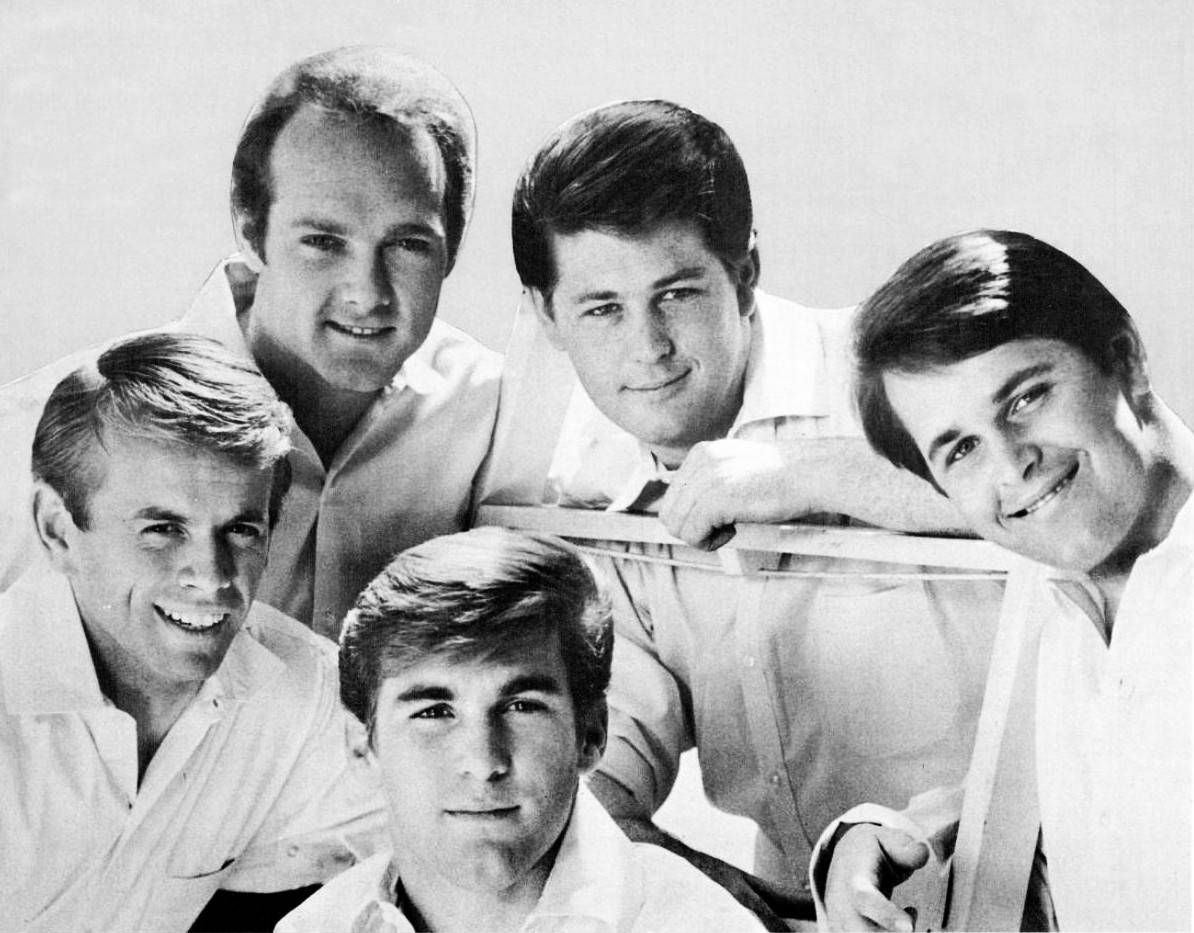
Released in 1965, “California Girls” is one of the Beach Boys songs that best captures the group’s sunny, harmony-heavy sound. The single reached the top five on the Billboard Hot 100 and quickly became one of the band’s most recognizable records. Its bright arrangement, layered vocals, and idealized picture of West Coast life helped make California feel like more than a place. It became a mood. For baby boomers, the song arrived during a period when surf music, car culture, and beach imagery were all part of the pop landscape. Even listeners who lived nowhere near the Pacific could sing along to its chorus and imagine the carefree world the Beach Boys were selling.
Twist and Shout
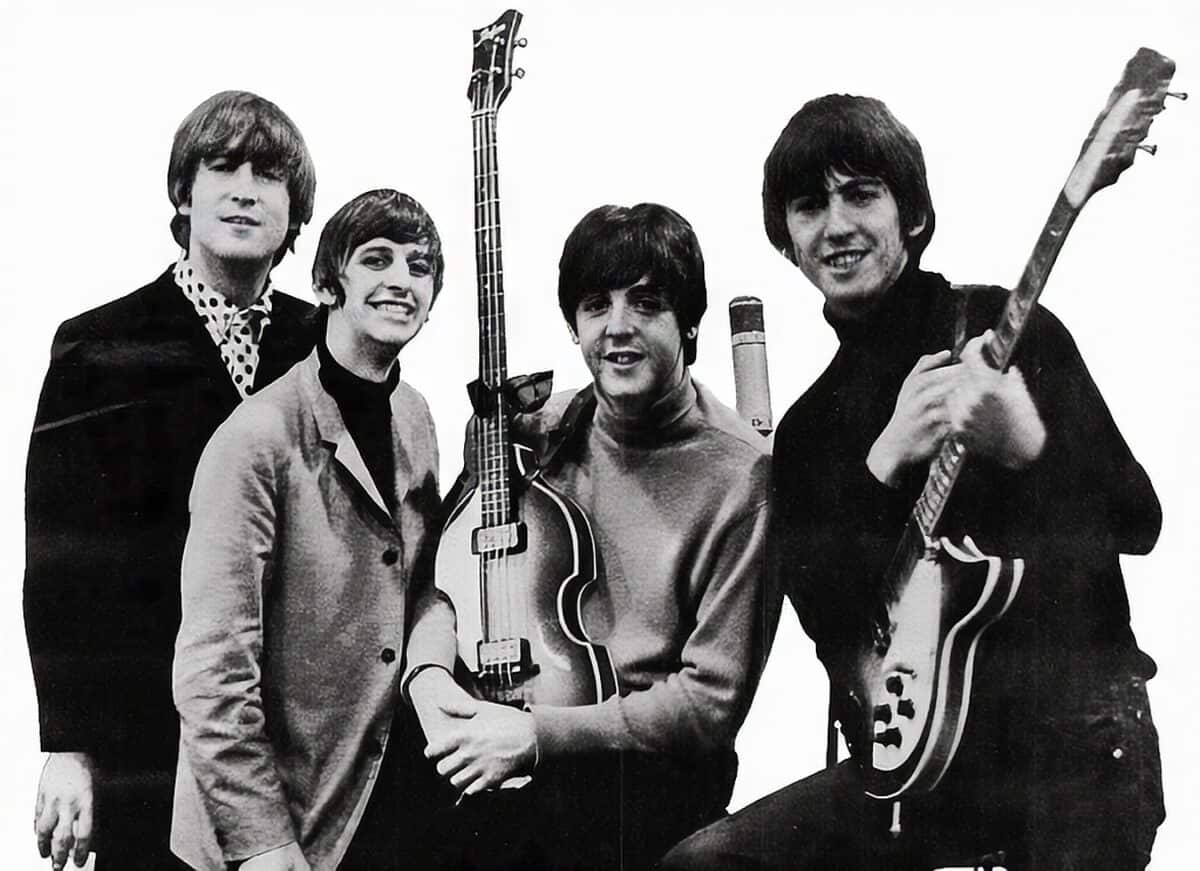
“Twist and Shout” is often associated with the Beatles, but the song was not originally theirs. It was first recorded by the Top Notes and later made better known by the Isley Brothers before the Beatles turned it into one of their most explosive early performances. Released in the United States during the height of Beatlemania, the band’s version became a favorite because of John Lennon’s raw vocal, the group’s tight energy, and the way the song seemed built for shouting along. For baby boomers, it is tied to the British Invasion, teenage excitement, and the feeling that popular music was changing almost overnight. Even decades later, the opening notes still sound like an invitation to get up and sing.
Dancing Queen
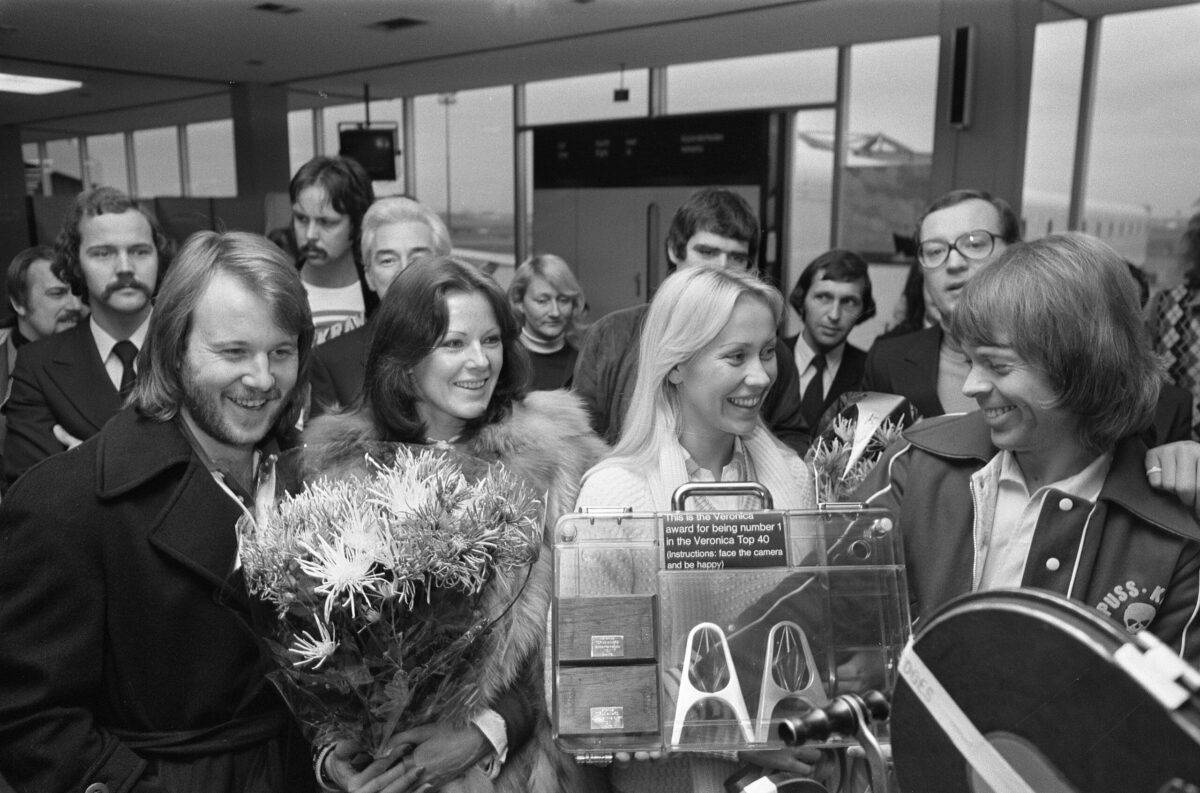
Released in the 1970s, “Dancing Queen” became one of ABBA’s defining songs and one of the most recognizable pop records of the disco era. While the youngest baby boomers were still teenagers when it became a hit, older boomers were hearing it at parties, bars, weddings, and on the radio as disco moved into the mainstream. The song’s shimmering piano opening, soaring chorus, and polished production made it feel instantly celebratory. It is not a rock and roll anthem in the same way as many earlier boomer classics, but it still became part of the generation’s shared soundtrack. For anyone who lived through the late 1970s, “Dancing Queen” can instantly bring back the sound of dance floors, bright lights, and a very specific pop moment.
Pretty Woman
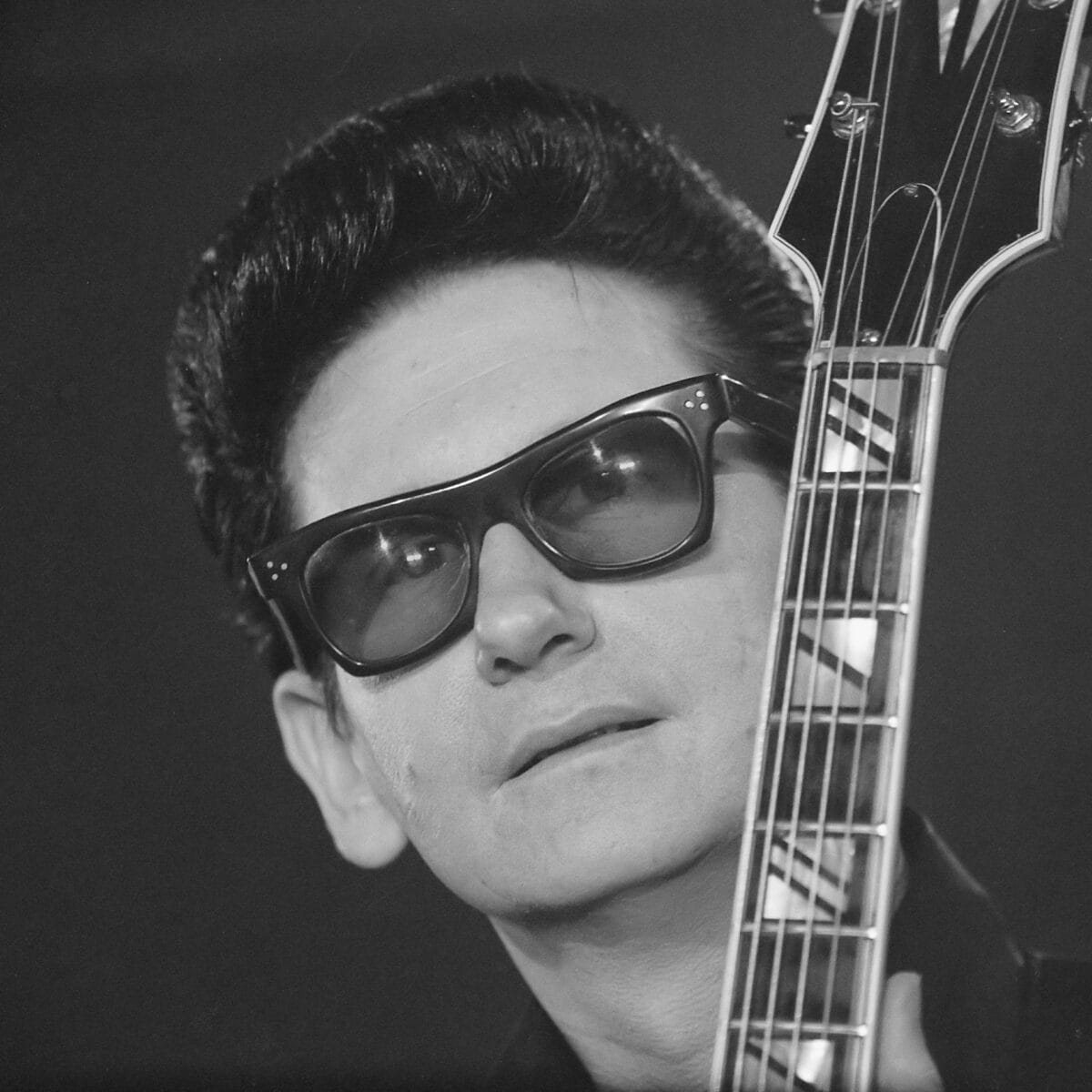
Roy Orbison’s “(Oh) Pretty Woman” became a major hit in 1964, long before the Julia Roberts movie helped introduce the song to a later generation. Its sharp guitar riff, dramatic pauses, and Orbison’s unmistakable voice made it one of the most memorable pop-rock singles of the decade. The song spent weeks near the top of the charts and quickly became one of Orbison’s signature recordings. For baby boomers, it belongs to the period when radio hits were becoming polished, theatrical, and instantly memorable. The later use of the song in the 1990 film Pretty Woman only added another layer to its legacy, but for many boomers, the original memory is still hearing Orbison’s voice cut through the radio with that unforgettable opening hook.
My Girl
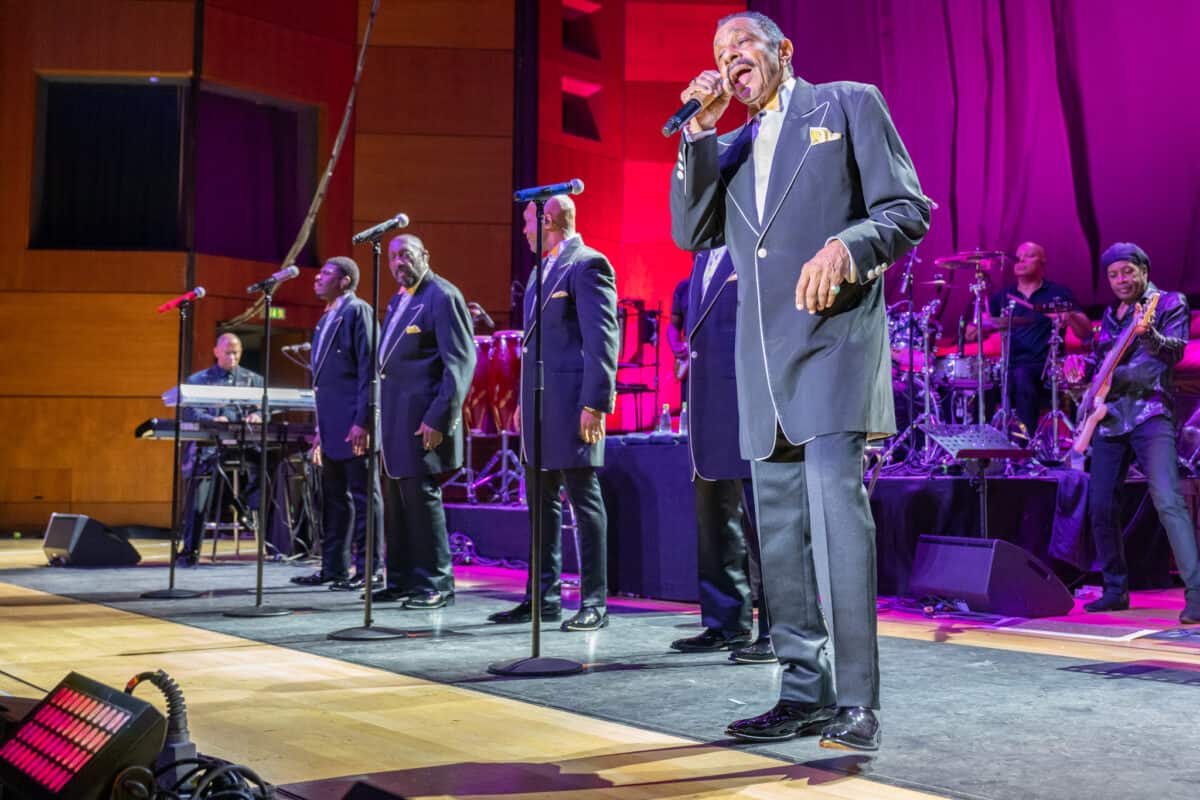
Released by the Temptations in 1964, “My Girl” became the group’s first number one pop hit and one of Motown’s most beloved songs. Written by Smokey Robinson and Ronald White, the song combined a gentle bassline, warm vocals, and one of the most recognizable openings in soul music. Its sweetness is part of what has made it last for generations. For baby boomers, “My Girl” was the kind of record that worked everywhere: on the radio, at dances, at weddings, and later in movies and television shows. It did not need to be loud or complicated to make an impact. The moment that opening guitar line begins, the song feels familiar, comforting, and tied to an era when Motown helped define American popular music.
I Can’t Get No Satisfaction
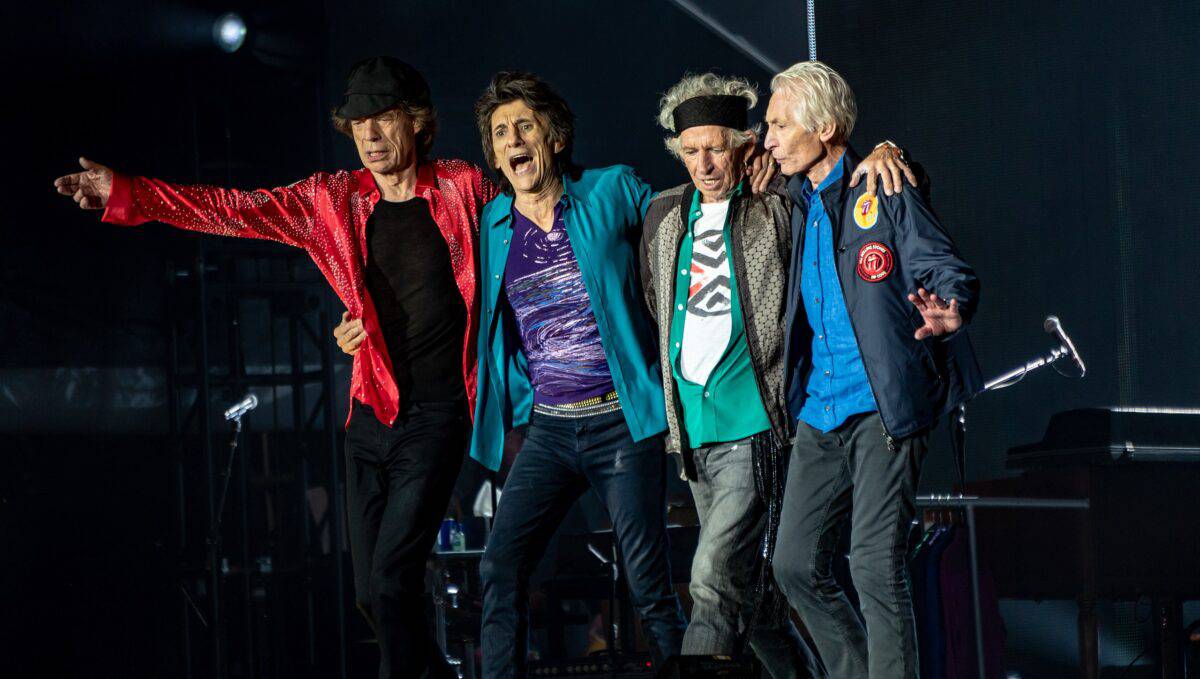
“(I Can’t Get No) Satisfaction” turned the Rolling Stones into even bigger stars and gave baby boomers one of the most famous guitar riffs in rock history. Released in 1965, the song captured a restless, rebellious feeling that fit perfectly with the decade’s youth culture. Keith Richards’ fuzz-toned riff, Mick Jagger’s sneering vocal, and the song’s frustration with advertising, conformity, and empty promises helped make it sound sharper than many pop hits of the time. It became a number one hit in the United States and later earned recognition from the Library of Congress through the National Recording Registry. For boomers, the song still carries the attitude of the 1960s, when rock music was becoming louder, more skeptical, and more willing to push back.
Good Vibrations

Another Beach Boys classic, “Good Vibrations” showed just how ambitious pop music could become in the mid-1960s. Released in 1966, the song reached number one in the United States and the United Kingdom, but its legacy goes far beyond chart performance. Brian Wilson built the track through an unusually complex recording process, blending rich harmonies, shifting sections, unusual instruments, and a sound that felt futuristic for its time. For baby boomers, it was proof that the Beach Boys were not just making surf songs. They were expanding what a pop single could sound like. The chorus is bright and easy to remember, but the arrangement underneath is surprisingly adventurous, which is why “Good Vibrations” still feels fresh decades later.
Respect
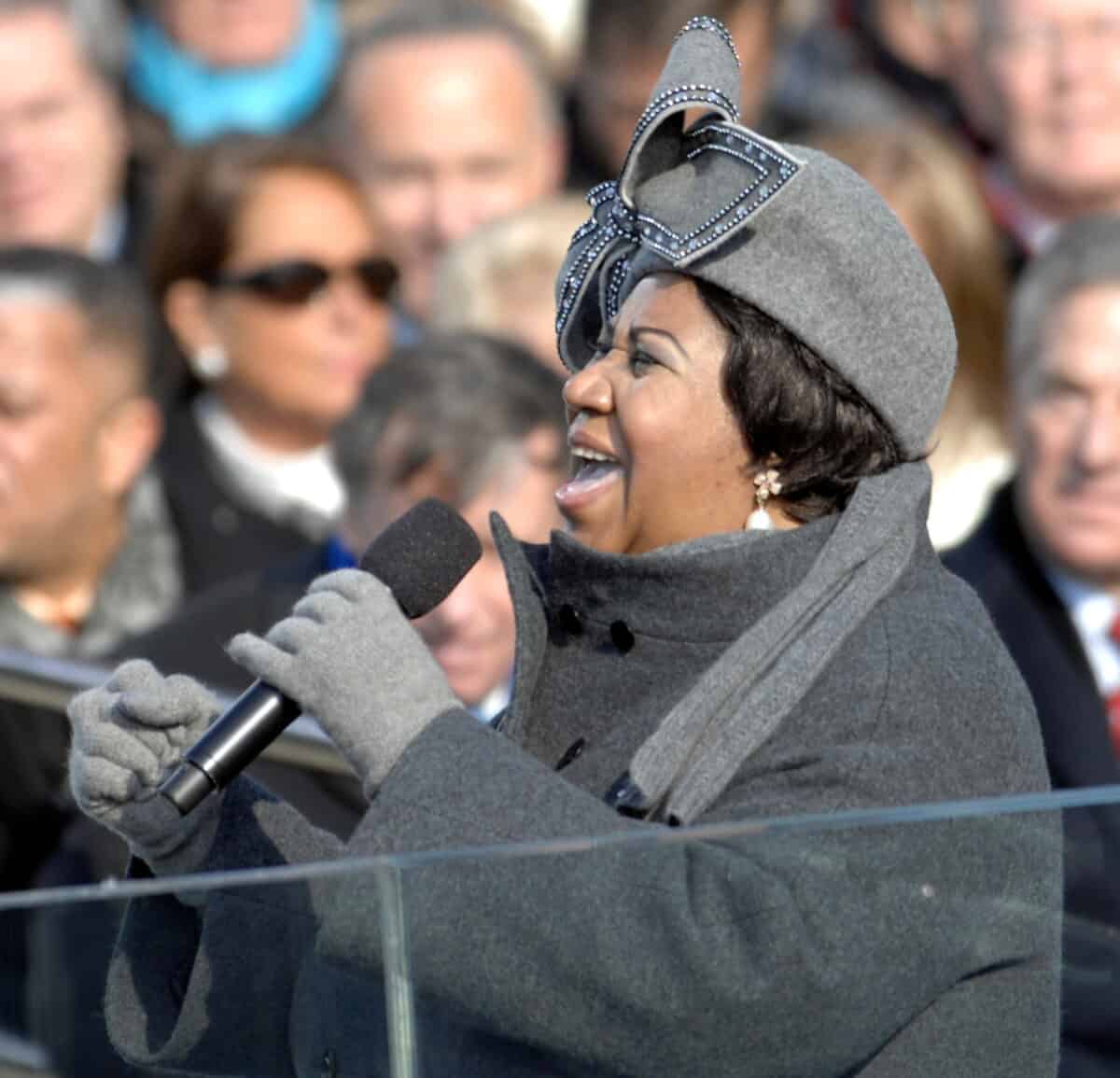
Aretha Franklin’s “Respect” is one of the rare cover songs that became even more famous than the original. Otis Redding first recorded the song in 1965, but Franklin transformed it in 1967 into a powerful anthem of confidence, independence, and demand for dignity. Her version added the unforgettable spelling of “R-E-S-P-E-C-T,” the call-and-response vocals, and a force that made the song feel much larger than a standard soul hit. It reached number one on the Billboard Hot 100 and became one of Franklin’s defining recordings. For baby boomers, “Respect” is tied not only to great music, but also to the cultural energy of the late 1960s, when popular songs could reflect changing ideas about gender, power, and civil rights.
The image featured at the top of this post is ©Evening Standard / Hulton Archive via Getty Images