
If you grew up from the 1960s to the 1990s, you looked forward to Saturday morning cartoons. Every weekend, millions of kids would gather in front of their televisions, bowl of cereal or other snacks in hand, waiting for entertainment blocks. CBS, NBC, and ABC saw this as a multi-million dollar battleground.
Beneath the colorful animations and cheery songs was a brutal race for creative freedom, merchandise sales, and the ever-present gaze of parental watchdog groups. Animation teams were stuck trying to move merchandise, rather than creative expression, and this naturally led to some things slipping past executives and censors alike. Often, these instances were missed, only to receive bags full of angry letters from parents.
When the blowback hit, it hit big. Networks weren’t just cancelling these shows. They were erasing them from the public consciousness to the best of their ability. Master tapes were locked away, syndication packages were revoked, and in some cases, entire characters were removed from shows. Today, we’re looking at those banned, infamous Saturday morning cartoons to see why this came to be.
Setting the Stage
©ShutterPNPhotography/Shutterstock.com
Before we start diving into these banned Saturday morning cartoons, it’s important to understand why these things came to be. The deregulation of children’s television in the 1980s created the ideal conditions for advertising executives. When the FCC lifted those restrictions, you saw plenty of kids’ shows that were essentially 22-minute toy commercials with ads cutting through at regular intervals.
Billions of dollars were on the line, with production companies often rushing shows into animation without much foresight. The mandate behind many of these shows was simple: make it appeal to kids. You essentially wanted kids to pick up their favorite characters, playsets, and whatever else you could pack onto a store shelf.
As such, there were plenty of creatives entering the field and largely operating in the margins. Writers would start sneaking in adult jokes, politics, and darker themes. Parenting groups like the NCTV, or the National Coalition on Television Violence, took notice, sending executives into a panic. Corporate response was typical. These shows were often canned in a swift, ruthless fashion.
The Garbage Pail Kids
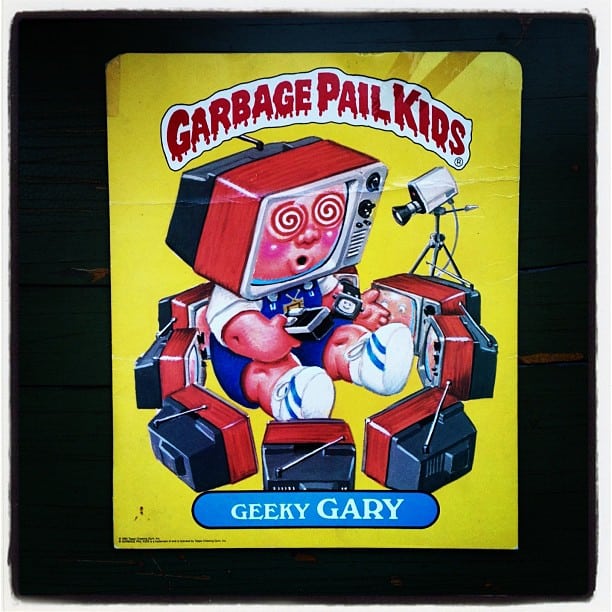
Our first example didn’t see the light of day, at least on American airwaves. CBS’s adaptation of the The Garbage Pail Kids had a relatively solid foundation. The 1980s trading cards were popular, often featuring grotesque, pun-heavy depictions of kids that heavily resembled the popular Cabbage Patch Kids. The cards were a big hit with elementary schoolers, much to the consternation of many parents, and it seemed like a natural fit for the TV screen.
CBS seized on this opportunity and greenlit an animated series in 1987 for their morning lineup. Animation duties were handled by Murakami-Wolf-Swenson, and writers got to work softening the rougher edges of some of the most popular characters to make them more appealing to kids and parents alike.
In the end, it was for nothing. As soon as the Action for Children’s Television caught wind of this, a massive boycott campaign was launched. Potential advertisers were targeted, with parents and educators alike refusing to do business with anyone who advertised on the show. Advertisers panicked and pulled funding, which in turn sent a wave of panic through the executive offices at CBS. 13 episodes were completed when the show was cancelled, but it wouldn’t air at all in 1987. It circulated for a little while on TV, primarily in Europe. By the time the VHS release happened in the 1990s, the show was little more than a curiosity in the annals of Saturday morning cartoon history.
Ren & Stimpy
©"Ren & Stimpy" by twm1340 is licensed under BY-SA 2.0. – Original / License
Nickelodeon had something of a paradigm shift when it came to Saturday morning cartoons. Rather than engineering them around merchandising lines, these were largely creator-driven passion projects. These were often edgier, more expensive shows, and they garnered impressive audiences. Broadcast networks tried desperately to capture the same sort of energy and consumer intrigue.
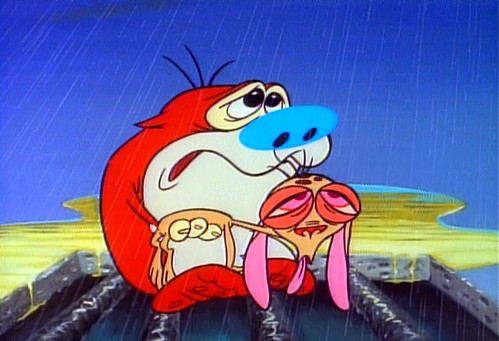
John Kricfalusi’s Ren & Stimpy Show was a cultural phenomenon. The show was gross, visually beautiful, and packed with jokes for kids and adults alike. Nickelodeon executives tolerated the boundary pushing from Kricfalusin and his team, simply because the ratings were that good. That all changed with the episode “Man’s Best Friend.” Rather than leaning into the slapstick violence of something like the Looney Tunes or Tom & Jerry, this was a dark, shockingly realistic depiction of violence.
As you might imagine, executives were horrified and pulled the episode, banning it permanently. It was the final straw for Kricfalusi, who was fired shortly after its airing. The episode was lost for well over a decade, until a modified version was aired years later on a late-night cable block.
The Plastic Man Comedy/Adventure Show
©"Plastic Man vs. Edward Scissorhands (12/365)" by JD Hancock is licensed under BY 2.0. – Original / License
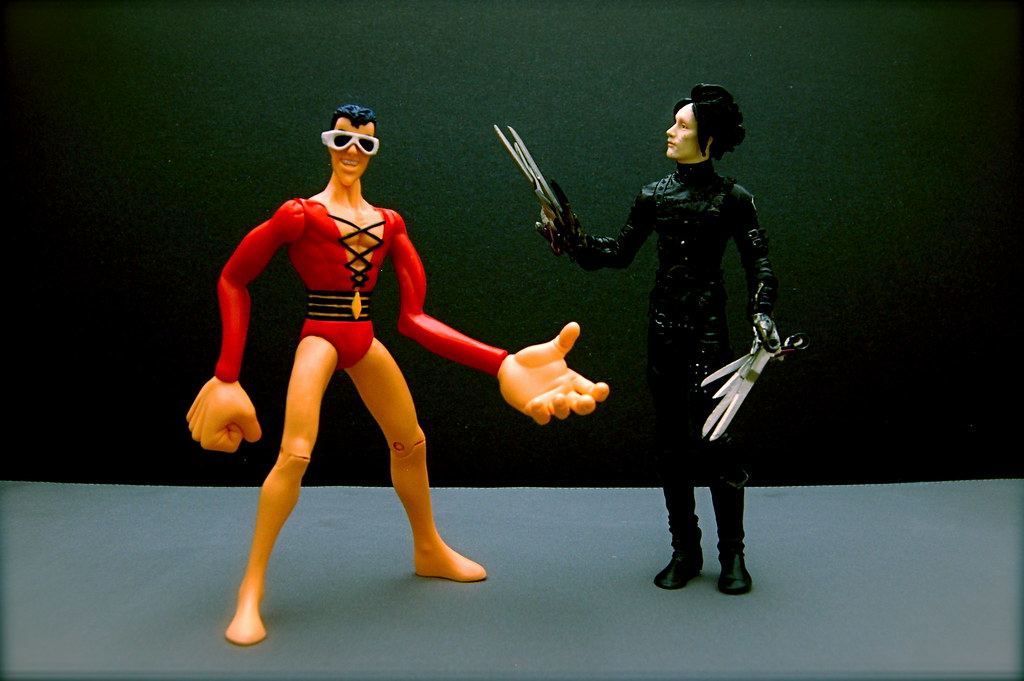
Plastic Man isn’t quite what you’d call a household name, especially for a brand like DC Comics. That said, Ruby and Spears produced an animated show starring DC’s shapeshifter from 1979 to 1981, lasting a remarkable 5 seasons with around 112 episodes made. It was relatively safe, not featuring any graphic violence, but there was a bit of a misstep in its production run.
The late 1970s and early 1980s saw a concerted effort by animation studios to incorporate social messaging that was anti-drug in nature. Writers struggled to incorporate these with a cartoon character that was arguably ill-suited for the sorts of messaging the government was after. One episode featured a substance that was surprisingly close to real-world controlled substances. It obviously made it through standards and practices.
When the episode aired, it caused an uproar. Parents argued that the drug’s depiction wasn’t nearly as harsh as it should’ve been, instead showing it as inducing euphoria. ABC didn’t argue, they simply removed the segment from future rerun packages. The episode was scrubbed, leaving fans scratching their heads over what happened for years to come.
Muppet Babies
Our final show wasn’t controversial by any means, and remains a beloved Saturday morning cartoon for many. Instead, it ran afoul of music and film licensing. Muppet Babies was an absolute juggernaut for CBS throughout the 1980s, winning numerous awards and following Kermit, Fozzie, Piggy, and Gonzo as they used their imaginations to go on wild adventures.
To represent these adventures, the animators often spliced in footage from real, classic films, television shows, and newsreels. In any given episode, you might see the Muppets interact with Indiana Jones, Star Wars, and The Wizard of Oz, among other massive properties. George Lucas and Steven Spielberg essentially gave carte blanche for cheap licensing when the show was on the air.
When it went out of syndication, some issues arose. Network executives had to cross a legal minefield. The original contracts only covered the original broadcast run, it didn’t accommodate the age of DVD releases and digital streaming. To re-air the show in its original state, Disney would have to pony up a princely sum just to get the copyrights cleared. As such, the original show is lost to time, mainly existing as bootleg VHS tapes and other rips.
Conclusion
In an era when network executives were looking to maximize profits, it doesn’t come as a surprise that some shows ran afoul of practices and standards. It was a wild time, and the shows that were popular with kids had to remain creative while still pursuing whatever network mandates. The modern era has challenged the notion of banned shows, even if the Saturday morning cartoon is an artifact of that past. Things are much harder to completely disappear these days, for better or worse.
The image featured at the top of this post is ©LIAL/Shutterstock.com