

To our younger readers, there was nothing quite like mall foods. The American shopping mall of the 1980s wasn’t just a retail hub. It was a cultural incubator of sorts, a teenage hangout, and a neon-soaked testament to consumerism. At the heart of any self-respecting mall was the food court, a sensory overload of sizzling fryers, enticing smells, and the promise of just a little something to take the edge off while you were out shopping.
1980s food courts were populated by some of the most ambitious and bizarre food trends you’ll find. If anything, they embody the decade’s penchant for excess. While many of these culinary delights have been driven to extinction by shifting consumer wants, health trends, and the collapse of the shopping mall, it’s still fun to look back. Today, we’re looking at some of the definitive mall foods of the 1980s.
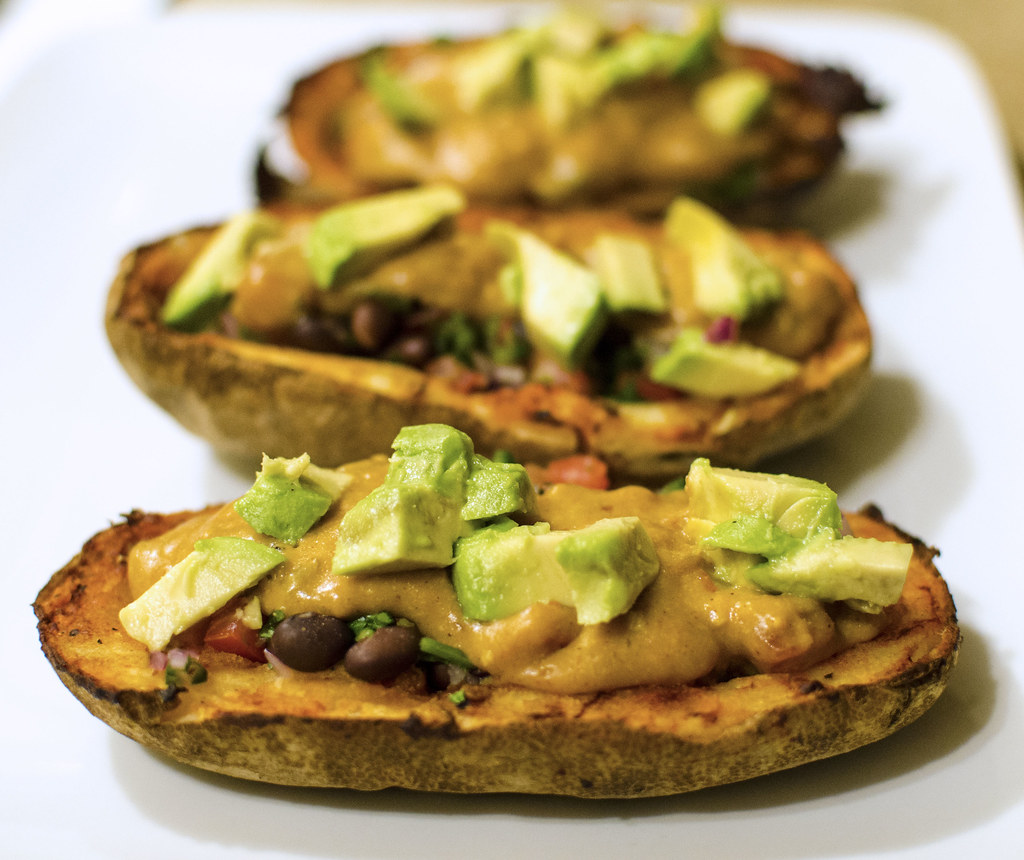
Stuffed Potatoes
©"Potatoes (2)" by veganLazySmurf is licensed under BY 2.0. – Original / License
In an era before carbohydrates became the enemy, the baked potato was the de facto high-concept fast food. A few different franchises were experimenting with the humble spud, including One Potato Two, its similarly named competitor 1 Potato 2, and Spudly’s Super Spuds.
The core concept behind the stuffed potato is to bake it until the skins are papery and crispy, then split it open to defy all culinary logic. The aforementioned franchises weren’t just using these potatoes as side dishes. These were the main events. Any stuffed potato treats your baked spud like a structural vessel for a variety of fillings. Shoppers at any mall could expect fillings like cheese sauce, veggies, and more.
Some more ambitious chains went so far as to incorporate pizza toppings into a baked potato. A lot of the appeal of this mall food came down to the economics behind it. Shoppers could get a filling, piping-hot meal for under $3. The 1990s largely saw the novelty of stuffed potatoes go by the wayside, as an era of low-fat and low-carb diet trends frowned upon eating a massive Russet soaked in butter, cheese, and sour cream.
Showbiz Pizza Place and Sbarro

©GreenArt/Shutterstock.com
Sbarro remains a familiar sight in some mall food courts, and has persisted at my local mall for the last 45 or so years at this point. However, the pizza places of the 1980s were a whole different breed. This was during an era when Italian food meant thick, greasy slices of pizza that basked under high-intensity heat lamps. Cheese was liberally applied and gave a satisfying stretch that got shockingly close to the commercials of the era.
Younger shoppers could delight in dinner and a show at somewhere like ShowBiz Pizza Place, and its spiritual successor, Chuck E. Cheese. These were often free-standing, but some malls had these occupying high-traffic anchor positions in the food court, depending on the size of the shopping center.
Any kid was going for the Rock-afire Explosion, a full animatronic band that played music and gyrated on stage. Pizza came second to tokens, ticket-redemption counters, and the utter chaos of a contained gathering of children running riot through a space.
The Cookie Wars
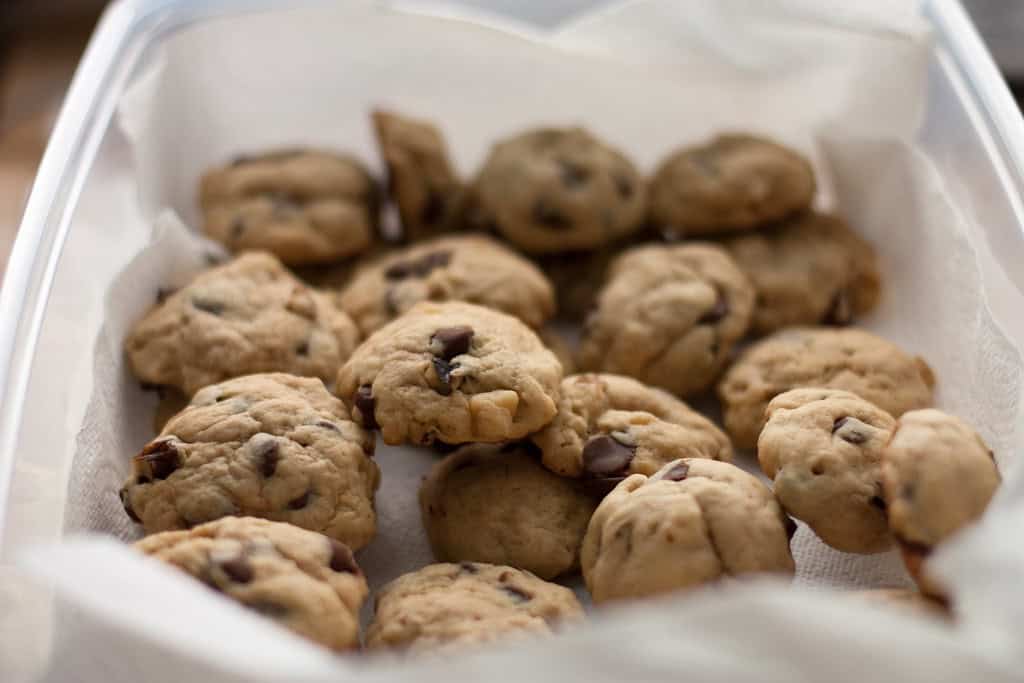
As a decade, the 1980s was defined by its corporate rivalries. If you were a frequent shopper at the local mall, you were likely participating in the Cookie Wars. Any kid during the 1980s likely remembers the cloyingly sweet smell of baked goods, the vibrant displays, and abundant choices found at your local Original Cookie Company or Mrs. Fields. There was a clever bit of marketing going on, as the exhausts from the industrial ovens vented directly into mall walkways to lure kids and teens alike by their noses.
The ultimate status symbol, if you were a 1980s kid, was the cookie cake, a massive, solid chocolate chip cookie that spanned between 12 and 16 inches. You were greeted with a thick ring of icing, and your named scrawled among the chocolate chips.
Individual cookies at these franchises were served warm, often intentionally underbaked and finished at the time of purchase to remain gooey and fresh. You had your standard varieties like chocolate chip cookies, but M&M-studded and more deluxe choices were sold at a premium. Mrs. Fields survives into the modern day, but it is a shadow of its former self.
Orange Julius and Karmelkorn
©"Orange Julius" by Random Retail is licensed under BY 2.0. – Original / License
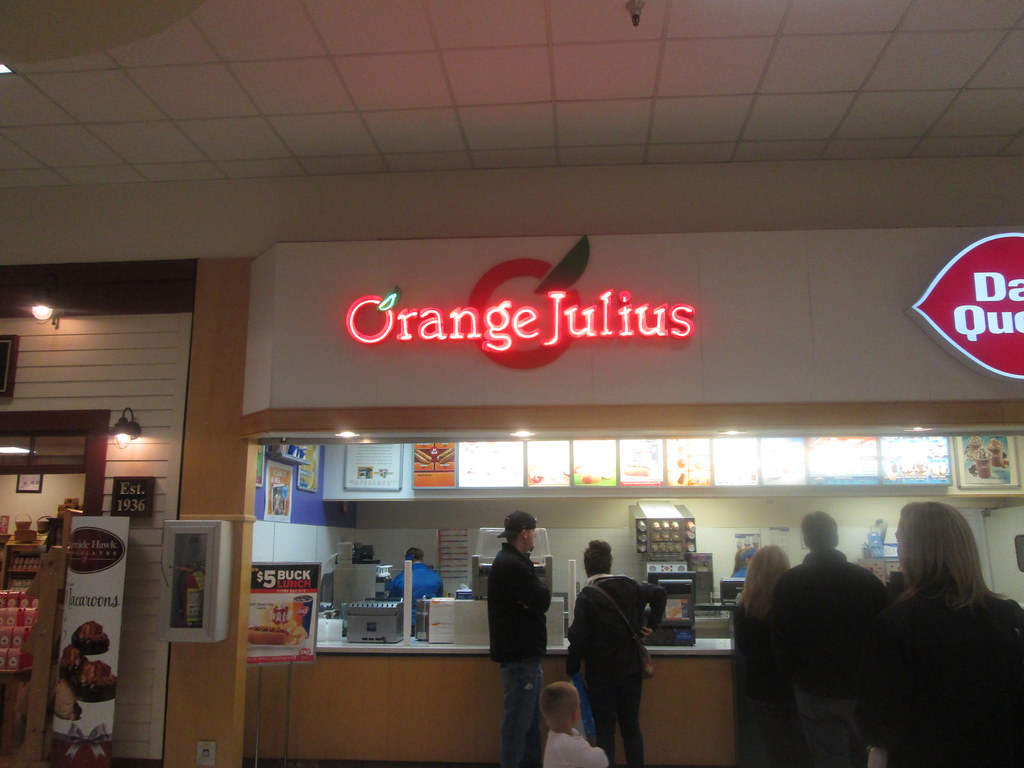
Fitting in well with the 1980s’ penchant for excess, no trip to the mall was complete without buying a drink that blurred the line between culinary experiment and refreshment. Many a mall housed an Orange Julius that specialized in this. The concept dates back to decades earlier, but it hit its cultural watermark during the 1980s.
The Orange Julius was a concoction made from orange juice concentrate, ice, water, and a closely guarded proprietary powder that gave it a signature smooth, airy texture. There has been some speculation as to what it contained, with rumors abounding about it containing egg whites, powdered milk, or vanilla pudding that helped to neutralize the acidity of the orange juice.
Orange Julius often shared counterspace with Karmelkorn. During the 1990s, I remember gourmet popcorn stands becoming the norm, but during the 1980s, it just wasn’t a thing. Karmelkorn was a familiar sight of massive copper kettles that tossed popcorn coated in thick, sticky layers of hot caramel. It was a perfect complement to your Orange Julius when you were looking to get off your feet with your shopping bags.
Fast-Food Chinese
©Ezume Images/Shutterstock.com
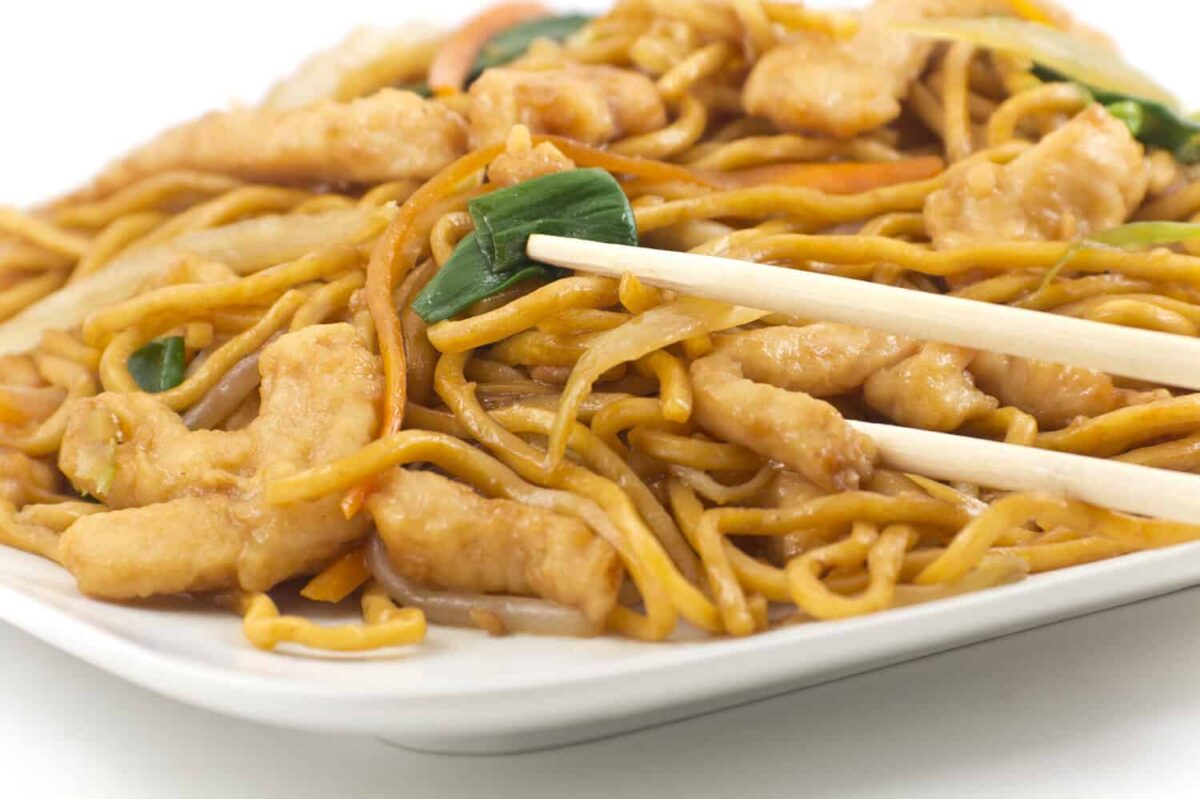
Panda Express might be a common sight these days, but fast, convenient Chinese food was far more varied during the 1980s. You had multiple competing franchises, like Chao Praya, Manchu Wok, and a whole host of local variants that served as the introduction for many American households to an adapted, sweetened version of Asian cuisine.
The setup was fairly universal for these food court staples. You’d find a long steam table shielded by sneeze guards, where a worker ladled orange chicken, beef and broccoli, and chow mein into sectioned styrofoam containers.
Food was typically enhanced with cornstarch for a glossy finish and monosodium glutamate to please the taste buds. You were in and out after placing your order, which served as a counterpoint of sorts to the standard food court fare you might accept. It seems strange to think of a time before fast food with a Chinese twist, but it exploded during the 1980s.
Swensen’s and Steve’s
©MaraZe/Shutterstock.com
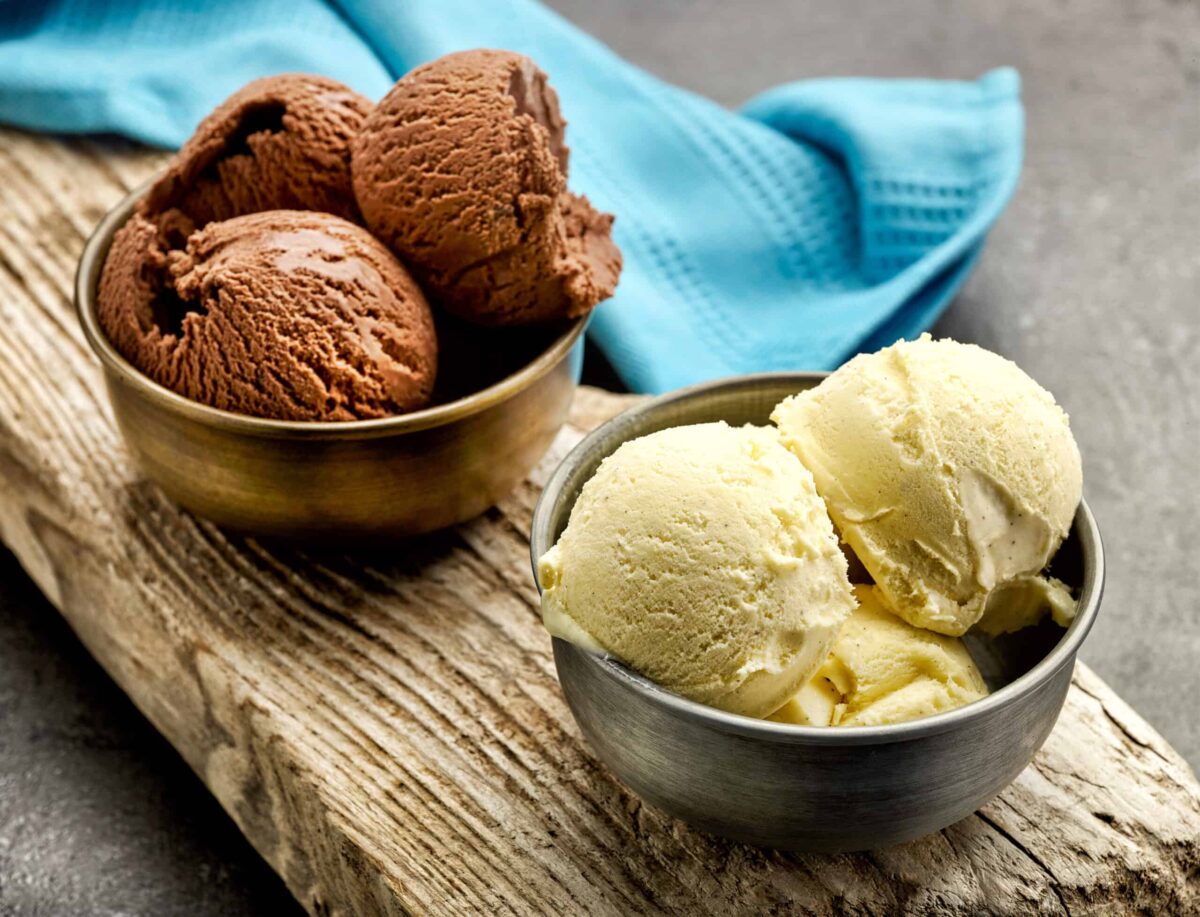
If you were a kid, you likely were going for cookies or ice cream at the food court. Before the slew of gimmicks that dominated the 2000s, like cold stone mixing, the 1980s saw ice cream become a premium commodity at mall food courts. Swensen’s elevated the standard ice cream parlor to a bespoke experience featuring an overwhelming menu of choices.
Diners would eat in a space bearing wood accents and expensive lamps, a far cry from the usual fare. More importantly, places like Steve’s Ice Cream introduced American shoppers to the concept of mix-ins when eating ice cream. Customers had their choice of a base flavor, then candies like Heath bars or M&Ms alongside staples like Oreos. This was an era of ice cream that was indulgent, expensive, and often the perfect end to a long shopping trip.
Conclusion
Naturally, nothing lasts forever, and those food court staples have shifted and changed over time. The 1980s food court was designed for lingering, which doesn’t jive with the modern era of online shopping, fast fashion, and instant gratification. An era marked by communal seating, artificial skylights, and neon signage eventually gave way to consolidation and the rise of fast food empires in the 1990s.
The image featured at the top of this post is ©Dragon Images/Shutterstock.com