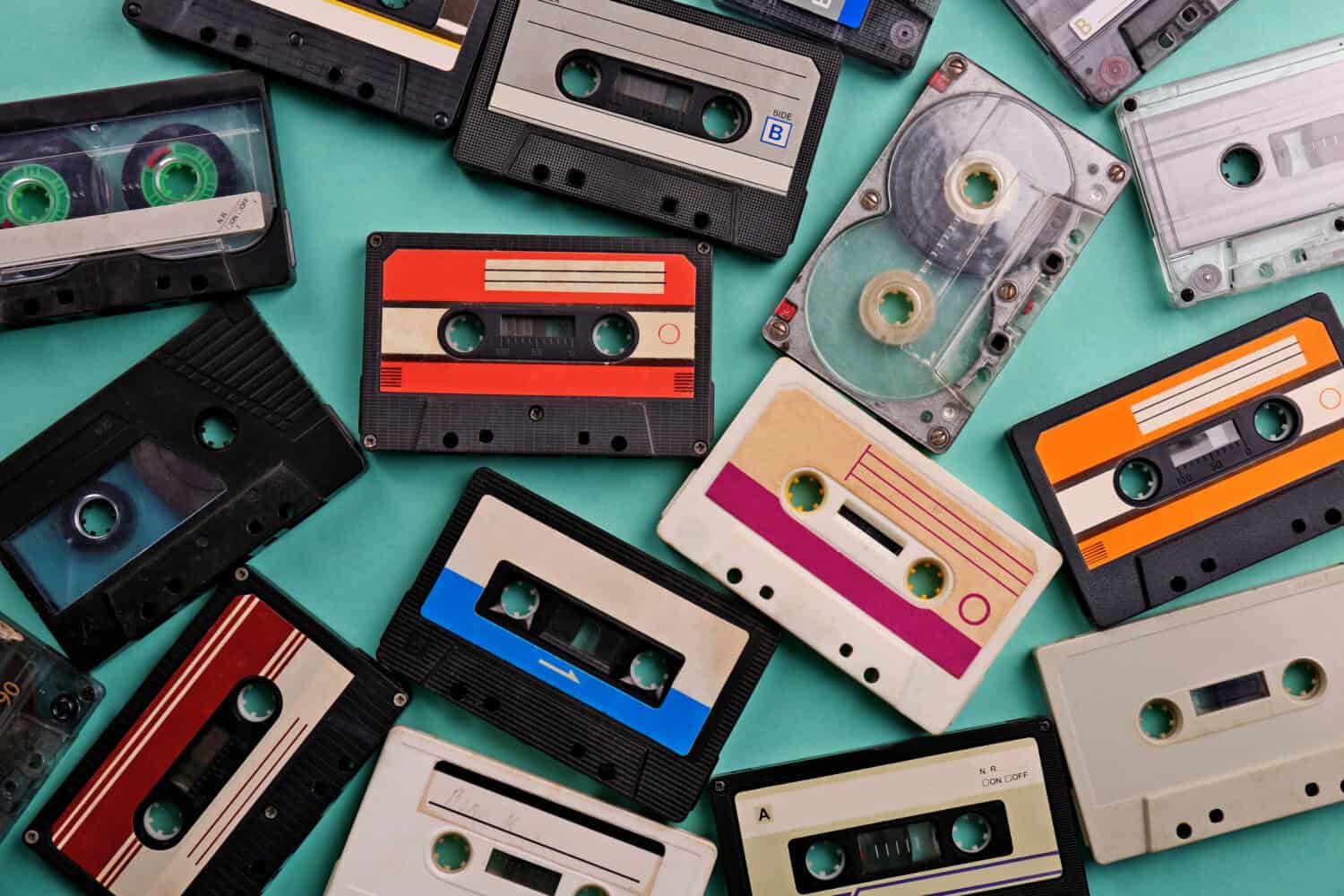

We often look at the 1990s as a decade of glossy, high-budget studio production dictated by massively profitable record deals. Mainstream rock and pop were dominated by the major labels, who spared no expense to equip recording facilities with the latest and greatest recording consoles from the likes of Solid State Logic and massive multi-track tape recorders. Conventional wisdom for decades pointed to the simple fact that making it as a musician needed expensive, professional gear that was gatekept by the recording industry at large.
The simple reality of the 1990s is that a democratization of music production was taking place. An influx of prosumer-level components, instruments, and old cast-off equipment from the 1970s and 1980s was a common sight in bedroom studios. Equipment that would have cost as much as a bespoke home was available cheaply, more than within reach for an aspiring teen with a summer job.
This cheap gear punched well above its weight. It additionally created a decentralization of the music industry, giving birth to whole new genres that dominated dance clubs and pop charts alike. Today, we’re looking at how these budget electronics changed the tempo when it came to popular music in the 1990s.
The Death of the Control Room
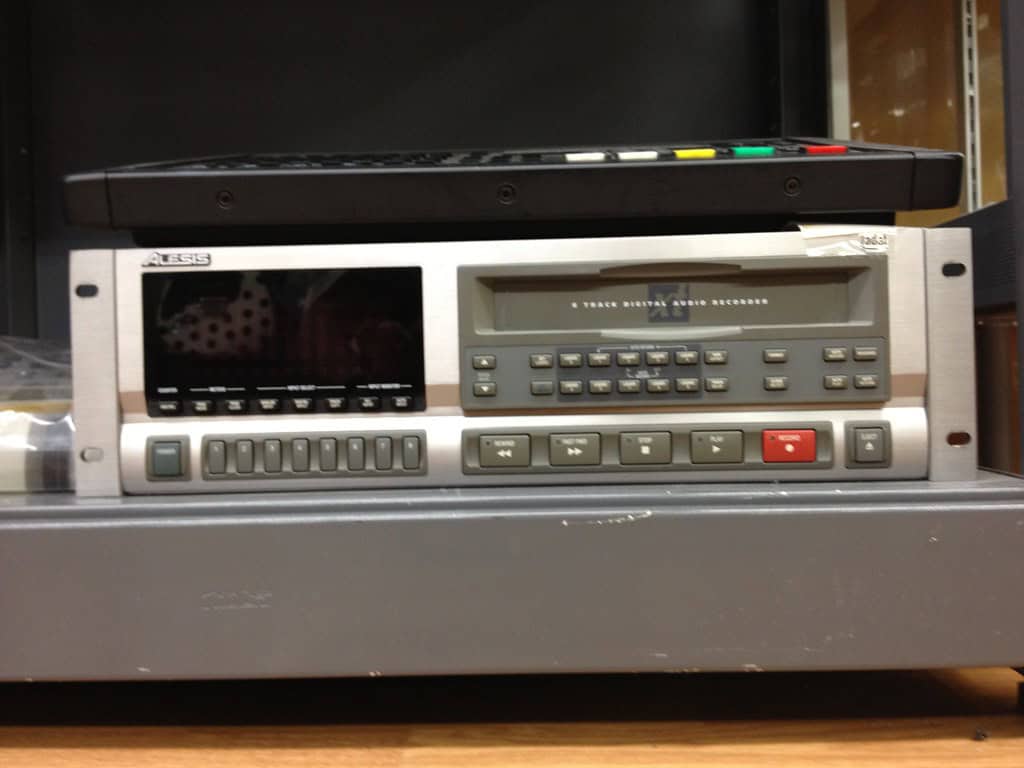
©"Alesis ADAT XT 8 Track Digital Audio Recorder" by Knothole eyes is licensed under BY 2.0. – Original / License
If you were attempting to cut a demo anytime before the 1990s, you had to book time in a studio. This was likely a local studio that wasn’t equipped to cut a high-quality recording. The alternative was making it to a high-end studio and dealing with the nearly extortionate booking fees per hour. The music industry owned the infrastructure and could charge whatever it wanted as a result of studio time.
Digital recording equipment quickly became the norm at high-end studios, but the advance of technology meant these new gains could be had at home as well. It wasn’t unheard of for producers to get a hold of budget digital multitrack recorders, especially with the introduction of the Alesis Digital Audio Tape, or ADAT, at the start of the decade.
With one of these in the chain, you had access to a pristine 8-track recording studio that could easily be set up in a basement. You needed quality microphones, a decent amp, and all the other requisite elements you could imagine. That said, you were spending hundreds for digital equipment on par with what the pros were using, instead of having to rely on booking time that might not result in a usable recording.
Rack Units for Cheap
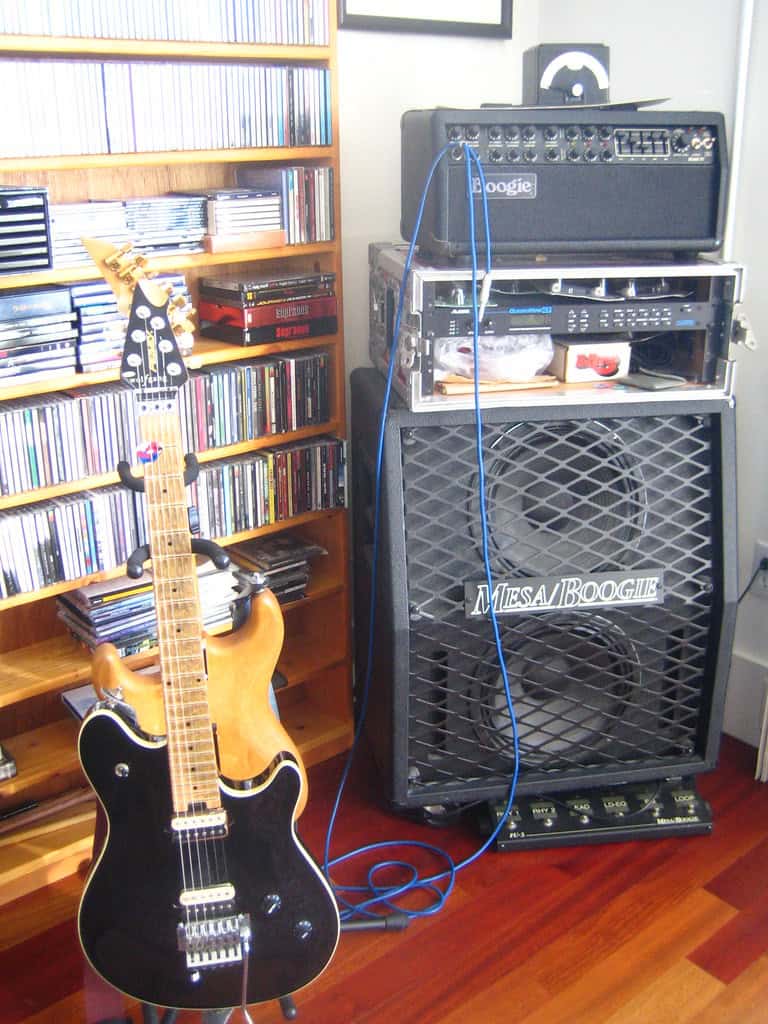
©"Ken's gear" by rick is licensed under BY 2.0. – Original / License
Multi-track recorders and interfaces solved the issue of capturing your performances, but you still needed effects and instruments. Historically, this was another area where professional recording studios dominated the competition, as any studio worth its salt was going to have reverb tanks, compressors, and equalizers that cost thousands per recording channel.
The late 1980s and early 1990s saw companies like Alesis, Zoom, and Boss taking advantage of PCBs and microchips to make affordable units that became the stuff of legends. If you were an electronic musician, you could also get a whole studio’s worth of instruments in a studio rack that ran a fraction of the cost of a dedicated synthesizer.
These budget instruments and effects like the Alesis Quadraverb, Zoom 910, and Roland U-110 might have come across as the tools of an amateur to more seasoned professionals. However, their prevalence on records like My Bloody Valentine’s Loveless, Autechre’s earliest work, and so many other seminal releases from the alt scene has made them a hot commodity in the modern era. That lo-fi, cold character is highly coveted, especially in an era where pristine audio is readily achieved by any aspiring teen with a laptop.
Synthesizers and Samplers
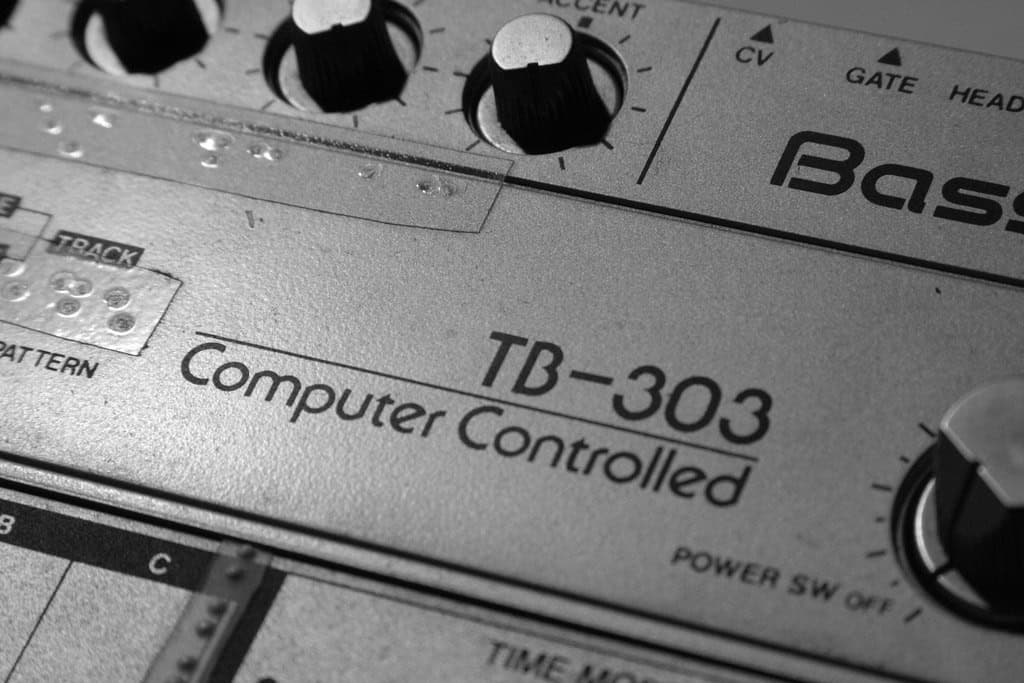
©"Old Roland TB-303" by Alexandre Dulaunoy is licensed under BY-SA 2.0. – Original / License
Often, when talking about the recording industry, you might be mistaken in thinking that this fits the likes of only rock bands. Electronic music took off in the 1980s, with artists like Jean-Michel Jarre and Orchestral Manoeuvres in the Dark showing what was possible with synthesizers and samplers alike. Electronic music would explode in the 1990s, with genres like house, techno, drum and bass, and ambient being fueled by the influx of cheap synths and samplers.
Major synthesizer manufacturers pivoted towards pristine workstations, with those older analog and digital synths, samplers, and drum machines being viewed as relics. Musicians were essentially giving away legendary pieces of equipment like the Roland TR-909, TB-303, and Juno-60 to pawn shops and thrift stores.
Indie producers were quick to snatch these up, along with budget-friendly samplers like the Akai S1000. You no longer needed to drop thousands on a single piece of hardware to make electronic music. The music industry wasn’t prepared for the influx of cheap synths and samplers on the market. However, as the decade wore on, bedroom producers were topping dance charts and essentially rewriting how acts were getting noticed. An entire ecosystem of agents, studio musicians, and label scouts was bypassed entirely.
The Portastudio and Other 4-Track Recorders
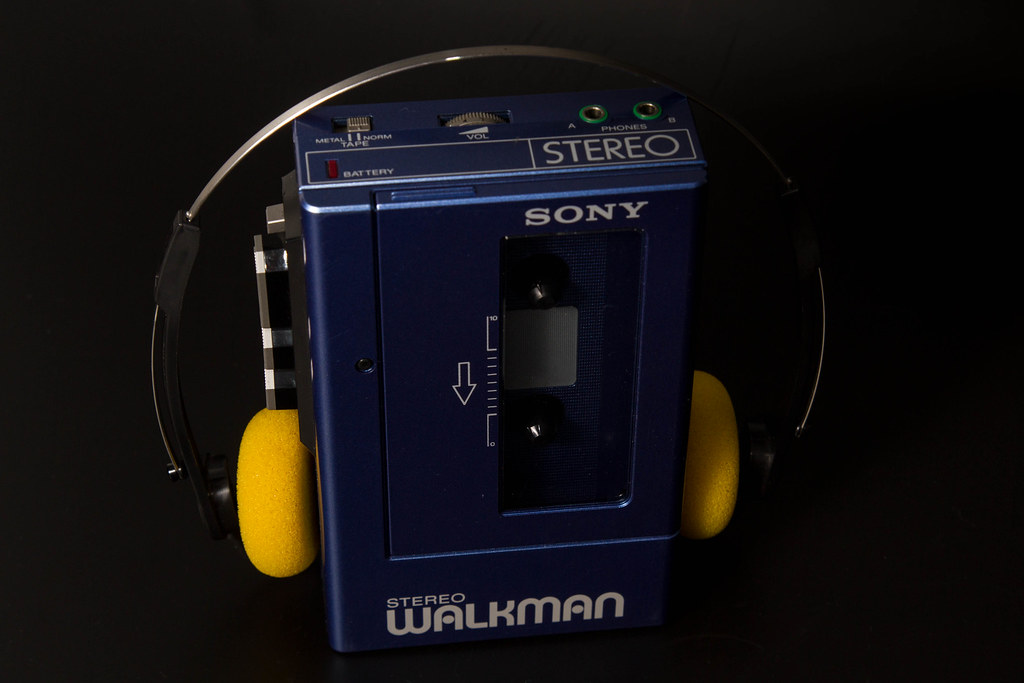
©"Sony Stereo Cassette Player Walkman WM-4" by Xray40000 is licensed under BY 2.0. – Original / License
By the mid 1990s, the multi-track analog cassette recorder reached its absolute peak. Devices like the Tascam Portastudio 424 have become the stuff of legends, and readily allowed musicians to record 4 tracks of audio on a standard cassette they could share. These devices also came with basic equalizers, varispeed control, and auxiliary routing for digital effects units or guitar pedals. All you needed was a cheap mic, some cables, and tapes to get rolling. Compared to 2-inch tape, this was a bargain.
The humble 4-track became a symbol of the era, allowing artistic autonomy with few restrictions. Artists didn’t have to contend with a ticking clock and billable hours. Instead, they could record at their own pace. With a handful of blanks, artists could spend whole weeks experimenting, tracking vocals, guitars, bass, drums, and so much more at their leisure. They warbled, and your recordings were only as good as the tapes you were buying. That said, the cassette imparted character, grit, and saturation, all elements that are seeing a resurgence in lo-fi music spaces online today.
Devices like the Portastudio essentially gave birth to the indie rock movement of the 1990s. Sure, it wasn’t on par with something like 2-inch 24-track tape from a reputable Studer, but there was something raw and captivating about recordings captured on the humble cassette. The sound of these units is so coveted in 2026 that something that was deemed budget equipment in 1995 is now worth far more in 2026 to capture the same sound.
Conclusion
If you couldn’t tell, the 1990s shook up the natural order of things when it came to recording music. Budget gear of the era, aided by advances in technology, proved that listeners cared more about intent, innovation, and songwriting rather than the price tag of the recording budget for an EP from a new, unproven artist.
Further, the lessons learned from the decade have greatly influenced the evolution of the home studio. A hit record could be conceived, tracked, and mixed all within the comfort of your bedroom, rather than having to rely on the approval of record executives and mixing engineers. Recent artists like Billie Eilish more than prove the validity of this approach, as her debut was done entirely within a suburban home before blowing up on Billboard charts.
The lesson we can take from this 90s gear isn’t so much about having access to the best and most cutting-edge equipment of the era. Instead, it removed the recording industry’s most valuable asset: access to spaces to record and mix. Many of the biggest hits of the decade were done on little more than cheap rack units, discarded tape decks, and an admittedly unorthodox approach to recording that defied convention.
The image featured at the top of this post is ©Africa Studio/Shutterstock.com