







21 Things From the 1990s Millennials Will Recognize Instantly
Growing up in the 1990s meant watching the future arrive in awkward, noisy, unforgettable pieces. One minute, you were rewinding a VHS tape or hoping nobody picked up the phone during an internet session. The next, you were hearing a dial-up modem scream to life, saving files to a floppy disk, or trying to craft the perfect AIM away message. At the time, these things felt completely normal. Today, they look like artifacts from a vanished era of technology.
That is why 1990s nostalgia hits differently for millennials. The decade sat in the strange middle ground between analog life and the digital world that followed. Blockbuster nights, landlines, Game Boys, CD binders, computer labs, disposable cameras, and early internet culture all existed side by side. It was a period when technology was advancing fast, but still felt physical, slow, and oddly personal.
Many of the objects and habits from that decade disappeared faster than people expected. Others helped lay the groundwork for the way we communicate, play games, watch movies, listen to music, and use computers today. From forgotten gadgets to everyday routines that younger generations may never fully understand, these are 21 things from the 1990s millennials will recognize instantly.
The Blockbuster Experience
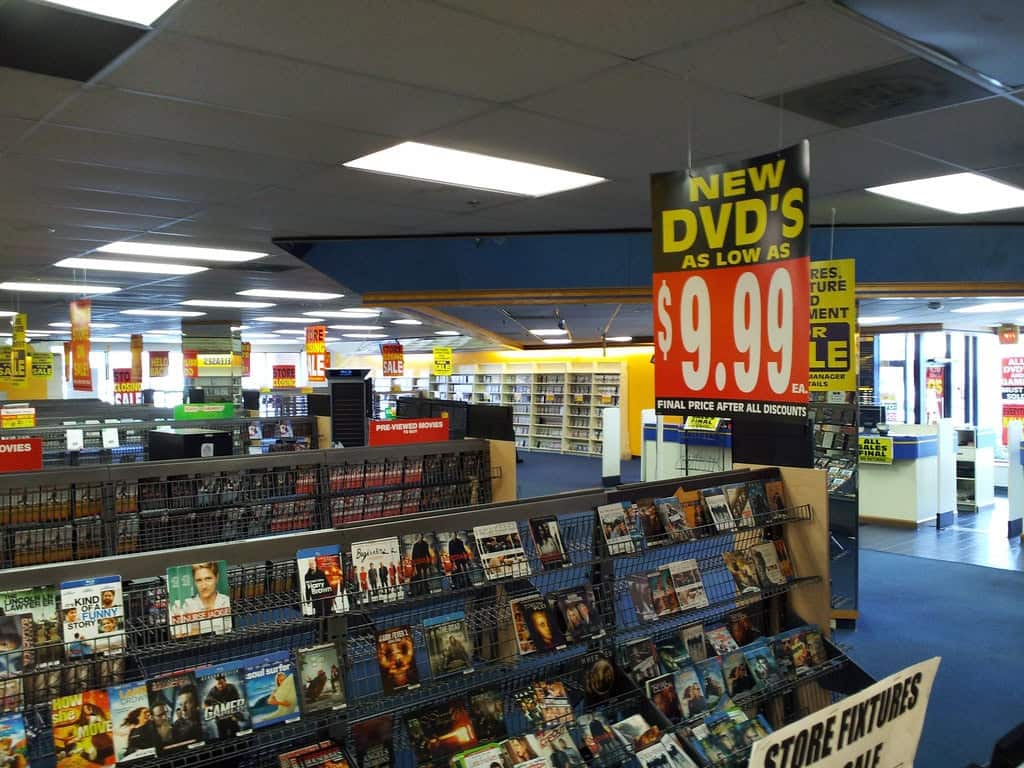
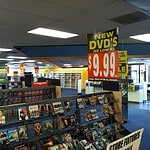
Who doesn’t remember strolling through the aisles of Blockbuster on a Friday night? The new movies would be shelved near the back and would be gone before 7 pm. You'd choose one from the middle aisles, memorize the cover, and discuss it with your friends on the drive home. Late fee paranoia never really left you. At its height, Blockbuster operated in more than 9,000 stores. Now there's one left in the entire world and it’s probably being kept alive by the sheer power of 90s nostalgia.
Pogs
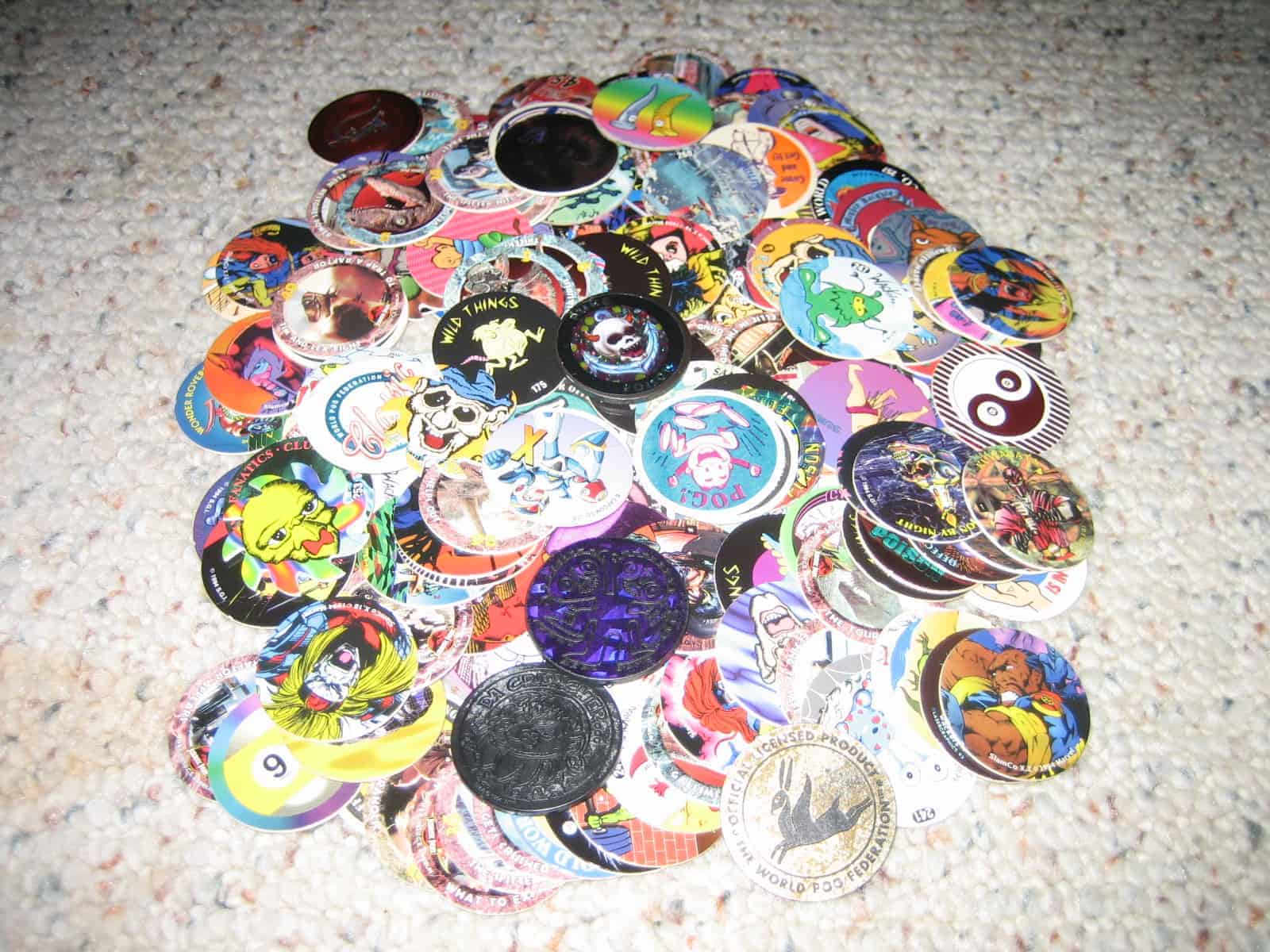
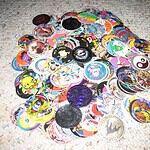
Pogs are proof that you didn’t need complicated gaming rules for a game to be fun. You would stack the pogs, throw the slammer down with two fingers, and keep the pogs that flipped over. That was the gist of it, although the rules would vary from person to person and from mood to mood. Like many games in the 90s, Pogs were banned from schools almost immediately.
The Sound of a Dial-Up Modem
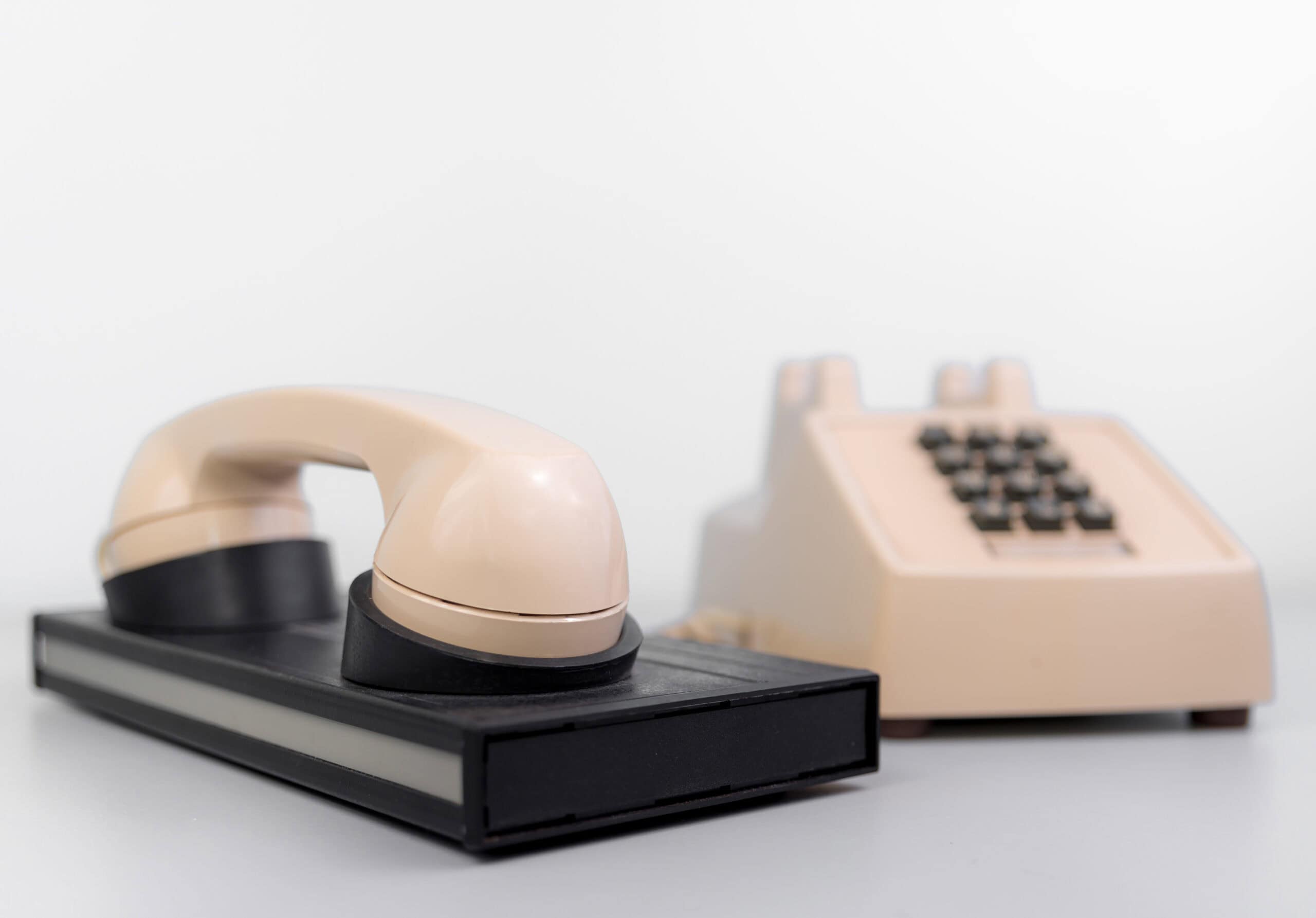
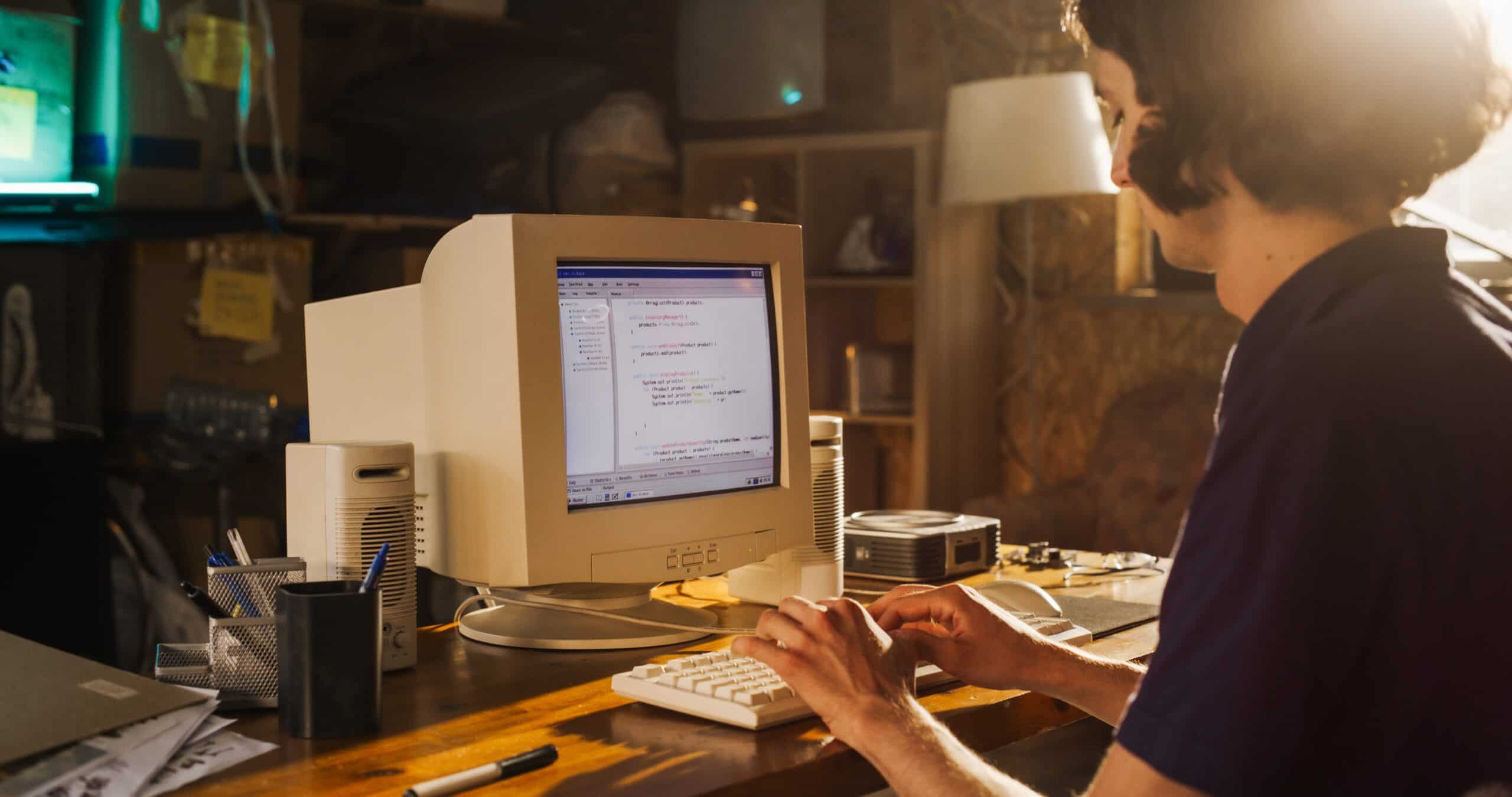
The internet was uncharted territory back in the 90s, and the symphony of screeches, static, and handshake tones was your entry point. You would wait through the whole thing, hoping to connect before someone picked up the phone. When you did, you knew something magical was coming. Today, kids are streaming entire movies without skipping a heartbeat. They will never know what it was like to wait three full minutes for a JPEG to load.
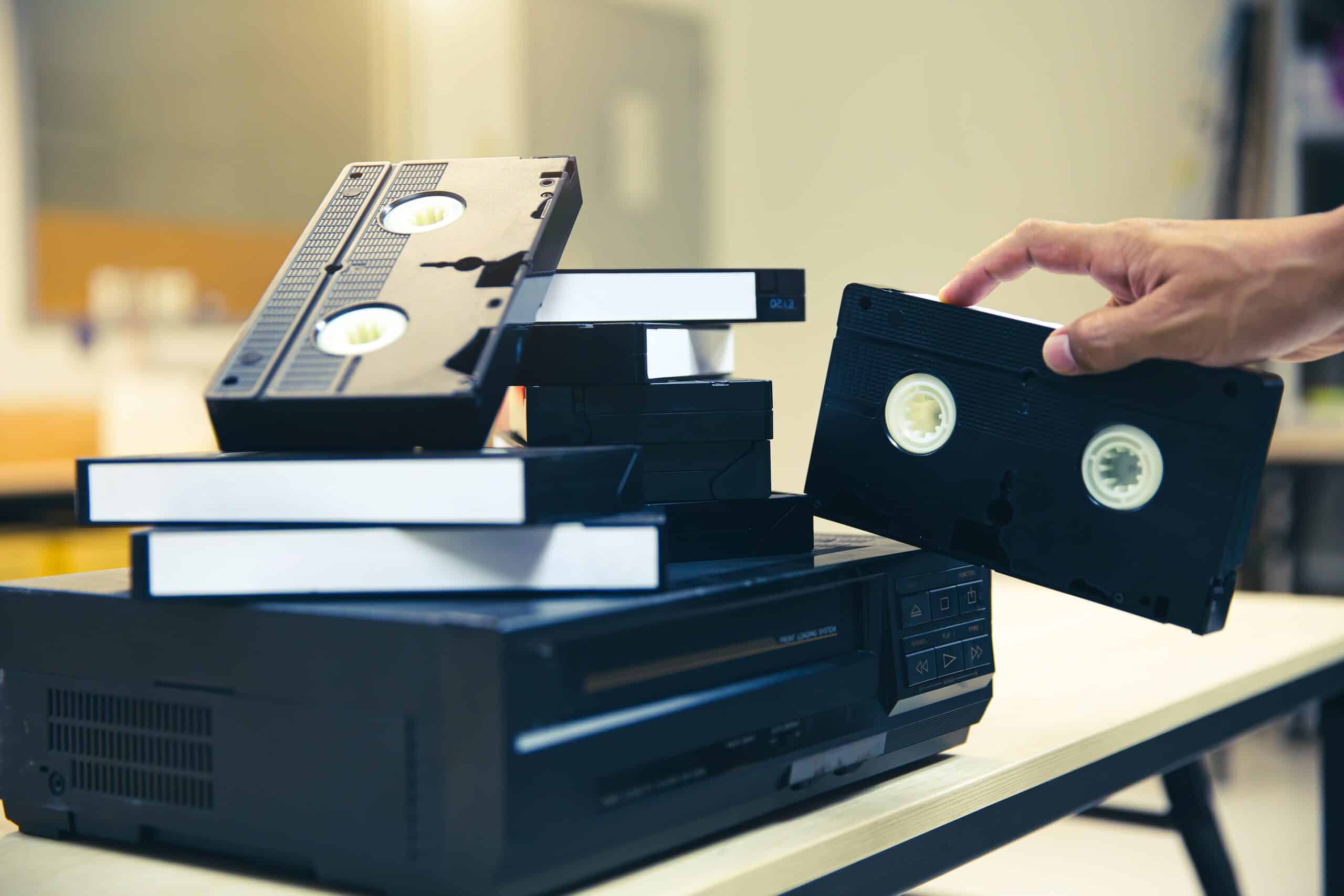
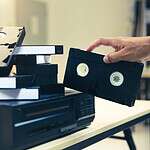
Rewinding VHS Tapes Before Returning Them
Rewinding a VHS tape before returning it was the kind of subtle character-building moment that is unique to the 90s. Not doing so would make you the reason the next customer would have to sit through two minutes of ending credits before they could enjoy the movie. "Be Kind, Rewind" was both a store policy and a minor moral test.
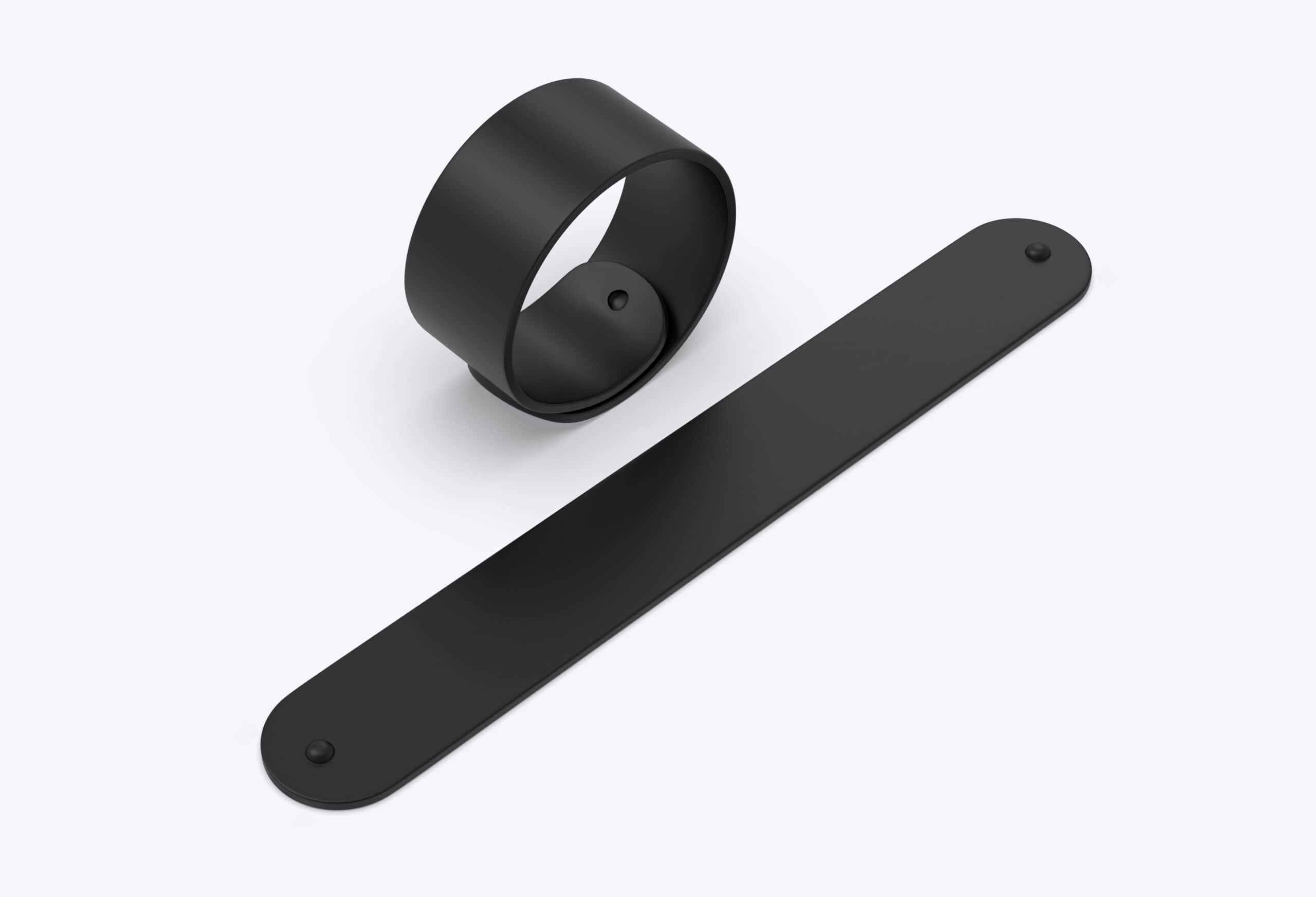
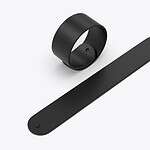
Slap Bracelets
Slap bracelets had no reason to exist, and yet every kid had one. You would hit yourself on the wrist with it one hundred times a day just because you could. The best ones were the metal ones that came in neon colors, but there were also the fabric-covered ones for children whose parents were concerned with sharp edges. Within a year of their introduction, slap bracelets were forbidden in schools all over the country. That only made them more enticing.
The Oregon Trail
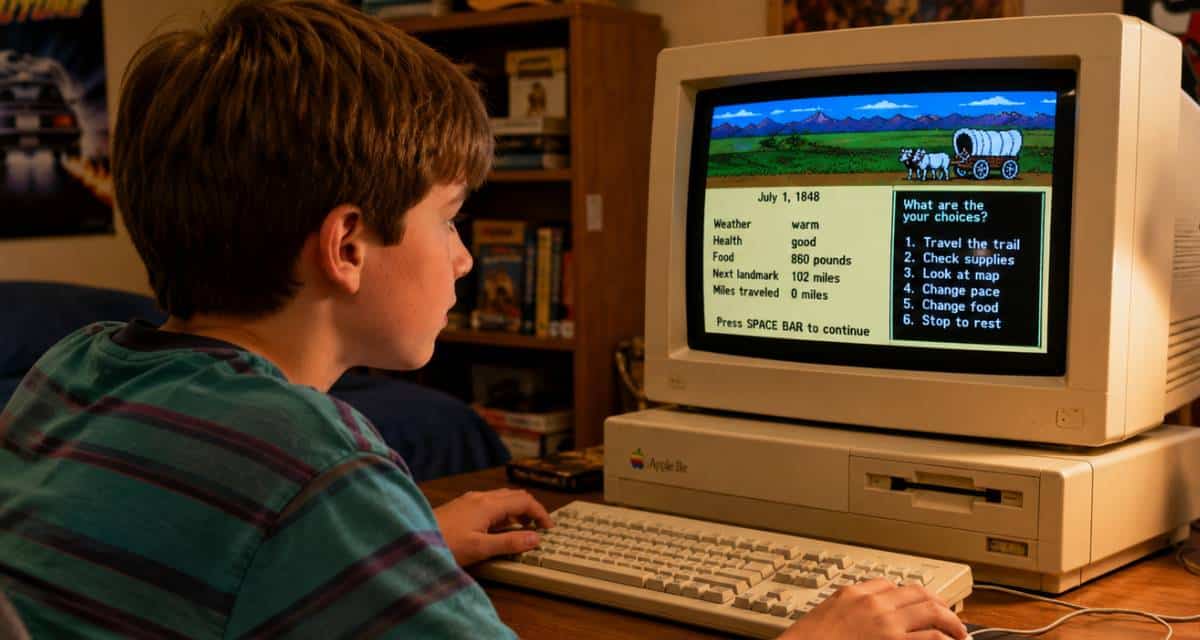
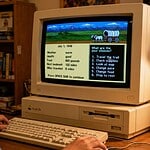
Oregon Trail was a video game used by teachers to educate children about life on the frontier during the 19th century. You would lead a wagon party across the country, choosing which items to load and which way to go, as well as when to cross rivers. The catch was that everything could kill you. Whether it was a disease, an animal attack, a storm, or a badly judged river crossing, death was a constant presence in the game.
The game was technically educational, but kids found a way to make it more entertaining. They would name their party members after their classmates, which made watching them die one by one the high point of the game.
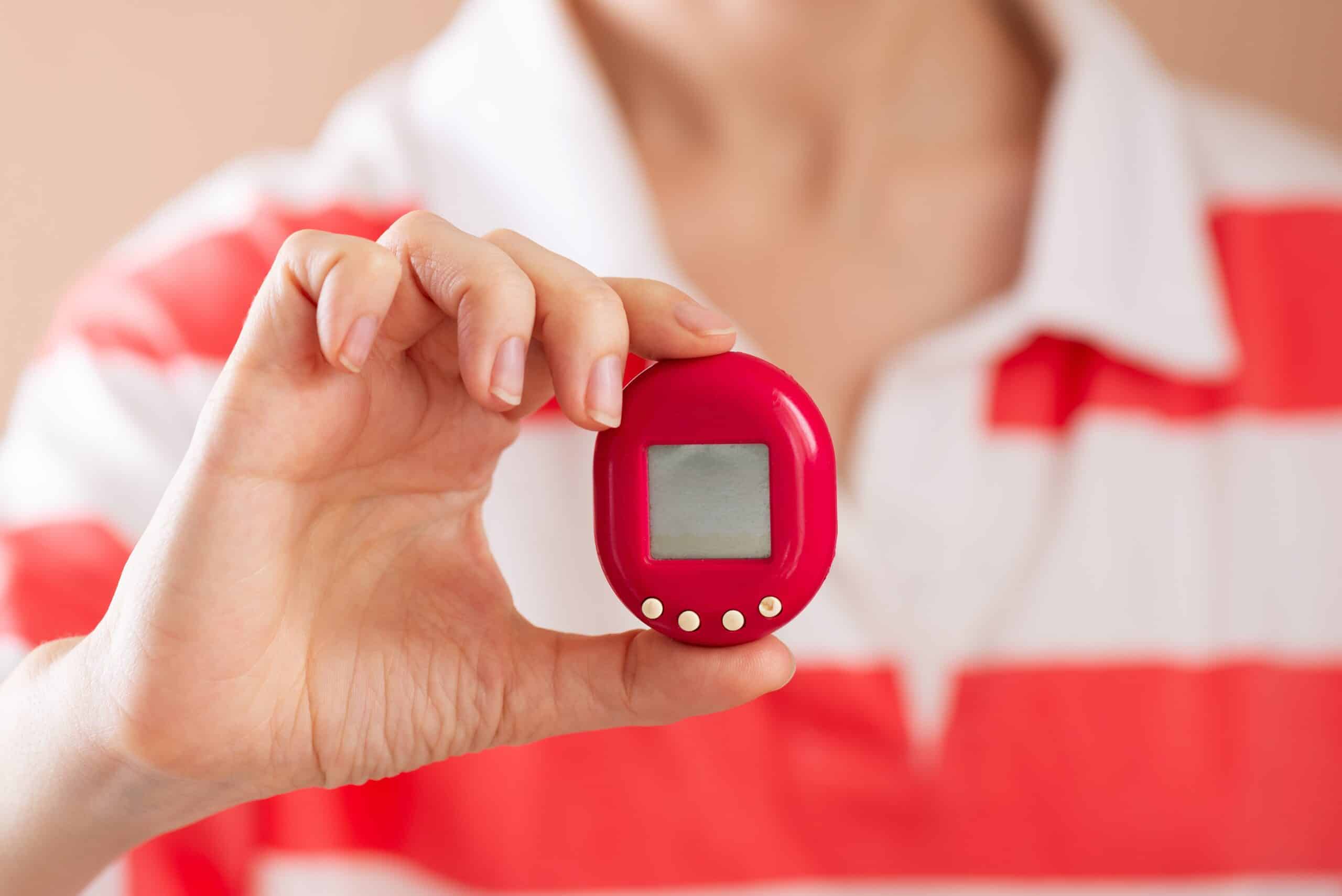
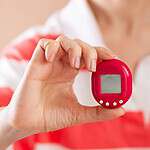
Tamagotchis
For many, Tamagotchis were the first glimpse into what the world of adulthood responsibilities looked like. It was a small plastic gadget with a virtual creature that demanded constant attention. You had to care for it and make sure it wouldn’t starve, even if that meant feeding it during classes. The guilt of a dead Tamagotchi hit hard. Bandai sold 40 million of them in the first two and a half years alone.
TGIF on ABC
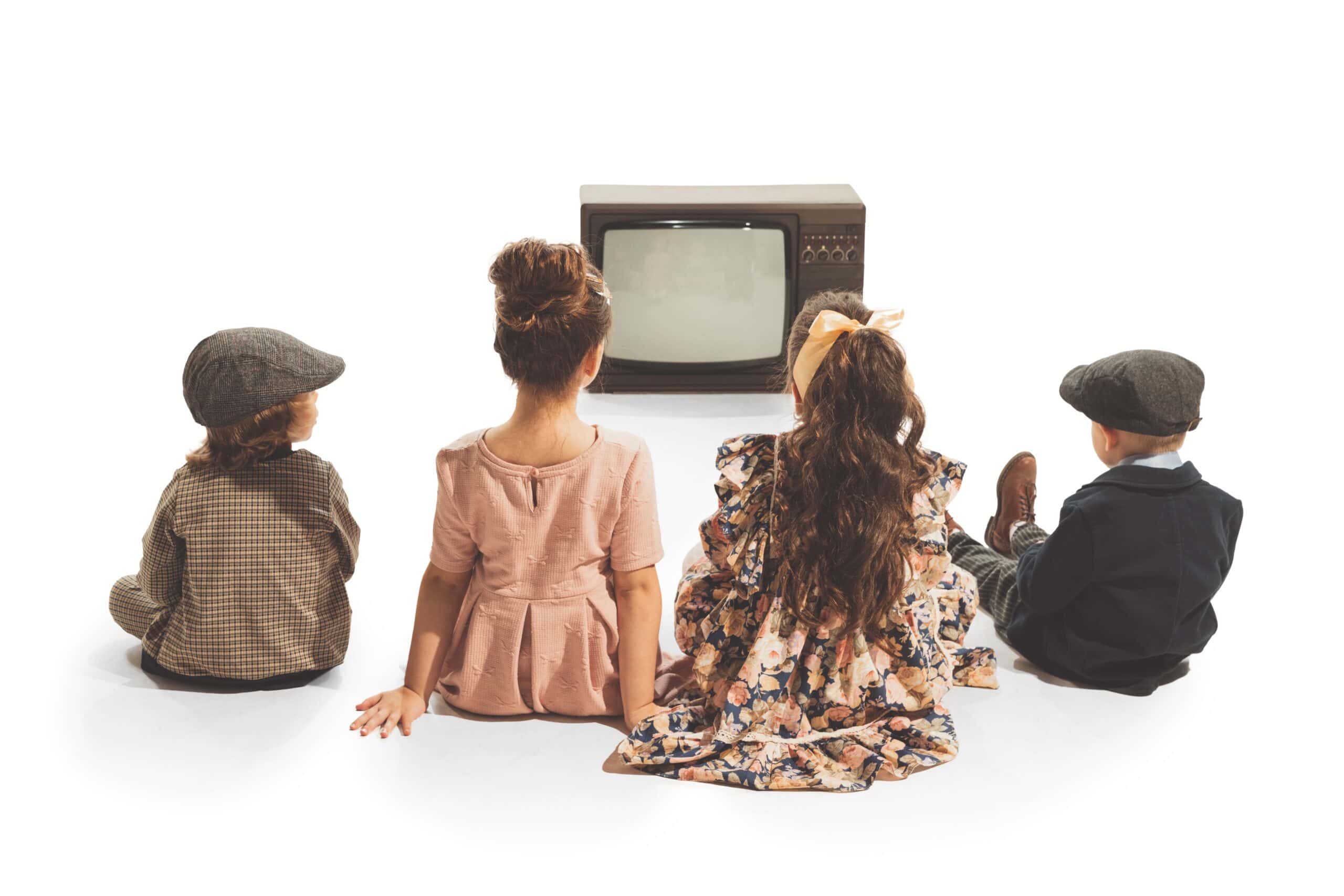
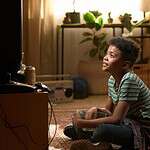
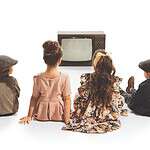
Binge-watching was different back in the 90s. You didn’t get to pick and choose and that was part of the magic. Friday nights meant Family Matters, Step by Step, Boy Meets World, and Sabrina the Teenage Witch, back to back, without moving from the couch. There was no streaming, so if you didn’t make it to the couch in time, you had to count on a friend to tell you exactly what happened the week after. The block ran from 1989 through 2000 and at its peak was pulling in more than 20 million viewers a week.
Scratch-and-Sniff Stickers
Scratch-and-Sniff Stickers were everywhere at some point. They came in book covers, Lisa Frank folders, and teacher reward sheets. The smells were hit-or-miss, especially when grape smelled nothing like grape, and when Pizza had a distinct cardboard aroma. Scratching harder didn’t really improve the smell, but everyone tried anyway. The trend went as quickly as it came, which somehow made it stick harder.
Saturday Morning Cartoons
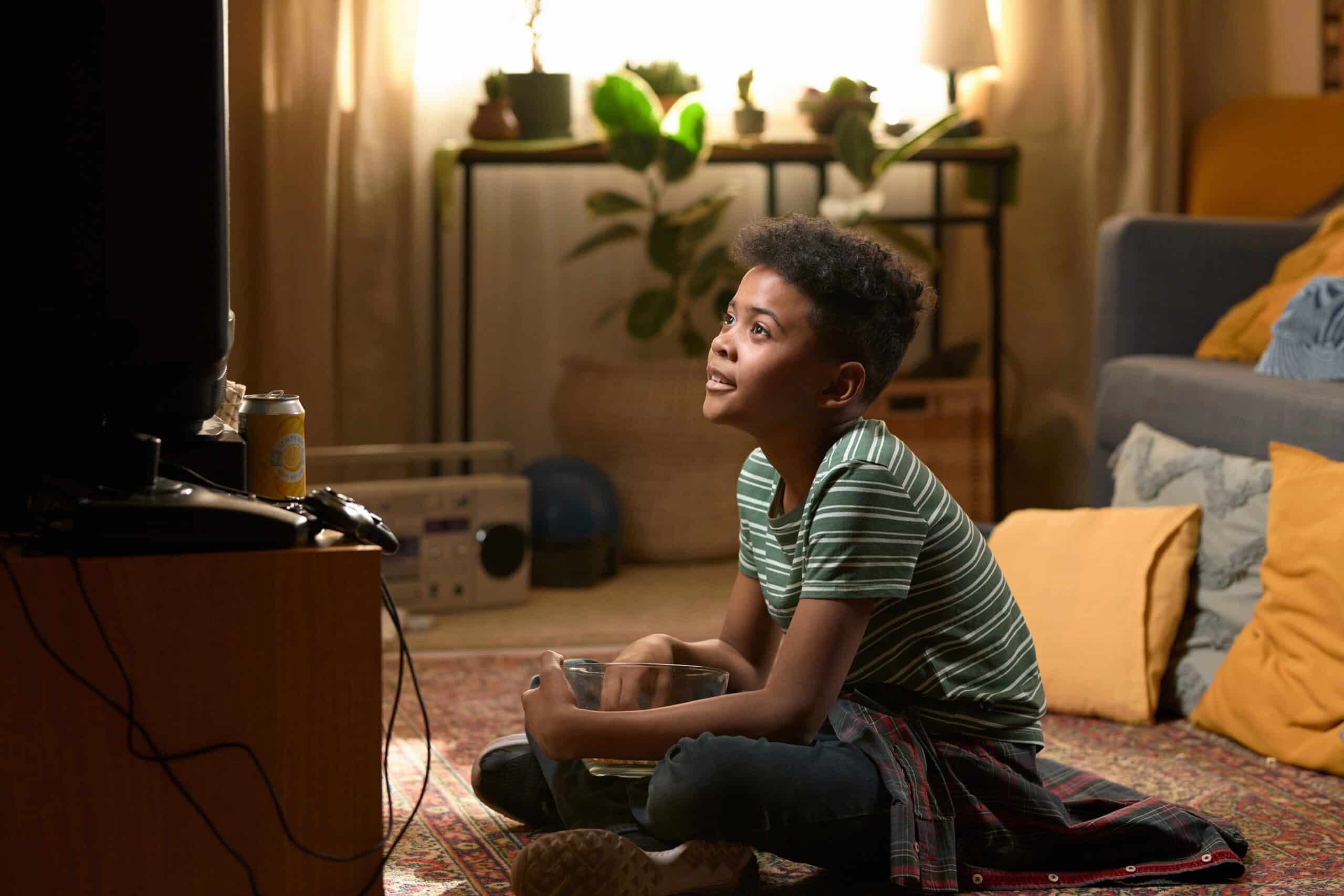
Sleeping in was not an option on weekends. You had places to be. Well, one place: The couch. DuckTales, Animaniacs, Garfield, X-Men, and Teenage Mutant Ninja Turtles dominated the Saturday morning cartoon lineup, which ran from around 7 am until noon. The FCC Children's Television Act of 1990 eventually pushed more educational programming into the block, which was an unpopular choice with kids, to say the least.
Lunchables
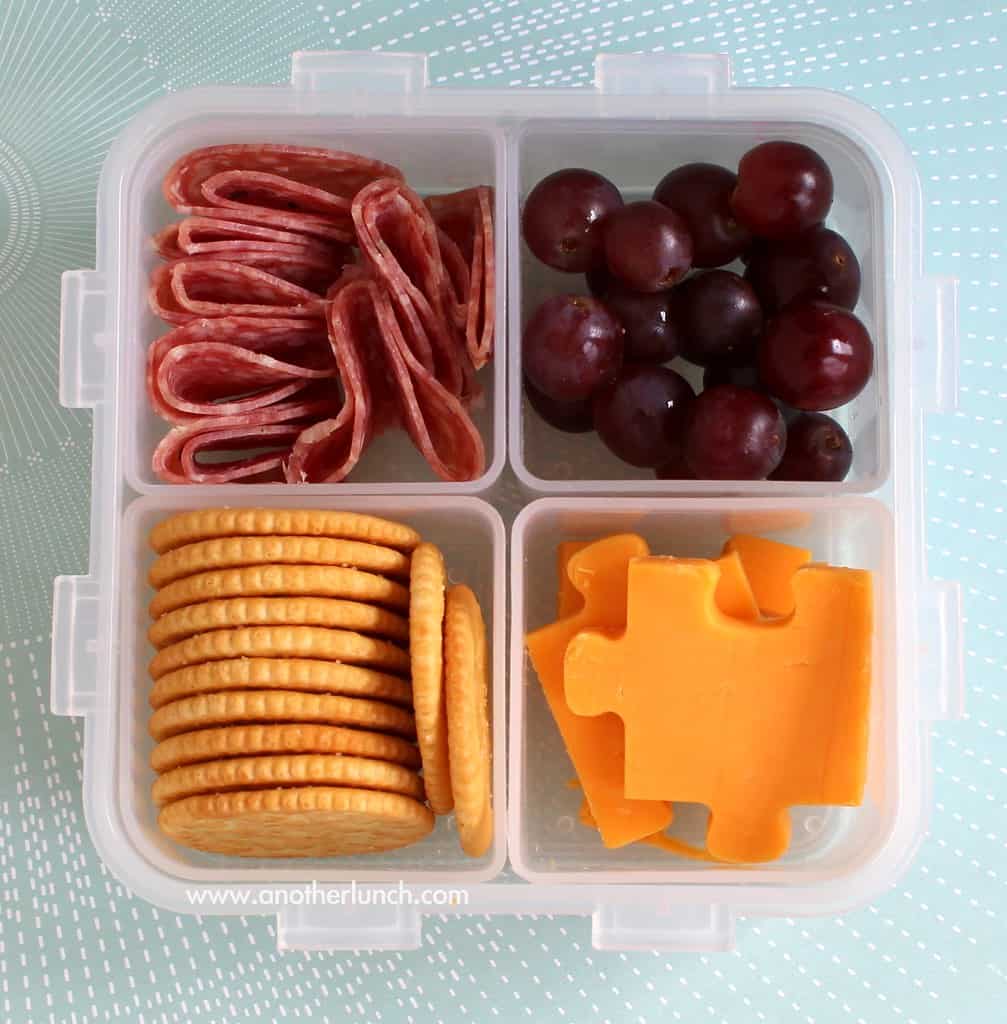
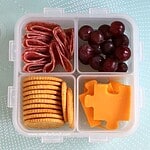
A plastic tray with crackers, little round slices of highly processed meat, and something that wasn’t exactly cheese (but it was close enough). Lunchables were more expensive than the regular lunches and had fewer calories, but everyone loved them. The pizza version, with its chilled sauce in a packet and a cracker crust, felt like a luxury. Parents who packed them were heroes, at least until lunchtime was over.
The AOL Buddy List
Before Instagram and TikTok, we had AIM. Your buddy list was the map for your social life. Who was online for way too many hours, who had a cryptic away message that said too much without really saying anything, who was idle for the past six hours for no apparent reason. That door-creak sound when someone came online meant more than any current notification sound today.
Crimped Hair
The crimping iron made your hair look like it had been woven through a waffle iron and we somehow thought that it looked cool. The process was time-consuming and unforgiving, the kind of hairstyle that required true commitment. For years, it was regarded as one of the trendiest styles in schools all over America and you can still find it in school portraits from the mid-1990s. The style had a brief revival in the 2010s, but it just didn’t feel the same.
The Scholastic Book Fair
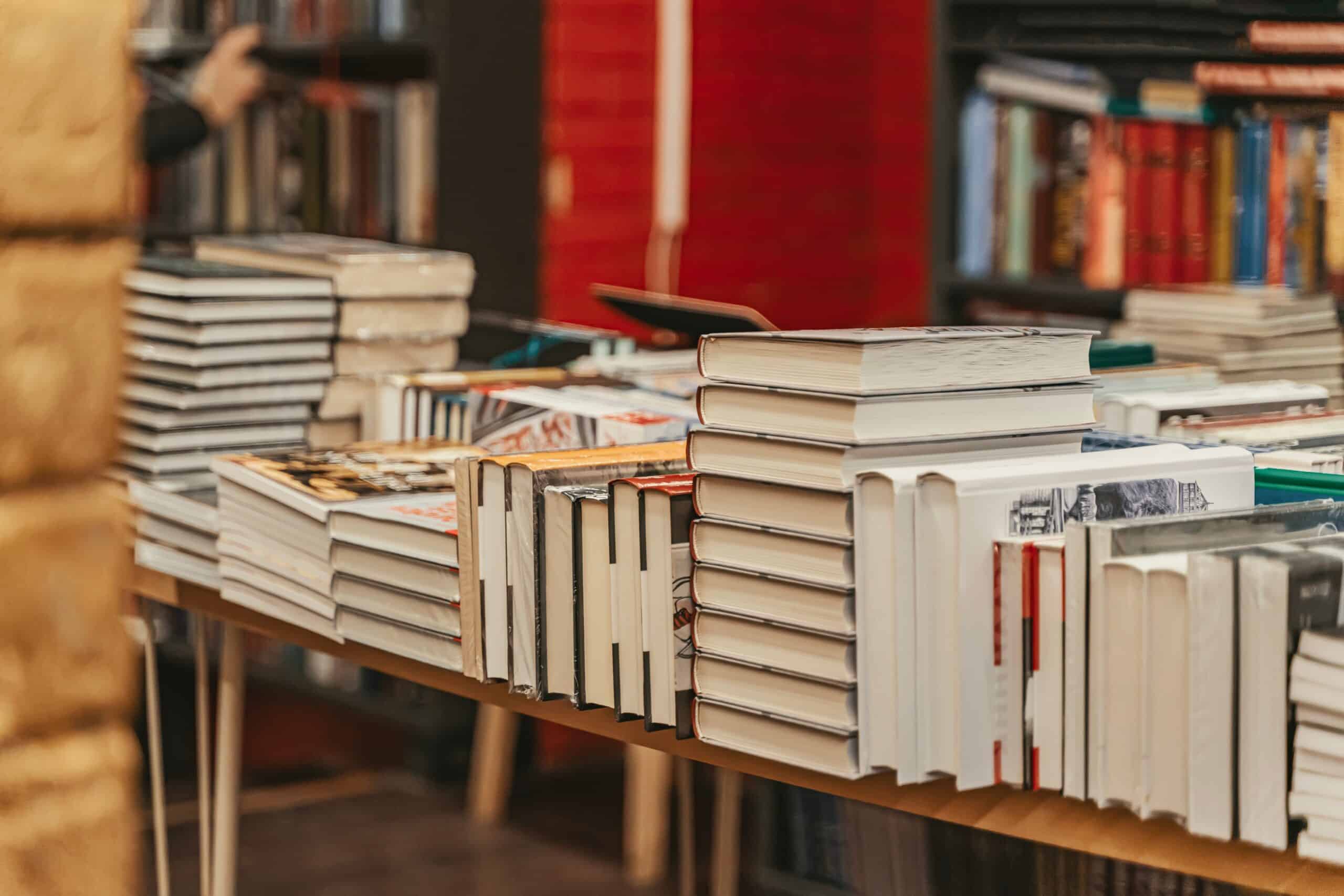
The Scholastic Book Fair was probably the only school event that kids attended of their own free will. A few times a year, the school library and gym would fill up with folding tables stacked with books and novelty items that felt weirdly out of place for what was supposed to be a book fair. More likely than not, you would spend half your book budget on a scented eraser or some other useless item, and that’s why you went there in the first place. The books were there too. Most kids barely noticed them.
Gel Pens
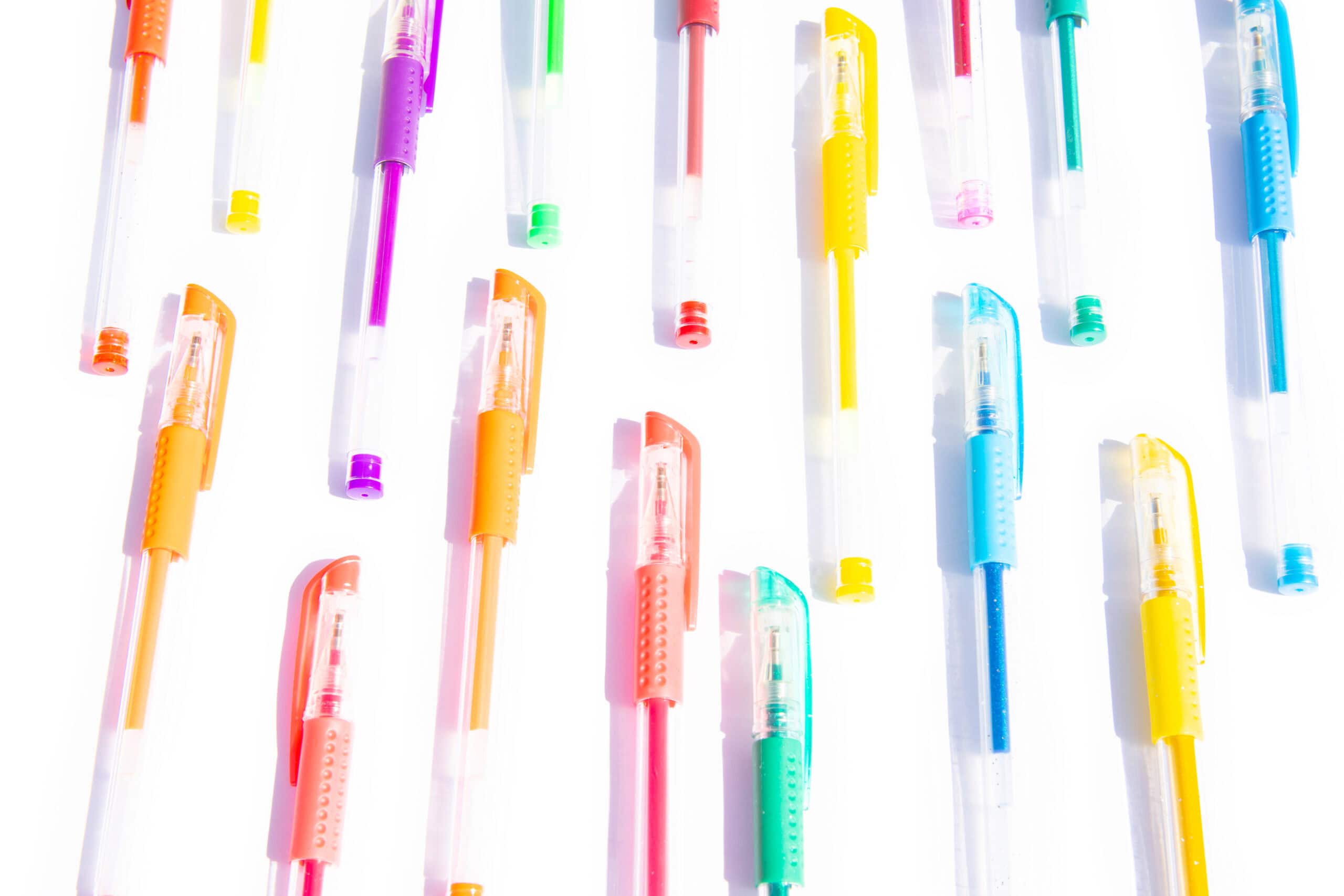
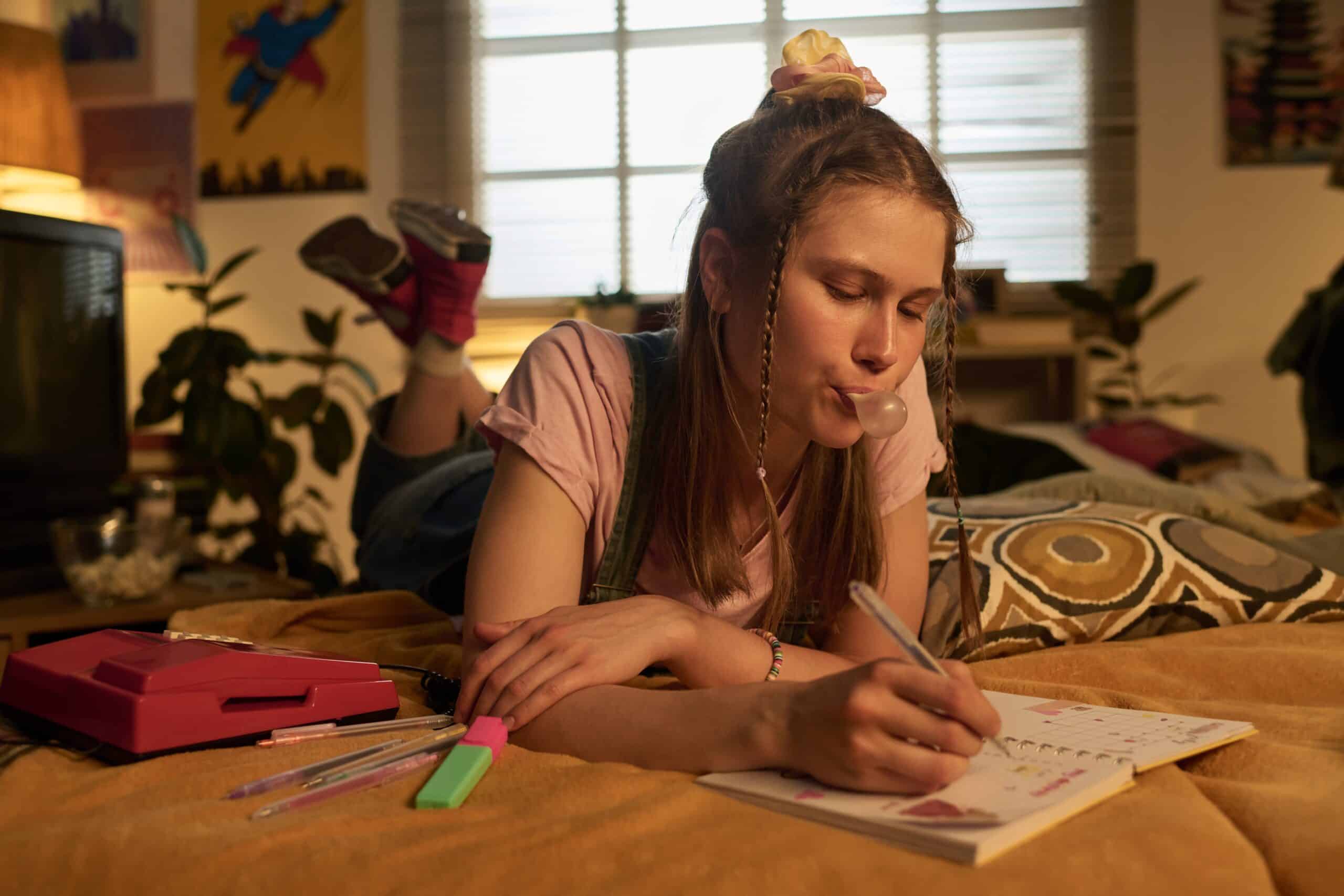
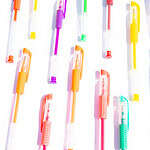
These are obviously still around, but back in the 90s, they felt like a novelty. There were the milky white gel pens, neon colors, and the glittery ones. Then there were the metallic ones that wrote on black paper. Those were the crème de la crème. The ink would run out pretty quickly, especially when you kept filling up your binders with doodles. The kind of gel pen you had back then said something about who you were.
Skip-It
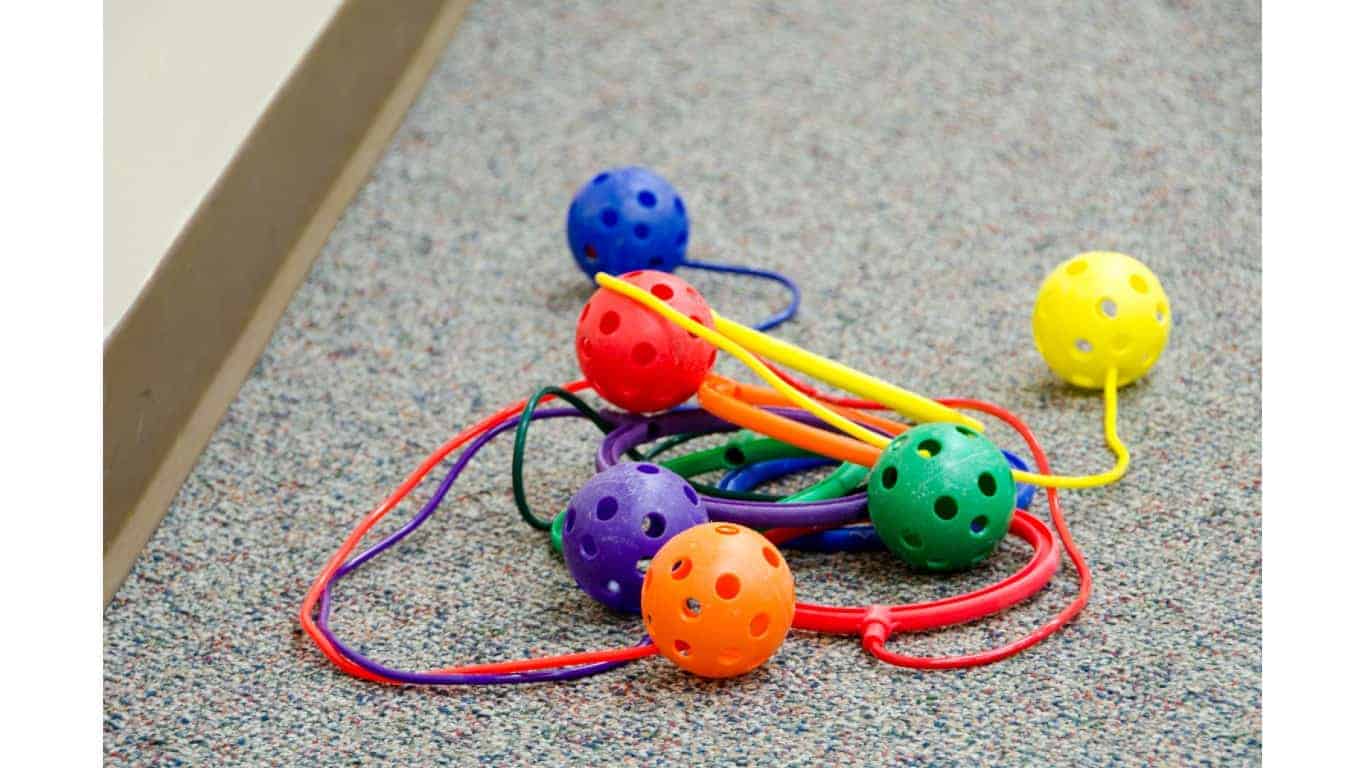
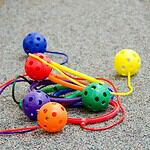
The Skip-It was a plastic ring that could be hooked around your ankle with a string attached to it. On the other end of the string, there was a heavy ball with a counter built into it. You would skip it with one foot and circle it around the other foot. The click from the counter every time the ball completed a circle gave you a feeling of wanting to reach one hundred and then two hundred. There were no stakes, no opponents. Just you, a piece of plastic, and the sidewalk.
Furbies
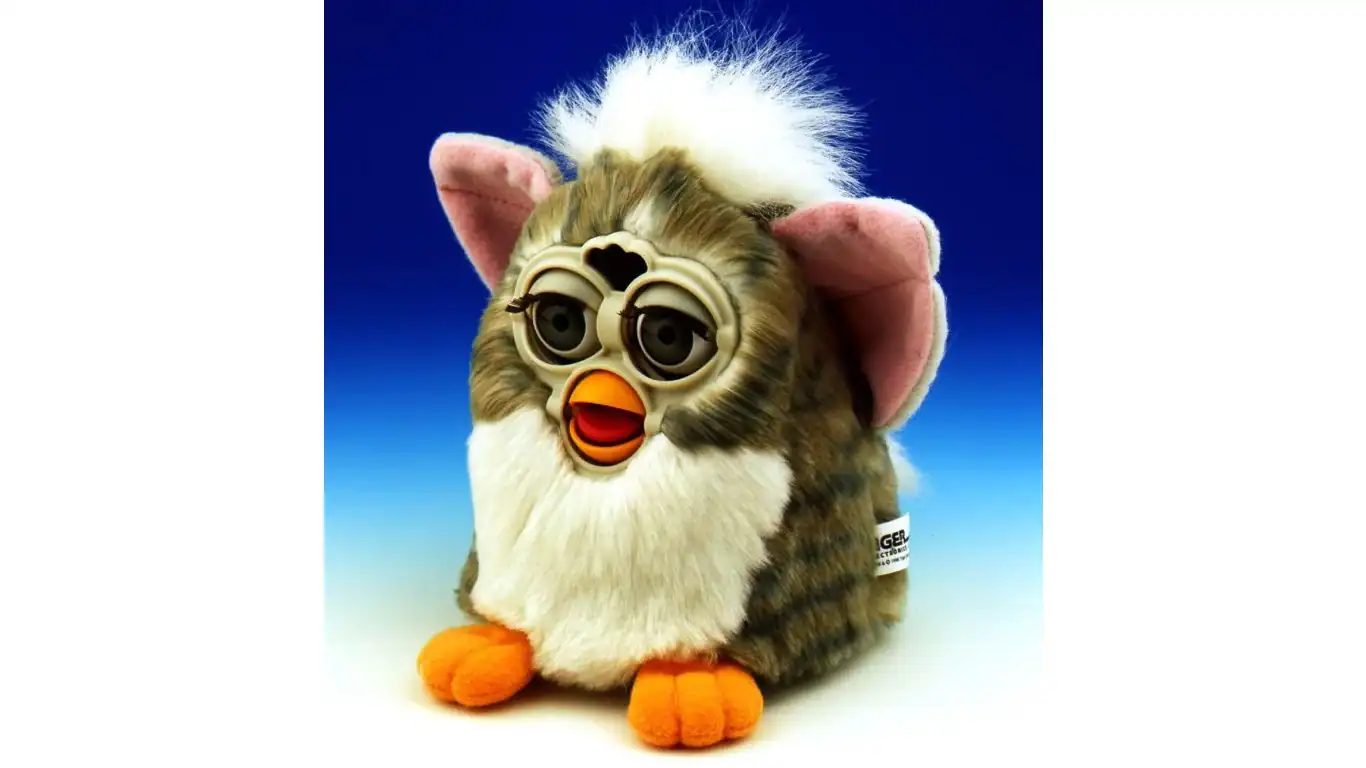
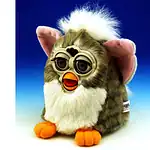
Furbies were small, owl-shaped robot toys covered in fur. Kids under twelve loved them, and everyone else found them creepy. They had big plastic eyes that felt a little unsettling and a beak that opened and closed when it spoke. It initially spoke its own made up language and would gradually evolve to English. They would sometimes go off by themselves in the middle of the night, which made them even weirder.
Goosebumps Books
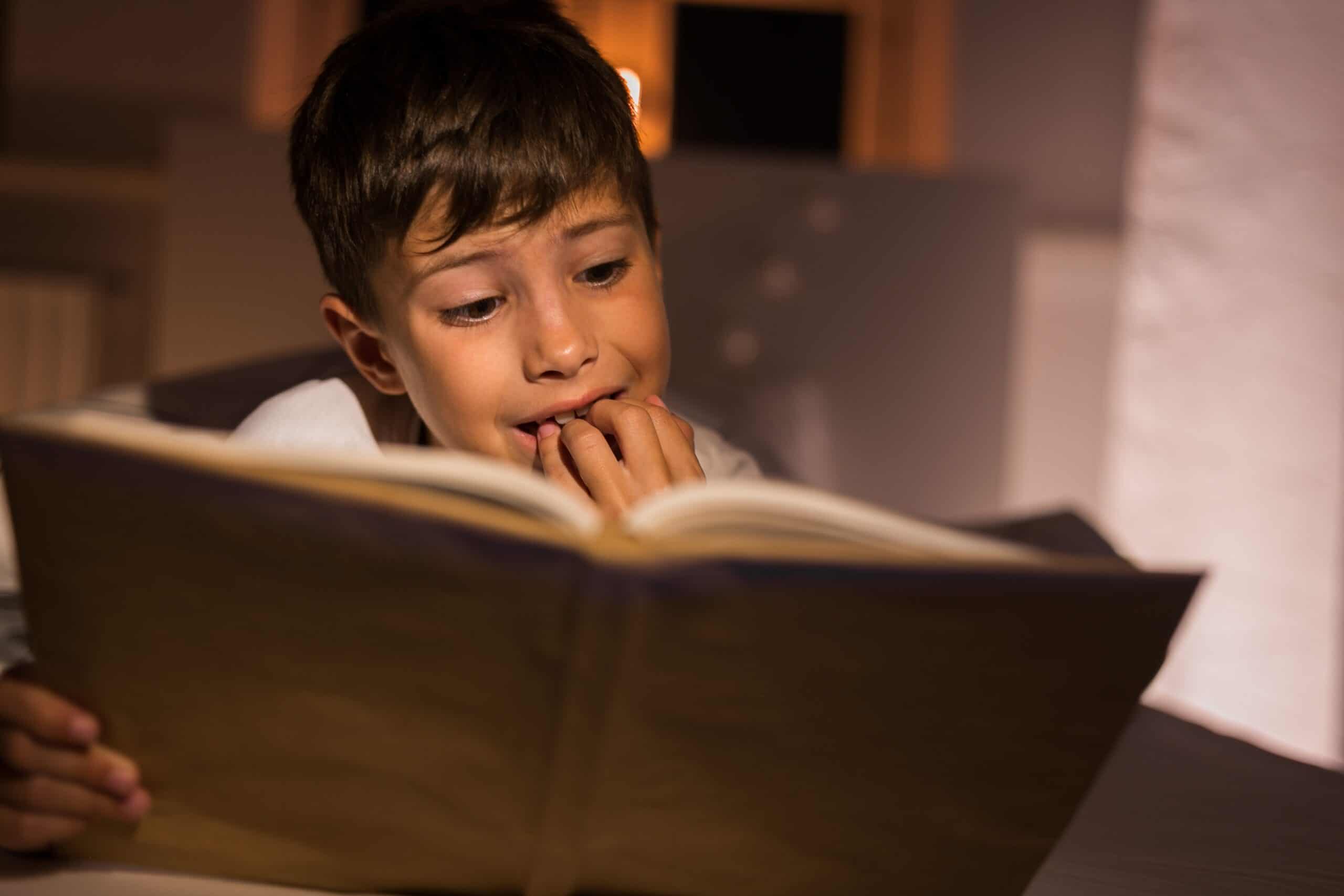
R.L. Stine's series sold more than 300 million copies, and it was the bestselling children’s book series of the 90s. Reading these books as a kid was an unforgettable experience, especially if you were alone in your bed. Every cover felt like a warning that pulled you in instead of driving you away. The books kept you reading way past your bedtime and every ending was either a gut punch or a setup for the next book, which would make you reach for another immediately.
The "Got Milk?" Campaign
While the “Got Milk?” campaign didn’t really succeed in driving up milk consumption in the U.S., it became a cultural phenomenon. The campaign launched in October 1993 and ran for years, putting milk mustaches on celebrities and athletes. The phrase became almost as popular as milk itself. The original"Aaron Burr" ad, where a man can't answer a radio trivia question because he has no milk to wash down the peanut butter, was actually funny.
Pizza Friday
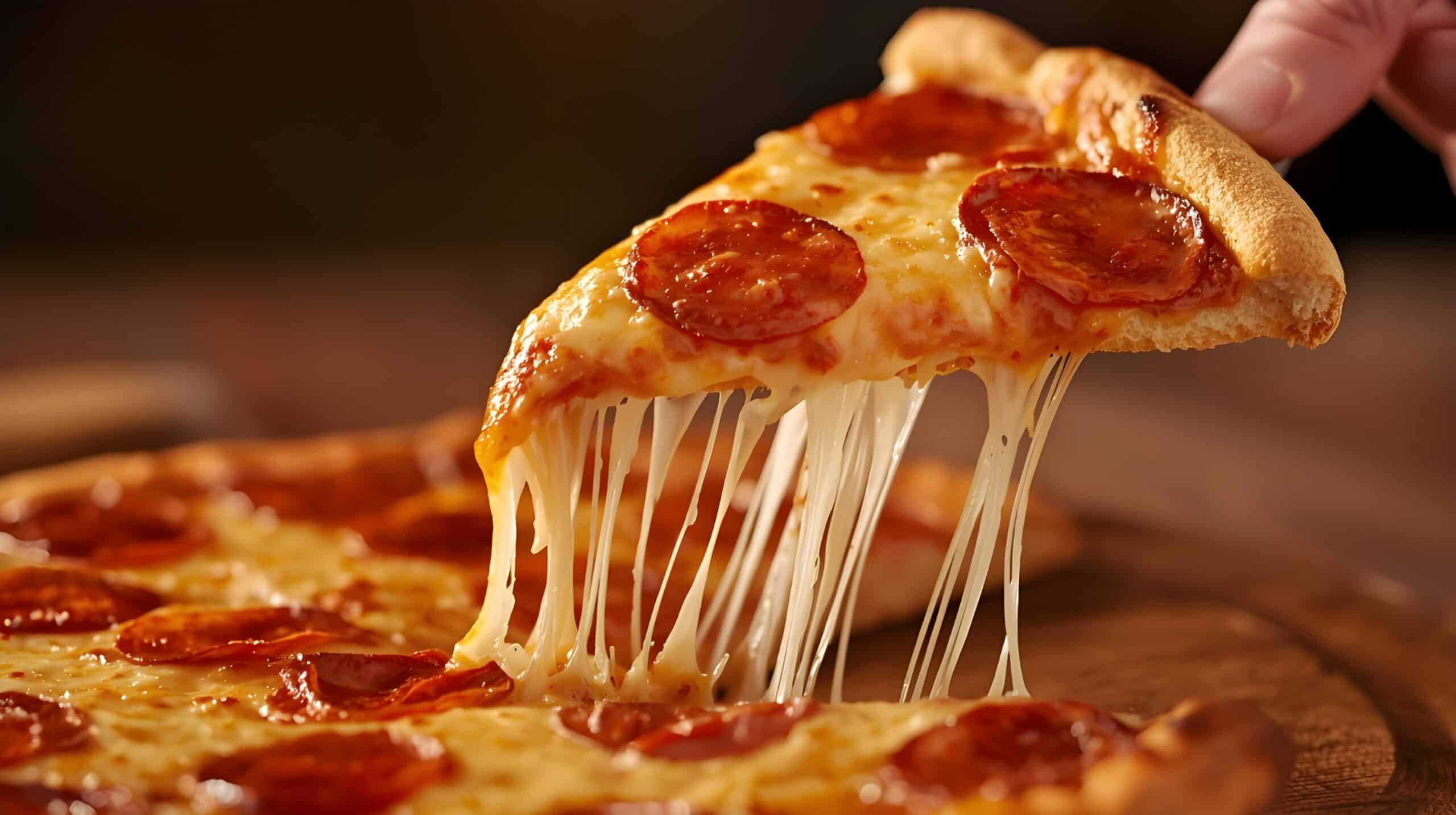
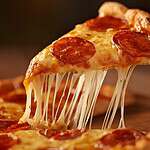
Although there was no official“Pizza Friday” program, it felt like a universal rule across the U.S. The cafeteria pizza came in a tray with a small container of chocolate milk and a side of some unidentified beige goo. Fridays were always pizza day, and even though it wasn’t the best pizza in the world, it was as delicious as it was predictable.
The Trapper Keeper
A binder with a velcro flap and plastic organizers inside. Wildlife photography, geometric shapes, sports teams, or abstract art. The design on the cover said something about who you were as a person. Mead and other brands sold millions of them. Some teachers banned them because the Velcro was too loud. Unfortunately, they didn’t realise that it was what success sounds like.