
Food recalls are far more common than most shoppers realize. Many involve small batches, limited regions, or products that never reach a large number of consumers. Others are much more serious because they affect familiar foods sold nationwide and may already be sitting unnoticed in refrigerators, freezers, pantries, or lunchboxes.
Some of the most alarming recalls announced in 2026 have involved dangerous bacteria such as Listeria and E. coli, along with unexpected hazards like glass fragments in packaged meals. Several have been tied to illnesses, hospitalizations, and deaths, while others have involved enormous quantities of food distributed through major retailers, restaurants, and food-service suppliers. For families and caregivers, knowing which products are affected can be critical.
What makes contaminated food especially dangerous is that it often looks, smells, and tastes completely normal. Harmful bacteria do not always produce visible warning signs, so consumers cannot rely on appearance alone to determine whether something is safe. These are the most dangerous food recalls of 2026 so far, including what triggered each warning, where the products were sold, and what consumers should do if one of them is still in the house.
Taylor Farms Iceberg Lettuce: A Massive Cyclospora Outbreak
©Visual Motiv / Shutterstock.com
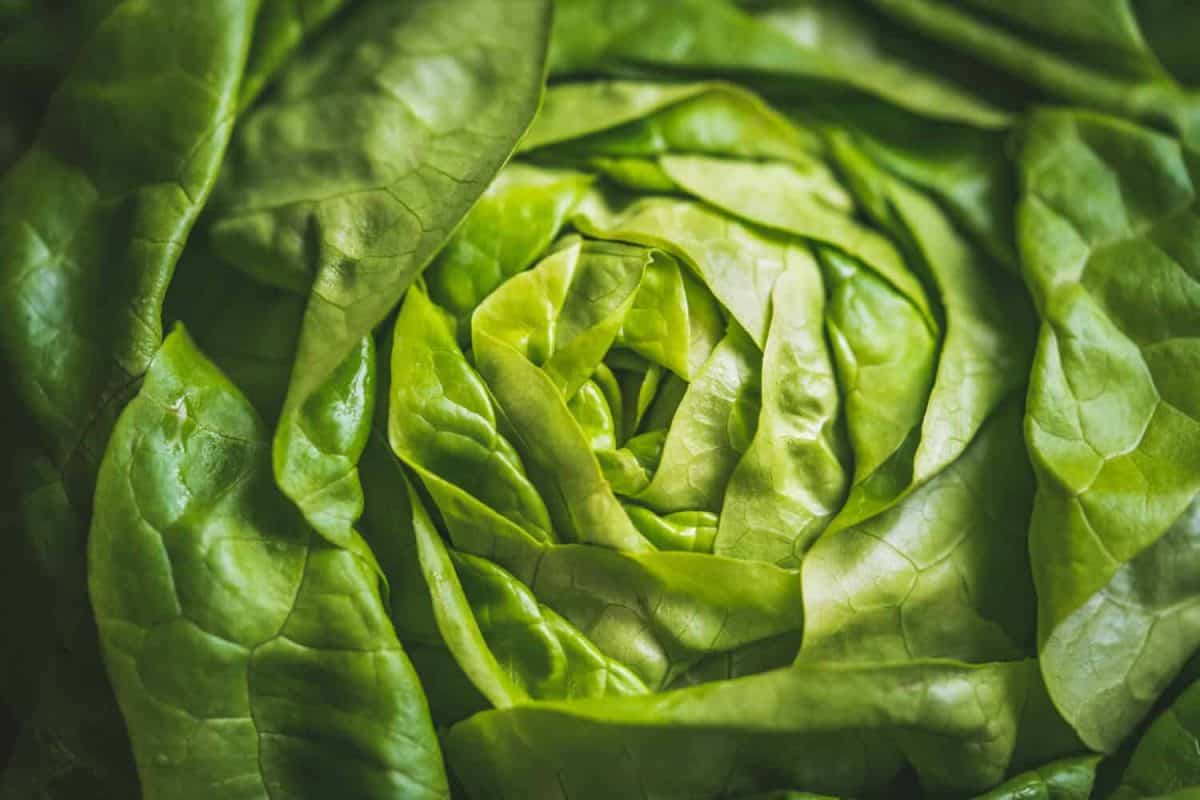
Taylor Farms de Mexico recalled all iceberg lettuce sourced from central Mexico on July 17 after epidemiologic and traceback evidence linked the product to a five-state Cyclospora outbreak. CDC reported more than 1,644 illnesses, 94 hospitalizations, and no deaths. The recall includes Marketside Iceberg Salad and Shredded Lettuce sold at select Walmart stores, along with products supplied to restaurants and food-service customers. Taco Bell locations in several states also received the implicated lettuce. FDA later said an initially reported positive sample was a false positive, but the outbreak link and recall remain in effect. Consumers should discard or return recalled lettuce and sanitize anything it touched.
Clover Hill Dairy Cheese: A Deadly Listeria Outbreak
Clover Hill Dairy’s recall remains one of the most serious food-safety cases of 2026. Federal investigators linked the Maryland company’s requeson cheese to a multistate, multiyear Listeria outbreak involving 12 illnesses, 10 hospitalizations, and one death across four states. Multiple cheese samples and environmental samples from the facility matched the outbreak strain, leading Clover Hill to recall every cheese produced at the plant. Identification can be difficult because bulk cheese was repacked or sold under other brand names. Consumers should check manufacturer information carefully, discard recalled products, and thoroughly clean refrigerators, containers, and surfaces the cheese may have touched.
a2 Platinum Infant Formula: A Toxin Heat Cannot Destroy
©Victoria Moloman / Shutterstock.com
The a2 Milk Company recalled three batches of a2 Platinum Premium infant formula after testing detected cereulide, a heat-stable toxin produced by certain strains of Bacillus cereus. Preparing the formula with hot water does not neutralize the toxin. Symptoms may begin within 30 minutes to six hours and commonly include nausea and vomiting, while infants face a greater danger from dehydration. The recall covers 31.7-ounce tins with batch numbers 2210269454, 2210324609, and 2210321712. FDA said no confirmed illnesses had been reported, but affected formula should not be used. Parents should check the batch number and use-by date on the bottom of each tin and return or dispose of recalled product.
California Dairies Milk Powder: One Ingredient, Many Recalls
California Dairies recalled bulk powdered milk and buttermilk on April 20 because of possible Salmonella contamination, but the impact extended far beyond the original ingredients. The powder had already been distributed to manufacturers that used it in other foods, producing a wave of downstream recalls. Products included powdered beverage mixes, potato chips, pork rinds, snack mixes, cheese curds, popcorn seasonings, and cheese bread sold under numerous brands. That makes this recall unusually difficult to track because consumers may own an affected product without ever purchasing milk powder. Shoppers should compare pantry items with FDA’s current downstream recall list rather than relying on one company or product name.
RAW FARM Cheese: An E. Coli Outbreak Hit Young Children
RAW FARM raw dairy products were linked to an E. coli O157:H7 outbreak involving nine illnesses in California, Florida, and Texas. Three patients were hospitalized, one developed hemolytic uremic syndrome, a potentially life-threatening complication that can cause kidney failure, and more than half of the patients were children younger than five. RAW FARM recalled certain cheeses on April 2 after earlier FDA requests to remove products from the market. Investigators said epidemiologic evidence connected illnesses to the company’s raw dairy products. Consumers should consult the official recall notice for affected varieties and dates, and should not eat recalled cheese even if it looks, smells, and tastes normal.
Ajinomoto Frozen Meals: Nearly 37 Million Pounds Recalled
Ajinomoto Foods North America expanded a February recall in March to cover nearly 37 million pounds of frozen fried rice, ramen, and shu mai products that may contain pieces of glass. The action included both ready-to-eat and not-ready-to-eat chicken and pork products sold under numerous labels, creating one of the largest food recalls announced in 2026. Because frozen meals can remain stored for months, affected packages may still be sitting in home freezers. Consumers should check the complete FSIS product and lot-number list instead of relying on the front label alone. Recalled food should be returned or discarded; attempting to inspect the meal for glass is not a safe substitute.
Synear Soup Dumplings: Peanut Missing From the Label
©White Bear Studio/iStock.com
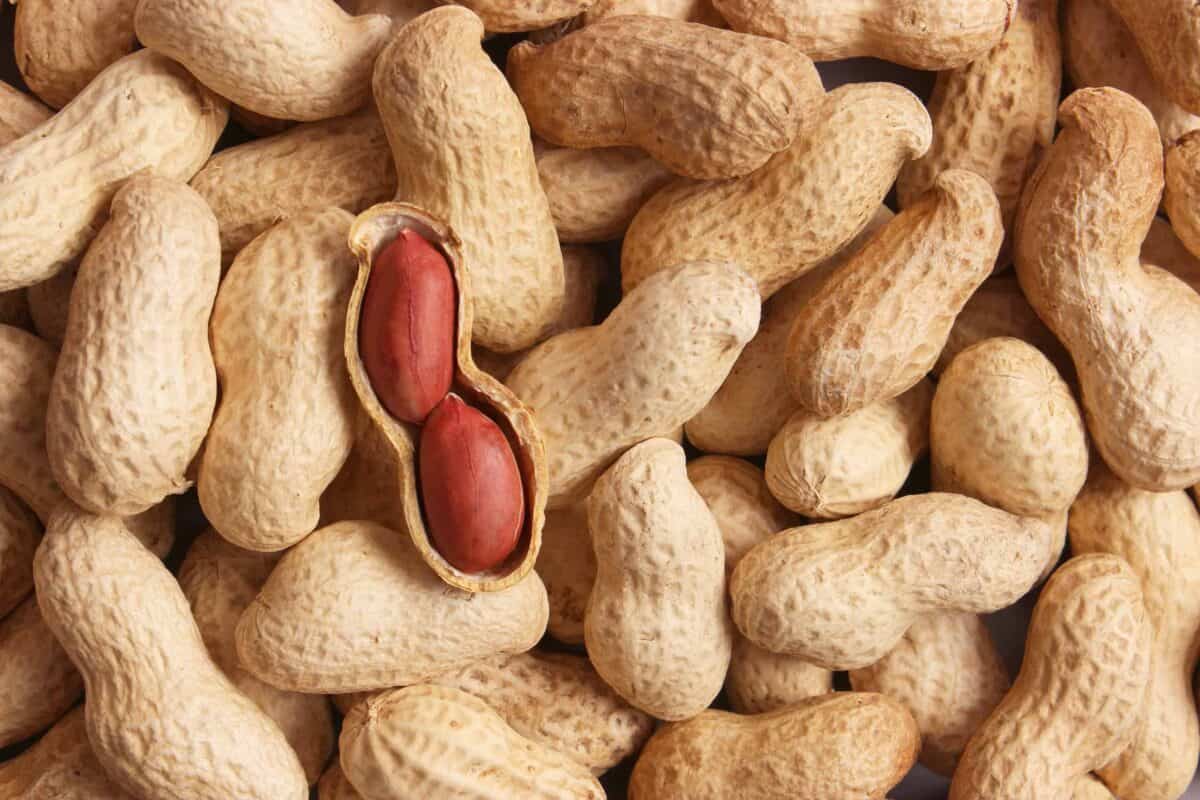
Synear Foods USA recalled approximately 71,603 pounds of frozen pork-and-crab soup dumplings after inspectors discovered that the product contained peanut oil even though peanut was not declared on the label. FSIS classified the action as a Class I recall because exposure could cause a serious or life-threatening reaction in someone with a peanut allergy. The affected Synear Supreme Soup Dumplings carry several best-by dates ranging from October 2026 through February 2027, meaning bags may remain in freezers long after the announcement. Anyone with a peanut allergy should avoid opening or tasting a matching package and should return it to the retailer or discard it safely.
Spring & Mulberry Chocolate: A Recall That Kept Growing
Spring & Mulberry first recalled a limited lot of Mint Leaf chocolate in January, then expanded the action as investigators traced the likely Salmonella risk to a single lot of dates used during production. By May, the company had recalled every finished chocolate bar made with the implicated ingredient, covering numerous flavors and batch codes sold online and through select retailers nationwide. The company reported that the finished recalled bars tested negative and that no confirmed illnesses had been linked to them, but the products were removed as a precaution. Consumers must check both the flavor and lot code on the back of the package because unaffected bars may look nearly identical.
Suzanna’s Kitchen Chicken: Listeria in a Ready-to-Eat Food
Suzanna’s Kitchen recalled approximately 13,720 pounds of fully cooked grilled chicken breast fillets in January because they may have been contaminated with Listeria monocytogenes. The products were packed in 10-pound cases containing two five-pound bags and were produced on October 14, 2025. Ready-to-eat chicken is especially concerning because it may be served without another cooking step before consumption. Listeria can cause severe or fatal illness in older adults, pregnant women, newborns, and people with weakened immune systems, while contaminated food may appear completely normal. Consumers and food-service operators should check case and lot information and discard or return matching products.
Fly By Jing Noodles: Possible Peanut Cross-Contact
©vitals/Shutterstock.com
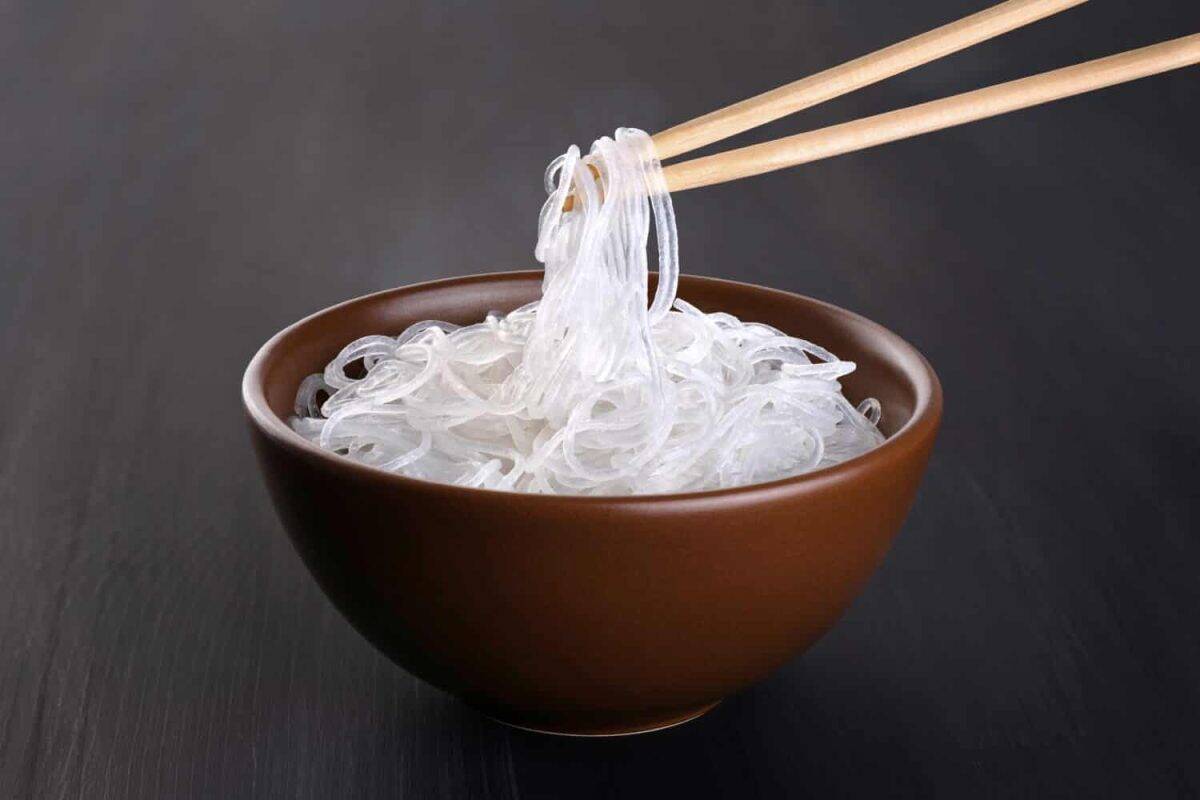
Fly By Jing recalled certain lots of Creamy Sesame Noodles after learning that a third-party manufacturer had made them on equipment that also processed peanuts. Peanuts were not an intended ingredient, but possible cross-contact created a serious risk for people with severe allergies. The recall covers single packages and four-packs distributed nationwide through retailers including Whole Foods and Thrive Market, as well as the company’s website, between February 1 and May 8. Affected packages carry best-by dates of October 15, 2026; December 6, 2026; or March 23, 2027. No other Fly By Jing noodle flavors or sauces were included in the recall.
Birch Benders Pancake Mix: Undeclared Egg
Hometown Food Company recalled one lot of Birch Benders Sweet Potato Pancake and Waffle Mix because it may contain egg that is not listed on the label. Although the recall is limited, undeclared allergens can cause a severe or life-threatening reaction in people with an egg allergy. The affected product is a 12-ounce bag with lot code 5 265 and a best-if-used-by date of March 24, 2027. It was distributed nationwide through grocery stores, natural-food retailers, and online sellers. FDA reported no illnesses when the recall was announced. Because dry mix can remain in a pantry for months, shoppers should check the code on the back of the package and return or discard any matching bag.
The image featured at the top of this post is ©Hadayeva Sviatlana/Shutterstock.com