













9 Everyday Objects With Dark and Disturbing Origins
Many everyday objects feel so ordinary that we rarely think about their beginnings. We use them at home, wear them in public, see them in stores, or pass them by without a second glance. Over time, they have become part of modern life, stripped of whatever strange, grim, or unsettling stories once surrounded them.
But some of the most familiar items have surprisingly dark origins. A few were born from dangerous working conditions. Others were shaped by tragedy, war, exploitation, medical necessity, or events that feel far removed from how we use them today. As these objects evolved, their original purpose faded into the background, leaving behind products that now seem completely harmless.
That is what makes their histories so jarring. The object itself may look ordinary, but its backstory tells a much stranger story about the world that created it. These are nine everyday objects with dark and disturbing origins.
1. Wallpaper
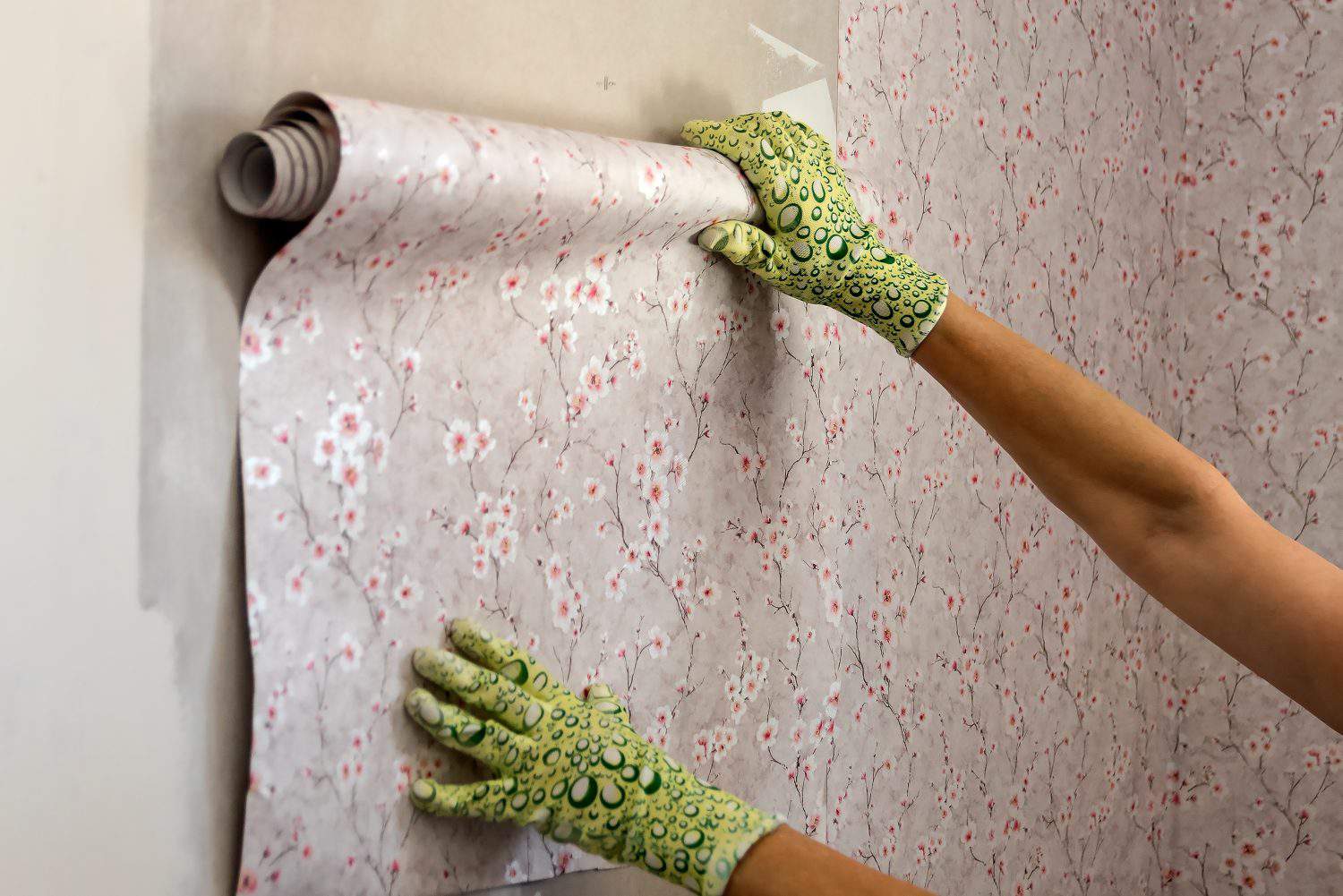
Wallpaper is used in millions of homes today. Floral sheets grace bathrooms and peaceful patterns cover guest rooms. However, some early wallpapers were unintentionally dangerous. During the nineteenth century, manufacturers used special pigments to create vibrant green colors. Unfortunately, these pretty pigments contained arsenic, and wallpapers sometimes released toxic particles into homes. People contracted mysterious illnesses that doctors could not explain. It took years before the connection between decorative wallpaper and arsenic poisoning was ultimately made.
2. High Heels
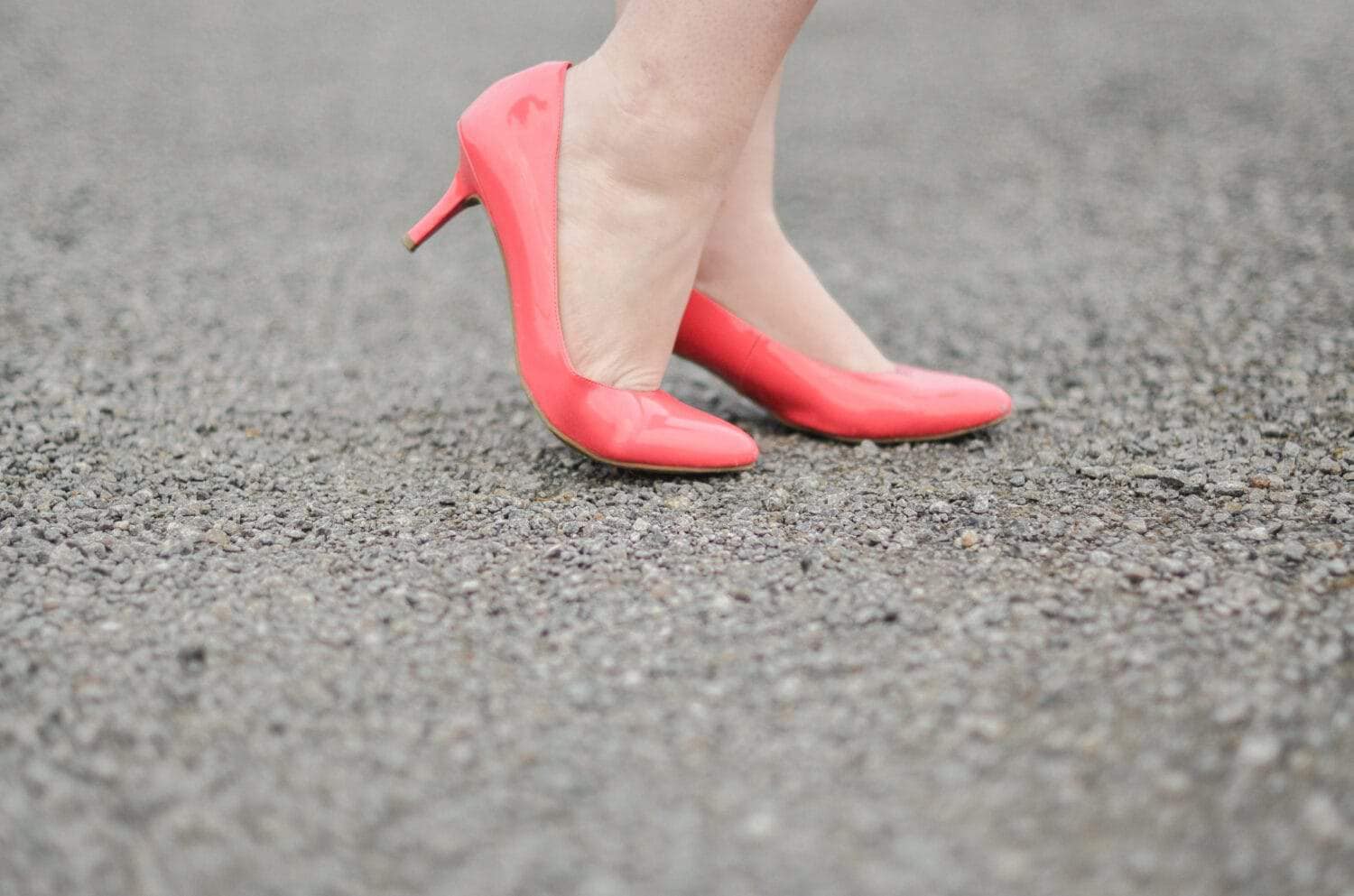
Many people associate high heels with fashion, but these closet staples have a rather surprising military history. This now-fancy footwear was originally worn by horse-riding soldiers in Persia. The elevated back portion of the shoe helped hold riders’ feet securely in the stirrups. Firing weapons from horseback often created a jolt and soldiers needed the extra stability. Later, European aristocrats adopted high-heels as a symbol of status and power, allowing them to physically rise above their people. Over time, the shoe evolved completely, and is now one of fashion's most enduring trends.
3. Cotton Candy
Cotton candy is surely one of the most cheerful foods imaginable. We immediately picture little girls at the local fair with a mouth full of melting pink sugar strands. Of course, this food is essentially pure sugar, making it especially ironic that it was first created by a dentist. When dentist William Morrison developed the delicious snack, oral care was far less advanced than it is today. While cavities were becoming a major public health problem, no one realized that sugar was the primary culprit. The fluffy carnival favorite is ultimately associated with childhood fun, despite its contribution to plenty of tooth decay.
4. Teddy Bear
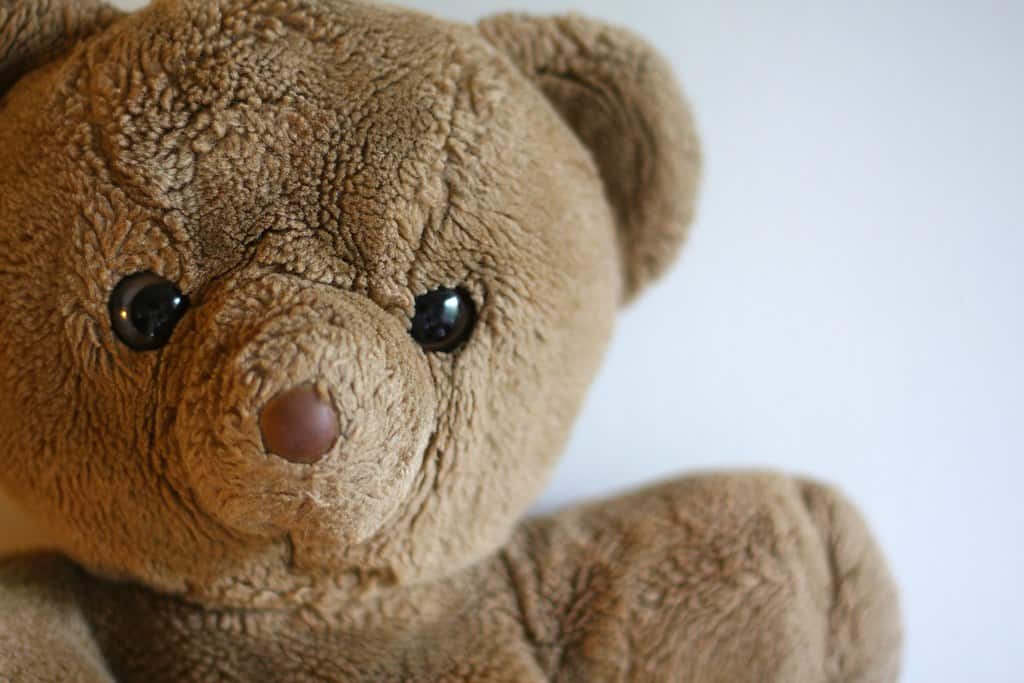
The teddy bear is one of the sweetest symbols of childhood, but its origin story began with a hunting trip. In 1902, President Theodore Roosevelt was on a bear hunt in Mississippi when other members of the party reportedly tied a bear to a tree and invited him to shoot it. Roosevelt refused, and the moment was later turned into a political cartoon.
That strange mix of hunting, publicity, and mercy helped inspire one of the most beloved toys in American history. Brooklyn shop owner Morris Michtom created a stuffed bear and asked Roosevelt for permission to call it “Teddy’s Bear.” The toy became a hit, and Michtom’s business grew into the Ideal Toy Company. It is a surprisingly grim beginning for something millions of children have hugged for comfort.
5. Chainsaws
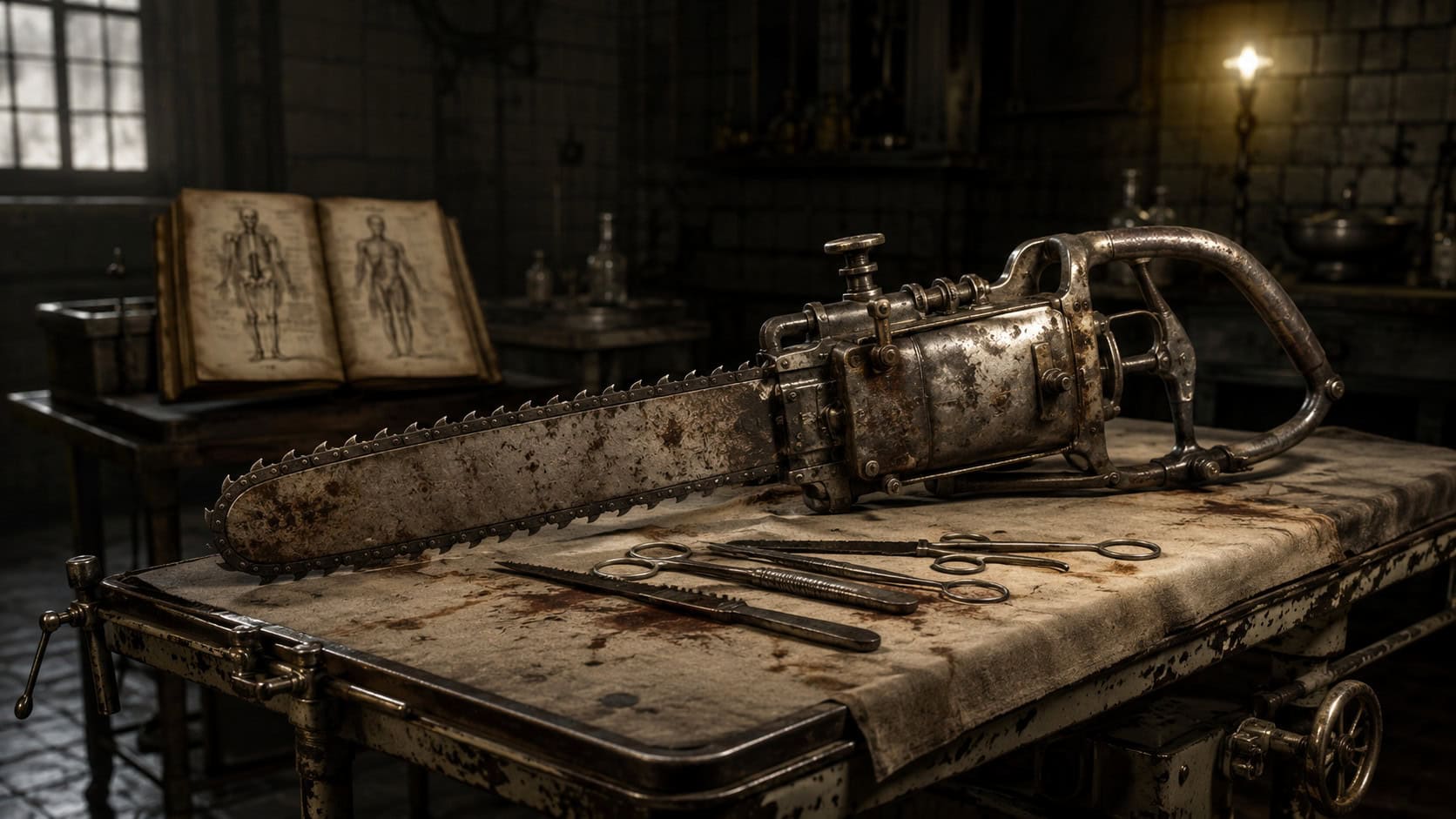
Modern chainsaws are associated with manual labor, forestry work, and horror movies, but their original purpose was even more disturbing than a mask-wearing mama's boy. Early chainsaws were developed in the late eighteenth century to help doctors during particularly difficult childbirths. The device, which was hand-cranked at that time, cut bone when medical complications arose. And we think modern childbirth is painful! Thankfully, medical science has since developed safer, and less agonizing, alternatives. Today, few people in possession of a chainsaw know of its cringe-worthy origins.
6. Artificial Christmas Trees
Artificial Christmas trees became popular partly because of fire issues. Early Christmas celebrations used real trees and common decorations included lit candles. Predictably, this combo led to devastating house fires. Instead of just eliminating the open flames, manufacturers promoted fire-retardant, artificial alternatives as a safer option. Next time you’re setting up your segmented, plastic tree, remember it was developed after numerous festive homes burned to the ground.
7. Playing Cards
Playing cards have contributed to countless hours of entertainment for centuries, but historically, they were frequently linked to gambling, debt, and financial ruin. Amazingly, cards led to such personal devastation that governments across Europe sometimes banned card games. Playing cards was a very popular pastime and entire fortunes could be lost over a single night of gambling. Religious leaders even condemned card playing as immoral. Despite this once-devious reputation, cards are now best associated with wholesome family fun.
8. Synthetic Dyes
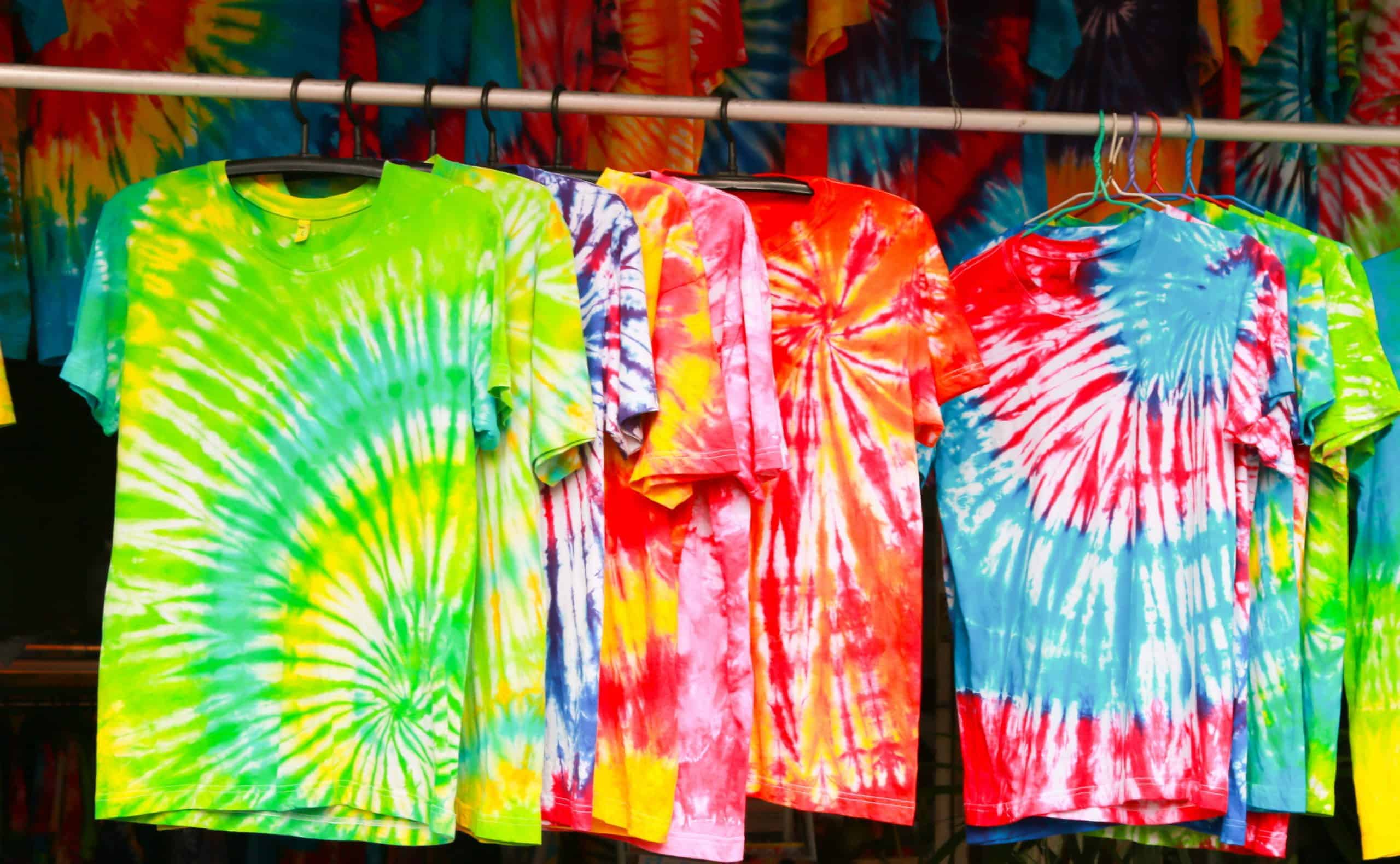
Many brightly hued products use synthetic dyes. Unfortunately, before we knew of the harm they could cause, early dyes contained toxic ingredients. These little-understood chemicals endangered both workers and consumers. Along with fabrics, some dyes also stained skin and lungs. The bright colors that inspire joy today were once capable of destroying lives.
9. Matches
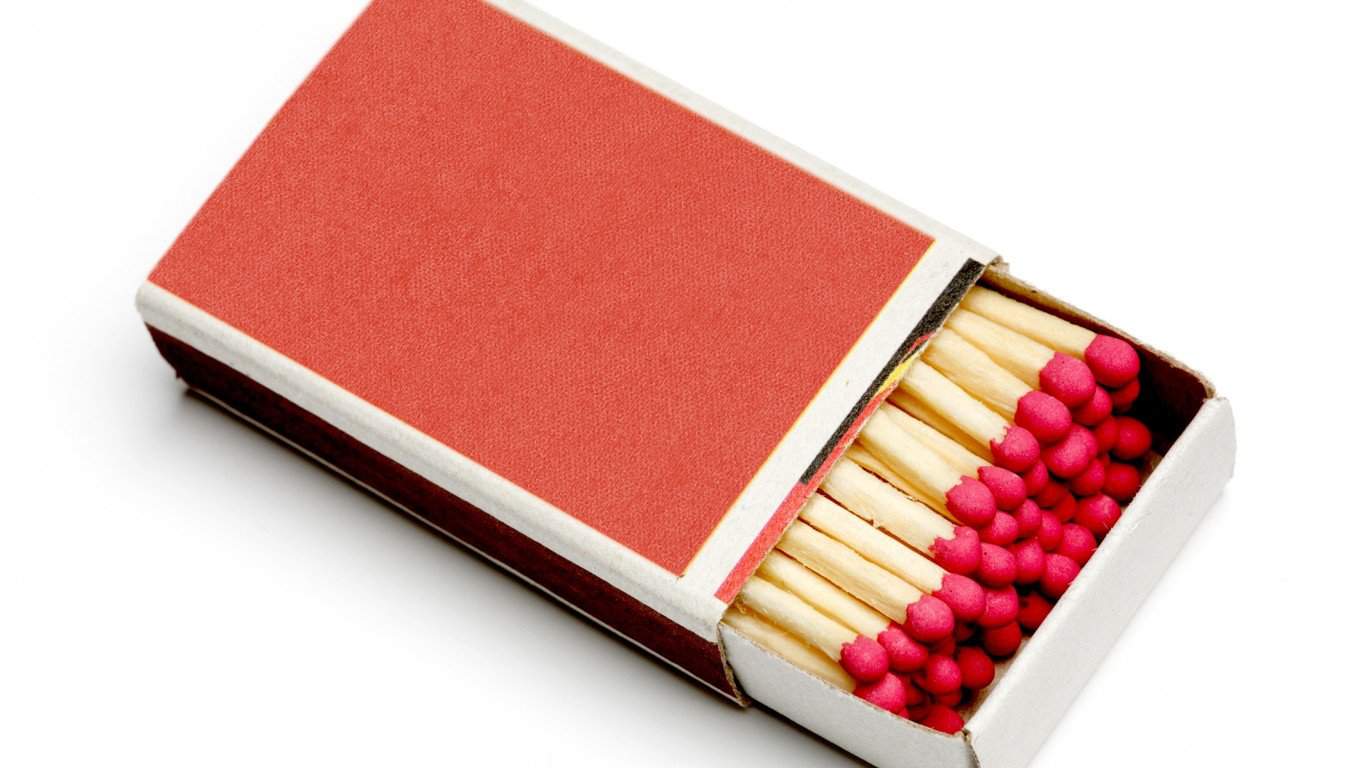
Before modern matches were invented, match production could be a deadly industry. Back in the nineteenth century, many factories used white phosphorus in their matches. This highly toxic substance exposed workers to poisonous fumes every day. Over time, exposure could result in a horrific condition known as "phossy jaw," in which the jawbone became diseased and slowly deteriorated. Those with the illness suffered severe pain, facial disfigurement, and even death. The convenient matchstick now used to light our scented candles at home was one responsible for multiple human lives.