
Fast-food menus have always evolved, but most discontinued items disappear with little more than a quiet menu update. A sauce is replaced, a side is removed, and customers eventually move on. Every so often, however, a chain cuts something that had become part of people’s routines. That is when the petitions begin, old commercials resurface, and fans start comparing memories of the item as if it belonged to a different era of American life.
The strongest food nostalgia is rarely about flavor alone. These menu items are tied to after-school stops, family road trips, late-night meals, and weekends spent with friends. Some vanished decades ago, yet customers still remember the packaging, the taste, and exactly where they used to order them. These are 12 discontinued fast-food items that continue to inspire cravings long after they disappeared from menus.
Wendy’s SuperBar Turned Fast Food Into a Buffet
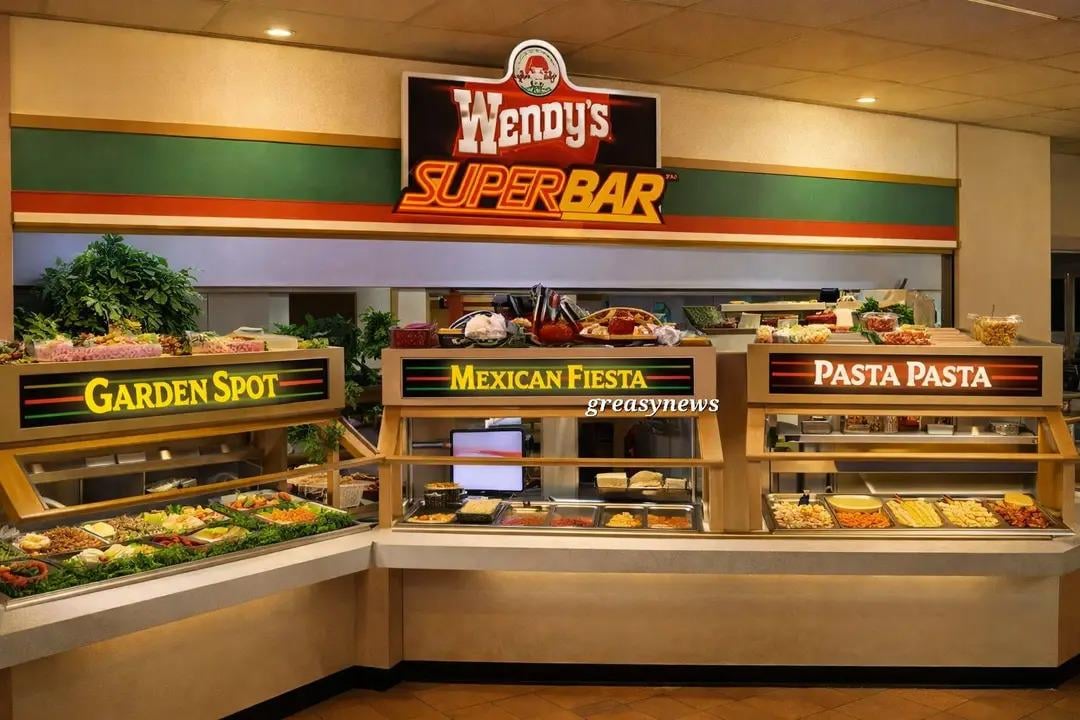
Long before fast-food dining rooms were designed around mobile orders and quick exits, Wendy’s tried something far more ambitious. The SuperBar, introduced in the late 1980s, offered an all-you-can-eat spread that looked more like a small family buffet than a burger counter. Customers could move between the Garden Spot salad bar, the Mexican Fiesta section, and Pasta Pasta, where rotini, fettuccine, sauces, and toppings waited under heat lamps. At roughly $2.99 in many locations, it gave families an inexpensive way to satisfy several different appetites in one stop.
The same variety that made the SuperBar memorable also made it difficult to operate. Employees had to keep numerous ingredients stocked, fresh, hot, and presentable while managing waste and cleaning the buffet area. Wendy’s gradually phased the concept out by 1998, but the memory has lasted much longer. For anyone who remembers carrying a plastic tray past taco fixings and pans of pasta inside a Wendy’s, the SuperBar feels like evidence from a completely different era of fast food.
Taco Bell’s Double Decker Taco Solved a Real Problem
The Double Decker Taco was one of those fast-food inventions that made immediate sense. Taco Bell wrapped a crunchy taco inside a soft flour tortilla, using a layer of refried beans to hold the two shells together. The design added flavor and made the taco sturdier, reducing the chance that one cracked shell would send beef, lettuce, and cheese into the wrapper before the final bite. First introduced in the 1990s, it eventually became a familiar menu staple rather than a temporary novelty.
Taco Bell removed the Double Decker in 2019, but customers kept recreating it through custom orders and explaining the old construction to employees who had never seen the original. The company responded with limited returns in 2023, 2024, and again through its 2025 Y2K nostalgia menu. Those repeated revivals show why the item remains difficult to replace. It was not built around an unusual sauce or promotional gimmick. It simply improved the standard crunchy taco, which made its disappearance feel less like menu cleanup and more like throwing away a working solution.
McSalad Shakers Put Lunch in a Cup
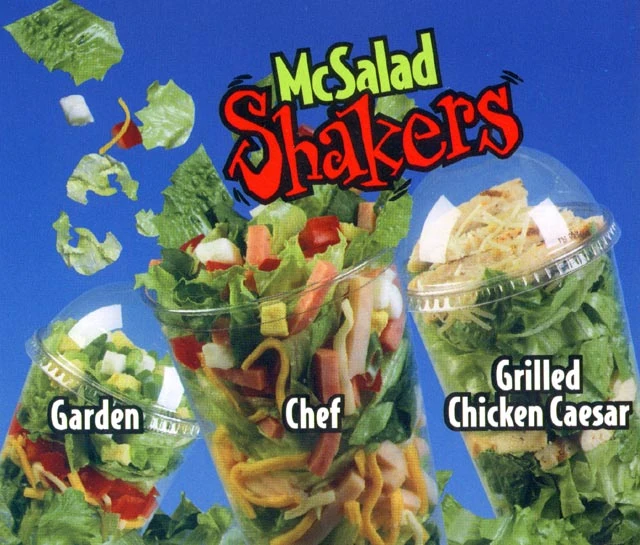
McDonald’s McSalad Shakers arrived in 2000 with a packaging idea that now feels strangely ahead of its time. Instead of placing a salad in a wide bowl, McDonald’s stacked the ingredients inside a tall plastic cup with a lid. Customers poured in the dressing, sealed the container, and shook it until everything was coated. The shape was easy to hold, convenient for a car cup holder, and far less awkward than trying to balance a traditional salad container during a short lunch break or road trip.
The chain offered several varieties, including Garden, Chef, and Grilled Chicken Caesar, but the experiment ended in 2003 when McDonald’s shifted to flat Premium Salad bowls. Those later salads eventually disappeared as well, yet fans still single out the Shaker format as the better design. That may be the most unusual part of its legacy. People do not only remember the ingredients. They remember the container, the sound of the salad being shaken, and the rare moment when a fast-food chain made eating lettuce on the go feel genuinely practical.
Burger King Cini-Minis Made Breakfast Feel Like Dessert
Burger King introduced Cini-Minis in 1998, turning a cinnamon roll into a set of small, pull-apart bites served with vanilla icing for dipping. They were sweet enough to function as dessert, but compact enough to order with breakfast or eat in the car without dealing with one large, sticky pastry. That combination gave them a loyal audience, and many customers continued asking for their return after the item disappeared from national menus in the early 2010s.
The demand never fully faded. A petition collected thousands of signatures, and Burger King tested several ways to bring them back, including a Grubhub promotion in 2018 and a Florida-area test years later. In August 2025, Cini-Minis finally returned nationwide for a limited run after roughly 13 years away. The comeback was another reminder that nostalgia can be more powerful than a new product launch. Burger King has created dozens of breakfast items since 1998, but few inspired customers to keep tracking rumors, regional tests, and return dates for more than a decade.
McDonald’s Angus Mushroom & Swiss Tried to Go Upscale
McDonald’s launched its Angus Third Pounder line in 2009 during an era when fast-food chains were trying to prove that drive-thru burgers could compete with casual restaurants. The Mushroom & Swiss version was one of the most ambitious options. It paired a third-pound Angus beef patty with sautéed mushrooms, Swiss cheese, crispy onions, and a garlic cream sauce on a toasted bakery-style bun. It looked and tasted noticeably different from the simpler burgers that had defined the chain for decades.
The Angus line disappeared from U.S. menus in 2013, officially ending one of McDonald’s clearest attempts to move into premium burger territory. Later Signature Crafted sandwiches explored a similar idea, but they never recreated the exact Mushroom & Swiss combination that fans remembered. Online discussions still describe it as one of the best burgers McDonald’s ever served, which says something about how unusual it felt at the time. It was more expensive and more complicated than a standard order, but it also suggested that a fast-food burger did not have to taste mass-produced.
The Bell Beefer Was Taco Bell’s Strangest Burger Experiment
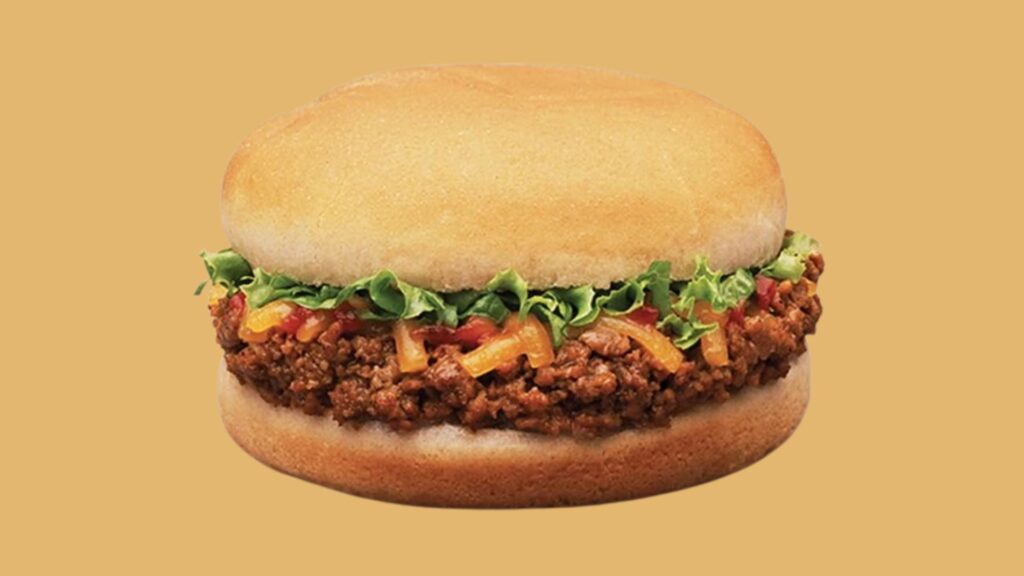
The Bell Beefer looked like Taco Bell had emptied a taco onto a hamburger bun, which was essentially the point. The sandwich combined seasoned beef, lettuce, onions, sauce, and, in some versions, cheese and tomato. It was closer to a Mexican-inspired Sloppy Joe than a conventional burger, but it gave customers a way to order familiar Taco Bell flavors without a tortilla or crunchy shell. The item remained on menus for roughly two decades before disappearing in the mid-1990s.
Its removal confused longtime fans because the basic ingredients were still sitting in Taco Bell kitchens. Customers organized petitions, shared copycat instructions, and reportedly even held small San Francisco protests with the unfortunate name “Stank Festivals.” Select restaurants briefly experimented with bringing it back years later, but it never regained a permanent national place. That long afterlife makes the Bell Beefer one of the chain’s most interesting relics. Taco Bell has launched far stranger products since then, yet its old taco-on-a-bun remains the menu experiment some customers refuse to forget.
Arby’s Potato Cakes Proved Fans Could Win
Arby’s Potato Cakes were not ordinary hash browns or another version of french fries. The triangular patties were made from shredded potato, fried until crisp outside, and substantial enough to have an identity separate from the chain’s curly fries. When Arby’s removed them in 2021 and pushed crinkle-cut fries instead, customers quickly made it clear that they did not consider the two sides interchangeable. Petitions gathered thousands of signatures, while the company’s social pages filled with demands for the original potato cakes.
Arby’s responded with a limited return in 2024, supported by an intentionally dramatic campaign featuring Kyle MacLachlan. The real victory arrived in 2025, when the company announced that Potato Cakes were coming back to the menu on a permanent basis. They are currently listed by Arby’s as an available side, although participation can vary by restaurant. That outcome makes this entry different from most discontinued-item stories. Fans did not simply keep the memory alive. Their persistence helped turn a temporary revival into one of the rare fast-food comebacks that actually stuck.
Wendy’s Frescata Sandwiches Tried to Beat the Deli Chains
Wendy’s introduced the Frescata line in 2006 as a direct attempt to compete with sandwich shops rather than other burger chains. The sandwiches were served cold on artisan-style bread and came with combinations such as roasted turkey and Swiss, Black Forest ham, chicken salad, and deli-inspired sauces and toppings. At a time when Subway was expanding rapidly, Frescata gave Wendy’s a way to offer customers something that felt lighter and more carefully assembled than a standard hot burger.
The problem was that the concept did not fit comfortably inside a fast-food kitchen built around grills, fryers, and speed. The sandwiches required different ingredients and more preparation, which complicated restaurant operations without producing enough demand to justify the effort. Wendy’s began phasing the line out after a relatively short run, but certain varieties, particularly the turkey and Swiss, continue to appear in discussions about forgotten menu items. Frescata was not necessarily a bad sandwich. It may simply have been a good deli idea launched inside the wrong kind of restaurant.
KFC Potato Wedges Were More Than a Side
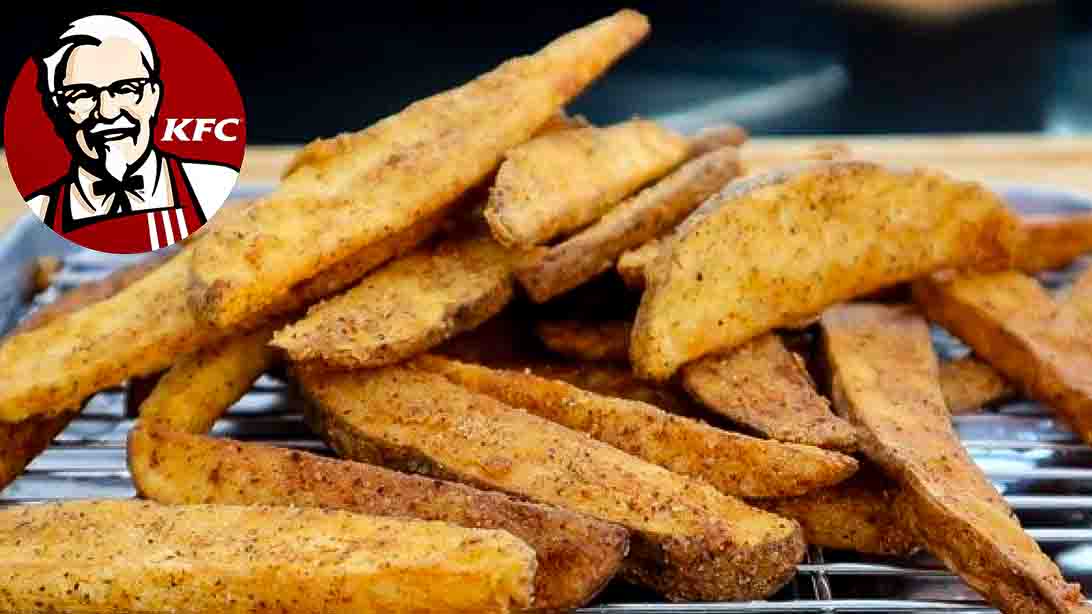
For decades, KFC Potato Wedges were as closely associated with the chain as mashed potatoes and gravy. They were thick enough to stay soft and fluffy in the middle, seasoned on the outside, and sturdy enough to survive a ride home without becoming limp immediately. When KFC replaced them with Secret Recipe Fries in 2020, customers treated the decision as more than a routine menu update. Social media complaints and petitions continued for years because many diners felt the fries duplicated something every other chain already sold.
KFC eventually listened. After testing the wedges in Tampa and seeing some restaurants sell out early, the company brought Potato Wedges back nationwide in August 2025. They are now listed on KFC’s official menu, giving fans one of the happier endings on this list. Their return also proved why the original decision caused so much frustration. The wedges had a distinct shape, texture, and seasoning that made them recognizably KFC. Replacing them with fries did not just remove a side dish. It removed one of the few potato options customers could not get almost anywhere else.
Burger King Cheesy Tots Never Stay Long Enough
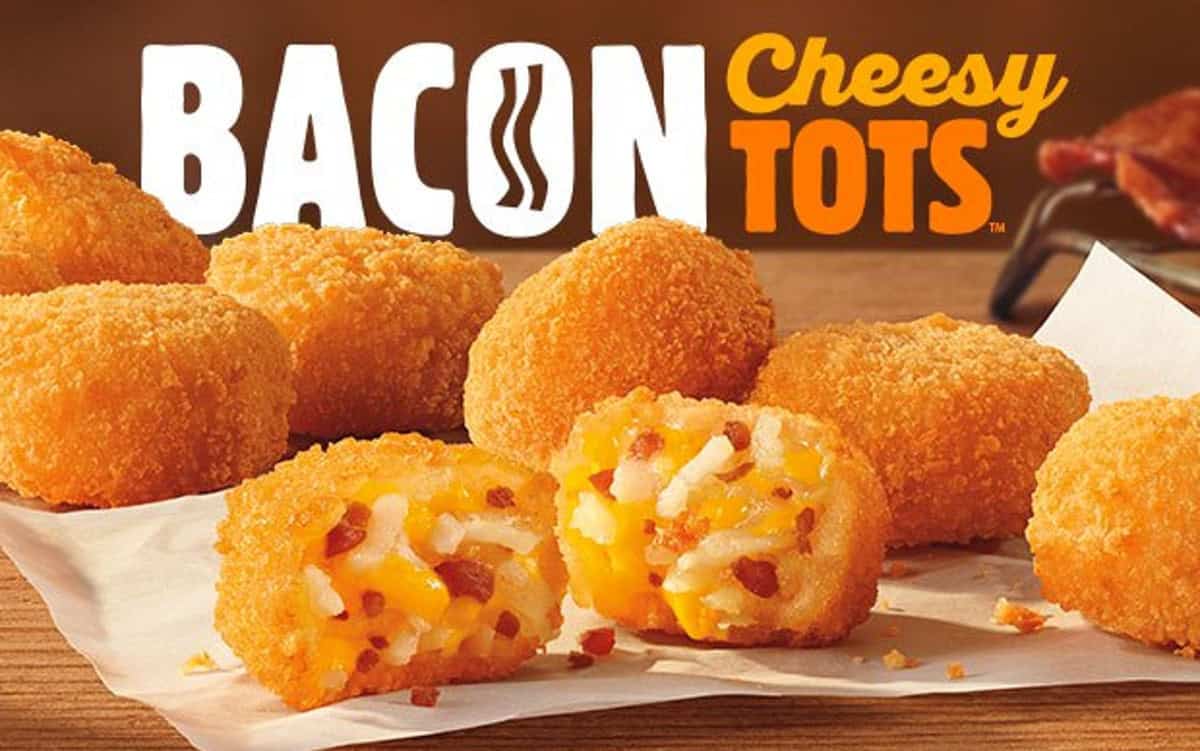
Burger King’s Cheesy Tots use an extremely simple formula: crisp, bite-sized potato rounds with melted cheese sealed inside. That simplicity is part of what made them memorable. They worked as a side, a late-night snack, or the item someone added at the last second because a regular order needed something extra. After disappearing, the tots gained enough of a following that Burger King used their 2016 return to reunite Jon Heder and Efren Ramirez in a Napoleon Dynamite-themed advertisement.
Since then, Cheesy Tots have followed a familiar pattern. Burger King brings them back for a limited promotion, customers rush to order them, and the item disappears again before it can settle into the permanent menu. They returned nationally for the 2023 holiday season and resurfaced again at participating restaurants in 2024. Each comeback proves that people still want them, but each departure makes the next return feel uncertain. For longtime fans, the problem is no longer whether Burger King remembers Cheesy Tots. It is why the chain keeps treating an obviously popular side like a seasonal guest.
Taco Bell Built a Cult Following Around Lava Sauce
Taco Bell’s Volcano Menu reached national restaurants in 2008 and centered almost entirely on one ingredient: Lava Sauce. The creamy, spicy sauce gave items such as the Volcano Taco and Volcano Burrito a hotter, richer flavor than the chain’s standard offerings. The bright red taco shell helped the menu stand out visually, but Lava Sauce was what customers remembered. When Taco Bell removed the lineup in 2013, fans responded with petitions, online campaigns, copycat recipes, and years of requests for another chance to order it.
Taco Bell has repeatedly tested that loyalty. Lava Sauce returned briefly in 2015, and the full Volcano Menu received a limited comeback in 2023. In January 2026, the company revisited the idea again with a Volcano Quesarito and a new Volcano Sauce described as an evolution of the original. These revivals generate attention because the Volcano Menu was never just another spicy promotion. It created a recognizable flavor that customers could not easily reproduce by adding ordinary hot sauce to a taco. Every return satisfies the craving temporarily, then reminds fans why they wanted the original lineup to become permanent.
The McDLT Kept the Hot Side Hot and the Cool Side Cool
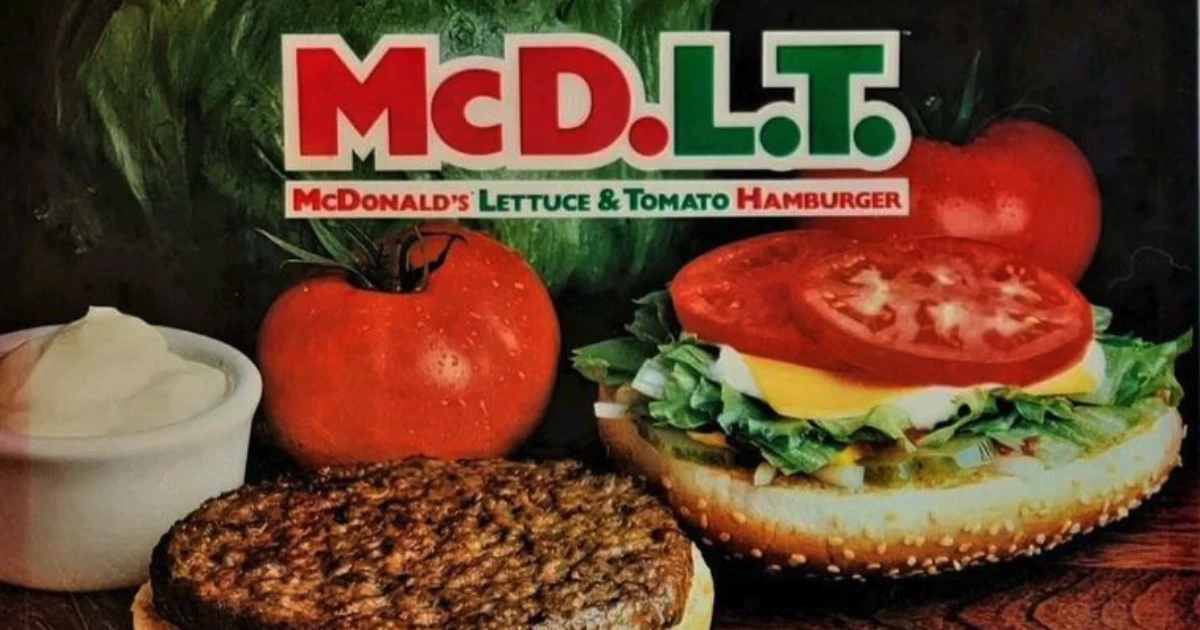
McDonald’s introduced the McDLT in 1985 with a design that treated burger temperature like an engineering problem. A divided polystyrene container placed the hot beef patty and bottom bun on one side, while the lettuce, tomato, mayonnaise, and top bun stayed separate on the other. Customers combined the two halves immediately before eating, which kept the vegetables cool and crisp instead of letting them sit against hot meat inside a wrapped sandwich. It required one extra step, but the logic was easy to understand.
The packaging that made the McDLT work also helped bring it down. The oversized foam container used more material than a standard burger box and became increasingly difficult to defend as environmental concerns grew. McDonald’s phased the item out in the early 1990s, yet the idea remains one of the chain’s most discussed experiments. Fans remember the burger, the strange container, and the Jason Alexander commercial built around its famous slogan. The McDLT may have been inefficient, but it solved a real problem, which is why people still wonder whether modern packaging could finally bring it back.
The image featured at the top of this post is ©Fast Food Archive