

















The Revolutions That Reshaped the Modern World
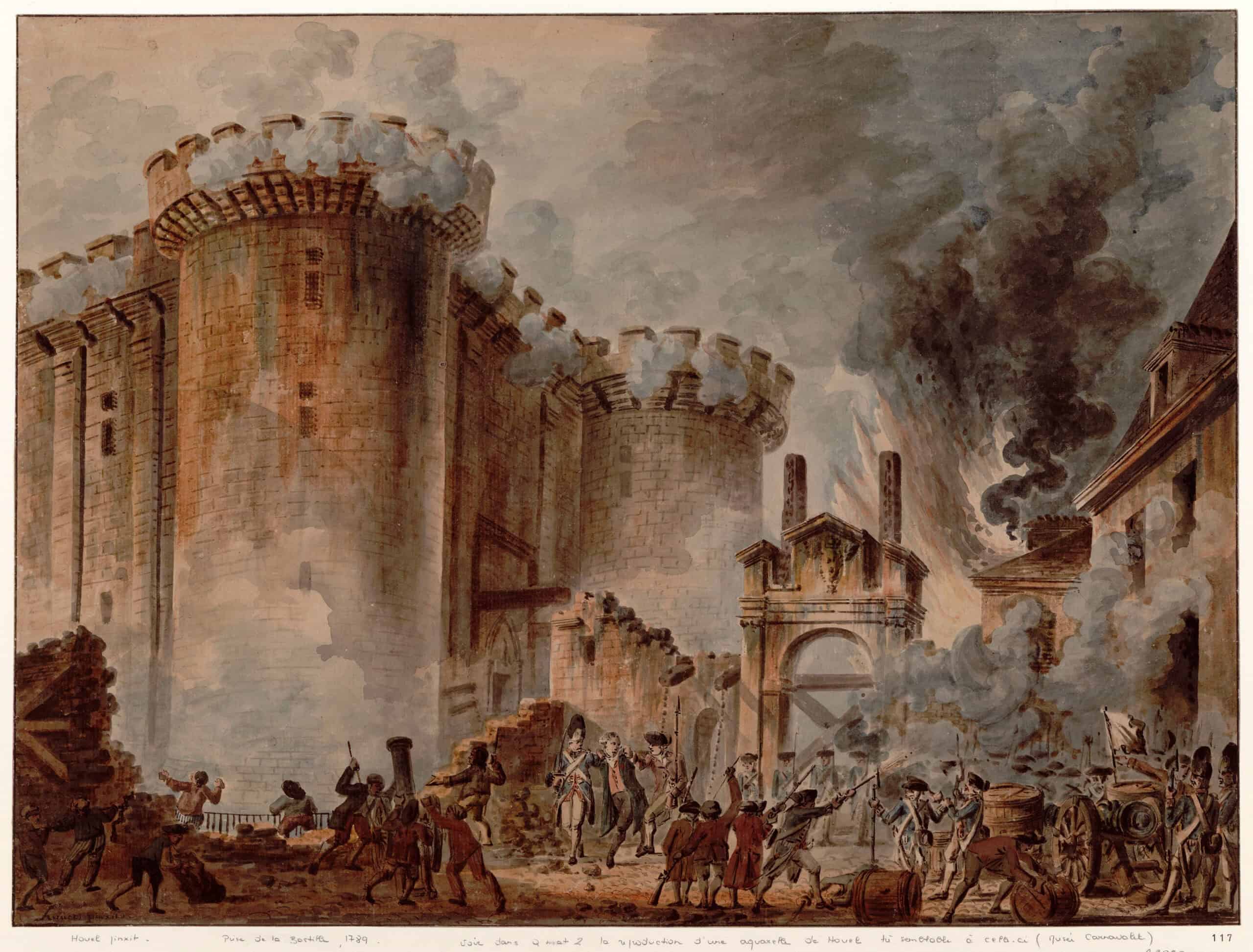
Bastille Day (July 14) marks the anniversary of one of the most important events in modern history, the storming of the Bastille during the French Revolution. While that uprising helped transform France and much of Europe, it was only one of a few revolutions that permanently changed the world. From the birth of the United States to the rise of industrial society and even the spread of communism, these movements have reshaped governments, economies, and cultures on a global scale. Here, History Computer is taking a closer look at these revolutions.
Here is a look at the Revolutions that changed the course of history:
Revolutions That Changed the World
History is filled with rebellions, uprisings, and political movements, but only a handful of revolutions fundamentally changed the course of human civilization. These transformative events toppled governments, challenged established institutions, reshaped economies, and introduced new ideas about power, freedom, and society. Their effects extended far beyond the nations where they began, influencing generations of leaders, thinkers, and ordinary citizens around the globe.
Why Revolutions Happen
Revolutions rarely emerge without warning. They are often the result of years or even decades of growing dissatisfaction with political systems, economic conditions, social inequalities, or religious authority. When governments fail to address these pressures, revolutionary movements can gain momentum and eventually challenge the existing order. Although the causes vary from one revolution to another, many share common themes: demands for representation, calls for reform, and the desire to create a different future. Understanding these forces helps explain why some revolutions succeed while others fade into history.
Ideas Can Be More Powerful Than Armies
Many of history's most influential revolutions were driven as much by ideas as by military force. Concepts such as liberty, nationalism, equality, self-determination, and religious reform inspired people to challenge institutions that had existed for centuries. In some cases, revolutionary leaders offered entirely new visions of government and society. These ideas often survived long after the conflicts themselves ended, influencing political movements around the world and shaping debates that continue today.
The Ripple Effects of Revolution
The consequences of major revolutions rarely remain confined within national borders. The American Revolution inspired democratic movements across continents. The French Revolution transformed European politics. The Russian Revolution helped define much of the twentieth century, while the Industrial Revolution reshaped economies across the globe. Each revolution on this list created ripple effects that extended far beyond its original participants, altering international relations, social structures, and the balance of power for generations.
Turning Points in Human History
Some historical events are remembered because they were dramatic, while others are remembered because they changed everything that followed. The revolutions featured here belong in the second category. Whether they challenged monarchies, transformed economies, redefined religious authority, or introduced entirely new political systems, these movements marked decisive turning points in world history. Their legacies continue to influence governments, societies, and global affairs centuries after the first calls for change were heard.
American Revolution
- Location: United States
- Years: 1775–1783
- The Spark: Colonial opposition to British taxation and governance.
- Lasting Legacy: Inspired democratic movements and modern republican government worldwide.
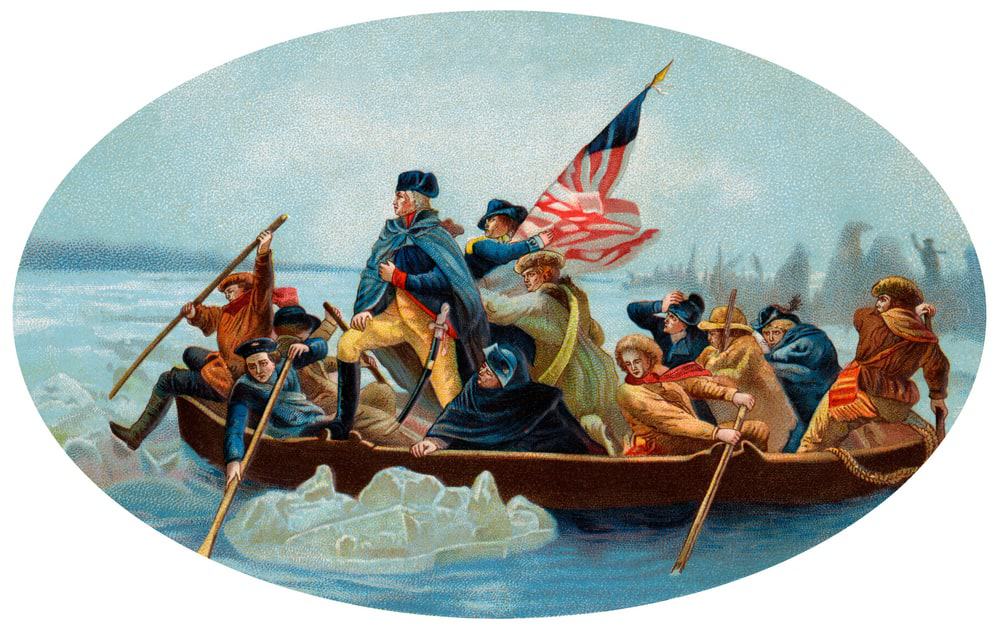
The American Revolution began as a dispute between Great Britain and its North American colonies, but it ultimately became one of the most influential political revolutions in history. Colonial resistance to British taxation, governance, and perceived violations of individual rights gradually evolved into a movement for independence. The revolution produced the United States and established one of the world's first modern constitutional republics. Its success demonstrated that a government could derive its authority from the consent of the governed rather than from monarchy or hereditary privilege. The ideas articulated during the revolution, particularly those concerning liberty, representation, and natural rights, influenced political thinkers and reformers across Europe and the Americas. Although the new nation faced significant challenges and contradictions, the revolution helped establish principles that would inspire democratic movements around the world for generations.
French Revolution
- Location: France
- Years: 1789–1799
- The Spark: Economic crisis, inequality, and opposition to absolute monarchy.
- Lasting Legacy: Popularized nationalism, citizenship, and political rights across Europe.
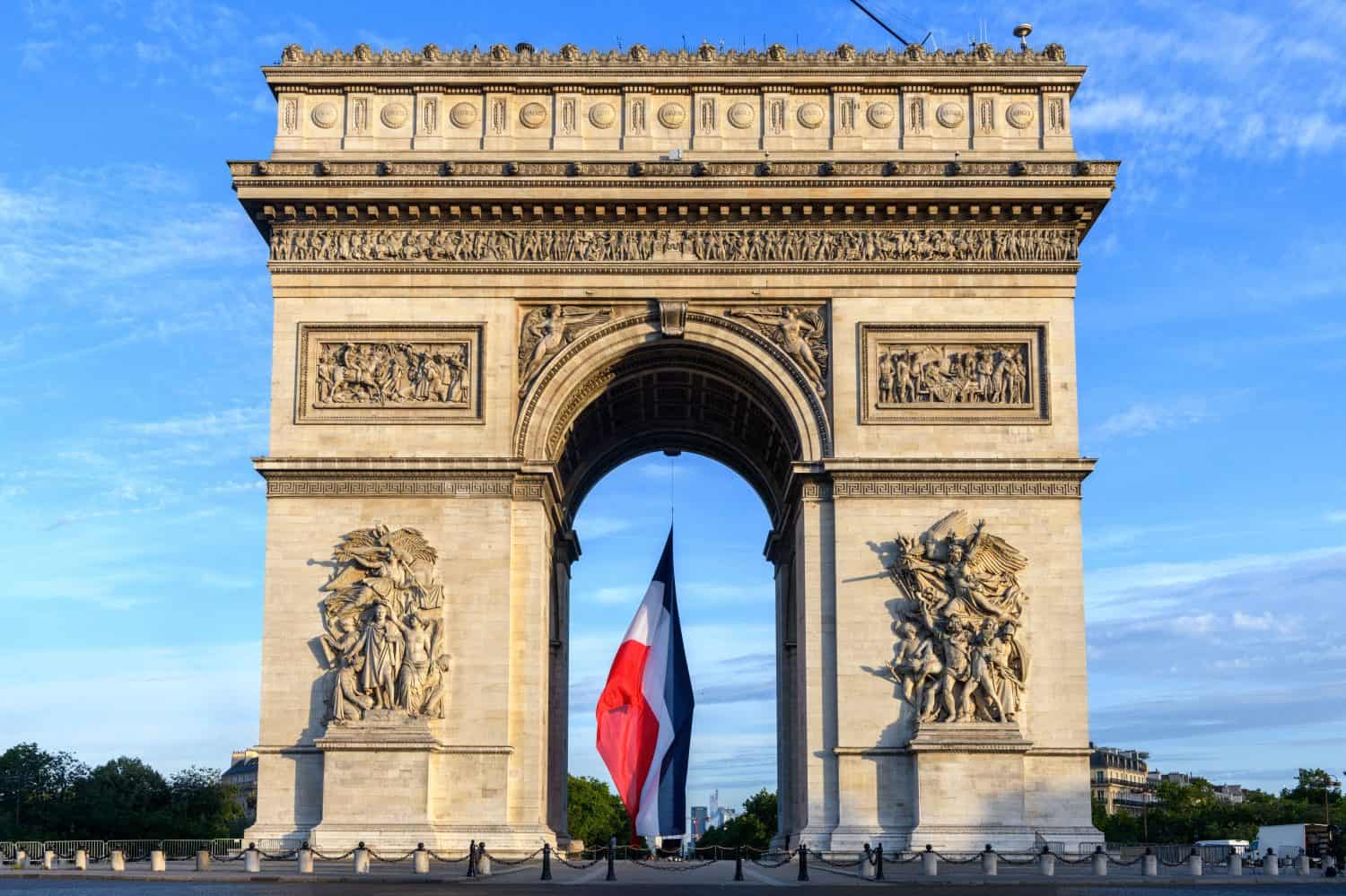
Few events transformed the political landscape of Europe more dramatically than the French Revolution. Triggered by economic hardship, social inequality, and dissatisfaction with the monarchy, the revolution overturned centuries of royal authority and challenged the foundations of the old European order. Revolutionary leaders promoted ideals such as liberty, equality, and popular sovereignty, fundamentally changing how many people viewed government and citizenship. The upheaval led to the execution of King Louis XVI, the rise of radical political factions, and eventually the emergence of Napoleon Bonaparte. Despite its violence and instability, the revolution permanently altered political thought by demonstrating that established institutions could be overthrown in the name of popular will. Its influence spread far beyond France, helping inspire nationalist, liberal, and democratic movements throughout the nineteenth century and beyond.
Protestant Reformation
- Location: Europe
- Years: 1517–1648
- The Spark: Challenges to the authority and practices of the Catholic Church.
- Lasting Legacy: Reshaped Christianity and transformed European politics and society.
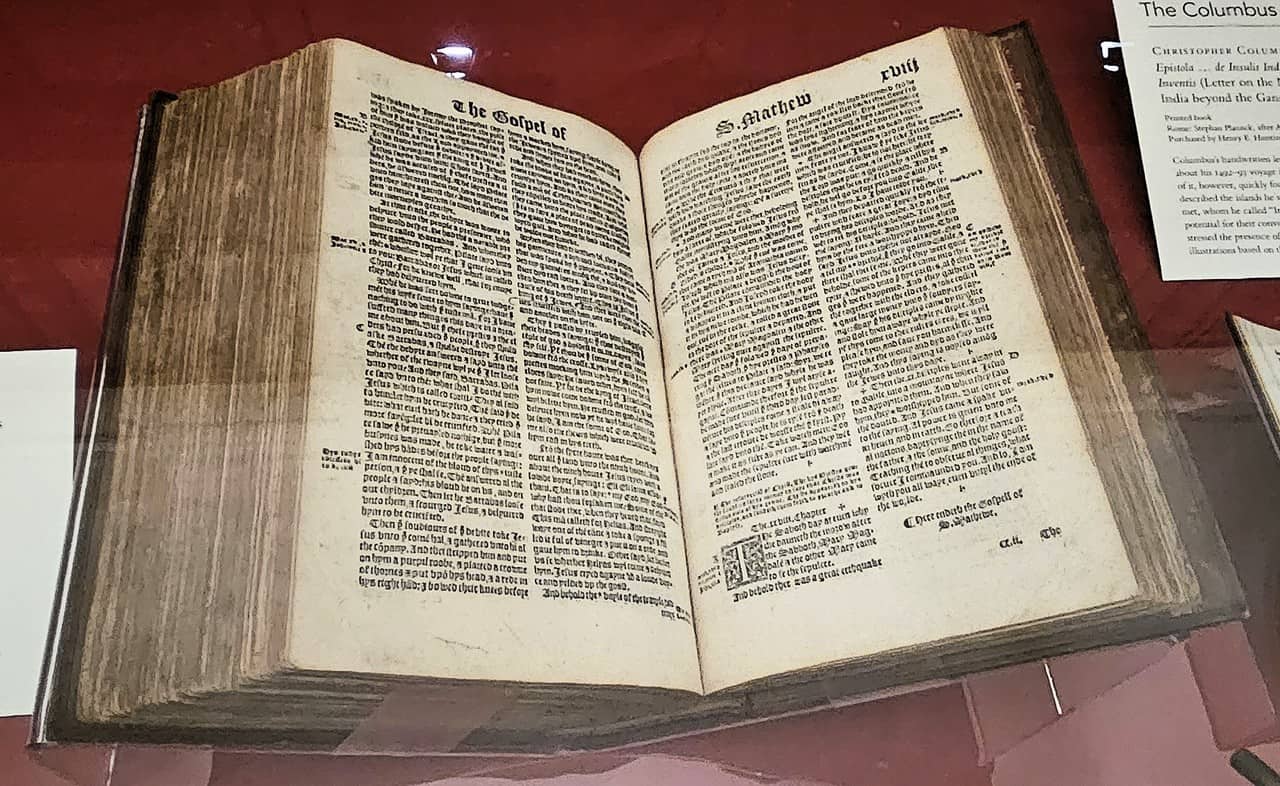
The Protestant Reformation began when Martin Luther challenged certain practices and teachings of the Catholic Church, but its consequences extended far beyond religion. What started as a theological dispute evolved into a sweeping transformation of European society, politics, and culture. New Protestant denominations emerged across the continent, weakening the religious unity that had characterized much of medieval Europe. The movement encouraged greater emphasis on individual interpretation of religious texts and contributed to rising literacy as people sought to read scripture for themselves. The Reformation also shifted political power by allowing rulers greater independence from the authority of the papacy. Over time, the conflicts and debates it generated reshaped national identities, influenced education and governance, and played a major role in the development of the modern Western world.
Industrial Revolution
- Location: Great Britain and Beyond
- Years: c. 1760–1840
- The Spark: Technological innovation and new manufacturing methods.
- Lasting Legacy: Created the modern industrial economy and transformed daily life.
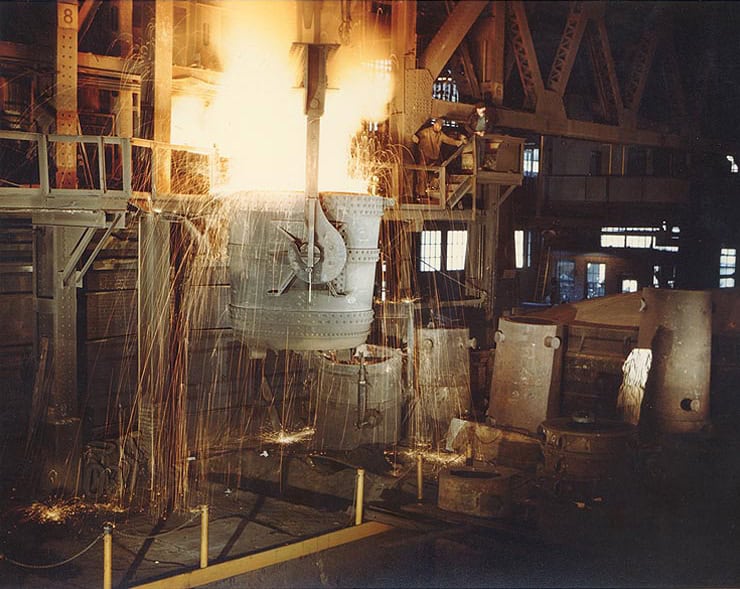
Unlike many revolutions driven by political upheaval, the Industrial Revolution transformed the world through technology, manufacturing, and economic change. Beginning in Great Britain, innovations such as mechanized textile production, steam power, and improved transportation systems fundamentally altered how goods were produced and distributed. Rural populations increasingly moved to cities, creating new industrial centers and changing patterns of daily life. The revolution dramatically increased productivity and economic growth, but it also introduced new social challenges, including difficult working conditions and rapid urbanization. Its influence spread around the globe, accelerating scientific advancement, expanding international trade, and laying the foundation for the modern economy. Few events have had a more profound impact on how people live and work. In many ways, the modern world remains a product of the transformations that began during the Industrial Revolution.
Haitian Revolution
- Location: Saint-Domingue (Haiti)
- Years: 1791–1804
- The Spark: Resistance to slavery and colonial rule.
- Lasting Legacy: Created the first independent Black republic and challenged slavery worldwide.
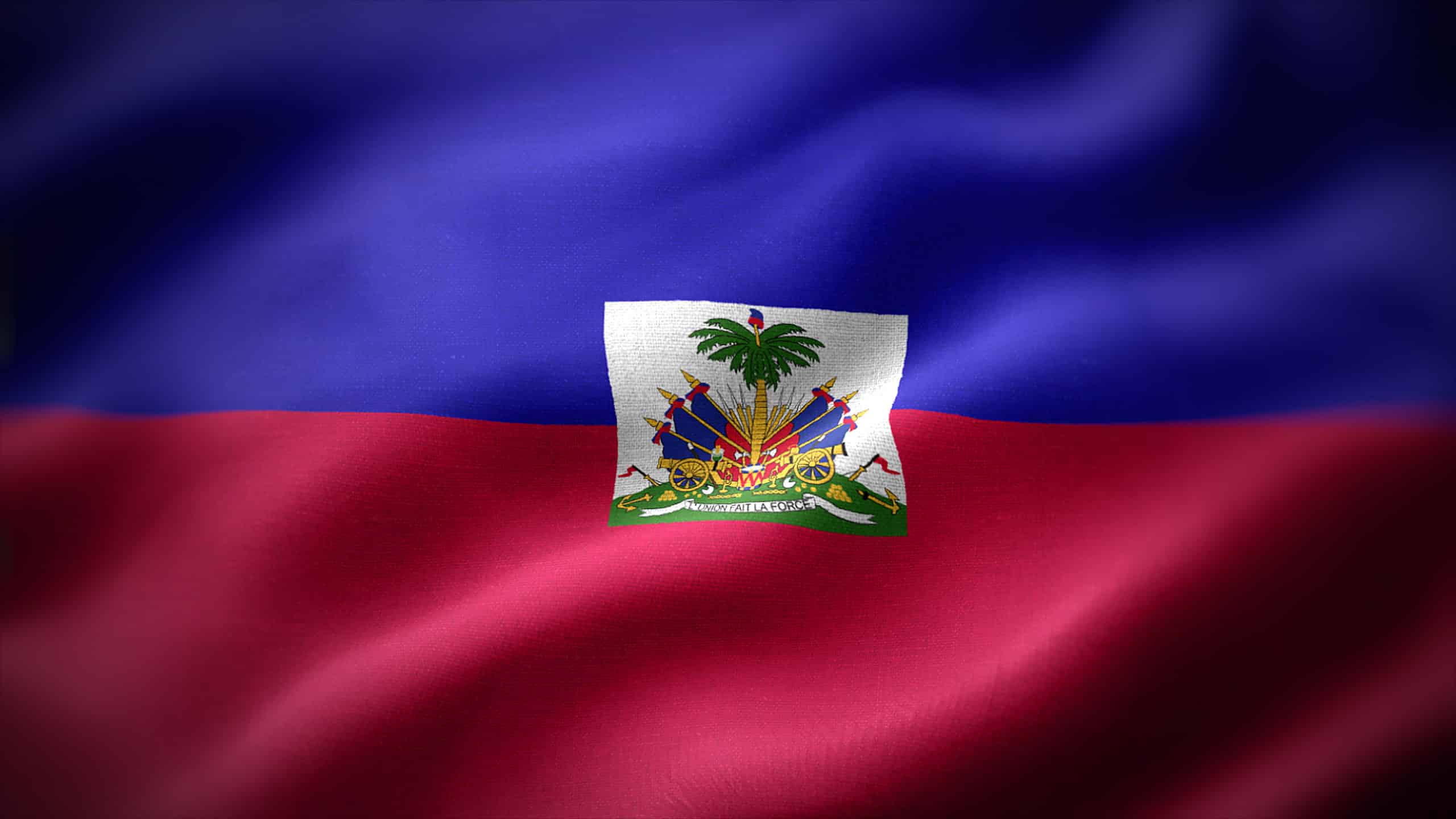
The Haitian Revolution stands as one of the most remarkable and consequential uprisings in world history. Enslaved people in the French colony of Saint-Domingue launched a rebellion against a brutal plantation system that had generated immense wealth for European powers. Under leaders such as Toussaint Louverture, the revolution evolved into a struggle for freedom, equality, and national independence. The movement ultimately succeeded, creating Haiti as the first independent Black republic and the first nation founded by formerly enslaved people. Its victory challenged assumptions about race, slavery, and colonial authority throughout the Atlantic world. The revolution sent shockwaves through slaveholding societies and influenced debates about human rights for decades. Although Haiti faced immense challenges after independence, the revolution remains a landmark event in the global struggle for freedom.
Russian Revolution
- Location: Russia
- Years: 1917
- The Spark: War, economic hardship, and opposition to Tsarist rule.
- Lasting Legacy: Created the Soviet Union and fueled the global spread of communism.
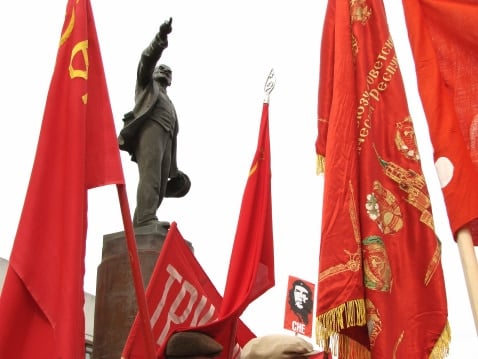
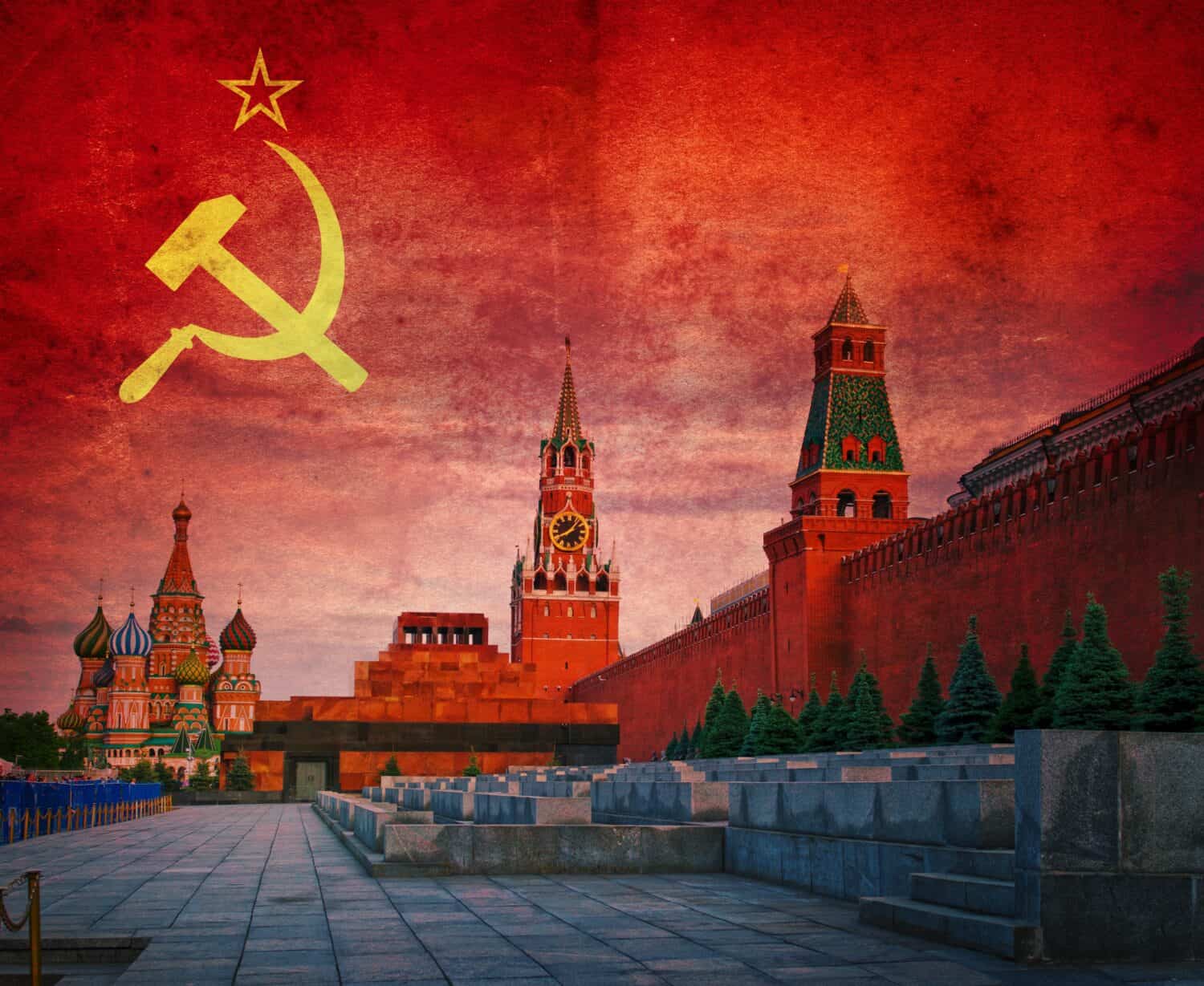
The Russian Revolution transformed a centuries-old empire into the world's first communist state. Years of war, economic hardship, political repression, and public dissatisfaction weakened the authority of Tsar Nicholas II and created conditions for dramatic change. After the collapse of the monarchy, revolutionary factions competed for power until the Bolsheviks, led by Vladimir Lenin, seized control. The revolution ultimately led to the creation of the Soviet Union, a superpower that would shape international politics throughout much of the twentieth century. Its influence extended far beyond Russia, inspiring communist movements across Europe, Asia, Latin America, and Africa. The ideological struggle between communism and capitalism became one of the defining forces of modern history, culminating in the Cold War. Few revolutions had consequences that reached as deeply into global affairs.
Chinese Communist Revolution
- Location: China
- Years: 1927–1949
- The Spark: Civil war and political struggle between nationalists and communists.
- Lasting Legacy: Established the People's Republic of China and altered global power dynamics.
The Chinese Communist Revolution reshaped the future of the world's most populous nation and significantly altered the global balance of power. After decades of political instability, foreign intervention, and civil war, communist forces led by Mao Zedong defeated the Nationalist government and established the People's Republic of China in 1949. The victory marked the culmination of a long revolutionary struggle that sought to unify the country and eliminate competing centers of authority. The new government implemented sweeping political, economic, and social reforms that transformed Chinese society. Internationally, the revolution changed the strategic landscape of the Cold War by bringing a vast nation under communist rule. The effects of the revolution continue to shape global politics, economics, and international relations in the twenty-first century.
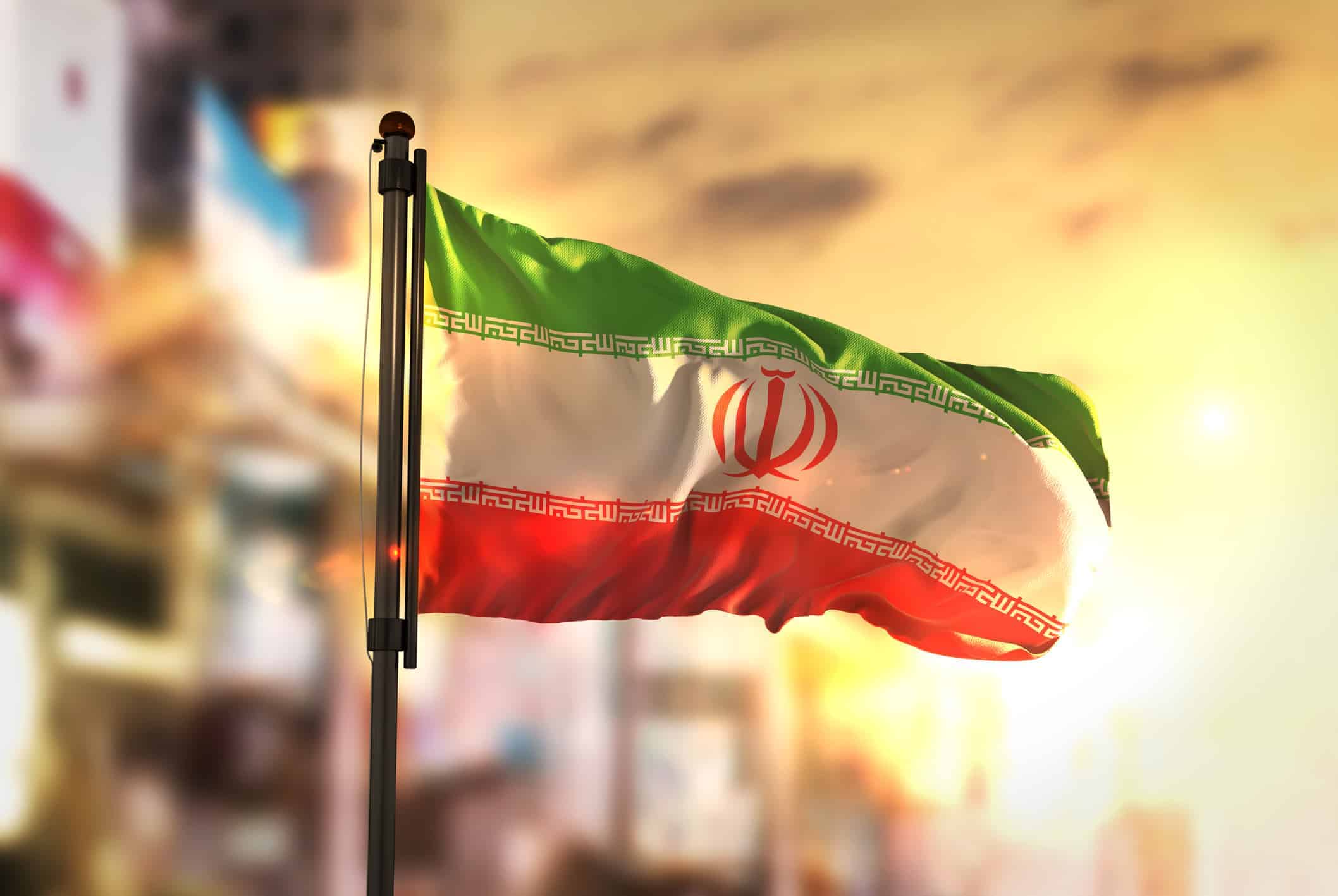
Iranian Revolution
- Location: Iran
- Years: 1978–1979
- The Spark: Opposition to the Shah and demands for political and religious change.
- Lasting Legacy: Created the Islamic Republic and reshaped Middle Eastern politics.
The Iranian Revolution fundamentally transformed both Iran and the broader Middle East. Widespread dissatisfaction with the rule of Shah Mohammad Reza Pahlavi, combined with political repression, economic grievances, and religious opposition, fueled a mass movement that ultimately overthrew the monarchy. The revolution led to the establishment of the Islamic Republic under the leadership of Ruhollah Khomeini. Unlike many twentieth-century revolutions, which were driven primarily by secular ideologies, the Iranian Revolution demonstrated the political power of religious movements on a national scale. Its success influenced political developments across the Middle East and contributed to new tensions between Iran and Western powers. Decades later, the revolution's effects continue to shape regional politics, international diplomacy, and debates about the relationship between religion and government.
Cuban Revolution
- Location: Cuba
- Years: 1953–1959
- The Spark: Opposition to the Batista regime and social inequality.
- Lasting Legacy: Brought communism to the Western Hemisphere and intensified the Cold War.
The Cuban Revolution transformed a Caribbean island nation into one of the most important flashpoints of the Cold War. Led by Fidel Castro, revolutionary forces overthrew the government of Fulgencio Batista and established a new political system that would eventually align closely with the Soviet Union. The revolution's significance extended far beyond Cuba's borders. It demonstrated that a communist movement could successfully seize power in the Western Hemisphere and survive despite intense pressure from the United States. The revolution contributed directly to the Cuban Missile Crisis, one of the most dangerous confrontations of the nuclear age, and inspired revolutionary movements throughout Latin America and beyond. More than six decades later, the Cuban Revolution remains one of the defining events of twentieth-century history because of its lasting influence on international politics and ideological conflict.
The image featured at the top of this post is ©Fotokvadrat/Shutterstock.com