



Ancient Documents That Changed What We Know About History
Many of history's most important ancient documents survived only because of extraordinary circumstances. Some were hidden in desert caves, others buried beneath ruined cities, sealed inside tombs, or preserved by volcanic eruptions. In many cases, the discoveries happened by accident, sometimes a shepherd searching for livestock, farmers digging fields, or even archaeologists investigating seemingly ordinary sites. These documents remained silent for centuries before suddenly transforming our understanding of the ancient world. Here History Computer is taking a closer look at these ancient documents.
Here is a look at the most important ancient documents ever found:
Dead Sea Scrolls
- Civilization / Origin: Judea
- Approximate Date: 3rd Century BC–1st Century AD
- Discovery Story: Discovered in caves near Qumran beginning in 1947 by Bedouin shepherds.
- Why It Changed History: Provided the oldest known biblical manuscripts and transformed understanding of Second Temple Judaism and early Christianity.
The discovery of the Dead Sea Scrolls ranks among the most important archaeological finds of the twentieth century. Beginning in 1947, Bedouin shepherds searching caves near Qumran stumbled upon ancient jars containing manuscripts that had remained hidden for nearly two thousand years. Scholars eventually identified hundreds of scrolls and fragments, including some of the oldest known copies of books from the Hebrew Bible. The collection offered an unprecedented glimpse into Jewish religious life during the Second Temple period and revealed a remarkable diversity of beliefs and practices. For historians and biblical scholars, the scrolls became a bridge between the ancient world and later religious traditions. Their preservation transformed debates about the transmission of sacred texts and provided invaluable evidence for understanding the origins of Judaism and the environment in which Christianity emerged.
Rosetta Stone
- Civilization / Origin: Ptolemaic Egypt
- Approximate Date: 196 BC
- Discovery Story: Found by French soldiers near Rosetta in Egypt in 1799.
- Why It Changed History: Enabled scholars to decipher Egyptian hieroglyphics and unlock thousands of years of Egyptian history.
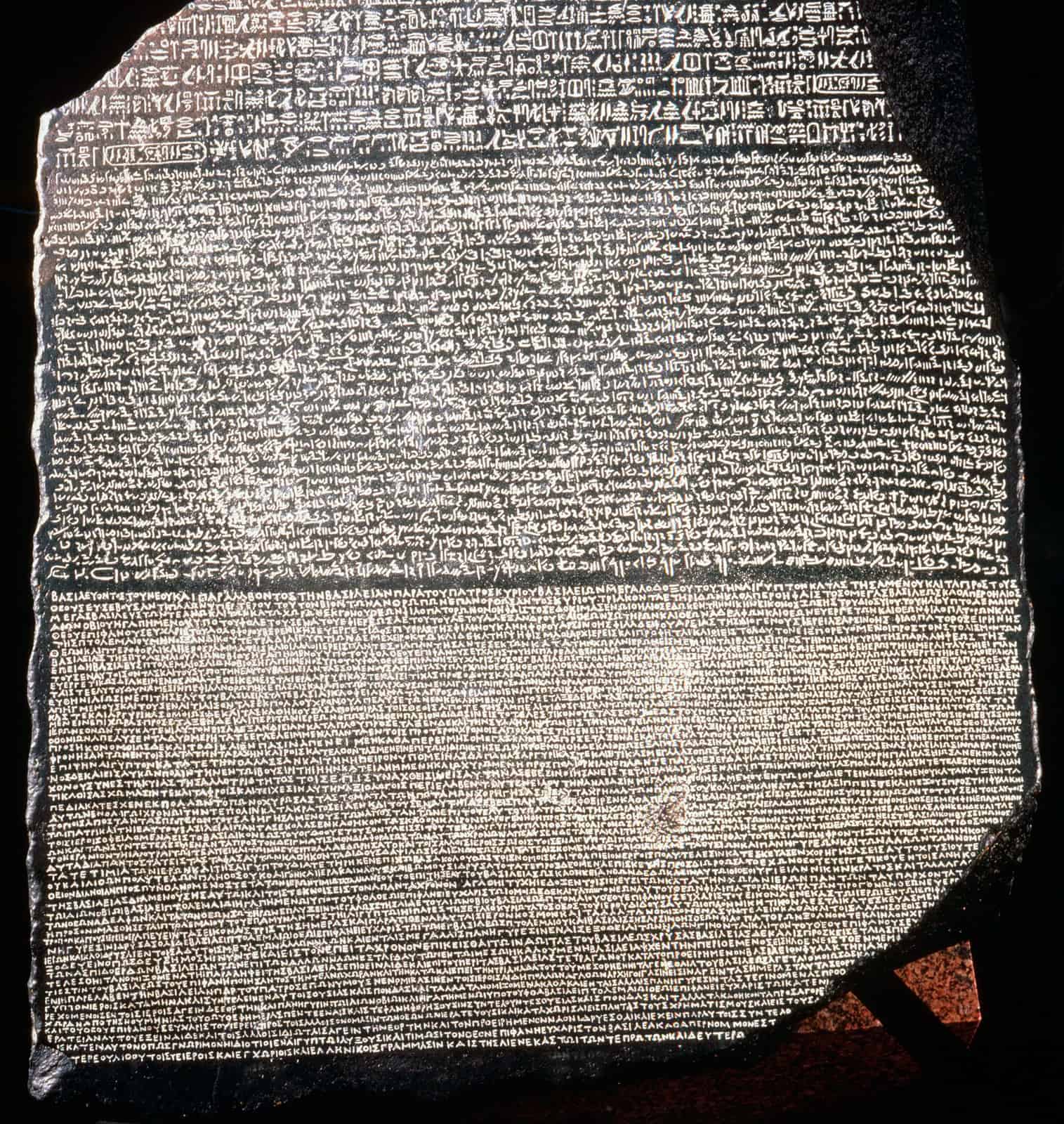
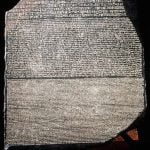
Few discoveries have done more to unlock a lost civilization than the Rosetta Stone. Found by French soldiers in Egypt in 1799, the stone contains the same decree written in Greek, Demotic, and Egyptian hieroglyphics. For centuries, hieroglyphics had remained an undeciphered mystery, leaving much of ancient Egypt's history inaccessible. The breakthrough came when scholars, most famously Jean-François Champollion, used the Greek text to decipher the ancient script. Suddenly, temples, tombs, monuments, and inscriptions across Egypt could be read again. What had once been silent stone became a historical record spanning thousands of years. The Rosetta Stone did not merely reveal a single text—it opened an entire civilization to modern scholarship, allowing historians to reconstruct Egyptian politics, religion, culture, and daily life with unprecedented accuracy.
Code of Hammurabi
- Civilization / Origin: Babylon
- Approximate Date: c. 1754 BC
- Discovery Story: Unearthed in 1901 at Susa in modern-day Iran.
- Why It Changed History: Provided one of the world's earliest and most complete legal codes, reshaping understanding of ancient law.
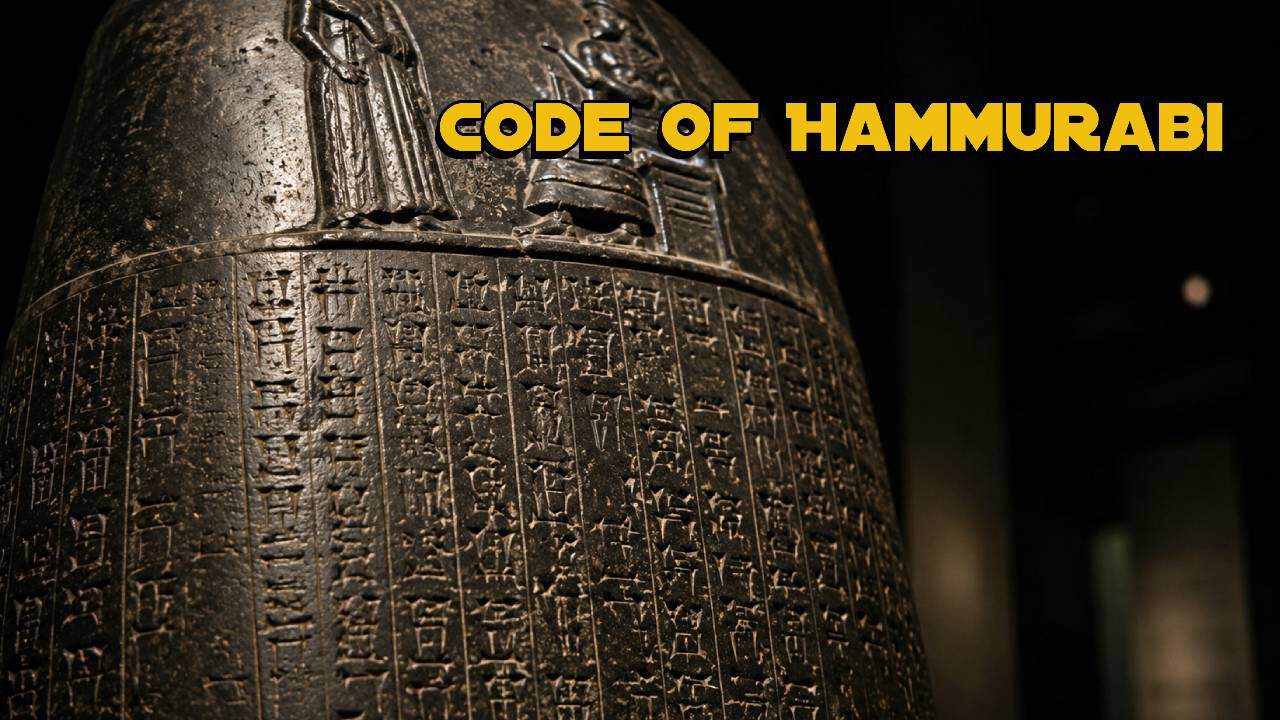
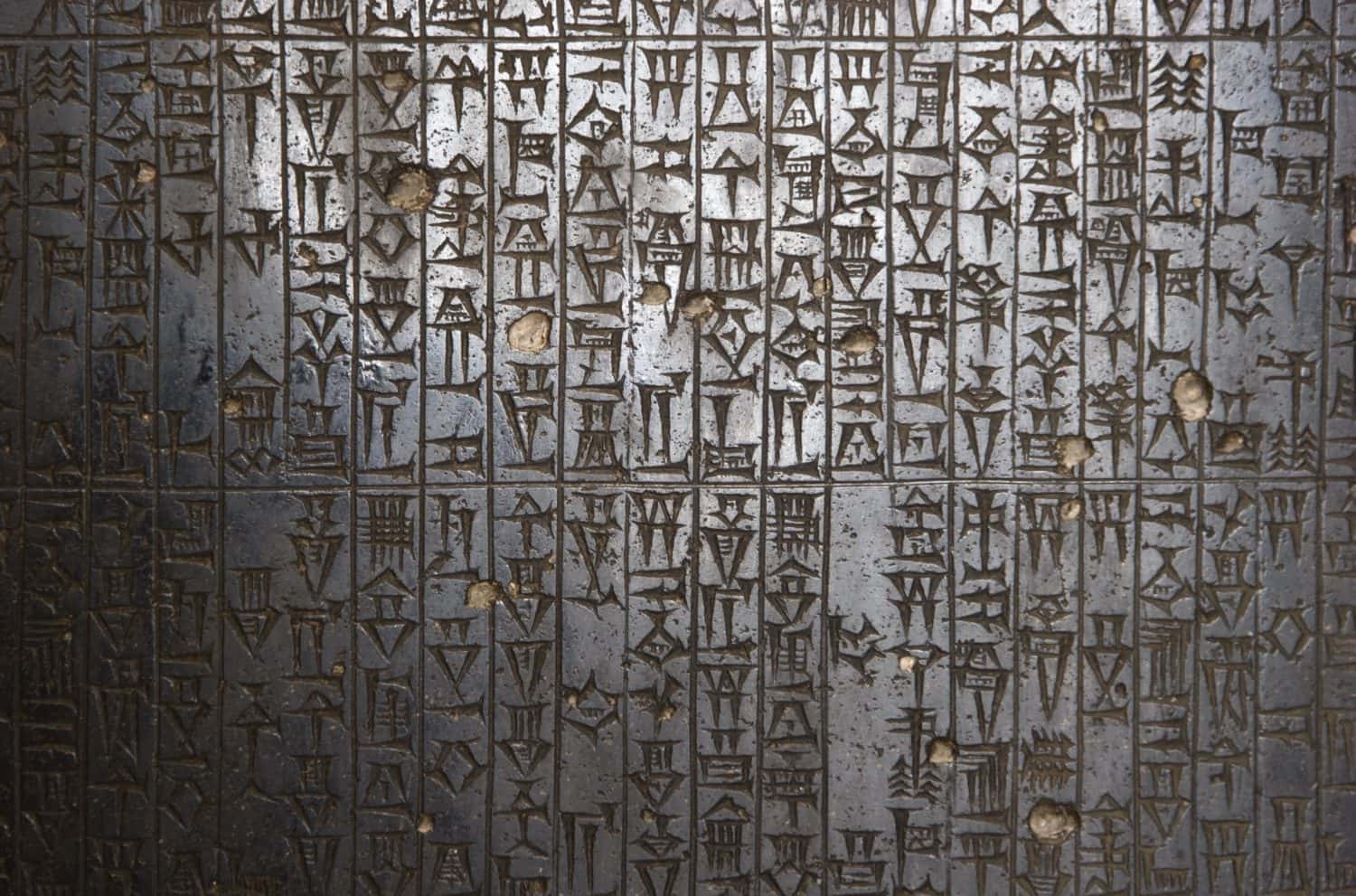
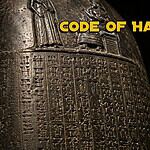
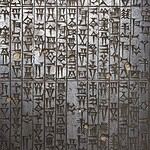
The Code of Hammurabi stands as one of humanity's earliest surviving legal texts and remains a landmark in the history of government and justice. Created under the Babylonian king Hammurabi around 1754 BC, the code was rediscovered in 1901 during excavations at Susa. Carved into a large stone stele, it contains hundreds of laws governing everything from property rights and commerce to marriage and criminal punishment. Its discovery revealed that complex legal systems existed far earlier than many historians had believed. While some laws appear harsh by modern standards, the code demonstrates an effort to establish consistent rules and governmental authority across a large kingdom. It also provides rare insight into social hierarchy, economics, and daily life in ancient Mesopotamia. Few documents offer a clearer window into the foundations of organized civilization.
Nag Hammadi Library
- Civilization / Origin: Early Christian Egypt
- Approximate Date: 3rd–4th Century AD
- Discovery Story: Discovered by local farmers near Nag Hammadi, Egypt, in 1945.
- Why It Changed History: Revealed lost early Christian texts and transformed scholarship on Christian origins.
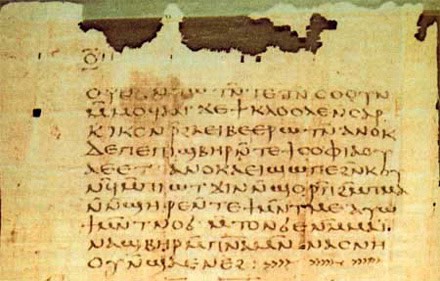
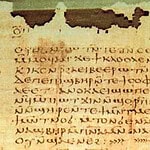
The discovery of the Nag Hammadi Library in Egypt during 1945 fundamentally altered the study of early Christianity. Unearthed by local farmers near the town of Nag Hammadi, the collection consisted of dozens of ancient texts hidden in sealed jars for more than 1,500 years. Among them were writings associated with Gnostic Christianity, a movement that largely disappeared after the early centuries of the Church. Before this discovery, scholars knew many of these ideas only through criticisms written by their opponents. The library provided direct access to alternative interpretations of Christian theology, spirituality, and scripture. It revealed a far more diverse religious landscape than previously understood and challenged assumptions about how Christian doctrine developed. Today, the Nag Hammadi texts remain essential sources for understanding the complexity of religious thought in the ancient Mediterranean world.
Epic of Gilgamesh Tablets
- Civilization / Origin: Mesopotamia
- Approximate Date: c. 2100–1200 BC
- Discovery Story: Recovered from sites including Nineveh during nineteenth-century excavations.
- Why It Changed History: Preserved humanity's oldest surviving epic and illuminated Mesopotamian culture and beliefs.
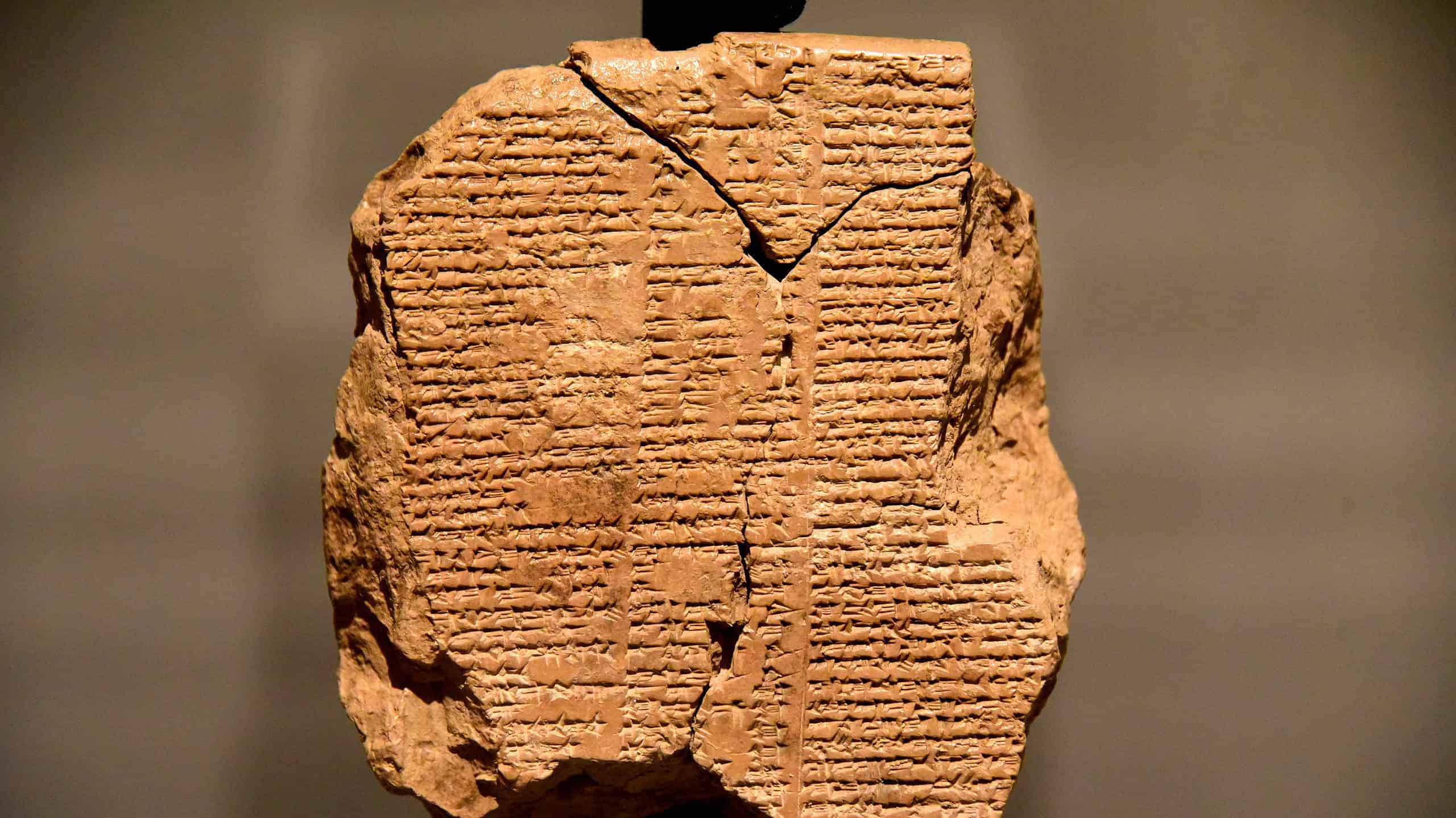
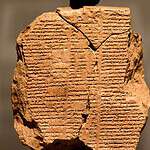
The tablets containing the Epic of Gilgamesh preserve one of the oldest surviving literary works in human history. Recovered from Mesopotamian sites such as Nineveh during nineteenth-century excavations, the text tells the story of King Gilgamesh and his search for meaning, friendship, and immortality. Beyond its literary significance, the epic transformed modern understanding of ancient Mesopotamian civilization. It revealed sophisticated storytelling traditions that predated many later classics by centuries. Scholars were particularly fascinated by flood narratives and themes that resembled stories found in later religious texts. The tablets demonstrated that ancient cultures grappled with universal questions about mortality, purpose, and human achievement. More than a historical artifact, the Epic of Gilgamesh showed that some of humanity's deepest concerns have remained remarkably consistent across thousands of years.
Behistun Inscription
- Civilization / Origin: Achaemenid Persia
- Approximate Date: c. 520 BC
- Discovery Story: Documented on a cliff face in western Iran and deciphered during the nineteenth century.
- Why It Changed History: Served as the key to deciphering cuneiform scripts, much like the Rosetta Stone did for hieroglyphics.
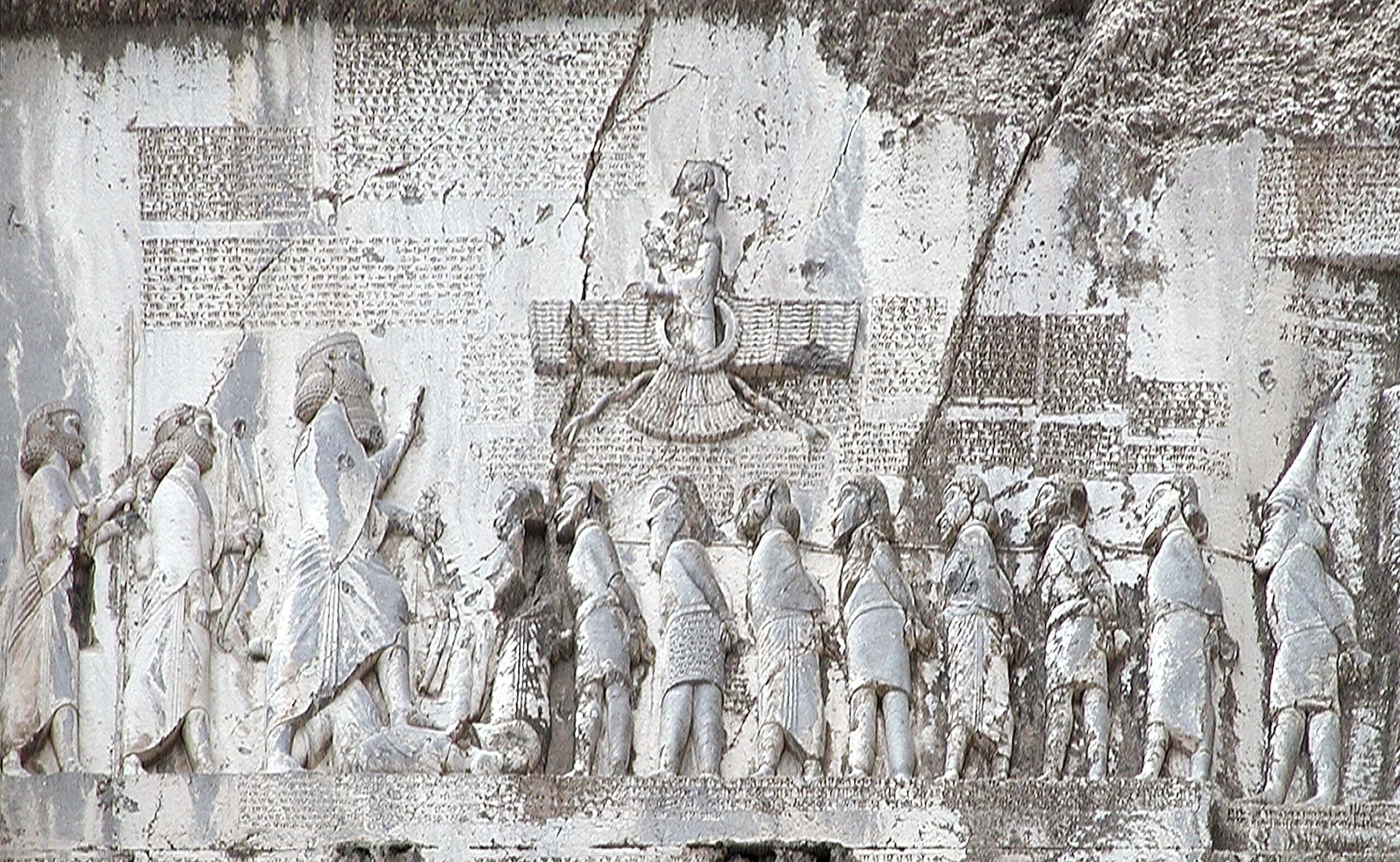
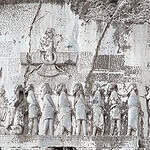
Often called the "Rosetta Stone of cuneiform," the Behistun Inscription proved critical to deciphering several ancient Near Eastern languages. Carved high on a cliff in present-day Iran during the reign of Darius the Great, the inscription contains the same text written in three different languages. During the nineteenth century, scholars painstakingly copied and analyzed the inscription, eventually unlocking the secrets of cuneiform writing. This breakthrough opened vast archives of Mesopotamian, Babylonian, and Assyrian records that had remained unread for centuries. Entire kingdoms once known only through biblical references or Greek accounts suddenly possessed their own voices. The inscription transformed the study of the ancient Near East and allowed historians to reconstruct political, military, and cultural developments from original sources rather than relying solely on later interpretations.
Cyrus Cylinder
- Civilization / Origin: Persian Empire
- Approximate Date: c. 539 BC
- Discovery Story: Discovered in Babylon in 1879 by Hormuzd Rassam.
- Why It Changed History: Provided insight into Persian imperial policy and is often associated with early concepts of religious tolerance.
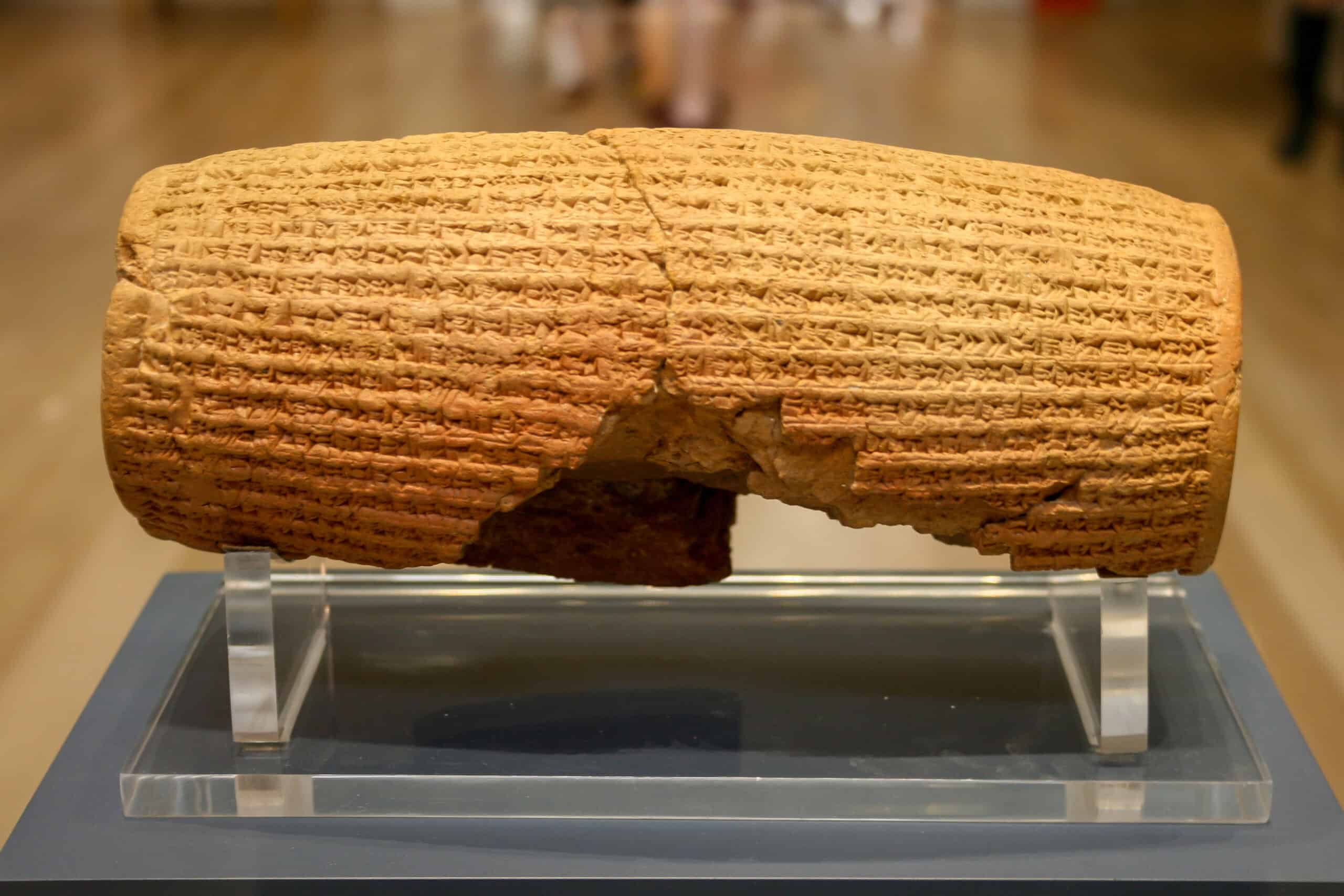
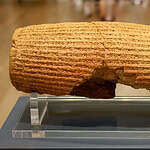
Discovered in Babylon in 1879, the Cyrus Cylinder is among the most famous documents associated with the Persian Empire. Created after Cyrus the Great conquered Babylon in 539 BC, the text records his policies toward the city's population and religious traditions. Historians value the cylinder because it offers a rare example of an ancient ruler presenting his own vision of governance. It portrays Cyrus as a liberator who restored temples and allowed displaced peoples to return home. Although modern interpretations sometimes exaggerate its role as a declaration of human rights, the document remains a vital source for understanding Persian imperial policy. Its discovery helped scholars better understand one of history's largest empires and illuminated the strategies that allowed Persia to govern a remarkably diverse population.
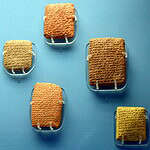
Ebla Tablets
- Civilization / Origin: Ancient Syria
- Approximate Date: c. 2500–2250 BC
- Discovery Story: Discovered at Tell Mardikh in Syria during the 1970s.
- Why It Changed History: Revealed a previously little-known Bronze Age civilization and expanded knowledge of early writing and administration.
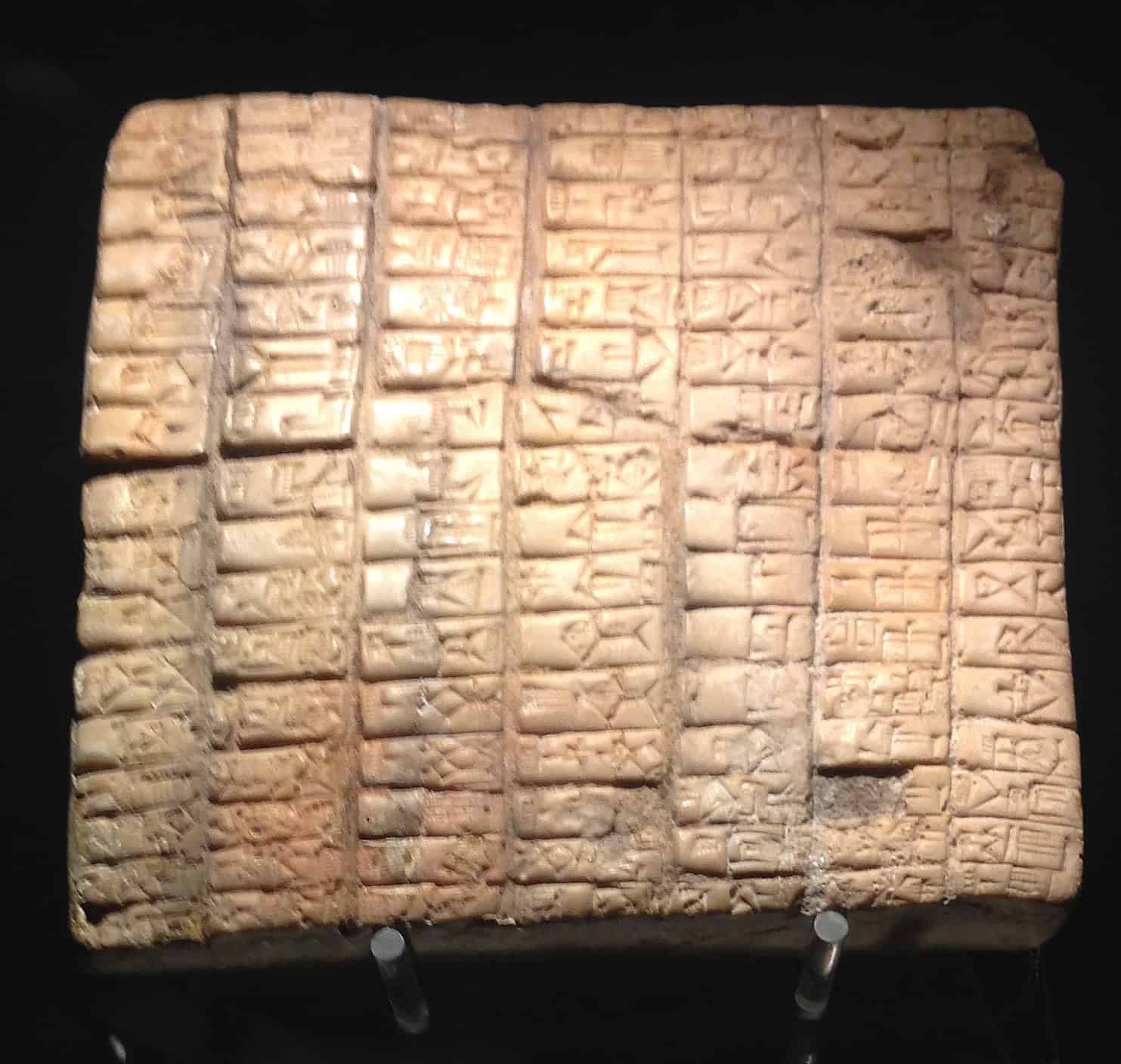
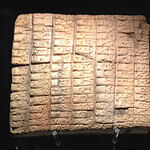
The discovery of the Ebla Tablets in Syria during the 1970s shocked historians by revealing a powerful Bronze Age civilization that had largely vanished from memory. Excavators uncovered thousands of clay tablets preserved within a royal archive dating to the third millennium BC. The documents recorded trade agreements, administrative records, diplomatic correspondence, and religious practices. Together, they demonstrated that highly organized governments and extensive international networks existed centuries before many scholars had assumed. The tablets expanded knowledge of ancient languages and provided valuable evidence for interactions among early Near Eastern societies. Perhaps most importantly, they proved that entire civilizations can disappear from historical awareness only to be rediscovered through archaeology. Ebla's archive transformed understanding of the political and economic complexity of the ancient world.
Amarna Letters
- Civilization / Origin: Egypt and Near East
- Approximate Date: c. 1360–1330 BC
- Discovery Story: Found at Amarna, Egypt, in the late nineteenth century.
- Why It Changed History: Exposed a sophisticated diplomatic network linking major Bronze Age powers.
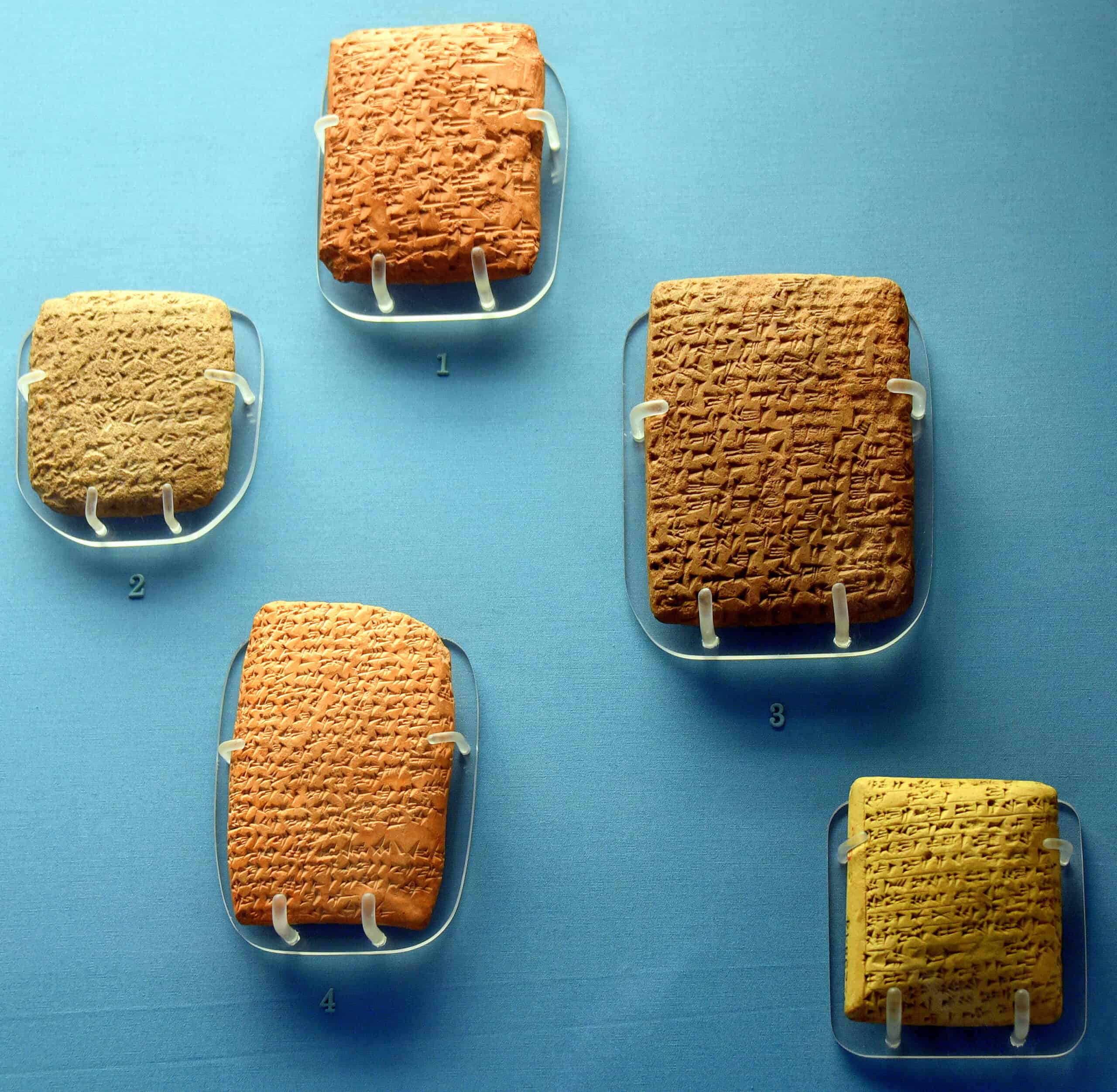
The Amarna Letters provide one of the most remarkable snapshots of international diplomacy in the ancient world. Discovered in Egypt during the nineteenth century, the collection consists of correspondence exchanged between Egyptian pharaohs and rulers throughout the Near East. Written primarily in Akkadian, the diplomatic language of the era, the letters reveal negotiations involving military alliances, trade, marriage arrangements, and political disputes. Rather than portraying ancient kingdoms as isolated entities, the documents show an interconnected system of great powers managing complex relationships. Historians gained unprecedented insight into how rulers communicated, negotiated, and competed more than three thousand years ago. The letters transformed understanding of Bronze Age geopolitics and demonstrated that many challenges associated with international relations have remarkably deep historical roots.
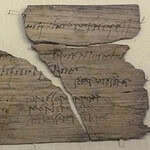
Vindolanda Tablets
- Civilization / Origin: Roman Britain
- Approximate Date: 1st–2nd Century AD
- Discovery Story: Recovered from the Roman fort of Vindolanda near Hadrian's Wall.
- Why It Changed History: Provided an unprecedented glimpse into everyday life on the Roman frontier.
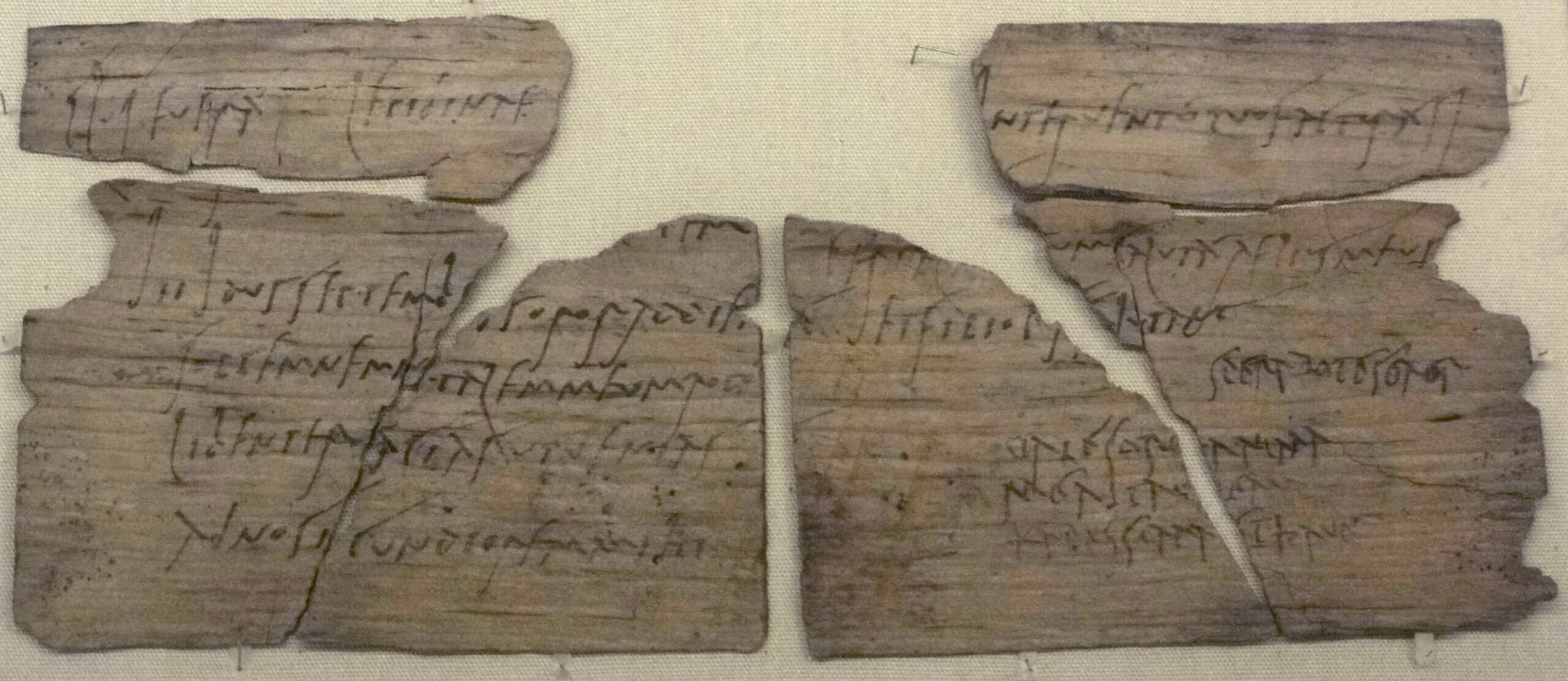
The Vindolanda Tablets revolutionized the understanding of daily life in the Roman Empire. Recovered from a fort near Hadrian's Wall in northern England, the thin wooden tablets survived because they were preserved in oxygen-poor soil. Unlike grand monuments or official inscriptions, these writings capture ordinary experiences. They include military reports, shopping lists, invitations, personal letters, and administrative records. One famous invitation to a birthday party represents one of the earliest known examples of female handwriting from Roman Britain. Collectively, the tablets transformed historians' understanding of frontier life by revealing the concerns, routines, and relationships of real people. They demonstrate that behind the military power of Rome stood individuals dealing with familiar challenges, making the ancient world feel strikingly human and accessible.
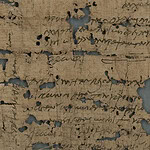
Oxyrhynchus Papyri
- Civilization / Origin: Roman Egypt
- Approximate Date: 1st–6th Century AD
- Discovery Story: Excavated from ancient rubbish dumps in Oxyrhynchus, Egypt.
- Why It Changed History: Preserved thousands of lost literary, religious, and administrative texts from the ancient world.
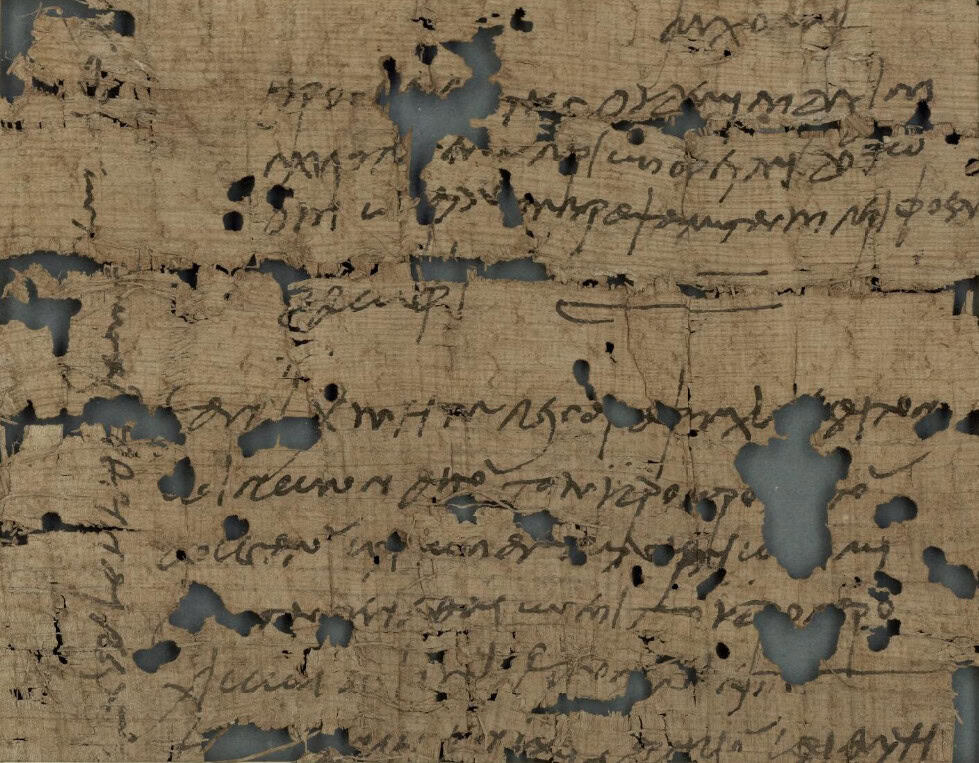
The Oxyrhynchus Papyri represent one of the largest and most important collections of ancient documents ever discovered. Excavated from ancient rubbish dumps in the Egyptian city of Oxyrhynchus beginning in the late nineteenth century, the collection contains hundreds of thousands of fragments preserved by the desert climate. These documents include lost works of literature, early Christian writings, government records, personal letters, tax receipts, and legal contracts. Together, they provide an extraordinarily detailed picture of life across several centuries of Greek and Roman rule. Scholars have recovered previously unknown texts by major classical authors and gained valuable insight into how ordinary people lived, worked, worshiped, and interacted with government institutions. Few discoveries have contributed more to understanding the everyday realities of the ancient Mediterranean world.
Herculaneum Papyri
- Civilization / Origin: Roman Italy
- Approximate Date: 1st Century AD
- Discovery Story: Preserved by the eruption of Mount Vesuvius in AD 79 and later excavated.
- Why It Changed History: Contains the only surviving library from the classical world and continues to yield new discoveries.
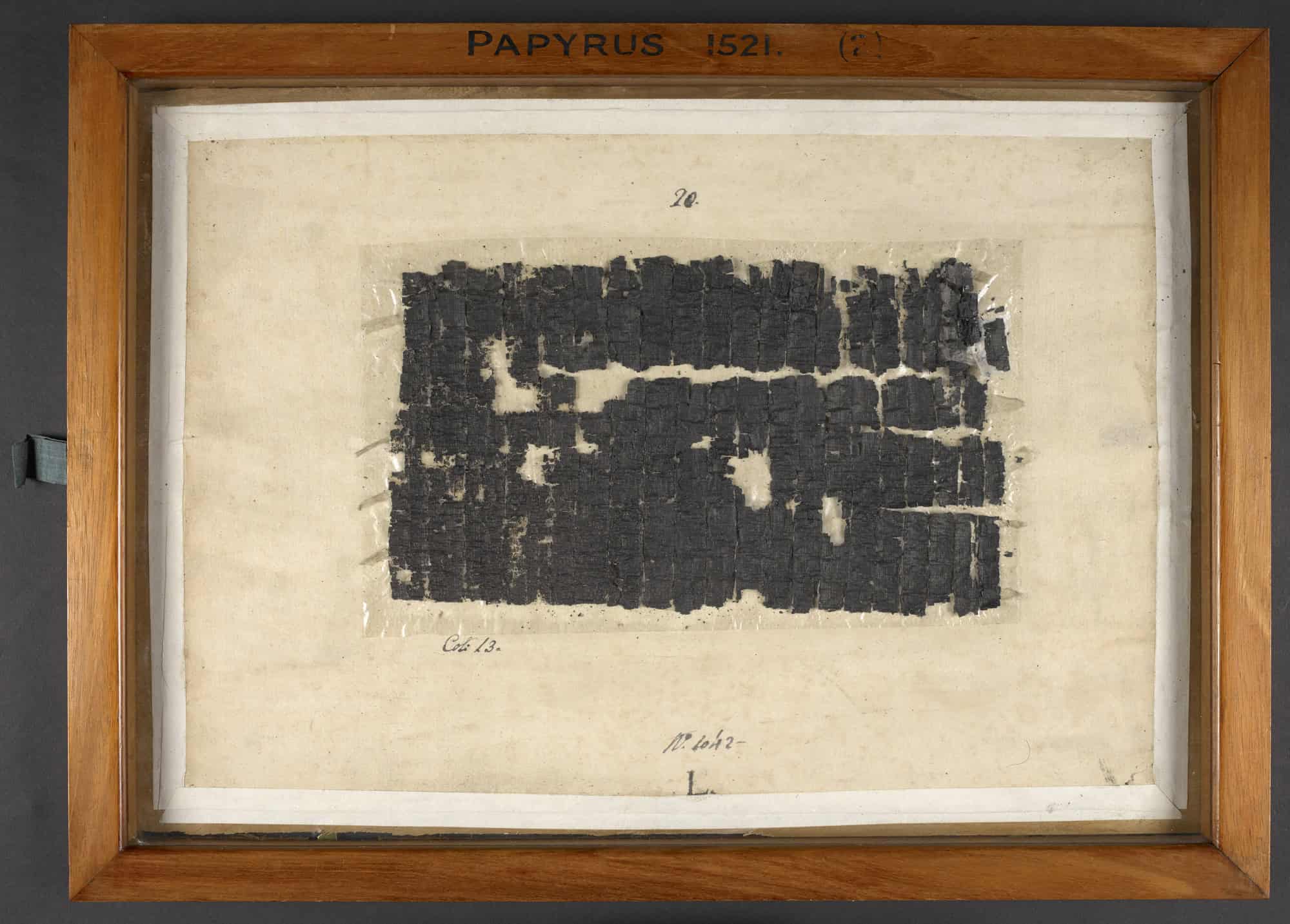
The Herculaneum Papyri are unique because they represent the only surviving library from the classical world ever discovered intact. Buried when Mount Vesuvius erupted in AD 79, the scrolls were carbonized rather than completely destroyed. For centuries, they appeared unreadable, their contents seemingly lost forever. Modern technology, however, has allowed researchers to begin recovering text without physically unrolling the fragile manuscripts. The collection contains philosophical works associated with the Epicurean school and may still hold countless undiscovered writings. Historians view the library as a rare time capsule from Roman intellectual life. Every new advancement in imaging technology offers the possibility of recovering works that have been hidden for nearly two thousand years, making the Herculaneum Papyri one of archaeology's most exciting ongoing discoveries.
Copper Scroll
- Civilization / Origin: Judean Desert
- Approximate Date: 1st Century AD
- Discovery Story: Found among the Dead Sea Scrolls in Cave 3 near Qumran.
- Why It Changed History: Unique for listing hidden treasures and offering insight into the turbulent final years of Second Temple Judaism.
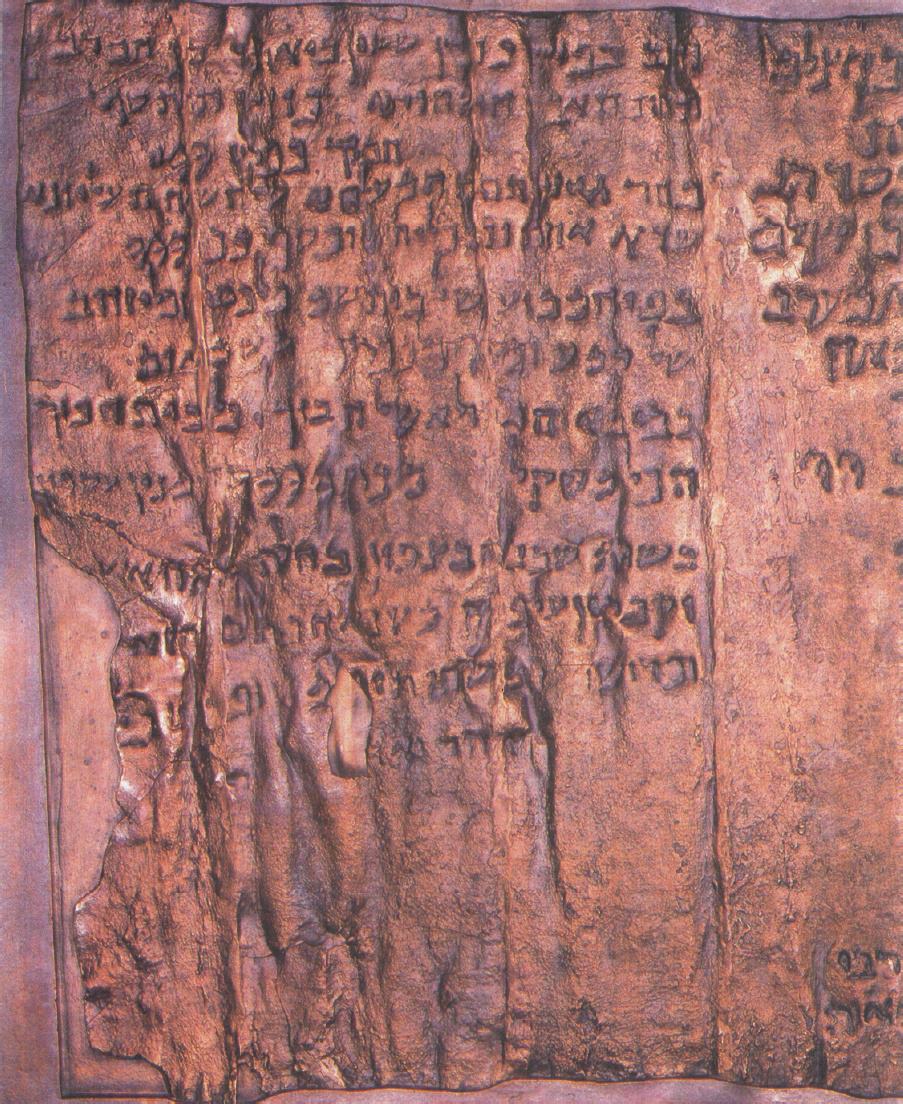
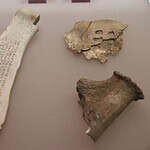
Among the Dead Sea Scrolls, the Copper Scroll stands apart as one of the most unusual ancient documents ever found. Unlike the other scrolls, which were written on parchment or papyrus, this text was engraved onto sheets of copper. Discovered in a cave near Qumran, it contains what appears to be a detailed list of hidden treasures buried throughout Judea. The document has fascinated historians, archaeologists, and treasure hunters for decades because no one knows whether the treasure it describes actually existed. Beyond its mystery, the scroll provides valuable insight into the political instability and religious tensions that characterized the final years of the Second Temple period. Its unique format and enigmatic contents continue to fuel debate, making it one of the most intriguing documents from the ancient world.
Merneptah Stele
- Civilization / Origin: Ancient Egypt
- Approximate Date: c. 1208 BC
- Discovery Story: Discovered at Thebes in 1896.
- Why It Changed History: Contains the earliest widely accepted reference to Israel outside the Bible.
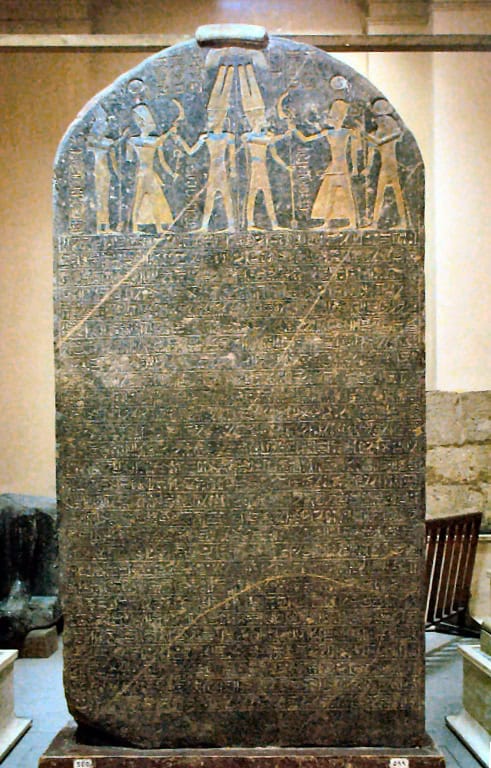
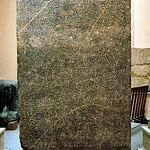
The Merneptah Stele is one of the most significant inscriptions ever discovered for the study of the ancient Near East. Erected by the Egyptian pharaoh Merneptah around 1208 BC, the monument celebrates military victories and political achievements. Its importance lies in a single reference to a people identified as "Israel," making it the earliest widely accepted mention of Israel outside biblical texts. For historians, this brief passage provides crucial evidence that a population bearing that name existed in the region during the late Bronze Age. The stele has become a cornerstone of debates surrounding the history of ancient Israel and the broader political landscape of the eastern Mediterranean. Few inscriptions have played such an important role in connecting archaeological evidence with historical traditions.
Shang Oracle Bones
- Civilization / Origin: Shang Dynasty China
- Approximate Date: c. 1250–1046 BC
- Discovery Story: Unearthed in northern China after being sold as traditional medicine ingredients.
- Why It Changed History: Provided the earliest known examples of Chinese writing and transformed understanding of ancient China.
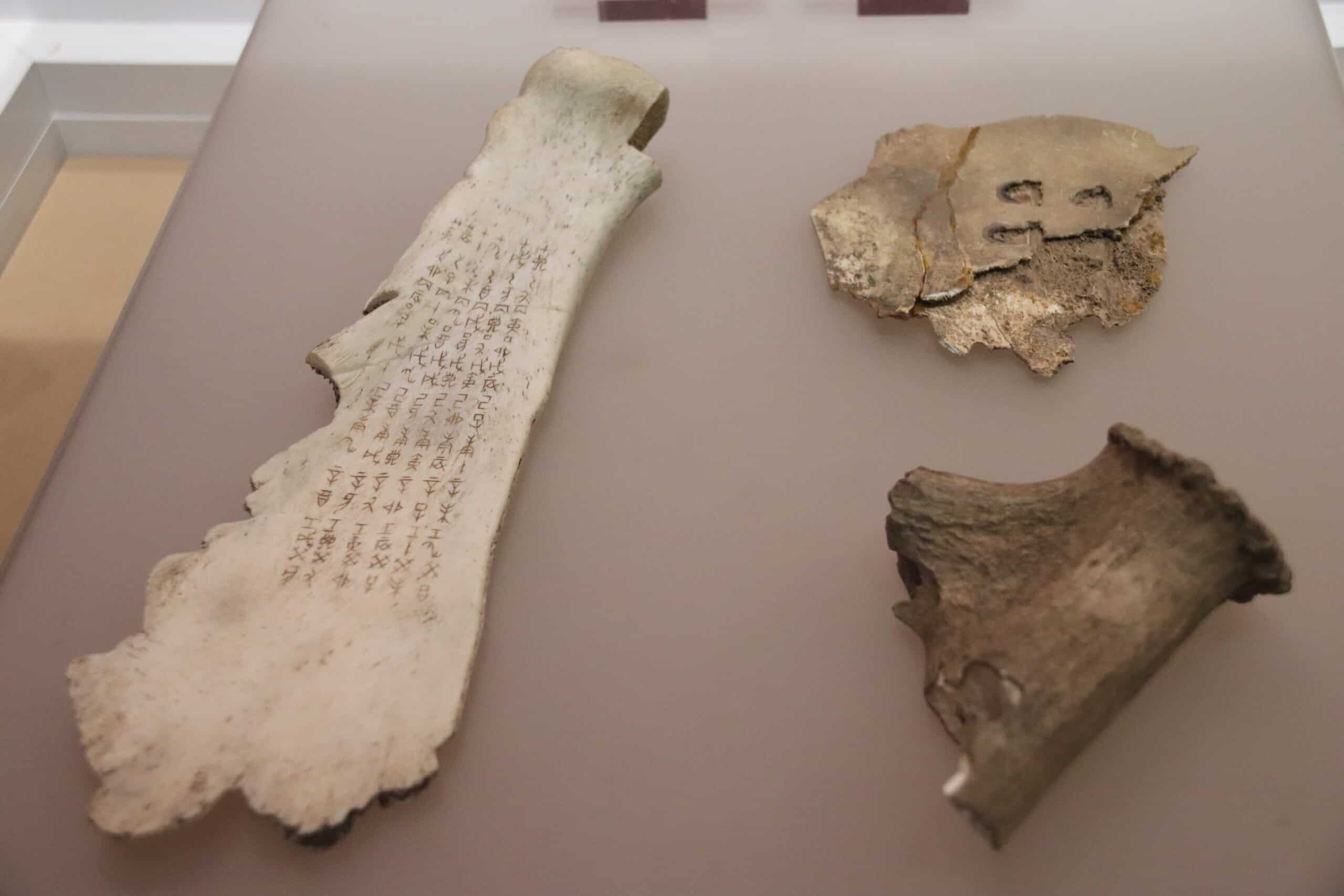
The Shang Oracle Bones transformed understanding of early Chinese civilization and pushed the documented history of China much further into the past. Initially sold as ingredients for traditional medicine, the bones attracted scholarly attention when researchers noticed ancient inscriptions carved into their surfaces. Archaeological investigations revealed that they had been used in divination rituals during the Shang Dynasty more than three thousand years ago. The inscriptions record questions posed to ancestors and deities concerning warfare, harvests, weather, and royal affairs. Most importantly, they preserve the earliest known examples of Chinese writing. Their discovery provided direct evidence of a sophisticated state with organized religious practices, political institutions, and written communication. The Oracle Bones remain one of the most important sources for understanding the origins of Chinese civilization.
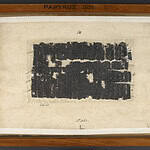
Derveni Papyrus
- Civilization / Origin: Ancient Greece
- Approximate Date: c. 340 BC
- Discovery Story: Recovered from a tomb near Thessaloniki, Greece, in 1962.
- Why It Changed History: Represents the oldest surviving European manuscript and offers insight into ancient Greek philosophy and religion.
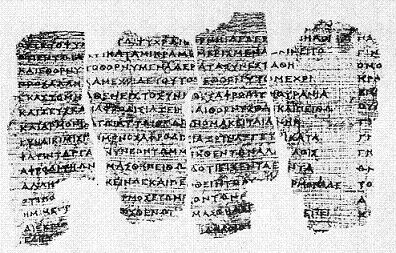
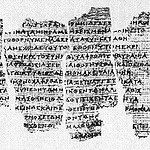
The Derveni Papyrus holds the distinction of being the oldest surviving manuscript discovered in Europe. Recovered from a tomb near Thessaloniki, Greece, in 1962, the papyrus survived because it was partially carbonized during an ancient funeral pyre. The text contains a philosophical commentary on an earlier religious poem and offers rare insight into the intellectual world of classical Greece. Historians value the document because it bridges mythology, religion, and philosophy during a formative period in Western thought. The manuscript demonstrates how ancient thinkers interpreted sacred traditions while attempting to explain the nature of the universe through reason and analysis. Its discovery enriched understanding of Greek intellectual history and provided a remarkably well-preserved example of philosophical inquiry from the ancient world.
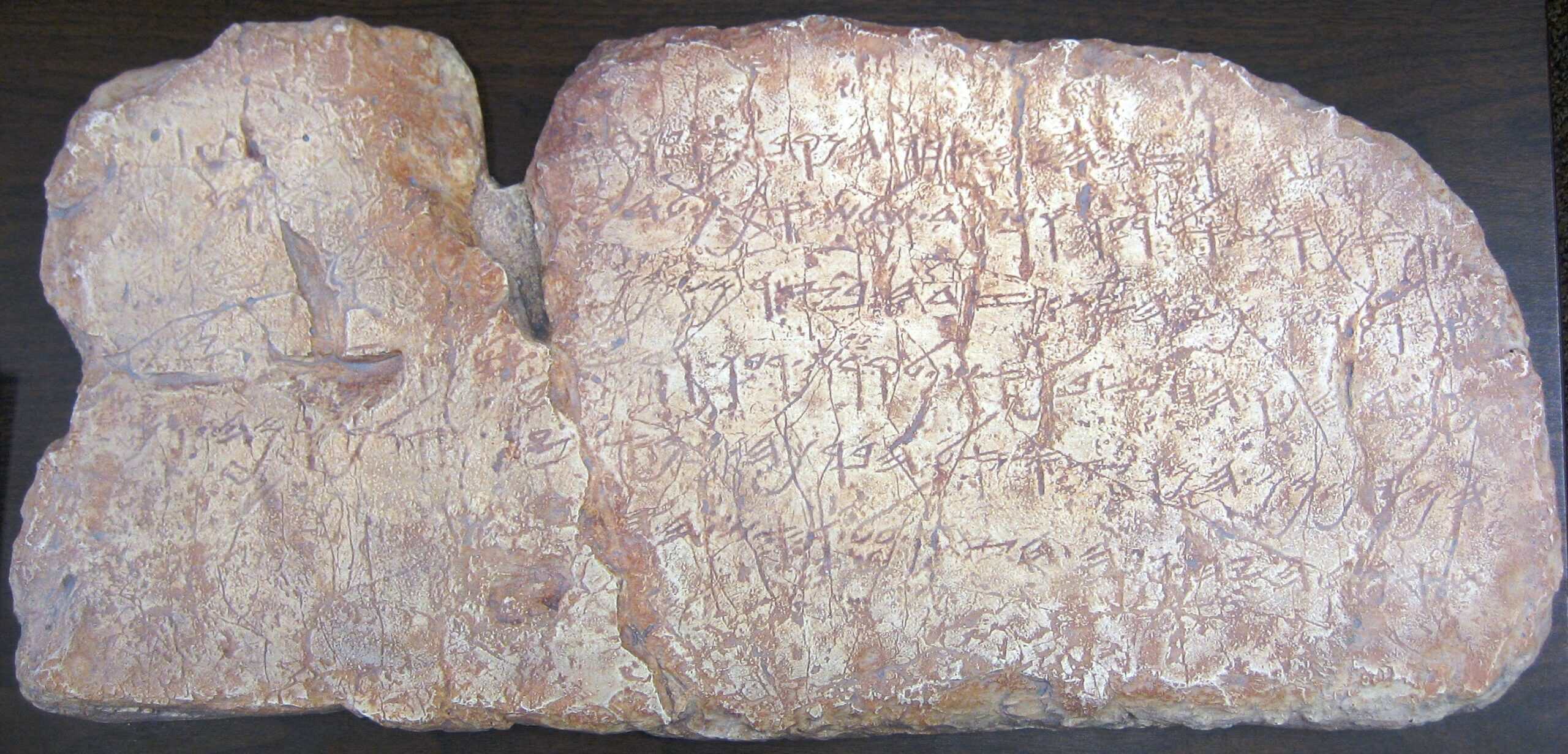
Siloam Inscription
- Civilization / Origin: Kingdom of Judah
- Approximate Date: c. 700 BC
- Discovery Story: Discovered inside Hezekiah's Tunnel in Jerusalem in 1880.
- Why It Changed History: Provides direct archaeological evidence for major engineering works described in biblical accounts.
The Siloam Inscription is one of the most important archaeological discoveries associated with ancient Jerusalem. Found inside Hezekiah's Tunnel in 1880, the inscription commemorates the completion of a major engineering project designed to secure the city's water supply. The text describes workers digging through solid rock from opposite directions until they finally met in the middle. Beyond its technical significance, the inscription provides rare firsthand evidence from the Kingdom of Judah during the eighth century BC. It also corresponds closely with events described in biblical accounts concerning preparations for an Assyrian invasion. For historians and archaeologists alike, the inscription offers a tangible connection between textual traditions and physical evidence, making it one of the most valuable documents from ancient Israel and Judah.
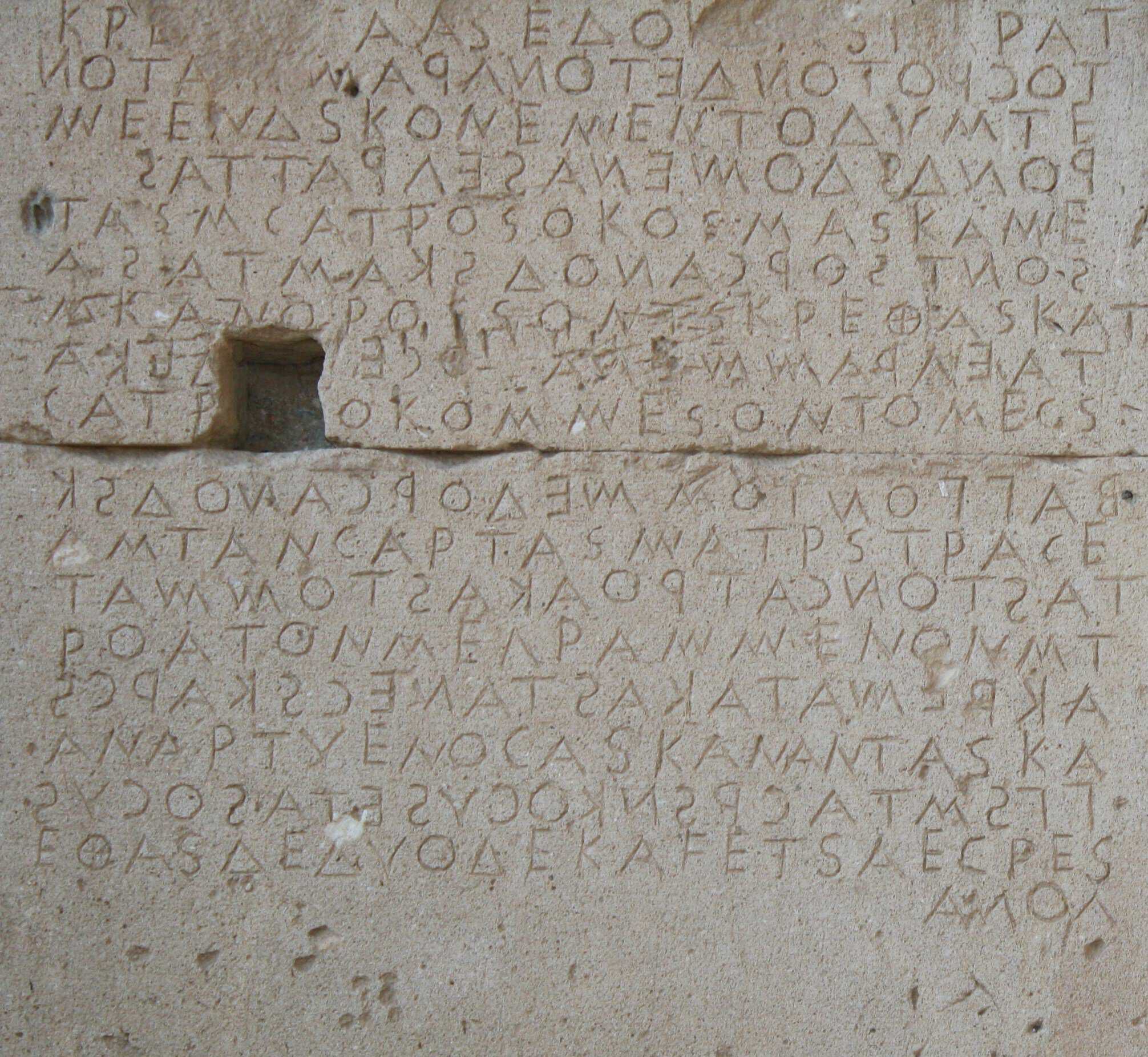
Gortyn Code
- Civilization / Origin: Ancient Crete
- Approximate Date: 5th Century BC
- Discovery Story: Found inscribed on a circular stone wall at Gortyn, Crete.
- Why It Changed History: Offers one of the most complete surviving legal codes from ancient Greece.
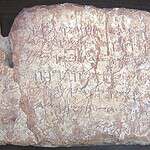
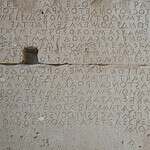
The Gortyn Code is among the most complete surviving legal texts from ancient Greece and offers a remarkable glimpse into how justice functioned in the classical world. Inscribed on a massive circular wall in Crete during the fifth century BC, the code addresses issues ranging from inheritance and property ownership to marriage, divorce, and citizenship. Unlike many ancient legal documents that survive only in fragments, the Gortyn Code provides a detailed and coherent legal framework. Historians have used it to compare Greek legal traditions with those of other civilizations and to better understand social relationships within Greek communities. Its preservation allows modern readers to see how laws were publicly displayed and applied, making it an invaluable source for the history of governance and civic life.
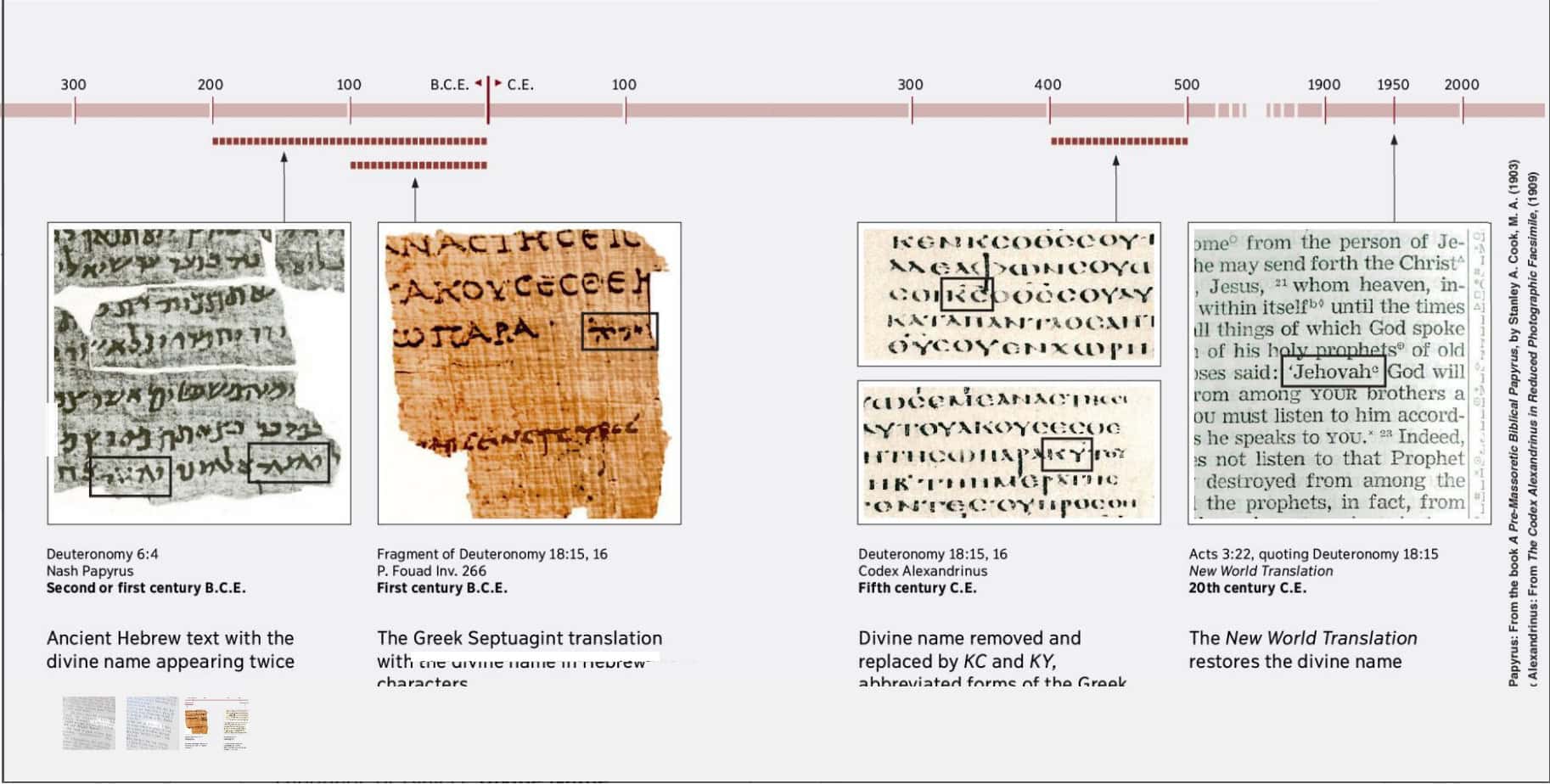
Septuagint Fragments
- Civilization / Origin: Hellenistic Judaism
- Approximate Date: 3rd–1st Century BC
- Discovery Story: Recovered from various sites across Egypt and the Mediterranean.
- Why It Changed History: Document the earliest translation of the Hebrew Bible into Greek, influencing Judaism and Christianity alike.
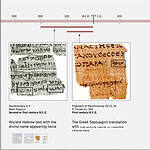
The Septuagint represents one of the most influential translation projects in human history. Produced when Jewish scholars translated Hebrew scriptures into Greek, the work helped spread Jewish religious ideas throughout the Hellenistic world. Surviving fragments discovered across Egypt and the Mediterranean have provided scholars with crucial evidence regarding the development and transmission of biblical texts. The translation became widely used among Greek-speaking Jewish communities and later played a foundational role in early Christianity. Many quotations of the Old Testament found in the New Testament reflect the wording of the Septuagint rather than the Hebrew text. As a result, these fragments offer invaluable insight into how sacred writings were interpreted, transmitted, and understood across different cultures during antiquity.
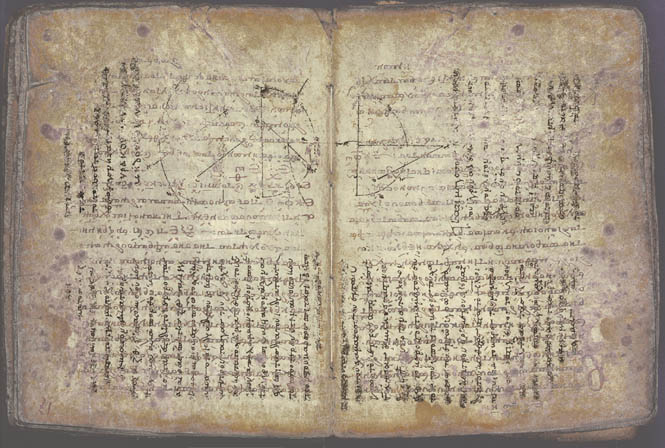
Archimedes Palimpsest
- Civilization / Origin: Byzantine Copy of Ancient Greek Works
- Approximate Date: Original texts 3rd Century BC
- Discovery Story: Identified within a medieval manuscript that had been overwritten and reused.
- Why It Changed History: Recovered lost works of Archimedes and revealed mathematical concepts centuries ahead of their time.
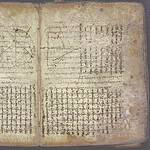
The Archimedes Palimpsest is one of the most extraordinary manuscript discoveries of the modern era. Originally containing works by the Greek mathematician Archimedes, the manuscript was later scraped clean and reused by a medieval scribe to create a prayer book. For centuries, the original text remained hidden beneath the newer writing. Advanced imaging technologies eventually revealed lost treatises that had been unknown to scholars for generations. These texts demonstrated that Archimedes had explored mathematical concepts far more sophisticated than previously understood, including ideas that anticipated aspects of calculus and modern geometry. The discovery dramatically expanded appreciation for ancient scientific achievement and highlighted how much knowledge can be lost—and recovered—through the careful study of surviving documents. It remains a powerful reminder of the fragility and resilience of human knowledge.