





15 Military Rifles That Gave Rebel Forces an Unfair Advantage in War
Some rifles didn’t just shape battles; they helped define entire revolutions. From widely distributed weapons like the AK-47 to older rifles repurposed in independence movements, these firearms show up again and again in conflicts that reshaped nations and borders.
What makes them stand out isn’t just their firepower. It’s how often they were used, who carried them, and the movements they came to represent. These rifles became tied to uprisings, resistance efforts, and moments that changed the course of history. Here, History Computer takes a closer look at the rifles that went far beyond the battlefield.
Understanding these weapons offers a clearer view of how tools of war can take on meaning well beyond their original purpose. Over time, they’ve come to symbolize struggle, identity, and change, showing up in media, historical narratives, and global imagery long after the conflicts ended.
To determine which military rifles became symbols of revolution and resistance, History Computer reviewed a range of historical and military sources. For each rifle, we included details like country of origin, era of prominence, associated conflict or movement, who used it, and why it became so closely tied to resistance movements.
Here is a look at the military rifles that became symbols of revolution and resistance:
When Weapons Become Symbols
Some rifles go beyond their role as tools of war and take on a much larger meaning. Over time, they become symbols of resistance, identity, and political struggle, representing the people who carried them and the causes they fought for. These weapons are often tied more closely to movements than to formal militaries, reflecting grassroots efforts and revolutionary ideals. Their significance is shaped by the context in which they were used, turning them into enduring icons of defiance and change. In many cases, their image becomes as important as their function, appearing in artwork, photography, and political messaging. This transformation ensures that their legacy continues long after the conflict itself has ended.
Revolution Is Often Fought with What’s Available
Many resistance movements are defined not by the weapons they choose, but by the weapons they can access. Rifles that are simple, durable, and easy to maintain often become the backbone of these efforts. Their widespread availability makes them practical tools for fighters operating with limited resources. Over time, this practicality becomes part of their identity, as the same rifles appear again and again across different conflicts, reinforcing their association with resistance movements. These weapons are valued not for sophistication, but for their ability to function reliably under harsh conditions. That reliability becomes a defining trait, shaping how they are viewed both by those who use them and those who study these conflicts.
From Battlefield Tool to Cultural Icon
As conflicts unfold, certain rifles begin to appear in photographs, propaganda, and media coverage, gradually transforming into cultural icons. These images help shape public perception, turning individual weapons into symbols recognized around the world. The rifle becomes more than a piece of equipment—it becomes a visual shorthand for the movement itself. This transition from battlefield tool to cultural symbol plays a key role in how these weapons are remembered. Over time, repeated exposure reinforces their association with specific struggles, embedding them into the collective memory. This visibility ensures that their symbolic power extends far beyond the original context in which they were used.
The Role of Global Distribution
The global spread of certain rifles, particularly during the Cold War, played a major role in their symbolic status. Superpowers often supplied weapons to allied movements, leading to the widespread use of specific platforms across multiple regions. This distribution created a level of standardization, making certain rifles instantly recognizable regardless of where they appeared. Over time, their presence in conflicts around the world reinforced their identity as universal symbols of resistance. The more frequently these rifles appeared, the stronger their association with revolution became. This global visibility helped cement their place not just in history, but in the broader narrative of resistance movements.
The Rifles That Defined Resistance Movements
The rifles on this list are remembered not just for their use in combat, but for what they came to represent. They are tied to revolutions, independence movements, and struggles against established power. Each one carries a story about the people who used it and the ideals they fought for. Together, they form a collection of weapons that have become enduring symbols of resistance, reflecting the broader history of conflict and change. Their continued recognition speaks to the lasting impact of those movements on global history. In many ways, these rifles serve as physical reminders of the struggles that shaped modern nations and identities.
AK-47
- Country of Origin: Soviet Union
- Type: Assault Rifle
- Era of Prominence: Cold War
- Associated Conflict or Movement: Global insurgencies
- Who Used It: Guerrillas, insurgents
- Why It Became a Symbol: Mass availability, reliability
- Cultural or Political Impact: Symbol on flags and movements
- Legacy in Modern Conflicts: Still widely used
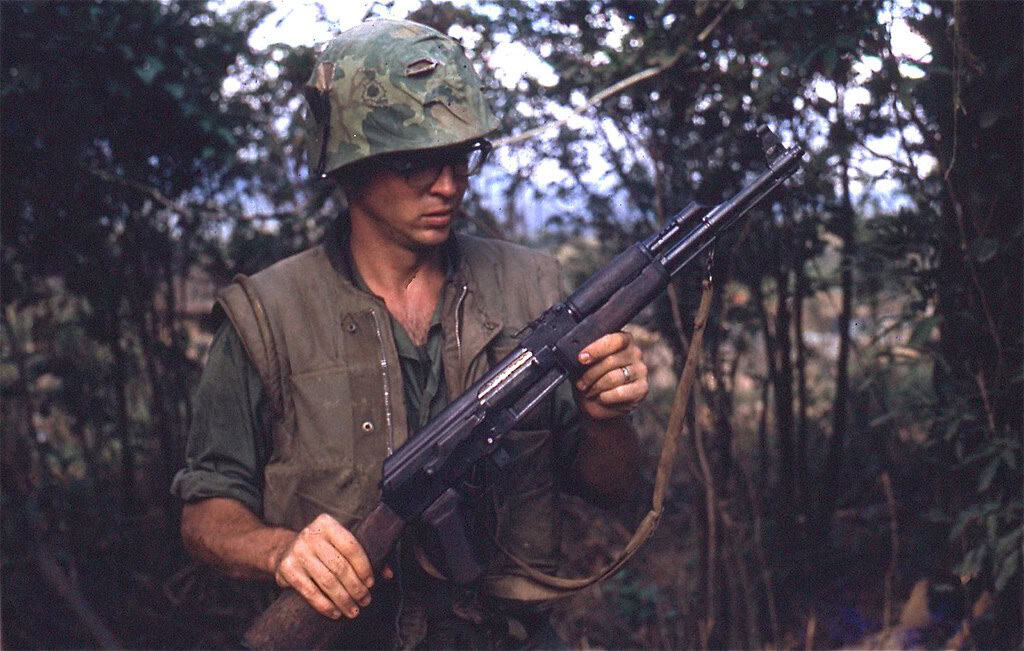
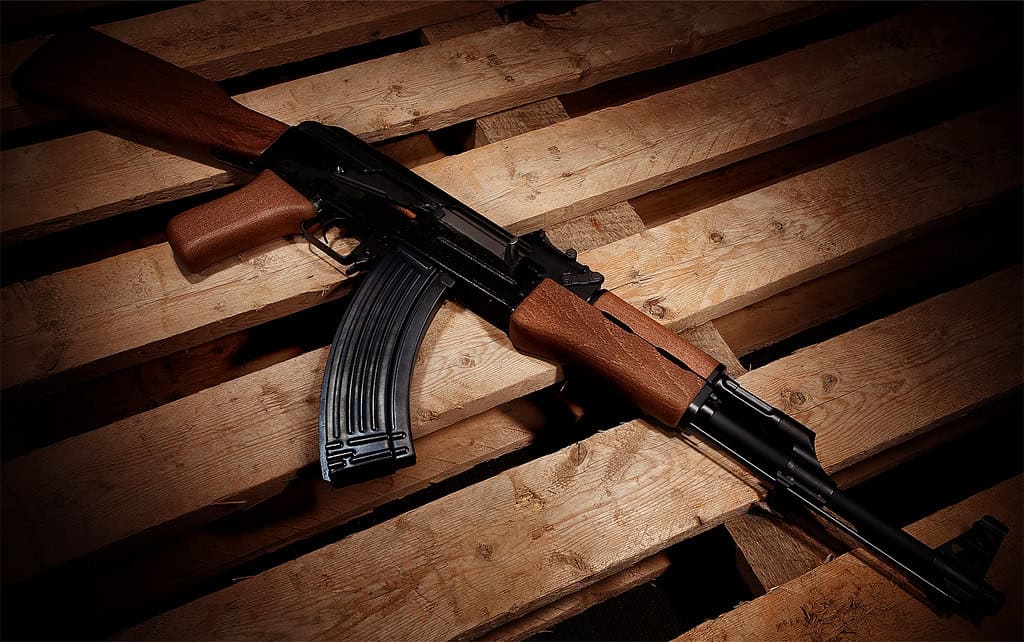
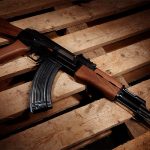
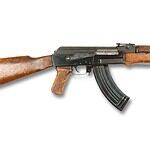
The AK-47 has become the most recognizable symbol of revolution in the modern era, largely due to its simplicity, durability, and global distribution during the Cold War. It armed countless insurgent groups, liberation movements, and militias across Africa, Asia, and the Middle East. Its presence on national flags and political imagery underscores its cultural impact. More than a weapon, it represents resistance against established powers, making it a defining icon of armed struggle worldwide.
AKM
- Country of Origin: Soviet Union
- Type: Assault Rifle
- Era of Prominence: Cold War
- Associated Conflict or Movement: Global insurgencies
- Who Used It: Guerrillas, insurgents
- Why It Became a Symbol: Cheaper mass production
- Cultural or Political Impact: Reinforced AK symbolism
- Legacy in Modern Conflicts: Still widely used
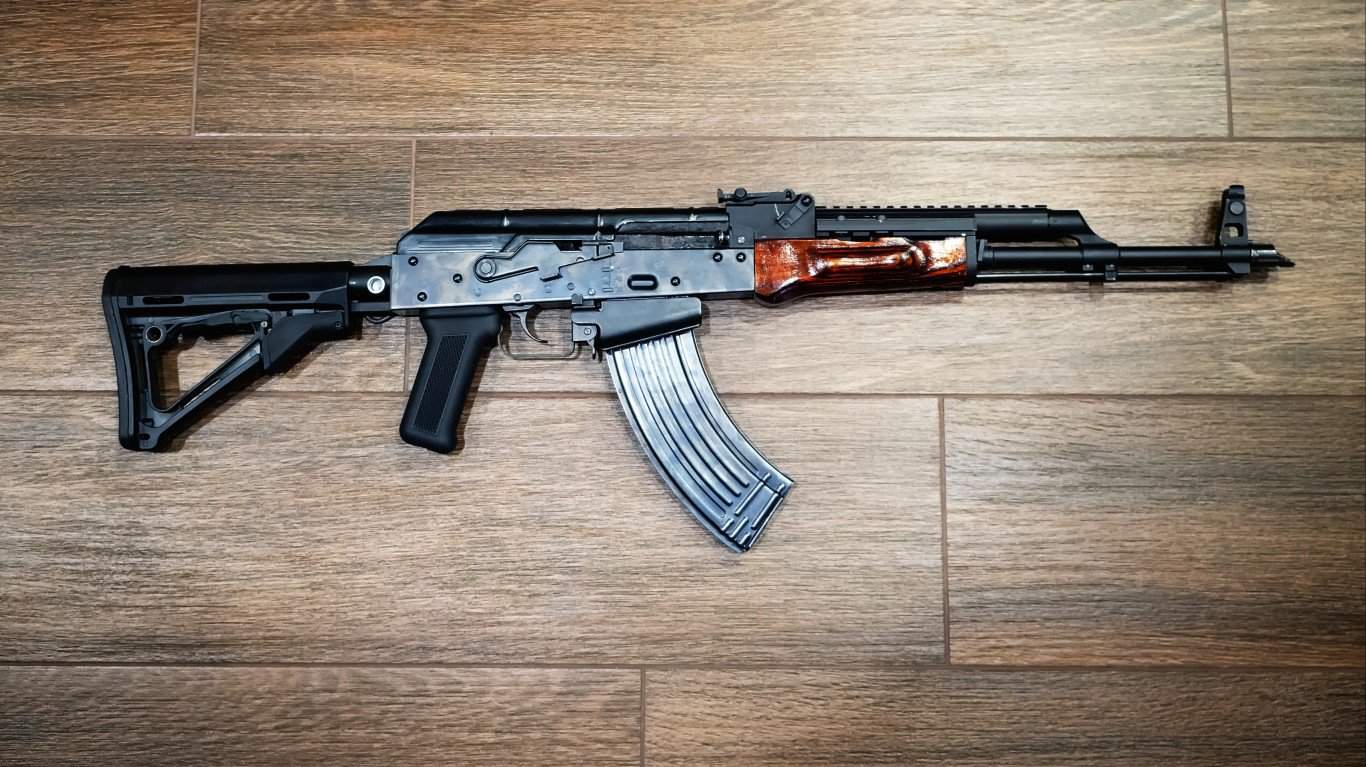
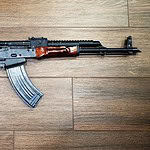
The AKM reinforced the symbolic power of the AK platform by making it even more accessible through cheaper mass production. Its widespread export by Soviet allies ensured it became a staple of revolutionary movements globally. The AKM’s role in arming insurgencies during the Cold War cemented its place as a visual and practical tool of resistance, extending the legacy of the original AK-47 into countless conflicts.
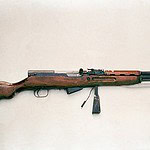
SKS
- Country of Origin: Soviet Union
- Type: Semi-auto Rifle
- Era of Prominence: Cold War
- Associated Conflict or Movement: Asian revolutions
- Who Used It: Guerrillas, militias
- Why It Became a Symbol: Affordable and simple
- Cultural or Political Impact: Common in propaganda
- Legacy in Modern Conflicts: Still appears
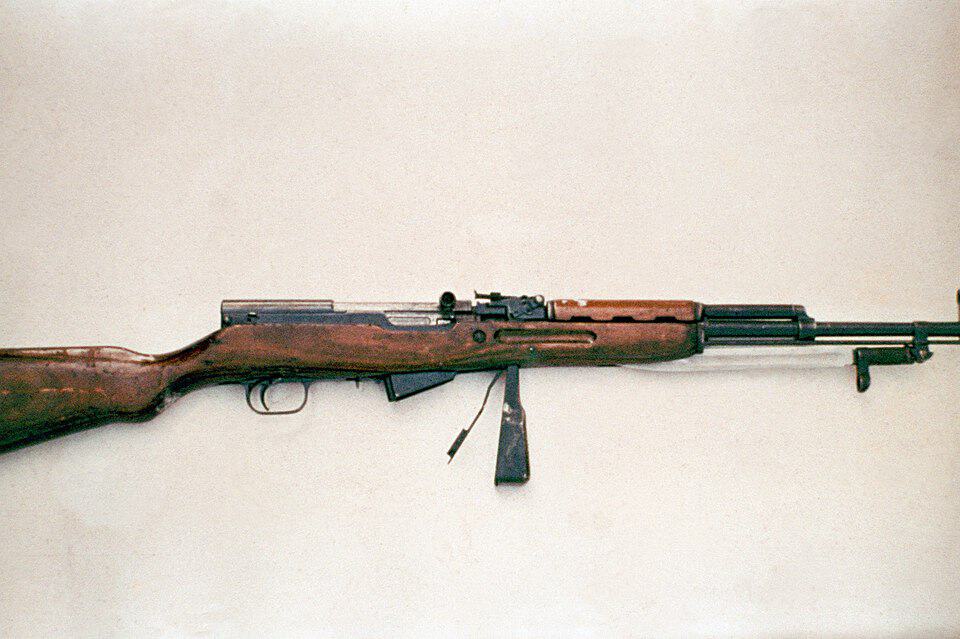
The SKS became a symbol of early Cold War revolutions due to its affordability and widespread distribution among allied movements. Though eventually overshadowed by the AK series, it played a critical role in arming guerrilla forces across Asia and beyond. Its simplicity and reliability made it a practical weapon for irregular fighters, and its presence in propaganda and historical imagery helped establish its place in the visual language of revolution.
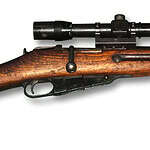
Mosin–Nagant
- Country of Origin: Russia
- Type: Bolt-action
- Era of Prominence: WWI–Cold War
- Associated Conflict or Movement: Russian Revolution
- Who Used It: Revolutionary forces
- Why It Became a Symbol: Mass issuance
- Cultural or Political Impact: Historic revolutionary symbol
- Legacy in Modern Conflicts: Limited modern use
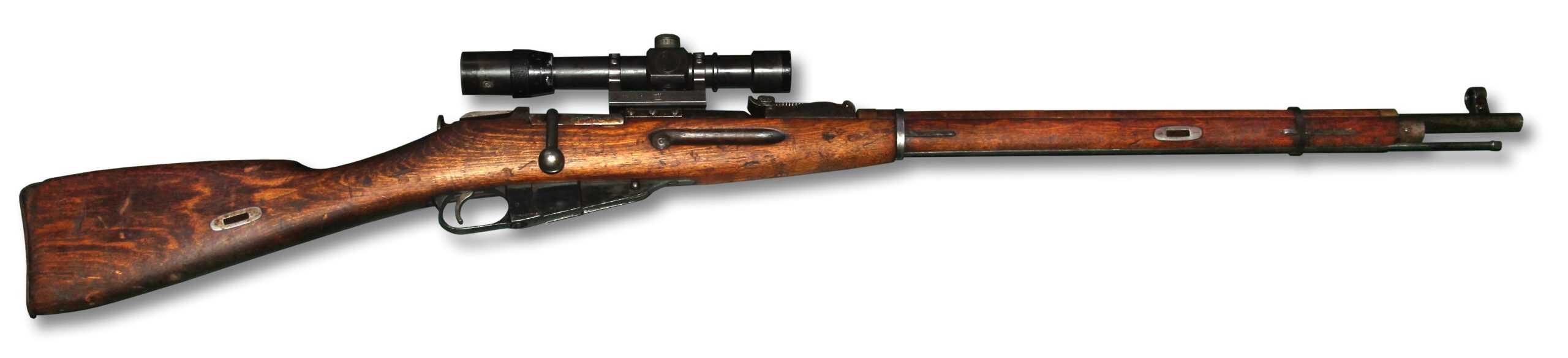
The Mosin–Nagant is closely tied to the Russian Revolution and subsequent conflicts that shaped the Soviet state. Its mass production allowed it to arm large numbers of revolutionary fighters, making it a tool of both state power and resistance. Over time, it became associated with resilience and endurance, reflecting the harsh conditions in which it was used. Its continued presence in conflicts long after its introduction adds to its legacy.
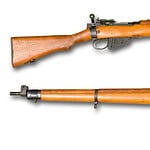
Lee–Enfield
- Country of Origin: United Kingdom
- Type: Bolt-action
- Era of Prominence: WWI–Post-Colonial
- Associated Conflict or Movement: Colonial resistance
- Who Used It: Insurgents, militias
- Why It Became a Symbol: Widely captured
- Cultural or Political Impact: Symbol of colonial struggle
- Legacy in Modern Conflicts: Still seen
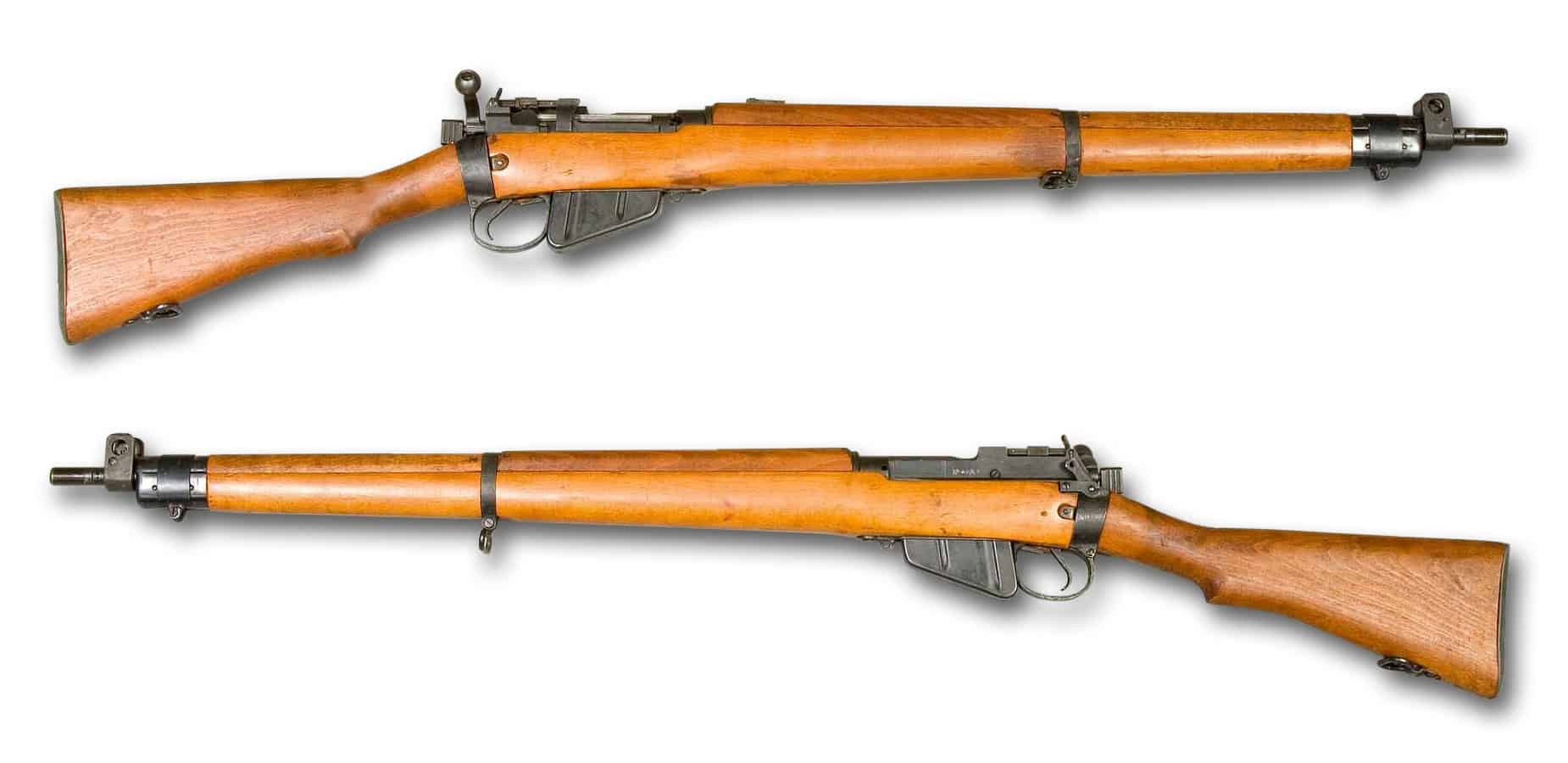
The Lee–Enfield gained symbolic significance in post-colonial resistance movements, particularly in regions once under British control. As these rifles were often captured or left behind, they became tools for insurgent forces fighting against colonial rule. Their association with both empire and resistance creates a unique dual legacy, making them powerful symbols of the transition from colonial dominance to independence.
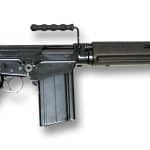
FN FAL
- Country of Origin: Belgium
- Type: Battle Rifle
- Era of Prominence: Cold War
- Associated Conflict or Movement: African conflicts
- Who Used It: Armies, rebels
- Why It Became a Symbol: Global spread
- Cultural or Political Impact: Seen in decolonization
- Legacy in Modern Conflicts: Still present
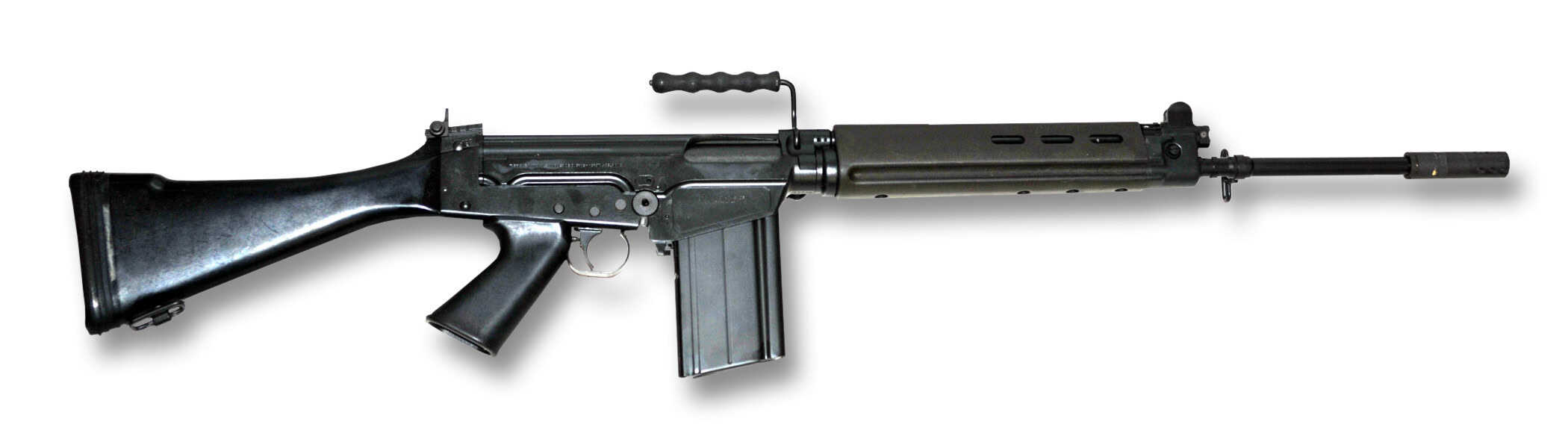
The FN FAL earned the nickname “The Right Arm of the Free World,” reflecting its widespread adoption by Western-aligned nations during the Cold War. However, its presence in numerous conflicts, including those tied to decolonization, gave it a broader symbolic role. It represents both state power and resistance, depending on the context, highlighting the complex nature of modern conflicts and alliances.
G3
- Country of Origin: Germany
- Type: Battle Rifle
- Era of Prominence: Cold War
- Associated Conflict or Movement: Middle East conflicts
- Who Used It: Militias, armies
- Why It Became a Symbol: Licensed production
- Cultural or Political Impact: Regional symbol
- Legacy in Modern Conflicts: Still used
The Heckler & Koch G3 became a symbol of resistance in regions where it was widely produced under license and used by both state and non-state actors. Its durability and reliability made it a practical choice for prolonged conflicts, particularly in the Middle East and parts of Africa. Over time, it became associated with regional struggles and insurgencies, reflecting its adaptability across different environments.
M16
- Country of Origin: USA
- Type: Assault Rifle
- Era of Prominence: Vietnam–Modern
- Associated Conflict or Movement: Vietnam War
- Who Used It: US and insurgents
- Why It Became a Symbol: Captured usage
- Cultural or Political Impact: Symbol of conflict
- Legacy in Modern Conflicts: Still in service
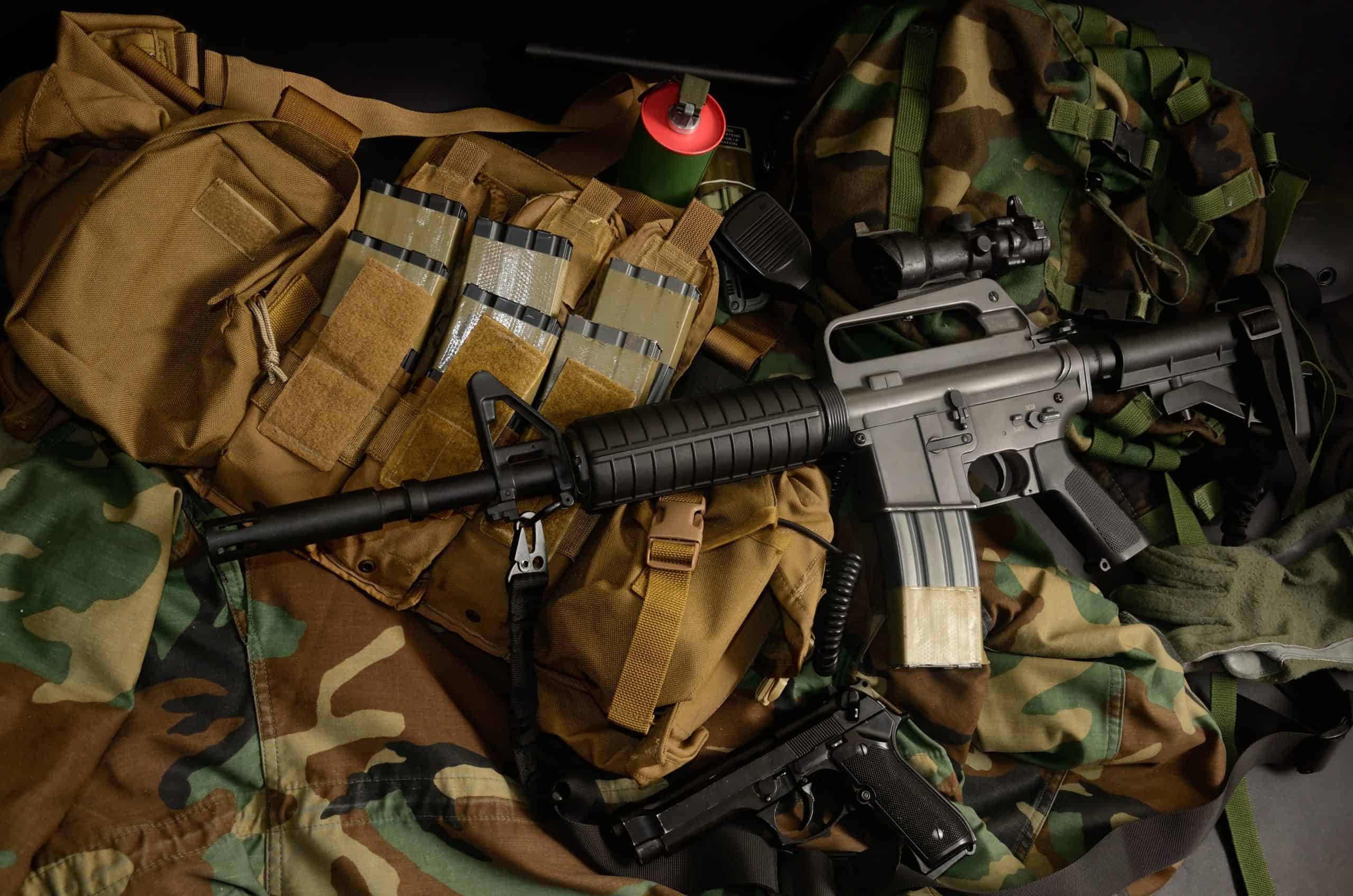
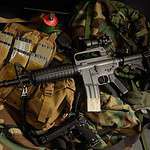
The M16 Rifle is often associated with American military power, but its symbolic role in resistance comes from its use by opposing forces during conflicts like the Vietnam War. Captured and repurposed, it became a symbol of turning an adversary’s strength against them. This dual identity adds to its historical significance, representing both conventional military power and unconventional resistance.
AR-15
- Country of Origin: USA
- Type: Semi-auto Rifle
- Era of Prominence: Modern
- Associated Conflict or Movement: Political movements
- Who Used It: Civilian groups
- Why It Became a Symbol: Accessibility
- Cultural or Political Impact: Modern political symbol
- Legacy in Modern Conflicts: Highly visible
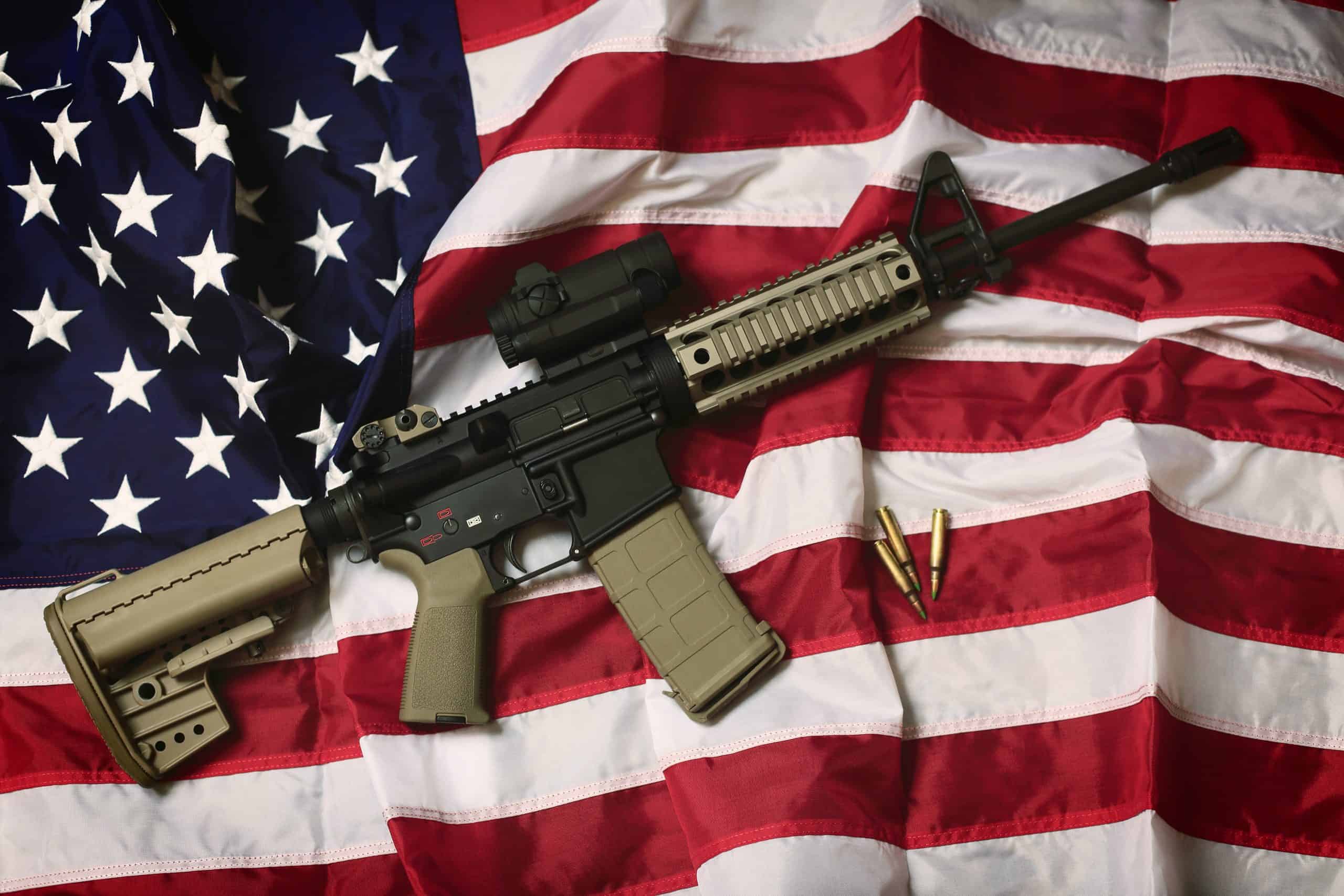
The AR-15 has evolved into a modern symbol within political and ideological movements, particularly in the United States. While not tied to traditional revolutionary warfare, it represents a contemporary form of resistance tied to identity, rights, and political expression. Its visibility in media and public discourse has elevated it beyond a firearm into a cultural and political symbol.
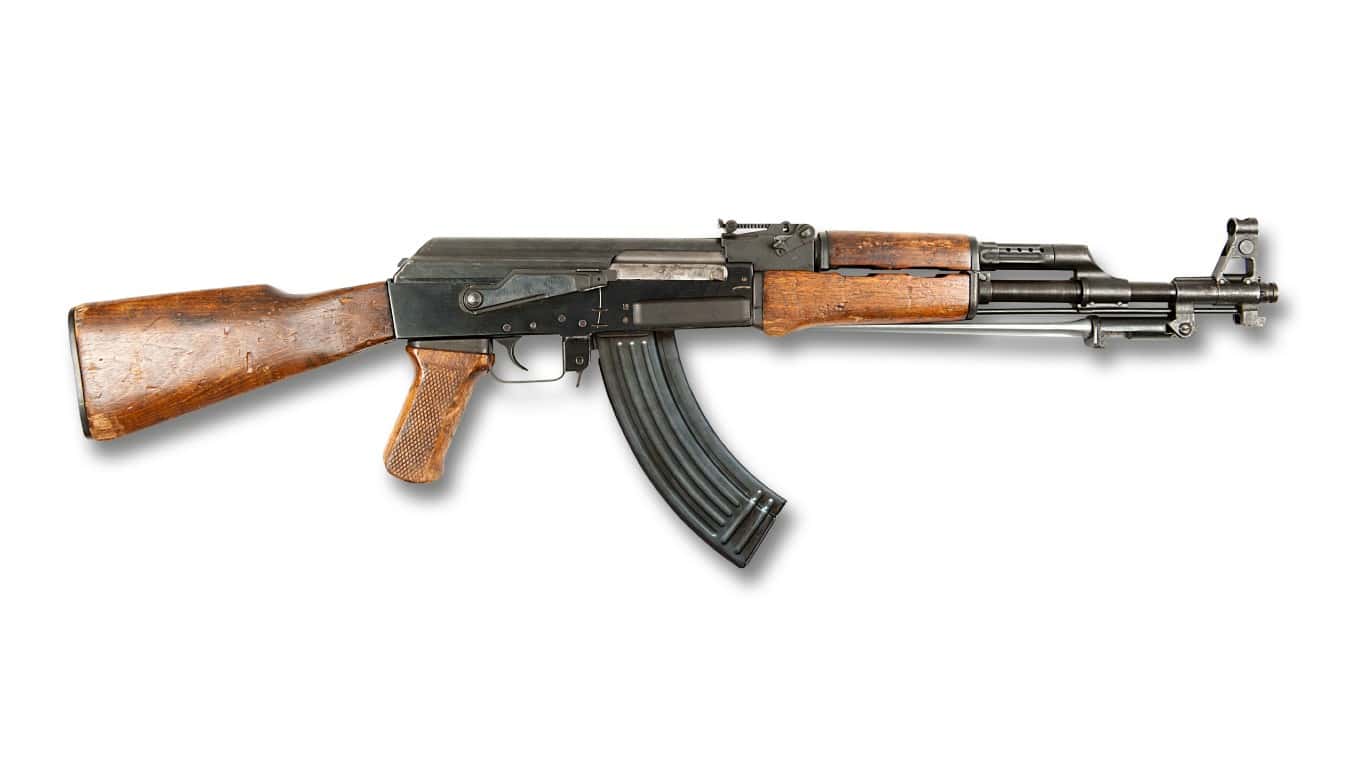
Type 56
- Country of Origin: China
- Type: Assault Rifle
- Era of Prominence: Cold War
- Associated Conflict or Movement: Asian/African insurgencies
- Who Used It: Guerrillas
- Why It Became a Symbol: Exported widely
- Cultural or Political Impact: Symbol of revolution
- Legacy in Modern Conflicts: Still used
The Type 56 Rifle became a key symbol of revolution through China’s export of the platform to allied movements across Asia and Africa. Its widespread availability allowed it to arm numerous insurgencies, reinforcing its association with anti-colonial and revolutionary struggles. As a variant of the AK system, it carries much of the same symbolic weight while representing China’s role in global revolutionary movements.
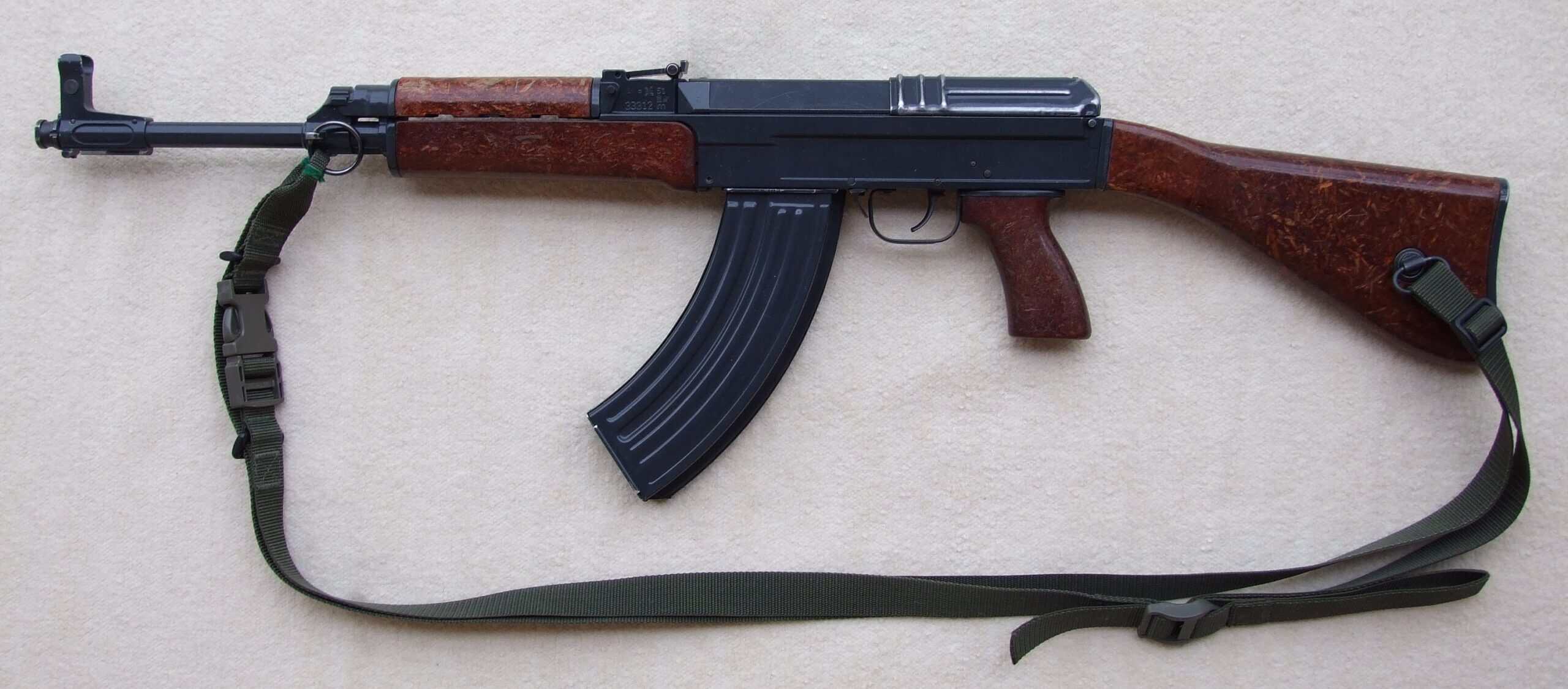
Vz. 58
- Country of Origin: Czechoslovakia
- Type: Assault Rifle
- Era of Prominence: Cold War
- Associated Conflict or Movement: Eastern Europe
- Who Used It: Militias
- Why It Became a Symbol: Unique design
- Cultural or Political Impact: Regional significance
- Legacy in Modern Conflicts: Limited use
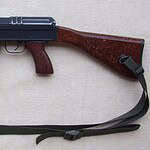
The Vz. 58 stands out for its unique design despite its visual similarity to the AK platform. Its use in Eastern Europe and beyond ties it to regional resistance movements and Cold War-era conflicts. While less globally recognized, it carries symbolic importance within specific contexts, representing local struggles and the diversity of weapons used in revolutionary movements.
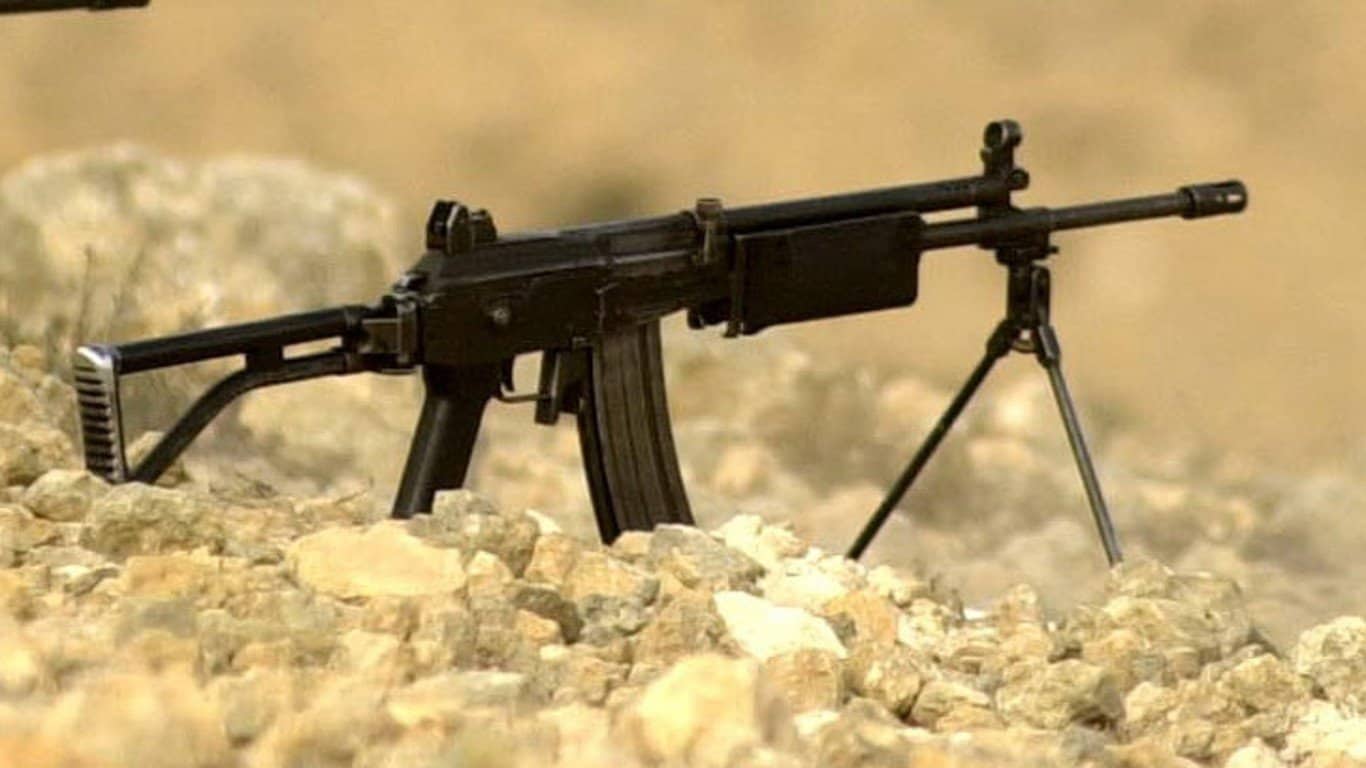
Galil
- Country of Origin: Israel
- Type: Assault Rifle
- Era of Prominence: Cold War–Modern
- Associated Conflict or Movement: Middle East conflicts
- Who Used It: Armies, militias
- Why It Became a Symbol: Durability
- Cultural or Political Impact: Regional identity
- Legacy in Modern Conflicts: Still used
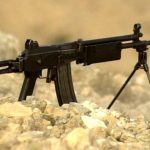
The Galil became a symbol of national resilience and identity, particularly within Israel and regions where it was exported. Its robust design and reliability made it a practical weapon in harsh environments, while its association with national defense and regional conflicts gave it symbolic weight. It represents the intersection of state power and survival in contested regions.
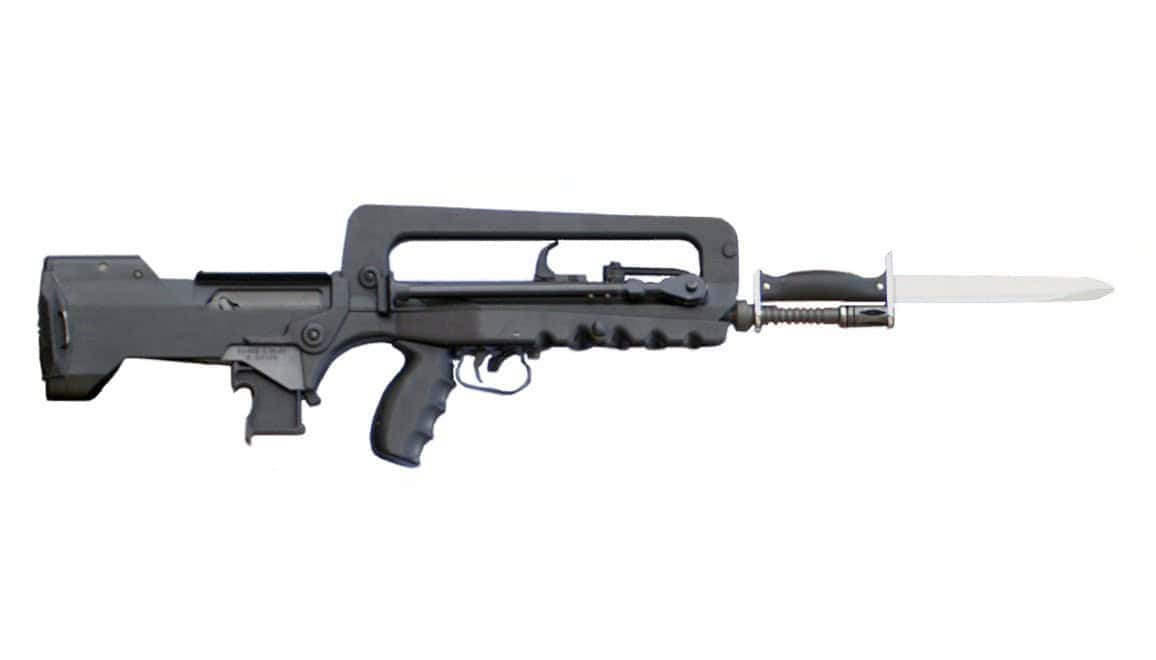
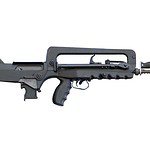
FAMAS
- Country of Origin: France
- Type: Assault Rifle
- Era of Prominence: Cold War–Modern
- Associated Conflict or Movement: African conflicts
- Who Used It: French forces
- Why It Became a Symbol: Distinctive design
- Cultural or Political Impact: National identity
- Legacy in Modern Conflicts: Limited use
The FAMAS is closely tied to French military identity and its involvement in various conflicts, particularly in Africa. Its distinctive design makes it instantly recognizable, reinforcing its symbolic presence. While primarily associated with state forces, its use in complex conflicts gives it a broader connection to struggles involving resistance and control.
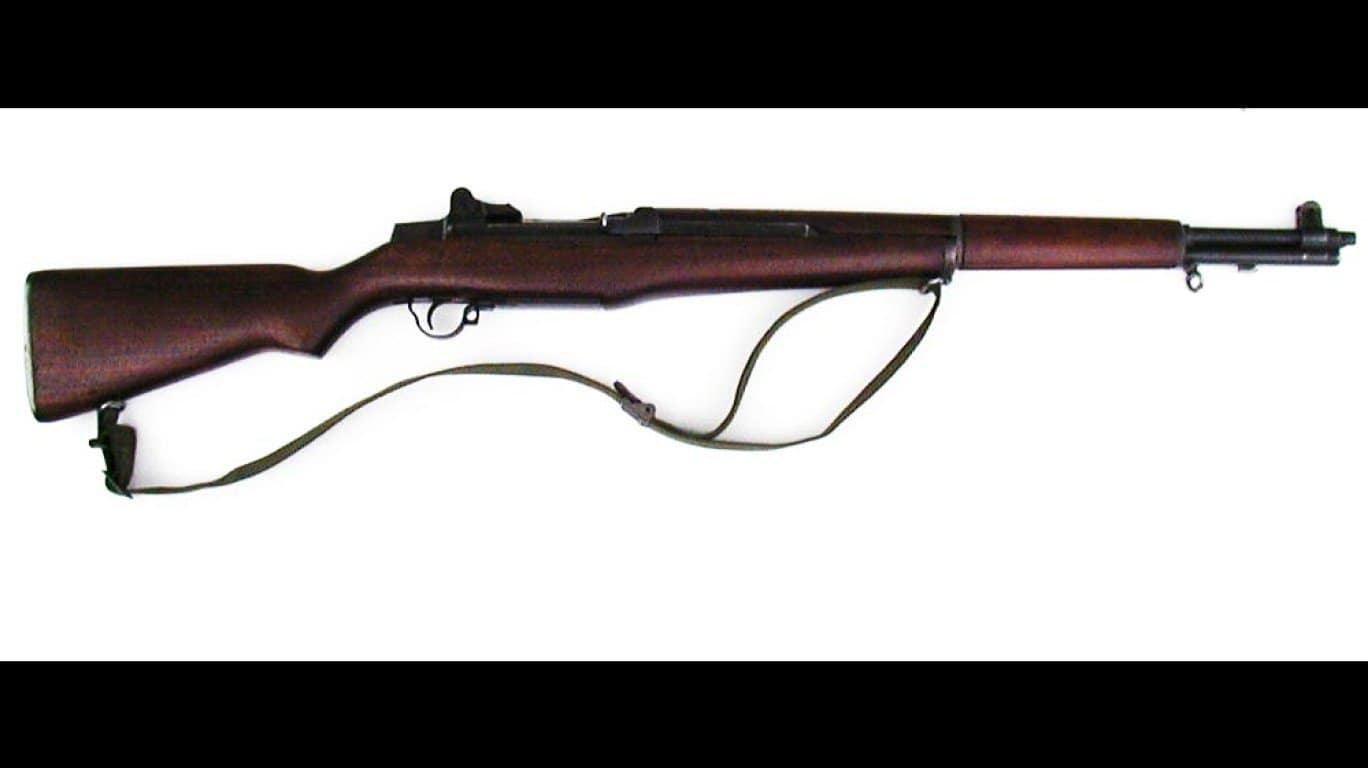
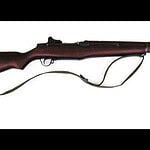
M1 Garand
- Country of Origin: USA
- Type: Semi-auto Rifle
- Era of Prominence: WWII
- Associated Conflict or Movement: WWII resistance
- Who Used It: Allied forces
- Why It Became a Symbol: Historic impact
- Cultural or Political Impact: Symbol of liberation
- Legacy in Modern Conflicts: Historic only
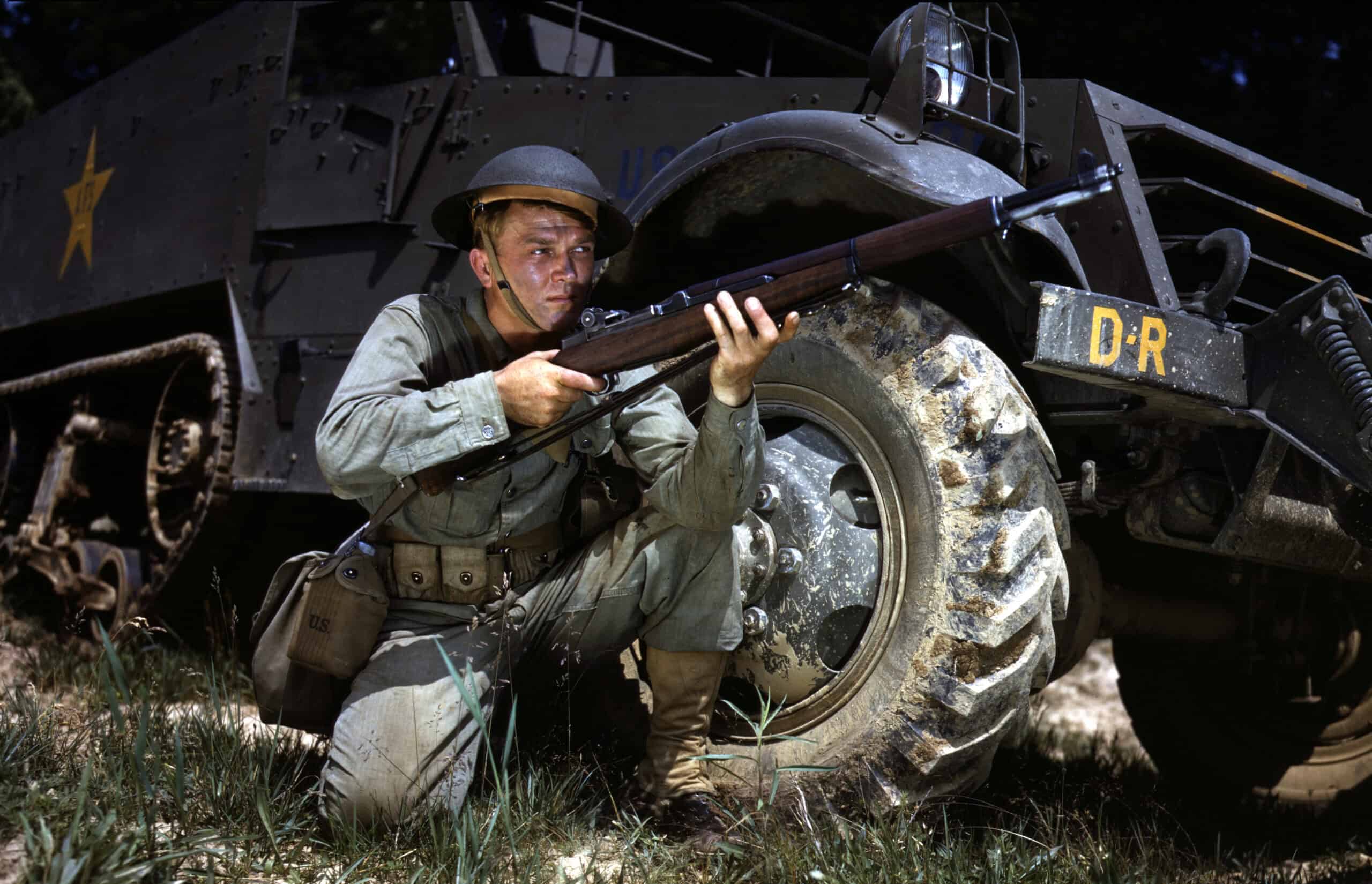
The M1 Garand symbolizes liberation in the context of World War II, where it was used by Allied forces to defeat Axis powers. Its association with victory and the end of occupation gives it a powerful symbolic role in resistance narratives. For many, it represents the fight against oppression and the restoration of freedom.
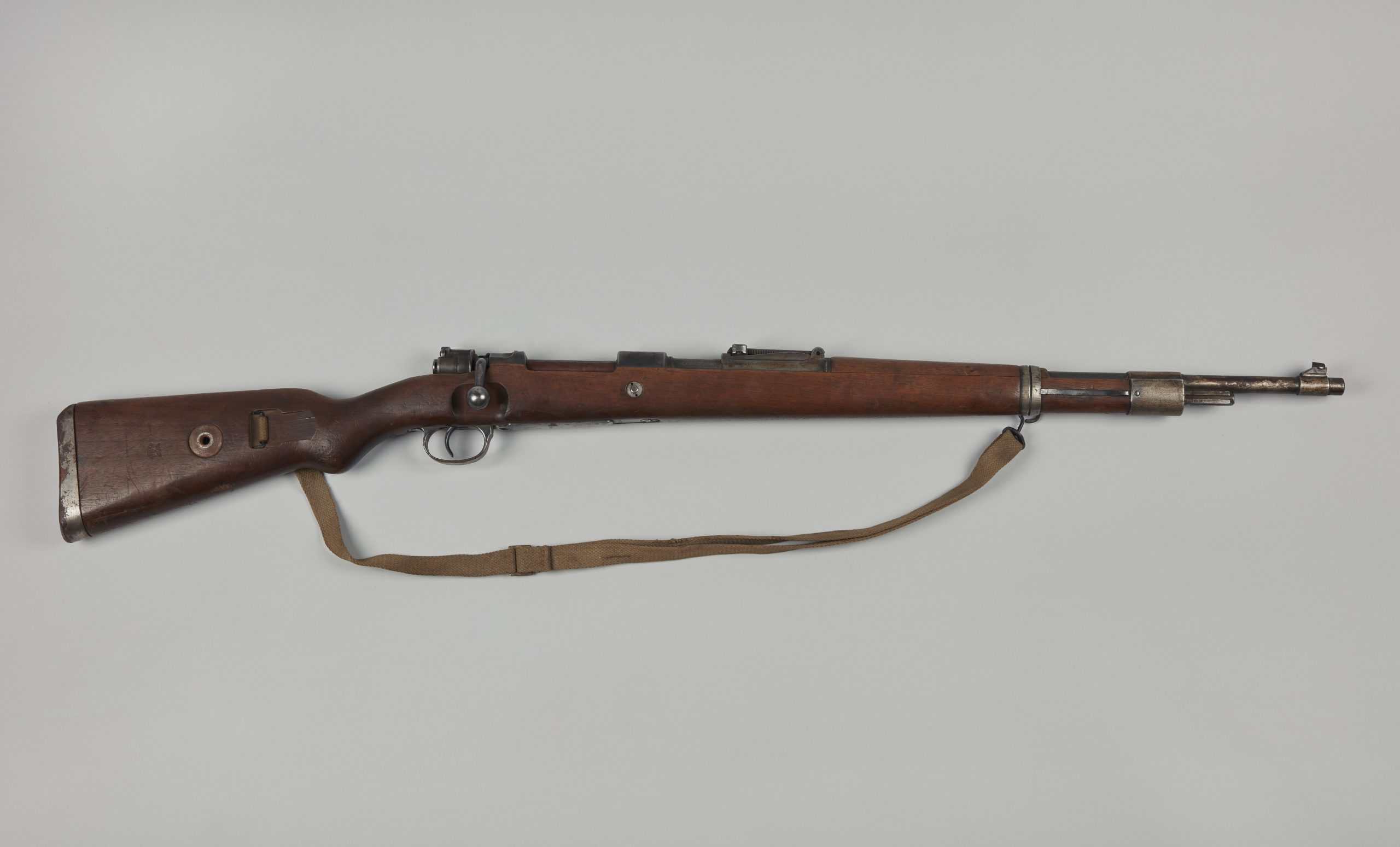
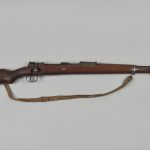
Kar98k
- Country of Origin: Germany
- Type: Bolt-action
- Era of Prominence: WWII
- Associated Conflict or Movement: WWII resistance
- Who Used It: Various groups
- Why It Became a Symbol: Captured usage
- Cultural or Political Impact: Symbol of WWII
- Legacy in Modern Conflicts: Historic only
The Karabiner 98k is primarily associated with German forces during World War II, but its symbolic role in resistance comes from its capture and reuse by opposing forces. In the hands of resistance fighters, it became a tool of defiance against its original users. This transformation highlights how weapons can shift meaning depending on who wields them.
The image featured at the top of this post is ©casenbina / E+ via Getty Images