
Volcanic Eruptions That Buried Entire Communities and Changed History
Volcanoes are some of the most powerful natural forces on Earth, capable of reshaping entire regions in a matter of hours.Their true impact is typically measured by the communities they effect. Throughout history, volcanic eruptions have destroyed cities, buried villages, displaced populations, and forced people to rebuild their lives in unfamiliar places. Some communities recovered and adapted, while others disappeared forever. Some communities worship or even fear these natural disasters in a religious sense. Here, History computer is taking a closer look at these eruptions not just for their geological significance but for the profound ways they changed human lives and reshaped the future of entire regions.
Here is a look at the volcanic eruptions that changed whole communities:
Communities Living in the Shadow of Volcanoes
Many of the world's most fertile and densely populated regions are located near active volcanoes. Rich volcanic soil supports agriculture, while volcanic landscapes often attract trade, settlement, and tourism. This creates a difficult balance between opportunity and risk. Communities near volcanoes frequently accept the possibility of future eruptions because of the economic and environmental benefits these regions provide. From the slopes of Mount Merapi in Indonesia to the fertile lands surrounding Mount Vesuvius in Italy, generations of people have built homes and livelihoods in places where volcanic hazards are a constant reality. Their experiences reveal both the rewards and dangers of living alongside one of nature's most unpredictable forces.
The Disasters That Rewrote Local History
Some volcanic eruptions are so destructive that they permanently alter the course of a community's history. The destruction of Pompeii and Herculaneum by Vesuvius, the annihilation of Saint-Pierre by Mount Pelée, and the burial of Armero by Nevado del Ruiz all transformed thriving population centers into symbols of catastrophe. In many cases, survivors relocated elsewhere, governments shifted resources, and economic activity moved to new locations. Entire chapters of local history ended almost overnight. These disasters remind us that volcanic eruptions are not simply natural events—they are turning points that can redefine communities for generations.
Eruptions That Changed Entire Communities
The eruptions featured here span nearly two thousand years and occurred on multiple continents, but they share a common theme: each fundamentally changed the lives of the people who experienced it. Some destroyed cities and forced mass migrations. Others transformed economies, altered settlement patterns, or inspired new approaches to disaster preparedness. Together, these events tell a story of destruction, resilience, adaptation, and recovery. They reveal how communities confront extraordinary challenges and how volcanic disasters can leave lasting marks on both the physical landscape and the people who call it home.
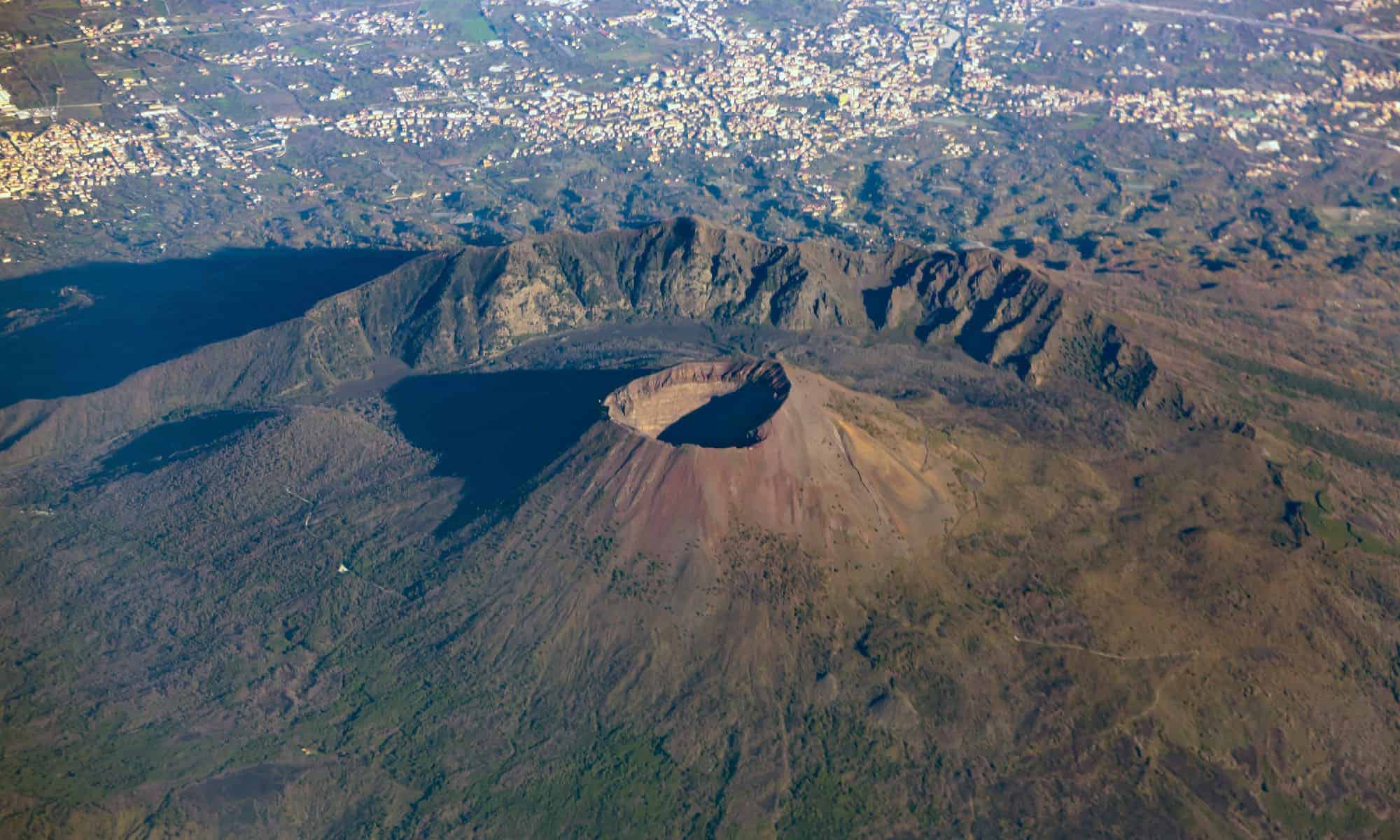
Mount Vesuvius
- Year: 79
- Location: Italy
- Community Most Affected: Pompeii and Herculaneum
- Immediate Impact: Cities buried by ash and pyroclastic flows
- Long-Term Consequence: Preserved one of history's greatest archaeological records
The eruption of Mount Vesuvius in 79 CE remains one of the most famous natural disasters in human history because of the communities it destroyed and the extraordinary archaeological record it preserved. The Roman cities of Pompeii and Herculaneum were thriving centers of commerce, culture, and daily life when Vesuvius suddenly erupted. Ash, volcanic gases, and pyroclastic flows buried entire neighborhoods, killing thousands and effectively freezing the cities in time. For the survivors, the disaster meant the loss of homes, businesses, and regional economic centers. For historians, however, the buried communities became an unparalleled window into Roman civilization. The eruption permanently altered settlement patterns around the Bay of Naples and serves as one of the earliest documented examples of how a volcanic disaster can erase a community while simultaneously preserving its story for future generations.
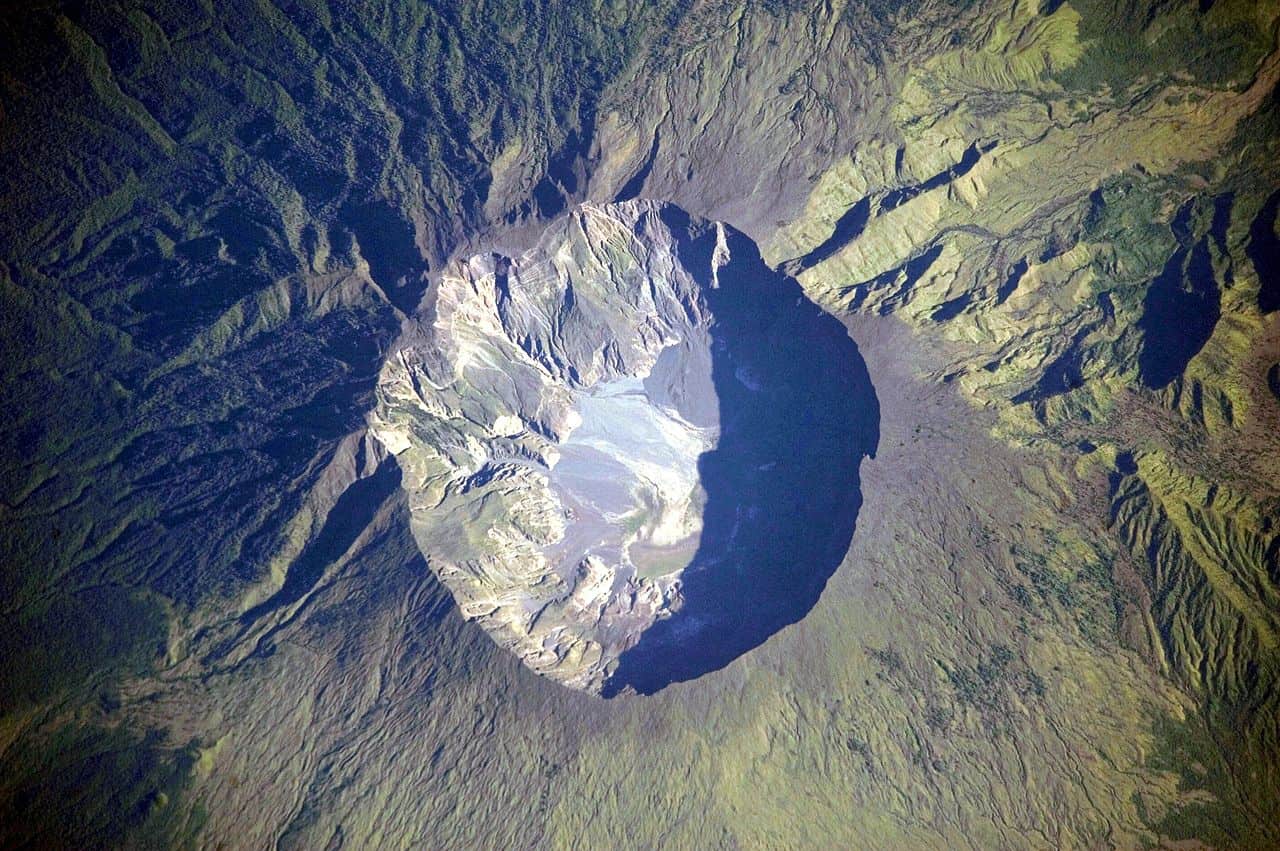
Mount Tambora
- Year: 1815
- Location: Indonesia
- Community Most Affected: Sumbawa communities
- Immediate Impact: Settlements destroyed and population losses
- Long-Term Consequence: Contributed to global famine and migration during the Year Without a Summer
Mount Tambora's eruption in 1815 was so powerful that its effects extended far beyond Indonesia and influenced communities around the world. Entire villages on the island of Sumbawa were destroyed by ashfall, pyroclastic flows, and famine that followed the disaster. Tens of thousands of people died either directly or indirectly from the eruption's consequences. What makes Tambora particularly significant is its global impact. Massive amounts of volcanic material entered the atmosphere, contributing to the "Year Without a Summer" in 1816. Crop failures, food shortages, rising prices, and migration affected communities throughout Europe and North America. For local populations in Indonesia, the eruption reshaped settlement patterns and devastated regional economies. Tambora demonstrated that a volcanic event in one part of the world could alter the lives of communities thousands of miles away.
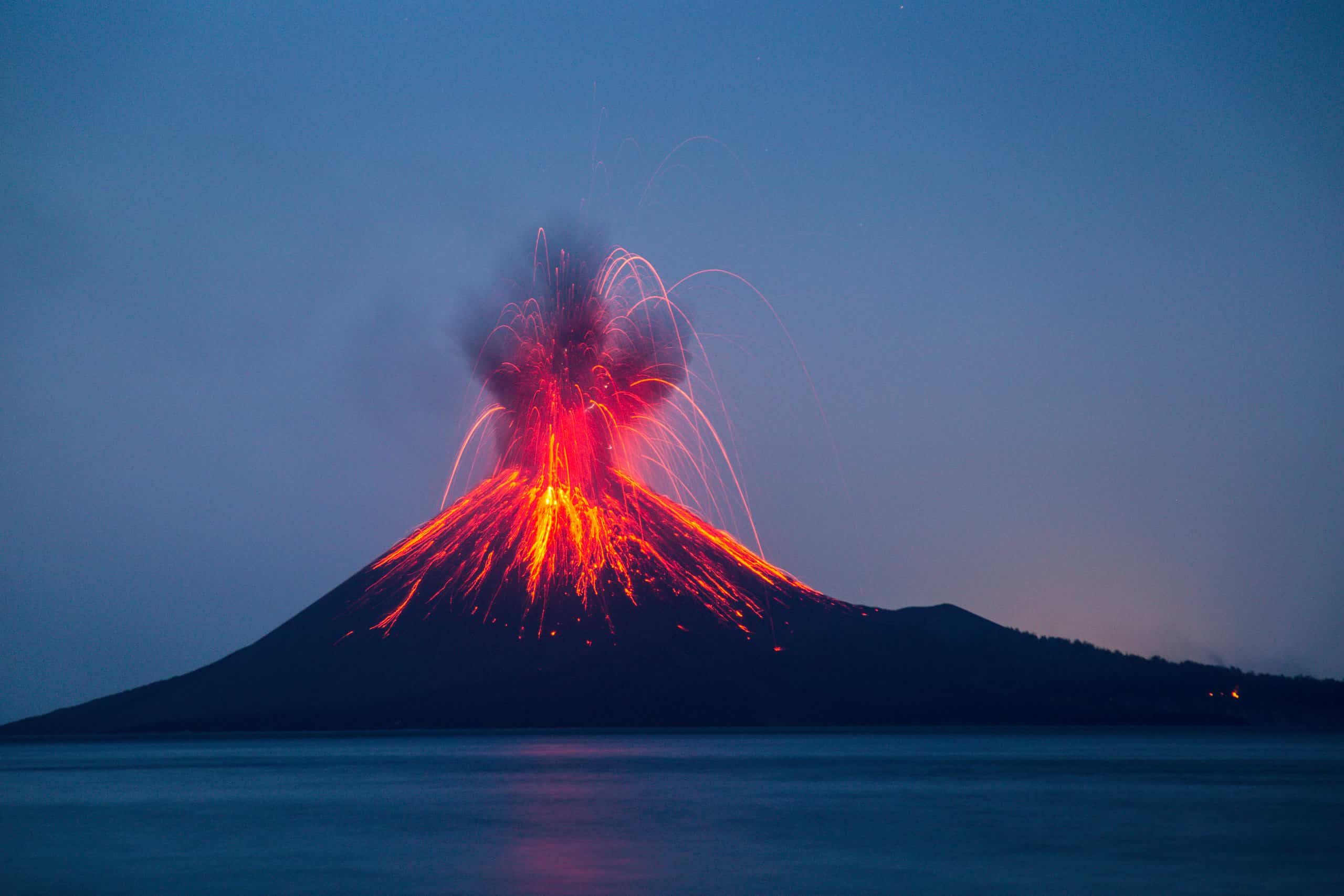
Krakatoa
- Year: 1883
- Location: Indonesia
- Community Most Affected: Sunda Strait coastal communities
- Immediate Impact: Massive eruption and tsunamis
- Long-Term Consequence: Changed regional settlement patterns and disaster awareness
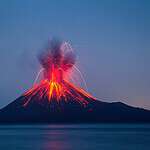
The eruption of Krakatoa in 1883 ranks among the most destructive volcanic disasters of the modern era. Located in the Sunda Strait between Java and Sumatra, Krakatoa produced a series of massive explosions that were heard thousands of miles away. The eruption itself was catastrophic, but the resulting tsunamis caused the greatest loss of life. Coastal communities throughout the region were obliterated, with entire villages swept away by towering waves. More than 36,000 people are believed to have died. Beyond the immediate destruction, Krakatoa changed settlement patterns along affected coastlines and heightened awareness of volcanic and tsunami hazards throughout Indonesia. The disaster also became one of the first global news events of the telegraph age, allowing people around the world to follow its aftermath. Its legacy continues to influence disaster planning and scientific research today.
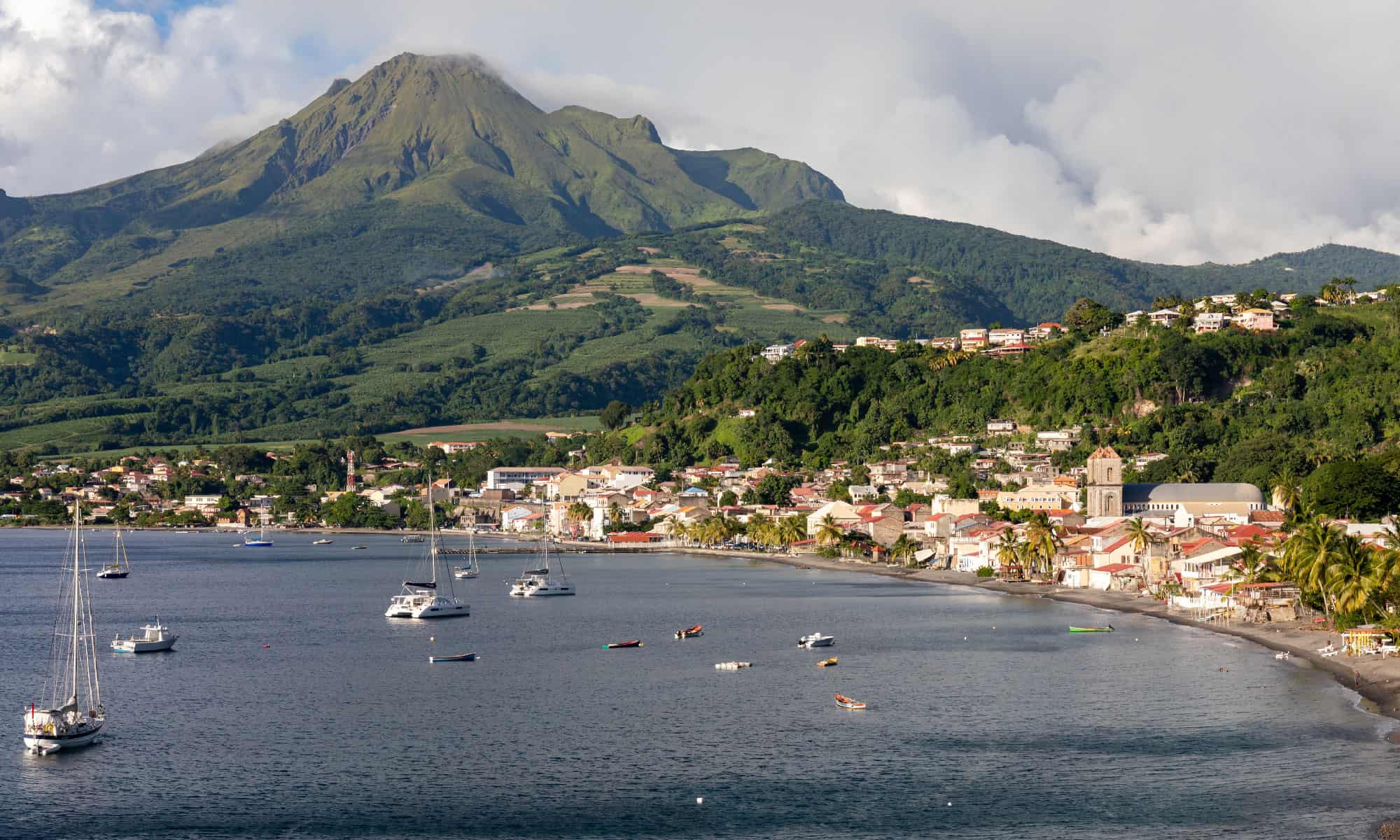
Mount Pelée
- Year: 1902
- Location: Martinique
- Community Most Affected: Saint-Pierre
- Immediate Impact: City destroyed within minutes
- Long-Term Consequence: Shifted the island's economic and political center
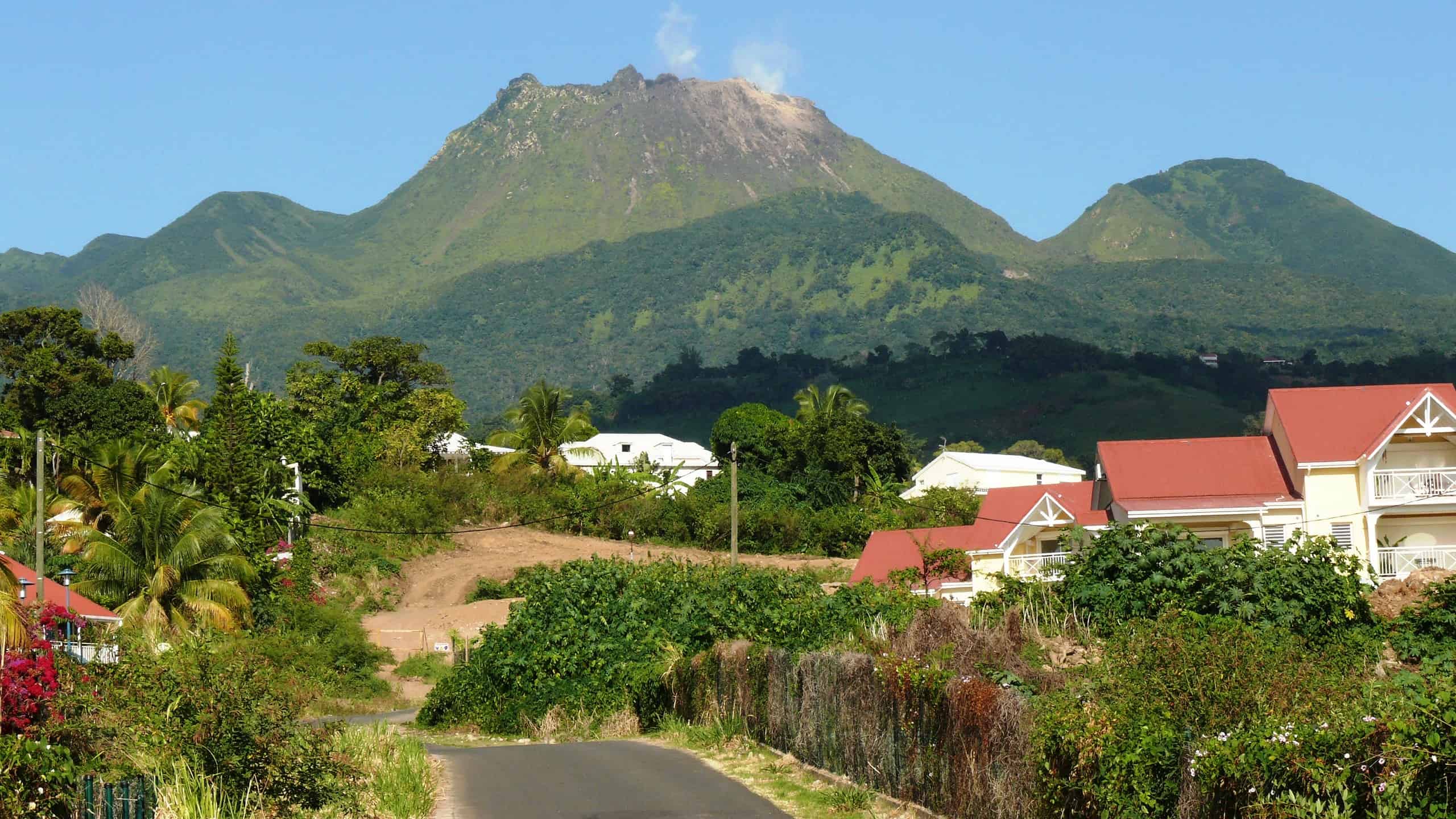
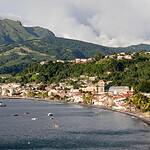
The eruption of Mount Pelée transformed the island of Martinique and remains one of the deadliest volcanic disasters of the twentieth century. Before the eruption, Saint-Pierre was often referred to as the "Paris of the Caribbean" because of its economic importance and cultural influence. On May 8, 1902, a devastating pyroclastic flow descended from the volcano and destroyed the city within minutes. Nearly 30,000 people were killed, making it one of the deadliest volcanic events in recorded history. The destruction of Saint-Pierre shifted the island's political and economic center elsewhere and permanently altered Martinique's development. The eruption also became a landmark event in volcanology, helping scientists better understand pyroclastic flows and the dangers they pose to nearby communities. Few eruptions have so completely erased a city's prominence in such a short period of time.
Novarupta
- Year: 1912
- Location: Alaska, USA
- Community Most Affected: Native Alaskan communities
- Immediate Impact: Villages disrupted by ashfall
- Long-Term Consequence: Permanent relocation and cultural adaptation
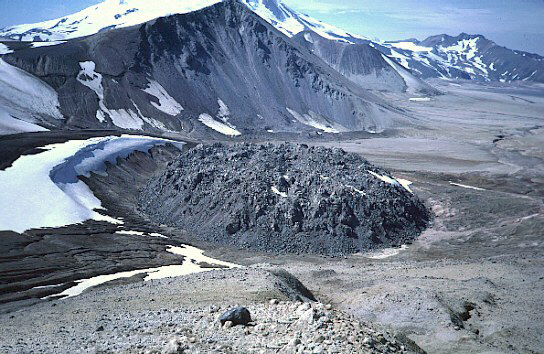
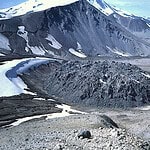
The Novarupta eruption in Alaska is often overshadowed by more famous volcanic disasters, yet it remains the largest volcanic eruption of the twentieth century. Occurring in a remote region of the Alaska Peninsula, the eruption produced enormous ash deposits and dramatically altered the surrounding landscape. While fewer people were directly affected than in many other disasters on this list, Native Alaskan communities experienced significant disruption. Ashfall contaminated water supplies, damaged hunting grounds, and forced relocations in some areas. The eruption contributed to long-term changes in how local communities interacted with their environment and highlighted the vulnerability of isolated populations to natural disasters. Novarupta also created the Valley of Ten Thousand Smokes, a remarkable geological feature that later became part of Katmai National Park. Its legacy combines both environmental transformation and human adaptation.
Paricutín
- Year: 1943
- Location: Mexico
- Community Most Affected: Paricutín and San Juan Parangaricutiro
- Immediate Impact: Communities buried by lava and ash
- Long-Term Consequence: Residents rebuilt elsewhere and preserved cultural identity
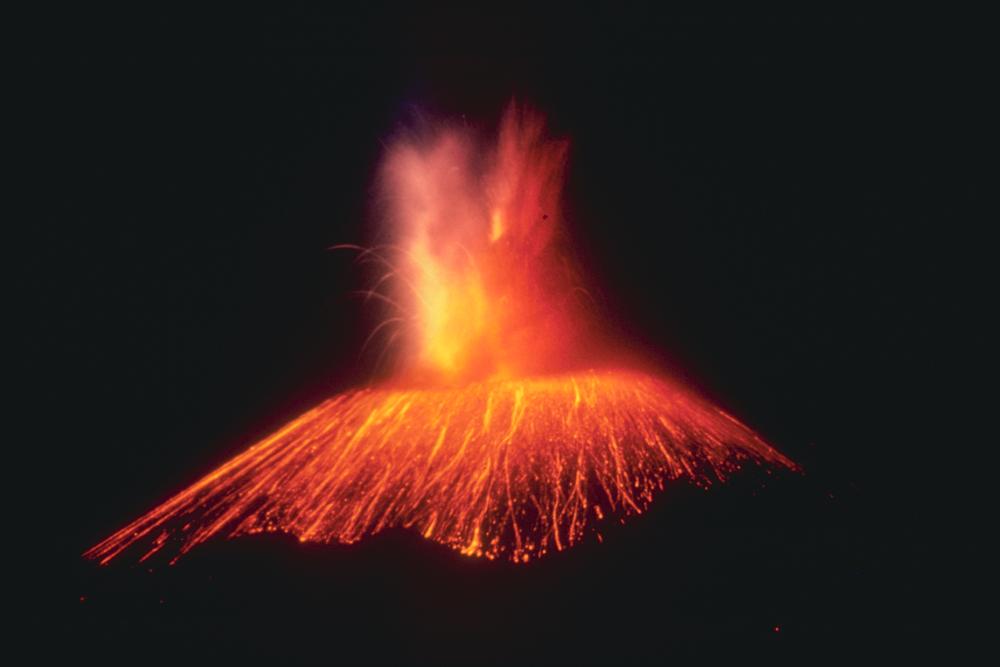
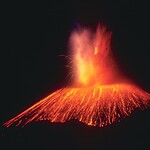
Paricutín is unique among major volcanic eruptions because scientists and local residents witnessed its birth from the very beginning. In 1943, a fissure opened in a farmer's field in the Mexican state of Michoacán, and within days a new volcano began to form. Over the following years, lava flows and ash gradually buried the communities of Paricutín and San Juan Parangaricutiro. Residents were forced to evacuate and rebuild their lives elsewhere as churches, homes, and farmland disappeared beneath volcanic deposits. The partially buried church tower of San Juan Parangaricutiro remains one of the most iconic images associated with the eruption. Although the disaster displaced entire communities, it also became an extraordinary scientific opportunity. Paricutín remains one of the few volcanoes whose complete life cycle—from formation to dormancy—was observed and documented by modern researchers.
Mount St. Helens
- Year: 1980
- Location: Washington, USA
- Community Most Affected: Communities around Spirit Lake
- Immediate Impact: Destructive blast and ashfall
- Long-Term Consequence: Reshaped land management and volcanic monitoring
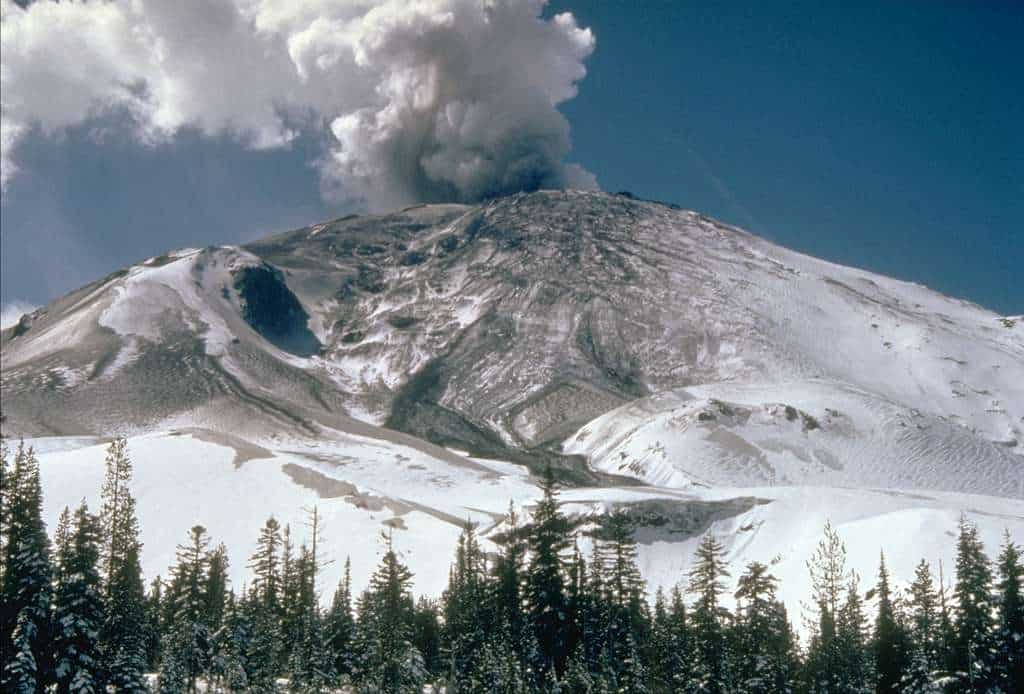
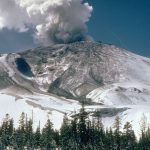
The eruption of Mount St. Helens on May 18, 1980, became one of the defining natural disasters in modern American history. A massive landslide and lateral blast devastated forests, rivers, infrastructure, and communities across parts of Washington State. Fifty-seven people lost their lives, and entire landscapes were transformed within minutes. Communities dependent on logging, tourism, and natural resources faced years of economic recovery. Beyond the physical destruction, the eruption fundamentally changed how scientists, emergency managers, and government agencies approached volcanic hazards in the United States. Investments in monitoring technology, evacuation planning, and public education increased significantly following the disaster. Mount St. Helens also became a powerful example of ecological recovery, as researchers observed how plants and animals gradually returned to the devastated region. The eruption remains a benchmark for modern disaster preparedness.
Nevado del Ruiz
- Year: 1985
- Location: Colombia
- Community Most Affected: Armero
- Immediate Impact: Lahars destroyed the town
- Long-Term Consequence: Major reforms in disaster preparedness
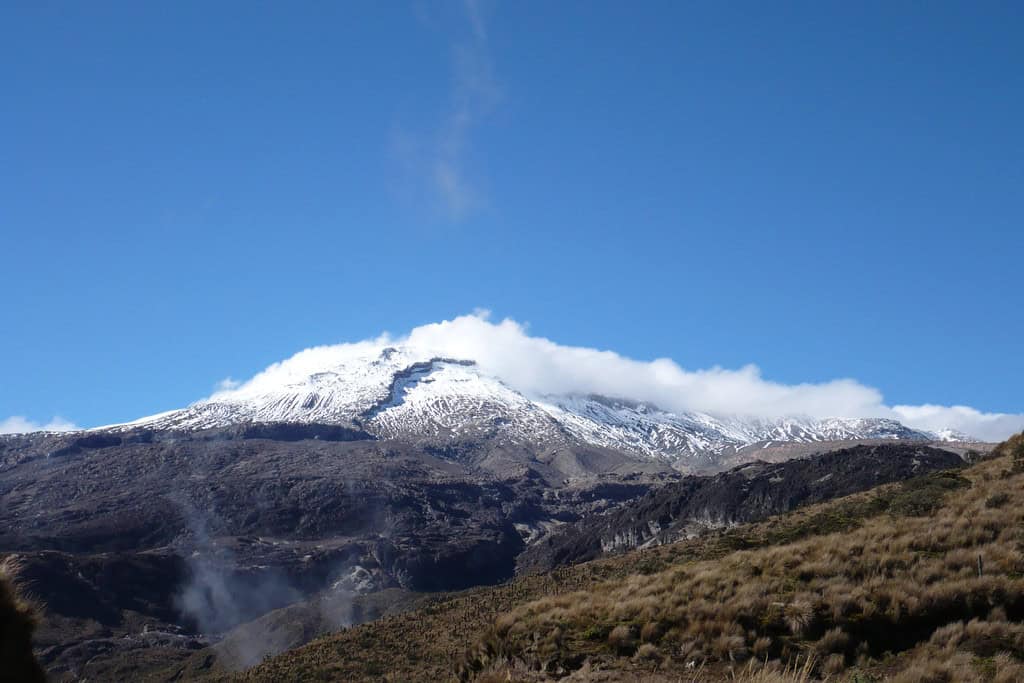
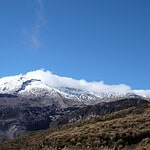
The eruption of Nevado del Ruiz in Colombia is remembered not because it was exceptionally large, but because of the devastating consequences of inadequate disaster preparedness. When volcanic activity melted snow and ice on the mountain, massive lahars surged down river valleys toward nearby communities. The town of Armero was particularly vulnerable, yet warnings were not fully acted upon. The resulting mudflows buried much of the town and killed more than 20,000 people. The tragedy shocked Colombia and the international community, highlighting the dangers of failing to communicate and respond to scientific warnings. In the years that followed, governments and emergency management organizations around the world reevaluated volcanic hazard planning and evacuation procedures. Armero became a tragic symbol of the importance of preparedness, and its destruction continues to influence disaster policy decades later.
Mount Pinatubo
- Year: 1991
- Location: Philippines
- Community Most Affected: Central Luzon communities
- Immediate Impact: Mass evacuations and widespread damage
- Long-Term Consequence: Long-term relocation and improved hazard planning
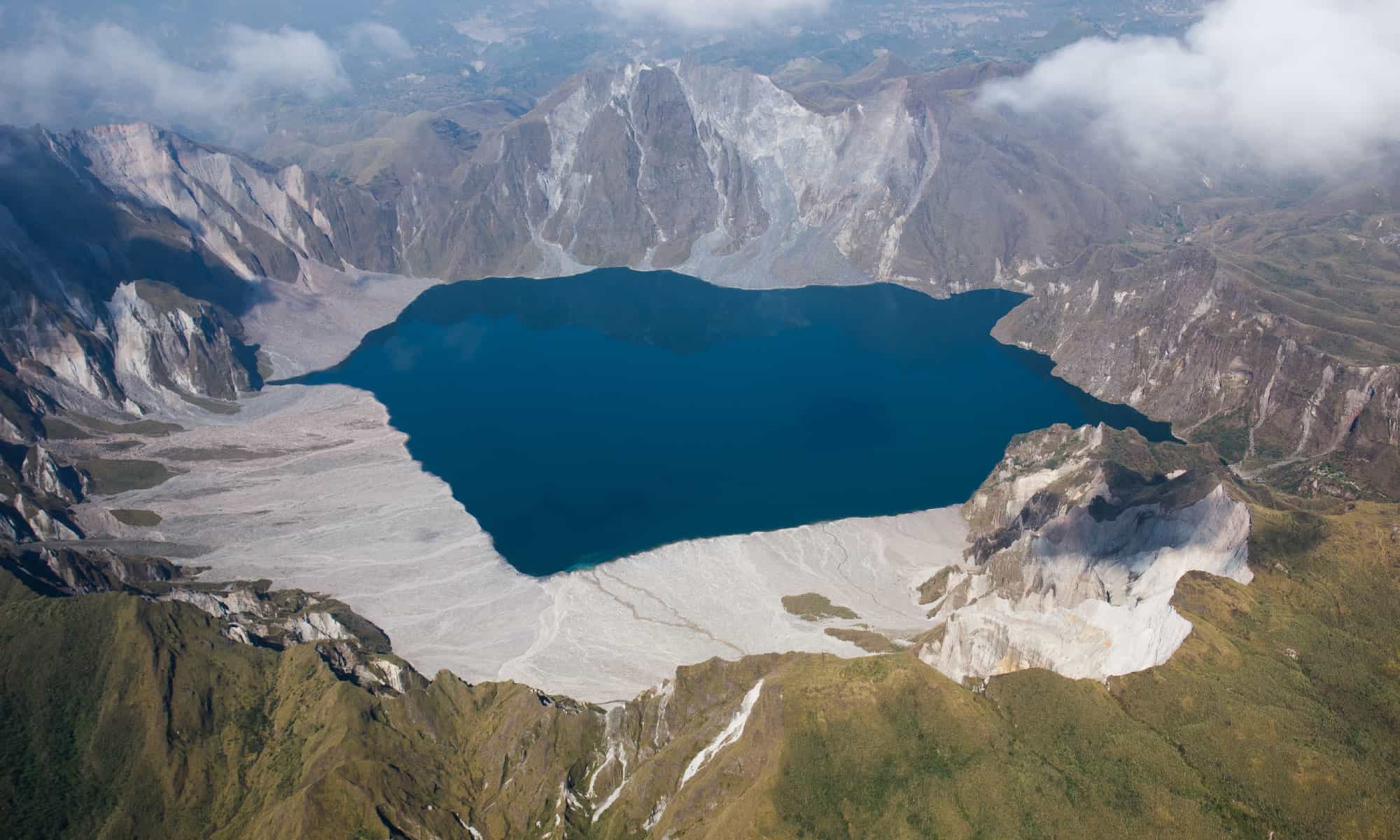
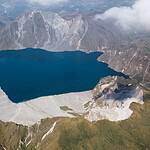
The eruption of Mount Pinatubo in the Philippines stands as one of the most successful examples of disaster mitigation in volcanic history. Scientists closely monitored the volcano's increasing activity and worked with government officials to organize large-scale evacuations before the eruption occurred. As a result, thousands of lives were likely saved despite the immense scale of the disaster. Nevertheless, the eruption caused widespread destruction across central Luzon. Ashfall collapsed buildings, damaged agriculture, and displaced hundreds of thousands of people. Indigenous Aeta communities were particularly affected as ancestral lands were transformed. The eruption also led to the closure of major military installations and altered regional economic patterns. Pinatubo demonstrated both the destructive power of volcanoes and the value of effective scientific forecasting and coordinated emergency planning.
Soufrière Hills
- Year: 1995
- Location: Montserrat
- Community Most Affected: Plymouth
- Immediate Impact: Capital city abandoned
- Long-Term Consequence: Permanent population redistribution
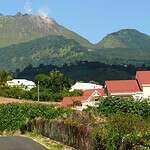
The ongoing eruption of Soufrière Hills on the Caribbean island of Montserrat represents one of the most dramatic examples of a community permanently transformed by volcanic activity. Beginning in 1995, repeated eruptions forced residents to abandon large portions of the island, including the capital city of Plymouth. Entire neighborhoods, government buildings, businesses, and infrastructure were buried under volcanic deposits. Thousands of residents emigrated, dramatically reducing the island's population. The northern part of Montserrat eventually became the center of reconstruction efforts, while much of the south remained within exclusion zones. The eruption fundamentally altered the island's economy, demographics, and geography. Today, the buried remains of Plymouth serve as a powerful reminder of how volcanic disasters can reshape communities not just for years, but for generations.
Cumbre Vieja
- Year: 2021
- Location: Spain (La Palma)
- Community Most Affected: La Palma communities
- Immediate Impact: Homes, farms, and infrastructure buried
- Long-Term Consequence: Permanent landscape and economic changes
The eruption of Cumbre Vieja on the island of La Palma in Spain's Canary Islands became one of Europe's most significant volcanic disasters in recent decades. Beginning in September 2021, lava flows steadily advanced across populated areas, destroying homes, roads, businesses, and agricultural land. Thousands of residents were evacuated as entire neighborhoods disappeared beneath molten rock. Unlike some volcanic disasters that unfold in minutes, Cumbre Vieja transformed communities over weeks and months, creating prolonged uncertainty for those affected. Banana plantations, a key part of the island's economy, suffered extensive damage, and infrastructure losses required major reconstruction efforts. The eruption permanently altered portions of the island's landscape and coastline while forcing residents to rethink where and how communities should be rebuilt. Its impact continues to shape La Palma's recovery and future development.
Eyjafjallajökull
- Year: 2010
- Location: Iceland
- Community Most Affected: Southern Iceland communities
- Immediate Impact: Ashfall and transportation disruption
- Long-Term Consequence: Boosted awareness and tourism resilience
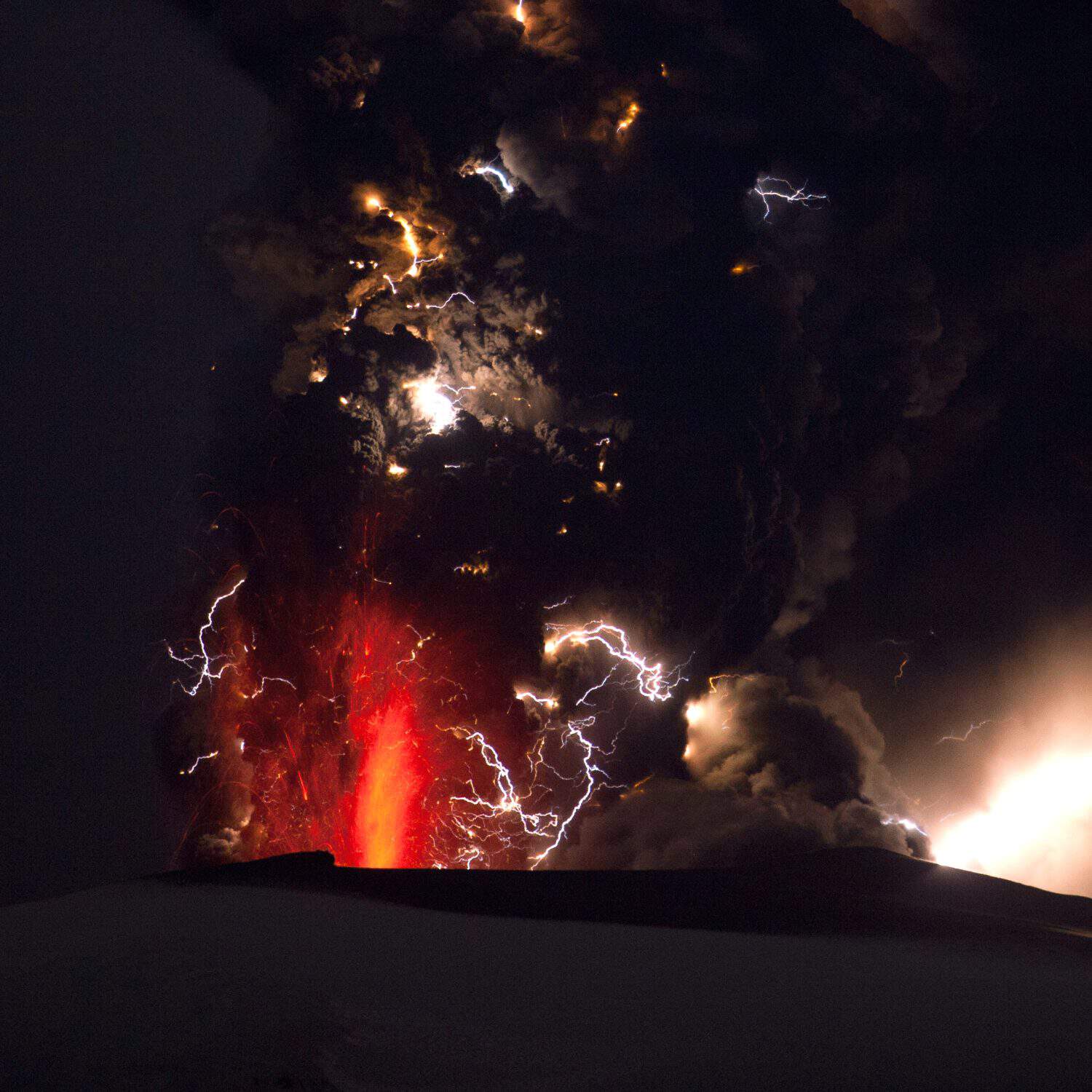
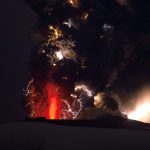
The eruption of Eyjafjallajökull in Iceland demonstrated how even a relatively modest volcanic event can have far-reaching consequences in an interconnected world. While local communities in southern Iceland experienced ashfall, flooding, and temporary evacuations, the eruption became globally significant because volcanic ash entered major air traffic routes across Europe. Thousands of flights were canceled, stranding millions of travelers and disrupting businesses worldwide. For Icelandic communities, the event highlighted both the challenges and opportunities associated with living alongside active volcanoes. Farmers dealt with damaged grazing land and livestock concerns, while local authorities refined emergency response plans. Interestingly, the eruption also increased international interest in Iceland's unique geology and eventually contributed to a surge in tourism. Eyjafjallajökull showed that volcanic disasters can affect communities not only through destruction but also through economic and social transformation.
Merapi
- Year: 2010
- Location: Indonesia
- Community Most Affected: Villages on Merapi's slopes
- Immediate Impact: Large-scale evacuations
- Long-Term Consequence: Communities adapted to recurring volcanic risk
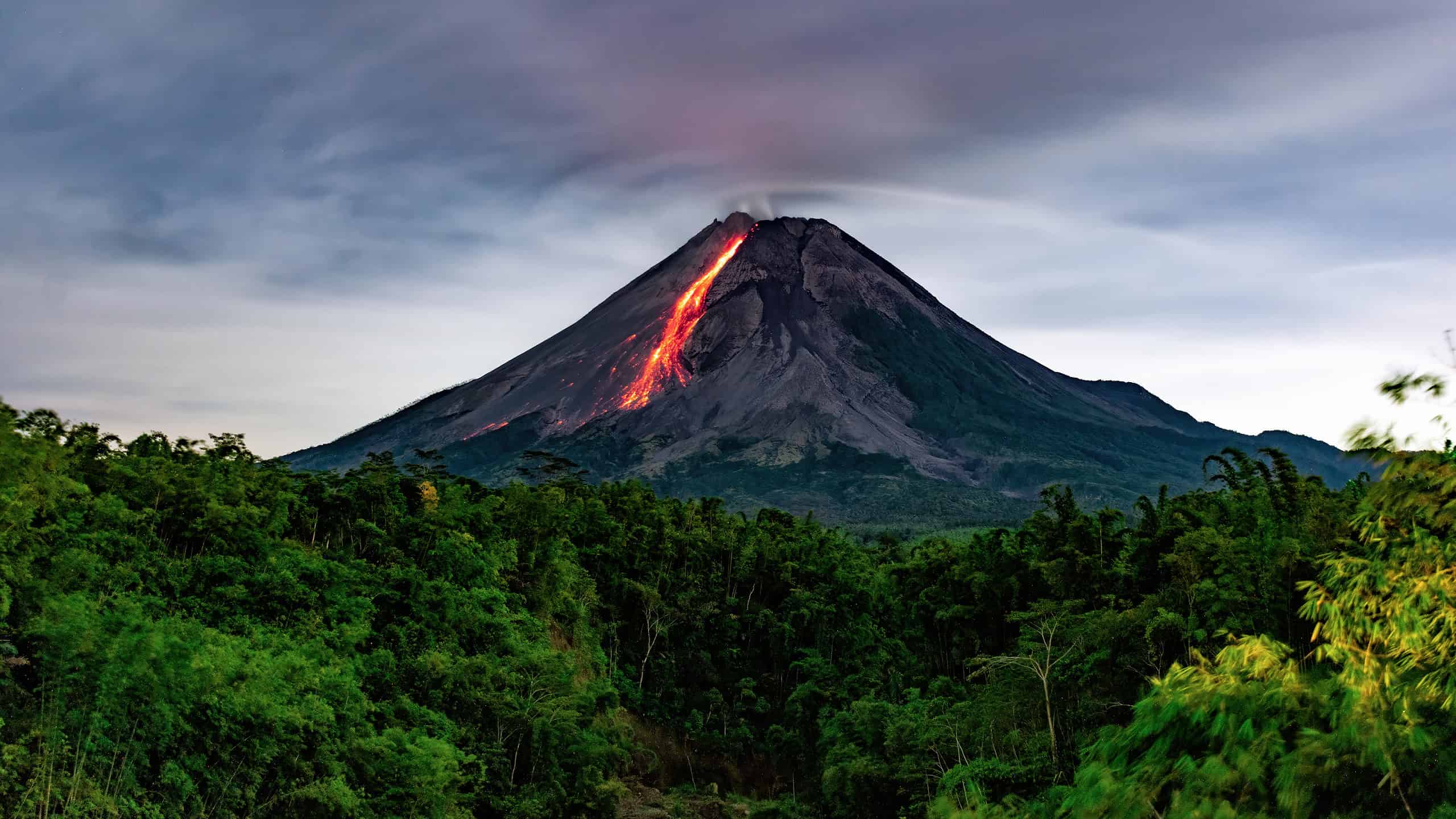
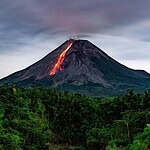
Mount Merapi is one of Indonesia's most active and closely monitored volcanoes, and its 2010 eruption became one of the most significant in decades. Located near densely populated areas of Java, Merapi has long shaped the lives of surrounding communities. The 2010 eruption forced the evacuation of hundreds of thousands of residents as ash clouds, lava flows, and pyroclastic surges threatened villages across the region. Entire communities faced the difficult decision of whether to return to high-risk areas or relocate permanently. For many residents, the volcano represents both a danger and a source of fertile agricultural land, creating a complex relationship between risk and livelihood. The eruption reinforced the importance of evacuation planning and monitoring systems while highlighting the resilience of communities that continue to live in one of the world's most volcanically active regions.
Volcán de Fuego
- Year: 2018
- Location: Guatemala
- Community Most Affected: San Miguel Los Lotes and nearby villages
- Immediate Impact: Pyroclastic flows destroyed settlements
- Long-Term Consequence: Renewed focus on emergency response systems
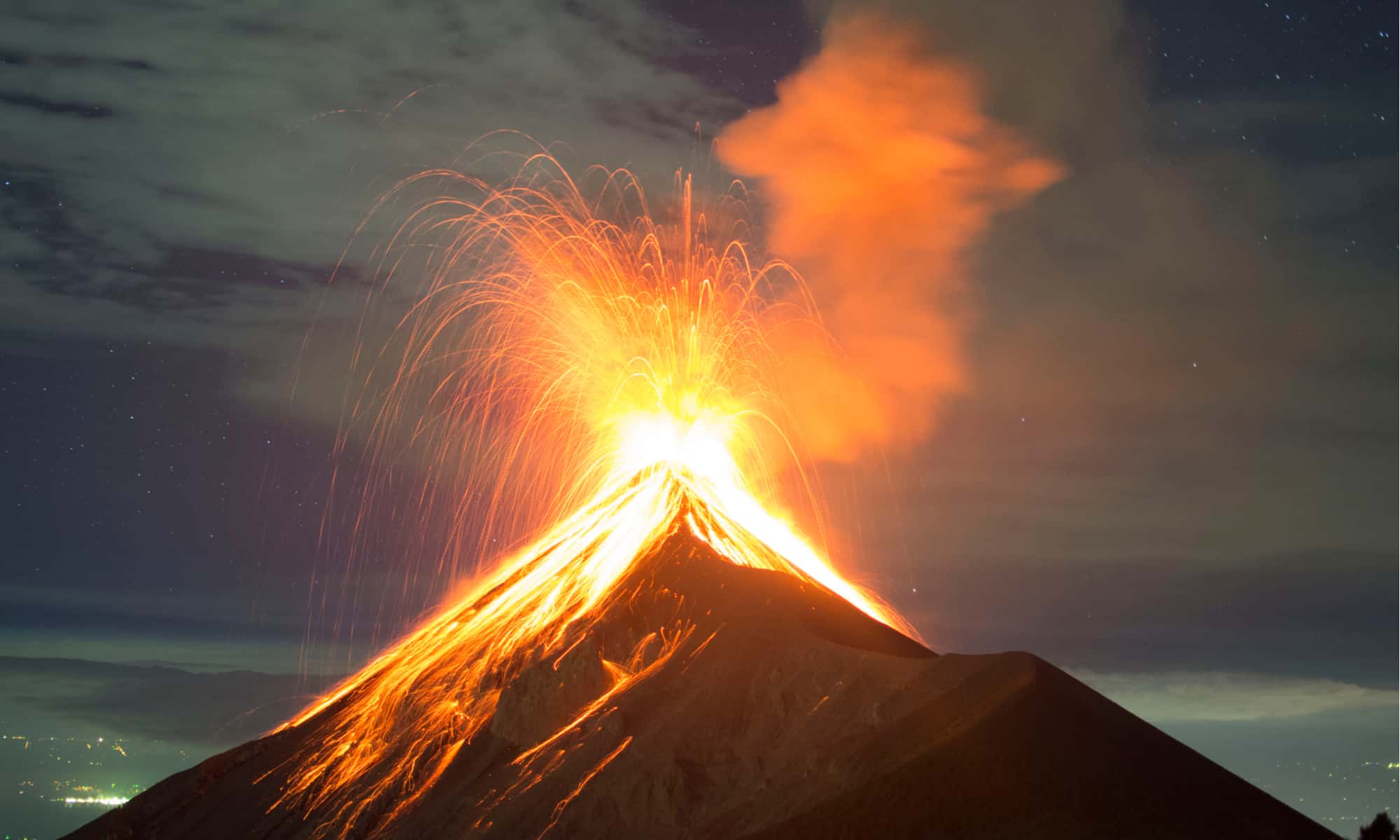
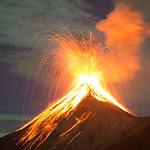
The eruption of Volcán de Fuego in Guatemala became one of the deadliest volcanic disasters in recent Latin American history. Although Fuego is known for frequent activity, the June 2018 eruption escalated rapidly and produced devastating pyroclastic flows that overwhelmed nearby communities. Villages such as San Miguel Los Lotes were buried beneath superheated volcanic material, leaving residents with little time to escape. Hundreds of people were killed, while many others lost homes, farmland, and livelihoods. The disaster sparked intense debate regarding evacuation procedures, emergency communication, and government response efforts. For affected communities, recovery proved difficult as survivors faced displacement and long-term economic hardship. The eruption highlighted the ongoing challenge of balancing daily life near active volcanoes with the risks posed by sudden and unpredictable eruptions.
Hunga Tonga–Hunga Ha'apai
- Year: 2022
- Location: Tonga
- Community Most Affected: Tongan island communities
- Immediate Impact: Tsunami and communications disruption
- Long-Term Consequence: Accelerated resilience and infrastructure planning
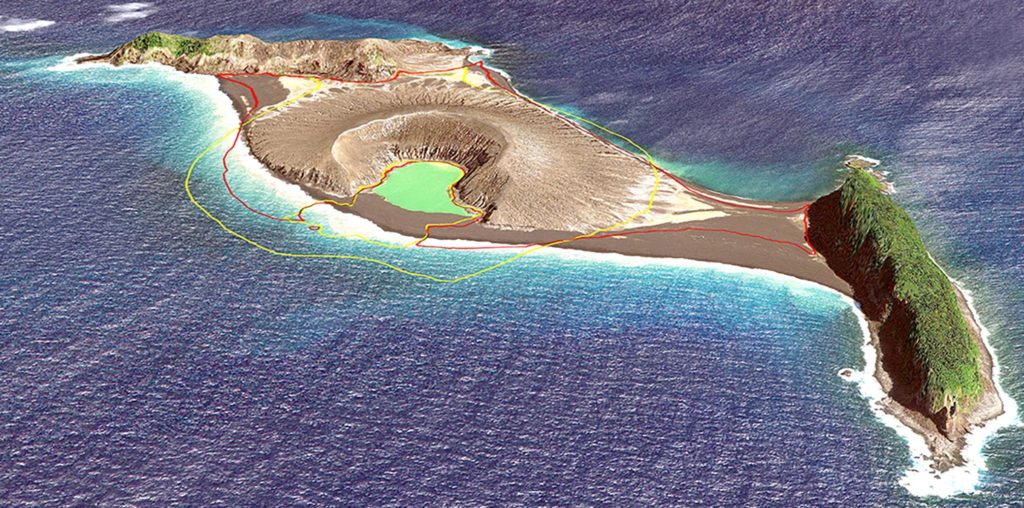
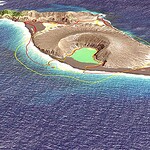
The eruption of Hunga Tonga–Hunga Ha'apai in January 2022 was one of the most powerful volcanic events of the modern satellite era. The submarine volcano produced a massive explosion that generated shock waves detected around the globe and triggered tsunamis throughout the Pacific Ocean. For the people of Tonga, however, the most immediate concern was survival and recovery. Coastal communities experienced flooding and infrastructure damage, while volcanic ash contaminated water supplies and agricultural land. The eruption also severed undersea communication cables, temporarily isolating the island nation from much of the world. The disaster underscored the unique vulnerabilities faced by small island communities and highlighted the importance of resilient infrastructure and emergency planning. Although recovery efforts continue, the eruption has already influenced discussions about disaster preparedness, communications networks, and climate resilience across the Pacific region.
The image featured at the top of this post is ©Steve Allen/Shutterstock.com