





20 Natural Disasters That Forced Governments to Rewrite the Rules
Natural disasters are often remembered for the destruction they leave behind, but their long-term impact is frequently measured by something less visible: government reform. Throughout history, earthquakes, floods, hurricanes, tsunamis, and wildfires have exposed weaknesses in infrastructure, emergency planning, environmental management, and public safety systems. In many cases, these catastrophes forced leaders to confront problems that had been ignored for years. The result was often new laws, stronger regulations, and entirely new approaches to protecting the public from future disasters. Here, History Computer is exploring these natural disasters.
Here is a look at the natural disasters that changed government policy forever:
Lisbon Earthquake
- The Crisis: 1755
- The Lesson Learned: Massive earthquake, tsunami, and fires devastated Lisbon
- Policy That Changed Forever: Governments lacked organized disaster response systems
- Modern Impact: Modern disaster response and urban reconstruction planning
On the morning of November 1, 1755, one of the most devastating disasters in European history struck Portugal. A powerful earthquake shattered Lisbon, triggering fires and a tsunami that destroyed much of the city and killed tens of thousands of people. Beyond the immediate devastation, the disaster forced governments to confront questions they had rarely considered before. Portuguese officials, led by the Marquis of Pombal, organized one of history's first large-scale government-led disaster responses. Reconstruction efforts included new building standards designed to improve earthquake resistance and systematic studies of the quake's effects. The disaster also encouraged a more scientific approach to understanding natural hazards. Many historians view the Lisbon Earthquake as the beginning of modern disaster management, demonstrating that governments could play a central role in both emergency response and long-term recovery planning.
1906 San Francisco Earthquake
- The Crisis: 1906
- The Lesson Learned: Earthquake and fires destroyed much of San Francisco
- Policy That Changed Forever: Weak construction standards and urban planning
- Modern Impact: Seismic building standards and earthquake preparedness reforms
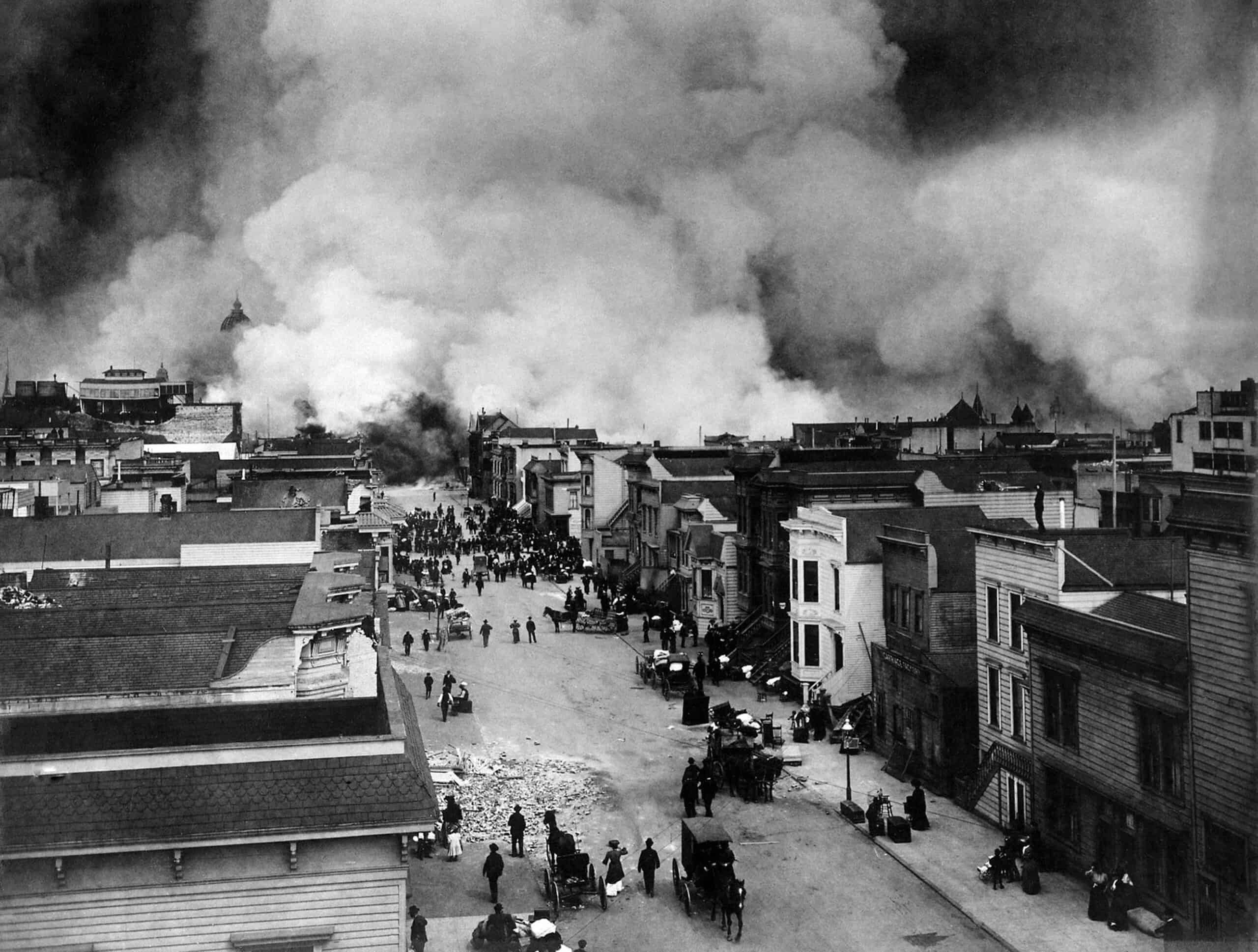
The 1906 San Francisco Earthquake transformed how governments approached urban planning and seismic safety. The earthquake itself caused immense destruction, but the fires that followed devastated large portions of the city. More than 200,000 people were left homeless, and critical infrastructure collapsed. The scale of the disaster exposed serious weaknesses in construction standards, emergency planning, and municipal preparedness. In the years that followed, engineers and policymakers increasingly focused on earthquake-resistant design and improved building practices. The event also accelerated the development of modern seismology and disaster preparedness programs. San Francisco's reconstruction became a case study in rebuilding after catastrophe, influencing cities around the world. Today, many earthquake-related building codes and emergency management practices trace part of their intellectual foundation to lessons learned from the devastation of 1906.
Galveston Hurricane
- The Crisis: 1900
- The Lesson Learned: Deadliest natural disaster in U.S. history struck Texas coast
- Policy That Changed Forever: Insufficient coastal protection and storm preparedness
- Modern Impact: Coastal engineering and hurricane preparedness reforms
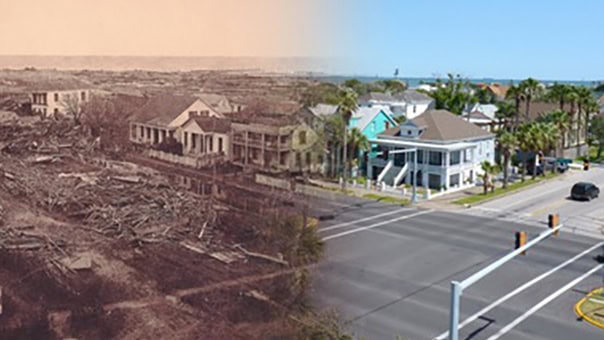
The Galveston Hurricane of 1900 remains the deadliest natural disaster in American history. Striking the Texas coast with little warning, the storm killed thousands and nearly destroyed the city of Galveston. At the time, forecasting capabilities were limited and coastal defenses were inadequate for a storm of such magnitude. In the aftermath, local, state, and federal authorities invested heavily in protective infrastructure. Engineers constructed the famous Galveston Seawall and raised portions of the city to reduce future flood risk. The disaster also highlighted the importance of meteorological forecasting and public warning systems. Galveston's experience influenced hurricane preparedness efforts throughout the Gulf Coast and helped establish principles that continue to guide coastal engineering projects. The storm demonstrated that government investment in mitigation could significantly reduce future losses from natural disasters.
Great Mississippi Flood
- The Crisis: 1927
- The Lesson Learned: Catastrophic flooding displaced hundreds of thousands
- Policy That Changed Forever: Inadequate flood-control infrastructure
- Modern Impact: Expanded federal flood-control programs
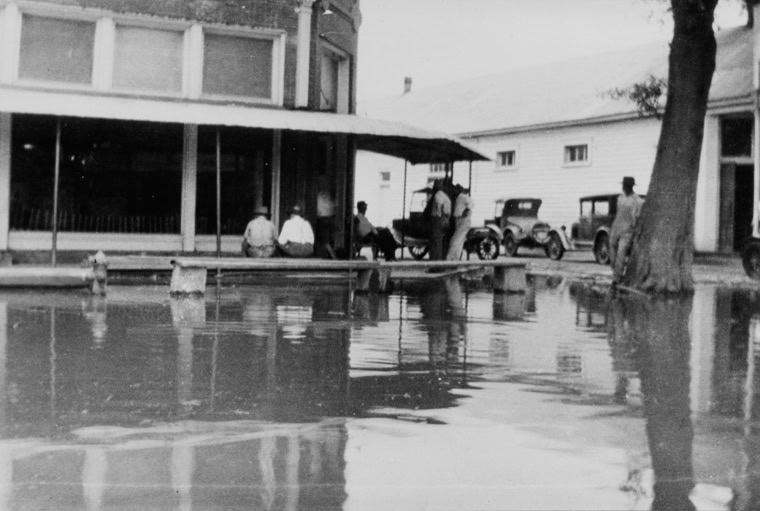
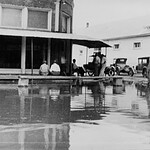
The Great Mississippi Flood of 1927 inundated vast areas of the southern United States and displaced hundreds of thousands of people. Levees failed across multiple states, exposing major weaknesses in flood-control strategies that relied heavily on localized solutions. The scale of the disaster convinced federal officials that flood management required a national approach. In response, Congress authorized major investments in levees, reservoirs, spillways, and other flood-control infrastructure. The disaster significantly expanded the federal government's role in managing rivers and protecting communities from flooding. It also influenced future emergency relief efforts and shaped public expectations regarding federal disaster assistance. The Great Mississippi Flood remains a landmark event because it transformed flood control from a regional concern into a national policy priority with lasting implications for infrastructure planning and water management.
Dust Bowl
- The Crisis: 1930s
- The Lesson Learned: Severe drought and soil erosion devastated farmland
- Policy That Changed Forever: Unsustainable agricultural practices
- Modern Impact: Federal soil conservation programs
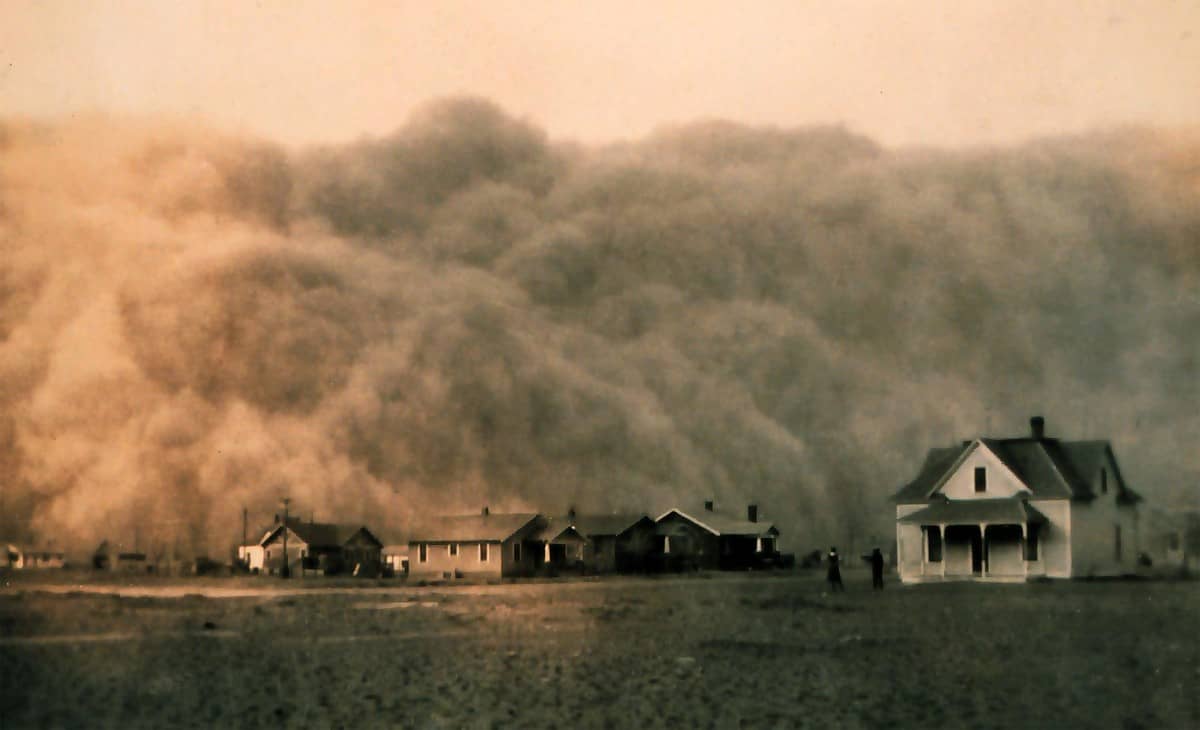
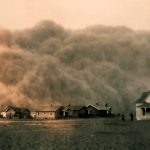
The Dust Bowl of the 1930s was not a single disaster but a prolonged environmental catastrophe that devastated the Great Plains. Years of drought combined with poor agricultural practices created massive dust storms that stripped away fertile soil and forced thousands of families to abandon their farms. The crisis revealed how unsustainable land-use practices could worsen natural hazards and threaten entire regional economies. In response, the federal government created soil conservation programs, promoted sustainable farming techniques, and established agencies dedicated to protecting agricultural resources. These initiatives fundamentally changed how land management was approached in the United States. The Dust Bowl demonstrated that environmental stewardship was not simply a private concern but a matter of national importance. Many modern conservation policies continue to reflect lessons learned during this difficult period.
Johnstown Flood
- The Crisis: 1889
- The Lesson Learned: Dam failure caused catastrophic flooding in Pennsylvania
- Policy That Changed Forever: Poor oversight of critical infrastructure
- Modern Impact: Dam inspection and safety regulation reforms
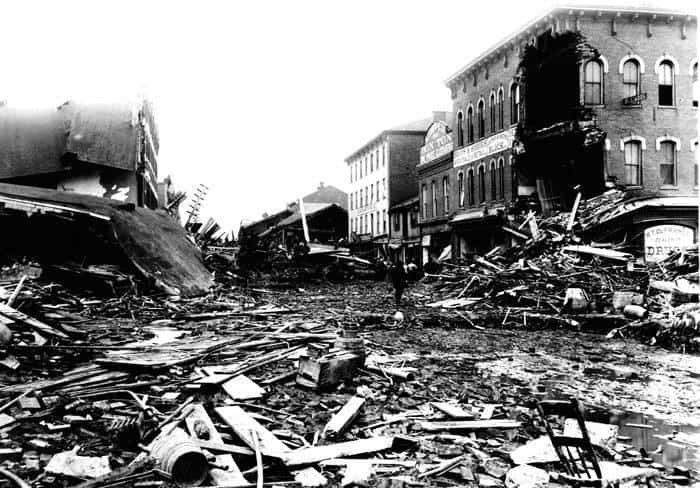
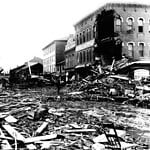
The Johnstown Flood of 1889 remains one of the deadliest disasters in American history and highlighted the dangers of poorly maintained infrastructure. The catastrophe occurred when the South Fork Dam failed after heavy rainfall, unleashing a massive wall of water that devastated communities downstream. More than 2,000 people lost their lives. Public outrage focused not only on the flood itself but also on questions of responsibility and oversight. The disaster exposed weaknesses in infrastructure management and contributed to growing support for stronger dam inspection and safety standards. Over time, governments implemented more rigorous approaches to monitoring dams and other critical structures. The Johnstown Flood became a powerful example of how natural events can expose human vulnerabilities and prompt reforms designed to prevent similar tragedies in the future.
North Sea Flood
- The Crisis: 1953
- The Lesson Learned: Storm surge flooded large areas of the Netherlands
- Policy That Changed Forever: Insufficient coastal flood defenses
- Modern Impact: Dutch Delta Works flood-defense program
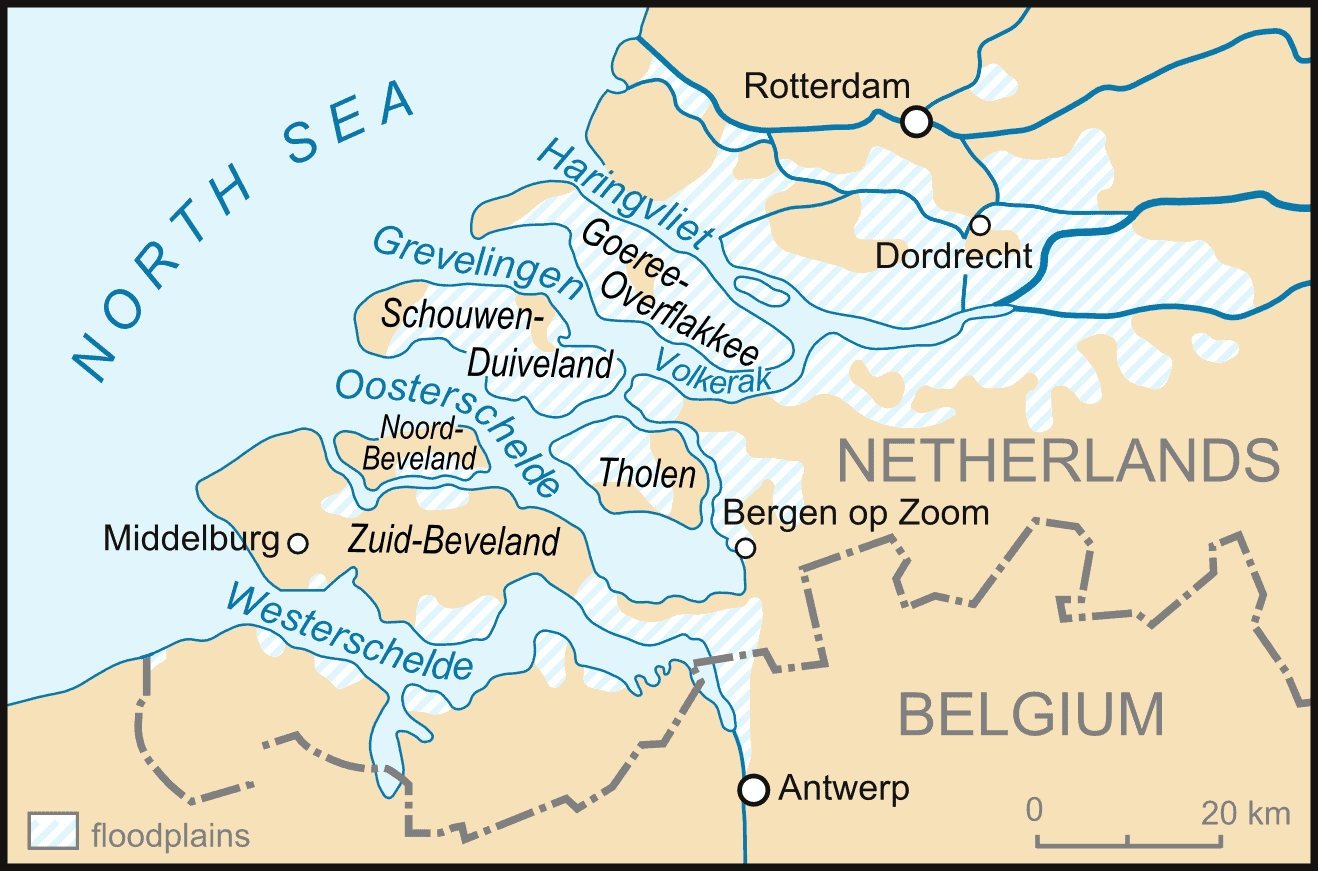
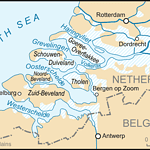
The North Sea Flood of 1953 struck the Netherlands, the United Kingdom, and parts of Belgium, causing widespread destruction and loss of life. Storm surges overwhelmed existing flood defenses, inundating large areas of the Dutch countryside and exposing the country's vulnerability to the sea. For the Netherlands, the disaster became a defining national moment. The government responded by launching the Delta Works, one of the most ambitious flood-protection programs ever undertaken. Massive dams, barriers, and engineering projects were designed to reduce the risk of future flooding. The flood permanently changed Dutch water-management policy and established the country as a global leader in flood-control engineering. Decades later, the Delta Works remain a cornerstone of national infrastructure and a model for coastal protection efforts around the world.
Cyclone Bhola
- The Crisis: 1970
- The Lesson Learned: Cyclone killed hundreds of thousands in East Pakistan
- Policy That Changed Forever: Poor disaster warning and response capabilities
- Modern Impact: Disaster preparedness reforms and political transformation
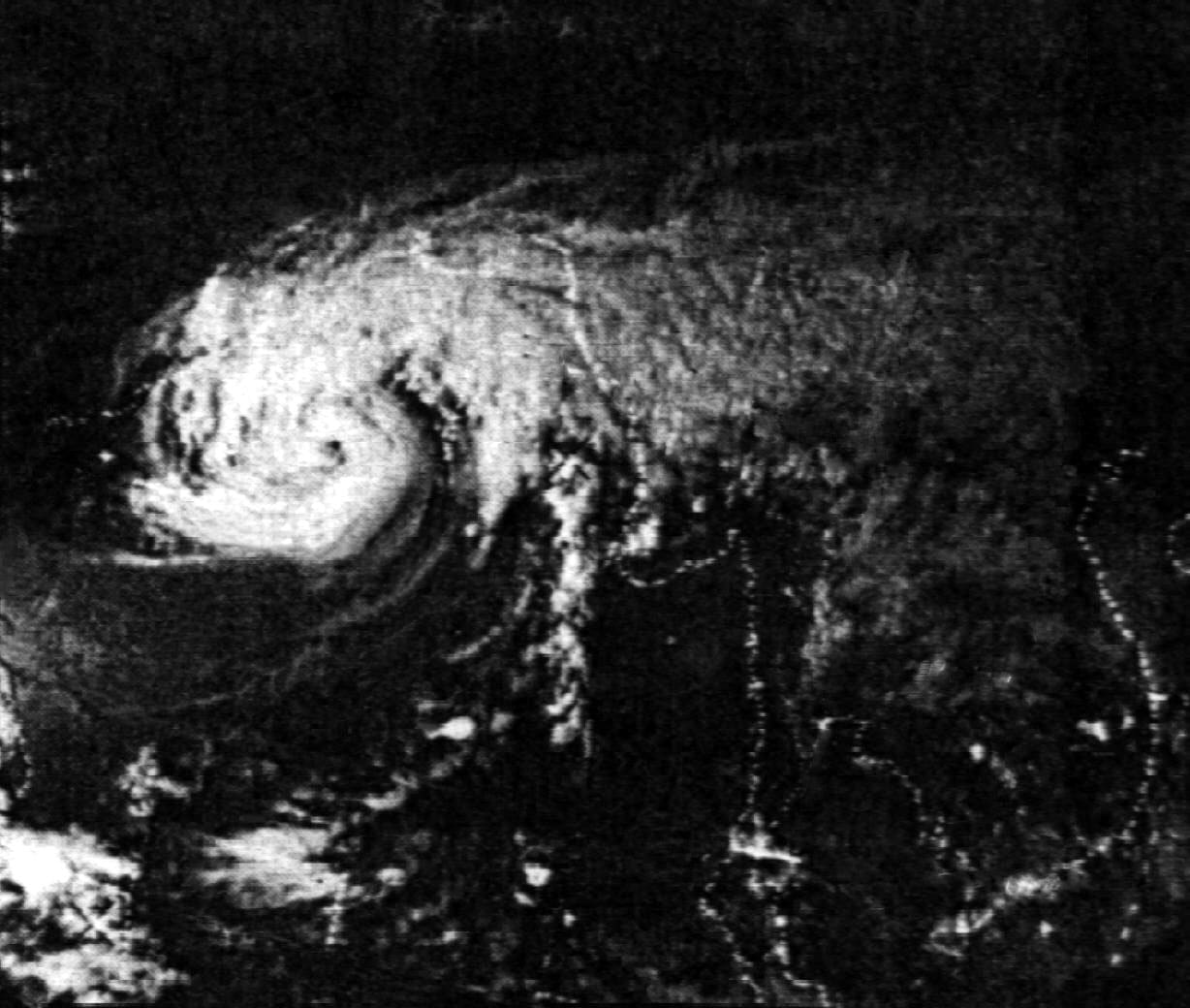
Cyclone Bhola struck East Pakistan in 1970 and caused one of the deadliest natural disasters of the twentieth century. Hundreds of thousands of people were killed as storm surges swept across low-lying coastal areas. Beyond the humanitarian catastrophe, the disaster exposed severe weaknesses in disaster preparedness, emergency response, and government communication. Many survivors felt that authorities failed to respond adequately to the crisis. Public dissatisfaction contributed to growing political tensions that would eventually play a role in the creation of Bangladesh. In the years that followed, governments in the region invested heavily in cyclone shelters, warning systems, and disaster-response capabilities. Cyclone Bhola demonstrated how ineffective disaster management can have profound political consequences and highlighted the importance of preparedness in vulnerable coastal regions.
Mount St. Helens Eruption
- The Crisis: 1980
- The Lesson Learned: Volcanic eruption devastated surrounding region
- Policy That Changed Forever: Limited volcanic monitoring capabilities
- Modern Impact: Expanded volcanic monitoring and hazard management
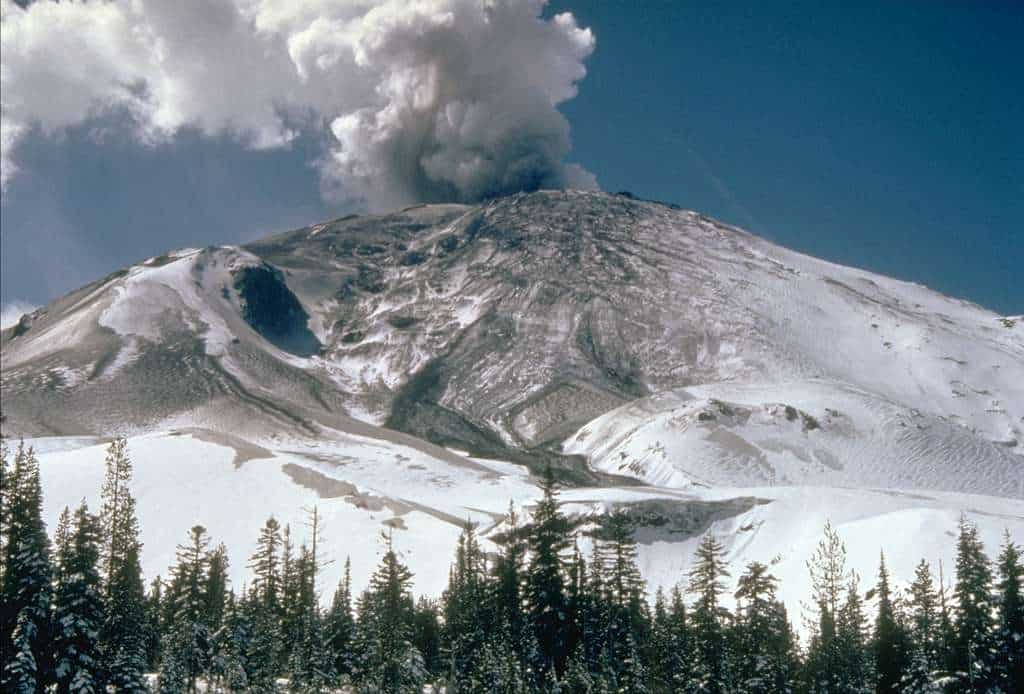
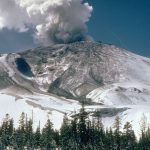
When Mount St. Helens erupted in 1980, it became one of the most significant volcanic disasters in American history. The eruption devastated surrounding forests, destroyed infrastructure, and claimed dozens of lives. It also exposed limitations in volcanic monitoring and hazard communication. Scientists had observed warning signs before the eruption, but predicting the precise scale and timing of volcanic events remained difficult. In response, governments expanded investments in volcanic monitoring networks, geological research, and public warning systems. The disaster helped strengthen cooperation between scientists and emergency managers while improving public awareness of volcanic hazards. Mount St. Helens transformed how governments monitor active volcanoes and respond to geologic threats. Many of the procedures used today for volcanic risk assessment were shaped by lessons learned from the eruption.
Hurricane Andrew
- The Crisis: 1992
- The Lesson Learned: Major hurricane exposed widespread construction weaknesses
- Policy That Changed Forever: Weak building-code enforcement
- Modern Impact: Stronger building codes and insurance oversight
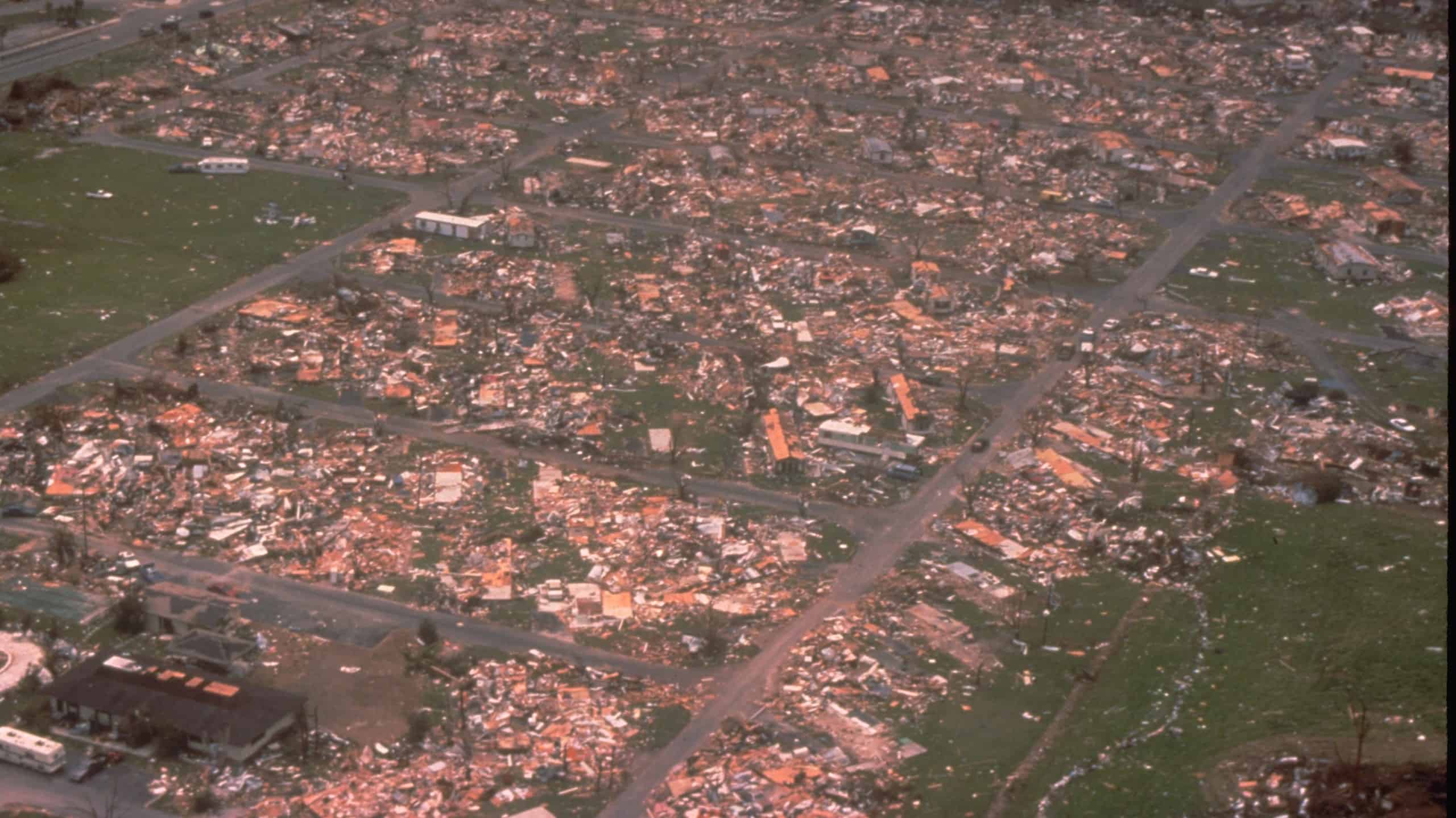
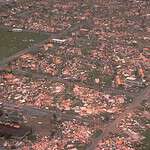
Hurricane Andrew struck South Florida in 1992 and revealed major weaknesses in building-code enforcement. Although the storm was exceptionally powerful, investigators found that many structures failed because they had not been built to withstand severe hurricane conditions. The widespread damage prompted extensive reviews of construction standards, inspection procedures, and insurance regulations. Florida implemented some of the strictest building codes in the United States, requiring stronger designs capable of resisting high winds. These reforms influenced construction practices well beyond the state. Hurricane Andrew demonstrated that disaster resilience depends not only on forecasting and emergency response but also on the quality of infrastructure built before a disaster occurs. The storm remains a benchmark event in the evolution of hurricane-resistant construction standards.
Kobe Earthquake
- The Crisis: 1995
- The Lesson Learned: Earthquake caused widespread destruction in Japan
- Policy That Changed Forever: Emergency response and infrastructure vulnerabilities
- Modern Impact: Japanese emergency management modernization
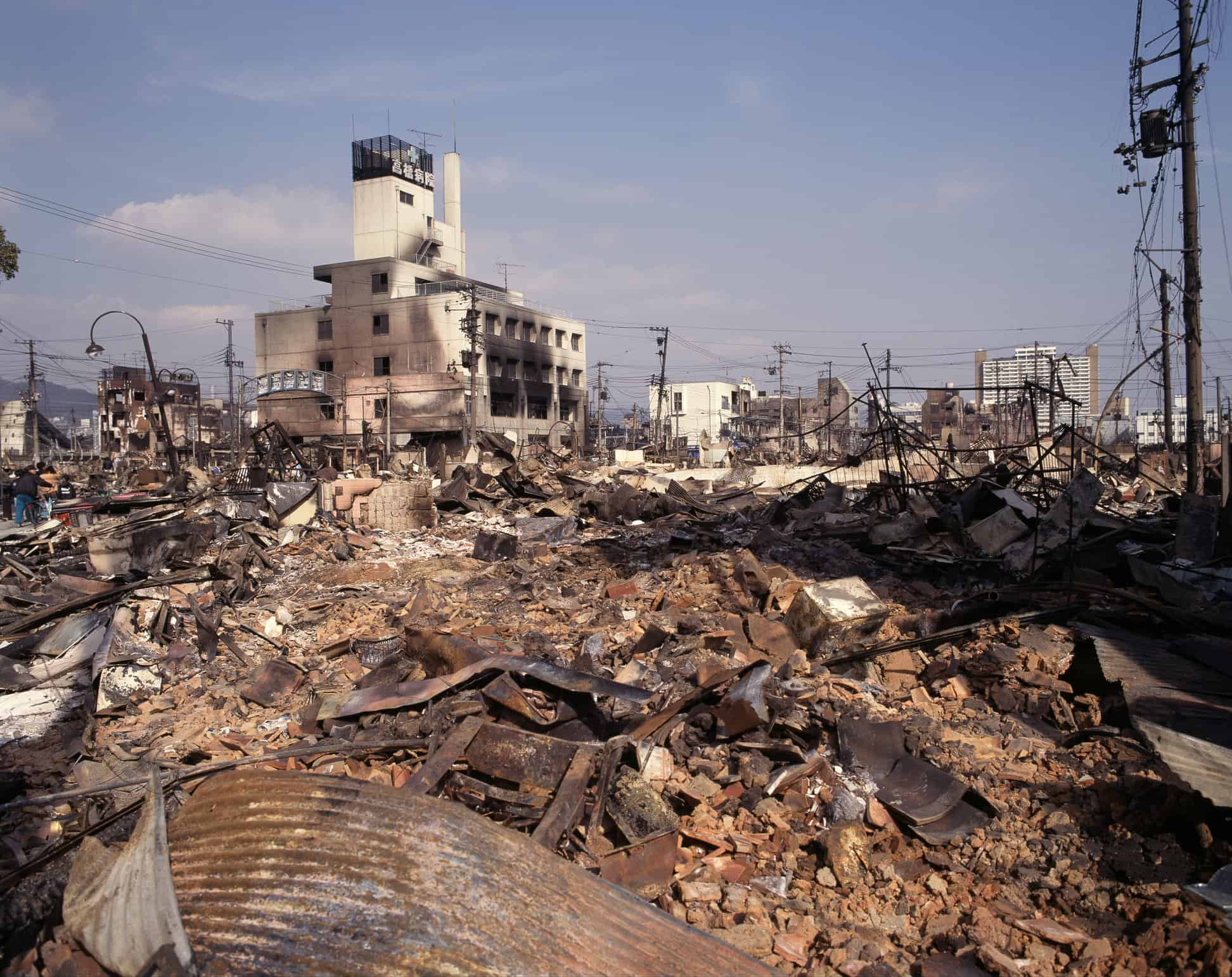
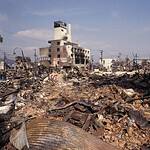
The Great Hanshin Earthquake, commonly known as the Kobe Earthquake, struck Japan in January 1995 and killed more than 6,000 people. The disaster caused widespread destruction to homes, transportation networks, and critical infrastructure in one of Japan's most densely populated regions. While Japan was already considered one of the world's most earthquake-prepared nations, the response exposed weaknesses in emergency coordination, communication, and disaster management systems. Rescue efforts were slower than many expected, and questions emerged about the roles of local and national authorities during major emergencies. In response, Japan modernized its disaster-management framework, strengthened coordination between agencies, expanded emergency-response capabilities, and improved public preparedness programs. The Kobe Earthquake became a turning point that helped shape the sophisticated disaster-response systems Japan relies on today.
Indian Ocean Tsunami
- The Crisis: 2004
- The Lesson Learned: Tsunami affected multiple countries across the region
- Policy That Changed Forever: Lack of regional warning systems
- Modern Impact: International tsunami warning networks
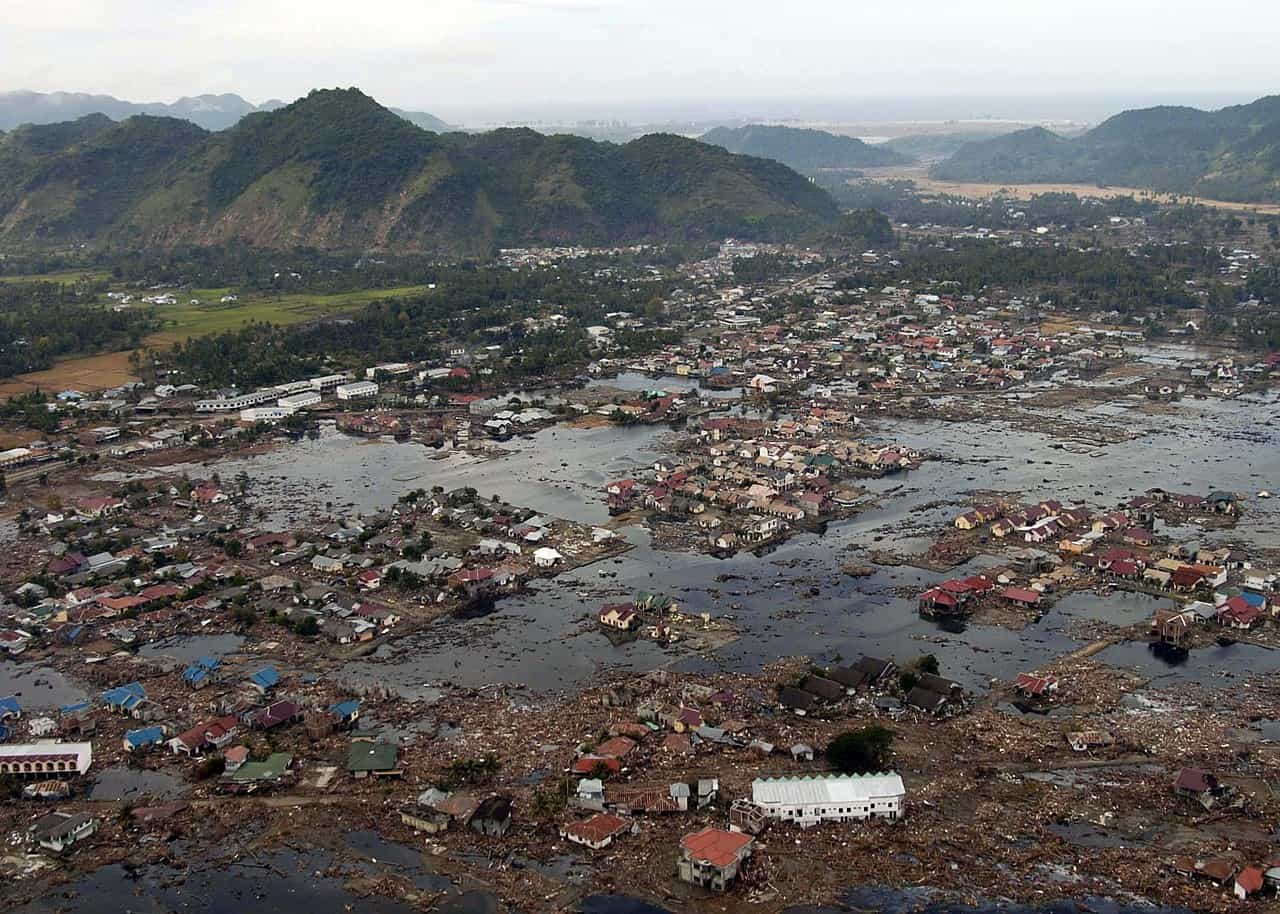
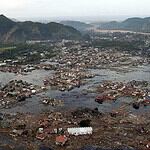
The Indian Ocean Tsunami of December 2004 was one of the deadliest natural disasters in recorded history. Triggered by a massive undersea earthquake off the coast of Indonesia, the tsunami struck countries across the Indian Ocean basin, killing more than 200,000 people. One of the most alarming revelations was that the region lacked a coordinated tsunami-warning system despite its vulnerability to seismic activity. Many communities received little or no warning before the waves arrived. In response, governments and international organizations worked together to establish comprehensive tsunami-detection and warning networks throughout the region. New monitoring stations, communication systems, evacuation protocols, and public-education programs were developed. The disaster fundamentally changed how governments approach tsunami preparedness and demonstrated the importance of international cooperation in responding to transnational natural hazards.
Hurricane Katrina
- The Crisis: 2005
- The Lesson Learned: Storm overwhelmed Gulf Coast emergency response systems
- Policy That Changed Forever: Coordination failures in disaster management
- Modern Impact: FEMA restructuring and emergency-response reforms
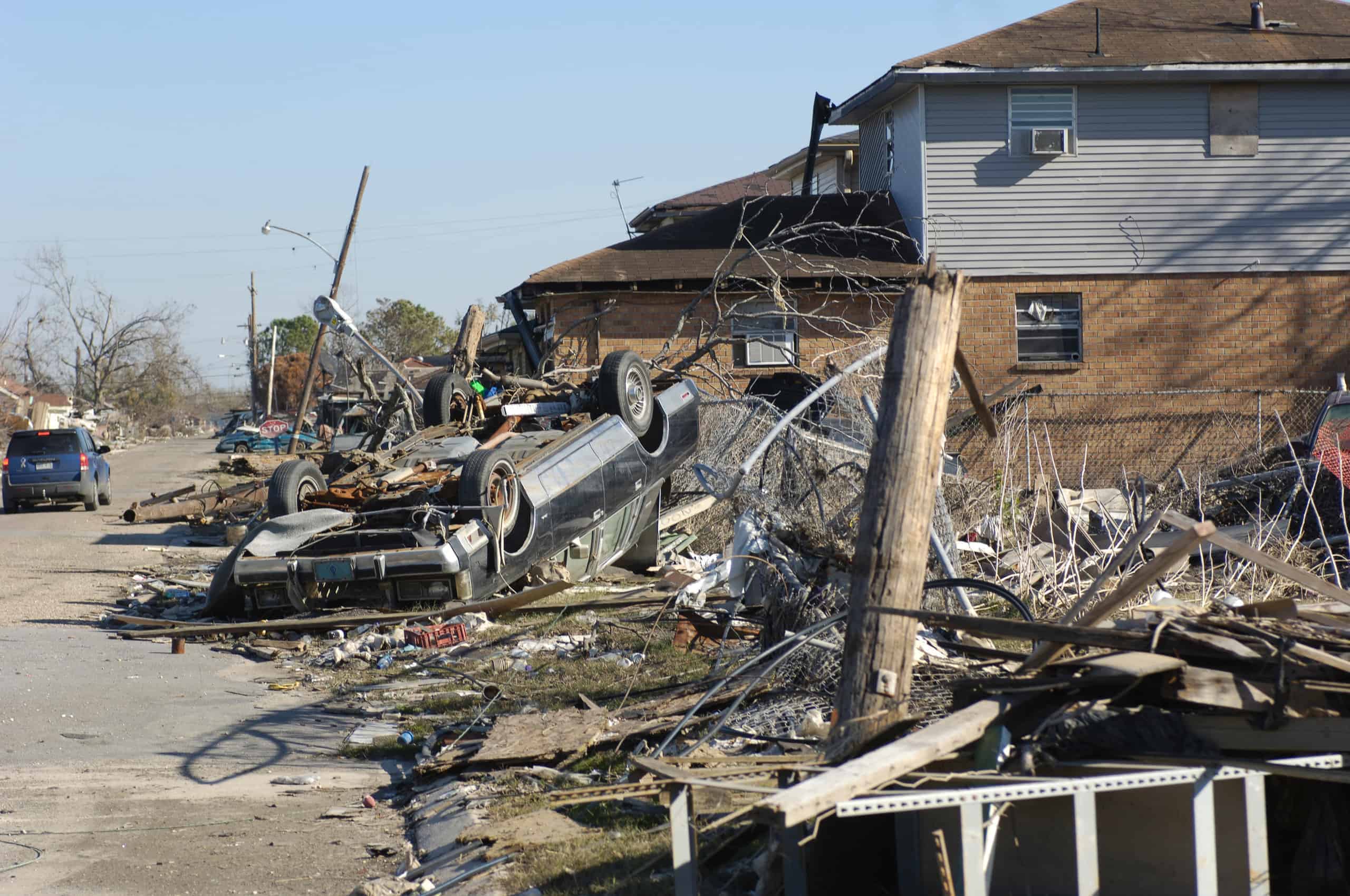
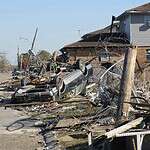
When Hurricane Katrina struck the Gulf Coast in 2005, it became one of the most scrutinized disasters in modern American history. The storm itself caused immense damage, but much of the public attention focused on failures in emergency response, evacuation planning, and coordination among local, state, and federal agencies. Images of stranded residents and overwhelmed infrastructure exposed serious weaknesses in the nation's disaster-management system. In the years that followed, significant reforms were implemented within the Federal Emergency Management Agency (FEMA) and other emergency-response organizations. New planning requirements, communication protocols, and preparedness initiatives were introduced to improve future responses. Katrina reshaped public expectations regarding government responsibility during disasters and remains a defining case study in emergency management. The lessons learned continue to influence disaster planning across the United States.
2010 Haiti Earthquake
- The Crisis: 2010
- The Lesson Learned: Earthquake caused catastrophic humanitarian crisis
- Policy That Changed Forever: Challenges in international disaster coordination
- Modern Impact: Reforms in international disaster-relief coordination
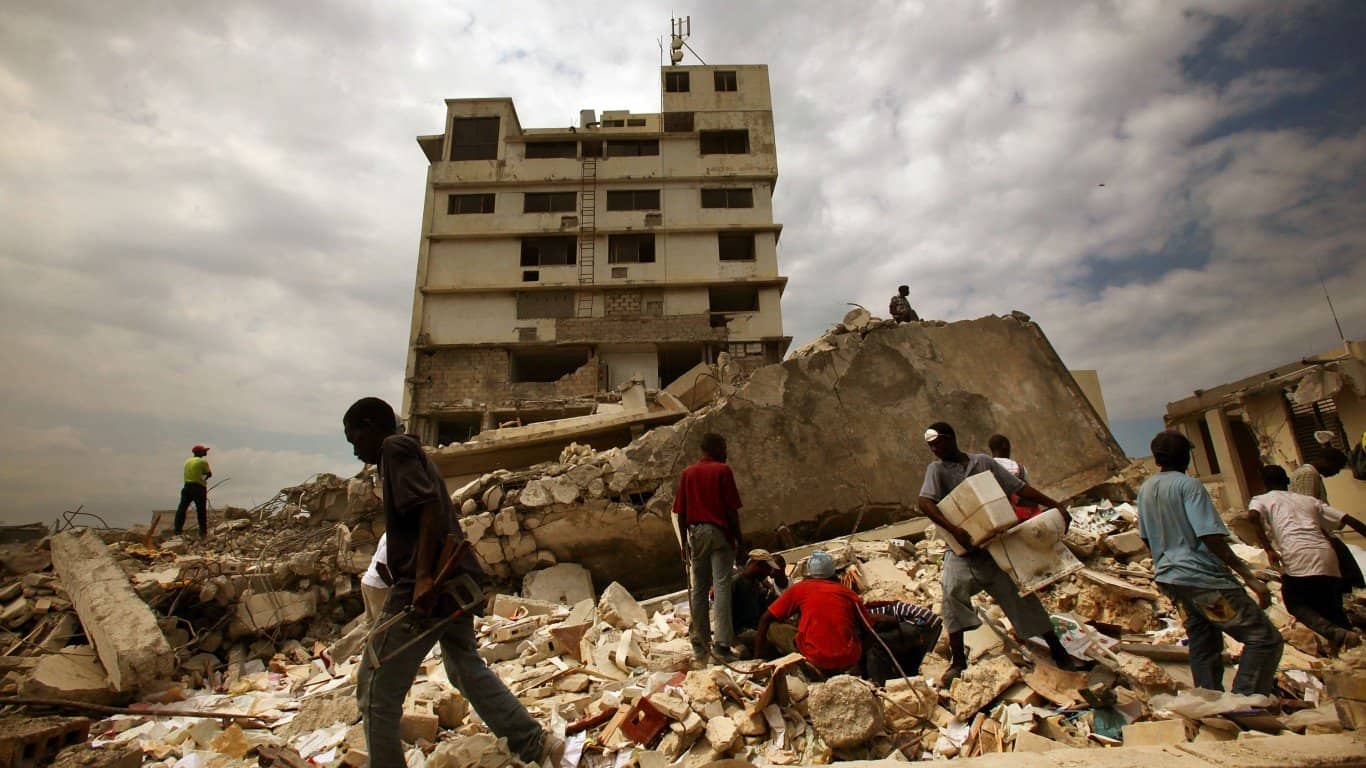
The Haiti Earthquake of 2010 produced a humanitarian crisis on an enormous scale. The disaster devastated the capital city of Port-au-Prince, overwhelmed local institutions, and triggered one of the largest international relief efforts in history. Governments, aid organizations, military forces, and humanitarian agencies from around the world rushed to provide assistance. However, the response also revealed significant challenges in coordinating large-scale international disaster-relief operations. Communication difficulties, logistical bottlenecks, and overlapping responsibilities often complicated recovery efforts. In the years that followed, governments and international organizations worked to improve disaster-response coordination, information sharing, and humanitarian logistics. The Haiti Earthquake became a major case study in international emergency management and highlighted the need for better planning and cooperation when responding to catastrophic disasters in vulnerable nations.
Pakistan Floods
- The Crisis: 2010
- The Lesson Learned: Flooding affected millions across Pakistan
- Policy That Changed Forever: Weak flood planning and emergency management
- Modern Impact: National disaster-management reforms
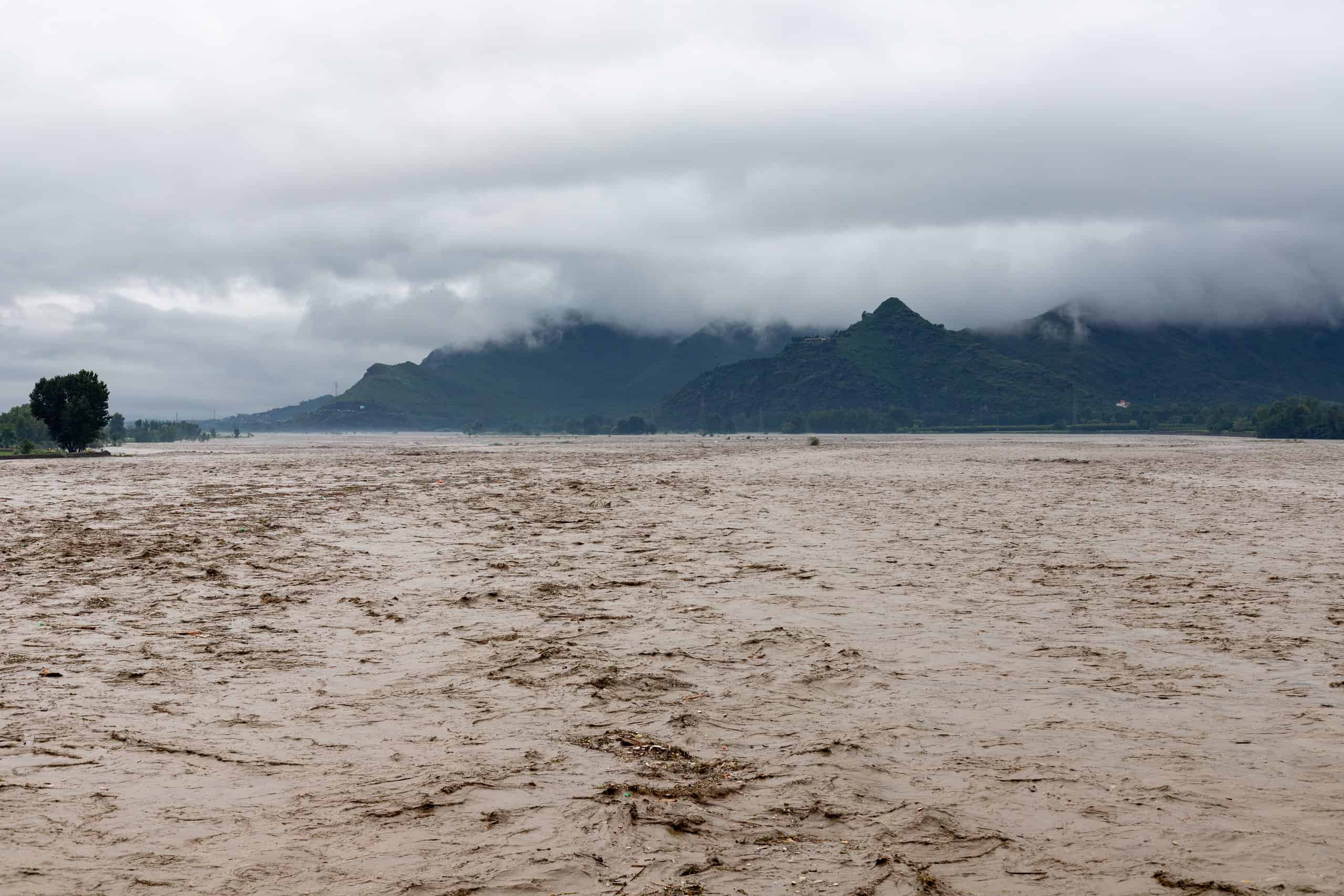
The Pakistan Floods of 2010 affected millions of people and inundated large portions of the country following unusually heavy monsoon rains. Entire communities were displaced, infrastructure was damaged, and agricultural production suffered severe losses. The disaster exposed weaknesses in flood planning, emergency preparedness, and disaster-management systems. In response, Pakistani authorities expanded efforts to strengthen disaster-response institutions, improve flood forecasting capabilities, and develop more comprehensive emergency-management strategies. International organizations also supported initiatives aimed at improving resilience and reducing future risk. The floods underscored the growing challenge of managing large-scale weather-related disasters in densely populated regions. Their impact helped drive reforms that continue to influence flood planning, infrastructure development, and emergency preparedness efforts throughout Pakistan.
Canterbury Earthquake Sequence
- The Crisis: 2010–2011
- The Lesson Learned: Series of earthquakes damaged Christchurch
- Policy That Changed Forever: Infrastructure and building resilience weaknesses
- Modern Impact: New Zealand building-code reforms
Between 2010 and 2011, a series of powerful earthquakes struck New Zealand's Canterbury region, causing extensive damage and significant loss of life. The city of Christchurch was particularly hard hit, with numerous buildings collapsing and critical infrastructure suffering severe disruption. The earthquakes prompted a comprehensive review of building standards, engineering practices, and emergency-response procedures. Investigations identified vulnerabilities in older structures and highlighted the need for stronger resilience measures. In response, New Zealand implemented building-code reforms, expanded seismic-assessment requirements, and invested in reconstruction programs designed to improve long-term resilience. The Canterbury Earthquake Sequence became a defining event in New Zealand's modern history and reinforced the importance of preparing urban areas for seismic hazards in earthquake-prone regions.
Tōhoku Earthquake and Tsunami
- The Crisis: 2011
- The Lesson Learned: Earthquake and tsunami triggered nuclear crisis
- Policy That Changed Forever: Insufficient disaster and nuclear safety planning
- Modern Impact: Nuclear safety and preparedness reforms
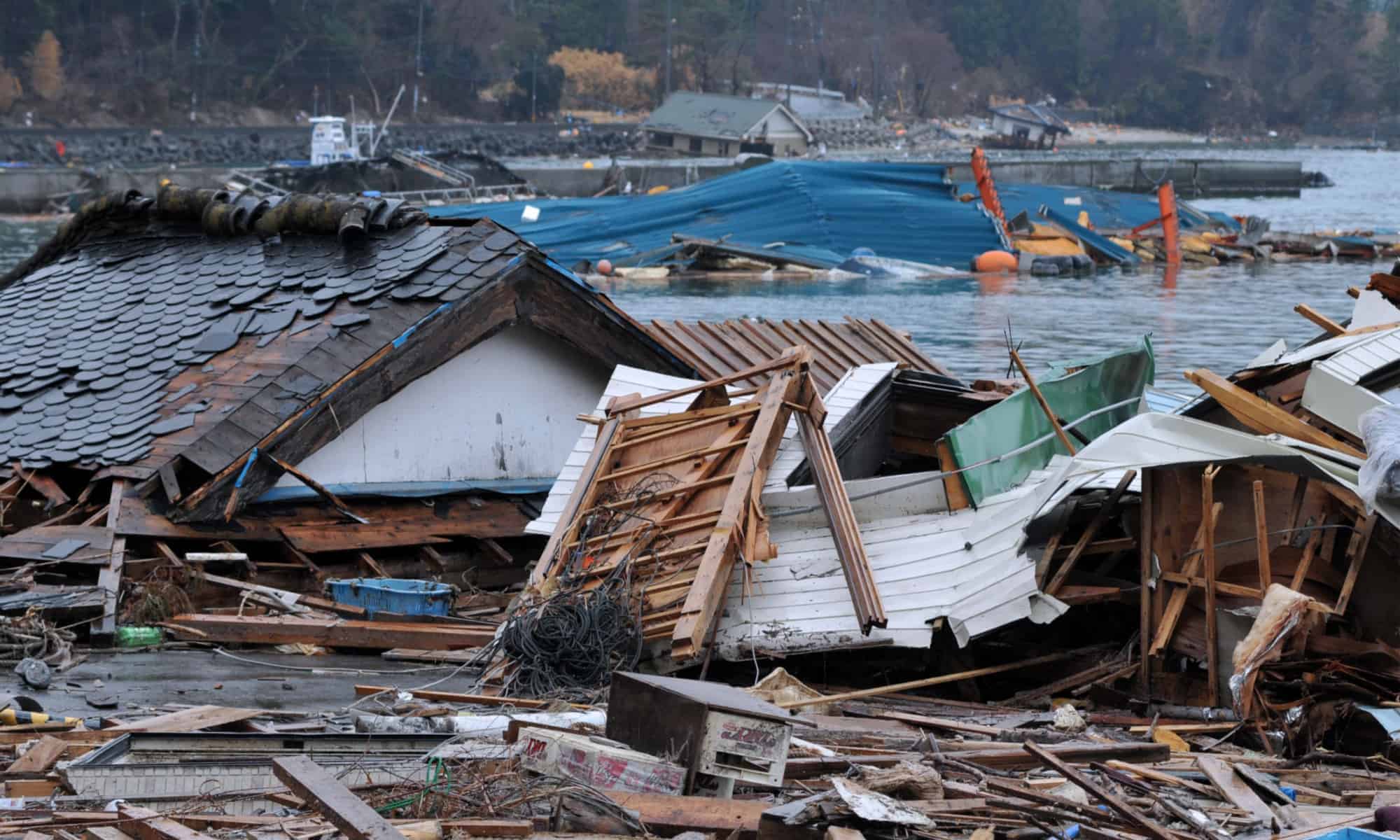
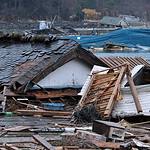
The 2011 Tōhoku Earthquake and Tsunami was one of the most consequential disasters of the twenty-first century. The massive earthquake generated a devastating tsunami that struck northeastern Japan and triggered the Fukushima Daiichi nuclear accident. While Japan was already known for its extensive disaster-preparedness efforts, the scale of the event exceeded many planning assumptions. In the aftermath, the government conducted sweeping reviews of nuclear safety regulations, emergency planning procedures, and disaster-response systems. New requirements were introduced for nuclear facilities, while broader preparedness measures were strengthened across the country. The disaster also influenced energy policy debates both within Japan and internationally. Tōhoku demonstrated how a natural disaster can expose vulnerabilities in highly complex technological systems and drive reforms that extend far beyond immediate recovery efforts.
Hurricane Sandy
- The Crisis: 2012
- The Lesson Learned: Storm damaged major urban infrastructure
- Policy That Changed Forever: Coastal vulnerability and resilience gaps
- Modern Impact: Climate-resilience and infrastructure planning reforms
Hurricane Sandy struck the eastern United States in 2012 and highlighted the vulnerability of major urban centers to coastal storms. The storm flooded transportation systems, damaged electrical infrastructure, and disrupted economic activity across a wide region. One of the most significant lessons was that traditional approaches to infrastructure planning often underestimated the risks posed by extreme weather and rising sea levels. In response, governments at multiple levels began investing more heavily in resilience initiatives, flood-protection projects, and climate-adaptation planning. Sandy accelerated discussions about how communities should prepare for future environmental challenges and influenced policies related to coastal development and infrastructure design. The storm remains a pivotal event in the evolution of resilience planning within the United States.
Camp Fire
- The Crisis: 2018
- The Lesson Learned: Wildfire destroyed Paradise, California
- Policy That Changed Forever: Utility and wildfire management shortcomings
- Modern Impact: Utility regulation and wildfire-management reforms
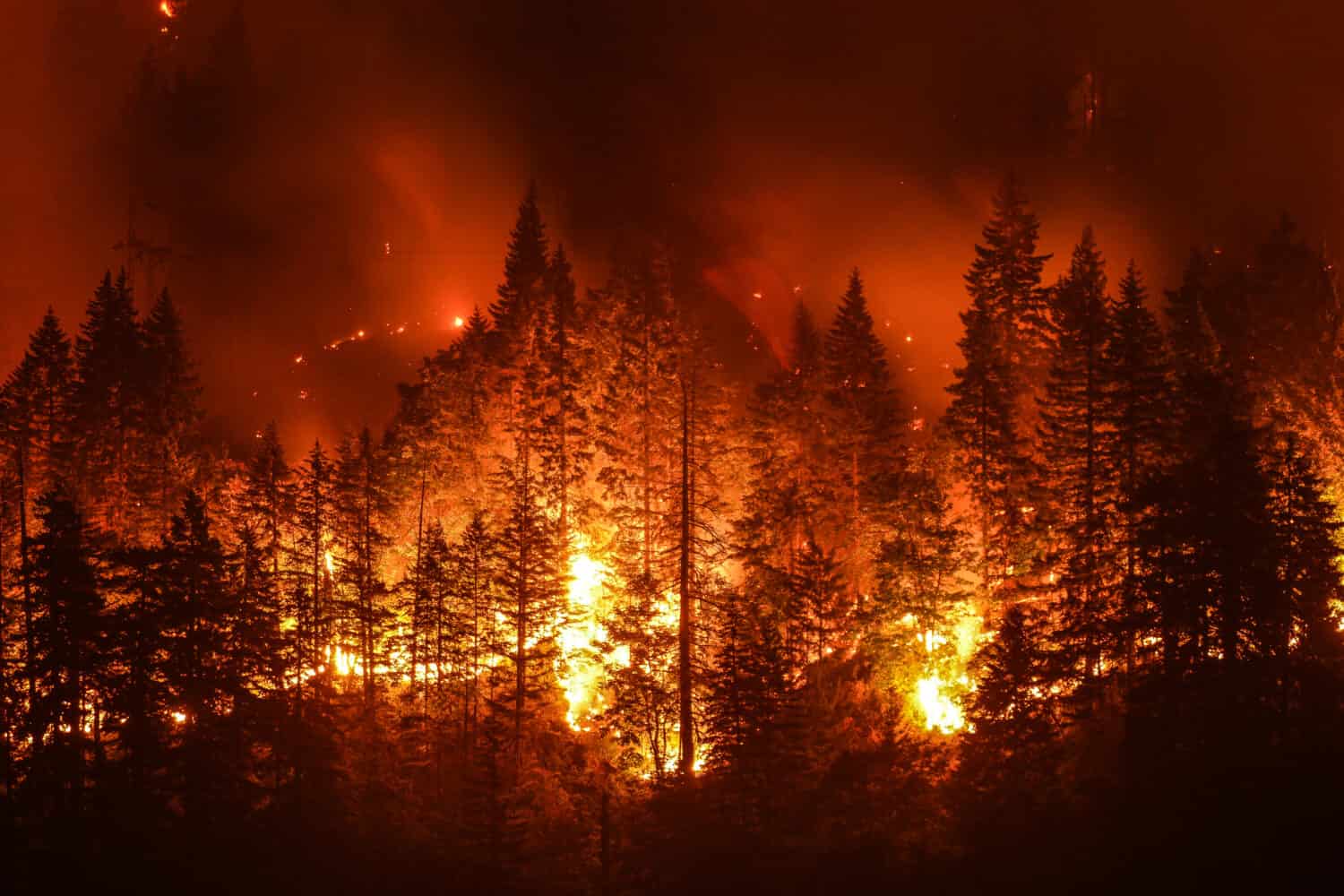
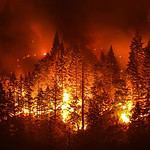
The Camp Fire of 2018 became the deadliest and most destructive wildfire in California history. The fire destroyed the town of Paradise and exposed significant weaknesses in utility management, wildfire prevention, and evacuation planning. Investigations found that electrical infrastructure played a major role in the disaster, prompting intense scrutiny of utility companies and regulatory frameworks. In response, California implemented reforms aimed at improving vegetation management, strengthening utility oversight, and reducing wildfire risks associated with power transmission systems. The disaster also accelerated investments in emergency-alert systems and community preparedness programs. The Camp Fire demonstrated that changing environmental conditions and expanding development in fire-prone regions require new approaches to risk management and public safety.
Australian Black Summer Bushfires
- The Crisis: 2019–2020
- The Lesson Learned: Massive bushfires affected large areas of Australia
- Policy That Changed Forever: Preparedness and climate adaptation challenges
- Modern Impact: National wildfire preparedness reforms
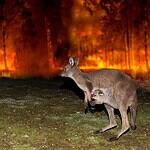
The Australian Black Summer Bushfires of 2019–2020 burned millions of acres, destroyed thousands of structures, and had a profound impact on communities and ecosystems across the country. The scale and duration of the fires challenged existing emergency-response systems and sparked national debates about preparedness, land management, and climate adaptation. Government reviews identified areas where coordination, resource allocation, and planning could be improved. In response, authorities expanded investments in firefighting capabilities, emergency communications, disaster resilience programs, and long-term preparedness initiatives. The fires also heightened attention to climate-related risks and influenced discussions about how governments should prepare for increasingly severe natural hazards. Black Summer remains a defining event in Australia's approach to disaster management and resilience planning.
The image featured at the top of this post is ©Mario Tama / Getty Images News via Getty Images