


10 Hunting Calibers That Hit Harder Than Most People Realize
Gun lore isn't immune to myths, and like all myths, they tend to be just plain wrong. Calibers are discredited for being out-of-date or too small, but the hunters' freezers fill year after year while using them regardless. The numbers alone don't tell the whole story. Bullet design, retained energy, and effective range determine how the ammunition performs when hunting, and the cartridges on this list prove to be more powerful than most people realize.
If a particular caliber is seen as a pistol cartridge or a novice's rifle cartridge, that label remains even when the ballistic statistics show something different. Some cartridges were dismissed based on bore diameter alone, as if the number in the name settled the question. The actual energy figures don't care about any of that.
.45-70 Government
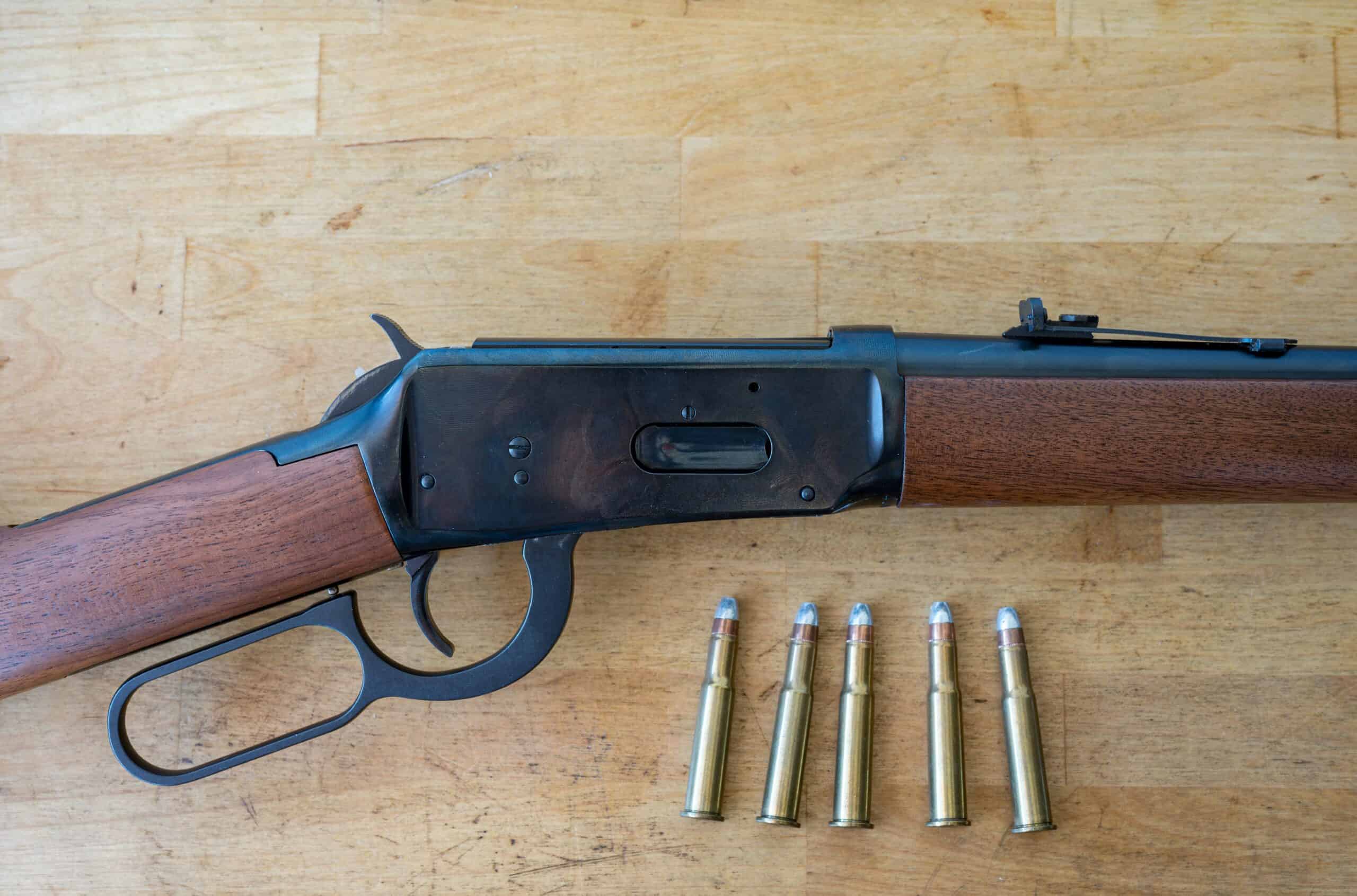
Developed by the U.S. Army for their Springfield trapdoor rifle in 1873, the .45-70 Government round is derided as a relic of the cowboy days. The original black powder load provided around 1,640 foot pounds of muzzle energy, which proved sufficient to claim the West but isn't very remarkable when compared to modern calibers. With hot commercial loads like Underwood and Buffalo Bore providing over 3,700 foot pounds, this old round now sits in the same recoil class as the .375 H&H Magnum.
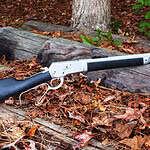
On woods ranges within 200 yards, this round can dispatch elk, bear, and even bison cleanly. Modern lever guns like the Marlin 1895, chambered for heavy +P ammunition, tell a very different story than the Springfield trapdoor rifle that started the cartridge's life in 1873.
.357 Magnum
Most people associate the .357 Magnum ammunition with revolvers, specifically the one Clint Eastwood pointed at criminals in crime thrillers. However, the improved performance that comes from a longer barrel isn’t usually taken into consideration. From a 4" revolver, 158 grains of ammunition will deliver muzzle energy ranging between 500-540 foot-pounds. When using the same round from a 16" carbine barrel, the figure will be almost doubled, which puts it well past what most hunters consider adequate for hunting deer at woods ranges.
Heavy hunting loads from Buffalo Bore will propel a 180-grain hard cast bullet faster than 1,600fps from a revolver for over 1,100 foot-pounds of muzzle energy. It's a handgun round that is underestimated as a rifle cartridge, but gets the work done.
6.5×55 Swedish
Adopted jointly by Sweden and Norway back in 1894, the 6.5×55 has been getting hunters’ moose in Scandinavia for more than 130 years. The cartridge might come across as mild to someone accustomed to magnum American cartridges, but standard loads with 140-grain bullets give approximately 2,300 foot-pounds of muzzle energy, shoot flat enough to be useful at distance, and the recoil is much lower than most comparable calibers.
The "Swede" caliber's reputation for being easy to shoot led to it being overlooked as a big-game round. Scandinavian hunters didn’t even notice the bad rep. Modern premium bullet designs have only improved the caliber further, and it now outshines many other cartridges that are far more aggressively marketed.
.243 Winchester
The .243 Winchester is given to beginners and young hunters because of its controllable recoil. This has unfairly hurt its reputation. When using a well-constructed 100-grain hunting bullet at around 2,960 fps, the .243 produces over 1,900 ft/lbs of muzzle energy and shoots flat enough to be useful at long range on deer and pronghorn. It's a far more capable cartridge than its training-round reputation suggests.
Some experienced hunters have even been able to kill elk using the .243 if the right circumstances align and the right choice of bullets. This one gets shelved too quickly when hunters think they've outgrown it.
.30-30 Winchester
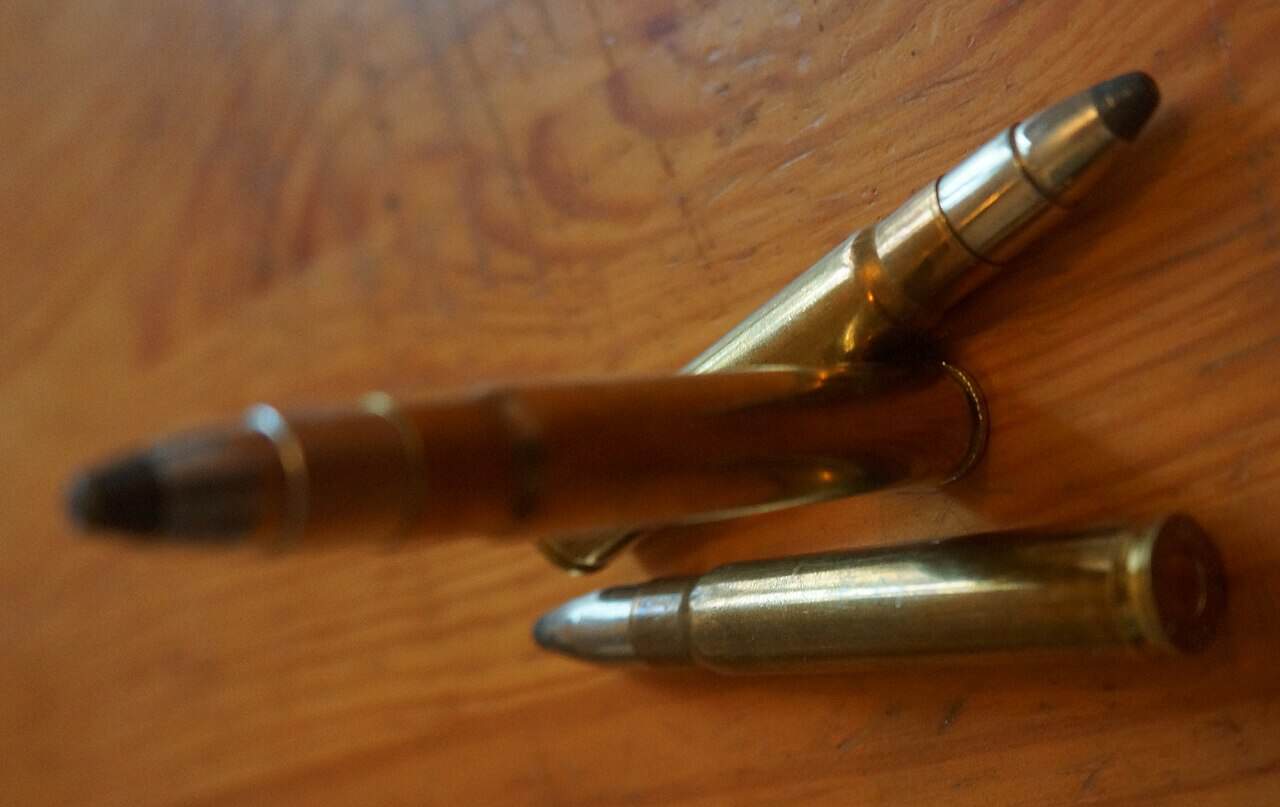
Developed in 1895 as the first small-bore American sporting cartridge loaded with smokeless powder, the .30-30 has been dismissed as obsolete for many years now. It delivers approximately 1,900 foot-pounds from the muzzle, a number that hunters instinctively compare unfavorably to today's high-performance magnum cartridges, but there is much more to it.
The .30-30 may have taken more deer than any other cartridge in history, and it continues to do so today. In woods ranges of up to 150 yards, where most whitetail deer are hunted, it gets the job done, and Hornady's LeverEvolution rounds, designed to use flex-tip spitzer bullets in tube magazines, increased its effective range and meaningfully improved its trajectory. The cartridge people treat as a grandfather's relic keeps stacking deer every November.
.338 Federal
The .338 Federal is the caliber almost nobody knows about. It uses the same case as the .308 Winchester, necked up to shoot a .338 bullet. That makes it a short action cartridge that eliminates all of the bulk and length associated with belted magnum cartridges. The muzzle energy surpasses the .30-06 Springfield and equals that of the 7mm Remington Magnum.
The recoil on this round is significantly higher than the parent round, but still controllable in a purpose-built rifle. This is the caliber for hunters who want .338 performance without having to pack a magnum rifle into the field.
.35 Whelen
Col. Townsend Whelen developed this wildcat cartridge in 1922 by starting with a .30-06 case and necking it up to accommodate a .358-inch bullet. Remington standardized it in 1987. This makes for muzzle energies of 3,000 to 3,700 foot-pounds from hunting rounds, putting it in line with the .338 Winchester Magnum, while fitting in a standard long-action .30-06-length rifle with less recoil than equivalent magnums.
Very few hunters outside of elk and bear territory know it exists. However, those who discover it tend to stay with it.
9.3×62mm Mauser
The 9.3×62mm was designed by German weapon manufacturer Otto Bock in 1905 for use in hunting in German East Africa. Standard factory loads with 286-grain bullets generate around 3,500-3,700 foot-pounds of muzzle energy.
Certain African nations approve it as a caliber for dangerous game based on energy minimums, including Zimbabwe, which rewrote its game laws expressly to incorporate the cartridge. Other nations, including Botswana, Zambia, and Tanzania, require a minimum bore of .375 inches, excluding the 9.3×62. The .375 H&H Magnum gets the fame, but the 9.3×62 does the same job with comparable energy in a standard action and slightly less recoil while staying compliant.
North American hunters rarely come across it, making it easily underestimated, but Sub-Saharan professional hunters have depended on it for more than a century.
.44 Remington Magnum
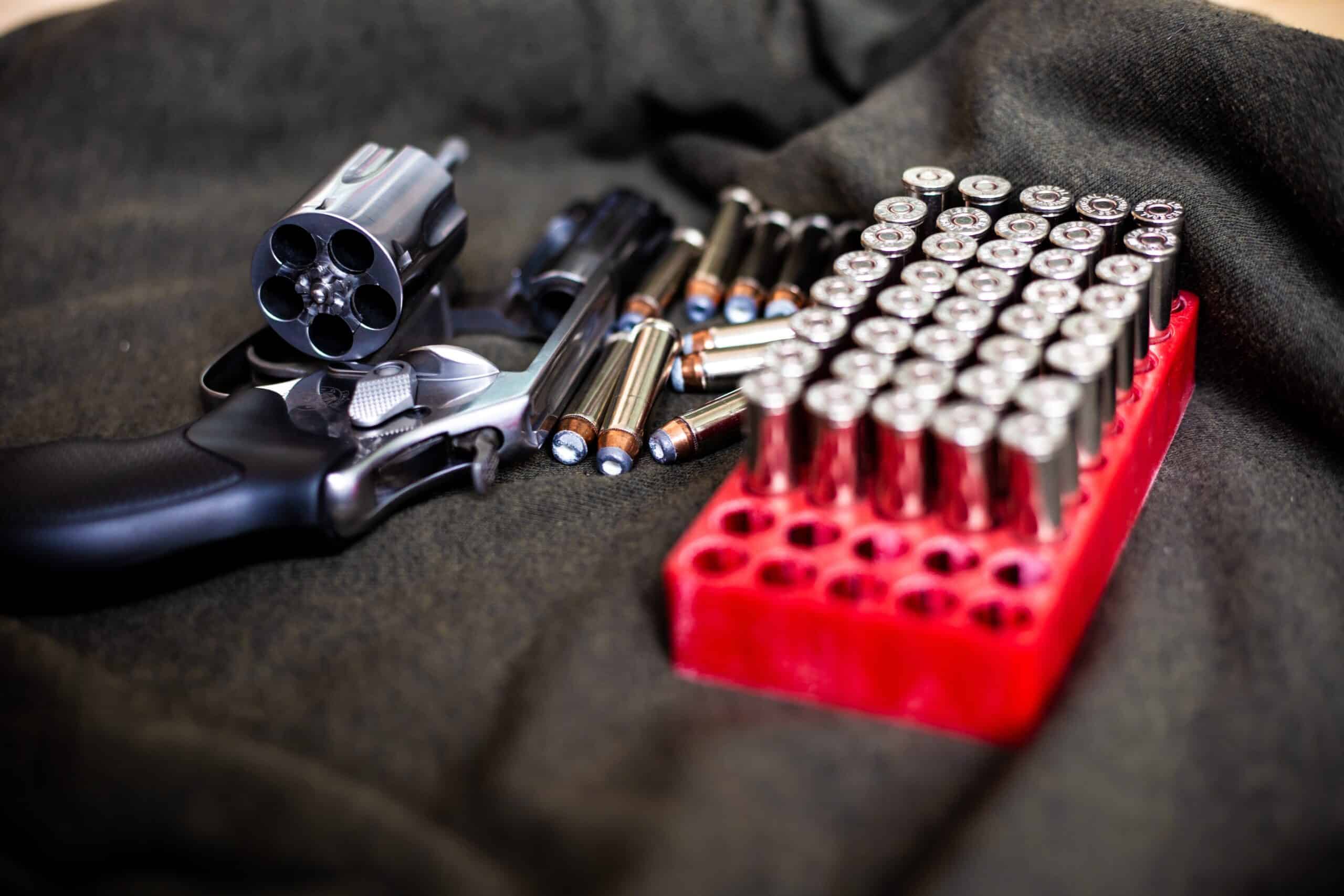
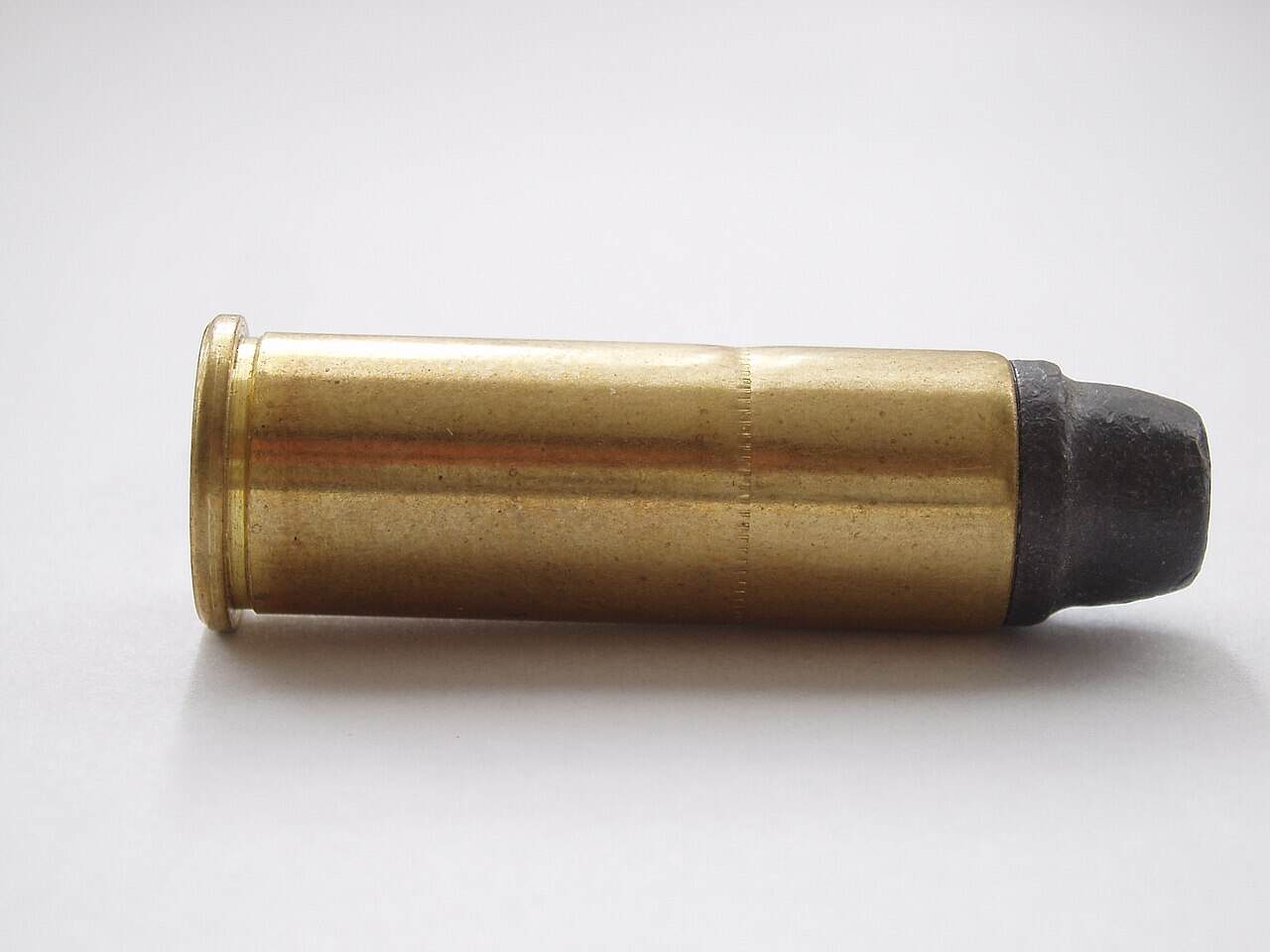
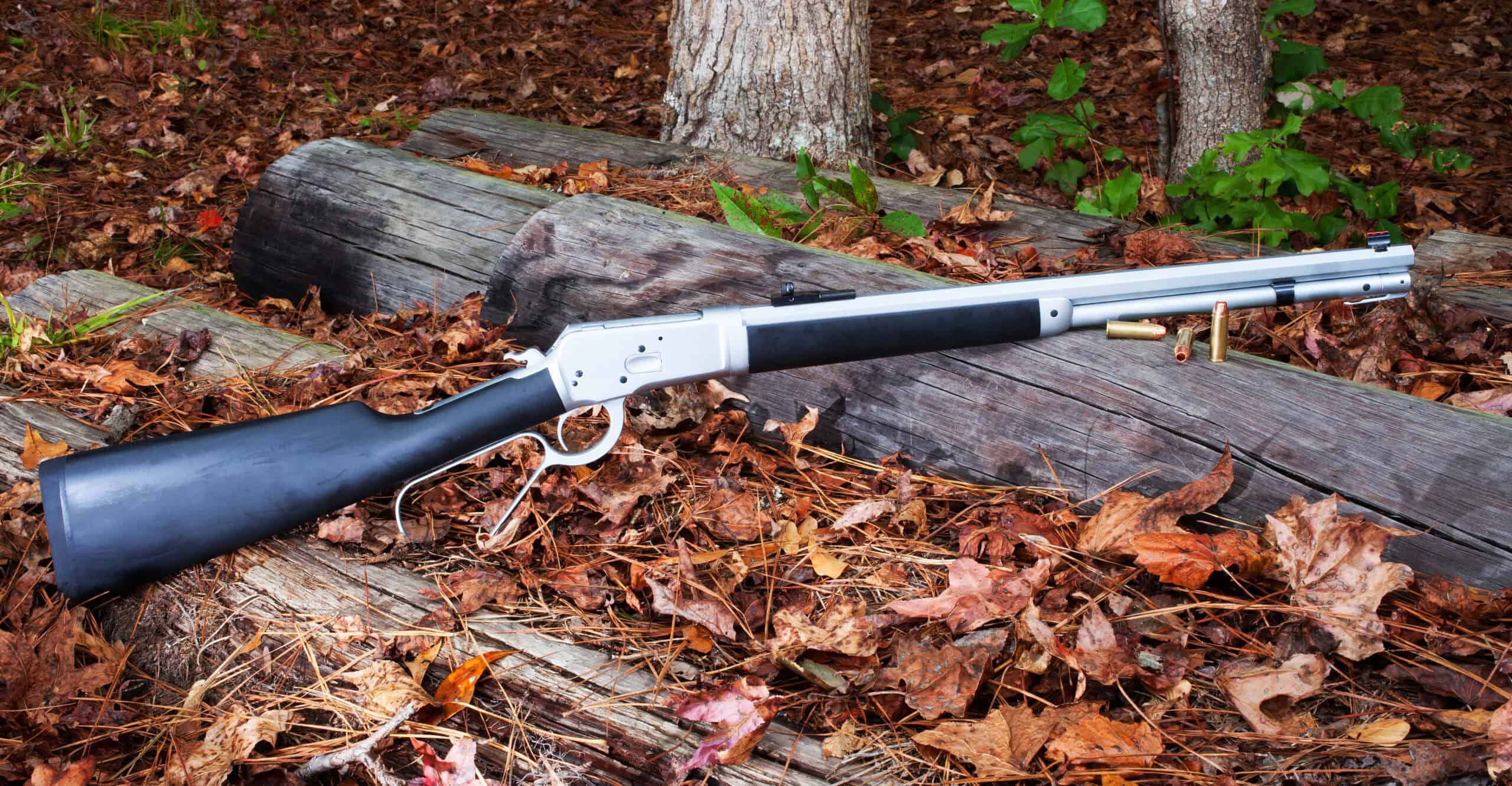
A hot factory .44 Magnum from a 6-inch revolver barrel produces about 900-1,100 foot-pounds of energy. But put the same cartridge in a 16-18 inch carbine barrel, and the energy goes up to 1,800 foot-pounds or more, which means it qualifies as a hunting cartridge capable of taking down a deer and even a black bear in a forest. The handgun association is strong enough that most hunters never think of it as a rifle round at all.
The Ruger Model 44 carbine and the subsequent Marlin 1894 put this cartridge to work as a serious hunting tool several decades ago. It was light, fast-handling, and had sufficient power for anything inside 100 yards in timber country.
.444 Marlin
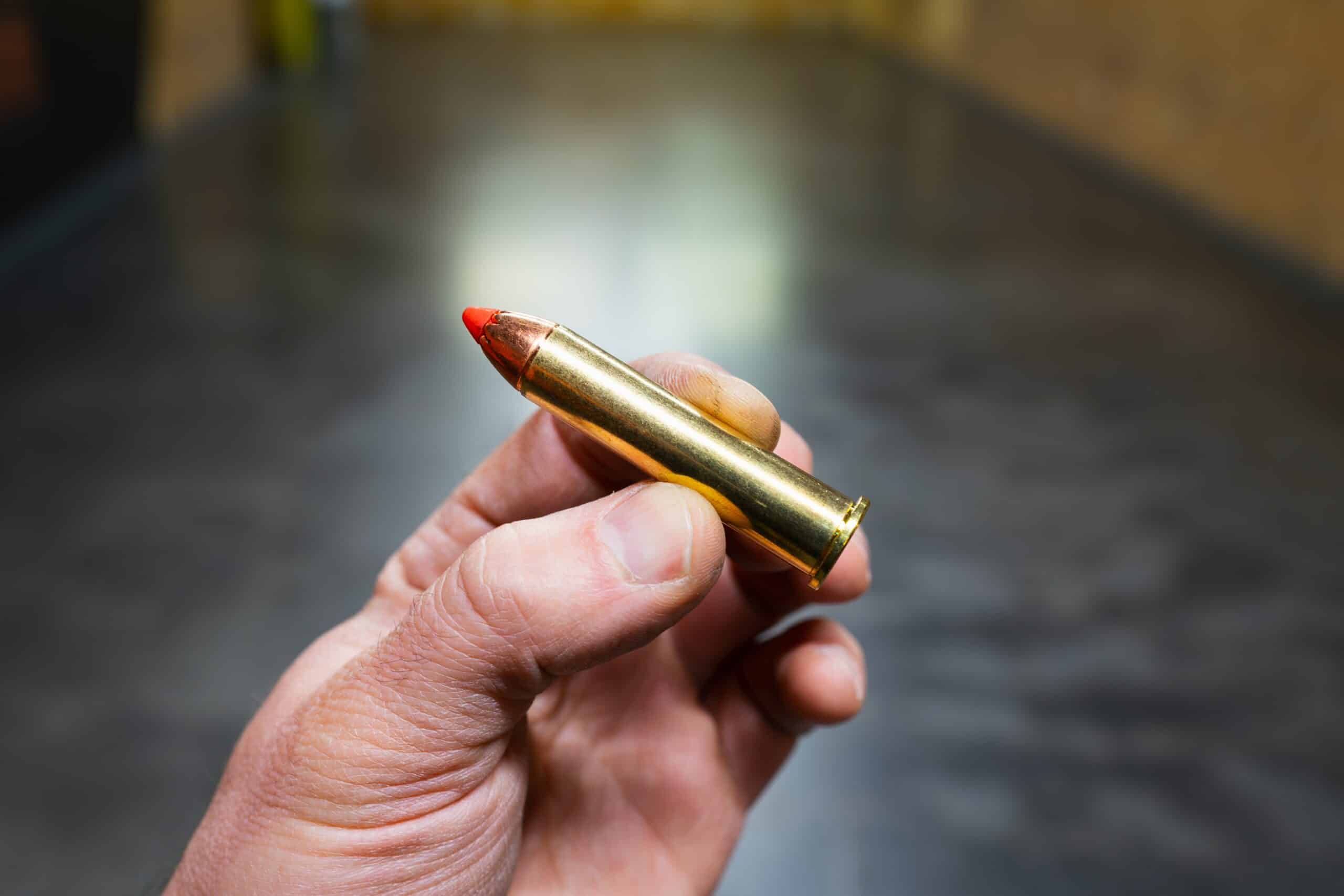
The .444 Marlin fires a 240-grain bullet at around 2,350 fps, producing a muzzle energy of about 2,940 ft-lbs. The current hunting rounds by Hornady firing a 265-grain bullet have pushed the number even higher while maintaining reliable terminal performance. This is a serious elk and bear caliber in a lever gun format that weighs around seven and a half pounds.
Almost nobody except those who hunt with lever guns knows the .444 Marlin exists. This cartridge fills the gap between lever-action cartridges and African-territory power levels, while handling like a deer rifle. Hunters who know it reach for it when the game gets large.