


20 Military Aircraft That Proved Experts Wrong and Changed Modern War
Military aviation has often advanced through controversial and uncertain beginnings, where new concepts challenge established thinking and face resistance from within. Many aircraft that are now considered indispensable were once viewed as flawed, unnecessary, or too risky to justify. However, over time, operational demands, technological refinement, and real-world performance reshaped those perceptions. By examining these aircraft, it becomes clear that innovation in military aviation is rarely linear, and that initial skepticism can be an integral part of eventual success. Here, History Computer is taking a closer look at these aircraft.
To determine the military aircraft that became essential despite early skepticism, History Computer reviewed various historical and military sources. We included supplemental information for each aircraft regarding the country of origin, type, initial criticism, and ultimately what it excelled at.
Here is a look at the military aircraft that became essential despite early skepticism:
Why Are We Covering This?
Understanding which aircraft became essential despite early skepticism reveals how military innovation actually works in practice. Not every breakthrough is immediately recognized, and many of the systems that define modern warfare were once questioned for their cost, complexity, or relevance. These aircraft highlight the gap between initial perception and real-world performance, showing how combat experience, adaptability, and evolving doctrine can transform doubt into necessity. As militaries continue to invest in new and sometimes controversial technologies, the lessons from these platforms remain highly relevant, offering insight into how today’s questioned programs could become tomorrow’s indispensable assets.
When “Bad Ideas” Became Battlefield Essentials
Not every military aircraft begins its life as a clear success, and in many cases, the most important platforms faced significant skepticism early on. Some were labeled too expensive to justify, others too complex to maintain, and many were seen as solutions in search of a problem. These concerns often stem from unfamiliar technology or a mismatch between new capabilities and existing doctrine. However, as operational needs evolve and real-world performance is tested, these same aircraft can go from being questioned investments to indispensable tools on the battlefield.
Skepticism Often Comes Before Innovation
Many of the aircraft that ultimately proved essential introduced ideas that challenged conventional thinking at the time. Innovations such as stealth technology, vertical takeoff and landing, advanced avionics, and unmanned flight were often met with doubt because they required new ways of operating and thinking about airpower. Military planners and decision-makers were frequently unsure whether these concepts would translate into real combat effectiveness. Yet, history has shown that these innovations, once proven, can redefine entire categories of warfare and set new standards for future aircraft design.
Combat Is the Ultimate Proving Ground
The true value of an aircraft is rarely fully understood until it is tested in combat, where unpredictable conditions and real threats reveal its strengths and weaknesses. In many cases, aircraft that faced early criticism demonstrated exceptional performance once deployed, proving their capabilities under pressure. These real-world successes often forced a reevaluation of earlier assumptions, leading to broader acceptance and increased reliance on the platform. Combat experience has repeatedly shown that practical effectiveness matters more than initial perception.
Adaptation Turns Doubt Into Dominance
For many aircraft, overcoming skepticism was not about being perfect from the start, but about the ability to evolve over time. Continuous upgrades in avionics, weapons systems, and mission capabilities allowed these platforms to adapt to new threats and changing operational demands. This adaptability often turned early limitations into long-term strengths, extending the service life of these aircraft well beyond initial expectations. The ability to modernize and remain relevant has been a key factor in transforming controversial designs into essential assets.
Today’s Essentials Were Yesterday’s Question Marks
Many of the aircraft that now form the backbone of modern air forces were once viewed with skepticism, facing criticism over cost, design choices, or mission relevance. Over time, however, they proved their value through consistent performance and adaptability. Today, these platforms are relied upon for critical missions around the world, from combat operations to logistics and surveillance. Their evolution highlights an important lesson in military innovation: initial doubt does not determine long-term success, and some of the most questioned ideas can become the most essential.
F-16 Fighting Falcon
- Country of Origin: United States
- Aircraft Type: Fighter
- Year Introduced: 1978
- Initial Criticism / Skepticism: Too lightweight / limited range
- Why It Was Doubted: Unproven lightweight fighter concept
- Breakthrough Moment: Widespread combat success (Cold War → modern conflicts)
- What It Excelled At: Multirole flexibility
- Why It Became Essential: Backbone of many air forces
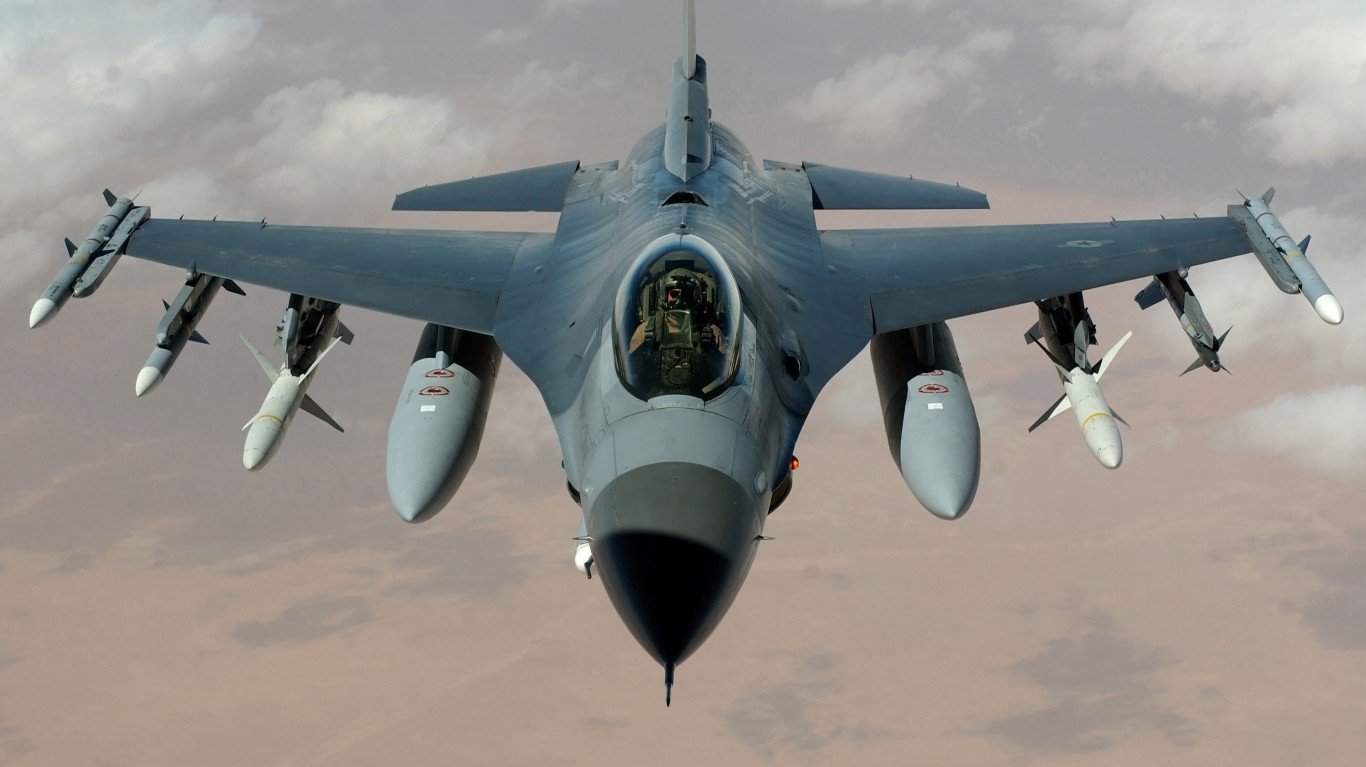
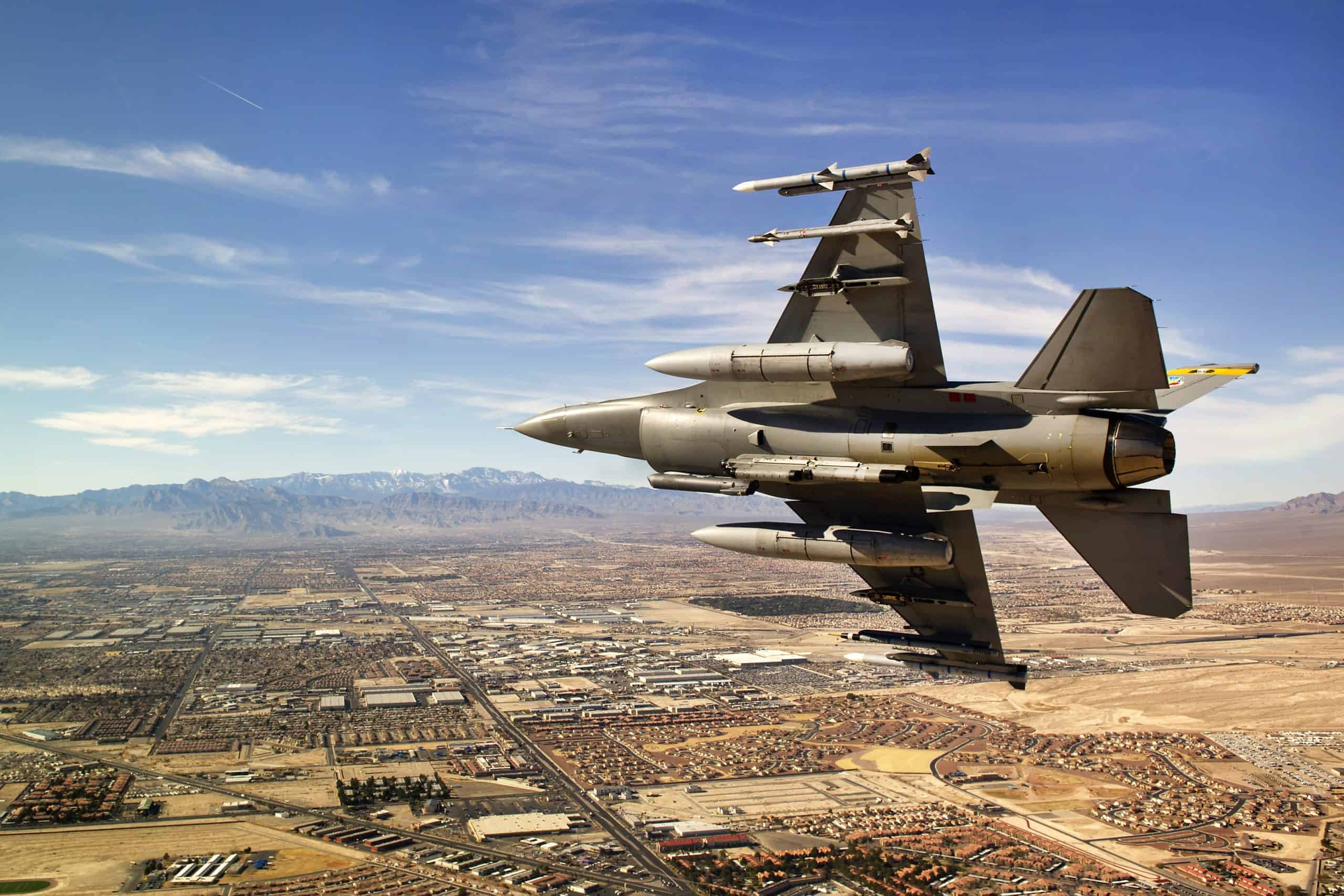
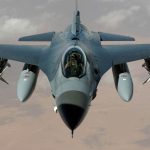
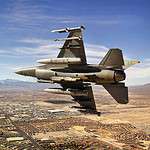
The F-16 was initially criticized as too lightweight and limited in range, with skeptics questioning whether a smaller, agile fighter could meet the demands of modern air combat. However, its exceptional maneuverability, multirole flexibility, and continuous upgrades quickly proved those concerns wrong. As it entered widespread service, the F-16 demonstrated its ability to perform air-to-air, strike, and support missions effectively. Its adaptability and relatively low cost made it one of the most widely used fighters in the world, becoming a cornerstone of numerous air forces.
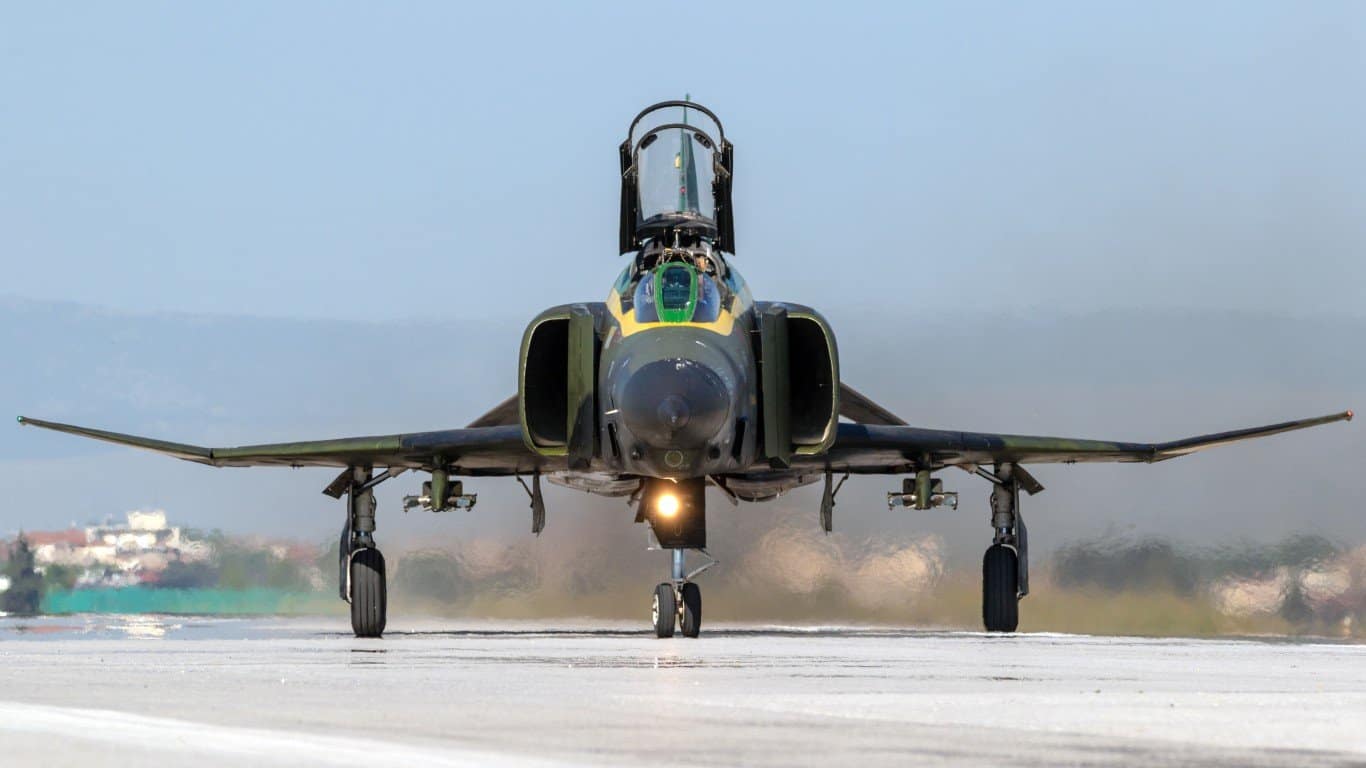
F-4 Phantom II
- Country of Origin: United States
- Aircraft Type: Fighter
- Year Introduced: 1960
- Initial Criticism / Skepticism: No internal gun, missile reliance
- Why It Was Doubted: Doctrine assumed missiles would replace dogfighting
- Breakthrough Moment: Vietnam combat lessons led to upgrades
- What It Excelled At: Air superiority & multirole
- Why It Became Essential: Long service life across nations
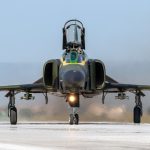
The F-4 Phantom II faced early criticism for lacking an internal gun, as designers believed missiles would replace traditional dogfighting. This assumption proved flawed during the Vietnam War, where close-range engagements remained common. In response, the aircraft was upgraded with a gun and improved tactics were developed. Despite its initial shortcomings, the F-4’s speed, payload, and versatility allowed it to excel in multiple roles. It went on to serve extensively across many nations, becoming one of the most iconic multirole fighters of its era.
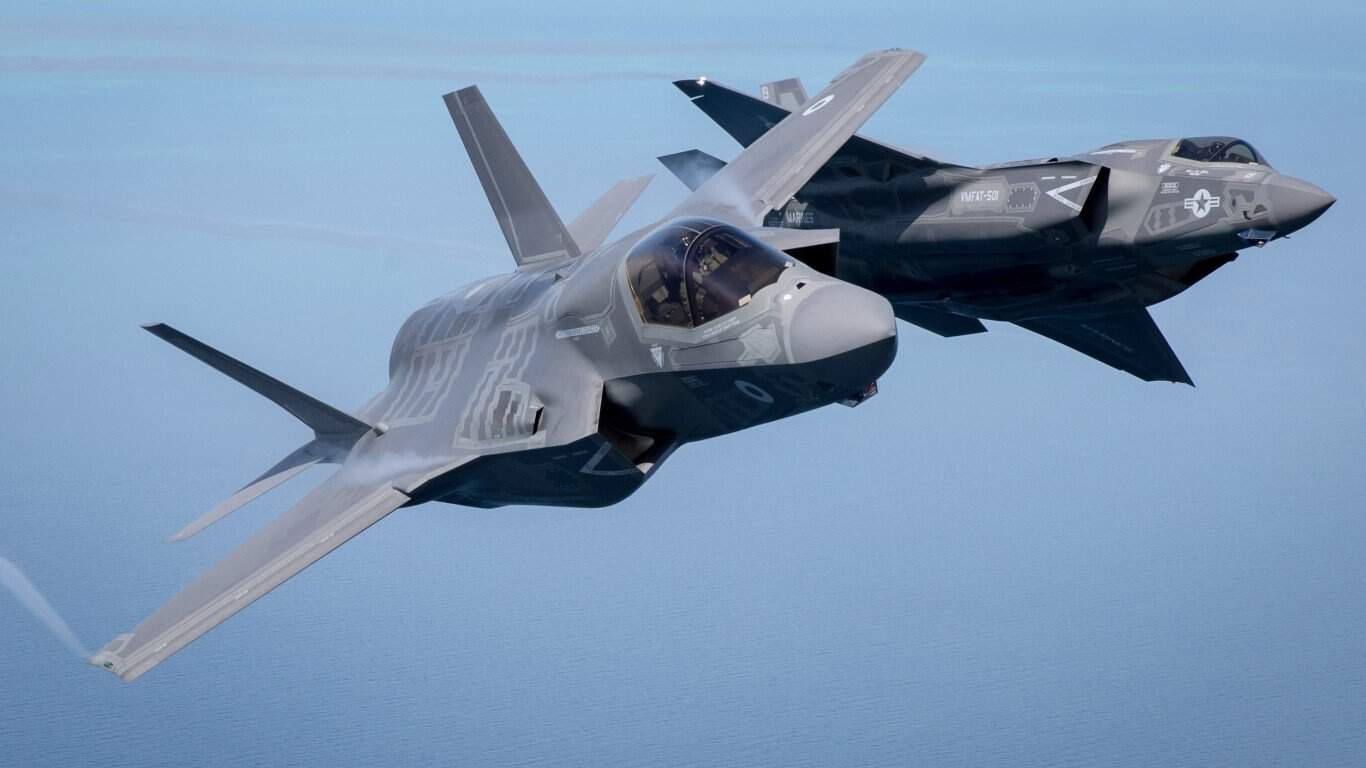
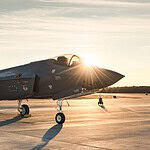
F-35 Lightning II
- Country of Origin: Multinational
- Aircraft Type: Stealth Fighter
- Year Introduced: 2015
- Initial Criticism / Skepticism: Too expensive / too complex
- Why It Was Doubted: Cost overruns and development delays
- Breakthrough Moment: Operational deployment across NATO
- What It Excelled At: Stealth multirole strike
- Why It Became Essential: Core future NATO platform
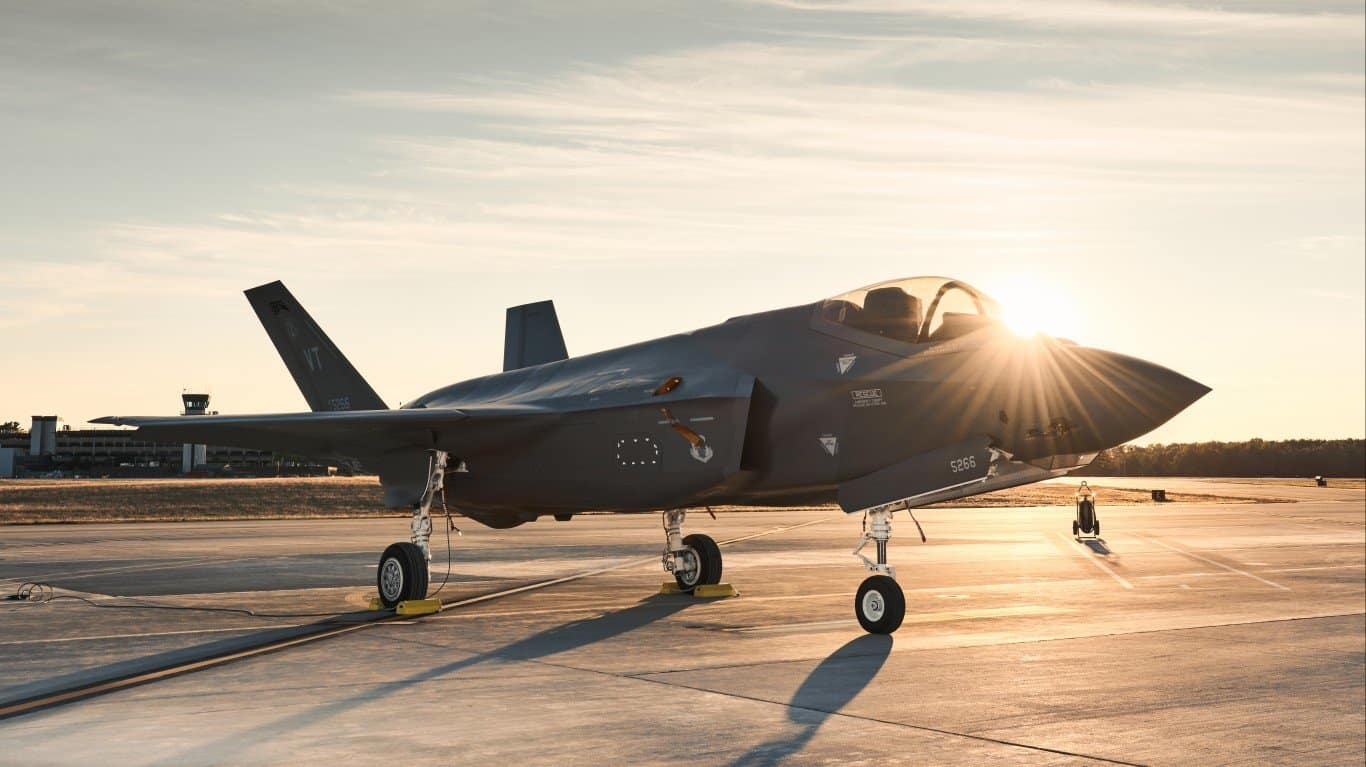
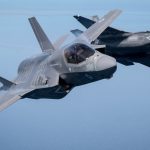
The F-35 program has faced persistent criticism over its cost, complexity, and development delays. Many questioned whether a single platform could effectively fulfill multiple roles across different services. However, as it entered operational service, the F-35 demonstrated its value through advanced stealth, sensor fusion, and networked capabilities. These features allow it to operate in contested environments and enhance the effectiveness of other platforms. Its widespread adoption by NATO and allied nations underscores its importance as a cornerstone of future airpower.
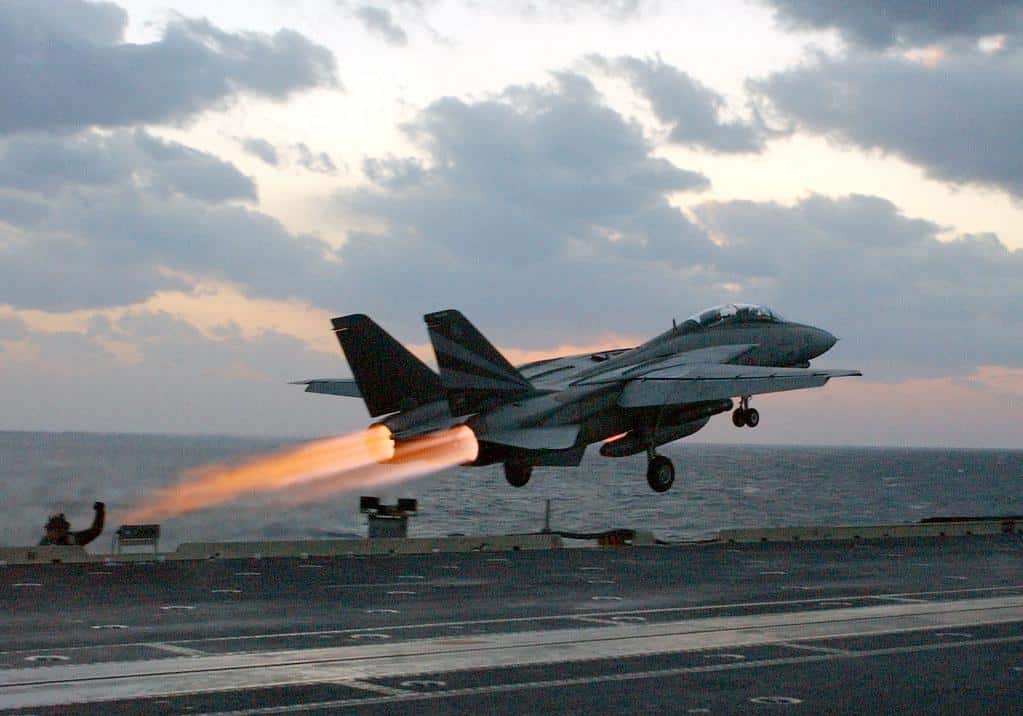
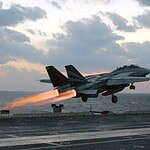
F-14 Tomcat
- Country of Origin: United States
- Aircraft Type: Fighter
- Year Introduced: 1974
- Initial Criticism / Skepticism: Too expensive / maintenance heavy
- Why It Was Doubted: Complex swing-wing design
- Breakthrough Moment: Carrier-based air superiority success
- What It Excelled At: Fleet air defense
- Why It Became Essential: Essential naval interceptor
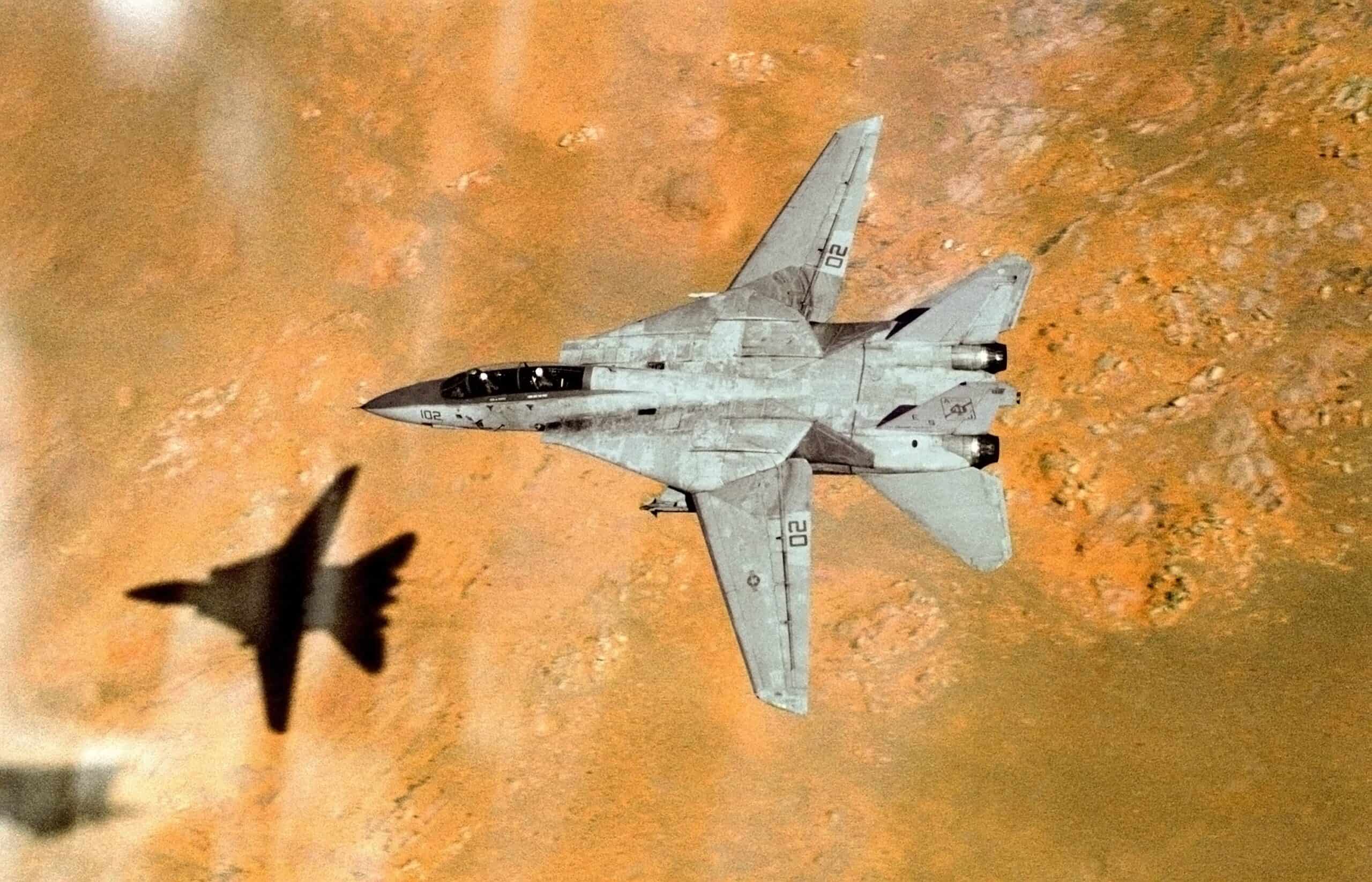
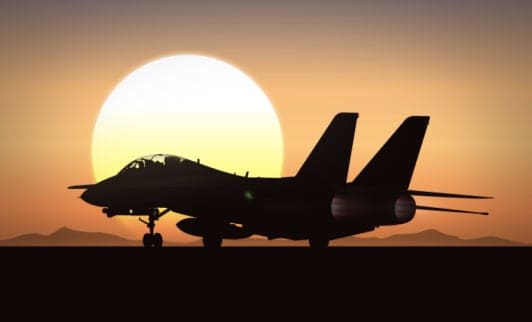
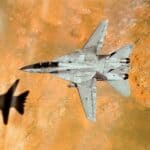
The F-14 Tomcat was often criticized for its high cost and complex maintenance requirements, raising concerns about its long-term viability. Despite these challenges, it proved to be an exceptional fleet defense fighter, capable of intercepting threats at long range using its powerful radar and missile systems. Its performance in protecting carrier groups validated its design, making it an essential component of naval aviation for decades. The F-14 demonstrated that advanced capabilities could justify higher costs when they filled a critical operational need.
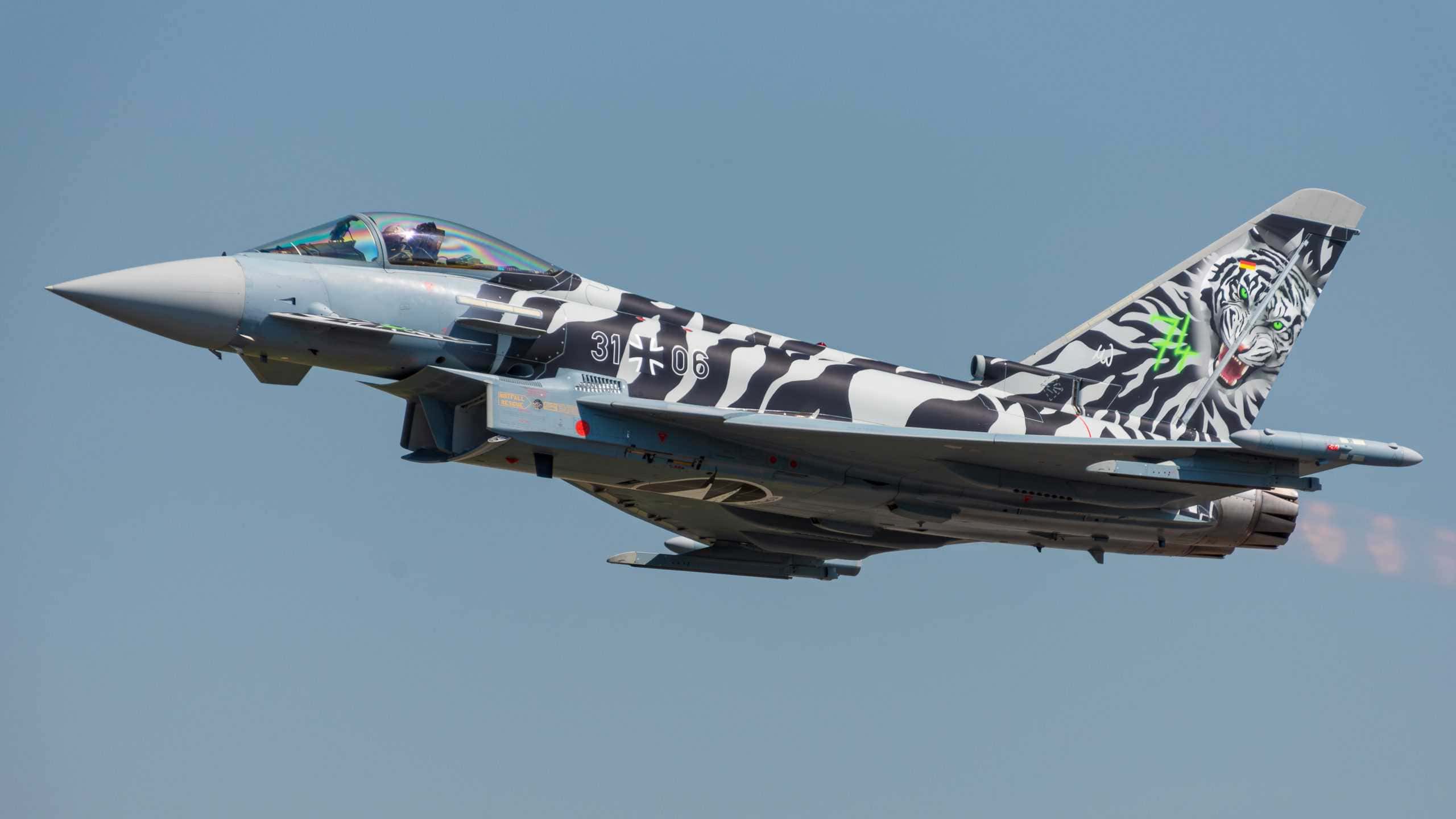
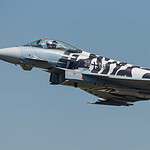
Eurofighter Typhoon
- Country of Origin: Multinational
- Aircraft Type: Fighter
- Year Introduced: 2003
- Initial Criticism / Skepticism: Cold War focus outdated
- Why It Was Doubted: Designed for air superiority in changing era
- Breakthrough Moment: Adapted to multirole missions
- What It Excelled At: Air superiority & strike
- Why It Became Essential: Key European fighter
The Eurofighter Typhoon was initially seen as a product of Cold War thinking, with critics arguing that its focus on air superiority was outdated. However, as it evolved, the Typhoon adapted to include multirole capabilities, allowing it to perform both air-to-air and strike missions effectively. Its advanced avionics and weapon systems have made it a key asset for European air forces. The Typhoon’s ability to evolve beyond its original design has ensured its continued relevance in modern combat operations.
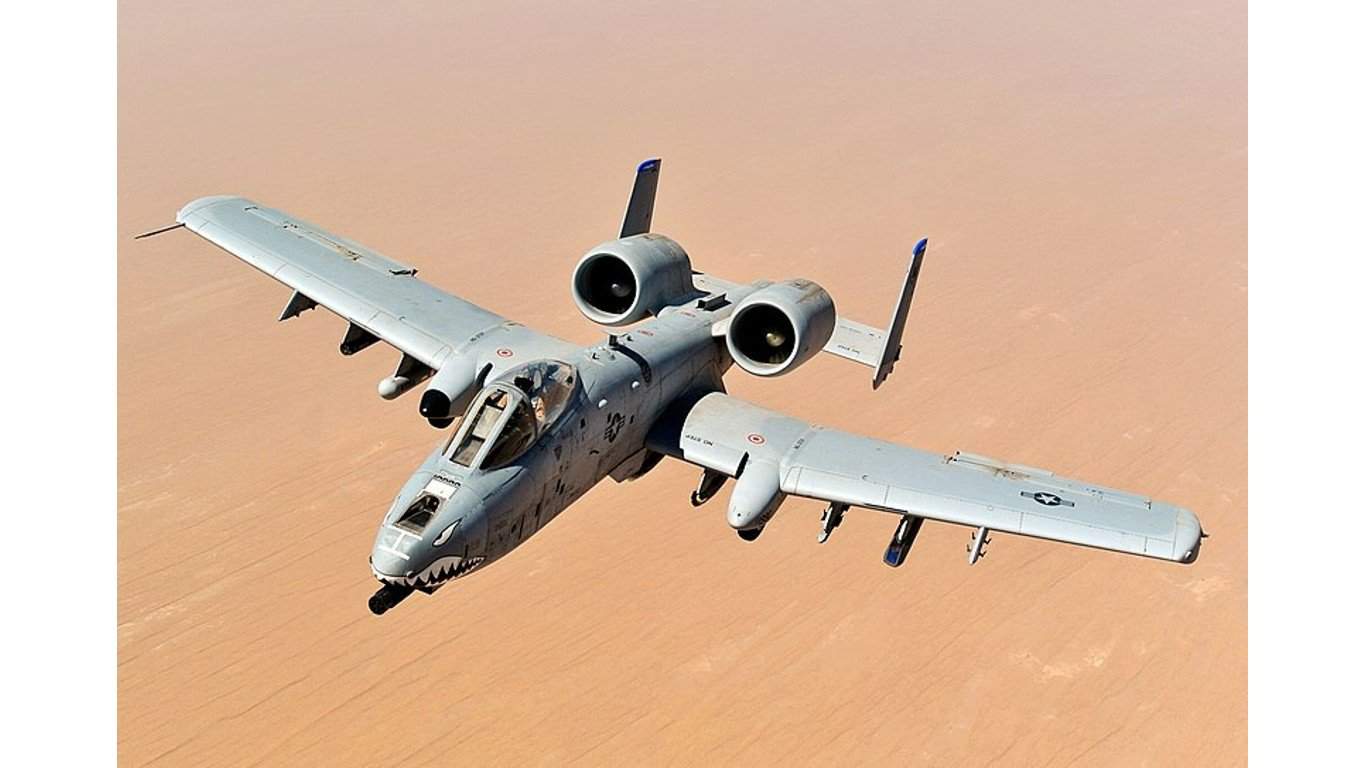
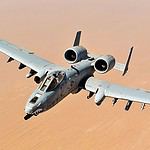
A-10 Thunderbolt II
- Country of Origin: United States
- Aircraft Type: CAS
- Year Introduced: 1977
- Initial Criticism / Skepticism: Too slow / vulnerable
- Why It Was Doubted: Subsonic design questioned
- Breakthrough Moment: Gulf War CAS success
- What It Excelled At: Close air support
- Why It Became Essential: Irreplaceable ground support
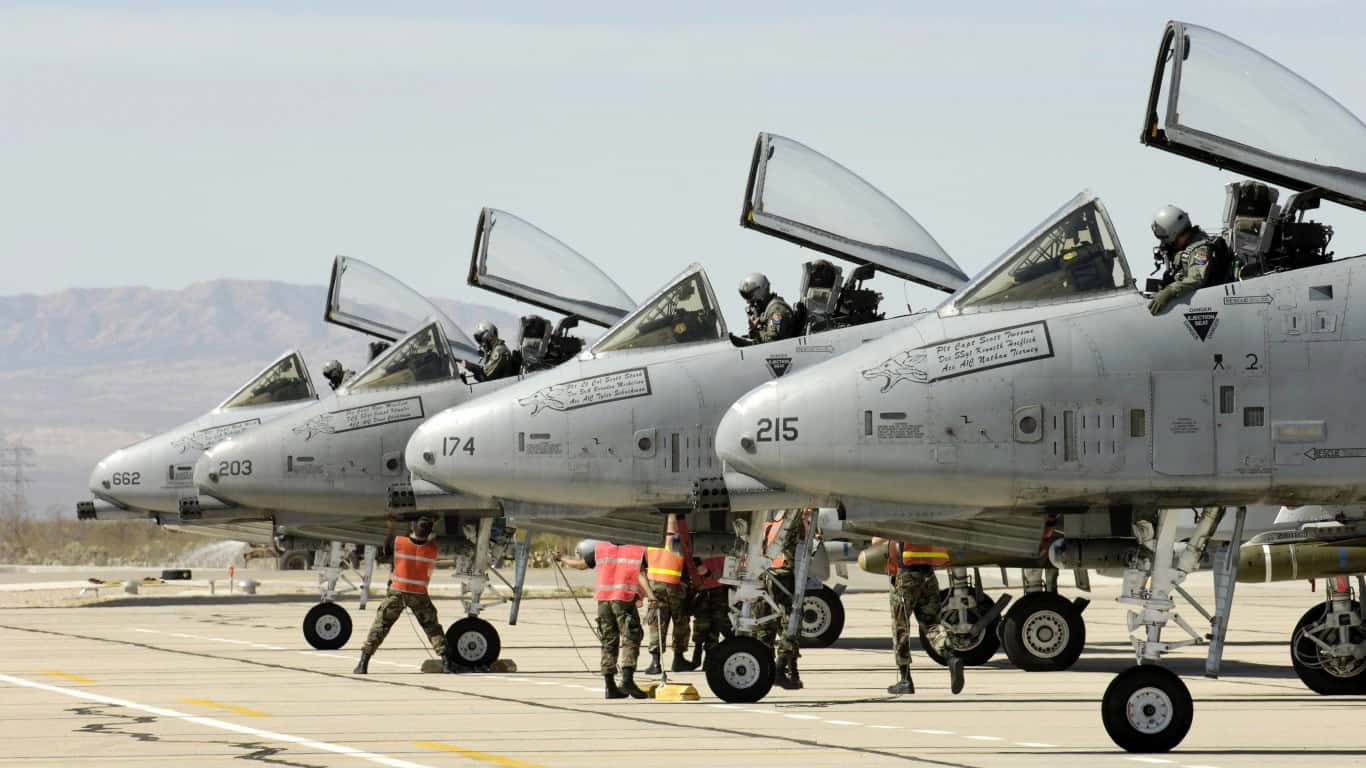
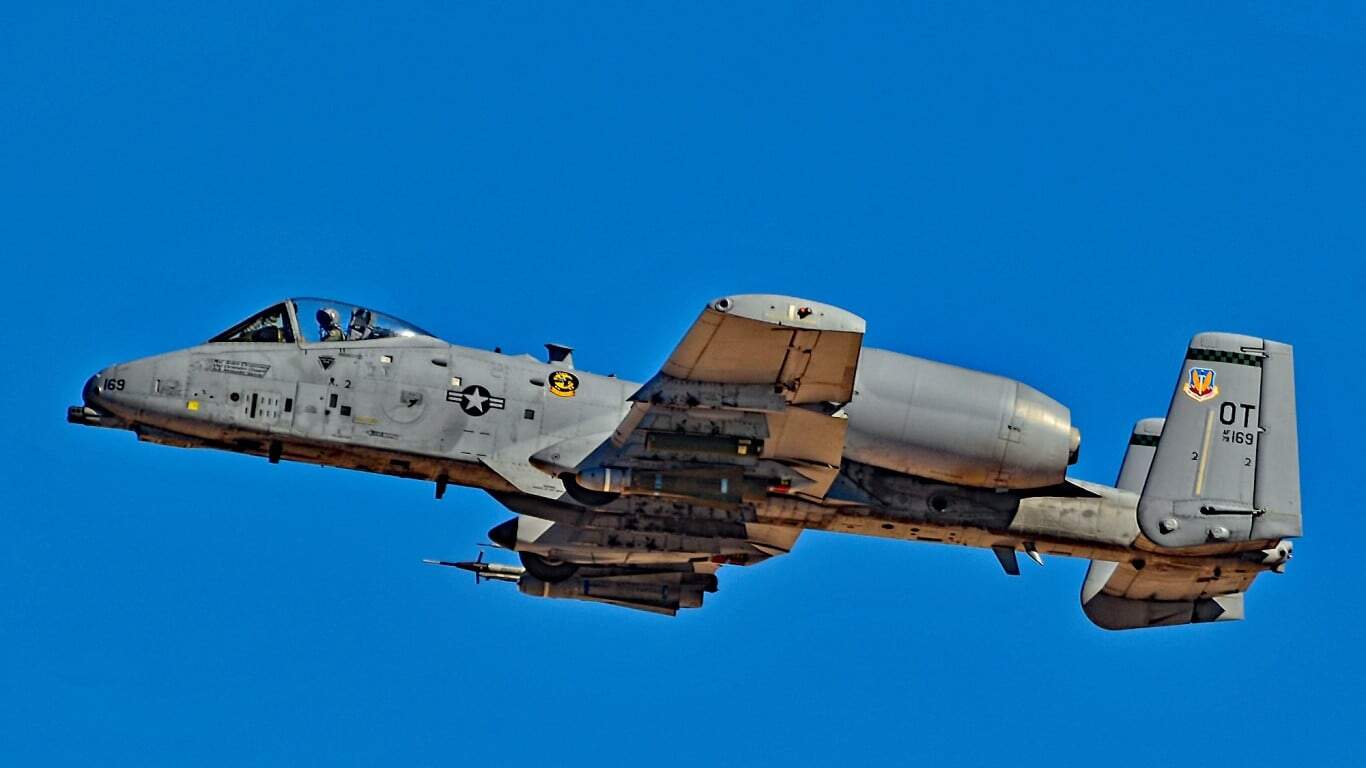
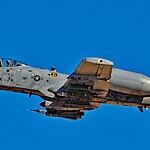
The A-10 was dismissed by some as too slow and vulnerable for modern warfare, particularly in an era dominated by fast jets. However, its heavily armored design and powerful cannon made it uniquely suited for close air support missions. During conflicts such as the Gulf War, the A-10 proved its effectiveness by providing precise and sustained support to ground forces. Its ability to operate in harsh conditions and deliver accurate firepower has made it indispensable, despite ongoing debates about its future.
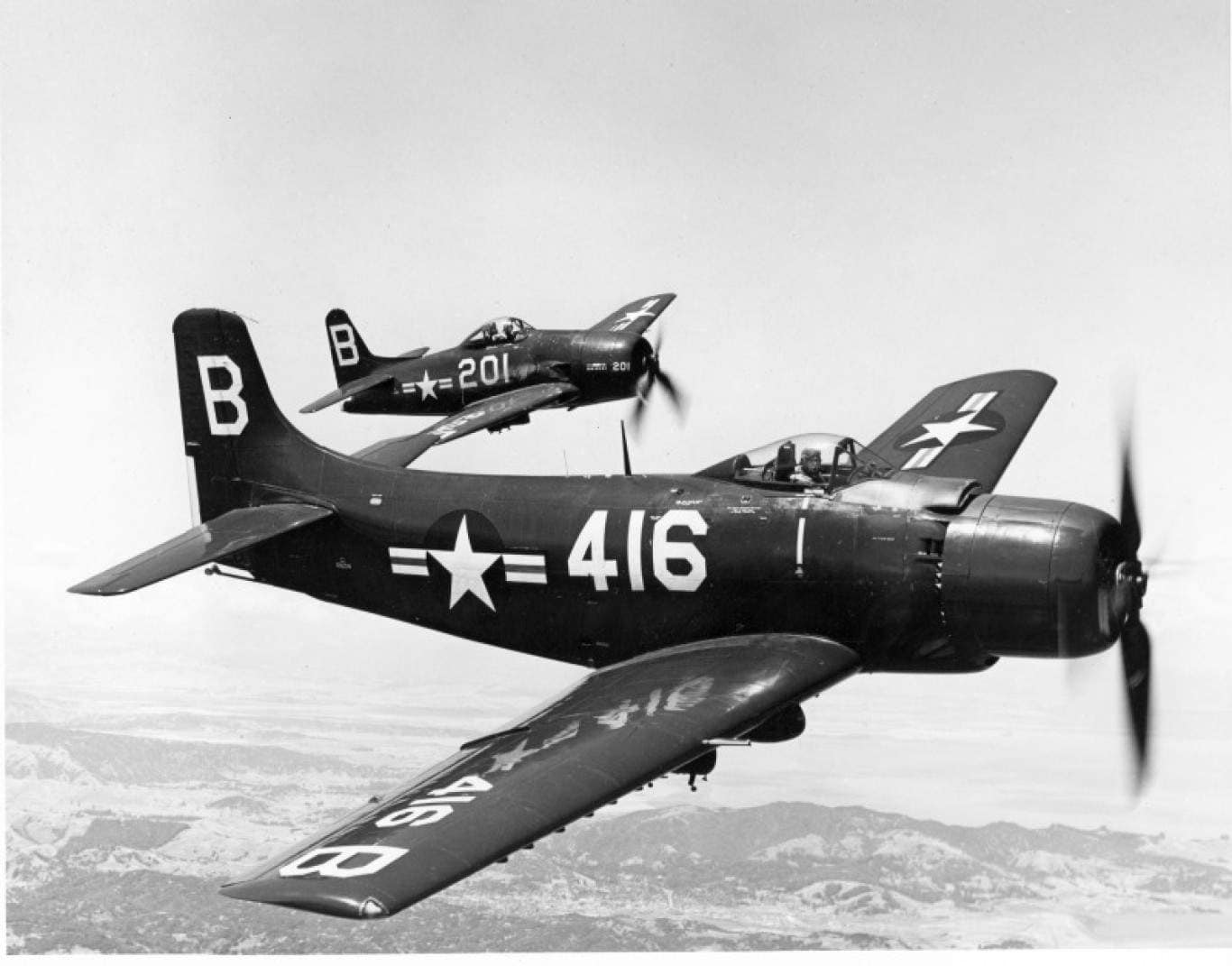
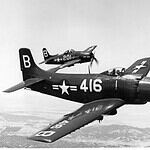
A-1 Skyraider
- Country of Origin: United States
- Aircraft Type: Attack
- Year Introduced: 1946
- Initial Criticism / Skepticism: Obsolete propeller aircraft
- Why It Was Doubted: Jet age made it seem outdated
- Breakthrough Moment: Vietnam CAS effectiveness
- What It Excelled At: Close air support
- Why It Became Essential: Highly effective in unconventional warfare
The A-1 Skyraider was considered outdated due to its propeller-driven design in the jet age. Despite this, it proved highly effective in close air support roles during the Vietnam War. Its long endurance and ability to carry a heavy payload allowed it to remain over the battlefield for extended periods, providing continuous support to ground forces. The Skyraider demonstrated that newer technology is not always superior, and that matching capabilities to mission requirements can be more important than speed or modern design.
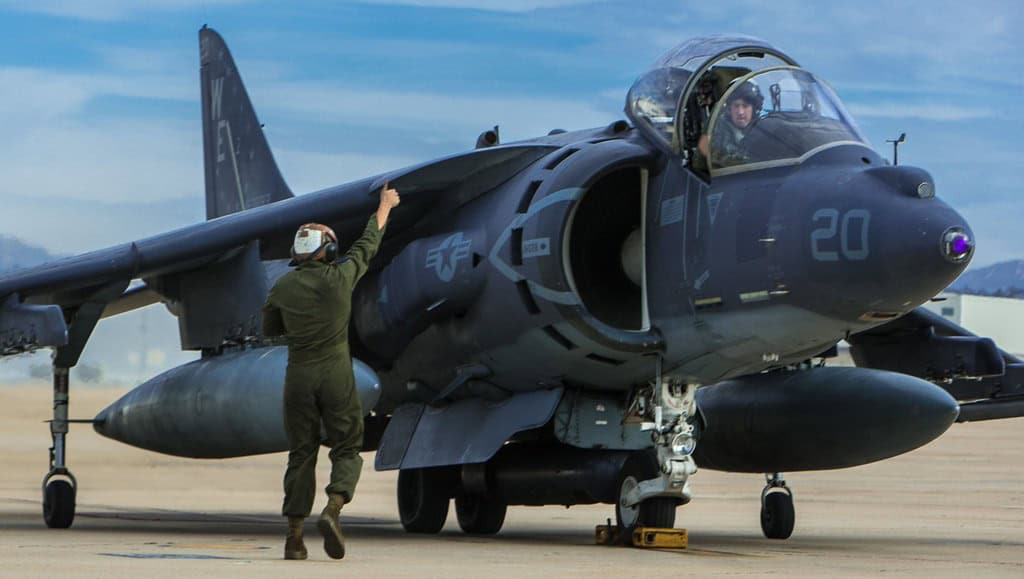
AV-8B Harrier II
- Country of Origin: United States/UK
- Aircraft Type: Attack
- Year Introduced: 1985
- Initial Criticism / Skepticism: Unstable VTOL concept
- Why It Was Doubted: Complex vertical flight mechanics
- Breakthrough Moment: Operational success in expeditionary warfare
- What It Excelled At: VTOL strike
- Why It Became Essential: Enabled forward basing
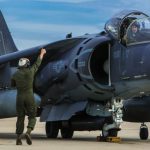
The Harrier faced skepticism due to the complexity and perceived instability of its vertical takeoff and landing system. Early concerns about safety and operational reliability raised doubts about its practicality. However, the Harrier proved its value by enabling aircraft to operate from forward bases and small ships, greatly increasing flexibility. Its ability to deploy in austere environments made it a key asset in expeditionary warfare, demonstrating that unconventional designs could provide significant strategic advantages.
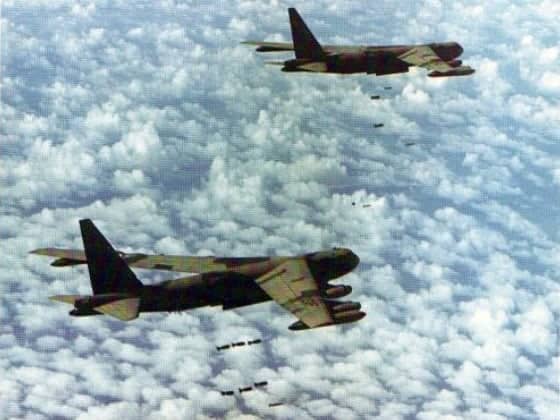
B-52 Stratofortress
- Country of Origin: United States
- Aircraft Type: Bomber
- Year Introduced: 1955
- Initial Criticism / Skepticism: Too large / outdated
- Why It Was Doubted: Cold War evolution concerns
- Breakthrough Moment: Continued use in modern conflicts
- What It Excelled At: Strategic bombing
- Why It Became Essential: Decades-long service
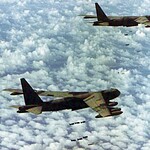
The B-52 was initially seen as a product of its time, with critics questioning its relevance as technology advanced. However, its exceptional range, payload capacity, and adaptability have allowed it to remain in service for decades. The aircraft has been continuously upgraded to meet modern requirements, including precision strike capabilities. Its longevity and versatility have made it a cornerstone of U.S. strategic bombing, proving that a well-designed platform can remain essential even as warfare evolves.
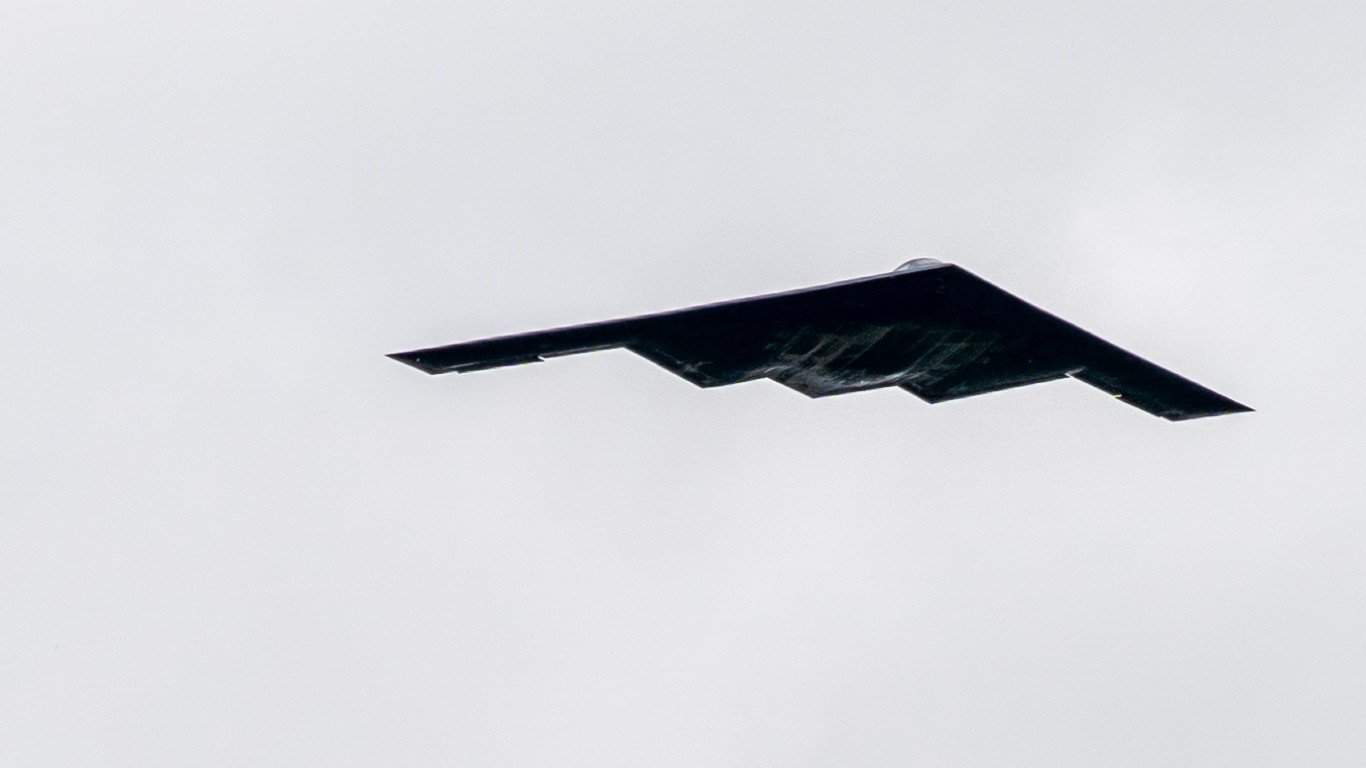
B-2 Spirit
- Country of Origin: United States
- Aircraft Type: Stealth Bomber
- Year Introduced: 1997
- Initial Criticism / Skepticism: Extremely expensive
- Why It Was Doubted: High cost and limited numbers
- Breakthrough Moment: Precision global strike missions
- What It Excelled At: Stealth bombing
- Why It Became Essential: Unique deep strike capability
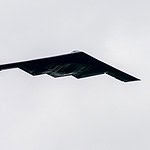
The B-2 Spirit faced significant criticism due to its high cost and limited production numbers. Many questioned whether such an expensive platform could justify its role. However, its stealth capabilities allow it to penetrate heavily defended airspace and deliver precision strikes against high-value targets. This unique capability has made it indispensable for missions that other aircraft cannot perform. The B-2 demonstrates that specialized capabilities, even at high cost, can be critical in modern warfare.
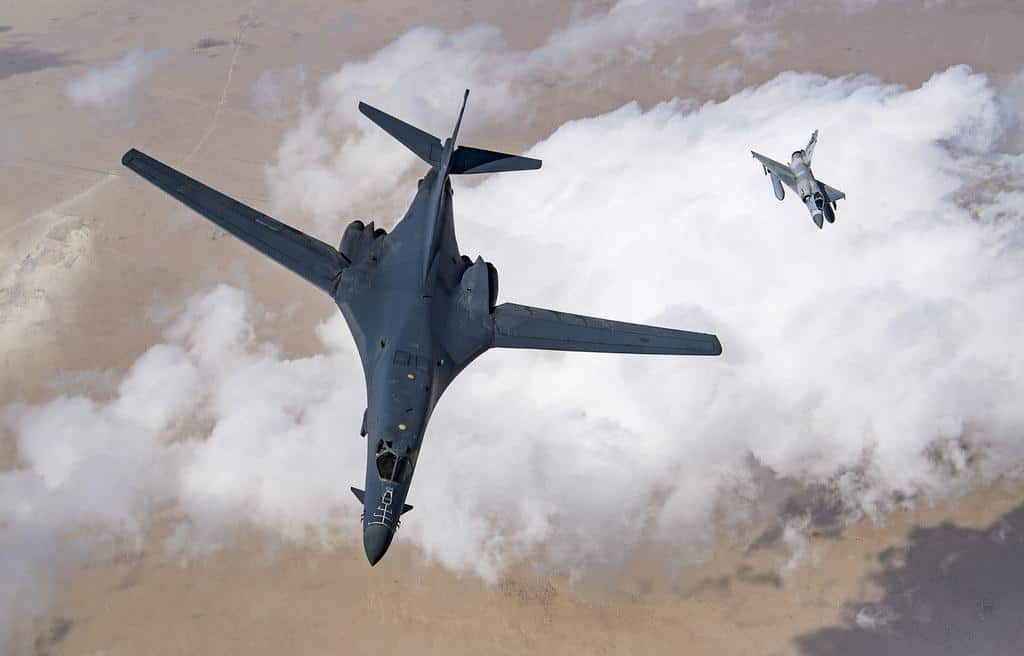
B-1B Lancer
- Country of Origin: United States
- Aircraft Type: Bomber
- Year Introduced: 1986
- Initial Criticism / Skepticism: Cold War redundancy
- Why It Was Doubted: Shift in nuclear doctrine
- Breakthrough Moment: Adapted to conventional strike
- What It Excelled At: Long-range strike
- Why It Became Essential: Flexible bomber role
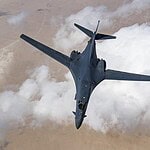
The B-1B Lancer was initially criticized as redundant following shifts in nuclear strategy during the Cold War. However, it was successfully adapted for conventional strike missions, where its speed, range, and payload proved highly effective. Its ability to carry a wide range of weapons and operate at low altitudes made it a versatile platform. The B-1B’s evolution highlights how aircraft can overcome early skepticism by adapting to changing operational needs.
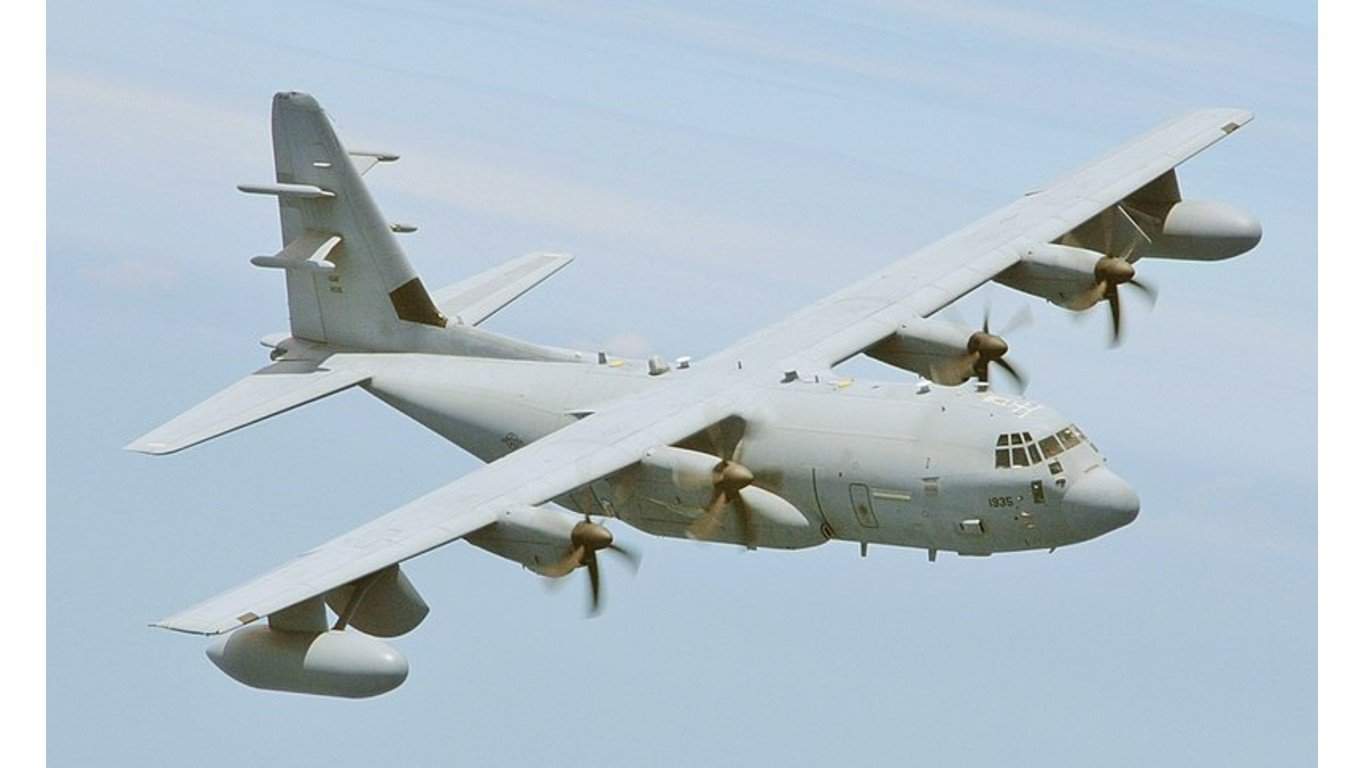
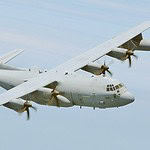
C-130 Hercules
- Country of Origin: United States
- Aircraft Type: Transport
- Year Introduced: 1956
- Initial Criticism / Skepticism: Limited speed
- Why It Was Doubted: Slow compared to jets
- Breakthrough Moment: Global logistics success
- What It Excelled At: Tactical airlift
- Why It Became Essential: Backbone of transport fleet
The C-130 was initially viewed as too slow compared to jet-powered aircraft, raising doubts about its effectiveness. However, its ability to operate from short, unprepared runways and carry a wide range of cargo made it invaluable. The aircraft’s versatility has allowed it to perform numerous roles, from transport to special operations. Its reliability and adaptability have made it a cornerstone of military logistics, proving that speed is not always the most important factor in operational success.
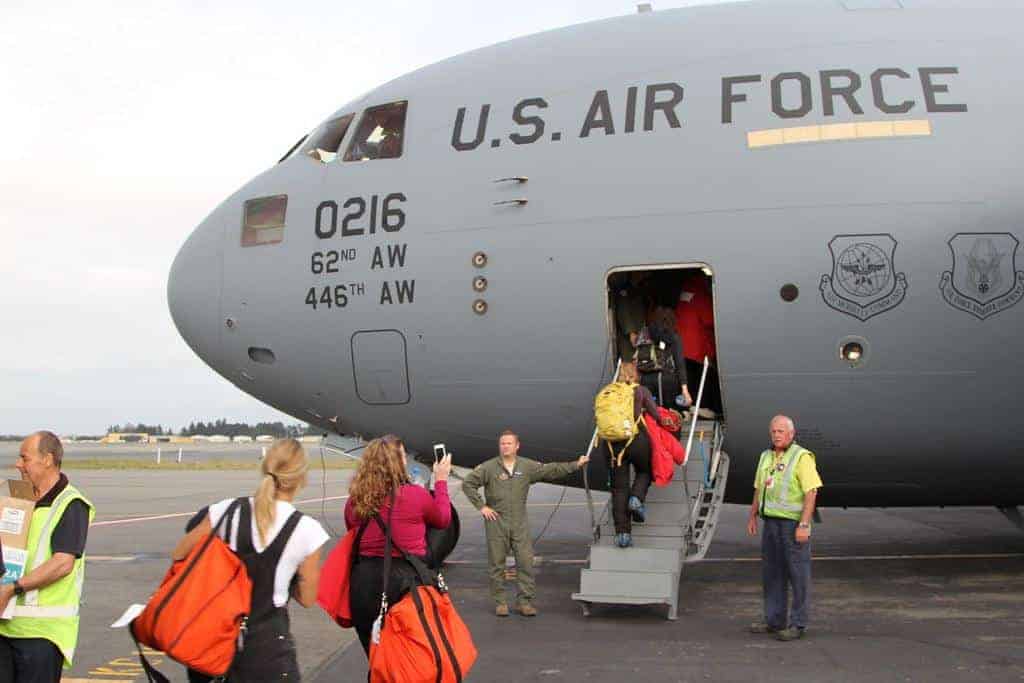
C-17 Globemaster III
- Country of Origin: United States
- Aircraft Type: Transport
- Year Introduced: 1995
- Initial Criticism / Skepticism: Too expensive
- Why It Was Doubted: Budget concerns
- Breakthrough Moment: Rapid global deployment success
- What It Excelled At: Strategic airlift
- Why It Became Essential: Critical logistics platform
The C-17 faced criticism for its high cost, with some questioning whether it was necessary given existing transport aircraft. However, its ability to rapidly deploy troops and equipment over long distances has proven invaluable. The aircraft can operate from short and austere runways while carrying heavy loads, making it highly versatile. Its role in global logistics and rapid response operations has made it an essential component of modern military capability.
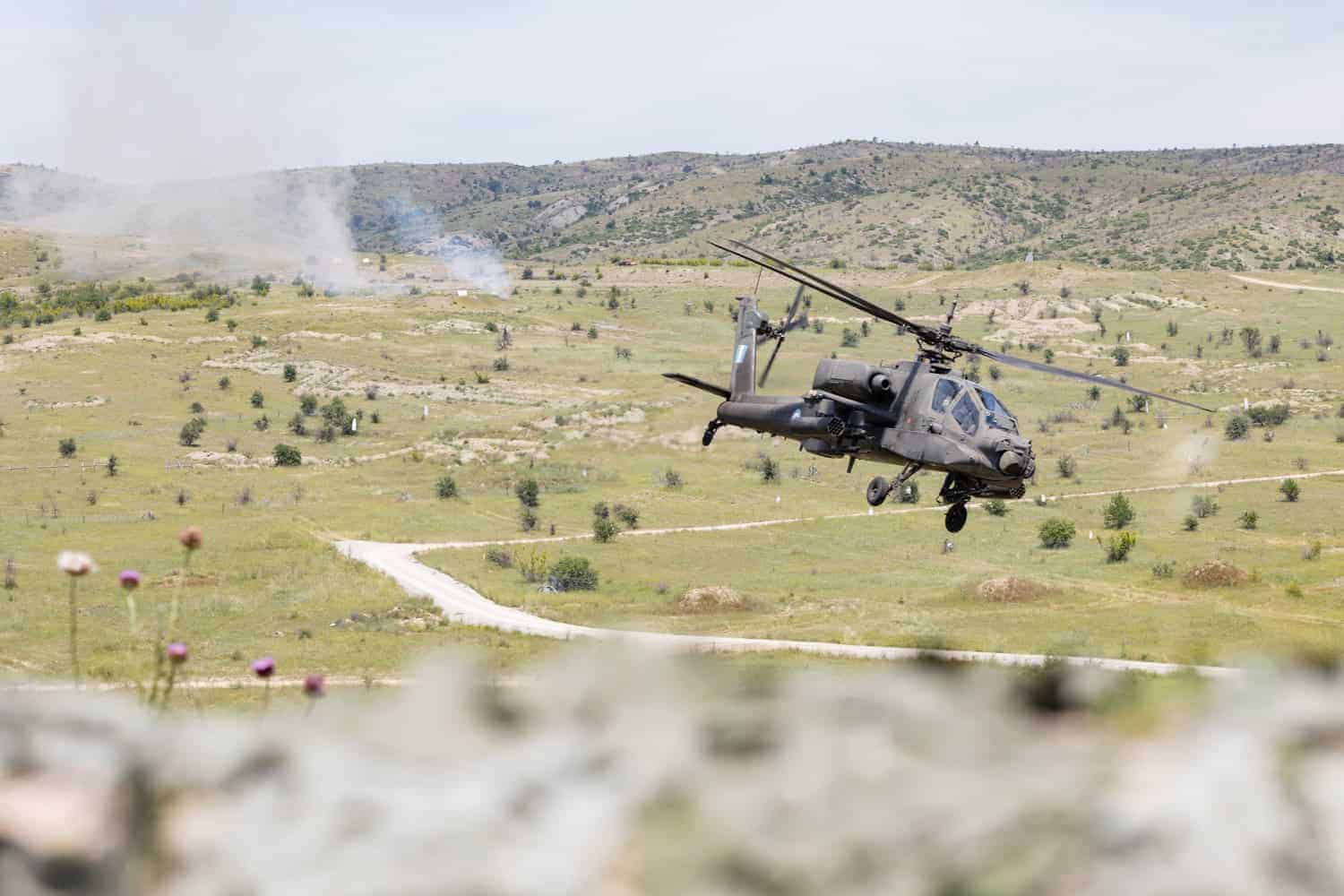
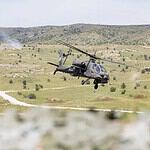
AH-64 Apache
- Country of Origin: United States
- Aircraft Type: Helicopter
- Year Introduced: 1986
- Initial Criticism / Skepticism: Too complex
- Why It Was Doubted: Advanced systems questioned
- Breakthrough Moment: Combat success in multiple wars
- What It Excelled At: Attack helicopter
- Why It Became Essential: Key battlefield asset
The Apache was initially criticized for its complexity and cost, with concerns about maintenance and survivability. However, it quickly proved its effectiveness as an attack helicopter, capable of engaging armored targets with precision. Its advanced sensors and weapons systems allow it to operate in challenging environments. The Apache’s performance in multiple conflicts has demonstrated its value, making it a key asset in modern ground combat operations.
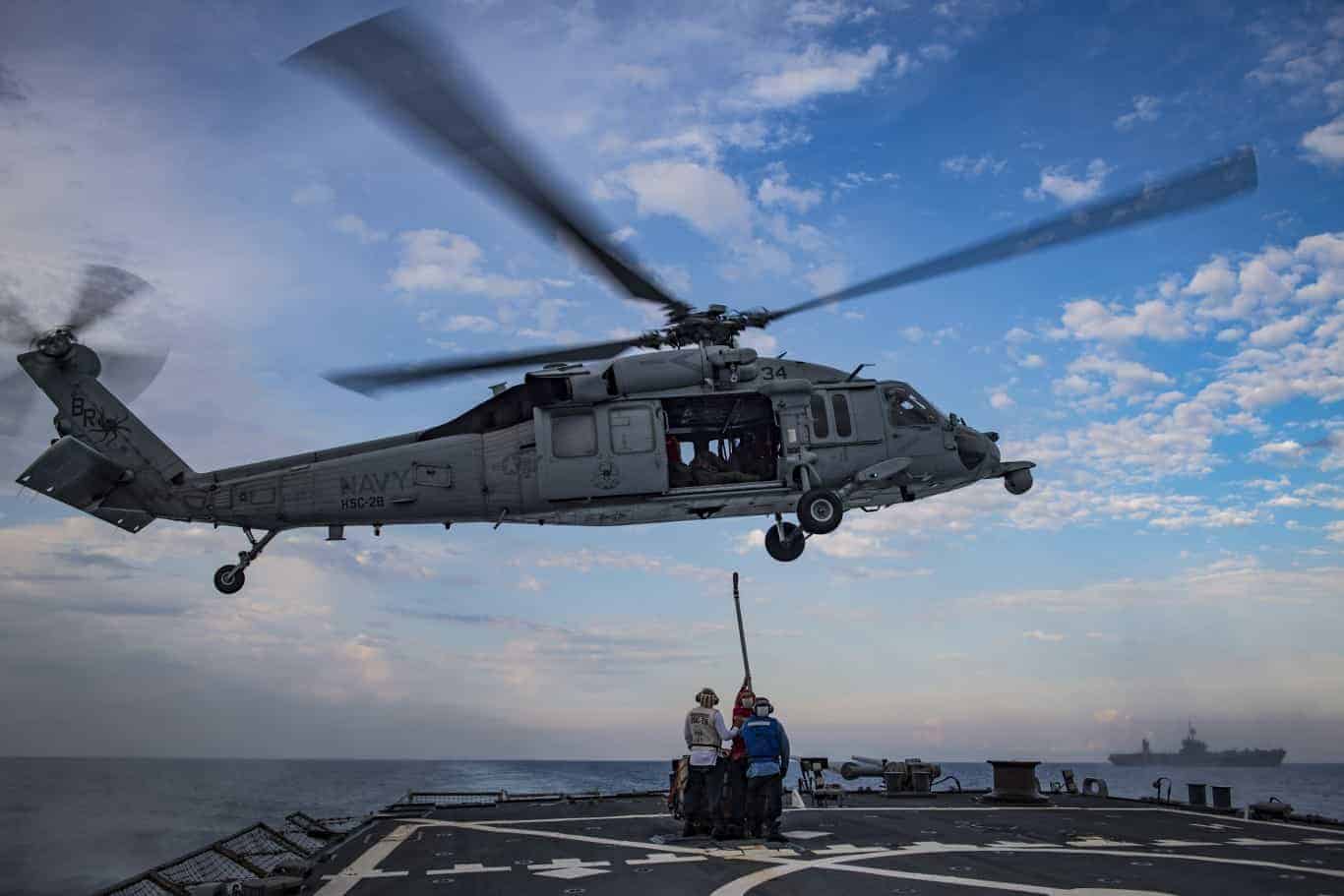
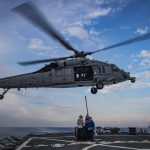
UH-60 Black Hawk
- Country of Origin: United States
- Aircraft Type: Helicopter
- Year Introduced: 1979
- Initial Criticism / Skepticism: Too costly
- Why It Was Doubted: High procurement costs
- Breakthrough Moment: Widespread deployment
- What It Excelled At: Utility transport
- Why It Became Essential: Essential mobility platform
The Black Hawk faced early skepticism due to its cost compared to older helicopters. However, its reliability, versatility, and ability to operate in diverse environments quickly validated its design. It has been used extensively for troop transport, medical evacuation, and other missions. Its adaptability has made it a cornerstone of military aviation, proving that investment in a capable platform can yield long-term benefits.
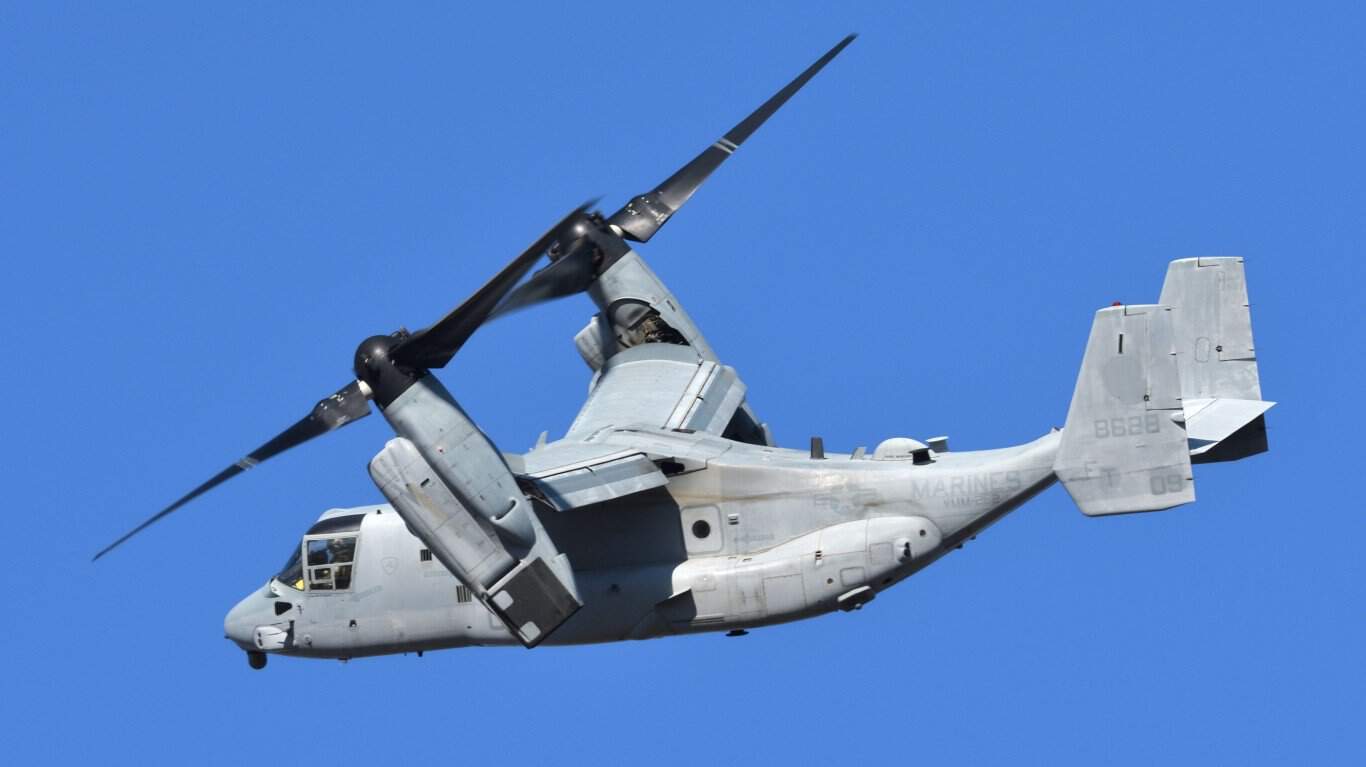
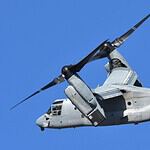
V-22 Osprey
- Country of Origin: United States
- Aircraft Type: Tiltrotor
- Year Introduced: 2007
- Initial Criticism / Skepticism: Unsafe / too complex
- Why It Was Doubted: Early crashes and cost overruns
- Breakthrough Moment: Operational success with Marines
- What It Excelled At: Vertical lift & speed
- Why It Became Essential: Revolutionized transport
The V-22 Osprey was one of the most controversial aircraft programs, with early crashes and cost overruns fueling skepticism about its viability. However, its tiltrotor design allows it to combine the vertical lift of a helicopter with the speed and range of a fixed-wing aircraft. This capability has proven invaluable in rapid deployment and special operations missions. The Osprey’s success demonstrates how innovative designs can overcome early challenges to deliver unique operational advantages.
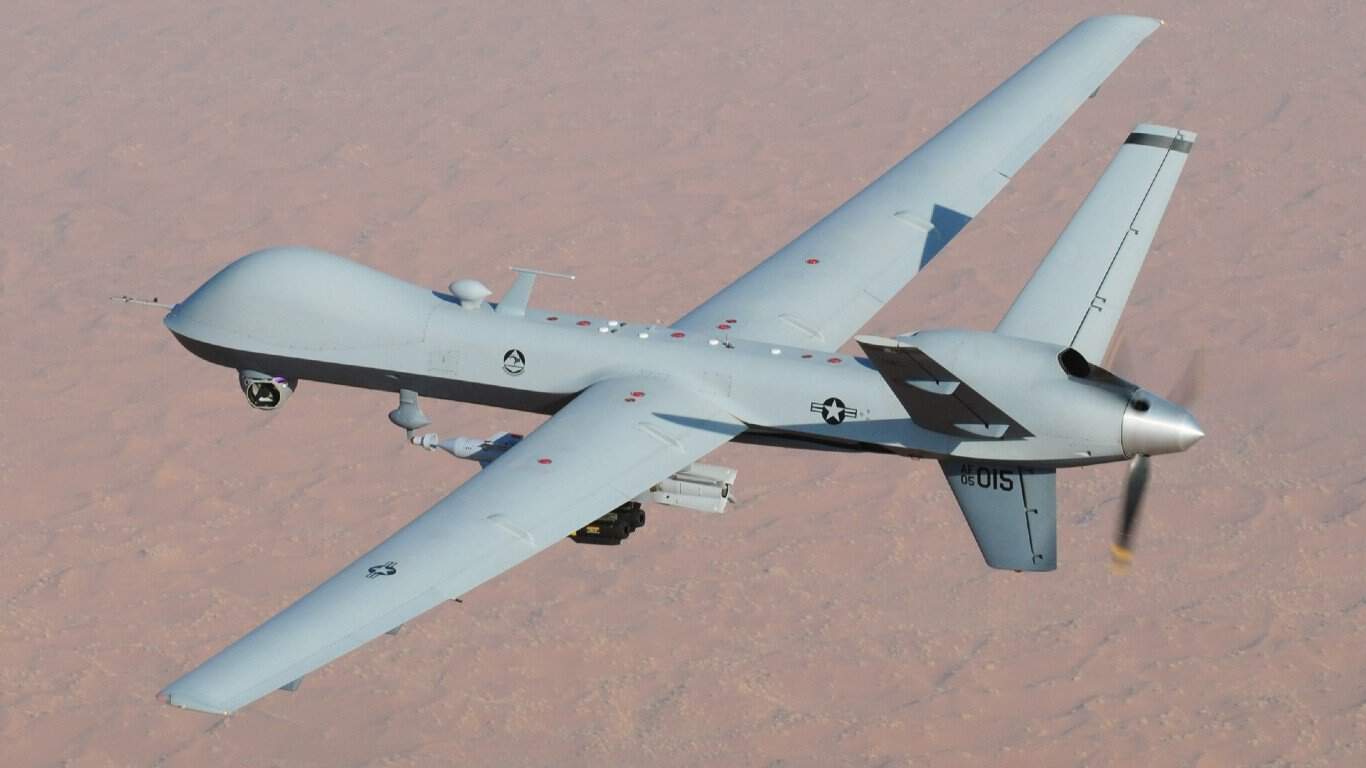
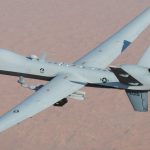
MQ-9 Reaper
- Country of Origin: United States
- Aircraft Type: UAV
- Year Introduced: 2007
- Initial Criticism / Skepticism: Unmanned limitations
- Why It Was Doubted: Doubts about drone warfare
- Breakthrough Moment: Counterterrorism success
- What It Excelled At: ISR & strike
- Why It Became Essential: Core modern warfare tool
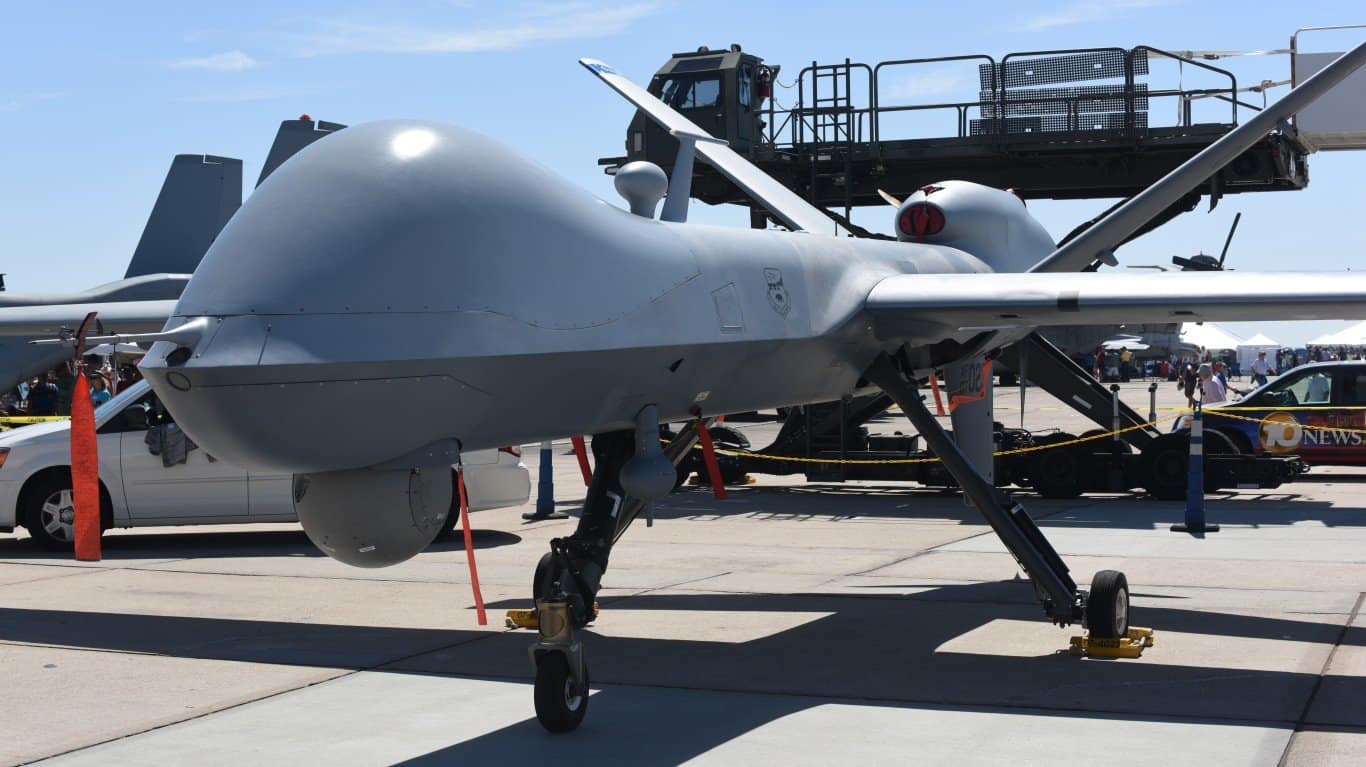
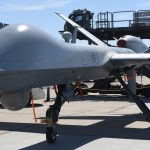
The MQ-9 Reaper was initially met with skepticism regarding the effectiveness of unmanned systems in combat. However, it has proven to be a highly effective platform for surveillance and precision strikes. Its ability to remain airborne for extended periods provides persistent coverage of target areas. The Reaper has become a central component of modern warfare, demonstrating the growing importance of unmanned systems in military operations.
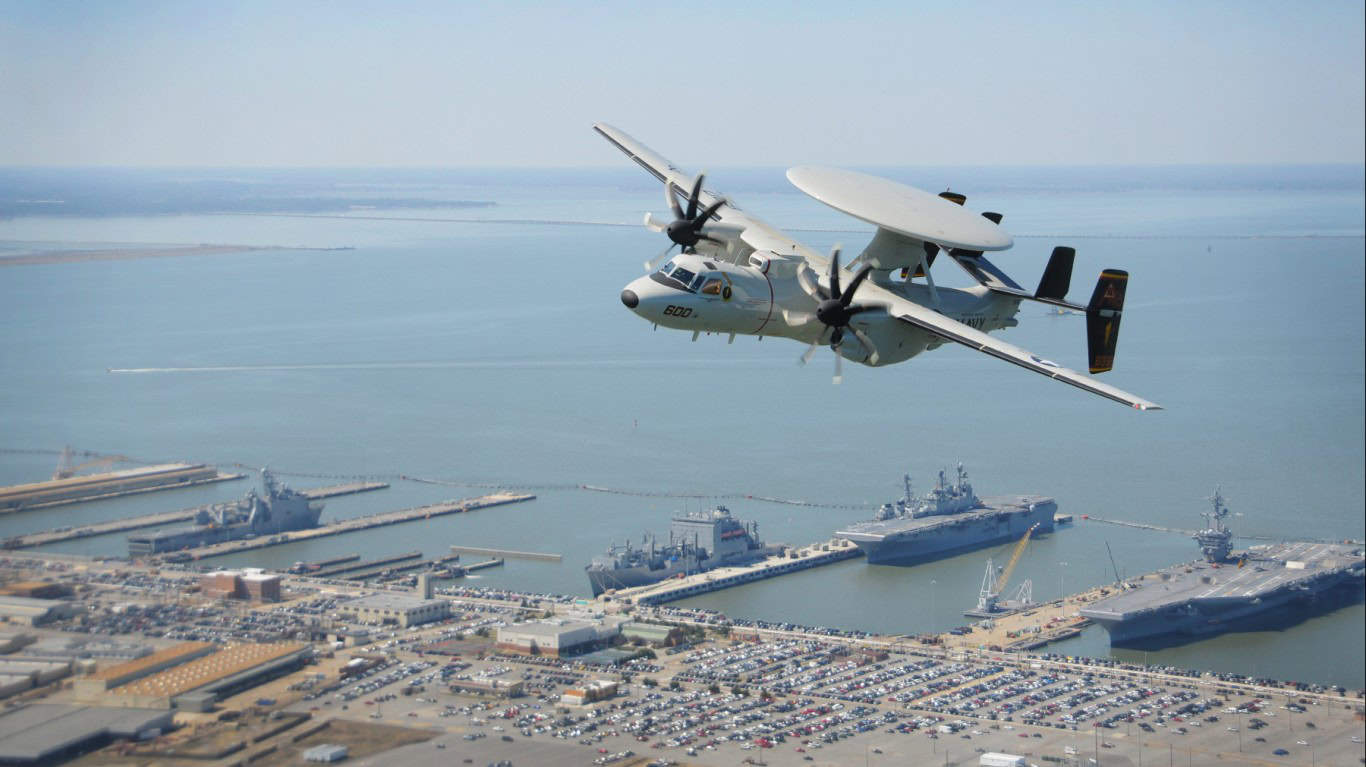
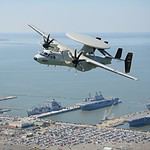
E-2 Hawkeye
- Country of Origin: United States
- Aircraft Type: ISR
- Year Introduced: 1964
- Initial Criticism / Skepticism: Limited combat role
- Why It Was Doubted: Support aircraft undervalued
- Breakthrough Moment: Carrier operations success
- What It Excelled At: Airborne early warning
- Why It Became Essential: Critical for fleet defense
The E-2 Hawkeye was initially undervalued due to its support role, with some questioning its importance compared to combat aircraft. However, its airborne early warning capabilities have proven essential for coordinating naval operations. By providing situational awareness and command support, the Hawkeye enhances the effectiveness of other aircraft and ships. Its role in fleet defense has made it a critical component of carrier strike groups.
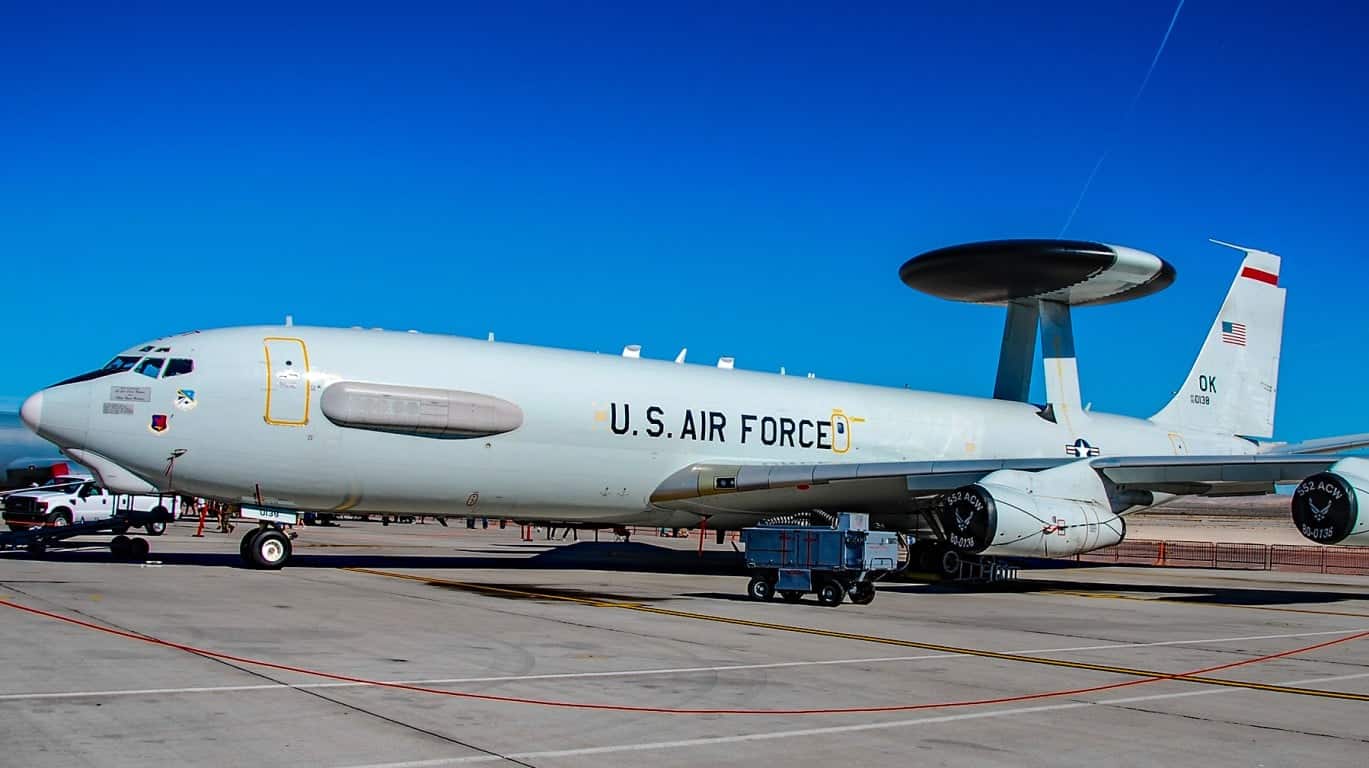
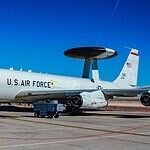
E-3 Sentry
- Country of Origin: United States
- Aircraft Type: ISR
- Year Introduced: 1977
- Initial Criticism / Skepticism: Expensive support platform
- Why It Was Doubted: High cost concerns
- Breakthrough Moment: Gulf War effectiveness
- What It Excelled At: AWACS command
- Why It Became Essential: Central to air operations
The E-3 Sentry faced criticism for its high cost and support-focused role. However, its airborne warning and control capabilities have proven indispensable in modern air operations. By providing real-time tracking and coordination, the E-3 enables more effective use of combat aircraft. Its ability to manage complex airspace has made it a central component of NATO operations, demonstrating the importance of command and control systems.
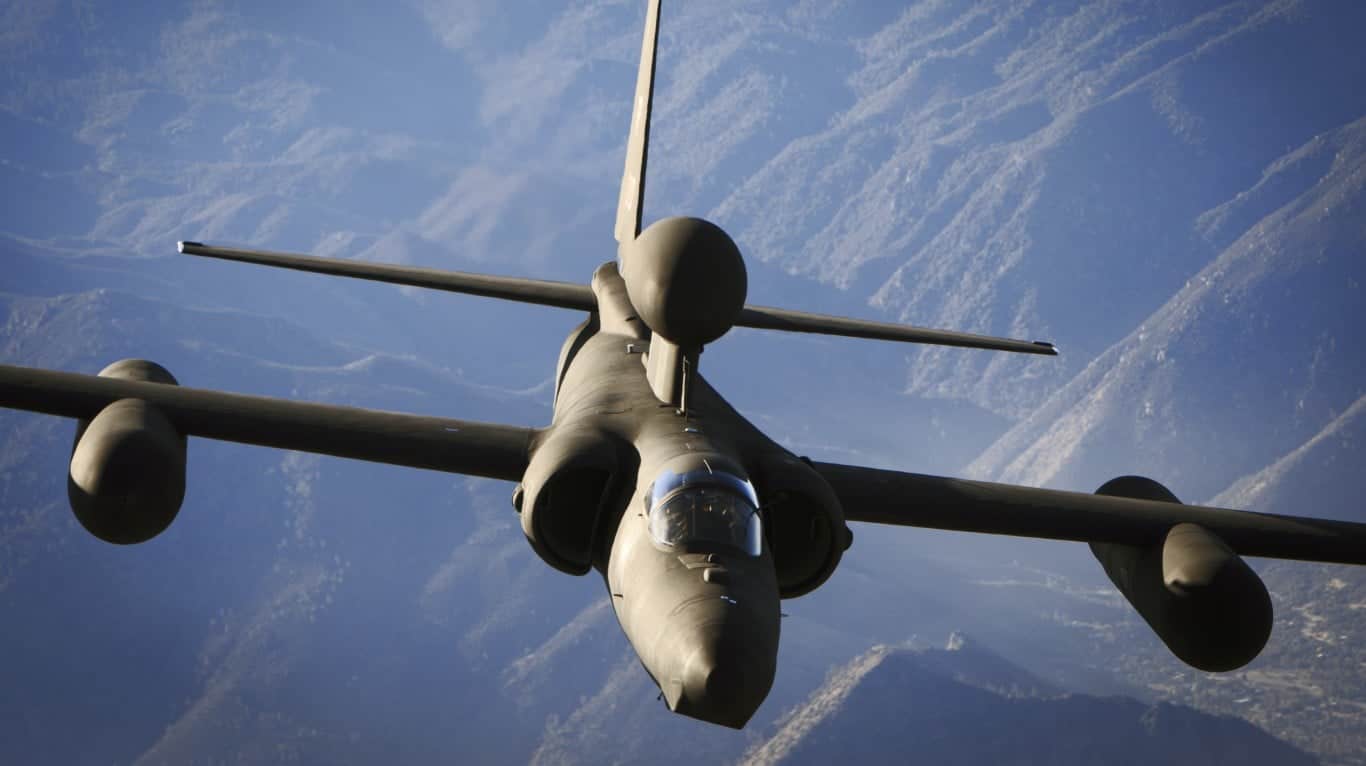
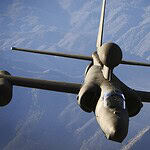
U-2
- Country of Origin: United States
- Aircraft Type: Recon
- Year Introduced: 1955
- Initial Criticism / Skepticism: Vulnerable to interception
- Why It Was Doubted: High-altitude risk
- Breakthrough Moment: Strategic intelligence success
- What It Excelled At: High-altitude ISR
- Why It Became Essential: Key Cold War asset
The U-2 was initially seen as vulnerable due to its high-altitude flight profile, with concerns about its survivability in contested environments. Despite these risks, it provided critical intelligence during the Cold War, offering unmatched reconnaissance capabilities. Its ability to gather information from great distances made it an essential tool for strategic decision-making. The U-2 demonstrated that even high-risk platforms can become indispensable when they provide unique and valuable capabilities.
The image featured at the top of this post is ©Stocktrek Images / Getty Images