




















Can You Answer the Basic Space Questions Most Americans Miss?
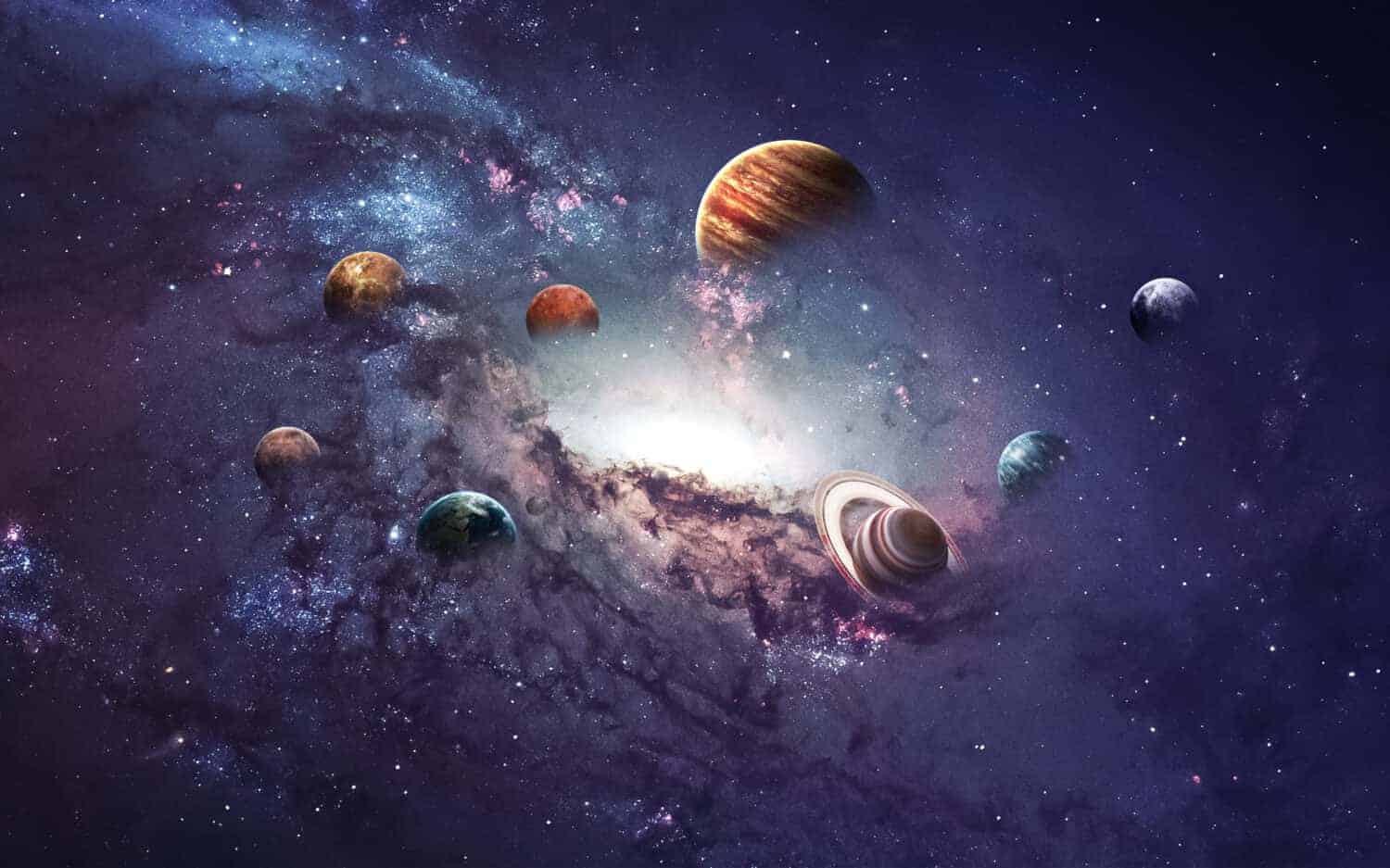
During the height of the Space Race, space exploration occupied a much larger place in American culture and education. Millions of people watched rocket launches live on television, followed NASA missions closely, and learned basic astronomy concepts in school as part of national scientific competition during the Cold War. Today, however, many Americans struggle to answer surprisingly basic questions about planets, gravity, or even how the seasons work.
Here, History Computer is going to put your brain to the test to see if you know more than most Americans about space.
Space Shapes Everyday Life More Than Most People Realize
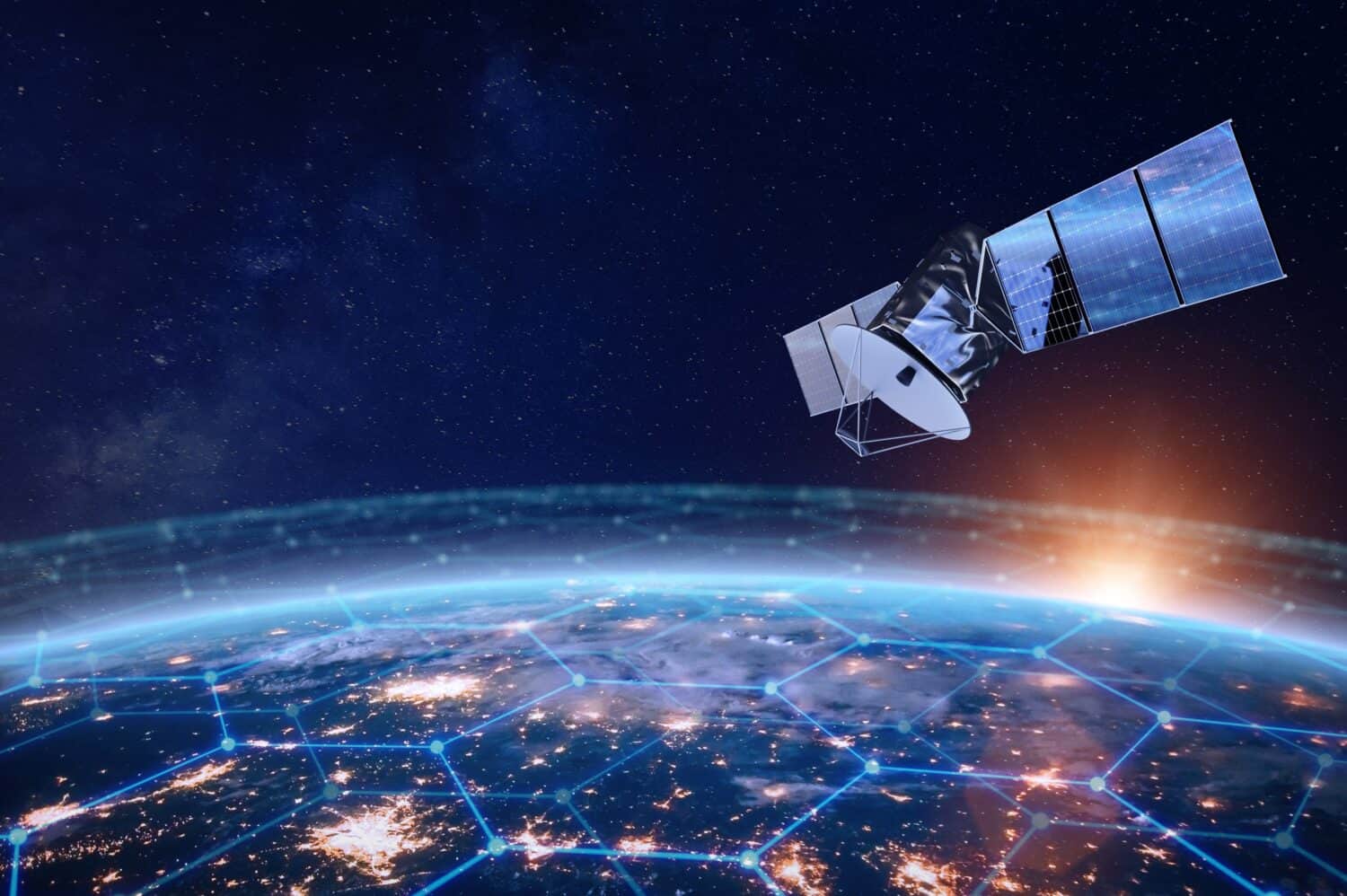
Even people who rarely think about astronomy rely on space technology constantly. GPS navigation, weather forecasting, satellite communications, internet infrastructure, banking systems, and smartphone maps all depend on satellites orbiting Earth. Understanding basic space concepts also helps explain familiar experiences like day and night, lunar phases, eclipses, and the changing seasons. Space quietly influences modern civilization every single day, often without people realizing it.
Movies and Pop Culture Often Create Space Misconceptions
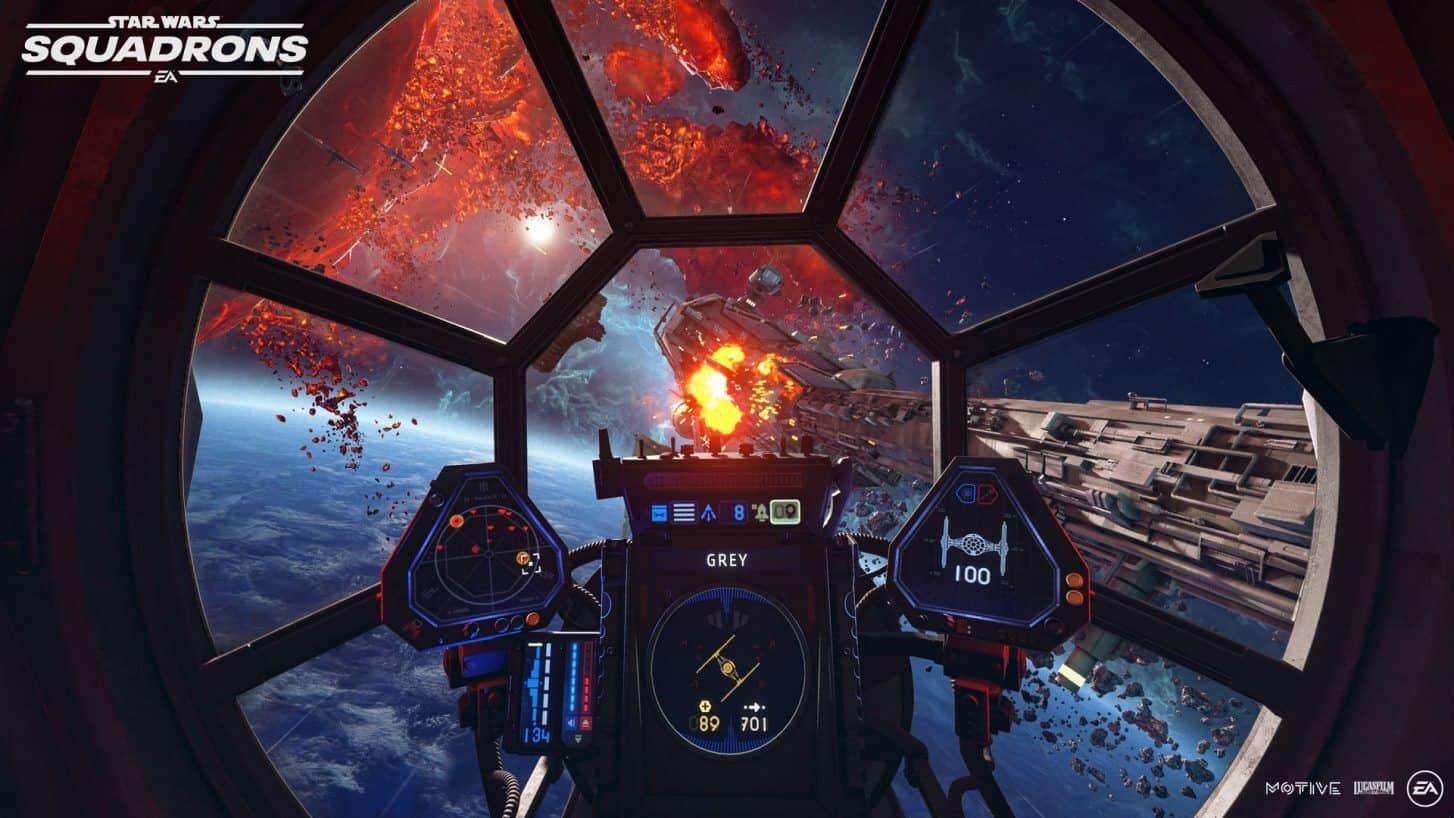
Many common misunderstandings about space come from movies, television, and science fiction. Explosions roar loudly in the vacuum of space, spacecraft maneuver like fighter jets, and planets often appear much closer together than they actually are. While these scenes make for entertaining storytelling, they can unintentionally reinforce scientific misconceptions that remain surprisingly common among the general public. Questions about gravity, sound in space, or the scale of the universe often reveal just how strongly entertainment shapes public understanding of astronomy and physics.
Space Is Much Bigger and Stranger Than Most People Imagine
One reason space can feel difficult to understand is because the scale involved is almost impossible for the human brain to process intuitively. Light from nearby stars takes years to reach Earth, galaxies contain hundreds of billions of stars, and black holes warp space itself through extreme gravity. Even the solar system is vastly larger than most diagrams suggest. Many basic astronomy questions become confusing simply because human experience offers almost no direct comparison for the enormous distances and forces involved in the universe.
These Questions Reveal How Humans Understand the Universe
The goal of these questions is not to embarrass anyone for missing an answer. Instead, they reveal how humanity continues trying to understand an incredibly complex universe through science, exploration, and curiosity. Many of the answers once completely changed how civilizations viewed reality itself, from discovering Earth orbits the Sun to understanding gravity and black holes. Exploring these questions also reminds us that space knowledge is not just about astronauts or rockets, but really it is about understanding the planet, solar system, and universe humanity calls home.
#1 What planet do humans live on?
- Hint: It’s currently accepting applications for residents.
#1 Earth
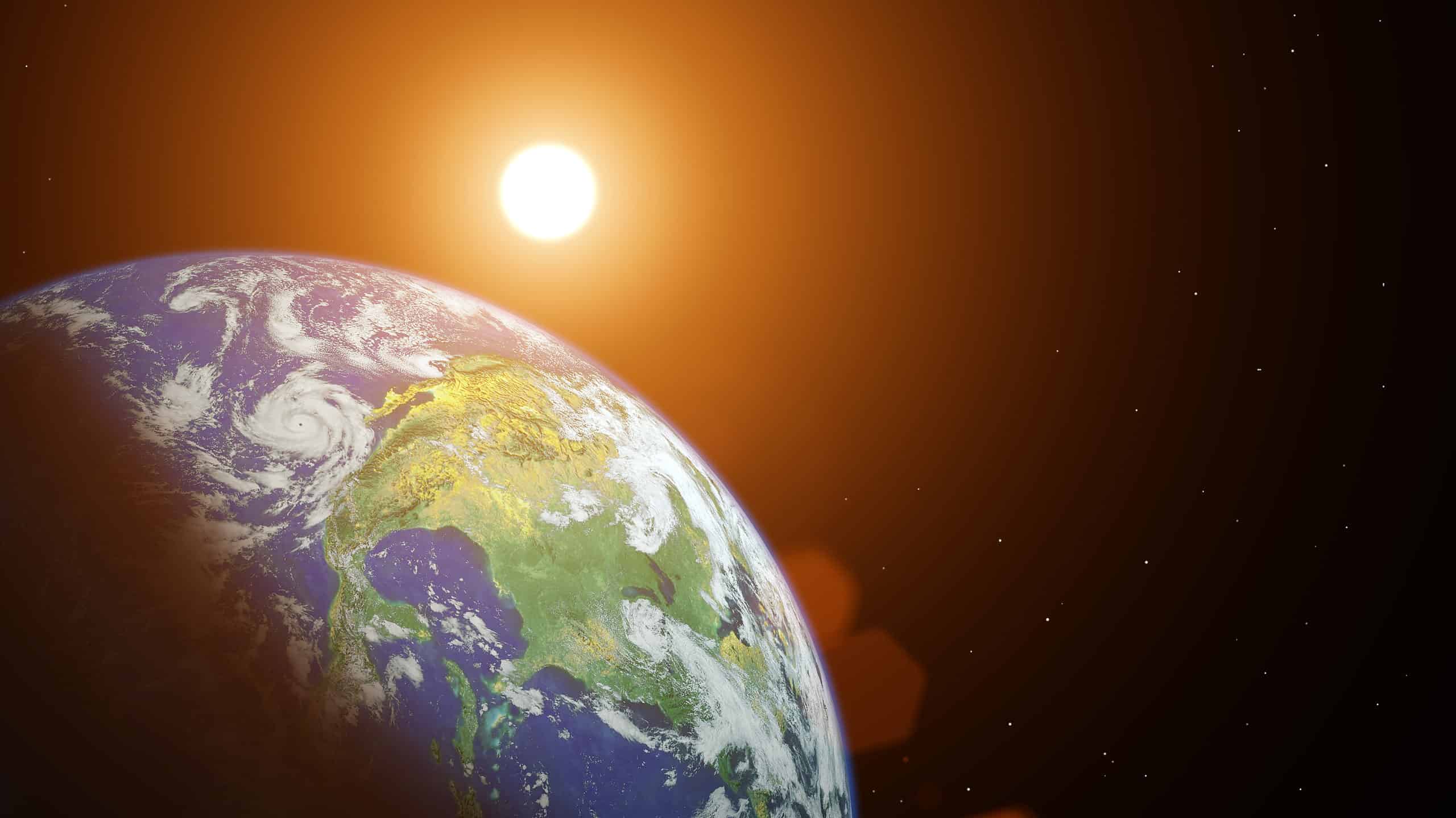
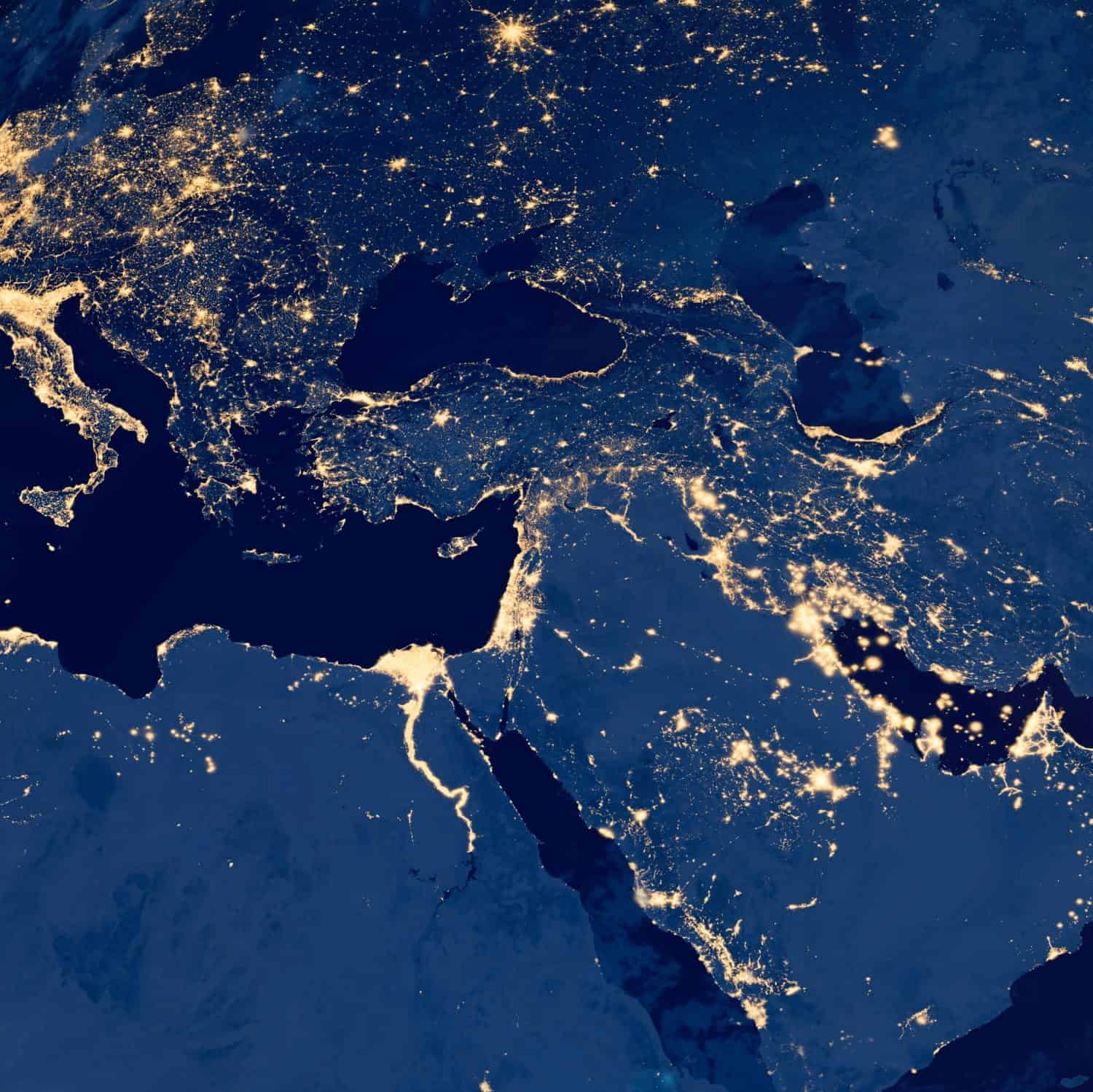
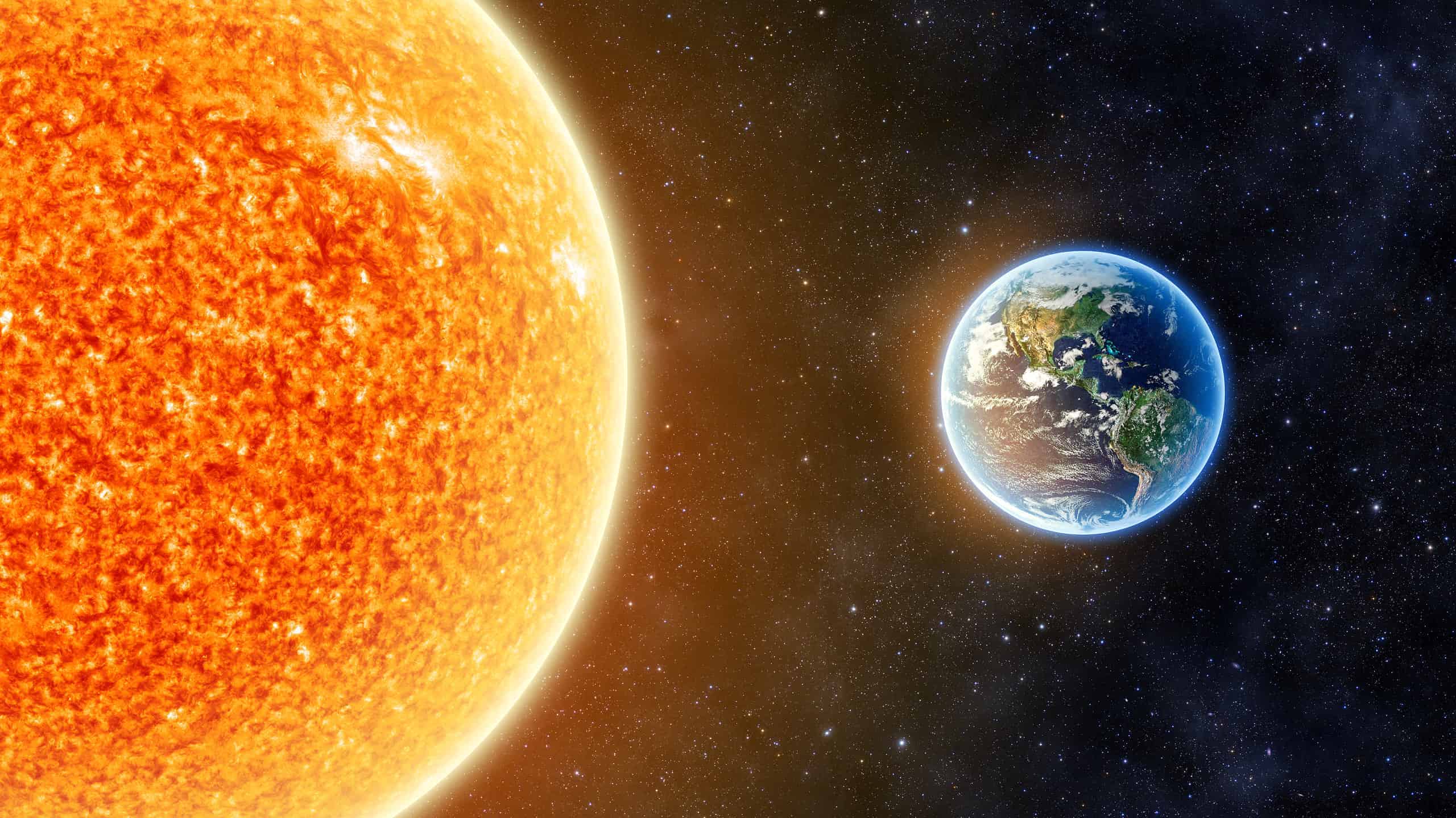
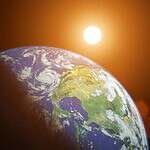
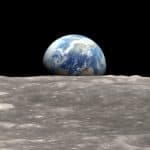
Earth is the third planet from the Sun and the only known planet confirmed to support life. About 71% of its surface is covered by water, and its atmosphere contains the oxygen humans and animals need to survive. Earth’s magnetic field and atmosphere also help protect life from harmful radiation coming from space. Despite feeling enormous to us, Earth is just one planet orbiting an average-sized star inside a galaxy containing hundreds of billions of stars. Modern satellites, weather systems, GPS technology, and nearly every aspect of daily life depend on understanding Earth’s place in space.
#2 What is the name of Earth’s natural satellite?
- Hint: Werewolves pay close attention to it.
#2 The Moon
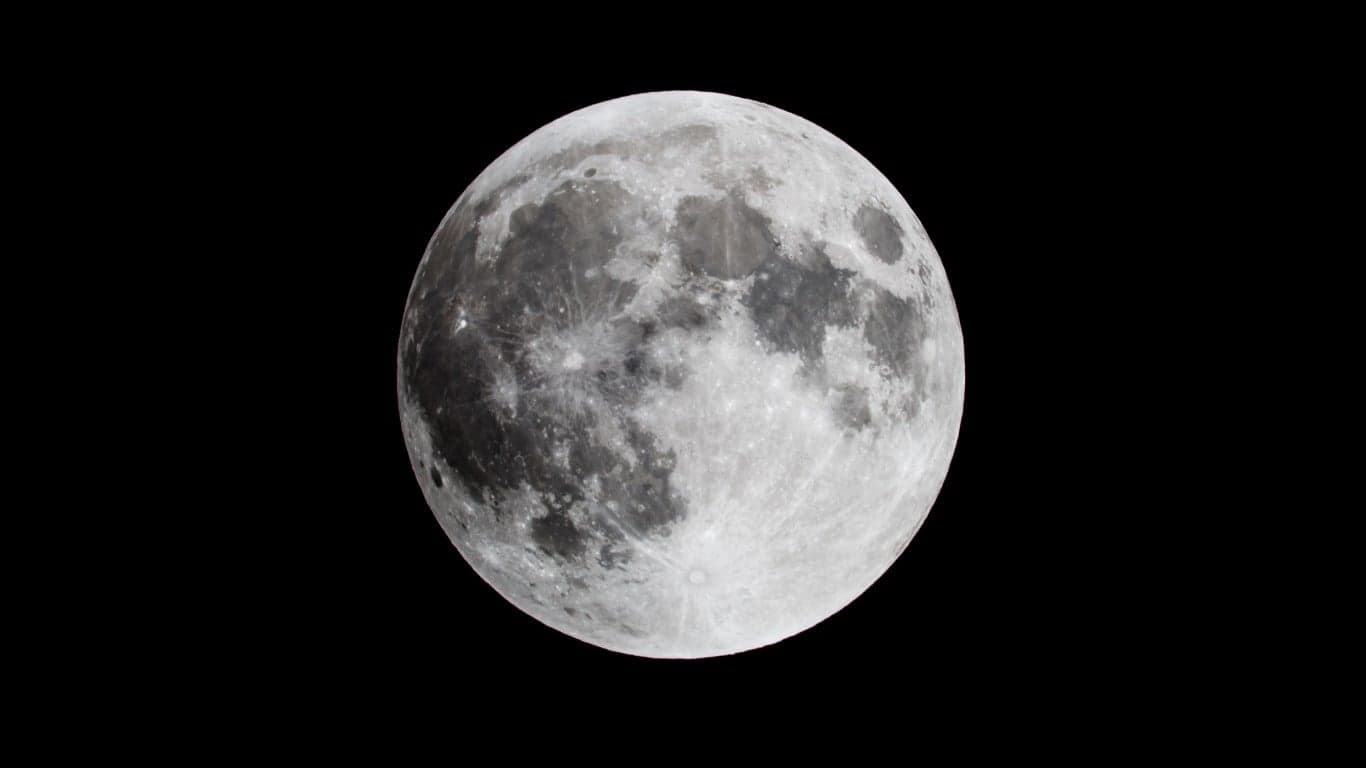
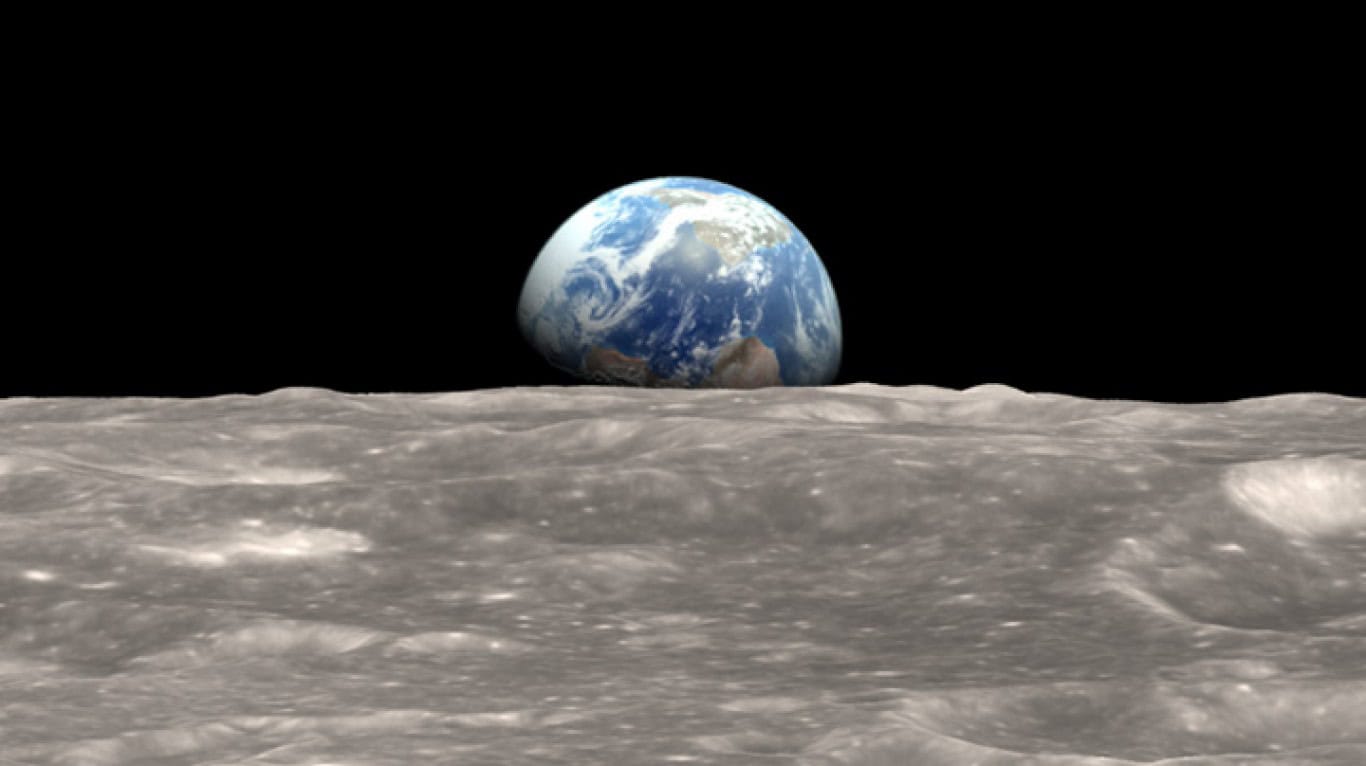
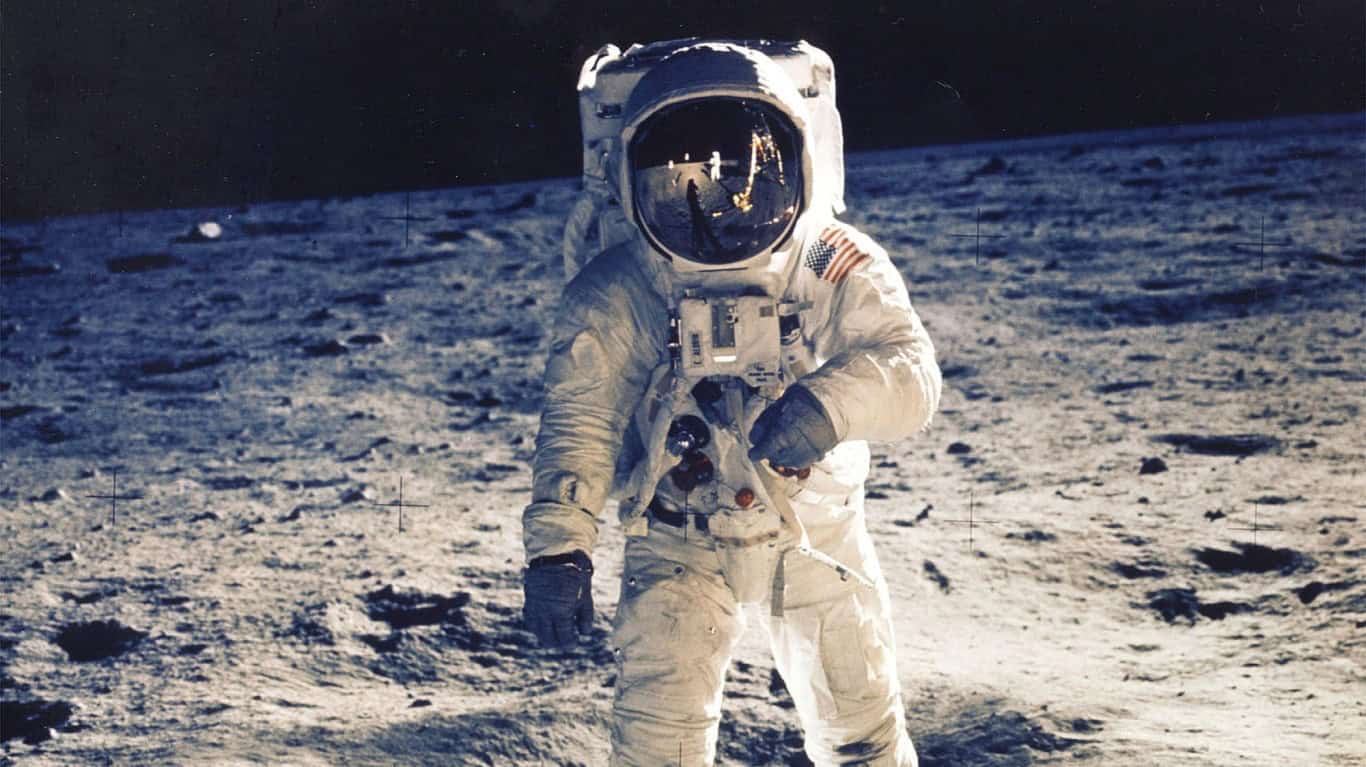
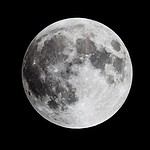
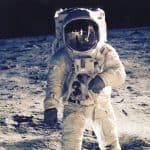
The Moon is Earth’s only natural satellite and has orbited our planet for billions of years. It affects ocean tides through gravity and helps stabilize Earth’s axial tilt, which contributes to long-term climate stability. Humans first landed on the Moon during NASA’s Apollo program in 1969, making it one of the most important destinations in space exploration history. Although the Moon looks bright in the night sky, it does not produce its own light. Instead, it reflects sunlight back toward Earth. The Moon remains central to future space exploration plans because many scientists believe it could eventually support long-term lunar missions or even permanent bases.
#3 Does the Earth orbit the Sun, or does the Sun orbit the Earth?
- Hint: One of these ideas got people in serious trouble centuries ago.
#3 Earth Orbits the Sun
Earth travels around the Sun, not the other way around. This idea seems obvious today, but centuries ago it was considered controversial because people naturally assumed the Sun moved around Earth based on what they observed in the sky. Scientists like Nicolaus Copernicus and Galileo Galilei helped prove that Earth is part of a heliocentric solar system where planets orbit the Sun. Earth completes one full orbit every year while also rotating on its axis every 24 hours. Understanding this model became one of the most important scientific breakthroughs in human history because it completely changed humanity’s understanding of the universe.
#4 How long does it take Earth to orbit the Sun once?
- Hint: Your birthday is a pretty big clue.
#4 One Year
Earth takes approximately 365 days to orbit the Sun one time, which is why a year lasts 365 days. That journey through space defines our calendar system and shapes how humans measure time. Because the actual orbit takes slightly longer than exactly 365 days, leap years are added periodically to keep calendars aligned correctly with Earth’s position around the Sun. Many people confuse Earth’s orbit with its daily rotation, but they are completely different motions. Rotation creates day and night, while orbiting the Sun creates the yearly cycle that governs seasons, calendars, and the progression of time itself.
#5 What causes day and night on Earth?
- Hint: Earth likes to spin more than a DJ.
#5 Earth’s Rotation
Day and night happen because Earth rotates on its axis roughly once every 24 hours. As Earth spins, different parts of the planet face toward or away from the Sun. The side facing the Sun experiences daylight, while the opposite side experiences nighttime. This constant rotation creates the daily cycle humans experience around the world. Long ago, many civilizations believed the Sun physically moved around Earth each day, but modern astronomy revealed that Earth’s own motion creates the effect. Earth rotates at incredible speed — over 1,000 miles per hour near the equator — yet humans barely notice because everything around us moves together with the planet.
#6 What causes the seasons on Earth?
- Hint: Winter is not caused by Earth forgetting its jacket.
#6 Earth’s Axial Tilt
The seasons happen because Earth is tilted on its axis, not because the planet moves dramatically closer or farther from the Sun. As Earth orbits the Sun throughout the year, different hemispheres receive varying amounts of direct sunlight depending on the tilt angle. When the Northern Hemisphere tilts toward the Sun, it experiences summer while the Southern Hemisphere experiences winter, and vice versa. This tilt changes the angle and duration of sunlight reaching Earth’s surface. Many people incorrectly assume temperature changes are caused by distance from the Sun, but Earth is actually closest to the Sun during part of the Northern Hemisphere’s winter.
#7 Which planet is known as the 'Red Planet'?
- Hint: It’s basically the rust bucket of the solar system.
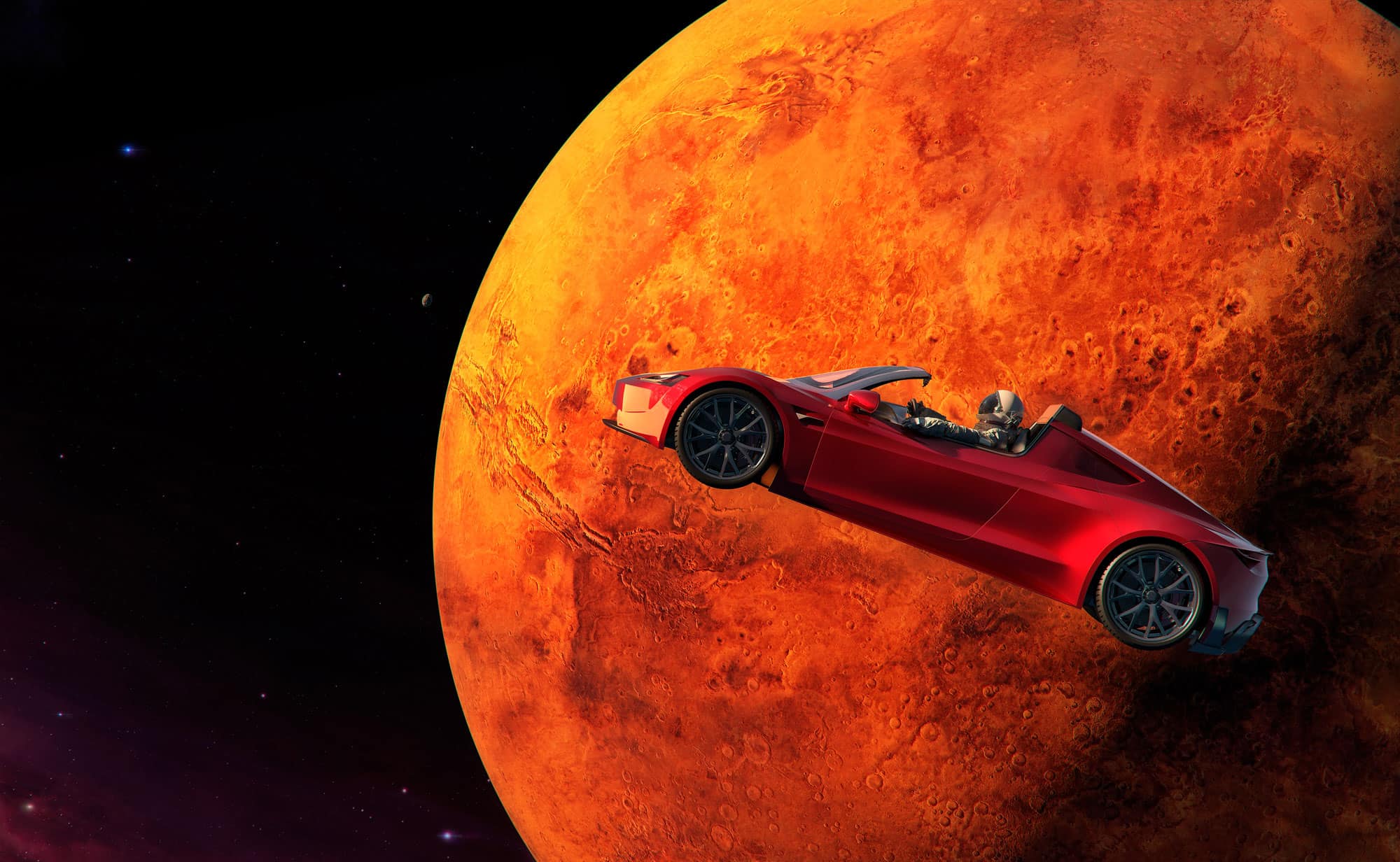
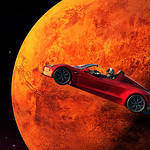
#7 Mars
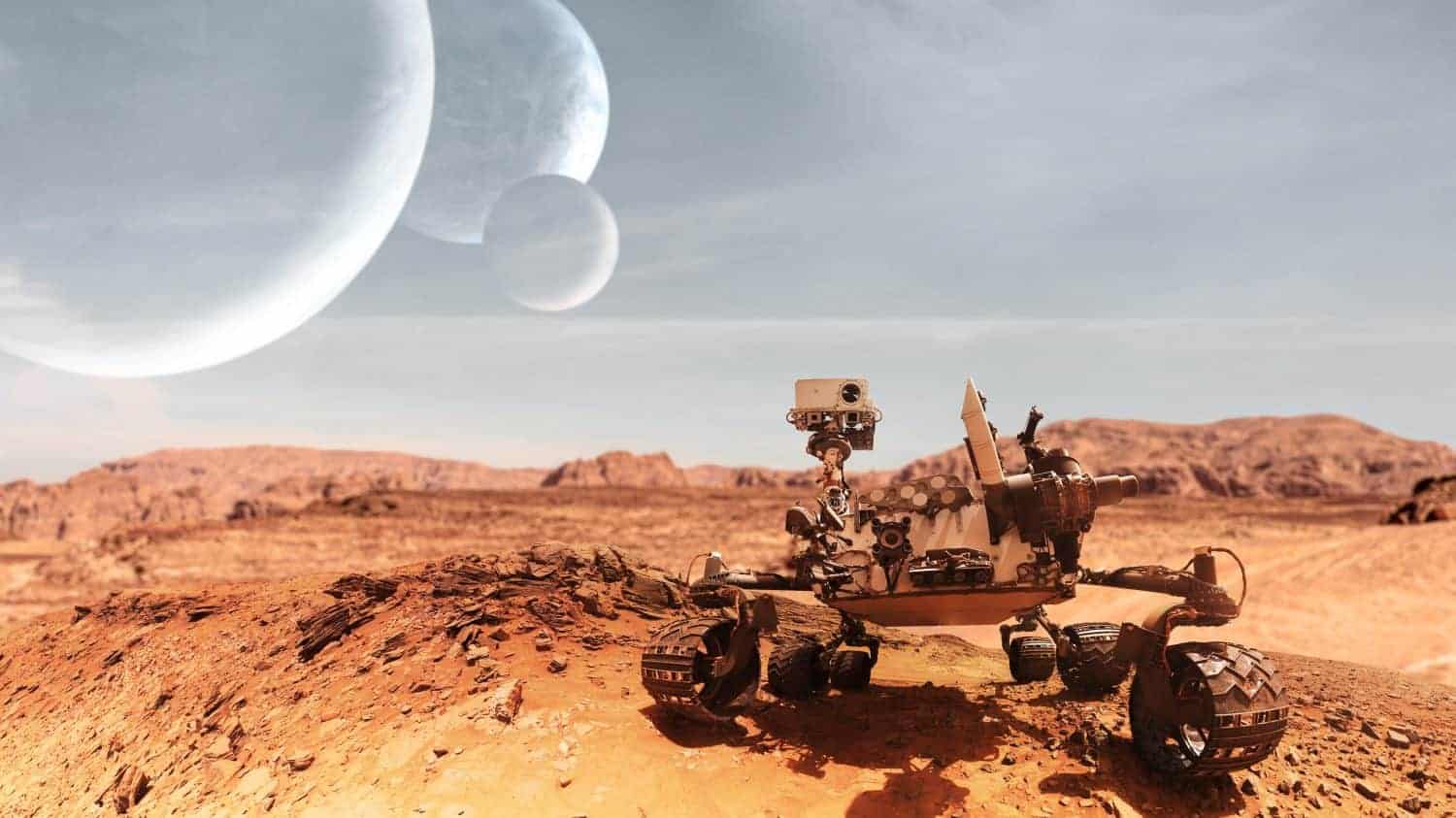
Mars is often called the “Red Planet” because iron oxide — essentially rust — covers much of its surface and gives it a reddish appearance. The planet has fascinated scientists and the public for generations because it is one of the most Earth-like worlds in the solar system. Mars contains enormous volcanoes, deep canyons, polar ice caps, and evidence that liquid water may once have existed there long ago. NASA and other space agencies continue studying Mars closely because many scientists believe it may eventually become humanity’s first destination for long-term crewed missions beyond the Moon.
#8 What galaxy is Earth located in?
- Hint: It sounds more delicious than dangerous.
#8 The Milky Way Galaxy
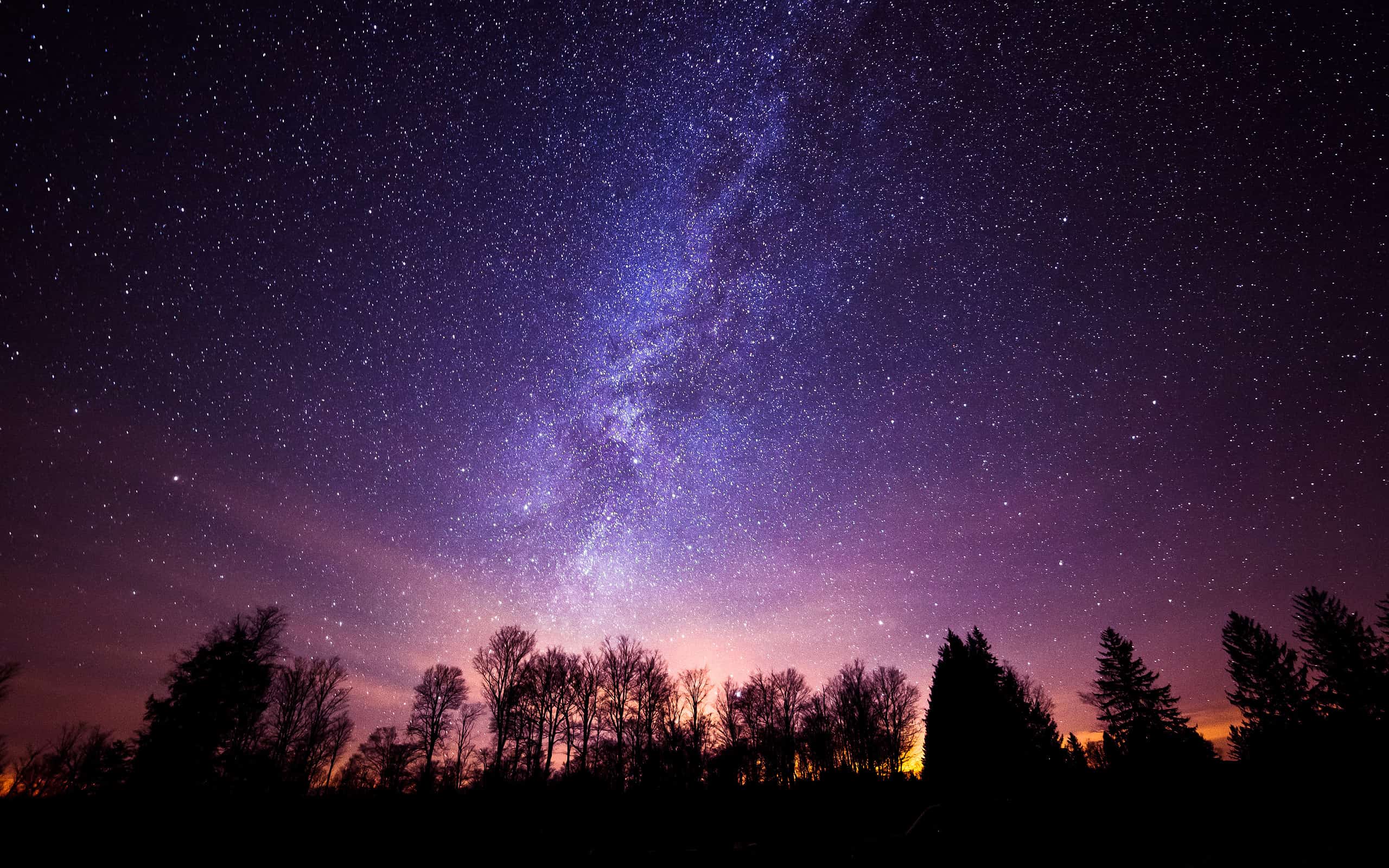
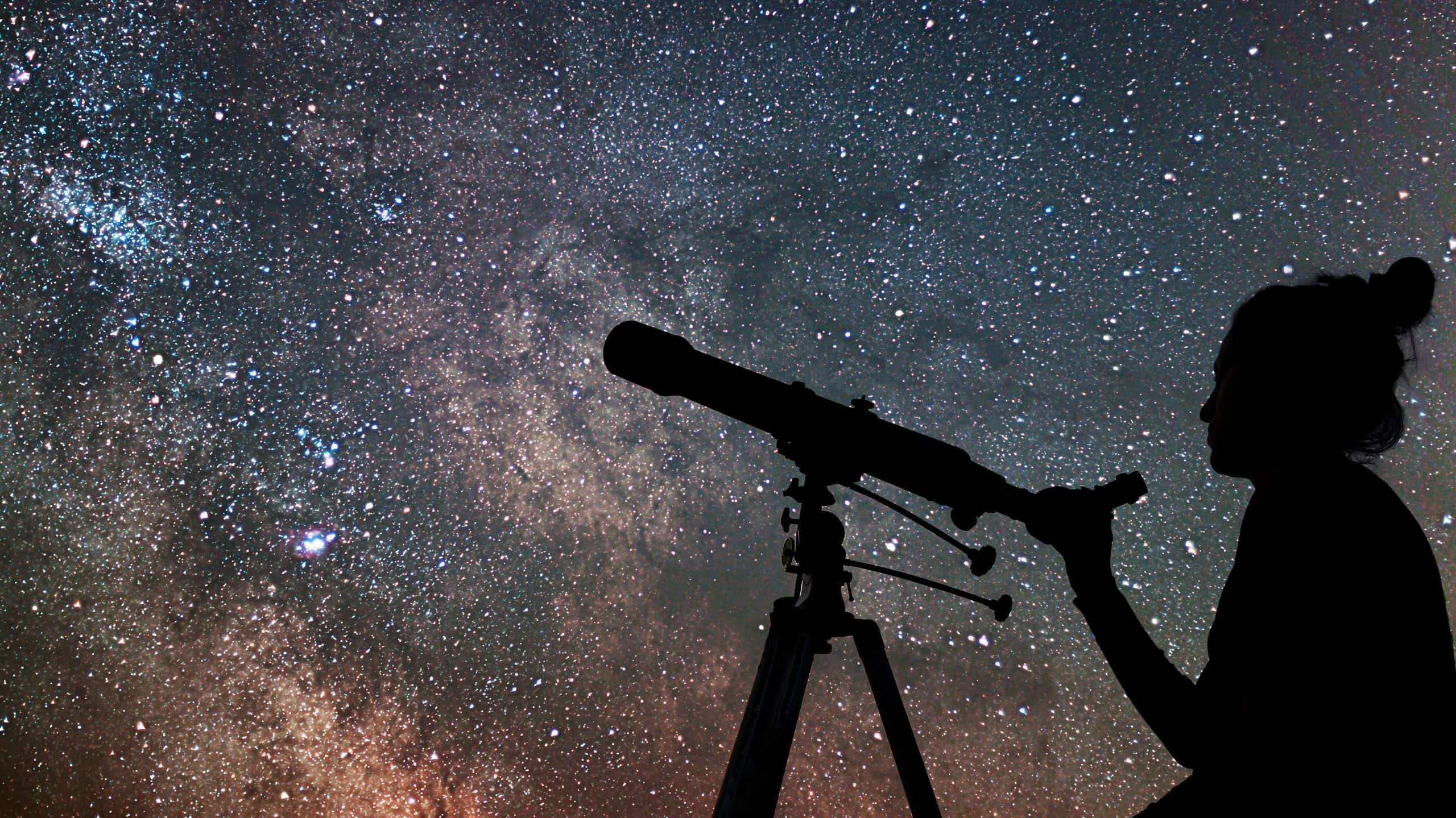
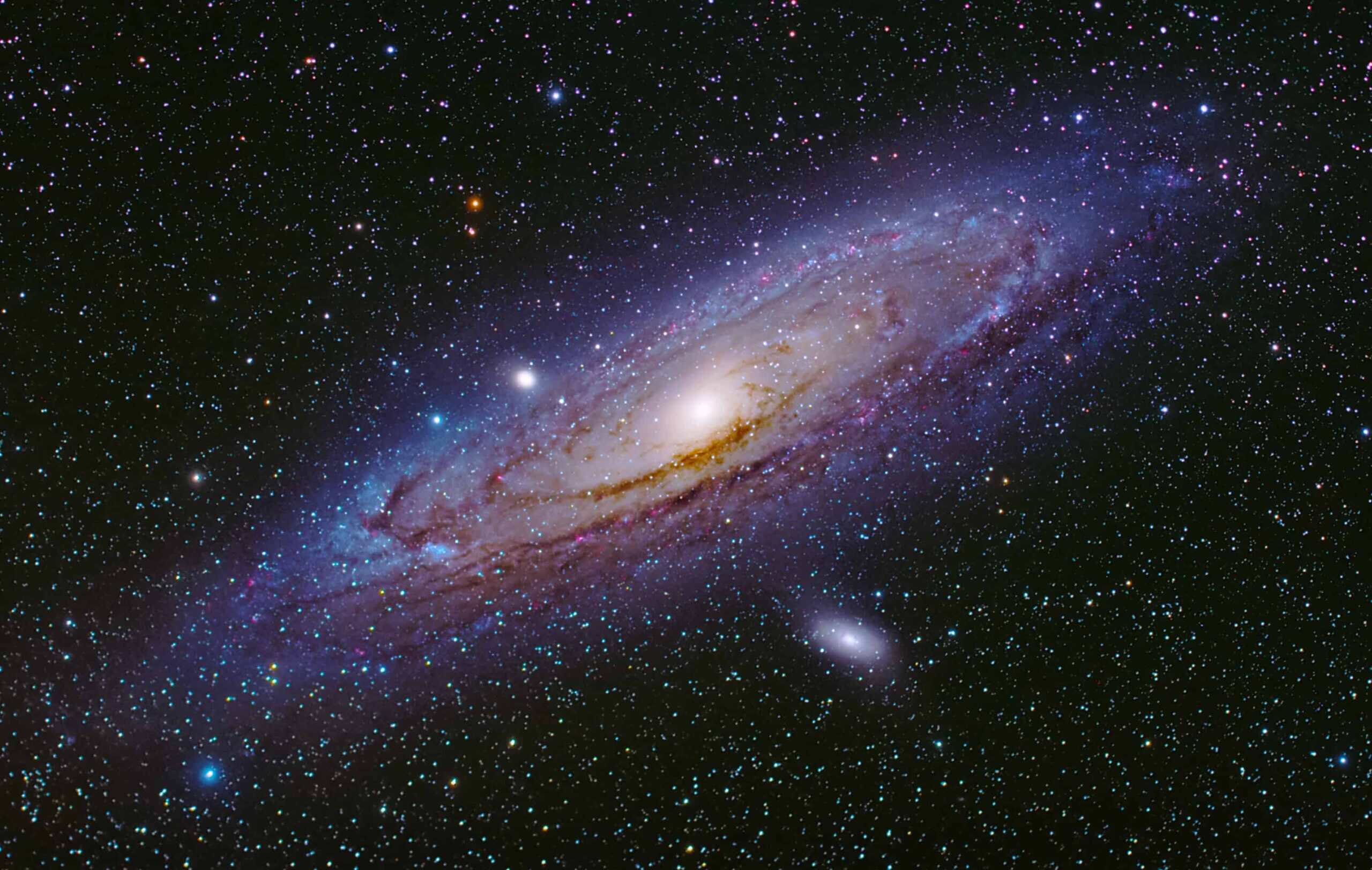
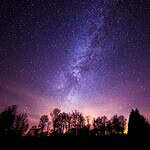
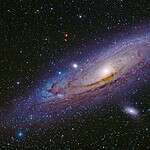
Earth exists inside the Milky Way, a massive spiral galaxy containing hundreds of billions of stars, planets, gas clouds, and cosmic dust. On dark nights away from city lights, parts of the Milky Way appear as a glowing band stretching across the sky. Our solar system sits inside one of the galaxy’s spiral arms roughly halfway between the galactic center and outer edge. The scale of the Milky Way is difficult to imagine because traveling across it at the speed of light would still take about 100,000 years. And despite its enormous size, the Milky Way itself is only one galaxy among billions in the observable universe.
#9 Can sound travel through space?
- Hint: Hollywood may have lied to you a few thousand times.
#9 No, Sound Cannot Travel Through Space
Sound requires molecules like air or water to travel from place to place. Space, however, is mostly a vacuum containing extremely few particles, meaning sound waves cannot move normally through it. That means giant explosions in space would actually be silent to nearby observers unless they were inside a pressurized spacecraft. Movies and television often ignore this reality because silent battles would feel strange to audiences. The misconception became so widespread through science fiction that many people assume sound behaves the same way everywhere. In reality, space is far quieter than Hollywood usually portrays.
#10 What is the closest star to Earth besides the Sun?
- Hint: The answer is not 'the North Star.' Nice try though.
#10 Proxima Centauri
The closest known star to Earth besides the Sun is Proxima Centauri, part of the Alpha Centauri star system located a little over four light-years away. Although that sounds relatively close in astronomical terms, the distance is still enormous. Modern spacecraft would require tens of thousands of years to reach it using current technology. Proxima Centauri is a small red dwarf star much dimmer than the Sun, and scientists have discovered planets orbiting it. The immense distance between even neighboring stars helps explain why interstellar travel remains one of humanity’s greatest technological challenges.
#11 Why do astronauts float inside the International Space Station?
- Hint: They are falling… very professionally.
#11 They Are Constantly Falling Around Earth
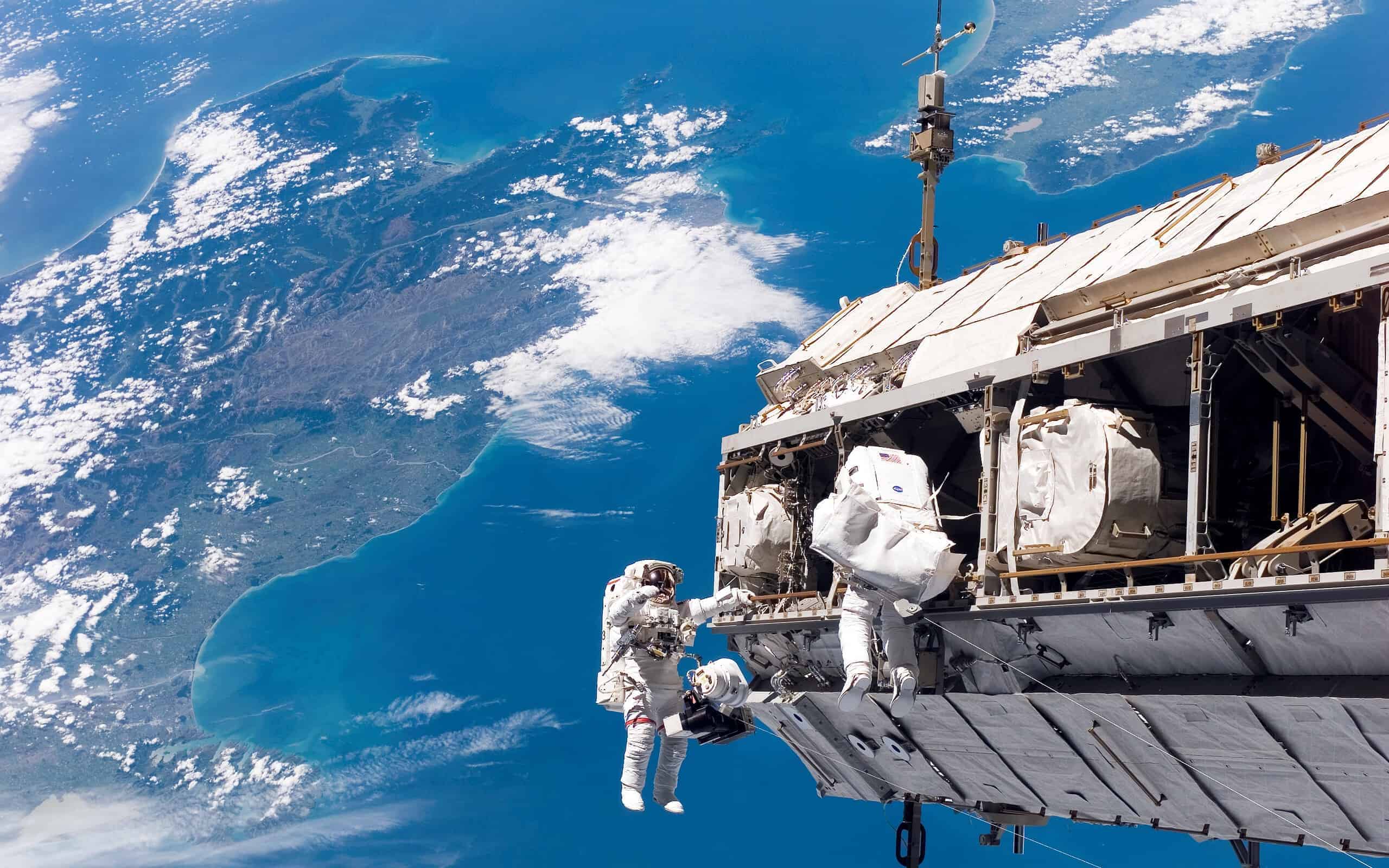
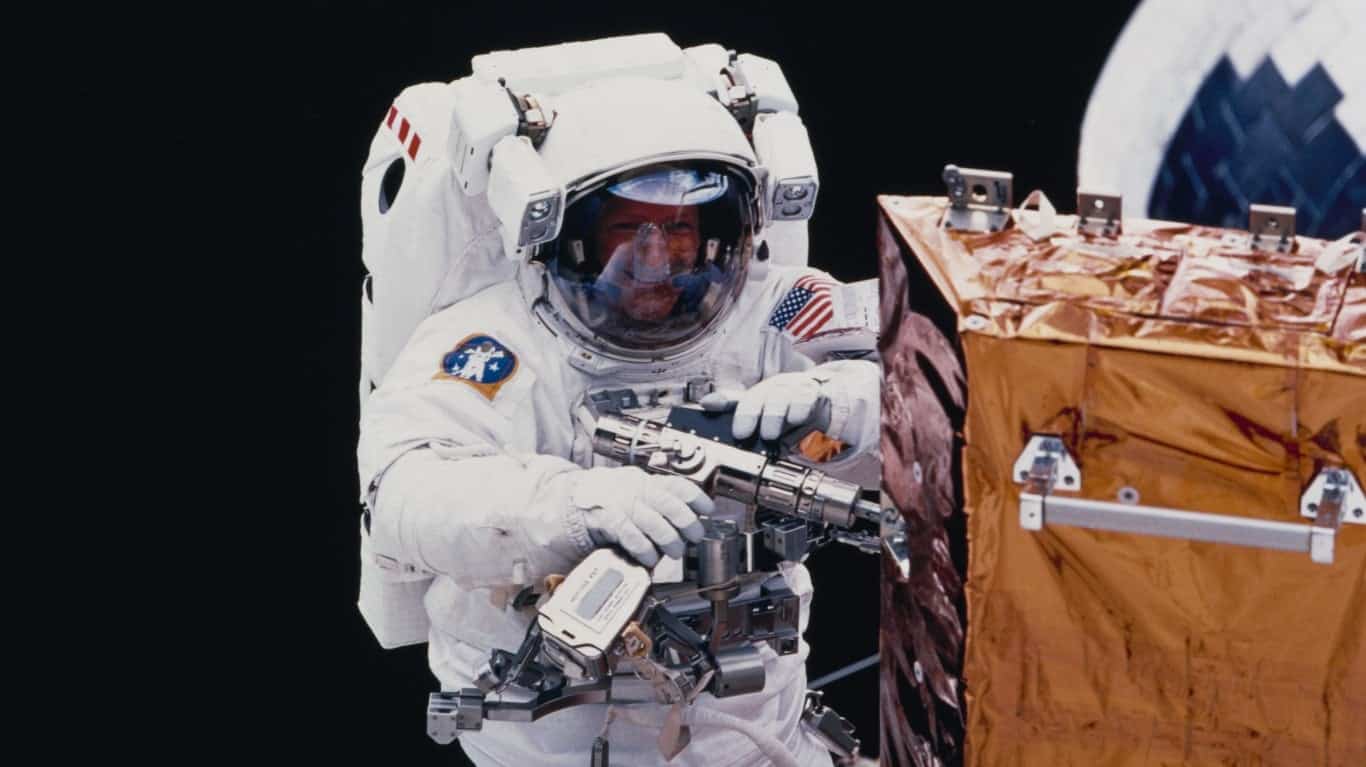
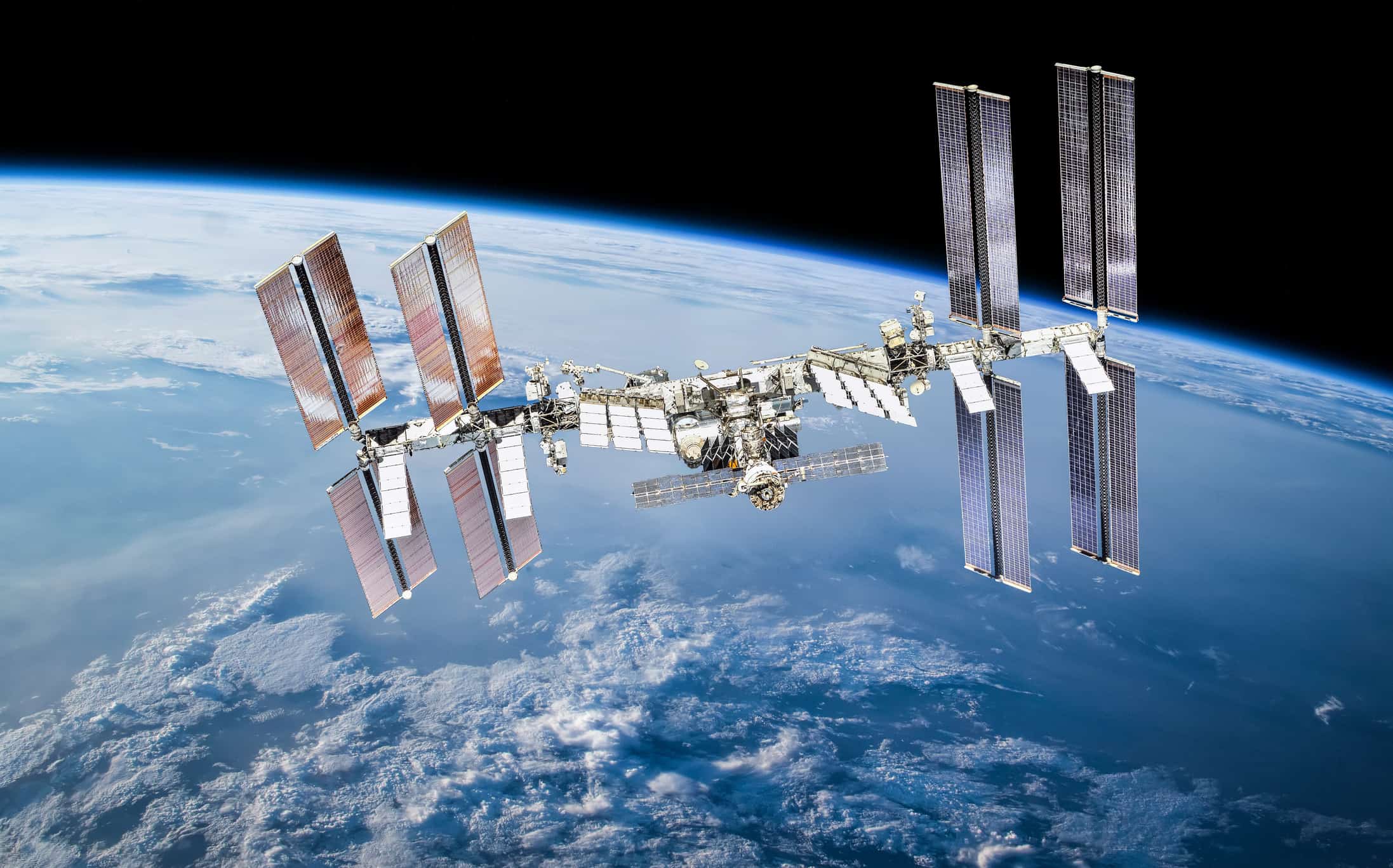
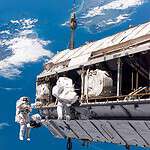
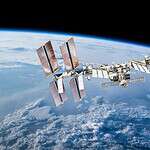
Astronauts aboard the International Space Station appear weightless because they are constantly falling around Earth while moving at extremely high speed. Gravity absolutely still exists in orbit. In fact, the station remains held in orbit by Earth’s gravity. The ISS travels so fast horizontally that as it falls, Earth curves beneath it at nearly the same rate. This creates the effect of continuous free fall, producing what people commonly call zero gravity. The same principle keeps satellites orbiting Earth and allows astronauts to float inside spacecraft despite still being under the influence of gravity.
#12 What is a light-year actually measuring?
- Hint: Despite the name, clocks are not involved.
#12 Distance
A light-year measures distance, not time. Specifically, it represents the distance light travels in one year or roughly 5.88 trillion miles. Because space is unimaginably vast, astronomers use light-years to describe distances between stars and galaxies more conveniently than traditional units like miles or kilometers. When people look at distant stars, they are also looking back in time because light from those objects may have traveled for years, centuries, or even millions of years before reaching Earth. Understanding light-years helps explain both the enormous scale of the universe and why astronomy often studies the distant past.
#13 What is the main force that keeps planets in orbit around the Sun?
- Hint: It’s the same reason you are not floating into the ceiling right now.
#13 Gravity
Gravity is the force that keeps planets orbiting the Sun and prevents objects from drifting aimlessly through space. Every object with mass exerts gravitational pull, but larger objects like stars and planets create much stronger effects. The Sun’s gravity holds the entire solar system together while Earth’s gravity keeps humans, oceans, and the atmosphere anchored to the planet’s surface. Gravity also shapes galaxies, forms stars, controls planetary orbits, and influences nearly every large-scale structure in the universe. Even though gravity feels ordinary in daily life, it remains one of the most important forces governing how the cosmos functions.
#14 Why does the Moon appear to change shape throughout the month?
- Hint: The Moon is not actually on a cosmic diet plan.
#14 The Moon’s Phases
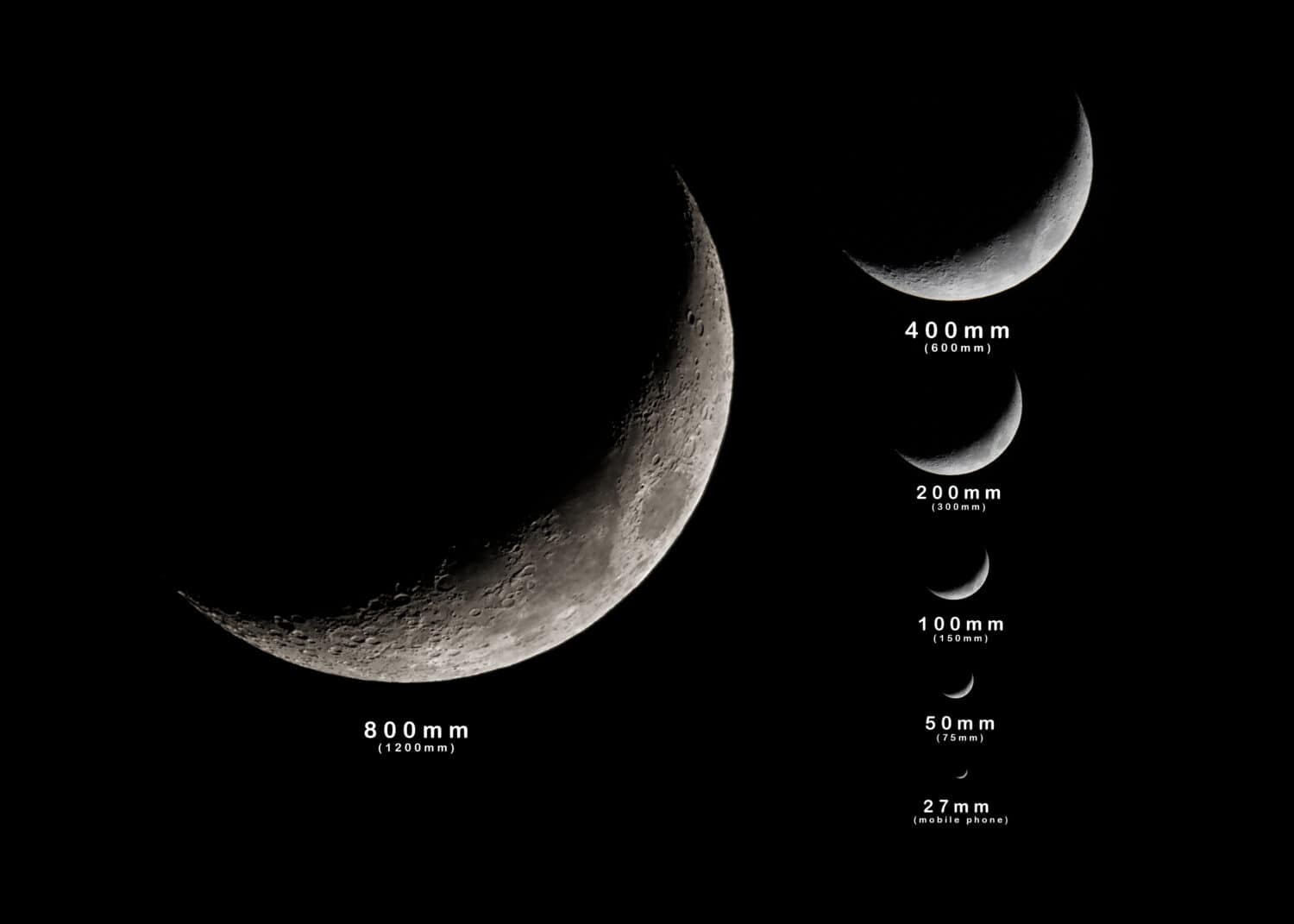
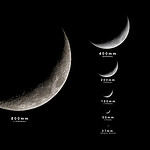
The Moon appears to change shape because different portions of its sunlit surface become visible from Earth as it orbits our planet. The Moon itself never physically changes shape during this cycle. Instead, the changing angles between the Sun, Earth, and Moon create the familiar phases such as full moons, crescent moons, and half moons. The entire cycle takes about one month to complete, which is why the Moon’s appearance changes gradually night after night. Lunar phases have influenced calendars, navigation, agriculture, and mythology throughout human history and remain one of the most recognizable patterns visible in the night sky.
#15 What is a black hole?
- Hint: It’s the universe’s version of 'Do Not Enter.'
#15 A Region Where Gravity Is Extremely Strong
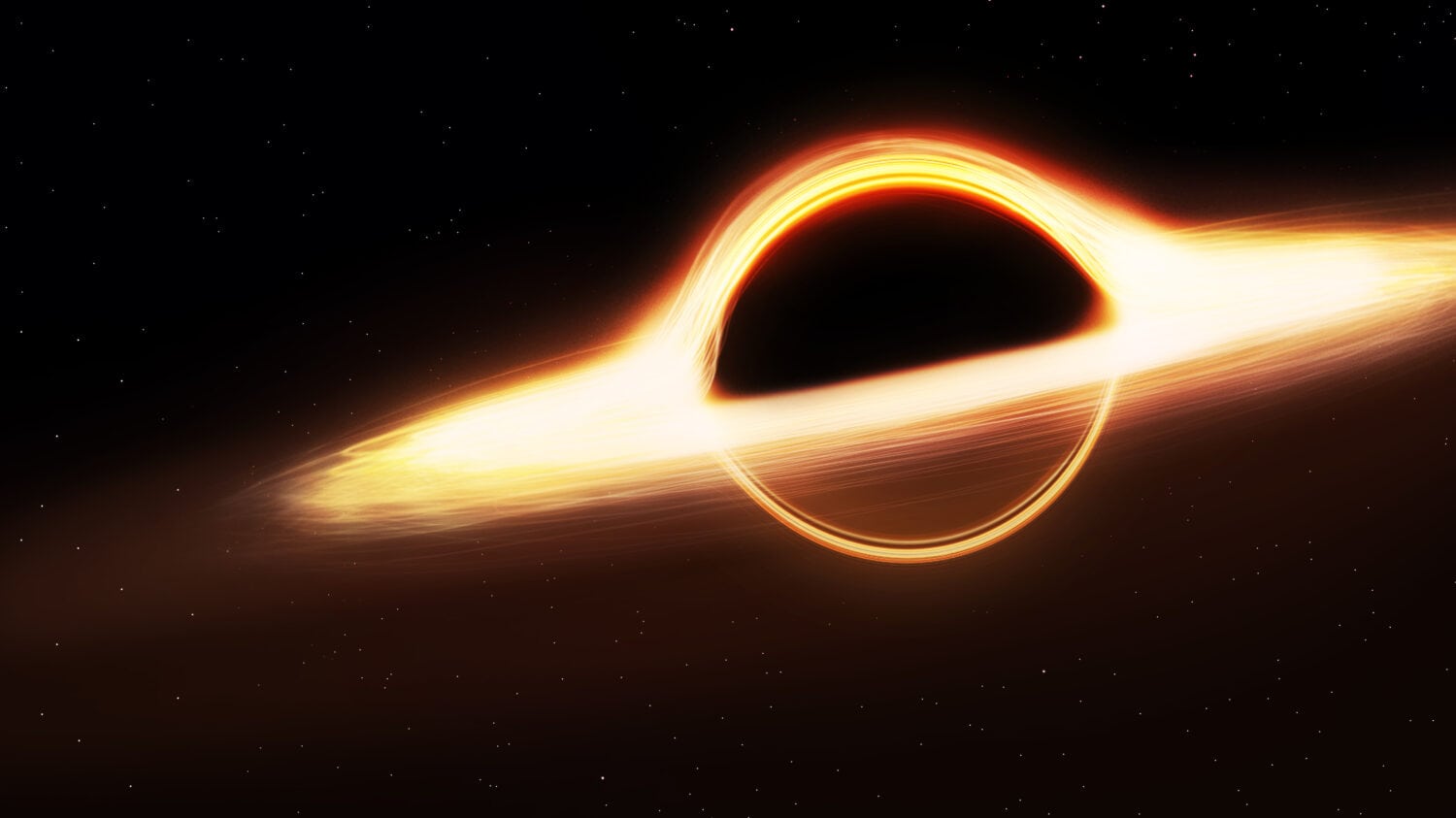
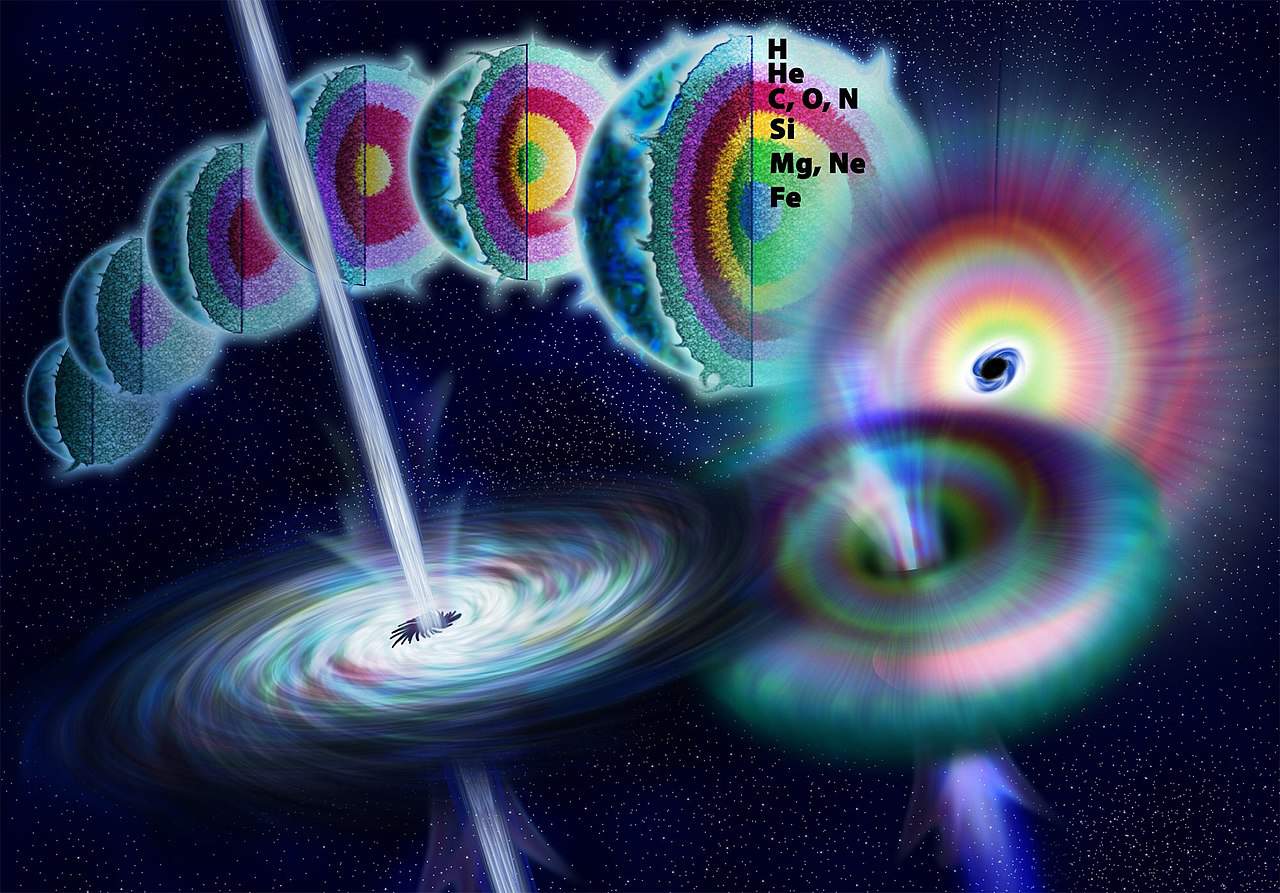
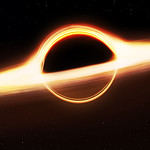
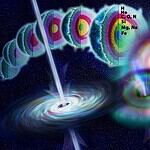
A black hole is a region of space where gravity becomes so strong that nothing (not even light) can escape once it passes a boundary called the event horizon. Black holes typically form after massive stars collapse at the end of their life cycles. Although black holes themselves are invisible, scientists detect them by observing how they affect nearby stars, gas, and light. Some black holes contain masses millions or even billions of times greater than the Sun. Once considered mostly theoretical, black holes are now among the most actively studied and fascinating objects in modern astrophysics.
The image featured at the top of this post is ©Vadim Sadovski/Shutterstock.com