





15 Everyday Things That Came From the Space Race
The space race was marketed as a battle of geopolitics. Two superpowers, one moon, and a whole lot of national pride on the line. What was not marketed at the time was the sheer complexity of the engineering challenges posed to NASA and its contractors from 1957 through the early 1970s. So much so that they would quietly restructure our daily lives on Earth for the next half-century.
Some of these inventions have always been associated with NASA, but others may surprise you. A few have even blended with our daily lives in a way that linking them to the Apollo program sounds almost implausible.
Memory Foam
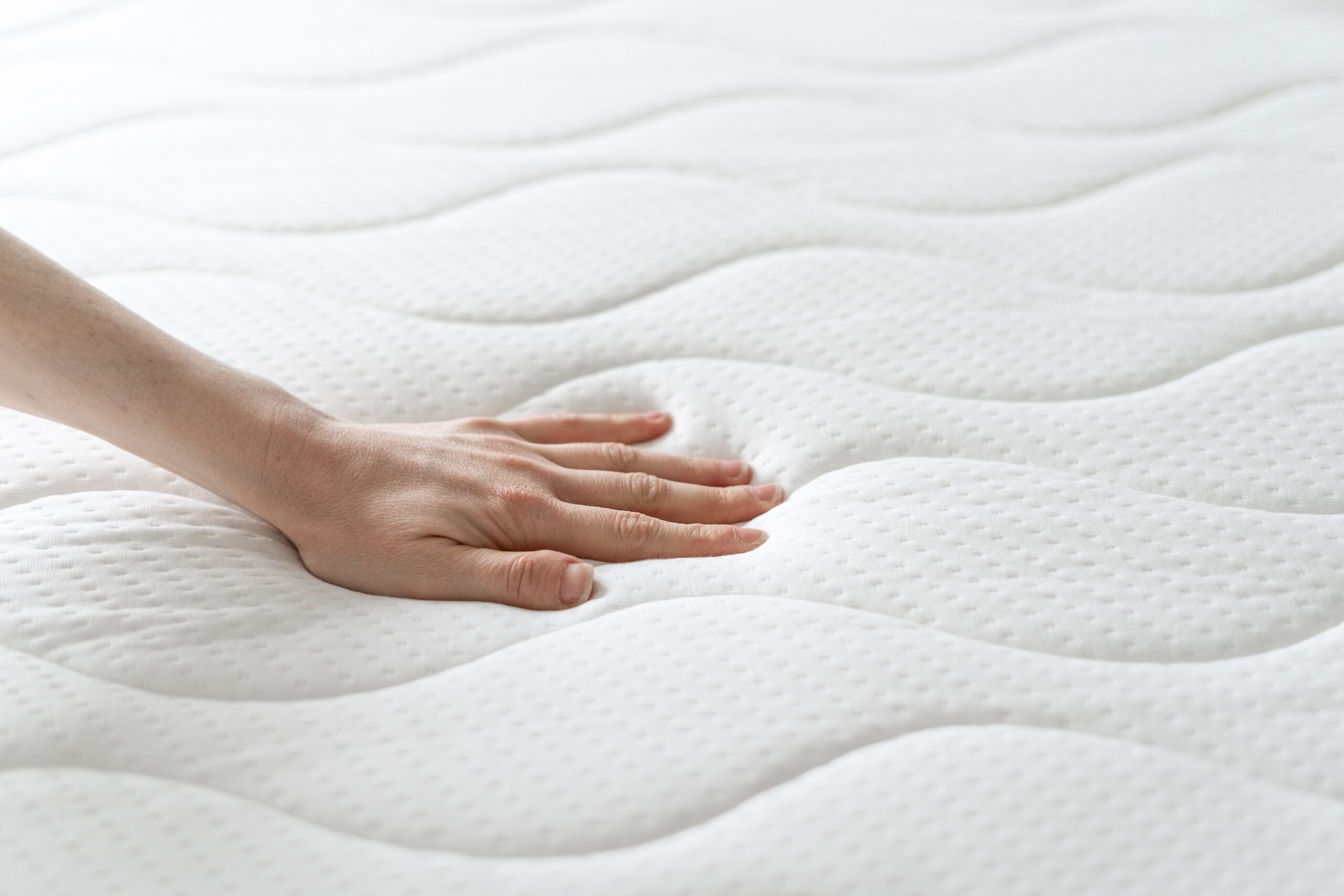
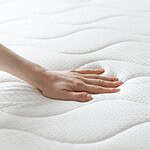
Memory foam was invented by Charles Yost, an engineer at the NASA Ames Research Center, in 1966. It was originally called "temper foam," and its purpose was to absorb impact energy in aircraft seats and astronauts' couches. The material redistributed the pressure rather than resisting it. NASA eventually released this invention to the public, and it was then taken up by hospitals that used it in wheelchair cushions and hospital beds.
In the early 1990s, Tempur-Pedic brought it to the wider mattress market, and nowadays it's widely used worldwide. Yost set out to solve a crash survival problem. He gave us all a better night's sleep in the process.
Scratch-Resistant Lenses
The FDA mandated that eyeglasses use shatter-resistant lenses in 1972. The entire industry went with plastics in order to comply. But the plastic scratched way too quickly. The solution had already been discovered by NASA, though. The agency needed scratch-resistant coatings for helmet visors exposed to debris and microparticles in space. This technology was then licensed to Foster Grant, which was the first company to utilize this technology on consumer lenses in the late 1970s. Today, nearly every plastic lens sold anywhere uses a descendant of that coating.
Cordless Power Tools
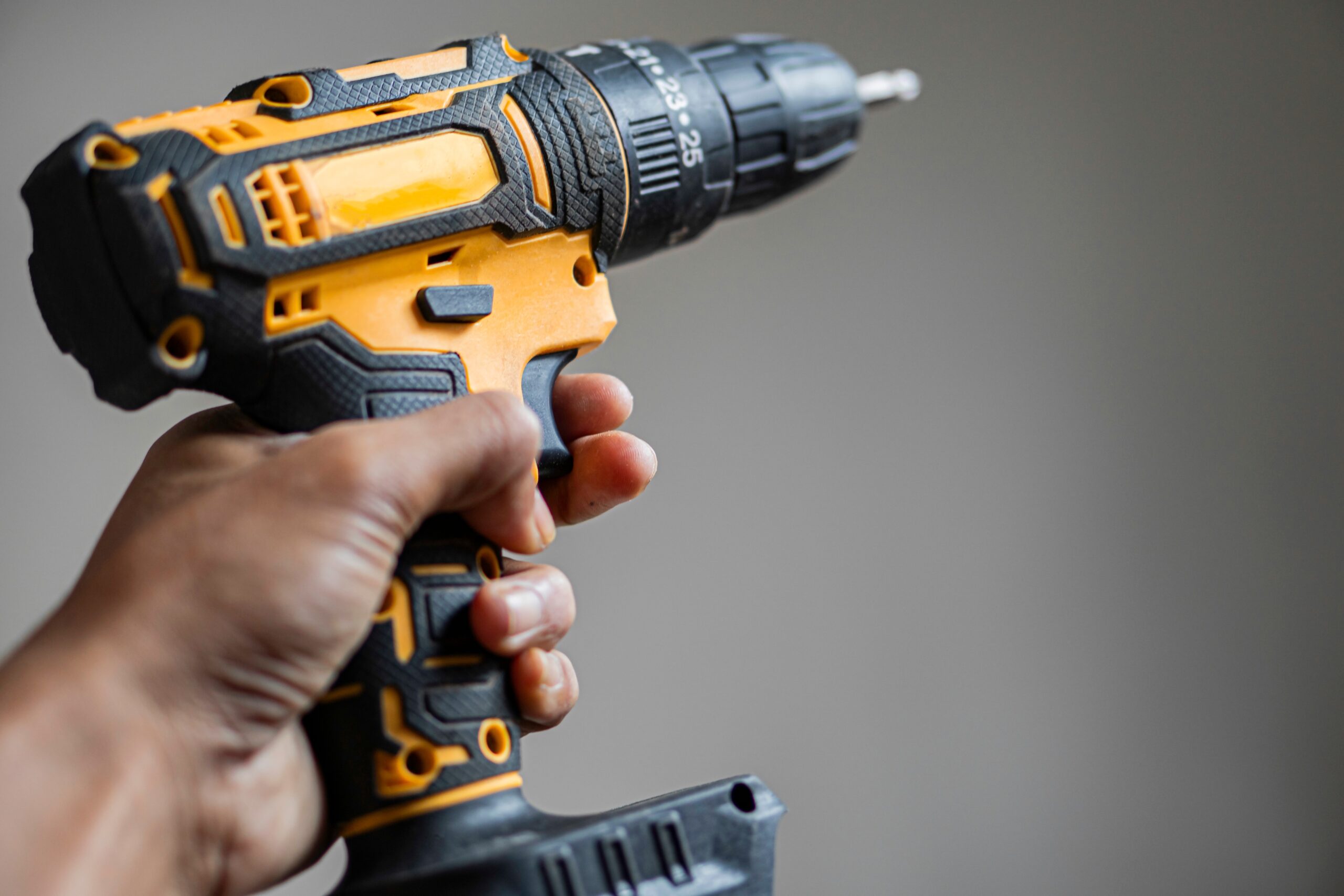
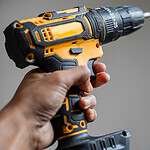
NASA needed a drill that could extract core samples on the surface of the moon in the absence of an electric cord, since they wouldn’t have anywhere to connect it to in space. They approached Black & Decker to design a self-contained, battery-powered drill compact enough to fly on Apollo missions. They later applied the same motor and battery engineering to a line of consumer products once the program ended. The entire category of cordless power tools, now a multi-billion dollar market, traces its direct lineage to the problem of drilling on the moon.
Water Filtration
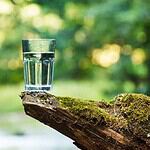
Recycling water on board spacecraft was only possible if the process made it safe to drink and didn’t add significant weight to the ship. This is how NASA developed the technology in the 1960s, using activated charcoal combined with an iodine-based purification method. That technology was transferred directly into the consumer water filter market later on. Activated charcoal filtration in your fridge door or countertop pitcher works just like the system NASA came up with to provide astronauts with fresh, potable water in orbit.
Freeze-Dried Food
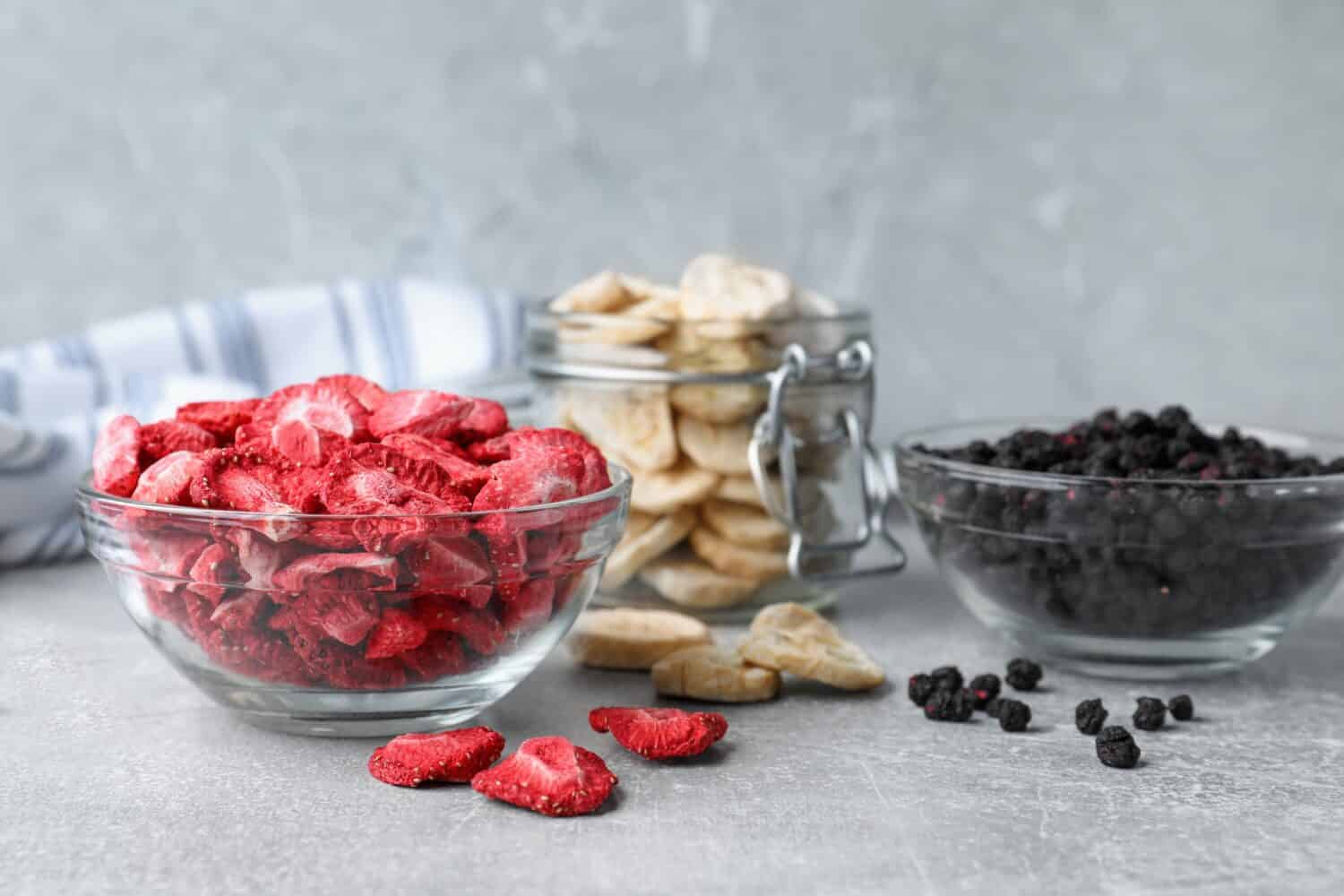
Freeze-drying was not a direct consequence of the space race, but NASA's demands for astronaut nutrition have pushed the technology to a level of sophistication it would have never reached otherwise. Space food needed to be lightweight, shelf-stable for extended missions, easy to rehydrate in zero-gravity conditions, and nutritious enough to keep astronauts alive during stressful conditions.
The commercial food industry took notice. Modern freeze-dried foods like vegetables, fruits, and full meals available in every outdoor store owe their current form to the engineering that went into feeding astronauts on Gemini and Apollo.
Smoke Detectors
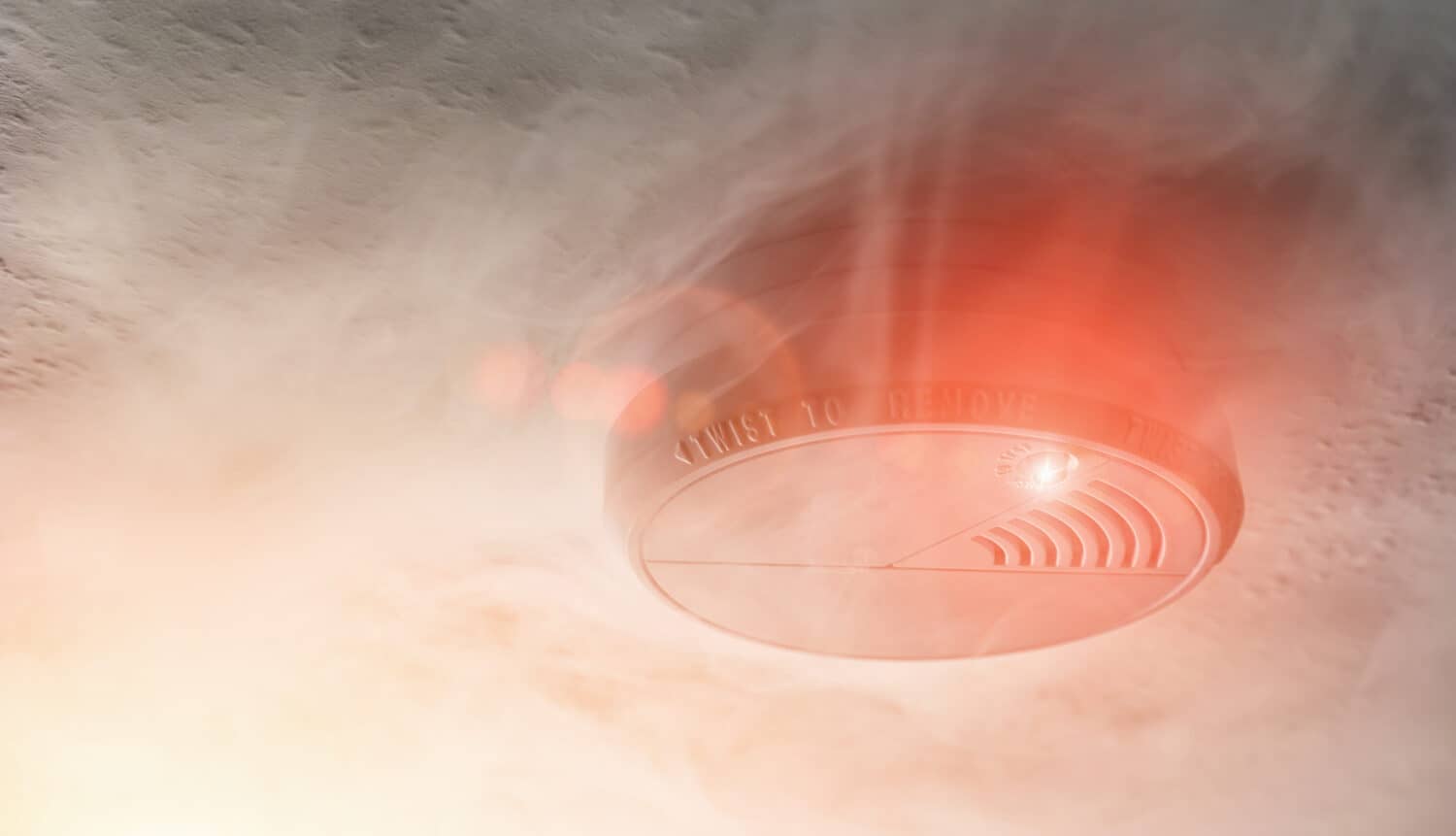
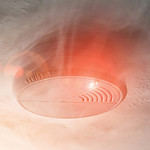
Ionization detection technology used in many residential smoke alarms was developed for the Skylab space station project during the early 1970s. Skylab was an enclosed environment that had a high fire risk, and NASA needed a smoke detector sensitive enough to catch smoke early while still being accurate enough to avoid false alarms from air circulation. Honeywell came up with a solution under a NASA contract, received a patent in 1972, and consumer versions appeared in homes in the mid-1970s. According to the U.S. National Fire Protection Association, the smoke alarm has cut fatalities from home fires roughly by half between 1975 and 2000.
Invisible Braces
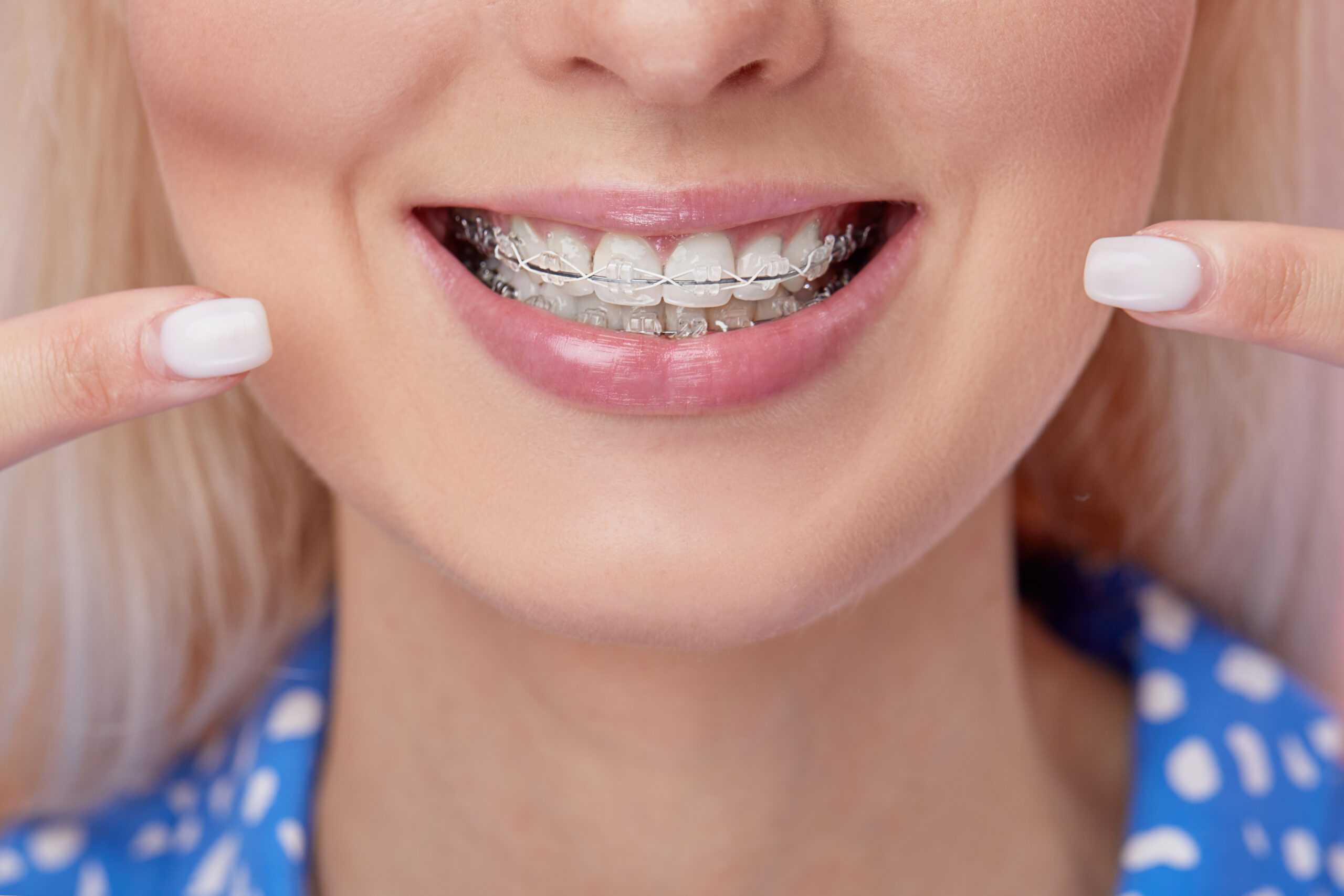
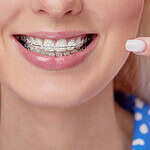
NASA created a translucent polycrystalline alumina ceramic during the 80s in collaboration with Ceradyne to protect the IR antenna system used by heat-seeking missiles. It had to be extremely hard and transparent. Orthodontists found that it would be an ideal material to create orthodontic appliances since it was tough enough to sustain biting pressure and transparent enough to make it hard to notice at the same time. Unitek got the license and the first clear ceramic orthodontic appliance came into the market in 1987.
In a way, it’s fair to say that some people have missile tracking technology in their teeth, which makes it sound cooler.
Ear Thermometers
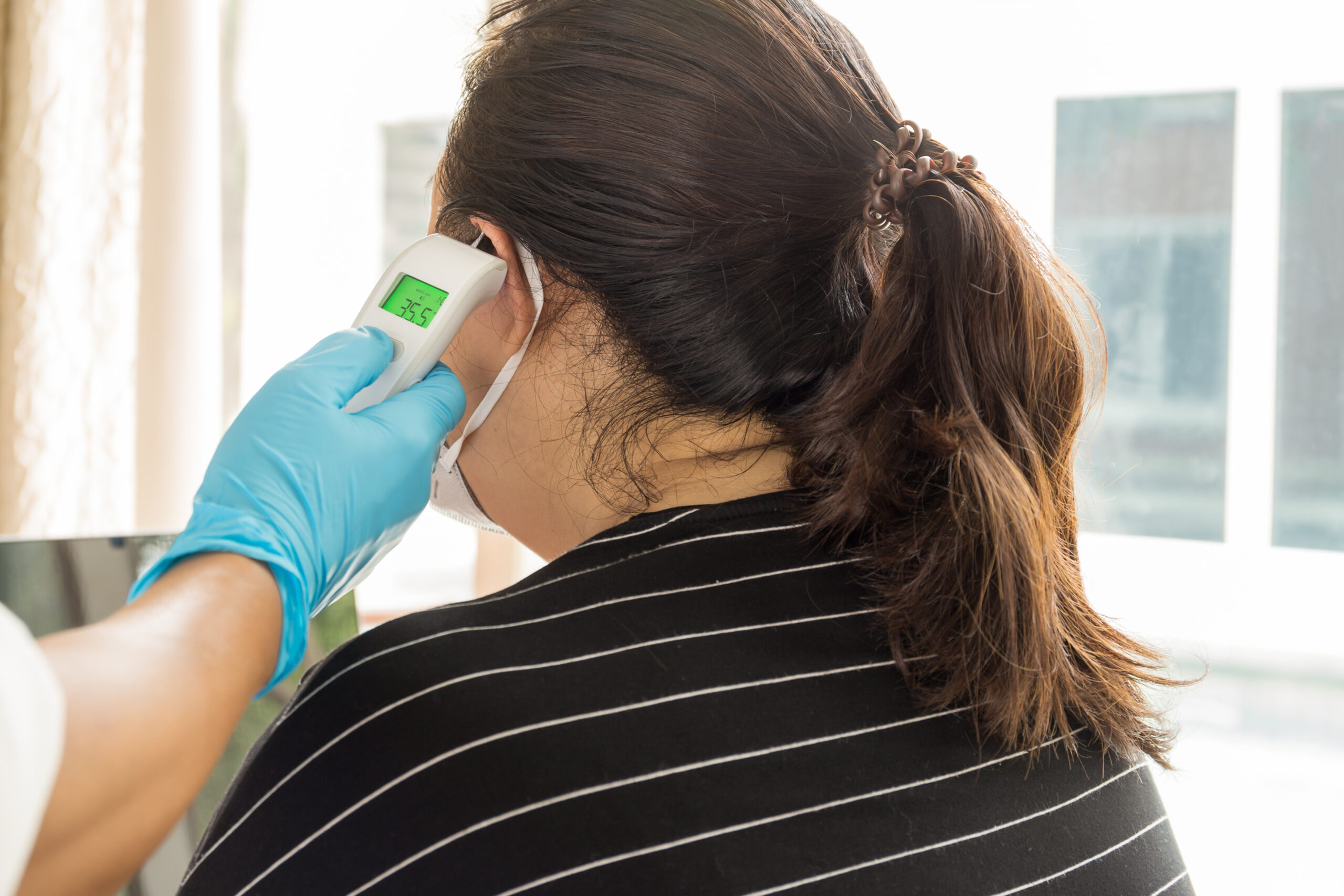
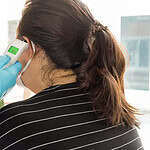
A tympanic thermometer detects infrared radiation from the eardrum and derives temperature from those emissions. This technique comes from the infrared astronomy devices that were used by NASA in satellites to detect the temperature of stars and planets without physical contact. Ear thermometers were first developed by Drs. Jacob Fraden and David Phillips, in the 1980s, drawing from the design of those sensors. The ear thermometer entered hospitals in 1991. The sensor that was originally pointed at distant stars is now used to decide whether you have a good enough excuse to call in sick.
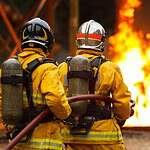
Firefighter Breathing Apparatus
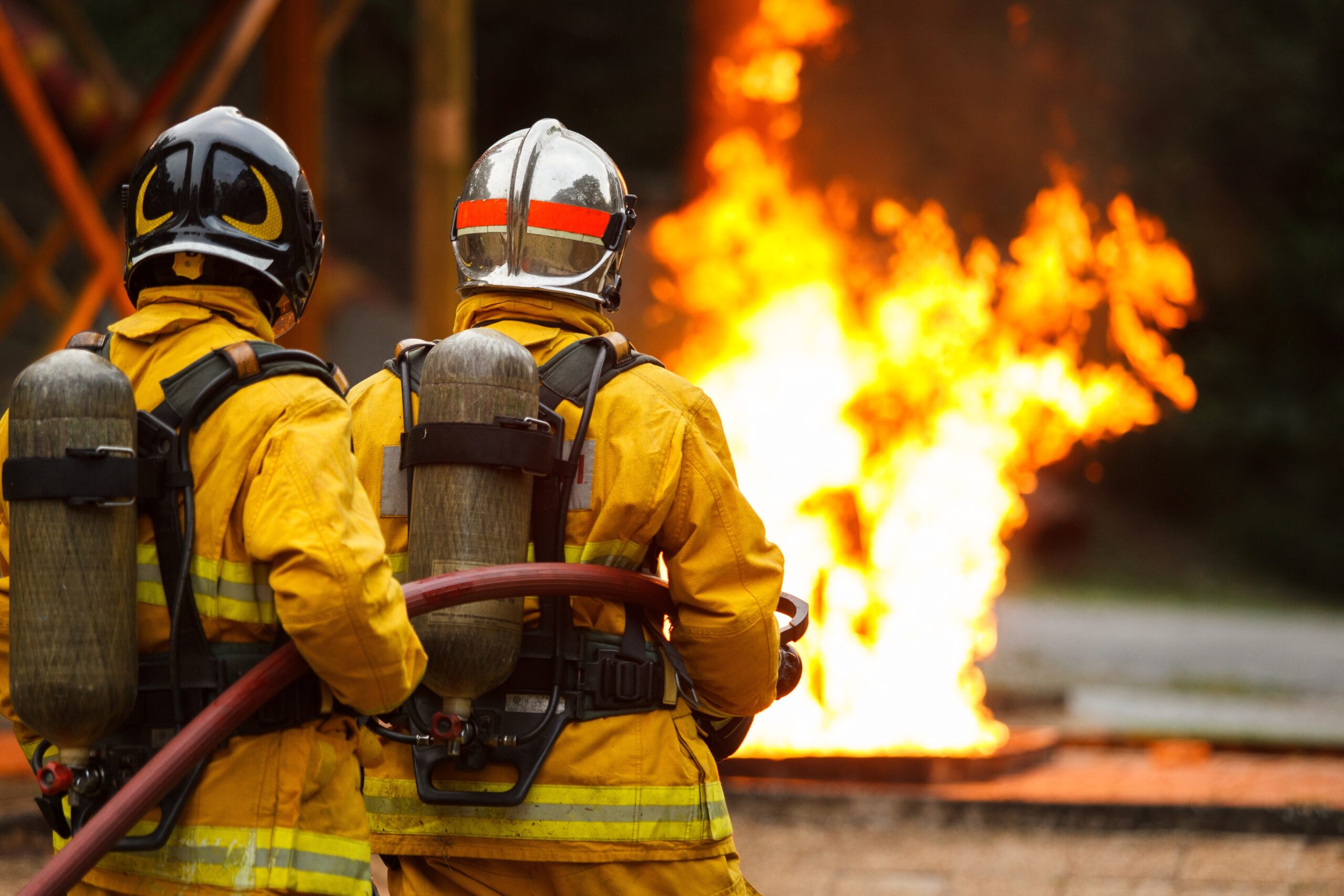
Though the self-contained breathing apparatus was already around before the space agency came along, it was heavy and bulky enough that firefighters had a tough time working in it for an extended period of time. The work that was done by NASA during the 1960s and 1970s to miniaturize the breathing apparatus while retaining its efficiency led to lighter composite tanks, more efficient regulators, and better harnesses.
Those improvements transferred directly into firefighting equipment. The current SCBA system weighs almost half of its predecessors from before the space age and is far superior due to all the engineering that went into making it work in a vacuum environment. NASA made it that much easier for firefighters to continue to save lives.
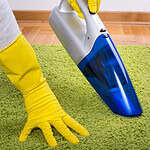
The Dustbuster
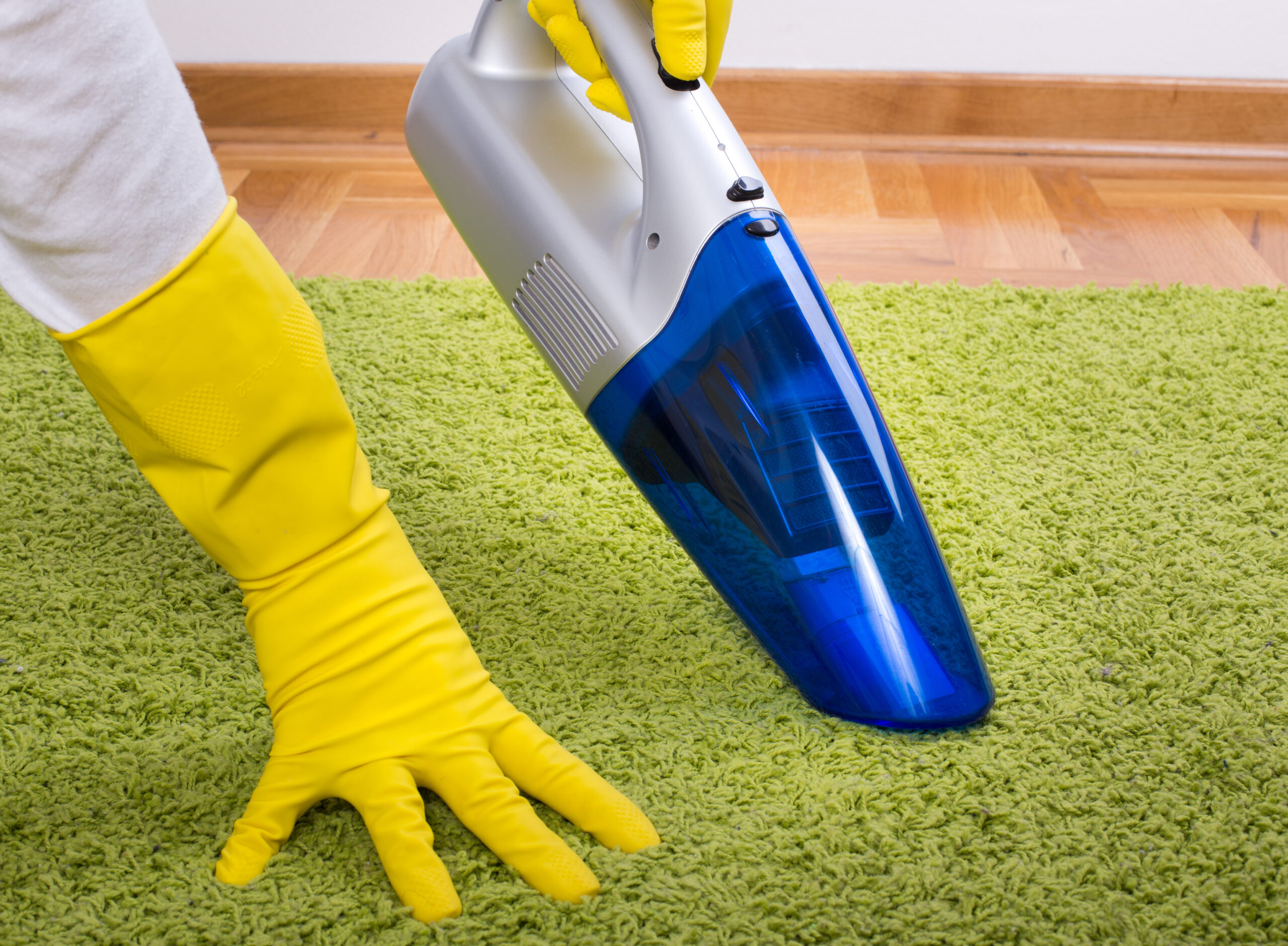
Following Black & Decker’s work on the Apollo Lunar Surface Drill, the company had a miniaturized, high-efficiency motor with nowhere else to go. The Dustbuster, released in 1979, was the practical consumer application of that motor design. It was the first efficient handheld cordless vacuum cleaner ever produced. The same motor that aided drilling into lunar regolith in 1969 was used a decade later to pick up crumbs off kitchen counters in suburban America.
Camera Phones
Every picture you’ve ever taken through a smartphone exists because of a CMOS image sensor that was developed at NASA's Jet Propulsion Lab in the late 1980s and early 1990s by engineer Eric Fossum. Traditional sensors were very bulky and consumed too much energy for small spacecraft and rovers. Fossum's active pixel sensor was not only dramatically smaller but also more efficient. He made it commercially available in 1995, and it found its way into the first camera phones by the early 2000s. It is now in every smartphone camera on the planet. The technology designed to photograph other planets became the standard way humans photograph each other. That seems fitting somehow.
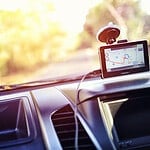
GPS
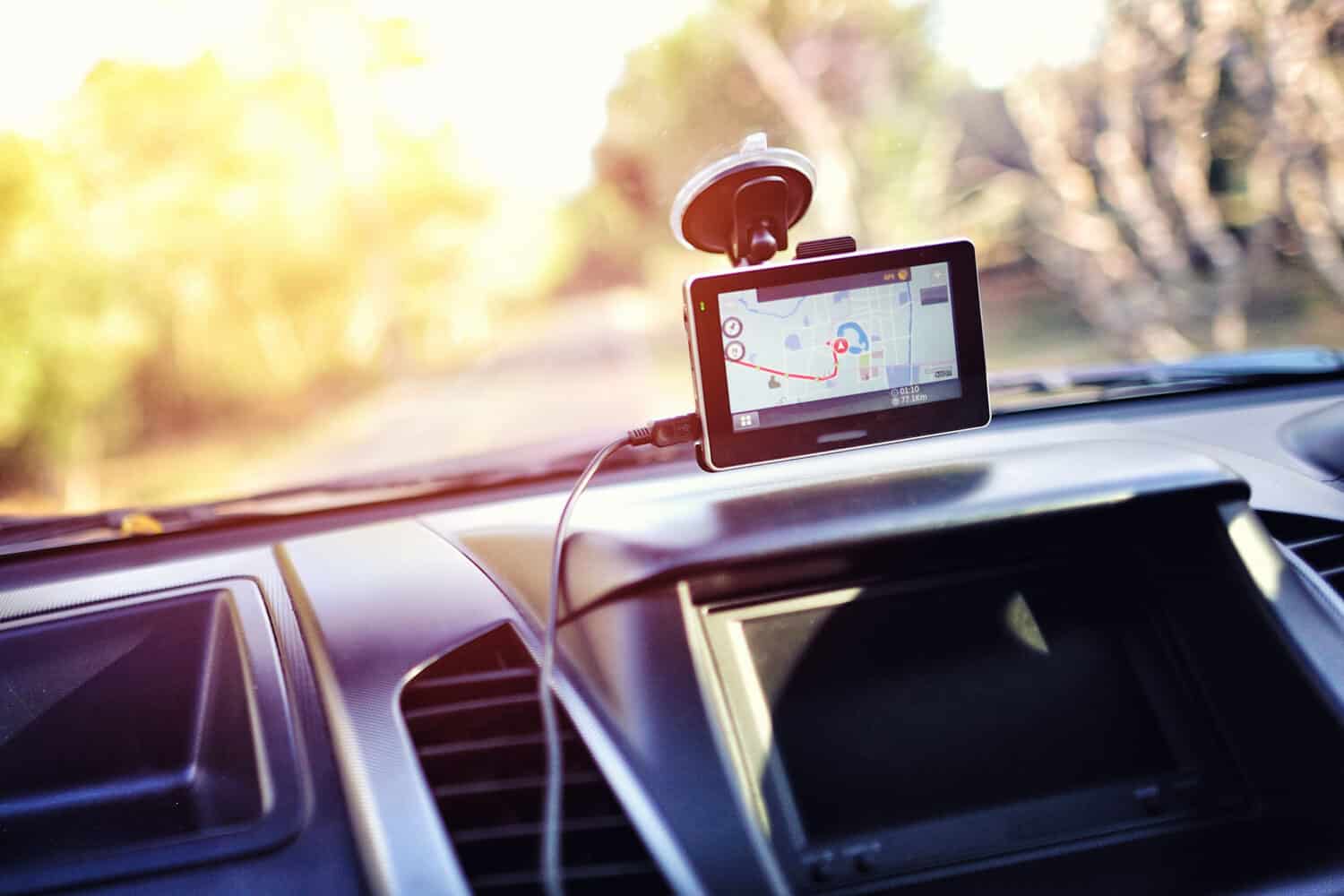
The math that made GPS possible dawned on physicists from Johns Hopkins the day after the launch of Sputnik in October 1957. They discovered that they could determine the orbit of the satellite based on Doppler shift patterns from its radio signal, and that the inverse was also true: from a known orbit, one could determine a position on Earth. The concept was developed by the Defense Department throughout the 1960s and 1970s. The first GPS satellite was launched in 1978, and the accurate signal was opened for civilians by President Clinton in 2000. In other words, the tech that was supposed to help us track satellites is now helping us get to Starbucks without getting lost.
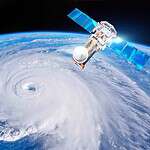
Weather Forecasting
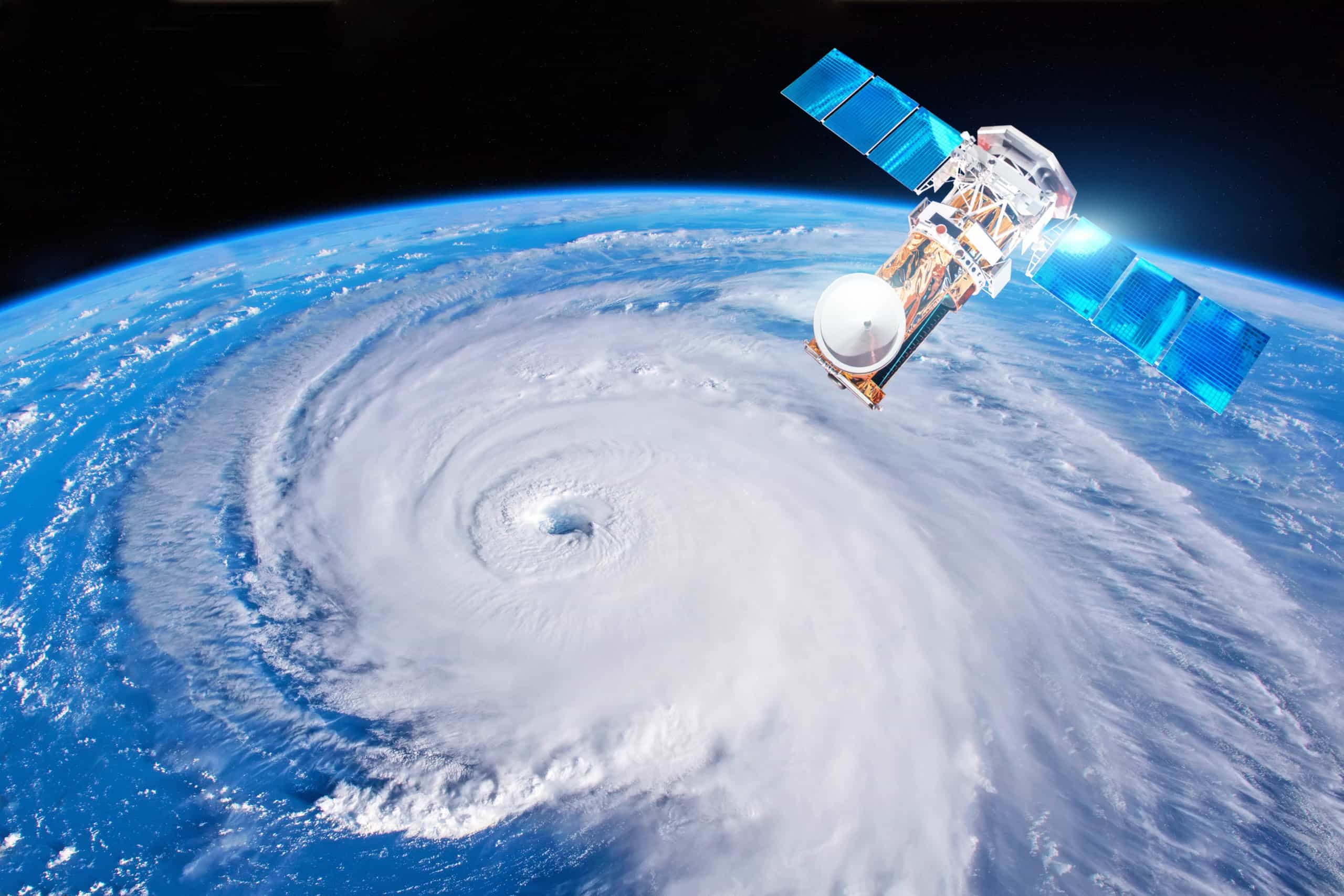
Before the launch of TIROS-1 on April 1, 1960, weather forecasting had been done using information gathered from ground stations, balloons, and ships. Meteorologists were making educated guesses in the dark over the oceans and remote areas. The first successful weather satellite, TIROS-1, sent back nearly 23,000 photographs of cloud cover during the 78 days it was operational and it changed everything forecasters believed about the movements of weather patterns.
Today's multi-day forecasts rely on a global satellite network that descends directly from this project. The space race produced accurate weather forecasting as a side effect.
LED Lighting
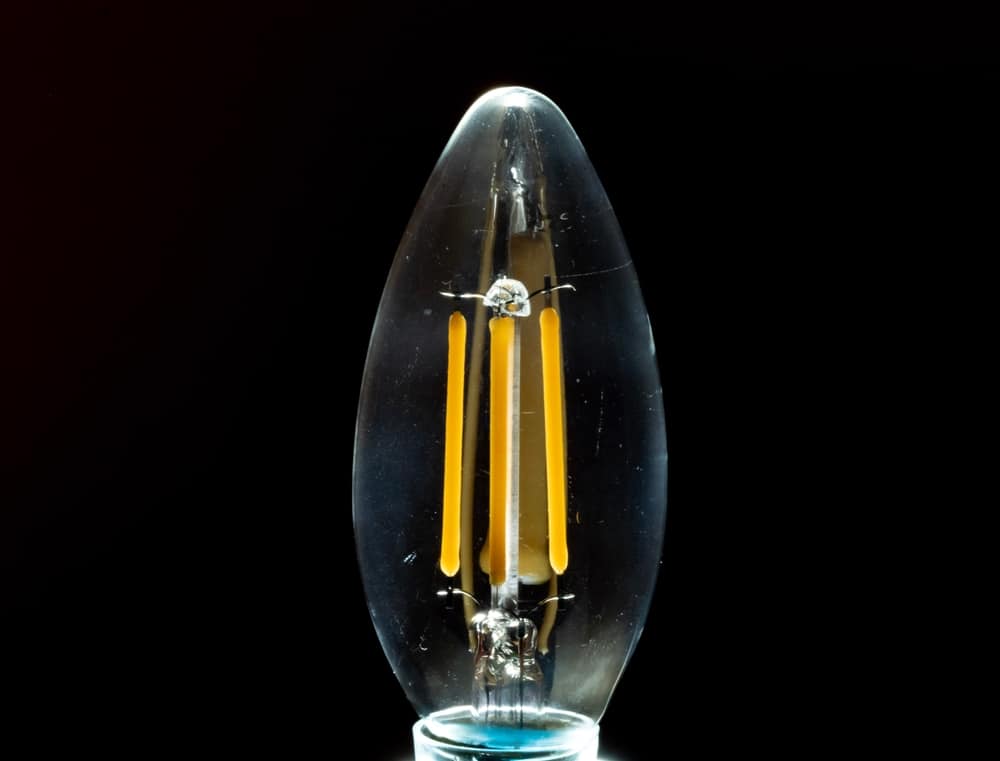
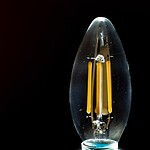
NASA's interest in LEDs came from plant biology. Artificial lights that allowed plants to grow food during long missions needed to hit the specific wavelengths for photosynthesis without drawing excessive power. NASA sponsored studies in high-intensity LED arrays throughout the 1980s and 1990s, leading to the development of lighting systems that were dramatically more efficient and spectrally precise compared to anything available until then. Commercial manufacturers applied the advances to general lighting. The LED bulb that replaced the incandescent bulb in your lamp uses roughly 75% less power and can also technically grow lettuce in low Earth orbit.
Grooved Pavement
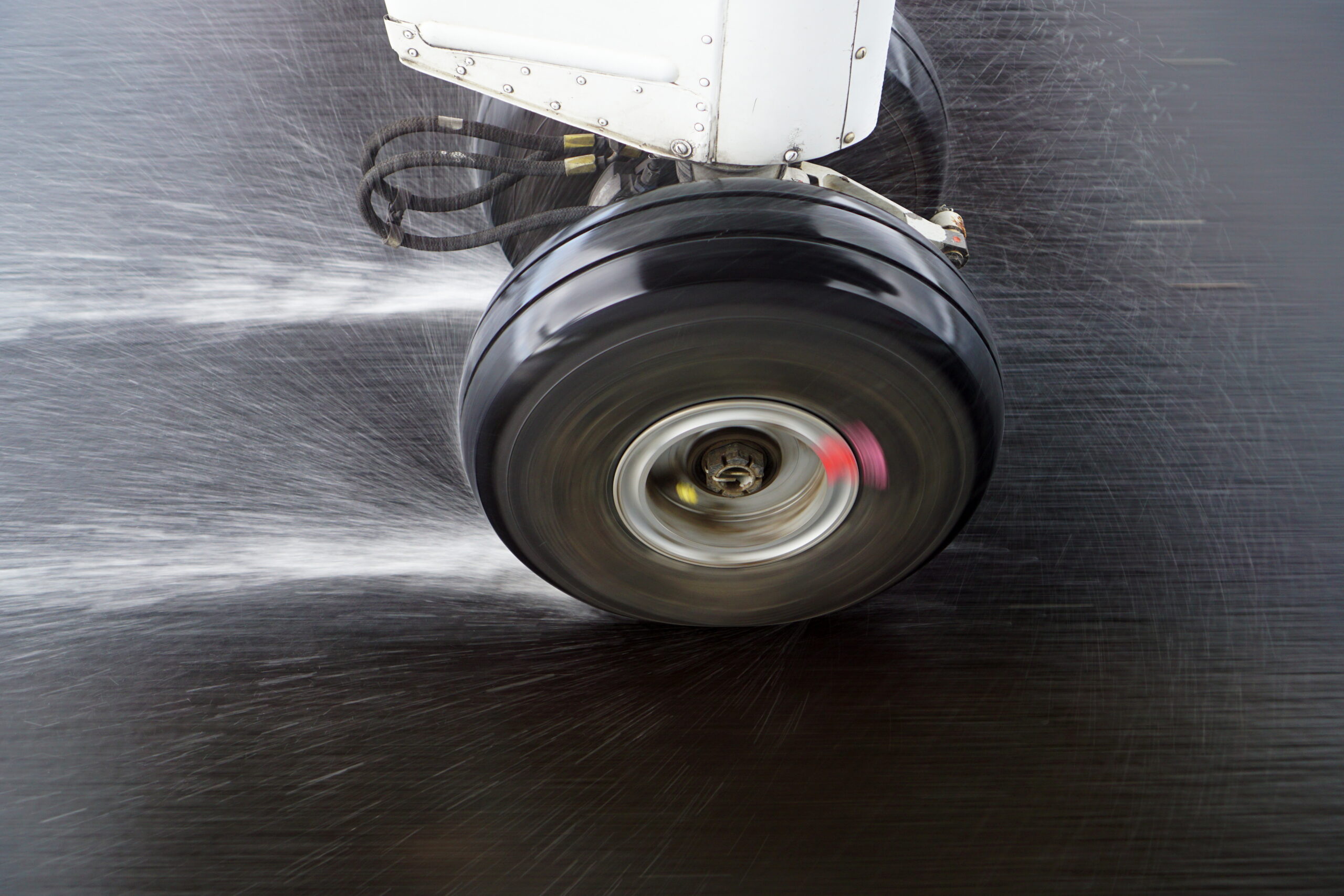
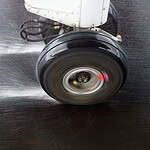
NASA engineers at the Langley Research Center in the 1960s were looking into hydroplaning on wet runways, where a thin water layer lifts the tire off the surface, eliminating traction. They cut parallel grooves in concrete pavement, which broke up the water film and dramatically improved wet-weather grip. The FAA implemented the technique for airport runways, and the Federal Highway Administration implemented it on United States highways in the 1970s.
Now, the technique is used across the developed world on bridges, highway curves, and mountain roads. Every time it rains, and you know that the road under your tires is safe to drive, you can thank the people who were originally trying to make aircraft landings at Kennedy Space Center safer.
The image featured at the top of this post is ©MPI / Archive Photos via Getty Images