








15 Area 51 Facts the Government Kept Secret for Decades
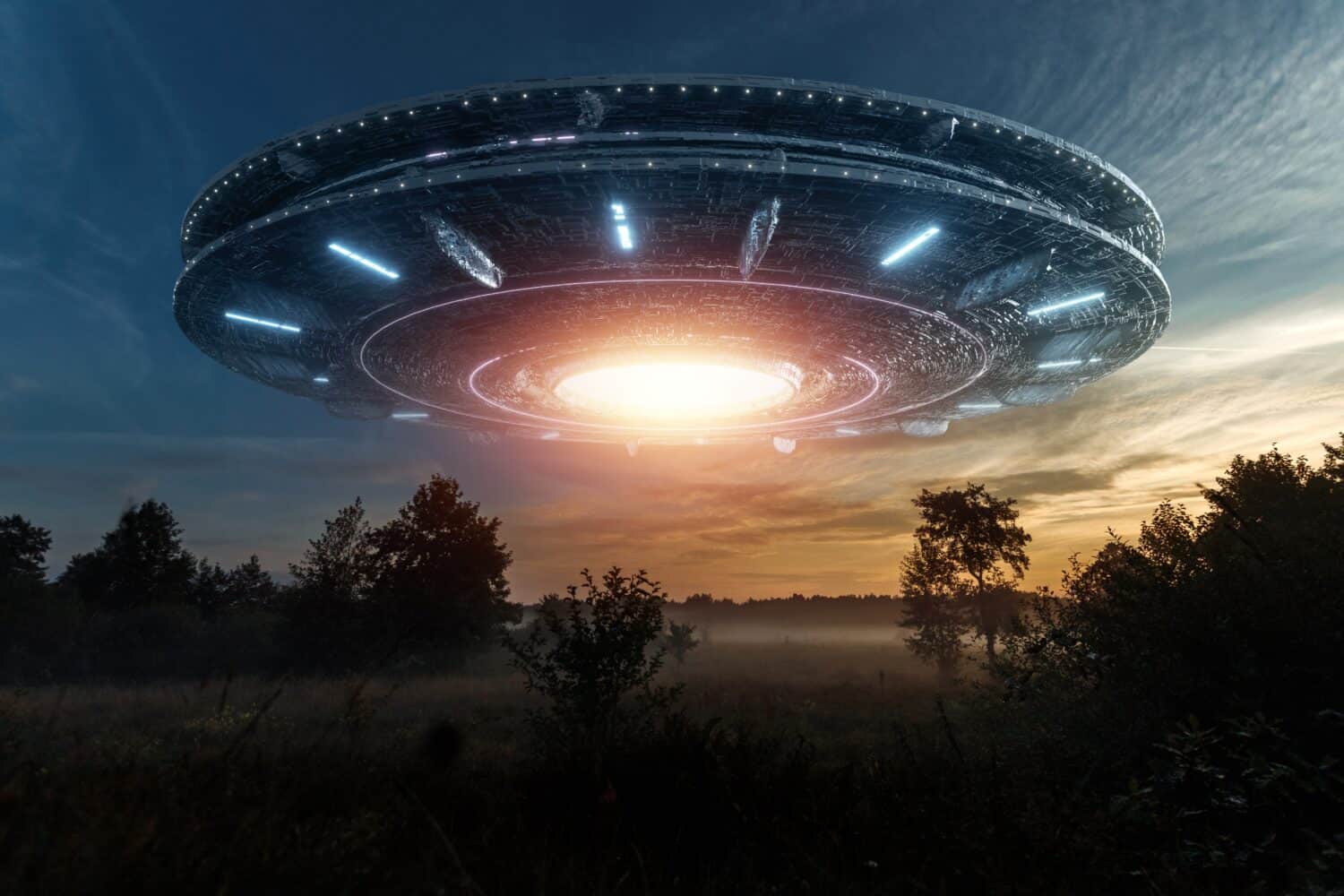
Area 51 has occupied a unique place in the public imagination for generations. Tucked away in the Nevada desert and surrounded by miles of restricted land, the installation has become synonymous with government secrecy, advanced technology, and countless conspiracy theories. Everything from movies, television shows, and books has typically portrayed it as the home of hidden alien spacecraft or otherworldly experiments, but the real story is both more grounded and arguably more fascinating. Here, History Computer is taking a closer look at what secrets this U.S. Military installation is keeping.
Here is a look at the secrets of Area 51:
1. Area 51 Was Created for the U-2 Spy Plane Program
- Time Period: 1955
- Status: Declassified
- Primary Program or Aircraft: U-2
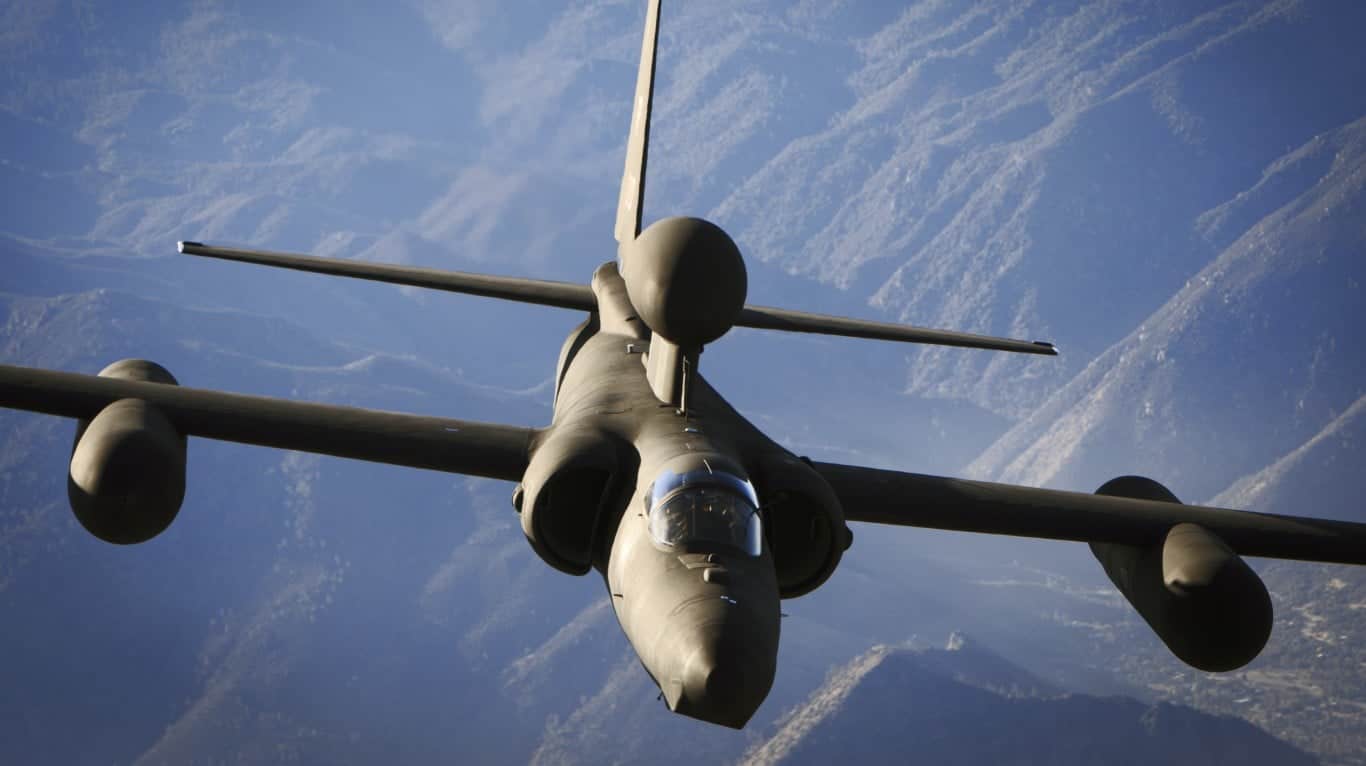
Long before Area 51 became synonymous with UFOs and extraterrestrial conspiracy theories, it was established for a far more practical reason: building one of the most important spy planes in American history. In 1955, the Central Intelligence Agency selected the isolated Groom Lake dry lakebed in southern Nevada as the ideal location to develop the Lockheed U-2 reconnaissance aircraft. The Cold War was intensifying, and the United States desperately needed a way to gather intelligence deep inside the Soviet Union without being detected. The remote desert location offered secrecy, wide-open airspace, and natural terrain that kept curious onlookers away. Engineers, pilots, and military personnel rapidly transformed what had been little more than a dry lake into a highly secure testing facility. The success of the U-2 program proved the site's value, laying the foundation for decades of classified aviation research. While aliens would later dominate headlines, Area 51's true origin was rooted in one of the most significant intelligence programs of the twentieth century.
2. The Government Denied Area 51 Even Existed for Decades
- Time Period: 1955–2013
- Status: Declassified
- Primary Program or Aircraft: Groom Lake
One of the biggest reasons Area 51 became legendary was the government's refusal to acknowledge that it existed. For decades, officials avoided mentioning the installation in public documents, maps, or press briefings. When journalists, researchers, or curious citizens asked questions, agencies typically responded with neither confirmation nor denial, fueling endless speculation. This secrecy was intentional. During the Cold War, revealing the existence of a testing site dedicated to revolutionary aircraft would have compromised sensitive national security programs. The absence of official information created a vacuum that conspiracy theories eagerly filled. Stories involving alien spacecraft, recovered technology, and secret experiments spread much faster than the mundane reality of classified aircraft development. Ironically, the government's effort to protect legitimate military secrets helped create one of the world's most famous conspiracy theories. The longer officials remained silent, the more mysterious Area 51 became, turning an isolated desert airfield into an enduring symbol of hidden government activity.
3. The CIA Didn't Publicly Admit Area 51 Existed Until 2013
- Time Period: 2013
- Status: Declassified
- Primary Program or Aircraft: CIA History
Although millions of people believed Area 51 existed, the U.S. government did not officially acknowledge the facility until 2013. That year, previously classified CIA documents concerning the U-2 and A-12 reconnaissance programs were released under the Freedom of Information Act. Buried within those records were references to Groom Lake and the testing facility commonly known as Area 51. Historians had long suspected the base's role in Cold War aviation, but this marked the first official confirmation from the government itself. The documents described how the isolated base supported the development of aircraft that routinely flew at unprecedented altitudes and speeds. For aviation enthusiasts, the release filled in major gaps in Cold War history. For conspiracy theorists, however, it only reinforced the belief that even larger secrets remained hidden. While the declassification answered one of the world's biggest questions about Area 51, it also demonstrated how governments can successfully conceal major military programs for decades before revealing them.
4. The Base Helped Pioneer Stealth Technology
- Time Period: 1970s–1980s
- Status: Partially Declassified
- Primary Program or Aircraft: F-117 Nighthawk
During the late 1970s and early 1980s, Area 51 became the proving ground for technology that fundamentally changed aerial warfare. Engineers working on what would become the F-117 Nighthawk needed an isolated environment where they could test aircraft unlike anything the world had ever seen. The angular design of the F-117 looked strange even to experienced pilots, but every unusual surface was carefully engineered to reduce radar detection. Test flights conducted over the Nevada desert allowed engineers to refine the aircraft while minimizing the chance of foreign intelligence agencies observing its capabilities. Even many members of the U.S. military had no idea the program existed. When the F-117 was finally unveiled publicly in 1988, it represented years of highly classified development that had largely taken place at Area 51. The success of those tests helped usher in the modern era of stealth aircraft, influencing everything from bombers to advanced fighter jets still flying today.
5. The Secret "Janet" Airline Flies Employees There Every Day
- Time Period: 1970s–Present
- Status: Official but Low Profile
- Primary Program or Aircraft: JANET Airlines
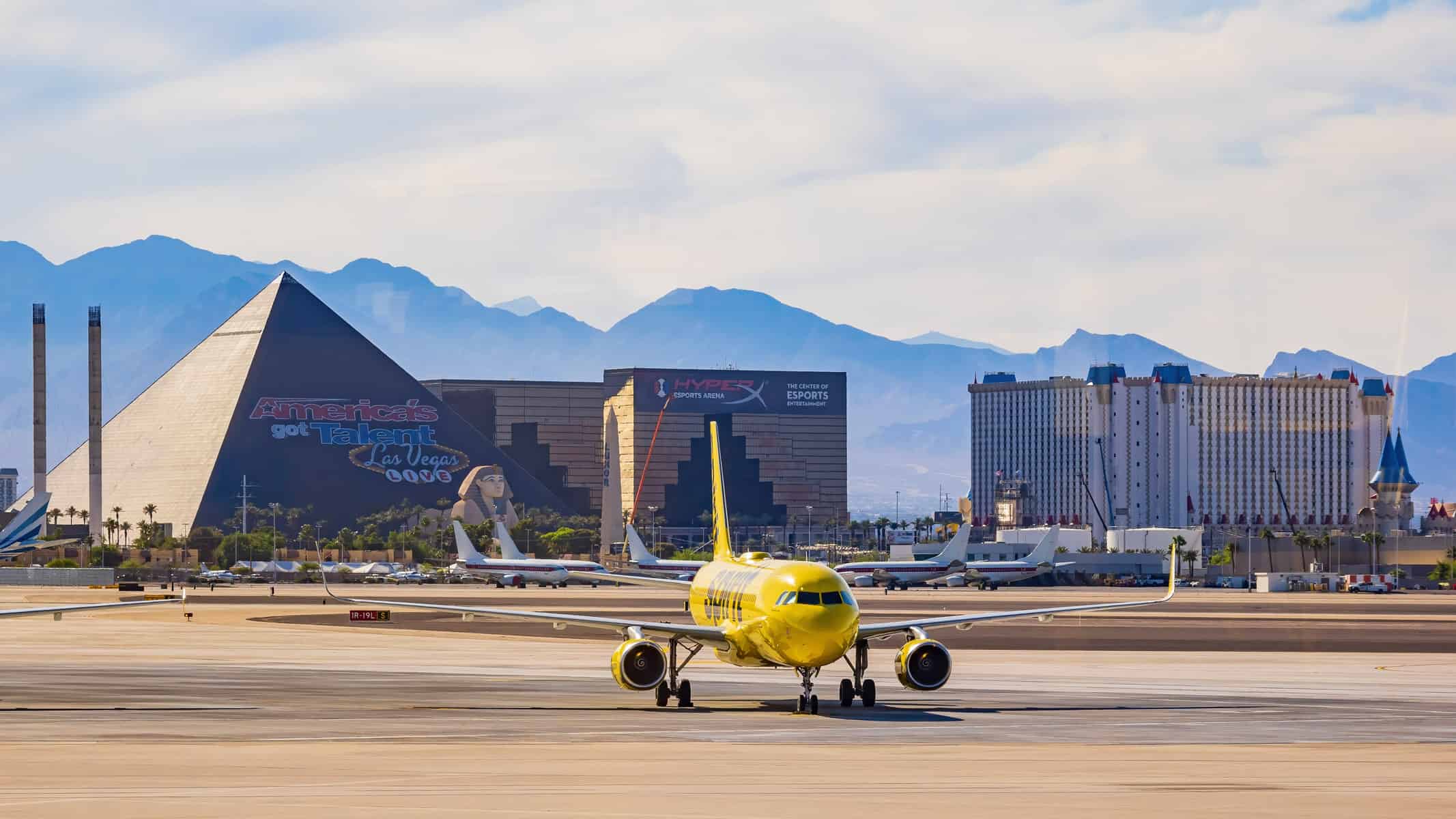
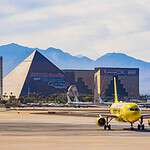
Unlike most secret military facilities, Area 51 requires thousands of employees to commute regularly, creating a logistical challenge unlike any other. The solution is the little-known JANET airline, a fleet of unmarked passenger aircraft that quietly transports workers between Las Vegas and secure military airfields throughout Nevada. Although the airline has operated for decades, many travelers passing through Harry Reid International Airport never notice the distinctive white aircraft marked only by a red stripe. Employees board from a secure terminal away from commercial passengers before flying directly to Groom Lake and other classified locations. Riders typically undergo extensive background checks and work under strict nondisclosure agreements, ensuring that sensitive information remains compartmentalized. While the airline itself is no longer a complete secret, its daily operations continue to symbolize the extraordinary level of security surrounding Area 51. Few commercial-looking airlines anywhere in the world are as closely tied to America's most classified defense programs.
6. Captured Soviet Fighters Were Secretly Flown Over Nevada
- Time Period: 1960s–1980s
- Status: Declassified
- Primary Program or Aircraft: MiG Evaluation Programs
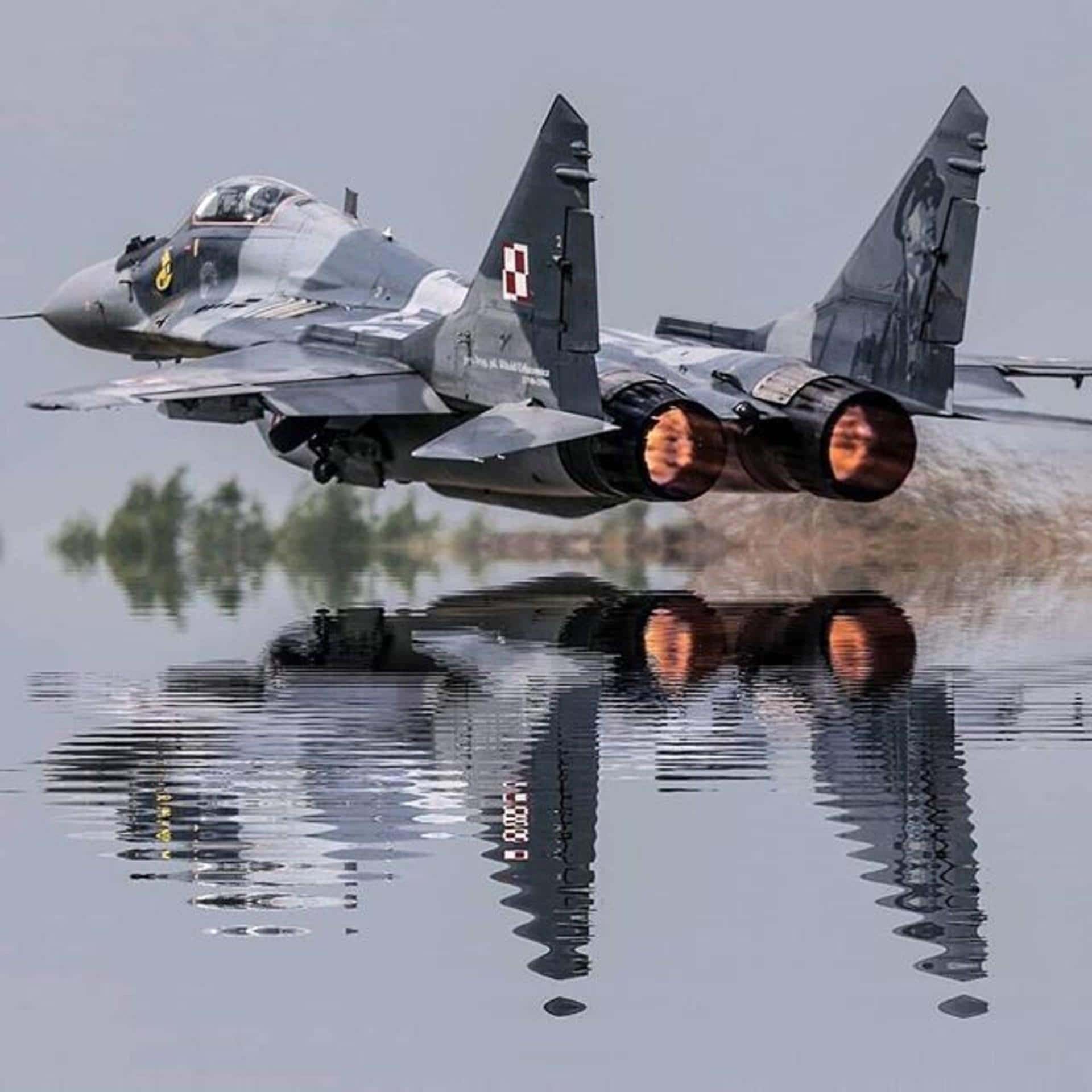
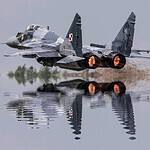
One of the least-known chapters in Area 51's history involved aircraft that were never supposed to be in American hands. During the Cold War, the United States quietly acquired several Soviet-built fighter jets through allies, defections, and covert intelligence operations. Aircraft such as the MiG-17, MiG-21, and later the MiG-23 were transported to Groom Lake, where American engineers and test pilots studied every aspect of their design and performance. Under highly classified programs like Have Doughnut, Have Drill, and later Constant Peg, U.S. pilots even flew mock dogfights against these aircraft to learn their strengths and weaknesses firsthand. The knowledge gained proved invaluable, allowing American aviators to develop tactics that exploited Soviet design limitations before encountering them in real combat. Because these operations remained secret for years, many unusual aircraft sightings over the Nevada desert sparked rumors of extraterrestrial technology. In reality, some of the mysterious planes flying over Area 51 were genuine Soviet fighters, being evaluated by the very nation they had been built to oppose.
7. Many Famous UFO Sightings Were Actually Secret Military Aircraft
- Time Period: 1950s–1990s
- Status: Declassified
- Primary Program or Aircraft: U-2 / A-12
Area 51's reputation as the center of UFO lore owes much to the remarkable aircraft that flew there decades before the public knew they existed. During the 1950s and 1960s, the U-2 and later the A-12 Oxcart routinely operated at altitudes exceeding 70,000 feet, way higher than commercial or military aircraft of the era. Civilians and airline pilots occasionally spotted these silver aircraft reflecting sunlight long after the sun had set below the horizon for observers on the ground. Since few people believed airplanes could fly that high or that fast, many reported seeing strange glowing objects performing impossible maneuvers. The CIA later acknowledged that a significant percentage of UFO reports submitted during those years likely involved classified reconnaissance aircraft rather than extraterrestrial visitors. This doesn't explain every reported sighting, but it does illustrate how cutting-edge military technology can appear almost supernatural when viewed without context. The secrecy surrounding these programs unintentionally helped create one of the greatest UFO legends in modern history.
8. Area 51 Isn't Actually the Base's Official Name
- Time Period: 1950s–Present
- Status: Partially Declassified
- Primary Program or Aircraft: Groom Lake
Although "Area 51" has become one of the most recognizable names in the world, it has never been the primary official designation used by those who work there. Internally, the installation has most commonly been referred to as Groom Lake, after the nearby dry lakebed that serves as its geographic centerpiece. Other names, including Homey Airport, Paradise Ranch, Watertown Strip, and various project-specific code names, have appeared throughout its history. The label "Area 51" is generally believed to have originated from numbering systems used on old Atomic Energy Commission maps covering the Nevada Test Site, though historians continue to debate its exact origin. Regardless of where the name came from, it eventually eclipsed every official designation and became synonymous with secrecy itself. Today, the phrase "Area 51" evokes images of hidden hangars, classified aircraft, and government mysteries, even though many of the people assigned there have historically referred to the installation by entirely different names.
9. The Restricted Airspace Around the Base Is Among the Largest in America
- Time Period: Cold War–Present
- Status: Public
- Primary Program or Aircraft: Nevada Test and Training Range
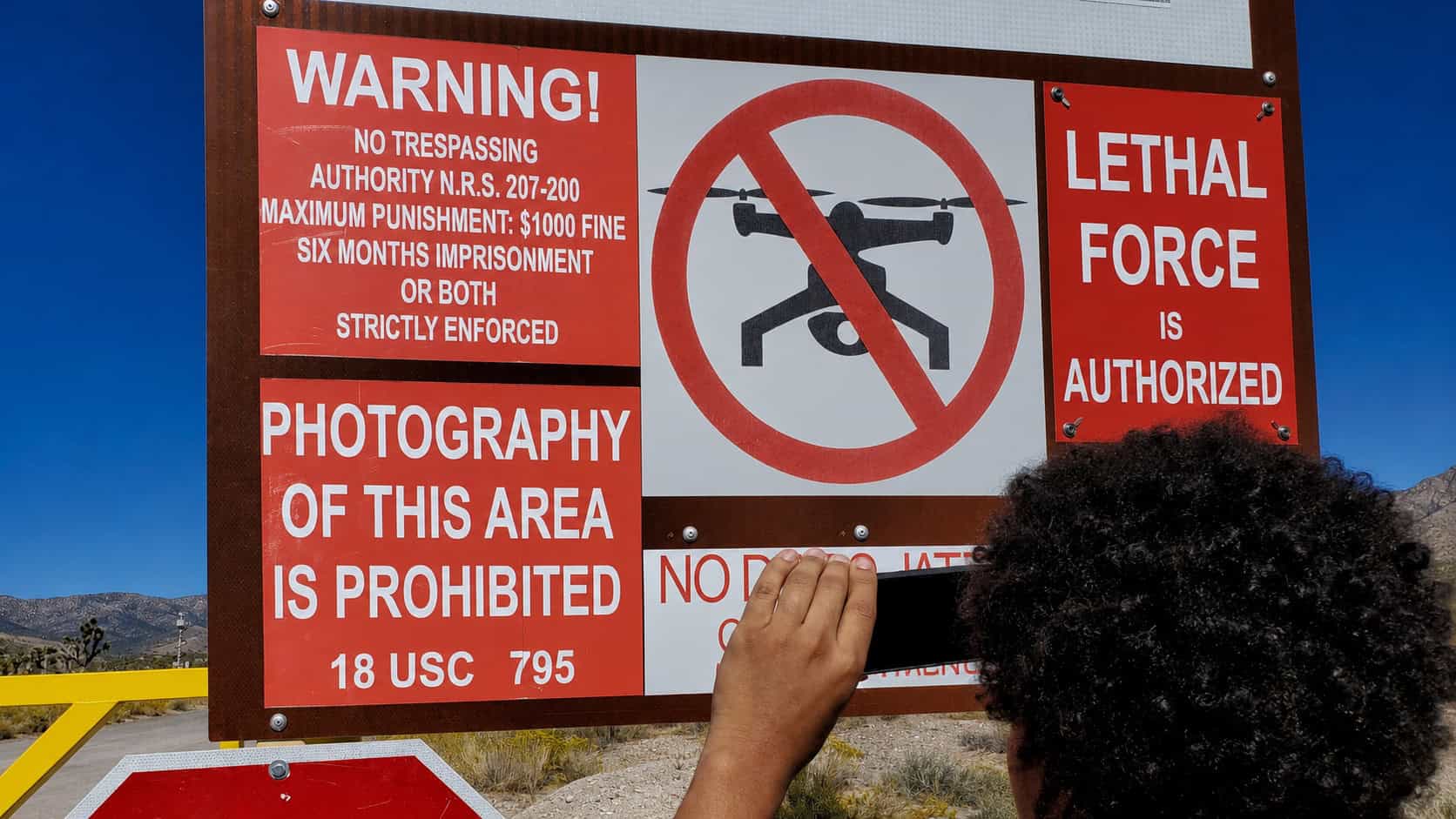
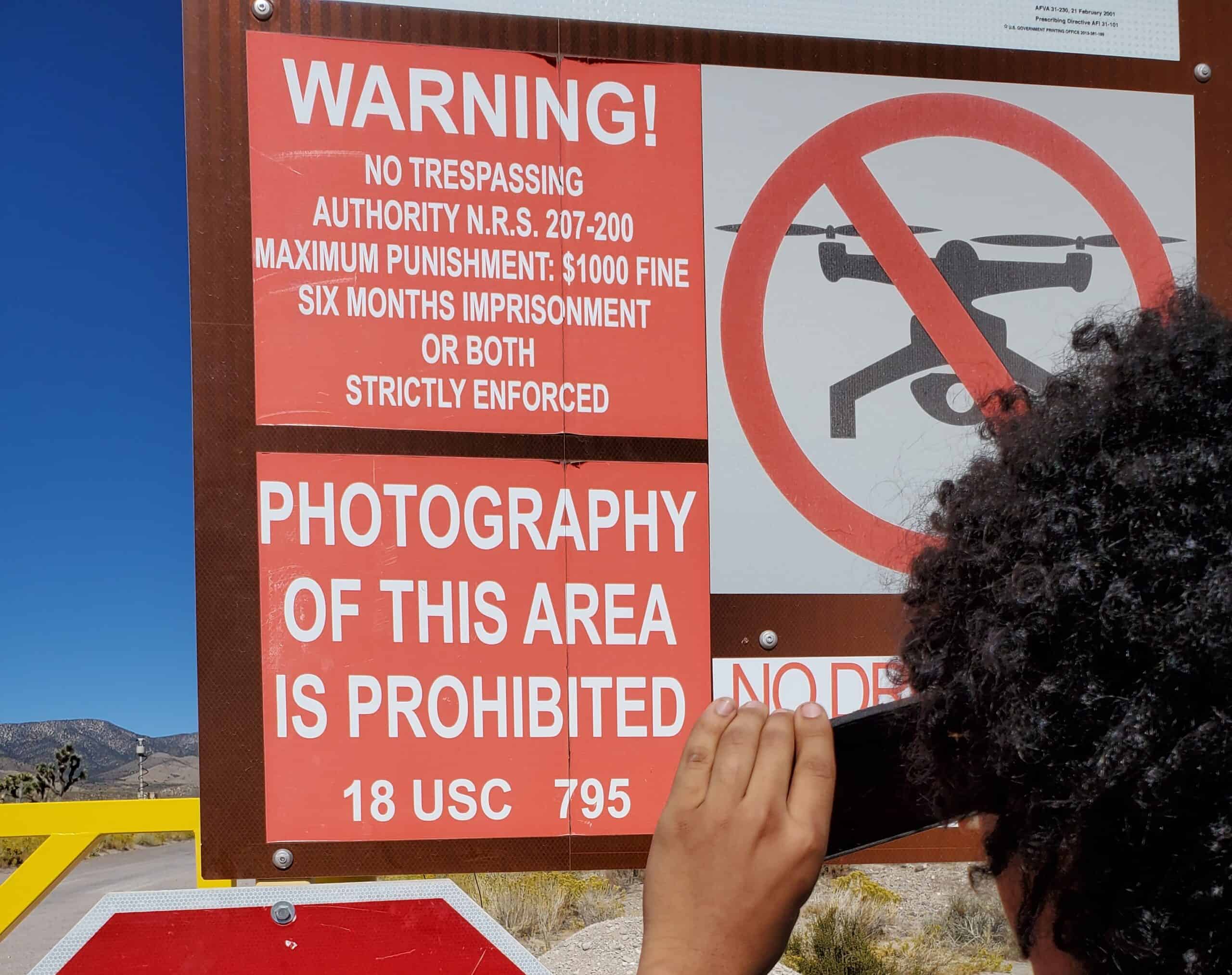
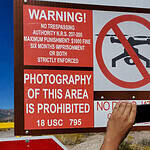
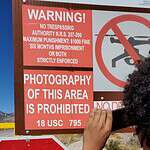
Area 51's secrecy extends far beyond the fences surrounding Groom Lake. The installation sits within an enormous network of restricted military airspace that stretches across much of southern Nevada, forming part of the Nevada Test and Training Range. Thousands of square miles of controlled airspace allow military pilots to test classified aircraft, experimental systems, and advanced tactics without interference from civilian air traffic. Strict restrictions mean that unauthorized aircraft entering the area can quickly attract the attention of military controllers and interceptor aircraft if necessary. On the ground, roads approaching the base are monitored by security personnel, surveillance equipment, and warning signs reminding visitors that photography and trespassing are prohibited. The combination of isolated geography and expansive restricted airspace makes the region one of the most secure aviation testing environments in the world. This layered approach to security has enabled generations of classified aircraft to be evaluated largely out of public view, preserving America's technological edge while fueling decades of speculation about what might be flying overhead.
10. Area 51 Played a Critical Role in the SR-71 Blackbird's Development
- Time Period: 1960s
- Status: Declassified
- Primary Program or Aircraft: A-12 / SR-71
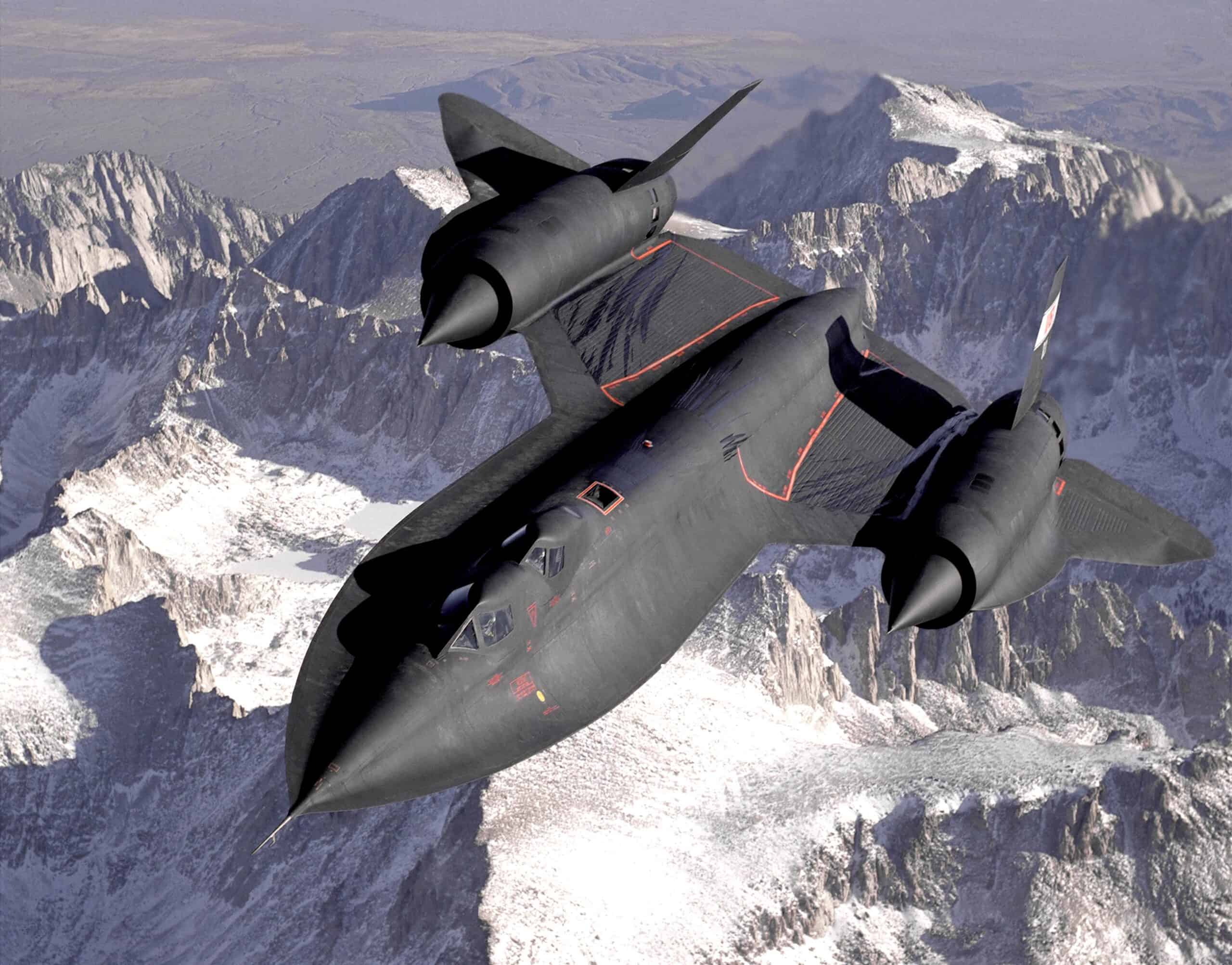
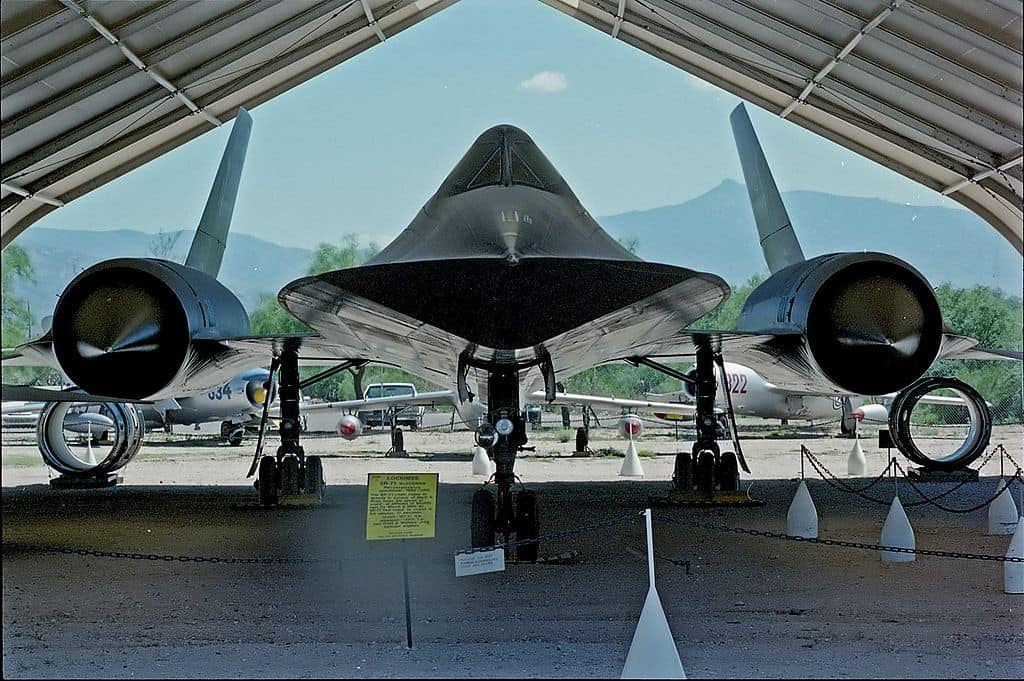
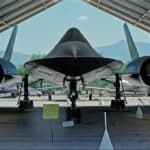
Although the legendary SR-71 Blackbird became one of the most celebrated reconnaissance aircraft ever built, its story began with an even more secret predecessor tested at Area 51. In the early 1960s, Lockheed's Skunk Works developed the A-12 Oxcart for the CIA, creating an aircraft capable of flying faster than Mach 3 while operating at extreme altitudes. Groom Lake provided the ideal location to test its revolutionary titanium construction, powerful engines, and innovative aerodynamic design away from foreign intelligence services. Engineers overcame unprecedented technical challenges, including heat generated by sustained high-speed flight and fuel systems designed to function only after the aircraft reached cruising temperature. The lessons learned during the A-12 program directly influenced the development of the SR-71, which entered service with the U.S. Air Force and became an icon of Cold War reconnaissance. Much of the Blackbird's extraordinary performance can be traced back to the classified work conducted in the remote Nevada desert years before the aircraft was ever revealed to the public.
11. Satellite Imagery Didn't End the Secrecy
- Time Period: 1980s–Present
- Status: Public
- Primary Program or Aircraft: Satellite Reconnaissance
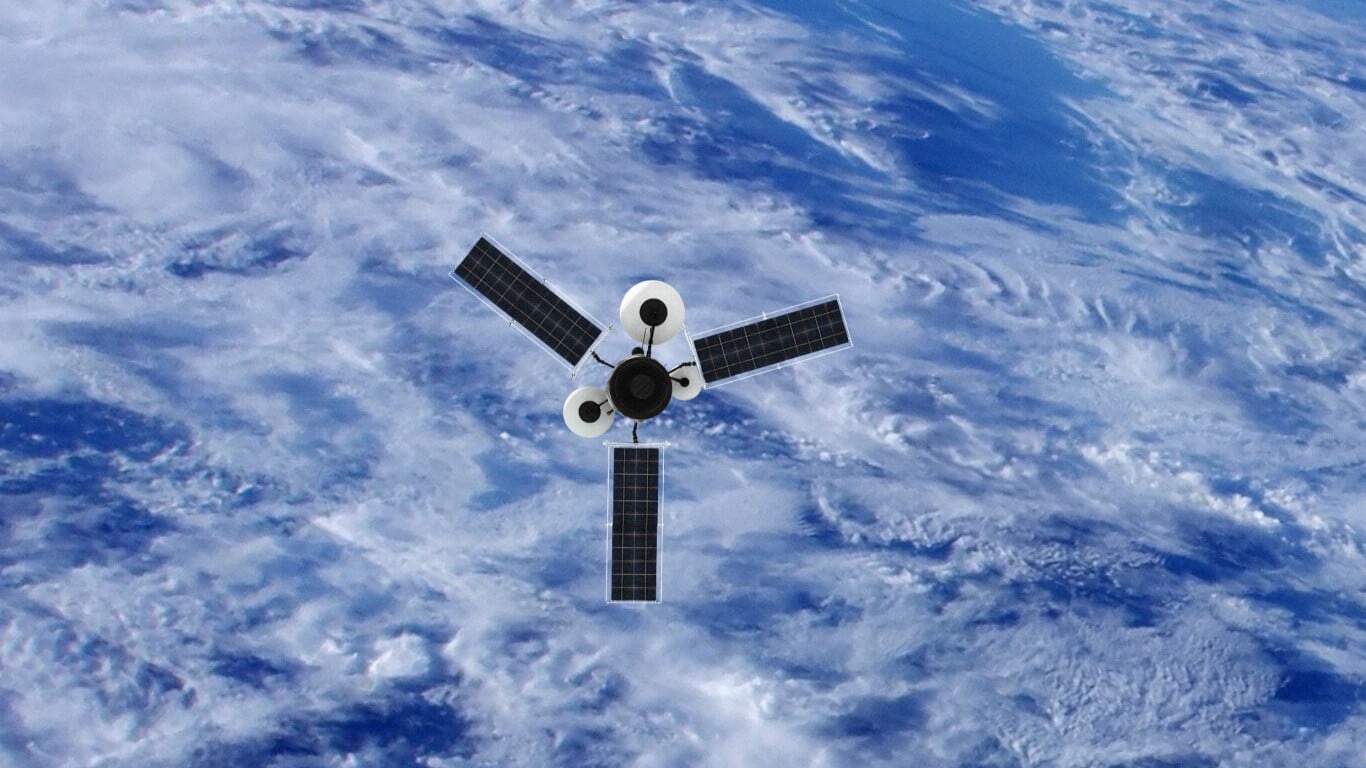
For years, many people assumed that the advent of commercial satellite imagery would finally expose everything happening at Area 51. While satellite photographs have made the base's runways, hangars, and support buildings visible to anyone with an internet connection, they have revealed surprisingly little about the installation's actual mission. Modern reconnaissance is about far more than hiding buildings. Classified aircraft are typically stored inside enormous hangars, test flights are carefully scheduled, and sensitive equipment is shielded from overhead observation whenever possible. Even if a new aircraft appears on the tarmac, a single overhead image rarely provides enough information to determine its purpose, capabilities, or performance. Governments have also become increasingly skilled at managing what can be observed from space without relying solely on physical concealment. In many ways, satellite imagery shifted the mystery rather than solving it. The public can now see where Area 51 is and how it has expanded over the decades, but the activities taking place inside its buildings remain almost as secret as they were during the height of the Cold War.
12. The Nevada Test Site Next Door Added to the Mystery
- Time Period: 1950s–Present
- Status: Declassified
- Primary Program or Aircraft: Nevada Test Site
Area 51 does not exist in isolation. It sits adjacent to what was historically known as the Nevada Test Site, where the United States conducted hundreds of nuclear weapons tests during the Cold War. Between atmospheric detonations in the 1950s and extensive underground testing in later decades, the surrounding desert became one of the most heavily restricted military regions in the country. The combination of nuclear testing, secret aircraft programs, and expansive government land created an environment unlike anywhere else in the United States. Strange flashes on the horizon, military convoys, unusual aircraft, and frequent security patrols all contributed to an atmosphere of mystery that fueled public imagination. Because both facilities were protected by extraordinary secrecy, many observers naturally assumed they were connected in ways that extended far beyond reality. Although the Nevada Test Site and Area 51 served different primary missions, their close proximity reinforced the perception that southern Nevada was home to some of America's most closely guarded national security projects.
13. Some of America's Most Advanced Drones Were Likely Tested There First
- Time Period: 1990s–Present
- Status: Partially Classified
- Primary Program or Aircraft: Advanced UAV Programs
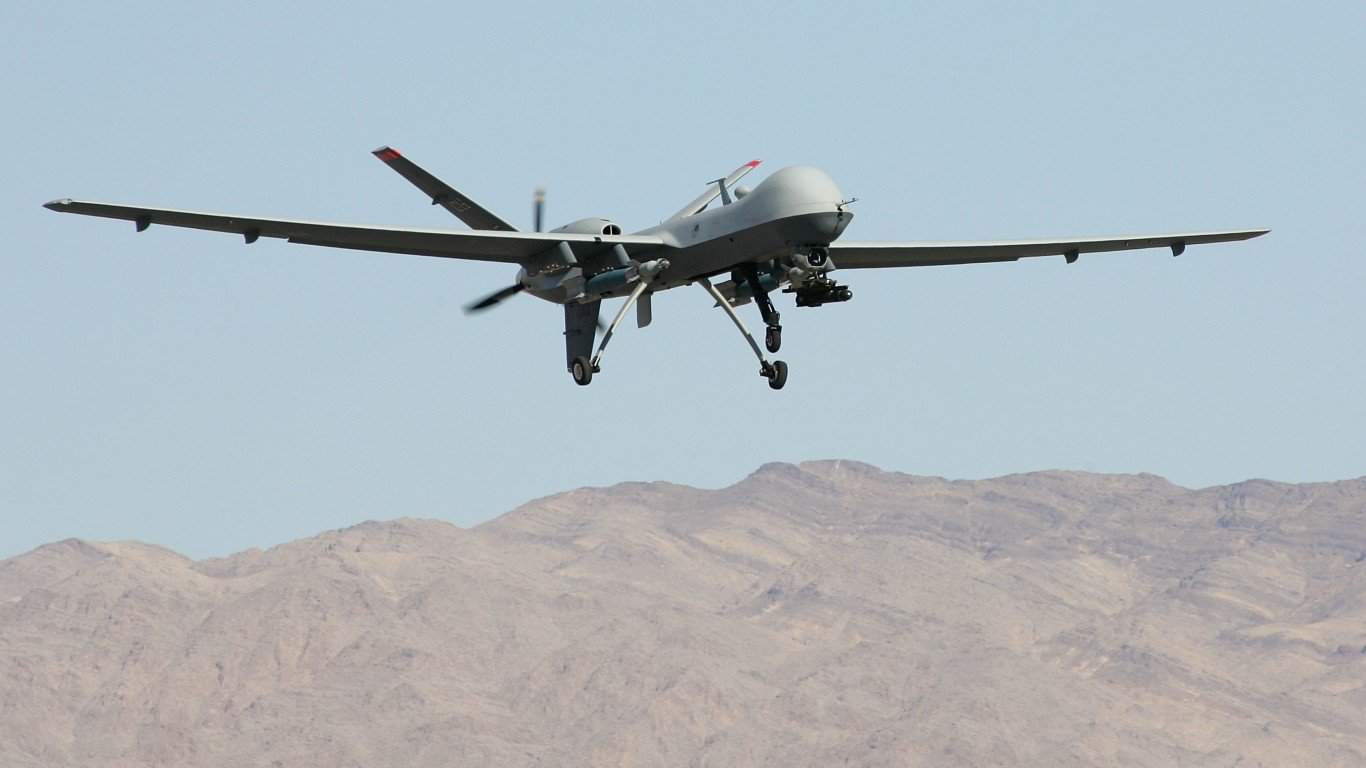
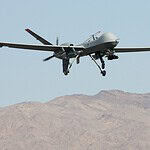
Although the aircraft that made Area 51 famous were piloted by humans, many defense analysts believe the facility has become equally important in developing unmanned aviation. Official details remain scarce, but numerous observers have reported unusual flying-wing designs, stealthy unmanned aircraft, and experimental platforms operating within the restricted airspace over the Nevada desert. Because modern military doctrine increasingly emphasizes drones for reconnaissance, electronic warfare, and precision strike missions, it makes sense that some of the nation's most advanced systems would undergo testing at one of its most secure facilities. Several aircraft that were once surrounded by speculation eventually entered public service years later, lending credibility to the idea that today's unexplained sightings may represent tomorrow's operational technology. While it is impossible to confirm every rumored program, Area 51's long history of pioneering revolutionary aircraft makes it a logical location for evaluating the next generation of autonomous military systems before they are revealed to the world.
14. Employees Work Under Extraordinary Secrecy Rules
- Time Period: 1955–Present
- Status: Public
- Primary Program or Aircraft: Compartmentalized Programs
The security surrounding Area 51 extends well beyond guarded gates and restricted airspace—it also shapes the daily lives of the people who work there. Employees are subject to extensive background investigations, security clearances, and nondisclosure agreements designed to protect classified information. Even after gaining access to the installation, workers typically operate under a principle known as compartmentalization, meaning they are given only the information necessary to perform their specific jobs. An engineer working on one aircraft may know virtually nothing about another project taking place in the next hangar. This "need-to-know" approach minimizes the risk of accidental disclosures and makes it significantly more difficult for foreign intelligence agencies to piece together sensitive programs. Many former employees have described careers spent working on projects they could not discuss with friends, family members, or even coworkers assigned to different divisions. The result is an organizational culture built around secrecy, where protecting information is considered just as important as developing the groundbreaking technologies themselves.
15. The Biggest Secret May Be Programs Still Hidden Today
- Time Period: Present
- Status: Classified
- Primary Program or Aircraft: Current Black Programs
Despite decades of books, documentaries, and declassified government records, the most important work conducted at Area 51 may still be completely unknown to the public. History offers a compelling reason to believe this. When the U-2, A-12 Oxcart, and F-117 Nighthawk were being tested over the Nevada desert, virtually no one outside a small circle of officials knew they existed. Only years later did those programs become public knowledge. If that pattern continues, today's classified projects may not be revealed until well into the future. Aviation experts speculate that the installation could be supporting research into next-generation stealth aircraft, advanced propulsion concepts, autonomous combat systems, electronic warfare technologies, or other capabilities that remain highly sensitive. While those possibilities remain speculative, Area 51's documented history demonstrates that revolutionary aerospace programs have repeatedly been developed there before entering public view. The greatest secret, therefore, may not be anything from the past—it may be the technologies quietly taking shape behind Groom Lake's hangar doors today.