














15 Famous Inventions People Still Credit to the Wrong Person
There's a recognizable pattern that holds up throughout time. Those with power typically write history, which means the credit doesn't always land where it should. Sometimes, a famous name stuck simply because someone else couldn't afford a better lawyer. Other times, the true inventor may be too poor, too foreign, or too obscure to fight back and get the proper recognition for their work.
There’s usually a pattern. Someone builds something remarkably useful or novel, shares it with the wrong person, and ends up with nothing to show for it. A more famous name steps in, files the paperwork, and keeps the credit. By the time anyone bothers to look, the myth has become a fact.
It’s time to take a look at some of these inventions and find the story behind the myth. Here are 15 times the wrong name ended up in the history books.
The Telephone
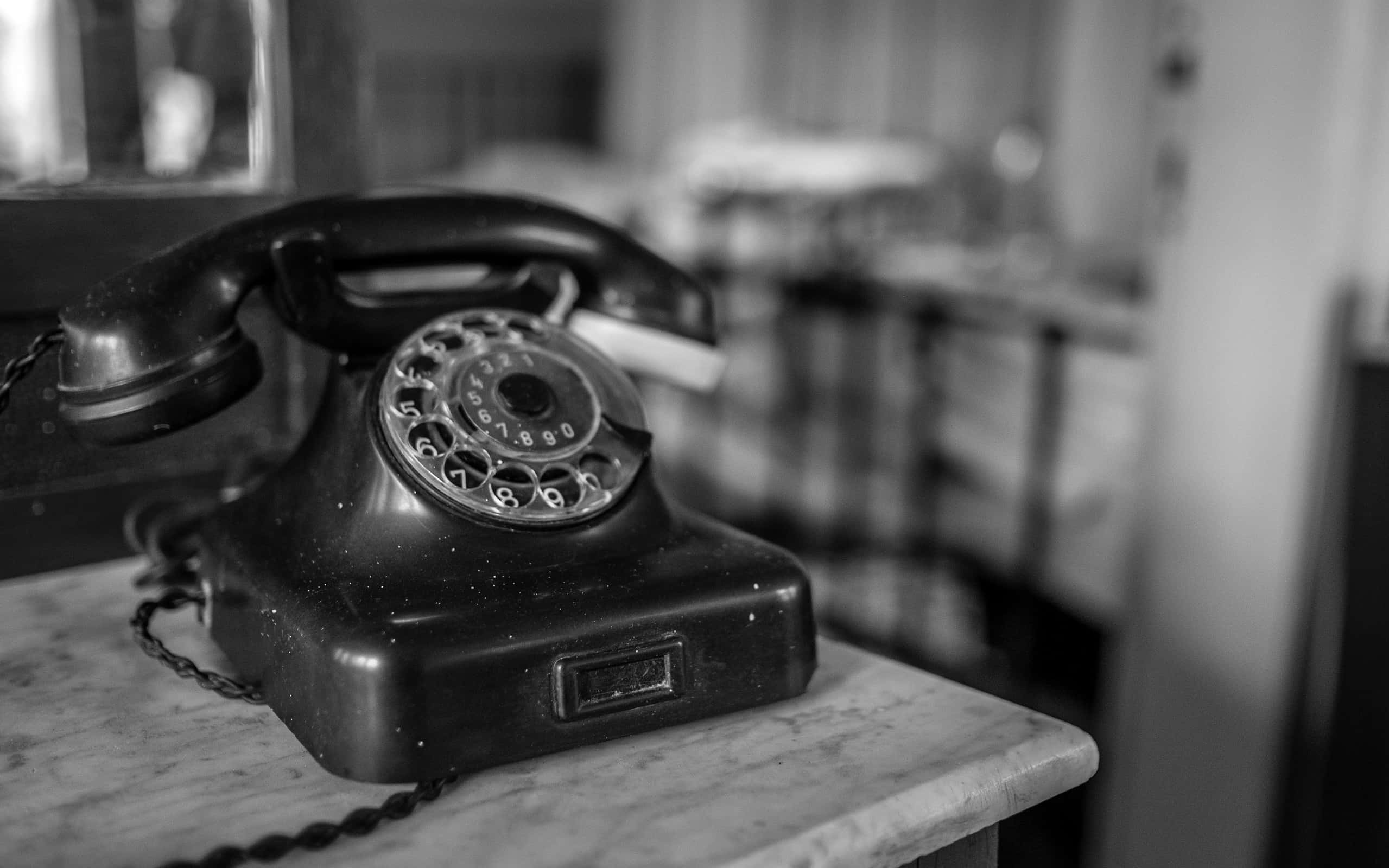
The telephone is usually credited to Alexander Graham Bell. However, Antonio Meucci, an Italian immigrant living in New York during the same time, built the first voice communication device in 1854. He demonstrated it publicly despite not being able to afford the $10 fee for a patent renewal.
Bell had access to the same Western Union lab where Meucci stored his work, and later filed a patent for a similar device in 1876. Bell largely appropriated Meucci's work, and the U.S. Congress finally got around to acknowledging Meucci's priority in 2002. Credit came more than a century after Bell's patent made him one of the most famous men in America.
The Light Bulb
Thomas Edison is known for inventing the light bulb. However, at least 22 other inventors had previously created working incandescent lights before Edison filed his patent in 1879. Joseph Swan, an English scientist, actually filed a patent infringement suit against Edison in Britain and won. The two eventually merged their companies.
Edison's real achievement was the electrical infrastructure that he built around the bulb. He made electric light practical for everyday use.
The Radio
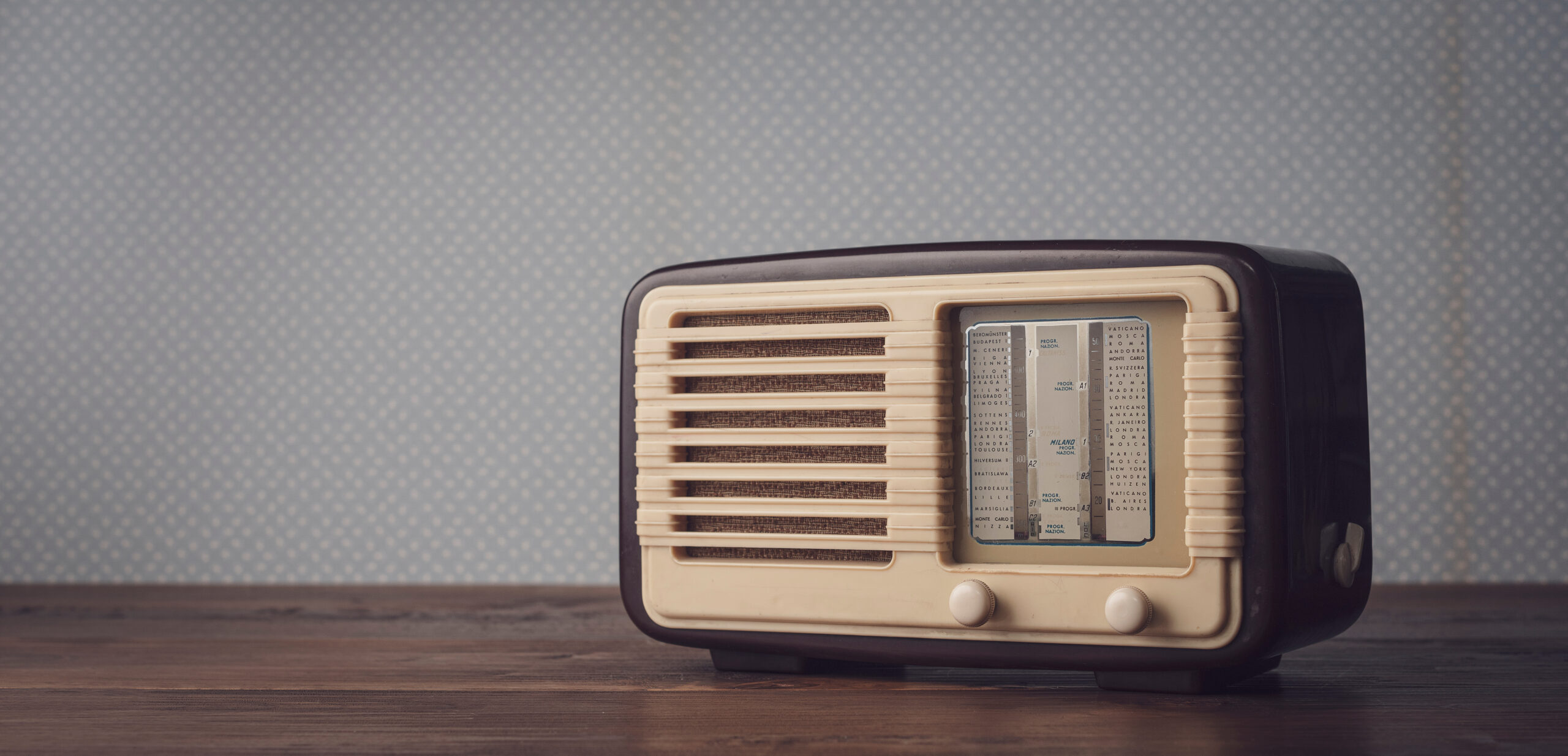
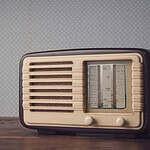
Nikola Tesla demonstrated a working model for wireless radio transmission in 1893, two years prior to Guglielmo Marconi filing his first radio-related patents. The U.S. Supreme Court eventually ruled that Marconi's key patents were invalid in 1943, legally establishing that Tesla's work had clearly come first.
The Supreme Court ruling came four months after Tesla's death. He died in poverty in a New York hotel room.
The Flushing Toilet
Sir John Harington designed a working flush toilet in 1596. Alexander Cumming patented the S-trap version in 1775. Despite this, the invention of the flushing toilet is still largely attributed to Thomas Crapper.
Crapper was a popular plumber who was responsible for greatly improving plumbing fixtures. He also had his name stamped on toilets all over England, which is how the term found its way into American slang. Soldiers stationed there during WWI brought it back home with them, and it stuck.
Peanut Butter
Teachers still talk about this in schools all over the United States. While George Washington Carver was a talented agricultural scientist and developed over 300 uses for peanuts during his lifetime, he didn't actually invent peanut butter.
Marcellus Edson patented modern peanut butter that we know and love in 1884. Centuries prior, Aztec and Inca civilizations were already grinding peanuts into a paste and using it for food, medicine, and even religious ceremonies.
Monopoly
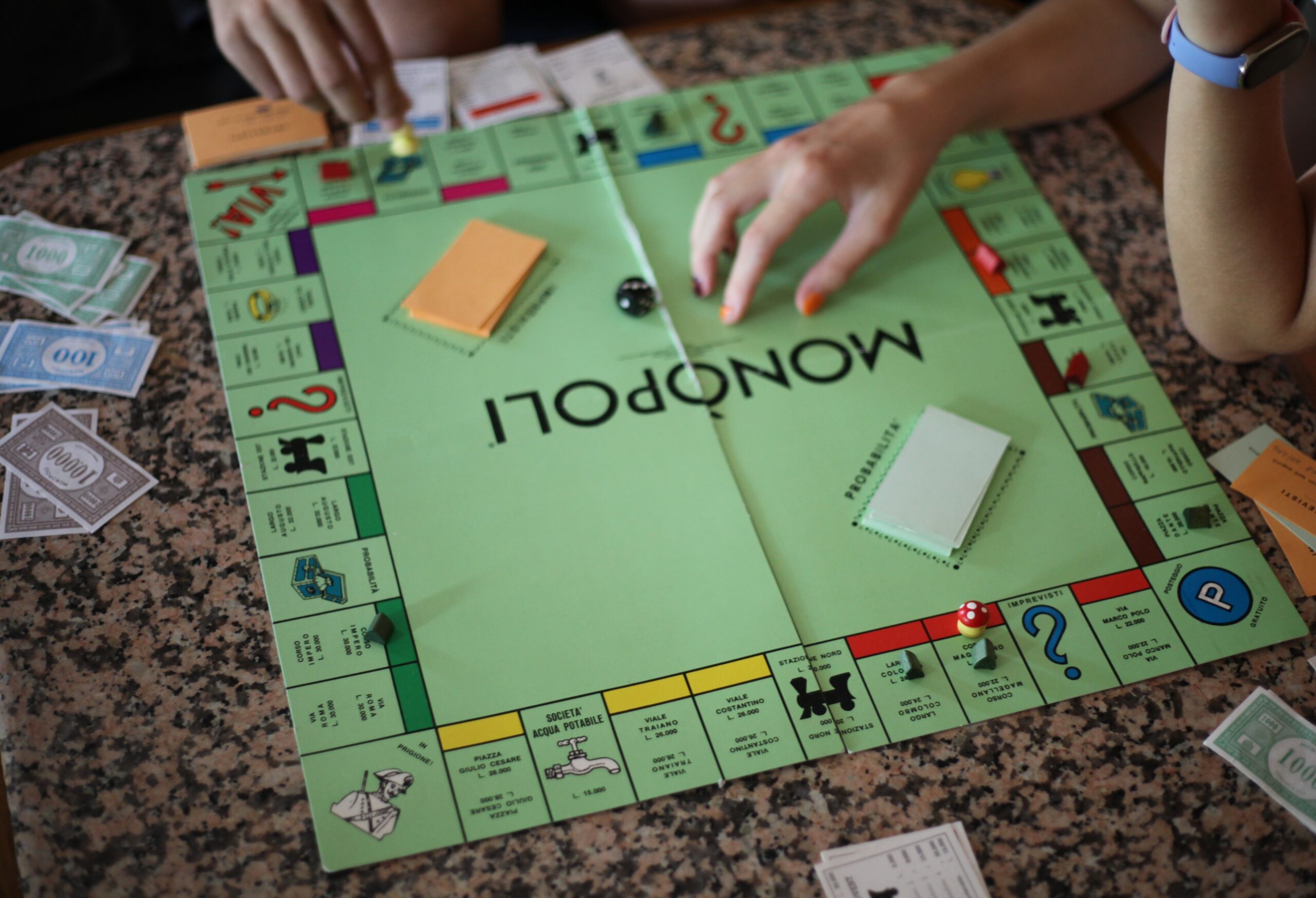
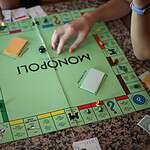
The famous board game that has been pitting families against each other in America for generations was actually patented by Lizzie Magie in 1904. It was supposed to be a satirical critique of monopolistic wealth and the dynamic of landlords and renters in America.
During the height of the Great Depression, an unemployed Charles Darrow learned the game from friends and saw an opportunity to improve his situation. He made some minor changes and sold the game as his own to Parker Brothers, who had already rejected her original patent in 1909, only to acquire it in 1935 for $500 with no royalties. Darrow, on the other hand, became a millionaire.
The Assembly Line
When we think about the assembly line, we usually think about Henry Ford. Aldous Huxley even built on this idea by using Ford as a stand-in for God in his famous novel "Brave New World," using his name as a symbol of a dystopian world reduced to mechanical repetition and mass production.
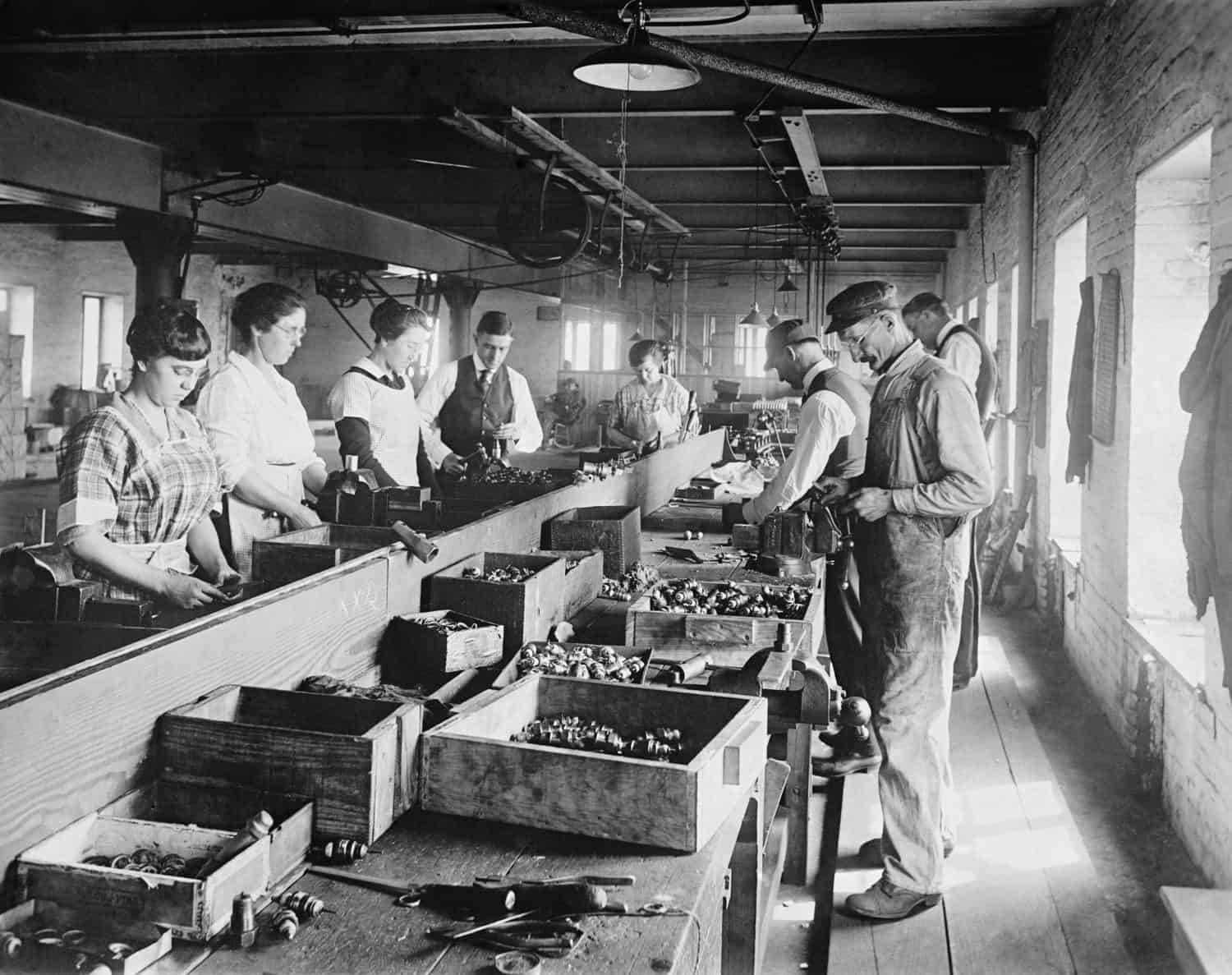
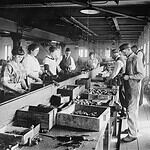
However, Ransom Olds of Oldsmobile introduced the moving assembly line in 1901, three years before Ford ever used it. Ford did not invent the concept, although he perfected and applied it at scale with the Model T. That’s why his name is usually associated with the invention.
The whole premise for divided labor in manufacturing actually traces further back, to at least the 15th-century Venetian Arsenal, where fully armed warships were assembled in a single day
Jack Daniel's Tennessee Whiskey
Whiskey has become synonymous with the Jack Daniel name. It is one of the most recognizable brands in the industry. However, the brand’s signature distillation process was not invented by Jack Daniel himself.
The person who actually developed the method behind Jack Daniel's Tennessee whiskey was Nathan "Nearest" Green, an enslaved man who taught Daniel the craft of distilling in the 1850s after his owner leased him out to the farm where Daniel worked as a boy. Jack Daniel's parent company officially recognized Green as its first master distiller in 2017, more than 150 years later.
The iPod
When Apple was sued by Burst.com over the iPod in 2008, they flew British inventor Kane Kramer to California to testify on their behalf, inadvertently revealing that he had designed the original digital music player nearly three decades earlier.
Kramer had built a solid-state digital music player in 1979, complete with an LCD screen, a circular control pad, and a digital download system. He patented the technology in 1981 but couldn't afford to renew it across 120 countries in 1988, at which point it entered the public domain. Apple referenced its 1979 drawings to defeat Burst's patent claim, but Kramer was only compensated for his travel time.
The Intermittent Windshield Wiper
Robert Kearns filed the patent for the intermittent windshield wiper in 1963. It was modeled after how we blink our eyes. Kearns pitched the invention to Ford, who showed great interest. They invited him to meetings, learned exactly how the invention worked, and took the design for themselves, launching it on its Mercury line.
Kearns spent 30 years suing Ford and Chrysler and eventually won. He refused Ford's settlement offers because he wanted it on the record that they stole it.
The Steam Engine
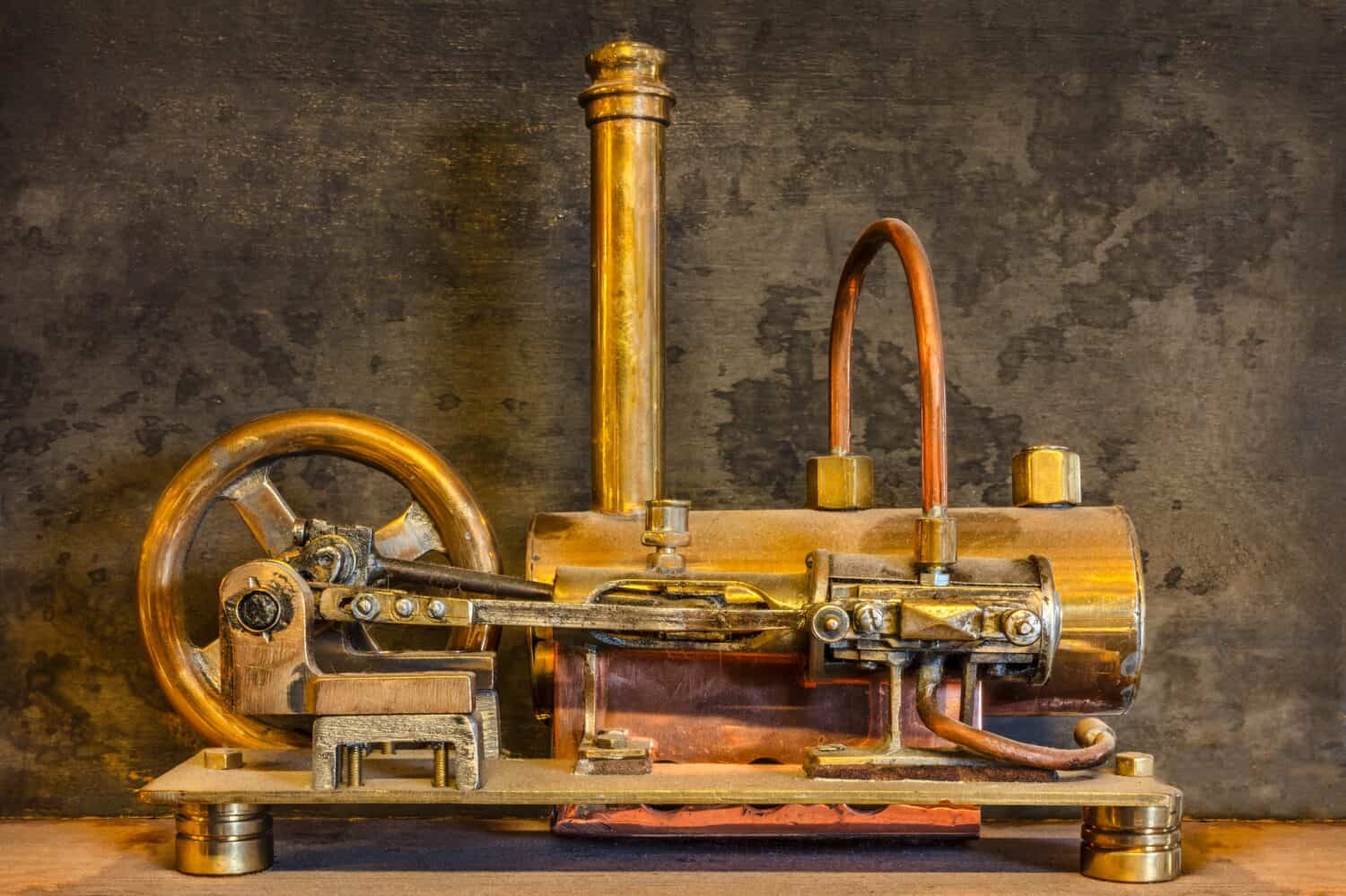
We recognize James Watt as the inventor of the steam engine, but the concept had been building for decades before he actually developed it. Thomas Savery had already patented a steam-powered pump in 1698, and Thomas Newcomen had built a working engine in 1712 that was already running in coal mines long before Watt was ever born.
Watt built the first commercially viable steam engine in 1769, which is what actually drove the Industrial Revolution. While that is an incredible accomplishment, the concept was already 70 years old by that time.
Motion Pictures
Thomas Edison is widely credited as the father of motion pictures. But a French inventor named Louis Le Prince had already filmed real moving images in Leeds in 1888, years before Edison's lab made the same claim.
Le Prince mysteriously vanished during a train journey in 1890, taking any potential patent dispute with him. He wasn't the only one ahead of Edison, either. The Lumière brothers held their first public film projection in Paris in December 1895, weeks before Edison's own screening.
While Edison did make real contributions to early cinema, and as we've already seen with the light bulb, taking credit for other people's work was something of a pattern for him. His most lasting contribution to the film industry may have been a decade of aggressive patent litigation that eventually drove American filmmakers west to a small California town called Hollywood.
The Sewing Machine
Elias Howe filed the patent for the lockstitch mechanism that is at the heart of early sewing machines in 1846.
Singer’s company took advantage of Howe’s invention to develop its sewing machines, selling them for years before Howe decided to sue. He won the lawsuit, winning royalties that lasted for the rest of his life.
Ironically, Howe borrowed ideas from an earlier inventor named Walter Hunt, who had built a similar machine in the early 1830s but refused to patent it out of concern it would put seamstresses out of work
The Telescope
Galileo used the telescope to make discoveries that changed the course of modern astronomy and our understanding of the universe. However, he didn't invent it.
Hans Lippershey, an eyeglass manufacturer from Holland, filed the first patent for a device that could magnify objects three times over in 1608. When Galileo heard about the invention, he decided to build an improved version that was able to magnify objects by 20 times and used it to explore our solar system. The discoveries that followed led to the invention being widely attributed to him.
The Printing Press
Johannes Gutenberg's press transformed 15th-century Europe, making literature widely accessible and helping fuel the Renaissance era. But the core technology behind it, the use of individual reusable letter blocks to print pages, was first invented in China by Bi Sheng around 1040 AD. Korea was also using metal versions by the 13th century, roughly 400 years before Gutenberg.
Gutenberg combined existing technologies into a system that worked efficiently enough to change the Western world, but the credit for the original invention belongs somewhere else entirely.