














15 Household Items That Were Once Only for the Wealthy
Some things are so expensive that, regardless of their utility, they become a way for the world to gauge how rich their owner is. These objects are known as status symbols. But something that’s a status symbol today will at some point be imitated or mass-produced until what once meant exclusivity becomes nothing more than junk drawer fodder.
That’s exactly what happened here. A fork. A bar of soap. The carpet beneath the coffee table. None of these objects has anything to do with status anymore. Somewhere along the way, they went from unique and costly to mundane and overlooked. Here are 15 items found in virtually every household nowadays that were once a clear sign of success or wealth.
Forks
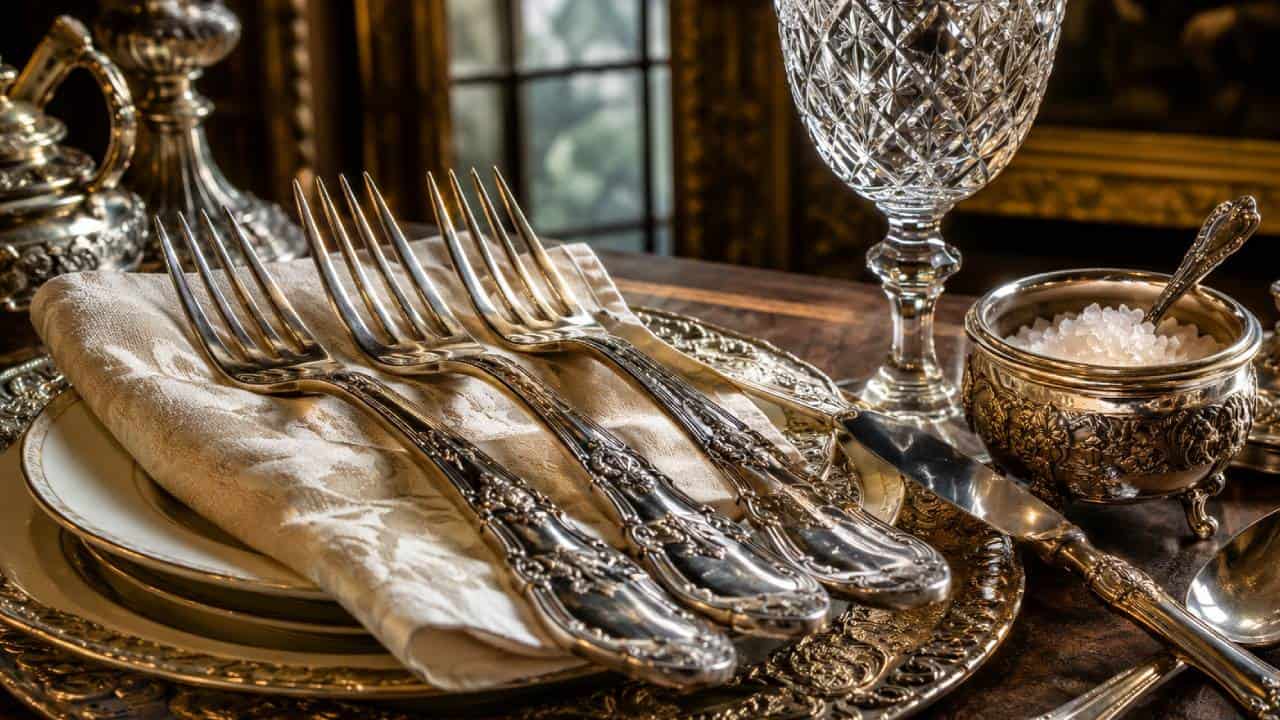
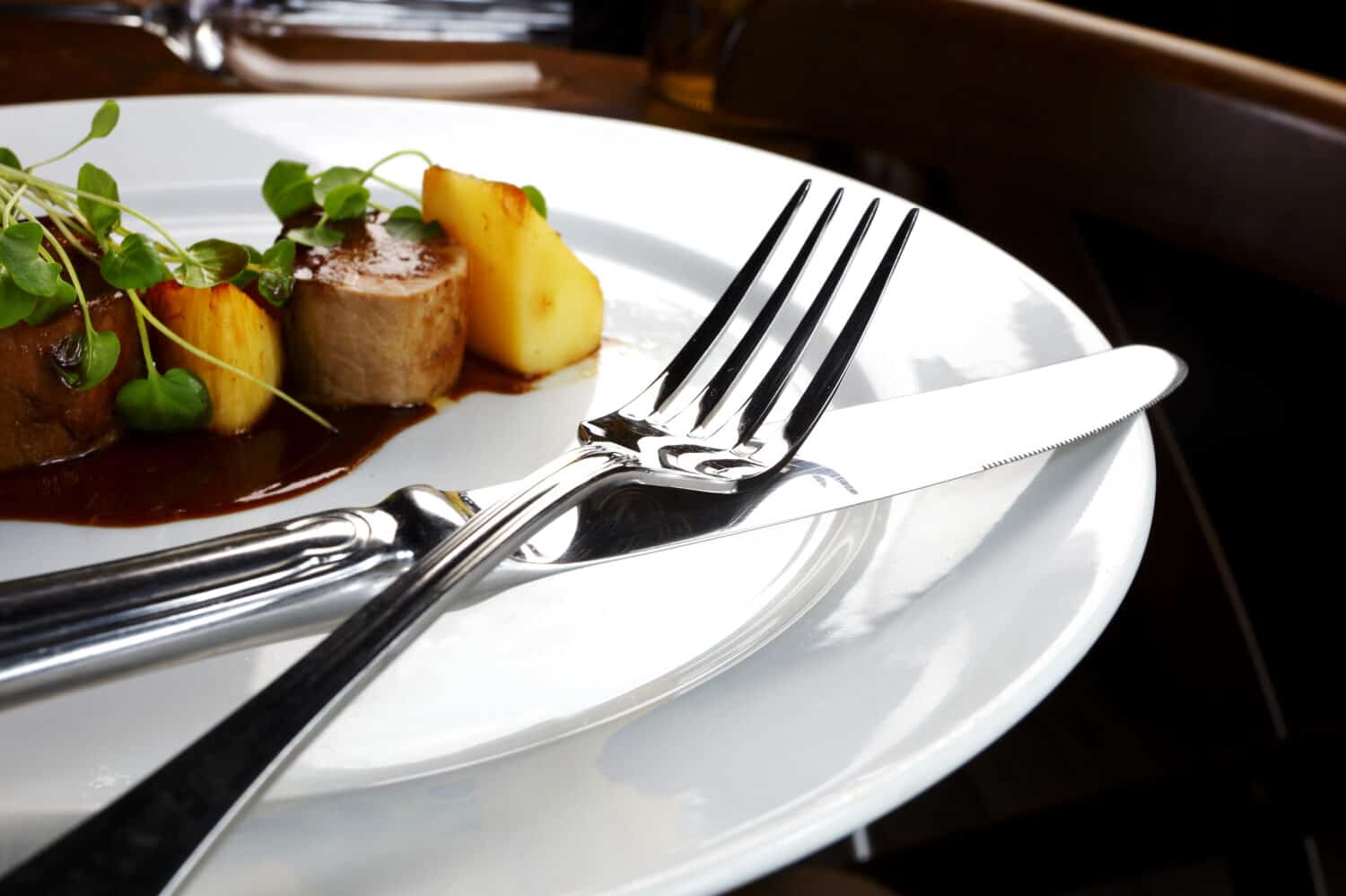
A fork is probably the most uninteresting item you can find in a kitchen drawer. It's no different from the dozen other forks lying around. The introduction of the fork into French cuisine took place after the marriage of Catherine de'Medici in 1533, but forks were slow to make their way into English culture. When traveler Thomas Coryate introduced forks to England in 1611, he was ridiculed as "Furcifer," meaning fork-bearer. By 1800, less than 1 percent of American households owned a fork. Now there's a drawer full of them, mismatched, and nobody thinks twice about them.
Glass Windows
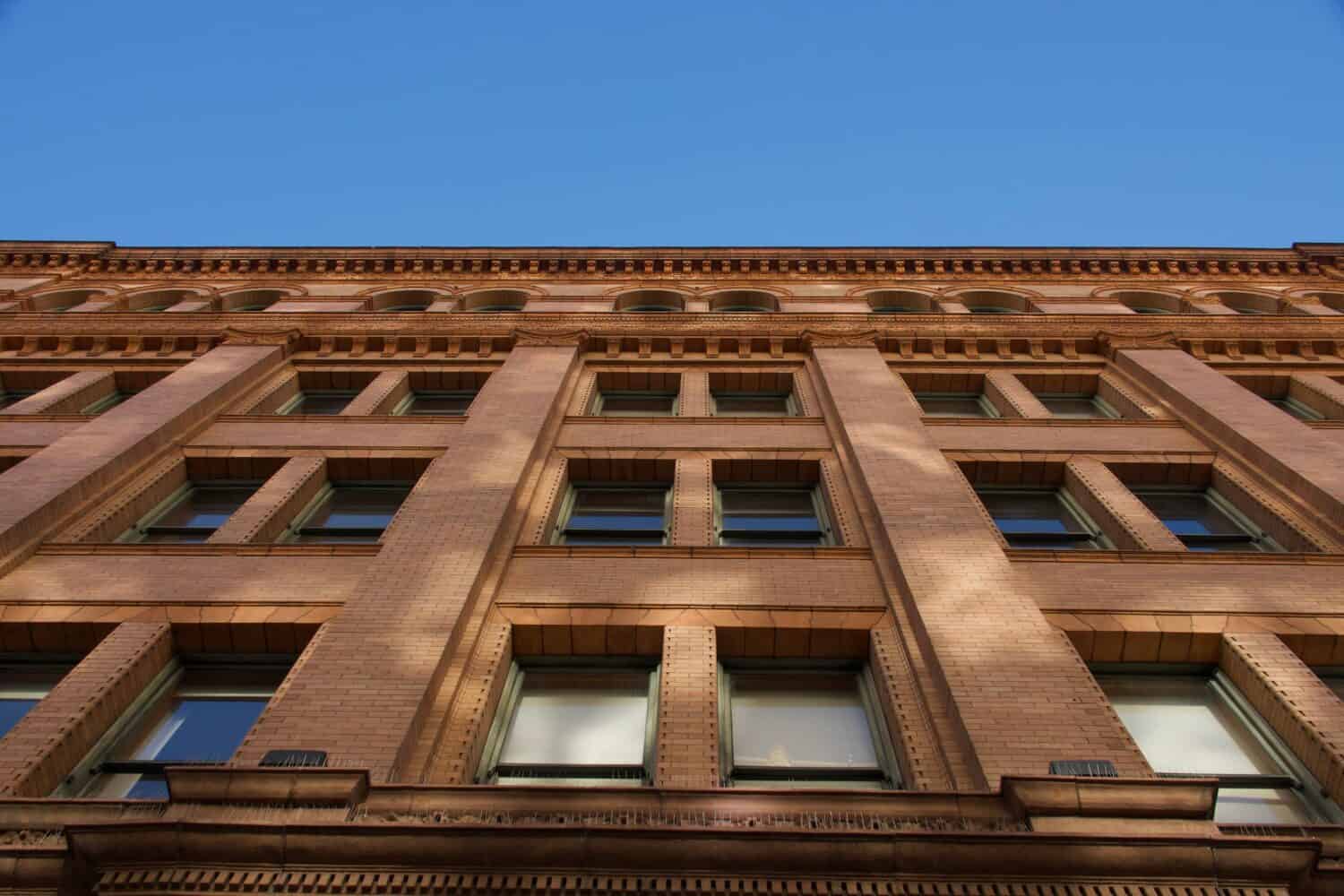
In 1696, a tax on windows was introduced in England based on the assumption that a house with more windows was a house owned by someone richer. Then in the 1740s, came the glass tax which further added to that assumption. Thousands of windows were boarded up to avoid the tax. And while a building boom from the Industrial Revolution should have driven glass production up, it actually stayed flat from 1810 to 1851 because fewer windows were being installed in each new home that arose. For over 150 years, a well-lit room with natural lighting was something you paid for, window by window. If the sun shone on your living room back then, that meant you were doing something right.
Books
Nowadays, a paperback is cheaper than a sandwich, and nobody will lose sleep over leaving one behind on a plane. But before the advent of the Gutenberg press, sometime around 1450, books were written by hand, a process that took months of work. Before the printing press, a significant illuminated manuscript would cost as much as a piece of real estate or livestock. Owning even a modest personal collection of books showed that you were an affluent individual or scholar. Most people didn't have even one book in their entire lifetime back then. Printing changed that in the course of a few generations, and the internet took it a step further. A library that once cost a fortune now fits on a phone with room to spare.
Carpets and Rugs
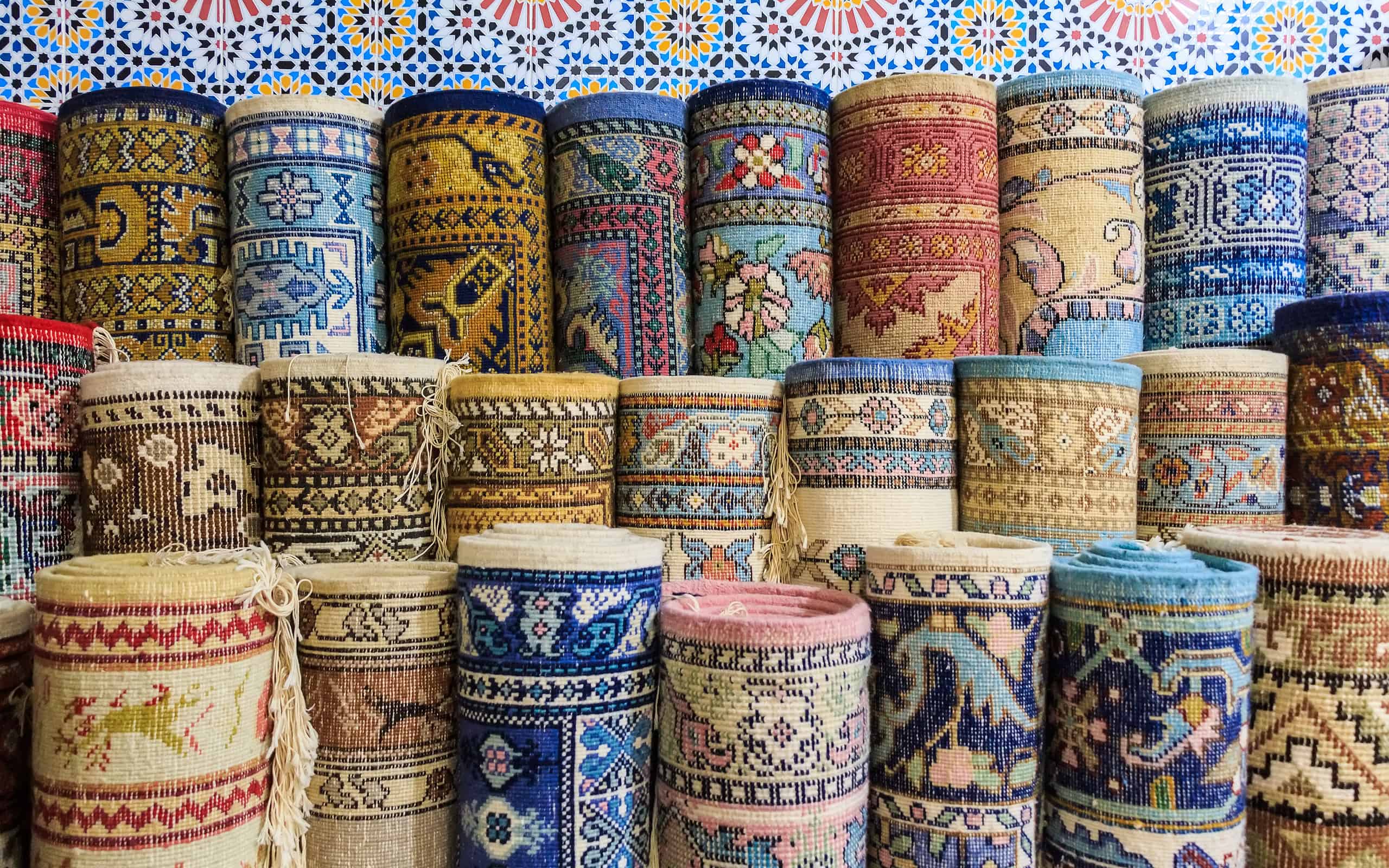
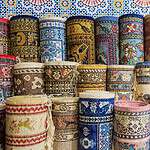
To most people, a rug is just something you walk on, vacuum from time to time, and occasionally stain it with wine. To rich Europeans who introduced carpets from Anatolia around the time of the Crusades, walking on the rugs would be absolute lunacy. In the 14th century, they were hung over tables and on walls in European homes, but rarely on floors. Their prevalence in European paintings of the period was so widespread that art historians classify various types of carpets as "Holbein" and "Lotto," after their painters, evidence of how valuable these objects were considered. Today, the rug under most coffee tables performs its primary purpose on the floor, minus the prestige.
Ice
Getting ice from the freezer is something we do without giving it a second thought. In 1806, a 23-year-old businessman from Boston called Frederic Tudor shipped 130 tons of frozen Massachusetts pond water to Martinique. Most of the shipment melted, and there was nowhere for the people who received it to store what survived. Nevertheless, he kept perfecting his insulation method using sawdust until in 1833 he started sending his ice all the way to Calcutta, and later on to Hong Kong, Singapore, and even Rio de Janeiro in the 1840s. By then, it had turned into and industry and having your own icebox was a sign of wealth. Today, ice is so common we only think about it when we’re scraping it out of the windshield.
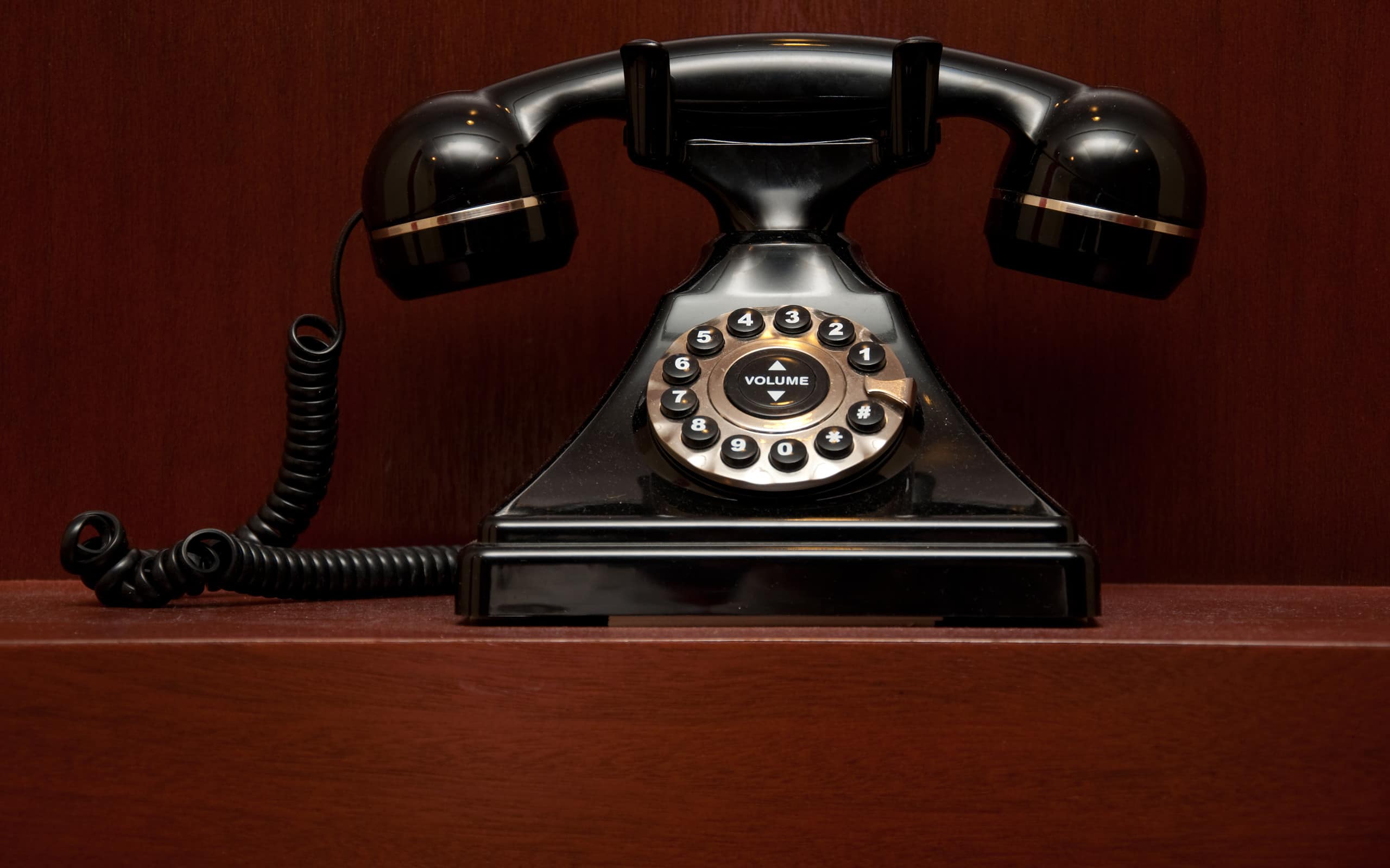
Telephones
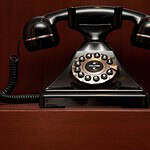
When telephones first became common, they were so expensive to use that most households couldn't afford a private connection. Instead, families shared "party lines", a single circuit that multiple households could tap into, meaning your neighbors could pick up and listen to your calls. A "private line" represented real money, meaning you had enough to spare for privacy and convenience. Long-distance calls were rationed carefully, planned out, and paid for by the minute. That entire economy of scarcity is gone: a private line is now the default, and "long distance" isn't even a concept anymore.
Umbrellas
Umbrellas are so common that it’s not unusual for people to leave them behind on trains or in public places. You only remember them when the rain starts hitting your shoulders. But in mid-18th century London, carrying one would turn heads. When the writer Jonas Hanway returned from Paris around 1750 with an umbrella, he became, by most accounts, the first man to use one regularly on London's streets.
He was met with hostility. Coach drivers, who profited when rain forced people into covered carriages, treated him as a threat to business (one account even claims a driver tried to run him over). Hanway kept carrying it anyway, and within a generation or two, umbrellas became standard equipment for anyone caught in the rain, which in London is everyone, constantly.
Eyeglasses
Reading glasses are pretty common nowadays. You can pick one up at the pharmacy checkout counter. They’re inexpensive and ready-to-wear without a prescription for most cases. They were invented in either Pisa or Venice in the late 1280s, when two pieces of convex lenses were riveted together at the bridge and didn’t have temples, which meant they were held in place on the nose.
Back then, they were mostly used by monks and scholars, since owning a pair meant being literate, affluent, or both. When the printing press came around, more people began learning how to read, and the demand increased. What started as something reserved for scholars is now an impulse buy at the drugstore.
Soap
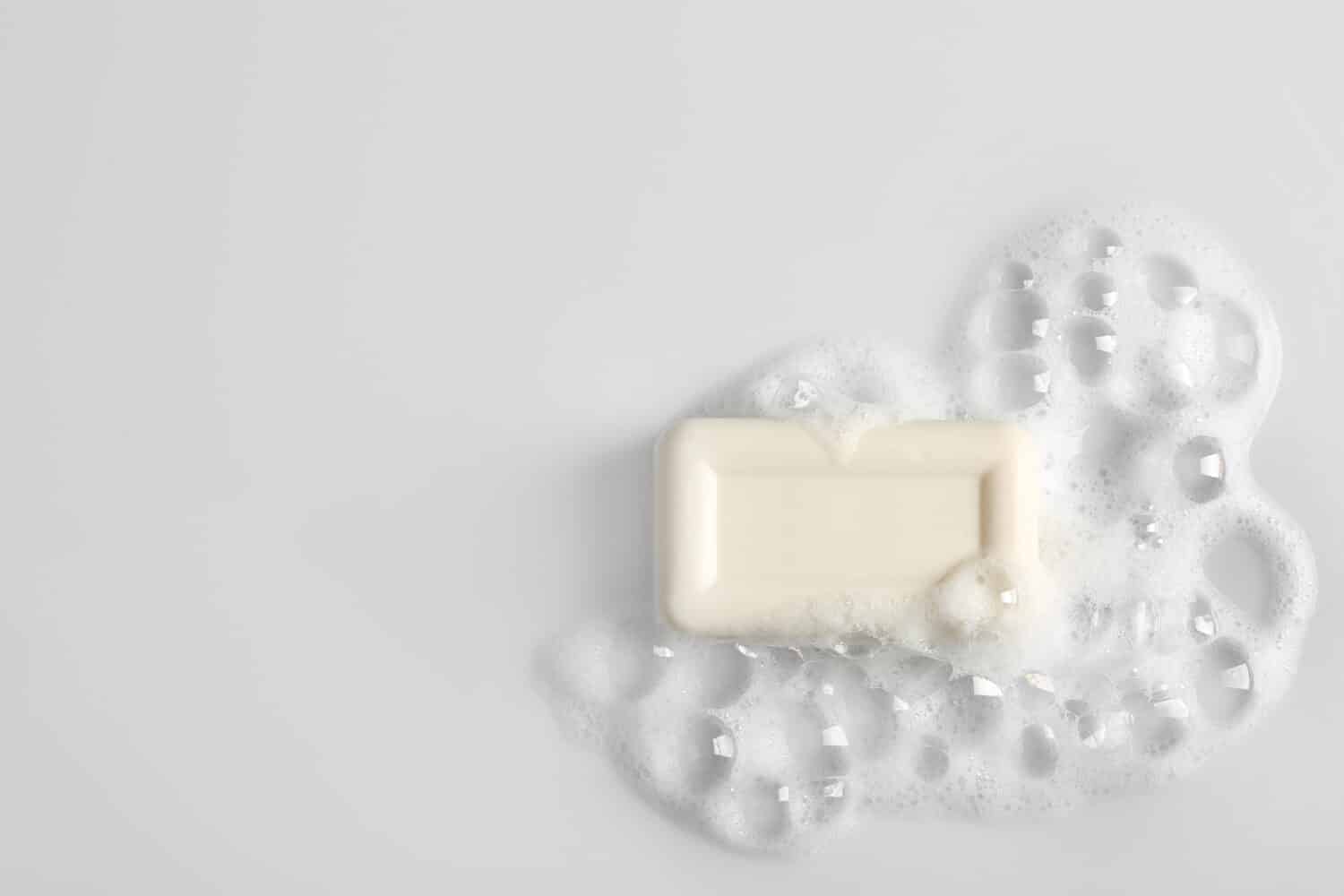
In 1712, when Queen Anne was in power, a tax on soap was implemented in Britain, which caused the price to triple. Manufacturers had to sell soap in batches of at least one ton, and tax officials reportedly locked the soap-making machinery overnight to prevent illegal production. Many manufacturers simply left the country to avoid dealing with the hefty taxes, which stayed in place until 1853. It was a luxury to use soap regularly at that time. That same 1712 legislation also taxed wallpaper, so the British government managed to tax cleanliness and home decoration in a single blow.
Salt
The term 'salary' comes from the Latin salarium, an allowance connected to salt rations for Roman soldiers, though historians debate whether soldiers were actually paid in salt or simply received an allowance to purchase it. In the Middle Ages, an elaborate silver standing salt was placed at the head of the table, and a guest's position relative to it, above the salt or below it, determined their rank. Sitting closer to the salt meant higher status."
The gabelle of France was a tax on salt introduced in the 14th century, forcing people to buy fixed quantities from royal depots at inflated prices. The resentment it generated helped spark the French Revolution. None of that weight survives in the shaker on a diner table, where salt is now a unit of 'basically free.
Wallpaper
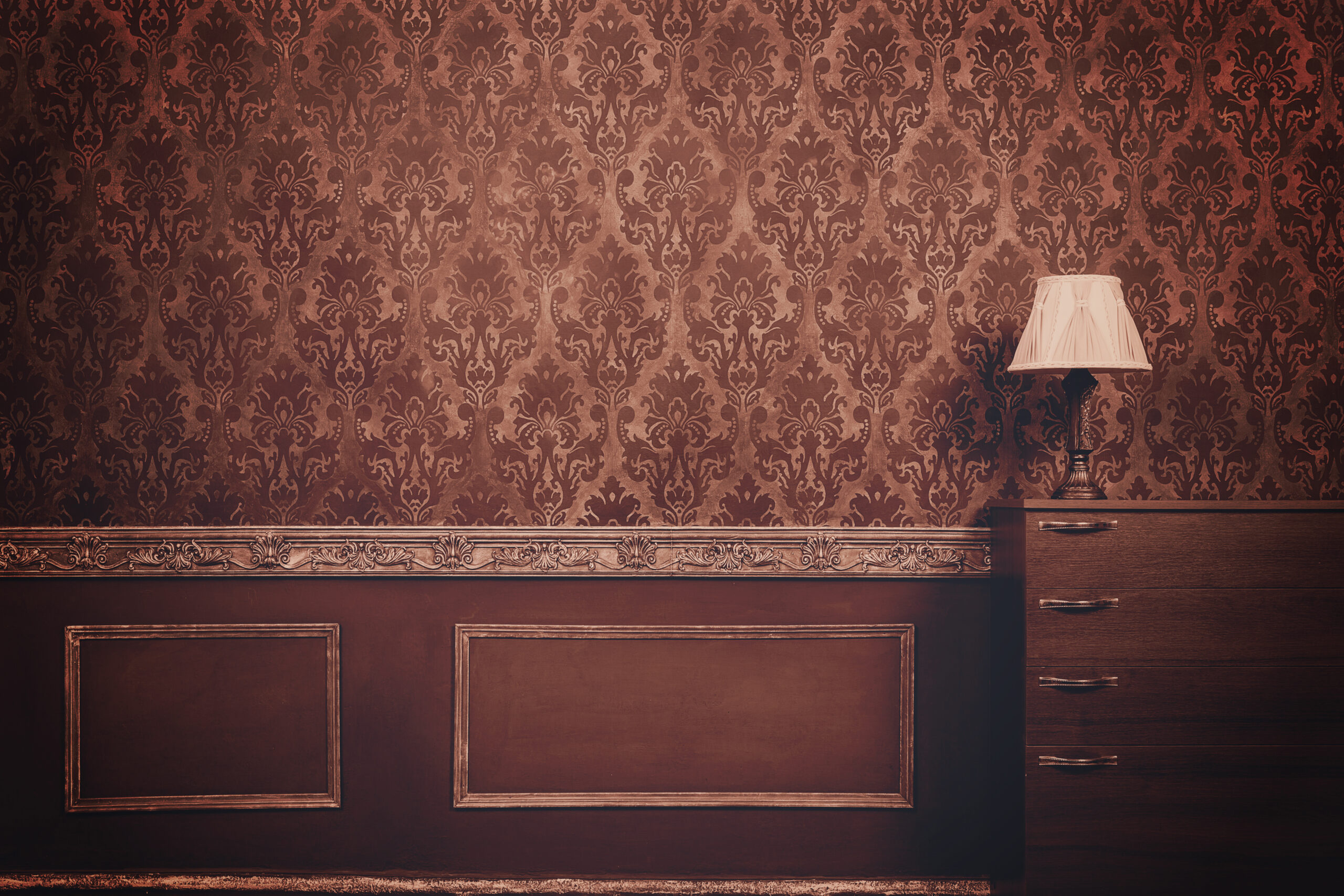
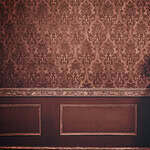
Flocked wallpaper was created during the 17th century in England as an inexpensive way to replace cut velvet and damask wall coverings used by the elite, but even then it was still quite expensive. Wallpaper was taxed starting in 1712, the same year as the soap tax, with the rate rising from a penny per square yard that year to a shilling by 1809. To evade the taxes, people would buy plain paper that was not taxed the same way, and stencil a pattern onto it. This method seemed to work well enough that it kept being used for over a century, until the tax was finally repealed in 1836.
Refrigerators
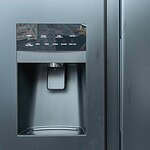
Owning a refrigerator used to be a luxury not that long ago. It cost more than a car at some point. One of the first electric models, called the Domelre cost $900 in 1913, which would be around $25,000 today. Mass production through the 1930s and 1940s brought the price down, and the appliance that once meant you could spend real money is now something people even forget is even running.
Mechanical Clocks
A clock hanging on the wall is something people tend to look at and then instantly forget about, especially when you consider that most people just look at their phones when they want to know the time. Before the 1810s, however, clocks were hand-made and cost between $20 and $40 ($400-$900 today), which meant they were out of reach for ordinary families.
The man responsible for making clocks affordable was Eli Terry, an inventor who introduced mass production methods into clock-making and used interchangeable wooden elements in their movements. By 1830, clocks stopped being something you’d only see in rich households and became an ordinary possession in middle-class America. Nowadays, there are a dozen clocks in most people's homes, about half of which are set up correctly, and nobody even cares.
Featherbeds
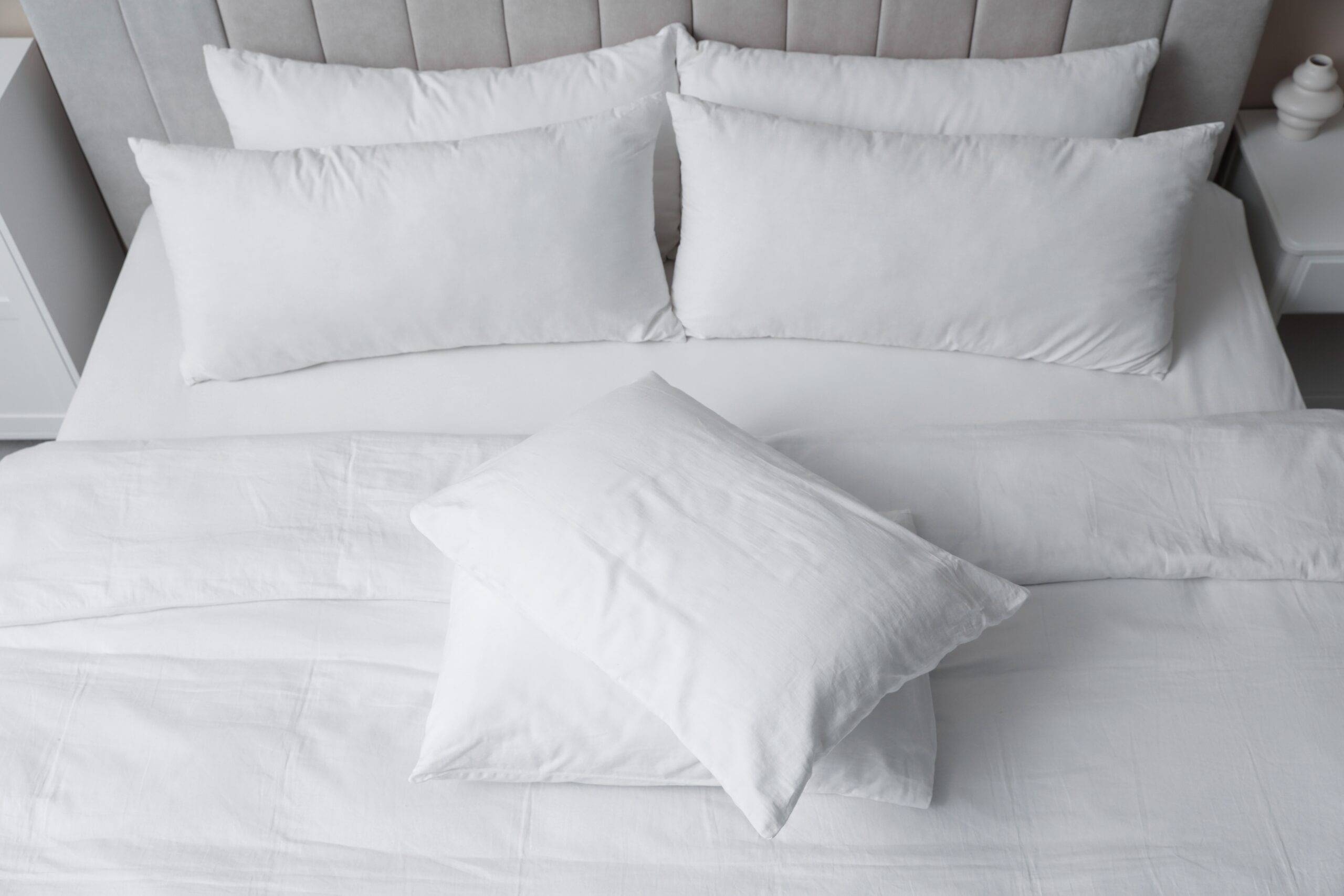
For most medieval Europeans, the difference between a featherbed and sleeping on a bag of straw on the floor was the difference between nobility and everyone else. Peasants slept on pallets, a mixture of straw or hay sewn into a bag made of linen, placed on a wooden frame. Feather beds, padded with either goose or duck down, arrived in European society through trade networks including the Crusades, but only wealthier households could afford them. As 16th-century author William Harrison complained, even servants now expected feather beds and pillows. In his youth, he said, a man counted himself lucky just to have a mattress at all. The closest most people today get to sleeping like a medieval peasant is choosing to go camping.
Wristwatches
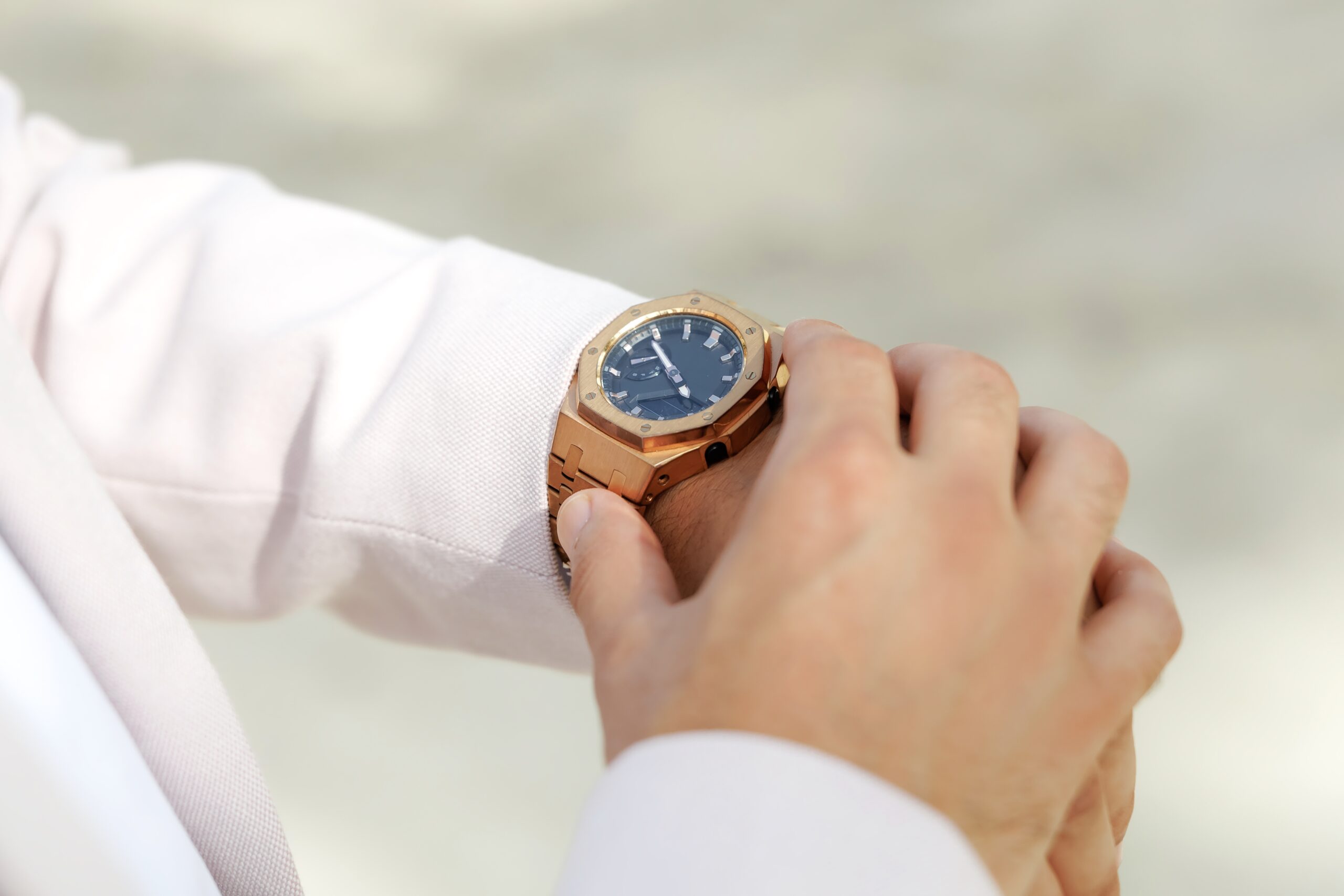
For much of the 19th century, wristwatches were sold almost exclusively to women as jewelry items, whereas men wore pocket watches that were useful as well as symbolized their importance in society, and "wristlets" were considered effeminate and impractical.
This changed during WWI, when soldiers needed both hands free when handling firearms and other equipment, and strapped their watches to their wrists, which often involved tying them with leather straps or handkerchiefs. Companies like Rolex, founded in 1905 betting that wristwatches worn by men would become popular and capitalized on the demand through marketing after the war shifted to portraying the wristwatch as an essential military tool. The accessory once considered too feminine for men became the default, and the standard pocket watch became a collector's item.