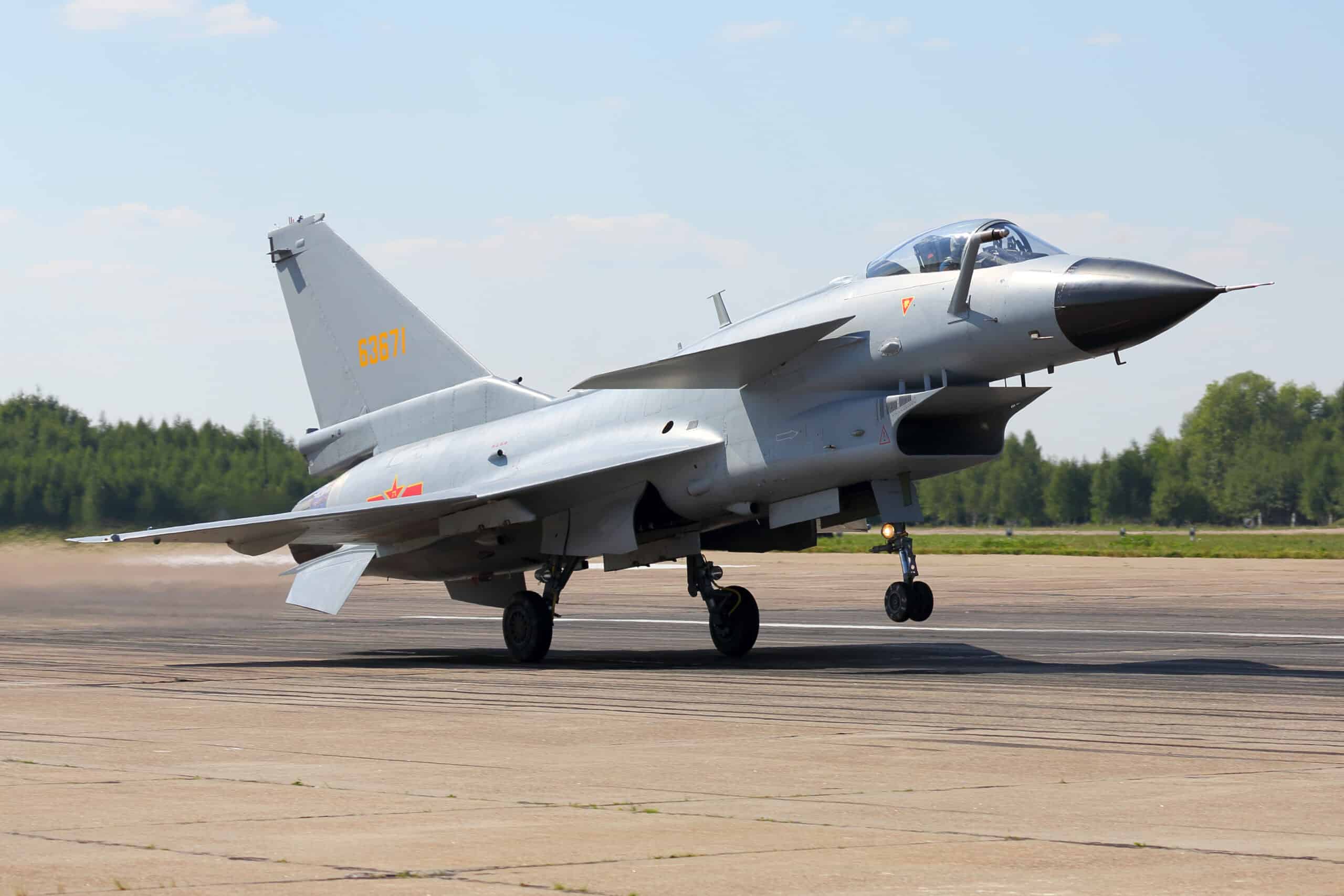

You likely remember the Cold War as a binary sort of conflict, between the Soviet Union and the United States, but there was a lot more nuance than any textbook can give you. Sure, we can point to the massive nuclear arms buildup between these nations, the space race, and the encroaching tank battalions on West Germany’s border. This even extends to airpower, where Soviet and American fighters would square off against one another in the sky.
The reality of the Cold War is a complex one, often mired in layers of secrecy, disinformation campaigns, and hidden production lines. To show your hand was to give away your advantage after all. A covert race for air supremacy burbled beneath the surface of all the saber-rattling that went on.
How exactly did one nation amass an air force that could square against the West, under the prying eyes of spy planes? Hidden underground factories, falsified serial numbers, and a state-sponsored mobilization helped to catch the West off guard.
Today, we’re looking at which nation secretly built the largest air force during the Cold War. You’ll have to ignore the more overt displays of power from Moscow and Washington, and look at how complete state control transformed one nation into a modern superpower.
Superpower Monopolies
©Bill Wei/Shutterstock.com
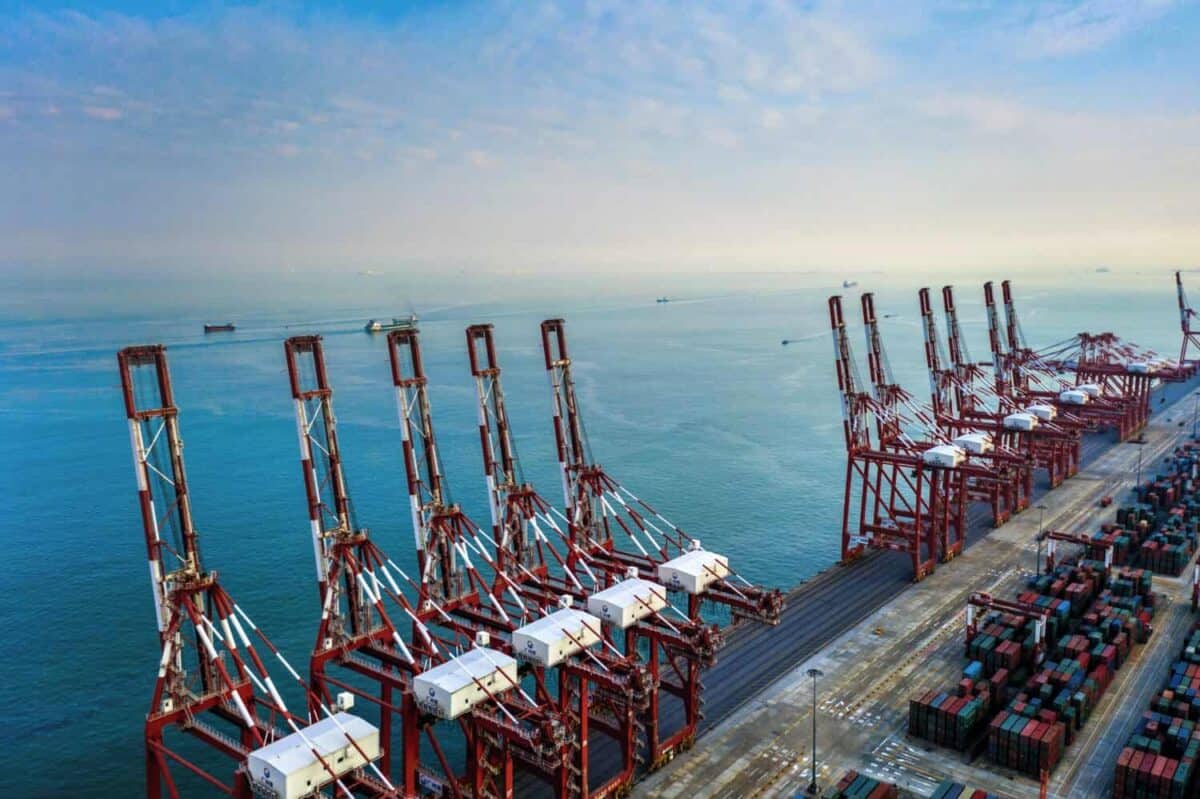
The earliest years of the Cold War were marked by high-visibility deterrence. Your average person would see the heavy bombers, interceptors, and the massive factories that built them. The Pentagon regularly published data to justify its skyrocketing budget, while the Kremlin arranged enormous flyovers during parades. Care was taken during these parades to mix in the latest and greatest, tricking Western observers in the process.
With so many focused on the Soviets and the Americans, they didn’t pay much attention to the People’s Republic of China. After all, this was a nation emerging from a brutal civil war following years of attrition against the Japanese during the Second Sino-Japanese War. The prevailing view of China in the 1950s and 1960s was that of a backwater power reliant on brute force and human wave tactics. Beijing was steadily laying the groundwork to amass a modern, cutting-edge air force.
This was aided by Soviet support, at least before the Sino-Soviet Split. Even after production aircraft swelled, the Chinese somehow amassed the third-largest air force in the world.
Shadow Factories
©sdasmarchives / Flickr/https://www.flickr.com/commons/usage/ – Original / License
China’s aggressive expansion into military aviation is a direct consequence of the Korean War. Having faced the full brunt of American aircraft during the war, the Chinese leadership realized a modern air force was needed to complete their military.
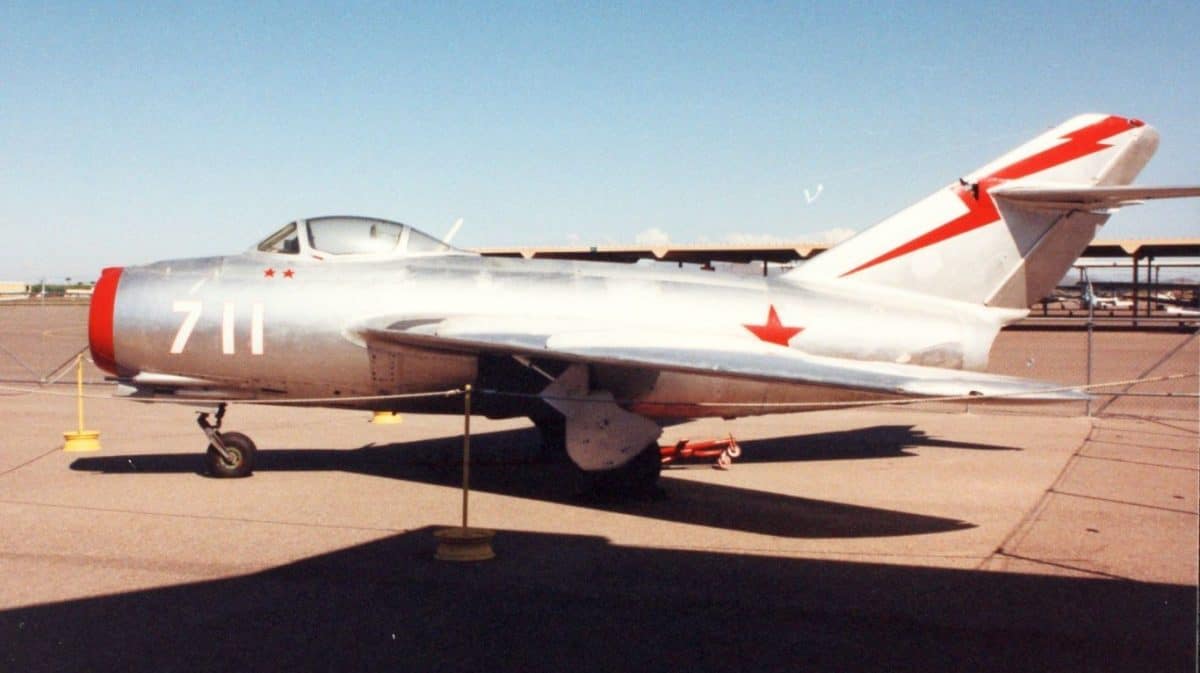
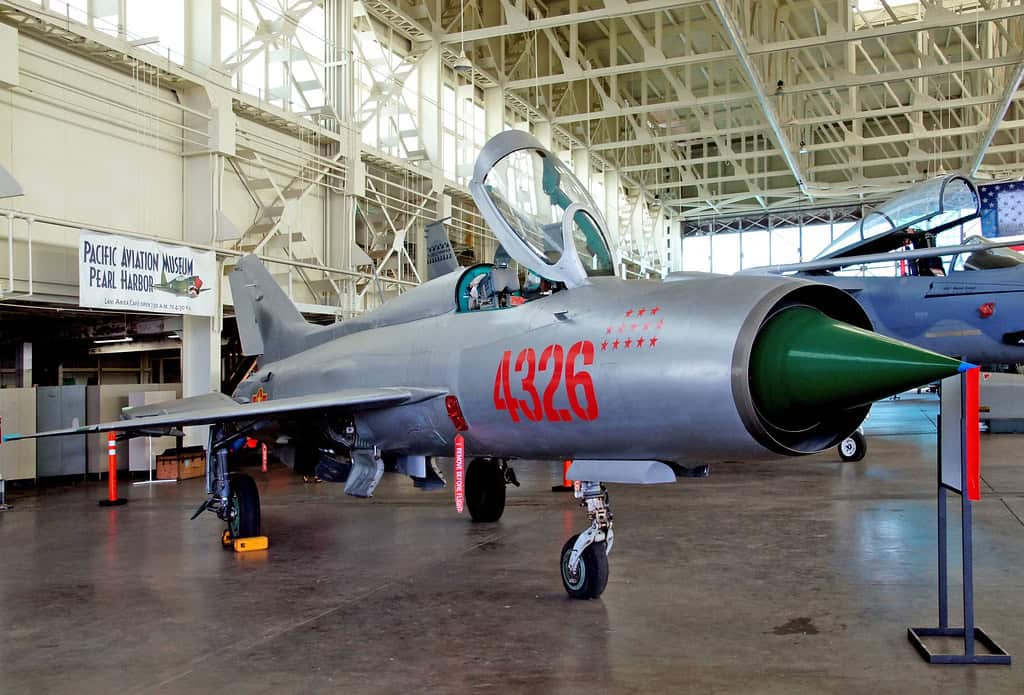
Soviet engineers, designs, and blueprints were all provided initially, giving the Chinese access to aircraft like the MiG-15 and MiG-21. Under license, these were soon domestically produced. The Sino-Soviet split severed ties between Beijing and Moscow, resulting in the immediate withdrawal of a substantial amount of aid.
Left to their own devices, the Chinese went underground. Mao Zedong instituted the Third Front initiative, all while under the prying eyes of the Soviets and Americans alike. This was a massive, secret mobilization that saw new military-industrial facilities popping up in the rugged terrain of southwestern China. Plants were deliberately built in caves, valleys, and heavily forested areas to keep away from coastal incursions and spy planes.
The Art of Cloning
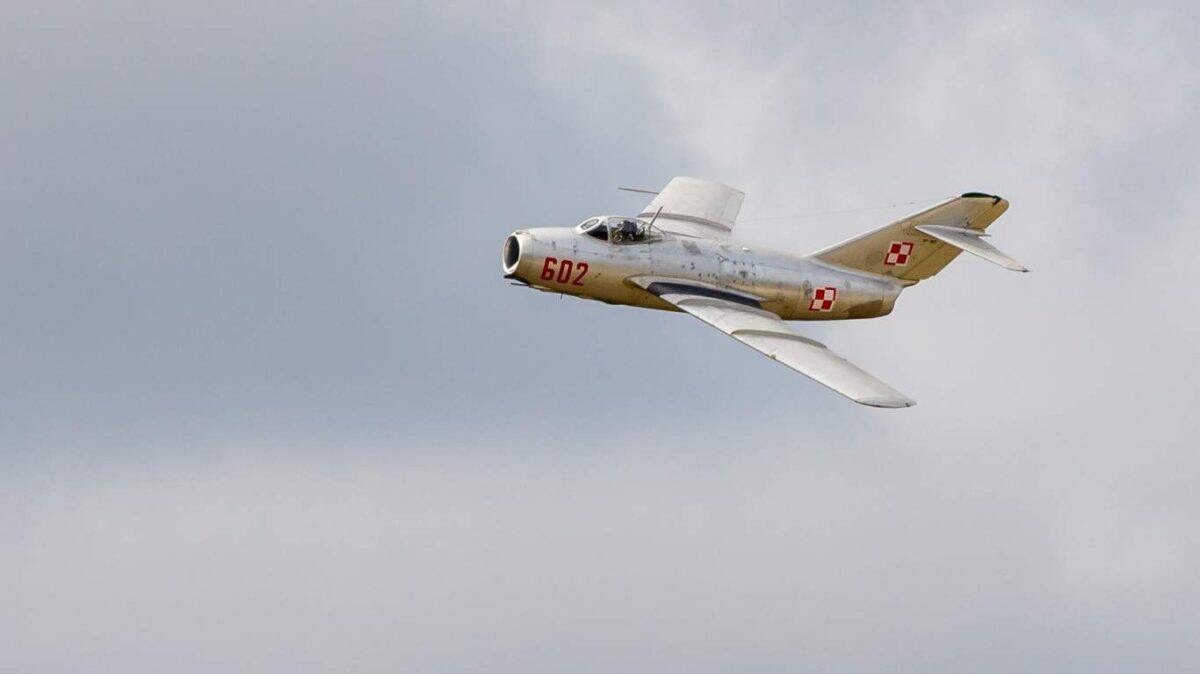
Since the Chinese no longer had easy access to the latest designs from the Soviets, they decided to reverse-engineer and optimize in secret. Before the split, the Soviets had chosen to share the MiG-19 and MiG-21, something the Chinese quickly capitalized. They quickly deconstructed the metallurgy, aircrames, and engines.
The result of these efforts was the Shenyang J-6, a clone of the MiG-19, and the Chengdu J-7, or the MiG-21, which ended up becoming the backbone of the modern Chinese air force.
As the Soviets shifted to more complex, expensive designs, the Chinese opted to keep it cheap, rugged, and easy to produce. This is seen in the scale of production for the J-6, which saw nearly 4,500 airframes built over 30 years. To put that in perspective, that’s a larger figure than most European air forces. They weren’t just cloning Soviet designs, but improving them where necessary. This was especially evident with the J-7, which saw an upgraded canopy, better ejection seats, and the necessary adaptations to carry domestically produced missiles.
Dispersal
©"Mikoyan-Gurevich MiG-21 (Fighter)" by Bernard Spragg is licensed under CC0 1.0. – Original / License
Building thousands of aircraft in secret is one thing, but keeping them hidden is something far more daunting. The Chinese had to contend with surveillance from both the Soviets and Americans, as we’ve covered. This required a delicate touch and a rather ingenious solution.
The Chinese established underground airbases that dotted the mainland. All across the country, massive tunnels were carved into solid rock, adjacent to nearby runways. Hangars were reinforced with heavy blast doors, ventilation systems, and fueling and arming depots. A mountain base could maintain up to 40 or 50 aircraft per site, all completely hidden from view.
To an American observer, this might come across as little more than an abandoned runway. If the signal to scramble were given, the blast doors would open, and these hidden jets would come screaming out. China furthered this approach by constantly changing designation numbers, serial numbers, and repainting airframes frequently. Stock was rotated between remote areas and front-line sectors. This had the effect of imposing a massive fog of war, leaving intelligence analysts to simply guess at how much airpower the Chinese could bring to the fight.
The Hidden Fleet
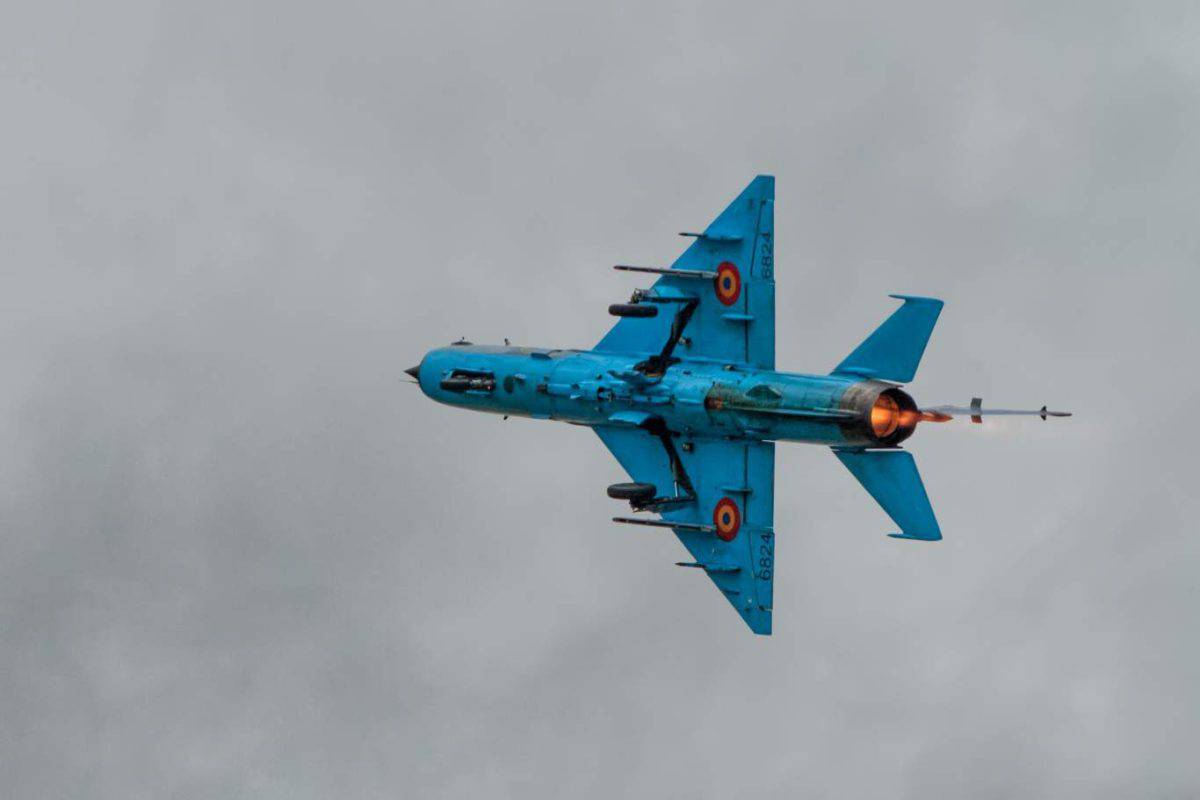
Western intelligence agencies began to understand just how big Chinese domestic manufacturing had become during the 1970s and 1980s, sending some into a panic. China had done the impossible, building not just a regional defense force, but a shockingly modern air armada that could overwhelm targets through sheer numbers alone.
This shifted the calculus of the Cold War. The Soviet Union was still a looming threat, of course, but it had a powerful neighbor that could readily devastate Moscow. When the Soviets discovered the extent of the Chinese air force, they quickly shifted some of their top units to the Sino-Soviet Border. These were forces intended to be a bulwark against NATO, showing just how big a threat this was to the Soviets.
The United States took a decidedly different approach, instead looking to a diplomatic and strategic pivot. Relations between China and the United States were defrosted, leading to a historic normalization in the 1970s. The balance of the Cold War shifted, and the Soviets were on the back foot.
Conclusion
As the Cold War drew down in the 1980s and 1990s, the veil of secrecy lifted, and the full extent of this industrial achievement could be appreciated. This was a nation that operated under strict economic restrictions, geopolitical isolation, and intense pressure from the world’s 2 superpowers of the time. China amassed an air force that numbered over 5,000 airframes at its peak. These were substantial numbers, something that even the combined might of NATO would have trouble dealing with.
These weren’t cutting-edge aircraft making use of technologies like fly-by-wire, pulse radars like the bleeding-edge aircraft of the United States. They were reliable, plentiful, and difficult to strike thanks to the hardened infrastructure.
China’s commitment to complete mobilization, reverse-engineering, and secrecy was a boon in this case. China quietly built one of the world’s largest air forces under the noses of the world’s most powerful militaries, emerging as a contender and threat to these powers. You could even point to this mobilization as a reason why China is the sort of superpower it is today. Being able to commit every resource possible to mobilization isn’t an easy task, even without the restrictions of keeping everything hidden under lock and key.
The image featured at the top of this post is ©Fasttailwind/Shutterstock.com