






20 Action Movies That Surprised Everyone at the Box Office
Hollywood has always been confident about the wrong things. Hundreds of millions are poured into surefire blockbusters that end up tanking in their opening weekend, while a low-budget movie about a hitman's dead dog becomes the template for an entire decade of action cinema. The pattern has been going on since at least 1977, when a science fiction film about space wizards became one of the most impactful pieces of media to ever hit pop culture.
That’s just how it is. There’s a formula that can usually be followed, but success presents itself in places where most people would never bother to look, and that’s especially true when it comes to movies.
Today, we’re looking at 20 action movies that nobody expected to become blockbusters, not even the people working on them.
Star Wars (1977)
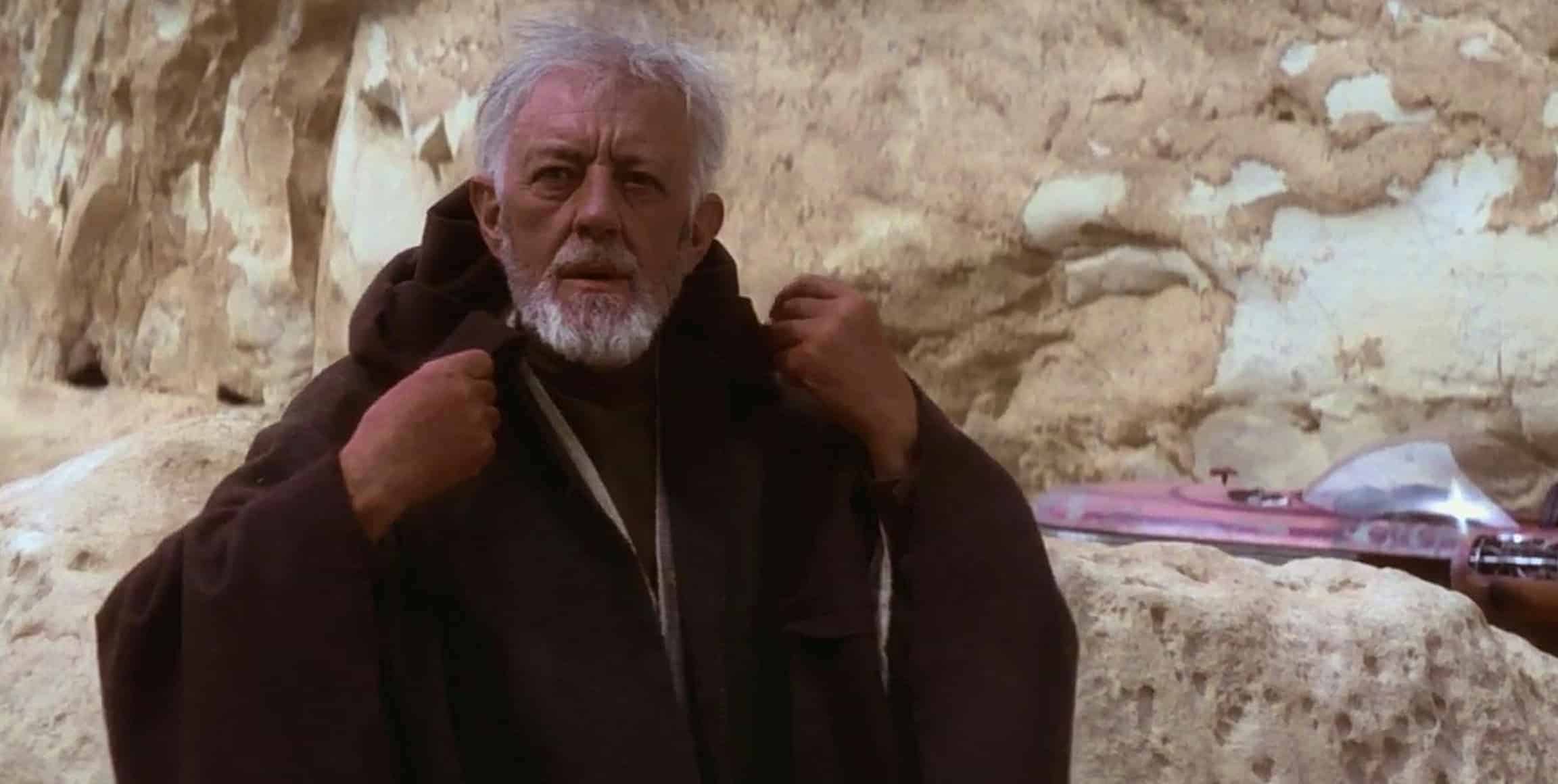
Fox was so certain The Other Side of Midnight, a romantic thriller, was its big summer release that it bundled Star Wars with it like a consolation prize, forcing theaters to take both or get neither. Fewer than 40 theatres were interested in showing a space fantasy, and the block booking arrangement even violated the 1948 Paramount Decree, costing Fox a $25,000 fine.
With a budget of roughly $10 million and a cast that didn't mean much, the studio took a gamble on George Lucas’ space epic. Star Wars premiered on 32 screens on May 25, 1977 and went on to make $307 million domestically during its initial 18-month run. It was the highest-grossing film in history when it came out and has since generated over $10 billion in global ticket sales. The film Fox was embarrassed to distribute became the second-highest-grossing movie ever made, adjusted for inflation.
Jaws (1975)
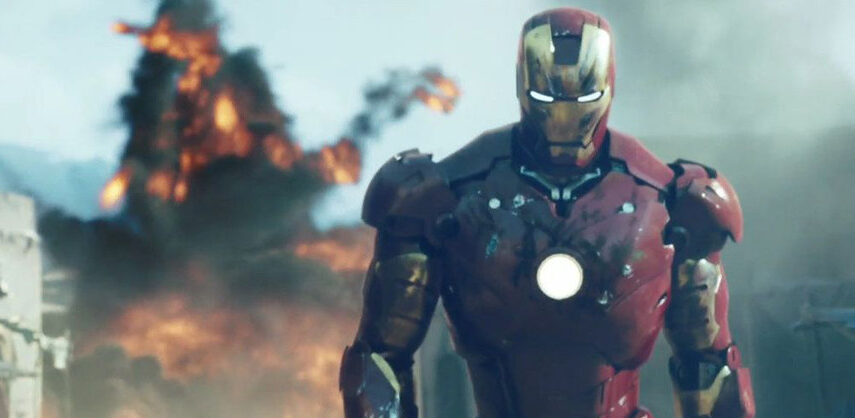
Marvel licensed its flagship characters Spider-Man to Sony in 1999 and X-Men to Fox in 1994. In 2008, they set about trying to create a franchise with what was left. Iron Man isn't Spider-Man. Tony Stark wasn't even a first-line character that most casual moviegoers would think about when they saw the title on a marquee. He was also being portrayed by an actor, Robert Downey Jr., whose career had been derailed by a decade of legal problems to the point of rendering him basically uninsurable in Hollywood.
Paramount was wary but cautiously optimistic about Iron Man's prospects. It still made a healthy $98 million opening domestically, which outperformed Indiana Jones and the Kingdom of the Crystal Skull that same year, and wound up raking in $585 million worldwide, kicking off what we've since come to call the Marvel Cinematic Universe, the highest-grossing film franchise ever made. The character nobody led with became the foundation for a shared universe that has since crossed $30 billion globally.
The Terminator (1984)
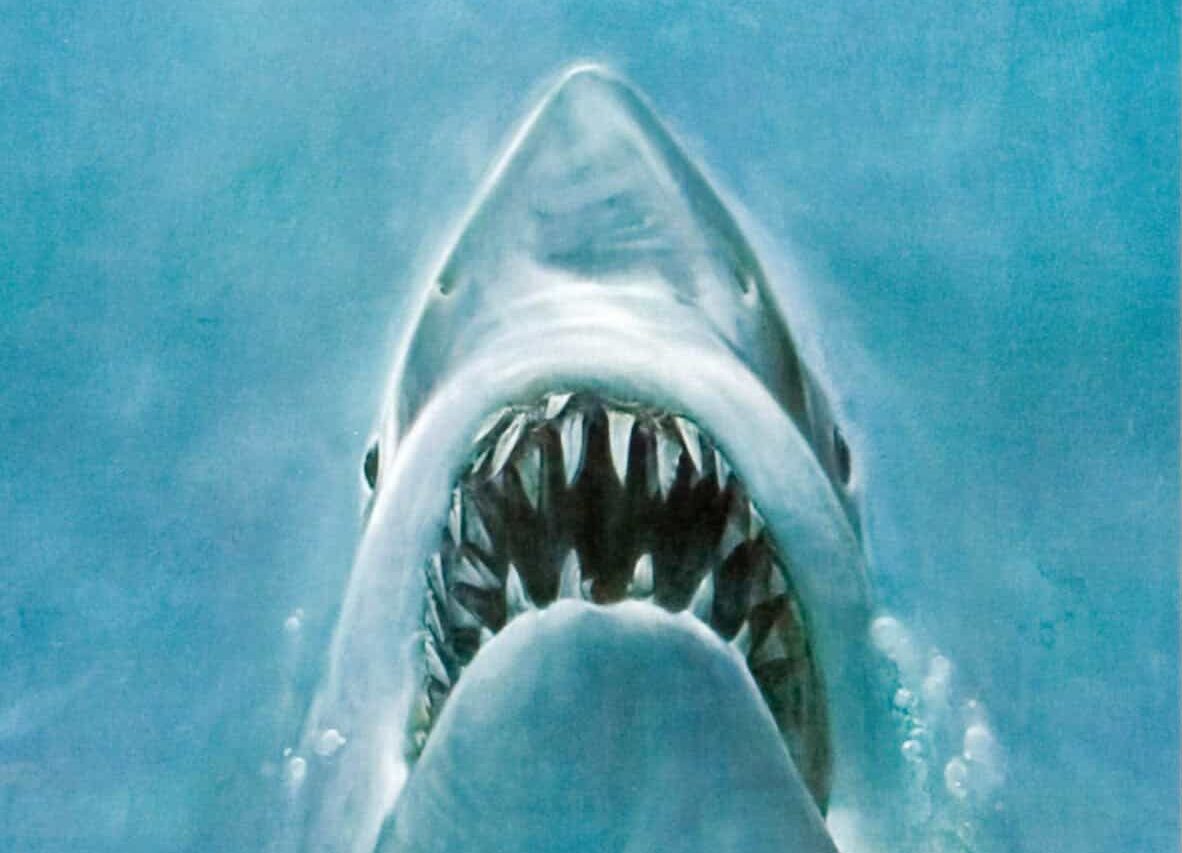
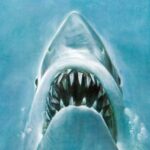
Before Jaws, all major films were prestige releases, released in the largest cities and gradually distributed in other markets as buzz for the movie gained traction. Simultaneous openings across hundreds of theaters were seen as a strategy suited for B-movies, something you did if you weren't confident enough in your movie to allow word-of-mouth marketing to work its magic. When Universal released Jaws in 409 theaters simultaneously in June 1975, people didn't see that as a positive move.
The production didn’t help sway opinions either. They were shooting underwater scenes in the Atlantic Ocean near Martha's Vineyard, and the mechanical shark failed miserably. Everything about the movie spoke of trouble and a rushed dump release.
Despite all the troubles, the film earned a whopping $7 million during its opening weekend and made close to $470 million worldwide while costing a mere $7 million to make. A broken animatronic forced a 26-year-old Spielberg to leave the creature off camera most of the time and let audiences fill in the rest. The summer blockbuster was born, albeit accidentally.
Die Hard (1988)
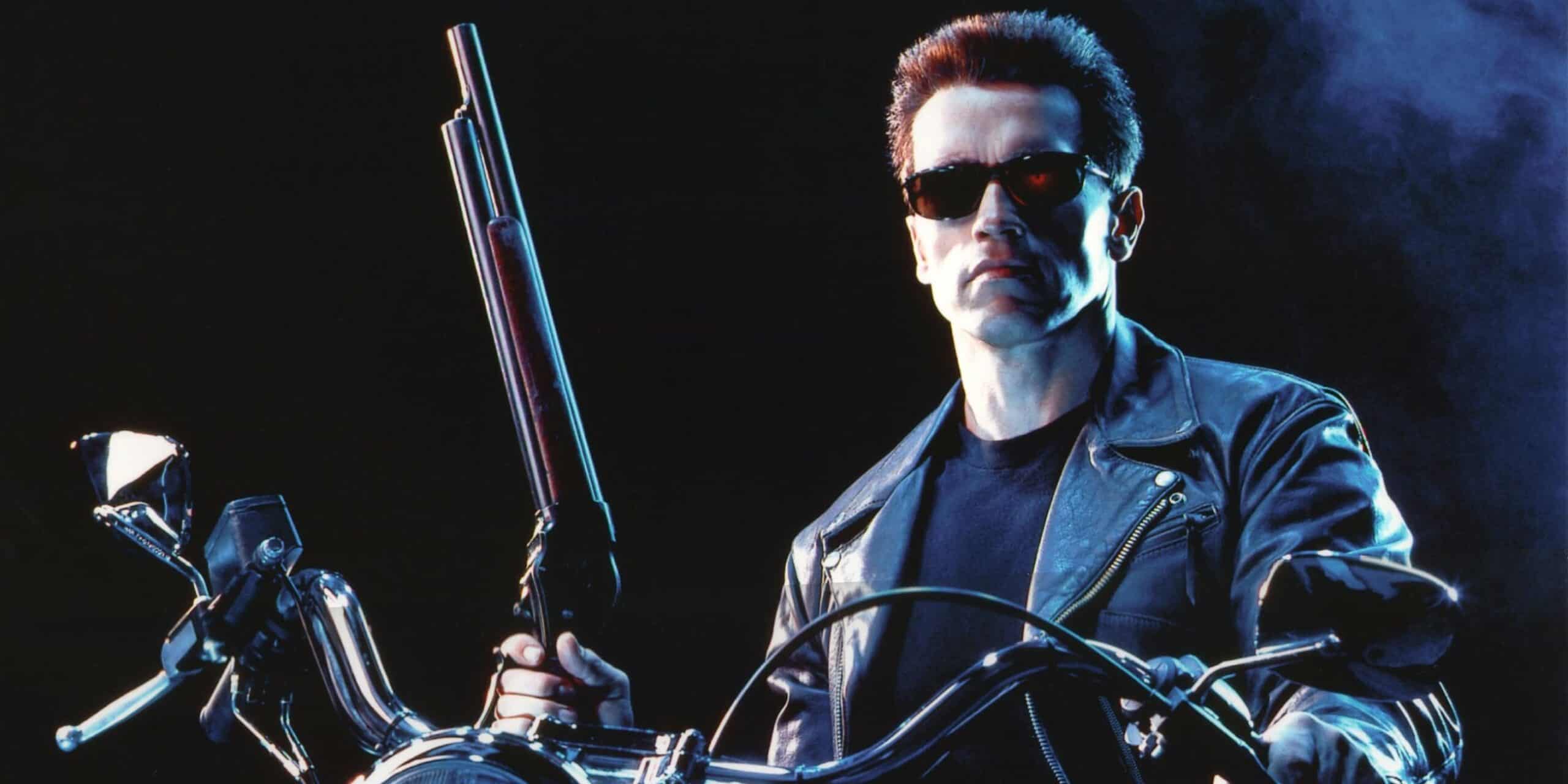
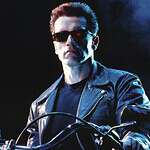
Cameron pitched Orion Pictures the idea for the Terminator and offered to work for them for one dollar provided they let him direct the movie. He'd only worked on one picture previously (the piranha sequel), where he was eventually fired. The studio gave him $6.4 million, and Arnold Schwarzenegger, who had never played a villain, to take on the role of a time-traveling killer robot.
The movie ended up grossing $78 million worldwide when it came out, launching Schwarzenegger as the defining action star of the decade and spawning a franchise worth over $2 billion. Nobody in 84 could have possibly known that one of the biggest hits in cinema would come from a director whose previous credit was a fish horror film he still actively disowns.
The Matrix (1999)
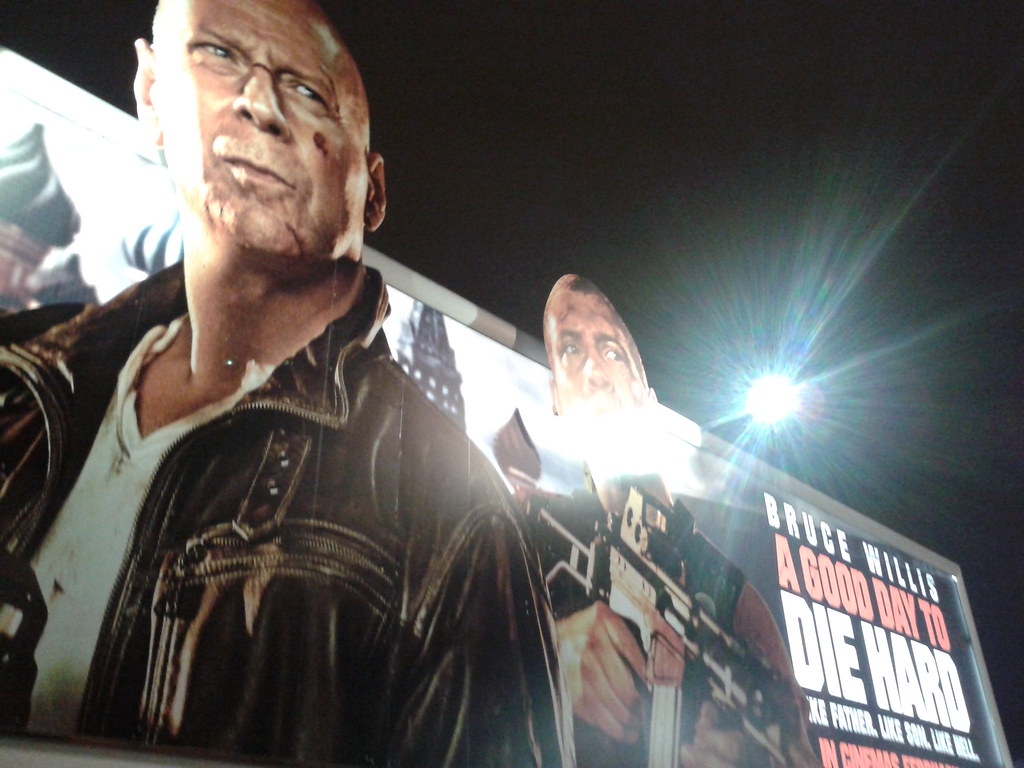
There's a reason no one thought Bruce Willis would be a successful action hero when he signed on to play the role in 1988. First, at the time, he had just been a TV comedian. Second, the guy directing him wasn't exactly famous either. John McTiernan was only two films in.
Despite these factors, Die Hard went on to gross over $140 million around the globe on a mere $28 million budget, turning Willis into an action star overnight. And more importantly, this movie also provided the template for every "wrong place/wrong time" action film since.
Iron Man (2008)
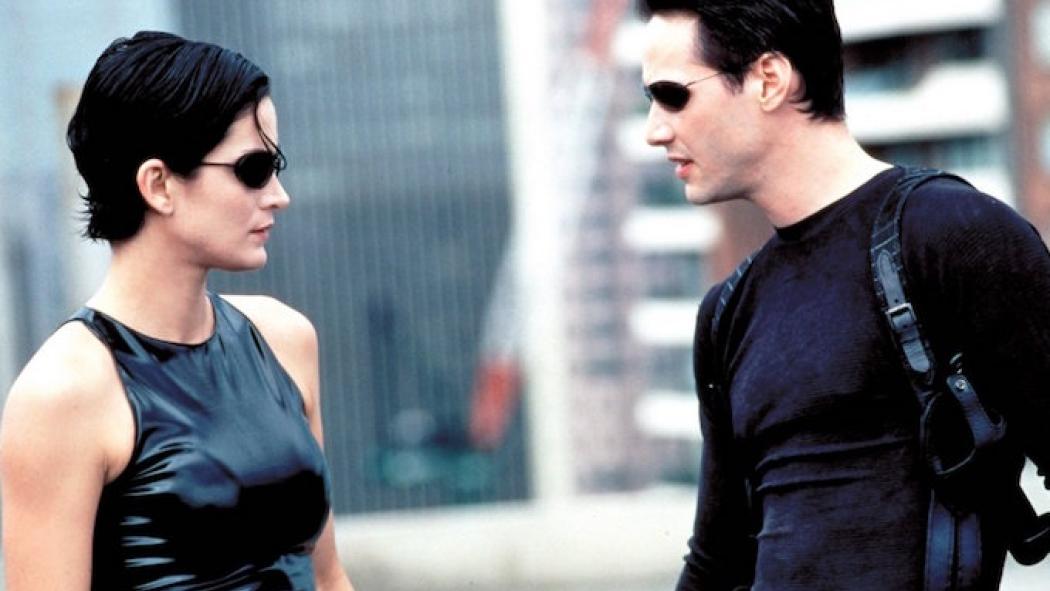
The Wachowskis had one modest film on their resume when Warner Bros. agreed to fork over $63 million to fund The Matrix. It was a significant gamble on a pair of directors who had never operated at that scale. The film merged martial arts choreography and bullet-time visual effects with dense philosophical undertones and an overarching narrative in which our reality is nothing more than a computer-generated simulation. All of that, with a release date set for what was traditionally considered "the graveyard" of the Hollywood calendar, March.
The movie earned $37 million in its opening weekend and ultimately made over $463 million globally, while also winning four Academy Awards. It reconfigured what action cinema was capable of, triggering a decade of imitators. And even though it was initially a nervous proposition for Warner Bros., the company went on to greenlight two sequels that would ultimately earn over $1.6 billion combined.
Guardians of the Galaxy (2014)
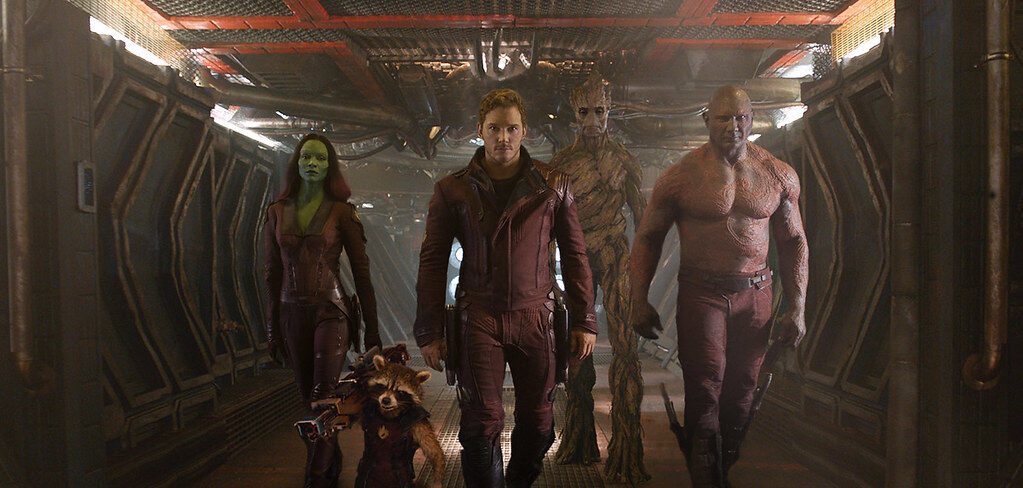
Audiences were being asked to get behind a team consisting of a talking raccoon voiced by Bradley Cooper, a sentient tree capable of saying only three words, a green-skinned assassin, and a self-described legendary outlaw who was essentially just a guy with a Walkman. The movie was also helmed by James Gunn, whose last movie was a deranged, low-budget superhero satire that has since amassed a fervent cult following.
Outside of Marvel's expanding cinematic universe, the property had been obscure enough that pre-release tracking was cautious at best. But the movie earned back its production budget with ease, making $773 million worldwide, while transforming a '70s pop compilation into one of the best-selling soundtracks of the year and spawning two sequels that have both grossed over $800 million. A team built around a talking raccoon became one of Marvel's most reliable commercial properties.
Deadpool (2016)
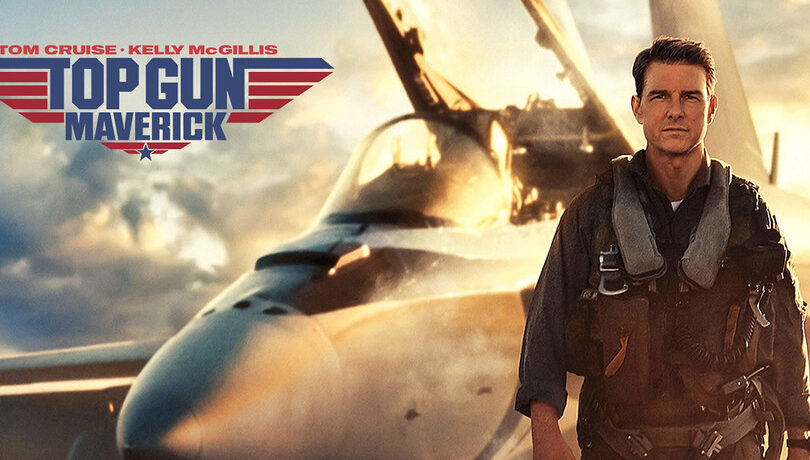
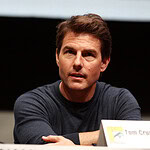
A sequel to a 1986 Tom Cruise film, delayed twice by a pandemic and arriving 36 years after the original, didn’t look much like a record-breaker. The first Top Gun was remembered fondly, but the follow-up felt like pure nostalgia bait. Cruise was 59. The original's director was dead. Analysts kept projections restrained.
Top Gun: Maverick earned a staggering $1.49 billion globally, making it the highest-grossing film of Cruise's career and one of the ten highest-grossing films ever made. It even earned itself a Best Picture nomination and took home the Oscar for Best Sound. Its insistence on actual aerial photography in real F/A-18s rather than digital effects turned out to be precisely why audiences showed up.
Top Gun: Maverick (2022)
George Miller had spent the 15 years since the last Mad Max film making Babe, Happy Feet and their sequels. Fury Road's production was also notoriously troubled. There were problems with weather during initial filming in Australia, then a relocation to Namibia, clashes between Tom Hardy and Charlize Theron on set, and the project had been in development for nearly two decades. The franchise was a cult property, not a commercial engine.
Fury Road went on to make $375 million around the globe from its $150 million budget, garnered 10 Academy Award nominations and picked up six, earned 97 percent on Rotten Tomatoes, and has been cited as the benchmark for action filmmaking every year since.
Mad Max: Fury Road (2015)
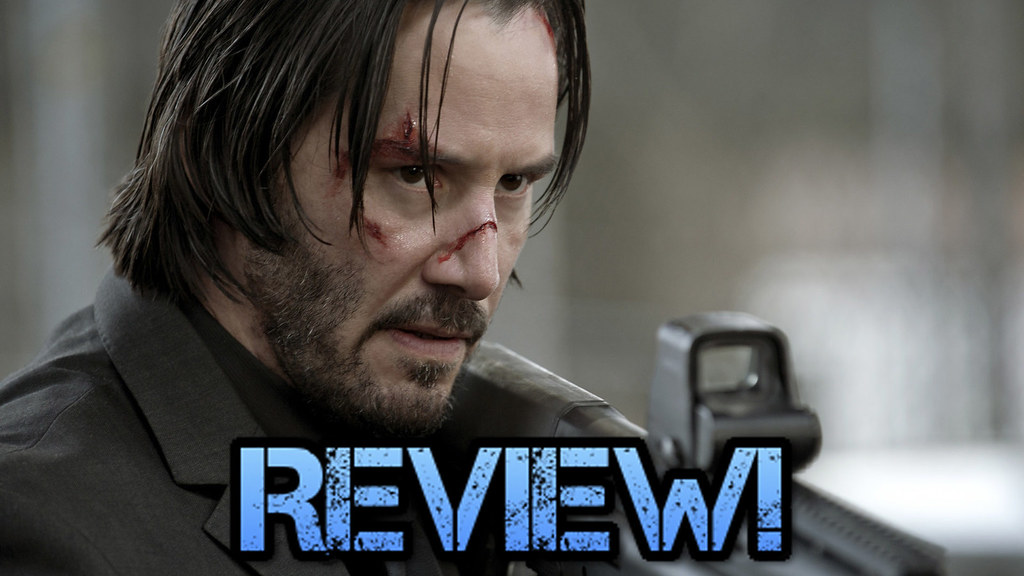
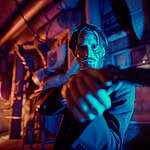
When Lionsgate decided to finance John Wick's debut with only $20 million, it anticipated a modest return of somewhere between $7 to $8 million from opening ticket sales. At that time, Keanu Reeves had just wrapped a disastrous $175 million production (47 Ronin), losing the studio an estimated $150 million.
Meanwhile, director Chad Stahelski, a former stunt coordinator, was looking to make his debut with an odd little concept involving a retired hitman who declares war against the Russian mob after one of their guys killed his dog. Despite all the disadvantages, John Wick grossed $14.4 million on opening weekend, close to double what people assumed it could make. It went on to gross $86 million globally, launching a franchise of four theatrical entries which have now grossed more than $1 billion collectively. Reeves went from studio-avoided to one of the most bankable action stars working, and Stahelski became one of the architects of a new choreographic language for American action cinema.
John Wick (2014)
Before Batman Begins, the last time we saw our brooding crime-fighting vigilante was in the 1997 disaster that was Batman & Robin. That film was so widely derided that Warner Bros. put their entire franchise to sleep. That was until they decided they needed another go at it.
At the time, nobody expected much from Christopher Nolan, primarily known for Memento and Insomnia. The reaction was cautious at best. Batman Begins did make its money back ($374M worldwide off a mere $150M budget), while totally reinventing what superhero kinds of movies could be. The sequel, The Dark Knight, brought in $1B and won an Academy Award, posthumously no less, due to Heath Ledger's iconic portrayal of the Joker. Nolan rebuilt the franchise Schumacher had buried into one of the most significant trilogies in the genre's history.
Batman Begins (2004)
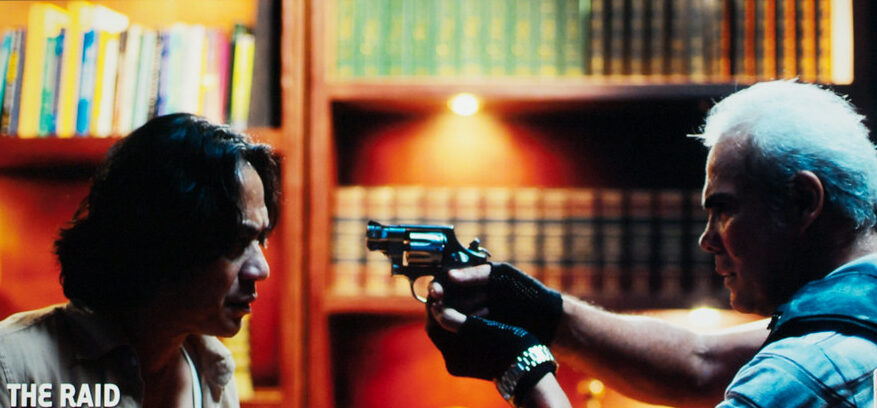
When The Raid first premiered, there were zero reasons for anyone outside Indonesia to care about this film. Made by a Welsh director for just $1.1 million in Jakarta, there wasn't anything Western that would catch someone's attention here. No big American stars or established franchises involved in the production of the film. It meant nothing in Hollywood land.
What could be loosely described as a "SWAT team" had to take down a drug lord hidden deep within a tower block, fighting their way through each level until reaching him. And yet despite the odds, Sony Pictures Classics picked up the distribution rights with cautious expectations and gave the film life beyond Jakarta. It made $9 million worldwide, which sounds modest until you consider the budget of $1.1 million.
The Raid has since become one of those films whose fingerprints can clearly be seen throughout the industry, influencing the direction that action films have taken when dealing with close-quarters combat scenes. From Dredd and the more recent Bourne entries right back to the John Wick series, it seems everyone wants to take a page from The Raid's approach to fights. Gareth Evans and star Iko Uwais became internationally known, and an American version has even been in development ever since.
The Raid (2011)
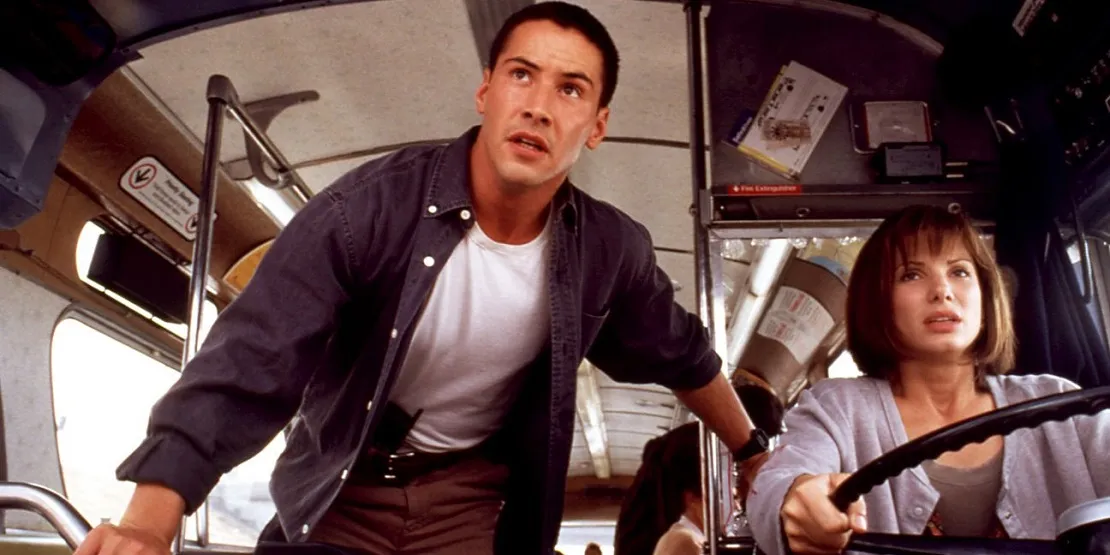
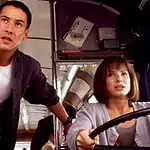
Speed marks Jan de Bont's directorial debut. Having worked for years as a cinematographer on disparate projects like Die Hard and Basic Instinct, Jan de Bont hadn't attempted to direct an entire film before. The film he was handed had a premise that had reportedly been described, without irony, as "Die Hard on a bus," with a bomb set to go off should the vehicle fall below 50 miles per hour. Keanu Reeves was the lead, along with Sandra Bullock, who was not yet a star. With a $30 million budget, Speed made $350 million worldwide.
Jan de Bont got himself another chance to direct a sequel called Speed 2: Cruise Control, which was shot on a boat without Reeves two years later. Let's just say it was a bit of a disappointment, but that belongs on a different list entirely.
Speed (1994)
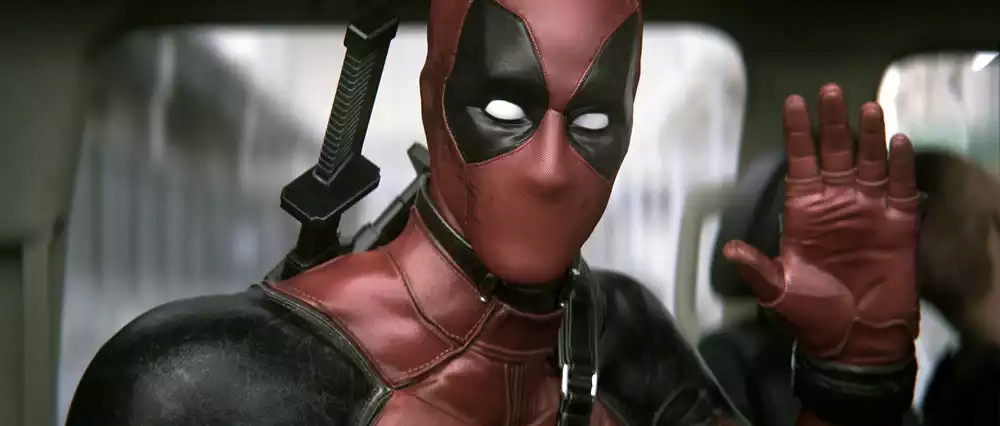
Before 20th Century Fox finally greenlit Deadpool, director Tim Miller had to create some test footage to convince them, since making a faithful adaptation would require the movie to have an R rating and no kids meant less profit potential. Unimpressed with what they saw, the company shelved the project.
That all changed when the footage leaked in 2014, and the overwhelming response was favorable. After this, Fox reluctantly funded the film, though they were also very stingy about its marketing budget. Ryan Reynolds had already portrayed the character to near-universal derision in X-Men Origins: Wolverine, but the first Deadpool was profitable enough for Fox to approve its beloved sequels.
Deadpool made $783 million worldwide on just a $58 million budget, becoming the highest-grossing R-rated film ever made at the time. Fox's fears about the adult rating turned out to be unfounded.
Crouching Tiger, Hidden Dragon (2000)
There were few, if any, examples of foreign-language films finding mainstream commercial success in the American market. When Ang Lee's wuxia epic Crouching Tiger, Hidden Dragon came out in December 2000, a Taiwanese/Chinese co-production entirely in Mandarin and based on a 1942 Chinese novel no American audience had ever heard of, its distributor, Sony Pictures Classics, did exactly what you'd expect them to do with a movie like this. They gave it a limited art house release. It subsequently grossed $128 million domestically and $213 million around the world.
It remains the highest-grossing foreign-language film ever released in the US, with ten Academy Award nominations and four wins, including Best Foreign Language Film. It forced distributors to seriously reconsider how impermeable the language barrier truly was.
Pirates of the Caribbean: The Curse of the Black Pearl (2003)
The Pirates of the Caribbean movies were based on a theme park ride. It was a fairly literal translation of an animatronic boat tour which debuted back in 1967. And Johnny Depp was playing the lead character, a rock star who had "elaborate braids" and seemed to be "visibly intoxicated." Given how unconventional this look proved to be at the time (and how different he looked compared to other pirate movies), Disney execs reportedly considered firing the actor, being unable to discern if the actor's interpretation was genius or disastrous.
Depp did well. In fact, he earned quite a bit more money than anyone thought he'd make. His performance helped The Curse of the Black Pearl gross $654 million worldwide on a $140 million budget, making it the fourth highest-grossing film of 2003. This led to the pirate-based franchise we all know, and that has grossed over $4.5 billion across five films.
Nobody (2021)
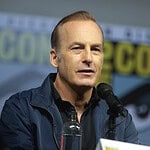
Odenkirk is an established comedic writer who found late-career fame as Saul Goodman before pivoting to more serious ground. He was 58 years old during Nobody's production.
Nobody follows a suburban family man whose history has been classified. He takes down the Russian Mob after they invaded his home. The idea might not have been groundbreaking, but Nobody had cast Bob Odenkirk as the action lead. So what do you get? Either a cleverly written subversion or a miscalculation. We got the former. With $58 million grossed worldwide and a paltry budget of approx $16 million, the movie was quite profitable and immediately changed how the industry thought about Odenkirk as a performer.
A sequel was quickly greenlit. Derek Kolstad, who also penned the first John Wick script, wrote Nobody, which explains certain similarities in approach and almost certainly why it worked.
Baby Driver (2017)
Baby Driver opened in July 2017 against Wonder Woman, Guardians of the Galaxy Vol. 2, and Spider-Man: Homecoming in adjacent weeks. Edgar Wright's action-musical car chase film made $226 million worldwide on a $34 million budget and earned three Academy Award nominations, including Best Film Editing.
The conventional wisdom was that original mid-budget action films couldn't compete with franchise tentpoles that summer. Baby Driver kept the dream of original mid-budget action movies alive, if only barely.
Edge of Tomorrow (2014)
Edge of Tomorrow was aggressively sold as a Tom Cruise alien action picture. Warner Bros. forgot about the whole time-loop thing that was really the focus of the movie and instead tried to sell it as Live. Die. Repeat on home video, essentially acknowledging the original campaign had failed.
The film made $370 million worldwide on a $178 million budget, close enough to the break-even threshold that the studio called it a disappointment. It wasn’t. Word-of-mouth on VHS/DVD eventually made it one of the most highly-recommended sci-fi action pics of the last ten years.
A sequel has been in development for years with no clear path forward, largely because the original told a complete story and nobody can figure out how to justify continuing it.
Kingsman: The Secret Service (2015)
Kingsman: The Secret Service was released in 2015, as a comic book-based spy action comedy directed by Matthew Vaughn, a director whose previous films had performed modestly. The story revolved around a British spy organization that recruited a rough-edged kid from the London estates, starring Colin Firth. The idea raised eyebrows the same way Robert Downey Jr. did in Iron Man, since the actor was not known for action films.
The film ended up making $414 million worldwide and started a franchise, while Taron Egerton became a star overnight. The church fight scene alone became one of the most talked-about action sequences of the decade.
The image featured at the top of this post is ©Kiselev Andrey Valerevich/Shutterstock.com